



What is in this leaflet
This leaflet answers some common questions about Mevadol Forte. It does not contain all the available information. It does not take the place of talking to your doctor or pharmacist.
All medicines have risks and benefits. Your doctor has weighed the risks of you taking Mevadol Forte against the benefits they expect it will have for you.
If you have any concerns about taking this medicine, ask your doctor or pharmacist.
Keep this leaflet with the medicine. You may need to read it again.
What Mevadol Forte is used for
Mevadol Forte contains three active ingredients,
- Paracetamol,
- Codeine phosphate hemihydrate, and
- Doxylamine succinate.
Paracetamol is an analgesic (pain-relieving medicine) and antipyretic (lowers body temperature). Codeine phosphate hemihydrate is a potent analgesic that helps to relieve pain. The body must convert codeine into morphine before it can provide pain relief. Doxylamine succinate is an antihistamine which can help to relieve tension and nausea associated with pain. This may be especially useful in the treatment of tension headache, migraine and period pain.
Mevadol Forte is used for the short-term management of severe pain for which other treatment options have failed, are not recommended, not tolerated or are otherwise inappropriate to provide sufficient management of pain. This may include toothache or dental pain, pain from injury or surgery and headache pain.
It is suitable for people who cannot take aspirin for pain relief.
Mevadol Forte is available only with a doctor’s prescription.
It belongs to a group of medicines called analgesics containing opioids.
This medicine works by Paracetamol and codeine acting together to stop the pain messages from getting through to the brain.
Ask your doctor or pharmacist if you have any questions about why this medicine has been prescribed for you. Your doctor may have prescribed it for another reason.
This medicine is available only with a doctor's prescription.
Before you take Mevadol Forte
When you must not take it
Do not take this medicine if you have an allergy to paracetamol, codeine phosphate hemihydrate, doxylamine succinate or any of the ingredients listed at the end of this leaflet.
Always check the ingredients to make sure you can use this medicine.
Do not take this medicine if you have or have had any of the following conditions:
- Severe and/or acute respiratory diseases,
- such as bronchitis, acute asthma, emphysema, acute chronic obstructive pulmonary disease (COPD).
- Other problems with breathing such as, shallow breathing, difficulty breathing, or slow breathing.
- Glucose-6-phosphate-dehydrogenase deficiency (an enzyme deficiency that may lead to anaemia)
- you very rapidly metabolise codeine into morphine.
- Known intolerance to paracetamol.
- Severe liver disease or liver failure
Do not take this medicine if you have diarrhoea caused by antibiotics or poisoning.
Do not take this medicine if you are in the third trimester of pregnancy or in labour, especially if the baby is premature.
Do not take this medicine if you are breastfeeding or planning to breastfeed.
Do not take Mevadol Forte if you have a history of drug dependence, including alcohol dependence.
Do not take Mevadol Forte if you are already taking Monoamine Oxidase Inhibitors (MAOIs) such as selegiline or moclobemide, or within 14 days of stopping MAOIs.
Do not take Mevadol Forte if you have experienced allergy (generalised rash or shortness of breath) to morphine or oxycodone.
Do not take Mevadol Forte if the person going to take the tablets is under 12 years.
Do not take Mevadol Forte if you are aged between 12 and 18 years of age and have had your tonsils or adenoids removed to treat sleep apnoea.
Some of the symptoms of an allergic reaction may include:
- wheezing, difficulty breathing, or shallow breathing
- swelling of the face, lips, tongue or other parts of the body
- rash, itching or hives on the skin
Do not take Mevadol Forte if you are aged below 18 years of age and have had your tonsils or adenoids removed to treat sleep apnoea.
Mevadol Forte is not recommended for children under 12 years. Safety and effectiveness in children younger than 12 years have not been established.
Check with your doctor if you are pregnant or intend to become pregnant
Do not take Mevadol Forte during the third trimester of pregnancy. It may affect your developing baby if you take it during pregnancy.
Do not take Mevadol Forte during labour, especially if the baby is premature. This medicine contains codeine, which may produce withdrawal effects in the newborn baby.
Do not take Mevadol Forte if you are breastfeeding or planning to breastfeed. Mevadol Forte passes into breast milk and there is a possibility your baby may be affected.
Do not take Mevadol Forte after the expiry date (EXP) printed on the pack. If you take this medicine after the expiry date has passed, it may not work as well.
Do not take Mevadol Forte if the packaging is torn, shows signs of tampering, or if it doesn’t look quite right. If it has expired or is damaged, return it to your pharmacist for disposal.
If you are not sure whether you should start taking Mevadol Forte, contact your doctor or pharmacist.
Before you start to take it
Tell your doctor or pharmacist if you have allergies to:
- any other medicines
- aspirin or any other non-steroidal anti-inflammatory drugs NSAID
- any other substances, such as foods, preservatives or dyes
Tell your doctor or pharmacist if you have or have had any of the following medical conditions:
- Liver problems
- Gilbert’s syndrome
- Kidney problems
- Heart problems
- Low blood pressure
- Lung problems, difficulty breathing, wheezing, chronic cough, asthma, or other chronic breathing conditions
- Intolerance to pain relieving medicine
- Chronic constipation
- Chronic alcohol use including recent cessation of alcohol intake
- Opioid dependence
- A history of drug and/or alcohol abuse. Caution is particularly recommended for use in adolescents and young adults with a history of drug and/or alcohol abuse.
- Low level of glutathione
- Recent stomach, intestine or urinary tract surgery
- Gall bladder problems or your gall bladder has been removed
- Multiple sclerosis
- Obstructive and inflammatory bowel disease or other bowel problems
- Prostate problems
- Retaining urine
- Problems passing urine
- Underactive thyroid
- Adrenal gland problems such as Addison’s disease
- Head injury
- Fits or seizures
- Brain tumour, stroke or other problems with the brain
Tell your doctor or pharmacist if you take any medicines for any other condition.
Tell your pharmacist or doctor if you are pregnant or plan to become pregnant or are breastfeeding. Your pharmacist or doctor will discuss the benefits and possible risks of taking the medicine during pregnancy or during breastfeeding.
If you have not told your doctor or pharmacist about any of the above, tell them before you start taking Mevadol Forte.
Taking other medicines
Tell your doctor or pharmacist if you are taking any other medicines, including any that you get without a prescription from your pharmacy, supermarket or health food shop.
Tell your doctor or pharmacist if you are taking any other medicines, which contain paracetamol, codeine or doxylamine.
Do not take Mevadol Forte with Monoamine Oxidase inhibitors (MAOIs), such as selegiline or moclobemide, or within 14 days of stopping MAOIs.
Some medicines can interfere with Mevadol Forte including:
- medicine causing sleepiness or drowsiness, such as sedatives or tranquilisers
- Benzodiazepines (medicines used as sedatives or to treat anxiety). The use of opioids and benzodiazepines together may increase the risk of drowsiness, difficulties in breathing, coma and may be life-threatening.
- Medicines containing alcohol (ethanol), e.g. some cough syrups
- Cough suppressants or antitussives
- Medicines used to treat alcohol and/or opioid dependence (e.g. naltrexone or buprenorphine)
- Medicines used to treat depression
- Phenothiazines and antipsychotic agents (medicines used to treat mental disorders)
- Some types of antihistamines
- Aspirin or any other non-steriodal anti-inflammatory drugs (NSAID)
- Gabapentinoids (medicines used for epilepsy or neuropathic pain)
- Cannabis
- Medicines used to stop or prevent vomiting (antiemetics), such as metoclopramide or domperidone
- Medicines used to thin the blood, such as warfarin
- Medicines used to treat diarrhoea, such as Kaolin or loperamide
- Propantheline (medicine used to treat stomach ulcers)
- Medicine used to treat epilepsy or fits, such as phenytoin
- Other pain relief medication
- Medicines used to treat high blood pressure
- Colestyramine (medicine used to treat bile problems and/or high cholesterol)
- Chelating resin
- Chloramphenicol, an antibiotic used to treat ear and eye infections
- Neuromuscular blocking agents such as cisatracurium (medicines used during surgical procedures)
- Flucloxacillin, zidovudine or rifampicin, drugs used to treat infections.
These medicines may be affected by Mevadol Forte or may affect how well it works. You may need different amounts of your medicines, or you may need to take different medicines.
Your doctor and pharmacist may have more information on medicines to be careful with or avoid while taking Mevadol Forte.
Medicines that may decrease the effect of Mevadol Forte include:
- Medicines that inhibit the liver enzyme, CYP 2D6 inhibitors such as fluoxetine, paroxetine, buproprion, cinacalcet, and methadone.
- Medicines that increase the activity of the liver enzyme, CYP 3A4 inducers such as rifampicin
Check with your doctor or pharmacist if you are not sure about what medicines, vitamins or supplements you are taking and if these affect Mevadol Forte.
How to take Mevadol Forte
How much to take
The usual adult dose is one or two tablets every 4 to 6 hours as needed for relief. Do not exceed 8 tablets in a 24 hour period.
Mevadol Forte is not recommended for children under 12 years of age.
Follow all directions given to you by your doctor or pharmacist carefully. Their directions may differ from the information contained in this leaflet.
How to take it
Swallow the prescribed dose of Mevadol Forte whole with a glass of water. It can be taken with or without food.
If you do not understand the instructions on the box/bottle, ask your doctor or pharmacist for help.
When to take it
Take your medicine at about the same time each day. Taking it at the same time each day will have the best effect. It will also help you remember when to take it.
It does not matter if you take this medicine before or after food.
How long to take it
Continue taking your medicine for as long as your doctor tells you.
If you forget to take it
If it is almost time to take your next dose, skip the dose you missed and take your next dose when you are meant to.
Otherwise, take it as soon as you remember, and then go back to taking your medicine as you would normally.
Remember to wait 4 to 6 hours between doses.
Do not take a double dose to make up for the dose that you missed. This may increase the chance of you getting an unwanted side effect.
If you are not sure what to do, ask your doctor or pharmacist.
If you have trouble remembering to take your medicine, ask your pharmacist for some hints.
If you take too much (overdose)
Immediately telephone your doctor or the Poisons Information Centre (telephone 13 11 26) for advice, or go to Accident and Emergency at the nearest hospital, if you think that you or anyone else may have taken too much of Mevadol Forte. Do this even if there are no signs of discomfort or poisoning. You may need urgent medical attention.
Symptoms of an overdose may include at early stage of. nausea, vomiting, anorexia, pallor, abdominal pain and sweating and general malaise. Three to five days later symptoms seen may be jaundice, fever and abnormal bleeding.
While you are using Mevadol Forte
Things you must do
If you are about to be started on any new medicine, remind your doctor and pharmacist that you are taking this medicine.
Tell any other doctors, dentists, and pharmacists who are treating you that you are taking Mevadol Forte.
If you are going to have surgery, tell the surgeon or anaesthetist that you are taking this medicine. It may affect other medicines used during surgery.
If you become pregnant while taking this medicine, tell your doctor immediately.
If you are about to have any blood tests, tell your doctor that you are taking this medicine. It may interfere with the results of some tests.
Keep all of your doctor's appointments so that your progress can be checked.
Your doctor may do some liver tests from time to time to make sure the medicine is working and to prevent unwanted side effects.
Call your doctor straight away if you:
- Feel you need to take the medicine for longer periods of time.
- Feel you need to take more than the prescribed dose
- Feel very unwell when you stop taking the medicine but feel better when you start taking the medicine again.
Things you must not do
Do not give Mevadol Forte to anyone else, even if they have the same condition as you.
Do not take Mevadol Forte to treat any other complaints unless your doctor or pharmacist tells you to.
Do not stop taking your medicine or lower the dosage without checking with your doctor. If you stop taking it suddenly, your condition may worsen or you may have unwanted withdrawal side effects. If possible, your doctor will gradually reduce the amount you take each day before stopping the medicine completely.
Things to be careful of
Be careful driving or operating machinery until you know how Mevadol Forte affects you. Mevadol Forte may cause drowsiness, dizziness, affect eyesight or hand-eye coordination in some people. Make sure you know how you react to Mevadol Forte before you drive a car, operate machinery, or do anything else that could be dangerous if you are drowsy. If drowsiness occurs do not drive or operate machinery.
Drinking alcohol
Tell your doctor if you drink alcohol Alcohol and codeine taken together may increase the risk of sedation, respiratory problems, coma or may be life-threatening.
Do not drink alcohol while you are taking Mevadol Forte.
Mevadol Forte may be dangerous if you take large amounts over a long period of time.
Do not take high doses of the medicine for long periods of time unless your doctor tells you to. This medicine contains codeine, which may be habit forming.
If you feel light-headed, dizzy or faint when getting out of bed or standing up, get up slowly. Standing up slowly, especially when you get up from bed or chairs, will help your body get used to the change in position and blood pressure. If this problem continues or gets worse, talk to your doctor.
Side effects
Tell your doctor or pharmacist as soon as possible if you do not feel well while you are taking Mevadol Forte.
This medicine helps most people with relief of severe pain, but it may have unwanted side effects in a few people. All medicines can have side effects. Sometimes they are serious, most of the time they are minor and temporary. You may need medical attention if you get some of the side effects.
If you are over 65 years of age you may have an increased chance of getting side effects.
Do not be alarmed by the following lists of side effects. You may not experience any of them.
Ask your doctor or pharmacist to answer any questions you may have.
Tell your doctor or pharmacist if you notice any of the following and they worry you:
Less serious side effects
- Skin rash
- Constipation
- Nausea
- Vomiting
- Drowsiness
- Blurred vision
- Sweating
- Increased sensitivity to pain or increased levels of pain.
These are the more common side effects of Mevadol Forte. They are usually mild
Tell your doctor as soon as possible if you notice any of the following:
Serious side effects
- Shortness of breath
- Irregular heartbeat
- Mouth ulcers, fever and sore throat
- Bleeding, bruising more easily
- Unusual or extreme mood swings
- Headache
- Dizziness, light-headedness
- Flushing of the face
- Painful red areas with blisters and peeling layers of skin which may be accompanied by fever and/or chills
- Severe blisters and bleeding in the lips, eyes, mouth, nose and genitals
- Stomach pain
- Slow and shallow breathing
- Hepatitis (symptoms include loss of appetite, itching, yellowing of the skin and eye, light coloured bowel motions, dark coloured urine)
The above list includes serious side effects that may require medical attention. These side effects are rare.
If any of the following happen, tell your doctor immediately or go to Accident and Emergency at your nearest hospital:
- Wheezing, difficulty breathing, or shallow breathing
- Swelling of the face, lips, tongue and other parts of the body
- Rash, itching or hives on the skin
The above list includes very serious side effects. You may need urgent medical attention or hospitalisation. These side effects are very rare.
Other side effects not listed above may occur in some patients. Tell your doctor or pharmacist if you notice anything that is making you feel unwell.
Reporting side effects
After you have received medical advice for any side effects you experience, you can report side effects to the Therapeutic Goods Administration online at www.tga.gov.au/reporting-problems.
By reporting side effects, you can help provide more information on the safety of this medicine.
Always make sure you speak to your doctor or pharmacist before you decide to stop taking any of your medicines.
Storage of Mevadol Forte
Storage
Keep your tablets in the pack until it is time to take them. If you take the tablets out of the pack they will not keep well.
Keep your tablets in a cool dry place where the temperature stays below 25°C.
Do not store Mevadol Forte or any other medicine in the bathroom or near a sink.
Do not leave it in the car on hot days or on window sills. Heat and dampness can destroy some medicines.
Keep it where children cannot reach it. A locked cupboard at least one-and-a-half metres above the ground is a good place to store medicines.
Disposal
If your doctor or pharmacist tells you to stop taking Mevadol Forte or the tablets have passed their expiry date, ask your pharmacist what to do with any that are left over.
Do not use this medicine after the expiry date.
Product description
What it looks like
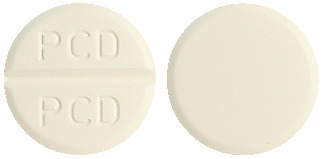
Mevadol Forte is a round, white to off-white uncoated tablet with ‘PCD’ on either side of the break-line on one side and plain on the other side.
Mevadol Forte is available in a carton containing 2 blister packs of 10 tablets each.
Ingredients
- Paracetamol 450mg
- Codeine phosphate hemihydrate 30mg
- Doxylamine succinate 5 mg
- Microcrystalline cellulose
- Sodium starch glycollate
- Hypromellose
- Purified Talc
- Magnesium stearate
Mevadol Forte does not contain lactose, sucrose, gluten, tartrazine or any other azo dyes.
Supplier
This medicine is supplied in Australia by:
Apotex Pty Ltd
16 Giffnock Avenue
Macquarie Park NSW 2113
Australian Registration Number
AUST R 310164
This leaflet was prepared in
September 2020
Published by MIMS September 2021


