



Consumer medicine information

Micronelle 20 ED

Levonorgestrel; Ethinylestradiol

BRAND INFORMATION

Brand name

Micronelle 20 ED

Active ingredient

Levonorgestrel; Ethinylestradiol

Schedule

S4


Consumer medicine information (CMI) leaflet

Please read this leaflet carefully before you start using Micronelle 20 ED.

What is in this leaflet

Read this leaflet carefully before taking your medicine.

This leaflet answers some common questions about Micronelle 20 ED. It does not contain all the available information. It does not take the place of talking to your doctor or pharmacist.

The information in this leaflet was last updated on the date listed on the last page. More recent information on this medicine may be available.

Ask your doctor or pharmacist:

  • if there is anything you do not understand in this leaflet,
  • if you are worried about taking your medicine, or
  • to obtain the most up-to-date information.

You can also download the most up to date leaflet from www.arrotex.com.au.

All medicines have risks and benefits. Your doctor has weighed the risks of you using this medicine against the benefits they expect it will have for you.

Pharmaceutical companies cannot give you medical advice or an individual diagnosis.

Keep this leaflet with your medicine. You may want to read it again.

What this medicine is used for

The name of your medicine is Micronelle 20 ED. It contains the active ingredients levonorgestrel and ethinylestradiol.

It is a combined oral contraceptive, commonly known as a 'birth control pill' or 'the Pill.'

It is used to prevent pregnancy.

You may also experience the following benefits:

  • more regular periods, lighter periods
  • a decrease in anaemia (iron deficiency)
  • a decrease in period pain.

Some conditions such as pelvic inflammatory disease, ovarian cysts, ectopic pregnancy (where the foetus is carried outside of your womb), lumpy breasts, acne and cancer of the uterus (womb) and ovaries may be less common in women taking the Pill.

This medicine must only be used after a female's first period has occurred and should not be used after menopause.

Ask your doctor if you have any questions about why this medicine has been prescribed for you. Your doctor may have prescribed this medicine for another reason.

This medicine is available only with a doctor's prescription.

How it works

When taken correctly, this medicine prevents pregnancy in three ways:

  • inhibiting ovulation (egg release)
  • changing the cervical mucus consistency, making it more difficult for the sperm to reach the egg
  • changing the lining of the uterus, making it less suitable for implantation.

There is no evidence that this medicine is addictive.

Before you take this medicine

When you must not take it

Do not take this medicine if:

  • You have or have had a blood clot in:
  • the blood vessels of the legs (deep vein thrombosis)
  • the lungs (pulmonary embolism)
  • the heart (heart attack)
  • the brain (stroke)
  • other parts of the body.

You are concerned about an increased risk of blood clots. Blood clots are rare. Very occasionally blood clots may cause serious permanent disabilities, or may even be fatal.

You are more at risk of having a blood clot when you take the Pill. But the risk of having a blood clot when taking the Pill is less than the risk of having a blood clot during pregnancy.

You are concerned about an increased risk of blood clots because of age or smoking. The risk of having a heart attack or stroke increases as you get older. It also increases if you smoke.

You should stop smoking when taking the Pill, especially if you are older than 35 years of age.

Do not take Micronelle 20 ED if you are taking any antiviral medicines which contain ombitasvir, paritaprevir and/or dasabuvir. These antiviral medicines are used to treat chronic (long-term) hepatitis C (an infectious disease that affects the liver, caused by the hepatitis C virus (HCV)).

You have, or have had any of the following:

  • any blood clotting disorders such as Protein C deficiency, Protein S deficiency, Leiden Factor V mutation, Antithrombin III deficiency or other inherited blood clotting conditions
  • a confirmed blood test showing:
    - increased levels of homocysteine;
    - antiphospholipid antibodies (APLAs) e.g. anticardiolipin-antibodies and lupus anticoagulant. These may increase your risk for blood clots or pregnancy losses (miscarriage)
  • major surgery after which you have not been able to move around for a period of time
  • angina (chest pain)
  • mini-stroke (also known as TIA or transient ischaemic attack)
  • migraine, accompanied by visual symptoms, speech disability, or weakness or numbness in any part of your body
  • high risk of blood clots due to conditions such as diabetes mellitus with blood vessel damage, severe high blood pressure or severe high or low level of fats in your blood
  • pancreatitis (an inflammation of the pancreas) associated with high levels of fatty substances in your blood
  • severe liver disease and your liver function has not returned to normal
  • benign or malignant liver tumour
  • cancer that may grow under the influence of sex hormones (e.g. of the breast or the genital organs)
  • unexplained vaginal bleeding.

If any of these conditions appear for the first time while using the Pill, stop taking it at once and tell your doctor. In the meantime, use non-hormonal (barrier) methods of contraception (such as condoms or a diaphragm).

You are pregnant or think you might be pregnant.

Do not give this medicine to a child. This medicine is not intended for use in females whose periods have not yet started.

You are hypersensitive to, or have had an allergic reaction to, levonorgestrel and/or ethinylestradiol or any of the ingredients listed at the end of this leaflet.

Symptoms of an allergic reaction may include: cough, shortness of breath, wheezing or difficulty breathing; swelling of the face, lips, tongue, throat or other parts of the body; rash, itching or hives on the skin; fainting; or hay fever-like symptoms.

If you think you are having an allergic reaction, do not take any more of the medicine and contact your doctor immediately or go to the Accident and Emergency department at the nearest hospital.

  • The expiry date (EXP) printed on the pack has passed.
  • The packaging is torn, shows signs of tampering or it does not look quite right.

If you are not sure whether you should start taking this medicine, talk to your doctor.

Before you start to take it

Tell your doctor if:

  • you smoke
  • you are overweight
  • you or anyone in your immediate family has had blood clots in the legs (deep vein thrombosis), in the lungs (pulmonary embolism), a heart attack, a stroke, breast cancer or high cholesterol.

Before you start taking this medicine, tell your doctor if:

You have allergies to:

  • any other medicines
  • any other substances, such as foods, preservatives or dyes.

You have or have had any medical conditions, especially the following:

  • diabetes
  • high blood pressure
  • heart valve disorders or certain heart rhythm disorders
  • inflammation of your veins (superficial phlebitis)
  • varicose veins
  • migraine
  • cancer
  • hyperhomocysteinaemia, a condition characterised by high levels of the amino acid homocysteine in the blood
  • high or low level of fats in your blood
  • have any hereditary or acquired conditions that may make it more likely for you to get blood clots
  • epilepsy
  • high cholesterol or triglycerides
  • liver disease
  • kidney disease
  • gall bladder disease
  • have jaundice (yellowing of the skin) and/or pruritus (itching of the skin) related to cholestasis (condition in which the flow of bile from the liver stops or slows)
  • Crohn's disease or ulcerative colitis (chronic inflammatory bowel disease)
  • systemic lupus erythematosus (SLE – a disease affecting the skin all over the body)
  • haemolytic uraemic syndrome (HUS – a disorder of blood coagulation causing failure of the kidneys)
  • sickle cell disease
  • a condition that occurred for the first time, or worsened during pregnancy or previous use of sex hormones (e.g. hearing loss, a metabolic disease called porphyria, a skin disease called herpes gestationis, a neurological disease called Sydenham's chorea)
  • chloasma (yellowish-brown pigmentation patches on the skin, particularly of the face) – if so, avoid exposure to the sun or ultraviolet radiation
  • hereditary angioedema – you should see your doctor immediately if you experience symptoms of angioedema, such as swollen face, tongue and/or pharynx and/or difficulty swallowing, or hives together with difficulty in breathing.

If any of the above conditions appear for the first time, recur or worsen while taking this medicine, you should contact your doctor.

You are currently pregnant or you plan to become pregnant. Do not take this medicine whilst pregnant.

You are currently breastfeeding or you plan to breast-feed. This medicine is generally not recommended whilst breastfeeding.

You are planning to have surgery or an anaesthetic.

You are currently receiving or are planning to receive dental treatment.

You are taking or are planning to take any other medicines. This includes vitamins and supplements that are available from your pharmacy, supermarket or health food shop.

Some medicines may interact with Micronelle 20 ED. These include:

  • medicines used to treat tuberculosis, such as rifampicin and rifabutin
  • antibiotics (for e.g. penicillins, tetracyclines and macrolides such as erythromycin and clarithromycin)
  • medicines used to treat fungal infections, such as fluconazole and griseofulvin
  • medicines used to treat HIV, such as ritonavir and nevirapine
  • some medicines used to treat HCV, such as boceprevir, telaprevir, ombitasvir, paritaprevir, dasabuvir
  • medicines used to treat epilepsy, such as phenytoin, primidone, barbiturates (e.g. phenobarbitone), carbamazepine, oxcarbazepine, topiramate, felbamate, lamotrigine
  • cyclosporin, an immunosuppressant medicine
  • etoricoxib, a medicine used to treat painful joint disease
  • melatonin, a hormone used as a sleep aid
  • midazolam, a medicine used as a sedative
  • theophylline, a medicine used to treat respiratory disease
  • tizanidine, a medicine used as a muscle relaxant
  • some medicine used for high blood pressure, chest pain and irregular heartbeats such as diltiazem and verapamil
  • herbal medicines containing St John's wort
  • grapefruit juice.

If you are taking any of these you may need a different dose or you may need to take different medicines.

You may also need to use an additional barrier method of contraception (such as condoms or a diaphragm) while you are taking any of these medicines and for some time after stopping them. Your doctor will be able to advise you about how long you will need to use additional barrier contraceptive methods.

Other medicines not listed above may also interact with levonorgestrel and ethinyloestradiol.

Your doctor and pharmacist have more information on medicines that you need to be careful with or avoid while taking this medicine.

How to take this medicine

Follow carefully all directions given to you by your doctor. Their instructions may be different to the information in this leaflet.

How much to take

Take one tablet daily. You must take this medicine every day regardless of how often you have sex.

Do not stop taking your medicine or change your dosage without first checking with your doctor.

How to take it

Swallow the tablet whole with water. It does not matter if you take it before or after food.

When to take it

On the blister, each tablet is marked with the day of the week on which it is to be taken.

Take one tablet daily in the order directed on the blister, at about the same time every day. This will help you remember when to take it.

How to start this medicine

Start with a tablet from the green zone marked with that day of week.

Depending on the day of the week, this may be a pink (active) tablet or a white placebo (inactive) tablet.

Follow the direction of the arrows on the blister pack until all the tablets have been taken.

A period should begin 2 to 3 days after starting to take the white inactive tablets (last row) and may not have finished before the next pack is started.

When no hormonal contraception has been used in the past month:
If you are starting this medicine after a natural cycle, start on the first day of your period (i.e. the first day of menstrual bleeding). Take a pink (active) tablet from the green zone marked with that day of the week. For example, if your period starts on a Wednesday, then take a tablet marked Wednesday. Then follow the days in order.

You may also start on days 2-5 of your period, but you must also use an additional barrier method of contraception (e.g. condom or a cap or diaphragm with spermicide) for the first 7 days of tablet taking.

Changing from another combined oral contraceptive:
Start the day after taking the last active tablet in your previous Pill pack (or at the latest on the day following the last placebo (inactive) tablet or tablet free interval of your previous Pill pack), taking a pink tablet (active) from the green zone marked with that day of the week.

Bleeding may not occur until the end of the first pack of this medicine

Ask your doctor or pharmacist if you are not sure which were the active/inactive tablets in your previous Pill pack. Your previous Pill pack may have had different colour tablets to those of this medicine.

Changing from a vaginal ring:
If a vaginal ring has been used, start on the day of removal taking a pink tablet (active) from the green zone marked with that day of the week.

Changing from a progestogen-only pill (minipill):
You may change any day, taking a pink tablet (active).

You must also use additional barrier contraceptive precautions (e.g. condoms or a diaphragm) for the first 7 days of tablet-taking when having intercourse.

Changing from a progestogen-only implant or progesterone-releasing intrauterine system (IUS):
Change on the day of its removal, taking a pink tablet (active) from the green zone marked with that day of the week.

You must also use additional barrier contraceptive precautions (e.g. condoms or a diaphragm) for the first 7 days of tablet-taking when having intercourse.

Changing from a progestogen-only injectable:
Change when the next injection would be due, taking a pink tablet (active) from the green zone marked with that day of the week.

You must also use additional barrier contraceptive precautions (e.g. condoms or a diaphragm) for the first 7 days of tablet-taking when having intercourse.

After having a baby, miscarriage or abortion:
Your doctor will advise you.

Stopping this medicine

You can stop taking this medicine at any time. If you are considering becoming pregnant, it is recommended that you begin taking a vitamin supplement containing folic acid. It is best that you start taking folic acid tablets before you stop taking this medicine and not stop until your doctor advises this. Ask your doctor or pharmacist about suitable supplements. It is both safe and recommended that you take folic acid during pregnancy.

How long to take it for

Daily tablet taking should be continuous. One tablet is taken daily for 28 consecutive days in the order directed on the blister.

Start a new blister pack on the day after the last tablet of the previous pack.

If you do not understand the instructions, ask your doctor or pharmacist for help.

How to stop taking this medicine

You can stop taking this medicine at any time. If you are considering becoming pregnant, it is recommended that you begin taking a vitamin supplement containing folic acid. It is best that you start taking folic acid tablets before you stop taking this medicine and not stop until your doctor advises this. Ask your doctor or pharmacist about suitable supplements. It is both safe and recommended that you take folic acid during pregnancy.

Additional contraceptive precautions

When additional contraceptive precautions are required you should either abstain from sex, or use a barrier method of contraception, a cap (or diaphragm) plus spermicide, or a condom. Rhythm methods are not advised as the Pill disrupts the cyclical changes associated with the natural menstrual cycle e.g. changes in temperature and cervical mucus.

If you forget to take it

Missed white placebo (inactive) tablets
Missed white placebo (inactive) tablets should be discarded to avoid accidentally extending the placebo tablet phase. Take the next tablet at the usual time. You are still protected against pregnancy because the white placebo (inactive) tablets do not contain any active ingredients.

Missed pink (active) tablets
For this medicine to be most effective, the pink (active) tablets need to be taken every day without interruption for 7 days.

If you missed taking a pink (active) tablet and take the missed tablet within 12 hours, you will be protected against pregnancy and should continue taking the tablets as normal.

If you missed a pink (active) tablet and are more than 12 hours late, follow the advice below:

  • Week 1 - Take the pink (active) tablet you missed as soon as you remember (even if this means taking 2 pink (active) tablets at the same time) and complete the pack as normal. You should also use an extra barrier method of contraception (e.g. condom) for 7 days. If you had sex in the previous 7 days you should speak to your doctor due to the possibility of pregnancy.
  • Week 2 - Take the pink (active) tablet you missed as soon as you remember (even if this means taking 2 pink (active) tablets at the same time) and complete the pack as normal. If you have also missed an additional pink (active) tablet in the previous 7 days, you should also use an extra barrier method of contraception (e.g. condom) for 7 days.
  • Week 3 - Take the pink (active) tablet you missed as soon as you remember (even if this means taking 2 pink (active) tablets at the same time) and continue taking the pink (active) tablets until they have all been taken. When the final pink (active) tablet has been taken, discard the 7 white placebo (inactive) tablets and start a new pack right away. If you have missed an additional pink (active) tablet in the previous 7 days, you should also use an extra barrier method of contraception (e.g. condom) for 7 days. You are unlikely to have a withdrawal bleed until the end of the pink (active) tablets of the second pack, but you may experience spotting or breakthrough bleeding on tablet-taking days.

There is a higher risk of becoming pregnant if you miss a tablet at the beginning or end of a pack.

Ask your doctor or pharmacist to answer any questions you may have.

If you take too much (overdose)

If you think that you or anyone else may have taken too much of this medicine, immediately telephone your doctor or the Poisons Information Centre (Tel: 13 11 26 in Australia) for advice. Alternatively, go to the Accident and Emergency department at your nearest hospital.

Symptoms that may occur are nausea, vomiting and withdrawal bleeding. Withdrawal bleeding may even occur in girls before their first menarche (first period), if they have accidentally taken the medicinal product.

Do this even if there are no signs of discomfort or poisoning. You may need urgent medical attention.

While you are taking this medicine

Things you must do

Tell your doctor that you are taking this medicine if:

  • you are about to be started on any new medicine
  • you are pregnant or are planning to become pregnant
  • you are breastfeeding or are planning to breast-feed
  • you are about to have any blood tests
  • you are going be immobilised, have surgery or an anaesthetic or are going into hospital (consult your doctor at least 4 weeks in advance).
  • Tell any other doctors, dentists and pharmacists who are treating you that you take this medicine.

Stop taking this medicine and see your doctor immediately if you notice the following signs:

  • one-sided swelling of the leg and/or foot or along a vein in the leg
  • pain or tenderness in the leg which may be felt only when standing or walking
  • increased warmth in the affected leg; red or discoloured skin on the leg
  • sudden onset of unexplained shortness of breath or rapid breathing
  • sudden coughing or coughing up of blood
  • sharp chest pain or sudden severe pain in the chest which may increase with deep breathing
  • severe light headedness or dizziness
  • rapid or irregular heartbeat
  • sudden pain, swelling and slight blue discoloration of an extremity
  • sudden numbness or weakness of the face, arm or leg, especially on one side of the body
  • sudden trouble walking, dizziness, loss of balance or coordination
  • sudden confusion, slurred speech or aphasia; sudden partial or complete loss of vision, double vision, painless blurring of vision which can progress to loss of vision
  • sudden, severe or prolonged headache with no known cause
  • loss of consciousness or fainting with or without seizure
  • pain, discomfort, pressure, heaviness, sensation of squeezing or fullness in the chest arm, or below the breastbone
  • discomfort radiating to the back, jaw, throat, arm, stomach
  • feeling of being full, having indigestion or choking
  • sweating, nausea, vomiting
  • extreme weakness and anxiety.

Have regular check-ups with your doctor. When you are taking the Pill, your doctor will tell you to return for regular check-ups, including getting a Pap smear test. Your doctor will advise how often you need a Pap smear test. A Pap smear test can detect abnormal cells lining the cervix. Sometimes abnormal cells can progress to cancer.

If you are going to have surgery, tell the surgeon or anaesthetist beforehand that you are taking this medicine. The risk of having blood clots is temporarily increased as a result of major surgery, any surgery to the legs or pelvis, neurosurgery or major trauma. In women who take this medicine, the risk may be higher. The excess risk of thrombosis is highest during the first year a woman takes a combined oral contraceptive.

In women at risk of prolonged immobilisation (including major surgery, any surgery to the legs or pelvis, neurosurgery, or major trauma), your doctor may tell you to stop taking (in the case of elective surgery at least four weeks in advance) and not resume until two weeks after complete remobilisation. Another method of contraception should be used to avoid unintentional pregnancy. Your doctor may prescribe other treatment (e.g. treatment for blood clots) if this medicine has not been discontinued in advance. If you notice possible signs of a thrombosis (see Possible side effects), stop taking the medicine and consult your doctor immediately.

Other risk factors for blood clotting include temporary immobilisation including air travel of greater than 4 hours, particularly in women with other risk factors. Consult your doctor if you plan to air travel for greater than 4 hours.

Consult your doctor if you develop high blood pressure while taking this medicine – you may be told to stop taking it.

If you vomit within 3-4 hours or have severe diarrhoea after taking a pink (active) tablet, the active ingredients may not have been completely absorbed. This is like missing a tablet. Follow the advice for missed tablets.

If you have unexpected bleeding and it continues, becomes heavy, or occurs again, tell your doctor.

When taking these tablets for the first few months, you can have irregular vaginal bleeding (spotting or breakthrough bleeding) between your periods. You may need to use sanitary protection, but continue to take your tablets as normal. Irregular vaginal bleeding usually stops once your body has adjusted to the Pill, usually after about 3 months.

If you have missed a period, but you have taken all your tablets, it is unlikely that you are pregnant, as long as:

  • you have taken the pink (active) tablets at the right time
  • you have not been taking a medicine(s) that may interfere with this medicine
  • you have not vomited or had severe diarrhoea during this cycle.

If this is so, continue to take this medicine as usual. If you have any concerns consult your doctor or pharmacist.

If you miss your period twice in a row, you may be pregnant, even if you have taken this medicine correctly. Stop taking this medicine and seek advice from your doctor. You must use a non-hormonal method of contraception, (such as condoms or a diaphragm) until your doctor rules out pregnancy.

To protect yourself from STDs, you will need to use an extra barrier method of contraception (e.g. condom). This medicine will not protect you from HIV-AIDS or any other Sexually Transmitted Diseases (STDs), such as chlamydia, genital herpes, genital warts, gonorrhoea, hepatitis B, human papilloma virus and syphilis.

Things you must not do

Do not:

  • Give this medicine to anyone else.
  • Take this medicine to treat any other condition unless your doctor tells you to.
  • Stop taking your medicine, or change the dosage, without first checking with your doctor. You may become pregnant if you are not using any other contraceptive and you stop taking this medicine, or you do not take a tablet every day.

Possible side effects

Tell your doctor as soon as possible if you do not feel well while you are taking this medicine or if you have any questions or concerns.

Do not be alarmed by the following lists of side effects. You may not experience any of them. All medicines can have side effects. Sometimes they are serious but most of the time they are not.

Tell your doctor if you notice any of the following:

  • nausea
  • stomach pain
  • changes in weight
  • headache, including migraines
  • mood changes, including depression
  • acne
  • breast tenderness or pain
  • abnormal growth of hair on the face and body
  • hair loss.

If you experience any of the following, stop taking your medicine and contact your doctor immediately or go to the Accident and Emergency department at your nearest hospital.

These are very serious side effects. You may need urgent medical attention or hospitalisation.

  • pain in the chest, arm or below the breastbone
  • pain or discomfort radiating to the back
  • breathlessness and/or difficulty breathing
  • swelling, pain or tenderness of one leg
  • sudden weakness, numbness or bad 'pins and needles' of the face, arm or leg, especially on one side of the body
  • sudden trouble walking, dizziness, loss of balance or coordination
  • severe, sudden stomach pains
  • a fainting attack or you collapse
  • unusual headaches or migraines that are worse than usual
  • sudden problems with your speech, understanding or eyesight.

The side effects listed above are possible signs of a blood clot (thrombosis).

Other very serious but rare side effects not listed above include the following:

  • jaundice (yellowing skin or yellowing eyes)
  • coughing up blood
  • breast lumps
  • unexplained vaginal bleeding.

Tell your doctor or pharmacist if you notice anything else that is making you feel unwell. Other side effects not listed above may also occur in some people.

Thrombosis and the Pill

Thrombosis is the formation of a blood clot that may block a blood vessel.

Thrombosis sometimes occurs in the deep veins of the legs (deep venous thrombosis [DVT)]). If a blood clot breaks away from the veins where it has formed, it may reach and block the arteries of the lungs, causing pulmonary embolism (PE).

Blood clots are a rare occurrence and can develop whether or not you are taking the Pill. They can also happen during pregnancy. The risk of having blood clots is higher in Pill users than in non-users, but not as high as during pregnancy.

The risk of a blood clot is highest during the first year of taking the Pill for the first time, or after having a break from the Pill for 4 weeks or more.

Therefore, you should keep the possibility of an increased risk of blood clots in mind, particularly where there is a history of thrombosis.

If you notice possible signs of a blood clot, stop taking this medicine and consult your doctor immediately.

Cancer and the Pill

Breast cancer has been diagnosed slightly more often in women who take the Pill than in women of the same age who do not take the Pill.

This slight increase in the numbers of breast cancer diagnosed gradually disappears during the 10 years after women stop taking the Pill.

It is not known whether the difference is caused by the Pill. It may be that these women were examined more often, so that the breast cancer was noticed earlier.

It is important that you check your breasts regularly and to contact your doctor if you feel any lump.

In rare cases, benign liver tumours and, even more rarely, malignant liver tumours, have been reported in women taking the Pill. These tumours may lead to internal bleeding.

Contact your doctor immediately if you have severe pain in your abdomen.

Cervical cancer has been reported to occur more often in women who have been taking the Pill for a long time. This finding may not be caused by the Pill, but may be related to sexual behaviour and other factors.

Allergic reactions

If you think you are having an allergic reaction to this medicine, do not take any more and tell your doctor immediately or go to the Accident and Emergency department at your nearest hospital.

Symptoms of an allergic reaction may include some or all of the following:

  • cough, shortness of breath, wheezing or difficulty breathing
  • swelling of the face, lips, tongue, throat or other parts of the body
  • rash, itching or hives on the skin
  • fainting
  • hay fever-like symptoms.

Storage and disposal

Storage

Keep your tablets in its original packaging until it is time to take it.

If you take your tablets out of its original packaging it may not keep well.

Keep this medicine in a cool dry place where the temperature will stay below 25°C.

Do not store this medicine, or any other medicine, in the bathroom or near a sink. Do not leave it on a window sill or in the car. Heat and dampness can destroy some medicines.

Keep this medicine where children cannot reach it. A locked cupboard at least one-and-a-half metres above the ground is a good place to store medicines.

Disposal

If your doctor tells you to stop taking this medicine or it has passed its expiry date, your pharmacist can dispose of the remaining medicine safely.

Product description

What Micronelle 20 ED looks like

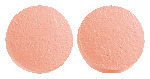
Active tablet: Plain, round, pink tablets.

Placebo (inactive) tablet: Plain, round, white tablets.

This medicine comes in a box containing either 1, 3 or 4 blister packs. Each blister pack contains 21 pink (active) tablets and 7 white placebo (inactive) tablets.

* Not all pack sizes may be available.

Ingredients

Each pink (active) tablet contains 20 micrograms ethinylestradiol and 100 micrograms levonorgestrel as the active ingredients.

It also contains the following inactive ingredients:

  • lactose monohydrate
  • povidone
  • crospovidone
  • magnesium stearate
  • OPADRY II complete film coating system 85F34610 Pink (ARTG ID 108065).

Each white placebo (inactive) tablet contains the following inactive ingredients:

  • lactose
  • povidone
  • magnesium stearate
  • OPADRY II complete film coating system 85F18422 White (ARTG ID 11376).

This medicine is gluten-free, sucrose-free, tartrazine-free and free of other azo dyes.

Australian Registration Number

Micronelle 20 ED tablets (blister pack): AUST R 211154.

Sponsor

Distributed by:

Arrotex Pharmaceuticals
15-17 Chapel St
Cremorne VIC 3121

This leaflet was last updated in:
August 2022

Published by MIMS March 2023

BRAND INFORMATION

Brand name

Micronelle 20 ED

Active ingredient

Levonorgestrel; Ethinylestradiol

Schedule

S4


1 Name of Medicine

Levonorgestrel and ethinylestradiol.

2 Qualitative and Quantitative Composition

Micronelle 20 ED is a combined oral contraceptive tablet containing the synthetic progestogen, levonorgestrel and the synthetic estrogen, ethinylestradiol.
Each pink active tablet in Micronelle 20 ED contains ethinylestradiol 20 microgram and levonorgestrel 100 microgram.

Excipients with known effect.

Pink active tablet in Micronelle 20 ED: Lactose monohydrate.
White placebo tablet in Micronelle 20 ED: Lactose.
For the full list of excipients, see Section 6.1 List of Excipients.

3 Pharmaceutical Form

Active tablet.

Plain, round, pink film-coated tablet.

Placebo tablet.

Plain, round, white film-coated tablet.

4 Clinical Particulars

4.1 Therapeutic Indications

Oral contraception.

4.2 Dose and Method of Administration

Micronelle 20 ED tablets are intended for oral administration.

Dosage. How to take Micronelle.

COCs, when taken correctly, have a failure rate of approximately 1% per year. The failure rate may increase when pills are missed or taken incorrectly.
One tablet is to be taken daily. The tablets must be taken in the order directed on the package at about the same time each day, with some liquid as needed. Daily tablet taking should be continuous for 28 consecutive days, starting with a pink active tablet marked with the corresponding day of the week from the green area of the Micronelle 20 ED pack. Each subsequent pack is to be started the day after the last tablet of the previous pack. A withdrawal bleed usually starts on day 2 to 3 after starting the white placebo tablets (last row) and may not have finished before the next pack is started.

How to start Micronelle.

No preceding hormonal contraceptive use (in the past month). Tablet-taking has to start on day 1 of the woman's natural cycle (i.e. the first day of her menstrual bleeding). If started on day 1 in this way, protection against pregnancy is immediate and no additional method of contraception is required. Starting on day 2-5 of the menstrual cycle is allowed, but during the first cycle a barrier method is recommended in addition for the first 7 days of tablet taking.
When changing pills.

Changing from a COC or vaginal ring.

The woman should start Micronelle 20 ED preferably on the day after the last active tablet (the last tablet containing the active substances) of her previous COC, but at the latest on the day following the usual tablet free or placebo tablet interval of her previous COC.
In case a vaginal ring has been used, the woman should start taking Micronelle 20 ED preferably on the day of removal, but at the latest when the next application would have been due.

Changing from a progestogen-only method (minipill, injection, implant) or from a progestogen releasing intrauterine system (IUS).

The woman may switch: from the minipill on any day; an implant or IUS on the day of removal; when the next injection would be due for an injectable; but in all of these cases she should be advised to additionally use a barrier method for the first 7 days of tablet-taking.
Following first-trimester abortion. The woman may start tablet-taking immediately. When doing so, she does not need additional contraceptive measures.
Following delivery or second-trimester abortion. Women should be advised to start on day 21 to 28 after delivery or second-trimester abortion. When starting later than day 28, the woman should be advised to additionally use a barrier method for the first 7 days of tablet taking. However, if intercourse has already occurred, pregnancy should be excluded before the actual start of COC use or the woman has to wait for her first menstrual period.
For breastfeeding women, see Section 4.6 Fertility, Pregnancy and Lactation, Use in lactation.

Additional contraceptive precautions.

When additional contraceptive precautions are required, the woman should be advised either to abstain from sex or to use a barrier method of contraception, such as a cap (or diaphragm) plus spermicide, or for her partner to use a condom. Rhythm methods should not be advised as the COC disrupts the cyclical changes associated with the natural menstrual cycle e.g. changes in temperature and cervical mucus.

How to shift periods or how to delay a period.

To delay a period the woman should continue with another pack of Micronelle 20 ED by missing the white placebo tablets (last row) from the current pack. The extension can be carried on for as long as wished until the end of the second pack. During the extension the woman may experience breakthrough bleeding or spotting. Regular intake of Micronelle 20 ED is then resumed after the usual 7-day placebo tablet interval.
To shift her periods to another day of the week than the woman is used to with her current scheme, she can be advised to shorten her forthcoming placebo tablet interval by as many days as she likes. The shorter the interval, the higher the risk that she does not have a withdrawal bleed and will experience breakthrough bleeding and spotting during the second pack (just as when delaying a period).

How to manage reduced reliability.

When COCs are taken according to the directions for use, the occurrence of pregnancy is highly unlikely. However, the reliability of COCs may be reduced under the following circumstances.
Management of missed tablets. Missed pills from the last row of the blister are placebo tablets and thus can be disregarded. However they should be discarded to avoid unintentionally prolonging the placebo tablet phase. The following advice only refers to missed pink active tablets (rows 1 - 3 of the blister).
If the woman is less than 12 hours late in taking any pink active tablet, contraceptive protection is not reduced. The woman should take the tablet as soon as she remembers and should take further tablets at the usual time.
If the user is more than 12 hours late in taking any pink active tablet, contraceptive protection may be reduced. The more pink active tablets missed and the closer they are to the white placebo tablet phase the higher the risk of a pregnancy. The management of missed tablets can be guided by the following two basic rules:
1. 'Active tablet'-taking must never be discontinued for longer than 7 days.
2. Seven days of uninterrupted 'active tablet'-taking are required to attain adequate suppression of the hypothalamic-pituitary-ovarian-axis.
Accordingly the following advice can be given in daily practice:

Week 1 of active tablets.

The woman should take the last missed pink active tablet as soon as she remembers, even if this means taking two pink active tablets at the same time. She then continues to take tablets at her usual time. In addition, a barrier method such as a condom should be used for the next 7 days.
If intercourse took place in the preceding 7 days, the possibility of a pregnancy should be considered.

Week 2 of active tablets.

The woman should take the last missed pink active tablet as soon as she remembers, even if this means taking two pink active tablets at the same time. She then continues to take tablets at her usual time. Provided that the woman has taken her tablets correctly in the 7 days preceding the first missed pink active tablet, there is no need to use extra contraceptive precautions. However, if this is not the case, or if she missed more than one pink active tablet, the woman should be advised to use extra precautions for 7 days.

Week 3 of active tablets.

The risk of reduced reliability is imminent because of the forthcoming white placebo tablet phase. However, by adjusting the tablet-intake schedule, reduced contraceptive protection can still be prevented. By adhering to either of the following two options, there is therefore no need to use extra contraceptive precautions, provided that in the 7 days preceding the first missed pink active tablet the woman has taken all tablets correctly. If this is not the case, the woman should be advised to follow the first of these two options and to use extra precautions for the next 7 days as well.
1. The woman should take the last missed pink active tablet as soon as she remembers, even if this means taking two pink active tablets at the same time. She then continues to take tablets at her usual time until all the pink active tablets are taken. The 7 white placebo tablets from the last row must be discarded. The next pack must be started right away. The woman is unlikely to have a withdrawal bleed until the end of the pink active tablets of the second pack, but she may experience spotting or breakthrough bleeding on tablet-taking days.
2. The woman may also be advised to discontinue tablet-taking from the current pack. She should then have a tablet-free interval of up to 7 days, including the days she missed tablets, and subsequently continue with the next pack.
If the woman missed tablets and subsequently has no withdrawal bleed in the hormone-free white coated tablet phase, the possibility of a pregnancy should be considered.

Advice in case of gastrointestinal disturbances.

In case of severe gastrointestinal disturbances, absorption may not be complete and additional contraceptive measures should be taken.
If vomiting occurs within 3 - 4 hours after tablet-taking, the advice concerning missed tablets, as given above, is applicable. If the woman does not want to change her normal tablet taking schedule, she has to take the extra tablet(s) needed from another pack.

4.3 Contraindications

COCs should not be used in the presence of any of the conditions listed below. Should any of the conditions appear for the first time during COC use, the product should be stopped immediately.
Presence or risk of venous thromboembolism (VTE) (see Section 4.4 Special Warnings and Precautions for Use):
current VTE (on anticoagulants) or history of deep venous thrombosis [DVT] or pulmonary embolism [PE];
known hereditary or acquired predisposition for venous thromboembolism, such as APC-resistance (including Factor V Leiden), antithrombin-III deficiency, protein C deficiency, protein S deficiency;
major surgery with prolonged immobilisation;
a high risk of venous thromboembolism due to the presence of multiple risk factors.
Presence or risk of arterial thromboembolism (ATE) (see Section 4.4 Special Warnings and Precautions for Use):
current ATE or history of ATE (e.g. myocardial infarction or stroke) or prodromal condition (e.g. angina pectoris or transient ischaemic attack [TIA]);
known hereditary or acquired predisposition for arterial thromboembolism, such as hyperhomocysteinaemia and antiphospholipid antibodies (e.g. anticardiolipin antibodies and lupus anticoagulant);
history of migraine with focal neurological symptoms;
a high risk of arterial thromboembolism due to multiple risk factors or to the presence of one serious risk factor such as: diabetes mellitus with vascular symptoms, severe hypertension, severe dyslipoproteinaemia.
Pancreatitis or a history thereof if associated with severe hypertriglyceridaemia.
Presence or history of severe hepatic disease as long as liver function values have not returned to normal.
Micronelle 20 is contraindicated for concomitant use with the medicinal products glecaprevir, pibrentasvir, sofosbuvir, velpatasvir, voxilaprevir, ombitasvir, paritaprevir or dasabuvir and combinations of these (see Section 4.4 Special Warnings and Precautions for Use; Section 4.5 Interactions with Other Medicines and Other Forms of Interactions).
Presence or history of liver tumours (benign or malignant).
Known or suspected malignant conditions of the genital organs, the breasts, or other organs, if sex steroid-influenced.
Undiagnosed vaginal bleeding.
Known or suspected pregnancy.
Hypersensitivity to any of the ingredients contained in Micronelle 20 ED tablets.

4.4 Special Warnings and Precautions for Use

If any of the conditions/ risk factors mentioned below are present, the benefits of Micronelle 20 ED should be weighed against the possible risks for each individual woman and discussed with the woman before she decides to start taking it. In the event of aggravation, exacerbation or first appearance of any of these conditions or risk factors, the woman should contact her doctor. The doctor should then decide on whether Micronelle 20 ED should be discontinued.

Circulatory disorders.

Epidemiological studies have suggested an association between the use of combined oral contraceptives (COCs) containing ethinylestradiol and an increased risk of arterial and venous thrombotic and thromboembolic diseases such as myocardial infarction, cerebrovascular accidents, deep venous thrombosis (DVT) and pulmonary embolism (PE). These events occur rarely in average-risk woman.
Risk of venous thromboembolism (VTE). The use of any combined hormonal contraceptive (CHC) increases the risk of VTE compared with no use. The woman should be advised that her VTE risk is highest in the first ever year of use and that there is some evidence that the risk is increased when a CHC is re-started after a break in use of 4 weeks or more.
It is important that women understand that VTE associated with CHC use is rare in average risk women (see Table 1). The risk in pregnancy (5 - 20 per 10,000 women over 9 months) and the risk in the postpartum period (45-65 per 10,000 women over 12 weeks) is higher than that associated with CHC use.
Combined hormonal contraceptive (CHC) in Table 1 refers to oral contraceptives with a low estrogen dose (< 50 microgram ethinylestradiol). An additional increase in VTE risk for CHCs containing ≥ 50 microgram ethinylestradiol cannot be excluded.
The decision to use any product other than one with the lowest VTE risk should be taken only after a discussion with the woman to ensure she understands the risk of VTE with CHCs, and how her current risk factors influence this risk.
Products that contain the progestogens levonorgestrel, such as Micronelle 20 ED, norgestimate or norethisterone are associated with the lowest risk of VTE.
The increased risk of VTE during the postpartum period must be considered if restarting Micronelle 20 ED (see Section 4.2 Dose and Method of Administration; Section 4.6 Fertility, Pregnancy and Lactation, Use in pregnancy).
VTE may be life threatening or may have a fatal outcome in (1 - 2% of cases).
Extremely rarely, thrombosis has been reported to occur in CHC users in other blood vessels, e.g. hepatic, mesenteric, renal, cerebral or retinal veins and arteries.
The risk for venous thromboembolic complications in CHC users may increase substantially in a woman with additional risk factors, particularly if there are multiple risk factors (see list below).
Micronelle 20 ED is contraindicated if a woman has multiple risk factors that put her at high risk of venous thrombosis. If a woman has more than one risk factor, it is possible that the increase in risk is greater than the sum of the individual factors - in this case her total risk of VTE should be considered. If the balance of benefits and risks is considered to be negative a CHC should not be prescribed.
When considering risk/ benefit, the doctor should take into account that the adequate treatment of a condition may reduce the associated risk of thrombosis.

Risk factors for VTE.

Obesity (body mass index over 30 kg/m2). Risk increases substantially as BMI rises;
prolonged immobilisation, major surgery, any surgery to the legs or pelvis, neurosurgery or major trauma;
temporary immobilisation including air travel > 4 hours can also be a risk factor for VTE, particularly in women with other risk factors;
positive family history (i.e. venous thromboembolism ever in a sibling or parent especially at a relatively early age e.g. before 50);
biochemical factors that may be indicative of hereditary or acquired predisposition for VTE include activated protein C (APC) resistance (including Factor V Leiden), antithrombin-III deficiency, protein C deficiency, protein S deficiency;
other medical conditions associated with VTE include cancer, systemic lupus erythematosus, haemolytic uraemic syndrome, chronic inflammatory bowel disease (e.g. Crohn's disease or ulcerative colitis), sickle cell disease;
increasing age, particularly above 35 years;
smoking.
In women at risk of prolonged immobilisation (including major surgery, any surgery to the legs or pelvis, neurosurgery, or major trauma), it is advisable to discontinue use of Micronelle (in the case of elective surgery at least four weeks in advance) and not resume until two weeks after complete remobilisation. Another method of contraception should be used to avoid unintentional pregnancy. Antithrombotic treatment should be considered if Micronelle 20 ED has not been discontinued in advance.
If a hereditary predisposition to VTE is suspected, the woman should be referred to a specialist for advice before deciding about any CHC use.
There is no consensus about the possible role of varicose veins and superficial thrombophlebitis in VTE.

Symptoms of VTE (deep vein thrombosis and pulmonary embolism).

Women should be informed of the symptoms of VTE and be advised to seek urgent medical attention if VTE symptoms develop and to inform the healthcare professional that she is taking a CHC.
Symptoms of deep vein thrombosis (DVT) can include:
unilateral swelling of the leg and/or foot or along a vein in the leg;
pain or tenderness in the leg which may be felt only when standing or walking;
increased warmth in the affected leg; red or discoloured skin on the leg.
Symptoms of pulmonary embolism (PE) can include:
sudden onset of unexplained shortness of breath or rapid breathing;
sudden coughing which may be associated with haemoptysis;
sharp chest pain or sudden severe pain in the chest which may increase with deep breathing;
severe light headedness or dizziness;
rapid or irregular heartbeat.
Some of these symptoms (e.g. "shortness of breath", "coughing") are non-specific and might be misinterpreted as more common or less severe events (e.g. respiratory tract infections).
Other signs of vascular occlusion can include: sudden pain, swelling and slight blue discoloration of an extremity.
If the occlusion occurs in the eye symptoms can range from painless blurring of vision which can progress to loss of vision. Sometimes loss of vision can occur almost immediately.
Risk of arterial thromboembolism (ATE). Epidemiological studies have associated the use of CHCs with an increased risk for arterial thromboembolism (e.g. myocardial infarction, angina pectoris, stroke or TIA).
Arterial thromboembolic events may be fatal.
The risk of arterial thromboembolic complications in CHC users increases in women with risk factors. Micronelle 20 ED is contraindicated if a woman has one serious or multiple risk factors for ATE that puts her at high risk of arterial thrombosis. If a woman has more than one risk factor, it is possible that the increase in risk is greater than the sum of the individual factors - in this case her total risk should be considered. If the balance of benefits and risks is considered to be negative a CHC should not be prescribed.

Risk factors for ATE.

Increasing age, particularly above 35 years;
smoking;
hypertension;
obesity;
positive family history (arterial thromboembolism ever in a sibling or parent especially at relatively early age, e.g. below 50);
biochemical factors that may be indicative of hereditary or acquired predisposition for ATE include: hyperhomocysteinaemia and antiphospholipid antibodies (e.g. anticardiolipin antibodies, and lupus anticoagulant);
migraine;
other medical conditions associated with adverse vascular events: diabetes mellitus, hyperhomocysteinaemia, valvular heart disease, atrial fibrillation, dyslipoproteinaemia, systemic lupus erythematosus.
Women should be advised not to smoke if they wish to use a CHC. Women over 35 years who continue to smoke should be strongly advised to use a different method of contraception.
If a hereditary predisposition is suspected, the woman should be referred to a specialist for advice before deciding about any CHC use.
An increase in frequency or severity of migraine during CHC use (which may be prodromal of a cerebrovascular event) may be a reason for immediate discontinuation.

Symptoms of ATE.

Women should be informed of the symptoms of ATE and be advised to seek urgent medical attention if ATE symptoms develop and to inform the healthcare professional that she is taking a CHC.
Symptoms of a stroke can include:
sudden numbness or weakness of the face, arm or leg, especially on one side of the body;
sudden trouble walking, dizziness, loss of balance or coordination;
sudden confusion, slurred speech or aphasia;
sudden partial or complete loss of vision; diplopia;
sudden, severe or prolonged headache with no known cause;
loss of consciousness or fainting with or without seizure.
Temporary symptoms suggest the event is a transient ischaemic attack (TIA).
Symptoms of myocardial infarction (MI) can include:
pain, discomfort, pressure, heaviness, sensation of squeezing or fullness in the chest, arm, or below the breastbone;
discomfort radiating to the back, jaw, throat, arm, stomach;
feeling of being full, having indigestion or choking;
sweating, nausea, vomiting or dizziness;
extreme weakness, anxiety, or shortness of breath;
rapid or irregular heartbeats.

Tumours.

The most important risk factor for cervical cancer is persistent as human papilloma virus (HPV) infection. Some epidemiological studies have indicated that long-term use of COCs may further contribute to this increased risk but there continues to be controversy about the extent to which this finding is attributable to confounding effects e.g. cervical screening and sexual behaviour, including use of barrier contraceptives.
A meta-analysis from 54 epidemiological studies reported that there is a slightly increased relative risk (RR = 1.24) of having breast cancer diagnosed in women who are currently taking COCs. The excess risk gradually disappears during the course of the 10 years after cessation of COC use. Because breast cancer is rare in women under 40 years of age, the excess number of breast cancer diagnoses in current and recent COC users is small in relation to the overall risk of breast cancer. These studies do not provide evidence for causation. The observed pattern of increased risk may be due to an earlier diagnosis of breast cancer in COC users, the biological effects of COCs or a combination of both. The breast cancers diagnosed in ever users tend to be less advanced clinically than the cancers diagnosed in never-users.
In rare cases, benign liver tumours, and even more rarely, malignant liver tumours, have been reported in users of COCs. In isolated cases, these tumours have led to life threatening intra-abdominal haemorrhages. A liver tumour should be considered in the differential diagnosis when severe upper abdominal pain, liver enlargement or signs of intra-abdominal haemorrhage occur in women taking COCs.
Malignancies may be life-threatening or may have a fatal outcome.

Other conditions.

Women with hypertriglyceridaemia, or a family history thereof, may be at an increased risk of pancreatitis when taking COCs.
Although small increases in blood pressure have been reported in many women taking COCs, clinically relevant increases are rare. However, if a sustained clinically significant hypertension develops during the use of a COC, then it is prudent for the doctor to withdraw the COC and treat the hypertension. Where considered appropriate, COC use may be resumed if normotensive values can be achieved with antihypertensive therapy.
The following conditions have been reported to occur or deteriorate with both pregnancy and COC use, but the evidence of an association with COC use is inconclusive: jaundice and/or pruritus related to cholestasis; gallstone formation; porphyria; systemic lupus erythematosus; haemolytic uraemic syndrome; Sydenham's chorea; herpes gestationis; and otosclerosis related hearing loss.
In women with hereditary angioedema, exogenous estrogens may induce or exacerbate symptoms of angioedema.
Acute or chronic disturbances of liver function may necessitate the discontinuation of COC use until markers of liver function return to normal. Recurrence of cholestatic jaundice which occurred first during pregnancy or previous use of sex steroids necessitates the discontinuation of COCs.
Although COCs may have an effect on peripheral insulin resistance and glucose tolerance, there is no evidence for a need to alter the therapeutic regimen in women with diabetes taking low dose COCs (containing < 50 microgram ethinylestradiol). However, women with diabetes should be carefully observed while taking COCs.
Crohn's disease and ulcerative colitis have been associated with COC use.
Chloasma may occasionally occur, especially in women with a history of chloasma gravidarum. Women with a tendency to chloasma should avoid exposure to the sun or ultraviolet radiation whilst taking COCs.
Each pink active tablet contains 84.38 mg lactose and each white placebo tablet contains 89.50 mg lactose anhydrous. Patients with rare hereditary problems of galactose intolerance, Lapp lactase deficiency or glucose-galactose malabsorption who are on a lactose-free diet should take this amount into consideration.

Medical examination/ consultation.

A complete medical history and physical examination should be taken prior to the initiation or reinstitution of COC use, guided by Section 4.3 Contraindications; Section 4.4 Special Warnings and Precautions for Use, and should be repeated periodically during the use of COCs. In general, an annual examination is recommended. Periodic medical assessment is also of importance because contraindications (e.g. a transient ischaemic attack, etc.) or risk factors (e.g. a family history of venous or arterial thrombosis) may appear for the first time during the use of a COC. The frequency and nature of these assessments should be based on established practice guidelines and be adapted to the individual woman but should generally include special reference to blood pressure, breasts, abdomen and pelvic organs, including cervical cytology, and relevant laboratory tests.

Sexually transmitted infections (STIs) including human immunodeficiency virus (HIV) infections and AIDS.

Micronelle 20 ED is intended to prevent pregnancy. It does not protect against sexually transmitted infections (STIs), including HIV infections (AIDS). The woman should be advised that additional barrier contraceptive measures are needed to prevent transmission of STIs.

Reduced efficacy.

The efficacy of COCs may be reduced in the event of missed pink active tablets, vomiting or diarrhoea during active tablet taking (see Section 4.2 Dose and Method of Administration) or concomitant medication (see Section 4.5 Interactions with Other Medicines and Other Forms of Interactions).

Reduced cycle control.

With all COCs, irregular bleeding (spotting or breakthrough bleeding) may occur, especially during the first months of use. Therefore, the evaluation of any irregular bleeding is only meaningful after an adaptation interval of about three cycles. If bleeding irregularities persist or occur after previously regular cycles, then non-hormonal causes should be considered and adequate diagnostic measures are indicated to exclude malignancy or pregnancy. These may include curettage.
In some women withdrawal bleeding may not occur during the placebo tablet interval. If the COC has been taken according to the directions described in Section 4.2 Dose and Method of Administration, it is unlikely that the woman is pregnant. However, if the COC has not been taken according to these directions prior to the first missed withdrawal bleed or if two withdrawal bleeds are missed, pregnancy must be ruled out before COC use is continued.

Alanine transaminase (ALT) elevations.

In patients treated with hepatitis C antiviral medications including glecaprevir, pibrentasvir, ombitasvir, paritaprevir or dasabuvir, ALT elevations may occur in women using ethinylestradiol-containing medications such as CHCs. Prescribers should consult the relevant antiviral medicine product safety information. Patients taking a CHC should therefore be switched to an alternative method of contraception (e.g. progestogen-only contraception or non-hormonal methods) prior to starting therapy.

Use in renal impairment.

No data available.

Use in hepatic impairment.

COCs are contraindicated in women with severe hepatic disease as long as liver function values have not returned to normal (see Section 4.3 Contraindications).

Use in the elderly.

COCs are not indicated after menopause.

Paediatric use.

COCs are only indicated after menarche.

Effects on laboratory tests.

The use of contraceptive steroids may influence the results of certain laboratory tests, including biochemical parameters of liver, thyroid, adrenal and renal function, plasma levels of carrier proteins, e.g. corticosteroid binding globulin and lipid/ lipoprotein fractions, parameters of carbohydrate metabolism and parameters of coagulation and fibrinolysis. Changes generally remain within the normal laboratory range.

4.5 Interactions with Other Medicines and Other Forms of Interactions

Note.

The prescribing information of concomitant medications should be consulted to identify potential interactions.

Effects of other medicines on Micronelle 20 ED.

Interactions can occur with medicines that induce microsomal enzymes (e.g. cytochrome P450 enzymes, CYP3A4) which can result in increased clearance of sex hormones and may lead to breakthrough bleeding and/or oral contraceptive failure.
Enzyme induction can already be observed after a few days of treatment. Maximal enzyme induction is generally seen within a few weeks. After the cessation of drug therapy enzyme induction may be sustained for about 4 weeks.
Women prescribed any of these medicines should temporarily use a barrier method in addition to the COC or choose another method of contraception. The barrier method should be used during the time of concomitant medicine administration and for 28 days after their discontinuation. If the period during which the barrier method is used runs beyond the end of the pink active tablets in the COC pack, the white placebo tablets should be omitted and the next COC pack be started.
Women taking interacting medications on a chronic basis should consider another method of contraception.

Antibiotics (interference with enterohepatic circulation).

Some clinical reports suggest that enterohepatic circulation of estrogens may decrease when certain antibiotic agents are given, which may reduce ethinylestradiol concentrations (e.g. penicillins, tetracyclines).
Women prescribed antibiotics (except rifampicin and griseofulvin) should use the barrier method until 7 days after completing a course of antibiotics. If the period in which the barrier method is used runs beyond the end of the active tablets in the COC pack, the white placebo tablets should be omitted and the next COC pack started.

Substances increasing the clearance of COCs (diminished efficacy of COCs by enzyme-induction), e.g.

Phenytoin, barbiturates, primidone, carbamazepine, rifampicin and possibly also oxcarbazepine, topiramate, felbamate, griseofulvin and herbal medicines containing St John's wort (Hypericum perforatum).

Substances with variable effects on the clearance of COCs, e.g.

When co-administered with COCs, many human immunodeficiency virus (HIV)/ hepatitis C virus (HCV) protease inhibitors (e.g. ritonavir), non-nucleoside reverse transcriptase inhibitors (e.g. nevirapine) can increase or decrease plasma concentration of estrogen or progestogen. These changes may be clinically relevant in some cases and combinations of them have been reported to potentially affect hepatic metabolism.

Substances decreasing the clearance of COCs (enzyme inhibitors).

Strong and moderate CYP3A4 inhibitors such as azole antifungals (e.g. itraconazole, voriconazole, fluconazole), verapamil, macrolides (e.g. clarithromycin, erythromycin), diltiazem and grapefruit juice can increase plasma concentrations of the estrogen or the progestin or both.
Etoricoxib doses of 60 to 120 mg/day have been shown to increase plasma concentrations of ethinylestradiol 1.4 to 1.6-fold, respectively when taken concomitantly with a combined hormonal contraceptive containing 0.035 mg ethinylestradiol.

Influence of levonorgestrel/ ethinylestradiol on other medicines.

Oral contraceptives may affect the metabolism of other medicines. Accordingly, plasma and tissue concentrations may either increase (e.g. cyclosporin) or decrease (e.g. lamotrigine).
In vitro, ethinylestradiol is a reversible inhibitor of CYP2C19, CYP1A1 and CYP1A2 as well as a mechanism based inhibitor of CYP3A4/5, CYP2C8, and CYP2J2. In clinical studies, administration of a hormonal contraceptive containing ethinylestradiol lead to no, or a weak increase in CYP3A4 substrates (e.g. midazolam) and a weak (e.g. theophylline) to moderate (e.g. melatonin, tizanidine) increase of CYP1A2 substrates.

Pharmacodynamic interactions.

Co-administration of ethinylestradiol-containing medicinal products with direct-acting antiviral (DAA) medicinal products containing ombitasvir, paritaprevir, or dasabuvir, and combinations of these has been shown to be associated with increases in alanine aminotransferase (ALT) levels to greater than 20 times the upper limit of normal in healthy female subjects and HCV infected women (see Section 4.3 Contraindications; Section 4.4 Special Warnings and Precautions for Use). ALT elevations have also been observed with HCV anti-viral medicinal products including glecaprevir/pibrentasvir. Patients taking a CHC should therefore be switched to an alternative method of contraception (e.g. progestogen-only contraception or non-hormonal methods) prior to starting therapy.

4.6 Fertility, Pregnancy and Lactation

Effects on fertility.

No data available.
(Category B3)
COCs are contraindicated during pregnancy. If pregnancy occurs during treatment, further intake must be stopped immediately.
Epidemiological studies have found no significant effects on foetal development in children born to women who used COCs prior to pregnancy, nor a teratogenic effect when COCs were taken inadvertently during early pregnancy.
Lactation may be influenced by COCs as they may reduce the quantity and change the composition of breast milk. Small amounts of the contraceptive steroids and/or their metabolites may be excreted with the milk. Therefore, the use of COCs should generally not be recommended until the nursing mother has completely weaned her child.

4.7 Effects on Ability to Drive and Use Machines

The effects of this medicine on a person's ability to drive and use machines were not assessed as part of its registration. However adverse effects of Micronelle 20 ED include dizziness which could affect the ability to drive or use machines (see Section 4.8 Adverse Effects (Undesirable Effects)).

4.8 Adverse Effects (Undesirable Effects)

Various adverse reactions have been associated with oral contraceptive use. The most commonly reported adverse reactions with levonorgestrel/ ethinylestradiol 20 ED are nausea, abdominal pain, increased weight, headache, depressed mood, altered mood, breast pain and breast tenderness. They occur in ≥ 1% of users.
Serious adverse reactions are arterial and venous thromboembolism.
The most serious reactions associated with the use of oral contraceptives are discussed under Section 4.4 Special Warnings and Precautions for Use.
In the event of aggravation, exacerbation or first appearance of any of these conditions or risk factors, the woman should contact her doctor. The doctor should then decide on whether COC use should be discontinued.

Clinical trial data.

Table 2 displays the adverse events reported amongst patients in a clinical trial of levonorgestrel 100 microgram/ ethinylestradiol 20 microgram for contraception (n = 805). It includes all adverse events reported with an incidence of 1% or greater. A total of 8.4% of women discontinued levonorgestrel 100 microgram/ ethinylestradiol 20 microgram therapy due to the adverse events. Intermenstrual bleeding and metrorrhagia (4%) were the study events most frequently reported as the reason for discontinuing levonorgestrel 100 microgram/ ethinylestradiol 20 microgram therapy. All other events that resulted in discontinuation were reported by less than 1% of the women.
A bioavailability study (n = 22) reported the following adverse events with a frequency of > 1%: inter-menstrual bleeding 45%, headache/ migraine 27%, dysmenorrhoea 23%, flu syndrome 18%, nausea 14%. A pharmacokinetic study (n = 18) reported the following adverse events with a frequency of > 1%: headache 78%, dysmenorrhoea 61%, flu syndrome 33%, common cold 28%, breast pain 17%.

Post-marketing data.

The following adverse events have been reported in users of low-dose oral contraceptives and have been observed at the frequencies listed below but an association has neither been confirmed nor totally refuted:
Very common ≥ 1 in 10 (> 10%); common ≥ 1 in 100 and < 1 in 10 (between 1% and 10%); uncommon ≥ 1 in 1,000 and < 1 in 100 (between 0.1% and 1%); rare ≥ 1 in 10,000 and < 1 in 1,000 (between 0.01% and 0.1%); very rare < 1 in 10,000 (< 0.01%). (See Table 3.)
In women with hereditary angioedema exogenous estrogens may induce or exacerbate symptoms of angioedema.
Reporting suspected adverse effects.

Reporting suspected adverse reactions after registration of the medicinal product is important. It allows continued monitoring of the benefit-risk balance of the medicinal product. Healthcare professionals are asked to report any suspected adverse reactions at www.tga.gov.au/reporting-problems and contact Apotex Medical Information Enquiries/Adverse Drug Reaction Reporting on 1800 195 055.

4.9 Overdose

There have been no reports of serious deleterious effects from overdose. Symptoms that may occur in this case are: nausea, vomiting and withdrawal bleeding. The last may even occur in girls before their menarche, if they have accidentally taken the medicinal product. There are no antidotes and further treatment should be symptomatic.
For information on the management of overdose, contact the Poisons Information Centre on 131126 (Australia).

5 Pharmacological Properties

5.1 Pharmacodynamic Properties

Mechanism of action.

Levonorgestrel/ ethinylestradiol inhibit ovulation by suppressing gonadotrophin release. Secondary mechanisms which may contribute to the effectiveness of levonorgestrel/ ethinylestradiol as a contraceptive include changes in the cervical mucus (which increase the difficulty of sperm penetration) and changes in the endometrium (which reduce the likelihood of implantation).

Clinical trials.

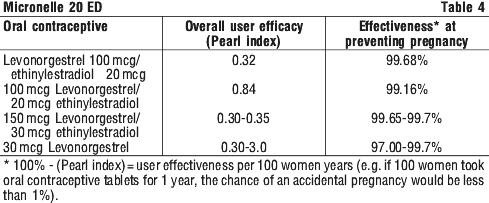
An open-label, non-comparative, multi-centre, phase III clinical study was conducted in 820 women receiving levonorgestrel 100 microgram/ ethinylestradiol 20 microgram for a planned individual maximum of 6 cycles. Six cycles were completed by 680 women. 4,400 cycles in which no alternative methods of contraception were used were available for the efficacy analysis. One pregnancy was reported. This represents an overall user efficacy (typical user efficacy) pregnancy rate of 0.32 per 100 women years (over 99% effective at preventing pregnancy). This rate includes patients who missed up to 3 tablets per cycle. The overall compliance (no missed tablets) was between 94.6% and 98.4% over the course of the study. Published data from a larger study with a similar preparation containing the same dosage of active ingredients in 1447 women, with 7720 cycles of exposure, report 5 pregnancies and an overall user efficacy pregnancy rate of 0.84 per 100 women years, in women who missed up to 3 tablets consecutively per cycle or 5 non-consecutive tablets per cycle.
The overall user efficacy pregnancy rates for levonorgestrel 100 microgram/ ethinylestradiol 20 microgram and other forms of contraception from a number of non-comparative trials based on historical data are given in Table 4.
Whilst the contraceptive efficacy of levonorgestrel 100 microgram/ ethinylestradiol 20 microgram was 99.68% in a single study, the contraceptive efficacy of the levonorgestrel 100 microgram/ ethinylestradiol 20 microgram formulations ranges from 99.16-99.68%, compared historically with the contraceptive efficacy of 99.7% for levonorgestrel 150 microgram/ ethinylestradiol 30 microgram tablets; this represents a similar up to 2-fold increase in the risk of pregnancy.
Cycle control was also evaluated by analysing cycle characteristics, such as duration and intensity of withdrawal bleeding, and the incidence of breakthrough bleeding and amenorrhoea. A total of 4,400 cycles were valid for cycle control analysis; the overall incidence of inter-menstrual bleeding was low. Although there was no comparative study of the cycle control of levonorgestrel 100 microgram/ ethinylestradiol 20 microgram, compared with higher dosage oral contraceptives, cycle control data from historical studies with oral contraceptives containing higher doses of ethinylestradiol and levonorgestrel are given in Table 5.
The length of withdrawal bleeding was 3 - 5 days for most patients (70%) (mean 4.7 days) and the intensity was scanty or normal for most subjects. Cycle length was between 26 and 30 days for most patients (up to 80%) with a tendency to be slightly shorter during the early cycles.

5.2 Pharmacokinetic Properties

The pharmacokinetic information provided is derived from a single tablet (levonorgestrel 100 microgram/ ethinylestradiol 20 microgram) pharmacokinetic study conducted in 20 women.

Levonorgestrel.

Absorption.

Levonorgestrel is absorbed quickly and completely. Maximum active substance levels of ~ 2.4 nanogram/mL were reached in serum approximately 1.0 - 1.3 hours after ingestion of one tablet containing levonorgestrel 100 microgram/ ethinylestradiol 20 microgram. The absolute bioavailability of levonorgestrel amounts to almost 100%.

Distribution.

Levonorgestrel is bound to serum albumin and sex hormone binding globulin (SHBG). Only around 1.1% of the respective total concentration is present in unbound form, while ~ 65% is bound to SHBG. The relative proportions (free, albumin-bound, SHBG-bound) depend on the concentration of SHBG. After induction of the binding protein, the portion bound to SHBG increases to 75%, while the free portion and that bound to albumin decrease to around 0.8 and 25%, respectively.

Metabolism.

Levonorgestrel is extensively metabolised. The major metabolites in plasma are the unconjugated and conjugated forms of 3α, 5β-tetrahydrolevonorgestrel. Additionally, based on in vitro and in vivo studies, CYP3A4 is the main enzyme involved in the oxidative metabolism of levonorgestrel.
The metabolic clearance rate, including the bound component, from plasma is approximately 1.0 mL/min/kg.

Excretion.

The serum concentrations subsequently fall in at least 2 disposition phases with a terminal half-life of around 24 hours.
Levonorgestrel is eliminated not in unchanged form, but in the form of metabolites with a half-life of approximately 28 ± 7 hours and in almost equal proportions via the kidney and bile.

Steady-state conditions.

After daily repeated ingestion, levonorgestrel accumulates by about the factor of 3. A steady state is reached after approximately 11 days. The pharmacokinetics of levonorgestrel are non-linear due to an increase in binding of levonorgestrel to SHBG which is attributed to increased SHBG levels that are induced by the daily administration of ethinylestradiol. The levonorgestrel serum levels do not change any further after 1-3 cycles of use because SHBG induction is concluded. The absolute bioavailability of levonorgestrel amounts to almost 100%.

Ethinylestradiol.

Absorption.

Orally administered ethinylestradiol is absorbed quickly and almost completely from the gastrointestinal tract but due to first-pass metabolism in gut mucosa and liver, the absolute bioavailability of ethinylestradiol is subject to considerable inter-individual variations. After oral ingestion, it amounts to around 40 - 60% of the dose.
Ingestion of Micronelle 20 ED leads to maximum plasma levels of ~ 50 picogram/mL after 1-2 hours. The substance concentration then falls in at least 2 disposition phases with a terminal half-life of around 24 hours. For technical reasons, these data can only be calculated at higher dosages.

Distribution.

Ethinylestradiol is bound non-specifically to serum albumin to about 98%. Ethinylestradiol does not bind to SHBG but induces SHBG synthesis.

Metabolism.

Cytochrome P450 enzymes (CYP3A4) in the liver are responsible for the 2-hydroxylation that is the major oxidative reaction. The 2-hydroxy metabolite is further transformed by methylation and glucuronidation prior to urinary and faecal excretion. Levels of CYP3A4 vary widely amongst individuals and may explain the variations in rates of ethinylestradiol 2-hydroxylation. Ethinylestradiol is excreted in the urine and faeces as glucuronide and sulfate conjugates, and undergoes enterohepatic circulation.

Excretion.

Ethinylestradiol is eliminated not in unchanged form, but in the form of metabolites with a half-life of around 18 ± 4.7 hours at steady state. The excretion ratio is 40 (urine) : 60 (bile).

Steady-state conditions.

According to the variable half-life of the terminal disposition phase from serum and the daily ingestion, steady-state serum levels of ethinylestradiol will be reached after about one week.

5.3 Preclinical Safety Data

Genotoxicity.

There is limited evidence available in the literature suggesting that estrogens may be weakly genotoxic at high doses. Ethinylestradiol was negative in studies for DNA-adduct formation in cultured human liver slices and in assays for gene mutations (bacterial or mammalian cells in vitro) and gave equivocal results in assays for chromosomal damage (clastogenic effects were not consistently seen and occurred at high doses).
The genotoxic potential of levonorgestrel has not been fully investigated, although limited data available to date suggest that it did not appear to be genotoxic.

Carcinogenicity.

Long-term continuous administration of natural and synthetic estrogens in certain animal species increases the frequency of carcinomas of the breast, uterus, cervix, vagina, testis and liver. A long-term study with levonorgestrel in dogs showed an increased incidence of mammary tumours, although a similar effect was not apparent in studies in mice, rats or monkeys. The occurrence of these mammary tumours in dogs may be due in part to a hormonal feedback mechanism. The clinical relevance of these findings is uncertain.
Numerous epidemiological studies have been conducted to determine the incidence of breast, endometrial, ovarian and cervical cancer in women taking COCs. Some of these studies have shown an increased relative risk of breast cancer in certain subgroups of COC users. Women with a strong family history of breast cancer or who have breast nodules, fibrocystic disease or abnormal mammograms should be monitored with particular care. Benign hepatic adenomas have been found to be associated with the use of oral contraceptives. Although benign, hepatic adenomas may rupture and cause death through intra-abdominal haemorrhage. Some epidemiological studies also suggest that COC use has been associated with an increase in the risk of cervical intraepithelial neoplasia in some populations of women, although there continues to be controversy about the extent to which this finding is attributable to the confounding effects of sexual behaviour and other factors, such HPV. It must also be borne in mind that sexual steroids can promote the growth of certain hormone-dependent tissues and tumours (also see Section 4.4 Special Warnings and Precautions for Use).

6 Pharmaceutical Particulars

6.1 List of Excipients

Each pink active tablet contains the following inactive ingredients: Lactose monohydrate, povidone, crospovidone, magnesium stearate, Opadry II complete film coating system 85F34610 Pink.
Each white placebo tablet in Micronelle 20 ED contains lactose, povidone, magnesium stearate, Opadry II complete film coating system 85F18422 White.

6.2 Incompatibilities

Incompatibilities were either not assessed or not identified as part of the registration of this medicine.

6.3 Shelf Life

In Australia, information on the shelf life can be found on the public summary of the Australian Register of Therapeutic Goods (ARTG). The expiry date can be found on the packaging.

6.4 Special Precautions for Storage

Store below 25°C.

6.5 Nature and Contents of Container

Each blister platform (PVC/PVdC/Al) contains 21 active tablets and 7 placebo tablets (28 tablets). Blister platforms are packed within a carton.
Each carton contains 1 x 28, 3 x 28 or 4 x 28 tablets.
AUST R 211154.
Micronelle is a registered trade mark of Apotex Pty Ltd.
Not all pack sizes may be available.

6.6 Special Precautions for Disposal

In Australia, any unused medicine or waste material should be disposed of by taking to your local pharmacy.

6.7 Physicochemical Properties

Levonorgestrel is a white or almost white, odourless or almost odourless, crystalline powder. It is practically insoluble in water; slightly soluble in alcohol, acetone, and ether; soluble in chloroform; and sparingly soluble in methylene chloride.
Ethinylestradiol is a white to creamy white, odourless, crystalline powder. It is practically insoluble in water and soluble in alcohol, chloroform, ether, vegetable oils and aqueous solutions of alkali hydroxides.

Chemical structure.

Levonorgestrel.


Chemical Name: 13β-ethyl-17β-hydroxy-18,19-dinor- 17α-pregn-4-en-20-yn-3-one.
Molecular Formula: C21H28O2.
Molecular Weight: 312.45.

Ethinylestradiol.


Chemical Name: 19-nor-17α-pregna-1,3,5(10)-trien- 20-yne-3,17β-diol.
Molecular Formula: C20H24O2.
Molecular Weight: 296.41.

CAS number.

Levonorgestrel.

797-63-7.

Ethinylestradiol.

57-63-6.

7 Medicine Schedule (Poisons Standard)

S4 - Prescription Only Medicine.

Summary Table of Changes