


Consumer medicine information

Minitran Transdermal Delivery System

Glyceryl trinitrate

BRAND INFORMATION

Brand name

Minitran

Active ingredient

Glyceryl trinitrate

Schedule

S4


Consumer medicine information (CMI) leaflet

Please read this leaflet carefully before you start using Minitran Transdermal Delivery System.

What is in this leaflet

This leaflet answers some common questions about Minitran.

It does not contain all the available information. It does not take the place of talking to your doctor or pharmacist.

All medicines have risks and benefits. Your doctor has weighed the risk of you using Minitran against the benefits they expect it will have for you.

If you have any concerns about using Minitran please ask your doctor or pharmacist.

Keep this leaflet with the medicine. You may want to read it again.

What Minitran is used for

Minitran is used to help prevent angina attacks (chest pain). It is an adhesive patch that delivers a medicine called glyceryl trinitrate through the skin and into the bloodstream.

Glyceryl trinitrate belongs to a group of medicines called nitrates. When a Minitran patch is placed on the skin, glyceryl trinitrate passes slowly through the skin and into the blood stream. Glyceryl trinitrate works by widening blood vessels, letting more blood and oxygen reach the heart.

Ask your doctor if you have any questions about why this medicine has been prescribed for you. Your doctor may have prescribed it for another reason.

There is not enough information to recommend this medicine for children.

Minitran is available only with a doctor's prescription.

Before using Minitran

When you must not use it

Do not use Minitran if you are allergic to:

  • glyceryl trinitrate (the active ingredient) or any other ingredients of Minitran listed at the end of this leaflet.
  • any other medicine or food containing nitrates or nitrites

Some of the symptoms of an allergic reaction may include:

  • shortness of breath
  • wheezing or difficulty breathing
  • swelling of the face, lips, tongue or other parts of the body
  • rash, itching or hives of the skin.

Do not use Minitran if you have any of the following medical conditions:

  • severe anaemia
  • raised pressure in the eye from any cause
  • increased pressure in the head from any cause (such as stroke, tumour, head injury)
  • disease in your heart valves or inflammation of your heart.

If you are not sure whether any of these conditions apply to you, your doctor can advise you.

Do not use Minitran if you are taking medicines called phosphodiesterase inhibitors, such as sildenafil, vardenafil or tadalafil used treat impotence in men and/or for treating high blood pressure in the lungs in men and women. If you use these medicines together with Minitran, your blood pressure may fall to a dangerously low level.

Do not use Minitran if you are using a medicine called riociguat used to treat high blood pressure in your lungs.

Do not use this medicine after the expiry date printed on the pouch or if the package is torn or shows signs of tampering. If it has expired or is damaged, return it to your pharmacist for disposal.

Before you start to use it

Tell your doctor if you have allergies to any other medicines, foods, preservatives or dyes.

Tell your doctor if you have any of the following medical conditions:

  • low blood pressure
  • heart problems or blood vessel disorder other than angina
  • low oxygen levels in your blood.

Your doctor may want to take special precautions if you have any of the above conditions.

Tell your doctor if you are pregnant or breast-feeding. The safety of Minitran in pregnancy has not been established. It is unknown whether Minitran passes into breast milk.

Your doctor can discuss with you the risks and benefits involved.

If you have not told your doctor about any of the above, tell them before you start using Minitran.

Do not use Minitran on anyone else even if you think their condition is the same as yours. Minitran has been prescribed for you only.

Taking other medicines

Tell your doctor or pharmacist if you are taking any other medicines including any that you get from your pharmacy, supermarket or health food shop.

Some medicines and Minitran may interfere with each other. These include:

  • other medicines for angina
  • medicines for high blood pressure or heart problems
  • diuretic medicines, also called water or fluid tablets
  • medicines used to treat depression called tricyclic antidepressants
  • medicines for mental disorders
  • dihydroergotamine, a medicine for migraine
  • any medicines that you buy without a prescription
  • sildenafil, tadalafil or vardenafil used to treat impotence in men or high blood pressure in the lungs in men and women
  • riociguat used to treat high blood pressure in your lungs.

These medicines may be affected by Minitran or may affect how well it works. You may need different amounts of your medicines, or you may need to take different medicines.

Your doctor and pharmacist have more information on medicines to be careful with or avoid while using this medicine.

How to use Minitran

Follow all directions given to you by your doctor or pharmacist carefully. They may differ from the information contained in this leaflet.

If you do not understand the instructions on the product label, ask your doctor or pharmacist for help.

How much to use

Your doctor may start your treatment with one Minitran 5 patch every day and then change to a larger Minitran 10 or Minitran 15 patch if required. Your doctor will prescribe the correct dose for you.

When to use it

Apply a new patch at the same time every day, usually in the morning.

Your doctor will likely ask you to take the patch off for 8 to 12 hours of every 24 hours (e.g. take the patch off at bedtime and put a new one on when you wake up in the morning).

This patch-free period helps maintain the effectiveness of the medicine.

How to apply the patch

Follow these steps to apply a patch to your skin:

  1. Choose an area of skin:
  • The best place is your chest but you may use any area except below your knees or elbows.
  • Choose an area of skin that has no sores, cuts or rashes.
  • If the skin is very hairy, you can clip the hair (do not shave it) so the patch sticks well and won't be hard to remove.
  • Use a different area of skin each day. Wait several days before using the same area again.
  1. Make sure the skin is clean, cool, dry and free from creams, lotions or oils:
  • You may need to wash the area with soap and water and dry it thoroughly.
  • After a shower or bath, wait a few minutes before applying the patch to make sure your skin is completely cool and dry.
  1. Open the sachet that contains the patch:
  • Start at the notched corner.
  • Tear pouch along the dotted line.
  • Do not use scissors because you may accidentally cut the patch and the medicine may leak out.
  1. Remove the protective liner from the sticky side of the patch:
  • Bend the patch so that the tab on the liner pops up.
  • Hold the tab to peel off the liner.
  • Apply sticky side of the patch to the upper arm or chest.
  • Remove and discard the other piece of liner.
  • Press patch firmly into place.

If a patch falls off

If a patch does not stick or falls off, use a new patch on a different area of skin.

  • Apply a new patch to a different area of clean, dry skin.
  • Change the patch at the same time that you would normally change it.

Do not re-use a patch once it has been removed from the skin.

You can bathe, shower and swim as normal when wearing a Minitran patch.

How long to use it

Continue using Minitran for as long as your doctor tells you.

This medicine helps control your condition, but does not cure it. It is important to keep using your medicine even if you feel well.

If you forget to use Minitran

If it is almost time to apply your next patch, skip the one you missed and apply the next patch when you are meant to.

Otherwise, apply the patch as soon as you remember, respecting any prescribed patch-off period and then go back to using Minitran as you would normally.

Do not use 2 patches to make up for the one that you missed. This may increase the chance of you getting an unwanted side effect.

If you have trouble remembering when to use Minitran, ask your pharmacist for some hints.

If you use too much (overdose)

Glyceryl trinitrate overdose is unlikely when using Minitran patches.

If accidental overdose does occur, remove the patch and contact your doctor or Poisons Information Centre (telephone 13 11 26), or go to Accident and Emergency at your nearest hospital.

Some of the symptoms of an overdose may include light-headedness or fainting. This is because your blood pressure is too low.

While you are using Minitran

Things you must do

Tell your doctor if you continue to have angina attacks or if they become more frequent while you are using Minitran. Keep a record of the number of attacks, when they happen and the possible cause (for example, during exercise or during the period when the patch is off). This helps your doctor give you the best possible treatment.

If you become pregnant while taking Minitran, tell your doctor immediately. Your doctor can discuss with you the risks of using Minitran while you are pregnant.

If you are about to be started on any new medicine, remind your doctor and pharmacist that you are using Minitran.

Tell any other doctor, dentist or pharmacist who treats you that you are using Minitran.

Things you must not do

Do not use Minitran to relieve an attack of angina. Minitran will not relieve an attack of angina once it has started. Your doctor will have given you other tablets or spray to use if you get attacks of angina.

Do not stop using Minitran suddenly. Stopping Minitran suddenly may bring on attacks of angina, especially if you have been using it for several weeks or more.

If your doctor asks you to stop using Minitran, your doctor will gradually reduce the dose over 4 to 6 weeks before you completely stop using it.

Do not give this medicine to anyone else, even if their condition seems similar to yours.

Things to be careful of

Be careful if you are driving or operating machinery until you know how Minitran affects you. Minitran patches may lower your blood pressure and make you feel dizzy or lightheaded, particularly when changing position suddenly.

Get up slowly if you feel light-headed, dizzy or faint when getting out of bed or standing up. Standing up slowly, especially when you get up from bed or chairs, will help your body get used to the change in position and blood pressure. If this problem continues or gets worse, talk to your doctor.

Side Effects

Tell your doctor or pharmacist as soon as possible if you do not feel well while you are using Minitran.

This medicine helps most people with angina, but it may have unwanted side effects in a few people. All medicines can have side effects. Sometimes they are serious, most of the time they are not. You may need medical attention if you get some of the side effects.

Do not be alarmed by the following lists of side effects. You may not experience any of them.

Ask your doctor or pharmacist to answer any questions you may have.

Tell your doctor or pharmacist as soon as possible if you notice any of the following and they worry you:

  • headaches
These may develop when you begin using Minitran. They are usually mild and stop after the first few days of treatment.
  • reddening of the skin after the patch has been taken off, with or without itching
If this happens it usually only lasts a few hours. Ensuring your skin is dry before you apply a patch and using a different area of skin each day can help prevent redness and irritation.

Other common side effects include:

  • dizziness
  • light headedness
  • low blood pressure
  • hot flushes
  • nausea and vomiting.

Tell your doctor immediately or go to Accident and Emergency at your nearest hospital if you notice any of the following:

  • signs of an allergic reaction such as rash, itching or hives on the skin; swelling of the face, lips, tongue or other part of the body; shortness of breath, wheezing or troubled breathing
  • severe redness, swelling or blisters under the patch
  • chest pains that are not relieved by taking your usual; medicine for treating an angina attack
  • severe headache.

Tell your doctor or pharmacist if you notice anything that is making you feel unwell.

Other side effects not listed above may also occur in some people.

After using Minitran

Storage

Keep your patches in the pouch until it is time to use them. If you take the patches out of the pouch they may not keep well.

Keep Minitran patches in a cool, dry place where the temperature stays below 25°C.

Do not keep Minitran patches in the fridge.

Keep Minitran patches where children cannot reach them.

Disposal

Dispose of used Minitran patches where children cannot reach them. Used patches still contain some of the active ingredient which could harm a child.

If your doctor tells you to stop taking this medicine or the expiry date has passed, ask your pharmacist what to do with any medicine that is left over.

Product Description

What Minitran patches look like

Minitran is a patch made of thin, clear plastic covered by a layer of adhesive and the active ingredient, glyceryl trinitrate.

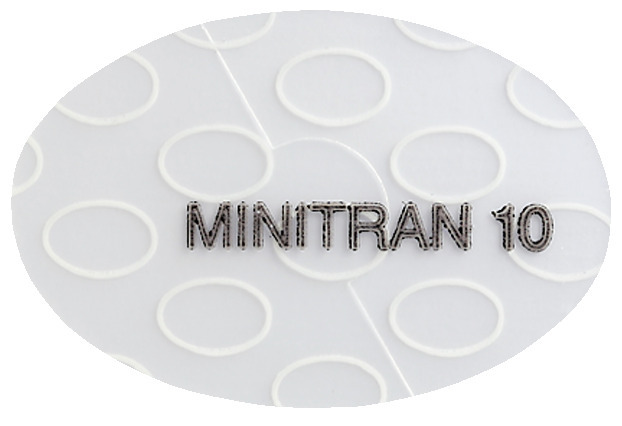
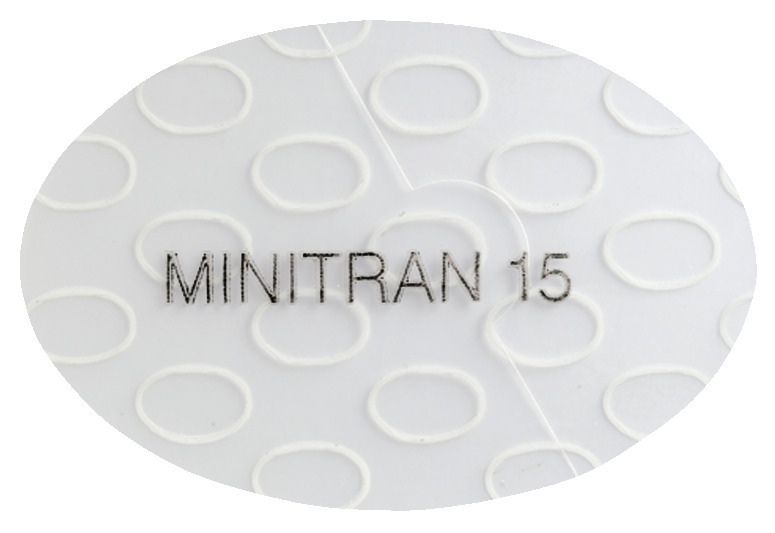
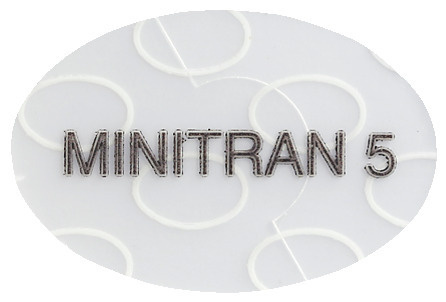
Minitran patches are oval shaped and are available in three sizes:

MINITRAN 5 is a 6.7 cm squared patch. It releases 5 mg of glyceryl trinitrate over 24 hours. The patch is marked "MINITRAN 5".

MINITRAN 10 is a 13.3 cm squared patch. It releases 10 mg of glyceryl trinitrate over 24 hours. The patch is marked "MINITRAN 10".

MINITRAN 15 is a 20 cm squared patch. It releases 15 mg of glyceryl trinitrate over 24 hours. The patch is marked "MINITRAN 15".

Each box of Minitran contains 30 patches.

Ingredients

  • Minitran 5 contains 18 mg of glyceryl trinitrate
  • Minitran 10 contains 36 mg of glyceryl trinitrate
  • Minitran 15 contains 54 mg of glyceryl trinitrate.

Each Minitran patch also contains:

  • polymer 3273
  • ethyl oleate
  • glyceryl laurate.

Australian Registration Numbers:
Minitran 5 AUST R 52028
Minitran 10 AUST R 52029
Minitran 15 AUST R 52030

Sponsor

Minitran is supplied by:

iNova Pharmaceuticals (Australia) Pty Limited
ABN 13 617 871 539
Level 10, 12 Help Street
Chatswood NSW 2067
Tel: 1800 630 056

™ = Trademark

This leaflet was prepared in November 2017.

Published by MIMS February 2018

BRAND INFORMATION

Brand name

Minitran

Active ingredient

Glyceryl trinitrate

Schedule

S4


1 Name of Medicine

Glyceryl trinitrate.

2 Qualitative and Quantitative Composition

Minitran 5 has a surface area of 6.7 cm2 and contains 18 mg of glyceryl trinitrate (GTN). The amount of GTN released over 24 hours is 5 mg.
Minitran 10 has a surface area of 13.3 cm2 and contains 36 mg of glyceryl trinitrate. The amount of GTN released over 24 hours is 10 mg.
Minitran 15 has a surface area of 20.0 cm2 and contains 54 mg of glyceryl trinitrate. The amount of GTN released over 24 hours is 15 mg.
For the full list of excipients, see Section 6.1 List of Excipients.

3 Pharmaceutical Form

Drug delivery system, transdermal.

Minitran 5.

Thin, transparent oval patch 6.7 cm squared with "Minitran 5" printed on the patch in grey.

Minitran 10.

Thin, transparent oval patch 13.3 cm squared with "Minitran 10" printed on the patch in grey.

Minitran 15.

Thin, transparent oval patch 20.0 cm squared with "Minitran 15" printed on the patch in grey.
The Minitran Transdermal Delivery System is a unit designed to provide continuous controlled release of glyceryl trinitrate through intact skin to overcome the problems of the short half-life and extensive first pass metabolism of glyceryl trinitrate.
The rate of release of glyceryl trinitrate from Minitran is linearly dependent upon the area of the applied system; each cm2 of applied system delivers approximately 0.75 mg glyceryl trinitrate over 24 hours, which is equivalent to 0.03 mg/hour. (See Table 1.)
The remainder of the glyceryl trinitrate in the system serves as a reservoir and is not delivered in normal use.
The Minitran Transdermal Delivery System consists of a thin, transparent, low-density, polyethylene film covered by a hypoallergenic, medical grade, acrylate-based polymer adhesive containing glyceryl trinitrate.
Each patch is packaged in foil/polymer film laminate. Prior to use, a protective peel strip is removed from the adhesive surface.

4 Clinical Particulars

4.1 Therapeutic Indications

Prevention of chronic, stable angina pectoris due to coronary artery disease.

4.2 Dose and Method of Administration

The response to nitrates differs between individuals and the minimum effective dose should be prescribed in each case. It is, therefore, recommended that treatment is started with one Minitran 5 patch per day, with upward dosage titration when necessary.
Attenuation of effect has occurred in some patients being treated with sustained release nitrate preparations. To avoid the development of tolerance (loss of effect) with continuous application and on the basis of current clinical studies, it is recommended that Minitran should be applied daily with a patch free interval of 8-12 hours (usually at night).
Each Minitran patch is contained in a sealed pouch. The adhesive layer is covered by a protective film which should be removed before application. The Minitran patch should be applied to a clean, dry, healthy area of skin on the upper arm or chest and should not be applied to the distal parts of the extremities. Subsequent patches should not be applied to the same area of skin until several days have elapsed. Minitran patches adhere easily to the skin and also stay in place whilst bathing or during physical exercise.
No specific information on use in the elderly is available.

4.3 Contraindications

Minitran is contraindicated in cases of:
known hypersensitivity to organic nitrates or to the stated excipients including adhesive in the patch;
severe anaemia;
increased intra-ocular and intracranial pressure; and
marked arterial hypotension or shock.
It is also contraindicated in acute myocardial insufficiency due to obstruction as in aortic or mitral stenosis or constrictive pericarditis.
Do not use Minitran in patients who are taking phosphodiesterase inhibitors (such as sildenafil, tadalafil, or vardenafil) for erectile dysfunction or pulmonary hypertension because concomitant use may amplify the vasodilatory effects of Minitran resulting in severe hypotension.
Do not use Minitran in patients who are taking the soluble guanylate cyclase stimulator riociguat. Concomitant use can cause hypotension.

4.4 Special Warnings and Precautions for Use

Amplification of the vasodilatory effects of Minitran patch by phosphodiesterase inhibitors, e.g. sildenafil can result in severe hypotension.
Severe hypotension, particularly with upright posture, may occur with even small doses of glyceryl trinitrate, particularly in the elderly. Minitran should therefore be used with caution in elderly patients who may be volume depleted, are on multiple medications, or who, for whatever reason, are already hypotensive. Hypotension induced by glyceryl nitrate may be accompanied by paradoxical bradycardia and increased angina pectoris.
Minitran is not indicated for the treatment of acute angina attacks requiring rapid relief. The benefits of transdermal glyceryl trinitrate in patients with acute myocardial infarction or congestive heart failure have not been established. If one elects to use glyceryl trinitrate in these conditions, careful clinical or haemodynamic monitoring must be used to avoid the hazards of hypotension and tachycardia.
Minitran should be removed before attempting cardioversion or defibrillation. A cardiovertor/defibrillator should not be discharged through a paddle electrode that overlies a Minitran patch due to the risk of burns to the patient and damage to the paddle.
Minitran should be used with caution in patients with hypoxaemia or ventilation perfusion imbalance, as a decrease in available oxygen may diminish the anti-anginal effect of Minitran. Nitrate therapy, including Minitran, may aggravate the angina caused by hypertrophic cardiomyopathy, particularly in the elderly.
The appearance of tolerance (the decline in, or loss of efficacy) to the preparation and of cross tolerance with other nitrates may occur with repeated or continuous administration of long-acting nitrates, including Minitran and other transdermal systems. This can be prevented by keeping plasma glyceryl trinitrate levels low for a certain period of the dosing interval and for this reason intermittent therapy is preferable (see Section 4.2 Dose and Method of Administration).
As all nitrate vasodilators can induce withdrawal reactions, abrupt withdrawal of Minitran should be avoided. It is advisable to gradually reduce the dosage over a period of 4 to 6 weeks to prevent a potential withdrawal reaction.
The use of products for topical application, especially if prolonged, may give rise to sensitisation phenomena, in which case treatment should be suspended and suitable therapeutic measures adopted.

Use in the elderly.

Elderly patients may be more susceptible to hypotension and may be at greater risk of falling at the therapeutic doses of glyceryl trinitrate.

Paediatric use.

The safety and efficacy of Minitran in children have yet to be established and, therefore, recommendations for its use cannot be made.

Effects on laboratory tests.

No data available.

4.5 Interactions with Other Medicines and Other Forms of Interactions

Concomitant use of alcohol may enhance the vascular effects of glyceryl trinitrate.
Concomitant use of Minitran and other vasodilatory agents, calcium antagonists, β-blockers, ACE inhibitors, neuroleptics, diuretics, antihypertensives, tricyclic antidepressants, sildenafil and alcohol may enhance the blood pressure lowering effects of glyceryl trinitrate.
Use of Minitran with phosphodiesterase inhibitors is contraindicated (see Section 4.3 Contraindications). Concomitant use of Minitran with riociguat, a soluble guanylate cyclase inhibitor, is contraindicated (see Section 4.3 Contraindications).
There is a risk of coronary artery constriction with concurrent administration of dihydroergotamine.

4.6 Fertility, Pregnancy and Lactation

Effects on fertility.

Lower doses of glyceryl trinitrate did not affect fertility in rats but doses up to 230 mg/kg/day caused moderate to severe testicular degeneration and/or atrophy with severe to complete aspermatogenesis.
(Category B2)
The safety of Minitran in pregnancy has not been established. As with all drugs, Minitran should not be prescribed during pregnancy, particularly during the first trimester, unless there are compelling reasons for doing so. If Minitran is in regular use and pregnancy occurs, the physician should be notified immediately.
It is not known whether glyceryl trinitrate passes into the breast milk. The benefits for the mother must be weighed against the risks to the child.

4.7 Effects on Ability to Drive and Use Machines

No specific studies have been conducted to assess the direct effect of Minitran on the ability to drive and use machines. However, adverse effects of Minitran include dizziness and fainting which could affect the ability to drive or use machines. See Section 4.8 Adverse Effects (Undesirable Effects).

4.8 Adverse Effects (Undesirable Effects)

Adverse reactions to glyceryl trinitrate are generally dose-related and almost all of these reactions are the result of its vasodilatory activity. Headache is the most frequently encountered adverse reaction, particularly when high doses are used. This usually regresses after a few days despite the continuation of therapy. However, if headache is persistent, it may be necessary to reduce the dose or interrupt treatment.
Reddening of the skin, with or without itching or a slight erythematous reaction, sometimes develops and generally disappears a few hours after removal of the patch without adopting other measures. The site of application should be altered daily to avoid local irritation.

Common (≥ 1%).

Central nervous system.

Headache.

Cardiovascular.

Hypotension (postural), dizziness, lightheadedness, hot flushes.

Dermatological.

Application site reaction (redness).

Gastrointestinal.

Nausea, vomiting.

Uncommon (≥ 0.1% to < 1%).

Cardiovascular.

Palpitations, tachycardia, angina aggravated, fainting.

Rare (< 0.1%).

Cardiovascular.

Rebound hypertension.

Haematological.

Methaemoglobinaemia.

Hypersensitivity.

Anaphylaxis, allergic contact dermatitis.

Reporting suspected adverse effects.

Reporting suspected adverse reactions after registration of the medicinal product is important. It allows continued monitoring of the benefit-risk balance of the medicinal product. Healthcare professionals are asked to report any suspected adverse reactions at www.tga.gov.au/reporting-problems.

4.9 Overdose

High doses of glyceryl trinitrate may induce rapid reduction in arterial pressure, causing collapse. Due to the controlled release of glyceryl trinitrate from Minitran, overdosage is likely to be rare. In cases of suspected overdosage, the Minitran patch should be removed and any reduction in arterial blood pressure and symptoms of collapse should be treated by appropriate measures.

Haemodynamic effects.

The adverse effects of glyceryl trinitrate overdose are generally the results of vasodilation, venous pooling, reduced cardiac output and hypotension. These haemodynamic changes may have protean manifestations, including increased intra-cranial pressure with any or all of the following: persistent throbbing headache, confusion and moderate fever; vertigo; palpitations; visual disturbances; nausea and vomiting (possibly with colic and even bloody diarrhoea); syncope (especially in the upright posture); air hunger and dyspnoea, later followed by reduced ventilatory effort; diaphoresis, with the skin either flushed or cold and clammy; heart block and bradycardia; paralysis; coma; seizures and death.
Because the hypotension associated with glyceryl trinitrate overdose is the result of venodilation and arterial hypovolaemia, prudent therapy should be directed towards an increase in central fluid volume. Passive elevation of the patient's legs may be sufficient, but intravenous infusion of normal saline or a similar fluid may also be necessary. The use of adrenaline or other arterial vasoconstrictors in this setting is likely to do more harm than good. In patients with renal disease or congestive heart failure, therapy resulting in central volume expansion is not without hazard. Treatment of glyceryl trinitrate overdose in these patients may be subtle and difficult and invasive monitoring may be required.

Methaemoglobinaemia.

Nitrate ions liberated during metabolism of glyceryl trinitrate can oxidise haemoglobin into methaemoglobin. Assuming that nitrate moieties of glyceryl trinitrate are quantitatively applied to the oxidation of haemoglobin, patients without cytochrome b5 reductase activity would require about 1 mg/kg of glyceryl trinitrate before manifesting clinically significant (≥ 10%) methaemoglobinaemia. Patients with normal reductase function would require even larger doses of glyceryl trinitrate before manifesting clinically significant methaemoglobinaemia. Continuous glyceryl trinitrate infusion at 3.1 to 4.0 mg/hour for 2-4 weeks in 36 patients resulted in an average methaemoglobin level of 0.2%, which was comparable to the level observed in patients receiving placebo. Nevertheless, there are case reports of significant methaemoglobinaemia in association with moderate overdoses of organic nitrates in patients who were thought not to be susceptible.
Methaemoglobin levels are available from most clinical laboratories. The diagnosis should be carried out in patients who exhibit signs of impaired oxygen delivery despite adequate cardiac output and adequate arterial pO2. Classically, methaemoglobinaemic blood is described as chocolate brown without colour change on exposure to air. When methaemoglobinaemia is diagnosed, the treatment of choice is methylene blue, 1 to 2 mg/kg intravenously.
For information on the management of overdose, contact the Poisons Information Centre on 13 11 26 (Australia).

5 Pharmacological Properties

5.1 Pharmacodynamic Properties

Mechanism of action.

The principal pharmacological action of glyceryl trinitrate is relaxation of the vascular smooth muscle and consequent dilation of peripheral arteries and veins, especially the latter. Dilation of the veins promotes peripheral pooling of blood and decreases venous return to the heart, thereby reducing left ventricular end-diastolic pressure and pulmonary capillary wedge pressure (preload). Arteriolar relaxation reduces systemic vascular resistance, systolic arterial pressure and mean arterial pressure (afterload). Dilation of the coronary arteries also occurs, which is of importance in the treatment of coronary spasm.

Clinical trials.

No data available.

5.2 Pharmacokinetic Properties

When a Minitran Transdermal Delivery System is applied to the skin, glyceryl trinitrate is absorbed continuously through the skin into the systemic circulation, maintaining constant blood levels. In healthy volunteers, steady-state plasma concentrations of glyceryl trinitrate are reached by about two hours after application of a patch and are maintained for the duration of wearing the patch. Upon removal of the patch, the plasma concentration declines, with a half-life of about an hour.

5.3 Preclinical Safety Data

Genotoxicity.

No genotoxicity studies were undertaken with glyceryl trinitrate.

Carcinogenicity.

Studies in animals have not been performed with Minitran patches to evaluate the carcinogenic and mutagenic potential. Glyceryl trinitrate, the active component of the Minitran patch, given in the diet to rats at doses up to 1% caused an increase in the incidence of hepatic cholangiofibrosis, hepatocellular carcinomas and/or neoplastic nodules and Leydig cell tumours in the testis.
The Minitran patch contains an acrylate-based polymer adhesive. One of the unpolymerised acrylate monomers has been characterised as a carcinogen in animals and has been shown to have genotoxic potential in animals and in vitro which appears more pronounced in germ cells as compared to somatic cells. However, the risk of the very low levels of unpolymerised monomer causing tumours in humans following dermal application of the Minitran patch is very minimal.

6 Pharmaceutical Particulars

6.1 List of Excipients

Ethyl oleate, Glyceryl laurate, Polymer 3273 (PI 2372).

6.2 Incompatibilities

Incompatibilities were either not assessed or not identified as part of the registration of this medicine.

6.3 Shelf Life

In Australia, information on the shelf life can be found on the public summary of the Australian Register of Therapeutic Goods (ARTG). The expiry date can be found on the packaging.

6.4 Special Precautions for Storage

Store below 25°C. Do not refrigerate.

6.5 Nature and Contents of Container

Minitran 5.

Plastic laminate/Al Sachet. Quantity per carton: 1's#, 3's#, 30's;

Minitran 10.

Plastic laminate/Al Sachet. Quantity per carton: 1's#, 3's#, 30's;

Minitran 15.

Plastic laminate/Al Sachet. Quantity per carton: 1's#, 3's#, 30's.
#Not marketed.

6.6 Special Precautions for Disposal

In Australia, any unused medicine or waste material should be disposed of by taking to your local pharmacy.

6.7 Physicochemical Properties

Glyceryl trinitrate (GTN) is a 1,2,3-propanetriol trinitrate, an organic nitrate.
It has a molecular weight of 227.09. GTN is also known as nitroglycerin.

Chemical structure.

Its structural formula is:

CAS number.

55-63-0.

7 Medicine Schedule (Poisons Standard)

S4.

Summary Table of Changes