1 Name of Medicine
The name of the medicine is moclobemide.
2 Qualitative and Quantitative Composition
Moclobemide-WGR tablets contain 150 mg or 300 mg moclobemide.
Excipient with known effect.
Sugars as lactose.
For the full list of excipients, see Section 6.1 List of Excipients.3 Pharmaceutical Form
Moclobemide-WGR 150 mg tablets are yellow, round, biconvex, film coated tablet, scored on one side with a diameter of 10 mm.
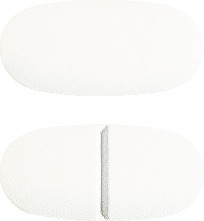
Moclobemide-WGR 300 mg tablets are a white to yellowish-white, oblong, biconvex, film coated tablet, scored on one side with the following dimensions 17 mm x 8.2 mm.
4.1 Therapeutic Indications
Moclobemide-WGR is indicated in the treatment of major depression.
4.2 Dose and Method of Administration
Adults.
Moclobemide-WGR therapy should be initiated in two divided daily doses. The recommended initial daily dose is 300 mg or 450 mg. The recommended dose range is 300-600 mg/day. Moclobemide-WGR should be taken after meals.
Dosage in the elderly.
No dosage adjustments are necessary in elderly patients.
Dosage in patients with impaired renal function.
Single dose pharmacokinetic data suggest that no dosage adjustment may be required in patients with reduced renal function. However multiple dose studies with moclobemide have not been performed in patients with renal dysfunction, therefore Moclobemide-WGR should be use with caution in this patient population. In normal volunteers, the absolute bioavailability almost doubles following multiple dosing as compared to a single dose.
Dosage in patients with impaired hepatic function.
In patients with severely impaired hepatic metabolism, the daily dose of Moclobemide-WGR should be reduced to half or one third of the dose to reach the usual plasma level.4.3 Contraindications
Known hypersensitivity to the drug.
Acute confusional states.
Coadministration of selegiline (L-deprenyl), bupropion, triptans, pethidine, tramadol, dextromethorphan, linezolid.
Coadministration of moclobemide with clomipramine should be avoided in clinical practice due to the risks of increased incidence of adverse reactions.
Serotonin syndrome, see Section 4.5 Interactions with Other Medicines and Other Forms of Interactions.
4.4 Special Warnings and Precautions for Use
Clinical worsening and suicide risk.
The risk of suicide attempt is inherent in depression and may persist until significant remission occurs. This risk must be considered in all depressed patients.
Antidepressants increased the risk compared to placebo of suicidality in children, adolescents, and young adults (aged 18-24 years) during initial treatment (generally the first one to two months) in short-term studies of major depression and other psychiatric disorders. Short-term studies did not show an increase in the risk of suicidality with antidepressants compared to placebo in adults over 24 years of age, and there was a reduction in risk with antidepressants compared to placebo in adults 65 years or older.
Patients with depression may experience worsening of their depressive symptoms and/or the emergence of suicidal ideation and behaviours (suicidality) whether or not they are taking antidepressant medications, and this risk may persist until significant remission occurs. As improvement may not occur during the first few weeks or more of treatment, patients should be closely monitored for clinical worsening and suicidality, especially at the beginning of a course of treatment, or at the time of dose changes, either increases or decreases. Consideration should be given to changing the therapeutic regimen, including possibly discontinuing the medication, in patients whose depression is persistently worse or whose emergent suicidality is severe, abrupt in onset, or was not part of the patient's presenting symptoms. Patients (and caregivers of patients) should be alerted about the need to monitor for any worsening of their condition and/or the emergence of suicidal ideation/ behaviour or thoughts of harming themselves and seek medical advice immediately if these symptoms present. Patients with comorbid depression associated with other psychiatric disorders being treated with antidepressants should be similarly observed for clinical worsening and suicidality.
Pooled analyses of 24 short-term (4 to 16 weeks), placebo controlled trials of nine antidepressant medicines (SSRIs and others) in 4,400 children and adolescents with major depressive disorder (16 trials), obsessive compulsive disorder (four trials), or other psychiatric disorder (four trials) have revealed a greater risk of adverse events representing suicidal behaviour or thinking (suicidality) during the first few months of treatment in those receiving antidepressants. The average risk of such events in patients treated with an antidepressant was 4%, compared with 2% of patients given placebo. There was considerable variation in risk among the antidepressants, but there was a tendency towards an increase for almost all antidepressants studied. The risk of suicidality was most consistently observed in the major depressive disorder trials, but there were signals of risk arising from trials in other psychiatric indications (obsessive compulsive disorder and social anxiety disorder) as well. No suicides occurred in these trials. It is unknown whether the suicidality risk in children and adolescents patients extends to use beyond several months.
The nine antidepressant medicine in the pooled analyses included five SSRIs (citalopram, fluoxetine, fluvoxamine, paroxetine, sertraline) and four non-SSRIs (bupropion, mirtazapine, nefazodone, venlafaxine).
Symptoms of anxiety, agitation, panic attacks, insomnia, irritability, hostility (aggressiveness), impulsivity, akathisia (psychomotor restlessness), hypomania and mania have been reported in adults, adolescents and children being treated with antidepressants for major depressive disorder as well as for other indications, both psychiatric and non-psychiatric. Although a casual link between the emergence of such symptoms and either worsening of depression and/or emergence of suicidal impulses has not been established, there is concern that such symptoms may be precursors of emerging suicidality.
Families and caregivers of children and adolescents being treated with antidepressants for major depressive disorder or for any other condition (psychiatric or non-psychiatric) should be informed about the need to monitor these patients for the emergence of agitation, irritability, unusual changes in behaviour and other symptoms described above, as well as the emergence of suicidality, and to report such symptoms immediately to health care providers. It is particularly important that monitoring be undertaken during the initial few months of antidepressant treatment or at times of dose increase or decrease.
Prescriptions for Moclobemide-WGR should be written for the smallest quantity of tablets consistent with good patient management, in order to reduce the risk of overdose. Insomnia or nervousness or jitteriness at the beginning of treatment with moclobemide can justify a dose reduction or temporary symptomatic treatment. In case of occurrence of mania or hypomania, or the onset of early symptoms of those reactions (grandiosity, hyperactivity, (including increased speech), reckless impulsivity) treatment with moclobemide will be interrupted and alternative treatment will be initiated.
Bipolar disorder/ mania.
A major depressive episode may be the initial presentation of bipolar disorder. It is generally believed that treating such an episode with an antidepressant alone can increase the likelihood of precipitation of a mixed/manic episode in patients at risk of bipolar disorder. Prior to initiating treatment with an antidepressant, patients should be adequately screened to determine if they are at risk for bipolar disorder; such screening should include a detailed psychiatric history, including a family history of suicide, bipolar disorder and depression.
Patients with excitation or agitation as main clinical feature.
Treatment of depressed patients with excitation or agitation as the main clinical feature may require addition of benzodiazepines.
Patients with schizophrenia symptoms.
As is the case with other antidepressants, an exacerbation of schizophrenic symptoms is possible when depressive patients with schizophrenic or schizoaffective psychoses are treated. Therapy with long-term neuroleptics should, if possible, be maintained in such patients.
Dietary precaution.
Treatment with moclobemide does not necessitate dietary restrictions in patients with normal dietary habits. Hypertensive patients are advised to avoid large quantities of tyramine-rich food such as ripe cheese (see Section 4.5 Interactions with Other Medicines and Other Forms of Interactions).
Patients with rare hereditary problems of galactose intolerance, the Lapp lactase deficiency or glucose-galactose malabsorption should not take this medicine.
St. John's wort.
St. John's wort (Hypericum) containing phytotherapeutic products should be used with care in combination with moclobemide as this may increase the serotonin concentration.
Serotonin syndrome.
Concomitant administration of moclobemide and buprenorphine containing products may result in serotonin syndrome, a potentially life-threatening condition (see Section 4.5 Interactions with Other Medicines and Other Forms of Interactions). If concomitant treatment with other serotonergic agents is clinically warranted, careful observation of the patient is advised, particularly during treatment initiation and dose increases. Symptoms of serotonin syndrome may include mental-status changes, autonomic instability, neuromuscular abnormalities, and/or gastrointestinal symptoms. If serotonin syndrome is suspected, a dose reduction or discontinuation of therapy should be considered depending on the severity of the symptoms.
Hypertensive reactions.
There are theoretical pharmacological grounds for supposing that drugs that inhibit monoamine oxidase may provoke hypertensive reactions in patients with thyrotoxicosis or phaeochromocytoma. In the absence of relevant experience with moclobemide, the drug should be prescribed with caution for patients in these groups.
Use in children and adolescents (< 18 years).
The safety and efficacy of Moclobemide-WGR for the treatment of depression or other psychiatric disorders in children and adolescents aged less than 18 years has not been satisfactory established. Moclobemide-WGR should not be used in this age group for the treatment of depression or other psychiatric disorders.
Use in the elderly.
See Section 4.2 Dose and Method of Administration, Dosage in the elderly.
Paediatric use.
No data available.
Effects on laboratory tests.
Moclobemide does not affect laboratory tests.4.5 Interactions with Other Medicines and Other Forms of Interactions
Selegiline.
Co-administration of moclobemide with selegiline is contraindicated due to the relative loss of selectivity if both monoamine oxidase A and B are inhibited.
Linezolid.
Co-administration of moclobemide with linezolid is contraindicated due to the increased risk of serotonin syndrome and hypertensive crisis in vulnerable individuals.
Tramadol.
Co-administration of moclobemide with tramadol is contraindicated.
Tyramine.
In animal experiments it has been shown that the pressor effects of tyramine are less with moclobemide than with other inhibitors of monoamine oxidase. Results from studies in man showed that when tyramine is administered intravenously, or orally under pharmacological conditions by using a provocative model, moclobemide leads to a slight and short-lasting potentiation of the tyramine pressor effect. The potentiation of the pressor effect was even lower or did not occur when tyramine was mixed with a meal. A high protein or fat content meal further reduced the potentiation. In human studies it was demonstrated that up to 100 mg tyramine, corresponding to 1,000 g to 2,000 g mild or 200 g strong cheese, or to 70 g Marmite yeast extract, can safely be ingested during chronic treatment with 200 mg moclobemide three times per day post-prandially. Thus, an interaction with tyramine rich foods is of no clinical importance during moclobemide treatment under normal conditions and moclobemide taken at the end of a meal. Neither age nor depression influences the interaction.
Dextromethorphan.
Isolated cases of severe central nervous system adverse reactions have been reported after coadministration of moclobemide and dextromethorphan. Co-administration of moclobemide and dextromethorphan, which may be contained in cough cold medicines, is not recommended and if possible, alternatives not containing dextromethorphan should be given (see Section 4.4 Special Warnings and Precautions for Use).
Dextropropoxyphene.
Concomitant use of dextropropoxyphene is not advised as moclobemide may potentiate the effects of dextropropoxyphene.
Opiates.
In animals, moclobemide potentiates the effects of opiates. Concomitant use of moclobemide and opioids/opiate products (e.g. buprenorphine, buprenorphine containing products) may result in serotonin syndrome, a potentially life-threatening condition (see Section 4.4 Special Warnings and Precautions for Use). A dosage adjustment of the following opiate, e.g. morphine, fentanyl and codeine may therefore be necessary.
Selective serotonin reuptake inhibitors (SSRIs), tricyclic antidepressants (TCAs), irreversible MAO inhibitors, serotonin syndrome and washout periods.
Due to the possibility of development of serotonin syndrome, moclobemide should not be administered concomitantly with selective serotonin reuptake inhibitors (e.g. fluoxetine and fluvoxamine) or tricyclic antidepressants. This possibility increases with increased dose and fatalities have occurred when one or more of these drugs have been ingested in overdose (see Section 4.9 Overdose). Generally, in patients receiving moclobemide, additional drugs that enhance serotonin, particularly in multiple drug combinations, should only be given with caution.
There are limited data (i.e. small clinical pharmacology studies and post marketing reports) to support the safety of changing from low to moderate doses of serotonin reuptake inhibitors (SRI) to moclobemide 300 mg/day by ceasing the SSRI on one day and starting moclobemide on the next. In one study, 18 healthy subjects were changed from moclobemide 300 mg on day one to fluoxetine 40 mg/day for the next seven days then fluoxetine 20 mg/day for a further seven days. On day 16, subjects were randomised to receive, in addition to fluoxetine 20 mg/day, moclobemide in ascending doses from 100 mg to 600 mg or placebo, for the next eight days. On day 24, all patients received 300 mg moclobemide. There were no differences in the adverse reactions reported between the two groups, although the power of the study to detect clinically significant interactions is limited, given the number of subjects and the dose of moclobemide used. Caution is, however, recommended and the dose of moclobemide should be held at 300 mg/day for the first week. Particular attention should also be given to the patient's medical history and concomitant therapy with other psychotropic drugs known to interact with or facilitate serotonin (5HT) functions.
Similarly, there are limited data to support the safety of changing from low to moderate doses of tricyclic antidepressants, for example 150 mg or less of amitriptyline to moclobemide 300 mg per day by ceasing the tricyclic antidepressant one day and starting moclobemide the next. The patient should be seen again soon after the changeover and progress monitored appropriately. The dose of moclobemide should be maintained at 300 mg/day for the first week.
Generally, an interval of 14 days is recommended for switching from an irreversible MAO inhibitor to moclobemide (e.g. phenelzine, tranylcypromine).
Serotonin norepinephrine reuptake inhibitors (sibutramine and venlafaxine).
In patients receiving moclobemide, additional drugs that enhance serotonin, such as venlafaxine should be given with caution. Concomitant use of sibutramine with moclobemide is not recommended.
Trimipramine and maprotiline.
Care should be taken with concomitant use of trimipramine and maprotiline as the plasma concentration of these non-selective monoamine reuptake inhibitors increases upon concomitant administration with moclobemide.
St. John's wort.
Concomitant use with St. John's wort (Hypericum) is not recommended as this may increase the serotonin concentration in the central nervous system.
Pethidine.
High dose studies in animals have demonstrated some potentiation of analgesic effect and increased restlessness with concomitant administration of pethidine and moclobemide.
Concomitant administration of pethidine and moclobemide is contraindicated because of the increased risk of serotonergic syndrome (confusion, fever, convulsions, ataxia, hyperreflexia, myoclonus, diarrhoea).
Phenprocoumon.
Concomitant administration of moclobemide, 200 mg three times per day, did not influence the parameters of blood coagulation controlled by phenprocoumon. No data are currently available regarding warfarin and moclobemide.
Digoxin, antihypertensives.
Concomitant administration of moclobemide to elderly patients under chronic digoxin treatment produced no significant changes in the digoxin plasma levels. There were no additional ECG disturbances, particularly no arrhythmias or conductance disturbances. Vital signs and laboratory parameters were also unaltered. The combination of moclobemide with metoprolol, nifedipine or hydrochlorothiazide, in patients stable on their antihypertensive treatment, was well tolerated and in particular there were no orthostatic reactions. The therapeutic benefits of nifedipine and hydrochlorothiazide were not influenced by moclobemide. The combination of moclobemide and metoprolol led to an additional blood pressure reduction of 10 to 15 mmHg (systolic) and 5 to 10 mmHg (diastolic). The mechanism underlying this effect is not clear. In normotensive subjects moclobemide had no effect on blood pressure.
Sympathomimetic amines.
Possible undesired interactions between moclobemide and directly acting sympathomimetic amines were investigated in healthy subjects. Phenylephrine reactivity was investigated by infusion of increasing phenylephrine doses before and after moclobemide (100 mg single; 200 mg single; 100 mg three times per day for one week; 200 mg three times per day for three weeks) administration. After the three lowest doses, phenylephrine reactivity remained unchanged. After chronic administration of the highest dose there was a slight increase by 1.8 of the sensitivity factor in only four out of the six subjects, in the other two it was unchanged. Thus, only after repeated administration of the high therapeutic doses of moclobemide, 200 mg three times per day, could a slight interaction be observed. Phenylephrine was given intravenously, but in general it will be used as a nasal decongestant. Recommended use in these indications will be unlikely to result in concentrations of phenylephrine that will cause relevant blood pressure increases.
Cimetidine.
A pharmacokinetic interaction (reduced moclobemide clearance) occurred in healthy subjects with combined administration of moclobemide and cimetidine. Thus, if moclobemide treatment is initiated in a patient pretreated with cimetidine the lowest dose should be given initially. If cimetidine has to be given after initiation of moclobemide treatment, it may be necessary to lower the moclobemide daily dose by 50% or one third and to adjust according to clinical requirement.
Proton pump inhibitors (e.g. omeprazole).
Care should be taken with concomitant use of drugs that are metabolised by CYP2C19 as moclobemide is an inhibitor of this enzyme. The plasma concentration of these drugs (such as proton pump inhibitors (e.g. omeprazole) may be increased when concomitantly used with moclobemide. Similarly, moclobemide inhibits the metabolism of omeprazole in CYP2C19 extensive metabolisers resulting in a doubling of the omeprazole exposure.
Alcohol.
Concomitant moclobemide administration did not further reduce performance in subjects with a blood content of alcohol distinctly reducing performance. Also, in elderly subjects there was no additional influence at therapeutic doses.
Oral contraceptives.
The hormone levels (follicle stimulating hormone (FSH), luteinising hormone (LH), estradiol and progesterone) were not altered when moclobemide was administered concomitantly with combined contraceptives.
Serotonin agonists.
Some serotonin agonists are metabolised predominantly by monoamine oxidase A and may need to be avoided or have their dosage reduced if administered concomitantly with moclobemide.
Triptans.
Coadministration of moclobemide with triptans is contraindicated. Triptans (e.g. sumatriptan, rizatriptan, zolmitriptan, almotriptan) are potent serotonin receptor agonists and are metabolized by monoamine oxidases (MAOs) and various cytochrome P450 enzymes. Coadministration of moclobemide leads to an increase in the plasma concentrations of the triptans. A maximum dose of 5 mg of zolmitriptan is recommended if combined with moclobemide and concomitant treatment is not recommended if moclobemide is administered in higher dose than 150 mg twice daily.4.6 Fertility, Pregnancy and Lactation
Effects on fertility.
There were no adverse effects on the fertility of rats receiving oral moclobemide 100 mg/kg/day (600 mg/m2/day), a dose slightly more than the maximum recommended human dose calculated on a surface area basis.
(Category B3)
Moclobemide and two of its metabolites were found in the amniotic fluid of pregnant rats five hours after dosing. Moclobemide lacked teratogenic activity in rats and rabbits at respective oral doses of 200 mg/kg/day (1200 mg/m2/day) and 100 mg/kg/day (1100 mg/m2/day), doses that are two to three times the maximum recommended human dose calculated on a surface area basis. However, there are no data on safety in human pregnancy and careful evaluation of the potential benefit and hazards to the mother and foetus should precede administration to pregnant women.
Although only a small amount of moclobemide passes into breast milk (approximately 1/30th of the adult dose), the benefits of continuing drug therapy for the breastfeeding mother should be weighed against possible risks to the child.4.7 Effects on Ability to Drive and Use Machines
Impairment of performance in activities requiring complete mental alertness (e.g. driving a motor vehicle) is generally not to be expected with moclobemide. The individual reaction should however be monitored during early treatment.
4.8 Adverse Effects (Undesirable Effects)
Moclobemide is usually well tolerated. No adverse event occurred with an increased frequency of more than 5% compared to a placebo.
The following transient effects have been observed: sleep disturbances, dizziness, nausea, dry mouth and headache. In very rare cases confusional states have been observed, but these rapidly disappeared on discontinuation of therapy. Insomnia, or nervousness/jitteriness at the beginning of treatment with moclobemide can justify a dose reduction or temporary symptomatic treatment. See Table 1.
 Within the system organ classes, adverse reactions are listed under headings of frequency (number of patients expected to experience the reaction), using the following categories: very common (≥ 1/10); common (≥ 1/100 to < 1/10); uncommon (≥ 1/1,000 to < 1/100); rare (≥ 1/10,000 to < 1/1,000); very rare (< 1/10,000); not known (cannot be estimated from the available data). See Table 2.
 Other adverse events with an incidence of < 1% in clinical studies or reported in post-marketing surveillance are as follows.
Psychiatric.
Difficulties falling asleep, nightmares/ dreams, hallucinations, memory disturbances, confusion, disorientation, delusions, increased depression, excitation/ irritability, hypomanic symptoms, aggressive behaviour, apathy, tension. Cases of suicidal ideation and suicidal behaviours have been reported during antidepressant therapy or early after treatment discontinuation (see Section 4.4 Special Warnings and Precautions for Use), though such cases have not been observed following early discontinuation of moclobemide.
Central and peripheral nervous system.
Migraine, extrapyramidal effects, tinnitus, paraesthesia, dysarthria.
Gastrointestinal.
Heartburn, gastritis, meteorism, indigestion.
Cardiovascular.
Hypertension, bradycardia, extrasystoles, angina/ chest pain, phlebetic symptoms, flushing.
Dermatological/ mucocutaneous.
Exanthema/ rash, allergic skin reaction, itching, gingivitis, stomatitis, dry skin, conjunctivitis, pruritus, urticaria.
Genitourinary.
Disturbances of micturition (dysuria, polyuria, tenesmus), metrorrhagia, prolonged menstruation.
Miscellaneous.
General malaise, skeletal/ muscular pain, altered taste sensations, hot flushes/cold sensation, photopsia, dyspnea, visual disturbances. There appears to be a low incidence of increased hepatic enzymes without associated clinical sequelae.
Reporting suspected adverse effects.
Reporting suspected adverse reactions after registration of the medicinal product is important. It allows continued monitoring of the benefit-risk balance of the medicinal product. Healthcare professionals are asked to report any suspected adverse reactions at www.tga.gov.au/reporting-problems.4.9 Overdose
The highest reported overdose is 20.55 g. The usual signs of overdose with moclobemide alone are nausea, vomiting, drowsiness, disorientation, slurred speech, amnesia, reduced reflexes, agitation, hypertension and convulsions.
As with other antidepressants, combination overdoses of moclobemide and other antidepressants, alcohol and other drugs can be life threatening. Fatalities have been reported in combination overdoses of moclobemide and other drugs. Patients should be hospitalised and closely monitored so that appropriate treatment can be given. Serotonin syndrome symptoms (hypertension, spasm, and altered consciousness) have been reported with mixed overdoses with clomipramine or selective serotonin reuptake inhibitors.
Management of the overdose should include monitoring of vital signs and consideration of other agents ingested in multiple overdoses.
For information on the management of overdose, contact the Poisons Information Centre on 13 11 26 (Australia).
5 Pharmacological Properties
5.1 Pharmacodynamic Properties
Mechanism of action.
Moclobemide is an antidepressant that affects the monoaminergic cerebral neurotransmitter system by means of a reversible inhibition of monoamine oxidase. There are two types of monoamine oxidases, A and B, which vary in their substrate specificity. Moclobemide is relatively selective for type A monoamine oxidase. At a 300 mg dose, the inhibition of monoamine oxidase A is approximately 80% while that of monamine oxidase B is approximately 20-30%. The inhibition is short-lasting (approximately 24 hours). The metabolism of dopamine, noradrenaline and serotonin is decreased by this effect, and this leads to increased extracellular concentrations of these neuronal transmitters. As a result of its elevating effect on mood and psychomotor activity, moclobemide relieves symptoms such as dysphoria, exhaustion, lack of drive and poor ability to concentrate. These effects most often appear within the first week of therapy. Although moclobemide has no sedative properties it does increase total sleep time. Moclobemide does not impair alertness or reaction time.
Moclobemide appears to be suitable for ambulatory treatment as it is not sedating and does not impair vigilance or ability to react.
Moclobemide is well tolerated. Short-term and long-term animal studies indicate low toxicity. Little hepatic or cardiac toxicity has been observed. There is a low incidence of raised liver enzymes.
Clinical trials.
Depression. Moclobemide versus placebo.
Clinical efficacy of moclobemide in the treatment of depression has been demonstrated in four randomised, placebo controlled, double-blind trials in a total of 475 patients (180 on moclobemide and 165 on placebo) using moclobemide doses of 200 to 600 mg/day. Three of these were multicentre trials performed predominantly in outpatients and one was a single centre study performed predominantly in inpatients. Two of the studies compared moclobemide with placebo in parallel group design and two compared with placebo on one hand and with a tricyclic antidepressant on the other. The duration of treatment was for 4-6 weeks.
The largest of these studies included 334 patients (117 on moclobemide, 110 on placebo). The mean final improvement in depression as assessed by score on the Hamilton Depression (HAMD) was 48.7% for moclobemide and 31.9% for placebo treated patients. A final improvement of ≥ 50% on the HAMD occurred in 58% of moclobemide and 32% of placebo treated patients. The Clinical Global Impressions (CGI) score at the end of the 6 week treatment period was very good/ good in 64.3% of patients for moclobemide and 32.1% for placebo treated patients. The efficacy of moclobemide versus placebo was statistically significant (p < 0.001) on all measured efficacy parameters. In combining the investigator's global assessment of efficacy for all four studies, the efficacy was rated as very good/good in approximately 60% of patients who had received moclobemide and 30% of patients who had received placebo.
Moclobemide versus tricyclic antidepressants.
Moclobemide was compared to tricyclic antidepressants in 19 double blind studies including a total of 1070 patients (542 on moclobemide and 528 on tricyclic antidepressants). The mean moclobemide dose in these studies was 443 mg/day and score on the HAMD was reduced by ≥ 50% in 56% of patients. Moclobemide was found to have similar efficacy to the tricyclic antidepressants and the Clinical Global Impressions (CGI) score was very good/good in 60.8% of moclobemide patients and 60.1% of patients treated with comparative tricyclic antidepressants.
Moclobemide versus irreversible monoamine oxidase inhibitors.
Moclobemide was compared to tranylcypromine in four double blind studies with 159 patients (81 on moclobemide and 78 on tranylcypromine) using moclobemide doses of 150 to 350 mg/day. The mean final reduction in Hamilton Depression (HAMD) score was 63% in the moclobemide group and 59% in the tranylcypromine group. Tolerance was more frequently rated as better in the moclobemide group and the number of patients who prematurely terminated was three times higher in the tranylcypromine group.
Moclobemide single daily versus divided daily dosing.
This was a double blind, randomised, multicentre trial conducted in 189 patients for six weeks. The trial compared administration of single daily doses of moclobemide 450 mg (this could be increased up to 600 mg after two weeks) with this same daily dose given as three divided doses. The efficacies of the two dosing regimens were not found to be significantly different. Both dosing regimens were well tolerated although there was a significant increase in dizziness and a tendency for nausea, insomnia and headache in the once daily group.
5.2 Pharmacokinetic Properties
Absorption.
After oral administration, moclobemide is completely absorbed from the gastrointestinal tract into the portal blood. A hepatic first-pass effect reduces the systemically available dose fraction (bioavailability: F). This reduction is more pronounced after single (F: 60%) than after multiple (F: > 80%) doses.
Following the administration of a 100 mg single dose of moclobemide to healthy subjects, peak plasma concentrations ranged from 488 nanogram/mL to 1,450 nanogram/mL (mean Cmax: 849 nanogram/mL) and were reached in 0.5 to 3.5 hours (mean Tmax: 49 min). During the second week of a 100 mg t.i.d dosing regime in healthy subjects, the steady-state trough concentrations of moclobemide ranged between 114 nanogram/mL and 517 nanogram/mL. An increase in the dose to 150 mg t.i.d resulted in a greater than proportional increase in moclobemide steady-state trough concentrations, namely to concentrations ranging between 346 nanogram/mL and 1,828 nanogram/mL.
Distribution.
Due to its lipophilic nature, moclobemide is extensively distributed in the body with an apparent volume of distribution (Vss) of about 1.2 L/kg. Binding of the drug to plasma proteins, mainly albumin, is relatively low (50%). Peak plasma concentrations of moclobemide increase over the first week of therapy and remain stable thereafter. When the daily dose is increased, there is a more than proportional increase in steady-state concentrations.
Metabolism.
The drug is almost entirely metabolised before its elimination from the body. Metabolism occurs largely via oxidative reactions on the morpholine moiety of the molecule. Moclobemide is metabolised in part by the polymorphic isoenzymes CYP2C19 and CYP2D6. Thus, in genetically or drug induced (via metabolic inhibitors) poor metabolisers, metabolism of the drug may be affected. Approximately 2% of the Caucasian population and 15% of the Asian population can be genetically phenotyped as slow metabolisers with respect to oxidative hepatic metabolism. It was found that the area under the curve (AUC) measurement in slow metabolizer subjects was approximately 1.5 times greater than in extensive metaboliser subjects for the same dose of moclobemide. This increase is within the normal range of variation (up to two-fold) typically seen in patients. Two studies conducted to investigate the magnitude of these effects suggested that, due to the presence of multiple alternative metabolic pathways, they are therapeutically unimportant and should not necessitate dosage modifications.
One of these, the N-oxide metabolite has slight pharmacological activity. This and other degradation products with pharmacological activity in vitro or in animal experiments are present in the systemic circulation in man at very low concentrations only.
Excretion.
Moclobemide is rapidly eliminated from the body. The metabolites formed are eliminated renally. Less than 1% of a dose is excreted renally in unchanged form. Blood clearance is approximately 20-50 L/hr, the average elimination half-life is two hours with a slight increase at increased doses.
Multiple dose studies in the elderly and in patients with renal insufficiency suggest no dose adjustment is necessary to achieve plasma levels similar to those in young healthy subjects.
5.3 Preclinical Safety Data
Genotoxicity.
Moclobemide was not genotoxic in assays for gene mutation, chromosomal damage or DNA damage.
Carcinogenicity.
There was no evidence of carcinogenic effects following dietary administration of moclobemide to mice for 18 months at 250 mg/kg/day (750 mg/m2/day), or to rats for 24 months at 225 mg/kg/day (1350 mg/m2/day), doses which are two to three times the maximum recommended human dose calculated on a surface area basis.6 Pharmaceutical Particulars
6.1 List of Excipients
Other ingredients of Moclobemide-WGR 150 mg and 300 mg tablets are lactose monohydrate, pregelatinised maize starch, sodium starch glycollate, povidone, magnesium stearate, hypromellose, microcrystalline cellulose, PEG-8 stearate, propylene glycol and titanium dioxide. In addition to the above excipients the 150 mg tablets also contain a colouring agent iron oxide yellow.
6.2 Incompatibilities
Incompatibilities were either not assessed or not identified as part of the registration of this medicine.
6.3 Shelf Life
In Australia, information on the shelf life can be found on the public summary of the Australian Register of Therapeutic Goods (ARTG). The expiry date can be found on the packaging.
6.4 Special Precautions for Storage
Store below 25°C. Protect from moisture.
6.5 Nature and Contents of Container
Available in PVC/Al blister packs containing 60 tablets.
6.6 Special Precautions for Disposal
In Australia, any unused medicine or waste material should be disposed of by taking to your local pharmacy.
6.7 Physicochemical Properties
Moclobemide is a white crystalline powder. It contains no crystal water and is not hygroscopic. It is soluble in water at 0.4 g/100 mL. The pKa is approximately 6.2.
Chemical structure.
 Chemical name: 4-chloro-N-[2-(4-morpholinyl) ethyl] benzamide.
Molecular weight: 268.74.
CAS number.
71320-77-9.7 Medicine Schedule (Poisons Standard)
Prescription Medicine (S4).
Summary Table of Changes