


Consumer medicine information

Natulan

Procarbazine

BRAND INFORMATION

Brand name

Natulan

Active ingredient

Procarbazine

Schedule

S4


Consumer medicine information (CMI) leaflet

Please read this leaflet carefully before you start using Natulan.

What is in this leaflet?

This leaflet answers some common questions about NATULAN capsules.

It does not contain all the available information.

It does not take the place of talking to your doctor or pharmacist.

All medicines have risks and benefits. Your doctor has weighed the risks of you taking NATULAN capsules against the benefits they expect it will have for you.

If you have any concerns about taking this medicine, ask your doctor or pharmacist.

Keep this leaflet with the medicine. You may need to read it again.

What NATULAN is used for

The name of your medicine is NATULAN. It contains the active ingredient called procarbazine hydrochloride.

NATULAN belongs to a group of medicines called anticancer drugs. Anticancer drugs are used to treat cancer and work by stopping the growth of certain types of cells in the body, including diseased cells.

NATULAN is prescribed for several conditions including Hodgkin's disease and some types of blood disorders.

There are many different types of medicines used to treat cancer. NATULAN belongs to a group of medicines known as methylhydrazine compounds.

Your doctor may have prescribed NATULAN for another purpose. Ask your doctor if you have any questions why NATULAN has been prescribed for you.

This medicine is available only with a doctor's prescription.

Before you take NATULAN

Do not take NATULAN if:

  • You have an abnormal number of white blood cells or platelets
  • You have severe kidney or liver disease
  • You are pregnant, or are planning to become pregnant
  • You have had an allergic reaction to NATULAN or any ingredients listed in the Ingredients section of this leaflet.
    An allergic reaction may result in a skin rash.

Do not take NATULAN after the expiry date {EXP} printed on the pack. It may have no effect or, worse, an entirely unexpected effect if you take it after the expiry date.

Do not take NATULAN if the package is torn or shows signs of tampering.

If you are not sure if you should be taking NATULAN, talk to your doctor.

You must tell your doctor if:

  1. you are allergic to any other medicines, foods, dyes or preservatives
  2. you have any other health problems including:
  • liver disease
  • kidney disease
  • blood disorders
  1. you are pregnant or intend to become pregnant
  2. you are breastfeeding or wish to breastfeed
Your doctor will discuss the risks and benefits of using NATULAN when pregnant and while breastfeeding.

Taking other medicines

Tell your doctor if you are taking any other medicines including any that you have bought from a pharmacy, supermarket or health food shop.

Other medicines may interfere with NATULAN. These medicines include:

  • those you are currently taking to treat your illness
  • those used to treat anxiety, depression, sleeplessness or other psychological disorder
  • sympathomimetics e.g. some cough and cold medicines.

Patients are advised to avoid cheeses and other foods high in sympathomimetic amines during treatment.

You may find that you have developed an intolerance to alcohol, therefore it is best to avoid alcohol during treatment with NATULAN.

Your doctor or pharmacist has a complete list of medicines to avoid while taking NATULAN.

If you have not told your doctor about any of the above, tell them before you start taking NATULAN.

Use NATULAN exactly as your doctor has prescribed.

How to take NATULAN

How much to take

Your doctor will tell you how many NATULAN capsules to take each day.

NATULAN is given initially in small doses which are increased gradually. Dosage is 50 mg (1 capsule) on the first day, increasing by 50 mg daily up to 250-300 mg (5-6 capsules) daily after 5-6 days. Dosage is continued at this level until your illness is under control. After this, you take NATULAN at a lower dose to maintain the improvement.

If you suffer from a liver or kidney condition or have an illness of your blood your doctor may decide whether you should take NATULAN at a lower dose or not at all. Please follow your doctor's instructions carefully.

Your doctor may tell you to stop taking NATULAN for a while if you develop certain blood problems.

How to take it

Capsules should be swallowed whole with a glass of water.

Do not take any damaged capsules.

How long to take NATULAN

Your doctor knows best when you should stop taking NATULAN. It is usually prescribed at the maintenance dose until you have taken a total dose of 6 g. Your treatment may last for between 6 weeks to 4 months.

Continue taking NATULAN until your doctor tells you to stop.

If you forget to take NATULAN

If you forget to take a dose, inform your doctor immediately. If you are unable to contact your doctor and it is almost time for your next dose, skip the dose you missed and take your next dose when you are meant to. Otherwise, take it as soon as you remember, then go back to taking it as soon as you would normally.

Do not double a dose to make up for one you have missed.

In case of an overdose

Immediately telephone your doctor or Poisons Information Centre (Telephone 13 11 26) for advice or go to Accident and Emergency at your nearest hospital if you think that you or anyone else may have taken too much NATULAN even if there are no signs of discomfort or poisoning. You may need urgent medical attention.

Keep telephone numbers for these places handy.

If you are not sure what to do, contact your doctor or pharmacist.

Ask your doctor or pharmacist if you don't understand anything in this list.

While you are taking NATULAN

Things you must do

Tell all doctors, dentists and pharmacists who are treating you that you are taking NATULAN.

Do not take any other medicines whether they require a prescription or not without first telling your doctor.

Tell your doctor if you become pregnant while taking NATULAN.

Tell your doctor if, for any reason, you have not taken your medicine exactly as prescribed. Otherwise, your doctor may think that it was not effective and change your treatment unnecessarily.

Tell your doctor if you feel the capsules are not helping your condition.

Be sure to keep all of your appointments with your doctor so that your progress can be checked.

Things you must not do

Do not stop taking NATULAN or change the dose without first checking with your doctor. Do not let yourself run out of medicine over the weekend or on holidays.

Do not give NATULAN to anyone else even if their symptoms seem similar to yours.

Do not use NATULAN to treat other complaints unless your doctor says to.

Things to be careful of

Be careful driving or operating machinery until you know how NATULAN affects you.

Side Effects

Tell your doctor or pharmacist as soon as possible if you do not feel well while you are taking NATULAN.

NATULAN helps most people with cancer but it may have unwanted side effects in a few people.

All medicines can have side effects. Sometimes they are serious, most of the time they are not. You may need medical treatment if you get some of the side effects.

Ask your doctor or pharmacist to answer any questions you may have.

If side effects do occur, they may be:

  • anorexic (loss of appetite), nausea, sometimes with vomiting. These effects usually go away after the first few weeks of treatment. These effects may also occur if you take too much NATULAN.
  • Blood problems - your doctor will do regular blood tests to check this
  • Bone marrow depression

Tell your doctor if you notice any of the following and they worry you:

  • alopecia (loss of hair), this is reversible in most cases
  • headache
  • tingling of fingers or toes
  • diseases of the nerves
  • defective muscular coordination e.g. unsteady walking
  • disturbances of liver function causing yellowing of the skin/eyes
  • skin rashes and/or itching
  • rarely, low sperm counts

This is not a complete list of all possible side effects. Others may occur in some people and there may be some side effects not yet known.

Tell your doctor if you notice anything else that is making you feel unwell, even if it is not on this list.

Ask your doctor or pharmacist if you don't understand anything in this list. Do not be alarmed by this list of possible side effects. You may not experience any of them.

After taking NATULAN

Storage

Keep NATULAN where young children cannot reach it. A locked cupboard at least one-and-a- half metres above the ground is a good place to store medicines.

Keep NATULAN in a cool dry place where the temperature stays below 25°C. Do not store it, or any other medicine, in a bathroom or near a sink.

Do not leave it in the car or on window sills. Heat and dampness can destroy some medicines.

Disposal

If your doctor tells you to stop taking NATULAN, or the capsule has passed its expiry date, ask your pharmacist what to do with any capsules that are left over.

Product Description

What NATULAN looks like

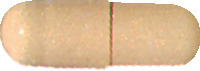
NATULAN capsules are pale yellow in colour.

Ingredients

Active ingredient - procarbazine (as the hydrochloride)

  • each capsule contains 50 mg of procarbazine (as the hydrochloride)

Inactive ingredients -

  • mannitol, maize starch, purified talc, gelatin, magnesium stearate and the colourants iron oxide yellow (172) and titanium dioxide (171)

NATULAN capsules are gluten free.

NATULAN comes in packs of 50 capsules in a carton of foil blisters.

Sponsor

NATULAN is distributed by:

Link Medical Products Pty Ltd
ACN 010 971 516
5 Apollo Street, Warriewood
NSW 2102 Australia

Australian Registration Number: AUST R 231199, AUST R 13752

Last modified July 2020

Published by MIMS December 2020

BRAND INFORMATION

Brand name

Natulan

Active ingredient

Procarbazine

Schedule

S4


1 Name of Medicine

Procarbazine (as hydrochloride).

2 Qualitative and Quantitative Composition

Natulan contains the active component procarbazine (as the hydrochloride). Each capsule contains 50 mg procarbazine (as the hydrochloride).
For the full list of excipients, see Section 6.1 List of Excipients.

3 Pharmaceutical Form

Hard capsules (opaque ivory coloured with a white to yellowish fine granular powder).

4 Clinical Particulars

4.1 Therapeutic Indications

Treatment of Hodgkin's disease (multiple lymphadenoma); treatment of other malignant lymphomas including lymphosarcoma, reticulosarcoma, Brill-Symmers disease. Natulan is dissimilar to other cytostatic agents and may be effective in cases resistant to other drugs and X-rays.

4.2 Dose and Method of Administration

Initial dosage.

Natulan is given by mouth, initially in small doses which are increased gradually to a maximum of 250 to 300 mg daily. Dosage is 50 mg on the first day, increasing by 50 mg daily up to 250 to 300 mg daily after 5 or 6 days. Dosage is maintained at this level until the greatest possible remission has occurred.
If during this time, leucopoenia of about 3,000/mm3 or thrombocytopaenia of about 80,000/mm3 occurs, treatment should be suspended until leucocyte and platelet levels recover and then recommenced.

Maintenance dosage.

50 to 150 mg daily until a total dose of 6 g has been given. Otherwise a negative result is not significant.

Special populations.

Patients with hepatic and renal impairment.

Procarbazine should be used with caution in patients with hepatic or renal impairment and is contraindicated if impairment is severe. The haematological status of the patient should be determined at least every 3 or 4 days and hepatic and renal function determined weekly (see Section 4.4 Special Warnings and Precautions for Use).

Elderly.

Procarbazine should be used with caution in the elderly. Patients in this group should be observed very closely for signs of early failure or intolerance to treatment (see Section 4.4 Special Warnings and Precautions for Use).

Paediatric patients.

The treatment and the maintenance doses of procarbazine should be determined only by a physician experienced in the use of potent antineoplastic drugs in children (see Section 4.4 Special Warnings and Precautions for Use).

4.3 Contraindications

Patients with known hypersensitivity to the active substance or any of the listed excipients. If allergic skin reactions occur, treatment must be stopped.
Pre-existing leucopoenia or thrombocytopenia; severe hepatic or renal damage.
Pregnancy and breastfeeding (see Section 4.6 Fertility, Pregnancy and Lactation, Use in pregnancy).

4.4 Special Warnings and Precautions for Use

Identified precautions.

It is recommended that procarbazine be given only under supervision of a physician experienced in the use of potent antineoplastic drugs.
Bone marrow depression may occur, and full blood count, liver and renal function tests should be performed prior to each cycle of administration of procarbazine.
The immunosuppressant effect of procarbazine may increase the risk of infections caused by pathogenic or opportunistic microorganism, may reduce the response to vaccines, and there is a possibility of generalised infection with live vaccines. Use of live vaccines should generally be avoided.
Secondary non-lymphoid malignancies such as acute myeloid leukaemia and lung cancer have occurred in patients with Hodgkin's disease receiving procarbazine in combination with other chemotherapy and/or radiation therapy. Discontinuation of treatment with procarbazine should be considered if the following situations occur:
Leucopenia, thrombocytopenia;
CNS symptoms such as paraesthesia, neuropathy or state of confusion;
Hypersensitivity reactions;
Diarrhoea;
Stomatitis;
Vomiting.
If allergic skin reactions occur, treatment should be interrupted. Intolerance to alcohol may develop and abstinence may be advisable during therapy.
Care is also advisable in patients with phaeochromocytoma, epilepsy, or cardiovascular or cerebrovascular.

Use in renal and hepatic impairment.

The haematological status must be monitored twice a week and hepatic and renal function at least once a week. Increased toxicity has been reported in patients with decreased renal and/or hepatic function. Therapy initiation in hospital should be considered in these patients (see Section 4.2 Dose and Method of Administration). Procarbazine is contraindicated if impairment is severe (see Section 4.3 Contraindications).

Use in the elderly.

There is no specific data in the elderly. The use of antineoplastic agents in the elderly should take into consideration age-related physiological changes including decline in renal and hepatic function, reduced haematopoietic reserve, and reduced gastrointestinal and cardiac function. Other factors to consider are comorbid conditions and potential drug interactions with associated medications. (See Section 4.2 Dose and Method of Administration.)

Paediatric use.

Increased toxicity has been reported in children, including tremors, coma and convulsions (see Section 4.2 Dose and Method of Administration).

Effects on laboratory tests.

No data available.

4.5 Interactions with Other Medicines and Other Forms of Interactions

Natulan is a weak monoamine oxidase inhibitor (MAOI); it may thus potentiate barbiturates, and sympathomimetic and psychotropic agents.
Patients should be advised to avoid cheese, yoghurt, bananas, and other foods high in sympathomimetic amines during treatment. Patients may become intolerant to alcohol, and abstinence is advised during the course of therapy.
Avoid concomitant use of: sympathomimetic drugs; decongestants.
Due to potentiation, the following drugs should be used with caution and in reduced dosage:
CNS depressants (anaesthetics, barbiturates, narcotic analgesics);
Drugs with anticholinergic effects (including tricyclic antidepressants);
Phenothiazines;
Antihypertensive agents.
Use of procarbazine with enzyme-inducing antiepileptics is associated with an increased risk of hypersensitivity reactions, possibly through a reactive intermediate generated by induction of the cytochrome P450 isoenzyme CYP3A subfamily. In patients with brain tumours who are treated with procarbazine, use with non-enzyme-inducing antiepileptics might be more appropriate.

4.6 Fertility, Pregnancy and Lactation

Effects on fertility.

Before starting treatment with procarbazine, both male and female patients must be informed about the risk of sterility. Permanent azoospermia and sterility have been reported.
(Category D)
Contraindicated (see Section 4.3 Contraindications).
Category D: Drugs which have caused, are suspected to have caused or may be expected to cause, an increased incidence of human fetal malformations or irreversible damage. These drugs may also have adverse pharmacological effects. Accompanying text above should be consulted for further details.
Procarbazine is teratogenic in animal studies. There have been reports of malformations in babies born to women exposed to procarbazine, miscarriages, premature births and underweight babies. Women of childbearing potential must not become pregnant during treatment with procarbazine.
It is not known whether procarbazine enters breast milk, but mothers should not breast feed when taking the drug (see Section 4.3 Contraindications).

Contraception.

During treatment, both men and women should be informed of recognised methods of contraception. These contraceptive measures should be taken for up to 6 months for males and 9 months for females after the end of treatment.

4.7 Effects on Ability to Drive and Use Machines

Patients should be warned of the possibility of dizziness and somnolence (see Section 4.8 Adverse Effects (Undesirable Effects)).

4.8 Adverse Effects (Undesirable Effects)

Gastrointestinal upsets and bone marrow depression are most prominent. Anorexia and nausea occur in most cases, sometimes with vomiting; these symptoms are usually confined to the first few weeks of treatment. Leucopenia and thrombocytopenia are almost always reversible and seldom require complete cessation of therapy. Alopecia may occur, this is reversible in the majority of cases. There have also been reports of neurological disorders (headache, paresthesias, neuropathy and ataxia), disturbances of liver function (cholestatic jaundice) and allergic skin reactions (rash, urticaria, pruritus) and azoospermia.
The adverse reactions are listed below, based on experience from clinical trial and post marketing surveillance safety data. Within the MedDRA system organ classification, adverse reactions are listed under headings of frequency using the following categories: very common (≥ 1/10), common (≥ 1/100, < 1/10); uncommon (≥ 1/1000, < 1/100); rare (≥ 1/10,000, < 1/1,000); not known (cannot be estimated from the available data). Within each frequency grouping, undesirable effects are presented in order of decreasing seriousness.

Infection and infestations.

Common.

Infection.

Not known.

Sepsis, herpes zoster, pneumonia, influenza, urinary tract infection, nasopharyngitis.

Neoplasm benign, malignant and unspecified.

Not known.

Acute myeloid leukaemia, myelodysplastic syndrome, second primary malignancies.

Blood and lymphatic system disorders.

Common.

Thrombocytopenia, leucopenia, anaemia.

Not known.

Bone marrow failure, pancytopenia, febrile neutropenia, eosinophilia.

Immune system disorders.

Uncommon.

Hypersensitivity (including anaphylaxis, angioedema).

Metabolism and nutrition disorders.

Common.

Anorexia.

Psychiatric disorders.

Not known.

Insomnia, depression, confusion, mental status changes, lethargy.

Nervous system disorders.

Not known.

Seizures, neuropathy peripheral, paraesthesia, hypoaesthesia, dizziness, headache, tremor, somnolence.

Eye disorders.

Not known.

Visual disturbance (including vision blurred and visual impairment).

Cardiac disorders.

Not known.

Congestive heart failure, cardiac disorder.

Vascular disorders.

Not known.

Thrombosis, hypotension, haemorrhage.

Respiratory, thoracic and mediastinal disorders.

Not known.

Interstitial lung disease, pleural effusion, pneumonitis, dyspnoea, oropharyngeal pain, cough.

Gastrointestinal disorder.

Common.

Nausea, vomiting, loss of appetite.

Not known.

Stomatitis, constipation, diarrhoea, abdominal pain upper, abdominal pain, abdominal discomfort, dyspepsia.

Hepato-biliary disorders.

Not known.

Hepatotoxicity, hepatitis, jaundice, abnormal liver function tests.

Skin and subcutaneous tissue disorders.

Common.

Alopecia.

Not known.

Stevens-Johnson syndrome; toxic epidermal necrolysis, toxic skin eruption, rash generalised, rash, urticaria, pruritus.

Musculoskeletal, connective tissue, and bone disorders.

Not known.

Osteonecrosis, myalgia, back pain, arthralgia, pain in jaw, bone pain.

Renal and urinary disorders.

Not known.

Renal failure, acute kidney injury.

Reproductive system and breast disorders.

Not known.

Permanent azoospermia, ovarian failure.

General disorders and administration site conditions.

Not known.

Pain, pyrexia, fatigue, malaise, asthenia.
*Late toxicity includes secondary malignancies (acute myeloid leukemia, non-lymphoid leukemia, non-Hodgkin's lymphoma), solid tumours (lung, GI tract, pancreas, liver, head and neck, breast, ovarian, cutaneous, teratoma testes). The number of patients suffering from late toxicities may increase over time.

Paediatric population.

Although the safety profile between paediatric patients and adults is expected to be similar, increased toxicity has been reported in children (see Section 4.4 Special Warnings and Precautions for Use).

Reporting suspected adverse effects.

Reporting suspected adverse reactions after registration of the medicinal product is important. It allows continued monitoring of the benefit-risk balance of the medicinal product. Healthcare professionals are asked to report any suspected adverse reactions at www.tga.gov.au/reporting-problems.

4.9 Overdose

The following ADRs have been reported with overdose of procarbazine: nausea, vomiting, enteritis, diarrhoea, hypotension, tachycardia, tremors, dizziness, hallucinations, depression, bone marrow suppression, convulsions, coma.

Treatment.

Activated charcoal may reduce absorption of the medicine if given within one or two hours after ingestion. In patients who are not fully conscious or have impaired gag reflex, consideration should be given to administering activated charcoal via a nasogastric tube, once the airway is protected.
General supportive treatment should be performed, with prophylactic treatment against possible infection, and frequent blood counts weekly for at least 3 weeks, or more frequently if unwell or clinically symptomatic from myelosuppression (evidence of bleeding or infection).
Consider further haematological monitoring after 3 weeks only if white cells and platelets not recovering (discuss with haematologist/ oncologist).
For information on the management of overdose, contact the Poison Information Centre on 131126 (Australia).

5 Pharmacological Properties

5.1 Pharmacodynamic Properties

Mechanism of action.

Natulan is a derivative of methylhydrazine with cytostatic properties.

Clinical trials.

No data available.

5.2 Pharmacokinetic Properties

No data available.

5.3 Preclinical Safety Data

Genotoxicity.

No data available.

Carcinogenicity.

No data available.

6 Pharmaceutical Particulars

6.1 List of Excipients

Mannitol, maize starch, purified talc, magnesium stearate, iron oxide yellow, titanium dioxide and gelatin.

6.2 Incompatibilities

Incompatibilities were either not assessed or not identified as part of the registration of this medicine.

6.3 Shelf Life

In Australia, information on the shelf life can be found on the public summary of the Australian Register of Therapeutic Goods (ARTG). The expiry date can be found on the packaging.

6.4 Special Precautions for Storage

Store bottle below 30°C in a dry place. *Not currently marketed in Australia.
Store blister pack below 25°C in a dry place.

6.5 Nature and Contents of Container

Glass type III coloured (amber) bottle of 50 capsules. *Not currently marketed in Australia.
Al/ Al foil blister pack of 50 capsules.

6.6 Special Precautions for Disposal

Urine produced for up to 48 hours after a dose of procarbazine should be handled wearing protective clothing.
In Australia, any unused medicine or waste material should be disposed of by taking to your local pharmacy.

6.7 Physicochemical Properties

Procarbazine hydrochloride is a white to pale yellow crystalline powder with a slight odour.
Procarbazine is sensitive to oxidation. It is very soluble in water and methanol and freely soluble in chloroform and diethyl ether.

Chemical structure.


N-1(1-methylethyl)-4-[(2-methylhydrazino)methyl]benzamide monohydrochloride.
Molecular formula: C12H19N3O.HCl.
Molecular weight: 257.59.

CAS number.

366-70-1.

7 Medicine Schedule (Poisons Standard)

Schedule 4 - Prescription Only Medicine.

Summary Table of Changes