


Consumer medicine information

Navelbine IV

Vinorelbine

BRAND INFORMATION

Brand name

Navelbine

Active ingredient

Vinorelbine

Schedule

S4


Consumer medicine information (CMI) leaflet

Please read this leaflet carefully before you start using Navelbine IV.

What is in this leaflet

This leaflet answers some common questions about Navelbine Injection.

It does not contain all the available information.

It does not take the place of talking to your doctor or pharmacist.

All medicines have benefits and risks. Your doctor has weighed the risks of you being given Navelbine Injection against the benefits this medicine is expected to have for you.

If you have any concerns about being given this medicine, ask your doctor or pharmacist.

Keep this leaflet. You may need to read it again.

What Navelbine Injection is used for

Navelbine Injection is used to treat lung cancer and advanced breast cancer.

Navelbine Injection may be used on its own or in combination with other medicines to treat cancer.

Navelbine Injection belongs to a group of medicines called antineoplastic or cytotoxic medicines. You may also hear of these medicines being called chemotherapy.

Navelbine Injection contains the medicine, vinorelbine which belongs to a family of medicines called vinca alkaloids. Navelbine Injection works by stopping cancer cells from growing and multiplying causing the cells to die.

Navelbine Injection is not recommended for use in children as there is no information on its effects in children.

Your doctor may have prescribed Navelbine Injection for another purpose. Ask your doctor if you have any questions about why Navelbine Injection has been prescribed for you.

This medicine is available only with a doctor’s prescription.

Before you are given Navelbine Injection

When you must not be given it

Navelbine Injection should not be administered if you have an allergy to: the active substance, vinorelbine; or to the other vinca alkaloids, (vinblastine, vincristine, vindesine, vinflunine); or to any of the ingredients listed at the end of this leaflet.

Symptoms of an allergic reaction to Navelbine Injection may include:

  • shortness of breath
  • wheezing, difficulty breathing or a tight feeling in your chest
  • swelling of the face, lips, tongue or other parts of the body
  • rash, itching, hives or flushed, red skin.
  • dizziness or lightheadedness.

Navelbine Injection should not be administered if you have, or have had an infection or high temperature in the last 2 weeks. Your doctor may decide to delay your treatment until the infection has gone.

Navelbine Injection should not be administered if you have, or have had, any of the following medical conditions:

  • severe liver problems;
  • a reduced number of white blood cells (known as neutropenia) which you may notice as frequent infections such as fever, severe chills, sore throat or mouth ulcers;
  • a reduced number of platelets (blood cells which help the blood to clot) which you may notice as bleeding or bruising more easily than normal.

Navelbine Injection should not be administered if you have recently had a yellow fever vaccination or plan to have one.

Navelbine Injection should not be administered if you are pregnant or intend to become pregnant. Like most medicines used to treat cancer, Navelbine Injection is not recommended for use during pregnancy. Navelbine Injection may affect your developing baby if you take it during pregnancy. If there is a need to consider Navelbine Injection during your pregnancy, your doctor will discuss with you the benefits and risks of using it.

Do not breastfeed while being treated with Navelbine Injection. Navelbine Injection may pass into breastmilk and therefore there is a possibility that the breast-fed baby may be affected.

Navelbine Injection should not be administered after the expiry date printed on the pack. The expiry date refers to the last day of that month. If you have this medicine after the expiry date has passed, it may not work as well.

Navelbine Injection should not be administered if the packaging is torn or shows signs of tampering. If it has expired or is damaged, return it to your pharmacist for disposal.

If you are not sure whether you should start having Navelbine Injection, talk to your doctor.

Before you are given it

Navelbine Injection is a potent cytotoxic drug that results in a decrease in blood cells. Your blood count will be carefully monitored before and during your treatment.

Tell your doctor or pharmacist if you have allergies to:

  • any other medicines;
  • any other substances, such as foods, preservatives or dyes.

Tell your doctor if you have or have had any medical conditions, especially the following:

  • heart problems (including chest pain and heart attack);
  • liver problems;
  • you have signs or symptoms of infection (such as fever, chills cough);
  • a low white blood cell count which you may notice as signs of frequent infections such as fever, severe chills, sore throat or mouth ulcers;
  • lung problems, including asthma or lung disease.

Tell your doctor if you are having or have had any other medicines or treatments for cancer, including radiation therapy. Navelbine Injection must not be administered if you are currently receiving radiation therapy to your liver.

Tell your doctor if you have recently had or plan to have a vaccination. Live attenuated vaccines (eg. measles vaccine, mumps vaccine, rubella vaccine) are not recommended while having Navelbine Injection.

Tell your doctor if you are pregnant or intend to become pregnant. Navelbine Injection is not recommended for use in pregnancy.

If you are a fertile man or woman, you should use an effective method of contraception during your treatment with Navelbine Injection and for three months after your last dose of Navelbine Injection.

Men being treated with Navelbine Injection are advised not to father a child during and up to a minimum of 3 months after treatment. Prior to treatment, men are advised to seek advice on conserving sperm due to the chance of irreversible fertility resulting from treatment with Navelbine Injection.

Tell your doctor if you are breast-feeding or plan to breast-feed. You should not breast-feed while you are being treated with Navelbine Injection. Breastfeeding must be discontinued before starting treatment with Navelbine Injection.

Taking other medicines

Tell your doctor or pharmacist if you are taking any other medicines, including any that you buy without a prescription from your pharmacy, supermarket or health food shop.

Some medicines and Navelbine Injection may interfere with each other. These include:

  • medicines used to prevent blood clots (anticoagulants) eg. phenindione, warfarin heparin;
  • phenytoin, a medicine used to treat epilepsy;
  • cyclosporin, tacrolimus, medicines which lower your immunity;
  • itraconazole and ketoconazole, medicines used to treat fungal infections;
  • mitomycin, lapatinib, medicines used to treat cancer;
  • medicines with known bone marrow toxicity (causing a reduced number of red or white blood cells or platelets);
  • other medicines used to treat cancer such as cisplatin;
  • ritonavir, a medicine used to treat AIDS;
  • rifampicin, a medicine used to treat tuberculosis.

These medicines may be affected by Navelbine Injection or may affect how well it works. You may need to take different amounts of your medicine, or you may need to take different medicines. Your doctor or pharmacist will advise you.

Your doctor and pharmacist may have more information on medicines to be careful with or to avoid while having Navelbine Injection.

If you have not told your doctor about any of the above, do so before you begin treatment with Navelbine Injection.

How Navelbine Injection is given

How much is given

Your doctor will decide what dose you will receive. This depends on your body surface area, your condition and factors such as your liver function and whether you are receiving any other chemotherapy medicines.

Your doctor may adjust your dose during treatment.

Navelbine Injection may be given alone or in combination with other drugs.

Several courses of Navelbine Injection therapy may be needed depending on your response to treatment.

Navelbine® Oral reduces the number of white blood cells in the body. Your doctor will check these levels regularly. Further doses of Navelbine Injection may be delayed until your blood cell numbers return to acceptable levels.

How it is given

Navelbine Injection is given as a slow injection into your veins, usually with an infusion (drip). Navelbine Injection must only be given by a doctor or nurse.

How long it is given

Navelbine Injection is usually given every week, but it may be given less often if you are also having other medicines to treat cancer. Your doctor will decide how many doses you will need.

If you miss a dose

Tell your doctor as soon as possible if you realise that you have missed an appointment for receiving your dose of Navelbine Injection.

If you have problems remembering when your next dose is due, use a diary or calendar or ask a friend to remind you.

Overdose

As Navelbine Injection is given to you under the supervision of your doctor, it is very unlikely that you will receive too much. However, if you experience any side effects while or after being given Navelbine Injection, tell your doctor, nurse or pharmacist.

While you are being given Navelbine Injection

Things you must do

Tell your doctor or nurse immediately if you feel any pain or discomfort during the injection.

Keep all appointments with your doctor. Your doctor may want to do some blood and other tests from time to time to check on your progress and monitor any unwanted side effects.

Keep follow up appointments with your doctor. It is important to have your follow-up doses of Navelbine Injection at the appropriate times to get the best effects from your treatments.

Tell any other doctors, dentists and pharmacists who are treating you that you are having treatment with Navelbine Injection.

If you are about to be started on any new medicine, tell your doctor, dentist or pharmacist that you are having treatment with Navelbine Injection.

If you become pregnant while taking Navelbine Injection, tell your doctor immediately.

Navelbine Injection can lower the number of white blood cells and platelets in your blood. This means that you have an increased chance of getting an infection or bleeding.

Take the following precautions to reduce your risk of infection or bleeding:

  • Check with your doctor immediately if you think you may be getting an infection, or if you get a fever, chills, cough, hoarse throat, lower back or side pain or find it painful or difficult to urinate;
  • Avoid people who have infections;
  • Be careful when using a toothbrush, toothpick or dental floss. Your doctor, dentist, nurse or pharmacist may recommend other ways to clean your teeth and gums. Check with your doctor before having any dental work.
  • Be careful not to cut yourself when you are using sharp objects such as a razor or nail cutters.
  • Avoid contact sports or other situations where you may bruise or get injured.

Things to be careful of

Be careful driving or operating machinery until you know how Navelbine Injection affects you.

If you experience symptoms that affect your ability to concentrate and react, do not drive a car or operate machinery. Fatigue is a common side effect of Navelbine Injection. Make sure you know how Navelbine Injection affects you before you drive a car, operate machinery or do anything else that could be dangerous if you are feeling tired. Drinking alcohol may make the tiredness worse.

Side effects

Tell your doctor, nurse or pharmacist as soon as possible if you do not feel well while you are having Navelbine Injection.

Like other medicines that treat cancer, Navelbine Injection can cause side effects, some of which may be serious. You may need medical treatment if you get some of these side effects.

Ask your doctor or pharmacist to answer any questions you may have.

Tell your doctor, nurse or pharmacist if you notice any of the following and they worry you:

  • nausea;
  • vomiting;
  • diarrhoea;
  • unusual tiredness, weakness, sleepiness, drowsiness or lack of energy;
  • unusual hair loss or thinning;
  • constipation;
  • upset stomach;
  • aching muscles, muscle tenderness or weakness, not caused by exercise;
  • skin rash;
  • pain, including pain at the tumour site;
  • jaw pain;
  • painful swollen joints
  • fever

These are the more common side effects of Navelbine Injection.

Tell your doctor or nurse as soon as possible if you notice any of the following:

  • frequent infections such as fever, severe chills, sore throat or mouth ulcers (symptoms of a lack of white blood cells);
  • irritation, pain, swelling or colouring of the skin around the needle or along the vein during the infusion;
  • numbness + tingling of fingers and toes;
  • weakness of legs or feet;
  • tiredness, headaches, being short of breath when exercising, dizziness and looking pale (symptoms of a decreased number of red blood cells);
  • bleeding or bruising more easily than normal or nosebleeds (symptoms of a low blood platelet count);
  • stomach pain with bloating, gut cramps and vomiting which may be symptoms of the small bowel not working properly;
  • severe upper stomach pain;
  • sore mouth;
  • pain or burning feeling when passing urine;
  • changes in your vision;
  • weakness, tiredness, loss of appetite, weight loss or stomach pain that may be symptoms of liver disease;
  • blood infection (sepsis) with symptoms such as a high fever and deterioration in general health;
  • lack of muscle control, which may be associated with abnormal gait, and speech changes

These may be serious side effects. You may need medical attention.

If any of the following happen, tell your doctor or nurse immediately, or go to Accident and Emergency at your nearest hospital:

  • difficulty breathing, short of breath;
  • breathlessness, which may be very severe and usually worse on lying down;
  • pain in bladder or back, blood in urine;
  • severe chest pain which is not normal for you, the symptoms may be due to disturbance in the heart function following insufficient blood flow, so called ischemic heart disease such as for example angina pectoris and myocardial infarction (sometimes with fatal outcome)
  • palpitations, fast or irregular heart beat;
  • rash, itching or hives on the skin;
  • swelling of the feet and ankles, face, lips, tongue or other parts of the body.

These are very serious side effects. You may need urgent medical attention or hospitalisation.

Other side effects not listed above may occur in some patients. Tell your doctor, nurse or pharmacist if you notice anything else that is making you feel unwell.

Tell your doctor if you notice any of the side effects listed in this section, even after you have finished your Navelbine Injection treatment. The benefits and side effects of Navelbine Injection may take some time to occur.

Do not be alarmed by this list of possible side effects. You may not experience any of them.

After treatment with Navelbine Injection

Storage

If you are storing Navelbine Injection at home:

Store Navelbine Injection in the refrigerator (2 to 8°C). Do not freeze it.

Protect Navelbine Injection from light.

Do not leave Navelbine Injection in the car.

Keep it where children cannot reach it.

Disposal

If your doctor stops your treatment with Navelbine Injection, or it has passed its expiry date, return any leftover vials to your pharmacist. Do not dispose of Navelbine Injection via wastewater or household waste. This will help to protect the environment.

Product description

What it looks like

Navelbine Injection is a clear, colourless to pale yellow solution. It comes in a clear glass vial with a rubber stopper and royal blue cap. Each vial is packed in a carton.

Ingredients

Active ingredient:

  • vinorelbine tartrate

Other ingredients:

  • water for injection

Navelbine Injection does not contain lactose, sucrose, gluten, tartrazine or any other azodyes.

Sponsor:

Navelbine Injection is supplied by:

Pierre Fabre Australia Pty Limited
Suite 901, 1 Elizabeth Plaza
North Sydney NSW 2060

Australian Registration Number:

10mg/1mL: 62246

50mg/5mL: 62248

This leaflet was prepared in August, 2020.

Published by MIMS January 2025
BRAND INFORMATION

Brand name

Navelbine

Active ingredient

Vinorelbine

Schedule

S4


1 Name of Medicine

Vinorelbine tartrate.

2 Qualitative and Quantitative Composition

Each 1 mL contains 10 mg vinorelbine (as tartrate) and each 5 mL contains 50 mg vinorelbine (as tartrate).
For the full list of excipients, see Section 6.1 List of Excipients.

3 Pharmaceutical Form

Concentrated injection.
Navelbine injection is a clear, colourless to pale yellow solution.

4 Clinical Particulars

4.1 Therapeutic Indications

Navelbine is indicated for the treatment of advanced breast cancer after failure of standard therapy, as a single agent or in combination; and as first line treatment for advanced non-small cell lung cancer, as a single agent or in combination.
Navelbine is indicated for the treatment, in combination with cisplatin, of patients with completely resected non-small cell lung cancer of stage IB or greater.

4.2 Dose and Method of Administration

Adults.

Advanced breast cancer and non-small cell lung cancer.

Single agent treatment is usually given at 25 - 30 mg/m2 weekly intravenously.
In combination chemotherapy the dose may be the same and the frequency of administration reduced, i.e. days 1 and 8 or days 1 and 5 every 3 weeks.

Resected non-small cell lung cancer (stage IB or greater).

In combination with cisplatin for treatment of patients with completely resected non-small cell lung cancer (stage IB or greater), Navelbine may be administered at an initial dose of 25 to 30 mg/m2 intravenously at weekly intervals for 16 weeks. The dose of cisplatin is 100 mg/m2 administered intravenously over 1 hour, on days 1, 29, 57 and 85.
Navelbine should be administered either by infusion over 6 to 10 minutes after dilution in 50 mL of a normal saline solution or by infusion over 20 to 30 minutes, after dilution in 125 mL of normal saline solution. Administration should always be followed by at least 250 mL normal saline infusion to flush the vein and prevent phlebitis. Navelbine is a moderate vesicant. Insertion of a central venous line may be necessary (see Section 4.8 Adverse Effects (Undesirable Effects), Dermatological).

Dose modifications for haematological toxicity.

Advanced breast cancer and non small cell lung cancer.

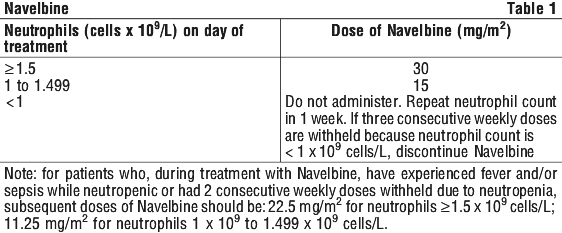
Neutrophil counts should be ≥ 1 x 10⁹ cells/L prior to the administration of Navelbine. Adjustments in the dosage of Navelbine should be based on neutrophil counts obtained on the day of treatment (see Table 1).

Resected non-small cell lung cancer.

If the neutrophil count falls below 1 x 10⁹ cells/L and/or the platelet count falls below 100 x 109 cells/L, the dose should be delayed by 1 week, with reassessment of neutrophil and platelet counts until recovery. If treatment cannot be given after a three week interval, because of haematological toxicity, treatment should be discontinued.

Dose modifications for hepatic insufficiency.

For patients presenting with severe liver impairment (bilirubin > 2 x ULN and/or transaminases > 5 x ULN), it is suggested that the dose be reduced by 33% and the haematological parameters closely monitored since the maximum dose which was evaluated in this subset of patients was 20 mg/m2.

Administration precautions.

Caution.

Navelbine must be only administered intravenously through an infusion line. It is extremely important that the intravenous needle or catheter be properly positioned before any Navelbine is infused. Leakage into surrounding tissue during intravenous administration of Navelbine may cause considerable irritation, local tissue necrosis and/or thrombophlebitis.
If extravasation occurs, the infusion should be discontinued immediately, and any remaining portion of the dose should then be introduced into another vein. Since there are no established guidelines for the treatment of extravasation injuries with Navelbine, institutional guidelines may be used.
As with other toxic compounds, caution should be exercised in handling and preparation of the solution of Navelbine. Skin reactions may occur with accidental exposure. The use of gloves is recommended. If the solution of Navelbine contacts the skin or mucosa, immediately wash the skin or mucosa thoroughly with soap and water. Severe irritation of the eye has been reported with accidental contamination of the eye with another vinca alkaloid. If this happens with Navelbine, the eye should be flushed with water immediately and thoroughly.
Procedures for proper handling and disposal of anticancer drugs should be used. Several guidelines on this subject have been published.
Navelbine injection is a clear, colourless to pale yellow solution. Parenteral drug products should be visually inspected for particulate matter and discolouration prior to administration whenever solution and container permit. If particulate matter is seen, Navelbine should not be administered.
Navelbine is for intravenous use by infusion only. Fatal if given by any other route.

Preparation for administration.

Navelbine injection must be diluted in an I.V. bag using one of the recommended solutions. The volume of dilution is 125 mL.
Administration of Navelbine must be followed with at least 250 mL of one of the solutions.
Diluted Navelbine may be used for up to 24 hours under normal room light when stored in polyvinyl chloride bags at 5° to 30°C.
Syringes should not be used for Navelbine administration. Preparation must be by dilution in small volume intravenous bags (the 'minibag' technique), rather than in a syringe, to protect against accidental administration via a spinal route.
The calculated dose of Navelbine should be diluted to a concentration between 0.5 and 2 mg/mL. The following solutions may be used for dilution: 5% glucose injection, USP; 0.9% sodium chloride injection, USP; 0.45% sodium chloride injection, USP; 5% glucose and 0.45% sodium chloride injection, USP; Ringer's injection, USP; lactated Ringer's injection, USP.
After diluting Navelbine in normal saline or glucose solution, the shelf life in the clear glass vials or in PVC perfusion bags is 24 hours at storage below 30°C.
Navelbine should not be diluted in alkaline solutions due to the risk of precipitation. Navelbine should not be mixed with other agents. Navelbine is not absorbed to or affected by either PVC or clear neutral glass.
To reduce microbiological hazard, use as soon as practicable after preparation. If storage is necessary, hold at 2 - 8°C for not more than 24 hours.
As with all parenteral drug products, intravenous admixtures should be inspected visually for clarity, particulate matter, discolouration and leakage prior to administration, whenever solution and container permit.

4.3 Contraindications

Known hypersensitivity to vinorelbine or to any of the excipients or to other vinca alkaloids.
Neutrophil count < 1500 cells/mm3, or severe infection, current or recent (within 2 weeks).
Platelet count < 100,000 cells/mm3.
Severe hepatic insufficiency.
Pregnancy.
Lactation.
In combination with yellow fever vaccine.

4.4 Special Warnings and Precautions for Use

Administration.

Navelbine is for intravenous use by infusion only. Fatal if given by any other route.
Navelbine Injection should be administered under the supervision of a physician experienced in the use of cancer chemotherapeutic agents. Navelbine Injection must only be administered by the intravenous route. Intrathecal administration of other vinca alkaloids has resulted in death. Improper administration of Navelbine may result in extravasation causing local tissue necrosis and/or thrombophlebitis (see Section 4.2 Dose and Method of Administration, Administration precautions).

Myelosuppression.

Patients treated with Navelbine should be frequently monitored for myelosuppression both during and after therapy. Neutropenia is dose-limiting. Neutrophil nadirs occur between 5 and 10 days after dosing, depending on whether Navelbine is used as single agent or in combination, with neutrophil count recovery usually within 7 to 14 days after administration. Complete blood counts with differentials should be performed and results reviewed prior to administering each dose of Navelbine. Navelbine should not be administered to patients with neutrophil counts < 1500 cells/mm3 and/or platelet counts below 100,000 cells/mm3. Patients developing severe neutropenia should be monitored carefully for evidence of infection and/or fever.
If patients present signs or symptoms suggestive of infection, a prompt investigation should be carried out (see Section 4.2 Dose and Method of Administration, Dose modifications for haematological toxicity).
Navelbine should be used with extreme caution in patients whose bone marrow reserve may have been compromised by prior irradiation or chemotherapy, or whose marrow function is recovering from the effects of previous chemotherapy (see Section 4.2 Dose and Method of Administration).

Respiratory system, thoracic and mediastinal disorders.

Pulmonary toxicity, including severe acute bronchospasm, interstitial pneumonitis, acute respiratory distress syndrome (ARDS) occurring with use of Navelbine intravenous pharmaceutical form has been reported. The mean time to onset of ARDS after vinorelbine administration was one week (range 3 to 8 days).
The infusion must be immediately interrupted in patients who develop unexplained dyspnea or have any evidence of pulmonary toxicity. Navelbine must be permanently discontinued for confirmed interstitial pneumonitis.

Nervous system disorders.

Peripheral neuropathy.

The effects are dose dependent but usually reversible when treatment is discontinued.

Autonomic neuropathy.

Treatment may be resumed after recovery of normal bowel motility.

General.

Most drug related adverse events of Navelbine are reversible. If severe adverse events occur, Navelbine should be reduced in dosage or discontinued and appropriate corrective measures taken. Reinstitution of therapy with Navelbine should be carried out with caution and alertness as to possible recurrence of toxicity.
Special care should be taken when prescribing for patients with a history of ischaemic heart disease. Patients presenting with ischaemic cardiac disease should be carefully monitored (see Section 4.8 Adverse Effects (Undesirable Effects)).
This product is specifically contraindicated with yellow fever vaccine. Its concomitant use with other live attenuated vaccines is not recommended.
Acute shortness of breath and severe bronchospasm have been reported infrequently following the administration of Navelbine and other vinca alkaloids, most commonly when the vinca alkaloid was used in combination with mitomycin. These adverse events may require treatment with supplemental oxygen, bronchodilators and/or corticosteroids, particularly when there is a pre-existing pulmonary dysfunction.
Care must be taken to avoid contamination of the eye with concentrations of Navelbine used clinically. Severe irritation of the eye has been reported with accidental exposure to another vinca alkaloid, and even corneal ulceration if the drug is sprayed under pressure. If exposure occurs, the eye should immediately be thoroughly flushed with water.
Navelbine should not be given concomitantly with radiotherapy if the treatment field includes the liver.

Use in hepatic impairment.

There is no evidence that the toxicity of Navelbine is enhanced in patients with elevated liver enzymes. No data are available for patients with severe baseline cholestasis, but the liver plays an important role in the metabolism of Navelbine. Because clinical experience in patients with severe liver disease is limited, caution should be exercised with administering Navelbine to patients with severe hepatic injury or impairment.

Use in renal impairment.

Because of the low level of renal excretion, no dose modification is necessary in patients with renal impairment.

Use in the elderly.

Clinical experience has not identified differences in responses between the elderly and younger patients, but greater sensitivity of some older individuals cannot be ruled out.

Paediatric use.

Safety and effectiveness have not been established.

Effects on laboratory tests.

Since dose-limiting clinical toxicity is the result of depression of the white blood cell count, it is imperative that complete blood counts with differentials be obtained and reviewed on the day of treatment prior to each dose of Navelbine.

4.5 Interactions with Other Medicines and Other Forms of Interactions

Interactions common to all cytotoxics.

Due to the increase of thrombotic risk in the case of tumoral diseases, the use of anticoagulative treatment is frequent. As the intra-individual variability of the coagulability during diseases is high and there is the risk of interaction between oral anticoagulants and anticancer therapy, if the patient is treated with oral anticoagulants, increasing the frequency of INR (International Normalised Ratio) monitoring is recommended.
Concomitant use contraindicated.

Yellow fever vaccine.

Risk of fatal generalised vaccine disease.
Concomitant use not recommended.

Live attenuated vaccines.

Risk of generalised vaccine disease, possibly fatal. This risk is increased in patients already immunodepressed by their underlying disease. The use of an inactivated vaccine where one exists is recommended (e.g. poliomyelitis).

Phenytoin.

Risk of exacerbation of convulsions resulting from the decrease in phenytoin absorption by the cytotoxic drug or loss of efficacy of the cytotoxic drug due to increased hepatic metabolism by phenytoin.
Concomitant use with caution.

Ciclosporin, tacrolimus.

Excessive immunodepression with risk of lymphoproliferation.

Interactions specific to vinca-alkaloids.

Concomitant use not recommended.

Itraconazole.

Increased neurotoxicity of vinca-alkaloids due to the decrease in their hepatic metabolism.
Concomitant use with caution.

Mitomycin.

Acute pulmonary reactions have been reported with Navelbine and other vinca alkaloids used in conjunction with mitomycin: risk of bronchospasm and dyspnoea are increased; in a rare case an interstitial pneumonitis was observed. Navelbine should be administered with caution in combination with mitomycin.
As vinca-alkaloids are known as substrates for P-glycoprotein, and in the absence of a specific study, caution should be exercised when combining Navelbine with strong modulators of this membrane transporter.

Interactions specific to vinorelbine.

The combination of Navelbine with other drugs with known bone marrow toxicity is likely to exacerbate the myelosuppressive adverse effects.
Although the pharmacokinetics of vinorelbine are not influenced by the concurrent administration of cisplatin, the incidence of toxicities, specifically granulocytopenia, with the combination of Navelbine and cisplatin is significantly higher than with single-agent Navelbine.
In studies with rats, the anticoagulant effect of phenindione was potentiated when given in combination with a high dose of vinorelbine (30 mg/m2/day for 4 consecutive days or 15 mg/m2/day for 5 consecutive days) but combination treatment with sodium valproate did not cause any increase in anticonvulsant activity.
Vinorelbine is metabolised by cytochrome CYP3A4. Although interaction studies have not been performed, it is expected that inhibitors of CYP3A4 such as ketoconazole, itraconazole, ritonavir etc. would result in elevated blood concentrations of vinorelbine. Inducers of CYP3A4 such as rifampicin and phenytoin may reduce concentrations of vinorelbine. Since the magnitude of the inducing or inhibiting effects is unknown, such drug combinations should be avoided.
An increased incidence of grade 3/4 neutropenia has been suggested when intravenous vinorelbine and lapatinib were associated in one clinical phase I study.
In this study, the recommended dose of the intravenous form of vinorelbine in a 3-weekly schedule on day 1 and day 8 was 22.5 mg/m2 when combined with daily lapatinib 1000 mg. This type of combination should be administered with caution.

4.6 Fertility, Pregnancy and Lactation

Contraception in males and females.

Women of childbearing potential should be advised to avoid becoming pregnant during therapy with Navelbine. Effective contraception must be used during treatment and for 7 months after the treatment.
Men being treated with Navelbine are advised not to father a child during and for a minimum of 4 months after treatment. Men must use effective contraception during treatment and for 4 months after treatment.

Effects on fertility.

Adverse effects on the male reproductive system were observed in repeat-dose toxicity studies in animals, including decreased spermatogenesis in rats dosed twice weekly at 2.1 - 7.2 mg/m2 for 13 weeks, reduced prostate/seminal vesicle secretion in rats dosed twice weekly at 3 mg/m2 for 26 weeks, reduced testicular weight in mice dosed at 19 mg/m2/day for three 5-day cycles and reduced epididymal weight in dogs dosed at 5 mg/m2 for 26 weeks. Vinorelbine tartrate did not affect fertility when administered to male and female rats prior to and during mating; however, the doses used in these studies (9 mg/m2 once weekly or up to 4.2 mg/m2 at 3-day intervals) were lower than the human dose.
Prior to treatment of male patients, advice should be sought for conserving sperm due to the chance of irreversible infertility as a consequence of treatment with Navelbine.
(Category D)
Navelbine may cause fetal harm if administered to a pregnant woman. When given every three days during organogenesis, vinorelbine tartrate has been shown to be teratogenic in rats and rabbits at doses of 3 and 7.7 mg/m2, respectively. A single 9 mg/m2 dose of vinorelbine tartrate caused embryogenic deaths in mice. Doses causing adverse fetal effects in animals were lower than the human dose. There are no studies in pregnant women. If Navelbine is used during pregnancy, or if the patient becomes pregnant while receiving this drug, the patient should be apprised of the potential hazard to the foetus.
It is not known whether vinorelbine is excreted in milk of animals or humans. A study in rats showed that growth of the offspring was suppressed when vinorelbine tartrate was administered to lactating dams at 6 mg/m2 every three days. Because many drugs are excreted in human milk and because of the potential for serious adverse reactions in nursing infants from Navelbine, breastfeeding must be discontinued before starting treatment with Navelbine.

4.7 Effects on Ability to Drive and Use Machines

The effect of vinorelbine on the ability to drive and use machines has not been studied. However, patients should be advised not to drive or operate machinery if they experience any adverse reactions with a potential impact on their ability to perform these activities (e.g. dizziness and fatigue are common).

4.8 Adverse Effects (Undesirable Effects)

Adverse reactions reported are listed below, by MedDRA body system organ class and the following frequency convention: very common (≥ 1/10), common (≥ 1/100, < 1/10), uncommon (≥ 1/1,000, < 1/100), rare (≥ 1/10,000, < 1/1,000) and very rare (< 1/10,000). See Tables 2-4.

Post-marketing experience.

The following additional adverse reactions have been reported from post marketing experience and clinical trials according to the MedDRA classification with the frequency 'not known'. The reactions were described using CTCAE classification which provide a terminology for AE's and a grading scale of the severity of AEs (grade 1 = G1; grade 2 = G2; grade 3 = G3; grade 4 = G4; grade 1-4 = G1-4; grade 1-2 = G1-2; grade 3-4 = G3-4). See Table 5.
For the oral formulation of Navelbine, the following additional adverse reactions were reported: neuromotor disorders, taste disorder, visual impairment, insomnia, dysphagia, oesophagitis, weight gain, dysuria, other genitourinary symptom.

Reporting suspected adverse effects.

Reporting suspected adverse reactions after registration of the medicinal product is important. It allows continued monitoring of the benefit-risk balance of the medicinal product. Healthcare professionals are asked to report any suspected adverse reactions at www.tga.gov.au/reporting-problems.

4.9 Overdose

There is no known antidote for overdoses of Navelbine. The primary anticipated complications of overdosage would consist of bone marrow suppression and peripheral neurotoxicity. If overdosage occurs, general supportive measures together with appropriate blood transfusions, growth factors and antibiotics should be instituted as deemed necessary by the physician.
For information on the management of overdose, contact the Poisons Information Centre on 13 11 26 (Australia).

5 Pharmacological Properties

5.1 Pharmacodynamic Properties

Mechanism of action.

Vinorelbine is a cytostatic antineoplastic drug. It is a semi-synthetic member of the vinca alkaloid family that interferes with microtubule assembly. The vinca alkaloids are structurally similar compounds comprised of two multiringed units, vindoline and catharanthine. Unlike other vinca alkaloids, the catharanthine unit is the site of structural modification for vinorelbine. The antitumor activity of vinorelbine is thought to be due primarily to inhibition of mitosis at metaphase through its interaction with tubulin. In intact tectal plates from mouse embryos, vinorelbine, vincristine, and vinblastine inhibited mitotic microtubule formation at the same concentration (2 microM), including a blockade of cells at metaphase. Vincristine produced depolymerisation of axonal tubules at 5 microM, but vinblastine and vinorelbine did not have this effect until concentrations of 30 microM and 40 microM respectively. These data suggest relative selectivity of vinorelbine for mitotic microtubules.
Vinorelbine has an active metabolite, 17 deacetylvinorelbine, low levels of which are recovered in humans: its toxicity and activity are slightly higher than those of vinorelbine.

Clinical trials.

Advanced breast cancer - second line. Twenty phase II studies of IV vinorelbine monotherapy have been performed as second line or subsequent treatment of advanced breast cancer patients. The response rate and duration of response to chemotherapy declines as patients progress through first, second and third line chemotherapy. Thirteen of these phase II studies were in mixed anthracycline pretreated and anthracycline naive populations, entering 494 patients and reporting overall response rates of 14 - 45% (patients weighted average = 29.2%) and median survival times of 58 - 69 weeks.
The remaining seven phase II studies were in anthracycline pretreated patients, entering a total of 339 patients, reporting response rates of 16 - 64% (patient weighted average = 30.9%) and median survival was 24 - 82 weeks.
In a randomised phase III study conducted to investigate efficacy in anthracycline refractory advanced breast cancer, 115 patients received vinorelbine as a single agent versus sixty four patients who received intravenous melphalan. The median dose, number of doses and duration of treatment for vinorelbine were 27.5 mg/m2, 9 doses and 12 weeks, respectively, and for melphalan, 25 mg/m2, 2 doses and 8 weeks, respectively. Of those receiving vinorelbine, thirteen of 84 (15.5%) patients with measurable disease achieved an objective response compared with four of 46 (8.7%) receiving melphalan. Overall survival was 35 weeks for patients receiving vinorelbine compared with 31 weeks for those receiving melphalan (log rank p = 0.023). Neither treatment had an adverse effect on quality of life.
Vinorelbine has also been studied in combination with other agents in the second line treatment of advanced breast cancer. Results from trials are summarised in Table 6.
Non-small cell lung cancer.

Advanced.

The activity of vinorelbine was investigated in a series of phase II trials. The overall response rate to vinorelbine single agent in NSCLC patients ranged from 8% to 33% in previously untreated patients. In the two major phase II trials with more than 60 evaluable patients, the overall response rate was over 30% in chemotherapy-naive patients. The high activity of vinorelbine as single agent in non-small cell lung cancer which was observed in non-controlled phase II studies has also been confirmed in three randomised phase III trials. In one prospective randomised study with 216 stage IV patients, vinorelbine was compared to 5-fluorouracil with leucovorin (considered equivalent to best supportive care for the purposes of the study). The median survival time of patients who received vinorelbine was 30 weeks compared to 22 weeks for those on the 5-fluorouracil/ leucovorin arm (log rank p = 0.03). The response rates were 12% for the vinorelbine arm and 3% for the fluorouracil/ leucovorin arm.
The activity of vinorelbine in combination with cisplatin has been investigated in two randomised phase III trials in a total of 782 patients. In a two arm trial, vinorelbine was compared to vinorelbine with cisplatin. The overall response rate to vinorelbine as single agent was 16% while that of the combination vinorelbine/ cisplatin was 43%. The median survival time for patients receiving vinorelbine as single agent was similar to that observed with vinorelbine and cisplatin.
In a large European clinical trial, 612 patients with stage III or IV non-small cell lung cancer, no prior chemotherapy and WHO performance status of 0, 1 or 2 were randomised to treatment with single agent vinorelbine (30 mg/m2/week), vinorelbine (30 mg/m2/week), cisplatin (120 mg/m2 days 1 and 29 then every 6 weeks), and vindesine (3 mg/m2/week for 7 weeks, then every second week) plus cisplatin (120 mg/m2 days 1 and 29 then every 6 weeks). Vinorelbine plus cisplatin produced longer survival times than vindesine plus cisplatin (median survival 40 weeks vs 32 weeks, p = 0.03). The median survival time for patients receiving single agent vinorelbine was similar to that observed with vindesine plus cisplatin (31 weeks vs 32 weeks). The 1-year survival rates were 36% for vinorelbine plus cisplatin, 27% for vindesine plus cisplatin and 30% for single-agent vinorelbine. The overall objective response rate (all partial responses) was significantly higher in patients treated with vinorelbine plus cisplatin (28%) than in those treated with vindesine plus cisplatin (19%, p = 0.03) and in those treated with single-agent vinorelbine (14%, p < 0.001). The response rates reported for vindesine plus cisplatin and single agent vinorelbine were not significantly different. Significantly, less nausea, vomiting, alopecia and neurotoxicity were observed in patients receiving single agent vinorelbine compared to those receiving the combination of vindesine and cisplatin.

Resected (stage IB or greater).

In a large phase III, open label, multicenter, comparative, randomized study, 840 patients with resected primary NSCLC stage I (T2N0 only), II, IIIA and ECOG/WHO performance status < 2, were randomised to treatment with a combination of IV vinorelbine (30 mg/m2 on days 1, 8, 15, 22 with a maximum of 16 administrations in 20 weeks) and cisplatin (100 mg/m2 on days 1, 29, 57, 85) or observation alone, i.e. no chemotherapy. Vinorelbine in combination with cisplatin significantly prolongs survival of patients with completely resected NSCLC in comparison with observation alone.

Adjuvant vinorelbine and cisplatin after NSCLC resection.

See Table 7.
A supporting trial of similar design in 482 patients used a lower dose of vinorelbine - 25 mg/m2 weekly for 16 weeks - and a different schedule of cisplatin administration - 50 mg/m2 on days 1 and 8 every 4 weeks for 4 cycles - than the pivotal trial and achieved a similar survival advantage (hazard ratio 0.69, 95% confidence interval 0.52, 0.91) to the pivotal trial. The patients had better prognosis than those in the pivotal trial since only patients with stage IB and II disease were enrolled and ECOG performance status was 0 - 1. It was noteworthy that the vinorelbine dose had been reduced from 30 mg/m2 to 25 mg/m2 after the first 18 patients because of haematological toxicity.

5.2 Pharmacokinetic Properties

Distribution.

Following intravenous administration of Navelbine to patients at 30 mg/m2, vinorelbine concentration in plasma decays in a triphasic manner. The initial rapid decline primarily represents distribution of drug to peripheral compartments followed by metabolism and excretion of the drug during subsequent phases.
Vinorelbine demonstrated high binding to human platelets and lymphocytes. The binding to plasma constituents in cancer patients ranged from 79.6% to 92.2%. Vinorelbine binding was not altered in the presence of cisplatin, 5-fluorouracil or doxorubicin.
Penetration of vinorelbine into pulmonary tissue is significant with tissue/plasma concentration ratios of greater than 300 in a study involving surgical biopsy.

Metabolism.

One active metabolite, deacetylvinorelbine, has been detected but not quantified in human plasma.

Excretion.

The prolonged terminal phase is due to relatively slow efflux of vinorelbine from peripheral compartments. The terminal phase half-life averages 27.7 to 43.6 hours and the mean clearance ranges from 0.6 to 1.3 L/h/kg.
Vinorelbine undergoes substantial hepatic elimination in humans, with large amounts recovered in faeces after intravenous administration to humans.

Hepatic impairment.

Dose adjustments are recommended for patients with impaired hepatic function (see Section 4.2 Dose and Method of Administration).

5.3 Preclinical Safety Data

Genotoxicity.

Vinorelbine tartrate has been shown to affect chromosome number and possibly structure in vivo (polyploidy in bone marrow cells from Chinese hamsters and a positive micronucleus test in mice).
It was not mutagenic or cytotoxic in a reverse histidine mutation (Ames) test but showed mutagenic potential in a mouse forward mutation (TK locus) test.

Carcinogenicity.

Carcinogenicity studies in mice and rats showed no tumourigenic activity at dose levels up to 2.4 mg/m2 given by IV injection every two weeks for 18 months or two years, respectively. However, the positive findings in genetic toxicity assays suggest that the drug may have carcinogenic potential at the higher dose level used in humans.

6 Pharmaceutical Particulars

6.1 List of Excipients

Navelbine also contains the following excipients: water for injections. The pH of Navelbine injection is approximately 3.5.

6.2 Incompatibilities

See Section 4.2 Dose and Method of Administration, Preparation for administration.

6.3 Shelf Life

In Australia, information on the shelf life can be found on the public summary of the Australian Register of Therapeutic Goods (ARTG). The expiry date can be found on the packaging.

6.4 Special Precautions for Storage

Store at 2 to 8°C (Refrigerate. Do not freeze). Protect from light.

6.5 Nature and Contents of Container

Navelbine injection is available in single-use, clear glass vials with black or grey elastomeric stoppers and royal blue caps, individually packaged in a carton in the following vial sizes:
10 mg/1 mL single-use vial, cartons of 1 and 10.
50 mg/5 mL single-use vial, cartons of 1 and 10.

6.6 Special Precautions for Disposal

In Australia, any unused medicine or waste material should be disposed of in accordance with local requirements.

6.7 Physicochemical Properties

Vinorelbine tartrate is a semi-synthetic vinca alkaloid with antitumor activity.
The chemical name is 3',4'-didehydro-4'-deoxy-C'-norvincaleukoblastine [R-(R*,R*) - 2,3 dihydroxybutanedioate (1:2) (salt)].
Vinorelbine tartrate is a white to yellow or light brown amorphous powder with the molecular formula C45H54N4O8. 2C4H6O6 and a molecular weight of 1079.12. The aqueous solubility is > 1000 mg/mL in distilled water.

Chemical structure.


CAS number.

125317-39-7.

7 Medicine Schedule (Poisons Standard)

(S4) Prescription Only Medicine.

Summary Table of Changes