


Consumer medicine information

Norspan Transdermal Drug Delivery System

Buprenorphine

BRAND INFORMATION

Brand name

Norspan

Active ingredient

Buprenorphine

Schedule

S8


Consumer medicine information (CMI) leaflet

Please read this leaflet carefully before you start using Norspan Transdermal Drug Delivery System.

What is in this leaflet

This leaflet answers some common questions about NORSPAN Transdermal Drug Delivery System ("patches").

It does not contain all the available information. It does not take the place of talking to your doctor or pharmacist.

All medicines have risks and benefits. Your doctor has weighed the risks of you using this medicine against the benefits they expect it will have for you.

If you have any concerns about taking this medicine, ask your doctor or pharmacist.

Keep this leaflet with the medicine. You may need to read it again.

What NORSPAN patches are used for

NORSPAN patches contain buprenorphine. Buprenorphine belongs to a group of medicines called opioid analgesics.

NORSPAN patches are used to relieve moderate to severe pain.

Opioid analgesics such as buprenorphine have been used to treat pain for many years. Your doctor, however, may prescribe it for another purpose.

Ask your doctor if you have any questions about why it has been prescribed for you.

NORSPAN patches act through the skin. After application, buprenorphine passes through the skin into the blood. Each patch should be worn for seven days.

As with all strong painkillers, your body may become used to you using buprenorphine patches. Using them may result in physical dependence. Physical dependence means that you may experience withdrawal symptoms if you stop using buprenorphine suddenly, so it is important to use it exactly as directed by your doctor.

This medicine is only available with a doctor's prescription. Selling or giving away NORSPAN patch is against the law.

Before you use NORSPAN patches

When you must not use them

Do not use NORSPAN patches if you:

  • have any breathing problems or have a condition where your lung function is severely impaired
  • have confusion and shaking due to stopping drinking alcohol
  • have just had an operation or are about to have surgery on your spine for pain relief in the next 24 hours
  • suffer from myasthenia gravis, a condition in which the muscles become weak and tire easily
  • are taking medicine for depression called a 'monoamine oxidase inhibitor' or have taken any in the last two weeks
  • are dependent on opioids such as morphine, oxycodone, pethidine, fentanyl or methadone. Using NORSPAN patches after using these medicines can cause the onset of withdrawal symptoms.

Do not use NORSPAN patches if you are allergic to buprenorphine, opioid analgesics or any of the ingredients listed at the end of this leaflet.

Do not use this medicine after the expiry date (EXP) printed on the pack. If you use it after the expiry date has passed, it may not work very well.

Do not use it if the packaging is torn or shows signs of tampering.

Do not use this medicine if you are pregnant or plan to become pregnant whilst using this medicine. Like most medicines of this kind, NORSPAN patches should not be used during pregnancy. Your doctor can discuss with you the risks of using it if you are pregnant.

Do not give this medicine to a child or adolescent younger than 18 years of age. Safety and effectiveness in children younger than 18 years have not been established.

Before you start to use it

Tell your doctor if you have allergies to any other medicines, foods, preservatives or dyes.

Tell your doctor if you have or have had any medical conditions, especially the following:

  • are severely drowsy or have a reduced level of consciousness
  • suffer from irregular or fast heartbeats or changes in the way the heart beats
  • illness with high fever
  • convulsions, fits or seizures
  • head injury, brain tumour or increased pressure in your head
  • shock (rapid and shallow breathing, cold and clammy skin, a rapid and weak pulse, dizziness, weakness and fainting)
  • severe or long-term problems with your liver
  • long-term problems with your kidneys
  • low blood pressure including from having low blood volume
  • increased prostate size
  • problems with or recent surgery of your bile duct or gall bladder problems
  • recent surgery on your abdomen
  • inflammation of the pancreas
  • adrenal glands not working properly
  • inflammatory bowel disease
  • underactive thyroid gland
  • have an addiction or history of abuse of alcohol or drugs.

Tell your doctor whether you have used an opioid before.

Tell your doctor if you are breastfeeding or planning to breastfeed. NORSPAN patches should not be used by breastfeeding women as buprenorphine can pass into the breastmilk and can affect the baby.

If you have not told your doctor about any of the above, tell them before you start using NORSPAN patches.

Taking other medicines

Tell your doctor or pharmacist if you are taking any other medicines, including any that you buy without a prescription from a pharmacy, supermarket or health food shop.

Some medicines and alcohol may interfere with NORSPAN patches. These include:

  • other pain relievers including other opioids and particularly other long-acting (extended-release) opioid pain medicines
  • medicines to treat depression, anxiety, psychiatric or mental disorders. Medicines for depression belonging to a group called monoamine oxidase inhibitors must be stopped 14 days before NORSPAN patches are used
  • medicines to help you sleep
  • medicines to put you to sleep during an operation or procedure
  • quinidine, calcium channel blockers and other medicines to treat abnormal heart rhythms
  • medicines to treat seizures
  • medicines to thin the blood e.g. coumarin derivatives such as warfarin
  • medicines to stop nausea or vomiting e.g. metoclopramide or prochlorperazine
  • medicines to treat fungal infections e.g. fluconazole or itraconazole
  • medicines to treat bacterial infections e.g. rifampicin, macrolide antibiotics
  • medicines to treat HIV infections
  • alcohol.

These medicines and alcohol may be affected by NORSPAN patches, may affect how well the patches work or may increase side effects. You may need to use different amounts of your medicines, or take different medicines.

Your doctor or pharmacist has more information on medicines to be careful with or avoid while using this medicine.

How to use NORSPAN patches

How much to use

Different strengths of NORSPAN patches are available. Your doctor will decide which strength is suitable to control your pain.

During treatment, your doctor may change the patch you use to a different strength if necessary, or tell you to use a combination of up to two patches. Do not cut or divide the patch or use a higher dose than recommended.

The maximum total dose must not exceed 40 micrograms/hour and you should not apply more than two patches at the same time. If one 40 micrograms/hour patch is applied, no additional patches should be applied. Follow the instructions your doctor or pharmacist gives you exactly.

How to use the patch

Each patch is applied onto the skin and lasts for seven days.

After seven days, remove the patch and apply a new patch to a different site.

Using the patch for the first time

The first NORSPAN patch you use may take up to three days to reach its full effect. This is because buprenorphine needs to be absorbed through the skin and then into the blood before you start to feel the effects. Your doctor may prescribe additional medicines to control the pain during this time.

Applying the patch

  1. Find a clean skin site on the upper outer arm, upper chest, upper back or the side of the chest. Do not place the patch onto skin that is red, burnt or injured.
  2. Make sure the site is nearly hairless and has no large scars. Remove any hair by cutting with scissors if you have to, but do not shave the chosen area as this may injure the skin.
  3. Apply the patch to an area of skin that is clean and dry and has not had a patch applied to it for three to four weeks. If necessary, wash the area with water only. Do not use soap, alcohol or a coarse cloth to clean. Dry the area completely after washing with water. Do not apply oils or lotions to the chosen area as this may prevent your patch from sticking properly.
  4. Each patch is sealed in a pouch. Just before use, open the pouch by cutting as close to the edge as you can. Take out the patch. Do not use the patch if the pouch is torn or looks like it has been tampered with or the pouch seal is broken.
  5. The sticky side of the patch is covered by a silver backing foil. Carefully peel off the smaller portion of the scored backing foil. Try not to touch the sticky part of the patch. Press the sticky edge of the patch, which had the backing foil removed, to the edge of the chosen skin site. Peel off the remaining foil and press the patch firmly onto the skin with the palm of the hand and count slowly to 30.
  6. Make sure the whole patch is in contact with the skin especially around the edges. If the edges of the patch begin to peel off, they may be taped down with a suitable skin tape.
  7. Wash your hands with clean water when you have finished applying the patch.

Wearing the patch

You should wear the patch continuously for seven days. Bathing, showering or swimming should not affect the patch. However, it is a good idea to keep the patch dry whenever possible.

Do not expose the patch to heat sources such as heating pads, hot water bottles, electric blankets, heat lamps, saunas, hot tubs or heated water beds etc. and avoid intensive sunbathing. Heat may cause more medicine than normal to be absorbed and lead to an increase in side effects. External heat may also prevent the patch from sticking properly.

In the event that your patch falls off before it needs changing, do not use the same patch again. Apply a new patch to a different site straight away.

If you feel that the effect of the patch is too weak or too strong, talk to your doctor.

Changing the patch

Change your patch on the same day at the same time each week.

For example, if you start using your patch on Monday at 9 am, change your patch the following Monday at 9 am.

  1. After seven days, take the old patch off.
  2. Fold the used patch in half so that the sticky side sticks to itself.
  3. Dispose of the used patch in a safe place, where children cannot reach it.
  4. Apply a new patch straight away to a different area of the skin, following the steps under 'Applying the patch'.
    A new patch should not be applied to the same skin site for three to four weeks.

If you forget to change it

Remove the old patch and apply a new patch as soon as you remember. Also make a note of the day as your usual day of changing the patch may now be different. If you are late changing your patch, your pain may return. In this case, contact your doctor.

Do not apply twice the number of patches to make up for the patch that you forgot to change on time. Using extra patches will increase the chance of unwanted side effects.

If you are not sure what to do, ask your doctor or pharmacist.

If you have trouble remembering the day and time to change your patch, ask your pharmacist for some hints.

How long to use the patches

Continue using the patches for as long as your doctor tells you.

If you stop using NORSPAN patches suddenly, your pain may worsen and you may experience withdrawal symptoms such as:

  • body aches
  • loss of appetite, nausea, stomach cramps or diarrhoea
  • fast heart rate
  • sneezing or runny nose
  • chills, tremors, shivering or fever
  • trouble sleeping
  • increased sweating and yawning
  • weakness
  • nervousness or restlessness.

If you receive too much (overdose)

If you have received an overdose, remove all patches and immediately telephone your doctor or the Poisons Information Centre (Australia: telephone 13 11 26) for advice, or go to Accident and Emergency at the nearest hospital. This also applies if someone else has accidentally used your patches.

Keep telephone numbers for these places handy.

Do this even if there are no signs of discomfort or poisoning. You may need urgent medical attention.

If someone has overdosed they may experience difficulties in breathing, become drowsy and tired, feel sick, vomit, have constricted pupils, have very low blood pressure or slow heart rate, and possibly may even become unconscious or die.

When seeking medical attention, take this leaflet and the used patch or any remaining patches with you to show the doctor. Also tell them about any other medicines or alcohol which have been taken.

While you are using NORSPAN patches

Things you must do

Use NORSPAN patches exactly as your doctor has prescribed.

Before you start on a new medicine, remind your doctor and pharmacist that you are using NORSPAN patches.

Tell any other doctors, dentists, and pharmacists who treat you that you are using this medicine.

If you are going to have surgery, tell the surgeon and anaesthetist that you are using this medicine. It may affect other medicines used during surgery.

Tell your doctor if you develop a high fever. At high body temperatures, the amount of buprenorphine absorbed into the skin may increase which may increase the chance of unwanted side effects.

If you become pregnant while taking this medicine, tell your doctor immediately.

Keep all your doctor's appointments so that your progress can be checked.

Tell your doctor if your pain is getting worse, or if you are having frequent breakthrough pain. Tolerance to buprenorphine may develop which means that the effect of the medicine may decrease with continued use. If this happens, your doctor may review your dose so that you get adequate pain relief.

Keep enough NORSPAN patches with you to last over weekends and holidays.

Store NORSPAN patch away from children and in a safe place to prevent theft and abuse.

Things you must not do

The maximum total dose must not exceed 40 micrograms/hour and you should not apply more than two patches at the same time. If one 40 micrograms/hour patch is applied, no additional patches should be applied.

Do not use NORSPAN patches to treat any other complaint unless your doctor tells you to.

Do not give your medicine to anyone else, even if you think they may have the same condition as you. They may experience side effects and require medical attention.

Do not expose the patch to direct heat sources, or wear it in saunas or hot tubs and avoid intensive sunbathing.

Do not stop using your medicine or change the dosage without checking with your doctor. Over time your body may become used to you having buprenorphine so if you stop using it suddenly, your pain may worsen and you may have unwanted withdrawal symptoms. This is called physical dependence.

If you need to stop using this medicine, your doctor will gradually reduce the amount you use each day, if possible, before stopping the medicine completely.

The pain-relieving effect of the NORSPAN patch is maintained for some time after removal of the patch. You should not start another opioid analgesic (strong pain medicine) within 24 hours after removal of the patch.

Things to be careful of

Tell your doctor if you find that you cannot concentrate or that you feel more sleepy than normal when you start having this medicine or when the dose is increased. This feeling should wear off after a few days.

Do not drive or operate machinery until you know how NORSPAN patches affect you. NORSPAN patches may cause drowsiness, dizziness or may affect alertness whilst being worn or for at least 24 hours after the patch is removed. Discuss these aspects and any impact on your driving or operating machinery with your doctor.

Be careful when drinking alcohol while you are taking this medicine. Drinking alcohol whilst using NORSPAN patch may make you feel more sleepy and increase the risk of serious side effects, such as shallow breathing with the risk of stopping breathing and loss of consciousness.

What to do if the patch accidentally adheres to another person:
If the patch accidentally adheres to another person (e.g. a family member sharing the same bed), remove the patch immediately, wash the area thoroughly and contact your doctor. Do this even if there are no signs of discomfort or drowsiness.

Be careful if you are elderly, unwell or taking other medicines. Some people may experience side effects such as unsteadiness, dizziness, drowsiness or confusion which may increase the risk of a fall.

Tell your doctor if you suffer from nausea or vomiting when using NORSPAN patches. Your doctor may prescribe some medicine to help.

Tell your doctor if using NORSPAN patches causes constipation. Your doctor can advise you about your diet, the proper use of laxatives and suitable exercise you can do to help manage this.

There is potential for abuse of buprenorphine and the development of addiction to buprenorphine. It is important to discuss this issue with your doctor.

Side effects

All medicines may have some unwanted side effects. Sometimes they are serious, most of the time they are not. Side effects from using NORSPAN patches tend to reduce over time except for constipation. Your doctor has weighed the risks of using this medicine against the benefits they expect it will have for you.

Do not be alarmed by this list of possible side effects. Not everybody experiences them.

Tell your doctor or pharmacist as soon as possible if you do not feel well while you are using NORSPAN patches. This medicine helps most people with pain, but it may have unwanted side effects in some people. Other side effects not listed here may also occur.

Ask your doctor or pharmacist to answer any questions you may have.

Tell your doctor if you notice any of the following and they worry you:

  • mild abdominal problems such as feeling sick (nausea), loss of appetite, constipation or diarrhoea
  • weight loss
  • dry mouth or changes in taste
  • sweating
  • feeling anxious or nervous or having trouble sleeping
  • shaking or tremors
  • fatigue, feeling of tiredness, drowsiness, or lack of energy
  • trouble with your balance
  • new problems with your eyesight
  • itching at the patch site or other areas of your body
  • redness or rash at the patch site
  • dry skin
  • swelling, including but not only, of the legs or ankles.

Tell your doctor as soon as possible if you notice any of the following and they worry you:

  • stomach discomfort or pain, vomiting or indigestion
  • feeling deep sadness
  • fainting or dizziness especially when standing up
  • noticeable heartbeats
  • headache or confusion
  • unusual weakness or loss of strength or unusual sensations in your limbs.

If any of the following happen, remove the NORSPAN patch and go to Accident and Emergency at your nearest hospital:

  • your breathing slows or weakens
  • you have an allergic reaction: shortness of breath, wheezing, shallow or difficult breathing; swelling of the tongue, throat, face, lips or other parts of the body; rash, itching or hives on the skin
  • fast or irregular heartbeats
  • chest pain.

The previous list includes very serious side effects. You may need urgent medical attention or hospitalisation.

When seeking medical attention, take this leaflet and the used patch or any remaining patches with you to show the doctor.

After using NORSPAN patches

Storage

Keep your patches in the pouch until it is time to use them. If you take the patch out of the pouch they may not keep as well.

Keep your patches in a cool dry place where the temperature stays below 25°C.

Do not store it or any other medicine in the bathroom, near a sink or on a window sill.

Do not leave it in the car. Heat and damp can destroy some medicines.

Keep it where children cannot reach it. A locked cupboard at least one-and-a-half metres above the ground is a good place to store medicines.

Disposal

If your doctor tells you to stop taking this medicine or the expiry date has passed, ask your pharmacist how to dispose of medicines no longer required. After removing the used patch, fold it over on itself so that the adhesive side of the patch sticks to itself, and dispose of it safely where children cannot reach it.

Product description

What it looks like

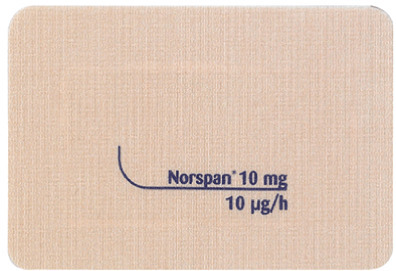
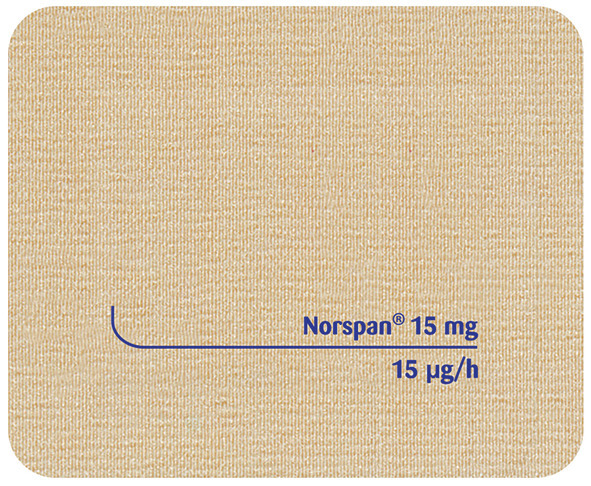
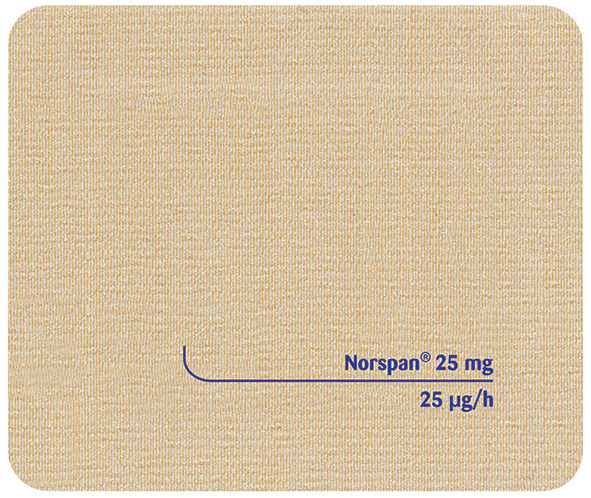
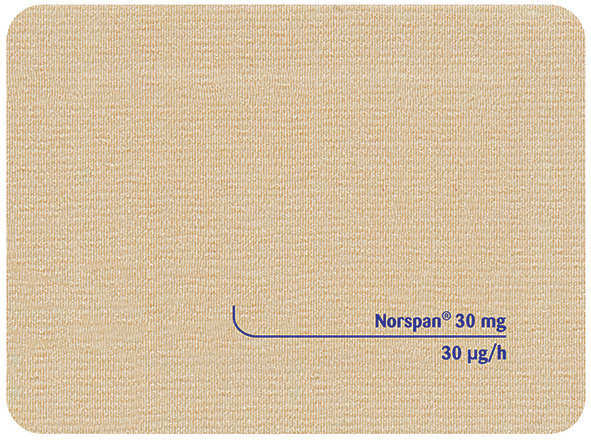
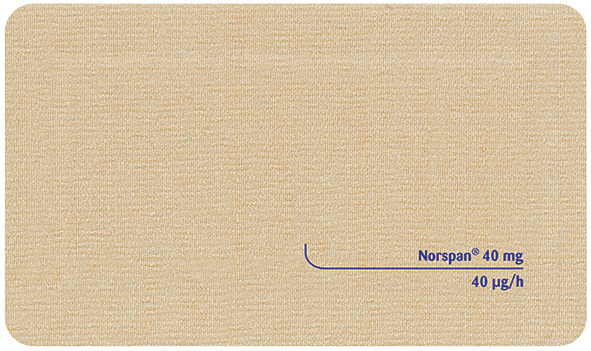
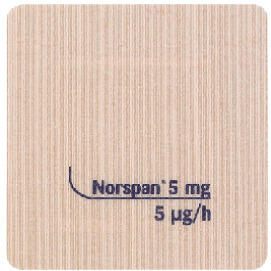
NORSPAN® patches are either rectangular or square with rounded corners. They are beige in colour. Each NORSPAN® patch is printed with the trade name and the strength in blue ink. Each strength is a different size. The higher the strength, the larger the size.

NORSPAN® patches are supplied in cartons containing two individually packaged patches.

Ingredients

NORSPAN® patches contain buprenorphine base as the active ingredient and are available in seven different strengths:

NORSPAN® 5 patches are square, beige-coloured patches which contain a total of 5 mg buprenorphine and release buprenorphine at a rate of 5 micrograms/hour.

NORSPAN® 10 patches are rectangular, beige-coloured patches which contain a total of 10 mg buprenorphine and release buprenorphine at a rate of 10 micrograms/hour.

NORSPAN® 15 patches are rectangular, beige-coloured patches which contain a total of 15 mg buprenorphine and release buprenorphine at a rate of 15 micrograms/hour.

NORSPAN® 20 patches are square, beige-coloured patches which contain a total of 20 mg buprenorphine and release buprenorphine at a rate of 20 micrograms/hour.

NORSPAN® 25 patches are rectangular, beige-coloured patches which contain a total of 25 mg buprenorphine and release buprenorphine at a rate of 25 micrograms/hour.

NORSPAN® 30 patches are rectangular, beige-coloured patches which contain a total of 30 mg buprenorphine and release buprenorphine at a rate of 30 micrograms/hour.

NORSPAN® 40 patches are rectangular, beige-coloured patches which contain a total of 40 mg buprenorphine and release buprenorphine at a rate of 40 micrograms/hour.

Inactive ingredients:

The patches also contain:

  • levulinic acid
  • oleyl oleate
  • povidone
  • Duro Tak 387-2051
  • Duro Tak 387-2054
  • polyethylene terephthalate.

Supplier

NORSPAN® patches are supplied in Australia by:

Mundipharma Pty Limited
ABN 87 081 322 509
88 Phillip Street
Sydney NSW 2000
Phone: 1800 188 009

® NORSPAN is a registered trade mark

This leaflet was prepared in March 2016.

Australian Registration numbers for NORSPAN® patches are:
5 micrograms/hr AUST R 116647
10 micrograms/hr AUST R 116648
15 micrograms/hr AUST R 217507
20 micrograms/hr AUST R 116650
25 micrograms/hr AUST R 217508
30 micrograms/hr AUST R 217509
40 micrograms/hr AUST R 217510.

Orbis AU-3172

Published by MIMS December 2025

BRAND INFORMATION

Brand name

Norspan

Active ingredient

Buprenorphine

Schedule

S8


1 Name of Medicine

Buprenorphine.

2 Qualitative and Quantitative Composition

Norspan patches are available in seven strengths: 5 microgram per hour, 10 microgram per hour, 15 microgram per hour, 20 microgram per hour, 25 microgram per hour, 30 microgram per hour and 40 microgram per hour. The composition of all seven strengths is identical except for patch size. The proportion of buprenorphine in the adhesive matrix is the same in each strength (10% by weight). The amount of buprenorphine released from each system per hour is proportional to the surface area of the patch. The skin is the limiting barrier to diffusion from the system into the bloodstream.

Norspan patch 5.

Each square patch releases buprenorphine 5 microgram per hour.
The area containing the active substance: 6.25 cm2.
Total buprenorphine content: 5 mg.

Norspan patch 10.

Each rectangular patch releases buprenorphine 10 microgram per hour.
The area containing the active substance: 12.5 cm2.
Total buprenorphine content: 10 mg.

Norspan patch 15.

Each rectangular patch releases buprenorphine 15 microgram per hour.
The area containing the active substance: 18.75 cm2.
Total buprenorphine content: 15 mg.

Norspan patch 20.

Each square patch releases buprenorphine 20 microgram per hour.
The area containing the active substance: 25 cm2.
Total buprenorphine content: 20 mg.

Norspan patch 25.

Each rectangular patch releases buprenorphine 25 microgram per hour.
The area containing the active substance: 31.25 cm2.
Total buprenorphine content: 25 mg.

Norspan patch 30.

Each rectangular patch releases buprenorphine 30 microgram per hour.
The area containing the active substance: 37.5 cm2.
Total buprenorphine content: 30 mg.

Norspan patch 40.

Each rectangular patch releases buprenorphine 40 microgram per hour.
The area containing the active substance: 50 cm2.
Total buprenorphine content: 40 mg.

3 Pharmaceutical Form

Norspan transdermal drug delivery system is a rectangular (10, 15, 25, 30 and 40 microgram per hour) or square (5 and 20 microgram per hour), beige coloured transdermal matrix patch with rounded corners.
Each Norspan patch is printed with the trade name and the strength in blue ink.
Norspan patches consist of a protective liner and functional layers. Proceeding from the outer surface towards the surface adhering to the skin, the layers are (1) a beige coloured web backing layer of polyester material; (2) an adhesive matrix rim without buprenorphine; (3) a separating layer ("foil") consisting of polyethylene terephthalate over the adhesive matrix; (4) the buprenorphine containing adhesive matrix; and (5) a release liner (see Figure 1). Before use the release liner covering the adhesive layer is removed and discarded.

4 Clinical Particulars

4.1 Therapeutic Indications

Norspan patches are indicated for the management of severe pain where:
other treatment options have failed, are contraindicated, not tolerated or are otherwise inappropriate to provide sufficient management of pain; and
the pain is opioid-responsive; and
requires daily, continuous, long-term treatment.
Norspan patches are not indicated for use in chronic non-cancer pain other than in exceptional circumstances.
Norspan patches are not indicated as an as-needed (PRN) analgesia.

4.2 Dose and Method of Administration

For application to the skin (transdermal use) only over 7 days.

Adults.

The lowest dose, Norspan patch 5 microgram per hour, should be used as the initial dose. Consideration should be given to the previous opioid history of the patient, including opioid tolerance, if any, as well as current general condition and medical status of the patient. A maximum total dose of 40 microgram per hour Norspan should not be exceeded. No dosage adjustment is necessary in the elderly.

Titration.

Discontinue all other around the clock opioid drugs when Norspan therapy is initiated. During initiation and titration with Norspan patch, patients should take the usual recommended doses of short acting supplemental analgesics as needed until analgesic efficacy with Norspan patch is attained.
During the titration process, the dose may be adjusted every 3 days (72 hours). Thereafter, the 7 day dosing interval should be maintained. Changes in Norspan patch dosage may be individually titrated based on the need for supplemental when necessary (PRN) analgesia and the patient's response to Norspan patch.
To increase the dose, the patch that is currently being worn should be removed and a higher strength of Norspan patch or a combination of patches should be applied at a different skin site to achieve the required dose. A new patch should not be applied to the same skin site for three to four weeks. It is recommended that no more than two patches be applied at the same time, up to a maximum of 40 microgram/hr Norspan. If a 40 microgram patch is applied, no additional patches should be applied.
Patients should be carefully and regularly monitored to assess the optimum dose and duration of treatment. Titration should continue every three to seven days until adequate analgesia and improvement in function is achieved. If adequate pain relief cannot be achieved with maximal doses of Norspan patch, the patient should be converted to an around the clock strong opioid.

Opioid naïve patients.

In situations when it is clinically indicated to initiate opioid therapy with a maintenance (around the clock) opioid in an opioid naïve patient, clinical trials have shown that Norspan patch is an appropriate opioid product. The lowest dose available (Norspan patch 5 microgram per hour) should be used as the initial dose. If the patient is taking supplemental analgesics, these may be continued on a PRN basis as the dose of Norspan patch is adjusted.

Conversion from opioid or fixed ratio opioid/ nonopioid combination drugs.

Norspan patches have been used as an alternative in patients taking lower doses of opioids (up to 90 mg of oral morphine equivalents a day) and combination analgesics. Patients who have had previous exposure to oral opioids should be started on a low dose of Norspan. Titration of Norspan to the optimal dose should be supported by the use of rescue analgesics.

Children.

Use in children is not recommended due to lack of clinical safety and efficacy data in patients under 18 years of age.

Renal and hepatic impairment.

No dosage adjustment is required in patients with renal impairment or mild to moderate hepatic impairment. Patients with severe hepatic impairment may accumulate buprenorphine and Norspan patch should be used with caution, if at all, in such patients.

Discontinuation.

During chronic therapy, periodically reassess the continued need for opioid analgesics. After removal of a Norspan patch, buprenorphine serum concentrations decrease gradually, and the analgesic effect is maintained for a certain amount of time. This needs to be considered when use of Norspan patch is to be followed by other opioids. As a general rule, a subsequent opioid should not be administered within 24 hours of removal of a Norspan patch.
When the patient no longer requires therapy with Norspan, use a gradual downward titration of the dose every 7 days to prevent signs and symptoms of withdrawal in the physically dependent patient; consider introduction of an appropriate immediate release opioid medication.
Do not abruptly discontinue Norspan.

Method of application.

In order to ensure effective analgesia of buprenorphine and to minimise the potential of skin reactions (see Section 4.4 Special Warnings and Precautions for Use), the following directions of use should be followed:
Norspan patches should be applied to nonirritated, intact skin of the upper outer arm, upper chest, upper back or the side of the chest, but not to any parts of the skin with large scars. Application sites should be rotated whenever a patch is replaced or added. Application sites should be reused at no less than three week intervals. Norspan patches should be applied to a relatively hairless or nearly hairless skin site. If none are available, the hair at the site should be cut with scissors, not shaven.
If the application site must be cleaned, it should be done with clean water only. Soaps, alcohol, oils, lotions or abrasive devices should not be used. The skin should be dry before the patch is applied. Norspan patches should be applied immediately after removal from the sealed pouch packaging. Following removal of the release liner, the patch should be pressed firmly in place with the palm of the hand for approximately 30 seconds, making sure the contact is complete, especially around the edges. If the edges of the patch begin to peel off, they may be taped down with suitable skin tape. The patch should be worn continuously for 7 days.
Bathing, showering or swimming should not affect the patch. If a patch falls off, a new one should be applied.
While wearing the Norspan patch patients should be advised to avoid exposing the application site to direct external heat sources, such as heating pads, electric blankets, hot water bottles, heat lamps etc. as an increase in the absorption of buprenorphine may occur. The effects of use in hot tubs and sauna have not been studied.
When changing a patch, patients should be instructed to remove the used Norspan patch, fold it over on itself (bringing the adhesive sides together) and dispose of safely, out of reach of children.

4.3 Contraindications

Norspan patches are contraindicated in patients with known hypersensitivity to buprenorphine or any components of the patch, myasthenia gravis, delirium tremens and pregnancy.
Norspan patches are contraindicated in patients with severely impaired respiratory function, severe respiratory disease, acute respiratory disease and respiratory depression, and in patients concurrently receiving nonselective monoamine oxidase inhibitors (MAOIs) or within 14 days of stopping treatment with nonselective MAOIs.
Norspan patches must not be used for the treatment of opioid dependence and opioid withdrawal.

4.4 Special Warnings and Precautions for Use

Hazardous and harmful use.

Norspan patches contain the opioid buprenorphine and is a potential drug of abuse, misuse and addiction. Addiction can occur in patients appropriately prescribed Norspan patches at recommended doses.
The risk of addiction is increased in patients with a personal or family history of substance abuse (including alcohol and prescription and illicit drugs), mental illness or in current tobacco users. The risk also increases the longer the drug is used and with higher doses. Patients should be assessed for their risks for opioid abuse or addiction prior to being prescribed Norspan patches.
All patients receiving opioids should be routinely monitored for signs of misuse and abuse. Opioids are sought by people with addiction and may be subject to diversion. Strategies to reduce these risks include prescribing the drug in the smallest appropriate quantity and advising the patient on the safe storage and proper disposal of any unused drug (see Section 6.4 Special Precautions for Storage; Section 6.6 Special Precautions for Disposal). Caution patients that abuse of oral or transdermal forms of opioids by parenteral administration can result in serious adverse events, which may be fatal. A number of deaths have occurred when addicts have intravenously abused buprenorphine, usually with benzodiazepines concomitantly. Additionally, overdosage deaths due to ethanol and benzodiazepines in combination with buprenorphine have been reported.
Patients should be advised not to share Norspan patches with anyone else.

Respiratory depression.

Serious, life-threatening or fatal respiratory depression can occur with the use of opioids even when used as recommended. It can occur at any time during the use of Norspan patches, but the risk is greatest during initiation of therapy or following an increase in dose. Patients should be monitored closely for respiratory depression at these times.
The risk of life-threatening respiratory depression is also higher in elderly, frail, or debilitated patients, in patients with hepatic impairment and in patients with existing impairment of respiratory function (e.g. chronic obstructive pulmonary disease; asthma). Opioids should be used with caution and with close monitoring in these patients. The use of opioids is contraindicated in patients with severe respiratory disease, acute respiratory disease and respiratory depression (see Section 4.3 Contraindications).
The risk of respiratory depression is greater with the use of high doses of opioids, especially high potency and modified release formulations, and in opioid naïve patients. Initiation of opioid treatment should be at the lower end of the dosage recommendations with careful titration of doses to achieve effective pain relief. Careful calculation of equianalgesic doses is required when changing opioids or switching from immediate release to modified release formulations, (see Section 4.2 Dose and Method of Administration), together with consideration of pharmacological differences between opioids. Consider starting the new opioid at a reduced dose to account for individual variation in response.
Opioids may cause sleep-related breathing disorders including central sleep apnoea (CSA) and sleep-related hypoxemia. Opioid use may increase the risk of CSA in a dose-dependent manner in some patients. Opioids may also cause worsening of pre-existing sleep apnoea (see Section 4.8 Adverse Effects (Undesirable Effects)). In patients who present with CSA, consider decreasing the total opioid dosage.

Risks from concomitant use of benzodiazepines or other CNS depressants, including alcohol.

Concomitant use of opioids and benzodiazepines or other CNS depressants, including alcohol, may result in sedation, respiratory depression, coma and death. Because of these risks, concomitant prescribing of Norspan patches with CNS depressant medicines, such as other opioid analgesics, benzodiazepines, gabapentinoids, cannabis, sedatives, hypnotics, tricyclic antidepressants, antipsychotics, antihistamines, centrally-active anti-emetics and other CNS depressants should be reserved for patients for whom other treatment options are not possible. If a decision is made to prescribe Norspan patches concomitantly with any of the medicines, the lowest effective dose should be used, and the duration of treatment should be as short as possible. Patients should be followed closely for signs and symptoms of respiratory depression and sedation. Patients and their caregivers should be made aware of these symptoms. Patients and their caregivers should also be informed of the potential harms of consuming alcohol while using Norspan patches.

Use of opioids in chronic (long-term) non-cancer pain (CNCP).

Opioid analgesics have an established role in the treatment of acute pain, cancer pain and palliative and end-of-life care. Current evidence does not generally support opioid analgesics in improving pain and function for most patients with chronic non-cancer pain. The development of tolerance and physical dependence and risks of adverse effects, including hazardous and harmful use, increase with the length of time a patient takes an opioid. The use of opioids for long-term treatment of CNCP is not recommended.
The use of an opioid to treat CNCP should only be considered after maximised non pharmacological and non-opioid treatments have been tried and found ineffective, not tolerated or otherwise inadequate to provide sufficient management of pain. Opioids should only be prescribed as a component of comprehensive multidisciplinary and multimodal pain management.
Opioid therapy for CNCP should be initiated as a trial in accordance with clinical guidelines and after a comprehensive biopsychosocial assessment has established a cause for the pain and the appropriateness of opioid therapy for the patient (see Hazardous and harmful use, above). The expected outcome of therapy (pain reduction rather than complete abolition of pain, improved function and quality of life) should be discussed with the patient before commencing opioid treatment, with agreement to discontinue treatment if these objectives are not met.
Owing to the varied response to opioids between individuals, it is recommended that all patients be started at the lowest appropriate dose and titrated to achieve an adequate level of analgesia and functional improvement with minimum adverse reactions. Immediate-release products should not be used to treat chronic pain, but may be used for a short period in opioid-naïve patients to develop a level of tolerance before switching to a modified-release formulation. Careful and regular assessment and monitoring is required to establish the clinical need for ongoing treatment. Discontinue opioid therapy if there is no improvement of pain and/or function during the trial period or if there is any evidence of misuse or abuse. Treatment should only continue if the trial has demonstrated that the pain is opioid responsive and there has been functional improvement. The patient's condition should be reviewed regularly and the dose tapered off slowly if opioid treatment is no longer appropriate (see Ceasing opioids).

Tolerance, dependence and withdrawal.

Neuroadaptation of the opioid receptors to repeated administration of opioids can produce tolerance, physical dependence and opioid use disorder (OUD). Tolerance is the need for increasing doses to maintain analgesia. Tolerance may occur to both the desired and undesired effects of the opioid.
A higher dose and longer duration of opioid treatment can increase the risk of developing OUD. Physical dependence, which can occur after several days to weeks of continued opioid usage, results in withdrawal symptoms if the opioid is ceased abruptly or the dose is significantly reduced. Withdrawal symptoms can also occur following the administration of an opioid antagonist (e.g. naloxone) or partial agonist (e.g. buprenorphine). Withdrawal can result in some or all of the following symptoms: dysphoria, restlessness/agitation, lacrimation, rhinorrhoea, yawning, sweating, chills, myalgia, mydriasis, irritability, anxiety, increasing pain, backache, joint pain, weakness, abdominal cramps, insomnia, nausea, anorexia, vomiting, diarrhoea, increased blood pressure, increased respiratory rate and increased heart rate.
Before initiating treatment with buprenorphine and during the treatment, treatment goals and a discontinuation plan should be agreed with the patient. Before and during treatment the patient should also be informed about the risks and signs of OUD. If these signs occur, patients should be advised to contact their physician.
Patient will require monitoring for signs of drug-seeking behaviour (e.g. too early requests for refills). This includes the review of concomitant opioids and psychoactive drugs (e.g. benzodiazepines). For patients with signs and symptoms of OUD, consultation with an addiction specialist should be considered, where possible.
When discontinuing Norspan patches in a person who may be physically-dependent, the drug should not be ceased abruptly but withdrawn by tapering the dose gradually (see Ceasing opioids). Abuse or intentional misuse of buprenorphine may result in overdose and/or death.

Accidental exposure.

Accidental exposure to Norspan patches especially by children, can result in a fatal overdose of buprenorphine. Patients and their caregivers should be given information on safe storage and disposal of unused Norspan patches (see Section 6.4 Special Precautions for Storage; Section 6.6 Special Precautions for Disposal).

Hyperalgesia.

Hyperalgesia may occur with the use of opioids, particularly at high doses. Hyperalgesia may manifest as an unexplained increase in pain, increased levels of pain with increasing opioid dosages or diffuse sensitivity not associated with the original pain. Hyperalgesia should not be confused with tolerance (see Tolerance, dependence and withdrawal). If opioid induced hyperalgesia is suspected, the dose should be reduced and tapered off if possible. A change to a different opioid may be required.

Ceasing opioids.

Abrupt discontinuation or rapid decreasing of the dose in a person physically dependent on an opioid may result in serious withdrawal symptoms and uncontrolled pain (see Tolerance, dependence and withdrawal). Such symptoms may lead the patient to seek other sources of licit or illicit opioids. Opioids should not be ceased abruptly in a patient who is physically dependent but withdrawn by tapering the dose slowly. Factors to take into account when deciding how to discontinue or decrease therapy include the dose and duration of the opioid the patient has been taking, the type of pain being treated and the physical and psychological attributes of the patient. A multimodal approach to pain management should be in place before initiating an opioid analgesic taper. During tapering, patients require regular review and support to manage any increase in pain, psychological distress and withdrawal symptoms.
There are no standard tapering schedules suitable for all patients and an individualised plan is necessary. In general, tapering should involve a dose reduction of no more than 10 percent to 25 percent every 2 to 4 weeks (see Section 4.2 Dose and Method of Administration). If the patient is experiencing increased pain or serious withdrawal symptoms, it may be necessary to go back to the previous dose until stable before proceeding with a more gradual taper.
When ceasing opioids in a patient who has a suspected opioid use disorder, the need for medication assisted treatment and/or referral to a specialist should be considered.

Use in surgery.

Norspan patches are not recommended for analgesia in the immediate postoperative period or in other situations characterised by a narrow therapeutic index or a rapidly varying analgesic requirement. As with all opioid preparations, patients who are to undergo cordotomy or other pain relieving surgical procedures should not use Norspan patches for at least 24 hours prior to surgery. Norspan patches should be used with caution following abdominal surgery, as opioids are known to impair intestinal motility.

Prolongation of QT interval.

In a positive controlled study of the effect of Norspan patches on the QTc interval in healthy subjects, therapeutic dosages (10 microgram per hour) had no effect on the QTc interval but higher dosages (40 microgram per hour) were associated with a mean prolongation of the QTc interval of 5.9 ms. Consider these observations in clinical decisions when prescribing Norspan to patients with electrolyte abnormalities and cardiac conditions that may elevate the risk of QT prolongation, patients with congenital QT prolongation, or those taking class IA antiarrhythmic medications (e.g. quinidine, disopyramide), class III antiarrhythmic medications (e.g. sotalol, amiodarone) or any other medication which prolongs the QT interval.

Gastrointestinal tract.

Opioids increase the tone and decrease the propulsive contractions of the smooth muscle of the gastrointestinal tract. The resultant prolongation in gastrointestinal transit time may be responsible for the constipating effect of buprenorphine. Patients should be advised on measures to prevent constipation and prophylactic laxative use should be considered. Extra caution is advised in patients with chronic constipation. If paralytic ileus is present or suspected, treatment with Norspan should be stopped.

Febrile illness.

A kinetic study indicated no alteration of buprenorphine plasma concentrations in subjects with mild fever induced by endotoxin administration. However, because increased blood flow to the skin may enhance absorption, severe febrile illness may increase the rate of buprenorphine absorption from the patch and thus, patients with severe febrile illness should be monitored for side effects and may require dose adjustment.

Opioid naïve patients.

The lowest dose available, Norspan patch 5 microgram, should be used as the starting dose in opioid naïve patients.

Application of external heat.

Advise patients and their caregivers to avoid exposing the application site and surrounding area to direct external heat sources, such as heating pads or electric blankets, heat or tanning lamps, saunas, hot tubs, and heated water beds while wearing the patch because an increase in absorption of buprenorphine may occur. There is a potential for temperature dependent increases in buprenorphine released from the patch, thereby increasing the risk of opioid reactions.

Skin reactions at application site.

To minimise the risk of occurrence of application site skin reactions, it is important to follow the directions of use instructions (see Section 4.2 Dose and Method of Administration).
Application site reactions with Norspan patches are usually presented by a mild or moderate skin inflammation (contact dermatitis), and their typical appearance may include erythema, oedema, pruritus, rash, small blisters (vesicles), and painful/burning sensation at the application site. Most commonly the cause is skin irritation (irritant contact dermatitis), and these reactions resolve spontaneously after Norspan patches removal.
Norspan patches may also cause skin sensitisation and subsequent allergic contact dermatitis (immune-mediated, type IV hypersensitivity reaction). Allergic contact dermatitis may develop with a significant delay (it may take months after Norspan patches treatment initiation), and may manifest with symptoms similar to irritant contact dermatitis, or with more intense symptoms, such as "burn" like lesions with bullae and discharge, which may spread outside the application site and which may not resolve rapidly after Norspan patches removal.
Patients and caregivers should be instructed accordingly to monitor the application sites for such reactions. If allergic contact dermatitis is suspected, relevant diagnostic procedures should be performed to determine if sensitisation has occurred and its actual cause (buprenorphine and/or other ingredients of the patch). If allergic contact dermatitis has been confirmed, treatment should be discontinued (see Section 4.3 Contraindications).
Continued Norspan patches treatment in individuals experiencing allergic contact dermatitis may lead to complications, including blistering of the skin, open wound, bleeding, ulceration, and subsequent infections. Mechanical injuries during patch removal (e.g. laceration) are also possible in patients with fragile skin. Chronic inflammation may lead to long-lasting sequelae, such as post-inflammatory hyper- and hypopigmentation, as well as dry and thick scaly skin lesions, which may closely resemble scars.

Use in hepatic impairment.

Buprenorphine is metabolised in the liver. No dose adjustment is necessary in patients with mild to moderate hepatic impairment, however, the intensity and duration of its action may be affected in patients with impaired liver function. Patients with severe hepatic impairment may accumulate buprenorphine during Norspan patch treatment. Consideration should be given to alternative therapy and Norspan patches should be used with caution, if at all, in such patients.

Use in renal impairment.

No dose adjustment is necessary in patients with renal impairment.

Use in the elderly.

See Section 4.2 Dose and Method of Administration; Section 4.4 Special Warnings and Precautions for Use, Respiratory depression.

Paediatric use.

The safety and efficacy of Norspan patches in patients under 18 years of age has not been established. Norspan is not recommended for use in children.

Effects on laboratory tests.

Increased alanine aminotransferase levels.

General.

Norspan patches should be used with particular caution in patients with convulsive disorders, head injury, shock, a reduced level of consciousness of uncertain origin, intracranial lesions or increased intracranial pressure. Buprenorphine may lower the seizure threshold in patients with a history of seizure disorder. Use with caution in patients with hypotension, hypovolaemia, biliary tract disease, pancreatitis, inflammatory bowel disorders (including constipation), prostatic hypertrophy, adrenocortical insufficiency, chronic renal and hepatic disease and debilitated patients. As with all opioids, a reduction in dosage may be advisable in hypothyroidism.

Serotonin syndrome.

Concomitant administration of buprenorphine and other serotonergic agents, such as selective serotonin re-uptake inhibitors (SSRIs), serotonin norepinephrine re-uptake inhibitors (SNRIs) or tricyclic antidepressants may result in serotonin syndrome, a potentially life threatening condition (see Section 4.5 Interactions with Other Medicines and Other Forms of Interactions; Section 4.3 Contraindications).
If concomitant treatment with other serotonergic agents is clinically warranted, careful observation of the patient is advised, particularly during treatment initiation and dose increases.
Symptoms of serotonin syndrome may include mental status changes, autonomic instability, neuromuscular abnormalities, and/or gastrointestinal symptoms. If serotonin syndrome is suspected, a dose reduction or discontinuation of therapy should be considered depending on the severity of the symptoms.

4.5 Interactions with Other Medicines and Other Forms of Interactions

Antiarrhythmic medications.

Higher doses (40 microgram per hour) of buprenorphine may increase the QTc interval. This should be considered when prescribing Norspan patches for patients with congenital QT prolongation or those taking antiarrhythmic medications in either class IA (e.g. quinidine, procainamide) or in class III (e.g. amiodarone, sotalol) or any other medication which prolongs the QT interval.

Anti-ulcer medication.

In clinical trial patients there were no apparent effects on Norspan patch exposure when used concomitantly with various H2-antagonists or proton pump inhibitors.

CNS depressants.

CNS depressants, when used with Norspan patches, may produce additive depressant effects, e.g. respiratory depression, hypotension, profound sedation or potentially result in coma or death. Such agents include but are not limited to opioids, anaesthetics, sedatives (including benzodiazepines), anxiolytics, hypnotics, barbiturates, phenothiazines, antidepressants (including tricyclic antidepressants), chloral hydrate, antipsychotics, glutethimide, tranquilisers, muscle relaxants, antihypertensives, gabapentinoids (gabapentin and pregabalin), antihistamines, cannabis, centrally-acting anti-emetics and alcohol (see Section 4.4 Special Warnings and Precautions for Use, Risks from concomitant use of benzodiazepines or other CNS depressants, including alcohol).

CYP inhibitors and inducers.

Buprenorphine is both a substrate for, and an inhibitor of, CYP3A4. Specific inhibitors of CYP3A4 (ketoconazole, ritonavir, indinavir) have been shown to inhibit formation of the buprenorphine metabolite, norbuprenorphine, in human liver microsomes. Antifungal drugs with similar CYP3A4 inhibiting properties to ketoconazole include fluconazole and itraconazole.
One drug interaction study with ketoconazole did not produce clinically relevant increases in mean maximum or total buprenorphine exposure; however, caution is advised when Norspan patches are administered concurrently with inhibitors of CYP3A4 (e.g. protease inhibitors, some drug classes of azole antimycotics, calcium channel antagonists and macrolide antibiotics) as this might lead to increased levels with increased efficacy of buprenorphine with concomitant increased toxicity.
Unlike Norspan patches, tablet and film buprenorphine containing formulations refer to an interaction study of buprenorphine with ketoconazole (a potent inhibitor of CYP3A4) that resulted in increased Cmax and AUC of buprenorphine (approximately 50% and 70%, respectively) and, to a lesser extent, of norbuprenorphine. Patients should be closely monitored, and may require a dose reduction if combining tablet and film buprenorphine containing formulations with CYP3A4 inhibitors.
The interaction between buprenorphine and CYP3A4 enzyme inducers has not been studied; however, coadministration of Norspan patches and enzyme inducers (e.g. phenobarbitone, carbamazepine, phenytoin, rifampicin) could lead to increased clearance which might result in reduced efficacy. Buprenorphine has also been shown to be a CYP2D6 inhibitor in vitro.

General anaesthetics.

Reductions in hepatic blood flow induced by some general anaesthetics (e.g. halothane) and other drugs may result in a decreased rate of hepatic elimination of buprenorphine.

Monoamine oxidase inhibitors.

Nonselective MAOIs intensify the effects of opioid drugs which can cause anxiety, confusion and respiratory depression. Norspan patches must not be used concomitantly with nonselective MAOIs or in patients who have received nonselective MAOIs within the previous 14 days (see Section 4.3 Contraindications). As it is unknown whether there is an interaction between selective MAOIs (e.g. selegiline) and buprenorphine, caution is advised with this drug combination.

Serotonergic agents.

Buprenorphine should be used cautiously when co-administered with serotonergic medicinal products (e.g. SSRIs, SNRIs or tricyclic antidepressants) as the risk of serotonin syndrome, a potentially life-threatening condition, is increased.

Warfarin.

The potential exists for international normalized ratio (INR) elevation in patients who are concomitantly taking warfarin. A retrospective safety analysis and benefit/ risk assessment was performed evaluating the interaction between buprenorphine and warfarin. The analysis revealed very limited data was available and that there was a more likely interaction between buprenorphine and phenprocoumon than warfarin. However, there is not sufficient information for inclusion of the medicine interaction between buprenorphine and phenprocoumon.

Anticholinergics.

Anticholinergics or other drugs with anticholinergic activity (e.g. tricyclic antidepressants, antihistamines, antipsychotics, muscle relaxants, anti-Parkinson drugs) when used concurrently with opioid analgesics may result in increased anticholinergic adverse effects such as risk of urinary retention and/or severe constipation, which may lead to paralytic ileus. Monitor patients for signs of urinary retention or reduced gastric motility when Norspan is used concurrently with anticholinergic drugs.

4.6 Fertility, Pregnancy and Lactation

Effects on fertility.

No adverse effects on fertility or embryonic development were seen in rats when treated males were paired with treated females (≤ 20 mg patch every 3 days). Exposure (AUC) with these doses are up to 70 times greater than the expected daily systemic exposure (AUC) of buprenorphine in humans during treatment with Norspan 40 mg patch.
Buprenorphine has been shown to cross the placenta in humans and has been detected in newborn blood, urine and meconium. Opioid analgesics, including buprenorphine, may cause respiratory depression in the newborn infant. Withdrawal symptoms in newborn infants have been reported with prolonged use of this class of drugs. Neonatal withdrawal symptoms may include poor feeding, diarrhoea, irritability, tremor, rigidity, and seizures. Infants born to mothers physically dependent on opioids may also be physically dependent and may exhibit respiratory difficulties and withdrawal symptoms. There are no adequate and well controlled studies of buprenorphine or Norspan patches in pregnant women.
No effects on embryofetal development were noted in studies with topically applied Norspan patches to pregnant rats (≤ 20 mg patch) and rabbits (80 mg patch), and in studies in rabbits that received daily SC injections of buprenorphine during the period of organogenesis (≤ 5 mg/kg/day). Exposures (AUC) at these doses were 47 and 74 times in rats and rabbits, respectively, the expected daily systemic exposure (AUC) of buprenorphine in humans during treatment with Norspan 40 mg patch.
In a pre/ postnatal study in pregnant and lactating rats, administration of ≥ 0.5 mg/kg/day SC buprenorphine caused an increase in the number of stillbirths and reduced pup survival. Exposures (AUC) at the no effect level (0.05 mg/kg/day SC) were subclinical.
Animal studies indicate buprenorphine has the potential to inhibit lactation or milk production. Decreases in postnatal survival, growth and development were also observed in animals treated with buprenorphine during lactation. Buprenorphine passes into mother's milk at low concentrations and therefore Norspan patches should not be used by breastfeeding women.

4.7 Effects on Ability to Drive and Use Machines

Norspan patch has a major influence on the ability to drive and use machines. Even when used according to instructions, buprenorphine may cause drowsiness and may modify patients' reactions to a varying extent depending on the dosage and individual susceptibility such that road safety and the ability to operate machinery may be impaired. This applies particularly in the beginning of treatment, during titration to a higher dose and in conjunction with other centrally acting substances including alcohol, tranquilisers, sedatives and hypnotics. If affected, patients should not drive or operate machinery nor for at least 24 hours after the patch has been removed.

4.8 Adverse Effects (Undesirable Effects)

Adverse reactions that may be associated with Norspan patch therapy in clinical use are similar to those observed with other opioid analgesics and tend to reduce with time, with the exception of constipation.
The following adverse reactions have been reported.

Cardiac disorders.

Uncommon: angina pectoris, palpitations, tachycardia.

Ear and labyrinth disorders.

Uncommon: tinnitus, vertigo.
Very rare: ear pain.

Eye disorders.

Uncommon: dry eye, blurred vision.
Rare: eyelid oedema, miosis, visual disturbance.

Gastrointestinal disorders.

Very common: constipation*, dry mouth, nausea*, vomiting*.
Common: abdominal pain*, diarrhoea*, dyspepsia*.
Uncommon: flatulence.
Rare: diverticulitis*, dysphagia, ileus, pyrosis (heartburn).
Very rare: retching.

General disorders and administration site conditions.

Very common: application site reaction (includes erythema, oedema, pruritus or rash at the application site).
Common: asthenic conditions* (including muscle weakness, lethargy, fatigue and malaise), chest pain*, pain, peripheral oedema, tiredness.
Uncommon: influenza-like illness, oedema, pyrexia*, rigors*, drug withdrawal syndrome.
Not known: drug withdrawal syndrome neonatal, drug tolerance.

Skin and subcutaneous tissue disorders.

Very common: application site skin reactions (includes common signs and symptoms of contact dermatitis (irritative or allergic) erythema, oedema, pruritus* or rash, vesicles, painful/burning sensation at the application site) (late onset local allergic reactions (allergic contact dermatitis) with marked signs of inflammation - in such cases, discontinue Norspan patch).
Common: exanthema, rash*, sweating*.
Uncommon: dry skin, face oedema, urticaria.
Very rare: pustules, vesicles.

Hepatobiliary disorders.

Rare: biliary colic.

Immune system disorders.

Uncommon: allergic reaction (including oropharyngeal swelling and swollen tongue).
Rare: anaphylactic reactions.
Very rare: serious allergic reactions.

Injury, poisoning and procedural complications.

Uncommon: accidental injury (including fall).

Metabolism and nutrition disorders.

Common: anorexia.
Uncommon: dehydration*, weight decreased.

Musculoskeletal and connective tissue disorders.

Uncommon: muscle cramps, muscle spasm, myalgia.
Very rare: muscle fasciculation.

Nervous system disorders.

Very common: dizziness, headache*, somnolence*.
Common: dysgeusia (taste disturbance), paraesthesia, tremor.
Uncommon: concentration impairment, abnormal coordination, dysarthria, hypoaesthesia, memory impairment, migraine, restlessness, sedation, sleep disorder, syncope*.
Rare: dysequilibrium, numbness.
Unknown: seizure, hyperalgesia, sleep apnoea syndrome.

Psychiatric disorders.

Common: anxiety, confusion, depression*, insomnia, nervousness.
Uncommon: affect lability, agitation, aggression, depersonalisation, euphoric mood, hallucination, decreased libido, nightmare.
Rare: psychotic disorder.
Very rare: dependence, mood swings.

Renal and urinary disorders.

Uncommon: urinary incontinence, urinary retention.
Rare: urinary hesitation.

Reproductive system and breast disorders.

Rare: decreased erection, sexual dysfunction.

Respiratory, thoracic and mediastinal disorders.

Common: dyspnoea*.
Uncommon: asthma aggravated*, cough, hiccups, hyperventilation, hypoxia, rhinitis*, wheezing*.
Rare: respiratory depression, respiratory failure*.

Vascular disorders.

Common: vasodilatation.
Uncommon: circulatory disorders (such as hypotension or rarely even circulatory collapse), flushing, hypertension*, orthostatic hypotension.
Very common: ≥ 10%; common: ≥ 1% and < 10%; uncommon: ≥ 0.1% and < 1%; rare: ≥ 0.01% and < 0.1%; very rare: < 0.01% including isolated reports.
* At least one serious case.
The incidence of adverse events did not vary with age or race. The incidence of most adverse events was similar for males and females, but females reported nausea, vomiting, dizziness and headache 10% to 15% more frequently than males.

Application site skin reactions.

In rare cases, severe application site skin reactions with signs of marked inflammation including "burn", "discharge", and "vesicles" have occurred. Time of onset varies, ranging from days to months following the initiation of Norspan treatment. Instruct patients to promptly report the development of severe application site reactions and discontinue therapy.

Anaphylactic/ allergic reactions.

Cases of acute and chronic hypersensitivity to buprenorphine have been reported uncommonly both in clinical trials and in the postmarketing experience. The most common signs and symptoms include rashes, hives, and pruritus. Cases of bronchospasm, angioneurotic edema, and anaphylactic shock have been reported. A history of hypersensitivity to buprenorphine is a contraindication to the use of Norspan.

Drug dependence.

Repeated use of buprenorphine can lead to drug dependence, even at therapeutic doses. The risk of drug dependence may vary depending on a patient's individual risk factors, dosage, and duration of opioid treatment (see Section 4.4 Special Warnings and Precautions for Use).

Reporting suspected adverse effects.

Reporting suspected adverse reactions after registration of the medicinal product is important. It allows continued monitoring of the benefit-risk balance of the medicinal product. Healthcare professionals are asked to report any suspected adverse reactions at www.tga.gov.au/reporting-problems.

4.9 Overdose

Symptoms of overdose.

Symptoms similar to other centrally acting analgesics are to be expected and are an extension of the pharmacological actions. These include respiratory depression including apnoea, sedation, drowsiness, nausea, vomiting, cardiovascular collapse and marked miosis although respiratory depression has been absent in some cases of buprenorphine overdosage.

Treatment of overdose.

Remove any patch in contact with the patient and dispose of it properly. Establish and maintain a patent airway, assist or control respiration as indicated and maintain adequate body temperature and fluid balance. Oxygen, intravenous fluids, vasopressors and other supportive measures should be employed as indicated.
A specific opioid antagonist, such as naloxone, may reverse the effects of buprenorphine although naloxone may be less effective in reversing the effects of buprenorphine than other mu-agonists. Treatment with continuous intravenous naloxone should begin with the usual doses but high doses may be required. The onset of naloxone's effect may be delayed by 30 minutes or more. Please refer to naloxone hydrochloride injection product information for further information. There are literature which suggests that the dose response of buprenorphine induced respiratory depression to treatment with naloxone is bell shaped with higher doses of naloxone providing less effective treatment of respiratory depression than intermediate ones. Maintenance of adequate ventilation is more important than treatment with naloxone.
For information on the management of overdose, contact the Poisons Information Centre on 13 11 26 (Australia).

5 Pharmacological Properties

5.1 Pharmacodynamic Properties

Mechanism of action.

Buprenorphine is a partial opioid agonist, acting at mu-opioid receptors. The opioid agonist activities are dose related. Buprenorphine also has antagonistic activity at the kappa-opioid receptor. It is classified as a psychotropic substance under international convention.
Like other opioid agonists, buprenorphine produces dose related analgesia, however a ceiling effect to analgesia is well documented. Buprenorphine binds to and dissociates from the mu-receptor slowly, which may account for the prolonged duration of analgesia and, in part, for the limited physical dependence potential observed with the drug.
Buprenorphine produces similar effects to other opioids on the central nervous, cardiovascular, respiratory and gastrointestinal systems, although the intensity and duration of the effects may vary when compared with other opioids. Opioids may also influence the hypothalamic pituitary adrenal or gonadal axes, including an increase in serum prolactin and decreases in plasma cortisol and testosterone, which can manifest in clinical symptoms.
Since kappa receptor agonist activity is related to psychotomimetic and dysphoric effects, buprenorphine is expected to produce fewer psychotomimetic and dysphoric effects than drugs with kappa-agonist activities.
Like other opioid agonists, buprenorphine may produce increases in cerebrospinal fluid pressure, cause altered mentation, mental clouding or amnesia.
Buprenorphine acts to reduce blood pressure in a manner similar to other opioids. Norspan patch application resulted in transient decreases in blood pressure in healthy young and elderly subjects, without clinical adverse events.
Like other opioid analgesics, buprenorphine has a potential of respiratory depression. Respiratory depression is less common than with full mu-agonists, such as morphine, and there appears to be a ceiling effect. However, evidence suggests that buprenorphine is a partial agonist with respect to its respiratory depressant activity. When respiratory depression occurs it appears to have a slower onset and longer duration compared with morphine.
Administration of buprenorphine to persons who are physically dependent on full mu-opioid agonists may precipitate an abstinence syndrome depending on the level of physical dependence, and the timing and dose of buprenorphine.
Like other opioids buprenorphine may cause nausea, vomiting, constipation and an increase in biliary tract pressure. Effects on the immune system were seen with natural opioids like morphine in in vitro and animal studies, although the clinical significance of these is unknown. It is not known whether buprenorphine, a semisynthetic opioid, has immunological effects similar to morphine.
Buprenorphine can cause dose related miosis and urinary retention in some patients.

Clinical trials.

The safety and efficacy of Norspan patches in the management of chronic pain has been studied in 30 clinical trials (4867 patients treated with Norspan patches). The active and placebo controlled clinical trials included patients with moderate to severe chronic pain of osteoarthritis, low back and noncancer pain requiring opioid analgesia. A single trial examined the safety of three doses of Norspan patches given for 72 hours to patients following orthopaedic surgery. No trials have been conducted in patients with cancer related pain.
BUPN.CLIN0001 was a randomised, double blind, double dummy, parallel, equivalence study comparing the efficacy and tolerability of Norspan patches 5, 10 and 20 mg applied every seven days with sublingual buprenorphine tablets 200 and 400 microgram (Temgesic) in 238 patients with moderate to severe pain due to osteoarthritis (hip and/or knee, 85% > one year). Patients were titrated to optimum pain control over 21 days, and continued at this level for 28 days. Paracetamol was permitted for breakthrough pain and all usage recorded. The primary efficacy variable was pain intensity recorded during the assessment period (days three and seven, BS-11 scale, see Table 1). The per protocol (PP) population mean reductions in pain scores ranged from 2.6 to 3.6 across the three daily rating assessments (morning, midday, evening) and the estimated mean difference between both active treatment arms was minimal (range 0.001 to 0.13). The 95% confidence intervals for the difference between treatments were within the range -1 to 1, compared with the prespecified equivalence margins of -1.5 to 1.5. This demonstrated equivalent efficacy. At study completion 70% (40/51) of patients on the patch and 75% (42/51) on tablets rated their pain relief as good or very good.
There was no difference in escape medication usage and the incidence of discontinuation due to lack of efficacy was similar between the two treatment groups (9% Temgesic vs 14% Norspan patch). The most common adverse events reported were those commonly associated with the use of opioids (nausea, vomiting, dizziness, somnolence, headache and constipation).
BP98-1201 was a randomised, double blind trial comparing the efficacy and safety of Norspan patches 5, 10 and 20 mg, applied every seven days, with hydrocodone/ paracetamol (2.5 mg/250 mg) tablets four times a day (qid) in 270 patients with chronic moderate to severe back pain (pain intensity ≥ 5 BS-11 scale), not controlled by nonopioid analgesia alone (ibuprofen 400 mg qid). Patients were titrated to optimum pain control over 21 days and continued at this level for 35 days. The primary efficacy variables were average pain intensity (BS-11 scale*) and patient satisfaction with medication over days 21 to 56#, see Table 2. The intention to treat (ITT) population mean baseline pain intensity was 7.74 (Norspan patch group) compared with 7.65, which reduced through days 21 to 56 to 5.96 and 6.04, respectively. The difference (and 95% confidence interval) in average pain intensity between the two treatments was -0.08 (-0.06 to 0.44). The difference between the two treatments in patient global satisfaction was 0.16 (-0.08 to 0.39). Norspan patches were equally effective as hydrocodone/ paracetamol tablets in relieving pain and for patient satisfaction.
The majority of adverse events reported were mild or moderate in severity and were typically associated with opioid therapy. Withdrawals due to lack of efficacy was similar for both groups (15% for Norspan patch and 14% for hydrocodone/ paracetamol). No changes in laboratory values were considered related to treatment and no clinically important changes were reported for pulse rate, respiratory rate or physical examinations.

5.2 Pharmacokinetic Properties

Each Norspan patch provides a steady delivery of buprenorphine for up to seven days. Steady state is achieved by day three following the first application. After removal of a Norspan patch, buprenorphine concentrations decline, decreasing approximately 50% in 12 hours (range 10 to 24 hours).
Norspan patches 5 microgram per hour, 10 microgram per hour, 15 microgram per hour, 20 microgram per hour, 25 microgram per hour, 30 microgram per hour and 40 microgram per hour provide dose proportional increases in total exposure (AUC) over the seven day application period. Dose proportional increases in plasma concentrations occur at steady state with Norspan patch application for up to 60 days. Accumulation of plasma buprenorphine did not occur during the 60 days.
The rate of buprenorphine release from each patch is proportional to the surface area. Each Norspan patch 5 microgram releases 5 microgram of buprenorphine per hour, and contains a total of 5 mg of buprenorphine. Each Norspan patch 10 microgram releases 10 microgram of buprenorphine per hour and contains a total of 10 mg of buprenorphine. Each Norspan patch 15 microgram releases 15 microgram of buprenorphine per hour and contains a total of 15 mg of buprenorphine. Each Norspan patch 20 microgram releases 20 microgram of buprenorphine per hour and contains a total of 20 mg of buprenorphine. Each Norspan patch 25 microgram releases 25 microgram of buprenorphine per hour and contains a total of 25 mg of buprenorphine. Each Norspan patch 30 microgram releases 30 microgram of buprenorphine per hour and contains a total of 30 mg of buprenorphine. Each Norspan patch 40 microgram releases 40 microgram of buprenorphine per hour and contains a total of 40 mg of buprenorphine.

Absorption.

Following Norspan patch application, buprenorphine diffuses from the patch through the skin. In clinical pharmacology studies, the median time for Norspan patch 10 microgram to deliver detectable buprenorphine concentrations (25 picogram/mL) was approximately 17 hours. The mean bioavailability of buprenorphine from a Norspan patch relative to intravenous (IV) dosing is between 13-15% (for all strengths).

Accidental oral ingestion.

Measurable systemic levels of buprenorphine were demonstrated in dogs given Norspan patches by oral administration.

Distribution.

Buprenorphine is approximately 96% bound to plasma proteins.
In a study of IV buprenorphine in healthy subjects, the volume of distribution at steady state was 430 L, which is indicative of the high lipophilicity of the drug.
Following IV administration, buprenorphine and its metabolites are secreted into bile, and within several minutes distribute into the cerebrospinal fluid (CSF). CSF concentrations appear to be approximately 15% to 25% of concurrent plasma concentrations.

Metabolism and excretion.

Buprenorphine metabolism in the skin following Norspan patch application is negligible. Buprenorphine is eliminated via hepatic metabolism, with subsequent biliary excretion and renal excretion of soluble metabolites. Hepatic metabolism through CYP3A4 and UGT1A1/1A3 enzymes results in two primary metabolites, norbuprenorphine and buprenorphine 3-O-glucuronide, norbuprenorphine is also glucuronidated prior to elimination. Buprenorphine is eliminated in the faeces within seven days.
Norbuprenorphine is the only known active metabolite of buprenorphine. It has been shown to be a respiratory depressant in rats at concentrations at least 50-fold those seen following application of Norspan patch 20 microgram per hour.
In a study in postoperative patients the total clearance of buprenorphine was 55 L/h.

Application site.

A study in healthy subjects demonstrated that the pharmacokinetic profile of buprenorphine delivered by Norspan patch is similar when applied to the upper outer arm, upper chest, upper back or the side of the chest (midaxillary line, 5th intercostal space).
In a study of healthy subjects applying Norspan patches repeatedly to the same site, immediate reapplication caused increased absorption, without clinical adverse events. For this reason, rotation of application sites is recommended (see Section 4.2 Dose and Method of Administration).
In another study in healthy subjects application of a heating pad directly on the Norspan patch caused a transient 26 to 55% increase in blood concentrations of buprenorphine. Concentrations returned to normal within five hours after the heat was removed. For this reason, applying heat sources such as hot water bottles, heat pads or electric blankets directly to the Norspan patch is not recommended. A heating pad applied to a Norspan patch site directly after patch removal did not alter absorption from the skin depot.

5.3 Preclinical Safety Data

Genotoxicity.

Buprenorphine showed no evidence of genotoxic activity in assays for gene mutations (reverse mutations in bacterial cells, forward mutations in mammalian cells and yeast), chromosomal damage (human lymphocytes, mouse micronucleus test, Chinese hamster cell in vivo and in vitro) or gene conversion (yeast). However, in other assays, buprenorphine was positive for frame shift mutations in Ames test and caused inhibition of normal DNA synthesis and increases in unscheduled DNA synthesis in studies using mouse testes.

Carcinogenicity.

No evidence of carcinogenicity was seen in Tg.AC transgenic mice treated with dermal doses of buprenorphine up to 600 mg/kg/day for 6 months or female rats treated with daily dermal doses of buprenorphine up to 200 mg/kg/day for approximately 100 weeks. These doses resulted in exposures (AUC) at least 160 times the expected daily systemic dose of buprenorphine in humans during treatment with Norspan 40 mg patch. In male rats, however, an increased incidence of benign testicular interstitial tumours was observed in animals treated dermally with ≥ 60 mg/kg/day buprenorphine for approximately 100 weeks. Exposure (AUC) at the NOEL was 96 times greater than the expected daily systemic exposure of buprenorphine in humans during treatment with Norspan 40 mg patch.

6 Pharmaceutical Particulars

6.1 List of Excipients

The inactive ingredients in Norspan transdermal drug delivery system (patch) are levulinic acid, oleyl oleate, povidone, Duro Tak 387-2051, Duro Tak 387-2054 and polyethylene terephthalate.

6.2 Incompatibilities

Incompatibilities were either not assessed or not identified as part of the registration of this medicine.

6.3 Shelf Life

In Australia, information on the shelf life can be found on the public summary of the Australian Register of Therapeutic Goods (ARTG). The expiry date can be found on the packaging.

6.4 Special Precautions for Storage

Store below 25°C.

6.5 Nature and Contents of Container

Norspan patch 5, 10 and 20 is supplied in cartons containing one*, two or four* sachets each containing a single patch.
Norspan patch 15, 25, 30 and 40 is supplied in cartons containing two* or four* sachets each containing a single patch.
Each patch is contained in a sachet that may or may not be child resistant in nature.
The sealed sachets that are not child resistant are composed of identical top and bottom layers of heat-sealable laminate, comprising (from outside to inside) paper, LDPE, aluminium and poly(acrylic acid-co-ethylene).
The sealed child resistant sachets are composed of identical top and bottom layers of heat-sealable laminate, comprising (from outside to inside) paper, PET, polyethylene-based copolymer, aluminium and poly(acrylic acid-co-ethylene).
* Not all pack sizes are currently marketed in Australia.

6.6 Special Precautions for Disposal

In Australia, any unused medicine or waste material should be disposed of by taking to your local pharmacy.

6.7 Physicochemical Properties

Buprenorphine is a white or almost white powder and is very slightly soluble in water, freely soluble in acetone, soluble in methanol and ether and slightly soluble in cyclohexane. The pKa is 8.5. The chemical name of buprenorphine is (2S)-2-[17-(cyclopropylmethyl)-4, 5α-epoxy-3-hydroxy-6-methoxy-6α, 14-ethano-14α-morphinan-7α-yl]-3, 3-dimethylbutan-2-ol. The molecular weight is 467.6 and the empirical formula is C29H41NO4.

Chemical structure.

The structural formula is:

CAS number.

52485-79-7.

7 Medicine Schedule (Poisons Standard)

S8.

Summary Table of Changes