
Consumer medicine information

Norvir

Ritonavir

BRAND INFORMATION

Brand name

Norvir

Active ingredient

Ritonavir

Schedule

S4


Consumer medicine information (CMI) leaflet

Please read this leaflet carefully before you start using Norvir.

What is in this leaflet

This leaflet answers some common questions about Norvir.

It does not contain all the available information. It does not take the place of talking to your doctor or pharmacist.

All medicines have risks and benefits. Your doctor has weighed the risks of you taking this medicine against the benefits they expect it will have for you.

If you have any concerns about taking this medicine, ask your doctor or pharmacist.

Keep this leaflet with the medicine. You may need to read it again.

What Norvir is used for

Norvir is used to treat HIV (Human Immunodeficiency Virus) infections.

It belongs to a group of medicines called protease inhibitors.

Norvir works by interfering with the enzyme that the HIV virus needs to infect new cells.

It may be given alone or with certain other anti-HIV medicines. Your doctor will determine which medicines are best for you.

Norvir has not been shown to decrease the chance of transmitting HIV to a sexual partner. You must continue to use safe sexual practices (e.g. condoms) while taking Norvir.

Ask your doctor or pharmacist if you have any questions about why it has been prescribed for you. Your doctor may have prescribed it for another purpose.

This medicine is not addictive.

This medicine is available only with a doctor's prescription.

There is not enough information to recommend the use of this medicine for children under the age of 12 years.

Before you take Norvir

When you must not take it

Do not take Norvir if you have an allergy to:

  • any medicine containing ritonavir
  • any of the ingredients listed at the end of this leaflet

Some of the symptoms of an allergic reaction include:

  • shortness of breath
  • wheezing or difficulty breathing
  • swelling of the face, lips, tongue or other parts of the body
  • hives, rash or itching of the skin.

Do not take Norvir if you are currently taking any of the following medicines:

  • alfuzosin hydrochloride (treatment of Benign Prostatic Hyperplasia or BPH in men);
  • ranolazine to treat angina;
  • amiodarone, bepridil, dronedarone, flecainide, propafenone, quinidine, encainide (medicines to correct irregular heartbeats);
  • fusidic acid (an antibiotic);
  • apalutamide (treatment for prostate cancer);
  • neratinib (treatment for early stage breast cancer);
  • venetoclax (treatment for chronic lymphocytic leukaemia);
  • voriconazole (used to treat fungal infections);
  • colchicine (a treatment for gout) if you have liver or kidney problems;
  • astemizole or terfenadine (these antihistamine medicines may be available without prescription);
  • rifabutin (used to prevent/treat certain infections);
  • blonanserin, clozapine, lurasidone or pimozide (used to treat certain psychological and emotional conditions);
  • ergotamine, dihydroergotamine, ergometrine or ethylergometrine (treatment for migraine and headaches);
  • cisapride (used to relieve certain stomach problems);
  • products that contain St John's Wort (Hypericum perforatum) as this may stop Norvir from working properly. St John's wort is often used in herbal medicines that you can buy yourself;
  • lovastatin, simvastain, lomitapide (to lower your cholesterol);
  • salmeterol (treatment for asthma);
  • piroxicam (used to relieve pain);
  • sildenafil if you suffer from a lung disease called pulmonary arterial hypertension that makes breathing difficult. Patients without this disease may use sildenafil for erectile dysfunction under their doctor's supervision;
  • pethidine, dextropropoxyphene (used to relieve pain);
  • midazolam or triazolam (used to relieve anxiety and/or trouble sleeping);
  • clorazepate, diazepam, estazolam, flurazepam, triazolam, midazolam, zolpidem (used to help you sleep and/or relieve anxiety).

Do not take it after the expiry date printed on the bottle or if the packaging is damaged or shows signs of tampering. If it has expired or is damaged return it to your pharmacist for disposal.

If you are not sure whether you should start taking this medicine, talk to your doctor.

Before you start to take it

Tell your doctor or pharmacist if you have any allergies to any other medicines, foods, preservatives or dyes.

Tell your doctor or pharmacist if you have or have had any of the following medical conditions:

  • liver problems or problems with your pancreas.
  • you have hepatitis B or C, and are being treated with a combination of antiretroviral agents, as you are at a greater risk of developing serious side effects.
  • haemophilia, as there have been reports of increased bleeding in patients with haemophilia who are taking this type of medicine.
  • diabetes, as there have been reports of worsening of or the development of diabetes in some patients taking this type of medicine.

Tell your doctor or pharmacist if you are pregnant, intend to become pregnant or are breastfeeding. Your doctor or pharmacist can discuss the risks and benefits involved.

If you have not told your doctor or pharmacist about any of the above, tell him or her before you take Norvir.

Taking other medicines

Tell your doctor or pharmacist if you are taking any other medicines, including any that you buy without a prescription from your pharmacy, supermarket or health food store.

If Norvir is taken in combination with other antiviral medicines, it is important that you also carefully read the leaflets that are provided with these other medicines. They may include additional information in those leaflets about situations when Norvir should be avoided.

If you have any further questions about Norvir or the other medicines prescribed, please ask your doctor or pharmacist.

Some medicines and Norvir may interfere with each other. These include:

  • didanosine, zidovudine, delaviridine, efavirenz, saquinavir, amprenavir, indinavir, nelfinavir, tipranavir, maraviroc, raltegravir (other antiviral treatments);
  • digoxin (used to correct irregular heartbeats);
  • abemaciclib, dasatinib, encorafenib, ibrutinib, ivosidenib, neratinib, nilotinib, vincristine, vinblastine (used to treat different types of cancer);
  • fostamatinib (used for low platelet count);
  • dihydroergotamine, ergotamine (used to treat migraine headache);
  • ergometrine, methylergometrine (used to stop excessive bleeding that may occur following childbirth or an abortion);
  • buspirone (used to help you sleep and/or relieve anxiety);
  • fentanyl (used to relieve pain);
  • bedaquiline, delamanid (used to prevent/treat certain infections);
  • ketoconazole (used to treat fungal infections);
  • clarithromycin, sulphamethasone/trimethoprim, fusidic acid (used to treat infections);
  • simeprevir, glecaprevir/pibrentasvir (used to treat chronic hepatitis C);
  • warfarin, rivaroxaban (used to thin the blood);
  • trazodone (used to treat depression);
  • fluticasone, budesonide or triamcinolone (cortisone used to treat inflammation);
  • disulfiram (used to treat alcohol dependence);
  • metronidazole (used to treat certain parasite infections);
  • bupropion (used to help smoking cessation);
  • bosentan (used to treat a condition called pulmonary arterial hypertension);
  • quetiapine (used to treat psychiatric disorders);
  • avanafil, sildenafil, vardenafil (used for erectile dysfunction);
  • elagolix (used for moderate to severe pain associated with endometriosis);
  • theophylline (used to treat chronic lung conditions).

These medicines may be affected by Norvir or may affect how well it works. You may need to use different amounts of your medicine, or take different medicines.

Your doctor or pharmacist has more information on medicines to be careful with or to avoid while taking Norvir.

Other interactions

There are many other medicines that may not mix with Norvir because their effects could potentially increase or decrease when taken together. In some cases your doctor may need to perform certain tests, change the dose or monitor you regularly.

This is why you should tell your doctor if you are taking any medicines or herbal products, including those you have bought yourself. Your doctor may need to prescribe different amounts of your medicine for you to take, or put you on a different medicine altogether.

Check with your doctor or pharmacist who will have a complete list of medicines which interfere with Norvir.

Norvir affects the way oral contraceptives work.

Take care when taking sildenafil, tadalafil, or vardenafil, used for erectile dysfunction. Norvir interacts with these medicines. The dosage of these medicines should be reduced to avoid damage to the penis. You must not take Norvir with sildenafil if you also suffer from pulmonary arterial hypertension.

How to take Norvir

Follow all directions given to you by your doctor and pharmacist carefully. They may differ from the information contained in this leaflet.

If you do not understand the instructions on the box/bottle, ask your doctor or pharmacist for help.

How much to take and when to take it

The usual dose is 600mg of ritonavir taken twice a day (6 tablets).

How to take it

Take Norvir with food.

Swallow tablets whole with a full glass of water.

Do not break, crush or chew.

When to take it

Take your Norvir at regular twelve-hour intervals at about the same time each day. Taking it at the same time each day will have the best effect. It will also help you remember when to take your medicine.

How long to take it

Continue taking your medicine for as long as your doctor tells you.

Norvir is not a cure for your HIV infection, but helps control it. Therefore, Norvir must be taken every day.

Tell your doctor straight away if a side effect is preventing you from taking Norvir.

Always keep enough Norvir on hand so you don't run out. When you travel or need to stay in the hospital, make sure you have enough Norvir to last until you can get a new supply.

Do not stop taking Norvir without talking with your doctor, even if you feel better.

Taking Norvir as recommended should give you the best chance of delaying resistance to the medicines. You may continue to develop infections or other illnesses associated with HIV disease while you are taking Norvir.

If you forget to take it

If you forget to take it and it is almost time for you to take your next dose, skip the dose you missed and take your next dose when you are meant to.

Do not take a double dose to make up for the dose that you missed.

Otherwise, take it as soon as you remember, and then go back to taking your medicine as you would normally. This may increase the chance of getting an unwanted side effect.

Ask your doctor or pharmacist if you are not sure what to do.

Ask your pharmacist for hints if you have trouble remembering when to take your medicine.

If you take too much (overdose)

Immediately telephone your doctor, or the Poisons Information Centre (telephone Australia 13 11 26 or New Zealand 0800 764766), or go to Accident and Emergency at your nearest hospital if you think you or anyone else may have taken too much Norvir.

Do this even if there are no signs of discomfort or poisoning. You may need urgent medical attention.

Symptoms of an overdose may include tingling, prickling, or numbness of the skin.

While you are using Norvir

Things you must do

Tell your doctor or pharmacist immediately if you become pregnant while you are taking this medicine.

Norvir may pass into breast milk. To avoid transmitting the infection, mothers with HIV should not breast feed their babies.

Remind your doctor that you are taking Norvir if you are about to be started on any new medicine.

Tell any other doctors, dentists and pharmacists who treat you that you are taking this medicine.

Tell your surgeon that you are taking this medicine if you are going to have surgery.

Tell your doctor that you are taking this medicine if you are about to have any blood tests. It may interfere with the results of some tests.

Keep all of your doctor's appointments so that your progress can be checked. Your doctor may do some tests from time to time to make sure the medicine is working and to prevent unwanted side effects.

Things you must not do

Do not take this medicine to treat any other complaints unless your doctor or pharmacist tells you to.

Do not give this medicine to anyone else, even if they have the same condition as you.

Do not stop taking Norvir, or change the dosage, without checking with your doctor.

Things to be careful of

Be careful driving or operating machinery until you know how Norvir affects you. Norvir generally does not cause problems with your ability to drive a car or operate machinery. However, as with many medicines, Norvir may cause dizziness, sleepiness and nausea in some people.

Make sure you know how you react to Norvir before you drive a car or operate machinery.

Side effects

Tell your doctor or pharmacist as soon as possible if you do not feel well while you are taking Norvir.

Do not be alarmed by this list of possible side effects. You may not experience any of them.

Frequently, it is difficult to tell whether side effects are the result of taking Norvir, effects of the HIV disease or side effects of other medicines you may be taking. For this reason, it is very important to inform your doctor of any change in your condition.

Your doctor may want to change your dose or advise you to stop taking Norvir.

Ask your doctor or pharmacist to answer any questions you may have.

Tell your doctor or pharmacist if you notice any of the following and they worry you:

  • nausea, vomiting
  • diarrhoea
  • feeling of weakness
  • stomach ache
  • headache
  • tingling sensation
  • change in taste sensation
  • feeling weak / tired

The above list includes the more common side effects of your medicine. They are usually mild and short-lived.

The following side effects have also been reported:

  • allergic reactions including skin rashes (may be red, raised, itchy), severe swelling of the skin and other tissues
  • difficulty in breathing
  • flushing of the skin
  • dizziness
  • inability to sleep (insomnia)
  • anxiety
  • sleepiness
  • numbness
  • unusual sensitivity of the skin
  • heartburn
  • sore throat
  • increased cough
  • wind (flatulence)
  • loss of appetite
  • dry mouth
  • belching
  • mouth ulcer
  • sweating
  • muscle aches
  • fever
  • pain
  • weight loss
  • laboratory test results: changes in blood test results (such as blood chemistry and blood count)
  • kidney stones

Tell your doctor as soon as possible if you notice any of the following:

  • dehydration (thirst)
  • diabetes (high sugar levels in the blood which may be accompanied by symptoms like frequent urination, excessive thirst, lack of energy)
  • jaundice (yellowing of the skin or whites of eyes)
  • muscle pain, tenderness or weakness
  • hepatitis (inflammation of the liver)

The above list includes serious side effects that may require medical attention. Serious side effects are rare.

If any of the following happen, tell your doctor immediately or go to Accident and Emergency at your nearest hospital:

  • severe or life threatening skin reaction including blisters (Stevens Johnson syndrome and Toxic Epidermal Necrolysis)
  • serious allergic reaction (anaphylaxis)
  • high levels of sugar in the blood

The above list includes very serious side effects. You may need urgent medical attention. These side effects are rare.

Tell your doctor or pharmacist if you notice anything else that is making you feel unwell. Other side effects not listed above may occur in some people.

After using Norvir

Storage

Keep your tablets in the bottle until it is time to take them. If you take the tablets out of the bottle they may not keep well.

Keep your tablets in a cool dry place where the temperature stays below 30°C.

Do not store it or any other medicine in the bathroom, near a sink, or on a windowsill. Do not leave it in the car. Heat and dampness can destroy some medicines.

Keep it where children cannot reach it. A locked cupboard at least one-and-a-half metres above the ground is a good place to store medicines.

Disposal

If your doctor or pharmacist tells you to stop taking this medicine, or the medicine has passed its expiry date, ask your pharmacist what to do with any that is left over.

Product description

What it looks like

Norvir film coated tablets are white debossed with Abbott logo and the code "NK", and are supplied in bottles containing 30 tablets.

Ingredients

Norvir film coated tablets contain 100mg ritonavir with the following inactive ingredients:

  • copovidone
  • calcium hydrogen phosphate
  • sorbitan monolaurate
  • colloidal anhydrous silica
  • sodium stearylfumarate
  • hypromellose
  • titanium dioxide
  • macrogol 400
  • hydroxypropylcellulose
  • purified talc
  • macrogol 3350
  • polysorbate 80

Supplier

Norvir is supplied in Australia by:

AbbVie Pty Ltd
241 O'Riordan Street
Mascot NSW 2020
Australia
ABN: 48 156 384 262

Norvir is supplied in New Zealand by:

AbbVie Limited
6th Floor, 156-158 Victoria St
Wellington 6011
New Zealand

® Registered Trademark

Australian Registration Number

Norvir film coated tablets 100mg: AUST R 158301

This leaflet was prepared in July 2020

Version 22

Published by MIMS August 2020

BRAND INFORMATION

Brand name

Norvir

Active ingredient

Ritonavir

Schedule

S4


1 Name of Medicine

Ritonavir.

2 Qualitative and Quantitative Composition

Norvir film coated tablets are available for oral administration in a strength of 100 mg ritonavir with the following inactive ingredients: copovidone, calcium hydrogen phosphate, sorbitan monolaurate, colloidal anhydrous silica, and sodium stearylfumarate. The following are the ingredients in the film coating: hypromellose, titanium dioxide, macrogol 400, hydroxypropylcellulose, purified talc, macrogol 3350, colloidal anhydrous silica, and polysorbate 80.

3 Pharmaceutical Form

White to off-white film coated ovaloid tablets debossed with "NK" on one side.

4 Clinical Particulars

4.1 Therapeutic Indications

Norvir is indicated for use in combination with appropriate antiretroviral agents or as monotherapy if combination therapy is inappropriate, for the treatment of HIV-1 infection in adults and children aged 12 years and older.
For persons with advanced HIV disease, the indication for ritonavir is based on the results for one study that showed a reduction in both mortality and AIDS defining clinical events for patients who received ritonavir. Median duration of follow-up in this study was 6 months. The clinical benefit from ritonavir for longer periods of treatment is unknown. For persons with less advanced disease, the indication is based on changes in surrogate markers in controlled trials of up to 16 weeks duration (see Section 5.1 Pharmacodynamic Properties).

4.2 Dose and Method of Administration

General dosing guidelines.

Prescribers should consult the full product information and clinical study information of protease inhibitors (PIs) if they are co-administered with a reduced dose of ritonavir.
The recommended dose of Norvir tablets is 600 mg (six tablets) twice daily by mouth and should be given with food.
Norvir tablets should be swallowed whole and not chewed, broken or crushed.

4.3 Contraindications

Norvir is contraindicated in patients with known hypersensitivity to it or any of its ingredients.
When co-administering ritonavir with other PIs, see the full product information for that protease inhibitor including contraindication information.
Ritonavir is expected to produce large increases in the plasma concentrations of drugs metabolised by cytochrome P450 (CYP). Co-administration of Norvir is contraindicated with the drugs listed in Table 1.

4.4 Special Warnings and Precautions for Use

When co-administering ritonavir with other PIs, see the full product information for that protease inhibitor (see Section 4.4 Special Warnings and Precautions for Use).

Allergic reactions.

Allergic reactions including urticaria, skin eruptions, bronchospasms and angioedema have been reported. Rare cases of anaphylaxis and Stevens-Johnson syndrome have also been reported.

Use in hepatic impairment.

Ritonavir is principally metabolised by the liver; therefore, caution should be exercised if this drug is administered to patients with impaired hepatic function.
Hepatic transaminase elevations exceeding five times the upper limit of normal, clinical hepatitis and jaundice have occurred in patients receiving ritonavir alone or in combination with other antiretroviral drugs (see Table 4). There may be an increased risk of transaminase elevations in patients with underlying hepatitis B or C. Therefore, caution should be exercised when administering ritonavir to patients with pre-existing liver diseases, liver enzyme abnormalities or hepatitis.
There have been post-marketing reports of hepatic dysfunction, including some fatalities. These have generally occurred in patients taking multiple concomitant medications and/or with advanced AIDS. A definitive causal relationship has not been established.

Pancreatitis.

Pancreatitis has been observed in patients receiving ritonavir therapy, including those who developed hypertriglyceridemia. In some cases, fatalities have been observed. Patients with advanced HIV disease may be at increased risk of elevated triglycerides and pancreatitis.
Pancreatitis should be considered if clinical symptoms (nausea, vomiting, abdominal pain) or abnormalities in laboratory values (such as increased serum lipase or amylase values) suggestive of pancreatitis should occur. Patients who exhibit these signs or symptoms should be evaluated and ritonavir therapy should be discontinued if a diagnosis of pancreatitis is made.

Diabetes mellitus/hyperglycaemia.

New onset diabetes mellitus, exacerbation of pre-existing diabetes mellitus and hyperglycaemia have been reported during post-marketing surveillance in HIV infected patients receiving protease inhibitor therapy. Some patients required either initiation or dose adjustments of insulin or oral hypoglycaemic agents for treatment of these events. In some cases, diabetic ketoacidosis has occurred. In those patients who discontinued protease inhibitor therapy, hyperglycaemia persisted in some cases. Because these events have been reported voluntarily during clinical practice, estimates of frequency cannot be made. Consideration should be given to the monitoring of blood glucose.

Retinal toxicity.

Preclinical studies suggested the possibility of retinal toxicity but this has not been proven in an analysis of over 300 patients receiving ritonavir for up to 36 weeks, who underwent detailed ocular examination.

Haemophilia.

In haemophiliac patients treated with ritonavir and other PIs there have been several reports of increased bleeding, including spontaneous skin haematomas and haemarthroses. A causal relationship to treatment has not been definitely established.

Resistance/cross resistance.

The potential for HIV cross resistance between PIs has not been fully assessed. It is unknown what affect ritonavir will have on the activity of subsequent PIs (see Section 5.1 Pharmacodynamic Properties).

Immune reconstitution syndrome.

Immune reconstitution syndrome has been reported in HIV infected patients treated with combination antiretroviral therapy, including Norvir. During the initial phase of combination antiretroviral treatment when the immune system responds, patients may develop an inflammatory response to asymptomatic or residual opportunistic infections (such as Mycobacterium avium infection, cytomegalovirus, Pneumocystis jiroveci pneumonia, or tuberculosis), which may necessitate further evaluation and treatment.
Autoimmune disorders (such as Graves' disease, polymyositis and Guillain-Barre syndrome) have also been reported to occur in the setting of immune reconstitution, however, the time to onset is more variable and can occur many months after initiation of treatment.

PR interval prolongation.

Norvir has been shown to cause modest asymptomatic prolongation of the PR interval in some patients. Rare reports of second or third degree atrioventricular block in patients with underlying structural heart disease and pre-existing conduction system abnormalities or in patients receiving drugs known to prolong the PR interval (such as verapamil or atazanavir) have been reported in patients receiving Norvir. Norvir should be used with caution in such patients.

Fat redistribution.

Redistribution of body fat (fat loss or fat gain) has been associated with combination antiretroviral therapy. The mechanism and long-term consequences of these events are currently unknown. A causal relationship has not been established.

Lipid elevation.

Marked elevations of triglycerides (> 16.9 mmol/L) was reported in around 10% of ritonavir treated patients. The potential for pancreatitis in association with high triglyceride elevations has not been fully assessed.
Treatment with ritonavir therapy in combination with saquinavir has resulted in substantial increases in the concentration of total triglycerides and cholesterol. Triglyceride and cholesterol testing should be performed prior to initiating ritonavir therapy and at periodic intervals during therapy. Lipid disorders should be managed as clinically appropriate. See Section 4.5 Interactions with Other Medicines and Other Forms of Interactions, HMG-CoA reductase inhibitors for additional information on potential drug interactions with ritonavir and HMG-CoA reductase inhibitors.

Use in the elderly.

No data available.

Paediatric use.

The safety and effectiveness of ritonavir in children below the age of 12 have not been established.

Effects on laboratory tests.

Ritonavir has been associated with alterations in cholesterol, triglycerides, AST, ALT, GGT, CPK and uric acid (also see Section 4.4 Special Warnings and Precautions for Use, Use in hepatic impairment, Lipid elevation). Appropriate laboratory testing should be performed prior to initiating ritonavir therapy and at periodic intervals or if any clinical signs or symptoms occur during therapy. For comprehensive information concerning laboratory test alterations associated with nucleoside analogues, physicians should refer to the complete product information for each of these drugs.

4.5 Interactions with Other Medicines and Other Forms of Interactions

When co-administering ritonavir with other PIs, see the full product information for that protease inhibitor including information for drug interactions.
These examples are a guide and not considered a comprehensive list of all possible drugs that may interact with ritonavir. The healthcare provider should consult appropriate references for comprehensive information.
Ritonavir has been demonstrated to have the potential for significant drug interactions with a variety of agents, particularly those metabolised by the P450 enzyme system.
Ritonavir has a high affinity for several CYP isoforms with the following rank order: CYP3A > CYP2D6 > CYP2C9, CYP2C19 > > CYP2A6, CYP1A2, CYP2E1. There are some indications that ritonavir may increase the activity of glucuronosyltransferases; thus, loss of therapeutic effects from directly glucuronidated agents during ritonavir therapy may signify the need for dosage alteration of these agents.
Specific drug interaction studies were performed with clarithromycin, zidovudine, didanosine (ddI), trimethoprim/sulfamethoxazole, fluconazole, ethinyloestradiol, theophylline, rifabutin, saquinavir and ketoconazole.
Cardiac and neurologic events have been reported when ritonavir has been co-administered with disopyramide, mexiletine, nefazodone or fluoxetine. The possibility of a drug interaction cannot be excluded.

Anti-HIV agents.

Nucleoside reverse transcriptase inhibitors.

Didanosine.

A pharmacokinetic study demonstrated that the concomitant administration of ritonavir 600 mg q12h and ddI 200 mg q12h resulted in a reduction of the ddI steady-state maximum concentration (Cmax) and area under the curve (AUC) of 16% and 13%, respectively. In contrast, little if any effect was noted on ritonavir pharmacokinetics. Dose alteration of ddI during concomitant therapy should not be necessary. However, administration of ddI and ritonavir should be separated by 2.5 hours to avoid formulation incompatibility.

Zidovudine.

A pharmacokinetic study demonstrated that the concomitant administration of ritonavir 300 mg q12h and zidovudine 200 mg q8h resulted in a reduction of the zidovudine Cmax and AUC of 27% and 25%, respectively. In contrast, little if any effect was noted on ritonavir pharmacokinetics. Reduction in zidovudine concentration may be of potential clinical significance when lower zidovudine doses (500 to 600 mg/day) are utilised.
Non-nucleoside reverse transcriptase inhibitors.

Delavirdine.

Delavirdine is an inhibitor of CYP3A-mediated metabolism. In a published study, concurrent administration of clinical doses of delavirdine 400 mg three times daily with ritonavir 600 mg twice daily (n=12 HIV-infected patients) was reported to substantially increase steady-state ritonavir Cmax, Cmin and AUC. Based on comparison to historical data, the pharmacokinetics of delavirdine did not appear to be affected by ritonavir. When used in combination with delavirdine, a dose reduction of ritonavir should be considered.

Efavirenz.

In healthy volunteers receiving 500 mg ritonavir twice daily with efavirenz 600 mg once daily, the steady state AUC of efavirenz was increased by 21%. An associated increase in the AUC of ritonavir of 17% was observed.
Protease inhibitors (PIs).

Saquinavir.

Ritonavir extensively inhibits the metabolism of saquinavir resulting in greatly increased saquinavir plasma concentrations. Co-administration of ritonavir 400 mg or 600 mg q12h regimens produced greater than 20-fold increases in steady-state dose-normalised saquinavir concentrations in healthy subjects. The appropriate dosing for this combination has not been established (also see Section 4.4 Special Warnings and Precautions for Use, Lipid elevation).
Saquinavir and ritonavir should not be given together with rifampicin due to risk of severe hepatotoxicity (presenting as increased transaminases) if the three drugs are given together.

Amprenavir.

Literature reports have shown that concentrations of the HIV-protease inhibitor, amprenavir, are increased when co-administered with ritonavir.

Indinavir.

Ritonavir inhibits the CYP3A mediated metabolism of indinavir. Co-administration of ritonavir with indinavir will result in increased indinavir serum concentrations. There are limited safety or efficacy data available on the use of this combination in patients. The risk of nephrolithiasis may be increased when doses of indinavir equal to or greater than 800 mg twice daily are given with ritonavir. Adequate hydration and monitoring of the patient is warranted.

Nelfinavir.

Interactions between ritonavir and nelfinavir are likely to involve both CYP inhibition and induction. Concurrent ritonavir 400 mg twice daily significantly increases the concentrations of M8 (the major active metabolite of nelfinavir), and results in a smaller increase in nelfinavir concentrations.

Tipranavir.

Tipranavir co-administered with 200 mg ritonavir has been associated with reports of clinical hepatitis and hepatic decompensation including some fatalities. Extra vigilance is warranted in patients with chronic hepatitis B or hepatitis C co-infection, as these patients have an increased risk of hepatotoxicity.
CCR5 antagonists.

Maraviroc.

Concurrent administration of maraviroc with ritonavir will increase plasma levels of maraviroc. The dose of maraviroc should be decreased during co-administration with ritonavir. For further details see complete maraviroc product information for prescribing information.
Integrase inhibitors.

Raltegravir.

A pharmacokinetic study showed that co-administration of ritonavir 100 mg BD and raltegravir 400 mg single dose resulted in a minor reduction in raltegravir C12h, AUC0-∞, and Cmax.

Other drugs.

Alpha1-adrenoreceptor antagonist.

Alfuzosin hydrochloride.

Based on results of a drug interaction study with ketoconazole, another potent inhibitor of CYP3A4, and alfuzosin, a significant increase in alfuzosin exposure is expected in the presence of ritonavir (600 mg twice daily). Therefore, alfuzosin should not be co-administered with ritonavir.
Analgesics.

Fentanyl.

Ritonavir inhibits CYP3A4 and as a result is expected to increase the plasma concentrations of fentanyl. Careful monitoring of therapeutic and adverse effects (including respiratory depression) is recommended when fentanyl is concomitantly administered with ritonavir.
Antiarrhythmics.

Digoxin.

A literature report has shown that co-administration of ritonavir (300 mg every 12 hours) and digoxin resulted in significantly increased digoxin levels. Caution should be exercised when coadministering ritonavir with digoxin, with appropriate monitoring of serum digoxin levels.
Anticancer agents.

Abemaciclib, apalutamide, dasatinib, encorafenib, ibrutinib, ivosidenib, neratinib, nilotinib, vincristine, vinblastine.

Serum concentrations may be increased when co-administered with ritonavir resulting in the potential for increased incidence of adverse events, some of which may be serious.
Coadministration of ibrutinib with ritonavir is not recommended due to expected increase in ibrutinib exposure that could potentially result in a serious risk of tumour lysis syndrome.
Co-administration of dasatinib with ritonavir should be avoided due to expected increase in dasatinib exposure. If the co-administration is unavoidable, close monitoring for toxicity and a dasatinib dose reduction should be considered (see dasatinib product information).
Co-administration of nilotinib with ritonavir should be avoided due to expected increase in nilotinib exposure. If the co-administration is unavoidable, close monitoring for the QT interval prolongation is recommended (see nilotinib product information).
Co-administration of encorafenib or ivosidenib with ritonavir could increase encorafenib or ivosidenib exposure, potentially increasing the risk of serious adverse events such as QT interval prolongation.
Concomitant use of ritonavir with apalutamide is contraindicated (see Section 4.3 Contraindications).
Kinase inhibitors (also see Anticancer agents above).

Fostamatinib.

Co-administration of fostamatinib with ritonavir could increase fostamatinib metabolite R406 exposure resulting in dose-related adverse events such as hepatotoxicity and neutropenia.
Anticoagulants.

Warfarin.

Anticoagulant metabolism may be induced, resulting in decreased concentrations of warfarin.

Rivaroxaban.

Co-administration of ritonavir and rivaroxaban resulted in increased exposure of rivaroxaban which may lead to risk of increased bleeding.
Antidepressants.

Trazodone.

Concomitant use of ritonavir and trazodone may increase concentrations of trazodone. Adverse events of nausea, dizziness, hypotension and syncope have been observed. If trazodone is used with a CYP3A4 inhibitor such as ritonavir, the combination should be used with caution and a lower dose of trazodone should be considered.
Antifungals.

Ketoconazole.

Concomitant administration of ritonavir (500 mg q12h) and ketoconazole (200 mg every day) resulted in an increase of mean ketoconazole AUC24 and Cmax by 244% and 55%, respectively. The mean half-life of ketoconazole increased from 2.7 to 13.2 h. Mean AUC24 and Cmax of ritonavir increased by 18% and 10%, respectively. No dosage adjustment of ritonavir is necessary; however, doses of ketoconazole 200 mg/day or greater should be used with caution in combination with ritonavir and a decreased dosage may be considered.

Voriconazole.

A study has shown that coadministration of ritonavir 400 mg every 12 hours decreased voriconazole steady-state AUC by an average of 82%; therefore, coadministration of these drugs is contraindicated (see Section 4.3 Contraindications).

Fluconazole.

In a study of concomitant administration of ritonavir (200 mg four times a day) and fluconazole (200 mg/day) increases in mean ritonavir Cmax and AUC were 14.5% and 12%, respectively. It is not clear if a clinically significant drug interaction would result with higher fluconazole doses.
Anti-infectives.

Clarithromycin.

A pharmacokinetic study demonstrated that the concomitant administration of ritonavir 200 mg q8h and clarithromycin 500 mg q12h resulted in a marked inhibition of the metabolism of clarithromycin. The clarithromycin Cmax increased by 31%, Cmin increased by 182% and AUC increased by 77% with concomitant administration of ritonavir. An essentially complete inhibition of the formation of 14-[R]-hydroxy-clarithromycin was noted. Increases in clarithromycin concentrations may be significant when high doses are used or in patients with impaired renal function. Increases in clarithromycin concentrations may be significant when high doses are used or in patients with impaired renal function. For patients with renal impairment the following dosage adjustment should be considered: for creatinine clearance (CLCR) of 30-60 mL/min the clarithromycin dose should be reduced by 50%, for CLCR < 30 mL/min the clarithromycin dose should be reduced by 75%. Doses of clarithromycin greater than 1 g/day should not be co-administered with ritonavir.

Sulfamethoxazole/trimethoprim.

A pharmacokinetic study demonstrated that the concomitant administration of ritonavir 600 mg q12h and sulfamethoxazole/trimethoprim resulted in a 20% reduction of the sulfamethoxazole AUC and a 20% increase of the trimethoprim AUC. Dose alteration of sulfamethoxazole/trimethoprim during concomitant ritonavir therapy should not be necessary.

Fusidic acid.

Co-administration of PIs, including ritonavir with fusidic acid, is expected to increase fusidic acid, as well as the protease inhibitor concentration in plasma (see Section 4.3 Contraindications).
Antimycobacterial.

Rifabutin.

A pharmacokinetic study demonstrated that the concomitant administration of ritonavir 500 mg q12h and rifabutin resulted in an approximate 4-fold and 35-fold increase in the AUC of rifabutin and its active metabolite 25-O-desacetyl rifabutin, respectively. The significance of this interaction has been confirmed in clinical trials. Studies to evaluate the effect of rifabutin on ritonavir levels are currently underway. Therefore, concomitant use of ritonavir and rifabutin is contraindicated (see Section 4.3 Contraindications).

Bedaquiline.

Co-administration of bedaquiline with strong CYP3A4 inhibitors may increase the systemic exposure of bedaquiline, which could potentially increase the risk of bedaquiline related adverse reactions. Bedaquiline must be used cautiously with ritonavir, only if the benefit of co-administration outweighs the risk.

Delamanid.

No interaction study is available with ritonavir only. In a healthy volunteer drug interaction study of delamanid 100 mg twice daily and lopinavir/ritonavir 400/100 mg twice daily for 14 days, exposures of delamanid and a delamanid metabolite, DM-6705, were slightly increased. Exposure to the delamanid metabolite has been associated with QTc prolongation.
Due to the risk of QTc prolongation associated with DM-6705, if co-administration of delamanid with lopinavir/ritonavir is considered necessary, frequent ECG monitoring throughout the full delamanid treatment period is recommended.
Anxiolytic.

Buspirone.

Buspirone is primarily metabolised by CYP3A4. Concurrent administration of buspirone with drugs that potently inhibit CYP3A, such as ritonavir, is expected to substantially elevate buspirone levels. When co-administered with ritonavir, a dose reduction or low dose of buspirone used cautiously is recommended.
Antipsychotics.

Quetiapine.

Caution should be exercised when ritonavir is co-administered with quetiapine. Due to CYP3A inhibition of ritonavir, concentrations of quetiapine are expected to increase, which may lead to quetiapine related toxicities. When quetiapine is administered to patients who are receiving ritonavir, refer to the quetiapine product information for prescribing information.
Corticosteroids. Concomitant use of ritonavir and inhaled, injectable, or intranasal fluticasone, budesonide, triamcinolone or other glucocorticoids that are metabolised by CYP3A4 is not recommended unless the potential benefit of treatment outweighs the risk of systemic corticosteroid effects, including Cushing's syndrome and adrenal suppression.
Caution should be used when co-administering ritonavir and fluticasone or any of the inhaled or intranasally administered glucocorticoids (e.g. budesonide). Consider alternative to fluticasone propionate or budesonide, particularly for long-term use. Concomitant use of ritonavir can greatly increase fluticasone propionate plasma concentration. Systemic corticosteroid effects including Cushing's syndrome and adrenal suppression have been reported when ritonavir has been co-administered with inhaled or intranasally administered fluticasone propionate, or budesonide or injectable triamcinolone.

Fluticasone propionate.

86% decrease in cortisol AUC resulted when fluticasone propionate was co-administered with ritonavir. Fluticasone propionate Cmax was increased from 10.8-14.1 to 318 picogram/mL (mean) and AUC was increased from 4.2-18.8 picogram.h/mL to 3102.6 picogram.h/mL (mean) after concurrent administration of ritonavir and fluticasone nasal spray for 7 days.
Hepatitis C direct acting antiviral.

Simeprevir.

A pharmacokinetic study demonstrated that concomitant administration of simeprevir 200 mg once daily with ritonavir 100 mg b.i.d resulted in an increase in simeprevir concentrations. It is not recommended to co-administer ritonavir with simeprevir.

Glecaprevir/pibrentasvir.

Coadministration with ritonavir is not recommended due to an increased risk of ALT elevations associated with increased glecaprevir exposure.
Disulfiram/metronidazole. Ritonavir formulations contain alcohol, which can produce reactions when co-administered with disulfiram or other drugs that produce disulfiram-like reactions (e.g. metronidazole). The effects of chronic alcohol ingestion on ritonavir metabolism have not been studied.
PDE5 inhibitors. Co-administration of ritonavir with avanafil is not recommended. Particular caution should be used when prescribing sildenafil, tadalafil or vardenafil for the treatment of erectile dysfunction (ED) in patients receiving ritonavir. Co-administration of ritonavir with these drugs is expected to substantially increase their concentrations and may result in increased associated adverse events, such as hypotension and prolonged erection.

Avanafil.

A pharmacokinetic study demonstrated that concomitant administration of avanafil and ritonavir resulted in significant increases in avanafil AUCinf and Cmax. Co-administration of ritonavir with avanafil is not recommended.

Sildenafil.

Use sildenafil for the treatment of ED with caution at reduced doses of 25 mg every 48 hours with increased monitoring for adverse events. Coadministration of ritonavir with sildenafil is expected to substantially increase sildenafil concentrations (11-fold increase in AUC) and may result in an increase in sildenafil associated adverse events, including hypotension, syncope, visual changes, and prolonged erection. Concomitant use of sildenafil with ritonavir is contraindicated in PAH patients (see Section 4.3 Contraindications).

Tadalafil.

Ritonavir (200 mg twice daily) increased tadalafil 20 mg single dose exposure (AUC) by 124% with no change in Cmax, relative to the values for tadalafil 20 mg alone. Use tadalafil for the treatment of ED with caution. It is recommended not to exceed 10 mg every 72 hour period, when used in combination with ritonavir. Increased monitoring for adverse events is recommended.
When tadalafil is used concomitantly with ritonavir in patients with PAH, refer to the tadalafil product information for prescribing information.

Vardenafil.

Ritonavir (600 mg twice daily) coadministered with vardenafil 5 mg resulted in a 49-fold increase in vardenafil AUC and a 13-fold increase in Cmax. Consequently, it is recommended not to exceed a single 2.5 mg vardenafil dose in a 72 hour period when used in combination with ritonavir.
Herbal products. Patients on ritonavir should not use concomitantly products containing St. John's wort (Hypericum perforatum) since it may be expected to result in reduced plasma concentrations of ritonavir. This effect may be due to an induction of CYP3A4 and may result in the loss of therapeutic effect and development of resistance (see Section 4.3 Contraindications).
HMG-CoA reductase inhibitors. Concomitant use of ritonavir with simvastatin and lovastatin is contraindicated (see Section 4.3 Contraindications). Caution should be exercised if HIV PIs, including ritonavir, are used concurrently with other HMG-CoA reductase inhibitors that are also metabolised by the CYP3A4 pathway (e.g. atorvastatin). The risk of myopathy including rhabdomyolysis may be increased when HIV PIs, including ritonavir, are used in combination with these drugs. While rosuvastatin elimination is not dependent on CYP3A, an elevation of rosuvastatin exposure has been reported with ritonavir coadministration. Consideration should be given both to the benefit of lipid lowering by the use of rosuvastatin in patients receiving ritonavir and the potential risks of this increased exposure to rosuvastatin when initiating and up titrating rosuvastatin treatment.
Microsomal triglyceride transfer protein (MTTP) inhibitor.

Lomitapide.

Lomitapide is a sensitive substrate for CYP3A4 metabolism. CYP3A4 inhibitors increase the exposure of lomitapide, with strong inhibitors increasing exposure approximately 27-fold. Concomitant use of moderate or strong CYP3A4 inhibitors with lomitapide is contraindicated.
Bosentan. Co-administration of bosentan and ritonavir may increase steady-state bosentan Cmax and AUC. Refer to the bosentan product information for prescribing information.
Hypnotics.

Alprazolam.

Coadministration of alprazolam with ritonavir resulted in a statistically significant decrease in mean alprazolam Cmax values (16%) but not in mean AUC values (12%). Prolongation of the observed and self related levels of sedation were noted with alprazolam and ritonavir co-administered compared to alprazolam alone, however, there was no statistically significant change in the extent of sedation (maximum score). Mild psychomotor impairment was confounded by a learning effect. These pharmacokinetic and pharmacodynamic results are inconsistent when considering the pharmacologic effect of alprazolam. These results were not considered clinically significant (also see Section 4.3 Contraindications).
Oral contraceptives or patch contraceptives. Concomitant administration of oral contraceptives and ritonavir markedly reduces the AUC and Cmax of the oestradiol component. The AUC of ethinyloestradiol was reduced 40% and the Cmax reduced 32% during concomitant dosing with ritonavir 600 mg q12h. Similarly, ritonavir may exert an effect on patch contraceptive. Dosage increase or alternate contraceptive measures should be considered.
Smoking cessation medications.

Bupropion.

Bupropion is primarily metabolised by CYP2B6. Concurrent administration of bupropion with repeated doses of ritonavir is expected to decrease bupropion levels.
Colchicine. Concentrations of colchicine are expected to increase when co-administered with ritonavir. Life-threatening and fatal drug interactions have been reported in patients treated with colchicine and strong inhibitors of CYP3A like ritonavir (see Section 4.3 Contraindications). Refer to the colchicine product information for prescribing information.
Theophylline. The AUC of theophylline was reduced by 43% when co-administered with ritonavir. Increased dosage of theophylline may be required. Ritonavir Cmax and AUC were reduced by 25% and 37% respectively, after concurrent administration of theophylline for a two-week period.
Gonadotropin releasing hormone (GnRH) receptor antagonist.

Elagolix.

Co-administration of elagolix with ritonavir could increase elagolix exposure due to inhibition of CYP3A and P-gp. Known serious adverse events for elagolix include suicidal ideation and hepatic transaminase elevations. In addition, elagolix is a weak/moderate inducer of CYP3A, which may decrease exposure of ritonavir. Refer to the elagolix product information for dosing information with strong CYP3A4 inhibitors.
A systematic review of over 200 medications prescribed to HIV-infected patients was performed to identify potential drug interactions with ritonavir. Large dosage reductions (> 50% reduction) may be required for some of these agents extensively metabolised by CYP3A.
These potential drug interactions are summarised in Tables 2 and 3.

Information for patients.

Patients should be informed that Norvir is not a cure for HIV infection and that they may continue to acquire illnesses associated with advanced HIV infection, including opportunistic infections.
Patients should be told that the long-term effects of ritonavir are unknown at this time. They should be informed that ritonavir therapy has not been shown to reduce the risk of transmitting HIV to others through sexual contact or blood contamination.
Patients should be advised to take Norvir with food, if possible.
Patients should be informed to take Norvir every day as prescribed. Patients should not alter the dose or discontinue ritonavir without consulting their doctor. If a dose is missed, patients should take the next dose as soon as possible. However, if a dose is skipped, the patient should not double the dose.
Since ritonavir interacts with some drugs when taken together, patients should be advised to report to their doctor the use of any other medications, including prescription and non-prescription drugs.

4.6 Fertility, Pregnancy and Lactation

Effects on fertility.

Oral treatment of male rats for 28 days prior to mating and of female rats for 14 days prior to mating had no effect on fertility; doses used achieved mean plasma AUC values of up to 61 (male) and 91 microgram.h/mL (female), approximately 23% (male) and 35% (female) of daily human exposure based on AUC.
(Category B3)
No treatment-related malformations were observed when ritonavir was administered orally to pregnant rats or rabbits. Developmental toxicity observed in rats (early resorptions, decreased foetal body weight and ossification delays and developmental variations) occurred at a maternally toxic dosage of 75 mg/kg/day (approximately 17% of daily human exposure based on AUC). A slight increase in the incidence of cryptorchidism was also noted in rats given 35 mg/kg/day (approximately 13% of daily human exposure based on AUC). Developmental toxicity observed in rabbits (resorptions, decreased litter size and decreased foetal weights) also occurred at a maternally toxic dosage of 110 mg/kg/day (approximately 32% of daily human exposure based on AUC). There are, however, no adequate and well-controlled studies in pregnant women. Because animal reproduction studies are not always predictive of human response, this drug should be used during pregnancy only if clearly needed.

Antiretroviral (ART) pregnancy registry.

The objective of this US based Registry is to detect any major birth defect on exposure to ART during pregnancy. Enrolment is voluntary, prospective (prior to outcome) and ongoing. Each year the Registry has enrolled approximately 1,300 pregnant women in the US (about 15% of HIV positive women who give birth to live infants annually) and approximately 200 pregnant women from other countries.
Based on the review of data through 31 July 2016, among women exposed to ritonavir-containing ART during first trimester the prevalence rate of birth defects per 100 live births (65 cases in 2983 enrolled) was 2.2% (95% CI 1.7, 2.8%). The prevalence rate of birth defects for exposure to ritonavir-containing ART during second/third trimester (97 cases in 3330 enrolled) was 2.9% (95% CI 2.4%, 3.5%). In a reference population in the US CDC's birth defects surveillance system (MACDP) the reported background rate of birth defects is 2.7%.
Limited published data reports that ritonavir is present in human milk.
There is no information on the effects of ritonavir on the breastfed infant or the effects of the drug on milk production. Because of the potential for (1) HIV transmission (in HIV-negative infants), (2) developing viral resistance (in HIV-positive infants) and (3) serious adverse reactions in a breastfed infant, instruct mothers not to breastfeed if they are receiving ritonavir.

4.7 Effects on Ability to Drive and Use Machines

The effects of this medicine on a person's ability to drive and use machines were not assessed as part of its registration.

4.8 Adverse Effects (Undesirable Effects)

When co-administering ritonavir with other PIs, see the full product information for that protease inhibitor including adverse reactions.
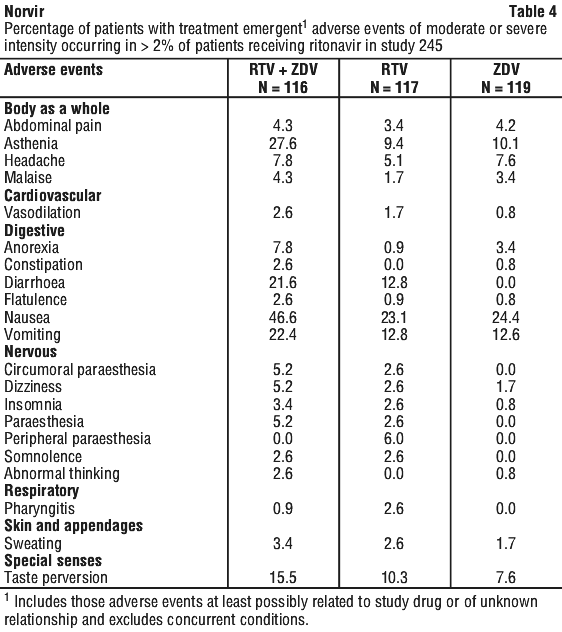
Treatment emergent adverse events that were related to study drug (possibly, probably or of unknown relationship) and were rated as moderate, severe or life threatening intensity and occurred in > 2% of patients in a ritonavir treatment group are summarised in Table 4 for Study 245 and Table 5 for Study 247. Similar adverse events were reported in other trials for ritonavir.
Adverse events occurring in less than 2% of patients receiving ritonavir in all phase II/phase III studies and considered at least possibly related or unknown relationship to treatment and of at least moderate intensity are listed below by body system.

Body as a whole.

Abdomen enlarged, accidental injury, allergic reaction, back pain, cachexia, chest pain, chills, facial oedema, facial pain, flu syndrome, hormone level altered, hypothermia, kidney pain, neck pain, neck rigidity, pain (unspecified), substernal chest pain and photosensitivity reaction.

Cardiovascular system.

Haemorrhage, hypotension, migraine, palpitation, peripheral vascular disorder, postural hypotension, syncope and tachycardia.

Digestive system.

Abnormal stools, bloody diarrhoea, cheilitis, cholangitis, colitis, dry mouth, dysphagia, eructation, oesophagitis, gastritis, gastroenteritis, gastrointestinal disorder, gastrointestinal haemorrhage, gingivitis, hepatitis, hepatomegaly, ileitis, liver damage, liver function tests abnormal, mouth ulcer, oral moniliasis, pancreatitis, periodontal abscess, rectal disorder, tenesmus and thirst.

Endocrine system.

Diabetes mellitus.

Haemic and lymphatic system.

Anaemia, ecchymosis, leucopenia, lymphadenopathy, lymphocytosis and thrombocytopenia.

Metabolic and nutritional disorders.

Avitaminosis, dehydration, oedema, glycosuria, gout, hypercholesterolaemia, peripheral oedema and weight loss.

Musculoskeletal system.

Arthralgia, arthrosis, joint disorder, muscle cramps, muscle weakness, myositis and twitching.

Nervous system.

Abnormal dreams, abnormal gait, agitation, amnesia, anxiety, aphasia, ataxia, confusion, convulsion, depression, diplopia, emotional lability, euphoria, grand mal convulsion, hallucinations, hyperaesthesia, incoordination, libido decreased, nervousness, neuralgia, neuropathy, paralysis, peripheral neuropathy, personality disorder, tremor, urinary retention and vertigo.

Respiratory system.

Asthma, dyspnoea, epistaxis, hiccup, hypoventilation, increased cough, interstitial pneumonia, lung disorder and rhinitis.

Skin and appendages.

Acne, contact dermatitis, dry skin, eczema, folliculitis, maculopapular rash, molluscum contagiosum, pruritus, psoriasis, seborrhoea, urticaria and vesiculobullous rash.

Special senses.

Abnormal electro-oculogram, abnormal electroretinogram, abnormal vision, amblyopia/blurred vision, blepharitis, ear pain, eye pain, hearing impairment, increased cerumen, iritis, parosmia, photophobia, taste loss, tinnitus, uveitis and visual field defect.

Urogenital system.

Dysuria, haematuria, kidney calculus, kidney failure, nocturia, penis disorder, polyuria, pyelonephritis, urethritis and urinary frequency.

Marked laboratory determinations.

The incidence of extreme laboratory changes from baseline to the most extreme value during treatment (from ACTG grade 0 to grade 3 or 4; or from ACTG grade 1 to grade 4) is summarised in Table 6 for Study 245 and Study 247. ACTG toxicology grades were used except for triglycerides (grade 0 < 4.51 mmol/L, grade 1 = 4.51 - 11.29 mmol/L, grade 2 = 11.3 - 16.93 mmol/L, grade 3 = 16.94 - 22.58 mmol/L, grade 4 > 22.58 mmol/L).

Post-marketing experience.

Nervous system disorders.

There have been post-marketing reports of seizure. A cause and effect relationship has not been established.

Endocrine disorders.

Hyperglycaemia has been reported in individuals with and without a known history of diabetes. A cause and effect relationship has not been established.

Metabolism and nutrition disorders.

Dehydration, usually associated with gastrointestinal symptoms and sometimes resulting in hypotension, syncope or renal insufficiency, has been reported. Syncope, orthostatic hypotension and renal insufficiency have also been reported without known dehydration.

Cardiac disorders.

Myocardial infarction has been reported.

Reproductive system and breast disorders.

Menorrhagia has been reported.

Skin and subcutaneous tissue disorders.

Toxic epidermal necrolysis.

Renal and urinary disorders.

Nephrolithiasis.

Reporting suspected adverse effects.

Reporting suspected adverse reactions after registration of the medicinal product is important. It allows continued monitoring of the benefit-risk balance of the medicinal product. Healthcare professionals are asked to report any suspected adverse reactions at http://www.tga.gov.au/reporting-problems.

4.9 Overdose

Acute overdosage.

Human overdose experience.

Human experience of acute overdose with ritonavir is limited. One patient in clinical trials took ritonavir 1500 mg/day for two days. The patient reported paraesthesias which resolved after the dose was decreased.
A post-marketing case of renal failure with eosinophilia has been reported with ritonavir overdose.

Management of overdosage.

Treatment of overdose with ritonavir consists of general supportive measures including monitoring of vital signs and observation of the clinical status of the patient. There is no specific antidote for overdose with ritonavir. Activated charcoal may reduce absorption of the drug if given within one or two hours after ingestion. In patients who are not fully conscious or have impaired gag reflex, consideration should be given to administering activated charcoal via a nasogastric tube, once the airway is protected.
Since ritonavir is extensively metabolised by the liver and is highly protein bound, dialysis is unlikely to be beneficial in significant removal of the drug.
For information on the management of overdose, contact the Poison Information Centre on 131126 (Australia).

5 Pharmacological Properties

5.1 Pharmacodynamic Properties

Mechanism of action.

Ritonavir is an orally active peptidomimetic inhibitor of both the HIV-1 and HIV-2 proteases. Inhibition of HIV protease renders the enzyme incapable of processing the gag-pol polyprotein precursor which leads to the production of HIV particles with immature morphology that are unable to initiate new rounds of infection. Ritonavir has selective affinity for the HIV protease and has some inhibitory activity against human aspartyl proteases. Studies of ritonavir in animals to date have not used doses which resulted in systemic ritonavir exposures significantly greater than those expected in humans treated at the oral dose.
Studies which measured direct cell toxicity of ritonavir on several cell lines showed no direct toxicity at concentrations up to 25 micromolar, with a resulting in-vitro therapeutic index of at least 1000.

Antiviral activity in-vitro.

The activity of ritonavir was assessed in-vitro in acutely infected lymphoblastoid cell lines and in peripheral blood lymphocytes. EC50 values (50% inhibitory concentrations of HIV-1 strains) were generally uniform but ranged from 4 to 153 nanomolar in peripheral blood lymphocytes. The average EC50 value was 22 nanomolar. In HIV-1 infected MT4 cells, ritonavir in combination with either zidovudine or didanosine had at least additive activity.

Resistance.

Ritonavir-resistant isolates of HIV-1 have been selected in-vitro. The resistant isolates showed reduced susceptibility to ritonavir and genotypic analysis showed that the resistance was attributable primarily to specific amino acid substitutions in the HIV-1 protease at codons 82 and 84.
Some patients receiving ritonavir monotherapy developed HIV strains with decreased susceptibility to drug. Serial genotypic and phenotypic analysis indicated that susceptibility to ritonavir declined in an ordered and stepwise fashion. Initial mutations occurred at position 82 from wildtype valine to usually alanine or phenylalanine (V82A/F). Viral strains isolated in-vitro without a change at codon 82 did not have decreased susceptibility to ritonavir. Subsequent mutations occurred, in descending order, at position 54 (wildtype isoleucine to valine, I54V), position 71 (wildtype alanine to valine or threonine, A71V/T), and position 36 (wildtype isoleucine to leucine, I36L).
Of 18 patients for which both phenotypic and genotypic analysis were performed on free HIV-1 virus isolated from plasma, 12 showed reduced susceptibility in-vitro. All 18 patients possessed one or more mutations in the viral protease gene.

Cross-resistance.

Cross-resistance between ritonavir and reverse transcriptase inhibitors is unlikely because of the different enzyme targets involved. Zidovudine-resistant HIV isolates retain full susceptibility to ritonavir. Viral clones containing mutations conferring decreased susceptibility to ritonavir (V82A/F, I54V, A71V/T and I36L) retained susceptibility to saquinavir. Similarly, viral clones containing mutations with reduced susceptibility to saquinavir (L90M or G48V) retained susceptibility to ritonavir. The concomitant use of saquinavir or other PIs with ritonavir has not been fully assessed in humans. The effect of ritonavir therapy on the activity of subsequently administered PIs is unknown. Serial HIV isolates obtained from six patients during ritonavir therapy showed a decrease in ritonavir susceptibility in-vitro but did not demonstrate a concordant decrease in susceptibility to saquinavir in-vitro when compared to matched baseline isolates. However, isolates from two of these patients demonstrated decreased susceptibility to indinavir in-vitro (8 fold). Isolates from 5 patients were also tested for cross resistance to VX-478 and nelfinavir; isolates from 2 patients had a decrease in susceptibility to nelfinavir (12 - 14 fold) and none to VX-478.

Effects on electrocardiogram.

QTcF interval was evaluated in a randomised, placebo and active (moxifloxacin 400 mg once daily) controlled crossover study in 45 healthy adults, with 10 measurements over 12 hours on Day 3. The maximum mean (95% upper confidence bound) difference in QTcF from placebo was 5.5 (7.6) msec for 400 mg twice-daily ritonavir. The Day 3 ritonavir exposure was approximately 1.5 fold higher than that observed with the 600 mg twice-daily dose at steady state. No subject experienced an increase in QTcF of ≥ 60 msec from baseline or a QTcF interval exceeding the potentially clinically relevant threshold of 500 msec.
Modest prolongation of the PR interval was also noted in subjects receiving ritonavir in the same study on Day 3. Maximum PR interval was 252 msec and no second or third degree heart block was observed (see Section 4.4 Special Warnings and Precautions for Use).

Clinical trials.

The activity of ritonavir as monotherapy or in combination with other antiretroviral agents has been evaluated in two double-blind, randomised trials in a total of 1446 patients. Ritonavir therapy in combination with zidovudine and zalcitabine was also evaluated in a single group study in 32 patients. The clinical studies reported here were all conducted using ritonavir liquid.

Advanced patients with prior antiretroviral therapy.

Study 247 is a randomised, double blind trial conducted in patients with at least nine months of prior nucleoside analogue antiretroviral therapy and baseline CD4 cell counts < 100 cells/microlitre. Ritonavir 600 mg twice daily or placebo was added to each patient's baseline antiretroviral therapy regimen, which could have consisted of up to two approved antiretroviral agents. The study accrued 1090 patients, with mean baseline CD4 cell count at study entry of 32 cells/microlitre. Median duration of follow-up was 6 months. A preliminary analysis demonstrated a statistical and clinically significant reduction in mortality and clinical progression of HIV disease (defined as a new AIDS-defining illness, according to WHO classification, or selected disease recurrences - pneumocystis pneumonia, oesophageal candidiasis and chronic herpetic ulcer) (Table 7 and Figure 1.)
In addition, analysis of mean CD4 cell count changes from baseline over the first 16 weeks of study for the first 211 patients enrolled (mean baseline CD4 cell count = 29 cells/microlitre) showed that ritonavir was associated with larger increases in CD4 cell counts than was placebo (see Figure 2).
Figure 3 summarises the mean changes from baseline in log HIV RNA levels for Study 247.

Patients without prior antiretroviral therapy.

In ongoing Study 245, 356 antiretroviral-naive patients (mean baseline CD4 = 364) were randomised to receive either ritonavir 600 mg twice daily, zidovudine 200 mg three times a day or a combination of these regimens. In analyses of average CD4 cell count changes over 16 weeks, both ritonavir monotherapy and combination therapy produced greater increases in CD4 cell count than did zidovudine monotherapy (see Figure 4). The CD4 cell count increases for ritonavir monotherapy were larger than the increases for combination therapy.
Figure 5 summarises the mean changes from baseline in log HIV RNA levels for Study 245.

Combination therapy with Norvir, zidovudine and zalcitabine in antiretroviral-naive patients.

In Study 208, 32 antiretroviral-naive patients initially received ritonavir 600 mg twice daily monotherapy. Zidovudine 200 mg three times a day and zalcitabine 0.75 mg three times a day were added after 14 days of ritonavir monotherapy. Results of combination therapy for the first 20 weeks of this study show median increases in CD4 cell counts from baseline levels of 83 to 106 cells/microlitre over the treatment period. Mean decreases from baseline in HIV RNA particle levels ranged from 1.69 to 1.92 logs.

5.2 Pharmacokinetic Properties

A single dose pharmacokinetic study in HIV positive fasting male subjects was conducted with oral administration of 100 mg, 200 mg, 400 mg, 600 mg, 800 mg or 1000 mg of ritonavir. AUC ranged from 3.92 to 123 microgram.h/mL. The pharmacokinetics of ritonavir were dose-dependent; more than proportional increases in the AUC and Cmax were reported with increasing dose. The time to maximum concentration (Tmax) remained constant at approximately 3 hours with increasing dose. Renal clearance averaged less than 0.1 L/h and was relatively constant throughout the dosage range.
The pharmacokinetics of ritonavir during multiple dose regimens were studied in non-fasting HIV positive adult volunteers. Upon multiple dosing, ritonavir accumulation is slightly less than predicted from a single dose possibly due to a time and dose related increase in apparent clearance (Cl/F). Trough concentrations of ritonavir were observed to decrease over time, possibly due to enzyme induction, but appeared to stabilise by the end of 2 weeks. At steady state with a 600 mg twice daily dose, Cmax and Ctrough values of 11.2 and 3.7 microgram/mL were observed, respectively. The t1/2 of ritonavir was approximately 3 to 5 hours. The steady-state apparent clearance in patients treated with 600 mg BD averaged 8.8 ± 3.2 L/h (Table 8). Dosing individualisation is not required.
Ritonavir pharmacokinetic parameters were not significantly associated with bodyweight or lean body mass.
With multiple dosing under non-fasting conditions, there is a diurnal effect on the pharmacokinetics of ritonavir with later and lower peak concentrations occurring after evening doses. This diurnal variation may be related to absorption differences but is not considered to be clinically significant.

Absorption.

After oral administration, peak concentrations of ritonavir are achieved approximately 2 hours and 4 hours after dosing under fasting and non-fasting conditions, respectively. There is no parenteral formulation of ritonavir and, therefore, the absolute bioavailability has not been determined in man. Peak concentration and extent of absorption of ritonavir from the soft capsule formulation are not significantly affected by a low fat meal. The effect of a high fat meal on absorption of ritonavir from the soft capsule has not been assessed. When the liquid formulation was given under fasting conditions, peak ritonavir concentrations increased 28%, but the extent of absorption was not significantly affected relative to non-fasting conditions (light meal). Dilution of the liquid formulation with 240 mL of chocolate milk or Ensure does not significantly affect the extent and rate of ritonavir absorption. Grapefruit juice would not be expected to affect the plasma concentration of ritonavir. The effects of antacids on the absorption of ritonavir have not been studied (see Section 4.4 Special Warnings and Precautions for Use; Section 4.2 Dose and Method of Administration).
Plasma concentrations of ritonavir after administration of a single 100 mg dose were not significantly different to the 100 mg soft gelatin capsule in healthy adults under fed conditions. Food slightly decreases the bioavailability of the Norvir tablet. Mean decreases of 20-23% in ritonavir AUC and Cmax were seen when a single 100 mg dose of Norvir tablet was administered with a moderate fat meal (857 kcal, 31% calories from fat) or a high fat meal (907 kcal, 52% calories from fat).

Distribution.

The apparent volume of distribution (Vβ/F) of ritonavir is approximately 0.41 ± 0.25 L/kg after a single 600 mg dose. Ritonavir is 98-99% bound to plasma proteins, primarily to albumin and α1-acid glycoprotein. Plasma protein binding is constant over the concentration range of 1-100 microgram/mL. Ritonavir penetrates poorly into red blood cells with a blood/plasma ratio of 0.14. In the rat, concentrations of ritonavir in lymphatic tissue and plasma are comparable. Ritonavir penetrates minimally into the rat brain and is not expected to be excreted in human milk due to its low free fraction.

Metabolism.

Nearly all of the plasma radiolabel after a single oral 600 mg dose of radiolabelled ritonavir was attributed to unchanged ritonavir. Four ritonavir metabolites have been identified in man. The isopropylthiazole oxidation metabolite (M-2) is the major metabolite and has antiviral activity similar to that of parent drug; however, the concentration of the metabolite in plasma are low. The AUC of the M-2 metabolite was approximately 3% of the AUC of parent drug. Studies utilising human liver microsomes have demonstrated that CYP3A4 is the major isoform involved in ritonavir metabolism, although CYP2D6 also contributes to the formulation of M-2. The metabolites are principally eliminated in the faeces.

Excretion.

Studies with radiolabelled drug have demonstrated that 11.3% and 86.4% of the radiolabel are recovered in urine and faeces, respectively. Less than 4% of the ritonavir dose is excreted unchanged in the urine, with 11.3% of the dose excreted into the urine as parent drug plus metabolites.

Special populations.

Geriatric.

No age related pharmacokinetic differences have been observed in adult patients (18 to 63 years). Ritonavir pharmacokinetics have not been studied in older patients.

Paediatric.

Ritonavir has not been studied in patients below the age of 12 years.

Gender.

A study of ritonavir pharmacokinetics in healthy males and females showed no statistically significant differences in the pharmacokinetics of ritonavir.

Ethnicity.

Pharmacokinetic differences due to ethnic background have not been identified.

Renal impairment.

Ritonavir pharmacokinetics have not been studied in patients with renal insufficiency, however, since renal clearance is negligible, a decrease in total body clearance is not expected in patients with renal insufficiency. Ritonavir is highly protein bound (98-99%) and will not be significantly removed from the blood in patients undergoing haemodialysis or peritoneal dialysis.

Hepatic impairment.

Ritonavir pharmacokinetics have not been studied in subjects with hepatic insufficiency; therefore, caution should be exercised if this drug is administered to patients with impaired hepatic function (see Section 4.4 Special Warnings and Precautions for Use).

Drug-drug interactions.

Agents which increase CYP3A activity (e.g. phenobarbital, carbamazepine, phenytoin, dexamethasone, rifampicin and rifabutin) would be expected to increase the clearance of ritonavir. Tobacco use is associated with an 18% decrease in the AUC of ritonavir (see Section 4.5 Interactions with Other Medicines and Other Forms of Interactions).

5.3 Preclinical Safety Data

Genotoxicity.

Ritonavir showed no mutagenic potential in a series of assays for gene mutations (S. typhimurium, E. coli and mouse lymphoma cells) and chromosomal damage (mouse micronucleus assay in-vivo and human lymphocytes in-vitro).

Carcinogenicity.

Two year carcinogenicity studies have been conducted in rodents, at ritonavir dietary levels of 50, 100 and 200 mg/kg/day in mice, and 7, 15 and 30 mg/kg/day in rats. In male mice there was a dose dependent increase in the incidence of hepatocellular adenomas, and adenomas and carcinomas combined, both reaching statistical significance only at the high-dose. In female mice there were small, statistically significant increases in these tumour incidences only at the high-dose. In rats, there were no tumourigenic effects. Ritonavir exposures at the high-doses were, in mice, approximately 15% (males) or 32% (females), and, in rats, approximately 2% (males) or 3% (females) of daily (fasted) human exposure based on AUC.

6 Pharmaceutical Particulars

6.1 List of Excipients

See Section 2 Qualitative and Quantitative Composition.

6.2 Incompatibilities

Incompatibilities were either not assessed or not identified as part of the registration of this medicine.

6.3 Shelf Life

In Australia, information on the shelf life can be found on the public summary of the Australian Register of Therapeutic Goods (ARTG). The expiry date can be found on the packaging.

6.4 Special Precautions for Storage

Store Norvir film-coated tablets at below 30°C. Store in the original bottle in order to protect from moisture.

6.5 Nature and Contents of Container

Available in 30 tablet bottle.

6.6 Special Precautions for Disposal

In Australia, any unused medicine or waste material should be disposed of by taking to your local pharmacy.

6.7 Physicochemical Properties

Ritonavir is a white to light tan powder. Ritonavir has a bitter metallic taste. It is freely soluble in methanol and ethanol, soluble in isopropanol and practically insoluble in water.

Chemical structure.

Ritonavir is chemically designated as 10-hydroxy-2-methyl-5-(1-methylethyl) -1-[2-(1-methylethyl)-4-thiazolyl]-3, 6-dioxo-8, 11-bis (phenylmethyl)-2, 4, 7, 12- tetraazatridecan-13-oic acid, 5-thiazolylmethyl ester, [5S-(5R*,8R*,10R*,11R*)].
Ritonavir has the following structural formula:

CAS number.

155213-67-5.
Molecular Weight: 720.95.
Molecular Formula: C37H48N6O5S2.

7 Medicine Schedule (Poisons Standard)

Schedule 4 - Prescription Only Medicine.

Summary Table of Changes