


Consumer medicine information

Nuelin-SR Tablets

Theophylline

BRAND INFORMATION

Brand name

Nuelin SR

Active ingredient

Theophylline

Schedule

S4


Consumer medicine information (CMI) leaflet

Please read this leaflet carefully before you start using Nuelin-SR Tablets.

What is in this leaflet

This leaflet answers some common questions about Nuelin-SR tablets. It does not contain all the available information. It does not take the place of talking to your doctor or pharmacist.

If you need any more information about Nuelin-SR tablets, please ask your doctor or pharmacist.

All medicines have risks and benefits. Your doctor has weighed the risks of you taking Nuelin-SR tablets against the benefits they expect it will have for you.

If you have any concerns about taking this medicine, ask your doctor or pharmacist.

Keep this leaflet with the medicine. You may need to read it again.

What NUELIN-SR Tablets are used for

Nuelin-SR tablets are used to treat asthma and other conditions where breathing is difficult. It also helps to prevent asthma attacks. The active ingredient in Nuelin-SR tablets is theophylline, which causes the muscle lining of the airways to relax.

Nuelin-SR tablets are a slow release medicine which means each tablet works for about 12 hours.

Ask your doctor if you have any questions about why this medicine has been prescribed for you. Your doctor may prescribe Nuelin-SR tablets for another purpose.

Nuelin-SR tablets are available only with a doctor's prescription.

If you are not sure why you are taking this medicine, ask your doctor.

Before you take NUELIN-SR Tablets

When you must not take it

Do not take Nuelin-SR tablets if you have an allergy to:

  • Any medicine containing theophylline, aminophylline or caffeine
  • Any of the ingredients listed at the end of this leaflet
  • Any other similar medicines used to treat asthma and other conditions where breathing is difficult

Some of the symptoms of an allergic reaction may include:

  • Shortness of breath
  • Wheezing or difficulty breathing
  • Swelling of the face, lips, tongue, or other parts of the body
  • Rash, itching or hives on the skin

Do not take this medicine after the expiry date printed on the pack or if the packaging is torn or shows signs of tampering. If it has expired or is damaged, return it to your pharmacist for disposal.

If you are not sure whether you should start taking this medicine, talk to your doctor.

Do not give it to anyone else even if their condition is the same as yours.

Do not use Nuelin-SR tablets to treat an asthma attack. Use a reliever inhaler such as Airomir instead.

Before you start to take it

Tell your doctor if you have allergies to any medicines, foods, preservatives or dyes.

Tell your doctor if you have:

  • A stomach ulcer or reflux
  • An irregular or rapid heartbeat or any other heart disease
  • Very high blood pressure
  • Any viral infections or lung infections
  • Any liver disease; thyroid disease or lung disease

Tell your doctor if you are pregnant, planning to become pregnant or are breastfeeding. Your doctor or pharmacist can discuss with you the risks and benefits involved.

If you have not told your doctor about any of the above, tell them before you start taking Nuelin-SR tablets.

Taking other medicines

Tell your doctor or pharmacist if you are taking any other medicines, including any that you get without a prescription from your pharmacy, supermarket or health food shop.

Some medicines may affect the way Nuelin-SR tablets work.

Tell your doctor or pharmacist if you are taking any other medication, in particular:

  • Antibiotics such as erythromycin, clarithromycin, ciprofloxacin, enoxacin or rifampicin
  • Cimetidine
  • Allopurinol
  • Propranolol
  • Verapamil
  • Mexiletine
  • Phenytoin, phenobarbitone or carbamazepine
  • Tacrine
  • Lithium
  • Thiabendazole
  • Oral contraceptives
  • Flu vaccine
  • Interferon
  • Any remedies that you buy without a prescription, especially cold and flu medicines and products containing St John's wort.
  • Also tell your doctor if you drink any alcohol or if you smoke cigarettes or marijuana.

These medicines may be affected by Nuelin-SR tablets or may affect how well it works. You may need different amounts of your medicine, or you may need to take different medicines.

Your doctor and pharmacist have more information on medicines to be careful with or avoid while taking this medicine.

How to take NUELIN-SR Tablets

Carefully follow all directions given to you by your doctor or pharmacist. They may differ from the information contained in this leaflet.

If you do not understand the instructions on the bottle, ask your doctor or pharmacist for help.

How much to take

The dose for adults is usually one tablet twice a day. However, this dose may be increased or decreased by your doctor.

For children over 2 years old, the dose of Nuelin-SR tablets depends on the weight of the child. Follow all instructions from your doctor when giving Nuelin-SR tablets to children over 2 years old.

Nuelin-SR tablets are not suitable for children younger than 2 years of age.

Nuelin-SR tablets should be taken every 12 hours.

How to take it

Take Nuelin-SR tablets with a full glass of water and DO NOT chew or crush the tablets.

When to take it

You can take Nuelin-SR tablets with or immediately after food so that it does not upset your stomach.

Nuelin-SR tablets help to prevent asthma attacks.

Always take Nuelin-SR tablets regularly, as your doctor has told you to, even if you are not suffering any asthma symptoms.

If you think your asthma is getting worse or if you suffer asthma attacks, please consult your doctor immediately. Nuelin-SR tablets will not give you relief during an asthma attack.

If you have an asthma attack, please use your relieving inhaler (such as Airomir, Ventolin, Asmol or Bricanyl).

Nuelin-SR tablets work best when there is a certain amount of theophylline, the active ingredient, in your blood. Your doctor may sometimes need to take samples of your blood to check the level of theophylline.

How long to take it

Continue taking this medicine for as long as your doctor tells you.

If you forget to take it

If you forget to take Nuelin-SR tablets, take it as soon as you remember. However, if it is more than 4 hours late, skip the dose that you missed. Take your next dose at the normal time.

Never take a double dose to make up for a dose you have missed.

If you have trouble remembering when to take your medicine, ask your pharmacist for some hints.

If you take too much (overdose)

Immediately telephone your doctor or the Poisons Information Centre (telephone 13 11 26) for advice, or go to Accident and Emergency at the nearest hospital, if you think that you or anyone else may have taken too many Nuelin-SR tablets. Do this even if there are no signs of discomfort or poisoning. You may need urgent medical attention.

If you take too many Nuelin-SR tablets you may:

  • Feel sick and vomit
  • Feel irritable, agitated or anxious
  • Are unable to sleep

More severe effects include:

  • Rapid or irregular heart beat
  • Fever
  • Feel very thirsty
  • Confusion
  • Fits

While you are using Nuelin-SR Tablets

Things you must do

If you are about to be started on any new medicine remind your doctor and pharmacist that you are taking Nuelin-SR tablets.

Tell any other doctors, dentists and pharmacists who treat you that you are taking this medicine.

If you are going to have surgery, tell the surgeon or anaesthetist that you are taking this medicine. It may affect other medicines used during surgery.

If you become pregnant while taking this medicine, tell your doctor immediately.

If you are about to have any blood tests tell your doctor that you are taking this medicine. It may interfere with the results of some tests.

Keep all of your doctor's appointments so that your progress can be checked.

Things you must not do

Do not take Nuelin-SR tablets to treat any other complaints unless your doctor tells you to.

Do not give your medicine to anyone else, even if they have the same condition as you.

Do not stop taking your medicine or lower the dosage without checking with your doctor.

Things to be careful of

Be careful driving or operating machinery until you know how Nuelin-SR tablets affect you.

Side effects

All medicines can have side effects and this may occur with the normal use of Nuelin-SR tablets.

Tell your doctor or pharmacist as soon as possible if you do not feel well while you are taking Nuelin-SR tablets.

The more common side effects include:

  • Nausea, vomiting, stomach pain, loss of appetite
  • Fast or irregular heartbeat
  • Headache
  • Difficulty sleeping
  • Feeling restless, nervous or irritable
  • Tremor

Less common side effects include:

  • Diarrhoea
  • Worsening of a stomach ulcer
  • Blood in the vomit
  • Low blood pressure
  • Flushing, skin rash
  • Rapid breathing
  • Increased or decreased urine flow
  • Blood in the urine
  • High blood glucose
  • Hair loss

Very rare side effects include:

  • Fits

Tell your doctor or pharmacist if you notice anything that is making you feel unwell.

Other side effects not listed above may also occur in some people.

After using NUELIN-SR Tablets

Storage

Keep your tablets in the bottle until it is time to take them. If you take the tablets out of the pack they may not keep well.

Keep Nuelin-SR tablets in a cool dry place where the temperature stays below 30°C.

Do not store Nuelin-SR tablets or any other medicine in the bathroom or near a sink. Do not leave it on a window sill or in the car. Heat and dampness can destroy some medicines.

Keep Nuelin-SR tablets where children cannot reach it. A locked cupboard at least one-and-a-half metres above the ground is a good place to store medicines.

Disposal

If your doctor tells you to stop taking this medicine or the expiry date has passed, ask your pharmacist what to do with any medicine that is left over.

Product description

What it looks like

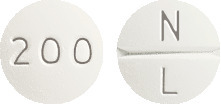
Nuelin-SR 200 mg tablets are small white tablets marked N/L on one side and 200 on the other and come in a bottle of 100 tablets.

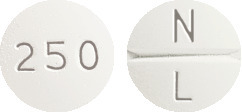
Nuelin-SR 250 mg tablets are small white tablets marked N/L on one side and 250 on the other and come in a bottle of 100 tablets.

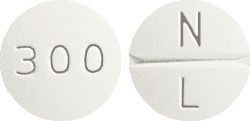
Nuelin-SR 300 mg tablets are small white tablets marked N/L on one side and 300 on the other and come in a bottle of 100 tablets.

Ingredients

Nuelin-SR tablets contain 200mg, 250mg or 300mg of the active ingredient, theophylline. Nuelin-SR tablets also contains the following inactive ingredients:

  • guar gum
  • magnesium stearate

Nuelin-SR tablets do not contain gluten.

Sponsor

Nuelin-SR tablets are distributed in Australia by:

iNova Pharmaceuticals (Australia) Pty Limited
ABN: 13 617 871 539
Level 10, 12 Help Street
Chatswood NSW 2067
Tel: 1800 630 056
AUSTRALIA

Australian Registration Numbers

Nuelin-SR 200 mg tablets: AUST R 59526

Nuelin-SR 250 mg tablets: AUST R 46069

Nuelin-SR 300 mg tablets: AUST R 59527

™ = Trademark

This leaflet was prepared in November 2008 and updated in November 2017.

Published by MIMS February 2018

BRAND INFORMATION

Brand name

Nuelin SR

Active ingredient

Theophylline

Schedule

S4


1 Name of Medicine

Theophylline.

2 Qualitative and Quantitative Composition

Nuelin SR Tablets contain 200 mg, 250 mg or 300 mg anhydrous theophylline in the form of sustained release tablets. Nuelin SR Tablets also contain guar gum, magnesium stearate and purified water.
Nuelin Syrup contains 133.3 mg anhydrous theophylline per 25 mL in immediate release form. Nuelin Syrup also contains methyl hydroxybenzoate, propyl hydroxybenzoate, sorbitol, berry citrus flavouring, sucrose and purified water.

3 Pharmaceutical Form

Nuelin SR 200 theophylline 200 mg tablet bottle - white round biconvex tablet N/L on one side and 200 on the other.
Nuelin SR 250 theophylline 250 mg tablet bottle - white, round biconvex tablets marked N/L 250.
Nuelin SR 300 theophylline 300 mg tablet bottle - white round biconvex tablet N/L on one side and 300 on the other.
Nuelin Syrup theophylline 26.67 mg/5 mL bottle - clear liquid, berry flavour.

4 Clinical Particulars

4.1 Therapeutic Indications

For the relief and prophylaxis of reversible bronchospasm associated with bronchial asthma, bronchitis, emphysema and related conditions.

4.2 Dose and Method of Administration

Desirable therapeutic levels are considered to be between 10-20 microgram/mL (55-110 micromol/L). Higher levels may produce toxic effects. Toxic effects may also occur at therapeutic levels. When maximum response is required, dose levels should be individually titrated. Serum theophylline may be monitored to confirm that levels are within the therapeutic range. Monitoring is particularly recommended when dose levels exceed 1 g daily in adults or 24 mg/kg daily in children.
Appropriate dosage adjustments should be made for smoking, heart failure, acute pulmonary oedema, chronic alcohol ingestion, established hepatic cirrhosis, severe airways obstruction, severe pneumonia, severe hypoxia, thyroid function, adolescence (12-18 years), children (8-12 years) and concomitant use of interacting drugs. (See Section 4.5 Interactions with Other Medicines and Other Forms of Interactions).
Children have rapid clearance of theophylline and may require a dosage increase that should be controlled by measurement of serum theophylline.

Elderly.

In patients aged over 65 years theophylline clearance is decreased by approximately 25%.

Nuelin SR Tablets.

Adults.

200 to 300 mg (one tablet) every twelve hours. This dose can be gradually increased or decreased by half a tablet if sufficient therapeutic effect is not achieved or if side effects occur.

Children.

Nuelin SR Tablets are not recommended for administration to children under 2 years of age.
For children over 2 years, administration as advised by the physician. The daily dose should be adjusted according to bodyweight, usually on the basis of up to 10 mg/kg bodyweight every twelve hours. As a guideline, a child from 12 kg to 25 kg bodyweight (2-7 years) usually requires 125 mg bid (twice a day) and a child over 25 kg, 250 mg bid (twice a day).

Note.

For children taking Nuelin SR Tablets, Nuelin Syrup may be considered as an alternative.

Note.

Nuelin SR Tablets should be taken every twelve hours. On no account should the tablets be chewed or crushed.

Nuelin Syrup.

Not recommended for children under 2 years except on the advice of a doctor. See Table 1.
Nuelin Syrup is best taken an hour before meals with a glass of water, or if necessary with or immediately after meals to lessen gastro-intestinal irritation.

4.3 Contraindications

Nuelin SR Tablets and Nuelin Syrup should not be used where hypersensitivity to its constituents or to xanthines generally is known or has been demonstrated.

4.4 Special Warnings and Precautions for Use

As there is a correlation between plasma levels of theophylline and therapeutic effect, and as patient response can vary considerably due to variable rates of elimination, monitoring plasma levels in individual patients is strongly recommended (see Section 4.9 Overdose, Theophylline monitoring). Dosage should be individualised if optimal therapeutic effect is to be achieved. However, individual patients also have a widely variable tolerance to adverse effects and so symptomatology should be considered, as well as monitored levels.
Acute symptoms of asthma requiring rapid treatment: sustained release products are therapeutically inappropriate for acute asthma requiring prompt treatment.
Theophylline should not be administered concurrently with other xanthine medications and caution should be exercised when sympathomimetic agents are also part of the regimen.
Theophylline clearance decreases in patients with reduced thyroid function, congestive heart failure, acute pulmonary oedema, chronic obstructive pulmonary disease, severe hypoxia, pneumonia, acute febrile episodes and during acute viral infection.
Because of its cardiac side effects, use theophylline with caution in patients with cardiac arrhythmias, coronary artery disease, unstable angina, cardiomyopathy and severe hypertension. Theophylline increases gastric acid secretion and should be used with caution in patients with peptic ulcer or gastro-oesophageal reflux.
Smoking may increase theophylline clearance and increased doses of theophylline may be required (see Section 4.5 Interactions with Other Medicines and Other Forms of Interactions).
Xanthine containing beverages (e.g. tea, coffee, cola, cocoa) may interfere with some serum theophylline assays.

Use in hepatic impairment.

Clearance is markedly decreased in patients with impaired liver function, such as hepatic cirrhosis (See Section 4.5 Interactions with Other Medicines and Other Forms of Interactions).

Use in the elderly.

There is some evidence that theophylline exhibits dose dependent kinetics, at least in sick and elderly patients. Care should be exercised by titration of dosage requirements in small increments and by monitoring serum theophylline levels.

Paediatric use.

No data available.

Effects on laboratory tests.

No data available.

4.5 Interactions with Other Medicines and Other Forms of Interactions

The following drugs have been shown to decrease the hepatic clearance of theophylline, thus increasing its serum concentration: cimetidine, high dose allopurinol, propranolol, macrolide antibiotics (e.g. erythromycin, clarithromycin), quinolone antibiotics (e.g. ciprofloxacin and enoxacin), alcohol, oral contraceptives, mexiletine, tacrine, thiabendazole, disulfiram, interferon alfa and verapamil.
The following substances have been shown to increase the hepatic clearance of theophylline, thus lowering its serum concentration: tobacco or marijuana smoking, phenobarbitone, phenytoin, carbamazepine and rifampicin. Theoretical potential interactions of theophylline with products containing Hypericum perforatum (St. John's wort), possibly involving the CYP1A2 isoform, could result in reduced plasma levels of theophylline.
It is recommended that serum theophylline levels are monitored and dosage adjustments made if concomitant therapy with these drugs/ substances is commenced or ceased during continued theophylline therapy.
Ventricular arrhythmias have been reported when halothane is used concurrently with theophylline. Concurrent use of ketamine with theophylline may lower the seizure threshold. Theophylline has been reported to enhance the renal clearance of lithium, thus reducing serum lithium levels.
Synergism with adrenaline and other sympathomimetic amines has been reported with theophylline. Concomitant administration of a β-adrenergic agonist with methylxanthines has resulted in cardiac arrhythmias and sudden death in studies carried out in laboratory animals. The clinical significance of these findings when applied to humans is not known at present.
The effect of ranitidine, diltiazem, nifedipine, isoniazid, frusemide, influenza vaccine and corticosteroids on theophylline is uncertain, but concomitant use of these drugs should be monitored closely.

4.6 Fertility, Pregnancy and Lactation

Effects on fertility.

No data available.
(Category A)
Although theophylline has a Category A rating, it does cross the placental barrier. The effect on foetal development is not known. Theophylline clearance is significantly decreased in premature infants. Therefore, if this drug is administered to the mother near the time of delivery, the neonate should be monitored closely for the pharmacological effects of theophylline. Hence the use of theophylline in pregnant women should be balanced against the risk of uncontrolled asthma.
Theophylline is excreted in breast milk and irritability has been reported in infants of nursing mothers taking theophylline. It is advisable to keep serum theophylline concentrations as low as possible in nursing mothers while maintaining adequate asthma control.

4.7 Effects on Ability to Drive and Use Machines

The effects of this medicine on a person's ability to drive and use machines were not assessed as part of its registration.

4.8 Adverse Effects (Undesirable Effects)

The most common adverse reactions are gastric irritation, nausea, vomiting, anorexia, epigastric pain, reactivation of peptic ulcer, gastro-oesophageal reflux, haematemesis, tachycardia, palpitation, headache, CNS stimulation, reflex hyperexcitability, insomnia and tremor. Other possible reactions include diarrhoea, extrasystoles, flushing, hypotension, tachypnoea, potentiation of diuresis, albuminuria, haematuria, rash, hyperglycaemia, hypokalaemia, alopecia and inappropriate ADH secretion (high dose). More serious signs of high serum levels (usually above 30 microgram/mL), such as cardiac arrhythmias and convulsions, may appear rarely without prior warning.

Reporting suspected adverse effects.

Reporting suspected adverse reactions after registration of the medicinal product is important. It allows continued monitoring of the benefit-risk balance of the medicinal product. Healthcare professionals are asked to report any suspected adverse reactions at www.tga.gov.au/reporting-problems.

4.9 Overdose

For information on the management of overdose, contact the Poisons Information Centre on 13 11 26 (Australia).
Also see Section 4.8 Adverse Effects (Undesirable Effects) for possible drug effects that may be seen in overdosage.

Symptoms.

Early symptoms of toxicity such as anorexia, nausea, vomiting, headache, irritability, agitation, anxiety, insomnia, hypotension, palpitations and tachycardia may progress to sensory disturbances, confusion, hyperthermia, ventricular arrhythmias, extreme thirst, delirium and convulsions.
Every theophylline overdose should be regarded as potentially fatal and all patients should be closely monitored.

Treatment.

There is no specific antidote to theophylline. Symptomatic support is indicated. Gastric lavage and general supportive measures (e.g. to maintain circulation, respiration and fluid and electrolyte balance) are recommended. Oral activated charcoal may reduce serum theophylline levels, whilst in severe cases charcoal haemoperfusion may be required.
The important features of overdose management are:

Gastric decontamination.

Gastric lavage is recommended, especially when slow release preparations have been ingested. Note that the conscious state, gag reflex or occurrence of seizures may require the patient to be intubated before lavage is carried out. (Ipecac-induced emesis is not appropriate because it reduces the likelihood that patients will be able to tolerate oral charcoal.)

Use of activated charcoal and cathartic (either sorbitol or polyethylene glycol).

This has been shown in several studies to reduce the half-life of theophylline substantially, even when absorption has been completed. The recommended dose is 1 g/kg every 4-6 hours (or 10 g/hour) until the theophylline level has plateaued or commenced falling or is below 55 micromol/L. (This depends on the experience of the physician in managing theophylline overdose.)

Control of emesis (otherwise patients will not tolerate charcoal).

Metoclopramide, ranitidine, droperidol and possibly ondansetron can be used, but there is no controlled trial evidence for any of these.

Theophylline monitoring.

(Also see Section 4.4 Special Warnings and Precautions for Use.)
If side effects appear or if unusually high doses are required, serum theophylline should be monitored. Blood samples for monitoring should be drawn immediately before administration of the morning dose when the serum theophylline level is lowest. Another sample should be drawn 5-10 hours after administration of Nuelin SR when the theophylline level is at a maximum.

5 Pharmacological Properties

5.1 Pharmacodynamic Properties

Mechanism of action.

Theophylline has a direct relaxant effect on the smooth muscle of bronchial airways and pulmonary blood vessels, serving as a bronchodilator and pulmonary vasodilator. It also exhibits activities typical of xanthines such as CNS stimulation including the respiratory centre, cardiac stimulation, coronary vasodilatation, diuresis and increased gastric secretion.
The mechanism of action of theophylline in vivo has not been fully elucidated. One mechanism of smooth muscle relaxation may be inhibition of phosphodiesterase that reduces intracellular hydrolysis of cyclic AMP. Increased intracellular concentrations of cyclic AMP have been associated with relaxation of bronchial smooth muscle.
There is no evidence that tolerance develops with continued use of theophylline.

Relationship to other drugs.

Theophylline is closely related to the other xanthines, caffeine and theobromine. Generally, the xanthines relax smooth muscle, act on the kidney to produce diuresis, stimulate the central nervous system and stimulate cardiac muscle.

Clinical trials.

No data available.

5.2 Pharmacokinetic Properties

Nuelin SR Tablets are a sustained release formulation appropriate for long-term use. Steady-state conditions are usually achieved after 4 days' therapy.
Nuelin Syrup is an immediate release formulation.
It is now generally believed that plasma concentrations of 10-20 microgram/mL constitute a therapeutic range, although some patients may benefit from levels below this.

Absorption.

Theophylline is well absorbed throughout the gastrointestinal tract.
The bioavailability of theophylline from Nuelin SR Tablets is approximately 100%. Peak levels after administration of Nuelin SR Tablets usually occur at 4 to 6 hours post-dose. Total bioavailability is not altered by food intake. Single dose studies with Nuelin SR Tablets show that food delays the rate of absorption slightly, especially in children. In multiple dosing situations, a slower rate of theophylline absorption leads to lower peak-trough fluctuation.
Peak plasma theophylline levels occur 1.5 to 2 hours after a dose of Nuelin Syrup.
The plasma half-life of theophylline in adults varies considerably. In healthy adults, it ranges from 3 to 12 hours. The half-life is shortened by smoking.
The half-life of theophylline is prolonged by reduced hepatic function, congestive heart failure, pulmonary disease, severe hypoxia, reduced thyroid function, acute febrile states, viral infections and administration of some drugs (see Section 4.5 Interactions with Other Medicines and Other Forms of Interactions). Patients with a prolonged half-life of theophylline, from whatever cause, require a reduced dosage.
In children aged 1-9 years, the half-life is usually significantly shorter than in adults, averaging about 3.5 hours. In newborns and neonates, clearance is extremely slow.

Distribution.

Approximately 50-70% of circulating theophylline is bound to the plasma proteins of adults, but binding is decreased to about 40% in newborn infants and in adults with hepatic cirrhosis. Theophylline partitions into saliva and breast milk and crosses the placental barrier.

Metabolism.

Theophylline is metabolised in the liver, principally to 1,3-dimethyluric acid with other metabolites being 3-methylxanthine and 1-methyluric acid. 3-Methylxanthine has some pharmacological activity, but less than theophylline.

Excretion.

Theophylline and its metabolites are excreted by the kidney. About 10% of the administered dose is excreted unchanged in the urine.

5.3 Preclinical Safety Data

Genotoxicity.

No data available.

Carcinogenicity.

No data available.

6 Pharmaceutical Particulars

6.1 List of Excipients

See Section 2 Qualitative and Quantitative Composition.

6.2 Incompatibilities

Incompatibilities were either not assessed or not identified as part of the registration of this medicine.

6.3 Shelf Life

In Australia, information on the shelf life can be found on the public summary of the Australian Register of Therapeutic Goods (ARTG). The expiry date can be found on the packaging.

6.4 Special Precautions for Storage

Store below 30°C.

6.5 Nature and Contents of Container

Nuelin SR Tablets.

HDPE bottle, 100's.

Nuelin Syrup.

Amber PET bottle; 500 mL, 100 mL*, 5 L*.
* Not marketed.

6.6 Special Precautions for Disposal

In Australia, any unused medicine or waste material should be disposed of by taking to your local pharmacy.

6.7 Physicochemical Properties

Chemical name: 1,3-dimethylxanthine, 2,6-dihydroxy-1,3-dimethylpurine, 3,7-dihydro-1,3-dimethyl-1H-purine-2,6-dione. Molecular formula is C7H8N4O2 (molecular weight 180.16).

Chemical structure.


CAS number.

58-55-9.

7 Medicine Schedule (Poisons Standard)

Nuelin SR Tablets: S4; Nuelin Syrup: S3.

Summary Table of Changes