


Consumer medicine information

OCTAGAM 5%

Immunoglobulin, normal (human)

BRAND INFORMATION

Brand name

Octagam 5%

Active ingredient

Immunoglobulin, normal (human)

Schedule

S4


Consumer medicine information (CMI) leaflet

Please read this leaflet carefully before you start using OCTAGAM 5%.

What is in this leaflet

This leaflet answers some common questions about OCTAGAM® 5% [50 mg/ml]. It does not contain complete information about OCTAGAM® 5% [50 mg/ml]. It does not take the place of talking to your doctor. If you have any concerns about using this product, ask your doctor. Follow your doctor's advice even if it is different from what this leaflet says.

Please read this leaflet carefully and keep it for future reference. However, the information in this leaflet is subject to change. Please check with your doctor whether there is any new information about this product that you should know since you were last treated with this product.

What OCTAGAM® 5% [50 mg/ml] is used for

OCTAGAM® 5% [50 mg/ml] is prepared from blood obtained from donors. OCTAGAM® 5% [50 mg/ml] is used for replacement therapy in patients with primary immunodeficiency syndromes, myeloma or chronic lymphocytic leukaemia with severe secondary hypogammaglobulinaemia and recurrent infections or children with congenital Acquired Immune Deficiency Syndrom (AIDS) who have repeated bacterial infections. OCTAGAM® 5% [50 mg/ml] is also used in diseases when the immune system is overactive, these are called autoimmune disorders. OCTAGAM® 5% [50 mg/ml] is used to have an immunomodulatory effect in patients with idiopathic thrombocytopenic purpura, in adults or children with a high risk of bleeding or prior to surgery to correct the platelet count, in Guillain Barré syndrome or Kawasaki disease. OCTAGAM® 5% [50 mg/ml] is also used in allogeneic bone marrow transplantation.

Ask your doctor if you have any questions about why OCTAGAM® 5% [50 mg/ml] has been prescribed for you. Your doctor will have assessed the risks and benefits for you associated with the use of this product.

Before your doctor gives you OCTAGAM® 5% [50 mg/ml]

This product is made from human plasma obtained from donors. When medicines are made from human blood or plasma, certain measures are put in place to prevent infections being passed on to patients.

These include:

  • careful selection of blood and plasma donors to make sure those at risk of carrying infections are excluded
  • testing of each donation and pools of plasma for signs of virus/infections
  • the inclusion of steps in the processing of the blood or plasma that can inactivate or remove viruses.

Despite these measures, when medicines prepared from human blood or plasma are administered, the possibility of passing on infection cannot be totally excluded. This also applies to any unknown or emerging viruses or other types of infections.

The measures taken are considered effective for enveloped viruses such as human immunodeficiency virus (HIV), hepatitis B virus (HBV) and hepatitis C virus (HCV).

The measures taken may be of limited value against the non-enveloped virus hepatitis A and human parvovirus B19.

Immunoglobulins have not been associated with hepatitis A or parvovirus B19 infections possibly because the antibodies against these infections, which are contained in the product, are protective.

Vaccines are available against some of these viruses and your doctor will be able to help you decide whether it is worthwhile having any of those vaccines.

It is strongly recommended that every time you receive a dose of OCTAGAM® 5% [50 mg/ml] the name and batch number of the medicine are recorded in order to maintain a record of the batches used.

Please discuss the risks and benefits of this product with your doctor.

OCTAGAM® 5% [50 mg/ml] must not be used if you have a history of allergy to human immunoglobulin products. Tell your doctor if you have allergies to any other medicines, or if you have ever had an allergic reaction to an injection.

Tell your doctor also if you:

  • have previously been advised that you have Immunoglobulin A (IgA) deficiency
  • have previously been advised that you have kidney disease
  • have previously been advised that you have diabetes
  • have or have ever had cerebrovascular disease (such as stroke) or cardiovascular disease (such as a heart attack or angina), including high blood pressure and narrowing or hardening of the arteries
  • have a heart condition
  • smoke
  • have previously had a blood clot in your legs (deep vein thrombosis), lungs (pulmonary embolism) or other parts of your body
  • have immediate family members who have had blood clots in the legs, a heart attack, a stroke or high cholesterol
  • are taking the contraceptive pill or hormone replacement treatment
  • are taking or using any other medicines. These include medicines bought from pharmacies, supermarkets and health food stores
  • have any other medical conditions
  • have a history of suffering from severe (migraine) headaches
  • are pregnant or breast-feeding
  • become pregnant during your treatment
  • have had any vaccination within the last two weeks or intend to receive one in the next three months
  • you are dehydrated

If you want further information, consult your doctor.

How OCTAGAM® 5% [50 mg/ml] is given

Your doctor will determine the dose(s) of OCTAGAM® 5% [50 mg/ml] that you are to receive. Your doctor will give you OCTAGAM® 5% [50 mg/ml] as an infusion, that is, an injection given slowly into the vein.

Unwanted effects

Along with their intended effects, blood products occasionally cause unwanted effects, some of which are serious. Individuals may react differently to similar doses. Most minor effects are related to the rate of infusion and disappear when the rate is slowed down or the infusion stopped.

Unwanted Effects Associated with OCTAGAM® 5% [50 mg/ml]

Unwanted effects which may occur include chills, headache, dizziness, fever, vomiting, diarrhoea, allergic reactions, nausea, joint or muscle pain, changes in blood pressure, chest pain, skin rash, fatigue, flushing, sweating, (rapid) beating of the heart, and moderate low back pain. In addition, human normal immunoglobulins may cause a fall in blood pressure and, in isolated cases, sudden signs of allergy such as rash, itching or hives on the skin, swelling of the face, lips, tongue or other parts of the body, shortness of breath, wheezing or trouble with breathing.

A condition called aseptic meningitis syndrome has been reported to occur infrequently in association with infusions of human normal immunoglobulins. It usually begins within several hours to two days following treatment.

The signs include severe headache (migraine-like), neck stiffness, drowsiness, fever, inability to stand bright light, painful eye movements, and nausea and vomiting. The condition reverses without ill effects when treatment is stopped. You may be more susceptible to this syndrome if you suffer from migraine headaches.

There have been reports that the kidneys may be affected by human normal immunoglobulins.

There have also been reports that OCTAGAM® 5% [50 mg/ml] may lead to the formation of blood clots in some circumstances. This side effect is rare. Very occasionally blood clots may cause serious permanent disabilities, or may even be fatal. Blood clots can form in the veins or the arteries and may result in conditions related to the site of the blood clot, such as heart attack or stroke. The following are the most common symptoms of blood clots:

  • unusual pain or swelling in the legs
  • sudden chest pain or a feeling of heaviness on your chest which may radiate to the left arm
  • sudden shortness of breath or difficulty in breathing
  • any unusual, severe or long-lasting headache
  • any sudden changes in eyesight (such as loss of vision or blurred vision)
  • slurred speech or any other difficulties affecting speech
  • dizziness, fainting or fits
  • sudden weakness or numbness in one side or part of the body

If you experience any of these symptoms, contact your doctor immediately or go to your nearest hospital emergency department.

If you experience any of the mentioned effects or any other abnormal signs after treatment, contact your doctor immediately.

OCTAGAM® 5% [50 mg/ml] can interfere with some live vaccines (eg. measles, mumps, rubella and polio), even up to three months later. Advise your doctor if you are to receive other vaccines within three months of receiving OCTAGAM® 5% [50 mg/ml].

The maltose in OCTAGAM® 5% [50 mg/ml] can also interfere with blood and urinary glucose tests. Advise your doctor if you are to be tested after receiving OCTAGAM® 5% [50 mg/ml].

Overdose

As OCTAGAM® 5% [50 mg/ml] is given to you under the supervision of your doctor or trained medical professional, it is very unlikely that you will receive an overdose. If you experience several side-effects, tell your doctor immediately and your doctor will know what to do.

Administering a larger than recommended dose may lead to thickening of the blood and expansion of the blood volume, particularly in elderly patients and patients with kidney problems.

How to store OCTAGAM® 5% [50 mg/ml]

Store below 25°C. Do not freeze. Protect from light.

Once opened OCTAGAM® 5% [50 mg/ml] should be used immediately. Any remaining contents should be discarded.

Do not use after the expiry date.

Further information

OCTAGAM® 5% [50 mg/ml] can only be obtained on a doctor's prescription. This leaflet does not contain the complete information about OCTAGAM® 5% [50 mg/ml]. If you require further information about OCTAGAM® 5% [50 mg/ml] and your treatment generally, or if you have any questions or are not sure about something in this leaflet, consult your doctor.

Product Description

Ingredients

In each vial of OCTAGAM® 5% [50 mg/ml] is a sterile solution containing blood proteins of which at least 95% is immunoglobulins. It also contains maltose (a sugar).

Sponsor

OCTAGAM® 5% [50 mg/ml] is supplied by:

Octapharma Australia Pty. Ltd.
Jones Bay Wharf
42/26-32 Pirrama Road
Pyrmont NSW 2009
Australia

Australian Registration Number:

20 mL AUST R 113925
50 mL AUST R 113926
100 mL AUST R 113927
200 mL AUST R 113928

This leaflet was prepared in October 2016.

Published by MIMS May 2017

BRAND INFORMATION

Brand name

Octagam 5%

Active ingredient

Immunoglobulin, normal (human)

Schedule

S4


1 Name of Medicine

Human normal immunoglobulin.

2 Qualitative and Quantitative Composition

Octagam 5% contains 50 mg/mL human normal immunoglobulin with a purity of at least 95% immunoglobulin G (IgG), and a broad spectrum of antibodies against infectious agents. It is composed of the following distribution of IgG subclasses (approx. values): IgG1 65%, IgG2 29%, IgG3 4%, IgG4 2%.
Octagam 5% contains ≤ 3% polymers. Monomer and dimer content is ≥ 90%.
The human immunoglobulin A (IgA) content is ≤ 0.2 mg/mL. Octagam 5% is contraindicated in patients with IgA deficiency (for further details, see Section 4.3 Contraindications).
Octagam 5% contains all the IgG activities, which are present in the normal population. It is prepared from pooled plasma from more than 3500 donors.
For a full list of excipients, see Section 6.1 List of Excipients.

3 Pharmaceutical Form

Solution for intravenous infusion.
The solution is clear or slightly opalescent.

4 Clinical Particulars

4.1 Therapeutic Indications

Replacement therapy.

Primary immunodeficiency syndromes: congenital agammaglobulinaemia and hypogammaglobulinaemia; common variable immunodeficiency; severe combined immunodeficiencies; Wiskott Aldrich syndrome.
Myeloma or chronic lymphocytic leukaemia with severe secondary hypogammaglobulinaemia and recurrent infections.
Children with congenital Acquired Immune Deficiency Syndrome (AIDS) who have repeated bacterial infections.

Immunomodulatory effect.

Idiopathic thrombocytopenic purpura in adults or children with a high risk of bleeding or prior to surgery to correct the platelet count; Guillain-Barré syndrome; Kawasaki disease.

Allogeneic bone marrow transplantation.

4.2 Dose and Method of Administration

Dose.

The dose and dosage regimen are dependent on the indication. In replacement therapy the dosage may need to be individualised for each patient dependent on the pharmacokinetic response. The following dosage regimens are given as a guideline.

Replacement therapy in primary immunodeficiency syndromes.

The dosage regimen should achieve a trough level of immunoglobulin G (IgG) (measured before the next infusion) of at least 4-6 g/L. Three to six months are required after the initiation of therapy for equilibration to occur. The recommended starting dose is 0.4-0.8 g/kg depending on the circumstances (e.g. active infection) followed by 0.2 g/kg every three weeks.
The dose required to achieve a trough level of 6 g/L is of the order of 0.2-0.8 g/kg/month.
The dosage interval when steady state has been reached varies from 2-4 weeks.
Trough levels should be measured in order to adjust the dose and dosage interval.

Replacement therapy in myeloma or chronic lymphocytic leukaemia with severe secondary hypogammaglobulinaemia and recurrent infections; replacement therapy in children with AIDS and recurrent infections.

The recommended dose is 0.2-0.4 g/kg every three to four weeks.

Idiopathic thrombocytopenic purpura.

For the treatment of an acute episode, 0.8-1 g/kg on day one, repeated on day three if necessary, or 0.4 g/kg daily for two to five days. The treatment can be repeated if relapse occurs.

Guillain-Barré syndrome.

0.4 g/kg/day for 3 to 7 days. Experience in children is limited.

Kawasaki disease.

1.6-2.0 g/kg should be administered in divided doses over two to five days. Patients should receive concomitant treatment with acetylsalicylic acid.

Allogeneic bone marrow transplantation.

Human normal immunoglobulin treatment may be used as part of the conditioning regimen and after the transplant. For the treatment of infections and prophylaxis of graft versus host disease, dosage is individually tailored.
The starting dose is normally 0.5 g/kg/week, starting seven days before transplantation and for up to 3 months after transplantation.
In the case of persistent lack of antibody production, dosage of 0.5 g/kg/month is recommended until antibody level returns to normal.

Method of administration.

Octagam 5% should be infused intravenously at an initial rate of 1 mL/kg/hour for 30 minutes. If well tolerated, the rate of administration may gradually be increased to a maximum of 5 mL/kg/hour for the remainder of the infusion.
Octagam 5% should be brought to room or body temperature before administration.
The solution should be clear or slightly opalescent. Do not use solutions which are cloudy or have deposits.
Octagam 5% does not contain an antimicrobial agent. Once the container has been opened the contents should be used immediately. Product is for single use in one patient only.

4.3 Contraindications

Hypersensitivity to homologous immunoglobulins, especially in very rare cases of IgA deficiency, when the patient has antibodies against IgA. Octagam 5% is contraindicated in any patient who has a history of an allergic reaction to any human normal immunoglobulin preparation or to any constituent of Octagam 5%.

4.4 Special Warnings and Precautions for Use

Certain severe adverse drug reactions may be related to the rate of infusion. The recommended infusion rate must be closely followed (see Section 4.2 Dose and Method of Administration). Patients must be closely monitored and carefully observed for any symptoms throughout the infusion period.
Certain adverse reactions may occur more frequently:
with a high infusion rate;
in patients with hypo- or agammaglobulinemia with or without IgA deficiency;
in patients who receive human normal immunoglobulin for the first time or, in rare cases, when the human normal immunoglobulin product is switched or when treatment has been stopped for more than eight weeks.
Potential complications can often be avoided by ensuring that patients are:
not sensitive to human normal immunoglobulin by first infusing the product slowly (1 mL/kg/hour);
carefully monitored for any symptoms throughout the infusion period. In particular, patients naive to human normal immunoglobulin, patients switched from an alternative intravenous human normal immunoglobulin (IVIg) product or when treatment has been stopped for more than eight weeks, should be monitored during the first infusion and for the first hour after the first infusion, in order to detect potential adverse signs. All other patients should be observed for at least 20 minutes after administration.
In case of adverse reaction, either the rate of administration must be reduced or the infusion stopped. The treatment required depends on the nature and severity of the side effect. In case of shock, the current medical standards for shock treatment should be observed.

Hypersensitivity and anaphylactic reactions.

True hypersensitivity reactions are rare. They can occur in cases of IgA deficiency with anti-IgA antibodies. Rarely, human normal immunoglobulin can induce a fall in blood pressure with an anaphylactic reaction, even in patients who have tolerated previous treatment with human normal immunoglobulin.

Renal dysfunction.

Cases of renal dysfunction, acute renal failure, osmotic nephrosis and death have been reported in patients receiving IVIg therapy. In most cases, risk factors have been identified, such as pre-existing renal insufficiency, diabetes mellitus, hypovolemia, sepsis, overweight, concomitant nephrotoxic medicinal products or age over 65.
For patients judged to be at risk for developing renal dysfunction, it may be prudent to reduce the amount of product infused per unit time by infusing Octagam 5% at a maximum rate less than 0.2 g/kg/hour.
In all patients, IVIg administration requires:
adequate hydration prior to the initiation of the infusion of IVIg;
monitoring of urine output;
monitoring of serum creatinine levels and;
avoidance of concomitant use of loop diuretics.
In case of renal impairment, IVIg discontinuation should be considered.
While these reports of renal dysfunction and acute renal failure have been associated with the use of many of the licensed IVIg products, those containing sucrose as a stabiliser accounted for a disproportionate share of the total number. In patients at risk, the use of IVIg products that do not contain sucrose may be considered. In addition, Octagam 5% should be administered at the minimum concentration and infusion-rate practicable.

Thromboembolic events.

Arterial and venous thromboembolic events have been reported in association with Octagam 5%, particularly in those with known risk factors (see Section 4.8 Adverse Effects (Undesirable Effects)). The pathogenesis of thromboembolic events associated with IVIg's is assumed to be multifactorial. A relative increase in blood viscosity from the high influx of immunoglobin and/or the presence of procoagulant factors in the immunoglobulin solution are two possible mechanisms. There was an increased rate of thromboembolic events reported in 2010 associated with Octagam 5%. The unexpected presence of factor XIa appeared to be the main cause for the thromboembolic events. Corrective measures in the manufacturing process of Octagam 5% have been implemented. Arterial thromboembolic events included myocardial infarction and stroke. Most arterial thromboembolic events occurred during Octagam 5% infusion or within the first 24 hours post infusion. Venous thromboembolic events included deep vein thromboses and pulmonary embolism. Most venous thromboembolic events occurred within 72 hours post-Octagam 5% infusion.
Caution should be exercised in prescribing and infusing IVIg in patients with pre-existing risk factors for arterial and venous thromboembolic events such as obesity, smoking, a history of atherosclerosis/ vascular disease or thrombotic events, hypertension, diabetes, hyperlipidaemia, multiple cardiovascular risk factors, advanced age, impaired cardiac output, pregnancy and the puerperium, oestrogen containing hormone replacement therapy or oral contraceptive, acquired or inherited thrombophilic disorders, prolonged periods of immobilisation, hypovolemia, surgery, central venous catheterisation, active malignancy and/or known or suspected hyperviscosity.
The potential risks and benefits of IVIg's, including Octagam 5%, should be weighed against those of alternative therapies for all patients for whom IVIg administration is being considered. Baseline assessment of blood viscosity should be considered in patients at risk for hyperviscosity, including those with cryoglobulins, fasting chylomicronaemia/ markedly high triglycerides, or monoclonal gammopathies. Patients should be monitored closely for signs and symptoms of thromboembolism, particularly during and for 72 hours after Octagam 5% infusion. Rapid rates of IVIg infusion may be a risk factor for thromboembolic events. The recommended infusion rate should not be exceeded. For patients judged to be at risk of developing thromboembolic events, administer Octagam 5% at the minimum rate of infusion practicable. The decision to take antithrombotic prophylactic measures is a clinical decision that requires a careful assessment of individual patients underlying risk factors.

Aseptic meningitis syndrome.

Aseptic meningitis syndrome (AMS) has been reported to occur infrequently in association with IVIg treatment. The syndrome usually begins within several hours to two days following IVIg treatment. It is characterised by symptoms and signs including severe headache, nuchal rigidity, drowsiness, fever, photophobia, painful eye movements, and nausea and vomiting. Cerebrospinal fluid (CSF) studies are frequently positive with pleocytosis up to several thousand cells/mm3, predominantly from the granulocytic series, and elevated protein levels up to several g/L. Patients exhibiting such symptoms and signs should receive a thorough neurological examination, including CSF studies, to rule out other causes of meningitis. It appears that patients with a history of migraine may be more susceptible. Discontinuation of IVIg treatment has resulted in remission of AMS within several days without sequelae.

Haemolysis.

IVIg products can contain blood group antibodies which may act as haemolysins and induce in vivo coating of red blood cells (RBC) with immunoglobulin, causing a positive direct antiglobulin reaction and, rarely, haemolysis. Haemolytic anaemia can develop subsequent to IVIg therapy due to enhanced RBC sequestration (see Section 4.8 Adverse Effects (Undesirable Effects)). IVIg recipients should be monitored for clinical signs and symptoms of haemolysis.
In patients with a normal acid/base compensatory mechanism, the acid load delivered by the largest dose of the preparation would be neutralised by the buffering capacity of whole blood alone, even if the dose were to be infused instantaneously. In patients with limited or compromised acid base compensatory mechanisms, including neonates, consideration should be given to the effect of the additional acid load that the preparation might present.

Transmissible agents.

Standard measures to prevent infections resulting from the use of medicinal products prepared from human blood or plasma include selection of donors, screening of individual donations and plasma pools for specific markers of infection and the inclusion of effective manufacturing steps for the inactivation/ removal of viruses.
Despite this, when medicinal products prepared from human blood or plasma are administered, the possibility of transmitting infective agents cannot be totally excluded. This also applies to unknown or emerging viruses, or pathogens.
The measures taken are considered effective for enveloped viruses such as human immunodeficiency virus (HIV), hepatitis B virus (HBV) and hepatitis C virus (HCV).
The manufacturing process for Octagam 5% includes a three stage viral inactivation/ removal process, which includes two dedicated viral inactivation steps (solvent/ detergent treatment followed by incubation at low pH at 37°C for 24-26 hours) and a cold ethanol fractionation process, which also contributes to viral removal/ inactivation. Viral removal and inactivation procedures performed during the manufacturing process may be of limited value against non-enveloped viruses such as hepatitis A virus or parvovirus B19.
Parvovirus B19 infection may be serious for pregnant women (foetal infection) and for individuals with immunodeficiency or increased erythropoiesis (e.g. haemolytic anaemia).
There is a reassuring clinical experience regarding the lack of hepatitis A or parvovirus B19 transmission with immunoglobulins and it is also assumed that the antibody content makes an important contribution to the viral safety.
The manufacturing process was investigated for the capacity to decrease the amount of an experimental agent of transmissible spongiform encephalopathy (TSE), considered as a model for the vCJD and CJD agents. The manufacturing process of Octagam 5% has been shown to decrease the amount of this experimental model agent. The TSE reduction step is the precipitation and separation of fraction I+III.
Vaccination for patients in receipt of medicinal products made from human plasma should be considered where appropriate.
It is strongly recommended that every time Octagam 5% is administered to a patient, the name and batch number of the product are recorded in order to maintain a link between the patient and the batch of the product.

Paediatric use.

Effects of Octagam 5% on the immune system of the newborn have not been studied.

Effects on laboratory tests.

Interference with serological testing.

After injection of human normal immunoglobulin, the transitory rise of the various passively transferred antibodies in the patient's blood may result in misleading positive results in serological testing.
Passive transmission of antibodies to erythrocyte antigens, e.g. A, B or D, may interfere with some serological tests for red cell allo-antibodies (e.g. Coombs Test), reticulocyte count and haptoglobin.

Blood glucose testing.

Some types of blood glucose testing systems (for example, those based on the glucose dehydrogenase pyrroloquinolinequinone (GDH-PQQ) or glucose-dye-oxidoreductase methods) falsely interpret the maltose contained in Octagam 5% as glucose. This may result in falsely elevated glucose readings and, consequently, in the inappropriate administration of insulin, resulting in life-threatening or even fatal hypoglycemia. Also, cases of true hypoglycemia may go untreated if the hypoglycemic state is masked by falsely elevated glucose readings. Accordingly, when administering Octagam 10% or other parenteral maltose-containing products, the measurement of blood glucose must be done with a glucose-specific method.
The product information of the blood glucose testing system, including that of the test strips, should be carefully reviewed to determine if the system is appropriate for use with maltose-containing parenteral products. If any uncertainty exists, contact the manufacturer of the testing system to determine if the system is appropriate for use with maltose-containing parenteral products.

4.5 Interactions with Other Medicines and Other Forms of Interactions

Live attenuated vaccines.

Human normal immunoglobulin administration may impair for a period of at least six weeks and up to three months the efficacy of live attenuated virus vaccines such as measles, rubella, mumps and varicella.
After administration of this product, an interval of three months should elapse before vaccination with live attenuated virus vaccines. In the case of measles, this impairment may persist for up to one year.
Therefore patients receiving measles vaccine should have their antibody status checked.

4.6 Fertility, Pregnancy and Lactation

Effects on fertility.

No data available.
The safety of Octagam 5% in human pregnancy has not been established in controlled clinical trials and therefore it should only be given with caution to pregnant woman and breast-feeding mothers. Clinical experience with human normal immunoglobulins suggests that no harmful effects on the course of pregnancy, or on the foetus and the neonate are to be expected.
Immunoglobulins are excreted into the milk and may contribute to the transfer of protective antibodies to the neonate (see Use in pregnancy).

4.7 Effects on Ability to Drive and Use Machines

There is no indication that human normal immunoglobulins may impair the ability to drive and use machines.

4.8 Adverse Effects (Undesirable Effects)

The following adverse effects (Table 1) have been identified in clinical trials with Octagam (5% or 10%). Within each frequency grouping, undesirable effects are presented in the internationally agreed order.
Cases of reversible aseptic meningitis, isolated cases of reversible haemolytic anaemia/ haemolysis and rare cases of transient cutaneous reactions, have been observed with human normal immunoglobulin.
Increase in serum creatinine level and/or acute renal failure have been observed.
Very rarely, thromboembolic reactions such as myocardial infarction, stroke, pulmonary embolism, deep vein thrombosis have been observed. For further information, see Section 4.4 Special Warnings and Precautions for Use.
Rarely human normal immunoglobulins may cause a sudden fall in blood pressure and, in isolated cases, anaphylactic shock, even when the patient has shown no hypersensitivity to previous administration.
Table 2 lists adverse effects that have been identified during post-approval use of Octagam (5% or 10%). Because these reactions are reported voluntarily from a population of uncertain size, it is not possible to reliably estimate their frequency.
For information on viral safety, see Section 4.4 Special Warnings and Precautions for Use.

Reporting suspected adverse effects.

Reporting suspected adverse reactions after registration of the medicinal product is important. It allows continued monitoring of the benefit-risk balance of the medicinal product. Healthcare professionals are asked to report any suspected adverse reactions at www.tga.gov.au/reporting-problems.

4.9 Overdose

Overdose may lead to fluid overload and hyperviscosity, particularly in patients at risk, including elderly patients or patients with renal impairment.

5 Pharmacological Properties

5.1 Pharmacodynamic Properties

ATC code: J06B A02.

Mechanism of action.

Octagam 5% has a distribution of IgG subclasses, which are closely proportional to that in native human plasma. Adequate doses of this medicinal product may restore abnormally low IgG levels to the normal range.
The mechanism of action in idiopathic thrombocytopenic purpura is not fully elucidated. The IgG molecules have not been chemically or enzymatically modified.
Octagam 5% has a broad spectrum of antibodies against various infectious agents (e.g. antibody titre for streptococcus and hepatitis B antigen is established at 3 times the initial plasma pool), corresponding to those pathogens endemic in Australia, Europe and North America.

Clinical trials.

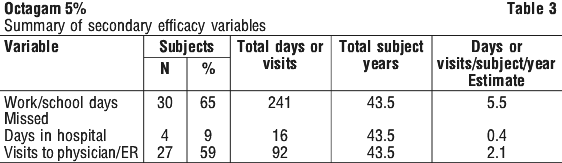
In an open-labelled, multicentre study, 46 patients with primary immune deficiency (PID) received Octagam 5% individualised doses of 0.3 - 0.6 g/kg every 3 or 4 weeks for 12 months (see Table 3 for results).
For the primary endpoint, which was the number of episodes of serious infections, the observed rate was 0.1 infections per patient per year (5 infections over 43.5 patient years). On average, 0.4 days of hospitalisation per patient were documented, and for 5.5 days patients were absent from work or school. The mean number of visits to a physician or emergency room was also very low (n = 2).
In an open-labelled single-centre study, 17 adolescent patients with PID received Octagam 5% individualised doses of 0.2 to 0.4 g/kg every 3 weeks for a 6 months period. All patients were previously treated with IVIg preparations.
Trough levels continuously increased under Octagam 5% treatment and reached a plateau after the 4th treatment.
The clinical efficacy was assessed as good, as the number of days with infections or fever, and the number of days out of school were low (mean number of days out of school: 7 per patient; mean no. of days with fever: 3 per patient; mean no. of days with infections: 29 per patient). No severe infections leading to hospitalisation were observed.
In an open-labelled, single-centre study, 19 patients with immune thrombocytopenic purpura (ITP) received Octagam 5% 1 g/kg for 2 consecutive days. At baseline, 13 patients had a platelet count ≤ 20 x 109/L.
In 16 patients platelet counts rose above 50 x 109/L. In the remaining patients treatment resulted in arrest of bleeding, although platelet count remained below 50 x 109/L. No excessive bleeding was observed in any of the 7 patients during splenectomy.
In the same study, 22 patients with chronic lymphocytic leukaemia (CLL) received Octagam 5% 0.4 g/kg every 4 weeks for 6 consecutive courses. Prior to Octagam 5% treatment, serum IgG levels were < 7 g/L in 17 patients. Monthly infusions resulted in a substantial increase in serum IgG in 13 out of 17 patients. During the treatment period 32 suspected infections were noted (before treatment: 47), most of them mild. Twelve episodes needed aggressive therapy (before treatment: 32). Twelve patients did not report any infections at all.

5.2 Pharmacokinetic Properties

Absorption.

Human normal immunoglobulin is completely bioavailable in the recipient's circulation after intravenous administration.

Distribution.

The steady-state pharmacokinetics of Octagam 5% were studied in two open uncontrolled trials in patients with primary immunodeficiency. Administration at 3 or 4 weekly intervals for periods of up to 6 months resulted in maintenance of serum total IgG concentrations above 4 g/L. Mean volume of distribution was 3.7 ± 1.4 L.

Metabolism.

Mean clearance (in the above two open uncontrolled trials) was measured as 0.073 ± 0.02 L/day. Half-life was measured as 35.9 (± 1.4) and 40.7 (± 17.0) days in the two studies. Half-life may vary from patient to patient, in particular in primary immunodeficiency.

Excretion.

IgG and IgG-complexes are broken down in cells of the reticulo-endothelial system.

5.3 Preclinical Safety Data

Genotoxicity.

Clinical experience provides no evidence for genotoxic potential of human normal immunoglobulin.

Carcinogenicity.

Clinical experience provides no evidence for carcinogenic potential of human normal immunoglobulin.

6 Pharmaceutical Particulars

6.1 List of Excipients

Maltose, tributyl phosphate, octoxinol 9, water for injections, human immunoglobulin A (IgA).

6.2 Incompatibilities

This medicinal product should not be mixed with other medicinal products.

6.3 Shelf Life

Shelf life is 2 years.

6.4 Special Precautions for Storage

Store below 25°C.
Do not freeze.
Protect from light.
Do not use after expiry date.
Octagam 5% doesn't contain any antimicrobial agent. It must, therefore, be used immediately after opening; any remaining contents must be discarded (see Section 6.6 Special Precautions for Disposal).
Keep out of the reach of children.
Do not use non-homogenous solutions or those which have a deposit. Any unused product or waste material should be disposed of in accordance with local requirements (see Section 6.6 Special Precautions for Disposal).

6.5 Nature and Contents of Container

The primary container is made of type II glass closed with a bromobutyl rubber stopper.
Each container contains 50 mg/mL solution for infusion.
The product is supplied in the following vial sizes: 1 injection vial with 20 mL; 1 infusion bottle with 50 mL; 1 infusion bottle with 100 mL; 1 infusion bottle with 200 mL.

6.6 Special Precautions for Disposal

In Australia, any unused medicine or waste material should be disposed of by taking to your local pharmacy.

6.7 Physicochemical Properties

Chemical structure.

No data available.

CAS number.

None assigned.

7 Medicine Schedule (Poisons Standard)

S4.

Summary Table of Changes