


Consumer medicine information

Panadeine Forte

Paracetamol; Codeine phosphate hemihydrate

BRAND INFORMATION

Brand name

Panadeine Forte

Active ingredient

Paracetamol; Codeine phosphate hemihydrate

Schedule

S4


Consumer medicine information (CMI) leaflet

Please read this leaflet carefully before you start using Panadeine Forte.

What is in this leaflet

This leaflet answers some common questions about Panadeine Forte tablets. It does not contain all the available information.

It does not take the place of talking to your doctor or pharmacist.

All medicines have risks and benefits. Your doctor has weighed the risks of you taking Panadeine Forte against the benefits this medicine is expected to have for you.

Keep this information with the tablets. You may need to read it again.

What is Panadeine Forte used for

Panadeine Forte is used to relieve moderate to severe pain and fever.

Panadeine Forte contains paracetamol and codeine. Paracetamol and codeine work together to stop the pain messages from getting through to the brain. Paracetamol also acts in the brain to reduce fever.

Your doctor may have prescribed this medicine for another use.

Ask your doctor or pharmacist if you have any questions about why the medicine has been prescribed for you.

This medicine is only available with a doctor's prescription.

Before you take Panadeine Forte

When you must not take it

Do not take Panadeine Forte if you are allergic to paracetamol or codeine or any of the ingredients listed under "Product Description" at the end of this leaflet.

The symptoms of an allergic reaction may include a rash, asthma attack or hay fever.

Do not take this medicine if you have or have had any of the following medical conditions:

  • Acute breathing difficulties such as bronchitis, unstable asthma or emphysema
  • Glucose-6-phosphate dehydrogenase deficiency (an enzyme deficiency)
  • Ultra-rapid metaboliser of CYP 2D6
  • Diarrhoea caused by poisoning or antibiotics
  • Liver failure

Do not take Panadeine Forte if you have a history of drug dependence, including alcohol dependence.

Do not take Panadeine Forte if you have experienced systemic allergy (generalised rash or shortness of breath) to morphine or oxycodone.

Do not take Panadeine Forte if you have a history of intolerance to paracetamol and/or codeine.

Do not take Panadeine Forte if you are aged below 18 years of age and have had your tonsils or adenoids removed to treat sleep apnoea.

Do not take Panadeine Forte during the third trimester of pregnancy.

Do not take Panadeine Forte during labour especially if the baby is premature. This medicine contains codeine, which may produce withdrawal effects in the newborn baby.

Do not use Panadeine Forte if you are breastfeeding or planning to breastfeed. The medicine passes into breast milk and may affect the baby.

Do not use Panadeine Forte after the expiry date (EXP) printed on the pack.

If you take it after the expiry date it may have no effect at all, or worse, have an entirely unexpected effect.

Do not use Panadeine Forte if the packaging is torn or shows signs of tampering.

Do not use this medicine to treat any other complaint unless your doctor says it is safe.

Panadeine Forte is not recommended for children under 12 years.

Before you start to take it

Tell your doctor or pharmacist if you have allergies to:

  • Any other medicines
  • Aspirin or any other NSAID medicine
  • Any other substances, such as foods, preservatives or dyes
  • Any ingredients listed under "Product Description" at the end of this leaflet

Tell your doctor or pharmacist if you have or have had any medical conditions, especially the following:

  • Lung, heart, liver or kidney problems
  • Difficulty breathing, wheezing, chronic cough, asthma, or other chronic breathing conditions
  • A history of drug dependence, including alcohol dependence
  • You drink large quantities of alcohol
  • Recent cessation of alcohol
  • Low glutathione reserves
  • Gilbert's syndrome
  • Gall bladder problems or your gall bladder has been removed.
  • Multiple sclerosis
  • Diarrhoea caused by poisoning
  • Recent stomach, intestine or urinary tract surgery
  • Irritable bowel syndrome or other bowel problems
  • Prostate problems
  • Under active thyroid gland or problems with your adrenal glands
  • Fits or seizures
  • Head injury
  • Brain tumours

Tell your doctor if you are pregnant or are planning to become pregnant. Your pharmacist or doctor will discuss the benefits and possible risks of taking the medicine during pregnancy.

If you have not told your doctor about any of these things, tell them before you take any Panadeine Forte.

Taking other medicines

You should also tell your doctor about any other medicines that you have bought without a prescription from either your pharmacy, supermarket or health food shop.

Tell your doctor if you are using any other medicines, including any of the following medicines:

  • Any medicine causing sleepiness or drowsiness
  • Tranquillisers (medicines for anxiety and nerves)
  • Benzodiazepines (medicines used as sedatives or to treat anxiety)
  • Medicines used to treat alcohol and/or opioid dependence (eg naltrexone or buprenorphine)
  • Medicines containing alcohol (ethanol), e.g. some cough syrups
  • Cough suppressants or antitussives
  • Antihistamines (medicines used to treat allergies)
  • Medicines used to treat depression
  • Medicines used to treat mental illness
  • Medicines which thin the blood
  • Medicines to treat epilepsy
  • Other pain relief medication
  • Medicines used to treat high blood pressure
  • Medicines used to relax muscles
  • Medicines used to treat diarrhoea, nausea or vomiting
  • Propantheline, a drug used to treat stomach ulcers
  • Cholestyramine (medicine used to treat bile problems and/or high cholesterol)
  • Chelating resin
  • Chloramphenicol (antibiotic used to treat ear and eye infections)
  • Flucloxacillin, rifampicin or zidovudine (medicines for infection)

These medicines may be affected by Panadeine Forte or may affect how well Panadeine Forte works.

Your doctor or pharmacist can tell you what to do if you are taking any of these medicines.

How to take Panadeine Forte

The label on your pack of Panadeine Forte will tell you how to take your medicine and how often.

If you are unsure about the directions ask your doctor or pharmacist.

Do not take more than the dose your doctor or pharmacist has directed. The dosage recommended by the doctor may be different to the recommended dosage.

The recommended dose of Panadeine Forte is:

Adults: 1 tablet for mild to moderate pain. 2 tablets for severe pain.

This dosage may be repeated in 4-6 hours if necessary.

Do not take more than 8 tablets in 24 hours.

Do not take more than the recommended dose. Taking more than the recommended dose may cause liver damage.

Talk to your doctor about pain control if the medicine is not helping.

If your body cannot metabolise codeine properly, you may be getting reduced benefit from the medicine.

How to take it

Swallow the tablets with water.

The directions given to you by your doctor or pharmacist may be different from the information in this leaflet. If you are unsure what dose to take ask your pharmacist or doctor.

If you forget to take it

If it is almost time for your next dose, skip the dose you missed and take your next dose when you are meant to.

Otherwise, take it as soon as you remember, and then go back to taking your medicine as you would normally.

Do not take a double dose to make up for the dose that you missed.

This may increase the chance of you getting an unwanted side effect.

If you are not sure what to do, ask your pharmacist or doctor.

If you take too much (Overdose)

Immediately telephone your doctor or Poisons Information Centre (telephone 13 11 26) for advice, or go to Accident and Emergency at your nearest hospital, if you think that you or anyone else has taken too much Panadeine Forte.

Do this even if there are no signs of discomfort or poisoning. You may need urgent medical attention.

Keep telephone numbers of these places handy.

If you take too many tablets you may feel nauseous, light headed, dizzy or drowsy.

While you are taking Panadeine Forte

Things you must do

Take Panadeine Forte exactly as your doctor has prescribed.

Tell all your doctors, dentists and pharmacists that you are taking Panadeine Forte.

Tell your doctor if you become pregnant while taking Panadeine Forte.

Things you must not do

Do not take more than the recommended dose unless your doctor tells you to.

Adults should not take more than 8 tablets a day.

Do not take high doses of the medicine for long periods of time unless your doctor tells you to.

Taking more than the recommended dose may cause liver damage.

Codeine may be habit forming.

Do not give this medicine to anyone else.

Things to be careful of

Panadeine Forte may cause dizziness or drowsiness in some people, especially after the first dose.

If affected do not drive a car, operate machinery or do anything else that could be dangerous if you are dizzy or drowsy. Children should not ride bikes if affected and should be supervised to avoid potential harm.

Do not drink alcohol.

Drinking alcohol increases the likelihood of becoming drowsy.

Panadeine Forte may be habit forming if taken in high doses for extended periods of time.

Ask your doctor or pharmacist if you are concerned about this.

Side Effects

Tell your doctor or pharmacist as soon as possible if you do not feel well while taking Panadeine Forte.

Like other medicines, Panadeine Forte can cause some side effects. If they occur, they are most likely minor and temporary. However, sometimes they are serious and need medical treatment.

If you have any questions, ask your doctor or pharmacist.

Tell your doctor if you notice any of the following and they worry you:

  • Constipation
  • Nausea
  • Vomiting
  • Stomach pain
  • Dizziness
  • Drowsiness
  • Skin rashes
  • Sweating

These are the more common side effects of Panadeine Forte. They are usually mild.

Tell your doctor as soon as possible if you notice any of the following:

  • Shortness of breath
  • Mouth ulcers, fever and sore throat
  • Bleeding, bruising more easily
  • Unusual or extreme mood swings
  • Dizziness, light-headedness
  • Flushing of the face
  • Painful red areas with blisters and peeling layers of skin which may be accompanied by fever and/or chills
  • Severe blisters and bleeding in the lips, eyes, mouth, nose and genitals
  • Hepatitis (symptoms include loss of appetite, itching, yellowing of the skin and eyes, light coloured bowel motions, dark coloured urine)

The above list includes serious side effects that may require medical attention. These side effects are rare.

If any of the following happen, tell your doctor immediately or go to Accident and Emergency at your nearest hospital:

  • Wheezing or difficulty breathing
  • Swelling of the face, lips, tongue or other parts of the body
  • Rash, itching or hives on the skin

The above list includes very serious side effects. You may need urgent medical attention or hospitalisation. These side effects are very rare.

If you are taking Panadeine Forte regularly, you may also need to take laxatives to prevent constipation.

Some people may get other side effects not listed above.

Tell your doctor if you notice anything else that is making you feel unwell.

After taking Panadeine Forte

Storage

Keep your tablets in the blister pack until it is time to take them.

If you take the tablets out of the box or the blister pack they will not keep well.

Keep Panadeine Forte in a cool, dry place where the temperature stays below 25°C.

Heat and dampness can destroy some medicines. Do not leave Panadeine Forte in the car on hot days.

Do not store Panadeine Forte or any other medicine in the bathroom or near a sink.

Keep Panadeine Forte where young children cannot reach it.

A locked cupboard at least one and a half metres above the ground is a good place to store medicines.

Disposal

If your doctor tells you to stop taking the tablets, ask your pharmacist what to do with any tablets that are leftover.

Product Description

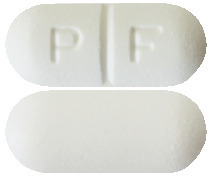
Panadeine Forte comes as a white capsule shaped tablet, marked PF.

It comes in boxes of 20 or 50 tablets.

Each Panadeine Forte tablet contains:

Active Ingredient

  • Paracetamol 500 mg
  • Codeine phosphate hemihydrate 30 mg

Other ingredients

  • Maize starch
  • Purified talc
  • Magnesium stearate
  • Microcrystalline cellulose
  • Croscarmellose sodium
  • Potassium sorbate
  • Pre-gelatinised maize starch
  • Stearic acid
  • Povidone

Panadeine Forte does not contain gluten, lactose, sucrose, tartrazine or any azo dyes.

Manufacturer

Panadeine Forte is supplied by:

sanofi-aventis australia pty ltd
12-24 Talavera Road
Macquarie Park NSW 2113

AUST R 73507

This leaflet was prepared in June 2017

panadeine-forte-ccsiv1-cmiv10-jun17

Published by MIMS September 2017

BRAND INFORMATION

Brand name

Panadeine Forte

Active ingredient

Paracetamol; Codeine phosphate hemihydrate

Schedule

S4


1 Name of Medicine

Paracetamol and codeine phosphate hemihydrate.

2 Qualitative and Quantitative Composition

Each capsule-shaped tablet contains paracetamol 500 mg, codeine phosphate hemihydrate 30 mg.

Excipients with known effect.

Potassium sorbate.
For the full list of excipients, see Section 6.1 List of Excipients.

3 Pharmaceutical Form

Panadeine Forte is available as capsule-shaped tablets containing 500 mg paracetamol and 30 mg codeine phosphate hemihydrate.
The capsule-shaped tablets are white to off-white, marked "P" and "F" either side of a scoreline on one side and plain on the other. The dimensions of the capsule-shaped tablet are 17.46 x 7.14 x 6.05 mm.

4 Clinical Particulars

4.1 Therapeutic Indications

Panadeine Forte is indicated for the short-term management of severe pain for which other treatment options have failed, are contraindicated, not tolerated or are otherwise inappropriate to provide sufficient management of pain.

4.2 Dose and Method of Administration

Adults and children 12 years of age and over.

1 or 2 tablets every 4 to 6 hours if necessary for relief of severe pain. Do not exceed 8 tablets in a 24-hour period.
Panadeine Forte is contraindicated for use in patients who are:
younger than 12 years;
aged between 12 - 18 years in whom respiratory function might be compromised, including post-tonsillectomy and/or adenoidectomy for obstructive sleep apnoea. (See Section 4.3 Contraindications; Section 4.4 Special Warnings and Precautions for Use, Paediatric use).
Tablets to be taken with water.

4.3 Contraindications

Panadeine Forte must not be used in patients with known hypersensitivity to paracetamol, codeine or any of the excipients used in this product. It must not be used in patients with known glucose-6-phosphate-dehydrogenase deficiency, severe respiratory disease, acute respiratory disease and respiratory depression, for example acute asthma, acute exacerbations of chronic obstructive pulmonary disease, since codeine may exacerbate the condition.
Paracetamol should not be used in patients with a history of intolerance to the drug.
Paracetamol should not be used in patients with severe hepatocellular insufficiency.
Due to codeine's structural similarity to morphine and oxycodone, patients experiencing systemic allergy (generalised rash, shortness of breath) to these drugs should not receive codeine.
Codeine is contraindicated in patients with diarrhoea caused by poisoning, until the toxic substance has been eliminated from the gastrointestinal tract, or diarrhoea associated with pseudomembranous colitis caused by antibiotic administration since codeine may slow the elimination of the toxic material or antibiotic.
Paracetamol should not be used in patients with active alcoholism as chronic excessive alcohol ingestion predisposes patients to paracetamol hepatotoxicity.
Codeine is contraindicated in the event of impending childbirth or in case of risk of premature birth (see Section 4.6 Fertility, Pregnancy and Lactation, Use in pregnancy).
Panadeine Forte is contraindicated during breastfeeding (see Section 4.6 Fertility, Pregnancy and Lactation, Use in lactation).
Panadeine Forte is contraindicated for use in patients who are:
younger than 12 years (see Section 4.4 Special Warnings and Precautions for Use, Paediatric use);
aged between 12 - 18 years in whom respiratory function might be compromised, including post-tonsillectomy and/or adenoidectomy for obstructive sleep apnoea, due to an increased risk of developing serious life-threatening adverse reactions (see Section 4.4 Special Warnings and Precautions for Use, Paediatric use).
Panadeine Forte is contraindicated for use in patients who are CYP2D6 ultra-rapid metabolisers (see Section 4.4 Special Warnings and Precautions for Use, CYP2D6 metabolism).

4.4 Special Warnings and Precautions for Use

Hepatotoxicity may occur with paracetamol even at therapeutic doses, after short treatment duration and in patients without pre-existing liver dysfunction. In view of the increased risk of hepatotoxicity, the benefit should be weighed against the risk when administering Panadeine Forte to patients with viral hepatitis or pre-existing hepatic disease. In such patients, hepatic function determinations may be required at periodic intervals during high dose or long-term therapy.
To avoid the risk of overdose, check that paracetamol is absent from the composition of other medicinal products taken concomitantly.
Caution is advised in patients with underlying sensitivity to aspirin and/or to non-steroidal anti-inflammatory drugs (NSAIDs).

Severe cutaneous adverse reactions (SCARs).

Life-threatening cutaneous reactions Stevens-Johnson syndrome (SJS), and Toxic Epidermal Necrolysis (TEN) have been reported with the use of paracetamol. Patients should be advised of the signs and symptoms and monitored closely for skin reactions. If symptoms or signs of SJS and TEN (e.g. progressive skin rash often with blisters or mucosal lesions) occur, patients should stop paracetamol treatment immediately and seek medical advice.
Paracetamol should be used with caution in patients with:
Mild-to-moderate hepatocellular insufficiency.
Severe renal insufficiency and sepsis.
Chronic alcohol use including recent cessation of alcohol intake.
Malnutrition and other sources of low glutathione reserves.
Glucose-6-phosphate-dehydrogenase deficiency.
Gilbert's syndrome.
Cases of high anion gap metabolic acidosis (HAGMA) due to pyroglutamic acidosis have been reported in patients with severe illness and/or pre-disposing factors (see above) who were treated with paracetamol at therapeutic dose for a prolonged period or combination of paracetamol and flucloxacillin. Symptoms of HAGMA may include serious breathing difficulties with deep rapid breathing, drowsiness, nausea and vomiting. Prompt discontinuation of paracetamol and close monitoring is recommended if symptoms of HAGMA appear. The measurement of urinary 5-oxoproline may be useful to identify pyroglutamic acidosis as underlying cause of HAGMA in patients with multiple risk factors.
Codeine should be used with caution in patients with CNS depression or decreased respiratory reserve, e.g. in emphysema, kyphoscoliosis, hypoxia, hypercapnia or even severe obesity or cor pulmonale, or chronic obstructive pulmonary disease. Codeine may exacerbate respiratory impairment and CNS depression. Codeine should be administered with caution in patients with impaired cardiac, hepatic or renal function, hypotension, benign prostatic hyperplasia, urethral stenosis, chronic colitis ulcerative, gall bladder conditions, multiple sclerosis, hypothyroidism, adrenocortical insufficiency (e.g. Addison's disease), shock, myxedema, acute alcohol intoxication or delirium tremens since codeine may exacerbate the symptoms or increase the risk of respiratory and/or CNS depression.
Codeine should be administered with great caution in patients with head injury, brain tumour or increased intracranial pressure since codeine may increase the risk of respiratory depression and further elevate intracranial pressure. In addition, codeine can produce side effects such as confusion, miosis and vomiting which are important signs in following the clinical course of patients with head injuries.
Extensive use of analgesics to relieve headaches or migraines, especially at high doses, may induce headaches that must not be treated with increased doses of the drug. In such cases the analgesic should not continue to be taken without medical advice.
Monitoring after prolonged use should include blood count, liver function and renal function.
Codeine should only be used with careful risk-benefit assessment and great caution in case of:
Opioid dependence.
Chronic constipation.
Conditions with elevated intracranial pressure and head trauma. Codeine can increase the pressure of cerebrospinal fluid and may increase the respiratory depressant effect. Like other narcotics, it causes adverse reactions that can obscure the clinical course of patients with head injury.
Impaired consciousness.
Compromised respiratory function (due to emphysema, kyphoscoliosis, severe obesity) and chronic obstructive airway disease.
Patients with known analgesic intolerance or known bronchial asthma must only use Panadeine Forte after having consulted a physician (hypersensitivity reactions including bronchospasm possible).
Codeine should be administered with caution in patients with acute abdominal conditions since codeine may obscure the diagnosis or the course of the disease. Codeine should be administered with caution in patients with severe inflammatory bowel disease (risk of toxic megacolon may be increased, especially with repeated dosing). Panadeine Forte should also be used with caution in patients who have had recent gastrointestinal tract surgery.
Patients who have had a cholecystectomy should be treated with caution. The contraction of the sphincter of Oddi can cause symptoms resembling those of myocardial infarction or intensify the symptoms in patients with pancreatitis.
Codeine should be administered with caution in patients with a history of convulsive disorders (convulsions may be induced or exacerbated by codeine).
Codeine should be administered with caution in patients with prostatic hypertrophy, urethral stricture or recent urinary tract surgery since codeine may cause urinary retention.
Codeine should be used with caution in elderly or debilitated patients because of the danger of respiratory or cardiac depression.
Codeine should be administered with caution in patients taking Monoamine Oxidase Inhibitors (MAOI's) (see Section 4.5 Interactions with Other Medicines and Other Forms of Interactions).
The concomitant use of opioids with gabapentinoids (gabapentin and pregabalin) increases the risk of respiratory depression, hypotension, profound sedation, coma or death because of additive CNS depressant effect.

Hazardous and harmful use.

Panadeine Forte contains the opioid codeine and is a potential drug of abuse, misuse and addiction. Addiction can occur in patients appropriately prescribed Panadeine Forte at recommended doses.
The risk of addiction is increased in patients with a personal or family history of substance abuse (including alcohol and prescription and illicit drugs) or mental illness. The risk also increases the longer the drug is used and with higher doses. Patients should be assessed for their risks for opioid abuse or addiction prior to being prescribed Panadeine Forte.
There have been reports of drug abuse with codeine, including cases in children and adolescents. Caution is particularly recommended for use in children, adolescents, young adults and in patients with a history of drug and/or alcohol abuse (see Section 4.4 Special Warnings and Precautions for Use, Paediatric use).
All patients receiving opioids should be routinely monitored for signs of misuse and abuse. Opioids are sought by people with addiction and may be subject to diversion. Strategies to reduce these risks include prescribing the drug in the smallest appropriate quantity and advising the patient on the safe storage and proper disposal of any unused drug (see Section 6.4 Special Precautions for Storage; Section 6.6 Special Precautions for Disposal). Caution patients that abuse of oral or transdermal forms of opioids by parenteral administration can result in serious adverse events, which may be fatal.
Patients should be advised not to share Panadeine Forte with anyone else.

Respiratory depression.

Serious, life-threatening or fatal respiratory depression can occur with the use of opioids even when used as recommended. It can occur at any time during the use of Panadeine Forte but the risk is greatest during initiation of therapy or following an increase in dose. Patients should be monitored closely for respiratory depression at these times.
The risk of life-threatening respiratory depression is also higher in elderly, frail, or debilitated patients, in patients with hepatic and renal impairment (see Use in hepatic impairment and Use in renal impairment) and in patients with existing impairment of respiratory function (e.g. chronic obstructive pulmonary disease; asthma). Opioids should be used with caution and with close monitoring in these patients. The use of opioids is contraindicated in patients with severe respiratory disease, acute respiratory disease and respiratory depression (see Section 4.3 Contraindications).
The risk of respiratory depression is greater with the use of high doses of opioids, especially high potency and modified release formulations, and in opioid naïve patients. Initiation of opioid treatment should be at the lower end of the dosage recommendations with careful titration of doses to achieve effective pain relief. Careful calculation of equianalgesic doses is required when changing opioids or switching from immediate release to modified release formulations, together with consideration of pharmacological differences between opioids. Consider starting the new opioid at a reduced dose to account for individual variation in response.

Risks from concomitant use of benzodiazepines or other CNS depressants, including alcohol.

Concomitant use of opioids and benzodiazepines or other CNS depressants, including alcohol, may result in sedation, respiratory depression, coma and death. Because of these risks, concomitant prescribing of Panadeine Forte with CNS depressant medicines, such as other opioid analgesics, benzodiazepines, gabapentinoids, cannabis, sedatives, hypnotics, tricyclic antidepressants, antipsychotics, antihistamines, centrally-active anti-emetics and other CNS depressants, should be reserved for patients for whom other treatment options are not possible. If a decision is made to prescribe Panadeine Forte concomitantly with any of the medicines, the lowest effective dose should be used, and the duration of treatment should be as short as possible. Patients should be followed closely for signs and symptoms of respiratory depression and sedation. Patients and their caregivers should be made aware of these symptoms. Patients and their caregivers should also be informed of the potential harms of consuming alcohol while taking Panadeine Forte.

Use of opioids in chronic (long-term) non-cancer pain (CNCP).

Opioid analgesics have an established role in the treatment of acute pain, cancer pain and palliative and end-of-life care. Current evidence does not generally support opioid analgesics in improving pain and function for most patients with chronic non-cancer pain. The development of tolerance and physical dependence and risks of adverse effects, including hazardous and harmful use, increase with the length of time a patient takes an opioid. The use of opioids for long-term treatment of CNCP is not recommended.
The use of an opioid to treat CNCP should only be considered after maximised non-pharmacological and non-opioid treatments have been tried and found ineffective, not tolerated or otherwise inadequate to provide sufficient management of pain. Opioids should only be prescribed as a component of comprehensive multidisciplinary and multimodal pain management.
Opioid therapy for CNCP should be initiated as a trial in accordance with clinical guidelines and after a comprehensive biopsychosocial assessment has established a cause for the pain and the appropriateness of opioid therapy for the patient (see Hazardous and harmful use, above). The expected outcome of therapy (pain reduction rather than complete abolition of pain, improved function and quality of life) should be discussed with the patient before commencing opioid treatment, with agreement to discontinue treatment if these objectives are not met.
Owing to the varied response to opioids between individuals, it is recommended that all patients be started at the lowest appropriate dose and titrated to achieve an adequate level of analgesia and functional improvement with minimum adverse reactions. Immediate-release products should not be used to treat chronic pain, but may be used for a short period in opioid-naïve patients to develop a level of tolerance before switching to a modified-release formulation. Careful and regular assessment and monitoring is required to establish the clinical need for ongoing treatment. Discontinue opioid therapy if there is no improvement of pain and/or function during the trial period or if there is any evidence of misuse or abuse. Treatment should only continue if the trial has demonstrated that the pain is opioid responsive and there has been functional improvement. The patient's condition should be reviewed regularly and the dose tapered off slowly if opioid treatment is no longer appropriate (see Ceasing opioids).

Tolerance, dependence and withdrawal.

Neuroadaptation of the opioid receptors to repeated administration of opioids can produce tolerance and physical dependence. Tolerance is the need for increasing doses to maintain analgesia. Tolerance may occur to both the desired and undesired effects of the opioid.
Physical dependence, which can occur after several days to weeks of continued opioid usage, results in withdrawal symptoms if the opioid is ceased abruptly or the dose is significantly reduced. Withdrawal symptoms can also occur following the administration of an opioid antagonist (e.g. naloxone) or partial agonist (e.g. buprenorphine). Withdrawal can result in some or all of the following symptoms: dysphoria, restlessness/agitation, lacrimation, rhinorrhoea, yawning, sweating, chills, myalgia, mydriasis, irritability, anxiety, increasing pain, backache, joint pain, weakness, abdominal cramps, insomnia, nausea, anorexia, vomiting, diarrhoea, increased blood pressure, increased respiratory rate and increased heart rate.
When discontinuing Panadeine Forte in a person who may be physically-dependent, the drug should not be ceased abruptly but withdrawn by tapering the dose gradually (see Ceasing opioids; see Section 4.2 Dose and Method of Administration).

Accidental ingestion/exposure.

Accidental ingestion or exposure of Panadeine Forte, especially by children, can result in a fatal overdose of codeine. Patients and their caregivers should be given information on safe storage and disposal of unused Panadeine Forte (see Section 6.4 Special Precautions for Storage; Section 6.6 Special Precautions for Disposal).

Hyperalgesia.

Hyperalgesia may occur with the use of opioids, particularly at high doses. Hyperalgesia may manifest as an unexplained increase in pain, increased levels of pain with increasing opioid dosages or diffuse sensitivity not associated with the original pain. Hyperalgesia should not be confused with tolerance (see Tolerance, dependence and withdrawal). If opioid induced hyperalgesia is suspected, the dose should be reduced and tapered off if possible. A change to a different opioid may be required.

Opioid-induced hyperalgesia or allodynia.

Opioid-induced hyperalgesia (OIH) occurs when an opioid analgesic paradoxically causes an increase in pain (hyperalgesia), or an increase in sensitivity to pain (allodynia). This condition differs from tolerance, which is the need for increasing doses of opioids to maintain a defined effect.
Symptoms of OIH include increased levels of pain upon opioid dosage increase, decreased levels of pain upon opioid dosage decrease, or pain from ordinarily non-painful stimuli (allodynia). The pain experienced may be at the same location of the underlying pain or can be more generalised or widespread in nature. These symptoms may suggest the occurrence of OIH only if there is no evidence of underlying disease progression, opioid tolerance, opioid withdrawal, or addictive behaviour.
If a patient is suspected to be experiencing OIH, carefully consider appropriately decreasing the dose of the current opioid analgesic, or opioid rotation (safety switching the patient to a different opioid moiety).

Ceasing opioids.

Abrupt discontinuation or rapid decreasing of the dose in a person physically dependent on an opioid may result in serious withdrawal symptoms and uncontrolled pain (see Tolerance, dependence and withdrawal). Such symptoms may lead the patient to seek other sources of licit or illicit opioids. Opioids should not be ceased abruptly in a patient who is physically dependent but withdrawn by tapering the dose slowly. Factors to take into account when deciding how to discontinue or decrease therapy include the dose and duration of the opioid the patient has been taking, the type of pain being treated and the physical and psychological attributes of the patient. A multimodal approach to pain management should be in place before initiating an opioid analgesic taper. During tapering, patients require regular review and support to manage any increase in pain, psychological distress and withdrawal symptoms.
There are no standard tapering schedules suitable for all patients and an individualised plan is necessary. In general, tapering should involve a dose reduction of no more than 10 percent to 25 percent every 2 to 4 weeks (see Section 4.2 Dose and Method of Administration). If the patient is experiencing increased pain or serious withdrawal symptoms, it may be necessary to go back to the previous dose until stable before proceeding with a more gradual taper.
When ceasing opioids in a patient who has a suspected opioid use disorder, the need for medication assisted treatment and/or referral to a specialist should be considered.

CYP2D6 metabolism.

Panadeine Forte is contraindicated for use in patients who are CYP2D6 ultra-rapid metabolisers.
Codeine is metabolised by the liver enzyme CYP2D6 into morphine, its active metabolite. If a patient has a deficiency or is completely lacking this enzyme an adequate analgesic effect will not be obtained. However, if the patient is an extensive or ultra-rapid metaboliser there is an increased risk of developing side effects of opioid toxicity even at commonly prescribed doses. These patients convert codeine into morphine rapidly resulting in higher than expected serum morphine levels. General symptoms of opioid toxicity include confusion, somnolence, shallow breathing, small pupils, nausea, vomiting, constipation and lack of appetite. In severe cases this may include symptoms of circulatory and respiratory depression, which may be life-threatening and very rarely fatal. Children are particularly susceptible due to their immature airway anatomy. Deaths have been reported in children with rapid metabolism who were given codeine for analgesia post adenotonsillectomy. Morphine can also be ingested by infants through breast milk, causing risk or respiratory depression to infants of rapid metaboliser mothers who take codeine.
The prevalence of codeine ultra-rapid metabolism by CYP2D6 in children is not known, but is assumed to be similar to that reported in adults. The prevalence of ultra-rapid metabolisers is estimated to be 1% in those of Chinese, Japanese and Hispanic decent, 3% in African Americans and 1%-10% in Caucasians. The highest prevalence (16%-28%) occurs in North African, Ethiopian and Arab populations.
(See Section 4.4 Special Warnings and Precautions for Use, Paediatric use; Section 4.6 Fertility, Pregnancy and Lactation, Use in lactation).

Use in hepatic impairment.

Panadeine Forte should be administered with caution to patients with hepatic dysfunction, viral hepatitis, and to patients taking other drugs, which affect the liver.

Use in renal impairment.

Panadeine Forte should be administered with caution to patients with renal dysfunction.

Use in the elderly.

Elderly people may be more sensitive to the effects of this medicinal product. The elderly are more likely to have hypertrophy, prostatic obstruction and age-related renal impairment and may be more susceptible to the undesirable effects due to opioid-induced urinary retention and the respiratory effects of opioid analgesics. Dose reduction may be required.

Paediatric use.

Panadeine Forte is contraindicated for use in children:
younger than 12 years;
aged between 12 - 18 years in whom respiratory function might be compromised, including post-tonsillectomy and/or adenoidectomy for obstructive sleep apnoea. Respiratory depression and death have occurred in some children who received codeine following tonsillectomy and/or adenoidectomy and had evidence of being ultra-rapid metabolisers of codeine due to a CYP2D6 polymorphism.
(Also see Section 4.4 Special Warnings and Precautions for Use, CYP2D6 metabolism).

Effects on laboratory tests.

Plasma amylase and lipase activity.

Codeine may cause increased biliary tract pressure, thus increasing plasma amylase and/or lipase concentrations.

Gastric emptying studies.

Gastric emptying is delayed by codeine so gastric emptying studies will not be valid.

Uric acid and blood glucose.

Intake of paracetamol may affect the laboratory determination of uric acid by phosphotungstic acid and of blood glucose by glucose oxidase-peroxidase.

4.5 Interactions with Other Medicines and Other Forms of Interactions

Salicylates and NSAIDs.

Prolonged concurrent use of paracetamol and salicylates or non-steroidal anti-inflammatory drugs may increase the risk of adverse renal effects.

Coumarins.

Paracetamol may increase the risk of bleeding in patients taking warfarin and other coumarin derivatives (antivitamin K). Monitoring of coagulation and bleeding complications is required.

Chloramphenicol.

Paracetamol may slow down the excretion of chloramphenicol, entailing the risk of increased toxicity.

Diflunisal.

Diflunisal may increase the plasma concentrations of paracetamol by 50%.

Anticholinergics.

Concomitant use of codeine and anticholinergic agents may increase the risk of severe constipation and/or urinary retention. Drugs, which decrease gastric emptying, may decrease the absorption of paracetamol.

Cholestyramine.

Cholestyramine reduces the absorption of paracetamol if given within one hour of paracetamol administration.

Chelating resin.

Chelating resin can decrease the intestinal absorption of paracetamol and potentially decrease its efficacy if taken simultaneously.

Propantheline.

Decreases gastric emptying which may decrease the absorption of paracetamol.

Rifampicin.

Concomitant use may increase the likelihood of paracetamol toxicity (see Hepatotoxic drugs and liver microsomal enzyme inducers).

Flucloxacillin.

Co-administration of flucloxacillin with paracetamol may lead to high anion gap metabolic acidosis due to pyroglutamic acidosis, particularly in patients with risk factors (see Section 4.4).

Alcohol.

Codeine may potentiate the effects of alcohol and increase the likelihood of paracetamol toxicity (see Hepatotoxic drugs and liver microsomal enzyme inducers). The concomitant use of alcohol and opioids increases the risk of sedation, respiratory depression, coma and death because of additive CNS depressant effect. Concomitant use with alcohol is not recommended (see Section 4.4 Special Warnings and Precautions for Use).

Metoclopramide.

Codeine may antagonise the effects of metoclopramide on gastrointestinal motility. Paracetamol absorption is increased by drugs which increase gastric emptying.

Domperidone.

The absorption rate of paracetamol may be increased by domperidone.

Opioid analgesics.

Concurrent use of codeine and other opioid agonists is usually inappropriate as additive CNS depression, respiratory depressant and hypotensive effects may occur. Narcotic analgesics may decrease gastric emptying and therefore decrease the absorption of paracetamol. (See Section 4.4 Special Warnings and Precautions for Use, Risks from concomitant use of benzodiazepines or other CNS depressants, including alcohol).

Morphinic agonists-antagonists.

Concomitant use of codeine with a partial agonist (e.g. buprenorphine) or antagonist (e.g. naltrexone) can precipitate or delay codeine effects.

Tranquillisers, sedatives, hypnotics, general anaesthetics and CNS depressants.

Codeine may potentiate the effects of these drugs. Concomitant use of tranquillisers or sedatives may enhance the potential respiratory depressant effects of codeine (see Section 4.4 Special Warnings and Precautions for Use, Risks from concomitant use of benzodiazepines or other CNS depressants, including alcohol).

Benzodiazepines.

The concomitant use of alcohol and opioids increases the risk of sedation, respiratory depression, coma and death because of additive CNS depressant effect. Limit dosage and duration of concomitant use of benzodiazepines and opioids (see Section 4.4 Special Warnings and Precautions for Use).

Hepatotoxic drugs and liver microsomal enzyme inducers.

The risk of paracetamol toxicity may be increased in patients receiving other potentially hepatotoxic drugs or drugs that induce liver microsomal enzymes, such as antiepileptics (such as phenobarbital, phenytoin, carbamazepine, topiramate), alcohol, barbiturates and rifampicin. The induced metabolism results in an elevated production of the hepatotoxic oxidative metabolite of paracetamol. Hepatotoxicity will occur if this metabolite exceeds the normal glutathione binding capacity.

Zidovudine.

When used concurrently with zidovudine, an increased tendency for neutropenia or hepatotoxicity may develop. Combination of Panadeine Forte and zidovudine, particularly chronic or multiple-dose paracetamol, should be avoided. If chronic paracetamol and zidovudine are to be given concurrently, monitor white blood count and liver function tests, especially in malnourished patients.

Antiperistaltic antidiarrhoeals (including kaolin, pectin, loperamide).

Concurrent use of these agents with codeine may increase the risk of severe constipation and CNS depression.

Monoamine oxidase inhibitors.

Non-selective MAOI's intensify the effects of opioid drugs, which can cause anxiety, confusion and significant respiratory depression and other side effects of unpredictable severity. Severe and sometimes fatal reactions have occurred in patients concurrently administered MAO inhibitors and pethidine. Codeine should not be given to patients taking non-selective MAOI's or within 2 weeks of stopping such treatment. As it is unknown whether there is an interaction between the selective MAOI's (Reversible Inhibitors of Monoamine Oxidase A) and codeine, caution is advised with this drug combination.

Tricyclic antidepressants.

A codeine-induced respiratory depression can be potentiated by tricyclic antidepressants. (See Section 4.4 Special Warnings and Precautions for Use, Risks from concomitant use of benzodiazepines or other CNS depressants, including alcohol).

Antihypertensives.

Hypotensive effects of antihypertensive agents may be potentiated when used concurrently with codeine and lead to orthostatic hypotension.

Neuromuscular blocking agents.

Codeine may enhance the effects of neuromuscular blocking agents resulting in increased respiratory depression.
Patients receiving other narcotic analgesics, antitussives, antihypertensives, antihistamines, antipsychotics, antianxiety agents, gabapentinoids, cannabis and centrally-active anti-emetics or other CNS depressants (including alcohol) concomitantly with Panadeine Forte may experience additive CNS depression. (See Section 4.4 Special Warnings and Precautions for Use, Risks from concomitant use of benzodiazepines or other CNS depressants, including alcohol).

CYP2D6 inhibitors.

Codeine is metabolised by the liver enzyme CYP2D6 to its active metabolite morphine. Medicines that inhibit CYP2D6 activity may reduce the analgesic effect of codeine. Patients taking codeine and moderate to strong CYP2D6 inhibitors (such as quinidine, fluoxetine, paroxetine, bupropion, cinacalcet, methadone) should be adequately monitored for reduced efficacy and withdrawal signs and symptoms. If necessary, an adjustment of the treatment should be considered.

CYP3A4 inducers.

Medicines that induce CYP3A4 activity may reduce the analgesic effect of codeine. Patients taking codeine and CYP3A4 inducers (such as rifampin) should be adequately monitored for reduced efficacy and withdrawal signs and symptoms. If necessary, an adjustment of the treatment should be considered.

Gabapentinoids and opioids.

The concomitant use of opioids with gabapentinoids (gabapentin and pregabalin) increases the risk of respiratory depression, hypotension, profound sedation, coma or death because of additive CNS depressant effect.

4.6 Fertility, Pregnancy and Lactation

Effects on fertility.

See Section 5.3 Preclinical Safety Data, Carcinogenicity.
(Category A)
Paracetamol crosses the placenta, however problems in humans have not been documented.
Opioid analgesics cross the placenta. Regular use during pregnancy may cause physical dependence in the foetus, leading to withdrawal symptoms in the neonate. Administration of codeine during labour may cause respiratory depression in the newborn infant. Codeine may cause respiratory depression and withdrawal syndrome in neonates born to mothers who use codeine during the third trimester of pregnancy. As a precautionary measure, use of Panadeine Forte should be avoided during the third trimester of pregnancy and during labour. Codeine is contraindicated in the event of impending childbirth or in case of risk of premature birth (see Section 4.3 Contraindications). Panadeine Forte should only be used during pregnancy under medical supervision if the potential benefit justifies the potential risk to the foetus. If administered during pregnancy, morphinomimetic properties of codeine should be taken into account.
Panadeine Forte is contraindicated during breastfeeding (see Section 4.4 Special Warnings and Precautions for Use, CYP2D6 metabolism) due to risk of respiratory depression in the infant.
Analgesic doses excreted in breast milk are generally low. However, infants of breastfeeding mothers taking codeine may have an increased risk of morphine overdose if the mother is an ultra-rapid metaboliser of codeine. Codeine is excreted into human breast milk. Codeine is partially metabolized by cytochrome P450 2D6 (CYP2D6) into morphine, which is excreted into breast milk. If nursing mothers are CYP2D6 ultra-rapid metabolisers, higher levels of morphine may be present in their breast milk. This may result in symptoms of opioid toxicity in both mother and the breastfed infant. Life-threatening adverse events or neonatal death may occur even at therapeutic doses (see Section 4.4 Special Warnings and Precautions for Use, CYP2D6 metabolism).
Therefore, Panadeine Forte is contraindicated for use during breastfeeding. However, in circumstances where a breastfeeding mother requires codeine therapy, breastfeeding should be suspended and alternative arrangements should be made for feeding the infant for any period during codeine treatment.
Breastfeeding mothers should be told how to recognise signs of high morphine levels in themselves and their babies. For example, in a mother, symptoms include extreme sleepiness and trouble caring for the baby. In the baby, symptoms include signs of increased sleepiness (more than usual), difficulty breastfeeding, breathing difficulties, or limpness. Medical advice should be sought immediately.

4.7 Effects on Ability to Drive and Use Machines

Panadeine Forte may cause drowsiness, disturbances of visuomotor coordination and visual acuity and/or dizziness. Due to the preparation's sedative action, impairment of the mental and/or physical abilities required for the performance of potentially hazardous activities may occur. Hence children engaging in bike riding and other hazardous activities should be supervised to avoid potential harm.
Patients treated with this medication should not drive, operate machinery, or drink alcohol whilst taking this medication.

4.8 Adverse Effects (Undesirable Effects)

Reports of adverse reactions are rare. Although the following reactions have been reported when paracetamol and codeine have been administered:

Haematologic.

Less frequent to rare: agranulocytosis, anaemia, thrombocytopenia.

Genitourinary.

Less frequent to rare: renal failure, uraemia, urinary retention or hesitance.

Hypersensitive.

Less frequent to rare: skin rashes and other allergic reactions, histamine release (hypotension, flushing of the face, tachycardia, breathlessness).

Gastrointestinal.

Common: constipation, nausea, vomiting.

Neurological.

Common: drowsiness, dizziness.
Less frequent to rare: euphoria, dysphoria.
At higher doses codeine may cause respiratory depression.

Hepatic.

Very rare: pancreatitis.

Metabolism and nutrition system disorders.

Not known: high anion gap metabolic acidosis due to pyroglutamic acidosis, in patients with pre-disposing factors (see Section 4.4).
Paracetamol has also been associated with dyspepsia, sweating, erythema, urticaria, anaphylactic shock, angioneurotic oedema, leukopenia, neutropenia and pancytopenia. Bronchospasms may be triggered in patients having a tendency of analgesic asthma. Toxic epidermal necrolysis (TEN), Stevens-Johnson syndrome (SJS), acute generalised exanthematous pustulosis, fixed drug eruption and cytolytic hepatitis, which may lead to acute hepatic failure, have also been reported.
Haemolytic anaemia in particular in patients with underlying glucose 6-phosphate-dehydrogenase deficiency has been reported. Kounis syndrome and bronchospasm have also been reported.
Codeine can cause confusional state, dysphoria, seizure, headache, somnolence, sedation, miosis, tinnitus, dry mouth, pruritus, fatigue, hypotension. Visuomotor coordination and visual acuity may be adversely affected in a dose-dependent manner at higher doses or in particular sensitive patients. Long term use also entails the risk of drug dependence.

Reporting suspected adverse effects.

Reporting suspected adverse reactions after registration of the medicinal product is important. It allows continued monitoring of the benefit-risk balance of the medicinal product. Healthcare professionals are asked to report any suspected adverse reactions at www.tga.gov.au/reporting-problems.

4.9 Overdose

Elderly persons, small children, patients with liver disorders, chronic alcohol consumption or chronic malnutrition, as well as patients concomitantly treated with enzyme-inducing drugs are at an increased risk of intoxication, including fatal outcome.

Symptoms.

Toxic symptoms include vomiting, abdominal pain, hypotension, sweating, central stimulation with exhilaration and convulsions in children, drowsiness, respiratory depression, cyanosis and coma. Nausea, vomiting, anorexia, pallor and abdominal pain generally appear during the first 24 hours of overdosage with paracetamol. Overdosage with paracetamol may cause hepatic cytolysis which can lead to hepatocellular insufficiency, gastrointestinal bleeding, metabolic acidosis, encephalopathy, disseminated intravascular coagulation, coma and death. Increased levels of hepatic transaminases, lactate dehydrogenase and bilirubin with a reduction in prothrombin level can appear 12 to 48 hours after acute overdosage. It can also lead to pancreatitis, acute renal failure and pancytopenia. The most serious adverse effect of acute overdosage of paracetamol is a dose-dependent, potentially fatal hepatic necrosis. In adults, hepatotoxicity may occur after ingestion of a single dose of 10 to 15 g (30 tablets) of paracetamol; a dose of 25 g (50 tablets) or more is potentially fatal. Symptoms during the first two days of acute poisoning by paracetamol do not reflect the potential seriousness of the intoxication. Major manifestations of liver failure such as jaundice, hypoglycaemia and metabolic acidosis may take at least three days to develop.
In an evaluation of codeine intoxication in children, symptoms seen included: sedation, rash, miosis, vomiting, itching, ataxia and swelling of the skin. Respiratory failure may occur.
The ingestion of very high doses of codeine can cause initial excitation, anxiety, insomnia followed by drowsiness in certain cases, areflexia progressing to stupor or coma, headache, miosis, alterations in blood pressure, arrhythmias, dry mouth, hypersensitivity reactions, cold clammy skin, bradycardia, tachycardia, convulsions, gastrointestinal disorders, nausea, vomiting and respiratory depression.
Severe intoxication can lead to apnoea, circulatory collapse, cardiac arrest and death.

Treatment.

Despite lack of significant early symptoms, patients should be referred to hospital urgently for immediate medical attention.
Consists primarily of management of paracetamol toxicity; naloxone is the treatment of choice for codeine intoxication. In cases of overdosage, methods of reducing the absorption of ingested drug are important. Prompt administration of 50 g activated charcoal and 500 mL iced mannitol 20% by mouth may reduce absorption.
Determinations of the plasma concentration of paracetamol are recommended.
If the history suggests that 15 g paracetamol or more has been ingested, administer one of the following antidotes:

Acetylcysteine 20% i.v.

Administer 20% acetylcysteine immediately without waiting for positive urine test or plasma level results: initial dose 150 mg/kg over 15 minutes, followed by continuous infusion of 50 mg/kg in 500 mL 5% glucose over 4 hours and 100 mg/kg in 1 L 5% glucose over 16 hours; or

Oral methionine.

2.5 g immediately followed by three further doses of 2.5 g at four hourly intervals. For a 3-year-old child, 1 g methionine 4-hourly for four doses has been used.
If more than ten hours have elapsed since the overdosage was taken, the antidote may be ineffective.
In general, treatment for codeine overdose should be symptomatic: re-establish adequate respiratory exchange by ensuring a clear airway and using mechanical ventilation. When treatment for paracetamol toxicity has been initiated, naloxone 400 microgram may be administered SC, IM or IV; IV may be repeated at intervals of 2 to 3 minutes if necessary. Assisted respiration may be required.
Further measures will depend on the severity, nature and course of clinical symptoms of intoxication and should follow standard intensive care protocols.
For information on the management of overdose, contact the Poisons Information Centre on 131126 (Australia).

5 Pharmacological Properties

5.1 Pharmacodynamic Properties

Mechanism of action.

Analgesic and antipyretic: There is evidence to suggest that a combination of paracetamol with codeine is superior in analgesic action to either drug administered alone.

Clinical trials.

No data available.

5.2 Pharmacokinetic Properties

Absorption.

After oral administration, paracetamol is absorbed rapidly and completely from the small intestine; peak plasma levels occur 30 to 120 minutes after administration.
Food intake delays paracetamol absorption. Codeine has about one-sixth of morphine's analgesic activity. It is well absorbed from the gastrointestinal tract and does not interfere with paracetamol absorption.

Distribution.

Paracetamol is uniformly distributed throughout most body fluids; the apparent volume of distribution is 1 to 1.2 L/kg. Paracetamol can cross the placenta and is excreted in milk. Plasma protein binding is negligible at usual therapeutic concentrations but increases with increasing concentrations.

Metabolism.

Paracetamol is metabolised by the hepatic microsomal enzyme system. In adults at therapeutic doses, paracetamol is mainly conjugated with glucuronide (45-55%) or sulfate (20-30%). A minor proportion (less than 20%) is metabolised to catechol derivatives, and mercapturic acid compounds via oxidation. Paracetamol is metabolised differently by infants and children compared to adults, the sulfate conjugate being predominant. Patients who metabolise drugs poorly via CYP2D6 are likely to obtain reduced benefit from codeine due to reduced formation of the active metabolite.
Codeine is metabolised in the liver to morphine and norcodeine.

Excretion.

Paracetamol is excreted in the urine mainly as the glucuronide and sulphate conjugates. Less than 5% is excreted as unchanged paracetamol with 85-90% of the administered dose eliminated in the urine within 24 hours of ingestion. The elimination half-life varies from 1 to 4 hours.
Codeine, morphine and norcodeine are excreted in the urine, partly as conjugates with glucuronic acid. Excretion is almost complete within 24 hours.

5.3 Preclinical Safety Data

Genotoxicity.

No data available.

Carcinogenicity.

Toxicity studies in animals have shown that high doses of paracetamol cause testicular atrophy and inhibition of spermatogenesis; the relevance of this finding to use in humans is not known.

6 Pharmaceutical Particulars

6.1 List of Excipients

Other ingredients are maize starch, povidone, potassium sorbate, microcrystalline cellulose, stearic acid, magnesium stearate, purified talc, pregelatinised maize starch, and croscarmellose sodium.

6.2 Incompatibilities

Incompatibilities were either not assessed or not identified as part of the registration of this medicine.

6.3 Shelf Life

In Australia, information on the shelf life can be found on the public summary of the Australian Register of Therapeutic Goods (ARTG). The expiry date can be found on the packaging.

6.4 Special Precautions for Storage

Store below 25°C.

6.5 Nature and Contents of Container

Panadeine Forte is available in cartons of 20 and 50 capsule-shaped tablets packaged in PVC/aluminium foil blisters.

6.6 Special Precautions for Disposal

In Australia, any unused medicine or waste material should be disposed of by taking to your local pharmacy.

6.7 Physicochemical Properties

Paracetamol is a white or almost white, crystalline powder. It is sparingly soluble in water, freely soluble in alcohol and very slightly soluble in methylene chloride. It has a melting point between 168°C and 172°C.
Codeine phosphate hemihydrate is a white or almost white, crystalline powder or small, colourless crystals. It is freely soluble in water and slightly soluble or very slightly soluble in ethanol (96 per cent).

Chemical structure.


Paracetamol MW 151.17.
Codeine phosphate hemihydrate MW 406.37.

Chemical formula.

Paracetamol: C8H9NO2.
Codeine phosphate hemihydrate: C18H24NO7P,½H2O.

Chemical name.

Paracetamol: N-(4-Hydroxyphenyl)acetamide.
Codeine phosphate hemihydrate: 7,8-Didehydro-4,5α-epoxy-3-methoxy-17-methylmorphinan-6α-ol phosphate hemihydrate.

CAS number.

Paracetamol: CAS No. 103-90-2.
Codeine phosphate hemihydrate: CAS No. 41444-62-6.

7 Medicine Schedule (Poisons Standard)

Prescription Only Medicine (Schedule 4).

Summary Table of Changes