


Consumer medicine information

Pentasa Suppositories

Mesalazine

BRAND INFORMATION

Brand name

Pentasa

Active ingredient

Mesalazine

Schedule

S4


Consumer medicine information (CMI) leaflet

Please read this leaflet carefully before you start using Pentasa Suppositories.

What is in this leaflet

This leaflet answers some common questions about PENTASA.

It does not contain all the available information. It does not take the place of talking to your doctor or pharmacist.

Please read this leaflet before you start using PENTASA.

All medicines have risks and benefits. Your doctor has weighed the risks of you using PENTASA against the benefits they expect it will have for you.

If you have any concerns about using this medicine, ask your doctor or pharmacist.

Keep this leaflet with the medicine. You may need to read it again.

What PENTASA is used for

This medicine is used to treat ulcerative proctitis, a disease with inflammation, ulcers and sores in the rectum (back passage) causing bleeding, stomach pain, and diarrhoea.

The active ingredient in this medicine is mesalazine. It is an anti-inflammatory agent, similar to aspirin and is thought to reduce inflammation in the rectum.

Ask your doctor if you have any questions about why this medicine has been prescribed for you. Your doctor may have prescribed it for another reason.

There is no evidence that PENTASA is addictive.

It is available only with a doctor's prescription.

It is not expected to affect your ability to drive a car or operate machinery.

Before you use PENTASA

When you must not use it

Do not use PENTASA if you have an allergy to:

  • any medicine containing mesalazine or aspirin-like medicines
  • any of the ingredients listed at the end of this leaflet.

Some of the symptoms of an allergic reaction may include:

  • shortness of breath, wheezing or difficulty breathing
  • swelling of the face, lips, tongue or other parts of the body
  • rash, itching or hives on the skin.

Do not take PENTASA if you have a severe kidney or liver problem.

Do not use this medicine after the expiry date printed on the pack or if the packaging is torn or shows signs of tampering. If it has expired or is damaged, return it to your pharmacist for disposal.

Do not give PENTASA to a child 12 years old or under. The safety and effectiveness of PENTASA in this age group have not been established.

Before you start to use it

Tell your doctor if you have allergies to any other medicines, foods, preservatives or dyes.

Tell your doctor if you have or have had any of the following medical conditions:

  • a known allergy to PENTASA, sulfasalazine or aspirin-like medicines, or any of the ingredients listed at the end of this leaflet
  • a kidney or liver problem
  • a bleeding disorder
  • a history of asthma.

Tell your doctor if you are pregnant or plan to become pregnant or are breast-feeding. Your doctor can discuss with you the risks and benefits involved. PENTASA should be used with caution during pregnancy and lactation and only if the potential benefits outweigh the possible hazards in the opinion of the doctor. The underlying condition itself (inflammatory bowel disease) may increase risks for the pregnancy outcome.

If you have not told your doctor about any of the above, tell him/her before you start using PENTASA.

Using other medicines

Tell your doctor or pharmacist if you are using any other medicines, including any that you get without a prescription from your pharmacy, supermarket or health food shop.

There is no information available on interactions between PENTASA and other medicines. However, mesalazine belongs to a group of medicines called salicylates that may interfere with the following types of medicines:

  • anti-coagulants, used to thin blood or stop blood clots (eg warfarin)
  • glucocorticoids, used to treat inflammation, swelling or allergies (eg prednisolone)
  • sulphonylureas, used to lower blood sugar and treat diabetes (eg glibenclamide, glipizide)
  • methotrexate, used to treat some kinds of cancers and arthritis
  • probenicid or sulfinpyrazone, used to treat gout
  • spirinolactone or frusemide, used to increase the amount of urine produced, and to lower blood pressure
  • rifampicin, used to treat tuberculosis
  • azathioprine, used to suppress the immune system
  • mercaptopurine and thioguanine, used to treat leukaemia.

Ask your doctor or pharmacist if you are unsure about taking any of these medicines.

Your doctor and pharmacist have more information on medicines to be careful with or avoid while using this medicine.

How to use PENTASA

Follow all directions given to you by your doctor or pharmacist carefully. They may differ from the information contained in this leaflet.

If possible, go to the toilet and empty your bowels before using a suppository. The suppository will work better if the bowel has been emptied.

Insert the suppository in the rectum (back passage).

Detailed instructions for use are available in the pack.

Do not swallow the suppository.

Use the suppository only once daily, usually at night/bedtime.

If you do not understand the instructions on the packaging, ask your doctor or pharmacist for help.

How much to use

Use as directed by your doctor.

Usual dose: Insert one suppository into rectum at bedtime.

How long to use it

Continue using your medicine for as long as your doctor tells you.

This medicine helps to control your condition, but does not cure it. It is important to keep using your medicine even if you feel well.

If you forget to use it

If it is almost time for your next suppository, skip the one you missed and use your next suppository when you are meant to.

Otherwise, use it as soon as you remember, and then go back to using your medicine as you would normally.

Do not take a double dose to make up for the dose that you missed. This may increase the chance of you getting an unwanted side effect.

If you are not sure what to do, ask your doctor or pharmacist.

If you have trouble remembering to use your medicine, ask your pharmacist for some hints.

If you use too much (overdose) or swallow the medicine

Immediately telephone your doctor or the Poisons Information Centre (telephone 13 11 26) for advice, or go to Accident and Emergency at the nearest hospital, if you think that you or anyone else may have used too much PENTASA, particularly if the medicine has been taken by mouth. Do this even if there are no signs of discomfort or poisoning. You may need urgent medical attention.

While you are using PENTASA

Things you must do

If you are about to be started on any new medicine, remind your doctor and pharmacist that you are taking PENTASA.

Have all blood tests recommended by your doctor. PENTASA may cause kidney, liver or blood problems in a few people. You should have regular blood tests to check your kidney and liver function.

Kidney stones may develop while taking PENTASA. Symptoms may include pain in the sides of the abdomen and blood in the urine.

Take care to drink plenty of fluids while you are being treated with PENTASA.

Tell any other doctors, dentists, and pharmacists who treat you that you are using this medicine.

If you are going to have surgery, tell the surgeon or anaesthetist that you are using this medicine. It may affect other medicines used during surgery.

If you become pregnant while using this medicine, tell your doctor immediately.

Things you must not do

Do not use PENTASA to treat any other complaints unless your doctor tells you to.

Do not give your medicine to anyone else, even if they have the same condition as you.

Do not stop using your medicine or lower the dosage without checking with your doctor. If you stop using it suddenly, your condition may worsen.

Side effects

Tell your doctor or pharmacist as soon as possible if you do not feel well while you are using PENTASA.

This medicine helps most people but it may have unwanted side effects in a few people. All medicines can have side effects. Sometimes they are serious, most of the time they are not. You may need medical attention if you get some of the side effects.

Do not be alarmed by the following lists of side effects. You may not experience any of them.

Ask your doctor or pharmacist to answer any questions you may have.

Tell your doctor or pharmacist if you notice any of the following and they worry you:

  • headache
  • diarrhoea
  • abdominal or stomach pain
  • flatulence (stomach discomfort or fullness, relieved by passing wind)
  • nausea (feeling sick)
  • vomiting
  • mild skin rash
  • discomfort, pain or itching in the anus or rectum, or feeling that you need to have a bowel movement, during or after inserting the medicine.

The above list includes the more common side effects of your medicine (affecting between 1 in 10 and 1 in 100 patients). They are usually mild and short-lived.

Tell your doctor as soon as possible if you notice any of the following:

  • dizziness
  • bruising easily, unusual bleeding (e.g. nosebleeds), or signs of infection such as fever, chills, sore throat and mouth ulcers
  • muscle aches and pains
  • painful or swollen joints
  • severe upper stomach pain, nausea and vomiting
  • changes in kidney function/kidney disease, and or urine discolouration
  • numbness, tingling or weakness of the arms and legs
  • yellowing of the skin or eyes, dark coloured urine
  • hair loss (this is reversible)
  • worsening of your condition.
  • Increased sensitivity of your skin to sun and ultraviolet light (photosensitivity).

The above list includes serious side effects which may require medical attention. Serious side effects are usually rare or very rare (affecting less than 1 in 1,000 patients).

If you notice any of the following, tell your doctor immediately or go to Accident and Emergency at your nearest hospital:

  • sudden signs of allergic reactions such as rash, itching or hives on the skin, shortness of breath, wheezing, coughing, or swelling of limbs, face, lips, mouth, tongue or throat which may cause difficulty swallowing or breathing
  • severe stomach cramps and/or pain, bloody diarrhoea, fever, severe headache and skin rash
  • rash with severe blisters and bleeding of the eyes, mouth, lips, nose and genitals e.g. erythema multiforme or Stevens-Johnson Syndrome (SJS)
  • lupus erythematosus-like reactions (a disease affecting the skin, joints and kidneys with symptoms such as joint pain, fever and skin rash)
  • chest pain and/or pain behind the breast bone sometimes spreading to the neck and shoulders, or with fever.

The above list includes very serious side effects. You may need urgent medical attention or hospitalisation. These side effects are usually rare or very rare (affecting less than 1 in 1,000 patients).

Other very rare side effects that have been reported with PENTASA include:

  • changes in kidney function
  • changes in liver function e.g. raised liver enzymes
  • changes in the blood e.g. a decrease in the number of red/white blood cells, and/or platelets
  • low sperm count (this is reversible).

As a precaution, your doctor may do blood tests to check if there are any changes in your blood, kidney or liver function.

Very rare side effects occur in less than 1 in 10,000 patients.

Kidney stones may develop while taking PENTASA. Symptoms may include pain in the sides of the abdomen and blood in the urine.

The frequency of this side effect is not known.

Other side effects not listed above may also occur in some people.

Tell your doctor or pharmacist if you notice anything that is making you feel unwell.

After using PENTASA

Storage

Keep your suppositories in the packaging until it is time to use them. If you take the suppository out of the packaging it may not keep well.

Keep your suppositories in a cool dry place where the temperature stays below 25°C.

Do not store PENTASA or any other medicine in the bathroom or near a sink. Do not leave it on a window sill or in the car. Heat and dampness can destroy some medicines.

Keep PENTASA where children cannot reach it. A locked cupboard at least one-and-a-half metres above the ground is a good place to store medicines.

Disposal

If your doctor tells you to stop using this medicine or the expiry date has passed, ask your pharmacist what to do with any medicine that is left over.

Product description

What it looks like

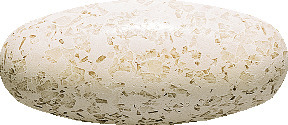
PENTASA Suppositories are white to tan spotted, oblong shaped. Each suppository is protected in an aluminium foil blister.

PENTASA Suppositories may be supplied in packs of 5, 10, 28 and 30. Not all pack sizes are being distributed in Australia.

Ingredients

PENTASA Suppositories contain 1 g mesalazine as the active ingredient, as well as the following inactive ingredients:

  • povidone
  • macrogol 6000
  • magnesium stearate
  • talc.

This medicine does not contain sucrose, gluten, tartrazine or any other azo dyes.

Sponsor

PENTASA Suppositories are supplied in Australia by:

Ferring Pharmaceuticals Pty Ltd
Suite 2, Level 1, Building 1
20 Bridge Street
Pymble, NSW 2073, Australia.

AUST R 98034 - PENTASA mesalazine 1 g suppository blister pack

This leaflet was prepared in December 2019.

#5578-v12A

PENTASA® is a registered trade mark of Ferring B.V.

® = Registered trademark

By scanning the QR code with your smart phone or tablet, you can access a video on how to administer PENTASA® Suppositories. Alternative access via www.myibd.com.au Access available only within Australia.

Published by MIMS March 2020

BRAND INFORMATION

Brand name

Pentasa

Active ingredient

Mesalazine

Schedule

S4


1 Name of Medicine

Mesalazine.

2 Qualitative and Quantitative Composition

Pentasa enemas contain mesalazine 1 g/100 mL as the active ingredient as well as the following inactive excipients: disodium edetate, sodium metabisulfite, sodium acetate, purified water, hydrochloric acid to pH 4.8.
Pentasa suppositories contain 1 g mesalazine as the active ingredient as well as the following inactive excipients: magnesium stearate, purified talc, povidone and macrogol 6000.

3 Pharmaceutical Form

Enema 1 g.
Suppositories 1 g.
Appearance of Pentasa enema 1 g: White to slightly yellow suspension with a pH value between 4.4 and 5.0.
Appearance of Pentasa suppositories 1 g: White to tan, spotted, oblong suppositories.

4 Clinical Particulars

4.1 Therapeutic Indications

Enemas.

Treatment of ulcerative proctosigmoiditis and/or treatment of left sided ulcerative colitis.

Suppositories.

Treatment of ulcerative proctitis.

4.2 Dose and Method of Administration

A visit to the toilet is recommended before administration of enemas and suppositories.

Enemas.

The contents of one (1 g) enema inserted into the rectum at bedtime. Shake the enema container well. The enema should be used not more than 5 minutes after being shaken.

Suppositories.

One (1 g) suppository once daily.

4.3 Contraindications

Hypersensitivity to mesalazine or any other component of the product or salicylates.
Severe liver or renal impairment.

4.4 Special Warnings and Precautions for Use

Most patients who are intolerant or hypersensitive to sulfasalazine are able to take Pentasa without the risk of similar reactions. However, caution is recommended when treating patients allergic to sulfasalazine because of the risk of allergy to salicylates (see Section 4.3 Contraindications).
Of 287 patients participating in a clinical study, 44 were known to be allergic to sulfasalazine. Whilst only 3 of these patients subsequently exhibited symptoms that may be associated with hypersensitivity to mesalazine, caution should be exercised when initiating treatment of patients with a history of hypersensitivity to sulfasalazine.
Severe cutaneous adverse reactions (SCARs), including drug reaction with eosinophilia and systematic symptoms (DRESS), Stevens-Johnson syndrome (SJS) and toxic epidermal necrolysis (TEN), have been reported in association with mesalazine treatment. Treatment should be discontinued immediately in cases of acute intolerance reactions such as nausea, exacerbation of diarrhea, abdominal cramps, acute abdominal pain, fever, severe headache and/or the first appearance of signs and symptoms of severe skin reactions, such as skin rash, mucosal lesions, or any other signs of hypersensitivity.
Pentasa enemas contain sodium metabisulfite and should be used with caution, particularly in patients with asthma as they may cause hypersensitivity reactions such as anaphylactic reactions or asthmatic episodes.
Serious blood dyscrasias have been reported rarely with mesalazine. Haematological investigations should be performed if the patient develops unexplained bleeding, bruising, purpura, anaemia, fever or sore throat. Treatment should be stopped if there is suspicion or evidence of blood dyscrasia (see Section 4.8 Adverse Effects (Undesirable Effects)). Also, blood test for differential blood count is recommended prior to and during treatment, at the discretion of the treating physician. As stated in Section 4.5 Interactions with Other Medicines and Other Forms of Interactions, concomitant treatment with mesalazine can increase the risk of blood dyscrasia in patients receiving azathioprine, or 6-mercaptopurine or thioguanine. Treatment should be discontinued on suspicion or evidence of these adverse reactions (see Section 4.8 Adverse Effects (Undesirable Effects)).
Mesalazine induced cardiac hypersensitivity reactions (myocarditis and pericarditis) have been reported rarely.
Patients with inflammatory bowel disease are at risk of developing nephrolithiasis. Cases of nephrolithiasis have been reported with the use of mesalazine including cases of kidney stones composed entirely of mesalazine. It is recommended to ensure adequate fluid intake during treatment.
Mesalazine may produce red-brown urine discolouration after contact with sodium hypochlorite bleach (e.g. in toilets cleaned with sodium hypochlorite contained in certain bleaches).
Pentasa enema may colour the linen and toilet.

Use in hepatic impairment.

Caution is recommended in patients with impaired liver function (see Section 4.3 Contraindications). Liver function parameters like ALT or AST should be assessed prior to and during treatment, at the discretion of the treating physician.

Use in renal impairment.

Mesalazine is not recommended for use in patients with renal impairment (see Section 4.3 Contraindications). Renal function should be monitored regularly in all patients (e.g. serum creatinine, urinalysis for protein) especially during the initial phase of treatment. Mesalazine induced nephrotoxicity should be suspected in patients developing renal dysfunction during treatment. The concurrent use of other known nephrotoxic agents should increase monitoring frequency of renal function.

Use in the elderly.

Age related factors (such as altered renal and hepatic function as described above and polypharmacy) should be taken into consideration.

Paediatric use.

Pentasa should not be used in children 12 years of age and under, as there is limited experience with this age group.

Effects on laboratory tests.

No data available.

4.5 Interactions with Other Medicines and Other Forms of Interactions

Whilst there are no data on interactions between Pentasa and other drugs, in common with other salicylates, interactions may occur during concomitant administration of mesalazine and the following drugs:

Coumarin type anticoagulants (e.g. warfarin sodium).

Possible potentiation of the anticoagulant effect (increasing the risk of gastrointestinal haemorrhage).

Glucocorticoids.

Possible increase in undesirable gastric effects.

Sulfonylureas.

Possible increase in the blood glucose lowering effects.

Methotrexate.

Possible increase in toxic potential of methotrexate.

Probenecid or sulfinpyrazone.

Possible attenuation of the uricosuric effects.

Spironolactone or frusemide.

Possible attenuation of the diuretic effects.

Rifampicin.

Possible attenuation of the tuberculostatic effects.
Combination therapy with Pentasa and azathioprine, or 6-mercaptopurine or thioguanine have in several studies shown a higher frequency of myelosuppressive effects, and an interaction seems to exist, however, the mechanism behind the interaction is not fully established. Regular monitoring of white blood cells is recommended and dosage regime of thiopurines should be adjusted accordingly.
The concomitant use of mesalazine with other known nephrotoxic agents, such as NSAIDs and azathioprine, may increase the risk of renal reactions.

4.6 Fertility, Pregnancy and Lactation

Effects on fertility.

Oral administration of mesalazine at doses up to 400 mg/kg/day to male rats prior to mating and female rats from prior to mating through gestation and lactation did not affect fertility or elicit embryofetal toxicity.
(Category C)
Oral administration of mesalazine during organogenesis in rats and rabbits at respective doses up to 1000 and 800 mg/kg/day was associated with concomitant embryofetal toxicity and maternotoxicity. At a dose of 1000 mg/kg/day in rats, fetuses showed enlarged brain ventricles. Nonembryofetal toxic and nonmaternotoxic dosages were 500 and 400 mg/kg/day in rats and rabbits, respectively.
Mesalazine is known to cross the placental barrier and its concentration in umbilical cord plasma is lower than the concentration in maternal plasma. The metabolite acetyl-mesalazine is found at similar concentrations in umbilical cord and maternal plasma. There are no adequate and well controlled studies of Pentasa use in pregnant women. Limited published human data on mesalazine show no increase in the overall rate of congenital malformations. Some data show an increased rate of preterm birth, stillbirth, and low birthweight; however, these adverse pregnancy outcomes are also associated with active inflammatory bowel disease.
Blood disorders (pancytopenia, leucopenia, thrombocytopenia, anaemia) have been reported in newborns of mothers being treated with Pentasa.
Nonsteroidal anti-inflammatory drugs inhibit prostaglandin synthesis and, when given during the latter part of pregnancy, may cause closure of the fetal ductus arteriosus, fetal renal impairment, inhibition of platelet aggregation, and delay labour and birth. Continuous treatment with nonsteroidal anti-inflammatory drugs during the last trimester of pregnancy should only be given on sound indications. During the last few days before expected birth, agents with an inhibitory effect on prostaglandin synthesis should be avoided.
Data on 165 women exposed to mesalazine during pregnancy were prospectively collected and pregnancy outcome was compared with that of a control group. The investigators concluded that mesalazine does not represent a major teratogenic risk, as the reported rate of major malformations was within the expected baseline risk of the general population.
Pentasa should be used with caution during pregnancy only if the potential benefits outweigh the possible hazards in the opinion of the physician. The underlying condition itself (inflammatory bowel disease/IBD) may increase risks for the pregnancy outcome.
Mesalazine is excreted in breast milk. The concentration is lower than in maternal blood, whereas the metabolite acetyl-mesalazine appears in similar or increased concentrations.
In rats, oral administration of mesalazine during late gestation and lactation at doses of 400 and 800 mg/kg/day was associated with maternotoxicity and toxicity in offspring; a dose of 200 mg/kg/day was devoid of toxicity in either generation. Blood disorders (leucopenia, thrombocytopenia, anaemia) have been reported in newborns of mothers being treated with Pentasa.
There is limited experience of the use of oral mesalazine in lactating women. Hypersensitivity reactions like diarrhoea in the infant cannot be excluded. Pentasa should be used with caution during lactation and only if the potential benefits outweigh the possible hazards in the opinion of the physician.

4.7 Effects on Ability to Drive and Use Machines

Treatment with Pentasa is unlikely to affect the ability to drive and/or use machines.

4.8 Adverse Effects (Undesirable Effects)

Summary of the safety profile.

Hypersensitivity reactions and drug fever may occasionally occur including severe cutaneous adverse reactions (SCARs), such as drug reaction with eosinophilia and systemic symptoms (DRESS), Stevens-Johnson syndrome (SJS) and toxic epidermal necrolysis (TEN), have been reported in association with mesalazine treatment (see Section 4.4 Special Warnings and Precautions for Use). Mesalazine may be associated with an exacerbation of the symptoms of colitis in those patients who have previously had such problems with sulfasalazine.
Table 1 lists treatment related adverse reactions (of a frequency of ≥ 1%) from a 287 patient clinical study investigating the efficacy and safety of three doses of Pentasa enema in the treatment of acute exacerbations of ulcerative proctosigmoiditis. There did not appear to be any dose relationship to the frequency of adverse events.
Following rectal administration, local reactions such as pruritus, rectal discomfort and urge may occur.
Table 2 represents the frequency of adverse effects based on clinical trials and reports from postmarketing surveillance for all formulations of Pentasa, including rectals.
It is important to note that several of these disorders can also be attributed to the inflammatory process itself.

Reporting suspected adverse effects.

Reporting suspected adverse reactions after registration of the medicinal product is important. It allows continued monitoring of the benefit-risk balance of the medicinal product. Healthcare professionals are asked to report any suspected adverse reactions at www.tga.gov.au/reporting-problems.

4.9 Overdose

Acute experience in animals.

Single oral doses of mesalazine up to 5 g/kg in pigs or a single intravenous dose of mesalazine at 920 mg/kg in rats were not lethal.

Human experience.

There is limited clinical experience with overdose of Pentasa. But since Pentasa is an amino salicylate, symptoms of salicylate toxicity may occur. Symptoms of mild salicylate intoxication include nausea, vomiting, tinnitus or dizziness. Symptoms of more severe salicylate intoxication include hyperthermia, dehydration, disturbance of electrolyte balance and blood pH, seizures, dysrhythmias, coagulopathy, renal failure and coma.
There have been reports of patients taking daily doses of 8 g for a month without any adverse events.

Management of overdose in humans.

There is no specific antidote. As Pentasa is an aminosalicylate, conventional therapy for salicylate toxicity may be beneficial. General supportive and symptomatic measures are recommended. Steps to prevent further gastrointestinal tract absorption may be appropriate. Fluid and electrolyte imbalance should be corrected by the administration of appropriate intravenous therapy. Renal function should be closely monitored.
For information on the management of overdose, contact the Poisons Information Centre on 13 11 26 (Australia).

5 Pharmacological Properties

Pharmacotherapeutic group: Intestinal anti-inflammatory agents (A07EC02).

5.1 Pharmacodynamic Properties

Mechanism of action.

It has been established that mesalazine is the active component of sulfasalazine, which is used for the treatment of ulcerative colitis and large bowel Crohn's disease. Based on clinical results, the therapeutic value of mesalazine after oral as well as rectal administration appears to be due to a local effect on the inflamed intestinal tissue, rather than to systemic effects. There is information suggesting that the severity of colonic inflammation in ulcerative colitis patients treated with mesalazine is inversely correlated with mucosal concentrations of mesalazine.
Increased leukocyte migration, abnormal cytokine production, increased production of arachidonic acid metabolites, particularly leukotriene B4 and increased free radical formation in the inflamed intestinal tissue, are all present in patients with inflammatory bowel disease. The mechanisms of action of mesalazine are not fully understood, although mechanisms such as activation of the γ-form of peroxisome proliferator activated receptors (PPAR-γ) and inhibition of nuclear factor kappa B (NF-κB) in the intestinal mucosa have been implicated. Mesalazine has in vitro pharmacological effects that inhibit leukocyte chemotaxis, decrease cytokine production, scavenge for free radicals and also reduce leukotriene production via inhibition of the lipo-oxygenase pathway. Prostaglandin production is reduced via inhibition of the cyclo-oxygenase pathway. It is currently unknown which, if any, of these mechanisms play a predominant role in the clinical efficacy of mesalazine.

Clinical trials.

Pentasa enemas.

287 patients were enrolled into an 8 week randomised, double blind, placebo controlled study investigating the efficacy and safety of Pentasa enemas. Patients with acute distal ulcerative colitis, specifically proctosigmoiditis or proctitis, were randomised to receive a 100 mL mesalazine enema of either 1 g, 2 g or 4 g or placebo, at bedtime. Three primary efficacy variables were assessed: physical global assessment, treatment failure, and sigmoidoscopic index (using a 15 point scale). See Table 3.
All 3 doses of mesalazine were statistically significantly better than placebo. A flat dose response relationship was demonstrated above 1 g.

Pentasa suppositories.

50 patients with active mild to moderate ulcerative proctitis were enrolled into a 2 week double blind, placebo controlled study investigating the efficacy of daily application of Pentasa suppositories in the treatment of ulcerative proctitis. Patients were randomised to receive either placebo or Pentasa 1 g suppositories. The primary endpoint was endoscopic remission (score of 0-1 on a scale of 0-5) at 2 weeks and the secondary endpoint was clinical remission (< 4 bowel movements daily and absence of other clinical symptoms). See Table 4.
95 patients in remission immediately after an acute episode of ulcerative proctitis and with an additional exacerbation within the previous 12 months were enrolled into a 12 month double blind, placebo controlled study to investigate the efficacy and safety of Pentasa suppositories. They were randomised to receive either placebo or Pentasa suppositories 1 g, 3 times a week. Remission was defined as no rectal bleeding, no mucus in the stools, no diarrhoea, no pain and no tenesmus, and an endoscopy score of 0 or 1. In the case of relapse the dose was increased to one suppository every day for 2-4 weeks or until remission. The primary endpoint was time to relapse. The mean time to relapse was 141.7 days in the Pentasa group and 84.9 days in the placebo group (p = 0.09).

5.2 Pharmacokinetic Properties

The therapeutic activity of mesalazine appears to depend on local contact of the drug with the diseased area of the intestinal mucosa. Pentasa suppositories and enemas are designed to provide the distal part of the intestinal tract with high local concentrations of mesalazine and low systemic absorption. Scintigraphic studies have shown that suppositories cover the rectum whereas enemas reach the descending colon. An increase in enema volume extends the distribution along the colon.

Absorption.

The absorption following rectal administration is relatively low and depends on the dose, pH, formulation and the extent of spread, the latter being dependent upon volume for the enemas. Based on urinary recovery of mesalazine and its N-acetyl metabolite in healthy volunteers under steady-state conditions an average of 10% of the dose was absorbed following administration of the 1 g suppository twice a day, whereas, about 15-20% is absorbed after administration of 1-2 g per day in enema form. In one study the 24 h area under the curve values of the metabolite were almost double those of the parent drug.
In patients with active ulcerative colitis, the urinary recovery was 13%.

Distribution.

Protein binding of mesalazine is approximately 50% and of acetyl-mesalazine about 80%.

Metabolism.

Mesalazine is metabolised both presystemically by the intestinal mucosa and systemically in the liver to N-acetyl mesalazine (acetyl-mesalazine). Some acetylation also occurs through the action of colonic bacteria. The acetylation seems to be independent of the acetylator phenotype of the patient. Acetyl-mesalazine is thought to be clinically as well as toxicologically inactive, but this still remains to be confirmed.

Excretion.

After intravenous administration, the plasma half-life of mesalazine is approximately 40 minutes and for acetyl-mesalazine approximately 80 minutes. Due to an absorption limited elimination following rectal administration, mesalazine has an apparent half-life of up to 7 hours, and the metabolite, acetyl-mesalazine, shows an apparent half-life of up to 11 hours.
Both substances are excreted in the urine and faeces. The urinary excretion consists mainly of acetyl-mesalazine and the faeces consist mainly of mesalazine.

Characteristics in patients.

The systemic absorption following administration of Pentasa enemas has been shown to be significantly decreased in patients with active ulcerative colitis compared to those in remission.
In patients with impaired liver and kidney function, the resultant decrease in the rate of elimination and increased systemic concentration of mesalazine may constitute an increased risk of nephrotoxic adverse reactions.

5.3 Preclinical Safety Data

Genotoxicity.

Mesalazine was negative in bacterial assays of gene mutation and in a mouse micronucleus test.

Carcinogenicity.

There is no evidence of carcinogenicity in mice or rats treated with mesalazine in the diet at respective doses up to 2500 and 800 mg/kg/day for two years. These doses were associated with plasma concentrations of mesalazine and its metabolite N-acetyl-5-aminosalicylic acid of 32-fold or greater (mice) and 13-fold or greater (rats) than the peak plasma concentrations of these compounds at the maximal recommended human dose of the enema and the suppository.

6 Pharmaceutical Particulars

6.1 List of Excipients

See Section 2 Qualitative and Quantitative Composition.

6.2 Incompatibilities

Incompatibilities were either not assessed or not identified as part of the registration of this medicine.

6.3 Shelf Life

Enemas: 3 years.
Suppositories: 3 years.

6.4 Special Precautions for Storage

Store below 25°C. Do not remove from packaging.

6.5 Nature and Contents of Container

Pentasa enemas are supplied in packs of 7 plastic bottles. Each bottle is protected by an aluminium foil bag.
Pentasa suppositories are supplied in packs of 5, 10, 28 and 30. Each suppository is protected in an aluminium foil blister. Not all pack sizes are being distributed in Australia.

6.6 Special Precautions for Disposal

In Australia, any unused medicine or waste material should be disposed of in accordance with local requirements.

6.7 Physicochemical Properties

Chemical structure.


Molecular Formula: C7H7NO3. Molecular Weight: 153.14.
Synonyms: 5-aminosalicylic acid; 5-amino 2-hydroxybenzoic acid; mesalamine.

CAS number.

89-57-6.

7 Medicine Schedule (Poisons Standard)

(S4) Prescription Only Medicine.

Summary Table of Changes