



What is in this leaflet
This leaflet answers some common questions about PHARMACOR POSACONAZOLE. It does not contain all the available information.
It does not take the place of talking to your doctor or pharmacist.
All medicines have risks and benefits. Your doctor has weighed the risks of you taking PHARMACOR POSACONAZOLE against the benefits this medicine is expected to have for you.
If you have any concerns about taking PHARMACOR POSACONAZOLE, ask your doctor or pharmacist.
Read this leaflet carefully before taking PHARMACOR POSACONAZOLE.
Keep this leaflet with the medicine. You may need to read it again.
What PHARMACOR POSACONAZOLE is used for
PHARMACOR POSACONAZOLE contains the active ingredient, posaconazole. Posaconazole is a medicine that belongs to the triazole group of antifungal medicines.
PHARMACOR POSACONAZOLE works by killing or stopping the growth of the fungi causing these infections.
PHARMACOR POSACONAZOLE Modified Release Tablets are used for:
- The treatment of invasive aspergillosis, a fungal infection caused by a fungus called aspergillus
- The treatment of other serious fungal infections called fusariosis, zygomycosis, chromoblastomycosis and mycetoma.
These types of fungal infections usually occur in some patients who may have lowered resistance to infection due to poor immunity.
Treatment of these serious fungal infections with PHARMACOR POSACONAZOLE is usually reserved for patients who do not respond to or cannot tolerate other medicines used to treat these types of fungal infections.
PHARMACOR POSACONAZOLE is also used to treat coccidioidomycosis, a rare and serious fungal infection.
PHARMACOR POSACONAZOLE is also used to prevent fungal infections, such as yeasts and moulds, from occurring in patients who are at high-risk of developing these infections.
Your doctor may have prescribed PHARMACOR POSACONAZOLE for another reason.
Ask your doctor if you have any questions about why PHARMACOR POSACONAZOLE has been prescribed for you.
This medicine is available only with a doctor's prescription.
Before you take PHARMACOR POSACONAZOLE
When you must not take it
Do not take PHARMACOR POSACONAZOLE if:
- you have an allergy to:
- posaconazole or any other triazole antifungal medicines
- any of the ingredients listed at the end of this leaflet (See Product Description)
Symptoms of an allergic reaction may include skin rash, itching, hives, shortness of breath, difficulty breathing, swelling of the face, tongue or other parts of the body.
- you are pregnant or may become pregnant.
Do not take PHARMACOR POSACONAZOLE if you are taking any of the following medicines:
- certain medicines used to treat allergy or hay fever (terfenadine or astemizole)
- cisapride, a medicine used to treat certain stomach problems
- pimozide, a medicine used to treat certain mental disorders
- quinidine, a medicine used to treat irregular heart beat
- ergotamine and dihydroergotamine, which are medicines used to treat migraine
- halofantrine, a medicine used to treat malaria
- simvastatin, lovastatin, atorvastatin or similar medicines (called HMG-CoA reductase inhibitors or statins) that are used to treat high cholesterol levels.
PHARMACOR POSACONAZOLE is not recommended for children below the age of 13 years.
Do not take PHARMACOR POSACONAZOLE if the packaging is torn or shows signs of tampering.
Do not take PHARMACOR POSACONAZOLE if the expiry date (EXP) printed on the pack has passed. If you take PHARMACOR POSACONAZOLE after the expiry date has passed, it may not work (as well). Return this medicine to your pharmacist for disposal if it has expired or is damaged.
If you are not sure whether you should start taking PHARMACOR POSACONAZOLE, talk to your doctor.
Before you start to take it
Tell your doctor if:
- you have any allergies to any other medicines, especially other antifungal medicines such as itraconazole (Sporanox®), fluconazole (Diflucan®), voriconazole (Vfend®), ketoconazole (Nizoral®) or any other substances such as foods, preservatives or dyes.
- you have or have ever had any other health problems/ medical conditions including:
- any kidney problems
- any liver problems
- any heart problems
- any problems with potassium, magnesium or calcium levels in your blood.
Follow your doctor's advice if any blood tests to check on your kidney or liver are recommended.
- you are pregnant or plan to become pregnant
PHARMACOR POSACONAZOLE should not be taken during pregnancy unless indicated by your doctor. Women who are of childbearing potential should use effective contraception while taking PHARMACOR POSACONAZOLE and for 2 weeks after completing treatment.
Your doctor will discuss the possible risks and benefits to you and your unborn baby.
- You are breastfeeding
PHARMACOR POSACONAZOLE should not be taken by breastfeeding women. It is possible that the active ingredient, posaconazole, may be passed into the breast milk. Your doctor can discuss the risks and benefits involved.
If you have not told your doctor or pharmacist about any of the above, tell them before you start taking PHARMACOR POSACONAZOLE.
Taking other medicines
Tell your doctor if you are taking any other medicines, including medicines you buy without a prescription from a pharmacy, supermarket or health food shop.
Some medicines may increase the risk of side effects of PHARMACOR POSACONAZOLE by increasing the amount of posaconazole in the blood. Similarly, some medicines may decrease the effectiveness of PHARMACOR POSACONAZOLE by decreasing the amount of posaconazole in the blood.
Medicines that can decrease the Effectiveness of PHARMACOR POSACONAZOLE are:
- rifabutin, used to treat tuberculosis
- phenytoin, used to treat fits or convulsions
- efavirenz and fosamprenavir, used to treat HIV infection
- medicines used to decrease stomach acid such as cimetidine, ranitidine and omeprazole
PHARMACOR POSACONAZOLE may possibly increase the risk of side effects of some medicines by increasing the amount of these medicines in the blood. These are:
- vincristine, vinblastine and other vinca alkaloids, used to treat cancer
- cyclosporine, tacrolimus and sirolimus, used to treat certain immune system problems or to prevent organ transplant rejection.
- rifabutin, used to treat certain infections
- midazolam and other benzodiazepine medicines used as sedatives or muscle relaxants
- calcium channel blockers, such as diltiazem, nifedipine and verapamil, used in certain heart conditions and to treat high blood pressure
- digoxin, used to treat certain heart conditions
- sulfonylureas such as glipizide (used to treat diabetes)
- medicines used to treat HIV called protease inhibitors (including atazanavir which is given with ritonavir) and nonnucleoside reverse transcriptase inhibitors
These medicines may be affected by PHARMACOR POSACONAZOLE or may affect how well it works. You may need different amounts of your medicine or you may need to take different medicines.
Your doctor will advise you.
Taking PHARMACOR POSACONAZOLE
Do not switch between taking PHARMACOR POSACONAZOLE Modified Release Tablets without talking to your doctor.
Follow all directions given to you by your doctor and pharmacist carefully.
This information may differ from the information contained in this leaflet.
If you do not understand the instructions on the box / bottle label, ask your doctor or pharmacist for help.
Children
PHARMACOR POSACONAZOLE is not recommended for children below the age of 13 years.
How much to take
For treatment and prevention of invasive fungal infections:
The usual dose is three tablets twice a day on the first day, then three tablets once a day, thereafter.
The dose may vary from one patient to another. Your doctor may recommend a different dose depending on your condition
How to take PHARMACOR POSACONAZOLE modified release tablets
- Swallow the tablet whole with some water.
- Do not crush, chew, break or dissolve the tablet.
- PHARMACOR POSACONAZOLE modified release tablets may be taken with or without food.
How long to take PHARMACOR POSACONAZOLE
Your doctor will advise how long you should take PHARMACOR POSACONAZOLE.
Continue taking PHARMACOR POSACONAZOLE for the length of time that your doctor recommends.
If you forget to take PHARMACOR POSACONAZOLE
Take the dose you missed as soon as you remember, then continue to take it as you normally would.
If it is almost time for your next dose, skip the dose you missed and take your next dose when you are meant to.
Do not take a double dose to make up for the dose you have missed.
If you have trouble remembering to take your medicine, ask your pharmacist for some hints.
If you have taken too much (overdose)
Immediately telephone your doctor or Poisons Information Centre or go to Accident and Emergency at your nearest hospital, if you think you or anyone else may have taken too much PHARMACOR POSACONAZOLE. Do this even if there are no signs of discomfort or poisoning. You may need urgent medical attention.
Keep these telephone numbers handy:
Poisons Information Centres:
- Australia: 13 11 26
- New Zealand: 0800 POISON or 0800 764 766
While you are taking PHARMACOR POSACONAZOLE
Things you must do
Always follow your doctor's instructions carefully.
- If you are a woman of childbearing age, talk to your doctor about the need for effective contraception. Once you have finished taking PHARMACOR POSACONAZOLE, continue using contraception until your next period.
- If you become pregnant while you are taking PHARMACOR POSACONAZOLE, tell your doctor immediately.
- If you are about to start any other new medicine, tell your doctor that you are taking PHARMACOR POSACONAZOLE.
- If you need to have any blood tests, tell your doctor you are taking PHARMACOR POSACONAZOLE. PHARMACOR POSACONAZOLE may affect the results of some laboratory tests.
Tell all doctors, dentists and pharmacists who are treating you that you are taking PHARMACOR POSACONAZOLE.
Things you must not do
- Do not give PHARMACOR POSACONAZOLE to anyone else, even if they have the same condition as you.
- Do not use PHARMACOR POSACONAZOLE to treat any other medical complaints unless your doctor tells you to.
Side effects
Tell your doctor or pharmacist as soon as possible if you do not feel well while you are taking PHARMACOR POSACONAZOLE.
All medicines can have side effects. Sometimes they are serious, most of the time they are not. You may need medical treatment if you get some of the side effects.
Do not be alarmed by this list of possible side effects. You may not experience any of them.
Ask your doctor or pharmacist to answer any questions you may have.
Tell your doctor if you experience any of the following:
- Loss of appetite
- Sleeplessness
- Headache, dizziness, sleepiness
- Tingling in fingers or toes
- Hot flushes
- Upset stomach, nausea, vomiting, stomach pain, diarrhoea, gas from stomach or bowel, dry mouth, altered sense of taste.
- Dry skin, rash, itchiness
- Back pain
- Fever.
- Raised blood pressure with a low potassium level (shown in blood test)
If any of the following happen, stop taking PHARMACOR POSACONAZOLE and tell your doctor immediately or go to Accident and Emergency at your nearest hospital:
- rash, itchiness, hives
- swelling of the face, lips, mouth, throat or neck which may cause difficulty swallowing or breathing
- tingling or numbness of the hands or feet, or muscle weakness
These are very serious side effects. You may need urgent medical attention. These side effects are rare.
Other side effects not listed above may also occur in some patients. Tell your doctor if you notice anything else that is making you feel unwell.
After taking PHARMACOR POSACONAZOLE
Storage
PHARMACOR POSACONAZOLE Modified Release Tablets
- Store PHARMACOR POSACONAZOLE Modified Release Tablets below 25°C.
- Store in original container.
Do not store PHARMACOR POSACONAZOLE or any other medicine in the bathroom or near a sink. Do not leave it in the car or on window sills. Heat and dampness can destroy some medicines.
Keep PHARMACOR POSACONAZOLE and all other medicines where children cannot reach them. A locked cupboard at least one-and a- half metres above the ground is a good place to store medicines.
Disposal
If your doctor tells you to stop taking PHARMACOR POSACONAZOLE, or if it has passed the expiry date, ask your pharmacist what to do with any left over medicine.
Product description
What it looks like
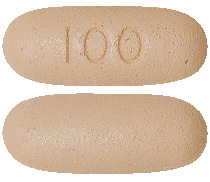
PHARMACOR POSACONAZOLE Tablets are yellow coated, capsule-shaped tablets with "100" marking on one side.
PHARMACOR POSACONAZOLE tablets are available in PVC/PCTFE (Aclar)/Al blister packs of 24 or 96 tablets and HDPE bottle packs of 24, 96, 60 or 1000 tablets.
- Bottle packs of 24, 60 and 96 tablets are packed with a child-resistant closure.
- Bottle pack containing 1000 tablets is for dispensing use only.
* Not all pack sizes may be available.
Ingredients
Each tablet contains 100 mg of posaconazole.
Other inactive ingredients are:
hypromellose acetate succinate, microcrystalline cellulose, hyprolose, colloidal anhydrous silica, croscarmellose sodium, magnesium stearate, polyvinyl alcohol, macrogol 3350, titanium dioxide, purified talc, iron oxide yellow.
Supplier
Pharmacor Pty Limited
Chatswood NSW 2067
Australia
Australian Registration Numbers
PHARMACOR POSACONAZOLE Modified Release Tablet
Bottle: AUST R 328101
Blister: AUST R 328104
This leaflet was prepared in 10/2020.
Published by MIMS February 2021

 Note that the majority of the interaction studies were carried out in healthy volunteers with repeat dose regimens of posaconazole 400 mg (oral suspension) twice daily administered with a meal or nutritional supplement. See below for further information.
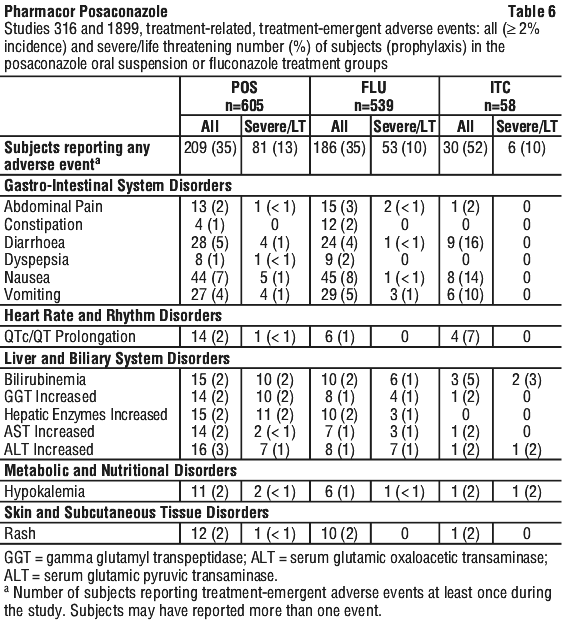
 Serious adverse events that were considered treatment related were reported in 8% (35/428) of patients in the refractory invasive fungal infection pool. Most individual treatment related serious adverse events were reported by < 1% of patients and are largely reflective of the serious underlying conditions that predisposed to the development of the invasive fungal infection. Treatment related serious adverse events reported in 1% of subjects (3 or 4 subjects each) included altered concentration of other medicinal products, increased hepatic enzymes, nausea, rash, and vomiting. Treatment-related serious adverse events reported in 605 patients treated with posaconazole oral suspension for prophylaxis (1% each) included bilirubinaemia, increased hepatic enzymes, hepatocellular damage, nausea, and vomiting.


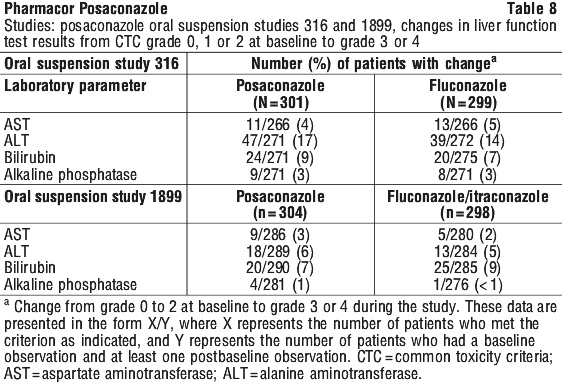

 In Study 1899, a significant decrease in all cause mortality in favour of posaconazole was observed [POS 49/304 (16%) vs. FLU/ITZ 67/298 (22%) p=0.048]. Based on Kaplan-Meier estimates, the probability of survival up to day 100 after randomisation, was significantly higher for posaconazole recipients; this survival benefit was demonstrated when the analysis considered all causes of death (P=0.0354) (Figure 1) as well as IFI-related deaths (P = 0.0209).
 In Study 316, overall mortality was similar (POS, 25%; FLU, 28%); however, the proportion of IFI-related deaths was significantly lower in the POS group (4/301) compared with the FLU group (12/299; P= 0.0413).
 The mean pharmacokinetic parameters in patients and healthy volunteers following administration of posaconazole modified release tablet 300 mg daily are displayed in Table 13. Patients have approximately 25% lower exposure as compared to healthy volunteers after multiple dosing of posaconazole modified release tablet. The differences in exposure between healthy volunteers and patients are much less than the exposure differences reported for posaconazole oral suspension (Table 12).
 Simulation based on the population pharmacokinetic model was performed in patients receiving posaconazole modified release tablet 300 mg daily (following 300 mg BD on Day 1). Simulated pharmacokinetics in patients and subpopulations of AML/MDS and HSCT patients are displayed in Table 14.
 Coadministration of food, or medications known to alter gastric pH (antacid, ranitidine, esomeprazole) or motility (metoclopramide) shows no clinically meaningful effect on the pharmacokinetics of posaconazole when administered as a modified release tablet.
 Chemical name: 4-4-[4-(4-{(3R, 5R)-5-(2,4-difluorophenyl)-5-(1H-1,2,4-triazol-1-ylmethyl) tetrahydro-3-furanyl] methoxyphenyl) piperazino] phenyl-1-[(1S,2S)-1-ethyl-2-hydroxypropyl]-4,5-dihydro-1H-1,2,4-triazol-5-one.