

Consumer medicine information

Pharmacy Action Ibuprofen 400

Ibuprofen

BRAND INFORMATION

Brand name

Pharmacy Action Ibuprofen 400

Active ingredient

Ibuprofen

Schedule

S3


Consumer medicine information (CMI) leaflet

Please read this leaflet carefully before you start using Pharmacy Action Ibuprofen 400.

What is in this leaflet

This leaflet answers some common questions about Pharmacy Action Ibuprofen 400. It does not contain all the available information. It does not take the place of talking to your doctor or pharmacist.

All medicines have risks and benefits. Your pharmacist or doctor has weighed the risks of you taking Pharmacy Action Ibuprofen 400 against the benefits they expect it will have for you.

If you have any concerns about taking this medicine, ask your doctor or pharmacist.

Keep this leaflet with the medicine. You may need to read it again.

What Pharmacy Action Ibuprofen 400 is used for

Pharmacy Action Ibuprofen 400 is used for the temporary relief of pain and/or inflammation associated with:

  • headache;
  • migraine headache;
  • tension headache;
  • sinus pain;
  • toothache;
  • dental procedures;
  • backache;
  • muscular aches and pains;
  • period pain;
  • sore throat;
  • tennis elbow;
  • arthritis;
  • rheumatic pain; and
  • the aches and pains associated with colds and flu.

It also reduces fever.

Ibuprofen belongs to a group of medicines called non-steroidal anti-inflammatory drugs (or NSAIDs).

Ask your pharmacist or doctor if you have any questions about this medicine. Your pharmacist or doctor may have given it to you for another reason.

Pharmacy Action Ibuprofen 400 is only available from your pharmacist.

Pharmacy Action Ibuprofen 400 is not addictive.

Before you take Pharmacy Action Ibuprofen 400

When you must not take it

Do not take Pharmacy Action Ibuprofen 400 if you have an allergy to:

  • any medicine containing ibuprofen, aspirin or other NSAIDs;
  • any of the ingredients listed at the end of this leaflet.

Many medicines used to treat headache, period pain and other aches and pains contain aspirin or NSAID medicines. If you are not sure if you are taking any of these medicines, ask your pharmacist.

Some of the symptoms of an allergic reaction may include:

  • asthma, wheezing or shortness of breath;
  • swelling of the face, lips or tongue which may cause difficulty breathing;
  • hives, itching or skin rash;
  • stomach ache, fever, chills, nausea and vomiting;
  • fainting.

If you are allergic to aspirin or NSAID medicines and take Pharmacy Action Ibuprofen 400, these symptoms may be severe.

Do not take Pharmacy Action Ibuprofen 400 if you:

  • have asthma that is sensitive to aspirin or NSAIDs;
  • have a peptic ulcer (ie. stomach or duodenal ulcer), a recent history of one, or have had peptic ulcers before;
  • have recently (or have previously) vomited blood or material that looks like coffee grounds;
  • have recently (or previously) bled from the back passage (rectum), had black sticky bowel motions (stools) or bloody diarrhoea;
  • have a condition resulting in an increased tendency to bleed;
  • have a history of, Ulcerative Colitis or Crohn’s Disease;
  • have severe kidney disease;
  • have severe heart failure;
  • have severe liver disease;
  • are being treated for pain following heart bypass surgery.

Do not take Pharmacy Action Ibuprofen 400 if you are pregnant, or intend to become pregnant, or during the first six (6) months of pregnancy, except on doctor’s advice.

Do not use Pharmacy Action Ibuprofen 400 at all in the last three (3) months of pregnancy. It may affect your developing baby if you take it during pregnancy.

Do not take Pharmacy Action Ibuprofen 400 after the expiry date printed on the pack or if the packaging is torn or shows signs of tampering. If this medicine has expired or is damaged, return it to your pharmacist for disposal.

If you are not sure whether you should start taking Pharmacy Action Ibuprofen 400, talk to your pharmacist or doctor.

Before you start to take it

Tell your pharmacist or doctor if you have allergies to:

  • any other medicines including aspirin or other NSAID medicines;
  • any other substances, such as foods, preservatives or dyes.

Tell your pharmacist or doctor if you are pregnant or intend to become pregnant. Like most NSAID medicines, Pharmacy Action Ibuprofen 400 is not recommended to be used during pregnancy. It may also impair female fertility.

Tell your pharmacist or doctor if you are breastfeeding or plan to breastfeed. Like most NSAID medicines, Pharmacy Action Ibuprofen 400 is not recommended while you are breastfeeding.

Tell your pharmacist or doctor if you have or have had any of the following medical conditions:

  • asthma;
  • heart disease or high blood pressure;
  • heartburn, indigestion, stomach ulcer or any other stomach problems;
  • vomiting blood or bleeding from the back passage;
  • severe skin reactions such as Stevens-Johnson syndrome;
  • vision problems;
  • liver or kidney disease;
  • tendency to bleed or other blood problems;
  • bowel or intestinal problems such as ulcerative colitis;
  • heart failure;
  • swelling of ankles or feet;
  • diarrhoea.

Talk to your pharmacist or doctor about taking Pharmacy Action Ibuprofen 400 if you are over 65 years of age.

Tell your doctor or pharmacist if you currently have an infection. If you take Pharmacy Action Ibuprofen 400 while you have an infection, it may hide some of the signs and symptoms of an infection. This may make you think, mistakenly, that you are better or that it is not serious.

Tell your doctor or pharmacist if you plan to have surgery before you start taking Pharmacy Action Ibuprofen 400.

Taking other medicines

Tell your pharmacist or doctor if you are taking any other medicines, including any that you get without a prescription from your pharmacy, supermarket or health food shop.

Some medicines and ibuprofen may interfere with each other. These include:

  • warfarin or clopidogrel, medicines used to stop blood clots;
  • lithium, a medicine used to treat mood swings and some types of depression;
  • SSRIs such as sertraline, medicines used to treat depression;
  • medicines used to treat high blood pressure or other heart conditions;
  • methotrexate, a medicine used to treat arthritis and some types of cancer;
  • medicines used to treat heart failure such as digoxin;
  • medicines such as prednisone, prednisolone and cortisone, which reduce the activity of your immune system;
  • cyclosporine or tacrolimus, medicines used to treat certain problems with the immune system or to help prevent organ transplant rejection;
  • aminoglycosides, medicines used to treat certain infections;
  • quinolone antibiotics, medicines used to treat certain infections;
  • mifepristone, a medicine used to bring about an abortion;
  • zidovudine, a medicine used to treat HIV infection;
  • aspirin, salicylates and other NSAIDs;
  • medicines used to treat diabetes;
  • probenecid, a medicine used to treat gout;
  • phenytoin, a medicine used to treat epilepsy.

These medicines may be affected by Pharmacy Action Ibuprofen 400, or may affect how well it works. You may need to take different amounts of your medicine, or you may need to take different medicines. Your doctor or pharmacist will advise you.

Your doctor or pharmacist will have more information on these and other medicines to be careful with or avoid while taking Pharmacy Action Ibuprofen 400.

If you have not told your pharmacist or doctor about any of the above, tell them before you start taking this medicine.

How to take Pharmacy Action Ibuprofen 400

Follow all directions given to you by your pharmacist or doctor carefully. They may differ from the information contained in this leaflet.

If you do not understand the instructions on the container, ask your pharmacist or doctor for help.

How much to take

Adults and Children from 12 years: Take 1 tablet every 4 to 6 hours as necessary.

Do not take more than 3 tablets in 24 hours.

Do not give to children under 12.

Do not take more than the recommended dose.

Excessive use can be harmful and increase the risk of heart attack, stroke or liver damage.

How to take it

Take Pharmacy Action Ibuprofen 400 by mouth with water.

How long to take it

Pharmacy Action Ibuprofen 400 should not be used for more than 3 days at a time, except on medical advice.

Excessive use can be harmful and increase the risk of heart attack, stroke or liver damage.

If you take too much (overdose)

Immediately telephone your doctor or the Poisons Information Centre (telephone 13 11 26) for advice, or go to Accident and Emergency at the nearest hospital, if you think that you or anyone else may have taken too much Pharmacy Action Ibuprofen 400. Do this even if there are no signs of discomfort or poisoning.

While you are taking Pharmacy Action Ibuprofen 400

Things you must do

If you become pregnant while taking this medicine tell your doctor immediately.

If you are about to start taking any new medicine, tell your doctor or pharmacist that you are taking this medicine.

Tell all of your doctors, dentists and pharmacists that are treating you that you are taking Pharmacy Action Ibuprofen 400.

If you are going to have surgery, make sure the surgeon and anaesthetist know you are taking Pharmacy Action Ibuprofen 400. NSAID medicines can slow down blood clotting.

Tell your pharmacist or doctor if your symptoms do not improve. Your doctor or pharmacist will assess your conditions and decide if you should continue to take the medicine.

Things you must not do

Do not take Pharmacy Action Ibuprofen 400 with any other medicines containing ibuprofen, aspirin or other anti-inflammatory medicines unless your doctor tells you to.

Do not take Pharmacy Action Ibuprofen 400 to treat any other complaints unless your pharmacist or doctor tells you to.

Do not give your medicine to anyone else, even if they have the same condition as you.

Do not take more than the recommended dose unless your pharmacist or doctor tells you to.

Things to be careful of

If you are over 65 years of age, talk to your pharmacist or doctor about taking Pharmacy Action Ibuprofen 400. Taking this medicine may increase the risk of you getting unwanted effects, such as stomach or heart problems.

Be careful driving or operating machinery until you know how Pharmacy Action Ibuprofen 400 affects you. This medicine may cause dizziness in some people. If this happens, do not drive or operate machinery.

Side effects

Tell your pharmacist or doctor as soon as possible if you do not feel well while you are taking Pharmacy Action Ibuprofen 400.

This medicine may have unwanted side effects in a few people. As with most medicines, if you are over 65 years of age, you may have an increased chance of getting side effects.

All medicines can have side effects. Sometimes they are serious, most of the time they are not. You may need medical attention if you get some of the side effects.

Do not be alarmed by the following lists of side effects. You may not experience any of them.

Ask your pharmacist or doctor to answer any questions you may have.

It is rare to get side effects from ibuprofen if taken for a short period of time and in the doses in non-prescription (over the counter) medicines.

Tell your pharmacist or doctor if you notice any of the following and they worry you:

  • nausea or vomiting;
  • heartburn, or pain in the upper part of your stomach;
  • loss of appetite;
  • cramps, wind, constipation or diarrhoea;
  • dizziness;
  • sleepiness;
  • buzzing or ringing in the ears or other trouble hearing;
  • headache;
  • sleeplessness;
  • changes in mood, for example depression, confusion, nervousness.

The above list includes the more common side effects of your medicine. They are usually mild.

Tell your doctor as soon as possible if you notice any of the following:

  • severe pain or tenderness in the stomach;
  • eye problems such as blurred vision, sore red eyes, itching;
  • signs of frequent or worrying infections such as fever, severe chills, sore throat or mouth ulcers;
  • bleeding or bruising more easily than normal, reddish or purplish blotches under the skin;
  • signs of anaemia, such as tiredness, headaches, being short of breath and looking pale;
  • yellowing of the skin and/or eyes, also called jaundice;
  • unusual weight gain, welling of ankles or legs;
  • tingling of the hands and feet;
  • symptoms of sunburn (such as redness, itching, swelling, blistering) which may occur more quickly than usual;
  • severe or persistent headache;
  • fast or irregular heartbeats, also called palpitations.

The above side effect may be serious and may require urgent medical attention. Serious side effects are rare for low doses of this medicine and when used for a short period of time.

If any of the following happen, stop taking Pharmacy Action Ibuprofen 400 and tell your doctor immediately or go to Accident and Emergency at your nearest hospital:

  • fluid retention;
  • vomiting blood or material that looks like coffee grounds;
  • bleeding from the back passage, black sticky bowel motions (stools) or bloody diarrhoea;
  • shortness of breath;
  • asthma, wheezing or difficulty breathing;
  • swelling of the face, lips, tongue which may cause difficulty in swallowing or breathing;
  • sudden or severe itching, skin rash, hives;
  • severe blisters and bleeding in the lips, eyes, mouth, nose and genitals (Stevens-Johnson Syndrome);
  • fever, generally feeling unwell, nausea, stomach ache, headache and stiff neck.

This medicine may be associated with a small increased risk of heart attack (myocardial infarction).

Blood disorders and kidney problems may occur with this medicine.

The above list includes very serious side effects. You may need urgent medical attention or hospitalisation. These side effects are very rare for low doses of this medicine and when used for a short period of time.

Tell your pharmacist or doctor if you notice anything that is making you feel unwell. Other side effects not listed above may also occur in some people.

After taking Pharmacy Action Ibuprofen 400

Storage

Keep your medicine in the original pack until it is time to take it.

Keep your medicine in a cool, dry place where the temperature stays below 25°C.

Do not store Pharmacy Action Ibuprofen 400 or any other medicine in the bathroom or near a sink. Do not leave it on a window sill or in the car. Heat and dampness can destroy some medicines.

Keep it where children cannot reach it. A locked cupboard at least one-and-a-half metres above the ground is a good place to store medicines.

Disposal

Ask your pharmacist what to do with any medicine that is left over, or if the expiry date has passed.

Product description

What it looks like

Pharmacy Action Ibuprofen 400 tablets are white to off-white, pillow-shaped, film coated tablets, plain on both sides.

Pharmacy Action Ibuprofen 400 is available in cartons with PVC/Aluminium blister packs containing 10, 12, 20, 30, 40 or 50 tablets.*

* Not all pack sizes may be marketed.

Ingredients

Active ingredient

Pharmacy Action Ibuprofen 400 tablets contain 400 mg of ibuprofen.

Other ingredients

  • Lactose monohydrate
  • Microcrystalline cellulose
  • Povidone
  • Croscarmellose sodium
  • Sodium lauryl sulfate
  • Colloidal anhydrous silica
  • Stearic acid
  • Macrogol 6000
  • Hypromellose
  • Titanium dioxide
  • Purified talc
  • Purified water

This medicine does not contain gluten, wheat, sucrose or preservatives.

Australian Registration Numbers

Pharmacy Action Ibuprofen 400: AUST R 294738.

Sponsor

Generic Health Pty Ltd
Suite 2, Level 2
19-23 Prospect Street
Box Hill, VIC, 3128
Australia
Email: [email protected]
Telephone: +61 3 9809 7900
Website: www.generichealth.com.au

This leaflet was prepared in August 2021.

Published by MIMS November 2021

BRAND INFORMATION

Brand name

Pharmacy Action Ibuprofen 400

Active ingredient

Ibuprofen

Schedule

S3


1 Name of Medicine

Ibuprofen.

2 Qualitative and Quantitative Composition

Each tablet contains Ibuprofen 400 mg.

List of excipients with known effect.

Lactose monohydrate.
For the full list of excipients, see Section 6.1 List of Excipients.

3 Pharmaceutical Form

White to off-white, pillow-shaped, film coated tablets, plain on both sides.

4 Clinical Particulars

4.1 Therapeutic Indications

For the temporary relief of pain and/or inflammation associated with headache, migraine headache, tension headache, sinus pain, toothache, dental procedures, backache, muscular aches and pains, period pain, sore throat, tennis elbow, arthritis, rheumatic pain and aches and pains associated with colds and flu. Reduces fever.

4.2 Dose and Method of Administration

The lowest effective dose should be used for the shortest duration necessary to relieve symptoms (see Section 4.4).

Dosage.

Adults and children 12 years and over.

One tablet to be taken with or without food. If necessary, repeat every 4 to 6 hours.
Pregnancy: see Section 4.3 Contraindications; Section 4.6 Fertility, Pregnancy and Lactation.
Not recommended for children under 12.

Maximum tolerated daily dose.

Maximum 3 tablets in 24 hours. Pharmacy Action Ibuprofen 400 should not be used for more than 3 days at a time except on medical advice, in which case the patient should be reviewed regularly with regards to efficacy, risk factors and ongoing need for treatment.

Monitoring advice.

If symptoms persist, consult your healthcare professional.

4.3 Contraindications

Ibuprofen is contraindicated for use in patients with:
known hypersensitivity or idiosyncratic reaction to ibuprofen (or any of the inactive ingredients);
known hypersensitivity to aspirin and other NSAIDs;
asthma that is aspirin or NSAID sensitive;
active gastrointestinal bleeding or peptic ulceration;
renal impairment;
heart failure;
severe liver impairment;
undergoing treatment of perioperative pain in a setting of coronary artery bypass surgery (CABG).
Use of ibuprofen is contraindicated during the third trimester of pregnancy.
Ibuprofen should not be taken with other medicines containing ibuprofen, aspirin or other anti-inflammatory medicines or other medicines being taken regularly unless under medical advice.
See Section 4.5 Interactions with Other Medicines and Other Forms of Interactions for additional information.

4.4 Special Warnings and Precautions for Use

Identified precautions.

Undesirable effects may be minimised by using the minimum effective dose for the shortest duration necessary to control symptoms. Pharmacy Action Ibuprofen 400 tablets should not be used for more than 3 days at a time except on medical advice. Treatment should be immediately discontinued at the first appearance of cutaneous reactions or relevant gastrointestinal events.
Pharmacy Action Ibuprofen 400 tablets should not be taken with other medicines containing ibuprofen, aspirin or other anti-inflammatory medicines or other medicines being taken regularly unless under medical advice.

Gastrointestinal (GI).

NSAIDs should be given with care to patients with a history of gastrointestinal disease (ulcerative colitis, Crohn's disease) as their condition may be exacerbated (see Section 4.8 Adverse Effects (Undesirable Effects)).
Gastrointestinal GI bleeding, ulceration and perforation which can be fatal, have been reported with all NSAIDs at any time during treatment, with or without warning symptoms or a previous history of serious GI events. The frequency of such events may increase with dose or duration of use. Patients at most risk of developing these types of GI complications with NSAIDs are the elderly, patients using concomitant aspirin, patients with a history of, or active GI disease (e.g. ulceration, GI bleeding or inflammatory conditions) and patients with a history of smoking and alcoholism.
Ibuprofen should be used only under medical advice in:
Patients with previous history of GI haemorrhage or ulcers (also see Section 4.3 Contraindications, Active GI bleeding or peptic ulceration). Patients should report any new or unusual abdominal symptoms during treatment. If GI bleeding or ulceration occurs in patients receiving ibuprofen, the treatment should be withdrawn immediately. Appropriate clinical evaluation and treatment should be considered.
Patients receiving concomitant medications which could increase the risk of ulceration or bleeding, such as oral corticosteroids, anticoagulants such as warfarin, selective serotonin reuptake inhibitors or anti-platelet agents such as aspirin or other NSAIDs including cyclooxygenase-2 (COX-2) selective inhibitors.

Cardiovascular and cerebrovascular effects.

Observational studies have indicated that NSAIDs may be associated with an increased risk of serious cardiovascular events, including myocardial infarction and stroke, which may increase with dose or duration of use.
Patients with cardiovascular disease, history of atherosclerotic cardiovascular disease or cardiovascular risk factors may also be at greater risk.
Clinical trial and epidemiological data suggest that the use of ibuprofen, particularly at high doses (2400 mg daily) and in long term treatment may be associated with a small increased risk of arterial thrombotic events (for example myocardial infarction or stroke). Overall, epidemiological studies do not suggest that low dose ibuprofen (e.g. ≤ 1200 mg daily) is associated with an increased risk of myocardial infarction.
Patients should be advised to remain alert for such cardiovascular events, even in the absence of previous cardiovascular symptoms. Patients should be informed about signs and/or symptoms of serious cardiovascular toxicity and the steps to take if they occur.
Fluid retention, hypertension and oedema have been reported in association with NSAID therapy. Patients taking antihypertensives with NSAIDs may have an impaired antihypertensive response.
Pharmacy Action Ibuprofen 400 tablets should be used under medical advice in patients with hypertension (see Section 4.3 Contraindications, Heart failure).

Renal.

Renal impairment as renal function may deteriorate.

Use in hepatic impairment.

As with other NSAIDs elevations of one or more liver function tests may occur in up to 15% of patients. These abnormalities may progress, may remain essentially unchanged, or may resolve with continued therapy. Meaningful elevations (three times the upper limit of normal) of ALT or AST occurred in controlled clinical trials in less than 1% of patients.
Ibuprofen has been reported to have a minor and transient effect on liver enzymes. Therefore, Pharmacy Action Ibuprofen 400 tablets should be used with caution in patients with hepatic dysfunction.
Patients should be advised to remain alert for hepatotoxicity and be informed about the signs and/or symptoms of hepatotoxicity (e.g. nausea, fatigue, lethargy, pruritus, jaundice, abdominal tenderness in the right upper quadrant and "flu-like" symptoms).

Respiratory.

Ibuprofen should be used only under medical advice in patients with, or a previous history of, bronchial asthma or allergic disease because bronchospasm may be precipitated in these patients.

SLE and mixed connective tissue disease.

Ibuprofen should be used with caution in patients with systemic lupus erythematosus and mixed connective tissue disease as there is a risk of increased aseptic meningitis.

Skin and subcutaneous tissue disorders.

Serious skin reactions, some of them fatal, including exfoliative dermatitis, Stevens-Johnson syndrome, drug reaction with eosinophilia with systemic symptoms (see DRESS) and toxic epidermal necrolysis, have been reported very rarely in association with the use of NSAIDs (see Section 4.8 Adverse Effects (Undesirable Effects)). These serious adverse events are idiosyncratic and are independent of dose or duration of use. Patients appear to be at highest risk of these reactions early in the course of therapy, the onset of the reaction occurring in the majority of cases within the first month of treatment. Ibuprofen use should be discontinued at the first appearance of skin rash, mucosal lesions, or any other sign of hypersensitivity and medical advice should be sought immediately.
Severe skin reactions: severe skin reactions such as acute generalised exanthematous pustulosis (AGEP) may occur with ibuprofen- containing products. The acute pustular eruption may occur within the first 2 days of treatment, with fever, and numerous, small, mostly non- follicular pustules arising on a widespread oedematous erythema and mainly localised on the skin folds, trunk and upper extremities. Patients should be carefully monitored. If signs and symptoms such as pyrexia, erythema, or many small pustules are observed, administration of ibuprofen should be discontinued, and appropriate measures taken if needed.

Drug Reaction with Eosinophilia with Systemic Symptoms (DRESS).

DRESS has been reported in patients using NSAIDs. Some of these events have been fatal or lifethreatening. DRESS typically, although not exclusively, presents with fever, rash, lymphadenopathy, and/or facial swelling. Other clinical manifestations may include hepatitis, nephritis, haematological abnormalities, myocarditis, or myositis. Sometimes symptoms of DRESS may resemble an acute viral infection. Eosinophilia is often present. Because this disorder is variable in its presentation, other organ systems not noted here may be involved. It is important to note that early manifestations of hypersensitivity, such as fever or lymphadenopathy, may be present even though rash is not evident. If such signs or symptoms are present, discontinue the NSAID and evaluate the patient immediately.

Masking of symptoms of underlying infections.

Ibuprofen can mask symptoms of infection. This has been observed in bacterial community acquired pneumonia and bacterial complications to varicella. When ibuprofen is administered for fever or pain relief in relation infection, monitoring of infection is advised. In non- hospital settings the patient should consult a doctor if symptoms persist or worsen. See Section 4.5 Interactions with Other Medicines and Other Forms of Interactions for additional information.

Use in the elderly.

Ibuprofen should not be taken by adults over the age of 65 without careful consideration of comorbidities and co-medications because of an increased risk of adverse effects, in particular heart failure, gastro-intestinal ulceration and renal impairment (see Section 4.3 Contraindications, Renal impairment, Heart failure).

Paediatric use.

Ibuprofen is recommended for adults and children from 12 years old. No investigations have been carried out with this product in children under 12 years of age. Ibuprofen for Children products are available for paediatric use.

Effects on laboratory tests.

No data available.

Product specific special warnings.

Patients with rare hereditary problems of fructose intolerance, glucose-galactose malabsorption or sucrose-isomaltase insufficiency should not take this medicine.

4.5 Interactions with Other Medicines and Other Forms of Interactions

Ibuprofen (like other NSAIDs) should be avoided in combination with:

Aspirin.

Experimental data suggest that ibuprofen may inhibit the effect of low dose aspirin on platelet aggregation when they are dosed concomitantly. However, no clinically relevant effect is considered to be likely for occasional ibuprofen use.

Other NSAIDs including aspirin and cyclooxygenase-2-selective inhibitors.

Avoid the use of two or more NSAIDS as this may increase the risk of adverse effects
The following interactions with ibuprofen have been noted:

Anticoagulant-including warfarin.

Ibuprofen interferes with the stability of INR and may increase the risk of severe bleeding and sometimes-fatal haemorrhage, especially from the gastrointestinal tract. Ibuprofen should only be used in patients taking warfarin if absolutely necessary and they must be closely monitored.

ACE inhibitors, diuretics and other antihypertensives.

Ibuprofen can reduce the antihypertensive effect of antiotensin-converting enzyme (ACE) inhibitors, angiotensin II receptor antagonists and beta-blockers with possible loss of blood pressure control and hyperkalaemia. Ibuprofen may reduce the antihypertensive and natriuretic effect of diuretics. Diuretics can increase the risk of nephrotoxicity of NSAIDs. The combined use of the three classes of drugs, diuretics, an ACE inhibiting drug (ACE inhibitor or angiotensin receptor antagonist) and an anti-inflammatory drug (NSAID or cyclooxygenase-2 (COX-2) inhibitor) all at the same time increases the risk of renal impairment. The combination of drugs from these three classes should be used with caution particularly in elderly patients. In some patients with compromised renal function (e.g. dehydrated patients or elderly patients with compromised renal function) the co-administration of an ACE inhibitor or Angiotensin II antagonist and agents that inhibit cyclo-oxygenase may result in further deterioration of renal function, including possible acute renal failure, which is usually reversible. These interactions should be considered in patients taking a NSAID concomitantly with ACE inhibitors or angiotensin II antagonists.

Anti-platelet agents and selective serotonin reuptake inhibitors (SSRIs).

Increased risk of gastrointestinal bleeding.

Ciclosporin.

Increased risk of nephrotoxicity.

Cardiac glycosides.

Ibuprofen may exacerbate cardiac failure, reduce glomerular filtration rate (GFR) and increase plasma glycoside levels.

Corticosteroids.

An increased risk of gastrointestinal bleeding may occur with corticosteroids.

Lithium.

Ibuprofen may decrease the renal clearance and increase plasma concentration of lithium.

Methotrexate.

There is potential for an increase in plasma levels of methotrexate. Ibuprofen reduces methotrexate clearance.

Mifepristone.

NSAIDs should not be used for 8-12 days after mifepristone administration as NSAIDs can reduce the effect of mifepristone.

Quinolone antibiotics.

Animal data indicate that NSAIDs can increase the risk of convulsions associated with quinolone antibiotics. Patients taking NSAIDs and quinolones may have an increased risk of developing convulsions.

Tacrolimus.

Possible increased risk of nephrotoxicity when NSAIDs are given with tacrolimus.

Zidovudine.

Increased risk of haematological toxicity when NSAIDs are given with Zidovudine. There is evidence of an increased risk of hemarthroses and haematoma in HIV (+) haemophiliacs receiving concurrent treatment with Zidovudine and ibuprofen.
Ibuprofen may also interact with antidiabetic medicines, probenecid and phenytoin.

Lactose monohydrate.

This medicine contains lactose monohydrate. Patients with rare hereditary forms of galactose intolerance, the Lapp lactase deficiency or glucose-galactose malabsorption syndrome should not take this medicine.

4.6 Fertility, Pregnancy and Lactation

Effects on fertility.

The use of ibuprofen may impair female fertility and is not recommended in women attempting to conceive. In women who have difficulties conceiving or who are undergoing investigation of infertility, withdrawal of ibuprofen should be considered.
(Category C)
Inhibition of prostaglandin synthesis by ibuprofen may adversely affect pregnancy and/or the embryo/foetal development. During the first and second trimester of pregnancy, this product should not be given unless clearly necessary and is contraindicated in the third trimester.
During the third trimester, all prostaglandin synthesis inhibitors may expose the foetus to cardiopulmonary toxicity (with premature closure of the ductus arteriosus and pulmonary hypertension) and renal dysfunction, which may progress to renal failure with oligohydramnios. At the end of pregnancy, prostaglandin synthesis inhibitors may expose the mother and the neonate to possible prolongation of bleeding time and inhibition of uterine contractions, which may result in delayed or prolonged labour.

Oligohydramnios and neonatal renal impairment.

Use of NSAIDs from about 20 weeks gestation may cause neonatal renal dysfunction leading to oligohydramnios and, in some cases, neonatal renal impairment.
These adverse outcomes are seen, on average, after days to weeks of treatment, although oligohydramnios has been infrequently reported as soon as 48 hours after NSAID initiation. Oligohydramnios is often, but not always, reversible with treatment discontinuation.
Complications of prolonged oligohydramnios may, for example, include limb contractures and delayed lung maturation. In some post-marketing cases of impaired neonatal renal function, invasive procedures such as exchange transfusion or dialysis were required.
If, after careful consideration of alternative treatment options for pain management, NSAID treatment is necessary from about 20 weeks, limit use to the lowest effective dose and shortest duration possible. Consider ultrasound monitoring of amniotic fluid if treatment extends beyond 48 hours. Discontinue treatment with NSAIDs if oligohydramnios occurs.
Ibuprofen appears in breast milk in very low concentrations and is unlikely to affect the breast fed infant adversely.

4.7 Effects on Ability to Drive and Use Machines

The effects of this medicine on a person's ability to drive and use machines were not assessed as part of its registration.

4.8 Adverse Effects (Undesirable Effects)

The frequencies of adverse effects are defined as follows:
Very common: > 1/10; Common: > 1/100, < 1/10; Uncommon: > 1/1,000, < 1/100; Rare: > 1/10,000, < 1/1,000; Very Rare: < 1/10,000, including isolated reports.
Hypersensitivity reactions have been reported following treatment with ibuprofen. These may consist of:
a) non-specific allergic reactions and anaphylaxis;
b) respiratory tract reactivity e.g. asthma, aggravated asthma, bronchospasm, dyspnoea;
c) assorted skin disorders, including rashes of various types, pruritus, urticaria, purpura, angioedema and more rarely bullous dermatoses (including epidermal necrolysis and erythema multiforme).
The following adverse effects relates to those experienced with ibuprofen at OTC doses, for short term use. In the treatment of chronic conditions, under long term treatment, additional adverse effects may occur.

Blood and lymphatic system disorders.

Very rare: Haematopoietic disorders (anaemia, leukopenia, thrombocytopenia, pancytopenia and agranulocytosis).

Hypersensitivity reactions.

Uncommon: Hypersensitivity reactions with urticaria and pruritus.
Very rare: Severe hypersensitivity reactions. Symptoms could be facial, tongue and larynx, swelling, dyspnoea, apnoea, tachycardia, hypotension, (anaphylaxis, angioedema or severe shock - syndrome may be characterised by abdominal pain, fever, shivering, nausea and vomiting.
Exacerbation of asthma and bronchospasm.
Hepatotoxicity and aseptic meningitis which occur less frequently may also be hypersensitivity reactions.
Allergic reactions such as skin rash, itching, swelling of the face or breathing difficulties are usually transient and reversible on cessation of treatment.

Gastrointestinal disorders.

The most commonly observed adverse events are gastrointestinal in nature.
Uncommon: Abdominal pain, nausea, dyspepsia.
Rare: Diarrhoea, flatulence, heartburn, loss of appetite, constipation and vomiting.
Very rare: Peptic ulcer, perforation or gastrointestinal haemorrhage, melaena, haematemesis, sometimes fatal, particularly in the elderly. Ulcerative stomatitis, gastritis.
Unknown: Exacerbation of ulcerative colitis and Crohn's, disease, gastric pyrosis.

Nervous system.

Uncommon: Headache.
Very rare: Aseptic meningitis - single cases have been reported, dizziness, nervousness, tinnitus, depression, drowsiness, insomnia, irritability, difficulty in concentrating, emotional instability, convulsions, auditory and visual problems.
Rare: Fatigue.

Renal.

Very rare: Acute renal failure, papillary necrosis, especially in long-term use, associated with increased serum urea and oedema.
Ibuprofen may cause cystitis and haematuria, interstitial nephritis, nephrotic syndrome, oliguria, tubular necrosis, glomerulonephritis, alteration in the renal function test, polyuria.

Liver.

Very rare: Liver disorders, especially in long term treatment, including hepatotoxicity, hepatitis, jaundice, alterations of hepatic function tests, pancreatitis, duodenitis, oesophagitis, hepato-renal syndrome, hepatic necrosis, hepatic insufficiency.

Haematological.

Very rare: Haematopoietic disorders (anaemia, neutropenia, aplastic anaemia, haemolytic anaemia, eosinophilia, reduction of haemoglobin and haematocrit leukopenia, thrombocytopenia, pancytopenia, agranulocytosis). Reversible platelet aggregation, alveolitis, pulmonary eosinophilia, pancreatitis.

Skin and subcutaneous tissue disorders.

Uncommon: Various skin rashes.
Very rare: Severe forms of skin reactions such as bullous reactions including Stevens Johnson Syndrome, erythema multiform and toxic epidermal necrolysis can occur.
Rarely skin peeling, alopecia, exfoliative dermatitis, photosensitive dermatitis, maculopapular, rash.
Unknown: Drug reaction with eosinophilia with systemic symptoms (DRESS), Acute generalized exanthematous pustulosis (AGEP), photosensitivity reactions.

Immune system.

In patients with existing auto-immune disorders (such as systemic lupus erythematosus, mixed connective tissue disease) during treatment with ibuprofen, single cases of symptoms of aseptic meningitis, such as stiff neck, headache, nausea, vomiting, fever or disorientation have been observed.

Cardiovascular and cerebrovascular.

Oedema, hypertension, and cardiac failure have been reported in association with NSAID treatment.
Clinical trial and epidemiological data suggest that use of ibuprofen (particularly at high doses 2400 mg daily) and in long-term treatment may be associated with a small increased risk of arterial thrombotic events (for example myocardial infarction or stroke).
Rarely: cerebrovascular accidents, hypotension, congestive cardiac insufficiency in patients with compromised cardiac function, palpitations.

Ocular.

Very rare: Blurred vision, changes in visual colour perception, toxic amblyopia, episodes of ocular alteration with consequent visual disorders.

Pregnancy, puerperium and perinatal conditions.

Unknown: oligohydramnios, neonatal renal impairment.

Other.

Effect on the endocrine system and on the metabolism, reduction in appetite.
Rarely: dryness of the eyes and mouth, gingival ulcers, rhinitis, hearing disturbances.

Reporting suspected adverse effects.

Reporting suspected adverse reactions after registration of the medicinal product is important. It allows continued monitoring of the benefit-risk balance of the medicinal product. Healthcare professionals are asked to report any suspected adverse reactions at www.tga.gov.au/reporting-problems.

4.9 Overdose

In case of overdose, immediately contact the Poisons Information centre (in Australia please call 13 11 26 and in New Zealand 0800 764 766) for advice.
In adults the dose response effect is less clear cut than in children where ingestion of more than 400 mg/kg may cause symptoms. The half-life in overdose is 1.5-3 hours.
Symptoms: most patients who have ingested clinically important amounts of NSAIDs will develop no more than nausea, vomiting, epigastric pain, or more rarely diarrhoea. Tinnitus, headache and gastrointestinal bleeding are also possible. In more serious poisoning, toxicity is seen in the central nervous system, manifesting as vertigo, drowsiness, occasionally excitation and disorientation or coma. Occasionally patients develop convulsions. In serious poisoning hyperkalaemia and metabolic acidosis may occur and the prothrombin time/INR may be prolonged, probably due to interference with the actions of circulating clotting factors. Acute renal failure, liver damage, hypotension, respiratory depression and cyanosis may occur. Exacerbation of asthma is possible in asthmatics.
Management: management should be symptomatic and supportive and include the maintenance of a clear airway and monitoring of cardiac and vital signs until stable. Consider oral administration of activated charcoal if the patient presents within 1 hour of ingestion of a potentially toxic amount. If frequent or prolonged, convulsions should be treated with intravenous diazepam or lorazepam. Give bronchodilators for asthma.
For information on the management of overdose, contact the Poisons Information Centre on 13 11 26 (Australia).

5 Pharmacological Properties

5.1 Pharmacodynamic Properties

Mechanism of action.

Ibuprofen possesses analgesic, antipyretic anti-inflammatory properties, similar to other nonsteroid anti-inflammatory drugs (NSAIDs). Its mechanism of action is unknown, but is thought to be through peripheral inhibition of cyclooxygenases and subsequent prostaglandin synthetase inhibition.

Clinical trials.

No data available.

5.2 Pharmacokinetic Properties

Absorption.

Ibuprofen is well absorbed after oral administration with peak serum levels occurring after 1 to 2 hours.

Distribution.

Apparent volume of distribution is 0.14 L/kg. Ibuprofen and its metabolites readily cross the placental barrier in pregnant rabbits and rats. It is not known if the drug enters the cerebrospinal fluid.
99% of Ibuprofen is protein bound. The high protein binding of the drug should be borne in mind when prescribing ibuprofen together with other protein bound drugs that bind to the same site on human serum albumin.

Metabolism.

90 % of ibuprofen is metabolised in the liver to produce two major metabolites, a hydroxylated and carboxylated compound.

Excretion.

Both the inactive metabolites and a small amount of unchanged ibuprofen are excreted rapidly and completely by the kidney, with 95% of the administered dose eliminated in the urine within four hours of ingestion.
The elimination half-life of ibuprofen is in the range of 1.9 to 2.2 hours.

5.3 Preclinical Safety Data

Genotoxicity.

No data available.

Carcinogenicity.

No data available.

6 Pharmaceutical Particulars

6.1 List of Excipients

Lactose monohydrate, microcrystalline cellulose, povidone, croscarmellose sodium, sodium lauryl sulfate, colloidal anhydrous silica, stearic acid, macrogol 6000, hypromellose, titanium dioxide, purified talc and purified water.

6.2 Incompatibilities

Incompatibilities were either not assessed or not identified as part of the registration of this medicine.

6.3 Shelf Life

In Australia, information on the shelf life can be found on the public summary of the Australian Register of Therapeutic Goods (ARTG). The expiry date can be found on the packaging.

6.4 Special Precautions for Storage

Store below 25°C.

6.5 Nature and Contents of Container

Available in cartons with PVC/Aluminium blister packs containing 10, 12, 20, 30, 40 or 50* tablets.
* Not all pack sizes may be marketed.

6.6 Special Precautions for Disposal

In Australia, any unused medicine or waste material should be disposed of by taking to your local pharmacy.

6.7 Physicochemical Properties

Ibuprofen is a (±)-2-(p-isobutylphenyl) propionic acid. Ibuprofen is a white crystalline solid with a melting point of 74 - 77°C and is practically insoluble in water (< 0.1 mg/mL) and readily soluble in organic solvents such as ethanol and acetone.

Chemical structure.


Molecular Formula: C13H18O2.
Molecular Weight: 206.3.

CAS number.

15687-27-1.

7 Medicine Schedule (Poisons Standard)

S3 - Pharmacist Only Medicine (Pack sizes 20, 30, 40 and 50).
S2 - Pharmacy Medicine (Pack sizes 10 and 12).

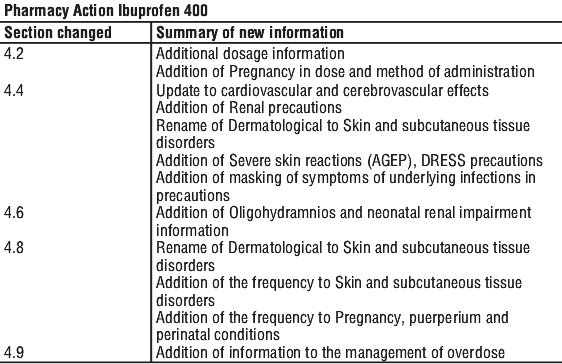
Summary Table of Changes