1 Name of Medicine
Allopurinol.
2 Qualitative and Quantitative Composition
Each tablet contains 100 mg or 300 mg of allopurinol as the active ingredient.
Excipients with known effect.
Sugars as lactose.
For the full list of excipients, see Section 6.1 List of Excipients.3 Pharmaceutical Form
Progout Viatris 100 mg tablets.
White to off white coloured, round biconvex, uncoated tablets with 'AL' and '100' separated by breakline on one side and plain on other side.
Progout Viatris 300 mg tablets.
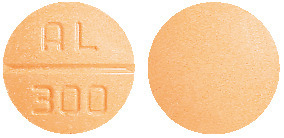
Peach coloured, round, biconvex, uncoated tablets with 'AL' and '300' separated by breakline on one side and plain on other side.4.1 Therapeutic Indications
Main clinical manifestations of urate/uric acid deposition. These are gouty arthritis, skin tophi and/or renal involvement through crystal deposition or stone formation. Such clinical manifestations may occur in: idiopathic gout; uric acid lithiasis; acute uric acid nephropathy; neoplastic disease and myeloproliferative disease with high cell turnover rates, in which high urate levels occur either spontaneously or after cytotoxic therapy, certain enzyme disorders which lead to overproduction of urate and involve:
hypoxanthine guanine phosphoribosyltransferase including Lesch-Nyhan syndrome;
glucose 6-phosphatase including glycogen storage disease;
phosphoribosylpyrophosphate synthetase;
phosphoribosylpyrophosphate amidotransferase.
Allopurinol is indicated for the management of 2,8-dihydroxyadenine (2,8-DHA) renal stones related to deficient activity of adenine phosphoribosyl transferase.
Allopurinol is indicated for the management of recurrent mixed calcium oxalate renal stones in the presence of hyperuricosuria, when fluid, dietary and similar measures have failed.
4.2 Dose and Method of Administration
The dosage should be adjusted by monitoring serum urate concentrations and urinary urate/uric acid levels at appropriate intervals.
Dose frequency.
Allopurinol may be taken orally once a day after a meal. It is well tolerated, especially after food. Should the daily dosage exceed 300 mg and gastrointestinal intolerance be manifested, a divided dose regimen may be appropriate.
Adults.
2 to 10 mg/kg bodyweight/day or 100 to 200 mg daily in mild conditions; 300 to 600 mg daily in moderately severe conditions; 700 to 900 mg daily in severe conditions.
Children under 15 years.
10 to 20 mg/kg bodyweight/day or 100 to 400 mg daily. Use in children is rarely indicated, except in malignant conditions (especially leukaemia) and certain enzyme disorders such as Lesch-Nyhan syndrome.
Use in the elderly.
In the absence of specific data, the lowest dosage which produces satisfactory urate reduction should be used. Particular attention should be paid to the dosage advice in renal disorder and precautions.
Renal impairment.
Since allopurinol and its metabolites are excreted by the kidney, impaired renal function may lead to retention of the drug and/or its metabolites with consequent prolongation of plasma half-lives. In the presence of impaired renal function, serious consideration should be given to initiating treatment with a maximum dose of 100 mg/day and increasing it only if the serum and/or urinary urate response is unsatisfactory. In severe renal insufficiency, it may be advisable to use less than 100 mg/day or to use single doses of 100 mg at longer intervals than one day. Alternative schedules based on creatinine clearances are unsatisfactory because of the imprecision of low clearance values.
If facilities are available to monitor plasma oxipurinol concentrations, the dose should be adjusted to maintain plasma oxipurinol levels below 100 micromol/L (15.2 microgram/mL).
Renal dialysis.
Allopurinol and its metabolites are removed by renal dialysis. If dialysis is required two to three times a week, consideration should be given to an alternative dosage schedule of allopurinol 300 to 400 mg immediately after each dialysis with none in the interim.
Dosage in hepatic impairment.
Reduced doses should be used in patients with hepatic impairment. Periodic liver function tests are recommended during the early stages of therapy.
Treatment of high urate turnover conditions (e.g. neoplasia, Lesch-Nyhan syndrome).
It is advisable to correct existing hyperuricaemia and/or hyperuricosuria with allopurinol before starting cytotoxic therapy. It is important to ensure adequate hydration to maintain optimum diuresis and to attempt alkalinisation of urine to increase solubility of urinary urate/uric acid. Dosage of allopurinol should be in the lower range.
If urate nephropathy or other pathology has compromised renal function, the advice given in Renal impairment (above) should be followed.
These steps may reduce the risk of xanthine and/or oxipurinol deposition complicating the clinical situation (see Section 4.5 Interactions with Other Medicines and Other Forms of Interactions; Section 4.8 Adverse Effects (Undesirable Effects)).4.3 Contraindications
Allopurinol should not be administered to individuals known to be hypersensitive to allopurinol or to any other components of the formulation (see Section 6.1 List of Excipients).
Allopurinol should not be given concomitantly with iron salts to patients with idiopathic haemochromatosis, nor should it be given to the immediate relatives of such patients.
Allopurinol is contraindicated in children with the exception of those with hyperuricaemia secondary to malignancy or with Lesch-Nyhan syndrome, because safety and efficacy have not been established in other conditions.
4.4 Special Warnings and Precautions for Use
Identified precautions.
Allopurinol should be withdrawn immediately when a skin rash or other evidence of sensitivity occurs.
Patients under treatment for hypertension or cardiac insufficiency, for example with diuretics or ACE inhibitors, may have some concomitant impairment of renal function and allopurinol should be used with care in these patients.
Asymptomatic hyperuricaemia per se is not an indication for the use of allopurinol. Fluid and dietary modifications with management of the underlying cause may correct the condition. If other clinical conditions suggest a need for allopurinol it must be introduced at low dosage (50 to 100 mg/day) to reduce the risk of adverse reactions, and increased only if the serum urate response is unsatisfactory. Extra caution should be exercised if renal function is poor (see Section 4.2 Dose and Method of Administration).
Allopurinol must be withdrawn immediately and permanently at the first signs of intolerance.
Dermatological effects.
Allopurinol should be discontinued at the first appearance of skin rash or other signs which may indicate an allergic reaction. In some instances a skin rash may be followed by more severe hypersensitivity reactions such as exfoliative, urticarial, and purpuric lesions as well as Stevens-Johnson syndrome (erythema multiforme exudativum), drug rash with eosinophilia and systemic symptoms (DRESS), Lyell's disease, generalised vasculitis, irreversible hepatotoxicity, and on rare occasions death. DRESS is also referred to as drug-induced hypersensitivity syndrome (DIHS) and Lyell's disease is also referred to as toxic epidermal necrolysis.
Hypersensitivity effects.
The occurrence of hypersensitivity reactions to allopurinol may be increased in patients with decreased renal function receiving thiazides and allopurinol concurrently. For this reason, in this clinical setting, such combinations should be administered with caution and patients should be observed closely.
Acute gouty attacks.
Allopurinol treatment should not be started until an acute attack of gout has completely subsided, as further attacks may be precipitated.
In the early stages of treatment with allopurinol, as with uricosuric agents, an acute attack of gouty arthritis may be precipitated. Therefore, it is advisable to give prophylaxis with a suitable anti-inflammatory agent or colchicine (0.5 mg three times a day) for at least one month.
If acute attacks develop in patients receiving allopurinol, treatment should continue at the same dosage while the acute attack is treated with a suitable anti-inflammatory agent.
Xanthine deposition.
In conditions where the rate of urate formation is greatly increased (e.g. malignant disease and its treatment, Lesch-Nyhan syndrome) the absolute concentration of xanthine in urine could, in rare cases, rise sufficiently to allow deposition in the urinary tract. This risk may be minimised by adequate hydration to achieve optimal urine dilution.
Impaction of uric acid renal stones.
Adequate therapy with allopurinol will lead to dissolution of large uric acid renal pelvic stones, with the remote possibility of impaction in the ureter.
Thyroid disorders.
Increased thyroid stimulating hormone (TSH) values were observed in patients on long-term treatment with allopurinol in a long-term open label extension study. Caution is required when allopurinol is used in patients with alteration of thyroid function.
Haematological effects.
Bone marrow depression has been reported in patients receiving allopurinol, most of whom received concomitant drugs with the potential for causing this reaction. This has occurred as early as six weeks to as long as six years after the initiation of therapy of allopurinol. Rarely a patient may develop varying degrees of bone marrow depression, affecting one or more cell lines, while receiving allopurinol alone.
Haemochromatosis.
Allopurinol's primary action in treating gout is to inhibit the enzyme, xanthine oxidase. Xanthine oxidase may be involved in the reduction and clearance of hepatically stored iron. Some rodent studies have found increased iron storage in animals treated with allopurinol, whilst others have not. A study in 28 healthy volunteers found no change in hepatic iron storage with allopurinol treatment. There are no human studies which have investigated the safety of administering allopurinol to patients with haemochromatosis. Administration of allopurinol to patients with abnormal iron storage, including haemochromatosis, should be undertaken with caution.
Instructions to patients.
Wherever possible a high fluid intake sufficient to yield a daily urinary output of 2 L and the maintenance of a neutral or alkaline urine are desirable in hyperuricaemic patients whether or not they are on allopurinol therapy. Allopurinol is better tolerated if taken after meals.
HLA-B*5801 allele.
The HLA-B*5801 allele has been shown to be associated with the risk of developing allopurinol related hypersensitivity syndrome and SJS/TEN. The frequency of the HLA-B*5801 allele varies widely between ethnic populations: up to 20% in Han Chinese population, 8-15% in the Thai population, about 12% in the Korean population and 1-2% in individuals of Japanese or European origin. Screening for HLA-B*5801 should be considered before starting treatment with allopurinol in patient subgroups where the prevalence of this allele is known to be high. Chronic kidney disease may increase the risk in these patients. Additionally, in the case that no HLA-B*5801 genotyping is available for patients with Han Chinese, Thai or Korean descent, the benefits should be thoroughly assessed and considered to outweigh the possible higher risks before starting therapy. The use of genotyping has not been established in other patient populations. If the patient is a known carrier of HLA-B*5801 (especially in those who are from Han Chinese, Thai or Korean descent), allopurinol should not be started unless there are no other reasonable therapeutic options and the benefits are thought to exceed risks. Extra vigilance for signs of hypersensitivity syndrome or SJS/TEN is required and the patient should be informed of the need to stop treatment immediately at the first appearance of symptoms. SJS/TEN can still occur in patients who are found to be negative for HLA-B*5801 irrespective of their ethnic origin.
Use in hepatic impairment.
A few cases of reversible clinical hepatotoxicity have been noted in patients taking allopurinol, and in some patients asymptomatic rises in serum alkaline phosphatase or serum transaminase have been observed. If anorexia, weight loss, or pruritus develop in patients on allopurinol, evaluation of liver function should be part of their diagnostic workup. In patients with pre-existing liver disease, periodic liver function tests are recommended during the early stages of therapy.
Reduced doses should be used in patients with hepatic impairment.
Use in renal impairment.
Some patients with pre-existing renal disease or poor urate clearance have shown a rise in serum urea during administration of allopurinol. Although the mechanism responsible for this has not been established, patients with impaired renal function should be carefully observed during the early stages of allopurinol administration and dosage decreased or the drug withdrawn if increased abnormalities in renal function appear and persist. Patients under treatment for hypertension or cardiac insufficiency, for example with diuretics or ACE inhibitors, may have some concomitant impairment of renal function and allopurinol should be used with care in these patients.
Renal failure in association with administration of allopurinol has been observed among patients with hyperuricemia secondary to neoplastic diseases. Concurrent conditions such as multiple myeloma and congestive myocardial disease were present among those patients whose renal dysfunction increased after allopurinol was begun. Renal failure is also frequently associated with gouty nephropathy and rarely with hypersensitivity reactions associated with allopurinol. Albuminuria has been observed among patients who developed clinical gout following chronic glomerulonephritis and chronic pyelonephritis. A dose reduction will be required in patients with renal impairment (see Section 4.2 Dose and Method of Administration).
Patients with chronic renal impairment and concomitant diuretic use, in particular thiazides, may be at increased risk of developing hypersensitivity reactions including SJS/TEN associated with allopurinol. Extra vigilance for the signs of hypersensitivity syndrome or SJS/TEN is required and the patient should be informed of the need to stop treatment immediately and permanently at the first appearance of symptoms.
Use in the elderly.
In general, dose selection for an elderly patient should be cautious reflecting the greater frequency of decreased hepatic, renal, or cardiac function and of concomitant disease or other drug therapy.
Paediatric use.
Allopurinol is contraindicated in children with the exception of those with hyperuricemia secondary to malignancy or with Lesch-Nyhan syndrome, because safety and efficacy have not been established in other conditions.
Effects on laboratory tests.
No data available.4.5 Interactions with Other Medicines and Other Forms of Interactions
6-Mercaptopurine and azathioprine.
Allopurinol inhibits the oxidative metabolism of azathioprine and mercaptopurine by xanthine oxidase. When 6-mercaptopurine or azathioprine is given concurrently with allopurinol, only one quarter of the usual dose of 6-mercaptopurine or azathioprine should be given because inhibition of xanthine oxidase will prolong their activity and increase the possibility of toxic effect. All patients receiving this combination must be carefully monitored. The risk of overdosage is also increased when allopurinol is being given concomitantly with mercaptopurine or azathioprine.
Adenine arabinoside.
Evidence suggests that the plasma half-life of adenine arabinoside is increased in the presence of allopurinol. When the two products are used concomitantly extra vigilance is necessary, to recognise enhanced toxic effects.
Salicylates and uricosuric agents.
Oxipurinol, the major metabolite of allopurinol and itself therapeutically active, is excreted by the kidney in a similar way to urate. Hence, drugs with uricosuric activity such as probenecid or large doses of salicylate may accelerate the excretion of oxipurinol. This may decrease the therapeutic activity of allopurinol, but the significance needs to be assessed in each case.
Didanosine.
Plasma didanosine levels were increased with concomitant allopurinol treatment. Therefore, co-administration is not recommended. If concomitant use is unavoidable a dose reduction of didanosine may be required and patients should be closely monitored.
Chlorpropamide and other cytotoxic agents.
If allopurinol is given concomitantly with chlorpropamide when renal function is poor, there may be an increased risk of prolonged hypoglycaemic activity.
Coumarin anticoagulants.
Patients may need careful monitoring, as there have been reports of an increased response to oral anticoagulants.
Phenytoin.
Allopurinol may inhibit hepatic oxidation of phenytoin but the clinical significance has not been demonstrated.
Theophylline and other xanthines.
Experimental studies of the effect of allopurinol on theophylline metabolism have produced contradictory findings. Inhibition of the metabolism of theophylline has been reported. Theophylline levels should be monitored in patients starting or increasing allopurinol therapy.
Ampicillin/amoxicillin.
An increase in the frequency of skin rash has been reported among patients receiving ampicillin or amoxicillin concurrently with allopurinol compared to patients who are not receiving both drugs. The cause of the reported association has not been established, however, it is recommended that in patients receiving allopurinol an alternative to ampicillin or amoxicillin is used where available.
Cytostatics.
With administration of allopurinol and cytostatics (e.g. cyclophosphamide, doxorubicin, bleomycin, procarbazine, alkyl halogenides), blood dyscrasias occur more frequently than when these active substances are administered alone.
Blood count monitoring should therefore be performed at regular intervals.
Ciclosporin.
Reports suggest that the plasma concentration of ciclosporin may be increased during concomitant treatment with allopurinol. The possibility of enhanced ciclosporin toxicity should be considered if the drugs are coadministered.
Angiotensin-converting enzyme (ACE) inhibitors.
An increased risk of hypersensitivity has been reported when allopurinol is given with ACE inhibitors especially in renal impairment.
Diuretics.
Thiazide diuretics may increase the risk of serious allopurinol toxicity, including hypersensitivity reactions and the combination should be monitored, especially if renal function is compromised.
Antacids.
If aluminium hydroxide is taken concomitantly, allopurinol may have an attenuated effect. There should be an interval of at least 3 hours between taking both medicines.4.6 Fertility, Pregnancy and Lactation
Effects on fertility.
Reproduction studies in rabbits and rats using dosages up to 20 times the usual human dosage have not revealed any evidence of impaired fertility. Only rarely has infertility in human males and impotence occurred during allopurinol therapy, however a causal relationship to the drug has not been established.
(Category B2)
There is inadequate evidence of safety of allopurinol in human pregnancy, although it has been in wide use for many years without apparent ill consequence.
One study in mice receiving a high intraperitoneal dose on days 10 to 13 of pregnancy resulted in fetal abnormalities but extensive studies of high oral doses in mice, rats and rabbits during days 8 to 16 produced none.
Use in pregnancy only when there is no safe alternative and when the disease itself carries risks for the mother or child.
Reports indicate that allopurinol and its metabolite, oxipurinol, are excreted in human breast milk. Concentrations of 1.5 mg/L allopurinol and 53.7 mg/L oxipurinol have been demonstrated in breast milk from a woman taking allopurinol 300 mg/day. There are, however, no data concerning the effects of allopurinol, or its metabolism, on the breast-fed child. Allopurinol during breastfeeding is not recommended.4.7 Effects on Ability to Drive and Use Machines
Since adverse reactions such as somnolence, vertigo and ataxia have been reported in patients receiving allopurinol, patients should exercise caution before driving, using machinery or participating in dangerous activities where alertness is mandatory until they are reasonably certain that allopurinol does not adversely affect performance.
4.8 Adverse Effects (Undesirable Effects)
Adverse reactions are usually reversed by the reduction of dosage or complete withdrawal of allopurinol. Taking allopurinol after meals may minimise gastrointestinal disturbances. Where hypersensitivity reactions occur, allopurinol should be withdrawn immediately. Corticosteroids may be beneficial in overcoming such reactions.
Adverse reactions in association with allopurinol are rare in the overall treated population and mostly of a minor nature. The incidence is higher in the presence of renal and/or hepatic disorder.
Dermatological.
These are the most common reactions and may occur at any time during treatment. They may be pruritic, maculopapular, sometimes scaly, sometimes purpuric and rarely exfoliative such as Stevens-Johnson syndrome and toxic epidermal necrolysis (SJS/TEN). The highest risk for SJS and TEN, or other serious hypersensitivity reactions, is within the first weeks of treatment. The best results in managing such reactions come from early diagnosis and immediate discontinuation of any suspect drug. Allopurinol should be withdrawn immediately should such reactions occur. After recovery from mild reactions, allopurinol may, if desired, be reintroduced at a small dose (e.g. 50 mg/day) and gradually increased. If the rash recurs, allopurinol should be permanently withdrawn as more severe hypersensitivity reactions may occur. If SJS/TEN, or other serious hypersensitivity reactions cannot be ruled out, do not re-introduce allopurinol due to the potential for a severe or even fatal reaction. The clinical diagnosis of SJS/TEN remains the basis for decision making.
If such reactions occur at any time during treatment, allopurinol should be withdrawn immediately and permanently.
Lichenoid drug reaction has been identified as an undesirable effect with a 'not known' frequency.
Generalised hypersensitivity.
Skin reactions associated with exfoliation, fever, lymphadenopathy, arthralgia and/or eosinophilia resembling Stevens-Johnson and/or Lyell's disease (toxic epidermal necrolysis) occur rarely. Drug rash with eosinophilia and systemic symptoms (DRESS) (drug-induced hypersensitivity syndrome (DIHS)) also occurs rarely.
Associated vasculitis and tissue response may be manifested in various ways including hepatitis, interstitial nephritis and, very rarely, epilepsy. If such reactions do occur, it may be at any time during treatment, Allopurinol should be withdrawn immediately and permanently. Corticosteroids may be beneficial in overcoming hypersensitivity skin reactions. When generalised hypersensitivity reactions have occurred, renal and/or hepatic disorder has usually been present, particularly when the outcome has been fatal.
Very rarely acute anaphylactic shock has been reported.
Angioimmunoblastic lymphadenopathy.
Angioimmunoblastic lymphadenopathy has been described rarely following biopsy of a generalised lymphadenopathy. It appears to be reversible on withdrawal of allopurinol.
Hepatic function.
Rare reports of hepatic dysfunction ranging from asymptomatic rises in liver function tests to hepatitis (including hepatic necrosis and granulomatous hepatitis) have been reported without overt evidence of more generalised hypersensitivity. Granulomatous hepatitis appears to be reversible on withdrawal of allopurinol.
Gastrointestinal.
In early clinical studies, nausea and vomiting were reported. Further reports suggest that this reaction is not a significant problem and can be avoided by taking allopurinol after meals. Recurrent haematemesis has been reported as an extremely rare event as has steatorrhoea.
Haematological.
Bone marrow depression has been reported in patients receiving additional medications during allopurinol therapy. However rarely has a patient receiving allopurinol alone, acquired one or more of their cell lines to be affected by bone marrow depression. There have been occasional reports of transient reduction in the numbers of circulating formed elements of the blood, usually in association with renal and/or hepatic disorder. Adverse effects such as leukocytosis, leukopenia, eosinophilia, thrombocytopenia, aplastic anaemia, agranulocytosis and granulocytopenia, have occurred very rarely. The clinical significance has yet to be demonstrated.
Other.
The following complaints have been reported occasionally: fever, general malaise, asthenia, headache, vertigo, ataxia, somnolence, dysgeusia, coma, depression, paralysis, paraesthesia, neuropathy, visual disorder, cataract, macular changes, taste perversion, stomatitis, changed bowel habit, infertility, impotence, nocturnal emission, diabetes mellitus, hyperlipidaemia, furunculosis, alopecia, discoloured hair, angina, hypertension, bradycardia, oedema, pyrexia, uraemia, haematuria, azotaemia, angioedema and gynaecomastia.
Reporting suspected adverse effects.
Reporting suspected adverse reactions after registration of the medicinal product is important. It allows continued monitoring of the benefit-risk balance of the medicinal product. Healthcare professionals are asked to report any suspected adverse reactions at www.tga.gov.au/reporting-problems.4.9 Overdose
Accidental or deliberate ingestion of up to 5 g of allopurinol or very rarely 20 g has been reported.
Symptoms.
These include nausea, vomiting, diarrhoea and dizziness.
Treatment.
Recovery followed general supportive measures.
Massive absorption of allopurinol may lead to considerable inhibition of xanthine oxidase activity, which should have no untoward effects unless 6-mercaptopurine and/or azathioprine is being taken concomitantly. Adequate hydration to maintain optimum diuresis facilitates excretion of allopurinol and its metabolites. If considered necessary, haemodialysis may be used.
Activated charcoal may reduce absorption of the medicine if given within one or two hours after ingestion. In patients who are not fully conscious or have impaired gag reflex, consideration should be given to administering activated charcoal via a nasogastric tube, once the airway is protected.
For information on the management of overdose, contact the Poisons Information Centre on 13 11 26 (Australia).5 Pharmacological Properties
5.1 Pharmacodynamic Properties
Mechanism of action.
Allopurinol inhibits xanthine oxidase, the enzyme which catalyses the conversion of hypoxanthine to xanthine, and of xanthine to urate/uric acid (see Figure 1).
 Allopurinol decreases urate formation in two ways:
1. The inhibition of xanthine oxidase reduces the amount of hypoxanthine and xanthine converted to urate/uric acid.
2. This action makes more hypoxanthine and xanthine available for reutilisation in the purine metabolic cycle, which in turn, by a feedback mechanism, decreases overall de novo purine formation.
Since allopurinol decreases urate formation, it reduces urate/uric acid concentrations in both body fluids and urine. In contrast, the uricosuric agents which increase urate/uric acid excretion via the kidney will reduce the urate concentration in body fluids, but increase urate/uric acid concentration in urine. Reduction of the urate concentrations in body fluids by allopurinol permits mobilisation and dissolution of urate deposits anywhere in the body, the commonest sites being those in the skin, bones, joints and kidney interstitial tissue. Therapeutic effects therefore include: the resolution of skin tophi and the healing of urate sinuses; eventual reduction in the frequency of attacks of acute gouty arthritis, improvement in joint mobility; reduction of the urate load to be excreted via the kidney; prevention and treatment of acute uric acid nephropathy; and, in the long-term, reduced risk of renal impairment by urate/uric acid and prevention and dissolution of uric acid renal stones.
Clinical trials.
No data available.
5.2 Pharmacokinetic Properties
Absorption.
Allopurinol is approximately 90% absorbed from the gastrointestinal tract.
Distribution.
Allopurinol is uniformly distributed in total tissue water with the exclusion of the brain, where concentrations of the drugs are approximately 50% those of other tissues. Within muscle, small amounts of allopurinol and oxypurinol crystals have been found. Allopurinol and oxypurinol are not bound to plasma proteins. Allopurinol and oxypurinol are distributed into breast milk.
Metabolism.
Allopurinol is rapidly converted in the body to the pharmacologically active principal metabolite oxypurinol and other metabolites including allopurinol riboside and oxypurinol-7-riboside. Peak plasma levels generally occur at 1.5 hours and 4.5 hours for allopurinol and oxypurinol respectively. Oxypurinol is also an inhibitor of xanthine oxidase.
Excretion.
The renal clearance of hypoxanthine and xanthine is at least 10 times greater than that of uric acid. The increased xanthine and hypoxanthine in the urine have not been accompanied by problems of nephrolithiasis.
Approximately 20% of the ingested allopurinol is excreted in the faeces. Because of its rapid oxidation to oxypurinol and a renal clearance rate approximately that of glomerular filtration rate, allopurinol has a plasma half-life of about 1 to 2 hours. Little allopurinol is found in the urine 6 hours after administration. Allopurinol and oxypurinol are mainly excreted in the urine. Oxypurinol, however, has a longer plasma half-life (approximately 15.0 hours) and therefore effective xanthine oxidase inhibition is maintained over a 24 hour period with single daily doses of allopurinol. Whereas allopurinol is cleared essentially by glomerular filtration, oxypurinol is reabsorbed in the kidney tubules in a manner similar to the reabsorption of uric acid.
5.3 Preclinical Safety Data
Genotoxicity/carcinogenicity.
No data is available on whether or not allopurinol has mutagenic or carcinogenic effects within humans or animals. Cytogenetic studies show that allopurinol does not induce chromosome aberrations in human blood cells in vitro at concentrations up to 100 micrograms/mL and in vivo at doses up to 600 mg/day for mean period of 40 months.6 Pharmaceutical Particulars
6.1 List of Excipients
Each allopurinol tablet contains the following inactive ingredients: lactose monohydrate, maize starch, povidone, sodium starch glycollate type A, sunset yellow FCF (300 mg only) and stearic acid.
6.2 Incompatibilities
Incompatibilities were either not assessed or not identified as part of the registration of this medicine.
6.3 Shelf Life
In Australia, information on the shelf life can be found on the public summary of the Australian Register of Therapeutic Goods (ARTG). The expiry date can be found on the packaging.
6.4 Special Precautions for Storage
Store below 25°C. Store in original container.
6.5 Nature and Contents of Container
Progout Viatris 100 mg tablets.
Bottle (HDPE white opaque bottle with PP CR cap) of 30's tablets.
Bottle (HDPE white opaque bottle with PP screw cap) of 200's, 500's and 1000's tablets.
Progout Viatris 300 mg tablets.
Blister pack (clear PVDC/PVC/Aluminium silver foil) of 30's, 45's, 50's, 60's, 75's, 90's and 100's tablets.
Some strengths, pack sizes and/or pack types may not be marketed.
Australian register of therapeutic goods (ARTG).
AUST R 269653 - Progout Viatris allopurinol 100 mg tablet bottle.
AUST R 269642 - Progout Viatris allopurinol 300 mg tablet blister pack.
6.6 Special Precautions for Disposal
In Australia, any unused medicine or waste material should be disposed of by taking it to your local pharmacy.
6.7 Physicochemical Properties
Chemical structure.
Chemical name: 1,5-dihydro-4H- pyrazolo[3,4-d]pyrimidin-4-one.
Structural formula:
 Molecular formula: C5H4N4O.
Molecular weight: 136.1.
Allopurinol is a white or off-white, almost odourless powder. It is very slightly soluble in water and in alcohol, and is practically insoluble in chloroform and in ether. It dissolves in dilute solutions of alkali hydroxides.
CAS number.
315-30-0.7 Medicine Schedule (Poisons Standard)
S4 (Prescription Only Medicine).
Summary Table of Changes