





Consumer medicine information

Provera

Medroxyprogesterone acetate

BRAND INFORMATION

Brand name

Provera

Active ingredient

Medroxyprogesterone acetate

Schedule

S4


Consumer medicine information (CMI) leaflet

Please read this leaflet carefully before you start using Provera.

What is in this leaflet

This leaflet answers some common questions about PROVERA. It does not contain all the available information. It does not take the place of talking to your doctor or pharmacist.

All medicines have risks and benefits. Your doctor has weighed the risks of you taking PROVERA against the benefits it is expected to have for you.

If you have any concerns about taking this medicine, ask your doctor or pharmacist.

Keep this leaflet with the medicine. You may need to read it again.

What PROVERA is used for

PROVERA is a progestogen that comes from progesterone, a natural sex hormone. PROVERA works in a similar way to progesterone.

PROVERA is used to treat:

  • endometriosis - a condition in which tissue similar to the lining of the uterus (womb) grows outside the uterus, causing pain and bleeding. PROVERA helps to stop the growth of this tissue
  • secondary amenorrhoea (a lack of menstrual periods not due to pregnancy). PROVERA, with or without an estrogen, helps to re-establish a regular menstrual cycle
  • abnormal bleeding from the uterus, when the lining of the uterus breaks down during the menstrual cycle rather than at the end, resulting in vaginal spotting or bleeding. PROVERA helps to re-establish a regular menstrual cycle
  • certain types of cancer including cancer of the breast, kidney and endometrium
  • PROVERA, in combination with an estrogen containing medicine, is used to relieve symptoms of menopause in women with an intact uterus. This is called hormone replacement therapy (HRT). PROVERA is used to protect the lining of the uterus while the estrogens relieve the symptoms of menopause. PROVERA is not suitable as a HRT treatment in women who have undergone a hysterectomy.

Ask your doctor if you have any questions about why PROVERA has been prescribed for you. Your doctor may have prescribed it for another reason.

This medicine is available only with a doctor's prescription.

Before you take PROVERA

When you must not take it

Do not take PROVERA if you have an allergy to medroxyprogesterone acetate or any of the ingredients in PROVERA listed at the end of this leaflet.

Do not take PROVERA if you have or have had any of the following medical conditions:

  • a stroke, blood clots or pulmonary embolism
  • severe liver disease
  • unusual or irregular vaginal bleeding or blood in your urine that has not been diagnosed by your doctor
  • bleeding or discharge from your nipples
  • breast cancer or breast lumps not diagnosed by your doctor
  • a missed miscarriage
  • uncontrolled high blood pressure.

Do not take PROVERA if you are pregnant or suspect you may be pregnant. PROVERA may affect your developing baby if you take it during pregnancy.

Do not take PROVERA after the expiry date printed on the pack or if the packaging is torn or shows signs of tampering. If it has expired or is damaged, return it to your pharmacist for disposal.

If you are not sure whether you should start taking PROVERA, contact your doctor.

Before you start to take it

Tell your doctor if you have allergies to any other medicines, foods, preservatives or dyes.

Before prescribing PROVERA for you, your doctor may conduct a physical examination which may include breast examinations or a mammogram and a PAP smear.

Tell your doctor if you have or have had any of the following medical conditions:

  • heart problems
  • kidney problems
  • migraine
  • unusual or irregular vaginal bleeding
  • genital or breast cancer
  • epilepsy
  • asthma
  • diabetes
  • depression

If you have not told your doctor about any of the above, tell him/her before you start taking PROVERA.

Taking other medicines

Tell your doctor or pharmacist if you are taking any other medicines, including medicines you buy without a prescription from a pharmacy, supermarket or health food shop.

Some medicines may interfere with PROVERA. This includes aminoglutethimide, a medicine used to treat breast cancer. This medicine may affect how well PROVERA works. You may need different amounts of your medicine or you may need to take different medicines. Your doctor will advise you.

Your doctor or pharmacist may have more information on medicines to be careful with or avoid while taking PROVERA.

How to take PROVERA

Follow all directions given to you by your doctor or pharmacist carefully. They may differ from the information contained in this leaflet.

If you do not understand the instructions on the label or in this leaflet, ask your doctor or pharmacist for help.

How much to take

Your doctor will tell you how much PROVERA to take. This will vary depending on the condition for which you are being treated. PROVERA should be used at the lowest effective dose to treat your condition.

Your doctor may tell you to take PROVERA every day or in repeating cycles with a break in between.

How to take PROVERA

Swallow the tablets whole with a full glass of water.

When to take PROVERA

Take PROVERA at about the same time each day. Taking it at the same time each day will have the best effect. It will also help you remember when to take it.

How long to take it

Continue taking your medicine for as long as your doctor tells you.

Your doctor will prescribe PROVERA for the shortest duration necessary to effectively treat your condition.

If you forget to take PROVERA

If it is almost time for your next dose, skip the dose you missed and take your next dose when you are meant to.

Otherwise, take it as soon as you remember, and then go back to taking PROVERA as you would normally.

Do not take a double dose to make up for the dose that you missed. This may increase the chance of you getting an unwanted side effect.

If you are not sure what to do, ask your doctor or pharmacist.

If you have trouble remembering to take your medicine, ask your pharmacist for some hints.

If you take too much (overdose)

Immediately telephone your doctor or Poisons Information Centre (telephone 13 11 26), or go to Accident and Emergency at your nearest hospital if you think you or anyone else may have taken too much PROVERA. Do this even if there are no signs of discomfort or poisoning. You may need medical attention.

While you are taking PROVERA

Things you must do

Take PROVERA exactly as your doctor has prescribed.

Tell your doctor if you think you may have become pregnant during treatment.

PROVERA should not be used during pregnancy.

Tell your doctor immediately if you have sudden partial or complete loss of vision or sudden onset of double vision or migraine. You will need to be examined and may need to stop taking your medicine.

Tell all doctors and pharmacists who are treating you that you are taking PROVERA.

If you are about to start taking any new medicines, tell your doctor and pharmacist that you are taking PROVERA.

If you are going to have any laboratory tests, tell your doctor that you are taking PROVERA. PROVERA may interfere with the results of some tests.

Tell your doctor if you feel that PROVERA is not helping your condition.

Visit your doctor regularly. Your doctor needs to check your progress and see whether you need to keep taking PROVERA.

Regularly check your breasts for any lumps and have regular professional breast examinations and mammograms, as recommended by your doctor.

If you use PROVERA as hormone replacement therapy (HRT) for 5 or more years, your doctor will need to physically check your pelvic organs and conduct blood tests, to rule out the risk of developing ovarian cancer.

The use of PROVERA may result in a decrease in the amount of calcium in your bones. This could increase your risk of developing brittle bones (osteoporosis), which can lead to bone breakages in later life. This effect can increase with long term use of PROVERA. The amount of calcium in your bones will start to increase again once you stop treatment with PROVERA. The time to recovery depends on duration of use. Some women may only partially recover the amount of calcium in their bone.

If you are taking PROVERA for prolonged periods, your doctor may also need to evaluate your bone mineral density (BMD).

Tell your doctor if, for any reason, you have not taken PROVERA exactly as prescribed.

Always discuss with your doctor any problems or difficulties during or after taking PROVERA.

Things you must not do

Do not change your dose or stop taking PROVERA without first checking with your doctor.

Do not take PROVERA to treat other complaints unless your doctor tells you to.

Do not give PROVERA to anyone else, even if they have the same condition as you.

Things to be careful of

PROVERA generally does not cause any problems with your ability to drive a car or operate machinery. However, PROVERA may cause dizziness, drowsiness or fatigue in some people.

Make sure you know how you react to PROVERA before driving a car or operating machinery.

Side effects

Tell your doctor or pharmacist as soon as possible if you do not feel well while taking or soon after you are finished taking PROVERA.

PROVERA helps most people for whom it is prescribed but it may have unwanted side effects in a few people. All medicines can have side effects. Sometimes they are serious, most of the time they are not. You may need medical attention if you get some of the side effects.

If you are over 65 years of age you may have an increased chance of getting some side effects.

The use of an estrogen at the same time as PROVERA may also increase the risk of side effects.

Do not be alarmed by the following lists of side effects. You may not experience any of them.

Ask your doctor or pharmacist to answer any questions you may have.

Tell your doctor if you notice any of the following and it worries you:

  • nervousness or difficulty concentrating
  • difficulty sleeping or increased sleepiness, drowsiness or fatigue
  • depression or excitation
  • dizziness
  • headache
  • skin conditions, such as hives, itching, rash or acne
  • unusual hair loss or hair thinning or increased hairiness
  • sweating
  • irregular vaginal bleeding or spotting or unusual changes in vaginal secretions
  • increased heart rate
  • lack of menstrual periods
  • nausea or vomiting
  • constipation or diarrhoea
  • dry mouth, increased thirst
  • frequently urinating
  • breast tenderness
  • unusual secretion of breast milk
  • changes in sexual drive
  • fever
  • weight increases or decreases
  • changes in appetite
  • leg cramps, muscle spasms
  • fluid retention
  • impotence (mainly in cancer treated patients).

Tell your doctor as soon as possible if you notice the following:

  • confusion or memory loss
  • lumps or change in your breasts
  • yellowing of the skin or eyes.

Although these side effects are not common, they may require further medical assessment for serious conditions, such as dementia or breast cancer.

Tell your doctor immediately or go to Accident and Emergency at your nearest hospital if any of the following happen:

  • painful swelling in the arms or legs
  • swollen or tender veins
  • chest pain or shortness of breath
  • severe headaches or changes in speech or vision
  • swelling of the face, lips, tongue or other parts of the body, shortness of breath, wheezing or difficulty breathing.
  • changes in metabolism resulting in the loss of body fat in certain areas of your body such as your face.
  • hand tremors, swelling, cramps in calves at night.
  • yellowing of the skin and/or eyes.

The above list includes side effects that may indicate serious conditions that require urgent medical attention or hospitalisation, such as blood clots, heart attack, stroke or severe allergic reactions. Such side effects are not common.

Other side effects not listed above may also occur in some patients.

Tell your doctor if you notice anything else that is making you feel unwell. Some side effects (such as changes in blood pressure) can only be found when your doctor does tests from time to time to check your progress.

After taking PROVERA

Storage

Keep your tablets in the pack until it is time to take them. If you take the tablets out of the pack they may not keep well.

Keep PROVERA in a cool, dry place where the temperature stays below 30°C.

Do not store PROVERA or any other medicine in a bathroom or near a sink. Do not leave it in the car or on windowsills. Heat and dampness can destroy some medicines.

Keep your PROVERA tablets where children cannot reach them. A locked cupboard at least one and a half metres above the ground is a good place to store medicines.

Disposal

If your doctor tells you to stop taking PROVERA, or it has passed its expiry date, ask your pharmacist what to do with any tablets left over.

Product description

What it looks like

PROVERA tablets are available in 2.5 mg, 5 mg, 10 mg, 100 mg, 200 mg, 250 mg and 500 mg strengths.

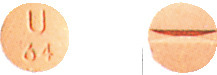
PROVERA 2.5 mg tablets are orange, round and convex, scored on one side and marked "U64" on the other. The 2.5 mg tablets are available in blister packs of 56 tablets.

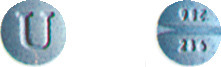
PROVERA 5 mg tablets are pale blue, round and flat, scored and marked "286" on one side and "U" on the other. The 5 mg tablets are available in blister packs of 56 tablets.

PROVERA 10 mg tablets are white, round and convex, scored on one side and marked "UPJOHN 50" on the other. The 10 mg tablets are available in blister packs of 30 and bottles of 100.

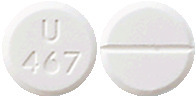
PROVERA 100 mg tablets are white, scored and marked "U467". The 100 mg tablets are available in blister packs of 100 tablets.

PROVERA 200 mg tablets are white, scored and marked "U320". The 200 mg tablets are available in blister packs of 60 tablets.

PROVERA 250 mg tablets are white, scored and marked "U403". The 250 mg tablets are available in blister packs of 60 tablets.

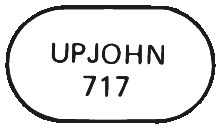
PROVERA 500 mg tablets are white, capsule-shaped and marked "UPJOHN 717" on one side only. The 500 mg tablets are available in blister packs of 30 tablets.

Ingredients

Active ingredients

The active ingredient in PROVERA tablets is medroxyprogesterone acetate.

Other ingredients

PROVERA 2.5 mg, 5 mg, 10 mg tablets also contain:

  • lactose monohydrate
  • sucrose
  • maize starch
  • liquid paraffin
  • purified talc
  • calcium stearate
  • sunset yellow FCF (5mg )
  • indigo carmine (5 mg).

PROVERA 10 mg tablets do not contain colouring agents.

PROVERA 100 mg, 200 mg, 250 mg, 500 mg tablets also contain:

  • sodium starch glycollate
  • microcrystalline cellulose
  • maize starch
  • gelatin
  • docusate sodium
  • macrogol 400
  • sodium benzoate
  • isopropyl alcohol
  • magnesium stearate.

PROVERA 100 mg, 200 mg, 250 mg, 500 mg tablets do not contain colouring agents.

Supplier

PROVERA tablets are supplied in Australia by:

Pfizer Australia Pty Ltd
Sydney NSW
Toll free number: 1800 675 229
www.pfizer.com.au

Australian Registration Numbers

2.5 mg blister: AUST R 42932.

5 mg blister: AUST R 42933.

10 mg blister: AUST R 42934.

10 mg bottle: AUST R 42935.

100 mg blister: AUST R 12331.

200 mg blister: AUST R 12333.

250 mg blister: AUST R 12334.

500 mg blister: AUST R 12336.

This leaflet was revised in April 2020

® Registered trademark.

Published by MIMS June 2020

BRAND INFORMATION

Brand name

Provera

Active ingredient

Medroxyprogesterone acetate

Schedule

S4


1 Name of Medicine

Medroxyprogesterone acetate (MPA).

2 Qualitative and Quantitative Composition

Provera tablets contain 2.5 mg, 5 mg, 10 mg, 100 mg, 200 mg, 250 mg or 500 mg medroxyprogesterone acetate as the active ingredient.

Excipient(s) with known effect.

Lactose monohydrate (2.5, 5 and 10 mg tablets).
Sodium benzoate (100, 200, 250 and 500 mg tablets).
For the full list of excipients, see Section 6.1 List of Excipients.

3 Pharmaceutical Form

2.5 mg tablets.

Orange, circular, scored on one side, marked U64 on the other side.

5 mg tablets.

Pale blue, circular, scored on one side and marked 286 on both sides of the score line, marked U on the other side.

10 mg tablets.

White, circular, scored on one side, marked UPJOHN 50 on the other side.

100 mg tablets.

White, scored, marked U467.

200 mg tablets.

White, scored, marked U320.

250 mg tablets.

White, scored, marked U403.

500 mg tablets.

White, capsule-shaped, marked UPJOHN 717 on one side only.

4 Clinical Particulars

4.1 Therapeutic Indications

Carcinoma.

Palliative treatment of recurrent and/or metastatic breast or renal cell cancer and of inoperable recurrent or metastatic endometrial carcinoma.

Endometriosis.

For use in the treatment of visually proven (laparoscopy) endometriosis where the required end-point of treatment is pregnancy, or for the control of symptoms when surgery is contraindicated or has been unsuccessful.

Secondary amenorrhoea proven not due to pregnancy.

In amenorrhoea associated with a poorly developed proliferative endometrium, conventional estrogen therapy may be employed in conjunction with MPA.

Abnormal uterine bleeding in the absence of organic pathology.


Adjunct to estrogen therapy.

Combination hormone replacement therapy, now referred to as menopausal hormone therapy (MHT), should only be used in non-hysterectomised women (see Section 4.4 Special Warnings and Precautions for Use).

4.2 Dose and Method of Administration

Dosage.

Inoperable, recurrent, metastatic endometrial carcinoma.

200 mg to 400 mg daily.

Breast carcinoma.

500 mg daily until progression of disease.

Renal cell carcinoma.

200 mg to 400 mg daily.

Endometriosis.

Beginning the first day of the menstrual cycle 10 mg 3 times daily for 90 consecutive days.

Secondary amenorrhoea not due to pregnancy.

2.5 mg to 10 mg daily for 5 to 10 days beginning on the assumed or calculated 16th to 21st day of the cycle. Treatment should be repeated for 3 consecutive cycles.
In amenorrhoea associated with a poorly developed proliferative endometrium, conventional estrogen therapy may be employed in conjunction with 5 mg to 10 mg daily for 10 days.

Abnormal uterine bleeding in the absence of organic pathology.

2.5 mg to 10 mg daily for 5 to 10 days beginning on the assumed or calculated 16th to 21st day of the cycle. Treatment should be repeated for 3 consecutive cycles.

Adjunct to estrogen therapy#.

10 mg to 20 mg per day for at least 10 days of each cycle or 5 mg per day continuously for 28 days of each cycle.
#Use of combined estrogen-progestogen therapy in postmenopausal women should be prescribed at the lowest effective doses and limited to the shortest duration consistent with treatment goals and risks for the individual women, and should be periodically evaluated. MHT in postmenopausal women is not generally appropriate for long-term use and should not be prescribed for longer than 6 months without re-examining the patient.

4.3 Contraindications

Provera is contraindicated in patients with:
thrombophlebitis, thrombotic or thromboembolic disorders, cerebral apoplexy or patients with a past history of these conditions;
markedly impaired liver function;
undiagnosed vaginal bleeding;
undiagnosed urinary tract bleeding;
undiagnosed breast pathology;
missed abortion;
known sensitivity to MPA or to any of the excipients in the tablet;
known or suspected pregnancy (see Section 4.6 Fertility, Pregnancy and Lactation, Use in pregnancy);
severe uncontrolled hypertension;
known or suspected malignancy of the breast (excluding use in oncology indications).

4.4 Special Warnings and Precautions for Use

Physical examination.

The pre-treatment physical examination should include special reference to breast and pelvic organs, as well as Papanicolaou smear. This evaluation should exclude the presence of genital or breast neoplasia unless the patient is to be treated with Provera for recurrent endometrial, breast or renal cancer.

Thromboembolic disorders.

The physician should be alert to the earliest manifestations of thrombotic disorders (thrombophlebitis, cerebrovascular disorders, pulmonary embolism, and retinal thrombosis). Should any of these occur, the drug should be discontinued immediately.

Meningioma.

Meningiomas have been reported following long-term administration of progestins, including MPA. MPA should be discontinued if a meningioma is diagnosed. Caution is advised when recommending medroxyprogesterone to patients with a history of meningioma.

Ocular disorders.

Discontinue medication pending examination if there is sudden partial or complete loss of vision, or if there is a sudden onset of proptosis, diplopia or migraine. If examination reveals papilloedema, or retinal vascular lesions, medication should be withdrawn.
Clinical suppression of adrenocorticoid function has not been observed at low dose levels, however, at the high doses used in the treatment of cancer, corticoid-like activity has been reported. MPA may decrease adrenocorticotrophic hormone and hydrocortisone blood levels. Animal studies show that medroxyprogesterone possesses adrenocorticoid activity.
Observational and randomised, prospective trials on the long-term effects of a combined estrogen-progestogen regimen in postmenopausal women have reported an increased risk of several disorders including cardiovascular diseases (e.g. coronary heart disease and stroke), breast cancer, and venous thromboembolism.

Breast cancer.

Mortality can be increased in those who are diagnosed with incident breast cancers. The possible effect of MHT on mammographic density and on the sensitivity and specificity of breast cancer screening should also be considered. Combination MHT should not be used in hysterectomised women because it is not needed to prevent endometrial changes in these women and it may increase the risk of breast cancer.
A large meta-analysis of observational studies reported that when estrogen-plus-progestin therapy was taken for more than 5 years, the increased risk of breast cancer may persist for 10 years or more after discontinuation of treatment. The reported risk at 10 years or more after discontinuation of treatment was not increased when therapy was taken for less than 5 years. In current users the increased risk of breast cancer in women taking combined estrogen-progestin for MHT becomes apparent after about 1-4 years (see Section 5.1 Pharmacodynamic Properties, Observational studies of breast cancer risk).

Ovarian cancer.

Current use of estrogen alone or estrogen plus progestogen products in post-menopausal women for 5 or more years has been associated with an increased risk of ovarian cancer.
The benefits and risks of MHT must always be carefully weighed, including consideration of the emergence of risks as therapy continues. Use of combined estrogen-progestogen therapy in postmenopausal women should be prescribed at the lowest effective doses and limited to the shortest duration consistent with treatment goals and risks for the individual woman, and should be periodically evaluated. MHT in postmenopausal women is not generally appropriate for long-term use and should not be prescribed for longer than 6 months without re-examining the patient.

Decrease in BMD.

There are no studies on the BMD effects of Provera. However, 2 clinical studies of adult women of childbearing potential and of adolescent females given MPA 150 mg IM every 3 months, for contraception, demonstrated a statistically significant decrease in BMD (see Section 5.1 Pharmacodynamic Properties, Clinical trials). Decreases in serum estrogen due to Provera may result in a decrease in BMD in a premenopausal woman and may increase her risk for developing osteoporosis later in life.
Bone loss may be greater with increasing duration of use and may not be completely reversible in some women. It is unknown if use of MPA during adolescence and early adulthood, a critical period of bone accretion, will reduce peak bone mass. In both adult and adolescent females, the decrease in BMD during treatment appears to be substantially reversible after MPA IM injection is discontinued and ovarian estrogen production increases. After discontinuing MPA IM injection in adolescents, full recovery of mean BMD required 1.2 years at the lumbar spine and 4.6 years at the total hip and femoral neck (see Section 5.1 Pharmacodynamic Properties, Clinical trials).
In adults, BMD was observed for a period of 2 years after MPA IM injection was discontinued and partial recovery of mean BMD towards baseline was observed at total hip, femoral neck and lumbar spine (see Section 5.1 Pharmacodynamic Properties, Clinical trials). A large observational study of female contraceptive users showed that use of MPA IM injection has no effect on a woman's risk for osteoporotic or non-osteoporotic fractures.
An evaluation of BMD may be appropriate in some patients who use Provera long-term. It is recommended that all patients have adequate calcium and vitamin D intake.

Fluid retention.

Because this drug may cause some degree of fluid retention, conditions which might be influenced by this factor, such as epilepsy, migraine, asthma, or cardiac or renal dysfunction require careful observation.

Breakthrough bleeding.

Breakthrough bleeding is likely to occur in patients being treated for endometriosis. No other hormonal intervention is recommended for managing this bleeding. Non-functional causes should also be borne in mind and in cases of undiagnosed vaginal bleeding, adequate diagnostic measures are indicated.

Carbohydrate metabolism.

A decrease in glucose tolerance has been observed in some patients on progestogens. The mechanism of this decrease is obscure. This fact should be borne in mind when treating all patients and for this reason diabetic patients should be carefully observed while receiving progestogen therapy.

CNS disorders and convulsions.

Patients who have a history of mental depression should be carefully observed and the drug discontinued if the depression recurs to a serious degree.

Patient age.

The age of the patient constitutes no absolute limiting factor although treatment with progestogens may mask the onset of the climacteric.

Pathology tests.

The pathologist should be advised of progestogens therapy when relevant specimens are submitted.

Weight changes.

Weight gain may be associated with the use of Provera. Caution should therefore be exercised in treating any patient with a pre-existing condition that may be adversely affected by weight gain.

General.

The high doses of Provera used in the treatment of cancer patients may, in some cases, produce Cushingoid symptoms, e.g. moon facies, fluid retention, glucose tolerance and blood pressure elevation.

Use in hepatic impairment.

Provera is contraindicated in patients with markedly impaired liver function (see Section 4.3 Contraindications).

Use in the elderly.

A higher incidence of probable dementia in women aged 65 years and older has been reported during treatment with a MHT regimen of conjugated estrogens and MPA. Eighty-five percent of cases of probable dementia occurred in the subgroup of women (54%) that were older than 70 years of age. Use of MHT to prevent dementia or mild cognitive impairment in women 65 years or older is not recommended.

Paediatric use.

No data available.

Effects on laboratory tests.

The following laboratory tests may be affected by the use of Provera:
gonadotrophin levels;
plasma progesterone levels;
urinary pregnanediol levels;
plasma testosterone levels (in the male);
plasma estrogen levels (in the female);
sex hormone-binding globulin;
plasma cortisol levels;
glucose tolerance test;
metyrapone test: the use of MPA in oncology indications may cause partial adrenal insufficiency (decrease in pituitary-adrenal axis response) during metyrapone testing. Thus the ability of the adrenal cortex to respond to adrenocorticotrophic hormone should be demonstrated before metyrapone is administered.

4.5 Interactions with Other Medicines and Other Forms of Interactions

Aminoglutethimide administered concomitantly with Provera may significantly depress the bioavailability of MPA. Users of high-dose MPA should be warned about the possibility of decreased efficacy with the use of aminoglutethimide.
MPA is metabolised in vitro primarily by hydroxylation via the CYP3A4. While specific drug-drug interaction studies evaluating the clinical effect of CYP3A4 inhibitors or inducers of CYP3A4 on MPA have not been conducted or reported in the literature, physicians should consider that interactions could occur which may result in compromised efficacy. Co-administration with CYP3A4 inducers may result in decreased systemic levels of MPA whilst co-administration with CYP3A4 inhibitors may result in increased MPA levels.

4.6 Fertility, Pregnancy and Lactation

Effects on fertility.

MPA given orally at 1 mg/kg/day, 10 mg/kg/day and 50 mg/kg/day in pregnant beagle bitches produced clitoral hypertrophy in the female pups of the high dose animals. No abnormalities were noted in any of the male pups. Subsequent evaluation of the reproductive potential of the bitches from the litters of treated females revealed no reduction in fertility potential.
(Category D)
Provera tablets are not to be used as a test for pregnancy or where pregnancy is suspected.
If Provera is used during pregnancy, or if the patient becomes pregnant while using Provera, the patient should be apprised of the potential risk to the fetus (see Section 4.3 Contraindications).
Animal studies have shown that high doses of progestogens can cause masculinization of the female fetus. Several reports suggest an association between intrauterine exposure to progestational drugs in the first trimester of pregnancy and genital abnormalities in male and female fetuses. The risk of hypospadias may be approximately doubled with exposure to progesterones.

Note.

In peri-menopausal patients where the endometrium is still proliferative, persistence of the endometrial proliferation may occur during administration of MHT. An endometrial biopsy may be performed at the discretion of the attending physician.
No data available.

4.7 Effects on Ability to Drive and Use Machines

The effects of this medicine on a person's ability to drive and use machines were not assessed as part of its registration. However, adverse effects of this medicine include dizziness, somnolence and visual impairment which could affect the ability to drive or use machines (see Section 4.8 Adverse Effects (Undesirable Effects)).

4.8 Adverse Effects (Undesirable Effects)

The following events have been associated with the use of progestogens including MPA.

Cardiac disorders.

Myocardial infarction, congestive heart failure, palpitations, tachycardia.

Endocrine disorders.

Corticoid-like effects (e.g. Cushingoid syndrome), prolonged anovulation.

Eye disorders.

Retinal embolism and thrombosis, diabetic cataract, visual impairment.

Gastrointestinal disorders.

Nausea, vomiting, constipation, diarrhoea, dry mouth.

General disorders and administration site conditions.

Oedema/fluid retention, pyrexia, malaise, fatigue.

Hepatobiliary disorders.

Jaundice, jaundice cholestatic, liver function abnormal (transient elevations of alkaline phosphatase and/or serum transaminase activities).

Immune system disorder.

Anaphylactic reaction, drug hypersensitivity, anaphylactoid reaction, angioedema.

Investigations.

Decreased glucose tolerance, increased blood pressure, liver function test abnormal, increases in white cell, increased platelet count, elevation of serum calcium and potassium levels, weight increased, weight decreased.

Metabolic and nutritional disorders.

Exacerbation of diabetes mellitus, hypercalcaemia, weight fluctuation, changes in appetite.

Musculoskeletal and connective tissue disorders.

Muscle spasms.

Nervous system disorders.

Dizziness, headache, loss of concentration, somnolence, cerebral infarction, adrenergic-like effects (e.g. fine-hand tremors, cramps in calves at night), tremors.

Psychiatric disorders.

Depression, insomnia, confusion, nervousness, euphoria, changes in libido. Some patients may complain of premenstrual-like depression while on Provera.

Renal and urinary system disorders.

Glycosuria.

Reproductive system and breast disorders.

Dysfunctional uterine bleeding (irregular, increase, decrease, spotting), galactorrhoea, amenorrhoea, cervical discharge, changes in cervical excretions and secretions, uterine cervical erosion, breast tenderness, breast pain.
The use of estrogens and progestogens by post-menopausal women has been associated with an increased risk of breast cancer (see Section 4.4 Special Warnings and Precautions for Use).

Respiratory, thoracic and mediastinal disorders.

Pulmonary embolism.

Skin and subcutaneous tissue disorders.

Urticaria, pruritus, rash, acne, hirsutism, alopecia, hyperhidrosis.

Vascular disorders.

Embolism and thrombosis, thrombophlebitis.

Post-marketing experience.

The following adverse events have been reported during post-marketing experience.

Reproductive system and breast disorders.

There have been post-marketing reports of erectile dysfunction in association with use of MPA in oncology treatments.

Skin and subcutaneous tissue disorders.

Lipodystrophy acquired.

Reporting suspected adverse effects.

Reporting suspected adverse reactions after registration of the medicinal product is important. It allows continued monitoring of the benefit-risk balance of the medicinal product. Healthcare professionals are asked to report any suspected adverse reactions at www.tga.gov.au/safety/reporting-problems.

4.9 Overdose

Oral doses up to 3 g per day have been well tolerated. Patients receiving pharmacological doses of MPA for treatments of neoplasms (400 mg/day or greater) may occasionally exhibit effects resembling those of glucocorticoid excess.
As with the management of any overdosage, the physician should carefully observe the patient for the potential side effects. Overdose treatment is symptomatic and supportive.
For information on the management of overdose, contact the Poisons Information Centre on 13 11 26 (Australia).

5 Pharmacological Properties

5.1 Pharmacodynamic Properties

Mechanism of action.

Animal.

MPA induces responses in laboratory animals comparable to those caused by progesterone. It is more potent than progesterone. MPA induces glandular maturation in the endometrium, maintains pregnancy, delays parturition, inhibits ovulation and suppresses estrous cycles. It is devoid of androgenic and estrogenic activity. In selected animal tests it has some adrenal corticoid-like activity and in dogs increases serum growth hormone levels.

Human.

MPA is a progestational agent. When administered in recommended doses to women with adequate endogenous estrogen, it transforms proliferative into secretory endometrium. MPA may inhibit gonadotrophin production, which in turn prevents follicular maturation and ovulation.
Like progesterone, MPA is thermogenic. At the very high dosage levels used in the treatment of certain cancers (500 mg daily or more), corticoid-like activity may be manifest.

Clinical trials.

Bone mineral density changes.

There are no studies on the bone mineral density (BMD) effects of Provera.
However, in a controlled, clinical study adult women using MPA intra-muscular (IM) injection, 150 mg every 3 months, for up to 5 years for contraception showed spine and hip mean bone mineral density (BMD) decreases of 5-6%, compared to no significant change in BMD in the control group. The decline in BMD was more pronounced during the first two years of use, with smaller declines in subsequent years. Mean changes in lumbar spine BMD of -2.9%, -4.1%, -4.9%, -4.9% and -5.4% after 1, 2, 3, 4 and 5 years, respectively, were observed. Mean decreases in BMD of the total hip and femoral neck were similar.
After stopping use of MPA IM injection there was partial recovery of BMD toward baseline values during the 2-year post-therapy period. A longer duration of treatment was associated with a slower rate of BMD recovery. See Section 4.4 Special Warnings and Precautions for Use.
An open-label non-randomised clinical study of MPA IM injection 150 mg every 12 weeks for up to 240 weeks (4.6 years) in adolescent females (12 to 18 years) for contraception also showed that MPA IM injection use was associated with a significant decline in BMD from baseline. Among subjects who received ≥ 4 injections/60-week period, the mean decrease in lumbar spine BMD was -2.1% after 240 weeks; mean decreases for the total hip and femoral neck were -6.4% and -5.4%, respectively.
Based on mean changes, post-treatment follow-up showed that lumbar spine BMD recovered to baseline levels approximately 1.2 years after treatment was discontinued and total hip and femoral neck BMD recovered to baseline levels approximately 4.6 years after treatment was discontinued (see Section 4.4 Special Warnings and Precautions for Use).
Decreases in serum estrogen due to Provera may result in a decrease in BMD in a pre-menopausal woman and may increase her risk for developing osteoporosis later in life. See Section 4.4 Special Warnings and Precautions for Use.

Observational studies of breast cancer risk.

A large meta-analysis of observational studies generated evidence for the type and timing of MHT on breast cancer risk. After ceasing MHT, some excess risk persisted for more than 10 years; its magnitude depended on the duration of previous use.
It was reported that, when estrogen-plus-progestin therapy was taken for more than 5 years, the increased risk may persist for 10 years or more after discontinuation of treatment. See Table 1.
The reported risk at 10 years or more after discontinuation of treatment was not increased when therapy was taken for less than 5 years. See Table 2.
In current users, the increased risk of breast cancer in women taking combined estrogen-progestin MHT becomes apparent after about 1-4 years. See Table 3.

5.2 Pharmacokinetic Properties

Provera is an orally active progestational steroid having an apparent half-life of about 30 hours.
MPA is rapidly absorbed after oral administration. There is high interindividual variability in serum levels after standard doses given by either route of administration.
MPA is metabolised and conjugated in the liver. Metabolic products are predominantly excreted in the urine both as conjugated and free forms.

5.3 Preclinical Safety Data

Genotoxicity.

No data available.

Carcinogenicity.

Long-term toxicology studies in the monkey, dog and rat with parenteral MPA have disclosed:
Beagle dogs receiving 75 mg/kg and 3 mg/kg every 90 days for 7 years developed mammary nodules, as did some of the control animals. The nodules appearing in the control animals were intermittent in nature, whereas the nodules in the drug treated animals were larger, more numerous, persistent, and there were 2 high dose animals that developed breast malignancies.
Two monkeys receiving 150 mg/kg every 90 days for 10 years developed undifferentiated carcinoma of the uterus. No uterine malignancies were found in monkeys receiving 30 mg/kg, 3 mg/kg, or placebo every 90 days for 10 years. Transient mammary nodules were found during the study in the control, 3 mg/kg and 30 mg/kg groups, but not in the 150 mg/kg group. At sacrifice (after 10 years), the only nodules extant were in 3 of the monkeys in the 30 mg/kg group. Upon histopathological examination these nodules were determined to be hyperplastic.
No uterine or breast abnormalities were revealed in the rat after 2 years.
The relevance of any of these findings with respect to humans has not been established.

Animal toxicology.

Acute toxicity.

The oral LD50 of MPA was found to be > 10,000 mg/kg in the mouse. The intraperitoneal LD50 in the mouse was 6985 mg/kg.

Subacute and chronic toxicity.

MPA administered orally to rats and mice (334 mg/kg/day) and dogs (167 mg/kg/day) for 30 days was found to be non-toxic.
MPA was administered orally to dogs and rats at 3 mg/kg/day, 10 mg/kg/day and 30 mg/kg/day for 6 months. The drug was considered to be non-toxic at these levels but with anticipated hormonal effects at the higher dose.

6 Pharmaceutical Particulars

6.1 List of Excipients

Provera 2.5, 5, and 10 mg tablets.

Calcium stearate, indigo carmine (5 mg tablet), sunset yellow FCF (2.5 mg tablet), lactose monohydrate, liquid paraffin, maize starch, purified talc, sucrose.

Provera 100, 200, 250, and 500 mg tablets.

Docusate sodium, gelatin, isopropyl alcohol, macrogol 400, magnesium stearate, maize starch, microcrystalline cellulose, purified water, sodium benzoate, sodium starch glycollate.

6.2 Incompatibilities

Incompatibilities were either not assessed or not identified as part of the registration of this medicine.

6.3 Shelf Life

In Australia, information on the shelf life can be found on the public summary of the Australian Register of Therapeutic Goods (ARTG). The expiry date can be found on the packaging.

6.4 Special Precautions for Storage

Store below 30°C.

6.5 Nature and Contents of Container

Provera tablets are available in PVC/Al blister packs. The 10 mg tablets are also available in HDPE bottles.

2.5 mg tablets.

Blister packs of 28 and 56 tablets.

5 mg tablets.

Blister packs of 28 and 56 tablets.

10 mg tablets.

Blister packs of 15 and 30 tablets and bottles of 100 tablets.

100 mg tablets.

Blister packs of 10 and 100 tablets.

200 mg tablets.

Blister packs of 10 and 60 tablets.

250 mg tablets.

Blister packs of 10 and 60 tablets.

500 mg tablets.

Blister packs of 10, 30 and 60 tablets.
+ Not all strengths and pack sizes may be available.

6.6 Special Precautions for Disposal

In Australia, any unused medicine or waste material should be disposed of by taking to your local pharmacy.

6.7 Physicochemical Properties

MPA is a progestogen and a derivative of progesterone. It is a white to off-white, odourless crystalline powder, stable in air, melting between 200°C and 210°C. It is freely soluble in chloroform, soluble in acetone and dioxane, sparingly soluble in ethanol and methanol, slightly soluble in ether and insoluble in water.

Chemical structure.

MPA is 6α-methyl-3,20-dioxopregn-4-en-17α-yl acetate, and its structural formula is as follows:

CAS number.

71-58-9.

7 Medicine Schedule (Poisons Standard)

S4, Prescription Only Medicine.

Summary Table of Changes