


Consumer medicine information

Pulmicort

Budesonide

BRAND INFORMATION

Brand name

Pulmicort

Active ingredient

Budesonide

Schedule

S4


Consumer medicine information (CMI) leaflet

Please read this leaflet carefully before you start using Pulmicort.

What is in this leaflet

This leaflet answers some common questions ask about Pulmicort. It does not contain all the information that is known about Pulmicort.

It does not take the place of talking to your doctor or pharmacist.

All medicines have risks and benefits. Your doctor has weighed the risks of you taking Pulmicort against the benefits it will have for you.

If you have any concerns about taking this medicine, ask your doctor or pharmacist.

Keep this leaflet with the medicine. You may need to read it again.

What PULMICORT is used for

Pulmicort is inhaled into the lungs for the treatment of asthma. Asthma is a disease where the airways of your lungs become narrow and inflamed (red and swollen), making it difficult to breathe. This may be due to an allergy to house dust mites, smoke, air pollution or other things that irritate your lungs.

Pulmicort contains budesonide. This belongs to a family of medicines called corticosteroids, which are used to reduce inflammation in many parts of the body.

Pulmicort acts directly on your airways to reduce inflammation. This helps to improve your condition and to prevent asthma attacks from occurring.

It is a "preventer" and needs to be taken regularly.

Pulmicort may also be used to treat croup in infants and children.

Ask your doctor if you have any questions about why Pulmicort has been prescribed for you. Your doctor may prescribe it for another reason.

Pulmicort is not addictive.

Pulmicort is available only with a doctor's prescription.

Before you use PULMICORT

When you must not use it

Do not use Pulmicort if you have an allergy to:

  • any medicine containing budesonide
  • any ingredients listed at the end of this leaflet.

Some of the symptoms of an allergic reaction may include:

  • rash, itching or hives on the skin
  • shortness of breath, wheezing or difficulty breathing
  • swelling of the face, lips, tongue or other parts of the body.

Do not use Pulmicort after the expiry date (EXP) printed on the pack or if the packaging is torn or shows signs of tampering. If it has expired or is damaged, return to your pharmacist for disposal.

Do not use Pulmicort to treat any other complaints unless your doctor tells you to.

If you are not sure whether you should start using Pulmicort, talk to your doctor or pharmacist.

Before you start to use it

Tell your doctor if you have allergies to any other medicines, foods, preservatives or dyes.

Tell your doctor if you have, or have had, any of these medical conditions:

  • liver problems
  • tuberculosis (TB).

It may not be safe for you to take Pulmicort if you have, or have had, any of these conditions.

Tell your doctor if you currently have an infection. If you take Pulmicort while you have an infection, the medicine may hide some of the signs of an infection. This may make you think, mistakenly, that you are better or that it is not serious.

Tell your doctor if you are pregnant or plan to become pregnant or breastfeeding. Your doctor will advise you of the risks and benefits of using Pulmicort during pregnancy and while breastfeeding.

If you have not told your doctor about any of the above, tell them before you start using Pulmicort.

Taking other medicines

Tell your doctor or pharmacist if you are using any other medicines, including any that you buy without a prescription from your pharmacy, supermarket or health food shop.

Some medicines and Pulmicort may interfere with each other. These include:

  • other corticosteroid medicines, such as tablets, asthma inhalers, nasal sprays, or eye/nose drops.
  • medicines used to treat fungal infections (such as ketoconazole, itraconazole).

These medicines may be affected by Pulmicort, or may affect how well it works. You may need different amounts of your medicine, or you may need to use a different medicine. Your doctor or pharmacist will advise you.

Your doctor and pharmacist may have more information on medicines to be careful with or avoid while using Pulmicort.

How to use PULMICORT

Pulmicort comes in two different forms:

  • the Turbuhaler; or
  • Respules (containing nebulising suspension) for use in a nebuliser.

Each package of Pulmicort contains an instruction leaflet that tells you the correct way to use it. Please read it carefully.

If you are not sure how to use the Turbuhaler or Respules, ask your doctor or pharmacist.

ASTHMA - Adult dose

Pulmicort Turbuhaler:

The dose can range from 400 to 2400 micrograms per day, in divided doses (either 2, 3 or 4 times a day).

If you take 400 micrograms or less a day, you may take this as a single daily dose in the morning or evening.

When your asthma is under control, your doctor may tell you to use a lower dose. The usual maintenance dose is 100 to 400 micrograms per day. This may be given as a once or twice daily dose.

Pulmicort Respules:

The dose can range from 1 to 2 mg twice a day.

When your asthma is under control, your doctor may tell you to use a lower dose. The usual maintenance dose is 0.5 to 1 mg twice a day.

ASTHMA - Children's dose:

Children are usually considered to be aged 12 years or less, but check with your doctor if you are at all worried about the dose that has been prescribed for your child.

Children should be 5 years or older before they use the Turbuhaler.

Pulmicort Turbuhaler:

The dose can range from 200 to 800 micrograms per day, in divided doses (either 2, 3 or 4 times a day).

When your child's asthma is under control, the doctor may prescribe a lower dose for your child. The usual maintenance dose is 100 to 400 micrograms per day. This may be given as a once or twice daily dose.

Pulmicort Respules:

The dose can range from 0.5 to 1 mg twice a day.

When your child's asthma is under control, the doctor may prescribe a lower dose for your child. The usual maintenance dose is 0.25 to 0.5 mg twice a day.

CROUP

Pulmicort Respules can also be used to treat croup in infants and children. It will be given as one 2 mg dose of budesonide.

If you forget to use it

If you forget to use your Pulmicort, use it as soon as you remember, and then go back to using your medicine as you would normally.

Do not use a double dose to make up for the dose that you missed. This may increase the chance of you getting an unwanted side effect.

If you are not sure what to do, ask your doctor or pharmacist.

If you have trouble remembering to use your medicine, ask your pharmacist for some hints.

If you take too much (overdose)

Immediately telephone your doctor or the Poisons Information Centre (131 126), or go to Accident and Emergency at your nearest hospital, if you think that you or anyone else may have taken too much Pulmicort. Do this even if there are no signs of discomfort or poisoning. You may need urgent medical attention.

While you are using it

Things you must do

Follow all directions given to you by your doctor carefully. They may differ from the information contained in this leaflet.

Your doctor should give you a personal Asthma Action plan to help manage your asthma. This plan will include medicines to take regularly to control your asthma, eg Pulmicort Turbuhaler, as well as "reliever" medicines to use when you have sudden attacks of breathlessness eg Bricanyl® (terbutaline) Turbuhaler.

If you are using more inhalations of your "reliever" medicine or you are wheezing or breathless more than usual, please contact your doctor so that your condition can be checked. This is important to ensure your breathing problem is controlled properly.

Continue using Pulmicort for as long as your doctor tells you to, even if you feel better. Pulmicort helps control your condition. Therefore you must use it every day.

See your doctor regularly to make sure that your asthma is not getting worse. Your doctor may change your dose of Pulmicort (up or down) depending on your condition.

Tell any other doctors, dentists and pharmacists who are treating you that you are using Pulmicort.

If you are about to be started on a new medicine, tell your doctor or pharmacist that you are using Pulmicort.

If you become pregnant while using Pulmicort, tell your doctor or pharmacist.

Be sure to rinse your mouth out with water after every time you use Pulmicort. If you do not rinse your mouth, you are more likely to develop thrush in the mouth.

Be sure to wash your face after each use of Pulmicort Respules. If you do not wash your face you might get irritation of the skin.

Things you must not do

Do not stop using Pulmicort for your asthma without checking with your doctor.

Do not use Pulmicort to treat any other complaints unless your doctor tells you to.

Do not give Pulmicort to anyone else, even if they have the same condition as you.

Side effects

Tell your doctor or pharmacist as soon as possible if you do not feel well while you are using Pulmicort.

All medicines can have side effects. Sometimes they are serious, most of the time they are not. You may need medical treatment if you get some of the side effects.

Ask your doctor or pharmacist to answer any questions you may have.

Tell your doctor if you notice any of the following and they worry you:

  • sore, yellowish, raised patches in the mouth (thrush)
  • hoarse voice
  • irritation of the tongue and mouth

These are less likely to happen if you rinse your mouth out after every time you use Pulmicort.

  • dry mouth
  • unpleasant taste in your mouth
  • cough
  • irritation of the throat
  • thirsty
  • headache
  • light-headedness
  • tiredness
  • feeling nervous or restless
  • nausea
  • diarrhoea
  • weight gain
  • skin rash
  • skin bruising.

These side effects are usually mild.

Tell your doctor or pharmacist immediately if you notice any of the following:

  • difficulty breathing or worsening of your breathing problems
  • swelling of the face, lips, tongue or other parts of the body
  • severe rash
  • mood changes (such as depression).

These may be serious side effects. You may need urgent medical attention.

Do not be alarmed by this list of possible side effects. You may not experience any of them.

Tell your doctor if you notice anything else that is making you feel unwell. Other side effects not listed above may occur in some patients.

Tell your doctor if you notice any issues with your eyes such as blurred vision or other problems with your eyesight. Your doctor may need to send you to an ophthalmologist (eye doctor) to check that you don't have eye problems such as cataracts (clouding of the eye lens), glaucoma (increased pressure in your eyeballs) or other rare eye conditions reported with corticosteroid use.

Your adrenal glands may be affected by taking high doses of corticosteroids over a long period of time or if you change from or use high doses of oral corticosteroids. Your doctor may do tests to check how the adrenal glands are working.

Your doctor may also tell you to take additional oral corticosteroids during periods of stress such as trauma, surgery and infection.

Corticosteroids taken into the lungs for long periods (eg 12 months) may affect how children grow. In rare cases, some children may be sensitive to the growth effects of corticosteroids, so the doctor may monitor a child's height.

Ask your doctor to answer any questions you may have.

After using it

Cleaning

The Turbuhaler must be wiped with a clean dry tissue and must never get wet.

Full instructions on the right way to use and clean the Turbuhaler are inside the pack.

Storage

Keep your Pulmicort Turbuhaler in a cool dry place where the temperature stays below 30 degrees C, with the cover firmly in place.

Keep Pulmicort Respules protected from light by keeping them in the foil envelopes and in a cool dry place where the temperature stays below 30 degrees C. Do not refrigerate or freeze.

Unused, unopened Respules should be discarded 3 months after opening the foil pack.

Do not store Pulmicort or any other medicine in the bathroom or near a sink.

Do not leave it in the car on hot days or on window sills. Heat and dampness can destroy some medicines.

Keep it where young children cannot reach it. A locked cupboard at least one-and-a-half metres above the ground is a good place to store medicines.

Disposal

If your doctor or pharmacist tells you to stop using Pulmicort, or it has passed its expiry date, ask your pharmacist what to do with any you have left over.

Product description

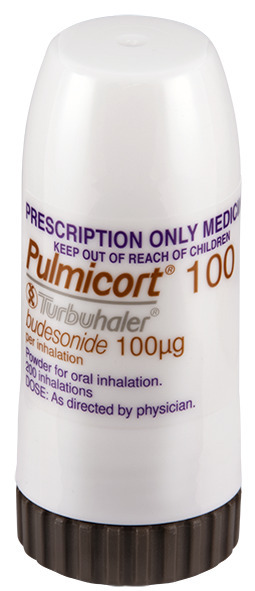
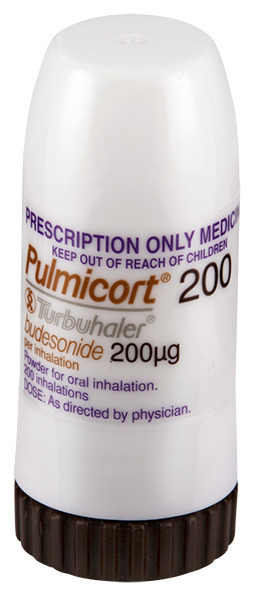
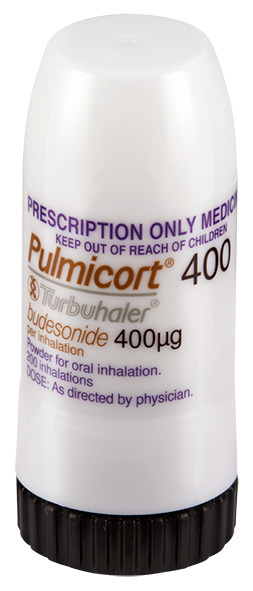
Pulmicort Turbuhaler contains budesonide as the active ingredient in strengths of 100 micrograms, 200 micrograms or 400 micrograms per dose.

Each Turbuhaler contains 200 doses (inhalations). The Turbuhaler is made of plastic parts.

Pulmicort Respules contain budesonide 0.5 mg / 2 mL or 1 mg / 2 mL as the active ingredient, and the following inactive ingredients:

  • Disodium edetate
  • Sodium chloride
  • Polysorbate 80 (E 433)
  • Citric acid (E 330)
  • Sodium citrate dihydrate (E 331)
  • Water for Injections.

Each box contains 30 Respules with 5 Respules in each silver foil pack.

Supplier

AstraZeneca Pty Ltd
ABN 54 009 682 311
66 Talavera Road
MACQUARIE PARK NSW 2113

Telephone: 1800 805 342

This leaflet was prepared on 21 September 2018

Australian Registration Numbers:

Pulmicort Turbuhaler

  • 100 micrograms
    AUST R 10063
  • 200 micrograms
    AUST R 10065
  • 400 micrograms
    AUST R 10064

Pulmicort Respules

  • 0.5 mg / 2 mL
    AUST R 10072
  • 1 mg / 2 mL
    AUST R 10071

® Pulmicort, Respules and Turbuhaler are registered trade marks of the AstraZeneca group of companies.

© AstraZeneca 2018

Doc ID-000221037 v4

Published by MIMS November 2018

BRAND INFORMATION

Brand name

Pulmicort

Active ingredient

Budesonide

Schedule

S4


1 Name of Medicine

Budesonide.

2 Qualitative and Quantitative Composition

Pulmicort Turbuhaler.

Pulmicort Turbuhaler contains only budesonide as the active ingredient; either 100 microgram, 200 microgram or 400 microgram per dose (metered dose).

Pulmicort Respules.

Pulmicort Respules contain budesonide 0.5 mg in 2 mL or 1 mg in 2 mL as the active ingredient. For the full list of Pulmicort Respules excipients, see Section 6.1.

3 Pharmaceutical Form

Pulmicort Turbuhaler.

Powder for inhalation. Pulmicort Turbuhaler is a breath activated multiple dose dry powder inhaler.

Pulmicort Respules.

Pulmicort Respules nebulising suspension for inhalation is a white to off-white suspension in plastic single dose units.

4 Clinical Particulars

4.1 Therapeutic Indications

Treatment of bronchial asthma.
Pulmicort may also be used when replacement or reduction in oral steroid therapy is desirable.
Pulmicort Respules can be used for the treatment of acute laryngotracheobronchitis (croup) in infants and children.

4.2 Dose and Method of Administration

Bronchial asthma. Pulmicort Turbuhaler.

Initially, or during periods of severe asthma, or while reducing oral corticosteroids.

Adults.

400 to 2400 microgram daily divided into 2 to 4 administrations. In less severe cases, 400 to 800 microgram daily may be sufficient.
Once daily dosing may be considered in adult patients with mild asthma who require a dose of up to 400 microgram budesonide per day. The dose may then be given either in the morning or the evening.

Children.

200 to 400 microgram daily divided into 2 to 4 administrations. Severe cases may require daily doses up to 800 microgram. This dose has been reported not to affect adrenal function in children.
Maintenance. The maintenance dose should be individualised and should be the lowest dose, which leaves the patient symptom free. Recommended doses are 100-400 microgram daily; this may be given as a twice daily dose, or as a once daily dose given in the morning or the evening.
If deterioration in asthma occurs, the frequency of daily dosing and/or the total dose of budesonide may need to be increased.

Pulmicort Respules nebulising suspension.

Pulmicort Respules should be administered from a suitable nebuliser. The dose delivered to the patient varies between 40-60% of the nominal dose depending on the nebulising equipment used. The nebulisation time and the dose delivered is dependent on flow rate, volume of nebuliser chamber and volume fill. A suitable fill for most nebulisers is 2 mL.
Some sedimentation may occur during storage of Pulmicort Respules. If this does not readily resuspend completely upon shaking, the Respule should be discarded.
Dosage initially, or during periods of severe asthma, or while reducing oral corticosteroids.

Adults.

1-2 mg twice daily.

Children.

0.5-1 mg twice daily.
Maintenance. The maintenance dose should be individualised and should be the lowest dose, which keeps the patient symptom free. Recommended doses are:

Adults.

0.5-1 mg twice daily.

Children.

0.25-0.5 mg twice daily.

Patient instructions.

1. It is essential that the patient be instructed that Pulmicort is a preventative agent, which must be taken regularly and is not to be used as sole therapy to relieve an acute asthma attack.
2. The patient should be instructed in the proper use of the inhaler device considered appropriate for his/ her particular needs. A full set of instructions are provided with each pack of Pulmicort.
3. The Turbuhaler is a breath activated metered dose inhaler which does not require a coordinated inhalation technique. It contains only the active ingredient budesonide, i.e. there are no propellants, carrier substances or preservatives. Patients, especially those accustomed to aerosol inhalation devices, may not taste or feel any medication when inhaling from Turbuhaler. This lack of sensation should not be taken to mean that the patient has failed to receive the correct dose or the full benefit from Pulmicort Turbuhaler.
4. In patients in whom aerosol metered dose inhalation technique is incorrect or unamenable to easy correction, Pulmicort Turbuhaler could be substituted.
5. Patients also receiving bronchodilators by inhalation should be advised to use the bronchodilator before Pulmicort in order to enhance its penetration into the bronchial tree. Several minutes should elapse between the use of the two inhalers.

Clinical management.

Patients - not oral corticosteroid dependent.

Treatment with the recommended doses of Pulmicort usually gives a therapeutic effect within 10 days.
In patients with excessive mucus secretion in the bronchi, an initial short course (about 2 weeks) of an oral corticosteroid, commencing with a high dose and gradually reducing, should be given in addition to Pulmicort. Treatment should be continued for at least one month before determining the maximal response to a given dose of Pulmicort.

Patients - oral corticosteroid dependent.

Transfer of patients dependent on oral corticosteroids to Pulmicort requires special care because of slow normalisation of the disturbed hypothalamic pituitary adrenal function caused by extended treatment with oral corticosteroids (see Section 4.4, Oral corticosteroid usage, Potential systemic effects of inhaled corticosteroids, HPA axis suppression and adrenal insufficiency).
When Pulmicort treatment is initiated, the patient's asthma should be in a relatively stable phase. A high dose of Pulmicort should then be given in combination with the previously used oral corticosteroid dose for about 2 weeks. The dose of oral corticosteroid should then be reduced gradually (for example 1 mg prednisolone or equivalent every four days, however, the exact rate of reduction will depend on individual clinical response) to the lowest possible level. The dose of Pulmicort should not be changed while the patient remains on oral corticosteroids.
In many cases, it may be possible to completely replace the oral corticosteroid with inhaled Pulmicort. In other patients, a low oral steroid maintenance dose may be necessary. Some patients may experience uneasiness during the withdrawal of oral corticosteroids due to the decreased systemic corticosteroid effect. The physician may need to actively support the patient and to stress the reason for the Pulmicort treatment.
The length of time needed for the body to regain sufficient natural corticosteroid production is often extended and may be as long as 12 months. Transferred patients should carry a warning card indicating that they may need supplementary systemic corticosteroids during periods of stress, such as severe infection, trauma or surgery. During such times it may be necessary to give additional oral corticosteroids.
During transfer from oral therapy to Pulmicort, a lower systemic steroid action is experienced. Earlier allergic symptoms may recur (e.g. rhinitis, eczema, conjunctivitis) or patients may suffer from tiredness, headache, muscle and joint pain, lassitude and depression or occasionally nausea and vomiting. In these cases, further medical support may be required.

Acute laryngotracheobronchitis (croup).

In infants and children with croup the usual dose is 2 mg of nebulised budesonide given as a single administration of Pulmicort Respules.

4.3 Contraindications

Pulmicort Turbuhaler.

Hypersensitivity to budesonide.

Pulmicort Respules.

Hypersensitivity to budesonide or any other ingredients.

4.4 Special Warnings and Precautions for Use

Bronchospasm.

Pulmicort is not indicated for rapid relief of bronchospasm. Pulmicort is therefore not suitable as sole therapy for the treatment of status asthmaticus or other acute exacerbations of asthma where intensive measures are required.
If patients find short acting bronchodilator treatment ineffective, or they need more inhalations than usual, medical attention must be sought. This indicates a worsening of the underlying conditions, and warrants a reassessment of the therapy.

Oral corticosteroid usage.

Particular care is needed in patients who are being transferred from oral corticosteroids to Pulmicort, since they may remain at risk of impaired adrenal function for some considerable time (see Section 4.4, Potential systemic effects of inhaled corticosteroids, HPA axis suppression and adrenal insufficiency). These patients should be instructed to carry an appropriate warning card (see Section 4.2, Clinical management, Patients - oral corticosteroid dependent).
Patients previously receiving high doses of systemic steroids may regain earlier allergic symptoms such as rhinitis and eczema when transferred from oral therapy to Pulmicort due to the reduced systemic steroid effect of budesonide (see Section 4.2, Clinical management, Patients - oral corticosteroid dependent).

Potential systemic effects of inhaled corticosteroids.

Inhaled steroids are designed to direct glucocorticoid delivery to the lungs in order to reduce overall systemic glucocorticoid exposure and side effects. However inhaled steroids may have adverse effects; possible systemic effects of inhaled steroids include Cushing's syndrome, cushingoid features, depression of the HPA axis, reduction of bone density, cataracts and glaucoma and retardation of growth rate in children. These effects are much less likely to occur with inhaled corticosteroid treatments than with oral corticosteroids. In steroid dependant patients, prior systemic steroid usage may be a contributing factor (see Section 4.4, Oral corticosteroid usage), but such effects may occur amongst patients who use only inhaled steroids regularly.

HPA axis suppression and adrenal insufficiency.

Dose dependent HPA axis suppression (as indicated by 24 hour urinary and/or plasma cortisol AUC) has been observed with inhaled budesonide, although the physiological circadian rhythms of plasma cortisol were preserved. This indicates that the HPA axis suppression may represent a physiological adaption in response to inhaled budesonide, not necessarily adrenal insufficiency. The lowest dose that results in clinically relevant adrenal insufficiency has not been established. Very rare cases of clinically relevant adrenal dysfunction have been reported in patients using inhaled budesonide at recommended doses.
Particular care is needed in patients who are being transferred from oral corticosteroids to Pulmicort, since they may remain at risk of impaired adrenal function for some considerable time (see Section 4.4, Oral corticosteroid usage). Patients who have required high dose emergency corticosteroid therapy, prolonged treatment at the highest recommended dose of inhaled corticosteroids or patients administering concomitant medication metabolised by CYP3A4 (see Section 4.5) may also be at risk. These patients may exhibit signs and symptoms of adrenal insufficiency when exposed to severe stress such as trauma, surgery, infection (particularly gastroenteritis) or other conditions associated with severe electrolyte loss. Monitoring for signs of adrenal dysfunction is advisable in these patient groups. For these patients additional systemic glucocorticosteroid cover should be considered during periods of stress, severe asthma attack or elective surgery.

Bone density.

Whilst corticosteroids may have an effect on bone mass at high doses, long-term follow-up (3-6 years) studies of budesonide treatment in adults at recommended doses, have not demonstrated a negative effect on bone mass compared to placebo, including one study conducted in patients with a high risk of osteoporosis. The lowest dose that does effect bone mass has not been established.
Bone mineral density measurements in children should be interpreted with caution as an increase in bone area in growing children may reflect an increase in bone volume. In three large medium to long-term (12 months-6 years) studies in children (5-16 years), no effects on bone mineral density were observed after treatment with Pulmicort (189-1322 microgram/day) compared to nedocromil, placebo or age matched controls. However, in a randomised 18 month study (n = 176, 5-10 years), bone mineral density was significantly decreased by 0.11 g/cm2 (p = 0.023) in the group treated with inhaled budesonide via Turbuhaler compared with the group treated with inhaled disodium cromoglycate. The dose of budesonide was 400 microgram twice daily for 1 month, 200 microgram twice daily for 5 months and 100 microgram twice daily for 12 months and the dose of disodium cromoglycate 10 mg three times daily. The clinical significance of this result remains uncertain.

Growth.

An initial small but generally transient reduction in growth (approximately 1 cm) has been observed and usually occurs within the first year of treatment. Long-term studies in a clinical practice environment suggest that children treated with inhaled budesonide on average achieve their adult target height. However, in a long-term double blind study, in which the budesonide dose was generally not titrated to the lowest effective dose, children [starting at the age of 5 to 13 years] treated with inhaled budesonide for 4 to 6 years became on average 1.2 cm shorter as adults than those randomised to placebo.
Rare individuals may be exceptionally sensitive to inhaled corticosteroids. Height measurements should be performed to identify patients with increased sensitivity. The potential growth effects of prolonged treatment should be weighed against the clinical benefit. To minimise the systemic effects of inhaled corticosteroids, each patient should be titrated to his/her lowest effective dose (see Section 4.2).

Visual disturbance.

Visual disturbance may be reported with systemic and topical corticosteroid use. If a patient presents with symptoms such as blurred vision or other visual disturbances, the patient should be considered for referral to an ophthalmologist for evaluation of possible causes which may include cataract, glaucoma or rare diseases such as central serous chorioretinopathy (CSCR) which have been reported after use of systemic and topical corticosteroids.

Infections and tuberculosis.

High doses of glucocorticosteroids may mask some signs of existing infection, and new infections may appear during their use. Special care is needed in patients with active or quiescent pulmonary tuberculosis or fungal, bacterial or viral infections of the respiratory system.

Hepatic function.

Reduced liver function may affect the elimination of corticosteroids. This may be clinically relevant in patients with severely compromised liver function.

Positive pressure delivery systems.

Respiratory medicines should not be used with positive pressure delivery systems (e.g. IPPB) in pulmonary conditions involving pneumothorax, air cysts or mediastinal emphysema unless special drainage is performed.

Use in the elderly.

No data available.

Paediatric use.

See Section 4.1; Section 4.2; Section 4.4, Potential systemic effects of inhaled corticosteroids; Section 4.8; Section 5.2.

Effects on laboratory tests.

No data available.

4.5 Interactions with Other Medicines and Other Forms of Interactions

The metabolism of budesonide is primarily mediated by CYP3A, a subfamily of cytochrome P450. Inhibitors of this enzyme, e.g. ketoconazole and itraconazole, can therefore increase systemic exposure to budesonide. This is of limited clinical importance for short-term (1-2 weeks) treatment with CYP3A inhibitors, but should be taken into consideration during long-term treatment.

4.6 Fertility, Pregnancy and Lactation

Effects on fertility.

No data available.
(Category A)
The benefits of asthma control outweigh any potential for an adverse pregnancy outcome.
Results from a large prospective epidemiological study and from world-wide postmarketing experience indicate that inhaled budesonide during pregnancy has no adverse effects on the health of the foetus or new born child.
Inhaled glucocorticosteroids, such as budesonide, should be considered because of the lower systemic effects of doses, compared to those of oral glucocorticosteroids, required to achieve similar pulmonary responses.
Budesonide is excreted in breast milk. However, due to the relatively low doses used via the inhalational route the amount of medicine present in the breast milk, if any, is likely to be low. Breastfeeding can be considered if the potential benefit outweighs any potential risks.

4.7 Effects on Ability to Drive and Use Machines

The effects of this medicine on a person's ability to drive and use machines were not assessed as part of its registration.

4.8 Adverse Effects (Undesirable Effects)

Pulmicort is generally well tolerated. Most adverse reactions have been mild and of a local character. Systemic effects and oropharyngeal complications caused by budesonide were found to be dose dependent.
Clinical signs of steroid excess were present in 50% of patients (n = 10) taking 1.6 mg or more daily of budesonide alone for long periods.
Clinical trials, literature reports and postmarketing experience suggest that the following adverse drug reactions may occur. See Table 1.
If oropharyngeal candidiasis develops, it may be treated with appropriate anti-fungal therapy whilst still continuing with Pulmicort therapy. The incidence of candidiasis can generally be held to a minimum by having patients rinse their mouth with water after each inhalation.
Inhaled steroids may have adverse effects in higher than recommended doses; possible systemic effects of inhaled steroids include depression of the HPA axis, reduction of bone density and retardation of growth rate in children (see Section 4.4, Potential systemic effects of inhaled corticosteroids).
An initial small but generally transient reduction in growth (approximately 1 cm) has been observed and usually occurs within the first year of treatment. Long-term studies in a clinical practice environment suggest that children treated with inhaled budesonide on average achieve adult height. However, in a long-term double blind study, in which the budesonide dose was generally not titrated to the lowest effective dose, children treated with inhaled budesonide became on average 1.2 cm shorter as adults than those randomised to placebo (see Section 4.4, Potential systemic effects of inhaled corticosteroids, Growth).
Dose dependent HPA axis suppression has been observed with budesonide, however, this may represent a physiological adaption rather than adrenal insufficiency (see Section 4.4, Potential systemic effects of inhaled corticosteroids, HPA axis suppression and adrenal insufficiency). The lowest dose that results in clinically relevant adrenal insufficiency has not been established.
No negative effects on bone mass have been observed in adults treated with inhaled budesonide at recommended doses. In children, bone mineral density should be interpreted with caution as an increase in bone area may reflect an increase in bone volume (see Section 4.4, Potential systemic effects of inhaled corticosteroids, Bone density).
Rare reports of skin bruising have occurred following treatment with inhaled glucocorticosteroids.
Psychiatric symptoms such as behavioural disturbances, nervousness, restlessness and depression have been observed with budesonide as well as other glucocorticosteroids.
Facial skin irritation has occurred in a few cases when a nebuliser with a face mask has been used. To prevent irritation the face should be washed after each use of Pulmicort Respules delivered via a nebuliser with a face mask.
Rarely, Pulmicort may provoke bronchoconstriction in hyperreactive patients. Bronchospasm may be treated with an inhaled β2-agonist.

Reporting suspected adverse effects.

Reporting suspected adverse reactions after registration of the medicinal product is important. It allows continued monitoring of the benefit-risk balance of the medicinal product. Healthcare professionals are asked to report any suspected adverse reactions at www.tga.gov.au/reporting-problems.

4.9 Overdose

Symptoms.

In most cases, occasional overdosing will not produce any obvious symptoms but will decrease the plasma cortisol level and increase the number and percentage of circulating neutrophils. The number and percentage of lymphocytes and eosinophils will decrease concurrently. Habitual overdosing may cause hypercorticism and hypothalamic pituitary adrenal suppression.

Treatment.

Withdrawing Pulmicort or decreasing the dose will abolish these effects, although the normalization of the HPA axis may be a slow process.
For information on the management of overdose, contact the Poison Information Centre on 131126 (Australia).

5 Pharmacological Properties

5.1 Pharmacodynamic Properties

Mechanism of action.

The active ingredient, budesonide, is a non-halogenated glucocorticoid structurally related to 16α hydroxyprednisolone.
Pulmicort is a corticosteroid for inhalation use in the treatment and prophylaxis of asthma. Studies in animals and humans have shown an advantageous ratio between topical anti-inflammatory activity and systemic glucocorticoid effect over a wide dose range. This is explained by the extensive first pass hepatic degradation of budesonide after systemic absorption, approximately 85-90%, in combination with the low potency of formed metabolites.
Budesonide is approximately twice as potent as beclomethasone dipropionate as shown in the skin blanching test for anti-inflammatory activity of topical steroids in humans. Budesonide has, however, less systemic effect than beclomethasone dipropionate, as measured by depression of morning plasma cortisol and effect on differential WBC count. The improved ratio of topical anti-inflammatory activity to systemic effect of budesonide is due to high glucocorticoid receptor affinity combined with a high first-pass metabolism and a short half-life.
Doses of 0.8 mg have been found to suppress plasma cortisol levels and urinary cortisol secretion. A single inhalation of 3.2 mg budesonide was found to suppress plasma cortisol levels to a degree similar to 10 mg oral prednisolone.
Budesonide has been shown to counteract the mainly "IgE" but not the mainly "IgG" mediated lung anaphylaxis in guinea pigs. Pre-treatment for one to four weeks with inhaled budesonide 1 mg daily in asthmatic patients inhibited the immediate bronchial reaction to allergen challenge in a time related manner; the late reaction is inhibited after one week of inhaled treatment.
Inhaled budesonide pre-treatment for 2 to 4 weeks has also been shown to reduce non-specific bronchial hyper-responsiveness in asthmatic patients to both direct (histamine, methacholine) and indirect (exercise) provocative stimuli in a time related manner.
Budesonide did not potentiate β-receptor mediated bronchodilation and did not affect theophylline induced relaxation of respiratory airway smooth muscle in guinea pigs. In man, single oral inhalations of up to 1.6 mg budesonide produced mild bronchodilation. This effect is maximal at 6 hours after inhalation with a duration of 12 hours.

Clinical trials.

No data available.

5.2 Pharmacokinetic Properties

Absorption.

Approximately 10% of the discharged dose of Pulmicort aerosol is deposited in the lungs.

Distribution.

The volume of distribution of budesonide in adult man is approximately 300 L and in children is 3.1 to 4.8 L/kg, indicating a high tissue affinity. Plasma protein binding is 88.3 ± 1.5% in humans.
In adults the plasma half-life following inhalation via aerosol was 2.0 ± 0.2 hours and in children 1.5 hour with peak plasma levels occurring immediately after administration.

Metabolism.

Negligible biotransformation was observed in human lung and serum preparations.
Pulmicort is 90% inactivated on first pass through the liver, via metabolism to more polar metabolites with a more than 100-fold lower glucocorticosteroid systemic activity than the parent compound.

Excretion.

In human volunteers who inhaled tritiated budesonide, 31.8 ± 7.5% of the discharged dose was recovered in urine and 15.1 ± 4.3% in faeces (0-96 h). Plasma clearance of unchanged budesonide was calculated to be 84 L/h in adults and 1.5 to 2 L/h/kg in children.

5.3 Preclinical Safety Data

Genotoxicity.

The mutagenic potential of budesonide was evaluated in 6 different test systems. No mutagenic or clastogenic effects of budesonide were found.

Carcinogenicity.

The carcinogenic potential of budesonide has been evaluated in mouse and rat at oral doses up to 200 and 50 microgram/kg/day, respectively. No oncogenic effect was noted in the mouse. One study indicated an increased incidence of brain gliomas in male Sprague-Dawley rats given budesonide, however the results were considered equivocal. Further studies performed in male Sprague-Dawley and Fischer rats showed that the incidence of gliomas in the budesonide treated rats was low and did not differ from that in the reference glucocorticoid groups or the controls. It has been concluded that treatment with budesonide does not increase the incidence of brain tumours in the rat.
In male rats dosed with 10, 25 and 50 microgram/kg/day, those receiving 25 and 50 microgram/kg/day showed an increased incidence of primary hepatocellular tumours. This was observed in all three steroid groups (budesonide, prednisolone, triamcinolone acetonide) in a repeat study in male Sprague-Dawley rats thus indicating a class effect of corticosteroids.

6 Pharmaceutical Particulars

6.1 List of Excipients

Pulmicort Turbuhaler.

Only contains the active ingredient budesonide. It is free from propellant, lubricant, preservative, carrier substances or other additives.

Pulmicort Respules.

Disodium edetate, sodium chloride, polysorbate 80 (E433), citric acid (E330), sodium citrate dihydrate (E331) and water for injections.

6.2 Incompatibilities

Incompatibilities were either not assessed or not identified as part of the registration of this medicine.

6.3 Shelf Life

In Australia, information on the shelf life can be found on the public summary of the Australian Register of Therapeutic Goods (ARTG). The expiry date can be found on the packaging.

Pulmicort Respules.

Unused Respules should be discarded three months after opening of foil packs.

6.4 Special Precautions for Storage

Pulmicort Turbuhaler.

Store below 30°C. Replace cap firmly after use.

Pulmicort Respules.

Stored below 30°C. Do not refrigerate or freeze.

6.5 Nature and Contents of Container

Pulmicort Turbuhaler.

100, 200 and 400 microgram per dose (metered dose) in a breath-actuated multiple dose dry powder inhaler containing 200 doses. The 400 microgram per dose strength also has a 50 dose (sample pack) registered.

Pulmicort Respules.

0.5 mg per 2 mL and 1 mg per 2 mL sterile nebulising suspension in single dose polyethylene (plastic) units. Pack size: 30 single dose units of 2 mL (5 or 10 Respules in each foil pack).
*Not all pack sizes may be available in Australia.

6.6 Special Precautions for Disposal

In Australia, any unused medicine or waste material should be disposed of by taking to your local pharmacy.

6.7 Physicochemical Properties

Chemical name: 16α, 17α -22R, S-propylmethylenedioxy-pregna-1, 4-diene-11β, 21-diol-3, 20-dione.

Chemical structure.

Chemical structure of budesonide.

CAS number.

51333-22-3.
MW: 430.5.
Molecular formula: C25H34O6.
Budesonide is a white to off white powder, freely soluble in chloroform, sparingly soluble in ethanol and practically insoluble in water and heptane. Budesonide melts with decomposition between 224°C and 231.5°C.

7 Medicine Schedule (Poisons Standard)

Prescription only medicine (Schedule 4).

Summary Table of Changes