


Consumer medicine information

Qvar Autohaler and Inhaler

Beclometasone dipropionate

BRAND INFORMATION

Brand name

Qvar

Active ingredient

Beclometasone dipropionate

Schedule

S4


Consumer medicine information (CMI) leaflet

Please read this leaflet carefully before you start using Qvar Autohaler and Inhaler.

What is in this leaflet

This leaflet answers some common questions about QVAR Autohaler and QVAR Inhaler. It does not contain all the available information. It does not take the place of talking to your doctor or pharmacist.

All medicines have risks and benefits. Your doctor has weighed the risks of you taking QVAR Autohaler and QVAR Inhaler against the benefits they expect it will have for you.

If you have any concerns about using this medicine, ask your doctor or pharmacist.

Keep this leaflet with the medicine. You may need to read it again.

What's in QVAR AUTOHALER and QVAR INHALER

The name of your medication is QVAR Autohaler and QVAR Inhaler. It contains an active ingredient called beclometasone dipropionate. Beclometasone dipropionate belongs to the corticosteroid family.

The amount of medicine in each puff of QVAR 50 Autohaler and QVAR 50 Inhaler is 50 micrograms of beclometasone dipropionate, and 100 micrograms in each puff of QVAR 100 Autohaler and QVAR 100 Inhaler.

Each QVAR Autohaler and QVAR Inhaler 200 dose contains at least 200 puffs.

What QVAR AUTOHALER and QVAR INHALER are used for

QVAR Autohaler and QVAR Inhaler are designed so the medicine can be inhaled (breathed in) into the lungs to help manage asthma.

Asthma causes the lining of your lungs to become inflamed (red and swollen), making it difficult for you to breathe.

Beclometasone dipropionate acts directly on your air passages to reduce inflammation. This helps to improve your condition and to prevent asthma attacks from occurring.

QVAR Autohaler and QVAR Inhaler are, therefore, known as a "PREVENTER" medicine.

It must be used every day even if you have no symptoms.

There is no evidence that QVAR Autohaler and QVAR Inhaler is addictive.

Ask your doctor if you have any questions about why this medicine has been prescribed for you. Your doctor may have prescribed it for another reason.

This medicine is only available with a doctor's prescription.

Before you use QVAR AUTOHALER or QVAR INHALER

When you must not use it

Do not use QVAR Autohaler and QVAR Inhaler if you have an allergy to:

  • beclometasone dipropionate
  • any of the other ingredients listed at the end of this leaflet.

Some of the symptoms of an allergic reaction may include:

  • shortness of breath
  • wheezing or difficulty breathing
  • swelling of the face, lips, tongue, or other parts of the body
  • rash, itching or hives on the skin

Do not use this medicine to treat an acute asthma attack.

Do not give this medicine to a child under the age of 5 years. Safety and effectiveness in children younger than 5 years have not been established.

Do not take this medicine after the expiry date printed on the pack or if the packaging is torn or shows signs of tampering. If it has expired or is damaged, return it to your pharmacist for disposal.

If you are not sure whether you should start taking this medicine, talk to your doctor.

Before you start to take it

Tell your doctor if you have allergies to any other medicines, foods, preservatives or dyes.

Tell your doctor if you have or have had tuberculosis (TB).

Tell your doctor or pharmacist if you currently have an infection. Using QVAR Autohaler and QVAR Inhaler may hide some signs of infection. This could lead you to the mistaken belief that you are better or that the infection is not serious

Tell your doctor if you are pregnant or intend to become pregnant or you are breast-feeding or plan to breast-feed. Your doctor or pharmacist can discuss the risks and benefits involved.

Taking other medicines

Tell your doctor or pharmacist if you are taking any other medicines including any that you buy without a prescription from your pharmacy, supermarket or health food shop.

Your doctor or pharmacist has more information on medicines to be careful with or avoid while using this medicine.

How to use QVAR AUTOHALER and QVAR INHALER

Carefully follow all directions given to you by your doctor or pharmacist. They may differ from the information contained in this leaflet.

Even if you have been using another type of inhaler or Autohaler please read the instructions before you start.

If you do not understand the instructions or the pack or in this package insert ask your doctor or pharmacist for help.

QVAR AUTOHALER Instructions for Use

If your QVAR Autohaler is new or has not been used for two weeks or more you must test fire it by releasing two puffs into the air.

QVAR Autohaler is designed for ease of use. To make it work you just breathe in through the mouthpiece. There is no need to press and breathe in at the same time. A click and whoosh tells you that QVAR Autohaler has automatically released the correct dose of medicine.

There is no need to shake your QVAR AUTOHALER.

  1. REMOVE THE MOUTHPIECE COVER
by unclipping it from the back.
  1. HOLD UPRIGHT AND PUSH LEVER UP
Push the lever up so that it stays up.
Keep holding the Autohaler unit upright making sure your hand is not blocking the air vent at the bottom
  1. BREATHE OUT AND POSITION MOUTHPIECE.
Breathe out as far as you comfortably can and immediately close your lips around the mouthpiece.
  1. BREATHE IN.
  • Breath in slowly and deeply through the mouthpiece.
  • Do not stop breathing when you hear the 'click and whoosh' and feel the puff in your mouth. It is important to keep breathing in after the puff is released.
  1. HOLD YOUR BREATH
  • Hold your breath for 10 seconds and then breathe out slowly.
  1. PUSH LEVER DOWN.
  • After each puff return the lever to the down position whilst holding the Autohaler unit upright.

If your doctor has prescribed more than one puff repeat steps 2 to 6.

Replace the mouthpiece cover after use.

Remember to push the lever up before each puff and gently back down afterwards, always holding the Autohaler upright. This prepares the Autohaler for your next dose. The lever should be left down between treatments and the mouthpiece replaced to keep your QVAR AUTOHALER clean.

How to test fire or how to tell if QVAR AUTOHALER is empty

  1. REMOVE THE MOUTHPIECE COVER
by unclipping it from the back
  1. Hold your QVAR Autohaler upright.
Point the mouthpiece away from you so that the puffs of medicine will go into the air.
PUSH THE LEVER UP
so that it stays up
  1. RELEASE A PUFF
by pushing the dose release slide (on the bottom of the Autohaler unit) in the direction of the arrow
  1. TO RELEASE A SECOND PUFF
first return the lever to its down position, then repeat steps 2 and 3 as shown above
  1. ALWAYS PUSH THE LEVER BACK DOWN
after test firing. This prepares the QVAR Autohaler for your next dose.

Do not use the dose release slide to take your medicine. Your QVAR Autohaler will automatically release a dose when you begin to breathe in from the mouthpiece.

QVAR INHALER Instructions for Use

If this is a new QVAR Inhaler or if you have not used the QVAR Inhaler for 2 weeks or more it must be tested before use by releasing 2 puffs into the air away from your face.

There is no need to shake your QVAR INHALER.

  1. CLEAR THE MOUTHPIECE
Remove the cover and check that the mouthpiece is clean.
  1. BREATHE OUT
Hold your QVAR Inhaler upright and breathe out as far as you comfortably can.
  1. POSITION THE MOUTHPIECE, BREATHE IN AND PRESS
Immediately close your lips around the mouthpiece. Start breathing in slowly, and firmly press the metal canister downwards until a puff is released. Complete your breath as fully and deeply as possible.
  1. HOLD YOUR BREATH
Hold your breath for 10 seconds, then breathe out slowly. If another puff is needed, repeat steps 2 to 4. Always replace the mouthpiece cover after use.

How much to take

Use QVAR Autohaler or QVAR Inhaler only as directed by your doctor.

There are two strengths of QVAR Autohaler and QVAR Inhaler available and your doctor will have chosen the one which best suits your condition. Qvar is an extra fine aerosol, so more of each dose is delivered to your lungs. Because of this, your doctor may prescribe a lower dose of QVAR than your previous preventer inhaler.

Adults

With QVAR 50 Autohaler and QVAR 50 Inhaler, the usual dose in adults for mild to moderate asthma is one to four puffs twice a day. For more severe asthma the usual dose in adults is up to eight puffs twice a day.

With QVAR 100 Autohaler and QVAR 100 Inhaler, the usual dose in adults for mild to moderate asthma is one to two puffs twice a day. For more severe asthma the usual dose in adults is up to four puffs twice a day.

Your doctor will tell you which strength of QVAR Autohaler and QVAR Inhaler, to use and how many puffs to use each day.

Children

In children aged five years and over, the recommended dose of QVAR is one puff twice daily of QVAR 50 Autohaler and QVAR 50 Inhaler.

Children should be supervised by a responsible adult.

When to take it

Take your medicine at about the same times each day.

Using it at about the same times each day will have the best effect. It will also help you remember when to use it.

How long to use it

Continue using your medicine for as long as your doctor tells you.

This medicine helps to control your condition but does not cure it. It is important to keep using your medicine even if you feel well.

If you forget to use it

Use it as soon as you remember and then go back to using it as you would normally. If you are not sure what to do, ask your doctor or pharmacist.

If you have trouble remembering to use your medicine, ask your pharmacist for some hints.

If you use too much (overdose)

Too much use of any asthma inhaler may be harmful.

Do not use more puffs than the recommended dose unless your doctor tells you to. If you use too much QVAR Autohaler and QVAR Inhaler for a long time your adrenal glands (small glands above the kidneys) may not work as well as they should.

If you think you or anyone else may have used too much QVAR Autohaler and QVAR Inhaler, immediately telephone your doctor or pharmacist, or the Poisons Information Centre (in Australia call 13 11 26; in New Zealand call 0800 POISON or 0800 764 766). Do this even if there are no signs of discomfort or poisoning. You may need urgent medical attention.

While you are using QVAR AUTOHALER or QVAR INHALER

Things you must do

If you have an Asthma Management Plan follow it closely at all times.

Continue using QVAR Autohaler and QVAR Inhaler for as long as your doctor or pharmacist tells you. Visit your doctor regularly to check on your asthma condition.

If you suddenly find it more difficult to breathe just after using QVAR Autohaler and QVAR Inhaler, use a reliever inhaler and contact your doctor or pharmacist immediately. QVAR Autohaler and QVAR Inhaler are used to PREVENT asthma attacks.

Always use QVAR Autohaler and QVAR Inhaler regularly as prescribed, even if you are not suffering any asthma symptoms.

If you think your asthma is getting worse (i.e. if you suffer more frequent asthma attacks) consult your doctor immediately.

If you are about to be started on any new medicine remind your doctor and pharmacist that you are using QVAR Autohaler and QVAR Inhaler.

Tell any other doctors, dentists or pharmacists who treat you that you are using this medicine.

If you are going to have surgery, tell the surgeon or anaesthetist that you are using this medicine. It may affect other medicines used during the surgery.

If you become pregnant while using this medicine, tell your doctor immediately.

Ask your doctor to regularly check the height of children and adolescents who are taking QVAR Autohaler and QVAR Inhaler. Long term use of inhaled steroids may cause growth to be stunted.

Tell your doctor or pharmacist as soon as possible if you do not feel well while you are using this medicine.

Things you must not do

Do not take any other medicines for your breathing problems without first checking with your doctor.

Do not give your medicine to anyone else to use, even if they have the same condition as you.

Do not use QVAR Autohaler and QVAR Inhaler to treat any other complaints unless your doctor or pharmacist tells you to do so.

Do not stop using QVAR Autohaler and QVAR Inhaler or lower the dose, without first checking with your doctor or pharmacist.

Do not use QVAR Autohaler and QVAR Inhaler to relieve acute attacks of asthma.

If you become wheezy or tight in the chest before your next dose is due, use a reliever inhaler in the usual way.

Do not use more puffs than you have been prescribed as this may cause you problems.

Side effects

Tell your doctor or pharmacist as soon as possible if you do not feel well while you are using QVAR Autohaler and QVAR Inhaler.

This medicine helps most people with asthma, but it may have unwanted side effects in a few people.

All medicines can have side effects. Sometimes they are serious, most of the time they are not. You may need medical attention if you get some of the side effects

Do not be alarmed by the following lists of side effects. You may not experience any of them.

Ask your doctor or pharmacist to answer any questions you may have.

Tell your doctor or pharmacist if you notice any of the following and they worry you:

  • sore, creamy-yellow raised patches in the mouth (thrush), or a hoarse voice. These problems are less likely to occur if you rinse your mouth out with water each time after using QVAR Autohaler.
  • narrowing of the airways, or chest tightness. This may happen if your lungs are very sensitive.
    If this occurs use a reliever inhaler. You may also prevent this effect by using your reliever inhaler before using your QVAR Autohaler and QVAR Inhaler.
    If this effect is severe stop using it and see your doctor immediately.
  • a reduced growth rate or stunted growth in children and adolescents using QVAR Autohaler and QVAR Inhaler. Taking higher doses of inhaled steroids over a long time may cause them to grow more slowly than others. Ask your doctor to check their height regularly.
  • blurred vision or other visual disturbances

See your doctor as soon as possible if you notice any of the following;

  • allergic reactions such as:
    - rashes
    - itching
    - redness and swelling of the face, lips, mouth, throat and eyes may occur.

Very rarely this medicine may cause Cushing's syndrome (a condition of the adrenal gland) with the following symptoms: Cushingoid features such as round (moon-shaped) face, weight gain, high blood pressure, anxiety, sleeping disorders or increased irritability (mainly in children).

Tell your doctor or pharmacist if you notice anything that is making you feel unwell.

Other side effects not listed above may also occur in some people.

After using QVAR AUTOHALER or QVAR INHALER

Cleaning

Clean the mouthpiece once a week. For normal hygiene the mouthpiece should be cleaned with a clean dry tissue or cloth.

DO NOT WASH OR PUT ANY PART OF YOUR AUTOHALER OR INHALER IN WATER.

It is important to keep your Autohaler or Inhaler device clean and dry. It may not work if it gets wet or dirty.

Remove the mouthpiece cover and wipe the mouthpiece with a clean dry cloth or tissue.

Do not push a cloth or anything else into any part of the device, since it may damage the operating parts. Do not take the device apart. Do not drop or hit the device. Always replace the mouthpiece cover after use.

Storage

Keep your QVAR Autohaler and QVAR Inhaler in a cool dry place where the temperature stays below 30°C.

Do not store QVAR Autohaler and QVAR Inhaler or any other medicine in the bathroom or near a sink.

Keep it away from direct heat and sunlight. Do not leave it on a windowsill or in the car.

Heat and dampness can destroy some medicines.

Keep it where children cannot reach. A locked cupboard at least one-and-one-half metres above the ground is a good place to store medicines.

Protect QVAR Autohaler and QVAR Inhaler from frost.

Disposal

Do not puncture the container or throw it into the fire even when it is empty as the canister may explode.

If your doctor tells you to stop taking this medicine or the expiry date has passed, ask your pharmacist what to do with any medicine that is left over.

Product description

What it looks like

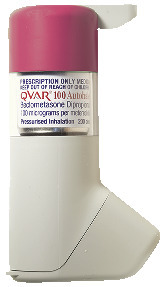
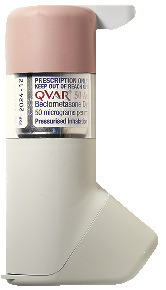
QVAR Autohaler consists of a metal canister sealed inside a plastic Autohaler unit. At the bottom of the Autohaler unit is a mouthpiece with a plastic cover. At the top of the Autohaler unit is a grey lever.

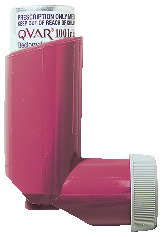
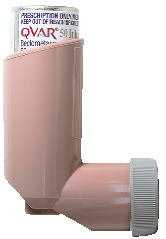
QVAR Inhaler consists of a metal canister inside a plastic inhaler unit. At one end of the inhaler unit is a mouthpiece with a plastic cover.

Strengths

QVAR Autohaler and QVAR Inhaler come in two different strengths, 50 and 100 micrograms.

Each strength of QVAR Autohaler and QVAR Inhaler 200 dose contains at least 200 puffs.

Ingredients

Each puff of QVAR 50 Autohaler (AUST R 71991) or QVAR 50 Inhaler (AUST R 71992) releases 50 micrograms of beclometasone dipropionate.

Each puff of QVAR 100 Autohaler (Aust R 71994) or QVAR 100 Inhaler (Aust R 71993) releases 100 micrograms of beclometasone dipropionate.

QVAR Autohaler and QVAR Inhaler also contain:

  • ethanol (0.0059mL per puff)
  • norflurane (a non-CFC propellant which does not deplete ozone from the atmosphere).

Sponsor/Supplier

QVAR Autohaler and QVAR Inhaler are supplied by:

iNova Pharmaceuticals (Australia) Pty Limited
ABN: 13 617 871 539
Level 10, 12 Help Street
Chatswood NSW 2067
Australia
Australian Toll Free: 1800 630 056

New Zealand Toll Free: 0508 375 394

Developed and manufactured by:

3M Health Care Limited
Loughborough UK

Qvar(TM) and Autohaler(TM) are trademarks of 3M Pharmaceuticals

This leaflet was prepared in October 2018.

Published by MIMS February 2024

BRAND INFORMATION

Brand name

Qvar

Active ingredient

Beclometasone dipropionate

Schedule

S4


1 Name of Medicine

Beclomethasone dipropionate.

2 Qualitative and Quantitative Composition

Beclometasone dipropionate (BDP) is a white to creamy white, odourless powder; it is slightly soluble in water, very soluble in chloroform and freely soluble in acetone and alcohol. Qvar also contains ethanol and norflurane (HFA-134a), a propellant which does not contain chlorofluorocarbons (CFCs).

Excipients with known effects.

Ethanol (alcohol) 11.85% v/v.
Qvar 50 Inhaler and Autohaler deliver 50 microgram of BDP per inhalation. Qvar 100 Inhaler and Autohaler deliver 100 microgram of BDP per inhalation.
Qvar Autohaler is a breath actuated inhaler which automatically releases a metered dose of medication during inhalation through the mouthpiece and overcomes the need for patients to coordinate actuation with inspiration. Qvar Inhaler is a conventional press and breathe metered dose inhaler (PandB MDI). There are no differences in formulation between the Autohaler and the Inhaler products.
Qvar contains BDP in solution, resulting in an extra fine aerosol. The aerosol droplets of Qvar are on average much smaller (Mass Median Aerodynamic Diameter (MMAD), MMAD range 0.8 to 1.2 microns) than the particle sizes delivered by CFC suspension formulations (MMAD range 3.5 to 4 microns) or dry powder formulations (MMAD approximately 10 microns) of BDP. The smaller particle size for Qvar results in greater deposition in the airways and less deposition in the oropharynx than beclometasone products formulated in CFCs.
Radiolabelled deposition studies demonstrated that for Qvar the majority of BDP (> 55% dose ex-actuator) is deposited in the lungs and a small amount (< 35% dose ex-actuator) is deposited in the oropharynx. In contrast, approximately 4-7% dose from the actuator of BDP formulated in chlorofluorocarbons (CFC-BDP) is deposited in the lungs and over 90% is deposited in the oropharynx. The imaging data suggest that for Qvar, BDP is deposited widely throughout the central, intermediate and peripheral airways whereas deposition is limited to the central airways for CFC-BDP. The smaller particle size of Qvar explains the different deposition patterns compared with CFC-BDP. These delivery characteristics result in equivalent therapeutic effects being achieved at lower total daily doses of Qvar compared to CFC-BDP, and account for the recommended dosage adjustment when switching patients from CFC-BDP to Qvar (see Section 4.2 Dose and Method of Administration).

3 Pharmaceutical Form

Beclometasone dipropionate 50 mcg per actuation pressurised inhalation aerosol can (Qvar 50 Autohaler): colourless solution.
Beclometasone dipropionate 50 mcg per actuation pressurised inhalation aerosol can (Qvar 50 Inhaler): colourless solution.
Beclometasone dipropionate 100 mcg per actuation pressurised inhalation aerosol can (Qvar 100 Autohaler): colourless solution.
Beclometasone dipropionate 100 mcg per actuation pressurised inhalation aerosol can (Qvar 100 Inhaler): colourless solution.

4 Clinical Particulars

4.1 Therapeutic Indications

Qvar is indicated for the prophylactic management of asthma.

4.2 Dose and Method of Administration

The recommended total daily dose of Qvar is lower than that for current CFC-BDP products and should be adjusted to the individual patient.
Proper instruction and good inhaler technique is necessary to get maximum benefit from Qvar Inhaler. For patients who are unable to successfully coordinate actuation of the metered dose inhaler with inhalation Qvar Autohaler should be substituted. Patients should be advised that Qvar may have a different taste and feel than a CFC inhaler.
Qvar delivers a consistent dose of BDP whether or not the canister is shaken; without the need for the patient to wait between individual actuations; regardless of storage orientation; regardless of periods without use of up to 14 days (do not need to test fire); at temperatures as low as -10°C.
Patients should be instructed to rinse their mouth out each time after using Qvar.

Use of a spacer.

Qvar is designed to be used without a spacer. However, where a spacer is considered necessary the AeroChamber Plus is a suitable device for use with Qvar Inhaler. Use of an AeroChamber Plus spacer with Qvar Inhaler reduces the amount of BDP deposited in the oropharynx without affecting deposition in the lungs. A change in the make of spacer or a change in the formulation of Qvar may be associated with alterations in the amount of BDP delivered to the lungs, the clinical significance of which is uncertain. In these situations the patient should be monitored for any loss of asthma control.
Patients who use a spacer should be instructed to breathe in and out after each actuation of Qvar into the spacer. Any delay should be kept to a minimum. Static on the walls of the spacer may cause variability in the amount of BDP delivered. Patients should be instructed to wash the spacer in warm water and detergent and allow to air dry without rinsing or dying with a cloth. This should be performed before initial use of the spacer and at least monthly thereafter.

Starting and maintenance dose.

The recommended dose of Qvar in adults is as follows.
For mild to moderate asthma: 50 microgram to 200 microgram twice daily.
For more severe asthma: doses up to 400 microgram twice daily.
Maximum recommended daily dose is 800 microgram.

Use in children.

In children aged five years and over the recommended dose of Qvar is 50 microgram twice daily.
Qvar must be used on a regular basis even when patients are asymptomatic. When patients' symptoms remain satisfactorily controlled, the dose of Qvar can be gradually reduced to the minimum effective dose to maintain control. Doses of BDP can be titrated up or down by switching between Qvar 50 and Qvar 100 as required.
Comparative clinical studies show that asthma patients achieve equivalent pulmonary function and control of symptoms with Qvar at lower total daily doses than CFC-BDP inhalers. These studies demonstrate clinical equivalence between CFC-BDP and Qvar inhalers when given in a dose ratio of 2.5 to 1.

Transferring patients from other inhaled corticosteroids to Qvar.

Step 1.

Consider the dose of the inhaled corticosteroid appropriate to the patients' current condition. Symptomatic patients may require an increased dose of their current inhaled corticosteroid and this increased dose should be considered in transferring patients to Qvar.

Step 2.

Convert the appropriate inhaled corticosteroid dose to the Qvar dose according to Table 1.

Special patient groups.

Elderly and patients with hepatic or renal impairment.

No special dosage recommendations are made.

Patients not receiving systemic corticosteroids.

For patients who are inadequately controlled with bronchodilators and who are not receiving systemic corticosteroids, it is recommended that they continue to use a bronchodilator when treatment with Qvar commences. Any improvement in respiratory function is usually apparent in 1 to 4 weeks. Some of the patients who do not respond during this period may have excessive mucus in their bronchi so that BDP is unable to penetrate to its site of action. A short course of systemic steroids in relatively high dosage should be given to eliminate mucus and other inflammatory changes in the lungs. Continuation of treatment with Qvar usually maintains the improvement achieved with the oral steroid while it is being withdrawn gradually. Exacerbation of asthma caused by infection is usually controlled by appropriate antibiotic treatment and, if necessary, by increasing the dose of Qvar. However, it may be necessary to give a short, intensive course of systemic steroids to tide over the duration of the stress.

Steroid dependent patients.

As recovery from impaired adrenocortical function, caused by prolonged systemic steroid therapy is slow, adrenocortical function should be monitored regularly. The patient's asthma should be in a stable state before being given inhaled steroids in addition to the usual maintenance dose of systemic steroid.
Withdrawal of systemic steroids should be gradual, starting about seven days after the introduction of Qvar therapy. For daily oral doses of prednisolone 10 mg or less, dose reduction in 1 mg steps at intervals of not less than one week is recommended. The dose reduction scheme should be chosen to correlate with the magnitude of the maintenance systemic steroid dose.
Some patients feel unwell experiencing aches and pains, tiredness and even depression during the withdrawal phase despite maintenance or even improvement of respiratory function. These withdrawal symptoms should be treated symptomatically and the patient should be encouraged to persevere with the inhaler and withdrawal of systemic steroids. However, if there are objective signs of adrenal insufficiency, it may be necessary to resume systemic steroid treatment temporarily.
Most patients can be successfully transferred to inhaled steroids with maintenance of good respiratory function, but special care is necessary for the first months after the transfer until the hypothalamic pituitary adrenal (HPA) system has sufficiently recovered to enable the patient to cope with emergencies such as trauma, surgery or severe infections. It may be advisable to provide such patients with a supply of oral steroid to use in such emergencies. The dose of inhaled steroids should be increased at this time and then gradually reduced to the maintenance level after the systemic steroid has been discontinued.
Discontinuation of systemic steroids may cause exacerbation of allergic diseases such as atopic eczema and rhinitis previously controlled by the systemic BDP. These should be treated symptomatically with antihistamines and/or topical therapy.

4.3 Contraindications

Hypersensitivity to beclomethasone dipropionate or any other ingredient in Qvar.

4.4 Special Warnings and Precautions for Use

Asthma management.

Qvar is not indicated for immediate relief of asthma attacks or status asthmaticus. If the prescribed dose of Qvar is no longer effective or symptoms get worse, the patient must seek medical attention for review of maintenance therapy.
Asthma management should be adjusted according to individual need based on lung function and clinical monitoring. Increasing use of a β2-agonist may be a sign of worsening asthma. Under these circumstances a reassessment of the patient's therapy plan may be required and increasing glucocorticosteroid therapy should be considered. This is important since poor asthma control can result in potential life threatening situations and increased use of β2-agonists may cause deterioration of asthma control.

Systemic effects.

Inhaled steroid products are designed to direct glucocorticoid activity to the lungs in order to reduce the overall systemic glucocorticoid exposure and side effects. In sufficient doses, however, all inhaled steroids can have adverse effects, notably depression of the hypothalamic pituitary adrenal (HPA) axis, Cushing's syndrome, Cushingoid features, reduction of bone density, retardation of growth in children and adolescents, cataract and glaucoma and more rarely a range of psychological or behavioural effects including psychomotor hyperactivity, sleep disorders, anxiety, depression or aggression (particularly in children). In steroid dependent patients prior systemic steroid usage may be a contributing factor, but such effects can occur amongst patients who regularly use only inhaled steroids. It is important, therefore, that the dose of inhaled steroid is titrated to the lowest dose at which effective control is maintained. Clinical studies in adult asthmatics treated with Qvar within the dose range 100-800 microgram daily have demonstrated mean values for adrenal function and response within normal range. The lowest dose of Qvar that causes suppression of the HPA axis (as indicated by 24 hour urinary cortisol concentrations), effects on bone mineral density or growth retardation in children has not yet been established.

Transfer from systemic steroids.

Patients who have received systemic steroids need special management when being transferred to inhaled steroid therapy. As recovery from impaired adrenocortical function caused by prolonged systemic steroid therapy is slow, adrenocortical function should be monitored regularly. Patients should have stable asthma before being given inhaled steroids in addition to the usual maintenance dose of systemic steroid. (See Section 4.2 Dose and Method of Administration).
Discontinuation of systemic steroids may cause exacerbation of allergic diseases such as atopic eczema and rhinitis. These should be treated symptomatically with antihistamines and/or topical therapy.
In patients who have been transferred from oral steroids to inhalation therapy, systemic steroid therapy may need to be reinstated rapidly during periods of stress or where airways obstruction or mucus significantly compromises the inhaled route of administration. The dose of inhaled steroids should be increased at this time and then gradually reduced to the maintenance level after the systemic steroid has been discontinued. Respiratory tract infections should be treated with appropriate antimicrobial therapy. The effect of BDP on recurrent lung infection is not known. Caution is necessary in patients with active or latent pulmonary tuberculosis.

Propellant.

Qvar contains a hydrofluoroalkane propellant (norflurane). In animal studies, narcosis and sensitisation to the arrhythmogenic effects of adrenaline were observed following inhalation of norflurane at high exposure concentrations. The potency of the cardiac sensitisation was less than that of trichlorofluoromethane (CFC-11). In humans norflurane is absorbed into the circulation following inhalational administration, although plasma concentrations are low and elimination is rapid. Excessive use of Qvar should be avoided as this carries a potential hazard from the propellant as well as from overdosage of the BDP in the formulation.

Visual disturbance.

Visual disturbance may be reported with systemic and topical corticosteroid use. If a patient presents with symptoms such as blurred vision or other visual disturbances, the patient should be considered for referral to an ophthalmologist for evaluation of possible causes which may include cataract, glaucoma or rare diseases such as central serous chorioretinopathy (CSCR) which have been reported after use of systemic and topical corticosteroids.

Use in the elderly.

No data available.

Paediatric use.

To minimise the systemic effects of orally inhaled corticosteroids, the dose should be titrated down to the lowest that provides effective asthma control. The safety and efficacy of Qvar in children under the age of five has not been established.

Effects on laboratory tests.

No data available.

4.5 Interactions with Other Medicines and Other Forms of Interactions

No clinically significant drug interactions have been associated with therapeutic doses of BDP.

4.6 Fertility, Pregnancy and Lactation

Effects on fertility.

The potential impairment of fertility has not been adequately investigated in animal studies of BDP.
(Category B3)
There is inadequate clinical evidence of the safety of Qvar used during pregnancy. In animals, systemic administration of relatively high doses of BDP can cause abnormalities of foetal development including growth retardation and cleft palate. Inhalational administration of a norflurane based formulation of BDP to pregnant rats caused retardation of foetal growth and development, and red adrenal glands. Qvar should be avoided for use in pregnancy unless the expected benefit to the patient outweighs the risk to the foetus.
It is probable that BDP is excreted in milk. However, given the relatively low doses used by the inhalation route, the levels are likely to be low. Studies of inhaled BDP have not been done in lactating animals. In breastfeeding mothers the therapeutic benefits of Qvar should be weighed against the potential hazards to mother and baby.

4.7 Effects on Ability to Drive and Use Machines

The effects of this medicine on a person's ability to drive and use machines were not assessed as part of its registration.

4.8 Adverse Effects (Undesirable Effects)

When using Qvar an occasional incidence of hoarseness and/or a rare occurrence of candidiasis of throat and mouth may occur. Patients may find it helpful to rinse out their mouth with water after using their inhaler to reduce the risk of candidiasis and hoarseness. Topical antifungal therapy can be used for the treatment of candidiasis while continuing treatment with Qvar.
As with other inhaled therapy, paradoxical bronchospasm with wheezing may occur immediately after dosing. Immediate treatment with an inhaled short acting bronchodilator is required. Qvar should be discontinued immediately and alternate prophylactic therapy introduced.
Systemic effects of inhaled corticosteroids may occur, particularly at high doses prescribed for prolonged periods. These may include adrenal suppression, growth retardation in children and adolescents, decrease in bone mineral density, cataract and glaucoma (see Section 4.4 Special Warnings and Precautions for Use).
Very rarely Qvar may cause, Cushing's syndrome, Cushingoid features, anxiety, sleeping disorders or behavioural changes including hyperactivity, aggression and irritability (predominantly in children).
Hypersensitivity reactions including rashes, urticaria, pruritus and erythema, and oedema of the eyes, face, lips and throat (angioedema) have been reported.

Clinical trial data.

Table 2 shows the adverse events reported amongst adult patients in multiple dose studies of inhaled Qvar for 6 to 12 weeks. Table 3 shows the adverse events reported amongst adult and paediatric patients in large multicentre trials of inhaled Qvar vs CFC-BDP for 12 months. Each table includes all adverse events probably or possibly related to Qvar with an incidence of 1% or greater. A dash represents an incidence of less than 1%.
The following adverse reactions, probably or possibly related to the use of Qvar, were recorded during clinical trials with a frequency of less than 1%.

Application site disorders.

Uncommon: cough, increased asthma symptoms.

General disorders.

Uncommon: chest pain. Rare: asthenia, back pain, fatigue, oedema, pain.

Cardiovascular disorders, general.

Rare: hypertension.

Central and peripheral nervous system disorders.

Uncommon: dizziness, dysphonia, migraine. Rare: neuropathy, tremor, vertigo.

Gastrointestinal system disorders.

Uncommon: abdominal pain, constipation. Rare: dyspepsia, GI disorders (unspecified), nausea, tongue discolouration, toothache.

Heart rate and rhythm disorders.

Rare: palpitations.

Metabolic and nutritional disorders.

Uncommon: weight increase.

Musculoskeletal system disorders.

Uncommon: myalgia.

Myo, endo, pericardial and valve disorders.

Rare: angina pectoris.

Platelet, bleeding and clotting disorders.

Uncommon: epistaxis.

Psychiatric disorders.

Uncommon: increased appetite. Rare: anxiety, depression, insomnia.

Resistance mechanism disorders.

Uncommon: infection. Rare: infection bacterial.

Respiratory system disorders.

Uncommon: bronchitis, coughing, upper respiratory tract infection. Rare: acute asthma episode, haemoptysis, respiratory disorder, sinusitis.

Skin and appendages disorders.

Uncommon: rash. Rare: photosensitivity reaction, skin disorder, urticaria.

Vascular (extracardiac) disorders.

Uncommon: purpura.

Post marketing.

Eye disorders.

Vision blurred.

Reporting suspected adverse effects.

Reporting suspected adverse reactions after registration of the medicinal product is important. It allows continued monitoring of the benefit-risk balance of the medicinal product. Healthcare professionals are asked to report any suspected adverse reactions at www.tga.gov.au/reporting-problems.

4.9 Overdose

For information on the management of overdose, contact the Poisons Information Centre on 13 11 26 (Australia).
The harmful effect that follows inhalation of large amounts of Qvar over a short time period is suppression of HPA function. Specific emergency action need not be taken. Treatment with Qvar should be continued at the recommended dose to control the asthma; HPA function recovers in a day or two.
If excessive doses of BDP were taken over a prolonged period a degree of atrophy of the adrenal cortex could occur in addition to HPA suppression. In this event the patient should be treated as steroid dependent and transferred to a suitable maintenance dose of a systemic steroid such as prednisolone. Regular tests of adrenal function are advised. Once the condition is stabilised, the patient should be returned to Qvar by the recommended method (see Section 4.2 Dose and Method of Administration).

5 Pharmacological Properties

5.1 Pharmacodynamic Properties

Mechanism of action.

Bronchial inflammation is known to be an important component in the pathogenesis of asthma.
Inflammation occurs in both large and small airways. BDP is a synthetic glucocorticoid. Glucocorticoids have multiple anti-inflammatory effects, inhibiting both inflammatory cells and release of inflammatory mediators. It is presumed that these anti-inflammatory actions play an important role in the efficacy of BDP in controlling symptoms and improving lung function in asthma although the exact mechanism of action of beclomethasone in the lungs is unknown. Inhaled BDP probably acts topically at the site of deposition in the bronchial tree after inhalation. Inhaled BDP at recommended doses reduces systemic exposure compared to oral administration, thereby minimising systemic side effects, including pituitary adrenal suppression.

Clinical trials.

A pharmacodynamic study in 43 steroid naive asthmatics given either placebo, 200, 400 or 800 microgram/day of Qvar; or 800 microgram/day of CFC-BDP for 14 days showed a linear correlation between reduction in 24 hour urinary free cortisol levels (24h-UFC) and dose of BDP administered, as well as between BDP dose and serum total beclomethasone levels. The mean 24h-UFC, a sensitive marker of adrenal function, remained within the normal range for all dosing regimens. A daily dose of 800 microgram Qvar caused similar reductions in 24h-UFC levels as a daily dose of 800 microgram of CFC-BDP. Results from the secondary parameters of plasma cortisol and the ACTH stimulation test supported the findings of 24h-UFC and showed no differences to CFC-BDP and placebo at Qvar doses up to 800 microgram/day.
In two 12 week trials conducted in patients with symptomatic moderate (n = 347) and symptomatic moderately severe (n = 233) asthma, plasma cortisol levels were monitored as a secondary safety assessment to determine HPA axis suppression. The mean percentage change of plasma cortisol values from baseline and the number of patients with plasma cortisol values below the normal reference was similar for HFA-placebo, 800 microgram/day Qvar and 800 microgram/day CFC-BDP.
In a 12 month study in 473 asthmatic patients given either Qvar in a dose range of 200 to 800 microgram/day or CFC-BDP in a dose range of 400 to 1600 microgram/day, adrenal function was assessed by plasma cortisol levels and response to cosyntropin. No differences in mean plasma cortisol levels or clinically significant changes in cortisol levels from baseline were seen between the two treatment groups, and no significant difference in response to cosyntropin was seen between the treatment groups. The effect of Qvar on bone metabolism was assessed by serum osteocalcin concentrations. No clinically meaningful differences in serum osteocalcin levels were found between the treatment groups.
A 12 month multicentre study in 520 paediatric patients with asthma demonstrated that the effect on growth of 100-200 microgram/day of Qvar from the Autohaler was comparable to those of 200-400 microgram/day of CFC-BDP from a PandB MDI with spacer. The effect of Qvar on bone metabolism was assessed by serum osteocalcin levels, PICP, 1-CTP and urine deoxypyridinoline/ creatinine ratio. No treatment differences were found between the treatment groups. Analysis of adrenal function, as assessed by 24 h-UFC, plasma cortisol levels and response to low dose ACTH stimulation showed no significant differences between Qvar or CFC-BDP treatments across all doses.
Clinical studies indicate that CFC-BDP and Qvar inhalers are clinically equivalent when given in a dose ratio of 2.5 to 1.

Qvar versus CFC-BDP.

In controlled clinical trials in adults Qvar was effective at controlling asthma at doses as low as 50 microgram twice daily (100 microgram/day), below the recommended dose of CFC-BDP. Comparable asthma control was achieved at lower daily doses of Qvar than with CFC-BDP (e.g. 200 microgram of Qvar twice a day provided comparable asthma control as 400 microgram or 500 microgram of CFC-BDP twice a day). The improvement in FEV1 across doses was greater for Qvar than for CFC-BDP, indicating a beneficial shift in the dose response curve for Qvar. Improved efficacy of Qvar compared to CFC-BDP is due to its increased relative airways availability (as a consequence of a smaller mean particle size and improved pulmonary deposition). Because of this, doses of Qvar required to achieve the same effect as CFC-BDP are 2 to 2.5 times lower than CFC-BDP (see Section 4.2 Dose and Method of Administration).
A 12 month large multicentre safety study in paediatric patients with asthma showed that stable patients on CFC-BDP (200-400 microgram/day with spacer) can be switched to lower daily doses of Qvar (100-200 microgram/day via Autohaler) with good maintenance of asthma control.
Clinical studies indicate that CFC-BDP and Qvar inhalers are clinically equivalent when given in a dose ratio of 2.5 to 1.

Qvar versus budesonide.

A 6 week randomised, open label study in adult patients with symptomatic moderate asthma receiving 400 microgram/day budesonide dry powder inhaler (DPI) showed that 400 microgram/day Qvar delivered via the Autohaler provided equivalent control of asthma as 800 microgram budesonide DPI. Equivalent asthma control was shown by equivalent improvement in peak flow parameters, asthma symptoms, sleep disturbance and beta-agonist use.
In an 8-week randomised, open-label study in adult patients with symptomatic moderate to severe asthma receiving 500-1000 microgram/day CFC-BDP, 800 microgram/day Qvar delivered via the Autohaler provided equivalent asthma control to 1600 microgram/day budesonide DPI. An equivalent mean change from baseline in AM PEF was observed over the 8-week study period for the two treatment groups. Statistically significant improvements from baseline were seen in asthma symptom and sleep disturbance scores for patients in both groups.
These studies demonstrate that Qvar at half the daily dose of budesonide DPI provides equivalent asthma control in symptomatic adult asthma patients. Both treatments were well tolerated and there were no clinically significant differences in the safety profiles of the two treatments.

Qvar versus fluticasone.

In a 6 week randomised, double-blind, double-dummy, parallel study, adult patients with symptomatic asthma taking a total daily dose of 200-500 microgram CFC-BDP, 100-250 microgram CFC-FP or 200-400 microgram budesonide were randomised to receive either 400 microgram/day Qvar or 400 microgram/day CFC-fluticasone (FP). Results of this study showed a clinically equivalent mean change from baseline in AM PEF over the 6 week study period. Equivalent asthma control was shown by equivalent improvements in peak flow parameters, asthma symptoms, sleep disturbance and beta-agonist use.
In an 8-week randomised open-label study adult patients with symptomatic asthma receiving up to 500 microgram/day FP or 500-1000 microgram/day BDP or 400-800 microgram/day budesonide were switched to 800 microgram/day Qvar or 1000 microgram/day HFA-fluticasone. There was an equivalent mean change from baseline in AM PEF observed over the 8-week study for the two treatment groups. No statistically significant differences in pulmonary parameters, asthma symptoms, sleep disturbance and beta-agonist use were seen for patients in both groups.
These studies demonstrate equivalent asthma control with Qvar and fluticasone in patients with symptomatic asthma. Both treatments were well tolerated and there were no clinically significant differences in the safety profiles of the two treatments.

5.2 Pharmacokinetic Properties

BDP is hydrolysed in the lungs to beclomethasone monopropionate before reaching the systemic circulation and is further metabolised during its passage through the liver. The principal route of elimination of BDP and its metabolites is in the faeces. Between 10% and 15% of any orally administered dose is excreted in the urine, as both conjugated and free metabolites of BDP.
The pharmacokinetics of beclomethasone and of total beclomethasone have been measured over 24 hours in mild asthmatics given single and multiple doses of Qvar. Total beclomethasone was obtained by hydrolysing any BDP and beclomethasone monopropionate in the serum samples to beclomethasone. The peak serum concentration for total beclomethasone is achieved within 30 minutes. The mean values of the peak serum concentrations after multiple dosing of 100 microgram, 200 microgram or 400 microgram twice daily for 14 days are proportional to the dose. The mean peak serum concentration after the highest recommended dose of 400 microgram twice daily is approximately 1 nanogram/mL.
Pharmacokinetic studies comparing Qvar and CFC-BDP demonstrated that a dose of 200 microgram of Qvar achieved comparable total beclomethasone levels as a dose of 400 microgram of CFC-BDP. This finding is consistent with the deposition results, which showed increased lung deposition and reduced oropharyngeal deposition for Qvar compared with CFC-BDP. Pharmacokinetic data in the paediatric population shows that the AUC for the dominant active metabolite 17-BMP after administration of 200 microgram of Qvar from the Autohaler is similar to that of 400 microgram of CFC-BDP given via an inhaler with spacer.

5.3 Preclinical Safety Data

Genotoxicity.

No data available.

Carcinogenicity.

Potential carcinogenicity and mutagenicity have not been adequately investigated in animal studies of BDP. Other glucocorticoids (budesonide, prednisolone and triamcinolone acetate) have been shown to increase the incidence of hepatocellular tumours in rats by a nongenotoxic mechanism.

6 Pharmaceutical Particulars

6.1 List of Excipients

See Section 2 Qualitative and Quantitative Composition.

6.2 Incompatibilities

Incompatibilities were either not assessed or not identified as part of the registration of this medicine.

6.3 Shelf Life

In Australia, information on the shelf life can be found on the public summary of the Australian Register of Therapeutic Goods (ARTG). The expiry date can be found on the packaging.

6.4 Special Precautions for Storage

Store below 30°C. Avoid storage in direct sunlight or heat. Protect from frost. As the canister is pressurised no attempt should be made to puncture or dispose of it by burning.

6.5 Nature and Contents of Container

Each 200 dose canister provides 200 inhalations. 1's.

6.6 Special Precautions for Disposal

In Australia, any unused medicine or waste material should be disposed of by taking to your local pharmacy.

6.7 Physicochemical Properties

Its molecular formula is C28H37ClO7 (molecular weight: 521.1).

Chemical structure.


CAS number.

5534-09-8.

7 Medicine Schedule (Poisons Standard)

S4.

Summary Table of Changes