


Consumer medicine information

Relpax

Eletriptan

BRAND INFORMATION

Brand name

Relpax

Active ingredient

Eletriptan

Schedule

S4


Consumer medicine information (CMI) leaflet

Please read this leaflet carefully before you start using Relpax.

What is in this leaflet

This leaflet answers some common questions about Relpax. It does not contain all the available information.

It does not take the place of talking to your doctor or pharmacist.

All medicines have risks and benefits. Your doctor has weighed the risks of you taking Relpax against the benefits it is expected to have for you.

If you have any concerns about taking this medicine, ask your doctor or pharmacist.

Read this leaflet carefully before you start Relpax and keep it with your medicine. You may need to read it again.

What Relpax is used for

Relpax is used to treat a migraine attack.

Symptoms of a migraine include headache, nausea (feeling sick), vomiting, sensitivity to light and sensitivity to sound.

Some people with migraine also get an "aura", which is a warning sign of temporary change in eyesight or speech, sometimes associated with vomiting.

Relpax is effective in relieving migraine with or without aura.

Relpax does not work in other types of headache, which are not migraine.

Relpax should be taken as early as possible after the migraine headache starts, but is also effective if taken at a later stage during the migraine. It does not work if taken during the aura phase, before the headache starts. It is not effective in preventing migraine attacks.

Relpax contains the active ingredient eletriptan hydrobromide. It belongs to a group of medicines called serotonin agonists. It is thought that these medicines work by reducing the size of swollen blood vessels around the brain that may be involved in migraine.

Your doctor, however, may prescribe Relpax for another purpose.

Ask your doctor if you have any questions about why Relpax has been prescribed for you. This medicine is only available with a doctor's prescription.

Before you take Relpax

When you must not take it

Do not take Relpax if:

  1. you have an allergy to:
  • Relpax
  • any of the ingredients listed at the end of this leaflet
  1. you have a headache different from your usual migraine
    Instead, check with your doctor.
    If you have a headache different from your usual pattern, it may be related to a serious condition (such as stroke or aneurysm) and taking Relpax may be harmful.
  2. you have severe liver problems
  3. you have high blood pressure that is difficult to treat
  4. you have, or have had, heart or blood vessel disease or signs of these conditions. These may include:
  • angina, stroke, heart attack
  • dizzy or fainting spells
  • pains in the chest
  • cold hands or feet
  • pain in the calves when walking
  1. you have taken, within the last 24 hours:
  • medicines similar to Relpax such as sumatriptan
  1. you have taken or plan to take, within the next 24 hours:
  • ergotamine (a medicine used to treat migraine) or medicines derived from ergotamine like dihydroergotamine or methysergide
  1. you have taken, within the last 48 hours:
  • either of the following antibiotics: erythromycin or clarithromycin
  • either of the following antifungals: ketoconazole or itraconazole
  • any of the following protease inhibiting drugs: amprenavir, ritonavir, indinavir, saquinavir, nelfinavir
  • an antidepressant called nefazodone

Ask your pharmacist or doctor if you are not sure if you are taking any of these medicines.

Do not take Relpax if the packaging is torn or shows signs of tampering.

Do not take Relpax if the expiry date (EXP) or use by date printed on the pack has passed, even though the tablets may look alright.

Do not give Relpax to children or adolescents under 17 years of age.

If you are not sure if you should be taking Relpax, talk to your doctor.

Before you start to take it

You must tell your doctor if:

  1. you have any allergies to:
  • any other medicines
  • any other substances such as foods, dyes or preservatives
  1. you have ever been told you may have an increased risk of heart or blood vessel disease
    Heart and blood vessel disease and high blood pressure sometimes do not cause any symptoms, so some people do not know if they have these problems.
    Before deciding whether you should take Relpax, your doctor will check you for risk factors for coronary artery disease (CAD) such as high blood pressure, high cholesterol, smoking, obesity, diabetes, family history of CAD, post menopause in females and age over 40 years in males.
  2. you have any other health problems including liver or kidney problems
  3. you are pregnant, breast-feeding, or intend to become pregnant or breast-feed
Your doctor will discuss the possible risks and benefits of using Relpax during pregnancy or while breast-feeding. You may be advised to stop breast-feeding for 24 hours after taking Relpax.

If you have not told your doctor or pharmacist about any of these things, tell them before you start taking Relpax.

Taking other medicines

Tell your doctor or your pharmacist if you are taking any other medicines, including medicines you buy without a prescription from a pharmacy, supermarket or health food shop.

In particular, tell your doctor if you are taking:

  • other medicines for migraine
  • certain antibiotics such as erythromycin and clarithromycin
  • certain antifungals such as ketoconazole and itraconazole
  • medications which may lead to increased serotonin levels, including anti-depressants, such as Nefazodone
  • certain protease inhibiting drugs, used in the treatment of HIV/AIDS, called amprenavir, ritonavir, indinavir, saquinavir and nelfinavir
  • St John's Wort (botanical name Hypericum Perforatum), a herbal remedy used to treat mood disorders

You may need different amounts of Relpax or you may need to take different medicines. Your doctor or pharmacist can tell you what to do if you are taking any of these medicines. They also have a more complete list of medicines to be careful with or avoid while taking Relpax.

Ask your doctor or pharmacist if you are not sure if you are taking any of these medicines.

How to take Relpax

Follow all directions given to you by your doctor and pharmacist carefully. They may differ from the information in this leaflet.

If you do not understand the instructions on the packaging, ask your doctor or pharmacist for help.

How much to take

The usual dose of Relpax is 40 mg.

The dose may be increased to 80 mg.

Do not take more than 2 doses of Relpax in any 24 hour period.

Do not take more than a total of 160 mg in one day. Taking too much of this type of medicine can lead to constant daily headaches.

If you have problems with your kidneys, your doctor may prescribe a lower dose for you.

How to take it

Swallow the tablets whole with a full glass of water, either with or without food.

When to take it

Take Relpax as soon as possible after the start of the migraine attack. It will also work if taken later during the attack.

Do not take a second dose of Relpax within 2 hours of taking the first dose.

If, after initial relief, your migraine comes back, take a second tablet. In this case, wait at least 2 hours between the first tablet and the second.

If Relpax does not relieve your migraine, do not take a second dose for the same attack. A migraine not relieved by the first dose will probably not be relieved by a second dose either.

You may take something else for the pain, but do not take medicine containing ergotamine, dihydroergotamine or methysergide after taking Relpax. If the initial dose of Relpax does not relieve your migraine, you may use Relpax on another occasion to treat another migraine attack.

Relpax will not prevent a migraine attack. If you take it during the "aura period", which occurs just before you get the headache, it will not be effective.

If you take too much (overdose)

Immediately telephone your doctor or Poisons Information Centre (telephone in Australia - 13 11 26). for advice or go to Accident and Emergency (Casualty) at your nearest hospital if you think that you or anyone else may have taken too much Relpax. Do this even if there are no signs of discomfort or poisoning. You may need urgent medical attention. Serious heart problems may occur after an overdose.

Keep telephone numbers of these places handy.

While you are taking Relpax

Things you must do

Check with your doctor if your migraine headaches are worse, or if they are occurring more often than before you started Relpax. Headaches that are not relieved by Relpax are sometimes caused by conditions that need other treatment.

If you become pregnant while taking Relpax, tell your doctor immediately.

If you are taking other medicines for migraine such as ergotamine, dihydroergotamine or methysergide, wait at least 24 hours after your Relpax dose before taking them.

If you are about to start any new medicines, tell your doctor and pharmacist that you are taking Relpax.

Tell all doctors, dentists and pharmacists who are treating you that you are taking Relpax.

Be sure to keep all of your doctor's appointments so that your progress can be checked.

Things you must not do

Do not give Relpax to anyone else, even if they have the same condition as you or their symptoms seem similar.

Do not take Relpax to treat any other complaints unless your doctor tells you to.

Things to be careful of

Be careful driving or operating machinery until you know how Relpax affects you. A migraine itself, or treatment with Relpax, may make you drowsy or dizzy.

Avoid driving, using machinery (or doing anything that may be dangerous) if you become drowsy during a migraine or after taking Relpax.

Be careful drinking alcohol if you suffer from migraine headaches. Drinking alcohol can make headaches worse, or may cause new headaches to occur. People who suffer from severe headaches should probably avoid alcoholic drinks, especially during a headache.

Side effects

Check with your doctor as soon as possible if you have any problems while taking Relpax, even if you do not think the problems are connected with the medicine or are not listed in this leaflet. Like other medicines, Relpax can cause certain side effects. If they occur, most are likely to be minor and temporary. However, some may be serious and need medical attention.

Ask your doctor or pharmacist any questions you may have.

Tell your doctor immediately, or go to Accident or Emergency at your nearest hospital if you notice any of the following:

  • chest pain or an uncomfortable feeling in the chest, which may spread to the arms or neck
  • palpitations, fast heart beat
  • headache not relieved by Relpax
  • swelling of the face, lips or tongue which may cause difficulty in swallowing or breathing.

These symptoms may be serious and need urgent medical attention.

Tell your doctor if you notice any of the following and if they worry you:

  • numbness and/or tingling, weakness
  • stomach pain or cramps, dry mouth, indigestion, tight or sore throat or difficulty in swallowing, nausea (feeling sick), vomiting
  • dizziness, drowsiness
  • flushing, sweating
  • chills, pain
  • muscle tightness, a spinning sensation
  • weakness, lack of energy
  • back pain

These side effects are usually mild. Some of these side effects may be due to the migraine itself.

Other side effects not listed above may occur in some people.

Do not be alarmed by this list of possible side effects. You may not get any of them.

Tell your doctor if you notice anything else that is making you feel unwell, even if it is not on this list.

After taking Relpax

Storage

Keep your tablets where young children cannot reach them. A locked cupboard at least one and a half metres above the ground is a good place to store medicines.

Keep Relpax in a cool, dry place where the temperature stays below 30°C. Do not store it, or any other medicine, in the bathroom or near a sink. Do not leave it in the car or on window sills. Heat and dampness can destroy some medicines.

Keep your tablets in the blister pack until it is time to take them. If you take the tablets out of their packaging, they may not keep well.

Disposal

If your doctor tells you to stop taking Relpax, or the tablets have passed their expiry date, ask your pharmacist what to do with any left over.

Product description

What it looks like

Relpax tablets come in two strengths:

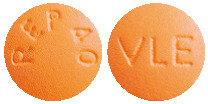
  • Relpax 40 mg - orange, round tablets, marked REP40 on one side and Pfizer on the other
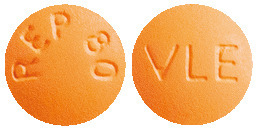
  • Relpax 80 mg - orange, round tablets, marked REP80 on one side and Pfizer on the other

These are available in blister packs of 4 tablets.

Ingredients

Active ingredient

The active ingredient in Relpax is eletriptan hydrobromide.

  • Relpax 40 mg contains 40 mg eletriptan per tablet
  • Relpax 80 mg contains 80 mg eletriptan per tablet

Other ingredients

  • microcrystalline cellulose
  • lactose monohydrate
  • croscarmellose sodium
  • magnesium stearate
  • Opadry Clear YS-2-19114-A
  • Opadry Orange OY-LS-23016

Supplier

Relpax is supplied in Australia by:

Viatris Pty Ltd
Level 1, 30 The Bond
30-34 Hickson Road
Millers Point NSW 2000
www.viatris.com.au
Phone: 1800 274 276

Australian Registration Numbers

Relpax 40 mg - AUST R 68356

Relpax 80 mg - AUST R 68358

This document was prepared in August 2021.

RELPAX® is a Viatris company trade mark

ujcrelxt10821

Published by MIMS January 2022

BRAND INFORMATION

Brand name

Relpax

Active ingredient

Eletriptan

Schedule

S4


1 Name of Medicine

Eletriptan hydrobromide.

2 Qualitative and Quantitative Composition

Relpax 40 mg tablets contain eletriptan hydrobromide equivalent to 40 mg eletriptan.
Relpax 80 mg tablets contain eletriptan hydrobromide equivalent to 80 mg eletriptan.

Excipients with known effect.

Contains sugars as lactose.
For the full list of excipients, see Section 6.1 List of Excipients.

3 Pharmaceutical Form

Relpax 40 mg tablets are orange, standard round convex, film-coated tablets debossed with "REP 40" on one side and "VLE" on the other.
Relpax 80 mg tablets are orange, standard round convex, film-coated tablets debossed with "REP 80" on one side and "VLE" on the other.

4 Clinical Particulars

4.1 Therapeutic Indications

Acute treatment of migraine headache with or without aura.

4.2 Dose and Method of Administration

Dosage.

Adults (18-65 years of age).

In controlled clinical trials, single doses of 20 mg, 40 mg and 80 mg were effective for the acute treatment of migraine in adults. A greater proportion of patients had a response following a 40 mg or 80 mg dose than following a 20 mg dose. The recommended initial dose is 40 mg.
The maximum single dose is 80 mg.
If the initial dose is ineffective, controlled clinical trials have not shown a benefit of a second dose to treat the same attack. However, if the headache returns following initial improvement, there is evidence to suggest that a repeat dose may be beneficial. If a second dose is required, it should not be taken within 2 hours of the initial dose.
The maximum daily dose should not exceed 160 mg.

Method of administration.

Oral administration.
Relpax tablets should be taken as early as possible after the onset of migraine headache, but they are also effective if taken at a later stage.
Relpax tablets should not be used prophylactically.
The tablets should be swallowed whole with water.

Dosage adjustment.

Hepatic impairment.

No dose adjustment is required in patients with mild or moderate hepatic impairment. As Relpax has not been studied in patients with severe hepatic impairment, it is contraindicated in these patients (see Section 5.2 Pharmacokinetic Properties).

Renal impairment.

There is no specific study to demonstrate the clinical safety of Relpax in renally impaired patients. Pharmacokinetic study of a single 80 mg dose showed a two-fold increase of Tmax in patients with severe renal impairment when compared to normal subjects, although other parameters were not affected. In some subjects with renal impairment, an elevation in blood pressure was observed. A dose of greater than 40 mg should be administered with caution (see Section 5.2 Pharmacokinetic Properties; Section 4.4 Special Warnings and Precautions for Use).

Use in the elderly (over 65 years of age).

Safety and efficacy in patients over 65 years of age have not been systematically evaluated due to a small number of such patients in clinical trials. As effects on blood pressure may be more marked in elderly patients than in younger adults, doses higher than 40 mg should be used with caution.

Use in children (below 17 years of age).

Although the pharmacokinetics is similar to those seen in healthy adults (see Section 5.2 Pharmacokinetic Properties), efficacy of eletriptan has not been proven below 17 years of age. Therefore, the use of Relpax is not recommended in children below 17 years of age.

4.3 Contraindications

Hypersensitivity to any component of the preparation.
Severe hepatic impairment.
Other contraindications based on the pharmacodynamic properties of 5-HT1 receptor agonists:
Patients with uncontrolled hypertension.
Patients with confirmed coronary heart disease, including ischaemic heart disease (angina pectoris, previous myocardial infarction or confirmed silent ischaemia).
Patients with coronary artery vasospasm, objective or subjective symptoms of ischaemic heart disease or Prinzmetal's angina.
Patients with peripheral vascular disease.
Patients with a history of cerebrovascular accident (CVA) or transient ischaemic attack (TIA).
Administration of ergotamine, or derivatives of ergotamine (including methysergide) within 24 hours before or after treatment with eletriptan (see Section 4.5 Interactions with Other Medicines and Other Forms of Interactions).
Concomitant administration of other 5-HT1 receptor agonists.
Within 48 hours of treatment with the following potent CYP3A4 inhibitors: ketoconazole, itraconazole, erythromycin, clarithromycin, amprenavir, ritonavir, indinavir, saquinavir, nelfinavir and nefazodone.

4.4 Special Warnings and Precautions for Use

As with other 5-HT1 receptor agonists, Relpax should be used only where a clear diagnosis of migraine has been established. Relpax is not indicated for the management of hemiplegic, ophthalmoplegic, or basilar migraine.
5-HT1 receptor agonists including Relpax should not be given for the treatment of 'atypical' headaches, i.e. headaches which may be related to a possibly serious condition (stroke, aneurysm rupture) where cerebrovascular vasoconstriction may be harmful.
Cardiovascular evaluation prior to commencement of treatment with eletriptan is recommended for patients in whom cardiovascular disease is likely, or in patients at risk of cardiovascular disease (see Section 4.3 Contraindications).
Eletriptan has not been systematically evaluated for use in patients with heart failure. As with other 5-HT1 receptor agonists, use in these patients is not recommended.
The effect of eletriptan on the systemic, pulmonary and coronary circulation was examined in patients undergoing diagnostic coronary arteriography. Coronary artery diameter decreased by a mean of 3%, 15 minutes after the end of intravenous infusion of eletriptan (50 microgram/kg). Nevertheless, caution is advised when administering Relpax to patients at risk of myocardial ischaemia.
Within the clinical dose range, slight and transient increases in blood pressure have been seen with eletriptan doses of 60 mg or greater. The effect was more pronounced in renally impaired and elderly subjects. In a small sample, open, parallel group, clinical pharmacology study, a single oral 80 mg dose was administered to normal (n = 6) subjects and to subjects with severe (n = 5), moderate (n = 5) and mild (n = 6) degrees of renal impairment. The maximum increase from baseline in subjects with renal impairment ranged from 14 to 17 mmHg for systolic blood pressure or 14 to 21 mmHg for diastolic blood pressure and was greater than that observed in the normal subjects (3 to 4 mmHg). This was not statistically significant for systolic BP (p = 0.11) but was statistically significant for diastolic BP (p = 0.011).
Coadministration of eletriptan with other drugs having serotonergic activity, such as SNRIs and SSRIs, should be undertaken with caution due to reports of the development of serotonin syndrome in isolated cases of concomitant use of a triptan with other serotonergic drugs (see Section 4.5 Interactions with Other Medicines and Other Forms of Interactions).
Excessive use of any antimigraine medicinal product can lead to daily chronic headaches. Overuse of all triptans has been reported primarily in patients with chronic daily headache.

Use in hepatic impairment [if required].

No dose adjustment is required in patients with mild or moderate hepatic impairment. As Relpax has not been studied in patients with severe hepatic impairment, it is contraindicated in these patients (see Section 5.2 Pharmacokinetic Properties).

Use in renal impairment [if required].

There is no specific study to demonstrate the clinical safety of Relpax in renally impaired patients. Pharmacokinetic study of a single 80 mg dose showed a two-fold increase of Tmax in patients with severe renal impairment when compared to normal subjects, although other parameters were not affected. In some subjects with renal impairment, an elevation in blood pressure was observed. A dose of greater than 40 mg should be administered with caution (see Section 5.2 Pharmacokinetic Properties; Section 4.4 Special Warnings and Precautions for Use).

Use in the elderly.

Safety and efficacy in patients over 65 years of age have not been systematically evaluated due to a small number of such patients in clinical trials. As effects on blood pressure may be more marked in elderly patients than in younger adults, doses higher than 40 mg should be used with caution.

Paediatric use.

Although the pharmacokinetics is similar to those seen in healthy adults (see Section 5.2 Pharmacokinetic Properties), efficacy of eletriptan has not been proven below 17 years of age. Therefore, the use of Relpax is not recommended in children below 17 years of age.

Effects on laboratory tests.

Relpax tablets are not known to interfere with commonly employed clinical laboratory tests.

4.5 Interactions with Other Medicines and Other Forms of Interactions

Effect of other drugs on eletriptan.

There is no evidence that concomitant use of migraine prophylactic medications (e.g. beta-blockers, tricyclic antidepressants, selective serotonin reuptake inhibitors, methysergide and flunarizine) has any effect on the efficacy or undesired effects of eletriptan.
In clinical studies with propranolol, the exposure of eletriptan was increased by 33% (AUC). This effect is not considered clinically significant as there was no associated increase in blood pressure or adverse events compared to administering eletriptan alone.
In clinical studies with oral Cafergot (caffeine/ ergotamine) administered 1 and 2 hours after eletriptan, minor though additive increases in blood pressure were observed which are predictable based on the pharmacology of the two drugs. Therefore, it is recommended that either ergotamine containing or ergot type medications (like dihydroergotamine or methysergide) should not be taken within 24 hours of eletriptan dosing. Conversely, at least 24 hours should elapse after the administration of an ergotamine containing preparation before eletriptan is given.

CYP3A4 inhibitors.

In vitro studies have shown that Relpax is metabolized by the CYP3A4 enzyme. An in vivo clinical study demonstrated a 2.7-fold increase in Cmax and a 5.9-fold increase in the AUC of eletriptan when combined with ketoconazole. The half-life increased from 5 hours to 8 hours and the Tmax increased from 2.8 hours to 5.4 hours. Another clinical study demonstrated a 2-fold increase in Cmax and a 4-fold increase in AUC when erythromycin was coadministered with eletriptan. Both are selective and potent inhibitors of CYP3A4. (See Section 5.2 Pharmacokinetic Properties). Therefore, eletriptan should not be used within 48 hours of treatment with the following potent CYP3A4 inhibitors: ketoconazole, itraconazole, erythromycin, clarithromycin, ritonavir, amprenavir, ritonavir, indinavir, saquinavir, nelfinavir and nefazodone (see Section 4.3 Contraindications).
Concomitant use of the herbal remedy St. John's wort (Hypericum perforatum) in patients receiving triptans should be avoided since there is a possibility of serotonergic potentiation.
Population pharmacokinetic analysis of clinical studies have shown that the following drugs: beta-blockers, tricyclic antidepressants, selective serotonin reuptake inhibitors, estrogen based hormone replacement therapy, estrogen containing oral contraceptives and calcium channel blockers, have no effect on the pharmacokinetic properties of eletriptan.
Eletriptan is not a substrate for monoamine oxidase (MAO). Therefore, there is no expectation of an interaction between eletriptan and MAO inhibitors.

The effect of eletriptan on other drugs.

In vitro human liver microsome studies suggest that eletriptan has little potential to inhibit CYP1A2, 2C9, 2E1 and 3A4 at concentrations up to 100 microM. Eletriptan does have a small effect on CYP2D6 with an IC50 of approximately 41 microM. The average Cmax of eletriptan following a single oral dose of 80 mg was 0.5 microM. There is no in vitro or in vivo evidence that clinical doses (and associated concentrations) of eletriptan will induce drug metabolising enzymes. Therefore, eletriptan is unlikely to cause clinically important drug interactions mediated by these enzymes.
Coadministration of 5-HT agonists, including eletriptan, with drugs having serotonergic activity, such as SSRIs and SNRIs, may increase the risk of serotonin syndrome. If concomitant treatment with eletriptan and a serotonergic active drug is clinically warranted, caution is advised. Careful observation of the patient is warranted particularly during treatment initiation or dose increase of either drug.

Drug abuse and potential.

The abuse potential of Relpax has not been assessed in clinical trials.

4.6 Fertility, Pregnancy and Lactation

Effects on fertility.

Studies of male and female rats in which eletriptan was administered prior to and during mating and up to implantation have shown no impairment of fertility at doses up to 50 mg/kg. Systemic exposure at this dose, based on free plasma AUC values, was approximately three times that in humans at the maximum recommended dose.
(Category B1)
The safety of eletriptan in pregnant women has not been established. In teratogenicity studies, rats and rabbits given oral doses up to 100 mg/kg/day, resulted in systemic exposure more than ten times higher than in humans at the maximum recommended dose. Although there is no evidence of teratogenicity at this dose level, decreased fetal weights, increased incidence of minor vertebral alterations and delays in ossification were seen in rats at 100 mg/kg/day, and decreases in fetal weight were seen in rabbits at 50 and 100 mg/kg/day. Administration of Relpax should be considered only if the expected benefit to the mother is greater than any possible risk to the fetus.
Eletriptan is excreted in human breast milk. In one study of 8 women given a single dose of 80 mg, the mean total amount of eletriptan in breast milk over 24 hours in this group was 0.02% of the dose. Nevertheless, caution should be exercised when considering the administration of Relpax to women who are breastfeeding. Infant exposure can be minimised by avoiding breastfeeding for 24 hours after treatment.

4.7 Effects on Ability to Drive and Use Machines

Migraine may cause drowsiness in some patients. Dizziness and drowsiness have also been reported in some patients receiving Relpax. Therefore, caution is recommended in patients performing skilled tasks, (e.g. driving or operating machinery) during the migraine attack and following administration of Relpax.

4.8 Adverse Effects (Undesirable Effects)

Although not reported in premarketing clinical trials with Relpax, serious cardiac events, including some that have been fatal, have occurred following the use of other 5-HT1 agonists. Events reported have included coronary artery vasospasm, transient myocardial ischaemia, myocardial infarction, ventricular tachycardia, and ventricular fibrillation (see Section 4.3 Contraindications; Section 4.4 Special Warnings and Precautions for Use).

Incidence in controlled clinical trials.

Among 4597 patients who treated their first attack with Relpax in short-term, placebo controlled trials, the adverse events reported in at least 5% of patients and at a rate twice that of placebo were asthenia and dizziness. In order to generate a rigorous record of all adverse events in outpatient trials (n = 4781), patients were required to report all adverse events in a diary as they occurred.
In short-term placebo controlled trials, patients withdrew for reasons related to treatment emergent adverse events at a rate of 1.8% on eletriptan and 0.9% on placebo. Since patients treated only one to three headaches in the controlled clinical trials, the opportunity for discontinuation of therapy in response to adverse events was limited.
In long-term open label studies where patients were allowed to treat multiple migraine attacks for up to 1 year, 128 (8.3%) out of 1544 patients discontinued treatment due to adverse events.
Relpax is generally well tolerated. Across all doses, most adverse reactions were mild and transient and resolved spontaneously without additional treatment. The incidence of adverse events in controlled clinical trials was not affected by sex, age, or race of the patients, or use of SSRIs, beta-blockers, calcium channel blockers, tricyclic antidepressants, and estrogen replacement therapy/oral contraceptives. The incidence and severity of adverse events seen in patients who took two doses of the same strength to treat a single attack were similar to these observed in patients who took only one dose.
Table 1 lists adverse events that occurred in the subset of 5125 migraineurs who received eletriptan doses of 20 mg, 40 mg and 80 mg or placebo in worldwide placebo controlled clinical trials. The events cited reflect experience gained under closely monitored conditions of clinical trials in a highly selected patient population. In actual clinical practice or in other clinical trials, those frequency estimates may not apply, as the conditions of use, reporting behaviour, and the kinds of patients treated may differ. Only adverse events that were more frequent in a Relpax treatment group compared to the placebo group with an incidence greater than 2% are included in Table 1.

Other events observed in association with the administration of Relpax tablets.

In the paragraphs that follow, the frequencies of less commonly reported adverse clinical events are presented. Because the reports include events observed in open studies, the role of Relpax tablets in their causation cannot be reliably determined. Furthermore, variability associated with adverse event reporting, the terminology used to describe adverse events, etc., limit the value of the quantitative frequency estimates provided. Event frequencies are calculated as the number of patients reporting an event divided by the total number of patients (N = 6419) exposed to Relpax. All reported events are included except those already listed in Table 1, those too general to be informative, and those not reasonably associated with the use of the drug. Events are further classified within body system categories and enumerated in order of decreasing frequency using the following definitions: frequent adverse events are those occurring in at least 1/100 patients, infrequent adverse events are those occurring in 1/100 to 1/1000 patients and rare adverse events are those occurring in fewer than 1/1000 patients.

General.

Frequent: asthenia, chest symptoms (pain, tightness and pressure), chills and pain. Infrequent: face oedema and malaise. Rare: abdomen enlarged, abscess, accidental injury, allergic reaction, fever, flu syndrome, halitosis, hernia, hypothermia, lab test abnormal, moniliasis, rheumatoid arthritis and shock.

Cardiovascular.

Frequent: palpitation, tachycardia and sensation of warmth or flushing. Infrequent: hypertension, migraine and peripheral vascular disorder. Rare: angina pectoris, arrhythmia, atrial fibrillation, AV block, bradycardia, hypotension, syncope, vascular disorder, vasospasm and ventricular arrhythmia.

Digestive.

Infrequent: abdominal pain, anorexia, constipation, diarrhoea, dry mouth, dyspepsia, eructation, oesophagitis, flatulence, gastritis, gastrointestinal disorder, glossitis, increased salivation and liver function tests abnormal, nausea. Rare: gingivitis, haematemesis, increased appetite, rectal disorder, stomatitis, tongue disorder, tongue oedema and tooth disorder.

Endocrine.

Rare: goitre, thyroid adenoma and thyroiditis.

Haemic and lymphatic.

Rare: anaemia, cyanosis, leukopenia, lymphadenopathy and monocytosis.

Metabolic.

Infrequent: creatine phosphokinase increased, oedema, peripheral oedema and thirst. Rare: alkaline phosphatase increased, bilirubinaemia, weight gain and weight loss.

Musculoskeletal.

Frequent: back pain, myalgia and myasthenia. Infrequent: arthralgia, arthritis, arthrosis and bone pain. Rare: bone neoplasm, joint disorder, myopathy and tenosynovitis.

Neurological.

Frequent: dizziness, headache, hypertonia, hypoaesthesia, myasthenia, paraesthesia, somnolence and vertigo. Infrequent: abnormal dreams, agitation, anxiety, apathy, ataxia, confusion, depersonalization, depression, emotional lability, euphoria, hyperesthesia, hyperkinesia, incoordination, insomnia, nervousness, speech disorder, stupor, thinking abnormal and tremor. Rare: abnormal gait, amnesia, aphasia, catatonic reaction, dementia, diplopia, dystonia, hallucinations, hemiplegia, hyperalgesia, hypokinesia, hysteria, manic reaction, neuropathy, neurosis, oculogyric crisis, paralysis, psychotic depression, sleep disorder and twitching.

Respiratory.

Frequent: pharyngitis, throat tightness. Infrequent: asthma, dyspnoea, respiratory disorder, respiratory tract infection, rhinitis, voice alteration and yawn. Rare: bronchitis, cough increased, epistaxis, hiccup, hyperventilation, sinusitis and sputum increased.

Skin and appendages.

Frequent: sweating. Infrequent: pruritus, rash and skin disorder. Rare: alopecia, dry skin, exfoliative dermatitis, maculopapular rash, psoriasis, skin discolouration, skin hypertrophy and urticaria.

Special senses.

Infrequent: abnormal vision, conjunctivitis, ear pain, eye pain, lacrimation disorder, photophobia, taste perversion and tinnitus. Rare: abnormality of accommodation, dry eyes, ear disorder, otitis media, parosmia and ptosis.

Urogenital.

Infrequent: impotence, polyuria, urinary frequency and urinary tract disorder. Rare: breast pain, kidney pain, leukorrhoea, menorrhagia, menstrual disorder and vaginitis.

Post-marketing experience.

In post-marketing experience, the following undesirable effects have been reported:

Immune system disorders.

Allergic reaction, some of which may be serious, including angioedema.

Nervous system disorders.

Rare cases of syncope.

Cardiovascular disorders.

Hypertension.

Gastrointestinal disorders.

Vomiting, rare cases of ischaemic colitis.

Cardiac disorders.

Myocardial ischaemia or infarction, arteriospasm coronary.

Skin and subcutaneous tissue disorders.

Pruritus, rash and urticaria.

Reporting suspected adverse effects.

Reporting suspected adverse reactions after registration of the medicinal product is important. It allows continued monitoring of the benefit-risk balance of the medicinal product. Healthcare professionals are asked to report any suspected adverse reactions at www.tga.gov.au/reporting-problems.

4.9 Overdose

Subjects have received single doses of 120 mg without significant adverse effects. However, hypertension or other more serious cardiovascular effects could occur after overdose.
In cases of overdose, standard supportive measures should be adopted as required. The elimination half-life of eletriptan is about 4 hours, and therefore, monitoring of patients and provision of general supportive therapy after overdose with eletriptan should continue for at least 20 hours or while signs and symptoms persist.
It is unknown what effect haemodialysis or peritoneal dialysis has on the serum concentrations of eletriptan.
For information on the management of overdose, contact the Poisons Information Centre on 13 11 26 (Australia).

5 Pharmacological Properties

5.1 Pharmacodynamic Properties

Mechanism of action.

Eletriptan is a potent and selective 5-hydroxytryptamine1B/1D (5-HT1B/1D) receptor agonist, at the vascular 5-HT1B and neuronal 5-HT1D receptors. Eletriptan also exhibits high affinity for the 5-HT1F receptor which may contribute to its activity against migraine.
The human 5-HT1B receptor mediates constriction of intracranial blood vessels. Dilation of these vessels is thought to be one of the underlying mechanisms of migraine.
The human 5-HT1D receptor is predominantly located presynaptically on the peripheral synapses of the trigeminal nerve. Recent studies have also located both the 5-HT1B and 5-HT1F receptors to the human trigeminal ganglia. Inhibition of the release of neuropeptides via activation of these receptors may contribute to the efficacy of eletriptan.
Eletriptan has modest affinity for recombinant human 5-HT1A, 5-HT2B, 5-HT1E and 5-HT7 receptors. It has no significant affinity for or pharmacological activity at a range of other receptors (beta-adrenoceptors, adenosine A1, dopamine (D1 and D2), muscarinic and opioid receptors) and calcium channel dihydropyridine binding sites.
In animal studies, eletriptan shows greater selectivity for the carotid as opposed to the coronary and femoral vascular beds compared to sumatriptan. Furthermore, eletriptan has been shown to inhibit neurogenic inflammation in the dura mater of animals. Both the ability of eletriptan to constrict intracranial blood vessels and its inhibitory action on neurogenic inflammation may contribute to its antimigraine efficacy in man.

Clinical trials.

Further information on clinical trials.

The efficacy of Relpax in the acute treatment of migraines was evaluated in eight randomised, double blind placebo controlled studies. All eight studies used 40 mg. Seven studies evaluated the 80 mg dose and two studies included a 20 mg dose. In addition, an active comparator, sumatriptan (25 mg, 50 mg, and 100 mg) was used in three of these studies.
In all eight studies, randomised patients treated their headaches as outpatients. Seven studies enrolled adults and one study enrolled adolescents (age 11 to 17). Patients treated in the seven adult studies were predominantly female (85%) and Caucasian (94%) with a mean age of 40 years (range 18 to 78 years). In all studies, patients were instructed to treat a moderate to severe headache. Headache response, defined as a reduction in headache severity from moderate or severe pain to mild or no pain, was assessed up to 4 hours after dosing. Associated symptoms such as nausea, vomiting, photophobia and phonophobia were also assessed.
Maintenance of response was assessed for up to 24 hours postdose. In the adult studies, a second dose of Relpax tablets or other medication was allowed 2 to 24 hours after the initial treatment for both persistent and recurrent headaches. The incidence and time to use of these additional treatments were also recorded.
In the seven adult studies, the percentage of patients achieving headache response 2 hours after treatment was significantly greater among patients receiving Relpax tablets at all doses compared to those who received placebo. The two hour response rates from these controlled clinical studies are summarised in Table 2 and Figure 1.
In the three studies using an active comparator, significantly more patients receiving the 80 mg dose of Relpax achieved a 2 hour headache response than patients receiving 25 mg, 50 mg or 100 mg sumatriptan. In one study, significantly more patients receiving 40 mg Relpax achieved 2 hour headache response than patients receiving 50 mg or 100 mg sumatriptan while in a second study the effectiveness of 40 mg was shown to be similar to 25 mg and 50 mg sumatriptan. In a third study, the effectiveness of 20 mg and 40 mg Relpax was shown to be similar to 100 mg sumatriptan.
In a randomised, placebo controlled trial of 274 patients aged 11 to 17, the headache response rates at 2 hours were 57% (n = 138) for 40 mg, and 57% (n = 129) for placebo.
The dose related increase in efficacy of eletriptan compared to sumatriptan is associated with an increased adverse event rate.
In controlled clinical trials, patients treated with Relpax had significantly higher response rates as early as 30 minutes following oral dosing compared to those on placebo.
Comparisons of drug performance based upon results obtained in different clinical trials may not always be reliable. Because studies are generally conducted at different times, with different samples of patients, by different investigators, employing different criteria and/or different interpretations of the same criteria, under different conditions (dose, dosing regimen, etc.), quantitative estimates of treatment response and the timing of response may therefore be expected to vary considerably from study to study. However, the eletriptan clinical development programme was designed to minimise these potential effects.
The cumulative headache response up to 4 hours following treatment is depicted in Figure 2.
Figure 2 shows the cumulative headache response rate following treatment with Relpax.
Relpax was shown to be significantly superior to placebo in reducing the incidence of photophobia, phonophobia, vomiting, nausea and functional impairment associated with migraine.
Patients who responded to eletriptan had low rates of recurrence that decreased in a dose related manner (see Figure 3).
In a combined analysis of similarly designed, controlled clinical trials, a second Relpax dose of the same strength has been shown to be effective in treating those patients who initially responded but whose headaches recurred within 24 hours.
Relpax is effective regardless of baseline severity of headache, duration of attack, race, sex or age of the patient, concomitant use of estrogen replacement therapy/ oral contraceptives or frequently used migraine prophylactic drugs (e.g. beta-blockers).
Relpax was also shown to be effective in treating migraines that occur between one day before and four days after the onset of menses.
A clear dose response relationship for Relpax has been demonstrated in controlled clinical trials.

5.2 Pharmacokinetic Properties

Absorption.

Eletriptan is rapidly and well absorbed across the gastrointestinal tract (at least 81%) after oral administration. Absolute oral bioavailability across males and females is approximately 50%. The mean Tmax occurs approximately 1.5 hours after oral dosing. Linear pharmacokinetics were demonstrated over the clinical dose range (20-80 mg).
The AUC and Cmax of eletriptan were increased by approximately 20-30% following oral administration with a high fat meal. As with other 5-HT1 receptor agonists the rate and extent of eletriptan's absorption following oral administration is reduced (AUC by 30%, Tmax increased to 2.8 hours) during a migraine attack.
Following repeated doses (20 mg tid) for 5-7 days, the pharmacokinetics of eletriptan remained linear and accumulation was predictable. On multiple dosing of larger doses (40 mg tid and 80 mg bid), the drug accumulation over 7 days was greater than predicted (approximately 40%).

Distribution.

The volume of distribution of eletriptan following IV administration is 138 L indicating distribution into the tissues. Eletriptan is only moderately protein bound (approximately 85%).

Metabolism.

In vitro studies indicate that eletriptan is primarily metabolised by cytochrome P450 enzyme CYP3A4. This finding is substantiated by increased plasma concentrations of eletriptan following coadministration with known selective and potent CYP3A4 inhibitors ketoconazole and erythromycin (see Section 4.3 Contraindications). In vitro studies also indicate a small involvement of CYP2D6 although clinical studies do not indicate any evidence of polymorphism with regard to this enzyme.
Two major circulating metabolites have been identified as significantly contributing to plasma radioactivity following administration of 14C-labelled eletriptan. The metabolite formed by N-deoxidation has demonstrated no activity in animal models in vitro. The metabolite formed by N-demethylation has been demonstrated to have similar activity to eletriptan in animal models in vitro. A third area of radioactivity in plasma has not been formally identified, but is most likely to be a mixture of hydroxylated metabolites which have also been observed excreted in urine and faeces.
The plasma concentrations of the N-demethylated active metabolite are only 10-20% of that of the parent drug and so it would not be expected to contribute to the therapeutic action of eletriptan.

Excretion.

Mean total plasma clearance (CL) of eletriptan following IV administration is 36 L/h with a resultant plasma half-life of approximately 4 hours. The mean renal clearance (CLR) following oral administration is approximately 3.9 L/h. Nonrenal clearance accounts for approximately 90% of the total clearance indicating that eletriptan is eliminated primarily by metabolism.

Pharmacokinetics in special patient groups.

Sex.

A meta analysis across clinical pharmacology studies and a population pharmacokinetic analysis of clinical trial data indicate that sex does not have any clinically significant influence on plasma concentrations of eletriptan.

Elderly (over 65 years of age).

The pharmacokinetics of eletriptan are generally unaffected by age. Though not statistically significant, there is a small reduction (16%) in clearance (CL) associated with a statistically significant increased half-life (from approximately 4.4 hours to 5.7 hours) between elderly (65 to 93 years of age) and younger adult subjects (18 to 45 years of age).

Adolescents (12-17 years of age).

The pharmacokinetics of eletriptan (40 mg and 80 mg) in adolescent migraine patients dosed between attacks were similar to those seen in healthy adults (see Section 4.4 Special Warnings and Precautions for Use, Paediatric use).

Children (7-11 years of age).

The clearance of eletriptan is unchanged in children relative to adolescents. However, the volume of distribution is lower in children resulting in higher plasma levels than would be predicted following the same dose in adults (see Section 4.4 Special Warnings and Precautions for Use, Paediatric use).

Hepatic insufficiency.

Subjects with hepatic impairment (Child-Pugh A and B) demonstrated a statistically significant increase in both AUC (34%) and half-life. There was a small increase in Cmax (18%). This small change in exposure is not considered clinically relevant.

Renal insufficiency.

Subjects with mild (creatinine clearance 61-89 mL/min), moderate (creatinine clearance 31-60 mL/min) or severe (creatinine clearance < 30 mL/min) renal impairment did not have any statistically significant alterations in the Cmax, AUC, t1/2 or plasma protein binding of eletriptan. In renally impaired subjects, eletriptan increased blood pressure to a larger degree than in matched healthy subjects. A single 80 mg dose showed a significant increase in Tmax (5.6 hours) in patients with severe renal impairment when compared to normal subjects (2.58 hours), although other parameters were not affected.

5.3 Preclinical Safety Data

Genotoxicity.

Gene mutation tests in bacterial and mammalian cells and clastogenicity assays in vitro and in vivo were negative.

Carcinogenicity.

There was no indication of a carcinogenic potential for humans in life time carcinogenicity studies, 104 weeks in duration, which were carried out in mice and rats. In mice, eletriptan was given in the diet at doses of up to 400 mg/kg/day. There was an increase in the incidence of liver adenomas in high dose males. Systemic exposure at that dose, based on free plasma AUC values, was about fourteen times that in humans at the maximum recommended dose. In rats, the high dose of 75 mg/kg resulted in systemic exposure about six times that in humans at the maximum recommended dose. There was no evidence of an increase in tumours related to eletriptan administration.

6 Pharmaceutical Particulars

6.1 List of Excipients

Each Relpax tablet contains the following inactive ingredients: microcrystalline cellulose, lactose monohydrate, croscarmellose sodium, magnesium stearate, Opadry Orange (OY-LS-23016) USA (ARTG PI No: 3482) or Opadry Orange (OY-LS-23016) UK (ARTG PI No: 3481) and Opadry YS-2-19114-A Clear UK (ARTG PI No: 3088) or Opadry Clear YS-2-19114-A USA (ARTG PI No: 3089).

6.2 Incompatibilities

See Section 4.5 Interactions with Other Medicines and Other Forms of Interactions.

6.3 Shelf Life

In Australia, information on the shelf life can be found on the public summary of the Australian Register of Therapeutic Goods (ARTG). The expiry date can be found on the packaging.

6.4 Special Precautions for Storage

Store below 30°C.

6.5 Nature and Contents of Container

Relpax tablets are packaged in Al/Al, or PVC/Aclar/Al blister packs of 1 (40 mg only) 2, 4 and 6 tablets.
Not all dosage strengths, pack sizes or presentation are marketed in Australia.

Australian register of therapeutic goods (ARTG).

AUST R 68356 - Relpax eletriptan hydrobromide 40 mg tablet blister pack.
AUST R 68358 - Relpax eletriptan hydrobromide 80 mg tablet blister pack.

6.6 Special Precautions for Disposal

In Australia, any unused medicine or waste material should be disposed of by taking to your local pharmacy.

6.7 Physicochemical Properties

Chemical structure.

Eletriptan is a white to pale coloured powder that is readily soluble in water.
It is chemically designated as (R)-3-(1-methyl-2-pyrrolidinylmethyl)-5-[2-(phenylsulfonyl)ethyl]-1H-indole hydrobromide. The empirical formula is C22H26N2O2S.HBr, representing a molecular weight of 463.43.

CAS number.

143322-58-1 for eletriptan;
177834-92-3 for eletriptan hydrobromide.

7 Medicine Schedule (Poisons Standard)

S4 (Prescription Only Medicine).

Summary Table of Changes