
Consumer medicine information

Repatha

Evolocumab

BRAND INFORMATION

Brand name

Repatha

Active ingredient

Evolocumab

Schedule

S4


Consumer medicine information (CMI) leaflet

Please read this leaflet carefully before you start using Repatha.

What is in this leaflet

This leaflet answers some common questions about Repatha.

It does not contain all the available information. It does not take the place of talking to your doctor, nurse or pharmacist.

All medicines have risks and benefits. Your doctor has weighed the risks of you using Repatha against the benefits they expect it will have for you.

If you have any concerns about using this medicine, ask your doctor, pharmacist or nurse.

Keep this leaflet with the medicine. You may need to read it again.

What Repatha is used for

Repatha is used with other cholesterol lowering medicines in adults with heart disease to reduce the risk of heart attack, stroke, and certain heart procedures to restore blood flow to the heart. Risk factors of heart disease include a history of heart attack, stroke or blood vessel disease.

Repatha is used in adults who cannot control their cholesterol levels by cholesterol lowering diet and exercise. You should stay on your cholesterol lowering diet and exercise as directed by your doctor while taking this medicine.

Repatha contains the active substance evolocumab, which is a protein (human monoclonal antibody) that lowers cholesterol.

Cholesterol is one of several fatty substances found in the bloodstream. Your total cholesterol is made up mainly of Low Density Lipoprotein (LDL) and High Density Lipoprotein (HDL) cholesterol.

Repatha lowers LDL cholesterol and triglycerides. It can raise your HDL cholesterol as well.

LDL cholesterol can build up in the walls of your arteries forming plaque. Eventually this plaque build-up can lead to a narrowing of the arteries. This narrowing can slow or block blood flow to vital organs such as the heart and brain. This blocking of blood flow can result in a heart attack or stroke and can cause other health problems.

HDL cholesterol helps to keep LDL cholesterol from building up in the arteries and protects against heart disease.

Triglycerides are another form of fat in your blood that may increase your risk for heart disease.

Repatha can be used with other cholesterol lowering medicines in adults to treat high cholesterol. When a statin cannot be used or does not work well, Repatha can be used alone or together with other cholesterol lowering medicines.

Repatha can be used with other cholesterol lowering medicines for people 12 and older who have high cholesterol because of a condition that runs in their family (homozygous familial hypercholesterolaemia).

Ask your doctor if you have any questions about why this medicine has been prescribed for you.

This medicine is available only with a doctor's prescription.

Before you are given Repatha

When you must not use it

Do not use Repatha if you have an allergy to:

  • any medicine containing evolocumab
  • any of the ingredients listed at the end of this leaflet.
  • medicines or other products that are produced by DNA technology using Chinese Hamster Ovary cells.

Some of the symptoms of an allergic reaction may include:

  • shortness of breath
  • wheezing or difficulty breathing
  • swelling of the face, lips, tongue or other parts of the body
  • rash, itching or hives on the skin

Do not give this medicine to a child under the age of 18 years except for children over 12 with a rare form of high cholesterol. Repatha has only been studied in children over 12 with a rare form of high cholesterol which runs in families, homozygous familial hypercholesterolaemia.

Repatha has not been studied in children under 12 and has not been studied in children with high cholesterol due to other causes.

Do not use this medicine after the expiry date printed on the pack or if the packaging is torn or shows signs of tampering. If it has expired or is damaged, return it to your pharmacist for disposal.

If you are not sure whether you should start using this medicine, talk to your doctor.

Before you start to use it

Talk to your doctor, pharmacist or nurse before using Repatha.

If you use Repatha together with other cholesterol lowering medicines, please read the patient leaflet of that particular medicine.

Tell your doctor if you have allergies to any other medicines, foods, preservatives or dyes.

Tell your doctor if you are pregnant or plan to become pregnant. Repatha has not been tested in pregnant women. It is not known if Repatha will affect your unborn baby.

If you are trying to get pregnant or think you may be pregnant when taking Repatha:

  • Inform your doctor.
  • If you are taking another cholesterol lowering medicine with Repatha, read the patient leaflet of that particular medicine as well.

If you become pregnant during Repatha treatment, please inform your doctor.

Tell your doctor if you are breast-feeding or plan to do so. It is not known whether Repatha is found in breast milk.

Your doctor will help you decide whether to stop breast-feeding, or whether to stop using Repatha, considering the benefit of breast-feeding to the baby and the benefit of Repatha to the mother.

Your doctor can discuss with you the risks and benefits involved.

If you have not told your doctor about any of the above, tell him/her before you start using Repatha.

Taking other medicines

Tell your doctor or pharmacist if you are taking any other medicines, including any that you get without a prescription from your pharmacy, supermarket or health food shop.

How to use Repatha

Follow all directions given to you by your doctor, pharmacist or nurse carefully. They may differ from the information contained in this leaflet.

If you do not understand the instructions, ask your doctor or pharmacist or nurse for help.

Repatha is given as an injection under the skin (subcutaneous).

How much to use

The recommended dose for adults with high cholesterol and heart disease to reduce the risk of heart attack, stroke and certain heart procedures is either 140 mg every two weeks or 420 mg once monthly.

For homozygous familial hypercholesterolaemia the recommended starting dose is 420 mg once monthly. After 12 weeks your doctor may decide to increase the dose to 420 mg every 2 weeks. If you also receive apheresis, a procedure similar to dialysis where cholesterol and other fats are removed from the blood, your doctor may decide to start you on a dose of 420 mg every two weeks to coincide with your apheresis treatment.

If you have been prescribed the 420 mg dose, this can be given as three 140 mg SureClick pens. The three injections should be given consecutively within 30 minutes. Alternatively, the single-use automated mini-doser (AMD) can be used.

How to use it

If your doctor decides that you or a caregiver can give the injections of Repatha, you or your caregiver should receive training on the right way to prepare and inject Repatha. Do not try to inject Repatha until you or your caregiver have been shown the right way by your doctor or nurse.

If using the pre-filled pen, place the correct (yellow) end of the pre-filled pen on the skin before injecting.

See the detailed "Instructions for Use" provided with the medicine for instructions about the right way to store, prepare, and give your Repatha injections at home.

When to use it

Before starting Repatha, you should be on a cholesterol lowering diet and exercising to lower your cholesterol.

You should stay on your cholesterol lowering diet and exercise as directed by your doctor while taking Repatha.

If your doctor has prescribed Repatha along with other cholesterol lowering medicines, follow your doctor’s instructions on how to take these medicines together. Please read the patient leaflet for those medicines as well.

Always use this medicine exactly as described in this leaflet or as your doctor, pharmacist or nurse has told you. Check with your doctor, pharmacist or nurse if you are not sure.

How long to use it

Continue using your medicine for as long as your doctor tells you.

If you forget to use it

Use Repatha as soon as you can after the missed dose. Then, contact your doctor who will tell you when you should schedule your next dose, and follow that schedule exactly as your doctor has told you.

If you use too much (overdose)

Immediately telephone your doctor or the Poisons Information Centre (telephone 13 11 26) for advice, or go to Accident and Emergency at the nearest hospital, if you think that you or anyone else may have used too much Repatha. Do this even if there are no signs of discomfort or poisoning.

While you are using Repatha

Things you must do

If you are about to be started on any new medicine, remind your doctor, pharmacist or nurse that you are using Repatha.

Tell any other doctor, nurses, and pharmacist who treat you that you are using this medicine.

If you become pregnant while using this medicine, tell your doctor immediately.

Keep all of your doctor's appointments so that your progress can be checked.

Things you must not do

Do not use Repatha to treat any other complaints unless your doctor tells you to.

Do not give your medicine to anyone else, even if they have the same condition as you.

Do not stop using your medicine or lower the dosage without checking with your doctor.

Things to be careful of

Be careful driving or operating machinery until you know how it affects you. Repatha has no known effects on the ability to drive or use machines, but as a general precaution, avoid driving soon after you have an injection.

Side effects

Tell your doctor, pharmacist or nurse as soon as possible if you do not feel well while you are using Repatha.

All medicines can have side effects. Sometimes they are serious, most of the time they are not. You may need medical attention if you get some of the side effects.

Do not be alarmed by the following lists of side effects. You may not experience any of them.

Ask your doctor, pharmacist or nurse to answer any questions you may have.

Tell your doctor, pharmacist or nurse if you notice any of the following and they worry you:

  • unusual tiredness or weakness and looking pale
  • stomach upset
  • flu or flu-like symptoms, such as high temperature, sore throat, runny nose, cough and chills
  • common cold, such as runny nose, sore throat or sinus infections
  • nausea or vomiting
  • back pain
  • joint pain
  • muscle pain (myalgia)
  • headache
  • injection site reactions, such as redness, bruising, pain, swelling or bleeding

The above list includes the more common side effects of your medicine. They are usually mild and short-lived.

If any of the following happen tell your doctor, nurse or pharmacist immediately or go to the Emergency at your nearest hospital.

  • shortness of breath
  • wheezing or difficulty breathing
  • swelling of the face, mouth, lips, tongue, throat or other parts of the body
  • allergic reactions including rash, itching or hives on the skin

These are very serious side effects. If you experience them, you may be having a serious allergic reaction to the medicine. You may need urgent medical attention or hospitalisation. These side effects are very rare.

Tell your doctor, pharmacist or nurse if you notice anything that is making you feel unwell.

Other side effects not listed above may also occur in some people.

After using Repatha

Storage

Store in a refrigerator at 2°C to 8°C. Do not freeze. Do not shake.

Keep your medicine in the carton in order to protect from light.

Your medicine may be left outside the refrigerator to reach room temperature (up to 25°C) before injection. This will make the injection more comfortable.

After removal from the refrigerator, your medicine may be stored at room temperature (up to 25°C) in the original carton and must be used within 30 days.

Keep it where children cannot reach it.

Disposal

Do not throw away any medicines via wastewater or household waste. Ask your pharmacist how to throw away medicines you no longer use.

Product description

What it looks like

Repatha is a solution which is clear to opalescent, colourless to yellowish, and practically free from particles.

Do not use this medicine if you notice it is discoloured or contains large lumps, flakes or coloured particles.

Repatha is available as:

  • A pack that contains one single-use SureClick pre-filled pen.
  • A pack that contains one single-use automated mini-doser (AMD) and one pre-filled cartridge.

Ingredients

The active ingredient is evolocumab.

  • Each SureClick pre-filled pen contains 140 mg of evolocumab in 1 ml of solution (140 mg/mL).
  • Each pre-filled cartridge with an automated mini-doser contains 420 mg of evolocumab in 3.5 mL of solution (120 mg/mL).

Other ingredients:

  • proline
  • glacial acetic acid
  • polysorbate 80
  • water for injection
  • sodium hydroxide

The needle shield on the pre-filled pen contains a derivative of latex.

This medicine does not contain lactose, sucrose, gluten, tartrazine or any other azo dyes.

Sponsor

Repatha is supplied in Australia by:

Amgen Australia Pty Ltd
ABN 31 051 057 428
Level 11
10 Carrington Street
Sydney NSW 2000

Medical Information: 1800 803 638

Australian Registration Number:

140 mg/mL pre-filled pen: AUST R 231152

120 mg/mL automated mini-doser: AUST R 273084

120 mg/mL automated mini-doser AMD: AUST R 348651

Repatha® is a registered trademark of Amgen.

SureClick® is a registered trademark of Amgen.

This CMI was prepared in March 2022

Published by MIMS May 2022

BRAND INFORMATION

Brand name

Repatha

Active ingredient

Evolocumab

Schedule

S4


1 Name of Medicine

Evolocumab.

2 Qualitative and Quantitative Composition

Repatha is a sterile, preservative-free solution for injection containing 140 mg/mL evolocumab in a pre-filled syringe or pre-filled pen or a 420 mg/3.5 mL solution delivering 120 mg/mL evolocumab in a pre-filled cartridge co-packaged with an automated mini-doser (AMD).
For the full list of excipients, see Section 6.1 List of Excipients.

3 Pharmaceutical Form

Solution for injection.
Repatha is a sterile, preservative-free solution, clear to opalescent; colourless to yellowish solution for injection, practically free from particles.

4 Clinical Particulars

4.1 Therapeutic Indications

Repatha is indicated as an adjunct to diet and exercise in:

Prevention of cardiovascular events.

Repatha is indicated to reduce the risk of cardiovascular events (myocardial infarction, stroke and coronary revascularisation) in adults with established cardiovascular disease in combination with an optimally dosed statin and/or other lipid-lowering therapies (see Section 5.1 Pharmacodynamic Properties, Clinical trials).

Primary hypercholesterolaemia.

Repatha is indicated in adults with primary hypercholesterolaemia (including heterozygous familial hypercholesterolaemia and non-familial hypercholesterolaemia) to reduce low-density lipoprotein cholesterol (LDL-C):
in combination with a statin or statin with other lipid lowering therapies; or
alone or in combination with other lipid lowering therapies in patients who are statin intolerant.

Homozygous familial hypercholesterolaemia.

Repatha is indicated in adults and adolescents aged 12 years and over with homozygous familial hypercholesterolaemia in combination with other lipid lowering therapies.

4.2 Dose and Method of Administration

Dosage (dose and interval).

Primary hypercholesterolaemia and prevention of cardiovascular events.

The recommended dose for Repatha is either 140 mg every 2 weeks or 420 mg once monthly; both doses are clinically equivalent.

Homozygous familial hypercholesterolaemia.

The initial recommended dose for Repatha is 420 mg once monthly. The dose can be increased to 420 mg every 2 weeks if a clinically meaningful response is not achieved in 12 weeks. Patients on apheresis may initiate treatment with 420 mg every 2 weeks to correspond with their apheresis schedule.

Method of administration.

Administration should be performed by an individual who has been trained to administer the product.
Prior to subcutaneous administration, allow Repatha to sit at room temperature for at least 30 minutes for the prefilled pen or 45 minutes for the automated mini-doser (AMD).
Do not warm in any other way.
Avoid vigorous shaking the product.
Visually inspect the solution for particles and discolouration. Do not use if the solution is discoloured, cloudy, or if flakes or particles are present.
Doses may be administered in the upper arm, thigh, or abdomen. Injection sites should be rotated and injections should not be given into areas where the skin is tender, bruised, red, or hard.
Repatha is for single use in one patient only. Discard any residue.
Comprehensive instructions for the administration of Repatha are provided in the instructions for use. See Table 1.

Dosage adjustment.

Patients with renal impairment.

No dose adjustment is necessary in patients with renal impairment.

Patients with hepatic impairment.

No dose adjustment is necessary in patients with mild to moderate hepatic impairment. Repatha has not been studied in patients with severe hepatic impairment (Child-Pugh class C).

Elderly patients.

No dose adjustment is necessary in elderly patients (age ≥ 65 years).

4.3 Contraindications

Known hypersensitivity to evolocumab or any of the excipients found in Repatha.

4.4 Special Warnings and Precautions for Use

Allergic reactions.

Hypersensitivity reactions (e.g. rash, urticaria) have been reported in patients treated with Repatha, including some that led to discontinuation of therapy. If signs or symptoms of serious allergic reactions occur, discontinue treatment with Repatha, treat according to the standard of care, and monitor until signs and symptoms resolve.

Concomitant lipid lowering therapies.

When using Repatha in combination with statins or other lipid lowering therapies (e.g. ezetimibe), the prescriber should refer to the Contraindications and Special Warnings and Precautions for Use sections of the product information for those medications.

Immunogenicity.

In clinical studies, 48 patients (0.3%) out of 17,992 patients treated with at least one dose of Repatha tested positive for the development of anti-evolocumab binding antibodies. The patients whose sera tested positive for binding antibodies were further evaluated for neutralising antibodies and none of the patients tested positive for neutralising antibodies. The presence of anti-evolocumab binding antibodies did not impact the pharmacokinetic profile, clinical response, or safety of evolocumab.

Use in hepatic impairment.

No dose adjustment is necessary in patients with mild to moderate hepatic impairment (Child-Pugh A or B). Repatha has not been studied in patients with severe hepatic impairment (Child-Pugh C).

Use in renal impairment.

No dose adjustment is necessary in patients with chronic kidney disease (CKD).

Use in the elderly.

Of the 18,546 hypercholesterolaemia patients treated with Repatha in double blind clinical studies, 7,656 (41.3%) were ≥ 65 years old, while 1500 (8.1%) were ≥ 75 years old. No overall differences in safety or efficacy were observed between the elderly and younger patients.

Paediatric use.

The safety and effectiveness of Repatha have not been established in paediatric patients with primary hypercholesterolaemia. Fourteen adolescent patients aged 12 years and over have been included in HoFH clinical studies. No overall differences in safety or efficacy were observed between adolescent and adult patients with HoFH. Long-term safety has not been established in children.

Effects on laboratory tests.

An integrated safety analysis of phase 2 and 3 randomised controlled studies of Repatha with statin therapy for up to 52 weeks duration was performed to assess alanine aminotransferase (ALT)/aspartate aminotransferase (AST) and creatine kinase (CK) for patients with normal values at baseline. The incidence of ALT or AST > 5-fold the upper limit of normal was 0.1% in both the Repatha (N=2523) and control (N=1249) groups. In the same studies, CK > 10-fold the upper limit of normal was 0.2% (N=2486) in the Repatha group and 0.1% (N=1217) in the control group.

4.5 Interactions with Other Medicines and Other Forms of Interactions

No formal drug-drug interaction studies have been conducted for Repatha.
The pharmacokinetic interaction between statins and Repatha was evaluated in the Repatha clinical trials. An approximate 20% increase in the clearance of Repatha was observed in patients coadministered with statins. This increased clearance is in part mediated by statins increasing the concentration of PCSK9 which did not adversely impact the pharmacodynamic effect of Repatha on lipids. No statin dose adjustments are necessary when used in combination with Repatha.

4.6 Fertility, Pregnancy and Lactation

Effects on fertility.

No data are available on the effect of Repatha on human fertility. In hamsters, there was no effect on male or female fertility (including oestrous cycling, sperm analysis, mating performance and embryonic development) when evolocumab was administered at dose levels up to 100 mg/kg every 2 weeks (AUC exposure estimate 7-fold higher than in patients receiving Repatha at 420 mg once every 2 weeks). In sexually mature cynomolgus monkeys, no effects were observed on reproductive organ histopathology, menstrual cycling, or sperm parameters following administration of evolocumab at dose levels up to 300 mg/kg weekly for 6 months (AUC exposure up to 133-fold higher than in patients receiving Repatha at 420 mg once every 2 weeks).
(Category B1)
Category B1 refers to drugs where animal studies have not shown evidence of an increased occurrence of foetal damage and which have been taken by only a limited number of pregnant women and women of childbearing age, without an increase in the frequency of malformation or other direct or indirect harmful effects on the human foetus having been observed.
In cynomolgus monkeys, no effects on embryofoetal or postnatal development (up to 6 months of age) were observed when evolocumab was dosed throughout pregnancy at AUC exposure levels 5-fold higher than those achieved in patients receiving Repatha 420 mg once every 2 weeks.
Animal studies are not always predictive of human response. Therefore, it is not known whether Repatha can cause foetal harm when administered to a pregnant woman and Repatha should be used during pregnancy only if the potential benefit justifies the potential risk to the foetus.
When Repatha is administered with a statin or other lipid lowering therapies (e.g. ezetimibe) in women of childbearing potential, refer to the Use in pregnancy section of the product information for those medications.
It is not known whether Repatha is present in human milk. Many drugs are present in human milk and because of the potential for adverse effects in nursing infants from Repatha, a decision should be made whether to discontinue nursing or discontinue the drug, taking into account the potential benefit of the drug to the mother and the potential benefit of breastfeeding to the infant.

4.7 Effects on Ability to Drive and Use Machines

The effects of this medicine on a person's ability to drive and use machines were not assessed as part of its registration.

4.8 Adverse Effects (Undesirable Effects)

Summary of safety profile.

The safety of evolocumab was evaluated in 35,141 patients with primary hypercholesterolaemia, 18,546 patients received evolocumab 140 mg every two weeks or 420 mg once monthly representing 32,231 patient-years of exposure with 14,226 patients treated for 12 months or longer. In two clinical studies in 99 patients with homozygous familial hypercholesterolaemia, there were 63 patient-years of exposure to evolocumab 420 mg every two weeks or once monthly; 23 of them were treated for 12 months or longer. In clinical studies, the incidence of adverse events was similar between evolocumab and control groups. The adverse reactions associated with evolocumab were usually mild to moderate.

Summary of adverse events.

Adverse events reported by preferred term for patients treated with evolocumab at an incidence rate ≥ 2.0% compared to any control, are shown in Table 2.

Summary of adverse reactions.

Adverse reactions are displayed by system organ class and frequency in Table 3 using the following convention: very common (≥ 1/10), common (≥ 1/100 to < 1/10), uncommon (≥ 1/1,000 to < 1/100), rare (≥ 1/10,000 to < 1/1,000), and very rare (< 1/10,000).
The safety profile in the HoFH population was consistent with that demonstrated in the primary hypercholesterolaemia population.
The safety profile was consistent between subjects with post-baseline LDL C < 0.65 mmol/L or < 1.03 mmol/L compared to subjects with higher post-baseline LDL C (≥ 1.03 mmol/L), with median (Q1, Q3) Repatha exposure of 84.2 (78.1, 89.8) months in subjects who continued on Repatha and 59.8 (52.8, 60.3) months in subjects on placebo who switched to Repatha in an open-label extension study.

Other adverse reactions.

A tabulated listing of adverse reactions reported in < 2% of patients treated with evolocumab to a 0.5% cut off, at an incidence greater than any control, are shown in Table 4.

Post marketing experience.

Hypersensitivity reactions including angioedema, influenza-like illness, myalgia, headache.

Reporting of suspected adverse effects.

Reporting suspected adverse reactions after registration of the medicinal product is important. It allows continued monitoring of the benefit-risk balance of the medicinal product. Healthcare professionals are asked to report any suspected adverse reactions at https://www.tga.gov.au/reporting-problems.

4.9 Overdose

There is no specific treatment for Repatha overdose. In the event of an overdose, the patient should be treated symptomatically, and supportive measures instituted as required.
For information on the management of overdose, contact the Poisons Information Centre on 131126 (Australia).

5 Pharmacological Properties

5.1 Pharmacodynamic Properties

Mechanism of action.

Repatha binds selectively and with high affinity to PCSK9 and inhibits circulating PCSK9 from binding to the low density lipoprotein receptor (LDLR) on the liver cell surface, thus preventing PCSK9 mediated LDLR degradation. Increasing liver LDLR levels results in associated reductions in serum low density lipoprotein cholesterol (LDL-C).

Pharmacodynamics.

Clinical studies have demonstrated that elevated levels of total cholesterol (TC), nonhigh density lipoprotein cholesterol (non-HDL-C), LDL-C and apolipoprotein B (ApoB), the major protein constituent of LDL, promote human atherosclerosis. In addition, decreased levels of HDL-C are associated with the development of atherosclerosis.
Epidemiologic studies have established that cardiovascular morbidity and mortality vary directly with the level of TC, non-HDL-C, LDL-C, ApoB and lipoprotein(a) [Lp(a)], and inversely with the level of HDL-C. Like LDL, cholesterol enriched triglyceride rich lipoproteins, including very low density lipoproteins (VLDL), intermediate density lipoproteins (IDL), and remnants, can also promote atherosclerosis. The independent effect of raising HDL-C or lowering triglycerides (TG) or Lp(a) on the risk of cardiovascular morbidity and mortality has not been determined.
In clinical trials, in patients with primary hypercholesterolaemia, Repatha reduced LDL-C, TC, ApoB, non-HDL-C, TC/HDL-C, ApoB/apolipoprotein A1 (ApoA1), VLDL-C, TG and Lp(a), and increased HDL-C and ApoA1.
A single subcutaneous administration of Repatha 140 mg or 420 mg resulted in maximum suppression of circulating unbound PCSK9 by 4 hours followed by a reduction in LDL-C reaching a mean nadir in response by 14 and 21 days, respectively. Changes in unbound PCSK9 and serum lipoproteins were reversible upon discontinuation of Repatha. No increase in unbound PCSK9 or LDL-C above baseline was observed during the washout of evolocumab suggesting that compensatory mechanisms to increase production of PCSK9 and LDL-C do not occur during treatment.
Based on dose range finding studies, subcutaneous regimens of 140 mg every 2 weeks and 420 mg once monthly were identified as the optimal regimens to achieve maximal LDL-C lowering (see Figure 1) and were equivalent in average LDL-C lowering (mean of weeks 10 and 12), resulting in -72% to -57% from baseline compared to placebo.
Treatment with Repatha resulted in a similar reduction of LDL-C when used alone or in combination with other lipid lowering therapy. The effect of LDL-C lowering is sustained.
Doses of 140 mg subcutaneously every 2 weeks and 420 mg subcutaneously once monthly achieve approximately 80% of the theoretical maximal reduction in calculated LDL-C at the mean of weeks 10 and 12 based on exposure response models. Intrinsic and extrinsic covariates, such as demographics, comedications, laboratory variables and disease states are not expected to modify the LDL-C response (see Section 4.2 Dose and Method of Administration).

Clinical trials.

Summary of clinical efficacy.

Prevention of cardiovascular events.

In adults with established cardiovascular disease in combination with a statin and/or other lipid-lowering therapies:
Repatha significantly reduced the risk for the primary composite endpoint (time to cardiovascular death, myocardial infarction, stroke, hospitalisation for unstable angina, or coronary revascularisation, whichever occurred first) by 15% compared to placebo.
Repatha reduced the risk of the key secondary composite endpoint (time to cardiovascular death, myocardial infarction, or stroke, whichever occurred first) by 20% compared with placebo.
9,518 patients treated with Repatha in the cardiovascular outcomes study, achieved at least one LDL-C value < 0.6 mmol/L. These patients had similar types of adverse events at a similar or lower incidence, compared to patients treated with Repatha or placebo who always had LDL-C ≥ 1.0 mmol/L.

Regression of atherosclerosis.

In adults with coronary artery disease on lipid-lowering therapy, Repatha reduced percent atheroma volume (PAV) and total atheroma volume (TAV) by 1.01% (0.64, 1.38) and 4.89 mm3 (2.53, 7.25) respectively from baseline to week 78 compared to placebo (p < 0.0001).

Primary hypercholesterolaemia.

Repatha reduced LDL-C, TC, ApoB, non-HDL-C, TC/HDL-C, ApoB/ApoA1, VLDL-C, TG, and Lp(a), and increased HDL-C and ApoA1 in patients with primary hypercholesterolaemia.
Repatha was superior to ezetimibe in reducing LDL-C, TC, ApoB, non-HDL-C, Lp(a), TC/HDL-C, and ApoB/ApoA1.
Repatha 140 mg every 2 weeks and 420 mg once monthly dosing regimens are clinically equivalent.
LDL-C reduction of approximately 55% to 75% was achieved with Repatha as early as week 1 and maintained with long-term therapy. Maximal response was generally achieved within 1 to 2 weeks after dosing.
In 80 to 85% of all patients treated with either dose, Repatha demonstrated a ≥ 50% reduction in LDL-C at the mean of weeks 10 and 12.
Up to 99% of patients treated with either dose of Repatha achieved an LDL-C of < 2.6 mmol/L and up to 95% patients treated with either dose of Repatha achieved an LDL-C < 1.8 mmol/L at the mean of weeks 10 and 12.
Repatha was effective in reducing LDL-C regardless of baseline characteristics, with no notable differences observed between subgroups, such as age, race, gender, region, body mass index, National Cholesterol Education Program (NCEP) risk, current smoking status, baseline coronary heart disease (CHD) risk factors, family history of premature CHD, glucose tolerance status (i.e. diabetes mellitus type 2, metabolic syndrome, or neither), hypertension, statin dose and intensity, unbound baseline PCSK9, baseline LDL-C and baseline TG.

Homozygous familial hypercholesterolaemia.

Repatha was effective in reducing LDL-C, TC, ApoB, and non-HDL-C in patients with homozygous familial hypercholesterolaemia (HoFH).
Repatha 420 mg once monthly and 420 mg once every 2 weeks demonstrated a sustained treatment effect as evidenced by a reduction in LDL-C of approximately 20% to 30% in patients with HoFH not on apheresis and approximately 15% to 25% in patients with HoFH on apheresis.
No overall differences in safety or efficacy of Repatha were observed between adolescent and adult patients with HoFH.
Prevention of cardiovascular events. FOURIER was a phase 3, double-blind, randomised, placebo-controlled, event-driven, cardiovascular outcomes study to evaluate the effects of Repatha treatment in adult patients with established cardiovascular disease [prior myocardial infarction (81%), prior non-haemorrhagic stroke (19%), or symptomatic peripheral arterial disease (13%)].
Enrolled patients were on a stable background lipid lowering therapy and had LDL-C values ≥ 1.8 mmol/L or non-HDL-C values ≥ 2.6 mmol/L with at least one major or two minor risk factors. Most patients (99.7%) were on a high (69.3%) or moderate-intensity (30.4%) statin therapy at baseline and most patients (99.6%) were taking at least one other cardiovascular medication such as anti-platelet agents, beta blockers, ACE inhibitors, or angiotensin receptor blockers.
A total of 27,564 patients were randomised 1:1 to receive either Repatha (140 mg every 2 weeks or 420 mg once monthly) or placebo (every 2 weeks or once monthly, respectively) subcutaneously with regular assessments every 12 weeks. Patients were followed for a mean (SD) of 26.1 (6.4) months. A total of 24.6% of patients were female, 85.1% were White, 9.9% were Asian, 2.4% were Black, and 7.9% were Hispanic/Latino. The mean (SD) age was 62.5 (9.0) years. The median (Q1, Q3) LDL-C at baseline was 2.4 (2.1, 2.8) mmol/L.
Repatha significantly reduced the risk for the primary composite endpoint (time to cardiovascular death, myocardial infarction, stroke, hospitalisation for unstable angina, or coronary revascularisation, whichever occurred first) and the key secondary composite endpoint (time to cardiovascular death, myocardial infarction, or stroke, whichever occurred first). No significant difference was observed on cardiovascular or all-cause mortality; the study was not powered to detect such a difference. The results of primary and secondary efficacy endpoints are shown in Table 5, Figure 2 and Figure 3.
The Kaplan-Meier curves for the primary and key secondary composite endpoints separated at approximately five months and the magnitudes of the absolute risk reductions grew steadily over time.
In an exploratory landmark analysis of post-baseline subgroups, Repatha reduced the risk of the primary and key secondary composite endpoints more after the first year than in the first year of the study.
The efficacy of Repatha on the primary and key secondary composite endpoints was consistent across all pre-specified subgroups (e.g. baseline LDL-C, geographic region, age, sex, race, prior non-haemorrhagic stroke, symptomatic PAD, length of prior myocardial infarction, intensity of statin treatment at baseline, history of type 2 diabetes, ezetimibe use at baseline) relative to placebo.
Repatha reduced LDL-C by a median (Q1, Q3) of 63.8% (32.3, 76.8) to 69.5% (55.7, 79.1). The treatment difference in LDL-C reduction between Repatha and placebo ranged from 52.1% (95% CI: 49.2%, 55.0%) to 60.7% (95% CI: 60.1, 61.3). These reductions were maintained for more than three years. Corresponding median (Q1, Q3) LDL-C concentrations ranged from 0.7 (0.5, 1.1) mmol/L to 0.9 (0.5, 1.7) mmol/L in the Repatha group and 25% of patients achieved a LDL-C concentration < 0.5 mmol/L.
Of the patients treated with Repatha, 9518 achieved at least one LDL-C value < 0.6 mmol/L. These patients had similar or lower incidence and similar type of adverse events, including neurocognitive events and new onset diabetes, compared to patients treated with Repatha or placebo who always had LDL-C ≥ 1.0 mmol/L.
In a separate study of 1974 patients with established cardiovascular disease enrolled in the FOURIER study, evolocumab was non-inferior to placebo for effects on the cognitive domain of executive function and other cognitive domains, assessed by the CANTAB Spatial Working Memory strategy index of executive function. There was no evidence that Repatha had a detrimental effect on cognitive domains based on the analysis of data from 1204 patients (586 Repatha, 618 placebo).
FOURIER-OLE (study 1 and study 2) consisted of two open-label, single-arm, multicentre, extension studies to evaluate the long-term safety, tolerability, and efficacy of Repatha in patients with established cardiovascular disease who completed the FOURIER study. Enrolled patients received Repatha 140 mg every 2 weeks or 420 mg once monthly for approximately 5 years and continued moderate- (22.2%) or high-intensity (74.8%) background statin therapy. Of the 5031 patients who received at least one dose of Repatha in study 1, 2499 patients received Repatha and 2532 patients received placebo in the FOURIER study. Of the 1599 patients who received at least one dose of Repatha in study 2, 854 patients received Repatha and 745 patients received placebo in the FOURIER study. Upon completion of study 1 and study 2, patients randomised to Repatha in the FOURIER study had up to 8.4 years (median 85.4 months) and 8.0 years of total Repatha exposure (median 80.2 months) and patients randomised to placebo had up to 5.25 years (median 60.0 months) and 4.9 years of total Repatha exposure (median 55.1 months), respectively.
In study 1 and 2 combined, 72.4% (n = 4802) of patients achieved a lowest post-baseline LDL C < 0.65 mmol/L, 87.0% (n = 5765) of patients achieved an LDL C < 1.03 mmol/L, and 11.9% (n = 792) of patients had an all post-baseline (i.e. at any measured point post-baseline) LDL C ≥ 1.03 mmol/L. Of the patients who achieved post-baseline low LDL-C (< 0.65 mmol/L or < 1.03 mmol/L), the overall subject incidences of treatment emergent adverse events were 80.0% in patients who achieved LDL-C < 0.65 mmol/L and 82.7% in patients who achieved LDL C < 1.03 mmol/L compared to 85.0% in patients with LDL-C ≥ 1.03 mmol/L. The overall subject incidences of serious treatment emergent adverse events were 37.7% in patients who achieved LDL C < 0.65 mmol/L and 40.0% in patients who achieved LDL C < 1.03 mmol/L compared to 41.5% in patients with LDL C ≥ 1.03 mmol/L.
The mean percent reduction from baseline in LDL C was stable during the OLE study period and ranged from 53.4% to 59.1% for study 1 and 62.5% to 67.2% for study 2, regardless of the patient's original randomised treatment group in the FOURIER study.
Overall, no new safety findings were identified in these studies.
Effect on LDL-C during acute phase of acute coronary syndrome (ACS). EVOPACS was an investigator-sponsored, multicentre, double-blind, randomised, placebo controlled, 8-week study conducted in Switzerland of Repatha in 308 patients admitted to the hospital within 24 to 72 hours of an ACS event who received concomitant atorvastatin. Repatha 420 mg once monthly significantly reduced LDL-C from baseline to week 8 compared with placebo (p < 0.001).
The mean (SD) reduction in calculated LDL-C from baseline at week 8 was 77.1% (15.8%) in the evolocumab group and 35.4% (26.6%) in the placebo group, with a least squares (LS) mean difference (95% CI) of 40.7% (36.2%, 45.2%). Baseline LDL-C values were 3.61 mmol/L in the evolocumab group and 3.42 mmol/L in the placebo group. LDL-C reductions in this study were consistent with previous studies where evolocumab was added to stable lipid-lowering therapy as demonstrated by on-treatment LDL-C levels at week 8 in this study (reflecting steady-state effect of high-intensity statin in both treatment arms) of 0.79 mmol/L and 2.06 mmol/L in the evolocumab plus atorvastatin and the placebo plus atorvastatin groups, respectively.
The effects of evolocumab in this patient population were consistent with those observed in previous studies in the evolocumab clinical development program and no new safety concerns were noted.
Effect on coronary atherosclerotic plaque morphology. HUYGENS was a phase 3, 52-week, double blind, randomised, placebo controlled study to evaluate the effects of Repatha 420 mg once monthly on coronary atherosclerotic plaques as assessed by optical coherence tomography (OCT) including adult patients initiated within 7 days of a non ST segment elevation acute coronary syndrome (NSTEACS) on maximally tolerated statin therapy. For the primary endpoint of absolute change in minimum FCT (fibrous cap thickness) in a matched segment of artery from baseline, least squares (LS) mean (95% CI) increased from baseline by 42.7 micrometer (32.4, 53.1) in the Repatha group and 21.5 micrometer (10.9, 32.1) in the placebo group, an additional 21.2 micrometer (4.7, 37.7) compared to placebo (p = 0.015; 38% difference (p = 0.041)). The reported secondary findings show treatment differences including change in mean minimum FCT (increase 32.5 micrometer (12.7, 52.4); p = 0.016) and absolute change in maximum lipid arc (-26° (49.6, -2.4); p = 0.041).
The contribution of these findings to Repatha's known effect on reducing the risk of CV events is not yet known.
Regression of atherosclerosis. GLAGOV was a phase 3, double-blind, randomised, placebo-controlled study to evaluate the effects of Repatha treatment on coronary atherosclerotic disease as measured by intravascular ultrasound (IVUS).
Enrolled patients were required to be on a stable background lipid-lowering therapy and to have a LDL-C of ≥ 2.1 mmol/L or LDL-C ≥ 1.6 to < 2.1 mmol/L with one major or three minor cardiovascular risk factors. These patients had coronary artery disease and required coronary angiography.
A total of 970 patients were randomised 1:1 into two treatment groups to either receive Repatha 420 mg once monthly or placebo once monthly as subcutaneous injections for 76 weeks. IVUS was performed at baseline and at week 78. A total of 27.8% of patients were female and 93.8% were white. The mean (SD) age was 59.8 (9.2) years. The mean (SD) LDL-C at baseline was 2.4 (0.7) mmol/L.
Repatha reduced the percent atheroma volume (PAV) and total atheroma volume (TAV) by 1.01% (0.64, 1.38) and 4.89 mm3 (2.53, 7.25) respectively from baseline to week 78 compared with placebo (p < 0.0001). Atherosclerosis regression, defined as any reduction in PAV or TAV at week 78, was observed in 17% and 12.5% more patients treated with Repatha than patients treated with placebo for PAV and TAV respectively. The results of the study are shown in Table 6.
Exploratory endpoints showed the treatment difference in LDL-C reduction between Repatha and placebo was 68.7 (95% CI: 64.7, 72.7) from baseline to week 78. These reductions were maintained through the end of the study. Corresponding mean (SD) LDL-C concentrations at week 78 were 0.8 (0.7) mmol/L in the Repatha group.
Clinical trials for primary hypercholesterolaemia.

Combination with statin or statin with other lipid lowering therapies.

LAPLACE-2 was an international, multicentre, double blind, randomised, 12 week study of Repatha in 1896 patients with primary hypercholesterolaemia who were randomised to receive Repatha in combination with statins (rosuvastatin, simvastatin or atorvastatin). Repatha was compared with placebo for the rosuvastatin and simvastatin groups and compared with placebo and ezetimibe for the atorvastatin group.
In LAPLACE-2, Repatha exhibited consistent treatment effects of lowering LDL-C and improving other lipid parameters across all statins and statin doses that were evaluated.
Repatha significantly reduced LDL-C from baseline to mean of weeks 10 and 12 compared with placebo for the rosuvastatin and simvastatin groups and compared to placebo and ezetimibe for the atorvastatin group (p < 0.001) (see Figure 4). Repatha significantly reduced TC, ApoB, non-HDL-C, TC/HDL-C, ApoB/ApoA1, VLDL-C, TG and Lp(a) and increased HDL-C from baseline to mean of weeks 10 and 12 as compared with placebo for the rosuvastatin and simvastatin groups (p < 0.05) and significantly reduced TC, ApoB, non-HDL-C, TC/HDL-C, ApoB/ApoA1 and Lp(a) compared with placebo and ezetimibe for the atorvastatin group (p < 0.001).
In a prespecified analysis of LAPLACE-2, Repatha significantly reduced LDL-C, TC, ApoB, non-HDL-C, TC/HDL-C, ApoB/ApoA1, VLDL-C, TG and Lp(a) and increased HDL-C and ApoA1 from baseline to mean of weeks 10 and 12 compared with placebo for the combined rosuvastatin, simvastatin and atorvastatin groups (p < 0.001) (see Table 7). Consistent treatment effects were observed in an analysis of Repatha compared with ezetimibe for the combined atorvastatin treatment groups (see Table 8).
RUTHERFORD-2 was an international, multicentre, double blind, randomised, placebo controlled, 12 week study of Repatha in 329 patients with heterozygous familial hypercholesterolaemia (HeFH) on lipid lowering therapies. Repatha significantly reduced LDL-C from baseline to mean of weeks 10 and 12, compared with placebo (p < 0.001). Repatha significantly reduced TC, ApoB, non-HDL-C, TC/HDL-C, ApoB/ApoA1, VLDL-C, TG, and Lp(a), and increased HDL-C and ApoA1 from baseline to mean of weeks 10 and 12 compared with placebo (p < 0.05) (see Table 7).

Statin intolerant therapy.

GAUSS-2 was an international, multicentre, double blind, randomised, ezetimibe controlled, 12 week study of Repatha in 307 patients who were statin intolerant or unable to tolerate an effective dose of a statin. Repatha significantly reduced LDL-C compared to ezetimibe (p < 0.001). Repatha significantly reduced TC, ApoB, non-HDL-C, TC/HDL-C, ApoB/ApoA1, and Lp(a) from baseline to mean of weeks 10 and 12 compared with ezetimibe (p < 0.001) (see Table 8).

Monotherapy.

MENDEL-2 was an international, multicentre, double-blind, randomised, placebo and ezetimibe-controlled, 12-week study of Repatha in 614 patients with hypercholesterolaemia. Repatha significantly reduced LDL-C from baseline to mean of weeks 10 and 12 compared with both placebo and ezetimibe (p < 0.001). Repatha significantly reduced TC, ApoB, non-HDL-C, TC/HDL-C, ApoB/ApoA1, and Lp(a) from baseline to mean of weeks 10 and 12 compared with both placebo and ezetimibe (p < 0.001) (Table 7 and Table 8).

Long-term efficacy in primary hypercholesterolaemia.

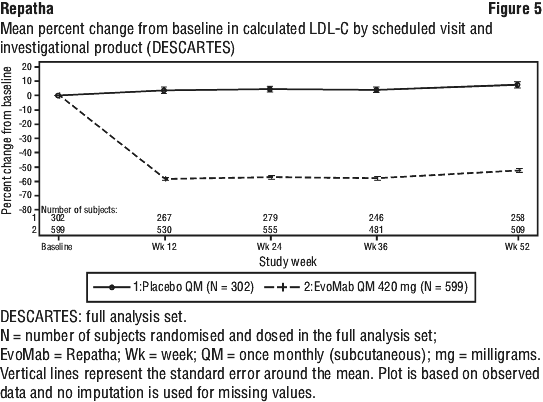
DESCARTES was an international, multicentre, double blind, randomised, placebo controlled, 52 week study of Repatha in 901 patients with hypercholesterolaemia who were receiving diet alone, atorvastatin, or a combination of atorvastatin and ezetimibe. Repatha 420 mg once monthly significantly reduced LDL-C from baseline at 52 weeks compared with placebo (p < 0.001). Treatment effects were sustained over 1 year as demonstrated by reduction in LDL-C from week 12 to week 52 (see Figure 5). Reduction in LDL-C from baseline at week 52 compared with placebo was consistent across background lipid lowering therapies optimised for LDL-C and cardiovascular risk. Repatha 420 mg once monthly significantly reduced TC, ApoB, non-HDL-C, TC/HDL-C, ApoB/ApoA1, VLDL-C, TG, and Lp(a), and increased HDL-C at week 52 compared with placebo (p < 0.001) (see Table 9).
OSLER-1 and OSLER-2 were two randomised, controlled, open label extension studies to assess the long-term safety and efficacy of Repatha in patients who completed treatment in a 'parent' study. In each extension study, patients were randomised 2:1 to receive either Repatha plus standard of care (evolocumab group) or standard of care alone (control group) for the first year of the study. At the end of the first year (week 52 in OSLER-1 and week 48 in OSLER-2), patients were eligible to enter the all Repatha period in which all patients could receive open label Repatha for either another 4 years (OSLER-1) or 2 years (OSLER-2).
A total of 1324 patients enrolled in OSLER-1. Repatha 420 mg once monthly reduced LDL-C from baseline at week 12 and week 52 compared with control. Treatment effects were maintained over 272 weeks as demonstrated by a reduction in LDL-C from week 12 in the parent study to week 260 in the open label extension and the safety profile remained the same. A total of 3681 patients enrolled in OSLER-2. Repatha reduced LDL-C from baseline at week 12 and week 48 compared with control. Treatment effects were maintained as demonstrated by reduction in LDL-C from week 12 to week 104 in the open label extension. Repatha reduced TC, ApoB, non-HDL-C, TC/HDL-C, ApoB/ApoA1, VLDL-C, TG and Lp(a), and increased HDL-C and ApoA1 from baseline to week 52 in OSLER-1 and to week 48 in OSLER-2 compared with control. LDL-C and other lipid parameters returned to baseline within 12 weeks after discontinuation of Repatha at the beginning of OSLER-1 without evidence of rebound.
TAUSSIG was a multicentre, open label 5 year extension study to assess the long-term safety and efficacy of Repatha in patients with severe familial hypercholesterolaemia (FH), including homozygous familial hypercholesterolaemia (HoFH), who were treated with Repatha as an adjunct to other lipid lowering therapies. A total of 194 severe FH (non-HoFH) patients and 106 HoFH patients enrolled in TAUSSIG. All patients in the study were initially treated with Repatha 420 mg once monthly except for those receiving lipid apheresis at enrolment, who began with Repatha 420 mg every 2 weeks. Dose frequency in nonapheresis patients could be titrated up to 420 mg once every 2 weeks based on LDL-C response and PCSK9 levels. Repatha demonstrated a sustained treatment effect as evidenced by a reduction of LDL-C in patients with severe FH (non-HoFH) (see Table 10). Changes in other lipid parameters (TC, ApoB, non-HDL-C, TC/HDL-C, and ApoB/ApoA1) also demonstrated a sustained effect of ongoing Repatha administration in patients with severe FH (non-HoFH).

Homozygous familial hypercholesterolaemia.

TESLA was an international, multicentre, double blind, randomised, placebo controlled 12 week study of Repatha in 49 HoFH patients between 12 to 65 years of age (including 10 adolescent patients) evaluated for their response to 420 mg once monthly as an adjunct to other lipid lowering therapies (e.g. statins, bile acid sequestrants). Repatha 420 mg once monthly significantly reduced LDL-C and ApoB at week 12 compared with placebo (p < 0.001) (see Table 11). Changes in other lipid parameters (TC, non-HDL-C, TC/HDL-C, and ApoB/ApoA1) also demonstrated a treatment effect of Repatha administration in patients with HoFH.

Efficacy in homozygous familial hypercholesterolaemia.

In TAUSSIG, Repatha demonstrated a sustained treatment effect as evidenced by reduction of LDL-C in patients with HoFH (overall, nonapheresis, apheresis) (see Table 12). Changes in other lipid parameters (TC, ApoB, non-HDL-C, TC/HDL-C, and ApoB/ApoA1) also demonstrated a sustained effect of Repatha administration in patients with HoFH. Reductions in LDL-C and changes in other lipid parameters in 14 adolescent patients (12 to < 18 years of age) with HoFH were comparable to those in the overall HoFH study population.

5.2 Pharmacokinetic Properties

Evolocumab exhibits nonlinear kinetics as a result of binding to PCSK9. Administration of the 140 mg dose in healthy volunteers resulted in a Cmax mean (standard deviation [SD]) of 18.6 (7.3) microgram/mL and AUClast mean (SD) of 188 (98.6) day.microgram/mL. Administration of the 420 mg dose in healthy volunteers resulted in a Cmax mean (SD) of 59.0 (17.2) microgram/mL and AUClast mean (SD) of 924 (346) day.microgram/mL. Following a single 420 mg intravenous dose, the mean (SD) systemic clearance was estimated to be 12 (2) mL/hr. An approximate 2 to 3-fold accumulation was observed in trough serum concentrations (Cmin [SD] 7.21 [6.6]) following 140 mg doses administered subcutaneously every 2 weeks or following 420 mg doses administered subcutaneously monthly (Cmin [SD] 11.2 [10.8]), and serum trough concentrations approached steady state by 12 weeks of dosing.

Absorption.

Following a single subcutaneous dose of 140 mg or 420 mg Repatha administered to healthy adults, median peak serum concentrations were attained in 3 to 4 days and estimated absolute bioavailability was 72%.

Distribution.

Following a single 420 mg Repatha intravenous dose, the steady-state volume of distribution was estimated to be 3.3 (0.5) L, suggesting Repatha has limited tissue distribution.

Metabolism.

As a fully human IgG2 antibody, the clearance of Repatha is mediated by specific binding and complex formation with its target ligand, PCSK9, as well as by typical IgG clearance processes in the reticuloendothelial system (RES). Repatha is expected to be degraded into small peptides and amino acids via these catabolic pathways.

Excretion.

Repatha was estimated to have an effective half-life of 11 to 17 days.
No time dependent changes were observed in serum evolocumab concentrations over a period of 124 weeks.
An approximate 20% increase in the clearance of Repatha was observed in patients coadministered with statins. This increased clearance is in part mediated by statins increasing the concentration of PCSK9 which did not adversely impact the pharmacodynamic effect of Repatha on lipids. Population pharmacokinetic analysis indicated no appreciable differences in evolocumab serum concentrations in hypercholesterolaemic (non-FH or FH) patients taking concomitant statins (see Section 4.5 Interactions with Other Medicines and Other Forms of Interactions).

Special populations.

Population pharmacokinetic analyses suggest that no dose adjustments are necessary for age, race or gender. The pharmacokinetics of Repatha were influenced by bodyweight without having any notable impact on LDL-C lowering. Therefore, no dose adjustments are necessary based on bodyweight.

Hepatic impairment.

Single 140 mg subcutaneous doses of Repatha were studied in 8 patients with mild hepatic impairment, 8 patients with moderate hepatic impairment and 8 healthy subjects. The exposure to evolocumab was found to be approximately 40% to 50% lower compared with healthy subjects. However, baseline PCSK9 levels and the degree and time course of PCSK9 neutralisation were found to be similar between patients with mild or moderate hepatic impairment and healthy subjects. This resulted in similar time course and extent of absolute LDL-C lowering.

Renal impairment.

Population pharmacokinetic analysis of integrated data from the Repatha clinical trials did not reveal a difference in pharmacokinetics in Chronic Kidney Disease (CKD) patients with stages 2 and 3 renal impairment relative to nonrenally impaired patients.
In a clinical trial of 18 patients with either normal renal function (estimated glomerular filtration rate [eGFR] ≥ 90 mL/min/1.73 m2), stage 4 CKD (eGFR < 30 mL/min/1.73 m2) or stage 5 CKD (estimated glomerular filtration rate [eGFR] < 15 mL/min/1.73 m2 or on dialysis), exposure, as assessed by Cmax, was found to be approximately 30% to 45% lower in patients with stage 4 or 5 CKD compared with patients with normal renal function. The median tmax was similar across all groups. The pharmacodynamics and safety of Repatha in patients with stage 4 or 5 CKD were similar to patients with normal renal function and there were no clinically meaningful differences in LDL-C lowering.
Therefore, no dose adjustments are necessary in patients with stage 4 or 5 CKD.

5.3 Preclinical Safety Data

Genotoxicity.

The mutagenic potential of Repatha has not been evaluated; however, monoclonal antibodies are not expected to alter DNA or chromosomes.

Carcinogenicity.

The carcinogenic potential of Repatha was evaluated in a lifetime study conducted in the hamster at dose levels up to 100 mg/kg every 2 weeks (AUC exposure 7-fold higher than in patients receiving Repatha at 420 mg once every 2 weeks). There were no evolocumab related tumours. Expected serum LDL-C lowering was observed throughout the study.

6 Pharmaceutical Particulars

6.1 List of Excipients

Repatha is formulated from proline, glacial acetic acid, polysorbate 80, water for injections and sodium hydroxide.

6.2 Incompatibilities

Incompatibilities were either not assessed or not identified as part of the registration of this medicine.

6.3 Shelf Life

In Australia, information on the shelf life can be found on the public summary of the Australian Register of Therapeutic Goods (ARTG). The expiry date can be found on the packaging.

6.4 Special Precautions for Storage

Store refrigerated at 2°C to 8°C in the original carton.
If removed from the refrigerator, Repatha should be kept at controlled room temperature (up to 25°C) in the original carton and must be used within 30 days.
Protect Repatha from direct light and do not expose to temperatures above 25°C.
Do not freeze.
Do not shake.

6.5 Nature and Contents of Container

The needle cover of the glass pre-filled syringe and the pre-filled pen is made from dry natural rubber (a derivative of latex).
Repatha is provided as a:
1 mL solution (140 mg/mL evolocumab) in a single use pre-filled syringe made from type I glass with stainless steel needle, supplied as a 1-pack.*
* Not available in Australia.
1 mL solution (140 mg/mL evolocumab) in a single use pre-filled pen with type 1 glass syringe and stainless steel needle; supplied as a 1-pack, 2-pack*, and 3-pack*.
* Not available in Australia.
3.5 mL solution (420 mg/3.5 mL evolocumab) delivering 120 mg/mL evolocumab in a single-use prefilled cartridge assembly made from Crystal Zenith resin which is co-packaged with an administration device (AMD). The administration device is a compact, sterile, single-use, disposable, injection device intended for use only with the provided 3.5 mL pre-filled cartridge assembly; supplied as a 1-pack.

6.6 Special Precautions for Disposal

In Australia, any unused medicine or waste material should be disposed of in accordance with local requirements.

6.7 Physicochemical Properties

Chemical structure.

Repatha is a fully human immunoglobulin G2 (IgG2) monoclonal antibody with high affinity binding to Proprotein Convertase Subtilisin/Kexin type 9 (PCSK9). Repatha has an approximate molecular weight of 144 kDa and is produced using recombinant DNA technology in mammalian (Chinese hamster ovary, CHO) cells.

CAS number.

1256937-27-5.

7 Medicine Schedule (Poisons Standard)

Prescription Only Medicine (S4).

Summary Table of Changes