


Consumer medicine information

Retrovir

Zidovudine

BRAND INFORMATION

Brand name

Retrovir Capsules and Syrup

Active ingredient

Zidovudine

Schedule

S4


Consumer medicine information (CMI) leaflet

Please read this leaflet carefully before you start using Retrovir.

What is in this leaflet?

Please read this leaflet carefully before you start RETROVIR.

This leaflet answers some common questions about RETROVIR. It does not contain all of the available information.

It does not take the place of talking to your doctor or pharmacist.

All medicines have risks and benefits. Your doctor has weighed the risks of you taking RETROVIR against the benefits this medicine is expected to have for you.

If you have any concerns about taking this medicine, ask your doctor or pharmacist.

Keep this leaflet with the medicine. You may need to read it again.

What RETROVIR is used for

RETROVIR contains zidovudine which belongs to a group of medicines called antiretrovirals.

RETROVIR is used, alone or with other antiretrovirals, to slow down the progression of human immuno-deficiency virus (HIV) infection, which can lead to Acquired Immune Deficiency Syndrome (AIDS) and other related illnesses (e.g. AIDS-related Complex or ARC).

RETROVIR does not cure AIDS or HIV infection, but slows production of human immunodeficiency virus. In this way it stops ongoing damage to the body's immune system, which fights infection.

You will still be able to pass on the HIV virus by sexual activity or by passing on blood or bodily secretions, which carry the HIV virus, although the risk is lowered by effective antiretroviral therapy. Discuss with your doctor the precautions needed to avoid infecting other people.

While taking RETROVIR and/or any other therapy for HIV disease, you may continue to develop other infections and other complications of HIV infection. You should keep in regular contact with your doctor.

RETROVIR has been extensively studied but for limited periods of time. The long-term risks and benefits of taking RETROVIR are not known; especially in patients without symptoms of HIV infection, or with early HIV disease.

Your doctor may have prescribed RETROVIR for another reason. Ask your doctor if you have any questions about why RETROVIR has been prescribed for you.

RETROVIR is not addictive.

Before you take RETROVIR

When you must not take it

  • Do not take RETROVIR if you weigh less than 30 kg.
  • Do not take RETROVIR if you have ever had an allergic reaction to zidovudine or any of the ingredients listed at the end of this leaflet.
    Symptoms of an allergic reaction may be mild or severe. They usually include some or all of the following: wheezing, swelling of the lips/mouth, difficulty in breathing, hayfever, lumpy rash ("hives") or fainting.
  • Do not take RETROVIR if you are pregnant, trying to become pregnant or breastfeeding, unless your doctor says you should.
    Your doctor will discuss the risks and benefits of using RETROVIR if you are pregnant or breastfeeding.
  • Do not take RETROVIR if you have a reduced red blood cell count (anaemia) or a reduced white blood cell count (neutropenia).
    Ask your doctor if you are not sure whether you should take RETROVIR.
  • Do not take RETROVIR after the expiry date (EXP) printed on the pack.
    If you take it after the expiry date has passed, it may not work as well.
  • Do not take RETROVIR if the packaging is torn or shows signs of tampering.

If you're not sure whether you should be taking RETROVIR, talk to your doctor.

Before you start to take it

You must tell your doctor if:

  • you are allergic to foods, dyes, preservatives or any other medicines.
  • you are taking or have taken any other medicines.

Taking other medicines

Tell your doctor if you are taking any other medicines, including medicines you buy without a prescription from a pharmacy, supermarket or health food shop.

If you take ribavirin and RETROVIR together it may cause or worsen anaemia. Please contact your doctor if you notice symptoms of anaemia (such as tiredness and shortness of breath). Your doctor will advise you whether you should stop taking RETROVIR.

There is little information about the way other medicines might affect the way that RETROVIR works, or how RETROVIR affects other medicines. Particular care is needed when taking the painkiller, paracetamol. Your doctor or pharmacist will be able to tell you what to do when taking RETROVIR with other medicines.

Tell your doctor if you are taking any of the medicines below:

  • Phenytoin, oxazepam, lorazepam.
  • Aspirin, codeine, morphine, methadone, indomethacin, ketoprofen, naproxen, cimetidine, clofibrate, probenecid.
  • Pentamidine, pyrimethamine, dapsone, atovaquone, amphotericin, flucytosine, ganciclovir, interferon, clarithromycin.
  • Vincristine, vinblastine and doxorubicin

Use in children

The risks and benefits for children taking RETROVIR has not been established.

How to take RETROVIR

The Pharmacist's label on the pack will tell you how to take RETROVIR. If there is something you do not understand, ask your doctor or pharmacist.

How much to take

The usual dosage of RETROVIR is 500 mg to 600 mg each day. Take this as a divided dose, which may be from two up to five separate doses.

A daily dose of 1000 mg, in two divided doses, is also prescribed.

How to take it

Your RETROVIR should be swallowed with a drink of water.

When to take it

Your doctor or pharmacist will be able to tell you when you should take your RETROVIR.

How long to take it

Your doctor or pharmacist will be able to tell you how long you should take your RETROVIR.

If you forget to take it

If it is almost time for your next dose, skip the dose you missed and take your next dose when you are meant to. Otherwise, take it as soon as you remember, then go back to taking it as you would normally.

Do not take a double dose to make up for the dose that you missed.

If you take too much (overdose)

Immediately contact your doctor, pharmacist or Poisons Information Centre (telephone 131126) for advice, if you think you or anyone else may have taken too much RETROVIR, even if there are no signs of discomfort or poisoning. If possible, show them the RETROVIR pack. You may need urgent medical attention.

Keep telephone numbers for these places handy.

While you are taking RETROVIR

Things you must do

Tell your doctor or pharmacist that you are taking RETROVIR if you are about to be started on any new medicines.

There is little information about the way other medicines might affect the way that RETROVIR works. You must tell your doctor or pharmacist that you are taking RETROVIR before you start taking medicines you buy from a pharmacy, health food shop or supermarket. This is especially important regarding medicines which might have an effect on the kidneys, liver, red or white blood cells or other body cells.

Tell your doctor if you become pregnant or are trying to become pregnant.

Tell your doctor if, for any reason, you have not taken your medicine exactly as prescribed. Otherwise, your doctor may think that it was not effective and change your treatment unnecessarily.

Things you must not do

Do not stop taking RETROVIR, or change the dose without first checking with your doctor.

Do not give this medicine to anyone else, even if their symptoms seem similar to yours.

Do not use RETROVIR to treat any other complaints unless your doctor says to.

Things to be careful of

Be careful driving or operating machinery until you know how RETROVIR affects you. RETROVIR taken alone generally does not cause any problems with your ability to drive a car or operate machinery. However, as with many other medicines, RETROVIR may cause headache and tiredness in some people.

Side-Effects

Check with your doctor as soon as possible if you have any problems while taking RETROVIR, even if you do not think the problems are connected with the medicine or are not listed in this leaflet.

Like other medicines, RETROVIR can cause some side-effects. If they occur, they are most likely to be minor and temporary. However, some may be serious and need medical attention.

The most serious side-effects include:

  • reduced red blood cell count (anaemia).
  • reduced white blood cell count (neutropenia).

The frequency and severity of anaemia and neutropenia are greater in patients with advanced HIV disease, or in patients who start taking RETROVIR in later stages of HIV disease.

While you are taking RETROVIR, it is very important that your doctor keeps a close check on your health and takes blood samples to monitor levels of red and white blood cells. If you develop anaemia or neutropenia, your doctor may reduce or stop the dose of RETROVIR, or recommend standard treatment for these conditions. Ask your doctor any questions you may have.

It is not known whether many of these side-effects are due to taking RETROVIR or taking RETROVIR while taking other medicines. Some of these symptoms may occur as part of HIV infection, AIDS or AIDS-related Complex.

The side-effects listed below have been reported:

  • body odour, chills, swelling of lips and/or tongue, flu-like symptoms, increased sensitivity to pain, back pain, enlarged glands, chest pain, weakness, weight loss, generally feeling unwell.
  • widening of blood vessels, possibly leading to low blood pressure or feeling faint.
  • constipation, difficulty in swallowing, gas from stomach or bowel, bleeding gums or nose, blood in stools, mouth ulcers, heartburn, vomiting, loss or reduction in appetite, nausea.
  • muscle aches or pains, muscle shaking or spasm or twitching, muscle disease.
  • enlarged fatty liver, abnormal results of blood tests of liver function, inflammation of the pancreas.
  • confusion, depression, nervousness, fainting, loss of mental clarity, dizziness, seizures, severe headache, sleeplessness.
  • cough, sore throat, hayfever, sinus problems, hoarseness.
  • acne, itchiness, skin rash, changes in nail, skin or mouth colour.
  • vision problems, hearing loss, sensitivity to light.
  • passing too much urine, pain, difficulty or increased frequency of passing urine.
  • reduction in all blood cells.
  • blood chemistry changes, with excess acidity of the blood.

Treatment with RETROVIR or other medicines that contain zidovudine may cause a loss of fat from legs, arms and face (lipoatrophy). Your doctor should monitor for signs of lipoatrophy.

  • Tell your doctor if you notice any loss of fat from your legs, arms, and face. When these signs occur, your doctor will assess if RETROVIR should be stopped and your HIV treatment changed. If you stop taking RETROVIR, it may take several months to see any lost fat return. You may not regain all of your lost body fat.

Other effects may show up in blood tests including increased blood levels of sugar, fatty acids (triglycerides) and cholesterol.

Within the first few weeks of treatment with anti-HIV medicines, some people, particularly those that have been HIV positive for some time, may develop inflammatory reactions (e.g. pain, redness, swelling, high temperature) which may resemble an infection and may be severe. It is thought that these reactions are caused by a recovery in the body's ability to fight infections, previously suppressed by HIV.

If you become concerned about any new symptoms, or any changes in your health after starting HIV treatment, please discuss with your doctor immediately.

Ask your doctor or pharmacist to answer any questions you may have. If you experience any of these side-effects, and they concern you, see your doctor or pharmacist.

If you think you are having an allergic reaction to RETROVIR, TELL YOUR DOCTOR IMMEDIATELY or go to the Accident and Emergency department at your nearest hospital. Symptoms usually include some or all of the following:

  • wheezing
  • swelling of the lips/mouth
  • difficulty in breathing
  • hayfever
  • lumpy rash ("hives")
  • fainting

If you are on medication for HIV and become very sick, with fast breathing, stop RETROVIR and consult your doctor immediately. You may have a condition known as "lactic acidosis". The fast breathing is due to high acid levels in the blood. Your liver may not be working properly and gets big and fatty. This can be life threatening. This illness occurs more often in women than men.

See your doctor if you feel generally unwell with loss of appetite, nausea, vomiting, itching, yellowness of the skin or eyes or dark coloured urine, or if the blood tests of your liver function are abnormal. It is likely you will have to stop taking RETROVIR.

This is not a complete list of all possible side-effects. Others may occur in some people and there may be some side-effects not yet known.

Side-effects may depend on whether you take RETROVIR alone, or also have taken other antiretroviral medication(s). Less is known about possible side-effects of taking RETROVIR with other antiretrovirals.

Tell your doctor if you notice anything else that is making you feel unwell, even if it is not on this list.

Ask your doctor or pharmacist if you don't understand anything in this list.

Do not be alarmed by this list of possible side-effects. You may not experience any of them.

After taking RETROVIR

Storage

Keep this medicine where children cannot reach it. A locked cupboard at least one-and-a half metres above the ground is a good place to store medicines.

Keep RETROVIR in a cool, dry place where it stays below 30°C.

Do not store it, or any other medicine, in a bathroom or near a sink. Do not leave it in the car or on window sills. Heat and dampness can destroy some medicines.

Keep your RETROVIR in its pack until it is time to take it. If you take RETROVIR out of its pack it may not keep well.

Disposal

If your doctor tells you to stop taking RETROVIR, or that RETROVIR has passed its expiry date, ask your pharmacist what to do with any RETROVIR left over.

Product description

What RETROVIR looks like.

RETROVIR capsules come in two strengths:

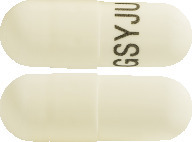
  • RETROVIR 100 mg capsules are opaque white cap and body coded GSYJU. Bottles or blister packs contain 100 capsules.
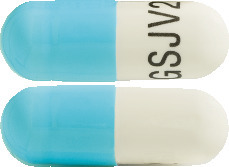
  • RETROVIR 250 mg capsules are opaque blue cap and opaque white body coded GSJV2. A blister pack contains 40 or 60 capsules*.

*Not all pack sizes are marketed.

RETROVIR syrup is as a pale yellow, strawberry flavoured liquid and is supplied in a 200mL bottle with a syringe, syringe adapter and a plastic cap.

Ingredients

RETROVIR contains the active ingredient zidovudine.

RETROVIR capsules inactive ingredients: maize starch, microcrystalline cellulose, sodium starch glycollate, magnesium stearate, gelatin, titanium dioxide, indigo carmine (250 mg capsules only) and polysorbate 80. Printing ink ingredients: shellac, shellac glaze-45% (20% esterfied) in ethanol, iron oxide black, propylene glycol, ammonium hydroxide, ammonia and potassium hydroxide.

RETROVIR syrup contains glycerol, citric acid, sodium benzoate, sodium saccharin, maltilol solution, Strawberry Flavour PHL-134189, White Sugar Flavour DA13780 and purified water.

RETROVIR does not contain gluten.

Supplier

ViiV Healthcare Pty Ltd
Level 4,
436 Johnston St,
Abbotsford
Victoria, 3067
Australia.

Further Information

Pharmaceutical companies are not in a position to give people an individual diagnosis or medical advice. Your doctor or pharmacist is the best person to give you advice on the treatment of your condition. You may also be able to find general information about your disease and its treatment from books, for example in public libraries, also from the AIDS council in your State.

Do not throw this leaflet away.

You may need to read it again.

This leaflet was prepared on
10 February 2021

The information provided applies only to: RETROVIR.

Trade marks are owned by or licensed to the ViiV Healthcare group of companies.

RETROVIR Capsules, Zidovudine 100 mg: AUST R 178834 (bottle), AUST R 178383 (blister)

RETROVIR Capsules, Zidovudine 250 mg: AUST R 178384

RETROVIR Syrup, Zidovudine 50 mg/5mL: AUST R 41043.

© 2021 ViiV Healthcare group of companies or its licensor.

Version 8.0

Published by MIMS December 2021

BRAND INFORMATION

Brand name

Retrovir Capsules and Syrup

Active ingredient

Zidovudine

Schedule

S4


1 Name of Medicine

Zidovudine.

2 Qualitative and Quantitative Composition

Zidovudine is a white to off-white, odourless crystalline solid.

Retrovir Capsules 100 mg.

Each capsule contains zidovudine 100 mg.

Retrovir Capsules 250 mg.

Each capsule contains zidovudine 250 mg.

Retrovir Syrup.

Each 5 mL contains zidovudine 50 mg, sodium benzoate, saccharin sodium, maltitol solution.
For the full list of excipients, see Section 6.1 List of Excipients.

3 Pharmaceutical Form

Retrovir Capsules 100 mg.

Opaque white cap and body coded GSYJU.

Retrovir Capsules 250 mg.

Opaque blue cap and opaque white body coded GSJV2.

Retrovir Syrup.

Pale yellow, strawberry flavoured.

4 Clinical Particulars

4.1 Therapeutic Indications

Retrovir (zidovudine) is indicated for use in the treatment of HIV infection, alone and in combination with other antiretroviral therapies. The optimal dosage for this indication has not been established.

4.2 Dose and Method of Administration

Adults weighing at least 30 kg.

A broad range of dosage regimens has been employed; a daily dose of 500-600 mg in two to five divided doses has been used commonly worldwide.

Dosage in combination therapy.

Retrovir may be administered separately or with other antiretroviral therapies (see Section 5.1 Pharmacodynamic Properties, Clinical trials, Combination therapy).

Monitoring of patients.

Haematologic toxicities appear to be related to pretreatment bone marrow reserve and to dose and duration of therapy. In patients with poor bone marrow reserve, particularly in patients with advanced symptomatic HIV disease, frequent monitoring of haematologic indices is recommended to detect serious anaemia or granulocytopenia (see Section 4.4 Special Warnings and Precautions for Use). In patients who experience haematologic toxicity, reduction in haemoglobin may occur as early as 2 to 4 weeks, and granulocytopenia usually occurs after 6 to 8 weeks.

Dose adjustment.

Significant anaemia (haemoglobin of < 7.5 g/dL or reduction of > 25% of baseline) and/or significant granulocytopenia (granulocyte count of < 750/mm3 or reduction of > 50% from baseline) require a dose interruption until evidence of marrow recovery is observed (see Section 4.4 Special Warnings and Precautions for Use). For less severe anaemia or granulocytopenia, a reduction in daily dose may be adequate. In patients who develop significant anaemia, dose modification does not necessarily eliminate the need for transfusion. If marrow recovery occurs following dose modification, gradual increases in dose may be appropriate depending on haematologic indices and patient tolerance.

Dosage in the elderly.

No specific data are available, however, special care is advised in this age group due to age-associated changes such as the decrease in renal function and alterations in haematological parameters.

Dosage in renal impairment.

Compared to healthy subjects, patients with advanced renal failure have a 50% higher maximum plasma concentration of zidovudine. Systemic exposure (measured as area under the zidovudine concentration-time curve) is increased 100%; the half-life is not significantly altered. In renal failure there is substantial accumulation of the major glucuronide metabolite compared to healthy volunteers (see Table 1) but this does not appear to cause toxicity.
Patients with advanced renal failure should receive Retrovir at the lower end of the dosage range. Haematological parameters and clinical response may influence the need for subsequent dosage adjustment. Haemodialysis and peritoneal dialysis have no significant effect on zidovudine elimination. In a small number of patients haemodialysis would appear to be more efficient in eliminating the glucuronide metabolite than peritoneal dialysis.

Dosage in hepatic impairment.

Limited data in patients with cirrhosis suggest that accumulation of zidovudine may occur in patients with hepatic impairment because of decreased glucuronidation. Dosage adjustments may be necessary but precise recommendations cannot be made at present. If monitoring of plasma zidovudine levels is not feasible, physicians will need to pay particular attention to signs of intolerance and increase the interval between doses as appropriate.

Dosage adjustments in recipients of combination therapy.

For recipients of combination antiretroviral therapy, dosage adjustments for the drugs should follow guidelines for the individual drug. For severe adverse events, those in which the causative drug is unclear, or those persisting after dose interruption or reduction of one drug, the other drug(s) should also be interrupted or dose-reduced. Physicians should refer to the complete product information for the respective antiretroviral drug for a description of the associated adverse reactions.

4.3 Contraindications

Retrovir preparations are contraindicated for patients who have potentially life-threatening allergic reactions to any of the components of the formulation.
Retrovir should not be given to patients with abnormally low neutrophil counts (less than 0.75 x 10⁹/L) or abnormally low haemoglobin levels (less than 7.5 g/dL or 4.65 mmol/L).

4.4 Special Warnings and Precautions for Use

Warnings.

Therapy with Retrovir (zidovudine) is commonly associated with haematologic toxicity including granulocytopenia and severe anaemia requiring transfusions, particularly in patients with advanced HIV disease.

Precautions.

Patients receiving zidovudine or any other antiretroviral therapy may continue to develop opportunistic infections and other complications of HIV infection, and therefore should remain under close clinical observation by physicians experienced in the treatment of patients with HIV associated diseases.
The full safety and efficacy profile of zidovudine has not been completely defined, particularly in regard to prolonged use.
Zidovudine should be used with extreme caution in patients who have bone marrow compromise evidenced by a granulocyte count < 1000/mm3 or haemoglobin < 9.5 g/dL. In all of the placebo-controlled studies, but most frequently in patients with advanced symptomatic HIV disease, anaemia and granulocytopenia were the most significant adverse events observed (see Section 4.8 Adverse Effects (Undesirable Effects)).
There have been reports of pancytopenia associated with the use of zidovudine, which was reversible in most instances after discontinuance of the drug.
Significant anaemia most commonly occurred after 4 to 6 weeks of therapy and in many cases required dose adjustment, discontinuation of zidovudine, and/or blood transfusions. Frequent (at least every 2 weeks) blood counts are strongly recommended in patients with advanced HIV disease taking zidovudine. For asymptomatic HIV-infected individuals and patients with early HIV disease, most of whom have better marrow reserve, blood counts may be obtained less frequently, depending upon the patient's overall status. If anaemia or granulocytopenia develops, dosage adjustments may be necessary (see Section 4.2 Dose and Method of Administration).
Sensitisation reactions, including anaphylaxis in one patient, have been reported in individuals receiving zidovudine therapy. Patients experiencing a rash should undergo medical evaluation.
If zidovudine is co-administered with other drugs metabolised by glucuronidation, careful thought should be given to the possibilities of interactions, because the toxicity of either drug may be potentiated (see Section 4.5 Interactions with Other Medicines and Other Forms of Interactions). Zidovudine recipients who used paracetamol during the controlled trial in advanced HIV disease had an increased incidence of granulocytopenia, which appeared to be correlated with the duration of paracetamol use.

Lipoatrophy.

Treatment with zidovudine has been associated with loss of subcutaneous fat. The incidence and severity of lipoatrophy are related to cumulative exposure. This fat loss, which is most evident in the face, limbs and buttocks, may be only partially reversible and improvement may take several months when switching to a zidovudine-free regimen. Patients should be regularly assessed for signs of lipoatrophy during therapy with zidovudine and other zidovudine containing products (Combivir and Trizivir), and if feasible therapy should be switched to an alternative regimen if there is suspicion of lipoatrophy development.

Serum lipids and blood glucose.

Serum lipid and blood glucose levels may increase during antiretroviral therapy. Disease control and lifestyle changes may also be contributing factors. Consideration should be given to the measurement of serum lipids and blood glucose. Lipid disorders should be managed as clinically appropriate.

Lactic acidosis and severe hepatomegaly with steatosis.

Lactic acidosis and severe hepatomegaly with steatosis, including fatal cases, have been reported with the use of antiretroviral nucleoside analogues either alone or in combination, including zidovudine. A majority of these cases have been in women.
Clinical features which may be indicative of the development of lactic acidosis include generalised weakness, anorexia and sudden unexplained weight loss, gastrointestinal symptoms and respiratory symptoms (dyspnoea and tachypnoea).
Caution should be exercised when administering zidovudine, particularly to those with known risk factors for liver disease. Treatment with zidovudine should be suspended in any patient who develops clinical or laboratory findings suggestive of lactic acidosis with or without hepatitis (which may include hepatomegaly and steatosis even in the absence of marked transaminase elevations).

Immune reconstitution syndrome (IRIS).

In HIV-infected patients with severe immune deficiency at the time of initiation of anti-retroviral therapy (ART), an inflammatory reaction to asymptomatic or residual opportunistic infections may arise and cause serious clinical conditions, or aggravation of symptoms. Typically, such reactions have been observed within the first few weeks or months of initiation of ART. Relevant examples are cytomegalovirus retinitis, generalised and/or focal mycobacterial infections and Pneumocystis jiroveci (P. carinii) pneumonia. Any inflammatory symptoms must be evaluated without delay and treatment initiated when necessary. Autoimmune disorders (such as Graves' disease, polymyositis and Guillain-Barre syndrome) have also been reported to occur in the setting of immune reconstitution, however the time to onset is more variable, and can occur many months after initiation of treatment and sometimes can be an atypical presentation.

Mitochondrial dysfunction.

Nucleoside and nucleotide analogues have been demonstrated in vitro and in vivo to cause a variable degree of mitochondrial damage. There have been reports of mitochondrial dysfunction in HIV-negative infants exposed in utero and/or post-natally to nucleoside analogues. The main adverse events reported are haematological disorders (anaemia, neutropenia), metabolic disorders (hyperlactatemia, hyperlipasemia). These events are often transitory. Some late-onset neurological disorders have been reported (hypertonia, convulsion, abnormal behaviour). Whether the neurological disorders are transient or permanent is currently unknown. Any child exposed in utero to nucleoside and nucleotide analogues, even HIV-negative children should have clinical and laboratory follow-up and should be fully investigated for possible mitochondrial dysfunction in case of relevant signs or symptoms. These findings do not affect current national recommendations to use antiretroviral therapy in pregnant women to prevent vertical transmission of HIV.

Patients co-infected with hepatitis C virus.

Exacerbation of anaemia due to ribavirin has been reported when zidovudine is part of the regimen used to treat HIV although the exact mechanism remains to be elucidated. Therefore, the co-administration of ribavirin and zidovudine is not advised and consideration should be given to replacing zidovudine in a combination ART regimen if this is already established. This is particularly important in patients with a known history of zidovudine induced anaemia.

Information for patients.

In order to ensure the safe and effective use of zidovudine it is necessary that the patient should be made adequately aware of the benefits and risks associated with its use. It is recommended that the following information, in addition to any other considered appropriate by the treating clinician, should be provided to the patient. Zidovudine is not a cure for HIV infections, and patients may continue to acquire illnesses associated with HIV, including opportunistic infections. Therefore, patients should be advised to seek medical care for any significant change in their health status.
Patients should be informed that the drug has been extensively studied but for limited periods of time, and that long-term safety and efficacy are not known, particularly for patients without symptoms or with less advanced disease. Patients should be informed that the major toxicities of zidovudine are granulocytopenia and/or anaemia.
The frequency and severity of these toxicities are greater in patients with more advanced disease and those who initiate therapy later in the course of their infection. They should be told that if toxicity develops, they may require transfusions or dose modifications including possible discontinuation. They should be told of the extreme importance of having their blood counts followed regularly while on therapy and especially closely for patients with advanced symptomatic HIV disease. They should be cautioned about the use of other medications, such as paracetamol, that may exacerbate the toxicity of zidovudine (see Section 4.4 Special Warnings and Precautions for Use).
Retrovir Capsules, Tablets and Syrup are for oral ingestion only. Patients should be told of the importance of taking zidovudine exactly as prescribed. They should be told not to share medication and not to exceed the recommended dose. Patients should be told that the long-term effects of zidovudine are unknown at this time.
While effective viral suppression with antiretroviral therapy has been proven to substantially reduce the risk of sexual transmission, a residual risk cannot be excluded. Precautions to prevent transmission should be taken in accordance with national guidelines.

Use in hepatic impairment.

The use of zidovudine in patients with hepatic impairment is discussed under Dose and Method of Administration.

Use in renal impairment.

The use of zidovudine in patients with renal impairment is discussed under Dose and Method of Administration.
Zidovudine is eliminated from the body following metabolism (glucuronidation) primarily by renal excretion; only a small fraction is excreted unchanged in the urine.

Use in the elderly.

The use of zidovudine in the elderly is discussed under Dose and Method of Administration.

Paediatric use.

Safety and effectiveness in children have not been established.

Effects on laboratory tests.

No data available.

4.5 Interactions with Other Medicines and Other Forms of Interactions

As experience of drug interactions with zidovudine is limited, care should be taken when combining with other drug regimens. The interactions listed below should not be considered exhaustive but are representative of the classes of drug where caution should be exercised.
Zidovudine does not appear to affect the pharmacokinetics of atovaquone. However, pharmacokinetic data have shown that atovaquone appears to decrease the rate of metabolism of zidovudine to its glucuronide metabolite (steady state AUC of zidovudine was increased by 33% and peak plasma concentration of the glucuronide was decreased by 19%). At zidovudine dosages of 500 or 600 mg/day it would seem unlikely that a three week, concomitant course of atovaquone for the treatment of acute PCP would result in an increased incidence of adverse reactions attributable to higher plasma concentrations of zidovudine. Extra care should be taken in monitoring patients receiving prolonged atovaquone therapy.
Clarithromycin tablets reduce the absorption of zidovudine. This can be avoided by separating the administration of zidovudine and clarithromycin by at least two hours.
Co-administration of zidovudine with drugs that are nephrotoxic, cytotoxic, or which interfere with RBC/WBC number or function (e.g. pyrimethamine, sulfamethoxazole and trimethoprim, doxorubicin, dapsone, systemic pentamidine, ganciclovir, amphotericin B, flucytosine, vincristine, vinblastine, adriamycin or interferon) may increase the risk of toxicity. If concomitant therapy with any of these drugs is necessary then extra care should be taken in monitoring renal function and haematological parameters and, if required, the dosage of one or more agents should be reduced.
Zidovudine may inhibit the intracellular phosphorylation of stavudine when the two medicinal products are used concurrently. Stavudine is therefore not recommended to be used in combination with Retrovir.
Probenecid may reduce renal excretion of zidovudine and in addition, like some other drugs (e.g. codeine, methadone, morphine, inosine pranobex, paracetamol, aspirin, or indomethacin, ketoprofen, naproxen, oxazepam, lorazepam, cimetidine, clofibrate, dapsone) may alter the metabolism of zidovudine by competitively inhibiting glucuronidation or directly inhibiting hepatic microsomal metabolism (see Section 4.4 Special Warnings and Precautions for Use). Careful thought should be given to the possibilities of drug interactions before using such drugs, particularly for chronic therapy, in combination with zidovudine.
Paracetamol use during treatment with zidovudine in a placebo-controlled trial was associated with an increased incidence of neutropenia especially following chronic therapy. However, the available pharmacokinetic data indicate that paracetamol does not increase plasma levels of zidovudine nor of its glucuronide metabolite.
Phenytoin blood levels have been reported to be low in some patients receiving zidovudine, while in one case a high level was documented. These observations suggest that phenytoin levels should be carefully monitored in patients receiving zidovudine since many patients with advanced HIV infections have CNS conditions which may predispose to seizure activity.
Some experimental nucleoside analogues affecting DNA replication antagonise the in vitro antiviral activity of zidovudine against HIV and thus, concomitant use of such drugs should be avoided.
The nucleoside analogue ribavirin antagonises the in vitro antiviral activity of zidovudine and so concomitant use of this drug should be avoided.
Some drugs such as trimethoprim and sulfamethoxazole, aerosolised pentamidine, pyrimethamine and aciclovir, may be necessary for the management or prevention of opportunistic infections. In the controlled trial in patients with advanced HIV disease, increased toxicity was not detected with limited exposure to these drugs. However, there is one published report of neurotoxicity (profound lethargy) associated with concomitant use of zidovudine and aciclovir.

4.6 Fertility, Pregnancy and Lactation

Effects on fertility.

No effect on male or female fertility (judged by conception rates) was seen in rats given zidovudine orally at doses up to 225 mg/kg twice daily.
There are no data on the effect of zidovudine on human female fertility. In men zidovudine has not been shown to affect sperm count, morphology or motility.
(Category B3)
Zidovudine has been evaluated in the Antiretroviral Pregnancy Registry (APR) in over 13,000 women during pregnancy and postpartum. Available human data from the APR do not show an increased risk of major birth defects for zidovudine compared to the background rate (see Section 5.1 Pharmacodynamic Properties, Clinical trials).
The safe use of zidovudine in human pregnancy has not been established in adequate and well-controlled trials investigating congenital abnormalities. Therefore administration of zidovudine in pregnancy should be considered only if the expected benefit outweighs the possible risk to the foetus.
Zidovudine crosses the human placenta. Zidovudine has been associated with findings in animal reproductive studies. Pregnant women considering using zidovudine during pregnancy should be made aware of these findings. It is fetotoxic in animals. Oral teratology studies in the rat and in the rabbit at doses up to 250 mg/kg twice daily revealed no evidence of teratogenicity with zidovudine. The incidence of foetal resorptions was increased in rats given 75 or 225 mg/kg twice daily and rabbits given 250 mg/kg twice daily: dosages which give plasma levels of > 19.5 and 200.7 micromolar respectively at 30 minutes after dosing. A separate study, reported subsequently, has shown that 3000 mg/kg/day (as two equal doses at least 6 hours apart) given to rats during the period of organogenesis, caused marked maternal toxicity and an increased incidence of foetal malformations. This dose is comparable to the single oral median lethal dose of 3683 mg/kg in the rat. No evidence of increased incidence of foetal abnormality was observed in this study at the lower dose rates administered - 600 mg/kg/day or less, also given as 2 equal doses.
There have been reports of mild, transient elevations in serum lactate levels, which may be due to mitochondrial dysfunction, in neonates and infants exposed in utero or peri-partum to nucleoside reverse transcriptase inhibitors (NRTIs). The clinical relevance of transient elevations in serum lactate is unknown. There have also been very rare reports of developmental delay, seizures and other neurological disease. However, a causal relationship between these events and NRTI exposure in utero or peri-partum has not been established. These findings do not affect current recommendations to use antiretroviral therapy in pregnant women to prevent vertical transmission of HIV.
It is not known whether zidovudine can cause foetal harm when administered to a pregnant woman or can affect reproductive capacity. Zidovudine should be given to a pregnant woman only if clearly needed.
Excretion of zidovudine in breast milk has been reported in clinical studies, resulting in sub-therapeutic infant plasma levels.
Breast feeding is not advised because of the potential for HIV transmission from mother to child, and the potential risk of adverse events due to antiretroviral drug excretion in breast milk.
In settings where formula feeding is unsafe or unavailable, the World Health Organisation has provided guidelines.

4.7 Effects on Ability to Drive and Use Machines

There have been no studies to investigate the effect of zidovudine on driving performance or the ability to operate machinery. Further, a detrimental effect on such activities cannot be predicted from the pharmacology of the drug. Nevertheless, the clinical status of the patient and the adverse event profile of zidovudine should be borne in mind when considering the patient's ability to drive or operate machinery.

4.8 Adverse Effects (Undesirable Effects)

The frequency and severity of adverse events associated with the use of zidovudine are greater in patients with more advanced infection at the time of initiation of therapy. Tables 2, 3 and 4 summarise the relative incidence of haematologic adverse events observed in the placebo controlled clinical studies by severity of HIV disease present at the start of treatment:
The most serious adverse reactions include anaemia (which may require transfusions), neutropenia and leucopenia. These occur more frequently at higher dosages (1200-1500 mg/day) and in patients with advanced HIV disease (especially when there is poor bone marrow reserve prior to treatment), particularly in patients with CD4 cell counts less than 100/mm3. Dosage reduction or cessation of therapy may become necessary (see Section 4.2 Dose and Method of Administration). The anaemia appeared to be the result of impaired erythrocyte maturation as evidenced by increasing macrocytosis (MCV) while on the drug.
The incidence of neutropenia was also increased in those patients whose neutrophil counts, haemoglobin levels and serum vitamin B12 levels were low at the start of zidovudine therapy, and in those patients taking paracetamol concurrently (see Section 4.5 Interactions with Other Medicines and Other Forms of Interactions).
Some of the HIV-infected individuals participating in these clinical trials had baseline symptoms and signs of HIV disease and/or experienced adverse events at some time during study. It was often difficult to distinguish adverse events possibly associated with zidovudine administration from underlying signs of HIV disease or intercurrent illnesses. The possibility of such events being drug related, however, cannot be excluded. Table 5 summarises clinical adverse events or symptoms which occurred in at least 5% of all patients with advanced HIV disease treated with zidovudine in the original placebo-controlled study. Of the items listed in Table 5, only severe headache, nausea, insomnia, and myalgia were reported at a significantly greater rate in zidovudine recipients.
Clinical adverse events which occurred in less than 5% of all patients treated with zidovudine in the advanced HIV study are listed below. Since many of these adverse events were seen in placebo-treated patients as well as zidovudine recipients, their possible relationship to the drug is unknown.

Body as a whole.

Body odour, chills, oedema of the lip, flu syndrome, hyperalgesia, back pain, lymphadenopathy, chest pain, generalised pain.

Cardiovascular.

Vasodilation.

Gastrointestinal.

Constipation, dysphagia, oedema of the tongue, eructation, flatulence, bleeding gums, rectal haemorrhage, mouth ulcer.

Hepatic.

Changes in liver function tests including increases in SGOT levels.

Musculoskeletal.

Arthralgia, muscle spasm, tremor, twitch, myopathy.

Nervous.

Anxiety, confusion, depression, emotional lability, nervousness, syncope, loss of mental acuity, vertigo, seizures.

Respiratory.

Cough, epistaxis, pharyngitis, rhinitis, sinusitis, hoarseness.

Skin.

Acne, pruritus, urticaria, nail pigmentation.

Special senses.

Amblyopia, hearing loss, photophobia.

Urogenital.

Dysuria, polyuria, urinary frequency, urinary hesitancy.
Subsequent to the initial trial, sensitisation reactions, including anaphylaxis in one patient, have been reported in individuals receiving zidovudine therapy.
All unexpected events and expected events of a severe or life-threatening nature were monitored in the placebo-controlled studies in early HIV disease and asymptomatic HIV infection. Data concerning the occurrence of additional signs or symptoms were also collected. No distinction was made in reporting events between those possibly associated with the administration of the study medication and those due to the underlying disease. Tables 6 and 7 summarise all those events reported at a statistically significant greater incidence for zidovudine recipients in these studies:
The following events have also been reported in patients treated with zidovudine. They may occur as part of the underlying disease process or as a result of the wide range of drugs used in the management of HIV disease. The relationship between these events and the use of zidovudine is therefore difficult to evaluate, particularly in the medically complicated situations which characterise advanced HIV disease. If the severity of the symptoms warrants it, a reduction or suspension of zidovudine therapy may assist in the assessment and management of these conditions:
cardiomyopathy;
pancytopenia with marrow hypoplasia and isolated thrombocytopenia;
lactic acidosis in the absence of hypoxaemia;
liver disorders, such as severe hepatomegaly with steatosis, raised blood levels of liver enzymes and bilirubin;
pancreatitis;
skin and oral mucosa pigmentation;
red cell aplasia and aplastic anaemia.

Adverse reactions with combination therapy.

Information regarding the safety of zidovudine in combination with other antiretroviral drugs is limited. Physicians should refer to the complete product information for the respective antiretroviral therapy for a description of the known associated adverse reactions.
Only limited safety data are available on the combined use of zidovudine with zalcitabine. Clinical adverse events occurring in > 3% of patients treated with zalcitabine 0.005 and 0.01 mg/kg every eight hours administered concomitantly with zidovudine 100 mg or 200 mg every eight hours, as well as zidovudine 50 mg every eight hours alone or combined with zalcitabine 0.005 mg/kg every eight hours, are listed in Table 8. One patient with advanced HIV disease died of refractory acidosis, mild pancreatitis, hepatomegaly with steatosis, and an unexplained neurological syndrome. The investigator assessed this event as remotely related to zidovudine and/or the combination of zidovudine and zalcitabine.
Treatment with zidovudine has been associated with loss of subcutaneous fat (see Section 4.4 Special Warnings and Precautions for Use).

Post marketing data.

Metabolism and nutrition disorders.

Hyperlactataemia (common), lactic acidosis (rare, see Section 4.4 Special Warnings and Precautions for Use).

Reporting suspected adverse effects.

Reporting suspected adverse reactions after registration of the medicinal product is important. It allows continued monitoring of the benefit-risk balance of the medicinal product. Healthcare professionals are asked to report any suspected adverse reactions at http://www.tga.gov.au/reporting-problems.

4.9 Overdose

No specific symptoms or signs have been identified following acute overdose with zidovudine, apart from those listed as undesirable effects.

Treatment.

Patients should be observed closely for evidence of toxicity (see Section 4.8 Adverse Effects (Undesirable Effects)) and given the necessary supportive therapy.
Haemodialysis and peritoneal dialysis appear to have a negligible effect on the removal of zidovudine. The primary metabolite, GAZT, appears to be more efficiently removed by haemodialysis than peritoneal dialysis.
For information on the management of overdose, contact the Poison Information Centre on 131126 (Australia).

5 Pharmacological Properties

5.1 Pharmacodynamic Properties

Retrovir is the brand name for zidovudine (formerly called azidothymidine (AZT)), an antiretroviral drug active against human immunodeficiency virus (HIV).

Mechanism of action.

Zidovudine is an inhibitor of the in vitro replication of some retroviruses including HIV (also known as HTLV III, LAV or ARV). This drug is a thymidine analogue in which the 3'-hydroxy (-OH) group is replaced by an azido (-N3) group. Cellular thymidine kinase converts zidovudine into zidovudine monophosphate. The monophosphate is further converted into the diphosphate by cellular thymidylate kinase and to the triphosphate derivative by other cellular enzymes. Zidovudine triphosphate interferes with the HIV viral RNA dependent DNA polymerase (reverse transcriptase) and thus inhibits viral replication. Zidovudine triphosphate also inhibits cellular α-DNA polymerase, but at concentrations 100-fold higher than those required to inhibit reverse transcriptase. In vitro, zidovudine triphosphate has been shown to be incorporated into growing chains of DNA by viral reverse transcriptase. When incorporation by the viral enzyme occurs, the DNA chain is terminated. Studies in cell culture suggest that zidovudine incorporation by cellular α-DNA polymerase may occur, but only to a very small extent and not in all test systems. Chain termination has not been demonstrated with cellular α-DNA polymerase.

Microbiology.

The relationship between in vitro susceptibility of HIV to zidovudine and the inhibition of HIV replication in man or clinical response to therapy has not been established. In vitro sensitivity results vary greatly depending upon the time between virus infection and zidovudine treatment, the particular assay used, the cell type employed and the laboratory performing the test. In addition, the methods currently used to establish virologic responses in clinical trials may be relatively insensitive in detecting changes in the quantities of actively replicating HIV or reactivation of these viruses. Zidovudine blocked 90% of detectable HIV replication in vitro at concentrations of < 0.13 microgram/mL (ID90) when added shortly after laboratory infection of susceptible cells. This level of antiviral effect was observed in experiments measuring reverse transcriptase activity in H9 cells, PHA stimulated peripheral blood lymphocytes, and unstimulated peripheral blood lymphocytes. The concentration of drug required to produce a 50% decrease in supernatant reverse transcriptase was 0.013 microgram/mL (ID50) in both H9 cells and peripheral blood lymphocytes. Zidovudine at concentrations of 0.13 microgram/mL also provided > 90% protection from a strain of HIV (HTLV IIIB) induced cytopathic effects in two tetanus-specific T4 cell lines. p24 gag protein expression was also undetectable at the same concentration in these cells. Partial inhibition of viral activity in cells with chronic HIV infection (presumed to carry integrated HIV DNA) required concentrations of zidovudine (8.8 microgram/mL in one laboratory to 13.3 microgram/mL in another) which are approximately 100 times as high as those necessary to block HIV replication in acutely infected cells. There are limited data on the development of resistance to zidovudine.
Reduced in vitro sensitivity to zidovudine has been reported for HIV isolates from patients who have received prolonged courses of zidovudine therapy. The available information indicates that for early HIV disease, the frequency and degree of reduction of in vitro sensitivity is notably less than for advanced disease.
The major metabolite of zidovudine, 3'-azido- 3'-deoxy- 5'-O-β-D-glycopyranuronosylthymidine (GAZT), does not inhibit HIV replication in vitro. GAZT does not antagonise the antiviral effect of zidovudine in vitro nor does GAZT compete with zidovudine triphosphate as an inhibitor of HIV reverse transcriptase.
The cytotoxicity of zidovudine for various cell lines was determined using a cell growth assay. ID50 values for several human cell lines showed little growth inhibition by zidovudine except at concentrations > 50 microgram/mL. However, one human T-lymphocyte cell line was sensitive to the cytotoxic effect of zidovudine with an ID50 of 5 microgram/mL. Moreover, in a colony-forming unit assay designed to assess the toxicity of zidovudine for human bone marrow, an ID50 value of < 1.25 microgram/mL was estimated. Two of ten human lymphocyte cultures tested were found to be sensitive to zidovudine at 5 microgram/mL or less.
Zidovudine has antiviral activity against some other mammalian retroviruses in addition to HIV. No significant inhibitory activity was exhibited against a variety of other human and animal viruses, except an ID50 of 1.4 to 2.7 microgram/mL against the Epstein-Barr virus, the clinical significance of which is not known at this time.
No antagonistic effects in vitro were seen with zidovudine and other antiretrovirals (tested agents: abacavir, didanosine, lamivudine and interferon-alpha).
There is currently no evidence that zidovudine plus zalcitabine prevents the emergence of zidovudine-resistant isolates. However, in vitro studies with zidovudine-resistant virus isolates indicate such strains remain sensitive to zalcitabine.

Clinical trials.

Monotherapy.

Advanced HIV disease.

A randomized, double-blind, placebo-controlled trial (BW 02) of oral zidovudine (1500 mg/day) was conducted in 281 adults with advanced HIV disease which included 160 patients with AIDS and 121 patients with ARC.
There were 19 deaths (12 in patients with AIDS, 7 in patients with ARC) in the placebo group and 1 death (patient with AIDS) in the group receiving zidovudine. Treatment with zidovudine significantly improved the probability of survival for 24 weeks in both the AIDS and ARC subgroups. During a follow-up protocol with open-label treatment with zidovudine, patients who were initially randomized to receive zidovudine continued to have better overall survival than did patients initially randomized to placebo. Survival rates in the group of patients originally randomized to receive zidovudine declined to 85% after 1 year, 41% after 2 years, and 23% after 3 years. These survival rates may be lower than currently observed due to the absence of opportunistic infection prophylaxis in this study. Zidovudine also significantly reduced the risk of acquiring an AIDS-defining opportunistic infection, and patients who received zidovudine generally did better than the placebo group in terms of several other measures of efficacy, including performance level, neuropsychiatric function, maintenance of body weight, and the number and severity of symptoms associated with HIV disease.
The weight of evidence indicates an overall beneficial effect of zidovudine on HIV-associated neurological disorders. However, the effectiveness of dosages less than 1000 mg/day in the treatment or prevention of HIV-associated neurological dysfunction is unknown.

Asymptomatic HIV infection and early HIV disease (CD4 between 200 to 500 cells/mm3).

The population indicated for monotherapy with zidovudine was extended to asymptomatic or symptomatic adults with CD4 cell counts of 500 cells/mm3 or less, based on the results of two randomized double-blind placebo-controlled trials (ACTG 019, ACTG 016) of 2051 adults. Treatment with zidovudine reduced the risk of progression to advanced HIV disease (ARC, AIDS or death) and significantly improved the CD4 cell count. Survival benefit could not be assessed due to the limited duration of follow-up at the time the placebo arms were discontinued. Other large studies of longer duration have not shown additional survival benefit of early versus delayed therapy with zidovudine above that seen for patients with advanced HIV disease.
Combination therapy.

Combination therapy of zidovudine with zalcitabine or didanosine.

A randomised, double-blind trial (ACTG 175) compared combinations of zidovudine (200 mg tds) plus didanosine (200 mg bd) or zalcitabine (0.75 mg tds) with zidovudine alone or didanosine alone. The trial was conducted in 2567 HIV-infected adults without AIDS and with CD4 cell counts ≥ 200 and ≤ 500 cells/mm3 (mean 352 cells/mm3), of whom 1067 were antiretroviral naive and 1400 had received more than 1 week of prior therapy (median > 18 months). Median duration of follow-up was 143 weeks.
Compared to zidovudine alone, zidovudine plus didanosine was associated with a significant reduction in combined study endpoint (decline in CD4 count, progression to an AIDS defining event or death) of 50% (p < 0.001) and the zidovudine plus zalcitabine combination was associated with a reduction of 46% (p < 0.001) in the combined study endpoint. In the overall trial (combined data for antiretroviral naive and antiretroviral experienced patients), statistically significant benefit of both of the two combinations was shown compared to zidovudine alone for the combined study endpoint.
Compared to zidovudine alone, zidovudine plus didanosine was associated with a significant reduction in combined clinical endpoint (progression to an AIDS defining event or death) of 35% (p = 0.025) for antiretroviral experienced patients and 36% (p = 0.005) for the overall trial. Compared to zidovudine monotherapy, zidovudine plus zalcitabine was associated with a significant reduction of 51% (p = 0.016) in the combined clinical endpoint for antiretroviral naive patients.
Compared to zidovudine monotherapy, zidovudine plus didanosine showed a significant reduction in mortality of 48% (p = 0.019) for antiretroviral experienced patients and of 45% (p = 0.008) for the overall trial.
A randomised, double-blind trial (Delta) compared the combination of zidovudine (200 mg tds) plus didanosine (200 mg bd) or zalcitabine (0.75 mg tds) with zidovudine alone. The trial was conducted in 3207 HIV-infected adults, with CD4 cell counts ≥ 50 and ≤ 350 cells/mm3 (mean 205 cells/mm3). 2124 participants were zidovudine naive (Delta 1) and 1083 participants had at least 3 months prior zidovudine (Delta 2). The median duration of follow-up was 30 months.
In the overall trial, in comparison to zidovudine alone, zidovudine plus didanosine was associated with a reduction in mortality of 33% (p < 0.0001) and zidovudine plus zalcitabine was associated with a reduction in mortality of 21% (p = 0.008). In Delta 1, evidence of a survival benefit was strong in the combination treatment groups compared to zidovudine alone (overall p < 0.0001). In Delta 2, there was less evidence of a difference in mortality between combination treatment groups compared to zidovudine alone (p = 0.19). Overall there was a delay in disease progression, with benefit seen mainly in participants who had not received zidovudine before.

Combination therapy of zidovudine with 3TC (lamivudine) or zalcitabine.

Four double-blind, multicentre studies have been conducted in HIV-infected adults with (NUCA3001 and NUCB3001) or without (NUCA3002 and NUCB3002) prior antiretroviral therapy (see Table 9). After 24 weeks, in zidovudine naive patients, the combination of zidovudine and lamivudine resulted in a significant increase in absolute CD4 count and reduction on log10 HIV RNA relative to zidovudine monotherapy or lamivudine monotherapy. In zidovudine experienced patients, the combination of zidovudine and lamivudine resulted in significantly greater improvements in CD4 cell count than either zidovudine monotherapy or the combination of zidovudine and zalcitabine and a significantly greater reduction in log10 HIV RNA than zidovudine monotherapy. In the zidovudine experienced groups, analysis of a subset of patients receiving treatment for at least 52 weeks established that the benefit of combined zidovudine and lamivudine treatment on CD4 cell count and viral load was maintained compared to zidovudine monotherapy.
Clinical end-point data from a prospective study indicate that lamivudine in combination with zidovudine alone or in combination with zidovudine containing treatment regimens results in a significant reduction in the risk of disease progression and mortality.
NUCB3007 (CAESAR) was a multicenter, double-blind, placebo-controlled study comparing continued current therapy [zidovudine (AZT) alone (62% of patients) or zidovudine with didanosine (ddI) or zalcitabine (ddC) (38% of patients)] to the addition of 3TC or 3TC plus an investigational non-nucleoside reverse transcriptase inhibitor, randomised 1:2:1. A total of 1,840 HIV-infected adults with 25 to 250 (median, 126) CD4 cells/mm3 at baseline were enrolled: median age was 36 years, 87% were male, 83% were nucleoside-experienced, and 17% were therapy-naive. The median duration of treatment for each group was current therapy* 327 days, 3TC plus current therapy* 360 days and 3TC plus NNRTI** plus current therapy* 360 days. Results are summarised in Table 10.
The data showed there was a significant reduction in progression to the combined endpoint of a new AIDS event or death for patients who received lamivudine in combination with zidovudine containing regimens compared to patients maintained on zidovudine containing regimens alone (p < 0.0001). The Hazard Ratio (HR) was 0.427 (95% confidence interval 0.318-0.572), or a 57% reduction in risk. In addition, the data indicated a significant reduction in death, regardless of causality, in the combination lamivudine plus zidovudine containing regimens as compared to the zidovudine containing regimens alone (p = 0.0007); HR = 0.399 (95% CI 0.230-0.693) or a 60% reduction in risk.
ACTG320 was a randomised, double-blind, placebo-controlled study to compare indinavir, zidovudine (or stavudine) and lamivudine with the 2 drug regimen of zidovudine (or stavudine) and lamivudine in HIV-infected patients with CD4 counts ≤ 200 cells/mm3. Patients had received ≥ 3 months prior zidovudine therapy and had no prior exposure to protease inhibitors. A total of 1156 patients were randomized. The median duration of follow-up was 38 weeks. During the study there were 96 new AIDS-defining events or deaths, 63 (11%) in the zidovudine/lamivudine arm and 33 (6%) in the zidovudine/lamivudine/indinavir arm (estimated Hazard Ratio 0.50). There were 13 (6%) deaths in the zidovudine/lamivudine arm and 5 (2%) in the zidovudine/lamivudine/indinavir arm (Hazard Ratio 0.37). Both these results were statistically significant.
Pregnancy. The Antiretroviral Pregnancy Registry (APR) has received reports of over 13,000 exposures to zidovudine during pregnancy resulting in live birth. These consist of over 4,100 exposures during the first trimester, over 9,300 exposures during the second/third trimester and included 133 and 264 birth defects respectively. The prevalence (95% CI) of defects in the first trimester was 3.2% (2.7, 3.8%) and in the second/third trimester, 2.8% (2.5, 3.2%). This proportion is not significantly higher than those reported in the two population based surveillance systems (2.72 per 100 live births and 4.17 per 100 live births respectively). The APR does not show an increased risk of major birth defects zidovudine compared to the background rate.

5.2 Pharmacokinetic Properties

Absorption.

After oral dosing, zidovudine was rapidly absorbed from the gastrointestinal tract with peak serum concentrations occurring within 0.5 to 1.5 hours. Kinetics appeared to be dose-independent over the range of 2 mg/kg every 8 hours to 10 mg/kg every 4 hours. The mean zidovudine half-life was approximately 1 hour and ranged from 0.78 to 1.93 hours following oral dosing. When zidovudine capsules are taken with food there is an increase in the time to achieve maximum plasma concentration and a reduction in maximum plasma concentration. There is a small and variable effect on overall exposure to zidovudine, as estimated by AUC. The clinical significance of these changes is not known. The effect of food on absorption of zidovudine syrup is not known.
Steady-state serum concentrations of zidovudine following chronic oral administration of 250 mg every 4 hours (3.0 to 5.4 mg/kg) were determined in 21 patients (body weight ranged from 46.0 to 83.6 kg) in a Phase II trial. Mean steady-state predose and 1.5 hours postdose zidovudine concentrations were 0.16 microgram/mL (range 0 to 0.84 microgram/mL) and 0.62 microgram/mL (range 0.05 to 1.46 microgram/mL), respectively.

Distribution.

In adults, the average cerebrospinal fluid/plasma zidovudine concentration ratio 2-4 hours after dosing was found to be approximately 0.5. Limited data indicate that zidovudine crosses the placenta and is found in amniotic fluid and foetal blood. Zidovudine has also been detected in semen.

Metabolism.

Zidovudine is rapidly metabolised during first pass to 3'-azido-3'-deoxy-5'-O-β-D-glucopyranuronosylthymidine (GAZT) which has an apparent elimination half-life of 1 hour (range 0.61 to 1.73 hours). This reduces the bioavailability from the capsule formulation. Based on limited data the average oral capsule bioavailability appears to be 65% (range 52-75%). Following oral administration, urinary recoveries of zidovudine and GAZT accounted for 14 and 74% of the dose, respectively, and the total urinary recovery averaged 90% (range 63 to 95%), indicating a high degree of absorption.
Limited data has identified 3'-amino-3'deoxythymidine (AMT) as a metabolite of zidovudine following intravenous and oral dosing. A small in vitro study showed that AMT reduced the growth of haemopoietic progenitor cells; the clinical significance of this finding is unknown.
In a multiple dose bioavailability study conducted in 12 HIV-infected adults receiving doses of 100 mg or 200 mg every four hours, two formulations of zidovudine oral solution, one of which differed only slightly from the marketed formulation, were demonstrated to be bioequivalent to zidovudine capsules with respect to area under the concentration-time curve (AUC). The rate of absorption of zidovudine solution was greater than that of zidovudine capsules, as indicated by mean times to peak concentration of 0.5 and 0.8 hours, respectively. Mean values for steady-state peak concentration (dose-normalised to 200 mg) were 1.5 and 1.2 mg/mL for solution and capsules, respectively.

Excretion.

Renal clearance is estimated to be 400 mL/min/70 kg, indicating glomerular filtration and active tubular secretion by the kidneys. Zidovudine plasma protein binding is 34 to 38%. The zidovudine cerebrospinal fluid (CSF) concentration measured 1.8 hours following oral dosing at 2 mg/kg was 0.04 microgram/mL (n = 1).
There are limited data on the pharmacokinetics of zidovudine in patients with renal or hepatic impairment (see Section 4.2 Dose and Method of Administration). There are also limited data on the pharmacokinetics of zidovudine in pregnant women. No specific data are available on the pharmacokinetics of zidovudine in the elderly.

5.3 Preclinical Safety Data

Genotoxicity.

No evidence of mutagenicity (with or without metabolic activation) was observed in the Ames Salmonella mutagenicity assay. In a mutagenicity assay conducted in L5178Y/TK+/- mouse lymphoma cells, zidovudine was weakly mutagenic in the absence of metabolic activation only at the highest concentrations tested (4000 and 5000 microgram/mL).
In the presence of metabolic activation, the drug was weakly mutagenic at concentrations of 1000 microgram/mL and higher. In an in vitro cytogenetic study performed in cultured human lymphocytes, zidovudine induced dose-related structural chromosomal abnormalities at concentrations of 3 microgram/mL and higher. No such effects were noted at the two lowest concentrations tested, 0.3 and 1 microgram/mL.
Zidovudine was clastogenic in an in vivo micronucleus test after multiple oral doses > 100 mg/kg/day in mice and 500 mg/kg/day in rats. Zidovudine was not clastogenic in rats after single IV dosages of 37.5 to 300 mg/kg.
A study of the peripheral blood lymphocytes of eleven AIDS patients showed a higher chromosome breakage frequency in those who had received zidovudine than in those who had not. The clinical significance of these findings is unclear.

Carcinogenicity.

Zidovudine was administered orally at three dosage levels to separate groups of mice and rats (60 females and 60 males in each group). Initial single daily doses were 30, 60 and 120 mg/kg/day in mice and 80, 220 and 600 mg/kg/day in rats. The doses in mice were reduced to 20, 30 and 40 mg/kg/day after day 90 because of treatment-related anaemia, whereas in rats only the high dose was reduced to 450 mg/kg/day on day 91 and then to 300 mg/kg/day on day 279.
In mice, seven late-appearing (after 19 months) vaginal neoplasms (5 squamous cell carcinomas, one squamous cell papilloma and one squamous polyp) occurred in animals given the highest dose. One late-appearing squamous cell papilloma occurred in the vagina of a middle dose animal. No vaginal tumours were found at the lowest dose. In rats, two late-appearing (after 20 months) vaginal squamous cell carcinomas occurred in animals given the highest dose. No vaginal tumours occurred at the low or middle dose in rats.
No other drug-related tumours were observed in either sex of either species.
It is not known how predictive the results of rodent carcinogenicity studies may be for man. At the highest doses tested at which no tumours were reported the estimated drug exposure (as measured by AUC values) was more than 2 times (mouse) and more than 20 times (rat) the estimated human exposure at the recommended therapeutic dose of 500 mg/day.

6 Pharmaceutical Particulars

6.1 List of Excipients

Retrovir Capsules 100 mg.

Each capsule contains starch-maize, cellulose microcrystalline, sodium starch glycollate, magnesium stearate, gelatin, titanium dioxide and TekPrint SW-9008 Black ink or Opacode S-1-277002 Black.

Retrovir Capsules 250 mg.

Each capsule contains starch-maize, cellulose microcrystalline, sodium starch glycollate, magnesium stearate, gelatin, titanium dioxide, indigo carmine and TekPrint SW-9008 Black ink or Opacode S-1-277002 Black.

Retrovir Syrup.

Each 5 mL contains glycerol, citric acid, sodium benzoate, saccharin sodium, maltitol solution, Flavour Strawberry PHL-134189, Flavour White Sugar DA13780, and water-purified.

6.2 Incompatibilities

Incompatibilities were either not assessed or not identified as part of the registration of this medicine.

6.3 Shelf Life

In Australia, information on the shelf life can be found on the public summary of the ARTG. The expiry date can be found on the packaging.

6.4 Special Precautions for Storage

Store below 30°C. Protect from light.

6.5 Nature and Contents of Container

Retrovir Capsules 100 mg.

Bottles or blister packs of 100.

Retrovir Capsules 250 mg.

Blister packs of 40 or 60.

Retrovir Syrup.

Bottles of 200 mL with tamper-evident caps. Syringe, syringe adaptor and plastic cap supplied for use opening.
Not all strengths, dose forms, pack sizes, container types may be distributed in Australia.

6.6 Special Precautions for Disposal

In Australia, any unused medicine or waste material should be disposed of by taking to your local pharmacy.

6.7 Physicochemical Properties

The chemical name of zidovudine is 3'-azido-3'-deoxythymidine. Zidovudine has a molecular weight of 267.24 and the molecular formula C10H13N5O4.

Chemical structure.


CAS number.

30516-87-1.

7 Medicine Schedule (Poisons Standard)

S4.

Summary Table of Changes