


Consumer medicine information

Sinadopa

Levodopa; Carbidopa

BRAND INFORMATION

Brand name

Sinadopa

Active ingredient

Levodopa; Carbidopa

Schedule

S4


Consumer medicine information (CMI) leaflet

Please read this leaflet carefully before you start using Sinadopa.

WHAT IS IN THIS LEAFLET

This leaflet answers some common questions about SINADOPA. It does not contain all the available information.

It does not take the place of talking to your doctor or pharmacist.

All medicines have risks and benefits. Your doctor has weighed the risks of you using SINADOPA against the benefits it is expected to have for you.

If you have any concerns about using this medicine, ask your doctor or pharmacist.

Keep this leaflet with the medicine. You may need to read it again.

WHAT SINADOPA IS USED FOR

SINADOPA is used to treat some of the symptoms of Parkinson's disease. This is a disease of the nervous system that mainly affects body movement. The three main symptoms are shaking (tremor), muscle stiffness and slow and unsteady movement. People with Parkinson's disease often walk with a shuffle as they have difficulty in initiating movement. If untreated, Parkinson's disease can cause difficulty in performing normal daily activities.

SINADOPA is most helpful in improving slow movement and muscle stiffness. It is also frequently helpful in treating shaking, difficulty in swallowing and drooling.

The symptoms of Parkinson's disease are caused by a lack of dopamine, a naturally occurring chemical produced by certain brain cells. Dopamine relays messages in the part of the brain that controls muscle movement.

When too little dopamine is produced slowness of movement results.

SINADOPA contains two active ingredients, levodopa and carbidopa. Levodopa is a chemical closely related to dopamine which allows the body to make its own dopamine. Carbidopa makes sure that enough levodopa gets to the brain where it is needed. In many patients, SINADOPA reduces some of the symptoms of Parkinson's disease.

Your doctor may have prescribed SINADOPA for another reason. Ask your doctor if you have any questions about why SINADOPA has been prescribed for you.

BEFORE YOU USE SINADOPA

When you must not use it

Do not take SINADOPA if:

  • you have an allergy to SINADOPA or any of the ingredients listed at the end of this leaflet
  • you have any unusual skin lumps or moles which have not been examined by your doctor, or if you have ever had skin cancer or melanoma
  • you have a type of glaucoma called narrow-angle glaucoma
  • are being treated for depression with certain medicines called monoamine oxidase (MAO) inhibitors
    Ask your doctor or pharmacist if you are not sure whether you are taking one of these medicines.
  • you are breast-feeding or plan to breast-feed
    It has been shown that one of the active ingredients of SINADOPA passes into breast milk. Therefore, because of the potential harm to the baby, SINADOPA should not be used during breast-feeding.
  • the packaging is torn or shows signs of tampering
  • the expiry date on the pack has passed.
    If you take this medicine after the expiry date has passed, it may not work.

If you are not sure whether you should start taking SINADOPA, talk to your doctor.

Do not give SINADOPA to a child or teenager below the age of 18 years, unless advised by the child’s doctor. The safety and effectiveness of SINADOPA in children and teenagers under 18 years of age has not been established.

Before you start to use it

Tell your doctor if:

  1. you are pregnant or intend to become pregnant
Your doctor will discuss the possible risks and benefits of using SINADOPA during pregnancy.
  1. you have or have had any medical conditions, especially the following:
  • depression or mental disturbances
  • heart disease, including irregular heartbeat, also known as arrhythmia
  • lung disease, including asthma
  • kidney, liver or hormonal problems
  • convulsions or fits
  • glaucoma
  • peptic ulcer disease
  1. you or your family member/caregiver notices you are developing urges to gamble, excessive eating or spending, medicine use or repetitive purposeless activities with other medicines for Parkinson's Disease, and/or other intense urges that could harm yourself or others. These behaviours are called impulse control disorders. Your doctor may need to review your treatments.
  2. you have previously been or are currently being treated with levodopa.
  3. you have any allergies to any other medicines or any other substances, such as foods, preservatives or dyes.

If you have not told your doctor about any of the above, tell them before you take any SINADOPA.

Taking other medicines

Tell your doctor if you are taking any other medicines, including any that you buy without a prescription from your pharmacy, supermarket or health food shop. Some medicines and SINADOPA may interfere with each other. These include:

  • some medicines used to treat high blood pressure
  • some medicines used to treat depression
  • some medicines used to treat psychiatric problems
  • some medicines used to treat diseases related to involuntary movements
  • phenytoin, a medicine used to treat convulsions
  • isoniazid, a medicine used to treat tuberculosis
  • selegiline, another medicine used to treat Parkinson's disease
  • iron supplements and multivitamins containing iron

These medicines may be affected by SINADOPA, or may affect how well the tablets work. You may need different amounts of your medicine, or you may need to take different medicines.

Your doctor or pharmacist has more information on medicines to be careful with or avoid while taking SINADOPA.

HOW TO USE SINADOPA

How much to use

Take SINADOPA only when prescribed by your doctor.

Your doctor will tell you how many tablets to take each day. The dose varies considerably from patient to patient.

The usual starting dose is one 100/25 mg tablet taken three times a day. Your doctor will then adjust this dose depending on the severity of your condition, your response to treatment and whether you are taking other medicines.

Follow all directions given to you by your doctor carefully. They may differ from the information contained in this leaflet.

If you do not understand the instructions on the bottle, ask your doctor or pharmacist for help.

How to use it

Swallow SINADOPA, whole or as half tablets (only if told by your doctor), with a glass of water.

How long to use it for

SINADOPA helps control some of your symptoms of Parkinson's disease, but does not cure it. Therefore SINADOPA must be taken every day. Continue taking SINADOPA for as long as your doctor prescribes.

Do not stop taking SINADOPA, or lower the dosage, without checking with your doctor. Your doctor may want you to gradually reduce the amount of SINADOPA you are using before stopping completely. This may help reduce the possibility of withdrawal symptoms such as muscle stiffness, fever and mental changes.

If you forget to use it

If it is almost time for your next dose, skip the dose you missed and take your next dose when you are meant to. Otherwise, take it as soon as you remember, and then go back to taking your tablet(s) as you would normally.

If you are not sure whether to skip the dose, talk to your doctor or pharmacist.

Do not take a double dose to make up for the dose that you missed.

If you have trouble remembering to take your tablets, ask your pharmacist for some hints.

If you use too much (overdose)

Immediately telephone your doctor or Poisons Information Centre (telephone 13 11 26), or go to accident and emergency at your nearest hospital, if you think that you or anyone else may have taken too much SINADOPA. Do this even if there are no signs of discomfort or poisoning.

WHILE YOU ARE USING SINADOPA

Things you must do

If you feel light-headed, dizzy or faint get up slowly when getting out of bed or standing up. You may feel light-headed or dizzy while taking SINADOPA. This is because your blood pressure is falling suddenly. Standing up slowly, especially when you get up from bed or chairs, will help your body get used to the change in position and blood pressure. If this problem continues or gets worse, tell your doctor.

If you are about to be started on any new medicine, tell your doctor and pharmacist that you are taking SINADOPA.

If you experience times where SINADOPA does not appear to be working as well as it did previously, tell your doctor.

After taking this medicine for long periods of time, such as a year or more, some people suddenly lose the ability to move. This loss of movement may last from a few minutes to several hours. The person is then able to move as before. This condition may unexpectedly occur again and again. This problem is called the "on-off" effect. Your doctor may prescribe you a stronger dose of SINADOPA or may ask you to take it more frequently. Your doctor may need to prescribe you a different medicine.

Have blood tests taken when your doctor says to make sure SINADOPA is not causing any problems with your blood, liver, kidneys or heart.

If you plan to have surgery that needs a general anaesthetic, tell your doctor or dentist that you are taking SINADOPA.

If you become pregnant while taking SINADOPA, tell your doctor.

Things you must not do

Do not give SINADOPA to anyone else, even if they have the same condition as you.

Things to be careful of

Be careful when driving or operating machinery until you know how SINADOPA affects you. SINADOPA may cause dizziness or light-headedness in some people. Make sure you know how you react to SINADOPA before you drive a car, operate machinery, or do anything else that could be dangerous if you are dizzy or light-headed. If you drink alcohol, dizziness or lightheadedness may be worse.

In addition, in very rare cases, SINADOPA may cause excessive sleepiness and sudden onset of sleep. If you experience these effects, do not drive or operate machinery until these effects have resolved.

Be careful not to eat a diet high in protein. The amount of levodopa absorbed by the body may be impaired if you eat a diet high in protein. Ask your doctor, pharmacist or dietician to check your diet.

If you are diabetic, check with your doctor or pharmacist before using urine sugar tests. SINADOPA may cause false test results with some urine sugar tests.

AFTER USING SINADOPA

SIDE EFFECTS

Tell your doctor or pharmacist as soon as possible if you do not feel well while you are taking SINADOPA.

SINADOPA helps most people with Parkinson's disease, but it may have unwanted side effects in a few people. All medicines can have side effects. Sometimes they are serious, most of the time they are not. You may need medical treatment if you get some of the side effects.

Ask your doctor or pharmacist to answer any questions you may have.

Tell your doctor if you notice any of the following and they worry you:

  • abnormal uncontrolled movements including muscle twitching or spasms, which may or may not resemble your Parkinson's symptoms
  • dizziness, light-headedness when standing quickly
  • feeling sick (nausea), vomiting, loss of appetite
  • discolouration of urine, sweat and/or saliva
  • dream abnormalities
  • sleepiness or sudden onset of sleep
  • slow movements
  • twitching or spasm of the eyelids
  • hair loss
  • diarrhoea
  • tingling, numbness, pain or burning sensation in the feet and/or hands

Tell your doctor if you experience any of these behaviours:

You may experience an inability to resist the impulse to perform an action that could be harmful, which may include:

  • strong impulses to gamble
  • increased sexual drive
  • uncontrollable excessive shopping
  • spending, binge/compulsive eating
  • taking medicines and repetitive purposeless activities
  • and/or other urges

These are possible side effects of SINADOPA. For the most part these have been mild.

Tell your doctor immediately if you notice any of the following:

  • blood in the urine
  • difficult or painful urination
  • changes in mood such as depression
  • forgetfulness
  • signs of anaemia, such as tiredness, being short of breath, and looking pale
  • signs of frequent or worrying infections such as fever, severe chills, sore throat or mouth ulcers
  • bruising or bleeding more easily than normal, nose bleeds
  • fainting
  • skin rash, itchiness
  • pinkish, itchy swellings on the skin, also called hives or nettle rash
  • numbness or tingling in the hands or feet
  • signs of melanoma, such as new skin spots or changes to the size, shape, colour or edges of an existing skin spot, freckle or mole.

These are serious side effects. You may need urgent medical attention.

Serious side effects are generally rare.

Tell your doctor immediately or go to accident and emergency at your nearest hospital if you notice any of the following:

  • swelling of the face, lips, mouth, throat or tongue which may cause difficulty in swallowing or breathing
  • bleeding from the back passage, black sticky bowel motions (stools) or bloody diarrhoea
  • vomiting blood or material that looks like coffee grounds
  • chest pain
  • fast or irregular heartbeats, also called palpitations
  • muscle stiffness accompanied by fever
  • mental changes such as feeling very fearful or paranoid, hallucinations
  • shortness of breath, difficulty breathing

These are all serious side effects that need urgent medical attention. Serious side effects are generally rare.

Other side effects not listed above may also occur in some patients. Tell your doctor if you notice any other effects.

Do not be alarmed by this list of possible side effects. You may not experience any of them.

AFTER USING SINADOPA

Storage

Keep your tablets in the bottle until it is time to take them. If you take the tablets out of the bottle they may not keep well.

Keep SINADOPA in a cool dry place where the temperature stays below 25°C. Do not store it or any other medicine in the bathroom or near a sink. Do not leave it in the car or on window sills. Heat and dampness can damage some medicines.

Keep it where children cannot reach it. A locked cupboard at least one-and-a- half metres above the ground is a good place to store medicines.

Disposal

If your doctor tells you to stop taking SINADOPA or the tablets have passed their expiry date, ask your pharmacist what to do with any that are left over.

PRODUCT DESCRIPTION

What it looks like

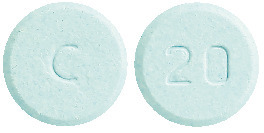
SINADOPA 250/25: Round, light blue uncoated tablets with ‘C’ on one side and ‘20’ on the other side.

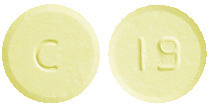
SINADOPA 100/25: Round, light yellow uncoated tablets with ‘C’ on one side and ‘19’ on the other side.

The tablets are supplied in Alu/Alu blister packs of 100 tablets.

Ingredients

SINADOPA 250/25 contains 250 mg of levodopa and 25 mg of carbidopa (as monohydrate).

SINADOPA 100/25 contains 100 mg of levodopa and 25 mg of carbidopa (as monohydrate).

The tablets also contain the following inactive ingredients:

  • crospovidone
  • microcrystalline cellulose
  • magnesium stearate
  • pregelatinised maize starch
  • indigo carmine aluminium lake (250/25)
  • quinolone yellow aluminium lake (100/25)

SUPPLIER

Arrotex Pharmaceuticals Pty Ltd
15 – 17 Chapel Street
Cremorne VIC 3121
Australia
www.arrotex.com.au

250/25: AUST R 275983 (blister)

100/25: AUST R 275974 (blister)

This leaflet was prepared: November 2022

Published by MIMS January 2023

BRAND INFORMATION

Brand name

Sinadopa

Active ingredient

Levodopa; Carbidopa

Schedule

S4


1 Name of Medicine

Levodopa and carbidopa monohydrate.

2 Qualitative and Quantitative Composition

Levodopa and carbidopa (as monohydrate) 250 mg/25 mg.
Levodopa and carbidopa (as monohydrate) 100 mg/25 mg.

Carbidopa.

Carbidopa, an inhibitor of aromatic amino acid decarboxylase, is a white, crystalline compound, slightly soluble in water, with a molecular weight of 244.3. It is designated chemically as (-) L-alpha-hydrazino-alpha-methyl-beta-(3,4-dihydroxy-benzene) propanoic acid monohydrate. Tablet content is expressed in terms of anhydrous carbidopa, which has a molecular weight of 226.3.

Levodopa.

Levodopa, an aromatic amino acid, is a white, crystalline compound, slightly soluble in water, with a molecular weight of 197.2. It is designated chemically as (-) L-alpha-amino- beta-(3,4-dihydroxybenzene) propanoic acid.
For the full list of excipients, see Section 6.1 List of Excipients.

3 Pharmaceutical Form

Levodopa/carbidopa is supplied as uncoated tablets for oral administration.

250 mg/25 mg.

Round, light blue uncoated tablets with 'C' on one side and '20' on the other side.

100 mg/25 mg.

Round, light yellow uncoated tablets with 'C' on one side and '19' on the other side.

4 Clinical Particulars

4.1 Therapeutic Indications

Sinadopa is indicated for the treatment of Parkinson's disease and syndrome. It is useful in relieving many of the symptoms of parkinsonism, particularly rigidity and bradykinesia. Sinadopa frequently is helpful in the management of tremor, dysphagia, sialorrhoea and postural instability associated with Parkinson's disease and syndrome.

4.2 Dose and Method of Administration

The optimum daily dosage of levodopa/carbidopa must be determined by careful titration in each patient. Sinadopa tablets are available in a 4:1 ratio of levodopa to carbidopa (levodopa/carbidopa 100/25) as well as a 10:1 ratio (levodopa/carbidopa 250/25). Tablets of the two ratios may be given separately or combined as needed to provide the optimum dosage.

General considerations.

Dosage should be titrated to individual patient needs and this may require adjusting both the individual dose and the frequency of administration.
Studies show that peripheral dopa decarboxylase is saturated by carbidopa at approximately 70 to 100 mg a day. Patients receiving less than this amount of carbidopa are more likely to experience nausea and vomiting.
Standard antiparkinson drugs, other than levodopa alone, may be continued while Sinadopa is being administered, although their dosage may have to be adjusted.

Usual initial dosage.

Dosage is best initiated with one tablet of Sinadopa 100/25 three times a day. This dosage schedule provides 75 mg of carbidopa per day. Dosage may be increased by one tablet every day or every other day, as necessary, until a dosage equivalent of eight tablets of Sinadopa 100/25 a day is reached.
Response has been observed in one day, and sometimes after one dose. Fully effective doses usually are reached within seven days as compared to weeks or months with levodopa alone.

How to transfer patients from levodopa.

Because both therapeutic and adverse responses occur more rapidly with Sinadopa than when levodopa is given, patients should be monitored closely during the dose adjustment period. Specifically, involuntary movements will occur more rapidly with Sinadopa than with levodopa. The occurrence of involuntary movements may require dosage reduction. Blepharospasm may be a useful early sign of excess dosage in some patients.
Levodopa should be discontinued at least 12 hours before Sinadopa is started (24 hours for slow-release preparations of levodopa). A daily dosage of Sinadopa should be chosen that will provide approximately 20% of the previous levodopa daily dosage.
Patients who are taking less than 1500 mg of levodopa a day should be started on one tablet of Sinadopa 100/25 three or four times a day. The suggested starting dosage for most patients taking more than 1500 mg of levodopa is one tablet of Sinadopa 250/25 three or four times a day.

Maintenance.

Therapy should be individualised and adjusted according to the desired therapeutic response. At least 70 to 100 mg of carbidopa per day should be provided for optimal inhibition of extracerebral decarboxylation of levodopa.
When more levodopa is required, Sinadopa 250/25 should be substituted for Sinadopa 100/25. If necessary, the dosage of Sinadopa 250/25 may be increased by one tablet every day or every other day to a maximum of eight tablets a day. Experience with total daily dosages of carbidopa greater than 200 mg is limited.

Maximum recommended dose.

Eight tablets of Sinadopa 250/25 per day (200 mg of carbidopa and 2 g of levodopa). This is about 3 mg/kg of carbidopa, and 30 mg/kg of levodopa in a patient weighing 70 kg.

4.3 Contraindications

Monoamine oxidase inhibitors and Sinadopa should not be given concomitantly. These inhibitors must be discontinued at least two weeks prior to initiating therapy with Sinadopa. Sinadopa may be administered concomitantly with the manufacturer's recommended dose of a MAO inhibitor with selectivity for MAO type B, e.g. selegiline (see Section 4.5 Interactions with Other Medicines and Other Forms of Interactions, Other drugs).
Sinadopa is contraindicated in patients with known hypersensitivity to any component of this medication and in patients with narrow angle glaucoma.
Because levodopa may activate a malignant melanoma it should not be used in patients with suspicious undiagnosed skin lesions or history of melanoma.

4.4 Special Warnings and Precautions for Use

Sinadopa may be given to patients already receiving levodopa alone; however, the levodopa alone must be discontinued 12 hours before Sinadopa is started. Sinadopa should be substituted at a dosage that will provide approximately 20 percent of the previous levodopa dosage (see Section 4.2 Dose and Method of Administration). Patients taking Sinadopa should be instructed not to take additional levodopa unless prescribed.
Sinadopa is not recommended for the treatment of drug-induced extrapyramidal reactions.
All patients should be monitored carefully for the development of mental changes, depression with suicidal tendencies, or other serious antisocial behaviour.
Dyskinesias may occur in patients previously treated with levodopa alone because carbidopa permits more levodopa to reach the brain and, thus more dopamine to be formed. The occurrence of dyskinesias may require dosage reduction.
Patients with a history of severe involuntary movements or psychotic episodes when treated with levodopa alone should be observed carefully when Sinadopa is substituted. These reactions are thought to be due to increased brain dopamine following administration of levodopa and use of Sinadopa may cause a recurrence.
If concomitant administration of psychoactive drugs is necessary, such drugs should be administered with caution and patients carefully observed for loss of antiparkinsonian effect. Patients with a history of convulsions should be treated with caution.
Levodopa has been associated with somnolence and episodes of sudden sleep onset. Sudden onset of sleep during daily activities, in some cases without awareness or warning signs, has been reported very rarely. Patients must be informed of this and advised to exercise caution while driving or operating machines during treatment with levodopa. Patients who have experienced somnolence and/or an episode of sudden sleep onset must refrain from driving or operating machines. Furthermore, a reduction of dosage or termination of therapy may be considered.
Patients with chronic wide-angle glaucoma may be treated cautiously with Sinadopa, provided the intraocular pressure is well controlled and the patient monitored carefully for changes in intraocular pressure during therapy.
Care should be exercised in administering Sinadopa to patients who have atrial, nodal or ventricular arrhythmia. In such patients, cardiac function should be monitored continuously during the period of initial dosage adjustment.
Symptomatic postural hypotension has been reported occasionally. For this reason, Sinadopa should be given cautiously to patients on anti-hypertensive drugs. When Sinadopa is started, dosage adjustment of the antihypertensive drug may be required. (For patients receiving pargyline, see the contraindications on monoamine oxidase inhibitors.)
A symptom complex resembling the neuroleptic malignant syndrome including muscular rigidity, elevated body temperature, mental changes, and increased serum creatinine phosphokinase has been reported when antiparkinsonian agents were withdrawn abruptly. Therefore, patients should be observed carefully when the dosage of Sinadopa is reduced abruptly or discontinued, especially if the patient is receiving neuroleptics.
If general anaesthesia is required, therapy with Sinadopa may be continued as long as the patient is permitted to take fluids and medication by mouth. If therapy is interrupted temporarily, the usual daily dosage may be administered as soon as the patient is able to take oral medication.
Sinadopa should be administered cautiously to patients with severe cardiovascular or pulmonary disease, bronchial asthma, renal, hepatic or endocrine disease. Periodic evaluations of hepatic, haematopoietic, cardiovascular and renal function are recommended during extended therapy.
As with levodopa there is a possibility of upper gastrointestinal haemorrhage in patients with a history of peptic ulcer.

Melanoma.

Epidemiological studies have shown that patients with Parkinson's disease have a higher risk (2- to approximately 6-fold higher) of developing melanoma than the general population. Whether the increased risk observed was due to Parkinson's disease or other factors, such as drugs used to treat Parkinson's disease, is unclear.
For the reasons stated above, patients and providers are advised to monitor for melanomas frequently and on a regular basis when using Sinadopa for any indication. Ideally, periodic skin examinations should be performed by appropriately qualified individuals (e.g. dermatologists).

Compulsive behaviour.

Patients should be regularly monitored for the development of impulse control disorders. Patients and caregivers should be made aware that behavioural symptoms of impulse control disorders (such as pathological gambling, hypersexuality, increased libido, compulsive spending/buying, and binge/compulsive eating, medication use and punding (repetitive purposeless activity)) have been reported in patients treated with dopamine agonists and/or other dopaminergic treatment for Parkinson's disease, especially at high doses. Review of treatment is recommended if such symptoms develop. Prescribers, patients and caregivers should be alert to the possibility of such behaviour, which may have serious financial and social consequences.

Use in hepatic impairment.

Sinadopa should be administered cautiously to patients with hepatic disease. Periodic evaluation of hepatic function is recommended during extended therapy.

Use in renal impairment.

Sinadopa should be administered cautiously to patients with renal disease. Periodic evaluation of renal function is recommended during extended therapy.

Use in the elderly.

There is wide experience in the use of levodopa and carbidopa in elderly patients. The recommendations set out above reflect the clinical data derived from this experience (see Section 4.2 Dose and Method of Administration).

Paediatric use.

The safety and effectiveness of levodopa/carbidopa combination tablet in patients under 18 years of age have not been established and its use in patients below the age of 18 is not recommended.

Effect on laboratory tests.

Abnormalities in laboratory tests may include elevations of blood urea nitrogen, creatinine, SGOT, SGPT, LDH, bilirubin, alkaline phosphatase or protein bound iodine. More commonly, levels of blood urea nitrogen and uric acid are lower during the administration of levodopa/carbidopa combination tablet than with levodopa.
Decreased haemoglobin and haematocrit; elevated serum glucose, and white blood cells, bacteria and blood in the urine have been reported.
Levodopa/carbidopa preparations may cause a false positive reaction for urinary ketone bodies when a test tape is used for determination of ketonuria. This reaction will not be altered by boiling the urine specimen. False-negative tests may result with the use of glucose-oxidase methods of testing for glycosuria.
Positive Coombs tests have been reported both with levodopa/carbidopa combination tablet and with levodopa alone, but haemolytic anaemia is rare.

4.5 Interactions with Other Medicines and Other Forms of Interactions

Caution should be exercised when the following drugs are administered concomitantly with Sinadopa:

Antihypertensive agents.

Symptomatic postural hypotension has occurred when levodopa/carbidopa combination tablet is added to the treatment of patients receiving some antihypertensive drugs. Therefore, when therapy with Sinadopa is started, dosage adjustment of the antihypertensive drug may be required.

Antidepressants.

For patients receiving monoamine oxidase inhibitors, see Section 4.3 Contraindications. There have been rare reports of adverse reactions, including hypertension and dyskinesia, resulting from the concomitant use of tricyclic antidepressants and levodopa/carbidopa combination tablet (For patients receiving monoamine oxidase inhibitors, see Section 4.3 Contraindications).

Iron.

Studies demonstrate a decrease in the bioavailability of carbidopa and/or levodopa when it is ingested with ferrous sulfate or ferrous gluconate.

Other drugs.

Dopamine D2 receptor antagonists (e.g. phenothiazines, butyrophenones and risperidone) and isoniazid may reduce the therapeutic effects of levodopa. The beneficial effects of levodopa in Parkinson's disease have been reported to be reversed by phenytoin and papaverine. Patients taking these drugs with Sinadopa should be observed carefully for loss of therapeutic response.
Use of Sinadopa with dopamine-depleting agents (e.g. reserpine and tetrabenazine) or other drugs known to deplete monoamine stores is not recommended.
Concomitant therapy with selegiline and carbidopa-levodopa may be associated with severe orthostatic hypotension not attributable to carbidopa-levodopa alone (see Section 4.3 Contraindications).
Since levodopa competes with certain amino acids the absorption of levodopa may be impaired in some patients on a high protein diet.

4.6 Fertility, Pregnancy and Lactation

Effects on fertility.

No data available.
(Category B3)
Although the effect of combination levodopa/carbidopa on human pregnancy is unknown, levodopa caused visceral and skeletal malformations in rabbits at doses of 125 and 250 mg/kg/day. With combinations of levodopa and carbidopa in doses ranging from 250/50 to 500/100 mg/kg/day there was no evidence of teratogenicity in mice, but in rabbits, visceral and skeletal malformations occurred similar to those seen with levodopa alone. Carbidopa alone showed no evidence of teratogenicity in mice and rabbits at doses up to 120 mg/kg/day.
Combinations of levodopa and carbidopa in doses up to 100/10 mg/kg/day had no adverse effects on the reproductive performance of male or female rats or on the growth and survival of the pups.
Therefore, use of Sinadopa in women of childbearing potential requires that the anticipated benefits of the drug be weighed against possible hazards should pregnancy occur.
It is not known whether carbidopa is excreted in human milk. In a study of one nursing mother with Parkinson's disease, excretion of levodopa in human breast milk was reported. Because many drugs are excreted in human milk and because of the potential for serious adverse reactions in infants, Sinadopa should not be used in nursing mothers. A decision should be made either to discontinue nursing or discontinue Sinadopa.

4.7 Effects on Ability to Drive and Use Machines

The effects of this medicine on a person's ability to drive and use machines were not assessed as part of its registration (see Section 4.4 Special Warnings and Precautions for Use).

4.8 Adverse Effects (Undesirable Effects)

Side effects that occur frequently in patients receiving levodopa/carbidopa combination tablet are those due to the central neuropharmacologic activity of dopamine. These reactions usually can be diminished by dosage reduction. The most common side effects are dyskinesias, including choreiform, dystonic, and other involuntary movements. Muscle twitching and blepharospasm may be taken as early signs to consider dosage reduction.
Other serious side effects are: mental changes, including paranoid ideation and psychotic episodes including delusions, hallucinations; depression with or without development of suicidal tendencies; and dementia. A common but less serious side effect is nausea.
Less frequent side effects are cardiac irregularities and/or palpitation, orthostatic effects including hypotensive episodes, bradykinetic episodes (the "on-off" phenomenon), anorexia, vomiting, dizziness, and somnolence.
Gastrointestinal bleeding, development of duodenal ulcer, hypertension, phlebitis, leucopoenia, haemolytic and non-haemolytic anaemia, thrombocytopenia, agranulocytosis, chest pain, dyspnoea, and paraesthesia have occurred rarely.
Rarely convulsions have occurred; however, a causal relationship with levodopa/carbidopa has not been established.
Haemolytic anaemia is extremely rare.
Other side effects that have been reported include:

Body as a whole.

Syncope.

Nervous system.

Ataxia, numbness, increased hand tremor, muscle twitching, muscle cramps, trismus, activation of latent Horner's syndrome, oculogyric crises, peripheral neuropathy.

Psychiatric.

Confusion, insomnia, nightmares and dream abnormalities, hallucinations, delusions, agitation, anxiety, euphoria, lethargy, sedation, increased libido. Levodopa is associated with somnolence and has been associated very rarely with excessive daytime somnolence and sudden sleep onset episodes.

Gastrointestinal.

Dry mouth, bitter taste, sialorrhoea, dysphagia, bruxism, hiccups, epigastric and abdominal pain and distress, constipation, diarrhea, flatulence, burning sensation of tongue, difficulty in swallowing, dark saliva.

Hypersensitivity.

Angioedema, urticaria, pruritus, Henoch-Schonlein purpura.

Investigations.

Weight gain, weight loss.

Metabolism and nutrition disorders.

Oedema, anorexia.

Integumentary.

Flushing, increased sweating, dark sweat, rash, hair loss, bad odour.

Genitourinary.

Urinary retention, urinary incontinence, dark urine, priapism, haematuria, urinary tract infection.

Special senses.

Diplopia, blurred vision, dilated pupils.

Miscellaneous.

Weakness, faintness, fatigue, headache, hoarseness, malaise, hot flushes, sense of stimulation, bizarre breathing patterns, neuroleptic malignant syndrome (see Section 4.4 Special Warnings and Precautions for Use), malignant melanoma (see Section 4.3 Contraindications).
Other side effects that have been reported with levodopa/carbidopa controlled release tablet1 and may be potential side effects with Sinadopa are listed below:

Gastrointestinal.

Dyspepsia.

Nervous system/psychiatric.

Asthenia, decreased mental acuity, disorientation, falling, gait abnormalities.
In post-marketing use, pathological (compulsive) gambling, increased libido, hypersexuality, compulsive spending/buying, and binge/compulsive eating have been reported with dopamine agonists and/or other dopaminergic treatments, and in patients treated with levodopa, including levodopa/carbidopa combination tablet (see Section 4.4 Special Warnings and Precautions for Use).
1 Levodopa/carbidopa controlled release tablets are available in other brands.

Reporting suspected adverse effects.

Reporting suspected adverse reactions after registration of the medicinal product is important. It allows continued monitoring of the benefit-risk balance of the medicinal product. Healthcare professionals are asked to report any suspected adverse reactions at http://www.tga.gov.au/reporting-problems.

4.9 Overdose

Management of acute overdosage with Sinadopa is basically the same as management of acute overdosage with levodopa; however, pyridoxine is not effective in reversing the actions of levodopa/carbidopa.
In the event of overdosage, general supportive measure should be employed. Intravenous fluids should be administered judiciously and an adequate airway maintained. Electrocardiographic monitoring should be instituted and the patient observed carefully for the development of arrhythmias; if required, appropriate antiarrhythmic therapy should be given. The possibility that the patient may have taken other drugs as well as levodopa/carbidopa should be taken into consideration. To date, no experience has been reported with dialysis, hence its value in overdosage is not known.
For information on the management of overdose, contact the Poisons Information Centre on 13 11 26 (Australia).

5 Pharmacological Properties

5.1 Pharmacodynamic Properties

Mechanism of action.

Sinadopa is a combination of levodopa, the metabolic precursor of dopamine, and carbidopa, an aromatic amino acid decarboxylase inhibitor, for the treatment of Parkinson's disease and syndrome.
Symptoms of Parkinson's disease have been related to depletion of dopamine in the corpus striatum of the brain. Levodopa, the metabolic precursor of dopamine, relieves the symptoms of Parkinson's disease presumably by being converted to dopamine in the brain. Following oral administration, levodopa is rapidly decarboxylated and converted to dopamine in extracerebral tissues and only a small amount of unchanged levodopa reaches the central nervous system. Thus, large doses of levodopa are required at frequent intervals for adequate therapeutic effect and are often attended by many adverse reactions, some of which are attributable to dopamine being formed in extracerebral tissue.
Carbidopa, which does not cross the blood-brain barrier, inhibits only extracerebral decarboxylation of levodopa, making more levodopa available for transport to the brain and conversion to dopamine. The lower dosage reduces or eliminates certain adverse reactions attributable to dopamine being formed in extracerebral tissues.
Following co-administration of levodopa and carbidopa in man, plasma levels of levodopa were markedly increased over those found when the same dosage of levodopa was given alone, while plasma levels of dopamine and homovanillic acid, two principal metabolites of levodopa, were markedly reduced.
Pyridoxine hydrochloride (Vitamin B6) in oral doses of 10 mg to 25 mg has been noted to rapidly reverse the antiparkinsonian effect of levodopa. Carbidopa prevents this action of pyridoxine. In a study in which patients received 100 mg - 500 mg of pyridoxine a day whilst being treated with levodopa and carbidopa in combination, there was no reversal of therapeutic effect.

Clinical trials.

Not applicable.

5.2 Pharmacokinetic Properties

Absorption.

Following an oral dose of radioactive labelled carbidopa to healthy subjects and to patients with Parkinson's disease, maximum plasma levels of radioactivity were reached in two to four hours in the subjects and in one and one-half to five hours in the patients.

Distribution.

No information available.

Metabolism and excretion of carbidopa.

Following an oral dose of radioactive labelled carbidopa to healthy subjects and to patients with Parkinson's disease, approximately equal quantities were excreted in the urine and the faeces by both groups.
Comparison of urinary metabolites in healthy subjects and patients indicated that the drug is metabolised to the same degree in both. Urinary excretion of unchanged drug was essentially complete in seven hours and represented 35 percent of the total urinary radioactivity. Only metabolites were present thereafter.
Among the metabolites excreted by man are α-methyl-3- methoxy-4-hydroxy- phenylpropionic acid and α-methyl-3,4 dihydroxyphenylpropionic acid. These accounted for approximately 14 and 10 percent, respectively, of the radioactive metabolites excreted. Two minor metabolites were found. One was identified as 3,4 dihydroxyphenylacetone and the other tentatively identified as N-methylcarbidopa. They each accounted for less than five percent of the urinary metabolites. Unchanged carbidopa also is present in the urine. No conjugates were found.

Absorption of levodopa.

Levodopa is rapidly absorbed from the gastro-intestinal tract.

Metabolism of levodopa.

Levodopa is extensively metabolised. Although more than 30 metabolites may be formed, it is converted mainly to dopamine and in lesser amounts, to adrenaline and noradrenaline. These are ultimately metabolised to the principal excretion products, dopacetic acid, homovanillic acid and vanillylmandelic acid.
When single test doses of radioactive levodopa are given to fasting patients with Parkinson's disease, plasma levels of radioactivity peak in one-half to two hours and remain measurable for four to six hours. At peak levels, about 30 percent of the radioactivity appears as catecholamines, 15 percent as dopamine and 10 percent as dopa. Radioactive compounds are rapidly excreted in the urine, one-third of the dose appearing in two hours. Eighty to ninety percent of urinary metabolites are phenylcarboxylic acids, principally homovanillic acid. Over 24 hours, one to two percent of recovered radioactivity is dopamine and less than one percent is adrenaline, noradrenaline and unchanged levodopa.

Effect of carbidopa on levodopa metabolism.

Carbidopa consistently increased plasma levels of levodopa by statistically significant amounts, as measured against placebo, in healthy subjects. This has been demonstrated when carbidopa is given before levodopa and when the two drugs are given simultaneously. In one study, pretreatment with carbidopa increased plasma levels of a single dose of levodopa about five times and extended the duration of measurable plasma concentrations of levodopa from four hours to eight hours. When the two drugs were given simultaneously in other studies, similar results were obtained.
In a study in which a single dose of stem-labelled levodopa was given to patients with Parkinson's disease who had been pretreated with carbidopa, there was an increase in the half-life of total plasma radioactivity derived from the levodopa from 3 hours to 15 hours. The proportion of radioactivity remaining as unmetabolised levodopa was increased at least three times by carbidopa. Plasma and urinary dopamine and homovanillic acid were both decreased by carbidopa pretreatment.

Excretion.

No information available.

5.3 Preclinical Safety Data

Genotoxicity.

No data available.

Carcinogenicity.

Not data available.

6 Pharmaceutical Particulars

6.1 List of Excipients

Crospovidone, microcrystalline cellulose, magnesium stearate, pregelatinised maize starch, indigo carmine aluminium lake (250/25 mg tablet), quinoline yellow aluminium lake (100/25 mg tablet).

6.2 Incompatibilities

See Section 4.5 Interactions with Other Medicines and Other Forms of Interactions.

6.3 Shelf Life

In Australia, information on the shelf life can be found on the public summary of the Australian Register of Therapeutic Goods (ARTG). The expiry date can be found on the packaging.

6.4 Special Precautions for Storage

Store below 25°C. Keep in tightly closed container, protected from light and moisture.

6.5 Nature and Contents of Container

Registered in aluminium/aluminium blister packs of 10, 20 and 100 tablets and HDPE bottles with child resistant PP closures of 100 tablets.
Not all presentations and pack sizes are marketed.

6.6 Special Precautions for Disposal

In Australia, any unused medicine or waste material should be disposed of by taking to your local pharmacy.

6.7 Physicochemical Properties

Chemical structure.

Carbidopa monohydrate.

The empirical formula is C10H14N2O4.H2O and the structural formula is:

Levodopa.

The empirical formula is C9H11NO4 and the structural formula is:

CAS number.

Carbidopa monohydrate.

38821-49-7.

Levodopa.

59-92-7.

7 Medicine Schedule (Poisons Standard)

Prescription Only Medicine (S4).

Summary Table of Changes
