


Consumer medicine information

Soliris

Eculizumab

BRAND INFORMATION

Brand name

Soliris

Active ingredient

Eculizumab

Schedule

S4


Consumer medicine information (CMI) leaflet

Please read this leaflet carefully before you start using Soliris.

What is in this leaflet

This leaflet answers some common questions about Soliris. It does not contain all the available information.

It does not take the place of talking to your doctor, nurse or pharmacist.

All medicines have risks and benefits. Your doctor has weighed the risks of you having Soliris against the benefits they expect it will have for you.

If you have any concerns about this medicine, ask your doctor or nurse.

Keep this leaflet. You may need to read it again.

What Soliris is used for

Soliris is a medicine containing an active substance called eculizumab rmc which belongs to a class of medicines called monoclonal antibodies.

Soliris is used for the treatment of patients with a disease that affects red blood cells called Paroxysmal Nocturnal Haemoglobinuria (PNH).

Soliris is also used to treat patients with a condition called atypical Haemolytic Uraemic Syndrome (aHUS).

How it works

Patients with PNH lack naturally occurring protective proteins on the surface of some of their red blood cells. In unaffected individuals, these proteins protect red blood cells from destruction by the body’s inflammatory response. PNH patients lack these protective proteins and their red blood cells can be destroyed. This can lead to low red blood cell counts (anaemia), tiredness, difficulty in functioning, pain, dark urine, kidney failure, shortness of breath and blood clots.

Soliris can block the body’s inflammatory response, and its ability to attack and destroy blood cells. In this way Soliris improves anaemia, fatigue, and other signs and symptoms of PNH.

Patients with aHUS have an inflammatory condition which affects the blood system and kidney. This can lead to reduced or lost function of the kidneys or other organs, low blood counts (low platelets and anaemia), tiredness and difficulty functioning. Soliris works by blocking the body’s inflammatory response and its ability to attack and destroy its own vulnerable blood and kidney cells.

Before you are given Soliris

When you must not be given Soliris

Soliris treatment may reduce your natural resistance to infections, especially against certain bacteria that can cause meningococcal meningitis (severe infection of the lining of the brain) and sepsis (infection in the blood), as well as other infections caused by similar bacteria (e.g. widespread gonorrhoea).

DO NOT use Soliris if:

  • you have not been vaccinated against Neisseria meningitidis, a bacteria that causes meningococcal infection,
  • you are not up to date with your meningococcal vaccination,
  • if it is less than 2 weeks after receiving your meningococcal vaccination and you are not taking antibiotics to reduce the risk of infection,
  • you have meningitis

Do not use Soliris if you have had an allergic reaction to:

  • Soliris, or any of the ingredients listed at the end of this leaflet, or
  • any other proteins of mouse origin

Symptoms of an allergic reaction may include;

  • shortness of breath, wheezing or difficulty breathing
  • swelling of the face, lips, tongue or other parts of the body
  • rash, itching or hives on the skin

If you are not sure whether you should be treated with Soliris, talk to your doctor or nurse.

Before you start Soliris treatment

You must be aware of the following signs and symptoms of a meningococcal infection:

  • headache with nausea or vomiting
  • headache with a stiff neck or stiff back
  • fever
  • rash
  • confusion
  • severe muscle aches with flu-like symptoms
  • sensitivity to light

Call your doctor immediately and go to Accident and Emergency at your nearest hospital if you have any of the symptoms listed above.

Patient Safety Information Card

Because of the importance of rapidly identifying and treating certain types of infection you will be provided with a Patient Safety Information Card.

You must carry this card with you at all times and show it to any doctor or nurse that treats you.

You must receive a meningococcal vaccine at least 2 weeks before your first dose of Soliris unless you have already been vaccinated with this vaccine or you take antibiotics to reduce the risk of infection until 2 weeks after you have been vaccinated.

If you have been vaccinated with a meningococcal vaccine in the past, you might need a booster dose before or at the time of starting Soliris. Your doctor will decide if you need another dose of a meningococcal vaccine.

You should also be aware that vaccination may not prevent this type of infection. You may need antibiotics to prevent infection.

If you are at risk of gonorrhoea, ask your doctor or nurse for advice before using this medicine.

If you are less than 18 years old, you must also be vaccinated against Haemophilus influenzae and pneumococcal infections. Your doctor will arrange this according to the national vaccination recommendations for your age group.

Tell your doctor if you have an infection. Soliris may reduce your natural resistance to infection.

Tell your doctor if you have allergies to any other medicines, foods, preservatives or dyes.

Allergic or anaphylactic (more severe allergic) reactions may occur with Soliris treatment. Your doctor or nurse will check for side effects during your infusion and for one hour afterwards. See "Side Effects" for symptoms to look out for.

Tell your doctor if you are pregnant or want to become pregnant. Data in a limited number of pregnant women treated with Soliris do not indicate that Soliris increases the risk of harm to the unborn baby; however, your doctor will discuss the risks and benefits with you. Unless you are planning to become pregnant, you should use adequate contraception whilst being treated with Soliris (and up to 5 months after discontinuing treatment).

Tell your doctor if you are breastfeeding. It is not known whether Soliris passes into breast milk; however, your doctor will discuss the risks and benefits for you and your child if you breastfeed whilst on Soliris treatment.

Tell your doctor if you are on a sodium controlled diet. Soliris contains 115mg sodium per vial, which may need to be considered in calculating your sodium intake.

If you have not told your doctor or nurse about any of the above, tell them before you are given Soliris.

Taking other medicines

Tell your doctor or nurse if you are taking any other medicines, including any that you buy without prescription from your pharmacy, supermarket or health food shop.

The effect of using Soliris on other medicines has not been studied. Ask your doctor or nurse if you have any questions.

How Soliris is given

Follow all directions given to you by your doctor or nurse carefully. They may differ from the information contained in this leaflet.

Soliris will be given to you directly into the vein (intravenously) by a doctor or nurse. Each infusion will take approximately 25 - 45 minutes in adults, and 1 to 4 hours in paediatric patients.

  • For adults, Soliris is given once a week for the first four weeks, on the fifth week, the dose is increased and then Soliris is given every two weeks thereafter.
  • For children and adolescents who weigh less than 40kg, Soliris will be given at a frequency and dose that varies depending on their weight
  • Children and adolescents who weigh more than 40kg are treated with the adult dosing
  • If you are having plasma exchange or plasma infusion you may receive additional doses of Soliris

If you miss a dose

If you forget or miss your appointment for a Soliris infusion, contact your doctor immediately.

If you are given too much (overdose)

There have been no reported overdoses of Soliris. As Soliris is given to you under the supervision of your doctor, it is unlikely that you will receive too much.

While you are using Soliris

Things you must do

Tell any other doctors, dentists, and pharmacists who treat you that you are taking this medicine.

Keep appointments with your doctor or clinic. It is important to have the infusion with Soliris at the appropriate time to make sure the medicine has the best chance of providing treatment for the condition.

Have any tests when your doctor says to. Your doctor may wish to test your body’s response to Soliris or may wish to test your body’s response if you stop therapy.

Things you must not do

Do not stop taking Soliris without checking with your doctor.

If you forget or miss a Soliris infusion, call your doctor immediately.

If you have PNH, stopping treatment with Soliris may cause a sudden and serious breakdown of your red blood cells.

Symptoms or problems from red blood cell breakdown include:

  • a large drop in your red blood cell count causing anaemia. Symptoms include tiredness, headaches, being short of breath when exercising, dizziness and looking pale
  • confusion or change in how alert you are
  • chest pain or angina
  • dark urine
  • blood clots

If you experience any of these symptoms, contact your doctor immediately.

Your doctor will need to monitor you closely for at least 8 weeks after stopping Soliris.

If you have aHUS, stopping treatment with Soliris may cause small blood clots (known as thrombotic microangiopathy or TMA). Your doctor will discuss the possible side effects with you and explain the risks. Your doctor will want to monitor you closely.

Symptoms or problems from TMA may include:

  • low blood platelet count, leading to bruising or bleeding more easily than normal
  • a large drop in your red blood cell count causing anaemia. Symptoms include tiredness, headaches, being short of breath when exercising, dizziness and looking pale
  • confusion or change in how alert you are
  • seizures
  • chest pain or angina
  • decreased urination (kidney problems)
  • shortness of breath
  • blood clots

If you experience any of these symptoms, contact your doctor immediately.

Side Effects

All medicines can have side effects. Sometimes they are serious, most of the time they are not. You may need medical attention if you get some of the side effects.

Your doctor has weighed the risks of using this medicine against the benefits they expect it will have for you.

Do not be alarmed by this list of possible side effects. You may not experience any of them.

Tell your doctor if you notice any of the following and they worry you:

  • headaches
  • high fever, chills, confusion, rapid breathing
  • dizziness, light headedness or shakes
  • runny or stuffy nose and colds
  • sore throat or mouth ulcers
  • cough
  • chest or lung infection
  • difficulty sleeping
  • high blood pressure
  • being short of breath (especially when exercising)

The above list includes the more common side effects of Soliris.

Tell your doctor as soon as possible if you notice any of the following:

  • bleeding or bruising more easily than normal
  • tiredness or unusual weakness
  • flu-like symptoms such as fever, sore throat, cough and chills
  • looking pale
  • confusion or change in how alert you are
  • difficulty breathing
  • chest tightness
  • chest pain or angina
  • fast or irregular heartbeats, also called palpitations
  • dark urine or blood in the urine
  • difficulties or pain when urinating
  • diarrhoea
  • nausea or vomiting
  • stomach pain or discomfort
  • constipation
  • indigestion or an uncomfortable feeling in the stomach or belching after eating
  • rash or itchy skin
  • hair loss
  • joint pain
  • back or neck pain
  • muscle spasms or aching muscles, muscle tenderness or weakness not caused by exercise
  • loss of appetite
  • loss of taste
  • pins and needles in your hands or feet
  • depression, anxiety or mood swings
  • abnormal dreams

Tell your doctor or nurse immediately if you experience any side effects during or after your Soliris infusion.

Allergic reactions are not common, but they may be serious. Your doctor or nurse will monitor you for one hour after your infusion.

Tell your doctor as soon as possible if you notice signs of an infection.

Examples of infection include;

  • Sinus, throat or lung infection (e.g. bronchitis or pneumonia)
  • cold sores (herpes simplex)
  • urinary tract infection (UTI) or cystitis
  • gastro or stomach flu
  • gum or tooth infections
  • viral infection

Soliris may increase your susceptibility to infection. Some infections are serious and can be life-threatening. You may need urgent medical attention.

Tell your doctor immediately and go to Accident and Emergency at your nearest hospital if you experience any of the following symptoms:

  • headache with nausea or vomiting
  • headache with a stiff neck or stiff back
  • fever
  • rash
  • confusion
  • severe muscle aches with flu-like symptoms,
  • sensitivity to light

These are possible symptoms of meningococcal infection. If you have meningococcal infection you need urgent medical attention.

Always carry your Soliris Patient Safety Information Card which lists the symptoms of meningococcal disease and important contact information.

If you get any side effects, do not stop Soliris without first talking to your doctor.

Ask your doctor or nurse to answer any questions you may have.

Storing Soliris

Soliris will be stored in refrigerated conditions (2°C to 8°C) in the hospital or pharmacy.

Soliris vials in the original package may be removed from refrigerated storage (up to 25°C) for only one single period of up to 3 days. At the end of this period unopened product can be put back in the refrigerator.

Product Description

What Soliris looks like

Soliris is a clear, colourless, solution contained in a 30mL glass vial.

Ingredients

Active ingredient

  • eculizumab rmc

Other ingredients

  • sodium chloride
  • monobasic sodium phosphate monohydrate
  • dibasic sodium phosphate heptahydrate
  • polysorbate 80
  • water for injections

Manufacturer/Supplier

Alexion Pharmaceuticals Australasia Pty Ltd
Suite 401, Level 4, Building A.
20 Rodborough Rd. Frenchs Forest.
NSW 2086.

Medical enquiries: 1800 788 189

AUST R 138885

This leaflet was revised in June 2020.

Published by MIMS August 2020

BRAND INFORMATION

Brand name

Soliris

Active ingredient

Eculizumab

Schedule

S4


1 Name of Medicine

Eculizumab rmc.

2 Qualitative and Quantitative Composition

Soliris is supplied as 300 mg single-use glass vials containing 30 mL of 10 mg/mL sterile, preservative-free Soliris solution per vial.

Excipients with known effect.

Sodium chloride (5 mmol).
For the full list of excipients, see Section 6.1 List of Excipients.

3 Pharmaceutical Form

Soliris (eculizumab rmc) concentrated solution for intravenous infusion is a sterile, clear, colourless, preservative-free solution.

4 Clinical Particulars

4.1 Therapeutic Indications

Soliris is indicated for the treatment of patients with:
Paroxysmal nocturnal haemoglobinuria (PNH) to reduce haemolysis;
Atypical haemolytic uraemic syndrome (aHUS);
Adult patients with neuromyelitis optica spectrum disorder (NMOSD) who are anti-aquaporin-4 (AQP4) antibody-positive.
Soliris is not intended for acute treatment of a NMOSD relapse.

4.2 Dose and Method of Administration

Patients must be administered a meningococcal vaccine at least two weeks prior to receiving Soliris therapy. See Boxed Warnings; see Section 4.4 Special Warnings and Precautions for Use, Meningococcal infection, Immunisation, for vaccination information before initiating Soliris treatment.
Soliris should be administered by a healthcare professional and under appropriate medical supervision.

Adult patients.

Paroxysmal nocturnal haemoglobinuria (PNH). The PNH dosing regimen for adult patients (≥ 18 years of age) consists of a 4 week initial phase followed by a maintenance phase.

Initial phase.

600 mg of Soliris administered via a 25-45 minute intravenous infusion every week for the first 4 weeks.

Maintenance phase.

900 mg of Soliris administered via a 25-45 minute intravenous infusion on the fifth week, followed by 900 mg of Soliris administered via a 25-45 minute intravenous infusion every 14 ± 2 days.
Atypical haemolytic uraemic syndrome (aHUS) and neuromyelitis optica spectrum disorder (NMOSD). The aHUS and NMOSD dosing regimen for adult patients (≥ 18 years of age) consists of a 4 week initial phase followed by a maintenance phase.

Initial phase.

900 mg of Soliris via a 25-45 minute intravenous infusion every week for the first 4 weeks.

Maintenance phase.

1200 mg of Soliris administered via a 25-45 minute intravenous infusion on the fifth week, followed by 1200 mg of Soliris administered via a 25-45 minute intravenous infusion every 14 ± 2 days.
For patients with NMOSD, Soliris should be administered as an adjuvant therapy to their existing immunosuppressive therapy (IST). In clinical studies with Soliris, ~76% of patients were on ISTs at baseline (see Section 5.1 Pharmacodynamic Properties, Clinical trials).
See Section 4.4 Special Warnings and Precautions for Use, Immunosuppressant therapy (IST) for ISTs that are not to be used along with Soliris.

Paediatric patients (< 18 years of age).

Paediatric patients with PNH and aHUS with body weight ≥ 40 kg are treated with the adult dosing recommendations above.
For paediatric patients with PNH and aHUS with a body weight below 40 kg, the Soliris dosing regimen consists of (see Table 1).
The safety and efficacy of Soliris for the treatment of NMOSD in paediatric patients below the age of 18 years have not been established.
Treatment monitoring/ dose modifications.

Patients with PNH may need to be monitored to see whether the 14 day dosing schedule needs to be reduced to 12 days (see Section 4.4 Special Warnings and Precautions for Use).
Patients with aHUS should be monitored for signs and symptoms of thrombotic microangiopathy (TMA) (see Section 4.4 Special Warnings and Precautions for Use).
Soliris treatment is recommended to continue for the patient's lifetime, unless the discontinuation of Soliris is clinically indicated.
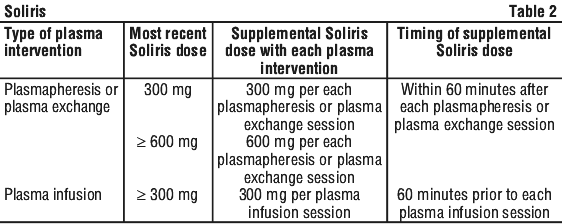
Soliris should be administered at the recommended dosage regimen time points, or within 2 days of these time points. If a patient misses a scheduled dose, monitor for signs and symptoms of a TMA complication (see Section 4.4 Special Warnings and Precautions for Use, Laboratory monitoring) and resume the regular schedule as soon as possible. If a patient misses multiple doses of Soliris, reinduction can be considered. Supplemental dosing of Soliris is required in the setting of concomitant Plasma intervention (plasmapheresis [PP], or plasma exchange [PE], or plasma infusion [PI]) as follows (see Table 2):

Preparation for administration.

Soliris must be diluted to a final admixture concentration of 5 mg/mL using the following steps:
Withdraw the total amount of Soliris from the vial(s) into a sterile syringe.
Transfer the recommended dose to an infusion bag.
Dilute Soliris to a final concentration of 5 mg/mL by adding the appropriate amount (equal volume of diluent to drug volume, see Table 3) of 0.9% Sodium Chloride Injection USP; 0.45% Sodium Chloride Injection USP; 5% Dextrose in Water Injection USP; or Ringer's Solution for Intravenous Infusion USP to the infusion bag.
Do not mix with other medicinal products.
Product is for single use in one patient only. Discard any unused portion left in a vial, as the product contains no preservatives.
Gently invert the infusion bag containing the diluted Soliris solution to ensure thorough mixing of the product and diluent. Prior to administration, the admixture should be allowed to reach 18° to 25°C. The admixture must not be heated in a microwave or with any heat source other than ambient air temperature. The Soliris admixture should be inspected visually for particulate matter and discolouration prior to administration.

Administration.

Do not administer as an intravenous push or bolus injection.
The Soliris admixture should be administered by intravenous infusion over 25 to 45 minutes in adults, and 1 to 4 hours in paediatric patients, via gravity feed, a syringe type pump, or an infusion pump. It is not necessary to protect the diluted solution of Soliris from light during administration to the patient.
If an adverse event occurs during the administration of Soliris, the infusion may be slowed or stopped at the discretion of the physician. If the infusion is slowed, the total infusion time may not exceed 2 hours in adults and 4 hours in paediatric patients. Monitor the patient for at least 1 hour following completion of the infusion for signs or symptoms of an infusion reaction.

Paediatric population.

The route of administration of Soliris is the same for all age groups.

Elderly.

Soliris may be administered to patients aged 65 years and over. There is no evidence to suggest that any special precautions are needed when older people are treated - although experience with Soliris in this patient population is still limited.

Renal impairment.

No dose adjustment is required for patients with renal impairment.

Hepatic impairment.

The safety and efficacy of Soliris have not been studied in patients with hepatic impairment.

4.3 Contraindications

Hypersensitivity to eculizumab, rmc; murine proteins; or to any of the excipients, see Section 6.1 List of Excipients.
Do not initiate Soliris therapy in patients:
with unresolved Neisseria meningitidis infection;
who are not currently vaccinated against Neisseria meningitidis (unless they receive prophylactic treatment with appropriate antibiotics until 2 weeks after vaccination).

4.4 Special Warnings and Precautions for Use

Meningococcal infections.

Due to its mechanism of action, the use of Soliris increases the patient's susceptibility to meningococcal infection (Neisseria meningitidis). Meningococcal infection due to any serogroup may occur. To reduce the risk of infection, all patients must be vaccinated at least 2 weeks prior to receiving Soliris, unless the risk of delaying Soliris therapy outweighs the risk of meningococcal infection. Patients who initiate Soliris treatment less than 2 weeks after receiving a meningococcal vaccine must receive treatment with appropriate prophylactic antibiotics until 2 weeks after vaccination. Vaccines against serogroups A, B, C, Y and W135 are recommended in minimising infection with the commonly pathogenic meningococcal serogroups (see Section 4.4 Special Warnings and Precautions for Use, Immunisation). Vaccinate and/or revaccinate according to the current national vaccination guidelines such as the Australian Immunisation Handbook.
For patients stabilised on Soliris and receiving maintenance therapy, and for whom additional vaccination is warranted, careful consideration should be given to the timing of vaccination relative to administration of Soliris (see Section 4.4 Special Warnings and Precautions for Use, Immunisation).
Cases of serious or fatal meningococcal infections have been reported in Soliris-treated patients. Vaccination may not be sufficient to prevent meningococcal infection. Consideration should be given to official guidance on the appropriate use of antibacterial agents. All patients should be monitored for early signs of meningococcal infection, evaluated immediately if infection is suspected, and treated with appropriate antibiotics if necessary. Patients should be informed of these signs and symptoms and steps taken to seek medical care immediately (see Section 4.4 Special Warnings and Precautions for Use, Educational materials).

Other systemic infections.

Due to its mechanism of action, Soliris therapy should be administered with caution to patients with active systemic infections. Soliris blocks terminal complement activation; therefore patients may have increased susceptibility to infections, especially with Neisseria and encapsulated bacteria. Serious infections with Neisseria species (other than N. meningitidis), including disseminated gonococcal infections, have been reported.
Patients should be provided with information from the Patient/Parent Guide to increase their awareness of potential serious infections and their signs and symptoms. Counsel patients about gonorrhoea prevention and advise regular testing for patients at-risk.

Infusion reactions.

Administration of Soliris may result in infusion reactions or immunogenicity that could cause allergic or hypersensitivity reactions (including anaphylaxis). Immune system disorders within 48 hours of Soliris administration did not differ from placebo treatment in PNH, aHUS, NMOSD and other studies conducted with Soliris. In clinical trials, no PNH, aHUS or NMOSD patients experienced an infusion reaction which required discontinuation of Soliris. Soliris administration should be interrupted in all patients experiencing severe infusion reactions and appropriate medical therapy administered.

Immunogenicity.

Infrequent, low titre antibody responses have been detected in Soliris-treated patients across all studies. In placebo-controlled studies in patients with PNH treated with Soliris, low titre responses have been reported with a frequency (3.4%) similar to that of placebo (4.8%). In patients with aHUS treated with Soliris, antibodies to Soliris were detected in 3/100 (3%) by the ECL bridging format assay. 1/100 (1%) of patients with aHUS had low positive values for neutralizing antibodies. In an NMOSD placebo-controlled study, 2/95 (2.1%) of the Soliris-treated patients showed antidrug antibody (ADA) response. Positive ADA samples were low titre and transient. Both patients were negative for neutralizing antibodies.
There has been no observed correlation of antibody development to clinical response or adverse events.

Immunisation.

Patients under 18 years of age must be vaccinated against Haemophilus influenzae and Streptococcus pneumoniae, and strictly adhere to the national vaccination recommendations of each age group.
All patients must be vaccinated against meningococcal infections (Neisseria meningitidis) at least 2 weeks prior to receiving Soliris, unless the risk of delaying Soliris therapy outweighs the risk of meningococcal infection. Patients who initiate Soliris treatment less than 2 weeks after receiving a meningococcal vaccine must receive treatment with appropriate prophylactic antibiotics until 2 weeks after vaccination (also see Section 4.4 Special Warnings and Precautions for Use, Meningococcal infection). Vaccines against serogroups A, B, C, Y and W135 are recommended in minimizing infection with the commonly pathogenic meningococcal serogroups.
Vaccination may further activate complement. As a result, patients with complement-mediated diseases, including PNH, aHUS and NMOSD may experience increased symptoms of their underlying disease, such as haemolysis (PNH), TMA complications (aHUS) or relapse (NMOSD). Therefore, patients should be closely monitored for disease symptoms after recommended vaccination.
For patients stabilized on Soliris and receiving maintenance therapy, and for whom additional vaccination is warranted, careful consideration should be given to the timing of vaccination (or booster in patients previously vaccinated against meningococcal infections) relative to administration of Soliris.
Patients must be vaccinated or revaccinated according to current national vaccination guidelines such as the Australian Immunisation Handbook.

Anticoagulant therapy.

The effect of withdrawal of anticoagulant therapy during Soliris treatment has not been established. Treatment with Soliris should not alter anticoagulant management.

Immunosuppressant therapy.

The safety and efficacy of eculizumab, when administered as an adjuvant therapy along with rituximab and mitoxantrone has not been studied in patients with NMOSD, see Section 5.1 Pharmacodynamic Properties, Clinical trials.
Patients who entered NMOSD clinical trials while receiving background immunosuppressant therapy continued treatment with immunosuppressant therapy while on Soliris treatment. Withdrawal of immunosuppressant therapy during Soliris treatment for NMOSD was not assessed in the placebo-controlled study. If background immunosuppressant therapy is decreased or discontinued, patients should be monitored closely for signs and symptoms of potential NMOSD relapse.

Laboratory monitoring.

PNH laboratory monitoring.

Patients with PNH should be monitored for signs and symptoms of intravascular haemolysis, including serum lactate dehydrogenase (LDH) levels. Patients with PNH receiving Soliris therapy should be monitored for intravascular haemolysis by measuring LDH levels and may require dose adjustment within the recommended 14 ± 2 day dosing schedule during the maintenance phase (up to every 12 days).

aHUS laboratory monitoring.

Patients with aHUS receiving Soliris should be monitored for thrombotic microangiopathy by measuring platelet counts, serum LDH levels and serum creatinine and may require dose adjustment within the recommended 14 ± 2 day dosing schedule during the maintenance phase (up to every 12 days).

Monitoring after Soliris discontinuation.

Treatment discontinuation for PNH.

If patients with PNH discontinue treatment with Soliris they should be closely monitored for signs and symptoms of serious intravascular haemolysis. Serious haemolysis is identified by serum LDH levels greater than the pretreatment level, along with any of the following: greater than 25% absolute decrease in PNH red blood cell clone size (in the absence of dilution due to transfusion) in one week or less; a haemoglobin level of < 5 g/dL or a decrease of > 4 g/dL in one week or less; angina; change in mental status; a 50% increase in serum creatinine level; or thrombosis. Monitor any patient who discontinues Soliris for at least 8 weeks to detect serious haemolysis and other reactions.
If serious haemolysis occurs after Soliris discontinuation, consider the following procedures/ treatments: blood transfusion (packed RBCs), or exchange transfusion if the PNH RBCs are > 50% of the total RBCs by flow cytometry; anticoagulation; corticosteroids; or reinstitution of Soliris. In PNH clinical studies, 16 patients discontinued the Soliris treatment regimen. Serious haemolysis was not observed.

Treatment discontinuation for aHUS.

Severe thrombotic microangiopathy (TMA) complications were observed following Soliris discontinuation in aHUS clinical studies (in some patients up to 127 weeks after discontinuation) and can occur at any time. Discontinuation of treatment is not recommended unless medically justified. Close monitoring of patients with aHUS who discontinue Soliris treatment for signs and symptoms of severe TMA complications should commence immediately after discontinuation.
Severe TMA complications post-discontinuation can be identified by:
i. any two, or repeated measurement of any one of the following: a decrease in platelet count of 25% or more as compared to either baseline or to peak platelet count during Soliris treatment; an increase in serum creatinine of 25% or more as compared to baseline or to nadir during Soliris treatment; or, an increase in serum LDH of 25% or more as compared to baseline or to nadir during Soliris treatment; or
ii. any one of the following: a change in mental status or seizures; angina or dyspnoea; or thrombosis.
Monitoring may be insufficient to predict or prevent severe TMA complications in patients with aHUS.
If severe TMA complications occur after Soliris discontinuation, consider reinstitution of Soliris treatment, supportive care with PE/PI, or appropriate organ specific supportive measures including renal support with dialysis, respiratory support with mechanical ventilation or anticoagulation.
Sixty-one patients (21 paediatric) discontinued Soliris in the aHUS clinical trials (median follow-up 24 weeks). Fifteen severe TMA complications were observed in 12 patients following treatment discontinuation, and 2 severe TMA complications occurred in 2 additional patients that received a reduced Soliris dose outside the approved dosing regimen. Severe TMA complications occurred regardless of whether the patient had an identified genetic mutation, high risk polymorphism or autoantibodies. Additional serious medical complications occurred in these patients, including severe worsening of kidney function, progression to end stage renal disease requiring dialysis and disease-related hospitalisation. Despite Soliris re-initiation following discontinuation, progression to end stage renal disease occurred in 1 patient.

Treatment discontinuation for NMOSD.

Use of Soliris in NMOSD treatment has been studied only in the setting of chronic administration and the effect of Soliris discontinuation has not been characterised. Patients who discontinue Soliris treatment should be carefully monitored for signs and symptoms of potential NMOSD relapse.

Educational materials.

All physicians who intend to prescribe Soliris must ensure they are familiar with the physician's guide to prescribing. Physicians must discuss the benefits and risks of Soliris therapy with patients and provide them with a patient/Parent Guide and a Patient Safety Information card.
Patients should be instructed that if they develop fever, headache accompanied with fever and/or stiff neck or sensitivity to light, they should immediately seek medical care as these signs may be indicative of meningococcal infection.

Patients on controlled sodium diets.

Soliris contains 5 mmol sodium per vial. This should be taken into consideration when calculating the sodium intake of patients on a controlled sodium diet.

Paediatric use.

Soliris has not been studied in PNH paediatric patients who weigh less than 40 kg, or in paediatric patients with NMOSD.

Use in the elderly.

Soliris may be administered to patients 65 years and over. There is no evidence that any special precautions are needed when older people are treated, although experience in this patient population is still limited.

Effects on laboratory tests.

There are no drug-laboratory interactions known at this time.
The efficacy and safety of Soliris have not been established for the treatment of patients with Shiga and Shiga-like toxin (verocytotoxin related haemolytic uraemic syndrome (so called classic HUS)).

4.5 Interactions with Other Medicines and Other Forms of Interactions

Chronic intravenous human immunoglobulin (IVIg) treatment may interfere with the endosomal neonatal Fc receptor (FcRn) recycling mechanism of monoclonal antibodies such as eculizumab rmc, and thereby decrease serum eculizumab rmc concentrations. Drug interaction studies have not been conducted with eculizumab rmc in patients treated with IVIg.
PP, PE and PI have been shown to reduce Soliris serum levels. A supplemental dose of Soliris is required in these settings. See Section 4.2 Dose and Method of Administration, Treatment monitoring/ dose modifications for guidance in case of concomitant PE, PP and PI treatment.
Concomitant use of Soliris with neonatal Fc receptor (FcRn) blockers may lower systemic exposures and reduce effectiveness of Soliris. Closely monitor for reduced effectiveness of Soliris.

4.6 Fertility, Pregnancy and Lactation

Effects on fertility.

No studies have been conducted to assess the effects of eculizumab rmc on male and female fertility. In animal studies with a surrogate terminal complement inhibitor (murine anti-C5) antibody, no adverse effects on the fertility of treated mice were observed.
(Category B2)
There are no well-controlled studies in pregnant women treated with Soliris. Post-market data and literature on a limited number of pregnancies exposed to Soliris (less than 300 pregnancy outcomes) indicate there is no increased risk of fetal malformation or fetal-neonatal toxicity compared to the existing risk in PNH and aHUS; however, due to the lack of well-controlled studies, uncertainties remain. As an IgG antibody, eculizumab rmc is expected to cross the placenta. Animal studies conducted with a surrogate antibody did not reveal obvious teratogenicity, but are of limited predictive value. There is not enough data to determine the risks of Soliris use during pregnancy. Use of Soliris in pregnancy should be carefully considered, with regards to the specific risks (including maternal and neonatal death and non-live birth) and benefits for each patient. An individual risk benefit analysis is recommended before starting and during treatment with Soliris in pregnant women. Should treatment be considered necessary during pregnancy, close maternal and fetal monitoring according to local guidelines is recommended.
Soliris should be used during pregnancy only if the potential benefit justifies the potential risk to the mother, fetus and/or neonate. Unless pregnancy is specifically desired, women should use adequate contraception during Soliris treatment, and for up to 5 months after discontinuing treatment.

Clinical considerations.

There are risks to the mother and fetus associated with treated and untreated PNH and aHUS. PNH in pregnancy is associated with adverse maternal outcomes, including worsening cytopenias, thrombotic events, infections, bleeding, miscarriages and increased maternal mortality, and adverse fetal outcomes, including fetal death and premature delivery. aHUS in pregnancy is associated with adverse maternal outcomes, including pre-eclampsia and preterm delivery, and adverse fetal/neonatal outcomes, including intrauterine growth restriction (IUGR), fetal death and low birth weight. There is a risk of maternal, fetal or neonatal death with both PNH and aHUS pregnancies whether treated with Soliris or not.

Human data.

Limited data are available from reports of pregnancy-related outcomes from the safety database. Analysis of available data show no difference in the risk of overall major birth defects for Soliris (0.94 per 100 live-births) compared with the background rate for major birth defects of 2.7% in the U.S. reference population of the Metropolitan Atlanta Congenital Defects Program (MACDP) or 2-3% in the U.K. reference population. The rate of fetal death (miscarriage and stillbirth) observed in the safety database is estimated to be 16.2%. The estimated background rate of miscarriage in clinically recognised pregnancies in the U.S. general population is 15-20%.
The background risk of birth defects for the indicated population of PNH or aHUS is not thought to be different than that in the general population. Rates of miscarriage and still birth are reported to be as high as 26% and 10% respectively in PNH. Methodological limitations of this data analysis include the use of MACDP and published literature on PNH and aHUS as the external comparator group. The MACDP population is not disease-specific, evaluates women and infants from a limited geographic area, and does not include outcomes for births that occurred at < 20 weeks gestation.

Animal data.

In reproductive toxicology studies in mice with the murine surrogate terminal complement inhibitory antibody given during the period of organogenesis, there were no clear treatment related findings in fetuses of mice exposed to 60 mg/kg/week, a dose comparable to the human dose of Soliris on a mg/kg basis. When maternal exposure to the murine antibody occurred from the time of implantation to the end of lactation, a slightly higher number of male offspring became moribund or died in the group given 60 mg/kg/week. The relevance to use of Soliris is unclear.
Although limited published data does not report detectable levels of eculizumab rmc in human milk, maternal IgG is known to be present in human milk. Available information is insufficient to inform the effect of eculizumab rmc on the breastfed infant. There are no data on the effects of eculizumab rmc on milk production. The developmental and health benefits of breastfeeding should be considered along with the mother's clinical need for Soliris and any potential adverse effects on the breastfed child from Soliris or from the underlying maternal condition.

4.7 Effects on Ability to Drive and Use Machines

The effects of this medicine on a person's ability to drive and use machines were not assessed as part of its registration.

4.8 Adverse Effects (Undesirable Effects)

Clinical trial experience.

PNH. The data described below reflect exposure to Soliris in 196 adult patients with PNH, age 18-85, of whom 55% were female. All had signs or symptoms of intravascular haemolysis. Soliris was studied in a placebo-controlled clinical study (in which 43 patients received Soliris and 44, placebo); a single arm clinical study and a long-term extension study. 182 patients were exposed for greater than 1 year. All patients received the recommended Soliris dose regimen.
Because clinical trials are conducted under widely varying conditions, adverse reaction rates observed in the clinical trials of a drug cannot be directly compared to rates in the clinical trials of another drug and may not reflect the rates observed in practice. Table 4 summarises the adverse reactions that occurred at a numerically higher rate in the Soliris group than the placebo group and at a rate of 5% or more among patients treated with Soliris.
In the placebo controlled clinical study, serious adverse reactions occurred among 4 (9%) patients receiving Soliris and 9 (21%) patients receiving placebo. The serious reactions included infections and progression of PNH. No deaths occurred in the study and no patients receiving Soliris experienced a thrombotic event; one thrombotic event occurred in a patient receiving placebo.
Among 193 patients with PNH treated with Soliris in the single arm, clinical study or the follow-up study, the adverse reactions were similar to those reported in the placebo-controlled clinical study. Serious adverse reactions occurred among 16% of the patients in these studies. The most common serious adverse reactions were: viral infection (2%), headache (2%), anaemia (2%), and pyrexia (2%).

Paediatric patients.

The safety profile of paediatric patients with PNH (aged 11 years to < 17 years) included in the PNH study M07-005, appeared similar to that observed in adult patients with PNH. The most common adverse reaction reported in paediatric patients was headache.
aHUS. The safety of eculizumab rmc in patients with aHUS was evaluated in 1 retrospective paediatric study (C09-001r) and 4 prospective, single arm studies [3 in adult patients (C08-002A/B, C08-003A/B and C10-004) and 1 in paediatric patients (C10-003)].
The data described in Table 5 were derived from 78 adult patients with aHUS enrolled in studies C08-002A/B, C08-003A/B and C10-004. Paediatric safety data are summarized in Table 7 and see Table 8 for additional safety data collected in 30 patients in the retrospective study C09-001r.
In studies C08-002A/B, C08-003A/B and C10-004 combined, 60% (47/78) of patients experienced a serious adverse event (SAE).
The following ADRs occurred in > 1% to < 10% of adult and adolescent patients enrolled in studies C08-002A/B, C08-003 A/B and C10-004. See Table 6.

Paediatric patients.

The following ADRs were reported > 10% in the paediatric aHUS study C10-003: 3 (16.8%) respiratory tract infection viral (includes preferred terms: respiratory tract infection viral, viral upper respiratory tract infection and respiratory syncytial virus infection) in 1 month to < 12 years patients; 2 (11.8%) rash in 1 month to < 12 years patients.
Table 7 summarizes the adverse events reported in > 1% to < 10% of paediatric patients enrolled in aHUS study C10-003.
Analysis of retrospectively collected adverse event data from paediatric and adult patients enrolled in aHUS C09-001r revealed a safety profile that was similar to that which was observed in the prospective studies. C09-001r included 19 paediatric patients less than 18 years of age.
Overall, the safety of Soliris in paediatric patients with aHUS enrolled in C09-001r appeared similar to that observed in adult patients. The most common (≥ 15%) adverse drug reactions occurring in paediatric patients are presented in Table 8.
NMOSD. In Study ECU-NMO-301, 96 patients received Soliris at the recommended dosage regimen and 47 patients received placebo. Patients were 19 to 75 years of age, and 91% were female.
Table 9 displays the most common adverse events from Study ECU-NMO-301 that occurred in ≥ 5% of Soliris-treated patients and at a greater frequency than on placebo.

Tabulated summary of adverse reactions (including post-marketing experience).

Table 10 summarises the adverse reactions observed from spontaneous reporting and in completed Soliris clinical trials. The most frequent adverse reaction was headache (occurring mostly in the initial phase), and the most serious adverse reaction was meningococcal sepsis.
Adverse reactions reported at a very common (≥ 1/10), common (≥ 1/100 to < 1/10), uncommon (≥ 1/1,000 to < 1/100), or very uncommon (< 1/1000) frequency with Soliris are listed by system organ class and preferred term. Adverse reactions were mostly mild to moderate in severity.

Description of selected adverse reactions.

In all Soliris clinical studies, the most serious adverse reaction was meningococcal infection. Meningococcal infections in patients treated with Soliris have presented as meningococcal sepsis. Patients should be informed of the signs and symptoms of meningococcal infection and sepsis and advised to seek medical care immediately (see Section 4.4 Special Warnings and Precautions for Use).
Other cases of Neisseria species have been reported including sepsis with Neisseria gonorrhoeae, Neisseria sicca/subflava, Neisseria spp unspecified.
Cases of haemolysis have been reported in the setting of missed or delayed Soliris dose in PNH clinical trials (also see Section 4.4 Special Warnings and Precautions for Use).
Cases of thrombotic microangiopathy complications have been reported in the setting of missed or delayed Soliris dose in aHUS clinical trials (also see Section 4.4 Special Warnings and Precautions for Use).

Reporting suspected adverse effects.

Reporting suspected adverse reactions after registration of the medicinal product is important. It allows continued monitoring of the benefit-risk balance of the medicinal product. Healthcare professionals are asked to report any suspected adverse reactions at http://www.tga.gov.au/reporting-problems.

4.9 Overdose

No case of overdose has been reported during clinical studies. Supportive and symptomatic care should be provided in the event of overdose.
For information on the management of overdose, contact the Poison Information Centre on 13 11 26 (Australia).

5 Pharmacological Properties

5.1 Pharmacodynamic Properties

Soliris (eculizumab rmc) is a genetically-engineered humanised monoclonal antibody directed against the α-chain of the C5 complement protein. The antibody is a glycosylated hybrid IgG2-IgG4 kappa immunoglobulin containing human light- and heavy-chain variable region framework sequences, murine complementarity-determining region sequences, and human constant region sequences. Eculizumab rmc is composed of two identical 448 amino acid heavy chains and two identical 214 amino acid light chains, and has a molecular weight of approximately 148 kDa.
The eculizumab rmc antibody is produced by murine myeloma cell culture and purified by standard bioprocess chromatographic technology, including specific viral inactivation and filtration steps.
Pharmacodynamic activity measured by free C5 concentrations of < 0.5 microgram/mL, is correlated with essentially complete blockade of terminal complement activity in patients with PNH, aHUS, and NMOSD.

Mechanism of action.

A genetic mutation in patients with paroxysmal nocturnal haemoglobinuria (PNH) leads to the generation of populations of abnormal red blood cells (known as PNH RBCs) that are deficient in terminal complement inhibitors, rendering PNH RBCs sensitive to persistent terminal complement mediated destruction. The subsequent intravascular haemolysis is the primary disease manifestation in patients with PNH. The destruction and loss of these PNH cells result in low blood counts (anaemia), and also fatigue, difficulty in functioning, pain, dark urine and kidney disease, shortness of breath, and blood clots.
In atypical haemolytic uraemic syndrome (aHUS) impairment of the regulation of the complement activity leads to uncontrolled terminal complement activation, resulting in platelet activation, endothelial cell damage and thrombotic microangiopathy. In patients with aHUS, uncontrolled terminal complement activation and the resulting complement mediated thrombotic microangiopathy are blocked with Soliris treatment.
In patients with NMOSD, the exact mechanism by which eculizumab rmc exerts its therapeutic effect is unknown but is presumed to involve inhibition of aquaporin-4 (AQP4) antibody induced terminal complement C5b-9 deposition and C5a-dependent inflammation.
Eculizumab rmc, the active ingredient in Soliris, is a terminal complement inhibitor that specifically binds to the complement protein C5 with high affinity, thereby inhibiting its cleavage to C5a and C5b and preventing the generation of the terminal complement complex C5b-9. Eculizumab rmc preserves the early components of complement activation that are essential for opsonization of microorganisms and clearance of immune complexes.

In vitro binding specificity.

The specificity of Soliris for C5 in human serum was evaluated in two in vitro studies. The species specificity of Soliris was assessed by determining its ability to inhibit haemolytic activity in nonhuman sera (4 primate and 4 nonprimate species) using a complement mediated haemolytic assay. The results of this study demonstrate that Soliris does not inhibit C5 activity in sera from the species tested.
The tissue cross-reactivity of Soliris was evaluated by assessing binding to a panel of 38 human tissues. C5 expression in the human tissue panel examined in this study is consistent with published reports of C5 expression, as C5 has been reported in smooth muscle, striated muscle, and renal proximal tubular epithelium. No unexpected tissue cross-reactivity was observed.

Pharmacodynamics.

The pharmacodynamic profile of Soliris was assessed using an in vitro serum complement haemolysis assay that measures the extent of terminal complement inhibition in the serum of patients receiving Soliris.
In patients with PNH, uncontrolled terminal complement activation and the resulting complement mediated intravascular haemolysis are blocked with Soliris treatment. Administration of Soliris in an initial phase/ maintenance regimen of 600 mg/week for the first 4 weeks and 900 mg in the fifth week of the initial phase, followed by a 900 mg maintenance dose every other week resulted in a rapid and sustained reduction in complement mediated haemolytic activity. Soliris when administered as recommended provides a blood concentration sufficient to completely block haemolysis within 60 minutes; red blood cell destruction, as indicated by lactate dehydrogenase (LDH) levels, is significantly reduced by one week. In the phase III study in patients with PNH, C04-001, the dosing regimen was sufficient to maintain plasma Soliris levels to essentially completely block terminal complement activation in 39/40 patients measured for the entire 26 week study period demonstrating that the proposed dosing regimen is adequate.
In most patients with PNH, eculizumab rmc serum concentrations of approximately 35 microgram/mL are sufficient for essentially complete inhibition of terminal complement mediated intravascular haemolysis.
In PNH, chronic administration of Soliris resulted in a rapid and sustained reduction in complement mediated haemolytic activity.
All patients treated with Soliris as recommended, demonstrated rapid and sustained reduction in terminal complement activity.
In all patients with aHUS, eculizumab rmc serum concentrations of approximately 50-100 microgram/mL are sufficient for essentially complete inhibition of terminal complement activity.
In aHUS, chronic administration of Soliris resulted in a rapid and sustained reduction in complement mediated thrombotic microangiopathy.

Clinical trials.

Paroxysmal nocturnal haemoglobinuria (PNH). The safety and efficacy of Soliris in patients with PNH with haemolysis were assessed in a randomised, double blind, placebo-controlled 26 week study (C04-001); patients with PNH were also treated with Soliris in a single arm 52 week study (C04-002); and in a long-term extension study (E05-001). An observational noninterventional registry for patients with PNH (M07-001) was also initiated to characterize the natural history of PNH in untreated patients and the clinical outcomes during Soliris treatment.
Patients received meningococcal vaccination prior to receipt of Soliris. In all studies, the dose of Soliris was 600 mg every 7 ± 2 days for 4 weeks, followed by 900 mg 7 ± 2 days later, then 900 mg every 14 ± 2 days for the study duration. Soliris was administered as an intravenous infusion over 25-45 minutes.

C04-001 study (TRIUMPH).

Patients with PNH with at least 4 transfusions in the prior 12 months, flow cytometric confirmation of at least 10% PNH red blood cells and platelet counts of at least 100,000/microlitre were randomised to either Soliris (n = 43) or placebo (n = 44). Prior to randomization, all patients underwent an initial observation period to confirm the need for RBC transfusion and to identify the haemoglobin concentration (the "set point") which would define each patient's haemoglobin stabilization and transfusion outcomes. The haemoglobin set point was less than or equal to 9 g/dL in patients with symptoms and was less than or equal to 7 g/dL in patients without symptoms.
Endpoints related to haemolysis included the numbers of patients achieving haemoglobin stabilization, the number of RBC units transfused, fatigue, and health related quality of life. To achieve a designation of haemoglobin stabilization, a patient had to maintain a haemoglobin concentration above the haemoglobin set point and avoid any RBC transfusion for the entire 26 week period. Haemolysis was monitored mainly by the measurement of serum LDH levels, and the proportion of PNH RBCs was monitored by flow cytometry.
Patients receiving anticoagulants and systemic corticosteroids at baseline continued these medications. Major baseline characteristics were balanced (see Table 10). Because of the study sample size and duration, the effects of Soliris on thrombotic events could not be determined.

C04-002 study (SHEPHERD).

Patients with PNH with at least one transfusion in the prior 24 months and at least 30,000 platelets/microlitre received Soliris over a 52 week period. Concomitant medications included antithrombotic agents in 63% of the patients and systemic corticosteroids in 40% of the patients. Baseline characteristics are shown in Table 11.
In TRIUMPH, patients treated with Soliris had significantly reduced (p < 0.001) haemolysis resulting in improvements in anaemia as indicated by increased haemoglobin stabilization and reduced need for RBC transfusions compared to placebo-treated patients (see Table 11). These effects were seen among patients within each of the three pre-study RBC transfusion strata (4-14 units; 15-25 units; > 25 units). After 3 weeks of Soliris treatment, patients reported less fatigue and improved health related quality of life.
In SHEPHERD, 96 of the 97 enrolled patients completed the study (one patient died following a thrombotic event). A reduction in intravascular haemolysis, as measured by serum LDH levels, was sustained for the treatment period and resulted in increased transfusion avoidance, a reduced need for RBC transfusion and less fatigue (see Table 12).

E05-001 study.

From the 195 patients that originated in C04-001, C04-002, or C02-001, 187 Soliris-treated patients with PNH were enrolled in a long-term extension study (E05-001). All patients sustained a reduction in intravascular haemolysis over a total Soliris exposure time ranging from 10 to 54 months. Across all enrolled patients with PNH, the thrombosis rate was significantly reduced with Soliris treatment as compared to the thrombosis rate prior to commencement of Soliris treatment (see Table 13). However, the majority of patients received concomitant anticoagulants; the effects of anticoagulant withdrawal during Soliris therapy were not studied.

M07-001 (PNH registry).

The PNH registry (M07-001) was used to evaluate the efficacy of Soliris in patients with PNH with no history of RBC transfusion and a high disease activity, as defined by elevated haemolysis (LDH ≥ 1.5 x ULN) and the presence of related clinical symptom(s): fatigue, haemoglobinuria, abdominal pain, shortness of breath (dyspnoea), anaemia (haemoglobin < 100 g/L), major adverse vascular event (including thrombosis), dysphagia, or erectile dysfunction.
Patients treated with Soliris were observed to have a reduction in haemolysis and associated symptoms. At 6 months, patients with no history of RBC transfusion treated with Soliris had significantly (p < 0.001) reduced LDH levels (median LDH of 305 U/L; see Table 14). Furthermore, 74% of the patients treated with Soliris experienced clinically meaningful improvements in FACIT-Fatigue score (i.e. increase by 4 points or more) and 84% in EORTC fatigue score (i.e. decrease by 10 points or more).
Atypical haemolytic uraemic syndrome (aHUS). Data from 100 patients in four prospective controlled studies [3 in adult patients (C08-002A/B, C08-003A/B and C10-004) and 1 in paediatric patients (C10-003)] and one retrospective study with 30 patients (C09-001r) were used to evaluate the efficacy of Soliris in the treatment of aHUS.

C08-002A/B and C08-003A/B.

Study C08-002A/B was a prospective, single arm, open label study which accrued patients in the early phase of aHUS with evidence of clinical thrombotic microangiopathy manifestations with platelet count ≤ 150 x 109/L despite plasma exchange/ plasma infusion (PE/PI) and LDH and serum creatinine above upper limits of normal. Study C08-003A/B was a prospective, single arm, open label study which accrued patients with longer-term aHUS without apparent evidence of clinical thrombotic microangiopathy manifestations and receiving chronic PE/PI (≥ 1 PE/PI treatment every two weeks and no more than 3 PE/PI treatments/week for at least 8 weeks before the first dose). Patients in both prospective studies were treated with Soliris for 26 weeks and most patients enrolled into a long-term, open label extension study. All patients enrolled in both prospective studies had an ADAMTS-13 level above 5%.
Patients received meningococcal vaccination prior to receipt of Soliris or received prophylactic treatment with appropriate antibiotics until 2 weeks after vaccination. In all studies, the dose of Soliris in adult and adolescent patients with aHUS was 900 mg every 7 ± 2 days for 4 weeks, followed by 1200 mg 7 ± 2 days later, then 1200 mg every 14 ± 2 days for the study duration. Soliris was administered as an intravenous infusion over 35 minutes. The dosing regimen in paediatric patients and adolescents weighing less than 40 kg was defined based on a pharmacokinetic simulation that identified the recommended dose and schedule based on body weight.
Primary endpoints included platelet count change from baseline in study C08-002A/B and thrombotic microangiopathy (TMA) event free status in study C08-003A/B. Additional endpoints included TMA intervention rate, haematologic normalisation, complete TMA response, changes in LDH, renal function and quality of life. TMA event free status was defined as the absence for at least 12 weeks of the following: decrease in platelet count of > 25% from baseline, PE/PI, and new dialysis. TMA interventions were defined as PE/PI or new dialysis. Haematologic normalisation was defined as normalisation of platelet counts and LDH levels sustained for ≥ 2 consecutive measurements for ≥ 4 weeks. Complete TMA response was defined as haematologic normalisation and a ≥ 25% reduction in serum creatinine sustained in ≥ 2 consecutive measurements for ≥ 4 weeks. Baseline characteristics are shown in Table 15.
Patients in study C08-002A/B received Soliris for a minimum of 26 weeks. After completion of the initial 26 week treatment period, most patients continued to receive Soliris by enrolling into an extension study. The median duration of Soliris therapy in study C08-002A/B was approximately 100 weeks (range: 2 to 186 weeks).
A reduction in terminal complement activity and an increase in platelet count relative to baseline were observed after commencement of Soliris. Reduction in terminal complement activity was observed in all patients after commencement of Soliris.
Table 16 summarizes the efficacy results for study C08-002A/B. All rates of efficacy endpoints improved or were maintained through 2 years of treatment.
Complete TMA response was maintained by all responders. When treatment was continued for more than 26 weeks, 2 additional patients achieved and maintained complete TMA response due to normalization of LDH (1 patient) and a decrease in serum creatinine (2 patients). Renal function, as measured by eGFR, was improved during Soliris treatment. Four out of the 5 patients who required dialysis at study entry were able to discontinue dialysis for the duration of Soliris treatment, and one patient developed a new dialysis requirement. Patients reported improved health related quality of life (QOL).
Patients in study C08-003A/B received Soliris for a minimum of 26 weeks. After completion of the initial 26 week treatment period, most patients continued to receive Soliris by enrolling into an extension study. The median duration of Soliris therapy in study C08-003A/B was approximately 156 weeks (range: 26 to 182 weeks). Reduction in terminal complement activity was observed in all patients after commencement of Soliris.
Table 16 summarizes the efficacy results for study C08-003A/B. All rates of efficacy endpoints improved or were maintained through 2 years of treatment.
Complete TMA response was maintained by all responders. When treatment was continued for more than 26 weeks, 6 additional patients achieved and maintained complete TMA response due to a decrease in serum creatinine. No patients required new dialysis with Soliris. Renal function, as measured by median eGFR, increased during Soliris therapy.
In both study C08-002A/B and study C08-003A/B, responses to Soliris were similar in patients with and without identified mutations in genes encoding complement regulatory factor proteins.

C10-004.

Study C10-004 enrolled 41 patients who displayed signs of thrombotic microangiopathy (TMA). In order to qualify for enrolment, patients were required to have a platelet count < lower limit of normal range, evidence of haemolysis such as an elevation in serum LDH, and serum creatinine above the upper limits of normal, without the need for chronic dialysis. The median patient age was 35 (range: 18 to 80 years). All patients enrolled in study C10-004 had an ADAMTS-13 level above 5%. Fifty one percent of patients had an identified complement regulatory factor mutation or autoantibody. A total of 35 patients received PE/PI prior to Soliris. Table 17 summarizes the key baseline clinical and disease-related characteristics of patients enrolled in study C10-004.
Patients in study C10-004 received Soliris for a minimum of 26 weeks. After completion of the initial 26 week treatment period, most patients elected to continue on chronic dosing.
Reduction in terminal complement activity and an increase in platelet count relative to baseline were observed after commencement of Soliris. Soliris reduced signs of complement mediated TMA activity, as shown by an increase in mean platelet counts from baseline to 26 weeks. In study C10-004, mean platelet count (± SD) increased from 119 ± 66 x 109/L at baseline, to 200 ± 84 x 109/L by one week; this effect was maintained through 26 weeks (mean platelet count (± SD) at week 26: 252 ± 70 x 109/L). Renal function, as measured by eGFR, was improved during Soliris therapy. Twenty of the 24 patients who required dialysis at baseline were able to discontinue dialysis during Soliris treatment. Table 18 summarizes the efficacy results for study C10-004.
Longer-term treatment with Soliris (median 52 weeks ranging from 15 to 126 weeks) was associated with an increased rate of clinically meaningful improvements. When Soliris treatment was continued for more than 26 weeks, 3 additional patients (63% of patients in total) achieved complete TMA response and 4 additional patients (98% of patients in total) achieved haematologic normalization. At the last evaluation, 25 of 41 patients (61%) achieved eGFR improvement of ≥ 15 mL/min/1.73 m2 from baseline.
Neuromyelitis optica spectrum disorder (NMOSD).

Trial design and study demographics.

Soliris was studied in a clinical trial in patients with NMOSD who were anti-aquaporin-4 (AQP4) antibody-positive. See Table 19.
The efficacy of Soliris for the treatment of NMOSD was established in Study ECU-NMO-301, a randomised, double-blind, placebo-controlled event driven trial that enrolled 143 patients with NMOSD who were anti-AQP4 antibody positive and met the following criteria at screening:
1. History of at least 2 relapses in last 12 months or 3 relapses in the last 24 months, with at least 1 relapse in the 12 months prior to screening;
2. Expanded Disability Status Scale (EDSS) score ≤ 7 (consistent with the presence of at least limited ambulation with aid);
3. If on immunosuppressive therapy (IST), on a stable dose regimen;
4. The use of concurrent corticosteroids was limited to 20 mg per day or less;
5. Patients were excluded if they had been treated with rituximab or mitoxantrone within 3 months or with IVIg within 3 weeks prior to screening.
Patients received meningococcal vaccination 2 weeks prior to initiating treatment with Soliris or received prophylactic treatment with appropriate antibiotics until 2 weeks after vaccination. All patients who were vaccinated and met all eligibility requirements were randomised in a 2:1 ratio to the Soliris group or the placebo group. A total of 96 patients were randomised to receive Soliris treatment and 47 were randomised to receive placebo. Randomisation was stratified using two variables: 1) EDSS score at randomisation (Day 1) (≤ 2.0 versus ≥ 2.5 to ≤ 7); and 2) patients' prior supportive (i.e. for relapse prevention) IST and IST status at randomisation (Day 1) (treatment naïve patients versus patients continuing on the same IST(s) since last relapse versus patients with changes in IST(s) since last relapse). Patients could continue to receive a stable dose of the ISTs they were taking at the time of screening (with the exception of protocol-specified disallowed medications), but no new ISTs and no change in IST dosage were permitted during the study except for a known toxicity or adverse event associated with the given IST.
Table 20 presents the summary of IST use from baseline for patients with NMOSD enrolled in Study ECU-NMO-301.
Baseline characteristics were similar between treatment groups, including mean age at first dose (43.9 in the Soliris group, and 45.0 in the placebo group), and gender [91.7% female (Soliris) versus 89.4% female (placebo)].
Table 21 presents the baseline characteristics of patients with NMOSD enrolled in Study ECU-NMO-301.
The primary endpoint for Study ECU-NMO-301 was the time-to-first on-trial relapse as adjudicated by an independent committee who were blinded to treatment. On-trial relapse was defined as a new onset of neurologic symptoms or worsening of existing neurologic symptoms with an objective change (i.e. clinical sign) on neurologic examination that persisted for more than 24 hours as confirmed by the treating physician who was blinded to treatment. An adjudicated on-trial relapse was defined as an on-trial relapse that was positively adjudicated by the Relapse Adjudication Committee. A key secondary endpoint was the adjudicated on-trial Annualised Relapse Rate (ARR), which was computed for each patient as the number of relapses divided by the time in years.

Study results.

The time-to-first adjudicated on-trial relapse was significantly longer for patients treated with Soliris compared with placebo (p < 0.0001) (Figure 1). The hazard ratio (95% confidence interval [CI]) for Soliris compared with placebo was 0.058 (0.017, 0.197), representing a 94.2% reduction in the risk of relapse.
The treatment effect on the time-to first-adjudicated on-trial relapse was observed in patients across all IST subgroups, including the subgroup with no ISTs at Baseline. During the treatment phase of the trial, 76% of patients received concomitant IST, including chronic corticosteroids; 24% of patients did not receive concomitant IST or chronic corticosteroids during the treatment phase of the trial.
The adjudicated on-trial annualized relapse rate (ARR) ratio (95% CI) for Soliris compared with placebo was 0.045 (0.013, 0.151; p < 0.0001), representing a 95.5% relative reduction in adjudicated ARR for patients treated with Soliris compared with placebo (Table 22).
The annualised rate of on-trial relapse associated hospitalisation was 0.04 for Soliris versus 0.31 for placebo. The annualised rate of on-trial relapse associated acute relapse treatment was 0.07 for Soliris versus 0.42 for placebo (IV methylprednisolone) and 0.02 for Soliris versus 0.19 for placebo (plasma exchange).
Paediatric population.

PNH.

M07-005.

A total of 7 PNH paediatric patients, with a median weight of 57.2 kg (range of 48.6 to 69.8 kg) and aged from 11 to 17 years (median age: 15.6 years) received Soliris in study M07-005.
Treatment with Soliris at the paediatric population dosing regimen was associated with a reduction of intravascular haemolysis as measured by serum LDH level. It also resulted in a marked decrease or elimination of blood transfusions, and a trend towards an overall improvement in general function. The efficacy of Soliris treatment in paediatric patients with PNH appears to be consistent with that observed in adult patients with PNH enrolled in PNH pivotal studies (C04-001 and C04-002) (see Table 12 and Table 23).
Atypical haemolytic uraemic syndrome.

C09-001r.

A total of 15 paediatric patients (aged 2 months to 12 years) received Soliris in aHUS study C09-001r. Forty seven percent of patients had an identified complement regulatory factor mutation or autoantibody. The median time from aHUS diagnosis to first dose of Soliris was 14 months (range < 1 to 110 months). The median time from current thrombotic microangiopathy manifestation to first dose of Soliris was 1 month (range < 1 to 16 months). The median duration of Soliris therapy was 16 weeks (range 4 to 70 weeks) for children under 2 years of age (n = 5) and 31 weeks (range 19 to 63 weeks) for children 2 years to < 12 years of age (n = 10).
Overall, the efficacy results of these paediatric patients appeared consistent with what was observed in patients enrolled in aHUS pivotal studies C08-002 and C08-003 (Table 24). No paediatric patient required new dialysis during treatment with Soliris.

C10-003.

A total of 22 paediatric and adolescent patients (aged 5 months to 17 years) received Soliris in study C10-003. Patients who enrolled in the study were required to have a platelet count < lower limit of normal range, evidence of haemolysis such as an elevation in serum LDH above the upper limits of normal and serum creatinine level ≥ 97 percentile for age without the need for chronic dialysis. Patients enrolled in study C10-003 had an ADAMTS-13 level above 5%. Fifty percent of patients had an identified complement regulatory factor mutation or autoantibody. A total of 10 patients received PE/PI prior to Soliris. Table 25 summarizes the key baseline clinical and disease-related characteristics of patients enrolled in study C10-003.
Patients in study C10-003 received Soliris for a minimum of 26 weeks. After completion of the initial 26 week treatment period, most patients elected to continue on chronic dosing. Reduction in terminal complement activity was observed in all patients after commencement of Soliris. Soliris reduced signs of complement mediated TMA activity, as shown by an increase in mean platelet counts from baseline to 26 weeks.
The mean platelet count (± SD) increased from 88 ± 42 x 109/L at baseline, to 281 ± 123 x 109/L by one week; this effect was maintained through 26 weeks (mean platelet count (± SD) at week 26: 293 ± 106 x 109/L). Renal function, as measured by median eGFR, was improved during Soliris therapy. Nine of the 11 patients who required dialysis at baseline no longer required dialysis after study day 15 of Soliris treatment.
Responses were similar across all ages from 5 months to 17 years of age. In study C10-003, responses to Soliris were similar in patients with and without identified mutations in genes encoding complement regulatory factor proteins or autoantibodies to factor H. Table 26 summarizes the efficacy results for study C10-003.
Longer-term treatment with Soliris (median 55 weeks; ranging from 1 day to 107 weeks) was associated with an increased rate of clinically meaningful improvements. When Soliris treatment was continued for more than 26 weeks, 1 additional patient (68% of patients in total) achieved complete TMA response and 2 additional patients (91% of patients in total) achieved haematologic normalization. At the last evaluation, 19 of 22 patients (86%) achieved eGFR improvement of ≥ 15 mL/min/1.73 m2 from baseline. No patient required new dialysis with Soliris.

5.2 Pharmacokinetic Properties

In patients with PNH pharmacodynamic activity correlates directly with eculizumab rmc serum concentrations, and maintenance of trough levels above ≥ 35 microgram/mL results in essentially complete blockade of haemolytic activity in the majority of patients with PNH.

Metabolism.

Biotransformation.

Human antibodies undergo endocytotic digestion in the cells of the reticuloendothelial system. Eculizumab rmc contains only naturally occurring amino acids and has no known active metabolites. Human antibodies are predominately catabolised by lysosomal enzymes to small peptides and amino acids.

Excretion.

Elimination.

In patients with normal kidneys, antibodies are not excreted and are excluded from filtration by their size.
The pharmacokinetics (PK) of Soliris were studied in patients with PNH using total serum concentrations (free and bound drug). In 40 patients with PNH, a 1 compartmental model was used to estimate PK parameters after multiple doses. Mean clearance was 0.31 ± 0.12 mL/hr/kg, mean volume of distribution was 110.3 ± 17.9 mL/kg, and mean elimination half-life was 11.3 ± 3.4 days. Based on these data, the onset of steady state is predicted to be approximately 49-56 days.
A second population PK analysis using a standard 1 compartmental model was conducted on the multiple dose PK data from 37 patients with aHUS receiving the recommended Soliris regimen in studies C08-002A/B and C08-003A/B. In this model, the clearance of Soliris for a typical aHUS patient weighing 70 kg was 0.0139 L/hr and the volume of distribution was 5.6 L. The elimination half-life was 297 h (approximately 12.4 days).
The clearance and half-life of eculizumab rmc were also evaluated during plasma exchange interventions. Plasma exchange resulted in an approximately 50% decline in eculizumab rmc concentrations following a 1 hour intervention and the elimination half-life of eculizumab rmc was reduced to 1.3 hours. Supplemental dosing is recommended when Soliris is administered to patients with aHUS receiving plasma infusion or exchange.

Special populations.

PNH. Formal studies have not been conducted to evaluate the pharmacokinetics of Soliris administration in special PNH patient populations based on gender, race, age (geriatric), or renal or hepatic impairment.

Paediatric patients.

The pharmacokinetics of eculizumab rmc were evaluated in study M07-005 including 7 PNH paediatric patients (aged from 11 to < 18 years). Weight was a significant covariate resulting in lower eculizumab rmc clearance. Dosing for paediatric patients < 40 kg is based on paediatric patients with aHUS.
aHUS. The pharmacokinetics of Soliris have been studied in patients with aHUS with a range of renal impairment and age. There have been no observed differences in PK parameters noted in these subpopulations of patients with aHUS.

Paediatric patients.

The second population PK model was applied to the multiple dose PK data from 22 paediatric patients with aHUS receiving the recommended Soliris regimen in study C10-003. Clearance values of Soliris in paediatric patients with aHUS were 0.0104 L/h, 0.0053 L/h and 0.0022 L/h with body weight of 70, 30, and 10 kg, respectively; and the corresponding volume of distribution values were 5.23, 2.76, and 1.21 L, respectively.
The corresponding elimination half-life remained almost unchanged within a range of 349 to 378 h (approximately 14.5 to 15.8 days).

5.3 Preclinical Safety Data

Genotoxicity.

No studies have been conducted to assess the genotoxic potential of eculizumab rmc.

Carcinogenicity.

No studies have been conducted to assess the carcinogenic potential of eculizumab rmc.

6 Pharmaceutical Particulars

6.1 List of Excipients

Monobasic sodium phosphate monohydrate, 13.8 mg; dibasic sodium phosphate heptahydrate, 53.4 mg; sodium chloride, 263.1 mg; polysorbate 80 (vegetable origin), 6.6 mg; water for injections.

6.2 Incompatibilities

Incompatibilities were either not assessed or not identified as part of the registration of this medicine.

6.3 Shelf Life

In Australia, information on the shelf life can be found on the public summary of the Australian Register of Therapeutic Goods (ARTG). The expiry date can be found on the packaging.
Do not use beyond the expiration date stamped on the carton.

6.4 Special Precautions for Storage

Soliris vials must be stored in the original carton until time of use under refrigerated conditions at 2° to 8°C and protected from light. Soliris vials in the original package may be removed from refrigerated storage (up to 25°C) for only one single period up to 3 days. At the end of this period unopened product can be put back in the refrigerator.
Do not freeze. Do not shake.
After dilution, the product should be used immediately. Diluted solutions of Soliris are stable for 24 hours. If a diluted solution has been prepared more than 4 hours prior to administration, it should be stored at 2° to 8°C for not more than 24 hours.

6.5 Nature and Contents of Container

Single unit 300 mg carton: Contains one 30 mL vial of Soliris (10 mg/mL).

6.6 Special Precautions for Disposal

Product is for single use in one patient only. Discard any unused portion left in a vial, as the product contains no preservatives.
Unused or expired medicine should be returned to a pharmacy for disposal.

6.7 Physicochemical Properties

Formulated at pH 7.0.

CAS number.

CAS registry number: 219685-50-4.

7 Medicine Schedule (Poisons Standard)

Schedule 4 - Prescription Only Medicine.

Summary Table of Changes