


Consumer medicine information

Spiractin

Spironolactone

BRAND INFORMATION

Brand name

Spiractin

Active ingredient

Spironolactone

Schedule

S4


Consumer medicine information (CMI) leaflet

Please read this leaflet carefully before you start using Spiractin.

What is in this leaflet

This leaflet answers some common questions about SPIRACTIN.

It does not contain all of the available information. It does not take the place of talking to your doctor or pharmacist.

All medicines have benefits and risks. Your doctor has weighed the risks of you taking SPIRACTIN against the benefits they expect it will have for you.

If you have any concerns about taking this medicine, talk to your doctor or pharmacist. Keep this leaflet with your medicine. You may need to read it again.

What SPIRACTIN is used for

SPIRACTIN is used:

  • to treat essential hypertension (high blood pressure with an unknown cause)
  • to treat oedematous disorders (swelling with fluid), including congestive cardiac failure
  • to help bring potassium levels in the blood back to normal when the levels become too low
  • to treat hyperaldosteronism (a hormone disorder causing fluid retention)
  • as add on therapy in malignant hypertension (a very serious form of high blood pressure)
  • treat excess facial or body hair in women.

Ask your doctor if you have any questions about why this medicine has been prescribed for you. Your doctor may have prescribed it for another reason.

This medicine is available only with a doctor's prescription.

There is no evidence that SPIRACTIN is addictive.

How SPIRACTIN works

In fluid build-up and high blood pressure
SPIRACTIN is a fluid tablet or diuretic. It helps reduce the amount of excess fluid in the body by increasing the amount of urine produced. This also helps to lower blood pressure.

In hyperaldosteronism and low potassium levels in the blood
In hyperaldosteronism, the adrenal glands produce too much of a hormone called aldosterone. SPIRACTIN works by stopping the effects of aldosterone.

By stopping the effects of aldosterone, SPIRACTIN also helps to maintain normal levels of potassium in the blood by retaining potassium in the body.

In women with excess hair
All women produce small amounts of the male sex hormone, testosterone. Women with excess facial or body hair tend to be especially sensitive to the action of testosterone on hair growth. SPIRACTIN reduces the growth of hair by stopping the effects of testosterone. Increased urine flow is unlikely to be a problem when SPIRACTIN is used to treat hirsutism. This is because aldosterone levels are not normally high in patients with hirsutism.

Before you take SPIRACTIN

When you must not take it

Do not take SPIRACTIN if you are allergic to any medicine containing spironolactone or any of the ingredients listed at the end of this leaflet.

Some of the symptoms of an allergic reaction may include:

  • shortness of breath
  • wheezing or difficulty breathing
  • swelling of the face, lips, tongue or other parts of the body
  • rash, itching or hives on the skin.

Do not take SPIRACTIN if you have any of the following medical conditions:

  • high potassium levels in your blood (hyperkalaemia)
  • severe kidney disease or not passing urine.
  • Addison's disease, a condition where the adrenal glands do not work properly.

The safety of SPIRACTIN for the treatment of hirsutism in women of child-bearing age has not been established by specific studies.

Your doctor may recommend combined use with oral contraceptives to provide both regular menstrual cycles and adequate contraception.

Do not take this medicine if you are pregnant or think you might be pregnant. SPIRACTIN can affect your developing baby if you take it during pregnancy.

Do not take this medicine if you are breastfeeding. SPIRACTIN passes into breast milk and may affect your baby.

Do not take this medicine after the expiry date printed on the pack or if the pack or if the packaging is torn or shows signs of tampering.

If it has expired or is damaged, return it to your pharmacist for disposal.If you are not sure whether you should start taking this medicine, talk to your doctor.

Before you start to take it

Tell your doctor if you have allergies to any other medicines, foods, dyes or preservatives.

Tell your doctor if you have or have had any of the following medical conditions:

  • liver problems
  • kidney problems
  • severe heart failure.

Tell your doctor if you plan to become pregnant or breastfeed.

Tell your doctor if you plan to have surgery.

If you have not told your doctor about any of the above, tell him/her before you start taking SPIRACTIN.

Taking other medicines

Tell your doctor or pharmacist if you are taking any other medicines, including any that you buy with or without a prescription from a pharmacy, supermarket or health food shop.

Some medicines and SPIRACTIN may interfere with each other. These include:

  • other medicines used to treat high blood pressure, including ACE inhibitors
  • diuretics, which are fluid removing medicines also known as water tablets
  • digoxin, a medicine used to treat heart conditions
  • potassium supplements or potassium-containing salt substitutes
  • colestyramine, a medicine used to lower cholesterol levels in the blood
  • ammonium chloride, which is contained in some cough and cold medicines
  • medicines to prevent blood clots, including aspirin
  • non-steroidal anti-inflammatory drugs (NSAIDs), or other medicines used to relieve pain, swelling and other symptoms of inflammation, including arthritis (e.g. aspirin, indometacin or mefenamic acid)
  • carbenoxolone, a medicine used to treat mouth ulcers
  • regional or general anaesthetics.

These medicines may be affected by SPIRACTIN or may affect how well it works. You may need different amounts of your medicines, or you may need to take different medicines.

Your doctor and pharmacist have more information on medicines to be careful with or avoid while taking SPIRACTIN.

How to take SPIRACTIN

Follow all directions given to you by your doctor and pharmacist carefully. They may differ from the information contained in this leaflet.

If you do not understand the instructions on the bottle, ask your doctor or pharmacist for help.

How much to take

Your doctor will tell you how many tablets you need to take each day. Daily doses of SPIRACTIN in adults can range from 25mg to 400mg. This depends on your condition and whether or not you are taking other medicines.

Doses of SPIRACTIN in children are measured according to body weight and will be calculated by you r doctor.

Follow your doctor's instructions exactly regarding the dose you should take and how often you should take it.

How to take it

Swallow the tablets with a glass of water.

When to take it

Depending on the dose and your condition, SPIRACTIN may be taken once a day or divided into separate doses.

Take SPIRACTIN with or immediately after food.

How long to take it for

Continue taking your medicine for as long as your doctor tells you to. The length of treatment will depend on your condition. SPIRACTIN is usually taken long term.

If you forget to take it

If it is almost time for your next dose, skip the dose you missed and take your next dose when you are meant to.

Otherwise, take it as soon as you remember, and then go back to taking your medicine as you would normally.

Do not take a double dose to make up for the dose that you missed.

If you are not sure what to do, ask your doctor or pharmacist.

If you take too much (overdose)

Immediately telephone your doctor or the Poisons Information Centre (Australia telephone 13 11 26; New SPIRACTIN 2 Zealand telephone 0800 POISON or 0800 764 766) for advice, or go to Accident and Emergency at the nearest hospital if you think you or anyone else may have taken too much SPIRACTIN. Do this even if there are no signs of discomfort or poisoning. You may need urgent medical attention.

If you take too much SPIRACTIN, you may feel drowsy, weak, confused or sick, vomit, have diarrhoea or pins and needles of the hands or feet.

While you are taking SPIRACTIN

Things you must do

If you are about to be started on any new medicine, remind your doctor and pharmacist that you are taking SPIRACTIN.

Tell any other doctors, dentists and pharmacists who treat you that you are taking this medicine.

This is especially important if you are going to receive an anaesthetic agent while being treated with SPIRACTIN. If you become pregnant while taking this medicine, tell your doctor immediately. If it is possible for you to become pregnant, you should use adequate contraception while you are taking SPIRACTIN. Examples of adequate contraception are oral contraceptives ("the Pill") or intra-uterine devices (IUDs). Stop taking SPIRACTIN if you become pregnant or you think you may be pregnant.

If you are about to have any blood tests, tell your doctor that you are taking this medicine. It may interfere with the results of some tests.

Keep all of your doctor's appointments so that your progress can be checked. Your doctor may ask you to have blood tests to check your sodium and potassium levels and see how your kidneys are working.

Things you must not do

Do not take SPIRACTIN to treat any other complaints unless your doctor tells you to.

Do not give your medicine to anyone else, even if they have the same condition as you.

Do not stop taking your medicine or lower the dose without checking with your doctor.

Do not take potassium supplements or use salt substitutes that contain potassium.

Do not consume a diet rich in potassium. Dried fruit, bananas and oranges are some foods that contain high amounts of potassium. Consuming some of these foods is usually safe but do not consume excessive amounts.

If you are taking SPIRACTIN, too much potassium can cause serious problems, such as disturbances to the heart rhythm.

Things to be careful of

Be careful driving or operating machinery until you know how SPIRACTIN affects you. This medicine may cause drowsiness or dizziness in some people. If you have any of these, do not drive, operate machinery or do anything else that could be dangerous.

Lifestyle measures that help reduce heart disease risk

By following these simple measures, you can further reduce the risk from heart disease.

  • Quit smoking and avoid second-hand smoke.
  • Limit alcohol intake.
  • Enjoy healthy eating by:
    - eating plenty of vegetables and fruit;
    - reducing your saturated fat intake (eat less fatty meats, full fat dairy products, butter, coconut and palm oils, most take-away foods, commercially-baked products).
  • Be active. Progress, over time, to at least 30 minutes of moderate-intensity physical activity on 5 or more days each week. Can be accumulated in shorter bouts of 10 minutes duration. If you have been prescribed anti-angina medicine, carry it with you when being physically active.
  • Maintain a healthy weight.
  • Discuss your lifestyle and lifestyle plans with your doctor.
  • For more information and tools to improve your heart health, call Heartline, the Heart Foundation's national telephone information service, on 1300 36 27 87 (local call cost).

Know warning signs of heart attack and what to do:

  • Tightness, fullness, pressure, squeezing, heaviness or pain in your chest, neck, jaw, throat, shoulders, arms or back.
  • You may also have difficulty breathing, or have a cold sweat or feel dizzy or light headed or feel like vomiting (or actually vomit).
  • If you have heart attack warning signs that are severe, get worse or last for 10 minutes even if they are mild, call triple zero (000). Every minute counts.

Side effects

Tell your doctor or pharmacist as soon as possible if you do not feel well while you are taking SPIRACTIN. Like other medicines, SPIRACTIN may cause unwanted side effects in some people. Sometimes they are serious, most of the time they are not. You may need medical attention if you get some of the side effects.

Do not be alarmed by the following list of side effects. You may not experience any of them.

Ask your doctor or pharmacist to answer any questions you may have.

Tell your doctor or pharmacist if you notice any of the following and they worry you:

  • vomiting, feeling sick (nausea)
  • stomach cramps or pain
  • diarrhoea
  • headache
  • drowsiness, lethargy or generally feeling unwell
  • skin rash, itchiness, hives
  • unsteadiness when walking
  • leg cramps
  • hair loss or thinning
  • excessive hair growth
  • menstrual problems in women
  • post-menopausal bleeding
  • breast pain
  • change in sex drive
  • impotence (inability to get or maintain an erection in men)
  • breast enlargement in men. This normally goes away when SPIRACTIN is stopped. In rare instances some breast enlargement may persist.

Tell your doctor as soon as possible if you notice any of the following:

  • mental confusion or dizziness
  • frequent infection such as fever, severe chills, sore throat or mouth ulcers
  • bleeding or bruising more easily than normal.
  • breast lumps and breast cancer have been reported in patients taking SPIRACTIN although SPIRACTIN has not been shown to cause breast cancer.

The above list includes serious side effects that may require medical attention.

If any of the following happen, tell your doctor immediately or go to Accident and Emergency at your nearest hospital:

  • yellow skin and eyes (jaundice). SPIRACTIN can cause impairment of liver function.
  • stomach bleeding, ulcers or gastritis (inflammation of the stomach)
  • vomiting blood or material that looks like coffee grounds, bleeding from the back passage, black sticky bowel motions (stools) or bloody diarrhoea
  • irregular heartbeat, tingling sensation, paralysis or difficulty in breathing, which may be symptoms of raised potassium levels in your blood

The above list includes very serious side effects. You may need urgent medical attention or hospitalisation.

Tell your doctor or pharmacist if you notice anything that is making you feel unwell.

Other side effects not listed above may also occur in some patients.

After taking SPIRACTIN

Storage

Keep your tablets in the bottle until it is time to take them. If you take the tablets out of the bottle they may not keep well.

Keep your tablets in a cool dry place where the temperature stays below 30°C.

Do not store SPIRACTIN or any other medicine in the bathroom or near a sink. Do not leave it in the car or on a window sill. Heat and dampness can destroy some medicines.

Keep it where children cannot reach it. A locked cupboard at least one-and-a-half metres above the ground is a good place to store medicines.

Disposal

If your doctor tells you to stop taking this medicine, or the expiry date has passed, ask your pharmacist what to do with any medicine that is left over.

Product description

What it looks like

SPIRACTIN comes in 2 strengths of tablets:

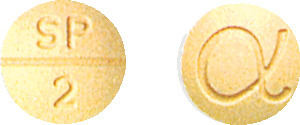
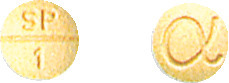
  • SPIRACTIN 25 - round, pale orange, peppermint flavoured tablet, marked SP/1 and a Greek alpha symbol
  • SPIRACTIN 100 - round, pale orange, peppermint flavoured tablet, marked SP/2 and a Greek alpha symbol.

Each bottle contains 100 tablets.

Ingredients

The active ingredient in SPIRACTIN is spironolactone

  • each SPIRACTIN 25 tablet contains 25 mg of spironolactone
  • each SPIRACTIN 100 tablet contains 100 mg of spironolactone.

The tablets also contain:

  • lactose monohydrate
  • microcrystalline cellulose
  • maize starch
  • sodium starch glycollate
  • purified talc
  • magnesium stearate
  • polysorbate 80
  • povidone
  • quinoline yellow
  • erythrosine
  • sunset yellow FCF
  • peppermint oil.

SPIRACTIN contains sugars as lactose and trace quantities of galactose and sulfites.

Manufacturer

SPIRACTIN is made in Australia by:

Alphapharm Pty Ltd
trading as Viatris

Level 1, 30 The Bond
30-34 Hickson Road
Millers Point NSW 2000
www.viatris.com.au
Phone: 1800 274 276

Australian registration numbers:

SPIRACTIN 25 - AUST R 46689

SPIRACTIN 100 - AUST R 46691

SPIRACTIN is a Viatris company trade mark.

This leaflet was prepared in November 2021.

SPIRACTIN_cmi\Nov21/00

Published by MIMS January 2022

BRAND INFORMATION

Brand name

Spiractin

Active ingredient

Spironolactone

Schedule

S4


1 Name of Medicine

Spironolactone.

2 Qualitative and Quantitative Composition

Each 25 mg tablet contains 25 mg of spironolactone as the active ingredient.
Each 100 mg tablet contains 100 mg of spironolactone as the active ingredient.

Excipients with known effect.

Sugars as lactose and trace quantities of galactose and sulfites.
For the full list of excipients, see Section 6.1 List of Excipients.

3 Pharmaceutical Form

25 mg tablet: 7 mm pale orange, normal convex, peppermint flavoured, marked "SP" breakline "1" on one side, "α" symbol on the reverse.
100 mg tablet: 11 mm pale orange, normal convex, peppermint flavoured, marked "SP" breakline "2" on one side, "α" symbol on the reverse.

4 Clinical Particulars

4.1 Therapeutic Indications

Essential hypertension.

Spironolactone, when used alone, is effective in lowering both systolic and diastolic blood pressure. Spironolactone improves the hypotensive action of thiazide diuretics, while at the same time reducing or preventing potassium loss due to the thiazide. Spironolactone enhances the effectiveness of other antihypertensive agents such as β-blockers, vasodilators, etc.
As adjunctive therapy in malignant hypertension.
In diuretic induced hypokalaemia when other measures are considered inappropriate or inadequate.
Prophylaxis of hypokalaemia in patients taking digitalis when other measures are considered inadequate or inappropriate.

Congestive cardiac failure.

When used alone, spironolactone is effective in the management of oedema and sodium retention associated with congestive cardiac failure. Spironolactone may be used in combination with a thiazide or other conventional diuretics for achieving diuresis in patients whose oedema is resistant to a thiazide or other conventional diuretics. Unlike conventional diuretics, spironolactone does not produce hypokalaemia. When administered with a thiazide or other conventional diuretics, spironolactone offsets hypokalaemia induced by these diuretics. The prevention of potassium loss is particularly important in the treatment of digitalised patients, since digitalis intoxication may be precipitated if hypokalaemia is induced by conventional diuretic therapy.

Hepatic cirrhosis with ascites and oedema.

When used alone, spironolactone is frequently adequate for the relief of ascites and oedema associated with hepatic cirrhosis. It provides a mild and even diuresis and prevents excessive potassium excretion caused by thiazide diuretics, thus avoiding possible precipitation of hepatic coma.

Nephrotic syndrome.

Although glucocorticoids, whose anti-inflammatory activity appears to benefit the primary pathological process in the renal glomerulus, should probably be employed first, spironolactone either alone or in combination with a conventional diuretic is useful for inducing diuresis.

Diagnosis and treatment of primary hyperaldosteronism.

Spironolactone may be used to establish the diagnosis of primary hyperaldosteronism by therapeutic trial. Spironolactone may also be used for the short-term preoperative treatment of patients with primary hyperaldosteronism, long-term maintenance therapy for patients with discrete aldosterone producing adrenal adenomas who are judged to be poor operative risks (or who decline surgery), and long-term maintenance therapy for patients with bilateral micro- or macronodular adrenal hyperplasia (idiopathic hyperaldosteronism).

Hirsutism in females.

Spironolactone is effective in the treatment of females with hirsutism, an androgen related increase in facial and body hair. A reduction in hair growth, hair shaft diameter and hair pigmentation is seen.
Use of Spiractin should be considered only after all other alternatives of nondrug therapy have been explored. For women of childbearing age, see Section 4.3 Contraindications; Section 4.6 Fertility, Pregnancy and Lactation, Use in pregnancy.

4.2 Dose and Method of Administration

Adults.

Essential hypertension. 50 to 100 mg/day which may be given either in divided doses or as a single daily dose.
Dosage should be adjusted according to response, but it should be noted that maximum effect of spironolactone therapy may not occur for up to two weeks after starting treatment.
Spironolactone may potentiate the action of diuretics or other antihypertensive drugs, and their dosage should first be reduced by at least 50% when Spiractin is added to the regimen, and then adjusted as necessary.
Oedematous disorders. The daily dose may be given either in divided doses or as a single daily dose.

Congestive cardiac failure.

The initial dose is 100 mg/day. In difficult or severe cases the dosage may be gradually increased up to 200 mg/day. When oedema is controlled, the usual maintenance level is 25 to 200 mg/day.

Cirrhosis.

If the urinary sodium:potassium ratio is greater than one, the recommended dose is 100 mg/day. If the ratio is less than one, the recommended dose is 200 to 400 mg/day. Maintenance dosage should be individually determined.

Nephrotic syndrome.

Usually 100 to 200 mg/day. Spironolactone is not anti-inflammatory, has not been shown to affect the basic pathological process and its use is only advised when treatment of the underlying disease, restriction of fluid intake and sodium intake, and the use of other diuretics do not provide an adequate response.
Diagnosis and treatment of primary aldosteronism. Spironolactone may be employed as an initial diagnostic measure to provide presumptive evidence of primary hyperaldosteronism while patients are on normal diets.

Long test.

Spironolactone is administered at a daily dosage of 400 mg for three to four weeks. Correction of hypokalaemia and of hypertension provides presumptive evidence for the diagnosis of primary hyperaldosteronism.

Short test.

Spironolactone is administered at a daily dosage of 400 mg for four days. If serum potassium increases during administration but drops when spironolactone is discontinued, a presumptive diagnosis of primary hyperaldosteronism should be considered.
After the diagnosis of hyperaldosteronism has been established by more definitive testing procedures, Spiractin may be administered in doses of 100 to 400 mg daily in preparation for surgery. For patients who are considered unsuitable for surgery, spironolactone may be employed for long-term maintenance therapy at the lowest effective dosage determined for the individual patient.
Malignant hypertension. Spironolactone should be used as adjunctive therapy only, where there is an excessive secretion of aldosterone, hypokalaemia and metabolic alkalosis. The initial dosage is 100 mg/day, increased as necessary in two weekly intervals to 400 mg/day. Initial therapy should include a combination of other antihypertensive drugs and spironolactone. Do not automatically reduce the dose of other treatments as is recommended for essential hypertension.
Hypokalaemia. Spironolactone may be useful in treating diuretic induced hypokalaemia when oral potassium supplements are considered inappropriate. In treating hypokalaemia, the lowest dose should be used and titrated upwards. A daily dose exceeding 100 mg is not recommended.
Female hirsutism. 100 to 200 mg/day in divided doses is usual, however 50 mg daily has also been shown to be effective.
Clinical improvement is usually shown within 3 to 6 months and an initial course of treatment should continue for 12 months.
Spironolactone may be administered continuously or as a cyclical dosage for approximately three weeks out of every four weeks. Dosing from day 5 to 21 of the menstrual cycle, with a drug free interval during menstruation, has been effective. Cyclical dosing may reduce menstrual irregularities in women with previously regular cycles.
Combined use with estrogen/ progestogen oral contraceptives may also be considered to provide both regular menstrual cycles and adequate contraception (see Section 4.6 Fertility, Pregnancy and Lactation, Use in pregnancy).

Children and adolescents.

Oedematous disorders.

The initial daily dosage should provide approximately 3.3 mg spironolactone/kg bodyweight. For small children, spironolactone tablets may be pulverised and administered as a suspension in cherry syrup. When refrigerated, such a suspension is stable for one month.

4.3 Contraindications

Acute renal insufficiency, significant impairment of renal function, anuria, Addison's disease or other conditions associated with hyperkalaemia (see Section 4.4 Special Warnings and Precautions for Use), hyperkalaemia, pregnancy (see Section 4.6 Fertility, Pregnancy and Lactation, Use in pregnancy), hypersensitivity to spironolactone, concomitant use of eplerenone.

4.4 Special Warnings and Precautions for Use

Concomitant use of spironolactone with angiotensin converting enzyme (ACE) inhibitors, nonsteroidal anti-inflammatory drugs, angiotensin II antagonists, aldosterone blockers, heparin, low molecular weight heparin, other drugs or conditions known to cause hyperkalaemia or potassium supplements, a diet rich in potassium, including salt substitutes containing potassium, or other potassium sparing agents is not recommended as it may lead to severe hyperkalaemia.
Hyperkalaemia may be fatal in patients with severe heart failure (New York Heart Association [NYHA] class III-IV). Potassium and creatinine levels should be closely monitored one week after initiation or monthly for the first 3 months, then quarterly for a year, and then every 6 months when increasing the dose of spironolactone. See Use in renal impairment.

Use in hepatic impairment.

Reversible hyperchloraemic metabolic acidosis, usually in association with hyperkalaemia, has been reported to occur in some patients with decompensated hepatic cirrhosis, even in the presence of normal renal function.

Use in renal impairment.

Concomitant use of spironolactone and other potassium-sparing diuretics in patients with severe heart failure should be avoided. If serum potassium > 3.5 mEq/L, oral potassium supplements should be avoided. Treatment with spironolactone should be discontinued or interrupted in patients with serum potassium > 5 mEq/L or with serum creatinine > 4 mg/dL.

Use in the elderly.

Periodic estimation of serum electrolytes is desirable due to the possibility of hyperkalaemia, hyponatraemia and possible transient blood urea nitrogen (BUN) elevation, especially in the elderly and/or in patients with pre-existing impaired renal or hepatic function, in whom the risk/benefit ratio should always be weighed.

Paediatric use.

No data available.

Effects on laboratory tests.

Spironolactone can interfere with assays for plasma digoxin concentrations.

4.5 Interactions with Other Medicines and Other Forms of Interactions

Concomitant use of drugs known to cause hyperkalaemia with spironolactone may result in severe hyperkalaemia (see Section 4.4 Special Warnings and Precautions for Use).
Hyperkalaemia has been associated with the use of either indometacin or angiotensin converting enzyme (ACE) inhibitors in combination with potassium sparing diuretics.
Spironolactone reduces the vascular responsiveness to norepinephrine. Therefore, caution should be exercised in the management of patients subjected to regional or general anaesthesia while they are being treated with spironolactone.
Nonsteroidal anti-inflammatory drugs (NSAIDs) such as aspirin, indometacin, and mefenamic acid may attenuate the natriuretic efficacy of diuretics due to inhibition of intrarenal synthesis of prostaglandins and have been shown to attenuate the diuretic effect of spironolactone.
As carbenoxolone may cause sodium retention and thus decrease the effectiveness of spironolactone, concurrent use of the two agents should be avoided.
Spironolactone has been shown to increase the half-life of digoxin. This may result in increased serum digoxin levels and subsequent digitalis toxicity. It may be necessary to reduce the digoxin dose when spironolactone is administered, and the patient should be carefully monitored to avoid over- or underdigitalisation.
Spironolactone may have an additive effect when given concomitantly with other diuretics and antihypertensive agents. The dose of such drugs may need to be reduced when spironolactone is added to the treatment regimen.
Spironolactone enhances the metabolism of antipyrine.
Hyperkalaemic metabolic acidosis has been reported in patients given spironolactone concurrently with ammonium chloride or colestyramine.
Spironolactone binds to the androgen receptor and may increase prostate-specific antigen (PSA) levels in abiraterone-treated prostate cancer patients.

4.6 Fertility, Pregnancy and Lactation

Effects on fertility.

The safety of spironolactone for the treatment of hirsutism in women of childbearing age has not been established by specific long-term clinical trials. Epidemiological studies are also inadequate to establish the safety of long-term use in this population.
See Section 5.3 Preclinical Safety Data.
(Category B3)
Experimentally, passive transfer of potassium sparing diuretics across the human placenta has been demonstrated. Maternal treatment during pregnancy may result in electrolyte disturbances in the foetus.
Spironolactone should not be used in pregnancy (see Section 4.3 Contraindications). Women of childbearing potential should employ adequate contraception (i.e. oral contraceptives or IUDs) during administration of spironolactone, and the drug should be stopped if pregnancy occurs or is suspected.
Canrenone, an active metabolite of spironolactone, appears in breast milk. An alternative method of infant feeding should be instituted if the use of the drug is deemed essential.

4.7 Effects on Ability to Drive and Use Machines

Somnolence and dizziness have been reported to occur in some patients. Caution is advised when driving or operating machinery until the response to initial treatment has been determined.

4.8 Adverse Effects (Undesirable Effects)

Gynaecomastia may develop in association with the use of spironolactone, and physicians should be alert to its possible onset. The development of gynaecomastia appears to be related to both dosage level and duration of therapy and is normally reversible when spironolactone is discontinued. In rare instances some breast enlargement may persist.
Other adverse reactions that have been reported in association with spironolactone are gastrointestinal symptoms, including cramping, diarrhoea, nausea, vomiting, gastric bleeding, ulceration and gastritis; drowsiness, lethargy, headache, maculopapular or erythematous cutaneous eruptions, urticaria, mental confusion, drug fever, ataxia, inability to achieve or maintain erection, irregular menses or amenorrhoea, postmenopausal bleeding, malaise, benign breast neoplasm, breast pain, leucopenia (including agranulocytosis), thrombocytopenia, abnormal hepatic function, electrolyte disturbances, hyperkalaemia, leg cramps, dizziness, changes in libido, Stevens-Johnson syndrome (SJS), toxic epidermal necrolysis (TEN), drug rash with eosinophilia and systemic symptoms (DRESS), alopecia, hypertrichosis, pruritus, rash and acute renal failure.
Carcinoma of the breast has been reported in patients taking spironolactone, but a cause and effect relationship has not been established.

Reporting suspected adverse effects.

Reporting suspected adverse reactions after registration of the medicinal product is important. It allows continued monitoring of the benefit-risk balance of the medicinal product. Healthcare professionals are asked to report any suspected adverse reactions at www.tga.gov.au/reporting-problems.

4.9 Overdose

Symptoms.

Overdosage may be manifested by nausea and vomiting, dizziness and (more rarely) by drowsiness, mental confusion, maculopapular or erythematous rash or diarrhoea. Electrolyte imbalances and dehydration may occur. Hyperkalaemia may be produced; symptoms include paraesthesia, weakness, flaccid paralysis and tetany. The earliest signs are characteristic electrocardiographic abnormalities including tall 'tent shaped' T waves, decreased amplitude of the P waves and widening of the QRS complex. Delayed onset of hyperkalaemia has been reported after acute ingestion of spironolactone (peak levels at 24 and 32 hours).

Treatment.

Symptomatic and supportive measures should be employed. There is no specific antidote. Support respiratory and cardiac functions. Treat fluid depletion, electrolyte imbalances and hypotension by established procedures.
Severity of intoxication should be based on clinical findings and serial determination of serum potassium levels. Monitoring plasma levels of spironolactone is not clinically useful.
Hyperkalaemia can be treated promptly by the rapid intravenous administration of glucose (20 to 50%) and regular insulin, using 0.25 to 0.5 units of insulin per gram of glucose). Potassium excreting diuretics and ion exchange resins may also be administered, and repeated as required.
Spiractin should be discontinued and potassium intake (including dietary potassium) restricted.
For information on the management of overdose, contact the Poisons Information Centre on 13 11 26 (Australia).

5 Pharmacological Properties

5.1 Pharmacodynamic Properties

Mechanism of action.

Spironolactone is a specific pharmacological antagonist of aldosterone, acting primarily through competitive binding of receptors at the aldosterone dependent sodium potassium exchange site in the distal convoluted renal tubule. Spironolactone causes increased amounts of sodium and water to be excreted, while potassium is retained. It has both diuretic and antihypertensive activity. It may be given alone or in combination with other diuretic agents which act more proximally in the renal tubule.
Increased levels of the mineralocorticoid, aldosterone, are present in primary and secondary hyperaldosteronism. Oedematous states in which secondary aldosteronism is usually involved include congestive cardiac failure, hepatic cirrhosis, and the nephrotic syndrome. Spironolactone provides effective therapy for the oedema and ascites in those conditions by competing with aldosterone for receptor sites.
Spironolactone is effective in lowering the systolic and diastolic blood pressure in patients with primary hyperaldosteronism. It is also effective in most cases of essential hypertension despite the fact that aldosterone secretion may be within normal limits in benign essential hypertension.
Spironolactone inhibits the exchange of sodium for potassium in the distal renal tubule and helps to prevent potassium loss by antagonising the effect of aldosterone. It has not been demonstrated to elevate serum uric acid, to precipitate gout or to alter carbohydrate metabolism.
Spironolactone has moderate antiandrogenic activity in humans by inhibition of the interaction between dihydrotestosterone and the intracellular androgen receptor. It also inhibits several steps in ovarian steroidogenesis, resulting in lowered plasma levels of testosterone and some other weak androgenic steroids. Through this activity, spironolactone is effective in the treatment of female hirsutism.

Clinical trials.

No data available.

5.2 Pharmacokinetic Properties

Absorption.

In humans, the bioavailability of spironolactone from orally administered tablets is greater than 90% when compared with an optimally absorbed solution (spironolactone in polyethylene glycol 400).
Food may increase the bioavailability of spironolactone; the clinical relevance of this effect is uncertain.

Distribution.

Both spironolactone and canrenone are more than 90% bound to plasma proteins.

Metabolism.

Approximately 25 to 30% of the dose administered is converted to canrenone. Sulfur containing products are the predominant metabolites and together with spironolactone are thought to be primarily responsible for the therapeutic effects of the drug. Canrenone attains peak serum levels at 2 to 4 hours following single oral administration. Canrenone plasma concentrations decline in two distinct phases, being rapid in the first 12 hours and slower from 12 to 96 hours. The log linear phase half-life of canrenone, following multiple doses of spironolactone, is between 13 and 24 hours.

Excretion.

The metabolites of spironolactone are excreted primarily in urine, but also in bile.

5.3 Preclinical Safety Data

In animal studies, spironolactone was devoid of teratogenic effects in mice and rabbits at oral doses up to 20 mg/kg/day, and in rats at dietary doses up to 50 mg/kg/day. However, increased resorption rate was seen at 20 mg/kg/day in rabbits, and the incidence of stillbirths was increased in rats dosed at 50 mg/kg/day. Subcutaneous administration of spironolactone (approximately 50 to 100 mg/kg/day) to rats during late pregnancy caused endocrine dysfunction in both sexes of offspring 70 to 80 days after birth (hypoprolactinaemia and decreased ventral prostate and seminal vesical weights in males; increased luteinising hormone secretion and ovarian and uterine weights in females). Feminisation of the external genitalia of male foetuses was reported in another study in rats at oral doses of approximately 200 mg/kg/day. Subcutaneous administration of spironolactone to neonatal female mice caused histological changes in the cervicovaginal epithelium that were similar to those caused by diethylstilboestrol (a drug which causes vaginal neoplasia in adulthood following in utero exposure).
The risk of demasculinisation of the male foetus will only occur from about 6 weeks post conception onwards, hence if inadvertent spironolactone administration is stopped at an early stage, the risk to the male foetus is small.

Genotoxicity.

Spironolactone has been shown to be tumorigenic in chronic toxicity studies performed in rats. It should be used only for approved indications. Unnecessary use of this drug should be avoided.
In chronic toxicity studies of spironolactone in rats, changes were observed in the endocrine organs and the liver. In one study using dietary doses of 50, 150 and 500 mg/kg/day there was a statistically significant dose-related increase in benign adenomas of thyroid follicular cells and testicular interstitial cells. In female rats there was a statistically significant increase in malignant mammary tumours at the middle dose only. In male rats, there was a dose-related increase in proliferative changes in the liver which included hyperplastic nodules and hepatocellular carcinomas at the middle and high doses.

Carcinogenicity.

In a two year oral carcinogenicity study in which rats were administered spironolactone 10, 30, 100 and 150 mg/kg/day, the range of proliferative effects observed was consistent with earlier studies. There were statistically significant increases at higher doses in hepatocellular adenomas and testicular interstitial cell tumours in males, and in thyroid follicular cell adenomas and carcinomas in both sexes. There was also a statistically significant increase in benign uterine endometrial polyps in females. There was an increase in hepatocellular carcinomas in males at 150 mg/kg, but this was not statistically significant. There was no significant increase in the incidence of mammary tumours.
The significance of these findings with respect to clinical use is not known.
Spironolactone was not mutagenic in the Ames test using five strains of Salmonella typhimurium with or without metabolic activation.
A dose-related (above 20 mg/kg/day) incidence of myelocytic leukaemia was observed in rats fed daily doses of potassium canrenoate for a period of one year. Canrenone and canrenoic acid are the major metabolites of potassium canrenoate. Spironolactone is also metabolised to canrenone. In long term (2 year) oral carcinogenicity studies of potassium canrenoate in the rat, myelocytic leukaemia, and hepatic, thyroid, testicular and mammary tumours were observed. Potassium canrenoate did not produce a mutagenic effect in tests using bacteria or yeast. It did produce a positive mutagenic effect in several in vitro tests in mammalian cells following metabolism activation. In an in vivo mammalian system, potassium canrenoate was not mutagenic. An increased incidence of leukaemia was not observed in chronic rat toxicity or carcinogenicity studies conducted with spironolactone at doses up to 500 mg/kg/day. The recommended human dose of spironolactone is 1.4 to 5.7 mg/kg/day.

6 Pharmaceutical Particulars

6.1 List of Excipients

25 mg and 100 mg tablets contain lactose monohydrate, microcrystalline cellulose, maize starch, polysorbate 80, povidone, sodium starch glycollate, purified talc, magnesium stearate, peppermint oil, quinoline yellow aluminium lake, erythrosine aluminium lake and sunset yellow FCF aluminium lake.

6.2 Incompatibilities

See Section 4.5 Interactions with Other Medicines and Other Forms of Interactions.
Incompatibilities were either not assessed or not identified as part of the registration of this medicine.

6.3 Shelf Life

In Australia, information on the shelf life can be found on the public summary of the Australian Register of Therapeutic Goods (ARTG). The expiry date can be found on the packaging.

6.4 Special Precautions for Storage

Store below 30°C. This medicinal product does not require any special storage conditions.

6.5 Nature and Contents of Container

Container type: HDPE bottles with PP cap - Child Resistant Closure.
Pack size: 100 tablets.

Australian register of therapeutic goods (ARTG).

AUST R 46689 - Spiractin 25 spironolactone 25 mg tablet bottle.
AUST R 46691 - Spiractin 100 spironolactone 100 mg tablet bottle.

6.6 Special Precautions for Disposal

In Australia, any unused medicine or waste material should be disposed of by taking it to your local pharmacy.

6.7 Physicochemical Properties

Chemical structure.

Chemical name: 7α-acetylthio-3-oxo-17α-pregn-4-ene-21,17β-carbolactone.
Structural formula:
Molecular formula: C24H32O4S. Molecular weight: 416.6.

CAS number.

52-01-7.

7 Medicine Schedule (Poisons Standard)

S4 (Prescription Only Medicine).

Summary Table of Changes