


Consumer medicine information

Sudafed Sinus + Pain Relief Tablets

Paracetamol; Pseudoephedrine hydrochloride

BRAND INFORMATION

Brand name

Sudafed Sinus + Pain Relief

Active ingredient

Paracetamol; Pseudoephedrine hydrochloride

Schedule

S3


Consumer medicine information (CMI) leaflet

Please read this leaflet carefully before you start using Sudafed Sinus + Pain Relief Tablets.

What is in this leaflet

This leaflet answers some common questions about SUDAFED® Sinus + Pain Relief Tablets.

It does not contain all the available information. It does not take the place of talking to your pharmacist or doctor.

All medicines have risks and benefits. Your pharmacist or doctor has weighed the risks of you taking SUDAFED® Sinus + Pain Relief against the benefits they expect it will have for you.

If you have any concerns about taking this medicine, ask your pharmacist or doctor.

Keep this leaflet with the medicine. You may need to read it again.

What SUDAFED® Sinus + Pain Relief is used for

SUDAFED® Sinus + Pain Relief provides effective relief from sinus pain and congestion.

Pseudoephedrine belongs to a group of medicines called sympathomimetic decongestants. It works by reducing congestion in the upper respiratory tract, including the nose, nasal passages and sinuses, and making it easier to breathe.

Paracetamol works to stop the pain messages from getting through to the brain. It also acts in the brain to reduce fever.

Ask your pharmacist or doctor if you have any questions about this medicine. Your pharmacist or doctor may have given it for another reason.

This medicine is only available from your pharmacist.

Before you take SUDAFED® Sinus + Pain Relief

When you must not take it

Do not take SUDAFED® Sinus + Pain Relief if you have an allergy to:

  • any medicine containing pseudoephedrine
  • any medicine containing paracetamol
  • any of the ingredients listed at the end of this leaflet.

Some of the symptoms of an allergic reaction may include:

  • shortness of breath
  • wheezing or difficulty breathing
  • swelling of the face, lips, tongue or other parts of the body
  • rash, itching or hives on the skin.

Do not take this medicine if you have:

  • very high blood pressure
  • severe coronary artery disease (heart disease caused by poor blood flow or narrowing of the blood vessels of the heart)
  • taken monoamine oxidase inhibitors, medicines used to treat depression, in the last 14 days.

Do not take this medicine after the expiry date (EXP) printed on the pack or if the packaging is torn or shows signs of tampering. If it has expired or is damaged, return it to your pharmacist for disposal.

If you are not sure whether you should start taking this medicine, talk to your pharmacist or doctor.

Before you start to take it

Tell your pharmacist or doctor if you have allergies to any other medicines, foods, preservatives or dyes.

Tell your pharmacist or doctor if you have or have had any of the following medical conditions:

  • high blood pressure
  • overactive thyroid gland
  • diabetes
  • heart disease and poor blood flow in the blood vessels of the heart
  • glaucoma (high pressure in the eyes)
  • prostate problems
  • liver or kidney disease
  • alcohol dependence.

Tell your pharmacist or doctor if you are pregnant or plan to become pregnant. Your pharmacist or doctor will discuss the benefits and possible risks of taking the medicine during pregnancy.

Tell your pharmacist or doctor about taking if you are breastfeeding or plan to breastfeed. Small amounts of pseudoephedrine pass into the breast milk. Your pharmacist or doctor will discuss the potential benefits and risks of taking the medicine if you are breastfeeding.

If you have not told your pharmacist or doctor about any of the above, tell him/her before you start taking SUDAFED® Sinus + Pain Relief.

Taking other medicines

Tell your pharmacist or doctor if you are taking any other medicines, including any that you get without a prescription from your pharmacy, supermarket or health food shop.

Some medicines and SUDAFED® Sinus + Pain Relief may interfere with each other. These include:

  • medicines used to treat depression, especially monoamine oxidase inhibitors
  • medicines used to treat heart conditions
  • medicines used to treat high blood pressure
  • medicines used to treat urinary tract infections and bladder problems
  • medicines used to treat behavioural disorders
  • phenylephrine, a medicine used to treat congestion
  • appetite suppressants
  • warfarin, a medicine used to prevent blood clots
  • metoclopramide, a medicine used to control nausea and vomiting
  • medicines used to treat epilepsy or fits
  • chloramphenicol, an antibiotic used to treat ear and eye infections
  • alcohol.

These medicines may be affected by SUDAFED® Sinus + Pain Relief or may affect how well it works. You may need different amounts of your medicines, or you may need to take different medicines.

Your doctor and pharmacist will have more information on these and other medicines to be careful with or avoid while taking this medicine.

How to take SUDAFED® Sinus + Pain Relief

Follow all directions given to you by your pharmacist or doctor carefully. They may differ from the information contained in this leaflet.

If you do not understand the instructions on the pack, ask your pharmacist or doctor for help.

How much to take

The recommended dose of SUDAFED® Sinus + Pain Relief, for adults and children 12 years and over, is 1 to 2 tablets 3 to 4 times a day.

Do not exceed 8 tablets in 24 hours.

Do not give this medicine to children under 12 years of age.

Do not take more than the recommended dose.

How long to take it

As SUDAFED® Sinus + Pain Relief contains paracetamol, take only for a few days at a time unless your doctor tells you to take it for longer.

If you forget to take it

If it is almost time for your next dose, skip the dose you missed and take your next dose when you are meant to.

Otherwise, you may take a dose as soon as you remember if you think you need it.

Do not take a double dose to make up for the dose that you missed. This may increase the chance of you getting an unwanted side effect.

If you are not sure what to do, ask your pharmacist or doctor.

If you take too much (overdose)

Immediately telephone your doctor or the Poisons Information Centre (telephone 13 11 26) for advice, or go to Accident and Emergency at the nearest hospital, if you think that you or anyone else may have taken too much SUDAFED® Sinus + Pain Relief. Do this even if there are no signs of discomfort or poisoning. You may need urgent medical attention.

While you are using SUDAFED® Sinus + Pain Relief

Things you must do

Talk to your pharmacist or doctor if your symptoms do not improve, worsen, or if new symptoms appear. Your pharmacist or doctor will assess your condition and decide if you should continue to take the medicine.

Things you must not do

Do not take this medicine for more than a few days at a time unless your doctor tells you to.

Do not take more than the recommended dose unless your doctor tells you to.

Do not take SUDAFED® Sinus + Pain Relief to treat any other complaints unless your pharmacist or doctor tells you to.

Do not give your medicine to anyone else, even if they have the same condition as you.

Things to be careful of

Be careful driving or operating machinery until you know how SUDAFED® Sinus + Pain Relief affects you. This medicine may cause dizziness in some people. If this happens, do not drive or operate machinery.

Only drink small quantities of alcohol while taking SUDAFED® Sinus + Pain Relief. Drinking large quantities of alcohol while taking paracetamol may increase the risk of liver side effects.

Side effects

Tell your pharmacist or doctor as soon as possible if you do not feel well while you are taking SUDAFED® Sinus + Pain Relief.

This medicine helps most people with sinus pain and congestion, but it may have unwanted side effects in a few people. All medicines can have side effects. Sometimes they are serious, most of the time they are not. You may need medical attention if you get some of the side effects.

Do not be alarmed by the following lists of side effects. You may not experience any of them.

Ask your pharmacist or doctor to answer any questions you may have.

Tell your pharmacist or doctor if you notice any of the following and they worry you:

  • headache
  • nausea, vomiting or dyspepsia
  • abdominal pain
  • difficulty urinating
  • diarrhoea
  • drowsiness
  • dizziness
  • difficulty sleeping
  • nervousness
  • excitability
  • euphoric mood
  • restlessness
  • fear or anxiety
  • rapid or irregular heart beat
  • raised blood pressure
  • palpitations
  • tremor
  • hallucinations
  • dry mouth
  • rectal bleeding
  • small bumps on the skin with or without fever or reddening of the skin.

The above list includes the more common side effects of your medicine. They are usually mild.

Children and people over 65 years of age may have an increased chance of getting side effects.

If any of the following happen, discontinue use, and tell your pharmacist or doctor immediately or go to Accident and Emergency at your nearest hospital:

  • urine retention
  • shortness of breath
  • wheezing or difficulty breathing
  • swelling of the face, lips, tongue or other parts of the body
  • skin reddening, blisters, rash, itching or hives on the skin.

The above list includes very serious side effects. You may need urgent medical attention or hospitalisation. These side effects are very rare for low doses of this medicine and when used for a short period of time.

Tell your pharmacist or doctor if you notice anything that is making you feel unwell.

Other side effects not listed above may also occur in some people.

After using SUDAFED® Sinus + Pain Relief

Storage

Keep your medicine in the original pack until it is time to take.

Keep your medicine in a cool dry place where the temperature stays below 30°C.

Do not store SUDAFED® Sinus + Pain Relief or any other medicine in the bathroom or near a sink. Do not leave it on a window sill or in the car. Heat and dampness can destroy some medicines.

Keep your medicine where children cannot reach it. A locked cupboard at least one-and-a-half metres above the ground is a good place to store medicines.

Disposal

Ask your pharmacist what to do with any medicine that is left over, or if the expiry date has passed.

Product description

What it looks like

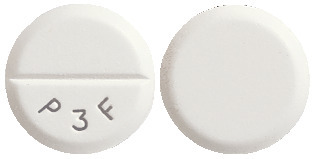
SUDAFED® Sinus + Pain Relief are white, round, flat, uncoated tablets with wide bevelled edges. They are scored and coded 'P3F' on one face, and the other face is plain.

SUDAFED® Sinus + Pain Relief tablets are available in blister packs of 24 tablets.

Ingredients

SUDAFED® Sinus + Pain Relief tablets contain 30 mg of pseudoephedrine hydrochloride and 500 mg of paracetamol as the active ingredients.

SUDAFED® Sinus + Pain Relief tablets also contain the following inactive ingredients:

  • microcrystalline cellulose
  • hydroxypropylcellulose
  • magnesium stearate
  • sodium starch glycollate
  • pregelatinised wheat starch
  • stearic acid.

This medicine does not contain lactose, sucrose, tartrazine or any other azo dyes.

Name and Address of Sponsor

Johnson & Johnson Pacific
45 Jones Street
Ultimo NSW 2007
Australia

SUDAFED is a registered trademark.

This leaflet was prepared in September 2018.

Australian Register Number: AUST R 63230

Published by MIMS December 2018

BRAND INFORMATION

Brand name

Sudafed Sinus + Pain Relief

Active ingredient

Paracetamol; Pseudoephedrine hydrochloride

Schedule

S3


1 Name of Medicine

Paracetamol, pseudoephedrine hydrochloride.

2 Qualitative and Quantitative Composition

Sudafed Sinus + Pain Relief tablets contain pseudoephedrine hydrochloride 30 mg and paracetamol 500 mg.
For the full list of excipients, see Section 6.1 List of Excipients.

3 Pharmaceutical Form

Sudafed Sinus + Pain Relief tablets are white, flat, round and uncoated. They are scored and coded 'P3F' on one face, and the other face is plain.

4 Clinical Particulars

4.1 Therapeutic Indications

Sudafed Sinus + Pain Relief provides effective relief from sinus pain and congestion.

4.2 Dose and Method of Administration

The recommended dosage of Sudafed Sinus + Pain Relief for adults and children 12 years and over is 1 to 2 tablets 3 to 4 times a day. Do not exceed 8 tablets in 24 hours.
Sudafed Sinus + Pain Relief should not be taken by children under 12 years of age without medical advice.

Use in adults.

Paracetamol should not be taken for more than a few days at a time except on medical advice.

Use in children.

Paracetamol should not be taken for more than 48 hours except on medical advice.

4.3 Contraindications

Pseudoephedrine is contraindicated for use in patients:
with known hypersensitivity or idiosyncratic reaction to pseudoephedrine (or any of the other ingredients in the product);
with severe hypertension or coronary artery disease;
taking monoamine oxidase inhibitors (MAOIs) or who have taken MAOIs within the previous 14 days.
Paracetamol is contraindicated for use in patients with known hypersensitivity or idiosyncratic reaction to paracetamol (or any of the other ingredients in the product).
See Section 4.5 Interactions with Other Medicines and Other Forms of Interactions for additional information.

4.4 Special Warnings and Precautions for Use

Pseudoephedrine should be used with caution in patients with hypertension, hyperthyroidism or thyroid disease, diabetes mellitus, coronary heart disease, ischaemic heart disease, glaucoma, prostatic hypertrophy, severe hepatic or renal dysfunction.
Some cases of ischaemic colitis have been reported with pseudoephedrine.
Pseudoephedrine should be discontinued and medical advice sought if sudden abdominal pain, rectal bleeding or other symptoms of ischaemic colitis develop.
If signs and symptoms such as formation of small pustules occur, with or without pyrexia or erythema, then treatment with pseudoephedrine should be discontinued and a physician should be consulted.
Serious skin reactions such as acute generalized exanthematous pustulosis (AGEP), Stevens-Johnson syndrome (SJS), toxic epidermal necrolysis (TEN) and drug reaction with eosinophilia and systemic symptoms (DRESS) have been reported very rarely in patients receiving paracetamol. Patients should be informed about the signs of serious skin reactions and use of the drug should be discontinued at the first appearance of skin rash or any other sign of hypersensitivity.
Paracetamol should be used with caution in patients with impaired hepatic function, impaired renal function, chronic alcoholism.
See Section 4.5 Interactions with Other Medicines and Other Forms of Interactions for additional information.

Use in hepatic impairment.

Use with caution in patients with hepatic impairment or severe hepatic dysfunction.

Use in renal impairment.

Use with caution in patients with renal impairment or severe renal dysfunction.

Use in elderly.

No data available.

Paediatric use.

No data available.

Effects on laboratory tests.

No data available.

4.5 Interactions with Other Medicines and Other Forms of Interactions

The following interactions with the pseudoephedrine have been noted:
antidepressant medication, e.g. tricyclic antidepressants and monoamine oxidase inhibitors (MAOIs) - may cause a serious increase in blood pressure or hypertensive crisis;
other sympathomimetic agents, such as decongestants, appetite suppressants and amphetamine-like psychostimulants - may cause an increase in blood pressure and additive effects;
methyldopa and β-blockers - may cause an increase in blood pressure;
urinary acidifiers enhance elimination of pseudoephedrine;
urinary alkalinisers decrease elimination of pseudoephedrine.
The following interactions with the paracetamol have been noted:
anticoagulant drugs (warfarin) - dosage may require reduction if paracetamol and anticoagulants are taken for a prolonged period of time;
paracetamol absorption is increased by substances that increase gastric emptying, e.g. metoclopramide;
paracetamol absorption is decreased by substances that decrease gastric emptying, e.g. propantheline, antidepressants with anticholinergic properties and narcotic analgesics;
paracetamol may increase chloramphenicol concentrations;
the risk of paracetamol toxicity may be increased in patients receiving other potentially hepatotoxic drugs or drugs that induce liver microsomal enzymes, such as alcohol and anticonvulsant agents;
paracetamol excretion may be affected and plasma concentrations altered when given with probenecid;
colestyramine reduces the absorption of paracetamol if given within 1 hour of paracetamol;
high anion gap metabolic acidosis from pyroglutamic acid (5-oxoprolinemia) has been reported with concomitant use of therapeutic doses of paracetamol and flucloxacillin. Patients reported to be most at risk are elderly females with underlying disease such as sepsis, renal function abnormality, and malnutrition.

4.6 Fertility, Pregnancy and Lactation

Effects on fertility.

No data available.
(Category B2)
The pregnancy categorisation is B2. Pseudoephedrine has been taken by only a limited number of pregnant women and women of childbearing age, without an increase in the frequency of malformation or other direct or indirect harmful effects on the human foetus having been observed. Studies in animals are inadequate or may be lacking, but available data shows no evidence of an increased occurrence of foetal damage.
Pseudoephedrine should be used in pregnancy only if the potential benefits to the patient are weighed against the possible risk to the foetus.
Paracetamol has been taken by a large number of pregnant women and women of childbearing age without any proven increase in the frequency of malformations or other direct or indirect harmful effects on the foetus having been observed.
Pseudoephedrine is secreted in breast milk in small amounts. It has been estimated that 0.5% to 0.7% of a single dose of pseudoephedrine ingested by the mother will be excreted in the breast milk over 24 hours. Therefore, it is not recommended for breastfeeding mothers unless the potential benefits to the patient are weighed against the possible risk to the infant.
Paracetamol is excreted in small amounts (< 0.2%) in breast milk. Maternal ingestion of paracetamol in usual analgesic doses does not appear to present a risk to the breastfed infant.

4.7 Effects on Ability to Drive and Use Machines

No data available.

4.8 Adverse Effects (Undesirable Effects)

Children and the elderly are more likely to experience adverse effects than other age groups.
The safety of pseudoephedrine, paracetamol from clinical trial data is based on data from a randomized, placebo-controlled multi-dose clinical trial in the management of symptoms attributed to the paranasal sinus associated with the common cold.
Table 1 includes adverse events that occurred where greater than one event was reported, and the incidence was greater than placebo and in 1% of patients or more. A dash represents an incidence of less than 1%.
The following additional adverse events were reported by ≥ 1% of subjects in randomized, placebo-controlled trials with single ingredient pseudoephedrine: dry mouth, nausea, dizziness, and insomnia.
Adverse drug reactions identified during postmarketing experience with paracetamol, pseudoephedrine HCl or the combination appear in Table 2 The frequency category was estimated from spontaneous reporting rates according to the following convention: very common 1/10; common 1/100 and < 1/10; uncommon 1/1,000 and < 1/100; rare 1/10,000 and < 1/1,000; very rare < 1/10,000; not known (cannot be estimated from the available data).

Reporting suspected adverse effects.

Reporting suspected adverse reactions after registration of the medicinal product is important. It allows continued monitoring of the benefit-risk balance of the medicinal product. Healthcare professionals are asked to report any suspected adverse reactions at www.tga.gov.au/reporting-problems.

4.9 Overdose

If an overdose is taken or suspected, immediately contact the Poisons Information Centre (in Australia, call 13 11 26; in New Zealand call 0800 764 766) for advice, or go to a hospital straight away even if you feel well because of the risk of delayed, serious liver damage.
Overdosage with paracetamol if left untreated can result in severe, sometimes fatal liver damage, and rarely, acute renal tubular necrosis.

5 Pharmacological Properties

5.1 Pharmacodynamic Properties

Mechanism of action.

Pseudoephedrine has direct and indirect sympathomimetic activity and is an effective decongestant in the upper respiratory tract. It is a stereoisomer of ephedrine and has a similar action, but has been found to have less pressor activity and fewer central nervous system (CNS) effects.
Sympathomimetic agents are used as nasal decongestants to provide symptomatic relief. They act by causing vasoconstriction resulting in redistribution of local blood flow to reduce oedema of the nasal mucosa, thus improving ventilation, drainage and nasal stuffiness.
Paracetamol is a p-aminophenol derivative that exhibits analgesic and antipyretic activity. It does not possess anti-inflammatory activity. Paracetamol is thought to produce analgesia through a central inhibition of prostaglandin synthesis.

Clinical trials.

No data available.

5.2 Pharmacokinetic Properties

Pseudoephedrine is readily absorbed from the gastrointestinal tract. It is largely excreted unchanged in the urine together with small amounts of its hepatic metabolite. It has a half-life of about 5-8 hours; elimination is enhanced and half-life reduced accordingly in acid urine. Small amounts are distributed into breast milk.
Paracetamol is readily absorbed from the gastrointestinal tract with peak plasma concentrations occurring about 10 to 60 minutes after oral administration. Paracetamol is distributed into most body tissues. Plasma protein binding is negligible at usual therapeutic doses but increases with increasing doses. The elimination half-life varies from about 1 to 3 hours.
Paracetamol is metabolised extensively in the liver and excreted in the urine mainly as inactive glucuronide and sulfate conjugates. Less than 5% is excreted unchanged. The metabolites of paracetamol include a minor hydroxylated intermediate which has hepatotoxic activity. This intermediate metabolite is detoxified by conjugation with glutathione; however, it can accumulate following paracetamol overdosage (more than 150 mg/kg or 10 g total paracetamol ingested) and if left untreated can cause irreversible liver damage.
Paracetamol is metabolised differently by premature infants, newborns, infants and young children compared to adults, the sulfate conjugate being predominant.

5.3 Preclinical Safety Data

Genotoxicity.

No data available.

Carcinogenicity.

No data available.

6 Pharmaceutical Particulars

6.1 List of Excipients

Sudafed Sinus + Pain Relief tablets contain the excipients: microcrystalline cellulose, hydroxypropylcellulose, magnesium stearate, sodium starch glycollate, pregelatinised wheat starch, stearic acid.

6.2 Incompatibilities

Incompatibilities were either not assessed or not identified as part of the registration of this medicine. See Section 4.5 Interactions with Other Medicines and Other Forms of Interactions.

6.3 Shelf Life

3 years.

6.4 Special Precautions for Storage

Store below 30°C. Keep in a dry, dark place.

6.5 Nature and Contents of Container

Sudafed Sinus + Pain Relief tablets are available in blister packs of the following sizes:
4 tablets (S3) Pharmacist Only Medicine;
24 tablets# (S3) Pharmacist Only Medicine;
# Marketed.

6.6 Special Precautions for Disposal

In Australia, any unused medicine or waste material should be disposed of in accordance with local requirements.

6.7 Physicochemical Properties

Chemical structure.


CAS number.

Paracetamol.

CAS Registry Number: 103-90-2.

Pseudoephedrine hydrochloride.

CAS Registry Number: 345-78-8.

7 Medicine Schedule (Poisons Standard)

Schedule 3.

Summary Table of Changes