




Consumer medicine information

Sulprix

Amisulpride

BRAND INFORMATION

Brand name

Sulprix

Active ingredient

Amisulpride

Schedule

S4


Consumer medicine information (CMI) leaflet

Please read this leaflet carefully before you start using Sulprix.

What is in this leaflet

This leaflet answers some common questions about SULPRIX. It does not contain all the available information. It does not take the place of talking to your doctor or pharmacist.

All medicines have risks and benefits. Your doctor has weighed the risks of you taking SULPRIX against the benefits they expect it will have for you.

If you have any concerns about taking this medicine, talk to your doctor or pharmacist.

Keep this leaflet with the medicine. You may need to read it again.

What SULPRIX is used for

SULPRIX contains the active ingredient called amisulpride.

SULPRIX belongs to a group of medicines called antipsychotics. SULPRIX is used to treat symptoms of schizophrenia.

Schizophrenia is a condition which affects the way you think, feel and/or act. Schizophrenia may cause symptoms such as hallucinations (e.g. hearing, seeing or sensing things which are not there), delusions, unusual suspiciousness, emotional and social withdrawal. People with schizophrenia may also feel depressed, anxious or tense.

Your doctor may have prescribed it for another reason.

Ask your doctor if you have any questions about why this medicine has been prescribed for you.

Before you take SULPRIX

When you must not take it

Do not take SULPRIX if you have an allergy to:

  • any medicine containing amisulpride
  • any of the ingredients listed at the end of this leaflet

Some of the symptoms of an allergic reaction may include:

  • shortness of breath
  • wheezing or difficulty breathing
  • swelling of the face, lips, tongue or other parts of the body
  • rash, itching or hives on the skin.

Do not take this medicine if you are pregnant or intend to become pregnant. This medicine is not recommended for use in pregnancy. If you need to take SULPRIX when pregnant, you should discuss the benefits and risks of taking it with your doctor. Newborns of mothers who have taken this medicine during pregnancy need to be carefully monitored.

Do not breastfeed if you are taking this medicine. There is a possibility that your baby may be affected.

Do not take SULPRIX if you are taking the following medicines:

  • medicines used to treat irregular heart rhythm such as quinidine, disopyramide, amiodarone or sotalol
  • cisapride
  • antibiotics such as erythromycin and pentamidine, given as an injection into the veins
  • levodopa, a medicine used in Parkinson's disease
  • thioridazone, an antipsychotic
  • methadone, a medicine used to treat pain or addiction

Do not take SULPRIX if you have or have had any of the following medical conditions:

  • phaeochromocytoma, a rare tumour of the adrenal glands which sit near the kidneys
  • tumour of the pituitary gland, a small gland at the base of the brain
  • breast cancer
  • liver disease

SULPRIX must not be taken by children up to the age of puberty. Limited information on the use of SULPRIX in adolescents and its use is not recommended from puberty to the age of 18 years.

If you are not yet 18 years of age, ask your doctor if this medicine is right for you.

Do not take this medicine after the expiry date printed on the pack or if the packaging is torn or shows signs of tampering. If it has expired or is damaged, return it to your pharmacist for disposal.

If you are not sure whether you should start taking this medicine, talk to your doctor.

Before you start to take it

Tell your doctor if you have allergies to any other medicines, foods, preservatives or dyes.

Tell your doctor if you have lactose intolerance. SULPRIX tablets contain lactose.

Tell your doctor if you have or have had any of the following medical conditions:

  • kidney or liver disease
  • Parkinson's disease or fits (seizures)
  • problems with the heart and blood vessels
  • have or have had a history of blood clots
  • hyperglycaemia (high sugar levels in the blood) or a family history of diabetes. Your doctor may recommend monitoring your blood sugar levels while you are taking SULPRIX
  • dementia (a general decline in all areas of mental ability)
  • mental/mood changes or suicidal thoughts. Patients (and caregivers of patients) need to monitor for any worsening of their condition and/or the development of thoughts of suicide, suicidal behaviour or thoughts of harming themselves. Seek medical advice immediately if these symptoms present
  • risk factors for stroke
  • have a history, or family history, of breast cancer.
  • have a history of sleep apnoea

If you have not told your doctor about any of the above, tell them before you start taking SULPRIX.

Taking other medicines

Tell your doctor or pharmacist if you are taking any other medicines, including any that you buy without a prescription from your pharmacy, supermarket or health food shop.

Some medicines and SULPRIX may interfere with each other. These include:

  • medicines used to treat irregular heart rhythm such as quinidine, disopyramide, amiodarone and sotalol
  • medicines used to treat heart problems such as diltiazem, verapamil, clonidine, digoxin and drugs known as beta blockers (e.g. propranolol)
  • intravenous amphotericin B, an anti-fungal given by injection into the veins
  • other antipsychotics such as thioridazine, chlorpromazine, clozapine, trifluperazine, pimozide, haloperidol, imipramine and lithium
  • diuretics
  • stimulant laxatives
  • glucocorticosteroids
  • diagnostic drugs such as tetracosactides
  • medicines taken for anxiety or to help you sleep
  • anaesthetics (medicine used during surgery)
  • medicines taken for depression
  • some strong pain killers
  • antihistamines, medicines to treat allergies, which cause drowsiness
  • some medicines taken to control blood pressure

These medicines may be affected by SULPRIX or may affect how well it works. You may need different amounts of your medicines, or you may need to take different medicines.

Your doctor and pharmacist have more information on medicines to be careful with or avoid while taking this medicine.

How to take SULPRIX

Follow all directions given to you by your doctor or pharmacist carefully. They may differ from the information contained in this leaflet.

If you do not understand the instructions on the box ask your doctor or pharmacist for help.

How much to take

Your doctor will tell you how many SULPRIX tablets you should take.

The dosage is adjusted for each individual and can range from 50 mg a day up to 800 mg a day. In some cases, your doctor may increase the dose to 1200 mg a day.

SULPRIX should be taken once or twice a day as advised by your doctor.

Your doctor may increase or decrease your dose depending on your condition.

Do not take more than the dose your doctor has recommended.

How to take it

Swallow the tablets whole with a glass of water.

When to take it

Take your medicine at about the same time each day. Taking it at the same time each day will have the best effect. It will also help you remember when to take it.

SULPRIX should preferably be taken before meals.

How long to take it

Do not stop taking SULPRIX unless your doctor tells you.

Do not stop taking SULPRIX because you feel better.

This medicine helps to control your condition but does not cure it. It is important to keep taking your medicine even if you feel well.

If you forget to take it

If you forget to take your medicine, take your dose as soon as you remember.

Do not take a double dose to make up for the dose that you missed. This may increase the chance of you getting an unwanted side effect.

If you are not sure what to do, ask your doctor or pharmacist.

If you have trouble remembering to take your medicine, ask your pharmacist for some hints.

If you take too much (overdose)

Immediately telephone your doctor or the Poisons Information Centre (telephone 13 11 26) for advice, or go to Accident and Emergency at the nearest hospital, if you think that you or anyone else may have taken too much SULPRIX. Do this even if there are no signs of discomfort or poisoning. You may need urgent medical attention.

Symptoms of an overdose may include drowsiness and slurred speech.

While you are taking SULPRIX

Things you must do

If you are about to be started on any new medicine, remind your doctor and pharmacist that you are taking SULPRIX.

Tell any other doctors, dentists and pharmacists who treat you that you are taking this medicine.

Make sure you use a contraceptive to prevent pregnancy during treatment with SULPRIX. If you become pregnant whilst taking this medicine, tell your doctor immediately.

Tell your doctor immediately, or go to the nearest hospital, if you have any of the following suicidal thoughts or mental/mood changes:

  • thoughts or talk of death or suicide
  • thoughts or talk of self-harm or harm to others
  • any recent attempts of self-harm
  • increase in aggressive behaviour, irritability or agitation
  • depressed mood or worsening of depression

Occasionally, the symptoms of depression may include thoughts of suicide or self-harm. These symptoms may continue to get worse during the early stages of treatment until the effect of the medicine becomes apparent. All mentions of suicide or violence must be taken seriously.

Things you must not do

Do not take SULPRIX to treat any other complaints unless your doctor tells you to.

Do not give your medicine to anyone else, even if they have the same condition as you.

Do not stop taking your medicine or lower the dosage without checking with your doctor.

Things to be careful of

SULPRIX may cause drowsiness in some people.

Be careful driving or operating machinery until you know how SULPRIX affects you. Some people may have slower reflexes, experience drowsiness or blurred vision while taking SULPRIX.

Be careful if you are elderly or unwell. Some people may experience side effects like drowsiness, confusion, dizziness and unsteadiness which may increase the risk of fall, sometimes leading to fractures. SULPRIX may affect your ability to move or balance.

Be careful when drinking alcohol while you are taking this medicine. The effects of alcohol could be made worse while taking SULPRIX. It is not recommended that you drink alcohol while taking SULPRIX.

Be careful while taking antihistamines, sleeping tablets or tablets to relieve pain while taking this medicine. SULPRIX can increase drowsiness caused by medicines affecting your nervous system.

Side effects

Tell your doctor or pharmacist as soon as possible if you do not feel well while you are taking SULPRIX.

This medicine helps most people with schizophrenia, but it may have unwanted side effects in some people.

All medicines can have side effects. Sometimes they are serious, most of the time they are not. You may need medical attention if you get some of the side effects.

Do not be alarmed by the following list of side effects. You may not experience any of them.

Ask your doctor or pharmacist to answer any questions you may have.

Tell your doctor or pharmacist if you notice any of the following and they worry you:

  • drowsiness
  • weight gain
  • dizziness
  • increased appetite
  • nausea
  • vomiting
  • constipation
  • dry mouth
  • blurred vision
  • insomnia
  • anxiety
  • agitation
  • problems with orgasm
  • nasal congestion

The above list includes the more common side effects of your medicine.

Some people may feel dizzy in the early stages of treatment, especially when getting up from a lying or sitting position. This side effect usually passes after taking SULPRIX for a few days.

Sometimes trembling, noticeable muscle stiffness or spasm, slowness of movement, excess saliva, restlessness, an overwhelming urge to move and either distress or movements such as pacing, swinging of the legs while seated, rocking from foot to foot, or both can occur. This will usually be reduced if your dose of SULPRIX is lowered by your doctor or if your doctor prescribes you an additional medicine.

Sleep walking and sleep related behaviour including sleep-related eating disorder have been reported with the use of some antipsychotic medicines, including amisulpride.

High blood sugar has been reported in patients taking SULPRIX. Symptoms of high sugar levels in the blood include passing more urine than normal, persistent excessive thirst, increased appetite with a loss in weight and weakness.

Some people experience increased sensitivity to the sun or notice symptoms of sunburn (such as redness, itching, swelling, blistering) which may occur faster than normal.

If any of the following happen, tell your doctor immediately or go to Accident and Emergency at your nearest hospital:

  • muscle twitching
  • pain
  • weakness
  • abnormal movements mainly of the face or tongue
  • fever
  • unexplained infections
  • faster breathing
  • sweating
  • muscle stiffness
  • yellowing of the skin and eyes, also called jaundice
  • light coloured bowel motions
  • dark coloured urine

The above list includes very serious side effects. You may need urgent medical attention or hospitalisation.

After prolonged use in women, medicines of this type can cause:

  • breast pain
  • milk secretion
  • an absence of their monthly period
  • changes in the regularity of their periods

Tell your doctor if your monthly periods are absent for six months or more.

After prolonged use in men, medicines of this type can cause breast enlargement or impotence.

Incidences of abnormal liver function have been occasionally reported.

Tell your doctor or pharmacist if you notice anything that is making you feel unwell.

Other side effects not listed above may also occur in some people.

After taking SULPRIX

Storage

Keep your tablets in the pack until it is time to take them. If you take the tablets out of the pack they may not keep well.

Keep your tablets in a cool, dry place where the temperature stays below 25°C.

Do not store SULPRIX or any other medicine in the bathroom or near a sink. Do not leave it in the car or on window sills. Heat and dampness can destroy some medicines.

Keep it where children cannot reach it. A locked cupboard at least one-and-a-half metres above the ground is a good place to store medicines.

Disposal

If your doctor tells you to stop taking this medicine or the expiry date has passed, ask your pharmacist what to do with the amount left over.

Product description

What it looks like

SULPRIX 100 mg tablets are white round shaped tablet with 'AMI' breakline '100' on one side and 'G' on the reverse, approximately 7.5 mm in diameter. Each pack contains 30 tablets.

SULPRIX 200 mg tablets are white round shaped tablet with 'AMI' breakline '200' on one side and 'G' on the reverse, approximately 10 mm in diameter. Each pack contains 60 tablets.

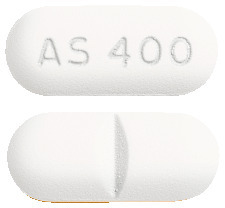
SULPRIX 400 mg tablets are white, film-coated, 18 ± 0.5 mm capsule shaped tablet, debossed with "AS 400" on one side and a break-line on the reverse. Each pack contains 60 tablets.

Ingredients

SULPRIX contains either 100 mg, 200 mg or 400 mg of amisulpride as the active ingredient.

The tablets also contain the following inactive ingredients:

  • lactose monohydrate
  • microcrystalline cellulose
  • sodium starch glycolate type A
  • hypromellose (E464)
  • magnesium stearate

Sulprix 400 mg tablets also contain the following inactive ingredients in addition to the above mentioned:

  • OPADRY complete film coating system Y-1-7000 WHITE

SULPRIX tablets contain sugars as lactose.

Manufacturer

Alphapharm Pty Ltd trading as Viatris
Level 1, 30 The Bond
30-34 Hickson Road
Millers Point NSW 2000
www.viatris.com.au
Phone: 1800 274 276

Australian registration numbers:

AUST R 156044 - 100 mg

AUST R 156048 - 200 mg

AUST R 152460 - 400 mg

This leaflet was prepared in September 2023.

sulprix_cmi\Sep23/00

Published by MIMS October 2023
BRAND INFORMATION

Brand name

Sulprix

Active ingredient

Amisulpride

Schedule

S4


1 Name of Medicine

Amisulpride.

2 Qualitative and Quantitative Composition

Each table contains amisulpride as the active ingredient (50 mg, 100 mg, 200 mg or 400 mg).

Excipients with known effect.

Contains phenylalanine, trace amounts of sulfites and sugars as lactose.
For the full list of excipients, see Section 6.1 List of Excipients.

3 Pharmaceutical Form

Sulprix 50 mg tablets are white round shaped tablets with 'AA 50' on one side and 'G' on the reverse, approximately 6 mm in diameter.
Sulprix 100 mg tablets are white round shaped tablets with 'AMI' breakline '100' on one side and 'G' on the reverse, approximately 7.5 mm in diameter.
Sulprix 200 mg tablets are white round shaped tablets with 'AMI' breakline '200' on one side and 'G' on the reverse, approximately 10 mm in diameter.
Sulprix 400 mg tablets are white film-coated, 18 ± 0.5 mm capsule shaped tablet, debossed with "AS 400" on one side and a break-line on the reverse.

4 Clinical Particulars

4.1 Therapeutic Indications

Amisulpride is indicated for the treatment of acute and chronic schizophrenic disorders, in which positive symptoms (such as delusions, hallucinations, thought disorders) and/or negative symptoms (such as blunted affect, emotional and social withdrawal) are prominent, including patients characterised by predominant negative symptoms.

4.2 Dose and Method of Administration

For acute psychotic episodes, oral doses between 400 mg/d and 800 mg/d are recommended. In individual cases, the daily dose may be increased up to 1200 mg/d. Doses above 1200 mg/d have not been extensively evaluated for safety and therefore should not be used. Doses above 800 mg/d have not been shown to be superior to lower doses and may increase the incidence of adverse events. No specific titration is required when initiating the treatment with amisulpride. Doses should be adjusted according to individual response.
Doses should preferably be administered before meals.
Amisulpride should be administered twice daily for doses above 400 mg.
For patients with mixed positive and negative symptoms, doses should be adjusted to obtain optimal control of positive symptoms.
Maintenance treatment should be established individually with the minimally effective dose.
For patients characterised by predominant negative symptoms, oral doses between 50 mg/d and 300 mg/d are recommended. Doses should be adjusted individually.

Elderly.

Amisulpride should be used with particular caution because of a possible risk of hypotension or sedation.

Children.

Amisulpride is contraindicated in children up to puberty as its safety has not yet been established.

Renal insufficiency.

Amisulpride is eliminated by the renal route. In renal insufficiency, the dose should be reduced to half in patients with creatinine clearance (CRCL) between 30 - 60 mL/min and to a third in patients with CRCL between 10 - 30 mL/min. As there is no experience in patients with severe renal impairment (CRCL < 10 mL/min) particular care is recommended in these patients (see Section 4.4 Special Warnings and Precautions for Use).

Hepatic insufficiency.

Since amisulpride is weakly metabolised, a dosage reduction should not be necessary (see Section 4.4 Special Warnings and Precautions for Use).

4.3 Contraindications

Hypersensitivity to the active ingredient or to other ingredients of the product.
Concomitant prolactin dependent tumours e.g. pituitary gland prolactinomas and breast cancer.
Phaeochromocytoma.
Children up to puberty.
Lactation.
In combination with the following medication which could induce torsades de pointes:
class Ia antiarrhythmic agents such as quinidine and disopyramide;
class III antiarrhythmic agents such as amiodarone and sotalol;
other medications such as bepridil, cisapride, sultopride, thioridazine, methadone, intravenous erythromycin, intravenous vincamine, halofantrine, pentamidine, sparfloxacin.
Levodopa; reciprocal antagonism between levodopa and neuroleptics (see Section 4.5 Interactions with Other Medicines and Other Forms of Interactions).
In hepatic impairment, amisulpride may be contraindicated to avoid the possible risk of adverse events due to an influence of the disease on amisulpride metabolism.

4.4 Special Warnings and Precautions for Use

Neuroleptic malignant syndrome (NMS) is a potentially fatal syndrome that has been reported in association with anti-psychotic medicines, including amisulpride. Neuroleptic malignant syndrome is characterised by hyperthermia, muscle rigidity, rhabdomyolysis, autonomic instability, and elevated CPK, may occur. In the event of any symptoms which could suggest NMS, in particular hyperthermia, particularly with high daily doses, all antipsychotic medicines including amisulpride should be discontinued.
Rhabdomyolysis has also been observed in patients without NMS.
Amisulpride can lower the seizure threshold. Therefore, patients with a history of seizures should be closely monitored during amisulpride therapy.
Withdrawal symptoms have been described after abrupt cessation of high therapeutic doses of antipsychotic drugs. The emergence of involuntary movement disorders (such as akathisia, dystonia and dyskinesia) has been reported with amisulpride. Therefore, gradual withdrawal of amisulpride is advisable.
Leukopenia, neutropenia and agranulocytosis have been reported with antipsychotics, including amisulpride. Unexplained infections or fever may be evidence of blood dyscrasia and requires immediate haematological investigation.
Caution should be also exercised when prescribing amisulpride to patients with Parkinson's disease since it may cause worsening of the disease. Amisulpride should be used only if neuroleptic treatment cannot be avoided.
Amisulpride causes an increase in plasma prolactin levels which is reversible after discontinuation of the medicine. This may result in galactorrhoea, amenorrhoea, gynaecomastia, breast pain, orgasmic dysfunction and impotence.
Acute dystonia (spasm torticollis, oculogyric crisis, trismus) may appear. This is reversible without discontinuation of amisulpride upon treatment with an antiparkinsonian agent.
Extrapyramidal symptoms may occur: tremor, rigidity, hypokinesia, hypersalivation, akathisia. These symptoms are generally mild at optimal dosages and partially reversible without discontinuation of amisulpride upon administration of antiparkinsonian medication. The incidence of extrapyramidal symptoms which is dose related, remains very low in the treatment of patients with predominantly negative symptoms with doses of 50 - 300 mg/day.
The presentation of akathisia may be variable and comprises subjective complaints of restlessness and an overwhelming urge to move and either distress or motor phenomena such as pacing, swinging of the legs while seated, rocking from foot to foot, or both. Particular attention should be paid to the monitoring for such symptoms and signs, as left untreated, akathisia is associated with poor compliance and an increased risk of relapse.
Tardive dyskinesia characterised by rhythmic, involuntary movements primarily of the tongue and/or face have been reported, usually after long-term administration. Antiparkinsonian medication is ineffective or may induce aggravation of the symptoms.

Hyperglycaemia and diabetes mellitus.

Hyperglycaemia has been reported in patients treated with atypical antipsychotics including amisulpride. Assessment of the relationship between atypical antipsychotic use and glucose abnormalities is complicated by the possibility of an increase background risk of diabetes mellitus in patients with schizophrenia and the increasing incidence of diabetes mellitus in the general population. Given these confounders, the relationship between atypical antipsychotic use and hyperglycaemia-related adverse events is not completely understood. However, epidemiological studies suggest an increased risk of treatment emergent hyperglycaemia-related adverse events in patients treated with the atypical antipsychotics. Precise risk estimates for hyperglycaemia-related adverse events in patients treated with atypical antipsychotics are not available.
Patients with an established diagnosis of diabetes mellitus who are started on atypical antipsychotics should be monitored regularly for worsening of glucose control. Patients with risk factors for diabetes mellitus (e.g. obesity, family history of diabetes) who are starting treatment with atypical antipsychotics should undergo fasting blood glucose testing at the beginning of treatment and periodically during treatment. Any patient treated with atypical antipsychotics should be monitored for symptoms of hyperglycaemia including polydipsia, polyuria, polyphagia, and weakness. Patients who develop symptoms of hyperglycaemia during treatment with atypical antipsychotics should undergo fasting blood glucose testing. In some cases, hyperglycaemia has resolved when the atypical antipsychotic was discontinued; however, some patients required continuation of anti-diabetic treatment despite discontinuation of the suspect drug.
In patients with significant treatment-emergent hyperglycaemia, discontinuation of amisulpride should be considered.

Prolongation of QT interval.

Amisulpride produces a dose-dependent prolongation of the QT interval (see Section 4.8 Adverse Effects (Undesirable Effects)). This effect is known to potentiate the risk of occurrence of serious ventricular arrhythmias such as torsades de pointes. Before any administration, and if possible according to the patient's clinical status, it is recommended to monitor factors which could favour the onset of this rhythm disorder, for example: bradycardia less than 55 bpm; electrolyte imbalance, in particular hypokalaemia; congenital prolongation of the QT interval; on-going treatment with a medication likely to produce pronounced bradycardia (< 55 bpm), hypokalaemia, slowing of the intracardiac conduction, or prolongation of the QTc interval (see Section 4.5 Interactions with Other Medicines and Other Forms of Interactions).

Stroke.

In randomised clinical trials versus placebo performed in a population of elderly patients with dementia and treated with certain atypical antipsychotic medicines, a 3-fold increase of the risk of cerebrovascular events has been observed. The mechanism of such risk increase is not known. An increase in the risk with other antipsychotic medicines, or other populations of patients cannot be excluded. Amisulpride should be used with caution in patients with stroke risk factors.

Venous thromboembolism.

Cases of venous thromboembolism, sometimes fatal, have been reported with antipsychotic drugs. Therefore, amisulpride should be used with caution in patients with risk factors for thromboembolism (see Section 4.8 Adverse Effects (Undesirable Effects)).

Sleep apnoea.

No cases of sleep apnoea clearly attributed to amisulpride have been reported and no epidemiology studies can substantiate this. However, sleep apnoea and related disorders have been reported in patients treated with other antipsychotic medicines, with or without prior history of sleep apnoea, in patients with or without concomitant weight-gain. Patients who have a history of or are at risk for sleep apnoea, or who are concomitantly using central nervous system depressants, should be medically monitored.

Suicide.

The possibility of a suicide attempt is inherent in schizophrenia and close supervision of high-risk patients should accompany therapy. Prescriptions for amisulpride should be written for the smallest quantity of tablets consistent with good patient management, in order to reduce the risk of overdose.

Breast cancer.

Amisulpride may increase prolactin levels. Therefore, caution should be exercised and patients with a history or a family history of breast cancer should be closely monitored during amisulpride therapy.

Benign pituitary tumour.

Amisulpride may increase prolactin levels. Cases of benign pituitary tumours, such as prolactinoma, have been observed during amisulpride therapy. In case of very high levels of prolactin or clinical signs of pituitary tumour (such as visual field defect and headache), pituitary imaging should be performed. If the diagnosis of pituitary tumour is confirmed, the treatment with amisulpride must be stopped (see Section 4.3 Contraindications).

Use in hepatic impairment.

The impact of hepatic impairment on hepatic metabolism and hepato-biliary excretion of amisulpride has not been studied. Amisulpride should be used with caution in patients with moderate or severe hepatic impairment.

Use in renal impairment.

Amisulpride is eliminated by the renal route. In cases of renal insufficiency, the dose should be decreased and intermittent treatment should be considered (see Section 4.2 Dose and Method of Administration).
There are limited data on the potential for renally-cleared medicines to interfere with the clearance of amisulpride. Therefore, amisulpride should be used with caution with other renally excreted medicines, including lithium (see Section 4.5 Interactions with Other Medicines and Other Forms of Interactions).

Use in the elderly.

In elderly patients, amisulpride therapy, like other neuroleptics, should be used with particular caution because of a possible risk of hypotension or sedation.

Elderly patients with dementia.

Elderly patients with dementia-related psychosis treated with antipsychotic drugs are at an increased risk of death. Although the causes of death in clinical trials with atypical antipsychotics were varied, most of the deaths appeared to be either cardiovascular (e.g. heart failure, sudden death) or infectious (e.g. pneumonia) in nature. Observational studies suggest that, similar to atypical antipsychotic drugs, treatment with conventional antipsychotic drugs may increase mortality. The extent to which the findings of increased mortality in observational studies may be attributed to the antipsychotic drug as opposed to some characteristic(s) of the patients is not clear.

Paediatric use.

The efficacy and safety of amisulpride from puberty to the age of 18 years have not been established: there are limited data available on the use of amisulpride in adolescents in schizophrenia. Therefore, the use of amisulpride from puberty to the age of 18 years is not recommended. In children up to puberty, the use of amisulpride is contraindicated (see Section 4.3 Contraindications).

Effects on laboratory tests.

No data available.

4.5 Interactions with Other Medicines and Other Forms of Interactions

A number of medicines can increase the risk of ventricular arrhythmias including torsades de pointes.

Contraindicated combinations.

Medications which could induce torsades de pointes:
class Ia antiarrhythmic agents such as quinidine and disopyramide;
class III antiarrhythmic agents such as amiodarone and sotalol;
other medications such as bepridil, cisapride, sultopride, thioridazine, methadone, intravenous erythromycin, intravenous vincamine, halofantrine, pentamidine, sparfloxacin.
Levodopa: reciprocal antagonism of effects between levodopa and neuroleptics.

Combinations not recommended.

Amisulpride may enhance the effects of alcohol.
Medications which enhance the risk of torsades de pointes or could prolong the QT interval:
medicines which induce bradycardia, such as bradycardia-inducing calcium channel blockers (diltiazem, verapamil), beta-blockers, clonidine, guanfacine, digitalis.
Medicines which can cause hypokalaemia, such as diuretics, stimulant laxatives, intravenous amphotericin B (amphotericin), glucocorticoids, tetracosactides. Hypokalaemia should be corrected.
Neuroleptics such as thioridazine, chlorpromazine, trifluoperazine, pimozide, haloperidol, imipramine antidepressants, lithium.

Combinations to be taken into account.

Concomitant use of amisulpride with other anti-psychotics may increase the risk of developing neuroleptic malignant syndrome.
Co-administration of amisulpride and clozapine may lead to an increase in plasma levels of amisulpride.

Amisulpride may enhance the effects of the following medicines.

CNS depressants including narcotics, anaesthetics, analgesics, sedative H1-antihistamines, barbiturates, benzodiazepines and other anxiolytic medicines, clonidine and derivatives;
Antihypertensive medicines and other hypotensive medications.
A placebo-controlled study of concomitant use of lithium carbonate 500 mg twice daily and a low dose of amisulpride (100 mg) twice daily in healthy young male volunteers showed no effect of amisulpride on the pharmacokinetics of lithium. A small trend towards prolongation of the QTc interval was observed when lithium and amisulpride were co-administered but is not regarded as clinically important.
A study of the effect of concomitant use of cimetidine on amisulpride excretion has not been conducted.
In vitro studies using human liver microsomes and cryopreserved human hepatocytes did not show evidence of significant amisulpride metabolism. Based on these results, it is unlikely that drug interactions involving amisulpride would occur due to inhibition or induction of cytochrome P450-mediated metabolism.

4.6 Fertility, Pregnancy and Lactation

Effects on fertility.

Male rat fertility was unaffected by an amisulpride oral dose resulting in systemic drug exposure (plasma AUC) similar to that in humans, when treatment was carried out prior to mating. Female rat mating was reduced by concurrent amisulpride treatment, but it was normalised within days of cessation of dosing with overall fertility being unaffected, although some adverse effects were observed (see Section 4.6, Use in pregnancy).
(Category C)
Category C: Drugs which, owing to their pharmacological effects, have caused or may be suspected of causing, harmful effects on the human fetus or neonate without causing malformations. These effects may be reversible. Accompanying texts should be consulted for further details.
Neonates exposed to antipsychotic drugs (including amisulpride) during the third trimester of pregnancy are at risk of experiencing extrapyramidal neurological disturbances and/or withdrawal symptoms following delivery. There have been post-market reports of agitation, hypertonia, hypotonia, tremor, somnolence, respiratory distress, and feeding disorder in these neonates. These complications have varied in severity; while in some cases symptoms have been self-limited, in other cases neonates have required additional medical treatment or monitoring. All newborns should be carefully monitored to assess the severity of adverse effects.
There was no evidence of teratogenicity in embryofoetal development studies in mice and rabbits following oral doses of up to 2 (mice) and 4 (rabbits) times the maximum recommended human dose based on body surface area, administered daily during the period of organogenesis. Oral treatment of female rats from prior to mating to late gestation or weaning, achieving systemic drug exposure (plasma AUC) similar to that in humans at the maximum dose, was associated with increased preimplantation loss, slight impairment of ossification and reduced pup weight gain to weaning. Teratogenicity was not observed.
Amisulpride crosses the placenta.
The safety of amisulpride during human pregnancy has not been established, and therefore use of this medicine is not recommended during pregnancy and in women of child-bearing potential not using effective contraception, unless the benefits justify the potential risks and the administered dose and duration of treatment should be as low and as short as possible.
Amisulpride has been found in breast milk of treated women. Breast-feeding is contraindicated.

4.7 Effects on Ability to Drive and Use Machines

Even used as recommended, amisulpride may affect reaction time and/or cause somnolence and blurred vision so that the ability to drive vehicles or operate machinery can be impaired.

4.8 Adverse Effects (Undesirable Effects)

Clinical trial data.

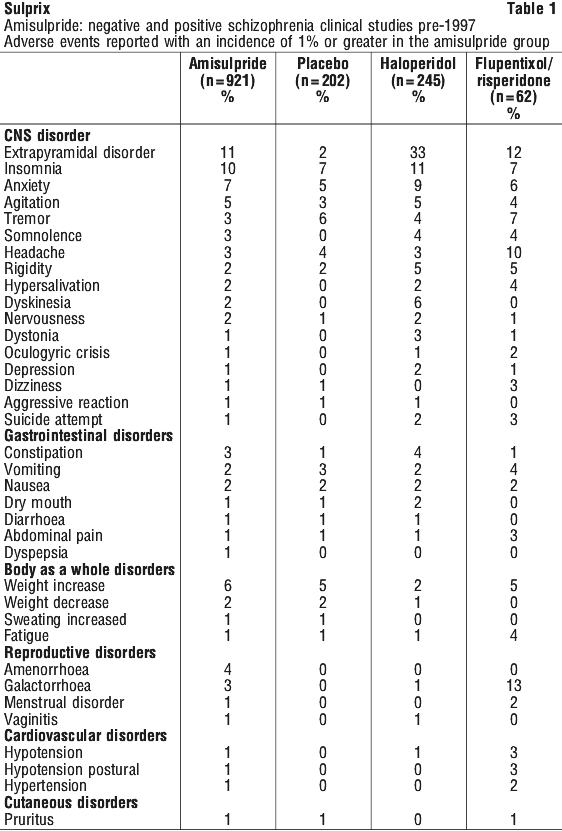
The following adverse effects have been observed in controlled clinical trials in at least 1% of treated patients (see Table 1). It should be noted that, in some instances, it can be difficult to differentiate adverse events from symptoms of the underlying disease.
The following CIOMS frequency rating is used, when applicable: Very common ≥ 10%; Common ≥ 1 and < 10%; Uncommon ≥ 0.1 and < 1%; Rare ≥ 0.01 and < 0.1%; Very rare < 0.01%; Not known (cannot be estimated from available data).
The following adverse reactions have been observed in controlled clinical trials and through spontaneous reporting:

Blood and lymphatic system disorders.

Uncommon: Leukopenia, neutropenia.
Rare: Agranulocytosis.

Immune system disorders.

Uncommon: Allergic reactions.

Endocrine disorders.

Common: Amisulpride causes an increase in plasma prolactin levels which is reversible after drug discontinuation. This may lead to galactorrhoea, amenorrhoea, gynaecomastia, breast pain, erectile dysfunction.
Rare: Benign pituitary tumour, such as prolactinoma, (see Section 4.3 Contraindications; Section 4.4 Special Warnings and Precautions for Use).

Metabolism and nutrition disorders.

Uncommon: Hyperglycaemia (see Section 4.4 Special Warnings and Precautions for Use), hypertriglyceridemia and hypercholesterolemia.
Rare: Hyponatraemia and syndrome of inappropriate antidiuretic hormone secretion (SIADH).

Psychiatric disorders.

Common: Insomnia, anxiety, agitation, orgasmic dysfunction.
Uncommon: Confusion.

Nervous system disorders.

Very common: Extrapyramidal symptoms may occur: tremor, rigidity, hypokinesia, hypersalivation, akathisia, dyskinesia. These symptoms are generally mild at optimal dosages and partially reversible without discontinuation of amisulpride upon administration of anti-parkinson medication.
Common: Acute dystonia (spasm torticollis, oculogyric crisis, trismus) may appear. This is reversible without discontinuation of amisulpride upon treatment with an anti-parkinson agent. Somnolence.
Uncommon: Tardive dyskinesia characterised by rhythmic, involuntary movements primarily of the tongue and/or face have been reported, usually after long-term administration. Anti-parkinsonian medication is ineffective or may induce aggravation of the symptoms. Seizures.
Rare: Neuroleptic malignant syndrome, which is a potentially fatal complication (see Section 4.4 Special Warnings and Precautions for Use).
Somnambulism (sleepwalking) and related behaviours including sleep-related eating disorder have been reported with the use of atypical antipsychotic medicines, including amisulpride.
Not known: Restless legs syndrome with or without a context of akathisia.

Eye disorders.

Common: Blurred vision.

Cardiac disorders.

Common: QT interval prolongation (see Section 4.4 Special Warnings and Precautions for Use).
Uncommon: Bradycardia.
Rare: Ventricular arrhythmias such as torsades de pointes, ventricular tachycardia, which may result in ventricular fibrillation or cardiac arrest, sudden death, (see Section 4.4 Special Warnings and Precautions for Use).

Vascular disorders.

Common: Hypotension.
Uncommon: Increase in blood pressure.
Rare: Venous thromboembolism, including pulmonary embolism, sometimes fatal, and deep vein thrombosis have been reported (see Section 4.4 Special Warnings and Precautions for Use).

Respiratory, thoracic and mediastinal disorders.

Uncommon: Nasal congestion, pneumonia aspiration (mainly in association with other antipsychotics and CNS depressants).

Gastrointestinal disorders.

Common: Constipation, nausea, vomiting, dry mouth.

Hepatobiliary disorders.

Uncommon: Hepatocellular injury.

Skin and subcutaneous tissue disorders.

Rare: Angioedema and urticaria.
Not known: Photosensitivity reaction.

Musculoskeletal and connective tissue disorders.

Uncommon: Osteopenia and osteoporosis.
Not known: Rhabdomyolysis, blood creatinine phosphokinase increased.

Renal and urinary disorders.

Uncommon: Urinary retention.

Injury, poisoning and procedural complications.

Not known: Fall as a consequence of adverse reactions compromising body balance.

Pregnancy, puerperium and perinatal conditions.

Frequency not known: Neonatal drug withdrawal syndrome.

Investigations.

Common: Weight gain.
Uncommon: Elevations of hepatic enzymes, mainly transaminases.

Reporting suspected adverse effects.

Reporting suspected adverse reactions after registration of the medicinal product is important. It allows continued monitoring of the benefit-risk balance of the medicinal product. Healthcare professionals are asked to report any suspected adverse reactions at www.tga.gov.au/reporting-problems.

4.9 Overdose

Symptoms.

Experience with amisulpride in overdosage is limited. Exaggeration of the known pharmacological and adverse effects of amisulpride have been reported. These may include drowsiness, sedation, hypotension, extrapyramidal symptoms and coma.
Fatal outcomes have been reported mainly in combination with other psychotropic agents.

Treatment.

In cases of acute overdose, the possibility of multiple drug intake should be considered.
There is no specific antidote to amisulpride. Appropriate supportive measure should therefore be instituted: close supervision of vital functions and, because of the risk of prolongation of QT interval, continuous cardiac monitoring until the patient recovers.
If severe extrapyramidal symptoms occur, anticholinergic agents should be administered.
Since amisulpride is weakly dialysed, haemodialysis is not recommended as a method of elimination.
For information on the management of overdose, contact the Poisons Information Centre on 13 11 26 (Australia).

5 Pharmacological Properties

5.1 Pharmacodynamic Properties

Pharmacotherapeutic group: neuroleptic of the benzamide class.

Mechanism of action.

Amisulpride binds selectively to the human dopaminergic D2 (Ki 2.8 nanoM) and D3 (Ki 3.2 nanoM) receptor subtypes without any affinity for D1, D4 and D5 receptor subtypes (Ki > 1 microM). Unlike classical and atypical neuroleptics, amisulpride displays low affinity for serotonin, α-adrenergic, histamine receptor subtypes, muscarinic receptors and sigma sites.
In the rodent, it preferentially blocks post-synaptic D2 receptors located in the limbic structures as compared to those in the striatum as indicated by its reversal of d-amphetamine-induced hyperactivity without affecting stereotypes. In addition, it does not induce catalepsy and it does not produce D2 hypersensitivity after repeated treatment.
Moreover, it preferentially blocks pre-synaptic D2/D3 dopamine receptors, producing dopamine release responsible for its disinhibitory effects.
This atypical pharmacological profile may explain amisulpride's antipsychotic effect at higher doses through post-synaptic dopamine receptor blockade located in the limbic areas and its efficacy against negative symptoms, at lower doses, through presynaptic dopamine receptor blockade. In addition, the reduced tendency of amisulpride to produce extrapyramidal side effects may be related to its preferential limbic activity.

Clinical trials.

The efficacy of amisulpride in the treatment of schizophrenia has been established on the basis of eleven phase II and III studies conducted in 20 countries and involving 1933 patients (1247 treated with amisulpride) belonging to two distinct populations:
patients with acute exacerbations of schizophrenia;
patients with predominant negative schizophrenia.
These studies form the basis of the registration documentation for amisulpride. Seven of them are considered pivotal for efficacy and their results are summarised below.

Acute exacerbations of schizophrenia.

In four well-controlled double-blind studies versus reference medicines in patients with acute schizophrenia according to DSM III-R and DSM-IV criteria, amisulpride was at least as effective as haloperidol, flupenthixol and risperidone. In addition to its global antipsychotic activity, amisulpride significantly alleviated secondary negative symptoms as well as affective symptoms such as depressed mood and retardation.
1. A 4-week double-blind active controlled trial (n=319) compared four fixed doses of amisulpride (100 mg/d, 400 mg/d, 800 mg/d and 1200 mg/d) and a fixed dose of haloperidol (16 mg/d). A dose response relationship was clearly established in comparison to 100 mg/d, chosen as a potentially subtherapeutic dose in acute schizophrenia. Amisulpride at doses of 400 and 800 mg/d statistically significantly improved positive symptoms (BPRS total score, PANSS positive symptoms subscale) compared with amisulpride 100 mg/d. 800 mg/d of amisulpride was also statistically significantly superior to 100 mg/d for response rates based on the CGI.
2. Efficacy results were similar in the three other short-term controlled studies where 800 mg/d of amisulpride was compared with 20 mg/d of haloperidol (n=191), 1000 mg/d of amisulpride with 25 mg/d of flupenthixol (n=132) and 800 mg/d of amisulpride with 8 mg of risperidone (n=228). On BPRS total score and PANSS positive subscale, amisulpride was not found to be different from haloperidol and flupenthixol and showed equivalent efficacy to risperidone. Additionally, amisulpride significantly improved the response rate with CGI versus haloperidol.

Predominant negative schizophrenia.

Three pivotal trials were conducted versus placebo in schizophrenic patients with predominant negative symptoms according to DSM III and DSM III-R, showing that low doses of amisulpride are active against negative symptoms.
1. In a six-week dose finding study (n=104), amisulpride 100 mg/d and 300 mg/d were significantly better than placebo on the basis of the SANS total score.
2. In an additional 3-month dose finding study (n = 242) testing two fixed dose of amisulpride (50 mg/d and 100 mg/d) versus placebo, both doses of amisulpride were significantly more active in improving the negative symptoms than placebo on the SANS total score. Additionally, there was a significant improvement of the MADRS scores in the two amisulpride groups.
3. A medium-/long-term placebo controlled study with amisulpride 100 mg/d over 6 months with the possibility of extension up to 12 months was conducted to demonstrate the maintenance of efficacy over time. Amisulpride improved negative symptoms (SANS total score) significantly compared with placebo, and the response rate with CGI was significantly higher in the amisulpride group versus placebo. The results were confirmed by the significant improvement of global functioning measured with the GAF. SANS total score remained stable over time up to 12 months, indicating that 100 mg/d not only maintains the improvement of negative symptoms but has also an effect on preventing the recurrence of positive symptoms.

5.2 Pharmacokinetic Properties

Absorption.

In man, amisulpride shows two absorption peaks: one which is attained rapidly, one hour post-dose and a second between 3 and 4 hours after administration. Corresponding plasma concentrations are 39 ± 3 and 54 ± 4 nanogram/mL after a 50 mg dose.

Distribution.

The volume of distribution is 5.8 L/kg. As plasma protein binding is low (16%), drug interactions due to displacement are unlikely.
The absolute bioavailability of amisulpride tablets is 48%.
Sulprix tablets are not interchangeable with amisulpride solution.
The pharmacokinetics study results for Sulprix amisulpride 400 mg tablets are: Cmax 485.4 - 2080.6 nanogram/mL; Tmax 1.5 - 6.00 hr and T½ 7.13 - 16.33 hr.

Metabolism.

Amisulpride is weakly metabolised: two inactive metabolites, accounting for approximately 4% of the dose, have been identified. The elimination half-life of amisulpride is approximately 12 hours after an oral dose.

Excretion.

Fifty percent of an intravenous dose is excreted via the urine, the majority as unchanged drug. Ninety percent of the intravenous dose is eliminated in the first 24 hours. Renal clearance is in the order of 20 L/h or 330 mL/min.
Following a single intravenous dose, about 20% of the dose was recovered from the faeces, about 70% of which was as unchanged amisulpride. Hepatic metabolism has a limited role in healthy patients.
A high-carbohydrate low-fat meal (14 g protein, 8 g fat, 108 g CHO) significantly decreases the AUC, Tmax and Cmax of amisulpride, but no changes were seen after a high fat meal. However, the significance of these findings in routine clinical use is not known.

Hepatic insufficiency.

See Section 4.4 Special Warnings and Precautions for Use.

Renal insufficiency.

In patients with renal insufficiency systemic clearance is reduced by a factor of 2.5 to 3. The AUC of amisulpride in mild renal failure increased two-fold and almost ten-fold in moderate renal failure. Experience is, however, limited and there is no data with doses greater than 50 mg.
Amisulpride is very weakly dialysed.
Limited pharmacokinetic data in elderly subjects (> 65 years) show that a 10-30% rise occurs in Cmax, T½ and AUC after a single oral dose of 50 mg. No data are available after repeat dosing.

5.3 Preclinical Safety Data

An overall review of the completed safety studies indicates that amisulpride is devoid of any general, organ-specific, teratogenic, mutagenic or carcinogenic risk. Changes observed in rats and dogs at doses below the maximum tolerated dose are either pharmacological effects or are devoid of major toxicological significance under these conditions. Compared with the maximum recommended dosages in man, maximum tolerated doses are 2 and 7 times greater in the rat (200 mg/kg/d) and dog (120 mg/kg/d) respectively in terms of AUC. No carcinogenic risk, relevant to man, was identified in the mouse (up to 120 mg/kg/d) and in the rat (up to 240 mg/kg/d), corresponding for the rat to 1.5 to 5 times the expected human AUC.
Reproductive studies performed in the rat, rabbit and mouse did not show any teratogenic potential.

Genotoxicity.

Amisulpride showed no genotoxicity in in vitro tests for bacterial gene mutation, or in in vitro and in vivo tests for clastogenic activity.

Carcinogenicity.

In carcinogenicity studies, amisulpride was administered in the diet of mice and rats for up to two years. Treatment of mice was associated with increases in malignant mammary gland tumours and pituitary adenomas in females at all dose levels, but there was no tumourigenic response in males (doses were equivalent to 0.1, 0.2 and 0.5 times the maximum human dose of 1200 mg/day on a body surface area basis). Treatment of rats resulted in increased incidences of malignant mammary gland tumours in both sexes, malignant pituitary tumours and adrenal medullary phaeochromocytomas in males, and malignant pancreatic islet cell tumours in both sexes, at doses achieving lower systemic drug exposure (plasma AUC) than in humans at the maximal recommended dose. Increases in mammary gland, pituitary, adrenal and pancreatic endocrine tumours in rodents have been reported for other antipsychotic medicines, and are considered to result from increased prolactin secretion.
The relevance of prolactin-mediated endocrine tumours in rodents for human risk is unknown. In clinical trials, amisulpride substantially elevated plasma prolactin concentrations, although to date neither clinical nor epidemiological studies have shown an association between chronic administration of neuroleptic medicines and mammary tumourigenesis. However, since tissue culture experiments indicate that about one-third of human breast cancers are prolactin-dependent in vitro, amisulpride should be used cautiously in patients with previously-detected breast cancer or in patients with pituitary tumours (see Section 4.3 Contraindications).

6 Pharmaceutical Particulars

6.1 List of Excipients

Sulprix 50 mg, 100 mg and 200 mg tablets contain the following in-active excipients: lactose monohydrate, microcrystalline cellulose, sodium starch glycollate type A, hypromellose and magnesium stearate.
Sulprix 400 mg tablets contain the following excipients: lactose monohydrate, microcrystalline cellulose, sodium starch glycollate type A, hypromellose, magnesium stearate and Opadry complete film coating system Y-1-7000 White (ARTG PI No: 4625) as the proprietary ingredient.

6.2 Incompatibilities

Incompatibilities were either not assessed or not identified as part of the registration of this medicine.

6.3 Shelf Life

In Australia, information on the shelf life can be found on the public summary of the Australian Register of Therapeutic Goods (ARTG). The expiry date can be found on the packaging.

6.4 Special Precautions for Storage

Store below 25°C. Store in a dry place.

6.5 Nature and Contents of Container

Container type: PVC/Al blister pack.
Pack sizes: 50 mg and 100 mg: 30, 50, 60, 90 or 100 tablets.
200 mg and 400 mg: 50, 60, 90 or 100 tablets.
Some strengths, pack sizes and/or pack types may not be marketed.

Australian register of therapeutic goods (ARTG).

AUST R 156047 - Sulprix amisulpride 50 mg tablets blister pack.
AUST R 156044 - Sulprix amisulpride 100 mg tablets blister pack.
AUST R 156048 - Sulprix amisulpride 200 mg tablets blister pack.
AUST R 152460 - Sulprix amisulpride 400 mg tablets blister pack.

6.6 Special Precautions for Disposal

In Australia, any unused medicine or waste material should be disposed of by taking it to your local pharmacy.

6.7 Physicochemical Properties

Chemical structure.


Chemical name: (R,S)-4-Amino-N-[(1-ethyl-2-pyrrolidinyl)methyl]-5-ethylsulfonyl-2-methoxybenzamide.

Molecular formula: C17H27N3O4S.
Molecular weight: 369.48.
Amisulpride is a white to off-white powder, which is practically insoluble in water, sparingly soluble in ethanol, soluble in methanol and freely soluble in dichloromethane.

CAS number.

71675-85-9.

7 Medicine Schedule (Poisons Standard)

S4 (Prescription Only Medicine).

Summary Table of Changes