


Consumer medicine information

Talam

Citalopram

BRAND INFORMATION

Brand name

Talam 20 mg

Active ingredient

Citalopram

Schedule

S4


Consumer medicine information (CMI) leaflet

Please read this leaflet carefully before you start using Talam.

What is in this leaflet

This leaflet answers some common questions about Talam. It does not contain all the available information. It does not take the place of talking to your doctor or pharmacist.

All medicines have risks and benefits. Your doctor has weighed the risks of you taking Talam against the benefits they expect it will have for you.

Talk to your doctor or pharmacist if you have any concerns about taking this medicine.

Keep this leaflet with your medicine. You may need to read it again.

What Talam is used for

Talam contains the active ingredient citalopram (as citalopram hydrobromide) and is used to treat depression.

It belongs to a group of medicines called selective serotonin reuptake inhibitors (SSRIs). SSRIs are thought to work by their action on brain chemicals called amines which are involved in controlling mood.

Ask your doctor if you have any questions about why Talam has been prescribed for you.

Depression is longer lasting and/or more severe than the 'low moods' everyone has from time to time due to the stress of everyday life. It is thought to be caused by a chemical imbalance in parts of the brain. This imbalance affects your whole body and can cause emotional and physical symptoms such as feeling low in spirit, loss of interest in activities, being unable to enjoy life, poor appetite or overeating, disturbed sleep, often waking up early, loss of sex drive, lack of energy and feeling guilty over nothing.

Citalopram corrects this chemical imbalance and may help relieve the symptoms of depression.

Ask your doctor if you have any questions about why this medicine has been prescribed for you. Your doctor may have prescribed this medicine for another reason.

There is no evidence that this medicine is addictive.

However, if you suddenly stop taking it, you may get side effects.

This medicine is available only with a doctor's prescription.

Do not give this medicine to a child or adolescent. The benefit and safety of citalopram use in children and adolescents below 18 years of age has not been proven.

Before you take it

When you must not take it

Do not take this medicine if you have an allergy to:

  • any medicine containing citalopram
  • any of the ingredients listed at the end of this leaflet

Some of the symptoms of an allergic reaction may include:

  • shortness of breath
  • wheezing or difficulty breathing
  • swelling of the face, lips, tongue or other parts of the body
  • rash, itching or hives on the skin

Do not take this medicine if you are taking the following medicines:

  • pimozide, used to treat disorders which affect the way you think, feel or act
  • Monoamine Oxidase Inhibitors (MAOIs), used to treat depression (phenelzine, tranylcypromine, moclobemide), Parkinson's Disease (selegiline) or infections (linezolid).
    Do not take citalopram until 14 days after stopping most MAOIs. The exception is the MAOI, moclobemide, where you may take citalopram one whole day after finishing taking moclobemide.
    Taking citalopram with MAOIs may cause a serious reaction with signs such as a sudden increase in body temperature, very high blood pressure, rigid muscles, nausea/vomiting and/or fits (convulsions). Your doctor will know when it is safe to start citalopram after the MAOI has been stopped.
  • linezolid, used in some serious bacterial infections

Do not take this medicine if you have or have had any of the following medical conditions:

  • Congenital Long QT Syndrome, where your heart beats unusually, and you may feel short of breath, dizzy or faint. Your doctor will tell you if you have this.

The expiry date (EXP) printed on the pack has passed. The packaging is torn, shows signs of tampering or it does not look quite right.

If you are not sure whether you should start taking this medicine, talk to your doctor.

Before you start to take it

Tell your doctor if you have allergies to any other medicines, foods, preservatives or dyes.

Tell your doctor if you have or have had any of the following medical conditions:

  • mania, hypomania, bipolar disorder or any other conditions which affect the way you think, feel or act
  • epilepsy or convulsions, fits or seizures (you should avoid taking citalopram if your epilepsy is not properly controlled; if it is properly controlled your doctor will wish to watch you carefully if you take citalopram)
  • illnesses which require you to have regular blood tests
  • heart problems
  • liver problems
  • kidney problems
  • problems with blood clotting or abnormal bleeding, or bruise easily
  • thoughts or actions relating to self-harm or suicide
  • diabetes
  • lactose or galactose intolerance, Lapp lactase insufficiency, glucose or galactose malabsorption
    (These tablets contain lactose)
  • a decreased level of sodium or potassium in your blood, which may be due to certain medicines (e.g. certain diuretics [water tablets] and antibiotics), or to certain medical conditions (e.g. kidney problems, dehydration, excess sweating or vomiting or diarrhoea). Your doctor will test you for this before you start taking citalopram.
  • History of seizures or fits
  • restlessness and/or a need to move often (akathisia)
  • raised intraocular pressure (fluid pressure in the eye), or if you are at risk of angle-closure glaucoma

Tell your doctor if you are pregnant or plan to become pregnant. There have been reports that babies exposed to certain antidepressants during the third trimester of pregnancy may develop complications after birth.

Talam may affect the general condition of your newborn baby and increase the risk of a serious condition in babies, called persistent pulmonary hypertension of the newborn (PPHN), making the baby breathe faster and appear bluish. These symptoms usually begin during the first 24 hours after the baby is born. If this happens to your baby you should contact your doctor immediately.

Do not take this medicine whilst pregnant until you and your doctor have discussed the risks and benefits involved.

Citalopram has also been shown to reduce the quality of sperm in animal studies, which may affect fertility. If you are intending to start a family, ask your doctor for advice.

Tell your doctor if you are breastfeeding or plan to breastfeed. It is not recommended that you breast-feed while taking this medicine because citalopram passes into breast milk and may affect your baby.

Do not take this medicine whilst breast-feeding until you and your doctor have discussed the risks and benefits involved.

Tell your doctor if you are receiving electroconvulsive treatment (ECT).

If you have not told your doctor about any of the above, tell them before you start taking this medicine.

Taking other medicines

Tell your doctor or pharmacist if you are taking any other medicines, including any that you get without a prescription from your pharmacy, supermarket or health food shop.

Some combinations of medicines may increase the risk of serious side effects and are potentially life-threatening.

Therefore some medicines must not be taken with citalopram. These include:

  • monoamine oxidase inhibitors, such as moclobemide, phenelzine, tranylcypromine, selegiline and linezolid
  • pimozide

Some other medicines may interact with citalopram. These include:

  • tryptophan, contained in some multivitamin and herbal preparations
  • tramadol, a strong pain killer
  • sumatriptan and similar medicines used to treat migraines and cluster headaches
  • St John's Wort (Hypericum perforatum), a herbal remedy
  • other medicines used to treat depression
  • lithium, used to treat mood swings and some types of depression
  • any other medicines used to treat anxiety, obsessive-compulsive disorder or premenstrual dysphoric disorder.
  • antipsychotics, medicines used to treat psychoses, schizophrenia and other conditions which affect the way you think, feel or act (e.g. olanzapine, risperidone)
  • tricyclic antidepressants e.g. imipramine, desipramine.
  • prochlorperazine, used to prevent or treat severe nausea and vomiting
  • antiarrhythmics, medicines used to treat an irregular heart beat e.g. dipyridamole
  • medicines known to prolong bleeding e.g. aspirin or other non-steroidal anti-inflammatory drugs (NSAIDs) and anti-coagulants (such as warfarin and ticlopidine), which can thin the blood
  • beta-blockers such as metoprolol, used to treat high blood pressure and other heart problems
  • fluconazole, ketoconazole and itraconazole, medicines used to treat fungal infections
  • macrolide antibiotics, such as erythromycin and clarithromycin
  • certain other antibiotics which may lower your potassium or magnesium levels (e.g. penicillin)
  • carbamazepine and other medicines used to control epilepsy (fits).
  • cimetidine and medicines called proton pump inhibitors (e.g. omeprazole) used to treat reflux and stomach ulcers
  • certain diuretics (water tablets)

If you are taking any of these you may need a different dose or you may need to take different medicines.

If you take medicines which affect the heart rhythm whilst taking citalopram then your doctor will do regular tests on your heart (ECG). Citalopram may also cause changes to your heart rhythm.

Other medicines not listed above may also interact with citalopram.

Your doctor and pharmacist have more information on medicines to be careful with or avoid while taking this medicine.

How to take it

Follow all directions given to you by your doctor or pharmacist carefully. They may differ from the information contained in this leaflet.

If you do not understand the directions, ask your doctor or pharmacist for help.

How much to take

Your doctor or pharmacist will tell you how much of this medicine you should take. This will depend on your condition and whether you are taking any other medicines.

The usual starting dose for adults is 20 mg per day.

Your doctor may increase your dose slowly in stages of 10 mg depending on how you respond to this medicine. The maximum dose is 40 mg a day.

Elderly people have a starting dose of 10 mg per day, which may be increased slowly to a maximum dose of 20 mg a day.

People who take cimetidine or other medicines which affect the blood levels of citalopram (called CYP 2C19 inhibitors), or people who have liver problems should not take more than 20 mg of citalopram per day. The recommended starting dose is 10mg per day. The dose can be increased to a maximum of 20mg per day.

Do not stop taking your medicine or change your dosage without first checking with your doctor.

How to take it

Swallow the tablets whole with a full glass of water. Do not chew them.

When to take it

Take it as a single dose, either in the morning or in the evening, at about the same time each day. Taking it at the same time each day will have the best effect and will also help you remember when to take it.

It does not matter if you take it before, with or after food.

How long to take it for

Continue taking your medicine for as long as your doctor tells you, even if it takes some time before you feel any improvement in your condition.

Make sure you have enough to last over weekends and holidays.

As with other medicines for the treatment of these conditions, it may take a few weeks before you feel any improvement.

Individuals will vary greatly in their response to this medicine.

Your doctor will check your progress at regular intervals.

The length of treatment may vary for each individual, but is usually at least 6 months.

In some cases your doctor may decide that longer treatment is necessary.

The underlying illness may last for a long time and if you stop your medicine too soon, your symptoms may return.

Occasionally the symptoms of depression or other psychiatric conditions may include thoughts of harming yourself or committing suicide. It is possible that these symptoms may continue or increase until the full anti-depressant effect of your medicine becomes apparent.

You or anyone close to you or caring for you should watch for these symptoms and tell your doctor immediately or go to the nearest hospital if you have any distressing thoughts or experiences during this initial period or at any other time.

Also contact your doctor if you experience any worsening of your depression or other symptoms at any time during your treatment.

Stopping Treatment

Do not stop taking this medicine even if you begin to feel better. Your doctor may decide that you should continue to take it for some time, even when you have overcome your problem. For best effect, this medicine must be taken regularly.

Do not stop taking your medicine suddenly. If you suddenly stop taking your medicine, you may experience mild, but usually temporary, symptoms such as dizziness, feelings like pins and needles, sleeping problems (vivid dreams, nightmares, inability to sleep), feeling anxious, headaches, feeling sick (nausea), vomiting, sweating, feeling restless or agitated, tremor, feeling confused or disorientated, feeling emotional or irritable, diarrhoea (loose stools), visual disturbances, or fast or irregular heartbeats.

When you have completed your course of treatment, it is better that your dose is gradually reduced over a couple of weeks, rather than stopped abruptly.

Your doctor will tell you how to reduce the dosage so that you help avoid getting any unwanted effects.

If you forget to take it

If you are less than 12 hours late in taking your dose, take the missed dose as soon as you remember and then go back to taking your dose as you normally would.

If you are more than 12 hours late, then skip the dose you missed and take your next dose when you are meant to.

Do not take a double dose to make up for missed doses. This may increase the chance of you experiencing side effects.

If you are not sure what to do, ask your doctor or pharmacist.

If you have trouble remembering to take your medicine, ask your pharmacist for some hints to help you remember.

If you take too much (overdose)

If you think that you or anyone else may have taken too much of this medicine, immediately telephone your doctor or the Poisons Information Centre (Tel: 13 11 26 in Australia) for advice. Alternatively go to the Accident and Emergency Department at your nearest hospital.

Do this even if there are no signs of discomfort or poisoning. You may need urgent medical attention.

If you take too much citalopram you may get symptoms of nausea (feeling sick), vomiting, dizziness, fast or slow heart beat or change in heart rhythm, decreased or increased blood pressure, tremor (shaking), agitation, dilated pupils of the eyes, drowsiness or sleepiness. Convulsions, coma, and rarely, temporary paralysis or weakness of muscles may occur.

A condition called serotonin syndrome may occur, with high fever, agitation, confusion, trembling and abrupt contraction of muscles.

While you are taking this medicine

Things you must do

Persons taking citalopram may be more likely to think about killing themselves or actually trying to do so, especially when citalopram is first started or the dose is changed. Tell your doctor immediately if you have thoughts about killing yourself or if you are close to or care for someone using citalopram who talks about or shows signs of killing him or herself.

All mentions of suicide or violence must be taken seriously.

Occasionally, the symptoms of depression may include thoughts of suicide or self-harm. It is possible that these symptoms continue or get worse until the full antidepressant effect of the medicine becomes apparent. This is more likely to occur if you are a young adult, i.e. 18 to 24 years of age, and you have not used antidepressant medicines before.

If you or someone you know or care for is showing any of the following warning signs of suicide-related behaviour while taking this medicine, contact your doctor or even go to the nearest hospital for treatment:

  • thoughts or talk of death or suicide
  • thoughts or talk of self-harm or harm to others
  • any recent attempts of self-harm
  • increase in aggressive behaviour, irritability or agitation
  • worsening of depression.

Follow your doctor's instructions. Do not stop taking this medicine or change the dose without consulting your doctor, even if you experience increased anxiety at the beginning of treatment. At the beginning of treatment certain patients may experience increased anxiety, which will disappear during continued treatment.

Tell your doctor immediately if you experience symptoms such as restlessness or difficulty in sitting or standing still. These symptoms can also occur during the first weeks of treatment.

Contact your doctor immediately if you suddenly experience an episode of mania. Some people with manic depression (bipolar disorder) may enter a manic phase. Symptoms of mania include lots of rapidly changing thoughts or ideas, exaggerated gaiety, being much more physically active and much more restless.

Sometimes you may not know that you are manic, so it may be helpful to have a friend or relative watch over you for any possible signs of change in your behaviour.

Visit your doctor regularly so they can check on your progress.

Tell your doctor immediately if you become pregnant. If you are a woman of child-bearing age, you should avoid becoming pregnant while taking citalopram.

Make sure your midwife and/or doctor know you are taking citalopram. When taken during pregnancy, particularly in the last 3 months of pregnancy, medicines like citalopram may increase the risk of a serious condition in babies, called persistent pulmonary hypertension of the newborn (PPHN), making the baby breathe faster and appear bluish. These symptoms usually begin during the first 24 hours after the baby is born. If this happens to your baby you should contact your midwife and/or doctor immediately.

Low Potassium or Sodium

Some people (especially older people or those taking diuretics/water tablets or people who are dehydrated, have diarrhoea or vomiting or take certain antibiotics) may experience a lack of sodium or potassium in the blood when taking this medicine. Tell your doctor if you get a headache or start to feel dizzy, confused, forgetful, weak or fatigued, unsteady or unable to concentrate or if you get muscle weakness or spasms or abnormal heart beats or have problems breathing.

If you are about to be started on any new medicine, remind your doctor and pharmacist that you are taking this medicine.

Tell any other doctors, dentists, and pharmacists who treat you that you are taking this medicine.

If you are going to have surgery, tell the surgeon or anaesthetist that you are taking this medicine.

If you start to breastfeed or are planning to breastfeed while taking this medicine, tell your doctor immediately.

If you are about to have any blood tests, tell your doctor that you are taking this medicine.

Your doctor may occasionally do tests to make sure the medicine is working and to prevent side effects. If you are taking certain other medicines or have heart problems you doctor will monitor you closely.

Keep all your doctor's appointments so that your progress can be checked.

Tell your doctor if, for any reason, you have not taken your medicine exactly as prescribed. Otherwise your doctor may think that it was not effective and change your treatment unnecessarily.

Tell your doctor if you feel this medicine is not helping your condition.

If you are being treated for depression, be sure to discuss with your doctor any problems you may have and how you feel, especially any feelings of severe sadness, thoughts of suicide, bursts of unusual energy, anger or aggression, or if you become particularly agitated or restless.

Tell your doctor immediately if your heart beats unusually, and/or you feel short of breath, dizzy or faint.

Make sure you have enough tablets to last over weekends and holidays.

Things you must not do

Do not take this medicine to treat any other complaints unless your doctor tells you to.

Do not give your medicine to anyone else, even if they have the same condition as you.

Do not stop taking your medicine or change the dosage without checking with your doctor. If you stop taking it suddenly, your condition may worsen, or you may have unwanted side effects.

Your doctor will tell you how to gradually reduce the dose of your medicine. This is usually done slowly, over 1 to 2 weeks, before stopping completely.

Things to be careful of

Be careful when driving or operating machinery until you know how this medicine affects you. This medicine may cause nausea, fatigue, dizziness, visual disturbances or drowsiness in some people. If you have any of these symptoms, do not drive, operate machinery or do anything else that could be dangerous.

Avoid alcohol while you are taking this medicine. It is best not to drink alcohol while you are being treated for depression.

You should be aware that people over 50 years of age who take antidepressants have an increased risk of having a bone fracture.

Side effects

Tell your doctor or pharmacist as soon as possible if you do not feel well while you are taking this medicine.

All medicines can have side effects. Sometimes they are serious but most of the time they are not.

Do not be alarmed by the following lists of side effects. You may not experience any of them.

Ask your doctor or pharmacist to answer any questions you may have.

Tell your doctor or pharmacist if you notice any of the following and they worry you:

  • feeling tired and weak (fatigued), hot flushes, fever, feeling unwell, shaking or tremors, migraine, headache, dizziness or giddiness
  • muscle, back, bone, nerve or joint pain, stiffness, weakness or cramps, decrease or loss of touch or other senses
  • increased or decreased sensitivity to outside stimuli
  • feeling or being sick, reflux, diarrhoea or loose bowel motions, constipation, indigestion, stomach pain or discomfort, wind
  • increased saliva or dry mouth, taste disturbance
  • feeling thirsty
  • burping, hiccups, problems swallowing, sore mouth, tongue or throat, haemorrhoids (piles)
  • sleepiness, drowsiness, sleeping difficulties, strange dreams
  • sexual disturbances (decreased sexual drive, problems with orgasm; problems with ejaculation or erection)
  • frightening or unusual dreams, yawning, teeth grinding or clenching, increased or decreased appetite, impaired concentration
  • migraine, headache
  • excessive and/or abnormal movements
  • increased muscle tension, muscle twitching
  • problems with eyes or eyesight
  • feeling faint or dizzy when you stand up due to low blood pressure
  • unable to tolerate alcohol
  • menstrual irregularities, breast pain, unusual vaginal bleeding
  • loss of bladder control
  • unusual hair loss or thinning
  • tingling or numbness of the hands or feet
  • drooping eyelid
  • breast enlargement or the unusual secretion of breast milk in men or women
  • increased sensitivity of the skin to sun
  • mild rash, or itching or prickling of the skin
  • acne, eczema, dermatitis, dry skin, psoriasis or other skin problem
  • ringing or other persistent noise in the ears
  • increased or decreased sweating
  • bruises or skin discolouration
  • weight decrease or weight increase
  • flu-like symptoms, runny or blocked nose, sneezing, facial pressure or pain, coughing or sore throat
  • a sense of indifference to everything.

Some of these side effects may occur within the first two weeks of treatment and disappear after a short period of time.

Tell your doctor as soon as possible if you notice any of the following:

  • nervousness, confusion, problems with concentration, loss of memory
  • feeling restless or unable to sit still
  • stomach pain with nausea and vomiting of blood, or blood in the bowel movements
  • anxiety, agitation, aggression, worsening of depression
  • general swelling or swollen hands, ankles, feet or face or eye area due to fluid build-up
  • blurred vision
  • problems speaking
  • feelings of not being part of your body, or in a daze
  • feeling sick or unwell with weak muscles or feeling confused (these symptoms may be signs of a rare condition as a result of low levels of sodium in the blood, which may be caused by antidepressants, especially in elderly female patients)
  • feeling fatigued with muscle weakness or spasms or abnormal heart beats or problems breathing. This may be due to low potassium levels in your blood.
  • increased tendency to develop bruises or broken bones
  • passing more or less urine than normal, or problems when urinating
  • agitation, anxiety, feeling tense and restless, tired, drowsy, lack of energy, irritable, problems sleeping, headache, nausea and tingling or numbness of the hands and feet after stopping citalopram.

The above list includes serious side effects that may require medical attention. Serious side effects are rare.

If any of the following happen, tell your doctor immediately or go to Accident and Emergency at your nearest hospital:

  • convulsions (fits or seizures)
  • coma (unconsciousness)
  • a collection of symptoms including weight gain (despite loss of appetite), feeling and being sick, muscle weakness and irritability
  • severe rash, with blisters and/ or excessive peeling of skin
  • a sudden increase in body temperature, very high blood pressure, rigid muscles, nausea/vomiting and/or fits (convulsions). These symptoms may be signs of a rare condition called Serotonin Syndrome.
  • Neuroleptic Malignant Syndrome (a serious reaction to some medicines with a sudden increase in body temperature, extremely high blood pressure and severe convulsions)
  • fast, slow or irregular heartbeat, high blood pressure
  • palpitations, fainting or chest pain
  • abnormal bleeding
  • kidney pain, difficulty in passing urine or blood in the urine
  • severe blisters and bleeding in the lips, eyes, mouth, nose and genitals
  • fever, sore throat, swollen glands, mouth ulcers, unusual bleeding or bruising under the skin
  • mood of excitement, overactivity and uninhibited behaviour or aggression
  • hearing, seeing or feeling things that are not there (hallucinations)
  • thoughts of suicide or attempting suicide or self-harm
  • sudden, severe breathing problems
  • feeling paranoid, panicky, or "high" or having mood swings or feeling more depressed or in a trance
  • tremors, movement disorders such as involuntary movements of the muscles or being uncoordinated
  • jaundice (yellowing of the skin and/or eyes) , with or without other signs of hepatitis or liver problems (loss of appetite, tiredness, feeling or being sick, dark urine, stomach pain or swelling, confusion, unconsciousness).
  • sudden weakness or numbness of the face, arms or legs, especially on one side, slurred speech
  • symptoms of an allergic reaction including cough, shortness of breath, wheezing or difficulty breathing; swelling of the face, lips, tongue, throat or other parts of the body; rash, itching or hives on the skin

The above list includes very serious side effects. You may need urgent medical attention or hospitalisation. These side effects are very rare.

Tell your doctor or pharmacist if you notice anything that is making you feel unwell.

Other side effects not listed above may also occur in some people.

Storage and disposal

Storage

Keep your tablets in a cool dry place where the temperature stays below 25°C.

Keep Talam where children cannot reach it. A locked cupboard at least one-and-a-half metres above the ground is a good place to store medicines.

Do not store Talam or any other medicine in the bathroom or near a sink.

Do not leave Talam in the car or on window sills. Heat and dampness can destroy some medicines.

Disposal

If your doctor tells you to stop taking Talam, or your tablets have passed their expiry date, ask your pharmacist what to do with any that are left over.

Product description

What it looks like

Talam 10mg: white to off-white, round plain film-coated tablets. Available in blister pack of 28’s.

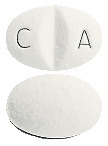
Talam 20mg: white, oval, film coated tablet marked C|A on one side and blank on the other. Available in blister packs or bottles of 28 tablets.

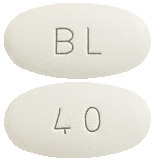
Talam 40mg: white to off-white, oval, biconvex film-coated tablets with ‘BL’ embossed on one side and ‘40’ on the other. Available in blister pack of 28’s.

Ingredients

Active ingredient:

Each tablet contains 10, 20 mg or 40mg of citalopram (as citalopram hydrobromide).

Inactive ingredients:

20mg

  • lactose monohydrate
  • cellulose-microcrystalline
  • starch-maize
  • povidone
  • crospovidone
  • magnesium stearate
  • Opadry White complete film coating system Y-1-7000.

10mg & 40mg

  • Lactose monohydrate
  • pregelatinised maize starch
  • maize starch
  • microcrystalline cellulose
  • croscarmellose sodium
  • magnesium stearate
  • hypromellose
  • titanium dioxide
  • purified talc
  • macrogol 400

The tablets are gluten free.

Sponsor

Arrow Pharma Pty Ltd
15-17 Chapel Street
Cremorne VIC 3121

Australian registration numbers:

10mg
Blister pack AUST R 234594

20mg
Blister Pack AUST R 212219
Bottle AUST R 212220

40mg
Blister pack AUST R 234596

This leaflet was revised in June 2021

Published by MIMS August 2021

BRAND INFORMATION

Brand name

Talam 20 mg

Active ingredient

Citalopram

Schedule

S4


1 Name of Medicine

Citalopram hydrobromide.

2 Qualitative and Quantitative Composition

Talam tablets contain 20 mg of citalopram (as hydrobromide).

Excipient with known effect.

Sugars as lactose monohydrate.
For the full list of excipients, see Section 6.1 List of Excipients.

3 Pharmaceutical Form

Talam 20 mg.

White oval film-coated tablet containing 20 mg citalopram (as hydrobromide), marked C, scoreline, A on one side and blank on the other.

4 Clinical Particulars

4.1 Therapeutic Indications

Treatment of major depression.

4.2 Dose and Method of Administration

Citalopram should be administered as a single daily dose. The dose may be taken in the morning or evening without regard for food.

Adults.

The starting dose is 20 mg/day. The dose can be increased in increments of 10 mg until satisfactory clinical response is achieved. The maximum dose is 40 mg/day. As the treatment result in general can be evaluated only after two to three weeks' treatment, possible dose increases should take place at intervals of two to three weeks.

Elderly patients.

The starting dose is 10 mg/day. The dose can be increased by 10 mg to a maximum of 20 mg/day. As the treatment result in general can be evaluated only after 2-3 weeks treatment, a possible dose increase should take place after an interval of 2-3 weeks.

Reduced hepatic function.

An initial dose of 10 mg daily for the first two weeks of treatment is recommended in patients with mild or moderate hepatic impairment. The maximum recommended dosage is 20 mg/day. Caution and extra careful dose titration is advised in patients with severely reduced hepatic function.

Reduced renal function.

Dosage adjustment is not necessary in patients with mild or moderate renal impairment. No information is available on treatment of patients with severely reduced renal function (creatinine clearance < 30 mL/minute).

Poor metabolisers of CYP2C19 and patients taking CYP2C19 inhibitors.

An initial dose of 10 mg daily during the first two weeks of treatment is recommended for patients who are known to be poor metabolisers with respect to CYP2C19. The dose may be increased to a maximum of 20 mg daily depending on individual patient response (see Section 5.2 Pharmacokinetic Properties). Patients taking cimetidine or other CYP2C19 inhibitors should not exceed the maximum dose of 20 mg/day.

Duration of treatment.

In treating depression, a treatment period of at least six months is usually necessary to provide adequate maintenance against the potential for relapse.

Withdrawal symptoms seen on discontinuation of SSRI.

Abrupt discontinuation should be avoided. When stopping treatment with citalopram the dose should be gradually reduced over a period of a least one to two weeks in order to reduce the risk of withdrawal reactions (see Section 4.4 Special Warnings and Precautions for Use). If intolerable symptoms occur following a decrease in the dose or upon discontinuation of treatment, then resuming the previously prescribed dose may be considered. Subsequently, the doctor may continue decreasing the dose, but at a more gradual rate.

Children and adolescents (< 18 years).

The safety and efficacy of citalopram for the treatment of major depressive disorder have not been established in this population. Citalopram should not be used in children and adolescents under the age of 18 years.

4.3 Contraindications

Hypersensitivity to citalopram and any excipients in Talam (see Section 6.1 List of Excipients).
Congenital long QT syndrome (see Section 4.4 Special Warnings and Precautions for Use).

Monoamine oxidase inhibitors.

Citalopram should not be used in combination with monoamine oxidase inhibitors (MAOI) (including selegiline in daily doses exceeding 10 mg/day). Citalopram should not be used in combination with reversible MAOI (RIMA), moclobemide, or within 14 days of discontinuing treatment with a MAOI, and at least one day after discontinuing treatment with the reversible MAOI (RIMA), moclobemide. Similarly, at least 14 days should be allowed after stopping citalopram before starting a MAOI or RIMA. Cases of serious reactions, such as potentially life threatening serotonin syndrome (characterised by neuromuscular excitation, altered mental status and autonomic dysfunction) have been reported in patients receiving an SSRI in combination with a monoamine oxidase inhibitor (MAOI) or the reversible MAOI (RIMA), moclobemide, and in patients who have recently discontinued an SSRI and have been started on a MAOI (see Section 4.4 Special Warnings and Precautions for Use; Section 4.5 Interactions with Other Medicines and Other Forms of Interactions).

Linezolid.

Citalopram is contraindicated in combination with linezolid unless there are facilities for close observation and monitoring of blood pressure (see Section 4.5 Interactions with Other Medicines and Other Forms of Interactions).

Pimozide.

Concomitant administration of citalopram and pimozide is contraindicated due to the risk of QT interval prolongation (see Section 4.5 Interactions with Other Medicines and Other Forms of Interactions).

4.4 Special Warnings and Precautions for Use

Use with caution in the following circumstances.

QT prolongation and torsade de pointes.

Citalopram can cause a dose-dependent increase in the QT interval and should not be dosed above 40 mg/day. Torsade de Pointes has been reported postmarketing. Citalopram should not be used in patients with congenital long QT syndrome. Patients at higher risk of developing prolongation of the QT interval include those with congestive heart failure, bradyarrhythmias or a predisposition to hypokalaemia or hypomagnesaemia because of concomitant illness or drugs. Hypokalaemia and hypomagnesaemia should be corrected prior to initiation of treatment and periodically monitored. Consider more frequent ECG monitoring in these patients and those with other risk factors for QT prolongation. Dose escalations over 20 mg/day in elderly patients (> 65 years), patients with hepatic dysfunction, CYP2C19 poor metabolisers or patients taking concomitant cimetidine or another CYP2C19 inhibitor are not recommended.
The influence of citalopram on QT interval at doses of 20 mg and 60 mg per day was evaluated in a randomised, placebo and active (moxifloxacin 400 mg) controlled cross-over, escalating multipledose study in 119 healthy subjects. The change from baseline in QTc (Fridericia correction) was 7.5 msec at the 20 mg/day dose and 16.7 msec at the 60 mg/day dose.
Citalopram has not been systematically evaluated in patients with a recent history of myocardial infarction or unstable heart disease. Patients with these diagnoses were generally excluded from clinical studies during the product's premarket testing.

Clinical worsening and suicide risk associated with psychiatric disorders.

The risk of suicide attempts is inherent in depression and may persist until significant remission occurs. The risk must be considered in all depressed patients.
Patients with depression may experience worsening of their depressive symptoms and/or emergence of suicidal ideation and behaviours (suicidality) whether or not they are taking antidepressant medications, and this risk may persist until significant remission occurs. As improvement may not occur during the first few weeks or more of treatment, patients should be closely monitored for clinical worsening and suicidality, especially at the beginning of a course of treatment, or at the time of dose changes, either increases or decreases.
Consideration should be given to changing the therapeutic regimen, including possibly discontinuing the medication, in patients whose depression is persistently worse or whose emergent suicidality is severe, abrupt in onset, or was not part of the patients presenting symptoms. Patients (and caregivers of patients) should be alerted about the need to monitor for any worsening of their condition and/or the emergence of suicidal ideation/behaviour or thoughts of harming themselves and to seek medical advice immediately if these symptoms present.
Patients with co-morbid depression associated with other psychiatric disorders being treated with antidepressants should be similarly observed for clinical worsening and suicidality.
Patients with a history of suicide related events, or those exhibiting a significant degree of suicide ideation prior to commencement of treatment, are at greater risk of suicidal thoughts or suicide attempts and should receive careful monitoring during treatment.
Pooled analysis of 24 short-term (4 to 16 weeks) placebo-controlled trials of nine antidepressant medicines (SSRIs and others) in 4400 children and adolescents with major depressive disorder (16 trials), obsessive compulsive disorder (4 trials) or other psychiatric disorders (4 trials) have revealed a greater risk of adverse events representing suicidal behaviour or thinking (suicidality) during the first few months of treatment in those receiving antidepressants. The average risk of such events in patients treated with an antidepressant with 4% compared with 2% of patients taking a placebo. There was considerable variation in risk among the antidepressants but there was a tendency towards an increase for almost all antidepressants studied. The risk of suicidality was most consistently observed in the major depressive disorder trials but there were signals of risk arising from the trials in other psychiatric indications (obsessive compulsive disorder and social anxiety disorder) as well. No suicides occurred in these trials. It is unknown whether the suicidality risk in children and adolescent patients extends to use beyond several months. The nine antidepressant medicines in the pooled analyses included five SSRIs (citalopram, fluoxetine, fluvoxamine, paroxetine, sertraline) and four non-SSRIs (bupropion, mirtazapine, nefazodone, venlafaxine).
Pooled analyses of short-term studies of antidepressant medications have also shown an increased risk of suicidal thinking and behaviour, known as suicidality, in young adults aged 18 to 24 years during initial treatment (generally the first one to two months). Short-term studies did not show an increase in the risk of suicidality with antidepressants compared to placebo in adults beyond the age of 24 years, there was a reduction with antidepressants compared to placebo in adults aged 65 years and older.
Symptoms of anxiety, agitation, panic attacks, insomnia, irritability, hostility (aggressiveness), impulsivity, akathisia (psychomotor restlessness), hypomania and mania, have been reported in adults, adolescents and children being treated with antidepressants for major depressive disorder as well as for other indications, both psychiatric and non-psychiatric. Although a causal link between the emergence of such symptoms and either worsening of depression and/or emergence of suicidal impulses has not been established there is concern that such symptoms may be precursors of emerging suicidality.
Families and caregivers of children and adolescents being treated with antidepressants for major depressive disorder or for any other condition (psychiatric or non-psychiatric) should be informed about the need to monitor these patients for the emergence of agitation, irritability, unusual changes in behaviour, and other symptoms described above, as well as the emergence of suicidality, and to report such symptoms immediately to health care providers. It is particularly important that monitoring be undertaken during the initial few months of antidepressant treatment or at times of dose increase or decrease.
Prescriptions for Talam should be written for the smallest quantity of tablets consistent with good patient management, in order to reduce the risk of overdose.

Hyponatraemia.

Hyponatraemia, probably due to inappropriate antidiuretic hormone secretion (SIADH), has been reported as a rare adverse reaction with the use of SSRIs. Especially elderly patients seem to be a risk group.

Akathisia/psychomotor restlessness.

The use of SSRIs/SNRIs has been associated with the development of akathisia, characterised by a subjectively unpleasant or distressing restlessness and need to move often accompanied by an inability to sit or stand still. This is most likely to occur within the first few weeks of treatment. In patients who develop these symptoms, increasing the dose may be detrimental and it may be necessary to review the use of SSRIs/SNRIs.

Seizures.

Although animal experiments have shown that citalopram has no epileptogenic potential it should, like other antidepressants, be used with caution in patients with a history of seizures. Citalopram should be discontinued in any patients who develops seizures. Citalopram should be avoided in patients with unstable epilepsy and patients with controlled epilepsy should be carefully monitored.
Citalopram should be discontinued if there is an increase in seizure frequency.

Diabetes.

As described for other psychotropics, citalopram may modify insulin and glucose responses, calling for adjustment of the antidiabetic therapy in diabetic patients; in addition the depressive illness itself may affect patients' glucose balance.

Mania.

A major depressive episode may be the initial presentation of bipolar disorder. It is generally believed that treating such an episode with an antidepressant alone can increase the likelihood of precipitation of a mixed/manic episode in patients at risk of bipolar disorder. Prior to initiating treatment with an antidepressant, patients should be adequately screened to determine if they are at risk for bipolar disorder; such screening should include a detailed psychiatric history, including a family history of suicide, bipolar disorder and depression.
SSRIs should be used with caution in patients with a history of mania/hypomania. SSRIs should be discontinued in any patient entering a manic phase.

ECT (electroconvulsive therapy).

There is little clinical experience of concurrent use of citalopram and electroconvulsive therapy (ECT), therefore caution is advised.

Discontinuation/withdrawal.

Withdrawal symptoms when treatment is discontinued are common, particularly if discontinuation is abrupt.
The risk of withdrawal symptoms maybe dependent on several factors including the duration and dose of therapy and the rate of dose reduction. Dizziness, sensory disturbances (including paraesthesia), sleep disturbances (including insomnia and intense dreams), agitation or anxiety, nausea and/or vomiting, tremor, confusion, sweating, headache, diarrhoea, palpitations, emotional instability, irritability and visual disturbances are the most commonly reported reactions. Generally these symptoms are mild to moderate; however, in some patients they may be severe in intensity. They usually occur within the first few days of discontinuing treatment, but there have been very rare reports of such symptoms in patients who have inadvertently missed a dose.
Generally, these symptoms are self limiting and usually resolve within two weeks, though in some individuals they may be prolonged (two or three months or more). It is therefore advised that citalopram should be gradually tapered when discontinuing treatment over a period of several weeks or months, according to the patient's needs (see Section 4.2 Dose and Method of Administration).

Use in patients with cardiac disease.

Citalopram has not been evaluated or used to any appreciable extent in patients with a recent history of myocardial infarction or unstable heart disease. Like other SSRIs, citalopram causes a small decrease in heart rate. Consequently, caution should be observed when citalopram is initiated in patients with pre-existing slow heart rate.

Preclinical safety.

High doses of citalopram, which resulted in high plasma concentrations of citalopram and metabolites, have been associated with convulsions and ECG abnormalities in experimental animals.

Serotonergic medicines.

Citalopram should not be used concomitantly with medicinal products with serotonergic effects such as triptans (including sumatriptan and oxitriptan), opioids (including tramadol), and tryptophan.

Haemorrhage.

Bleeding abnormalities of the skin and mucous membranes have been reported with the use of SSRIs (including purpura, ecchymosis, haematoma, epistaxis, vaginal bleeding and gastrointestinal bleeding). SSRIs/SNRIs may increase the risk of postpartum haemorrhage (see Section 4.6 Fertility, Pregnancy and Lactation; Section 4.8 Adverse Effects (Undesirable Effects)). Talam should therefore be used with caution in patients concomitantly treated with oral anticoagulants, medicinal products known to affect platelet function (e.g. atypical antipsychotics and phenothiazines, most tricyclic antidepressants, aspirin (acetylsalicylic acid) and non-steroidal anti-inflammatory medicinal products (NSAIDs), ticlopidine and dipyridamole) as well as in patients with a past history of abnormal bleeding or those with predisposing conditions. Pharmacological gastroprotection should be considered for high risk patients.

Excipients.

The tablets contain lactose monohydrate. Patients with rare hereditary problems of galactose intolerance, the Lapp lactase deficiency or glucose-galactose malabsorption should not receive this medicine.

Angle-closure glaucoma.

Antidepressants including citalopram may have an effect on pupil size resulting in mydriasis. This mydriatic effect has the potential to narrow the eye angle resulting in increased intraocular pressure and angle-closure glaucoma, especially in pre-disposed patients. Citalopram should therefore be used with caution in patients with raised intraocular pressure and in those at risk of angle-closure glaucoma.

Sexual dysfunction.

Selective serotonin reuptake inhibitors (SSRIs)/serotonin norepinephrine reuptake inhibitors (SNRIs) may cause symptoms of sexual dysfunction (see Section 4.8 Adverse Effects (Undesirable Effects)). There have been reports of long-lasting sexual dysfunction where the symptoms have continued despite discontinuation of SSRIs/SNRIs.

Use in hepatic impairment.

Citalopram is eliminated more slowly in patients with reduced hepatic function. The half-life of citalopram is about twice as long and steady state citalopram concentrations at a given dose will be about twice as high as in patients with normal liver function.

Use in renal impairment.

Citalopram is eliminated more slowly in patients with mild to moderate reduction of renal function, without major impact on the pharmacokinetics of citalopram.

Polymorphism.

There was no clinically relevant difference in the AUC between poor and extensive metabolisers with respect to CYP2D6 following administration of citalopram. The AUC for poor metabolisers with respect to CYP2C19 was less than 2-fold higher than the AUC observed in the extensive metabolisers (see Section 4.2 Dose and Method of Administration).

Use in the elderly.

Longer half-lives and decreased clearance values due to a reduced rate of metabolism have been demonstrated in elderly patients. Steady state mean values were about twice as high and ranged up to four times higher in the elderly than in younger patients treated with the same dose.

Paediatric use.

The safety and efficacy of citalopram for the treatment of major depressive disorder has not been established in children and adolescents less than 18 years of age. Consequently, citalopram should not be used in children and adolescents less than 18 years of age.

Effects on laboratory tests.

No data available.

4.5 Interactions with Other Medicines and Other Forms of Interactions

Drugs that prolong the QT interval.

More frequent ECG monitoring is recommended in patients on concomitant medications that prolong the QT interval (see Section 4.4 Special Warnings and Precautions for Use, QT prolongation and torsade de pointes).

MAOIs.

Monoamine oxidase inhibitors (MAOIs) should not be used in combination with SSRIs (see Section 4.3 Contraindications).
Cases of serious and sometimes fatal reactions have been reported in patients receiving an SSRI in combination with a monoamine oxidase inhibitor (MAOI), including the irreversible MAOI selegiline the reversible MAOIs linezolid and moclobemide and in patients who have recently discontinued SSRI and have been started on a MAOI.
Treatment with citalopram may be instituted 14 days after discontinuation of irreversible MAOIs and a minimum of one drug free day after discontinuation of moclobemide. Treatment with MAOIs may be introduced 14 days after discontinuation of citalopram.

Serotonin syndrome.

Development of serotonin syndrome may occur in association with treatment with SSRIs and SNRIs, particularly when given in combination with MAOIs or other serotonergic agents. Symptoms and signs of serotonin syndrome include rapid onset of neuromuscular excitation (hyperreflexia, incoordination, myoclonus, tremor), altered mental status (confusion, agitation, hypomania) and autonomic dysfunction (diaphoresis, diarrhoea, fever, shivering and rapidly fluctuating vital signs). Treatment with citalopram should be discontinued if such events occur and supportive symptomatic treatment initiated.

Pimozide.

Co-administration of a single dose of pimozide 2 mg to subjects treated with racemic citalopram 40 mg/day for 11 days caused an increase in AUC and Cmax of pimozide, although not consistently throughout the study. The co-administration of pimozide and citalopram resulted in a mean increase in the QTc interval of approximately 10msec. Due to the interaction noted at a low dose of pimozide, concomitant administration of citalopram and pimozide is contraindicated (see Section 4.3 Contraindications).

Selegiline (selective MAO-B inhibitor).

A pharmacokinetic/ pharmacodynamic interaction study with concomitantly administered citalopram (20 mg daily) and selegiline (10 mg daily) (a selective MAO-B inhibitor) demonstrated no clinically relevant interactions. The concomitant use of citalopram and selegiline (in doses above 10 mg daily) is contraindicated (see Section 4.3 Contraindications).

Serotonergic drugs.

Co-administration with serotonergic drugs e.g. opioids (including tramadol), triptans (including sumatriptan and oxitriptan) may lead to enhancement of 5-HT associated effects. Similarly, Hypericum perforatum (St. John's wort) should be avoided as adverse interactions have been reported with a range of drugs including antidepressants.

Lithium and tryptophan.

There have been reports of enhanced serotonergic effects when SSRIs have been given with lithium or tryptophan and therefore the concomitant use of citalopram with these drugs should be undertaken with caution. A pharmacokinetic interaction study of lithium and citalopram (N = 8) did not reveal any pharmacokinetic interactions (see also above).

Imipramine and other tricyclic antidepressants (TCAs).

In a pharmacokinetic study, no effect was demonstrated on either citalopram or imipramine levels, although the level of desipramine, the primary metabolite of imipramine, was increased. The clinical significance of the desipramine change is unknown. Nevertheless, caution is indicated in the coadministration of citalopram and tricyclic antidepressants.

Medicines affecting the central nervous system.

Given the primary CNS effects of citalopram, caution should be used when it is taken in combination with other centrally acting drugs.

Medicines lowering the seizure threshold.

SSRIs can lower the seizure threshold. Caution is advised when concomitantly using other medicinal products capable of lowering the seizure threshold (e.g. antidepressants (tricyclics, SSRIs), neuroleptics (phenothiazines, thioxanthenes, butyrophenones), mefloquine, bupropion and tramadol).

Digoxin.

In subjects who had received 21 days of citalopram 40 mg/day, combined administration with digoxin (single dose of 1 mg) did not significantly affect the pharmacokinetics of either citalopram or digoxin.

Carbamazepine.

Combined administration of citalopram (40 mg/day for 14 days) and carbamazepine (titrated to 400 mg/day for 35 days) did not significantly affect the pharmacokinetics of carbamazepine, a CYP3A4 substrate. Although trough citalopram plasma levels were unaffected, given the enzyme inducing properties of carbamazepine, the possibility that carbamazepine might increase the clearance of citalopram should be considered if the two drugs are coadministered.

Metoprolol.

A pharmacokinetic interaction between citalopram and metoprolol was observed, resulting in a twofold increase in metoprolol concentrations. The change in metabolism of metoprolol suggests an interaction between metoprolol and demethylcitalopram related to the CYP2D6 isoenzyme. There was no statistically significant increase in the effect of metoprolol on blood pressure and heart rate in healthy volunteers by adding citalopram.

Cimetidine.

Cimetidine caused a moderate increase in the average steady-state levels of citalopram. Citalopram 20 mg/day is the maximum recommended dose for patients taking concomitant cimetidine because of the risk of QT prolongation.

Hepatic enzymes.

The metabolism of citalopram is only partly dependent on the hepatic cytochrome P450 isozyme CYP2D6 and, unlike some other SSRIs, citalopram is only a weak inhibitor of this important enzyme system which is involved in the metabolism of many drugs (including antiarrhythmics, neuroleptics, beta-blockers, tricyclic antidepressants and some SSRIs).
In vitro enzyme inhibition data did not reveal an inhibitory effect of citalopram on CYP3A4, but did suggest that it is a weak inhibitor of CYP1A2, -2D6, and -2C19. Citalopram would be expected to have little inhibitory effect on in vivo metabolism mediated by these isoenzymes. However, in vivo data to address this question are very limited.
Citalopram steady state levels were not significantly different in poor metabolisers and extensive 2D6 metabolisers after multiple dose administration of citalopram hydrobromide, suggesting that co-administration, with citalopram hydrobromide, of a drug that inhibits CYP2D6, is unlikely to have clinically significant effects on citalopram metabolism.
Since CYP3A4 and -2C19 are the primary enzymes involved in the metabolism of citalopram, it is expected that potent inhibitors of -3A4 (e.g. ketoconazole, itraconazole, and macrolide antibiotics) and potent inhibitors of CYP2C19 (e.g. omeprazole, fluconazole and cimetidine) might decrease the clearance of citalopram. Citalopram 20 mg/day is the maximum recommended dose for patients taking concomitant cimetidine or another CYP2C19 inhibitor because of the risk of QT prolongation (see Section 4.2 Dose and Method of Administration).

Medicines that interfere with haemostasis (NSAIDs, aspirin, warfarin, etc).

Serotonin release by platelets plays an important role in haemostasis. There is an association between use of psychotropic drugs that interfere with serotonin reuptake and the occurrence of abnormal bleeding. Concurrent use of an NSAID, aspirin or warfarin potentiates the risk. Thus, patients should be cautioned about using such medicines concurrently with Talam.

Alcohol.

The combination of SSRIs and alcohol is not advisable.

Others.

No pharmacodynamic interactions have been noted in clinical studies in which citalopram has been given concomitantly with benzodiazepines, neuroleptics, analgesics, lithium, alcohol, antihistamines, antihypertensive drugs, beta-blockers and other cardiovascular drugs.
Experience with citalopram has not revealed any clinically relevant interactions with neuroleptics with the exception of pimozide (see Section 4.3 Contraindications; Section 4.5 Interactions with Other Medicines and Other Forms of Interactions, Pimozide). However, as with other SSRIs, the possibility of a pharmacodynamic interaction cannot be excluded.

4.6 Fertility, Pregnancy and Lactation

Effects on fertility.

In rats, female fertility was unaffected by oral treatment with citalopram doses which achieved plasma drug concentrations slightly in excess of those expected in humans, but effects on male rat fertility have not been tested with adequate oral doses.
Animal data have shown that citalopram induces a reduction of fertility index and pregnancy index, reduction in number in implantation and abnormal sperm.
Animal data have shown that citalopram may affect sperm quality.
(Category C)
Limited clinical data are available regarding exposure to citalopram during pregnancy.
Reproduction studies performed in rats and rabbits at oral doses of up to 112 and 32 mg/kg, respectively, have revealed no evidence of teratogenic effects. Studies in rats have shown increased postimplantation loss, reduced foetal weight and foetal developmental changes. A no effect oral dose of 56 mg/kg/day was established for foetal development. There are no adequate and well controlled studies in pregnant women. Because animal reproduction studies are not always predictive of human response, this drug should be used during pregnancy only if clearly needed.
Newborns should be observed if maternal use of citalopram had continued into the later stages of pregnancy, particularly into the third trimester. If citalopram is used until or shortly before birth, discontinuation effects in the newborn are possible.
Newborns exposed to citalopram, other SSRIs (Selective Serotonin Reuptake Inhibitors), or SNRIs (Serotonin Norepinephrine Reuptake Inhibitors), late in the third trimester have developed complications requiring prolonged hospitalisation, respiratory support, and tube feeding. Such complications can arise immediately upon delivery. Reported clinical findings have included respiratory distress, cyanosis, apnoea, seizures, temperature instability, feeding difficulty, vomiting, hypoglycaemia, hypotonia, hypertonia, hyperreflexia, tremor, jitteriness, irritability, lethargy, constant crying, somnolence and difficulty sleeping. These features are consistent with either a direct toxic effect of SSRIs and SNRIs or, possibly, a drug discontinuation syndrome.
Epidemiological studies have shown that the use of SSRIs (including citalopram) in pregnancy, particularly use in late pregnancy, was associated with an increased risk of persistent pulmonary hypertension of the newborn (PPHN). The risk of PPHN among infants born to women who used SSRIs late in pregnancy was estimated to be 4 to 5 times higher than the rate of 1 to 2 per 1000 pregnancies observed in the general population.
Observational data indicate an increased risk (less than 2-fold) of postpartum haemorrhage following SSRI/SNRI exposure within the month prior to birth (see Section 4.4 Special Warnings and Precautions for Use; Section 4.8 Adverse Effects (Undesirable Effects)).
Citalopram appears in human breast milk in very low concentrations. In breastfeeding mothers, caution is recommended as it is not known whether citalopram excreted in milk may affect the infant.

4.7 Effects on Ability to Drive and Use Machines

Patients who are prescribed psychotropic medication may be expected to have some impairment of general attention and concentration and should be cautioned about their ability to drive a car and operate machinery.

4.8 Adverse Effects (Undesirable Effects)

Adverse effects observed with citalopram are in general mild and transient. They are most frequent during the first one or two weeks of treatment and usually attenuate subsequently.
The most commonly observed adverse events associated with the use of citalopram in double blind, placebo controlled trials and not seen at an equal incidence among placebo treated patients were: nausea, somnolence, dry mouth, increased sweating, tremor, diarrhoea and ejaculation disorder. The incidence of each in excess over placebo was low.
In comparative double blind clinical trials with tricyclic and tetracyclic antidepressants (TTCAs), the incidence of ten adverse events was statistically significantly higher on TTCAs (dry mouth, increased sweating, constipation, tremor, dizziness, somnolence, abnormal accommodation, postural hypotension, palpitations, perverted taste) compared to citalopram. For two events (nausea, ejaculation disorder) the incidence was statistically higher on citalopram compared to TTCAs.
In the comparative trials versus other SSRIs no statistically significant differences between the groups were found.
Adverse events reported in clinical trials with citalopram treated patients include those listed in Table 1.

Dose dependency of adverse events.

The potential relationship between the dose of citalopram administered and the incidence of adverse events was examined in a fixed dose study in depressed patients receiving placebo or citalopram 10, 20, 40 and 60 mg. Jonckheere's trend test revealed a positive dose response (p < 0.05) for the following adverse events: fatigue, impotence, insomnia, increased sweating, somnolence and yawning.

Male and female sexual dysfunction with SSRIs.

While sexual dysfunction is often part of depression and other psychiatric disorders, there is increasing evidence that treatment with selective serotonin reuptake inhibitors (SSRIs) may induce sexual side effects. This is a difficult area to study because patients may not spontaneously report symptoms of this nature, and therefore it is thought that sexual side effects with the SSRIs may be underestimated. In placebo controlled clinical trials (see Table 1), the reported incidence of decreased libido for the whole population was 2.5%; ejaculation disorder (primarily ejaculatory delay) and impotence in male depressed patients receiving citalopram (n = 423) was 5.9% and 2.8%, respectively. In female depressed patients receiving citalopram (n = 660), the reported incidence of anorgasmia was 0.5%. The reported incidence of decreased libido was 0.4% among depressed patients receiving placebo, whilst sex specific adverse events were not reported among male and female depressed patients receiving placebo.
While it is difficult to know the precise risk of sexual dysfunction associated with the use of SSRIs, doctors should routinely inquire about such possible side effects.

Vital sign changes.

Citalopram and placebo groups were compared with respect to (1) mean change from baseline in vital signs (pulse, systolic blood pressure and diastolic blood pressure) and (2) the incidence of patients meeting criteria for potentially clinically significant changes from baseline in these variables. These analyses did not reveal any clinically important changes in vital signs associated with citalopram treatment.

Mydriasis and angle-closure glaucoma.

Cases of mydriasis and angle-closure glaucoma have been reported in the post-marketing period (see Section 4.4 Special Warnings and Precautions for Use).

Weight changes.

Patients treated with citalopram in controlled trials experienced a weight loss of about 0.5 kg compared to no change for placebo patients.

Laboratory changes.

Citalopram and placebo groups were compared with respect to (1) mean change from baseline in various serum chemistry, haematology and urinalysis variables and (2) the incidence of patients meeting criteria for potentially clinically significant changes from baseline in these variables. These analyses revealed no clinically important changes in laboratory test parameters associated with citalopram treatment.

ECG changes.

Electrocardiograms from citalopram (n=802) and placebo (n=241) groups were compared with respect to outliers defined as subjects with QTc changes over 60 msec from baseline or absolute values over 500 msec post-dose, and subjects with heart rate increases to over 100 bpm or decreases to less than 50 bpm with a 25% change from baseline (tachycardic or bradycardic outliers respectively). In the citalopram group 1.9% of the patients had a change from baseline in QTcF > 60 msec compared to 1.2% of the patients in the placebo group. None of the patients in the placebo group had a post-dose QTcF > 500 msec compared to 0.5% of the patients in the citalopram group. The incidence of tachycardic outliers was 0.5% in the citalopram group and 0.4% in the placebo group. The incidence of bradycardic outliers was 0.9% in the citalopram group and 0.4% in the placebo group.
In a thorough QT study, citalopram was found to be associated with a dose dependent increase in the QTc interval (see Section 4.4 Special Warnings and Precautions for Use, QT prolongation and torsade de pointes).

Other events observed during the premarketing evaluation of citalopram.

Following is a list of WHO terms that reflect treatment emergent adverse events, as defined in the introduction to the Adverse Effects (Undesirable Effects) section, reported by patients treated with citalopram at multiple doses in a range of 10 to 80 mg/day during any phase of a trial within the premarketing database of 4,422 patients. All reported events are included except those already listed in Table 1 or elsewhere in Adverse Effects (Undesirable Effects) section, those events for which a drug cause was remote, those event terms which were so general as to be uninformative and those occurring in only one patient. It is important to emphasise that, although the events reported occurred during treatment with citalopram, they were not necessarily caused by it.
Events are further categorised by body system and listed in order of decreasing frequency according to the following definitions: very common adverse events are those occurring on one or more occasions in at least 1/10 patients; common adverse events are those occurring in less than 1/10 but at least 1/100; uncommon adverse events are those occurring in less than 1/100 patients but at least 1/1,000 patients; rare events are those occurring in fewer than 1/1,000 patients; unknown cannot be estimated from available data.

Skin and appendages disorders.

Uncommon: photosensitivity reaction, urticaria, acne, eczema, skin discolouration, alopecia, dermatitis, dry skin, psoriasis, rash.
Rare: hypertrichosis, decreased sweating, melanosis, keratitis, pruritus ani.
Unknown: ecchymosis, angioedema.

Musculoskeletal system disorders.

Uncommon: arthritis, muscle weakness, skeletal pain.
Rare: bursitis, osteoporosis.

Central and peripheral nervous system disorders.

Common: migraine.
Uncommon: vertigo, leg cramps, involuntary muscle contractions, speech disorder, abnormal gait, hypoaesthesia, neuralgia, ataxia, convulsions.
Rare: abnormal coordination, hyperaesthesia, ptosis, stupor.

Vision disorders.

Common: abnormal accommodation.
Uncommon: conjunctivitis, eye pain.
Rare: mydriasis, photophobia, abnormal lacrimation, cataract, diplopia.
Unknown: visual disturbance.

Other special senses disorders.

Common: taste perversion.
Rare: taste loss.

Psychiatric disorders.

Common: amnesia, apathy, depression, increased appetite, aggravated depression.
Uncommon: aggressive reaction, increased libido, paroniria, drug dependence, depersonalisation, hallucination, euphoria, psychotic depression, delusion, paranoid reaction, emotional lability, panic reaction, psychosis, mania.
Rare: catatonic reaction, melancholia, suicide related events.
Unknown: bruxism, restlessness.

Gastrointestinal system disorders.

Common: increased saliva.
Uncommon: gastritis, gastroenteritis, eructation, haemorrhoids, dysphagia, gingivitis, stomatitis, teeth grinding, oesophagitis.
Rare: colitis, gastric ulcer, duodenal ulcer, gastro-oesophageal reflux, diverticulitis, glossitis, hiccups, rectal haemorrhage.
Unknown: gastrointestinal haemorrhage.

Immune system disorders.

Unknown: anaphylactic reaction, hypersensitivity not otherwise specified (NOS).

Liver and biliary system disorders.

Uncommon: increased ALT, increased gamma-GT, increased AST.
Rare: cholecystitis, cholelithiasis, bilirubinaemia, jaundice, hepatitis.
Unknown: liver function test abnormal.

Metabolic and nutritional disorders.

Common: increased weight, decreased weight.
Uncommon: thirst, dry eyes, increased alkaline phosphatase, abnormal glucose tolerance.
Rare: hypokalaemia, obesity, hypoglycaemia, dehydration.

Endocrine disorders.

Rare: hypothyroidism, goitre, gynaecomastia.

General cardiovascular disorders.

Common: postural hypotension, hypotension.
Uncommon: hypertension, oedema (extremities), cardiac failure, bradycardia, tachycardia.
Unknown: orthostatic hypotension.

Myocardial, endocardial, pericardial and valve disorders.

Uncommon: angina pectoris, myocardial infarction, myocardial ischaemia.

Heart rate and rhythm disorders.

Common: tachycardia.
Uncommon: bradycardia, extrasystoles, atrial fibrillation.
Rare: bundle branch block, cardiac arrest, QT prolongation, torsade de pointes.

Vascular (extracardiac) disorders.

Uncommon: cerebrovascular accident, flushing, transient ischaemic attack.
Rare: phlebitis.

Respiratory system disorder.

Uncommon: bronchitis, dyspnoea, pneumonia.
Rare: asthma, laryngitis, bronchospasm, pneumonitis, increased sputum.

Red blood cell disorders.

Uncommon: anaemia.
Rare: hypochromic anaemia.

White cell and reticuloendothelial disorders.

Uncommon: leucopenia, leucocytosis, lymphadenopathy.
Rare: granulocytopenia, lymphocytosis, lymphopenia.

Platelet, bleeding and clotting disorders.

Uncommon: abnormal bleeding, predominantly of the skin and mucous membranes, including purpura, epistaxis, haematomas, vaginal bleeding and gastrointestinal bleeding.
Rare: pulmonary embolism, coagulation disorder, gingival bleeding.
Unknown: thrombocytopenia.

Urinary tract disorders.

Common: polyuria.
Uncommon: micturition frequency, urinary incontinence, urinary retention, dysuria.
Rare: facial oedema, haematuria, oliguria, pyelonephritis, renal calculus, renal pain.

Female reproductive disorders.

Common: amenorrhoea.
Uncommon: nonpuerperal lactation, breast pain, breast enlargement, vaginal haemorrhage, menorrhagia.
Unknown: metrorrhagia.

Male reproductive system and breast disorders.

Unknown: priapism, galactorrhoea.

Body as a whole.

Uncommon: hot flushes, rigors, alcohol intolerance, syncope.
Rare: hay fever.

Other events observed during the postmarketing evaluation of citalopram.

Although no causal relationship to citalopram treatment has been found, the following adverse events have been reported to be temporally associated with citalopram treatment in at least three patients (unless otherwise noted) and not described elsewhere in Adverse Effects (Undesirable Effects) section (total of 8 million patients estimated to have been treated with citalopram): choreoathetosis, epidermal necrolysis (three cases), erythema multiforme, hepatic necrosis (two cases), cholestatic hepatitis, hyponatraemia, neuroleptic malignant syndrome, pancreatitis, serotonin syndrome, spontaneous abortion, thrombocytopenia, ventricular arrhythmia, priapism, abnormal dreams, insomnia, confusional state, withdrawal syndrome, disturbance in attention, inappropriate ADH secretion, appetite decreased, abnormal orgasm female, syncope and grand mal convulsion.
Akathisia has been reported very rarely (< 1/10,000).
Cases of QT prolongation have been reported during the post-marketing period, predominantly in patients with pre-existing cardiac disease.

Class effect.

Epidemiological studies, mainly conducted in patients 50 years of age and older, show an increased risk of bone fractures in patients receiving SSRIs and TCAs. The mechanism leading to this risk is unknown. Postpartum haemorrhage has been reported for the therapeutic class of SSRIs/SNRIs (see Section 4.4 Special Warnings and Precautions for Use; Section 4.6 Fertility, Pregnancy and Lactation).
Hyperprolactinaemia has been reported for the therapeutic class of SSRIs/SNRIs (see Section 5.1 Pharmacodynamic Properties).

Reporting suspected adverse effects.

Reporting suspected adverse reactions after registration of the medicinal product is important. It allows continued monitoring of the benefit-risk balance of the medicinal product. Healthcare professionals are asked to report any suspected adverse reactions at www.tga.gov.au/reporting-problems.

4.9 Overdose

In general, the main therapy for all overdoses is supportive and symptomatic care.
Citalopram is given to depressed patients who are at potential risk of suicide. Some reports of attempted suicide in citalopram treated patients have been received. Detail is often lacking regarding precise dose or combination with other drugs and/or alcohol.

Toxicity.

Comprehensive clinical data on citalopram overdose are limited and many cases involve concomitant overdoses of other drugs/alcohol. Fatal cases of citalopram overdose have been reported with citalopram alone; however, the majority of fatal cases have involved overdose with concomitant medications.

Symptoms.

The following symptoms have been observed in reported overdose of citalopram: convulsion, tachycardia, somnolence, QT prolongation, coma, vomiting, tremor, hypotension, cardiac arrest, nausea, serotonin syndrome, agitation, bradycardia, dizziness, bundle branch block, QRS prolongation, hypertension, mydriasis, stupor, sweating, cyanosis, hyperventilation, atrial and nodal rhythm, ventricular arrhythmia, and very rare cases of Torsade de Pointes.

Treatment.

There is no specific antidote. Treatment is symptomatic and supportive. The use of activated charcoal should be considered. Activated charcoal may reduce absorption of the drug if given within one or two hours after ingestion. In patients who are not fully conscious or have impaired gag reflex, consideration should be given to administering activated charcoal via a nasogastric tube, once the airway is protected. Medical surveillance is advisable. Medical surveillance is advisable. ECG monitoring is recommended when more than 600 mg have been ingested.
Convulsions may be treated with diazepam.
ECG monitoring is advisable in case of overdose.
Elimination half-life (T½β) and Tmax are independent of the dose taken. Information on these pharmacokinetic parameters can be found under Section 5 Pharmacological Properties.
For information on the management of overdose, contact the Poisons Information Centre on 13 11 26 (Australia).

5 Pharmacological Properties

5.1 Pharmacodynamic Properties

Mechanism of action.

Biochemical and behavioural studies have shown that citalopram is a potent inhibitor of serotonin (5-hydroxytryptamine (5HT)) uptake. Tolerance to the inhibition of 5HT uptake is not induced by long-term treatment with citalopram.
On the basis of in vitro studies, citalopram is one of the most selective serotonin reuptake inhibitor (SSRI) yet developed, with no or minimal effect on noradrenaline, dopamine (DA) and gamma aminobutyric acid (GABA) uptake. In comparison with other SSRIs the decreasing order of selectivity is escitalopram, citalopram, sertraline, paroxetine, fluvoxamine and fluoxetine. The clinical relevance of this in vitro finding has not been established.
In contrast to many tricyclic antidepressants and some of the newer SSRIs, citalopram has no or very low affinity for a series of receptors including 5HT1A, 5HT2, DA D1 and DA D2 receptors, alpha1 receptors, alpha2 receptors, beta-adrenoceptors, histamine H1, muscarine cholinergic, benzodiazepine, and opioid receptors. A series of functional in vitro tests in isolated organs as well as functional in vivo tests have confirmed the lack of receptor affinity.
Suppression of rapid eye movement (REM) sleep is considered a predictor of antidepressant activity. Like tricyclic antidepressants, other SSRIs and monoamine oxidase inhibitors (MAOIs), citalopram suppresses REM sleep and increases deep slow wave sleep (based upon a five week single blind study in 16 depressed patients given doses up to 40 mg daily).
Although citalopram does not bind to opioid receptors, it potentiates the anti-nociceptive effect of commonly used opioid analgesics in rats. The clinical significance of this finding has not been established.
The main metabolites of citalopram are all SSRIs although their potency and selectivity ratios are lower than those of citalopram but higher than those of many of the newer SSRIs. The metabolites do not contribute to the overall antidepressant effect.
In humans, citalopram does not impair cognitive function or psychomotor performance to the same extent as amitriptyline and it has slight sedative properties. There were results suggestive of impairment in some tests (critical flicker fusion, coding skills, body sway, immediate memory recall).
Citalopram did not reduce saliva flow in a single dose study in human volunteers and in none of the studies in healthy volunteers did citalopram have significant influence on cardiovascular parameters. Citalopram has no effect on the serum levels of growth hormone. Like other SSRIs, citalopram increases plasma prolactin, an effect secondary to the prolactin stimulating role of serotonin.

Clinical trials.

Citalopram in the dose range 20 to 80 mg/day is more effective than placebo in the treatment of depression in the majority of trials, including relapse prevention trials. In the double blind, placebo controlled trials a total of 1,083 patients received citalopram and 486 received placebo. There were three fixed dose trials of six weeks duration. In one trial a total of 650 patients with major depression were randomly allocated in approximately equal groups (approx. 130 per group) to receive placebo or 10 mg, 20 mg, 40 mg or 60 mg citalopram. In the other two fixed dose studies, placebo was compared with 20 mg or 40 mg citalopram. Between 88 and 97 patients were treated in each group in one trial and approximately 48 in each group in the other. The remaining five trials of four or six weeks duration used flexible doses in the range of 20 to 80 mg/day.
In two relapse prevention or maintenance studies of 24 weeks duration, 257 patients were treated with citalopram and 116 with placebo. In one study, 147 citalopram treated patients who were responders (Montgomery-Asbury Depression Rating Scale (MADRS) less than or equal to 12) in two six week fixed dose studies were re-randomised to receive placebo (n = 42) or continue their previous treatment with citalopram 20 mg (n = 48) or 40 mg (n = 57). In the other study MADRS responders (score less than or equal to 12) continued from an open eight week trial and were randomised to receive placebo (n = 74) or continue with their optimal dose of citalopram (range 20 to 60 mg daily, n = 152). In both studies citalopram, independent of dose, reduced relapse rates and prolonged time to relapse compared to placebo.
The majority of the patients in the placebo controlled trials received 40 mg/day. The minimal effective dose was 20 mg/day. Analyses of subgroups of patients showed that patients experiencing their first episode of depression or with less severe depression responded well to the minimal effective dose of 20 mg while patients suffering from severe or recurrent depression achieved better results with 40 or 60 mg/day.
Citalopram demonstrates an equivalent therapeutic efficacy to tricyclic and tetracyclic antidepressants and other SSRIs in the treatment of major depression. The active comparator studies were chiefly randomised double blind studies. In the trials versus tricyclic and tetracyclic antidepressants (TTCA), a total of 682 patients received citalopram and 389 TTCAs. In the comparative trials versus other SSRIs, there were 439 citalopram treated patients and 451 treated with other SSRIs. In the six week comparison to imipramine, doses of citalopram 20 to 30 mg (n = 187) and 40 to 60 mg (n = 193) were equally effective as imipramine 100 to 150 mg (n = 92). In an eight week comparison carried out in hospital settings with fixed doses, citalopram 40 mg (n = 158) was equally effective to fluoxetine 20 mg (n = 158). Likewise in a general practice study, citalopram 20 mg (n = 173) was equally effective to fluoxetine 20 mg (n = 184). A six week comparison to fluvoxamine in flexible doses (citalopram 20 to 40 mg (n = 108)/fluvoxamine 100 to 200 mg (n = 109) also demonstrated equal efficacy.

5.2 Pharmacokinetic Properties

Absorption.

Oral bioavailability is about 80% and is independent of food intake (Tmax mean 3.8 hours). The bioavailability of each enantiomer has not been studied separately, but the pharmacokinetics of each enantiomer is different.

Distribution.

The apparent volume of distribution (Vd)beta is about 12 to 17 L/kg. The plasma protein binding is below 80% for citalopram and its main metabolites. After six weeks on 40 to 60 mg/day in ten patients, the mean serum concentration of S-(+)-citalopram was about 50% of the R-(-)-citalopram concentration and the mean serum concentration of R-(-)-demethylcitalopram (DCIT) was 1.5 times that of S-(+)-DCIT.

Metabolism.

Citalopram is metabolised to the active demethylcitalopram (DCIT), didemethylcitalopram, citalopram-N-oxide and an inactive deaminated propionic acid derivative. All the active metabolites are also SSRIs, although weaker than the parent compound. Unchanged citalopram is the predominant compound in plasma.

Excretion.

The elimination half-life (t½beta) is about 1.5 days and the systemic citalopram plasma clearance is about 0.3 to 0.4 L/minute, and total (oral) plasma clearance is about 0.4 L/minute.
About 12 to 23% of the daily dose is excreted unchanged in the urine. Hepatic (residual) clearance is about 0.3 L/minute and renal clearance about 0.05 to 0.08 L/minute.
The kinetics are linear. Steady-state plasma levels are achieved in one to two weeks. Average concentrations of 250 nanomol/L (100 to 500 nanomol/L) are achieved at a daily dose of 40 mg. There was no clear relationship between citalopram plasma levels and therapeutic response or side effects in a study of 650 patients.

5.3 Preclinical Safety Data

Genotoxicity.

In assays of genotoxic activity, citalopram showed no evidence of mutagenic or clastogenic activity.

Carcinogenicity.

Citalopram did not show any carcinogenic activity in long-term oral studies using mice and rats at doses up to 240 and 80 mg/kg/day, respectively.

6 Pharmaceutical Particulars

6.1 List of Excipients

The 20 mg tablets contain the following excipients: lactose monohydrate, microcrystalline cellulose, maize starch, povidone, crospovidone, magnesium stearate and Opadry White complete film coating system Y-1-7000.
The tablets are gluten free.

6.2 Incompatibilities

Incompatibilities were either not assessed or not identified as part of the registration of this medicine.

6.3 Shelf Life

In Australia, information on the shelf life can be found on the public summary of the Australian Register of Therapeutic Goods (ARTG). The expiry date can be found on the packaging.

6.4 Special Precautions for Storage

Store the tablets below 25°C.

6.5 Nature and Contents of Container

20 mg: blister packs (PVC/PVDC/Al) and bottles (HDPE bottle with PP child resistant closure) of 28's.

6.6 Special Precautions for Disposal

In Australia, any unused medicine or waste material should be disposed of by taking to your local pharmacy.

6.7 Physicochemical Properties

Chemical structure.

Citalopram hydrobromide is a fine white to off-white, crystalline powder, present in Talam as a racemate. It is sparingly soluble in water, soluble in ethanol (96%), freely soluble in chloroform and very slightly soluble in diethylether. No polymorphic forms have been detected.
Citalopram hydrobromide. The chemical name for citalopram hydrobromide is (±)-1-[3-(dimethyl amino)propyl]-1-(4-fluorophenyl)-1,3-dihydroisobenzofuran-5-carbonitrile hydrobromide. Its structural formula is:
C20H21FN2O,HBr. Molecular weight. 405.3.

CAS number.

59729-32-7.

7 Medicine Schedule (Poisons Standard)

Schedule 4 - Prescription Only Medicine.

Summary Table of Changes