
Consumer medicine information

Talminex

Oseltamivir

BRAND INFORMATION

Brand name

Talminex

Active ingredient

Oseltamivir

Schedule

S4


Consumer medicine information (CMI) leaflet

Please read this leaflet carefully before you start using Talminex.

What is in this leaflet

This leaflet answers some common questions about TALMINEX capsule.

It does not contain all the available information.

It does not take the place of talking to your doctor or pharmacist.

All medicines have risks and benefits. Your doctor has weighed the risks of you taking TALMINEX against the benefits they expect it will have for you.

If you have any concerns about taking this medicine, ask your doctor or pharmacist.

Keep this leaflet with the medicine. You may need to read it again.

What TALMINEX is used for

TALMINEX is an antiviral medicine containing the active ingredient oseltamivir.

TALMINEX is used for the treatment and prevention of influenza (an infection caused by the influenza virus). It has no effect on the common cold or other respiratory virus infections.

TALMINEX belongs to a group of medicines called neuraminidase inhibitors. These medicines attack the influenza virus and prevent it from spreading inside your body.

TALMINEX is absorbed to the key sites of influenza infection and treats the cause. Taking TALMINEX means you feel better faster.

You will also be less likely to develop complications of influenza, such as bronchitis, pneumonia and sinusitis.

Typical symptoms of influenza include fever, headache, muscle aches, sore throat, cough and generally feeling unwell.

Ask your doctor if you have any questions about why TALMINEX has been prescribed for you.

TALMINEX is not addictive.

This medicine is available only with a doctor's prescription.

Ask your doctor about having the influenza vaccination. Vaccination every year is the best way to prevent influenza.

Before you take TALMINEX

When you must not take it

Do not TALMINEX if:

  1. you have had an allergic reaction to oseltamivir or any ingredients listed at the end of this leaflet
Some of the symptoms of an allergic reaction may include:
  • shortness of breath
  • wheezing or difficulty breathing
  • swelling of the face, lips, tongue or other parts of the body
  • rash, itching or hives on the skin
  1. the package is torn or shows signs of tampering
  2. the expiry date (EXP) printed on the pack has passed.
If you take this medicine after the expiry date has passed, it may not work as well.

If you are not sure if you should be taking TALMINEX, talk to your doctor.

Use in the elderly

Although there is limited experience with use of TALMINEX in patients 65 years and older, the dose recommended for use in elderly patients is the same as that recommended for adults.

Use in children

Do not give TALMINEX to children under 1 year of age for the prevention of influenza. Safety and effectiveness of oseltamivir in children under 1 year of age have not been established when used for the prevention of influenza.

Before you start to take it

Tell your doctor if:

  1. you are pregnant or plan to become pregnant
It is not known whether oseltamivir is harmful to an unborn baby when taken by a pregnant woman. If there is a need to take oseltamivir when you are pregnant your doctor will discuss the risks and benefits to you and the unborn baby
  1. you are breast-feeding or plan to breast-feed
Oseltamivir may pass into breast milk. Your doctor will discuss the risks and benefits of using oseltamivir if you are breast-feeding.
  1. you have any other health problems, especially the following:
kidney failure, kidney impairment or kidney disease.
if you have a weakened immune system, caused by a medical condition or medication you are taking.
  1. you are allergic to any other medicines, foods, dyes or preservatives

If you have not told your doctor about any of the above, tell them before you start taking TALMINEX.

Taking other medicines

Tell your doctor if you are taking any other medicines, including any that you have bought from a pharmacy, supermarket or health food shop. These medicines may be affected by TALMINEX or may affect how well it works. You may need to use different amounts of your medicine, or you may need to take different medicines. Your doctor will advise you.

Your doctor or pharmacist has more information on medicines to be careful with or avoid while taking TALMINEX including:

  • immunosuppressants, medicines used to suppress the immune system
  • probenecid, a medicine used to treat gout

It is safe to take aspirin, paracetamol and cough medicines with TALMINEX. However, medical advice should be sought before giving aspirin to children with viral illness.

How to take TALMINEX capsules

Follow all directions given to you by your doctor or pharmacist carefully. They may differ from the information contained in this leaflet.

Start taking TALMINEX as soon as possible within the first two days of the onset of the first symptoms of influenza or exposure to someone with influenza. The earlier you start treatment with TALMINEX, the shorter the duration of your influenza.

How much to take

Take TALMINEX exactly as your doctor has prescribed.

If you have kidney disease your doctor may prescribe you a lower dose of TALMINEX.

TREATMENT OF INFLUENZA

Adults and adolescents

The recommended oral dose of TALMINEX for adults and adolescents is 75 mg twice a day for 5 days.

Children under 1 year of age

Oseltamivir 6 mg/mL powder for oral suspension (available in other brands) is the preferred product (see separate oseltamivir 6 mg/mL powder for oral suspension Consumer Medicine Information).

Children 1 year of age or older

Give TALMINEX as directed by your child's doctor or pharmacist.

The usual dose of TALMINEX is one dose taken TWICE a day for 5 days. The dose may vary depending on your child's weight.

PREVENTION OF INFLUENZA

For prevention of influenza, TALMINEX capsules are taken once a day at the recommended dose while protection is required. Safety and effectiveness have been shown in patients taking TALMINEX for up to 6 weeks.

Adults and adolescents

The recommended oral prevention dose of TALMINEX for adults and adolescents 13 years and older is 75 mg once a day for 10 days.

Children 1 year of age or older

Give TALMINEX as directed by your child's doctor or pharmacist.

The usual dose of TALMINEX is one dose taken ONCE a day for 10 days. The dose may vary depending on your child's weight

Do not give TALMINEX to children under 1 year of age for the prevention of influenza. Safety and effectiveness in children under 1 year of age have not been established.

How to take it

Swallow capsules whole with a glass of water with or without food.

It does not matter whether you take TALMINEX with food or not. However, if TALMINEX upsets your stomach, it is better to take TALMINEX with food.

Do not break or chew the capsules before swallowing.

If you cannot swallow the capsule whole:

For adults, adolescents or children 1 year of age or older who are unable to swallow capsules please follow these instructions to ensure proper dosing:

  1. hold the required dosage capsule over a small bowl, carefully pull the capsule open and pour the powder into the bowl
  2. add a suitable, small amount (1 teaspoon maximum) of sweetened food product such as regular or sugar-free chocolate syrup, honey (only for children two years or older), light brown or table sugar dissolved in water, dessert toppings, sweetened condensed milk, apple sauce or yogurt to mask the bitter taste of the medicine
  3. stir the mixture well and give the entire contents of the bowl to the patient. The mixture must be swallowed immediately after its preparation. If there is some mixture left inside the bowl, rinse the bowl with a small amount of water and have the patient drink this remaining mixture.

For children 1 year of age or older requiring doses different to that available in capsule form, please follow these instructions to ensure proper dosing:

  1. hold one TALMINEX 75 mg capsule over a small bowl, carefully pull the capsule open and pour the powder into the bowl
  2. add 5 mL water to the powder using a syringe with markings (called a "graduated syringe") to show how much fluid has been drawn up. Stir for about two minutes
  3. draw up into the syringe the correct amount of mixture from the bowl based on the recommended dose required (see below), which is body weight dependent.
It is not necessary to draw up any undissolved white powder.
  • Recommended dose 30mg
    Amount of TALMINEX mixture for one dose - 2mL
  • Recommended dose 45mg
    Amount of TALMINEX mixture for one dose - 3mL
  • Recommended dose 60mg
    Amount of TALMINEX mixture for one dose - 4mL
Push down on the plunger of the syringe, to empty its entire contents into a second bowl.
Discard any unused mixture.
  1. Immediately after administration, take the dispenser apart and rinse both parts of the dispenser under running tap water. Air dry prior to next use.
  2. in the second bowl, add a suitable, small amount (1 teaspoon maximum) of sweetened food product to the mixture to mask the bitter taste of the medicine
  3. stir this mixture well and give the entire contents of the second bowl to the patient. This mixture must be swallowed immediately after its preparation. If there is some mixture left inside the bowl, rinse the bowl with a small amount of water and have the patient drink this remaining mixture.

The appropriate dose must be mixed by the caregiver with an equal quantity of sweetened food product such as regular or sugar-free chocolate syrup, light brown or table sugar dissolved in water, dessert toppings, sweetened condensed milk, apple sauce or yoghurt to mask the bitter taste of the medicine.

Patients who are unable to swallow capsules may also receive oseltamivir 6 mg/mL powder for oral suspension (available in other brands).

When to take it

Treatment with TALMINEX should be started as soon as possible, but no later than 48 hours after the first symptoms of influenza. For influenza treatment, TALMINEX should be taken in the morning and in the evening. For influenza prevention, TALMINEX should be taken once a day.

If you have kidney problems, your doctor may tell you take TALMINEX less often.

Taking your medicine at the same time each day will help you remember when to take the capsules.

How long to take it

Continue taking TALMINEX until your doctor tells you to stop or your course of treatment is complete.

If you have a weakened immune system, your doctor may tell you to take a longer course.

If you forget to take it

If it is almost time for your next dose, skip the dose you missed and take your next dose when you are meant to.

Otherwise, take it as soon as you remember and then go back to taking it as you would normally.

If you are not sure what to do, ask your doctor or pharmacist. If you have trouble remembering your dose, ask your pharmacist for some hints.

In case of an overdose

If you think you or anyone else may have taken too much TALMINEX immediately telephone your doctor or Poisons Information Centre (telephone 13 11 26) or go to Accident and Emergency at your nearest hospital. Do this even if there are no signs of discomfort or poisoning. Keep telephone numbers for these places handy. If you are not sure what to do, contact your doctor or pharmacist.

The following are some symptoms of overdose which may or may not occur:

  • nausea (feeling like vomiting)
  • vomiting

While you are taking TALMINEX

Things you must do:

Tell your doctor if you have kidney failure or impairment or any other problems with your kidneys.

Tell all doctors, dentists and pharmacists who are treating you that you are taking TALMINEX.

Tell your doctor if you become pregnant while taking TALMINEX.

Tell your doctor if, for any reason, you have not taken your medicine exactly as prescribed. Otherwise, your doctor may think that it was not effective and change your treatment unnecessarily.

Tell your doctor if you feel your symptoms have worsened after starting TALMINEX.

Be sure to keep all of your appointments with your doctor so that your progress can be checked.

Things you must not do

Do not stop taking TALMINEX or change the dose without first checking with your doctor.

Do not let yourself run out of medicine over the weekend or on holidays.

Do not give TALMINEX to anyone else even if they have the same condition as you.

Do not use TALMINEX to treat other complaints unless your doctor says to.

Do not take any other medicines whether they require a prescription or not without first telling your doctor or consulting a pharmacist.

Things to be careful of

Be careful driving or operating machinery until you know how TALMINEX affects you. However, TALMINEX is not expected to affect your ability to drive a car or operate machinery.

Side Effects

Tell your doctor or pharmacist as soon as possible if you do not feel well while you are taking TALMINEX.

TALMINEX helps most people with influenza but it may have unwanted side effects in a few people.

All medicines can have side effects. Sometimes they are serious, most of the time they are not. You may need medical treatment if you get some of the side effects.

Ask your doctor or pharmacist to answer any questions you may have.

Tell your doctor if you notice any of the following and they worry you.

  • nausea (feeling like vomiting)
  • vomiting
  • dizziness/spinning sensation (vertigo)
  • headache
  • stomach ache, indigestion
  • diarrhoea
  • cough
  • bronchitis
  • asthma (breathlessness, wheezing, a cough sometimes brought on by exercise and a feeling of tightness in the chest)
  • sinusitis (stuffy nose and/or feeling of tension or fullness in the nose, cheeks and behind the eyes, sometimes with a throbbing ache
  • runny nose or nose bleeds
  • ear problems or ear infection
  • conjunctivitis (discharge from the eyes with itching and crusty eyelids)
  • visual disturbances
  • insomnia (difficulty sleeping)
  • fatigue
  • aches and pains
  • mild skin rash

These are the more common side effects of TALMINEX. Mostly these are mild.

Taking TALMINEX with food may reduce the potential for some or all of these side effects.

Tell your doctor immediately, or go to the Accident and Emergency department if you notice any of the following:

  • sudden signs of allergy such as rash, itching or hives on the skin, swelling of the face, lips, tongue or other parts of the body, shortness of breath, wheezing or trouble breathing
  • yellowing of the skin and/or eyes, itching and dark coloured urine
  • chest infection with fever, chills, shortness of breath, cough, phlegm and occasional blood
  • convulsions, confusion, drowsiness, abnormal behaviour, delusions, hallucinations, agitation, anxiety and nightmares. These symptoms may also occur in influenza patients not treated with TALMINEX.

Patients, especially children and adolescents, should be closely monitored and their healthcare professional should be contacted immediately if the patient shows any signs of unusual behaviour.

  • Diarrhoea with blood, along with fever and severe stomach pain

This is not a complete list of all possible side effects. Others may occur in some people and there may be some side effects not yet known.

Tell your doctor if you notice anything else that is making you feel unwell, even if it is not on this list.

Ask your doctor or pharmacist if you don't understand anything on this list.

Do not be alarmed by this list of possible side effects. You may not experience any of them.

After taking TALMINEX

Storage

Keep your capsules in the blister pack until it is time to take them. If you take the capsules out of the blister pack they may not keep well.

Keep your capsules in a cool dry place where the temperature stays below 25ºC.

Do not store it or any other medicine in a bathroom, or near a sink.

Do not leave it in the car or on window sills. Heat and damp can destroy some medicines.

Keep TALMINEX where young children cannot reach them. A locked cupboard at least one-and-a half metres above the ground is a good place to store medicines.

Disposal

If your doctor tells you to stop taking TALMINEX or the capsules have passed their expiry date, ask your pharmacist what to do with any capsules that are left over.

Product description

Availability

TALMINEX is available in the following strengths: 30 mg, 45 mg and 75 mg.

TALMINEX comes in blister packs containing 10 capsules.

What it looks like

TALMINEX 30 mg capsules have a light yellow opaque colour body with black colour band, imprinted with “M” and light yellow opaque colour cap imprinted with “30 mg” (AUST R 312888)*.

TALMINEX 45 mg capsules have a grey opaque colour body with black colour band, imprinted with “M” and a grey opaque colour cap imprinted with “45 mg” (AUST R 312889)*.

TALMINEX 75 mg capsules have a grey opaque colour body with black colour band, imprinted with “M” and a light yellow opaque colour cap imprinted with “75 mg” (AUST R 312887).

*TALMINEX 30 mg and 45 mg capsules are not marketed for use in Australia.

Ingredients

Active ingredient - oseltamivir

  • 30 mg capsules contain 30 mg oseltamivir (present as 39.4 mg oseltamivir phosphate).
  • 45 mg capsules contain 45 mg oseltamivir (present as 59.1 mg oseltamivir phosphate).
  • 75 mg capsules contain 75 mg oseltamivir (present as 98.5 mg oseltamivir phosphate)

Inactive ingredients

  • Capsule contents:
    - pregelatinised maize starch
    - povidone
    - croscarmellose sodium
    - purified talc
    - sodium stearyl fumarate
  • Capsule shell:
    - gelatin
    - titanium dioxide (171)
    - black iron oxide (172)
    - red iron oxide (172)
    - yellow iron oxide (172)
    - black ink (TekPrint SW-9008)

TALMINEX contain sulfites.

Sponsor

Accelagen Pty Ltd
Suite 2.02
785 Toorak Road
Hawthorn East
Victoria 3123 Australia

Distributor

Alphapharm Pty Ltd trading as Viatris
Level 1, 30 The Bond
30 – 34 Hickson Road
Millers Point NSW 2000
www.viatris.com.au
Phone: 1800 274 276

This leaflet was prepared in November 2023.

TALMINEX® is a Viatris company trade mark

Published by MIMS July 2024
BRAND INFORMATION

Brand name

Talminex

Active ingredient

Oseltamivir

Schedule

S4


1 Name of Medicine

Oseltamivir phosphate.

2 Qualitative and Quantitative Composition

Talminex is available as hard gelatin capsules for oral use. Each 75 mg hard capsule of Talminex contains 98.5 mg oseltamivir phosphate, equivalent to 75 mg of oseltamivir.
Each 45 mg hard capsule of Talminex contains 59.1 mg oseltamivir phosphate, equivalent to 45 mg of oseltamivir. Each 30 mg hard capsule of Talminex contains 39.4 mg of oseltamivir phosphate, equivalent to 30 mg of oseltamivir.
Gelatin capsules contain sulphites. For the full list of excipients, see Section 6.1 List of Excipients.

3 Pharmaceutical Form

Hard capsule.

30 mg.

Size "4" hard gelatin capsules with light yellow opaque colour body with black colour band, imprinted with "M" and light yellow opaque colour cap imprinted with "30 mg".

45 mg.

Size "4" hard gelatin capsules with grey opaque colour body with black colour band, imprinted with "M" and grey opaque colour cap imprinted with "45 mg".

75 mg.

Size "2" hard gelatin capsules with grey opaque colour body with black colour band, imprinted with "M" and light yellow opaque colour cap imprinted with "75 mg".

4 Clinical Particulars

4.1 Therapeutic Indications

Talminex is indicated for the treatment of infections due to influenza A and B viruses in adults and children including full-term neonates. Treatment should commence as soon as possible, but no later than 48 hours after the onset of the initial symptoms of infection.
Talminex is indicated for the prevention of influenza in adults and children aged 1 year and older. Vaccination is the preferred method of routine prophylaxis against infection with influenza virus.

4.2 Dose and Method of Administration

Talminex may be taken with or without food (see Section 5.2 Pharmacokinetic Properties). However, taking with food may enhance tolerability in some patients.

Treatment of influenza.

Treatment should begin within the first or second day of onset of symptoms of influenza.

Adults and adolescents.

The recommended oral dose of Talminex capsules in adults and adolescents ≥ 13 years of age is 75 mg twice daily, for 5 days. Adults and adolescents 13 years of age and older who are unable to swallow capsules may receive home-prepared or pharmacy-compounded Talminex capsules (see instructions below).

Children ≥ 1 to < 13 years of age.

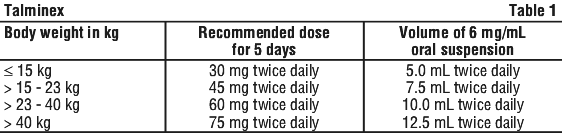
The recommended weight-adjusted dosing regimens of Talminex for children ≥ 1 year old are shown in Table 1.
Children ≥ 1 year old who are able to swallow capsules may receive treatment with 30 mg, 45 mg or 75 mg capsules (one 30 mg capsule plus one 45 mg capsule may be used in place of a 75 mg capsule) twice daily.
Children ≥ 1 year old who are unable to swallow capsules may receive home-prepared or pharmacy-compounded Talminex capsules (see instructions below).

Children < 1 year of age.

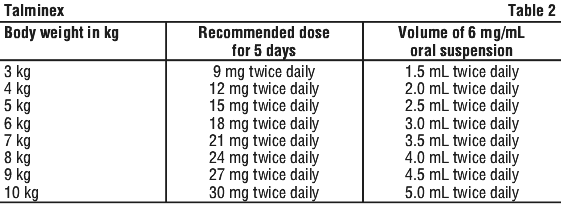
The recommended oral dose of Talminex for children 0 to 12 months is 3 mg/kg twice daily for 5 days. These dosing recommendations are not intended for children who have a post-conceptual age of less than 36 weeks.
The recommended oral dose of Talminex for children < 1 year of age is* shown in Table 2.
* This table is not intended to contain all possible weights for this population. For all patients under the age of 1 year of age, 3 mg/kg should be used to determine dose regardless of the weight of the patient.
Prophylaxis of influenza.

Adults and adolescents.

The recommended oral dose of Talminex for prevention of influenza following close contact with an infected individual is 75 mg once daily for 10 days. Therapy should begin within two days of exposure. The recommended dose for prevention during a community outbreak of influenza is 75 mg once daily. Safety and efficacy have been demonstrated for up to six weeks. The duration of protection lasts for as long as dosing is continued.
Adults and adolescents 13 years of age and older who are unable to swallow capsules may receive home-prepared or pharmacy-compounded Talminex capsules (see instructions below).

Children ≥ 1 to < 13 years of age.

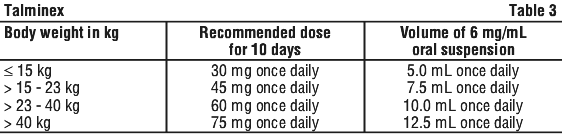
The recommended weight-adjusted prophylactic oral dosing regimens of Talminex for children ≥ 1 year old are shown in Table 3.
Children ≥ 1 year old who are able to swallow capsules may receive treatment with 30 mg, 45 mg or 75 mg capsules. A 75 mg dose may be achieved with a 75 mg capsule once daily or one 30 mg capsule plus one 45 mg capsule once daily.
Children ≥ 1 year old who are unable to swallow capsules may receive the appropriate dose of home-prepared or pharmacy-compounded Talminex capsules (see instructions below).

Dosage adjustment.

Hepatic impairment. No dose adjustment is required for patients with mild or moderate hepatic dysfunction in the treatment or prevention of influenza (see Section 5.2 Pharmacokinetic Properties). The safety and pharmacokinetics in patients with severe hepatic impairment have not been studied.
No studies have been carried out in children with hepatic impairment.
Renal impairment.

Treatment of influenza.

In adults, no dose adjustment is necessary for patients with creatinine clearance above 60 mL/min. In patients with a creatinine clearance of > 30-60 mL/min, it is recommended that the dose be reduced to 30 mg of Talminex twice daily for 5 days. In patients with a creatinine clearance of 10-30 mL/min, it is recommended that the dose is reduced to 30 mg of Talminex once daily, for 5 days. In patients undergoing routine haemodialysis, an initial dose of 30 mg of Talminex can be administered prior to the start of dialysis if influenza symptoms develop during the 48 hours between dialysis sessions. To maintain plasma concentrations at a therapeutic level, a dose of 30 mg should be administered after every haemodialysis session. For peritoneal dialysis, a dose of 30 mg of Talminex administered prior to the start of dialysis followed by further 30 mg doses administered every 5 days is recommended for treatment (see Section 5.2 Pharmacokinetic Properties). The pharmacokinetics of oseltamivir have not been studied in patients with end stage renal disease (i.e. creatinine clearance of < 10 mL/min) not undergoing dialysis. Hence, dosing recommendation cannot be provided for this group.

Prophylaxis of influenza.

In adults, no dose adjustment is necessary for patients with creatinine clearance above 60 mL/min. In patients with a creatinine clearance of > 30-60 mL/min, it is recommended that the dose be reduced to 30 mg of Talminex once daily. In patients with creatinine clearance between 10-30 mL/min receiving Talminex it is recommended that the dose be reduced to 30 mg of Talminex every other day. In patients undergoing routine haemodialysis, an initial dose of 30 mg of Talminex can be administered prior to the start of dialysis. To maintain plasma concentrations at a therapeutic level, a dose of 30 mg should be administered after every alternate haemodialysis session. For peritoneal dialysis, an initial dose of 30 mg of Talminex administered prior to the start of dialysis followed by further 30 mg doses administered every 7 days is recommended for prophylaxis (see Section 5.2 Pharmacokinetic Properties). The pharmacokinetics of oseltamivir have not been studied in patients with end stage renal disease (i.e. creatinine clearance of < 10 mL/min) not undergoing dialysis. Hence, dosing recommendation cannot be provided for this group.

Children with renal impairment.

There is insufficient clinical data available in children with renal impairment to be able to make any dosing recommendation.
Immunocompromised patients.

Treatment of influenza.

The recommended duration for immunocompromised patients (adults and children aged 1 year and older) is 10 days. No dose adjustment is necessary unless there is evidence of moderate or severe renal impairment (see Section 4.8 Adverse Effects (Undesirable Effects); Section 5.1 Pharmacodynamic Properties, Clinical trials). Treatment should be initiated as soon as possible after the onset of symptoms of influenza (see Section 5.2 Pharmacokinetic Properties, Immunocompromised patients).
Treatment of adult immunocompromised patients, 18 years of age and older, with standard and double doses of oseltamivir for a duration of 10 days has been evaluated. No efficacy benefit was seen with 150 mg BID compared to 75 mg BID for 10 days however, significantly higher oseltamivir exposure (up to twice the exposure) were found with both standard and double dosing of oseltamivir in immunocompromised patients (see Section 5.2 Pharmacokinetic Properties). Dosing adjustments may be required based on clinical and comorbidities. For adult immunocompromised patients with renal impairment, doses should be adjusted as outlined in Section 4.2 Dose and Method of Administration.

Prophylaxis of influenza.

Seasonal prophylaxis in immunocompromised patients ≥ 1 year of age is recommended for 12 weeks. No dose adjustment is necessary.
Children < 1 year of age. The efficacy of Talminex has not been established in children < 1 year of age. Pharmacokinetic data indicates that a dosage of 3 mg/kg twice daily in children 0 to 12 months of age provided plasma concentrations of the pro-drug and active metabolite that are anticipated to be clinically efficacious with a safety profile comparable to that seen in older children and adults (see Section 5.2 Pharmacokinetic Properties).
Elderly. No dose adjustment is required for elderly patients (aged ≥ 65 years) in the treatment or prevention of influenza unless there is co-existent renal impairment (see Section 5.2 Pharmacokinetic Properties; Section 4.4 Special Warnings and Precautions for Use).
Patients unable to swallow capsules. Adults, adolescents and children who are unable to swallow capsules may receive commercially manufactured oseltamivir powder for oral suspension (available in other brands) or appropriate doses of Talminex prepared at home by parents or caregivers or prepared by a pharmacist.

Method of administration.

Home-prepared Talminex for adults, adolescents and children ≥ 1 year of age.

Adults, adolescents and children who are unable to swallow capsules may receive their required dose of Talminex by following the instructions below.
1. Hold the Talminex capsule(s), corresponding to the required dose, over a small bowl. Carefully pull the capsule(s) open and pour the powder into the bowl.
2. Add a suitable, small amount (1 teaspoon maximum) of sweetened food product such as regular or sugar-free chocolate syrup, honey, light brown or table sugar dissolved in water, dessert toppings, sweetened condensed milk, apple sauce or yogurt to mask the bitter taste of the medication.
3. Stir the mixture well and give the entire contents to the patient. The mixture must be swallowed immediately after its preparation. If there is some mixture left inside the bowl, rinse the bowl with a small amount of water and have the patient drink this remaining mixture. It is not necessary to administer any undissolved white powder as this is inert material.
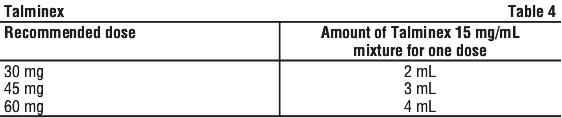
This procedure describes the preparation of a 15 mg/mL solution.
If the patient requires a dose of Talminex, which is different to that available in capsule form, they may receive their appropriate dose of Talminex by following the instructions below.
1. Hold one Talminex 75 mg capsule over a small bowl. Carefully pull the capsule open and pour the powder into the bowl.
2. Using a graduated syringe, add 5 mL water to the powder. Stir for about two minutes.
3. Draw up into the syringe the correct amount of mixture from the bowl (see Table 4). The recommended dose is body weight dependent (see tables above). Push down on the plunger of the syringe, to empty its entire contents into a second bowl. Discard any unused mixture.
4. In the second bowl, add a suitable, small amount (1 teaspoon maximum) of sweetened food product such as regular or sugar-free chocolate syrup, honey (only for children two years or older), light brown or table sugar dissolved in water, dessert toppings, sweetened condensed milk, apple sauce or yogurt to the mixture to mask the bitter taste of the medication.
5. Stir this mixture well and give the entire contents of the second bowl to the patient. This mixture must be swallowed immediately after its preparation. If there is some mixture left inside the bowl, rinse the bowl with a small amount of water and have the patient drink this remaining mixture.

Pharmacy-compounded Talminex for adults, adolescents, children and infants ≥ 1 year of age.

For paediatric and adult patients who have difficulty in swallowing capsules or where lower doses are needed, commercially manufactured oseltamivir powder for oral suspension (available in other brands) is available or the pharmacy may compound a suspension (6 mg/mL) from Talminex capsules.
This procedure describes the preparation of a 6 mg/mL suspension, which will provide one patient with enough medication for a 5-day course of treatment or a 10-day course of prophylaxis.
The pharmacist may compound a suspension (6 mg/mL) from Talminex 30 mg, 45 mg or 75 mg capsules using water containing 0.05% w/v sodium benzoate added as a preservative.
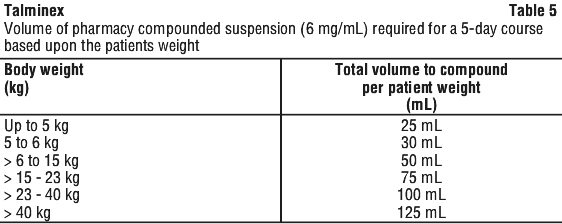
First, calculate the total volume needed to be compounded and dispensed to provide a 5-day course of treatment or a 10-day course of prophylaxis for the patient. The total volume of compounded Talminex 6 mg/mL suspension required is determined by the weight of the patient according to the recommendation in Table 5.
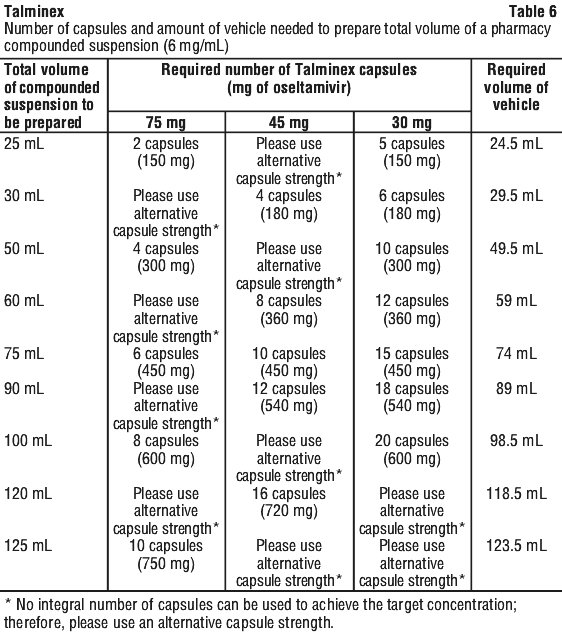
Second, determine the number of capsules and the amount of vehicle (water containing 0.05% w/v sodium benzoate added as a preservative) that is needed to prepare the total volume (calculated from the table above: 25 mL, 30 mL, 50 mL, 75 mL, 100 mL or 125 mL) of compounded Talminex 6 mg/mL suspension as shown in Table 6.
Third, follow the procedure below for compounding the suspension (6 mg/mL) from Talminex capsules:
1. Transfer the contents of the stated amount of Talminex capsules into the bottle and add the stated amount of sodium benzoate solution (table above).
2. Close the bottle with the child resistant cap and shake for two minutes.
3. Put an ancillary label on the bottle indicating 'Shake Gently Before Use'.
4. Instruct the parent or caregiver to discard any remaining solution after the patient has completed the full course of therapy.
5. Please add an appropriate expiration date label according to storage condition (see Section 6.4 Special Precautions for Storage).
Place a pharmacy label on the bottle that includes the patient's name, dosing instructions (see Section 4.2 Dose and Method of Administration for dosing instructions), use by date, medicine name and any other required information to be in compliance with local pharmacy regulations.
Dispense the suspension with a graduated oral syringe for measuring small amounts of suspension. If possible, mark or highlight the graduation corresponding to the appropriate dose (1 mL, 2 mL, 3 mL, 4 mL or 5 mL) on the oral syringe for each patient.
The appropriate dose must be mixed by the caregiver with an equal quantity of sweet liquid food, such as sugar water, chocolate syrup, cherry syrup, dessert toppings (like caramel or fudge sauce) to mask the bitter taste.

4.3 Contraindications

Talminex is contraindicated in patients with known hypersensitivity to oseltamivir phosphate or to any of the components of the product.

4.4 Special Warnings and Precautions for Use

Talminex is a specific treatment for infections due to influenza A or B viruses. Use should be limited to patients who have characteristic symptoms of influenza when influenza A or B virus infections have been documented locally. Data on the treatment of influenza B are limited.
There is no current evidence for the safety or efficacy of oseltamivir in persons with complications of an acute influenza episode such as viral or bacterial pneumonia. Such patients may require extensive supportive and adjunctive care. Antiviral therapy has not been shown to reduce the need for such care and monitoring.
Efficacy of oseltamivir in the treatment of subjects with chronic cardiac diseases/or respiratory diseases has not been established.
Safety and efficacy of repeated treatment or prophylaxis courses have not been studied.

Immunocompromised patients.

The efficacy of oseltamivir in either treatment or prophylaxis of influenza in immunocompromised patients has not been firmly established. Limited data are available (see Section 5.1 Pharmacodynamic Properties, Clinical trials).

Pharmaceutical precautions.

Direct contact of oseltamivir phosphate with the skin and eyes should be avoided as it is a potential skin sensitiser and eye irritant.

Use in renal impairment.

For dose adjustments in patients with renal impairment see Section 5.2 Pharmacokinetic Properties; Section 4.2 Dose and Method of Administration.

Paediatric use.

Data are not available for infants aged 0 to 2 weeks. It is reasonable to propose that term neonates can receive the same 3 mg/kg dose given the risk posed by influenza to the very young and the likelihood that exposures in the term neonate will not be markedly different to those seen in infants 2 to 8 weeks old.
No studies have been carried out in children with hepatic impairment.
There is insufficient clinical data available in children with renal impairment to be able to make any dosing recommendation.

Use in the elderly.

Limited numbers of subjects aged ≥ 65 years old have been included in the clinical trials. However, on the basis of drug exposure and tolerability, dose adjustments are not required for elderly patients unless there is co-existent renal impairment (see Section 5.2 Pharmacokinetic Properties; Section 4.2 Dose and Method of Administration).

Effects on laboratory tests.

Elevated liver enzymes have been reported in patients with influenza-like illness receiving oseltamivir.

4.5 Interactions with Other Medicines and Other Forms of Interactions

Information derived from pharmacology and pharmacokinetic studies of oseltamivir phosphate suggest that clinically significant drug interactions are unlikely.
Oseltamivir phosphate is rapidly converted to the active metabolite by esterases, located predominantly in the liver. Drug interactions involving competition for esterases have not been extensively reported in the literature. These esterases have been shown not to be saturable at concentrations of oseltamivir 100 times those which occur during treatment. Therefore, drug interactions caused by competition for these enzymes are highly unlikely.
In vitro studies demonstrated that neither oseltamivir phosphate nor the active metabolite is a good substrate for P450 mixed-function oxidases or for glucuronyl transferases. As a result, drug interactions involving P450 isozymes are unlikely.
Oseltamivir is a weak substrate in vitro for the P-glycoprotein transport system; however, no adverse event for oseltamivir or the concomitant administrated drug, which could be due to an interaction at the P-glycoprotein level, has been detected.
Cimetidine has no effect on plasma levels of oseltamivir or its active metabolite.
Clinically important drug interactions involving competition for renal tubular secretion are unlikely, due to the known safety margin for most of these drugs, the elimination characteristics of the active metabolite (glomerular filtration and anionic tubular secretion) and the excretion capacity of these pathways.
No pharmacokinetic interactions between oseltamivir or its major metabolite have been observed when co-administering oseltamivir with paracetamol, acetyl-salicylic acid (aspirin), cimetidine, antacids (magnesium and aluminium hydroxides and calcium carbonates), warfarin, rimantadine or amantadine.
There is no mechanistic basis for an interaction with oral contraceptives.
Drug interaction studies have not been undertaken with oseltamivir and a number of drugs and drug classes, including erythromycin and macrolide antibiotics, theophylline derivatives and antihistamines.
Co-administration with amoxicillin does not alter plasma levels of either compound, indicating that competition for the anionic pathway is weak.
Co-administration of probenecid, a potent inhibitor of the anionic pathway of renal tubular secretion, results in an approximate 2-fold increase in exposure to the active metabolite of oseltamivir, although no dose adjustment is required when co-administering with probenecid in patients with normal renal function.

4.6 Fertility, Pregnancy and Lactation

Effects on fertility.

No effect on male or female fertility was observed in rats exposed to oseltamivir phosphate. The highest dose has approximately 180 times the human systemic exposure (AUC) to the active metabolite.
(Category B1)
Studies for effects on embryo-fetal development were conducted in rats (at doses up to 1500 mg/kg/day) and rabbits (at doses up to 500 mg/kg/day) by the oral route. Relative exposures in these studies were 180 times human exposure (AUC0-24h of the active metabolite) in the rat and 50 times human exposure in the rabbit. Fetal exposure in both species was approximately 15-20% of that of the mother. In the rat study, minimal maternal toxicity was reported in the 1500 mg/kg/day group. In the rabbit study, slight and marked maternal toxicities were observed, respectively, in the 150 and 500 mg/kg/day groups. The duration of parturition was increased in rats at oral doses of 1500 mg/kg/day of oseltamivir phosphate, 180 times human exposure (AUC0-24h), but it was not affected at 500 mg/kg/day (approximately 40 times human exposure). Oseltamivir phosphate was not teratogenic in these studies.
Animal reproductive studies may not be predictive of human response, and there are no adequate and well-controlled studies in pregnant women. A large amount of data from pregnant women exposed to oseltamivir (more than 1000 exposed outcomes during the first semester) from post-marketing reports and observational studies in conjunction with animal studies (see Section 5.3 Preclinical Safety Data) indicate that there are unlikely to be direct or indirect harmful effects with respect to pregnancy or embryonal/foetal development. Talminex should be used during pregnancy only if the potential benefit justifies the potential risk to the pregnant woman and/or foetus.
The safe use of oseltamivir during labour and delivery has not been established.
In lactating rats, oseltamivir and the active metabolite are excreted in milk. Very limited information is available on children breast-fed by mothers taking oseltamivir and on excretion of oseltamivir in breast milk. Limited data demonstrated that oseltamivir and the active metabolite were detected in breast milk at very low levels. Talminex should be used in lactating mothers only if the potential benefit for the lactating mother justifies the potential risk of exposure of the medicine to the nursing infant.

4.7 Effects on Ability to Drive and Use Machines

No studies on the effects on the ability to drive and to use machines have been performed. The pharmacological activity and adverse events reported to date do not indicate such an effect is likely.

4.8 Adverse Effects (Undesirable Effects)

Clinical trials.

The overall safety profile of oseltamivir is based on data from more than 2646 adults/adolescents and 859 paediatric patients with influenza, and on data from more than 1943 adult/adolescent and 148 paediatric patients receiving oseltamivir for the prophylaxis of influenza in clinical trials. In adult/adolescent treatment studies, the most frequently reported adverse drug reactions (ADRs) were nausea, vomiting and headache. The majority of these ADRs were reported on a single occasion, occurred on either the first or second treatment day and resolved spontaneously within 1-2 days. In adult/adolescent prophylaxis studies, the most frequently reported ADRs were nausea, vomiting, headache and pain. In children, the most commonly reported ADR was vomiting. In the majority of patients, these events did not lead to discontinuation of oseltamivir.

Treatment and prophylaxis of influenza in adults and adolescents.

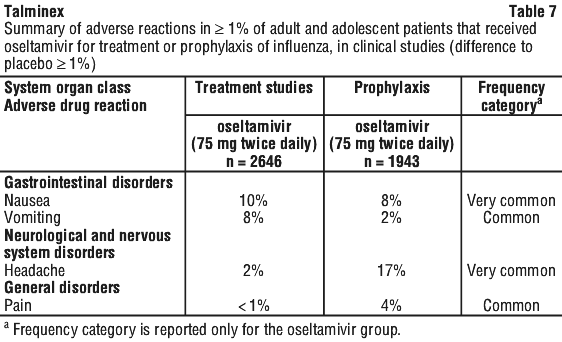
In adult/adolescent treatment and prophylaxis studies, ADRs that occurred the most frequently (≥ 1%) at the recommended dose (75 mg twice daily for 5 days for treatment and 75 mg once daily for up to 6 weeks for prophylaxis), and whose incidence is at least 1% higher on oseltamivir compared to placebo, are shown in Table 7.
The population included in the influenza treatment studies comprised of otherwise healthy adults/adolescents and patients "at risk" (patients at higher risk of developing complications associated with influenza, e.g. elderly patients and patients with chronic cardiac or respiratory disease). In general, the safety profile in the patients "at risk" was qualitatively similar to that in otherwise healthy adults/adolescents.
The safety profile reported in the subjects that received the recommended dose of oseltamivir for prophylaxis (75 mg once daily for up to 6 weeks) was qualitatively similar to that seen in the treatment studies (see Table 7), despite a longer duration of dosing in the prophylaxis studies.

Tabulated summary of adverse drug reactions from clinical trials.

Adverse drug reactions from clinical trials are listed according to the MedDRA system organ class. The corresponding frequency category for each adverse drug reaction (Table 7) is based on the following convention: very common (≥ 1/10); common (≥ 1/100 to < 1/10); uncommon (≥ 1/1,000 to < 1/100); rare (≥ 1/10,000 to < 1/1,000); very rare (< 1/10,000).

Treatment and prophylaxis of influenza in elderly.

There were no clinically relevant differences in the safety profile of the 942 elderly subjects, who received oseltamivir or placebo, compared with the younger population (aged up to 65 years).

Treatment and prophylaxis of influenza in immunocompromised patients.

The treatment of influenza in immunocompromised patients was evaluated in two studies receiving standard dose or high dose regimens (double dose or triple dose) of oseltamivir (see Section 5.1 Pharmacodynamic Properties, Clinical trials). The safety profile of oseltamivir observed in these studies, was consistent with that observed in previous clinical trials where oseltamivir was administered for treatment of influenza in non-immunocompromised patients across all age groups (otherwise healthy patients or "at risk" patients [i.e. those with respiratory and/or cardiac co-morbidities]). The most frequent ADR reported in immunocompromised children was vomiting (28%).
A 12-week prophylaxis study in 475 immunocompromised patients, including 18 children 1-12 years old, showed that the safety profile in the 238 subjects receiving oseltamivir was consistent with that previously observed in oseltamivir prophylaxis clinical trials.

Treatment and prophylaxis of influenza in children > 1 year of age.

A total of 1481 paediatric patients (including otherwise healthy children aged 1-12 years old and asthmatic children aged 6-12 years old) participated in clinical studies investigating the use of oseltamivir in the treatment of influenza. A total of 859 paediatric patients received treatment with oseltamivir suspension.
The ADRs that occurred in ≥ 1% of children aged 1-12 years receiving oseltamivir in the clinical trials for treatment of naturally acquired influenza (n = 859), and whose incidence is at least 1% higher on oseltamivir compared to placebo (n = 622), is vomiting (16% on oseltamivir vs. 8% on placebo). Amongst the 148 children who received the recommended dose of oseltamivir once daily in a post-exposure prophylaxis study in households (n = 99), and in a separate 6-week paediatric prophylaxis study (n = 49), vomiting was the most frequent ADR (8% on oseltamivir vs. 2% in the no prophylaxis group). Oseltamivir was well tolerated in these studies and the adverse events noted were consistent with those previously observed in paediatric treatment studies.

Children < 1 year of age.

In two studies to characterise the pharmacokinetics, pharmacodynamics and safety profile of oseltamivir therapy in 124 influenza infected children less than one year of age, the safety profile was similar among age cohorts with vomiting, diarrhoea and nappy rash being the most frequently reported AEs (see Section 5.2 Pharmacokinetic Properties, Special populations). Insufficient data are unavailable for children who have a post-conceptual age of less than 36 weeks.
Safety information available on oseltamivir administered for treatment of influenza in children less than 1 year of age from prospective and retrospective observational trials (comprising together more than 2400 children of that age class), epidemiological database research and post-marketing reports suggest that the safety profile in children less than 1 year of age is similar to the established safety profile of children aged 1 year and above.

Post-marketing experience.

The following adverse events have been identified during post-marketing use of oseltamivir.
Because these events are reported voluntarily from a population of uncertain size, it is not possible to reliably estimate their frequency and/or establish a causal relationship to oseltamivir exposure.

Skin and subcutaneous tissue disorders.

Hypersensitivity reactions such as allergic skin reactions including dermatitis, rash, eczema and urticaria, erythema multiforme, allergy, anaphylactic/anaphylactoid reactions, face oedema, Stevens-Johnson-Syndrome and toxic epidermal necrolysis have been reported.

Hepatobiliary disorders.

Hepatitis and elevated liver enzymes have been reported in patients with influenza-like illness receiving oseltamivir.

Psychiatric disorders/nervous system disorders.

Convulsion and delirium (including symptoms such as altered level of consciousness, confusion, abnormal behaviour, delusions, hallucinations, agitation, anxiety and nightmares) have been reported during oseltamivir administration in patients with influenza, predominately in children and adolescents. These events often had an abrupt onset and rapid resolution. In rare cases, these events resulted in accidental injury, and some resulted in a fatal outcome, however, the contribution of oseltamivir to those events is unknown. Such neuropsychiatric events have also been reported in patients with influenza who were not taking oseltamivir. Three separate large epidemiological studies confirmed that influenza-infected patients receiving oseltamivir are at no higher risk of developing neuropsychiatric events in comparison to influenza-infected patients not receiving antivirals.
Patients with influenza should be closely monitored for signs of abnormal behaviour throughout the treatment period.

Gastrointestinal disorders.

Gastrointestinal bleeding was observed after the use of oseltamivir. In particular, haemorrhagic colitis was reported and subsided when the course of influenza abated or treatment with oseltamivir was interrupted.

Blood and lymphatic system disorders.

Thrombocytopenia.

Eye disorders.

Visual disturbances.

Reporting suspected adverse effects.

Reporting suspected adverse reactions after registration of the medicinal product is important. It allows continued monitoring of the benefit-risk balance of the medicinal product. Healthcare professionals are asked to report any suspected adverse reactions at www.tga.gov.au/reporting-problems.

4.9 Overdose

For information on the management of overdose, contact the Poisons Information Centre on 131126 (Australia).
Treatment of overdose should consist of general supportive measures.
Reports of overdoses with oseltamivir have been received from clinical trials and during post-marketing experience. In the majority of cases reporting overdose, no adverse events were reported.
Adverse events reported following overdose were similar in nature and distribution to those observed with therapeutic doses of oseltamivir, see Section 4.8 Adverse Effects (Undesirable Effects).

5 Pharmacological Properties

5.1 Pharmacodynamic Properties

Pharmacotherapeutic group: antivirals for systemic use, neuraminidase inhibitors ATC code: J05AH02.

Mechanism of action.

Oseltamivir phosphate is a pro-drug of the active metabolite, oseltamivir carboxylate. The active metabolite is a selective inhibitor of influenza virus neuraminidase enzymes, which are glycoproteins found on the virion surface. Viral neuraminidase is essential for the release of recently formed virus particles from infected cells and the further spread of infectious virus in the body. A study in cultured tracheobronchial epithelial cells and primary nasal epithelial cells has shown that oseltamivir may also suppress virus entry to cells.
In vitro susceptibility tests. Antiviral susceptibility and development of resistance to oseltamivir is usually discussed in the context of cell culture experiments involving Madin-Darby Canine Kidney (MDCK) virus reduction assay and/or neuraminidase inhibition assay (NA IC50). The concentrations of oseltamivir carboxylate required for inhibition of influenza virus were highly variable depending on the assay method used and the virus tested. Oseltamivir carboxylate showed antiviral activity in the low nano-molar range in all these cell assays.
In vitro neuraminidase enzyme IC50 (NA IC50) values for oseltamivir-susceptible clinical isolates of influenza A ranged from 0.1-1.3 nanoM and for influenza B from 2.6-8.7 nanoM.
Reduced susceptibility to oseltamivir carboxylate has been recovered in vitro by passage of virus in the presence of increasing concentrations of oseltamivir carboxylate. In vitro NA IC50 assays showed that the degree of reduced sensitivity (IC50) differs markedly for different mutations from 2-fold for resistant variant with the I222V mutation in influenza A N1 to 30 000-fold for resistant variant with the R292K mutation in influenza A N2.
The relationship between the in vitro antiviral activity in cell culture and the inhibition of influenza virus replication in humans has not been established.
Viral resistance. Reduced sensitivity of viral neuraminidase.

Clinical studies.

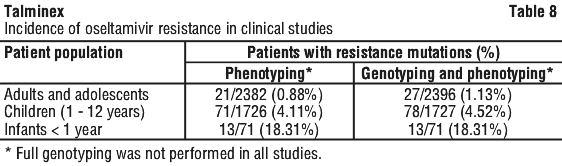
The risk of emergence of influenza viruses with reduced susceptibility or resistance to oseltamivir has been examined in clinical studies (see Table 8). In children, a higher proportion of resistance was observed compared to adults and adolescents. In some paediatric patients, oseltamivir-resistant virus was detected for a prolonged period compared with patients who carried oseltamivir-sensitive virus. Patients (paediatrics and adults) with an oseltamivir-resistant virus generally experienced longer viral shedding than patients with a susceptible virus. However, treatment-emergent resistance showed no apparent effect on treatment response.
An overall higher incidence of oseltamivir-resistance was observed in adult and adolescent immunocompromised patients, treated with standard dose or double dose of oseltamivir for a duration of 10 days [14.5% (10/69) in standard dose group and 2.7% (2/74) in double dose group], compared to data from studies with oseltamivir-treated otherwise healthy adult and adolescent patients. The majority of adult patients that developed resistance were transplant recipients (8/10 patients in the standard dose group and 2/2 patients in the double dose group). Most of the patients with oseltamivir-resistant virus were infected with influenza type A and had prolonged viral shedding.
The incidence of oseltamivir-resistance observed in immunocompromised children, treated with oseltamivir across the two studies evaluated for resistance was 20.7% (6/29). Of the six immunocompromised children with treatment-emergent resistance to oseltamivir, three patients had received a standard dose and three patients a high dose (double or triple dose). The majority had acute lymphoid leukemia and were ≤ 5 years of age.

Prophylaxis of influenza.

In clinical studies conducted in post-exposure (7 days), post-exposure within household groups (10 days) and seasonal (42 days) prophylaxis of influenza in immunocompetent persons, there was no evidence for emergence of drug resistance associated with the use of oseltamivir. There was no resistance observed during a 12-week seasonal prophylaxis study in immunocompromised subjects.

Clinical and surveillance data.

Natural mutations associated with reduced susceptibility to oseltamivir in vitro have been detected in influenza A and B viruses isolated from patients without exposure to oseltamivir. For example, in 2008 the oseltamivir resistance-associated substitution H275Y was found in > 99% of circulating 2008 H1N1 influenza isolates in Europe, while the 2009 H1N1 influenza ("swine flu") was almost uniformly susceptible to oseltamivir. Resistant strains have also been isolated from both immunocompetent and immunocompromised patients treated with oseltamivir. The susceptibility to oseltamivir and the prevalence of such viruses appears to vary seasonally and geographically. Oseltamivir resistance has also been reported in patients with pandemic H1N1 influenza in connection with both therapeutic and prophylactic regimens.
The rate of emergence of resistance may be higher in the youngest age groups, and in immunocompromised patients. Oseltamivir-resistant viruses isolated from oseltamivir-treated patients and oseltamivir-resistant laboratory strains of influenza viruses have been found to contain mutations in N1 and N2 neuraminidases. Resistance mutations tend to be viral sub-type specific.
Prescribers should consider available information on influenza virus drug susceptibility patterns for each season when deciding whether to use Talminex (for the latest information, please refer to WHO and/or local government websites).
Cross-resistance. Cross-resistance between zanamivir-resistant influenza mutants and oseltamivir-resistant influenza mutants has been observed in vitro. Due to limitations in the assays available to detect drug-induced shifts in virus susceptibility, an estimate of the incidence of oseltamivir-resistance and possible cross-resistance to zanamivir in clinical isolates cannot be made. However, two of the three oseltamivir-induced mutations (E119V, H274Y and R292K) in the viral neuraminidase from clinical isolates occur at the same amino acid residues as two of the three mutations (E119G/A/D, R152K and R292K) observed in zanamivir-resistant virus.

Clinical trials.

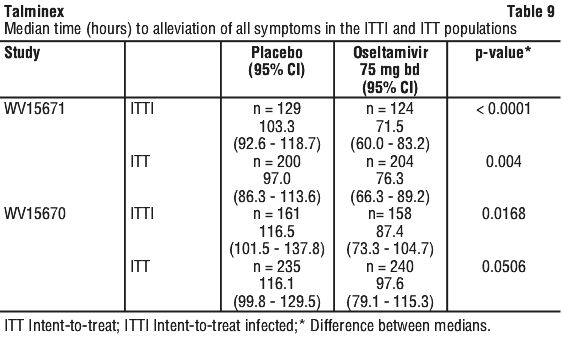
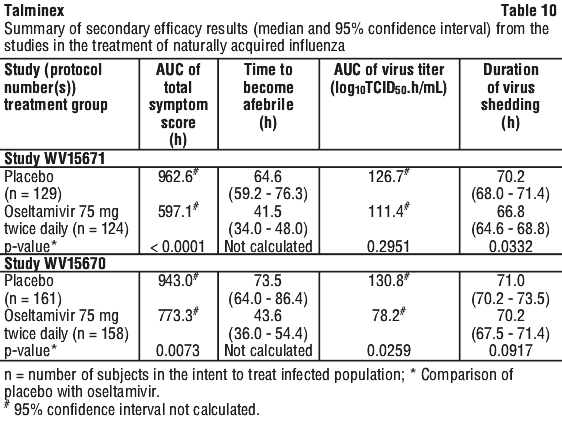
Treatment of influenza in adults. A total of 1355 patients were included in two phase III multicentre, placebo-controlled trials in naturally acquired influenza which were conducted in the Northern Hemisphere influenza season of 1997-1998 (Studies WV15670 and WV15671). An identical trial (Study WV15730) followed in the Southern Hemisphere winter of 1998 where 60 patients were recruited. The population used in the primary analyses was the intent-to-treat infected (ITTI) population. This population included only subjects who received at least one dose of study treatment and had laboratory-confirmed influenza. The intent-to-treat (ITT) population included all subjects who took at least one dose of study medication, regardless of whether they proved to have influenza. The results for the two pivotal studies are shown in Table 9 and Table 10.
Studies WV15670 and WV15671. Studies WV15670 and WV15671 were multicentre, double blind, randomised, parallel group studies with the objective of assessing the safety and antiviral efficacy of oseltamivir. Subjects who enrolled in these studies presented with symptoms of influenza defined as: fever (defined as body temperature ≥ 38°C), plus one respiratory symptom [cough, sore throat, nasal symptoms (rhinorrhoea/ congestion)], plus one constitutional symptom [headache, malaise (feeling unwell), myalgia (aches and pains), sweats/chills (feeling feverish), prostration (fatigue)].
Subjects were randomised to receive either 75 mg oseltamivir twice daily, 150 mg oseltamivir twice daily or placebo twice daily for a period of 5 days, commencing up to 36 hours, later amended to 48 hours after the reported onset of symptoms.

Primary efficacy parameter.

Time to alleviation of all symptoms was significantly reduced by up to 30 hours in both the 75 mg and 150 mg active treatment groups compared with placebo, demonstrating a more rapid recovery for subjects on oseltamivir. Treatment with oseltamivir resulted in a reduced median time to alleviation of all of the seven defined influenza symptoms. No increase in efficacy was demonstrated in subjects who received oseltamivir 150 mg twice daily compared to 75 mg twice daily.

Secondary efficacy parameters.

Both doses of oseltamivir significantly reduced the median total symptom score AUC (measure of extent and severity of illness) by up to 40% compared to placebo. The duration of virus shedding was also reduced in subjects treated with oseltamivir.
Temperature AUC was reduced in oseltamivir-treated subjects compared with placebo. Fewer subjects reported fever following dosing with oseltamivir, despite a lower consumption of symptom relief medication (paracetamol) by the oseltamivir groups compared to the placebo group. This was in addition to a marked reduction in the time taken for subjects on oseltamivir to return to an afebrile state during the treatment interval compared with placebo.
Based on studies WV15670, WV15671 and WV15730, the overall incidence of secondary illnesses (bronchitis, otitis media, sinusitis, and pneumonia at least 48 hours after the start of treatment in confirmed cases of influenza) requiring antibiotic medication was 11/301 (3.7%) in oseltamivir-treated (75 mg twice daily) patients compared to 23/309 (7.4%) in placebo-group. The treatment difference was 3.8% (95% CI 0.2%, 7.4%; p = 0.052) in favour of oseltamivir. Subjects treated with oseltamivir rated their health, activity and quality of sleep to be better than patients on placebo during the dosing period. Moreover, treatment with oseltamivir was associated with a reduction in time taken to return to normal (pre-influenza) health status and ability to perform daily activity.
Treatment of influenza in adolescents, adults and elderly - Study M76001. In a recent study which included adolescents, adults and elderly patients (13-80 years), time to alleviation of all symptoms was significantly reduced by up to 24.2 hours in patients treated with oseltamivir. There was a significant reduction of the median total symptom score AUC in the treatment group compared to placebo. Consistent with other studies, temperature AUC, number of patients with fever and the time to afebrile state were reduced in oseltamivir treated subjects compared with placebo. There was also a reduced need for patients receiving oseltamivir to take symptom relief medication (paracetamol).
Treatment of influenza in high risk populations - Study WV15758/872. In a separate study, patients aged > 13 years with influenza and co-existing chronic cardiac and/or respiratory disease received oseltamivir 75 mg or placebo twice daily. No difference in the median time to alleviation of all symptoms was seen between patients taking oseltamivir or placebo. However, the duration of febrile illness was reduced by approximately one day in the oseltamivir treatment group. The number of patients shedding virus on days 2 and 4 was also markedly reduced in those treated with oseltamivir. There was no difference in the safety profile of oseltamivir in the at-risk populations compared to the general adult population.
Prevention of influenza in adults and adolescents. The efficacy of oseltamivir in preventing naturally occurring influenza illness has been demonstrated in three seasonal prophylaxis studies and a post-exposure prophylaxis study in households. The primary efficacy parameter for all these studies was the incidence of laboratory-confirmed clinical influenza. Laboratory-confirmed clinical influenza was defined as oral temperature ≥ 37.2°C /99.0°F plus at least one respiratory symptom (cough, sore throat, nasal congestion) and at least one constitutional symptom (aches and pain, fatigue, headache, chills/sweats), all recorded within 24 hours, plus either a positive virus isolation or a 4-fold increase in virus antibody titres from baseline.
In a pooled analysis of two seasonal prophylaxis studies in healthy unvaccinated adults (aged 18-65 years), oseltamivir 75 mg once daily taken for 42 days during a community outbreak reduced the incidence of laboratory-confirmed clinical influenza from 4.8% (25/519) for the placebo group to 1.2% (6/520) for the oseltamivir group.
In a seasonal prophylaxis study in elderly residents of nursing homes, oseltamivir 75 mg once daily taken for 42 days reduced the incidence of laboratory-confirmed clinical influenza from 4.4% (12/272) for the placebo group to 0.4% (1/276) for the oseltamivir group. About 80% of this elderly population were vaccinated, 14% of subjects had chronic airway obstructive disorders and 43% had cardiac disorders.
In a post-exposure prophylaxis study, household contacts (aged ≥13 years) who had no laboratory evidence of influenza at baseline, and who were living with an index case who was subsequently shown to have had influenza infection, were randomised to treatment (the intent-to-treat index-infected, not infected at baseline [ITTIINAB] population). In this population, oseltamivir 75 mg administered once daily within 2 days of onset of symptoms in the index case and continued for 7 days, reduced the incidence of laboratory-confirmed clinical influenza in the contacts from 12% (24/200) in the placebo group to 1% (2/205) for the oseltamivir group (risk reduction 91.9%, p < 0.001). For the study population as a whole (the ITT population), including contacts of index cases in whom influenza infection was not confirmed, the incidence of laboratory-confirmed clinical influenza was reduced from 7.4% (34/462) in the placebo group to 0.8% (4/493) for the oseltamivir group (risk reduction 89%, p < 0.001). Index cases did not receive oseltamivir in the study. In the ITT population, 13.9% of contacts in the placebo group and 11.4% of contacts in the oseltamivir group had been vaccinated.
Treatment of influenza in children. One double-blind placebo controlled treatment trial was conducted in children, aged 1-12 years old (mean age 5.3 years old), who had fever (≥ 37.8°C) plus one respiratory symptom (cough or coryza) when influenza virus was known to be circulating in the community. Of 698 patients enrolled in this trial, 452 (65%) were influenza-infected (50% male; 68% Caucasian). Of the 452 influenza-infected patients, 67% were infected with influenza A and 33% with influenza B.
The primary endpoint in this study was the time to freedom from illness, a composite endpoint which required 4 individual conditions to be met. These were: alleviation of cough, alleviation of coryza, resolution of fever, and parental opinion of a return to normal health and activity. Oseltamivir treatment of 2 mg/kg twice daily, started within 48 hours of onset of symptoms, significantly reduced the total composite time to freedom from illness by 1.5 days compared to placebo. The median time to freedom from illness in the intent-to-treat infected (ITTI) population was 5.7 days in the placebo group and 4.2 days in patients treated with oseltamivir. In the intent-to-treat population (ITT), the median time to freedom from illness was 5.2 days in the placebo group and 4.4 days in patients treated with oseltamivir. The median time to freedom from illness was significantly reduced in the subgroup of patients infected with influenza A and treated with oseltamivir, compared to patients infected with influenza B and treated with oseltamivir (not statistically significant). The proportion of patients developing acute otitis media was reduced by 40% in children receiving oseltamivir compared to placebo. Subgroup analyses of this study by gender showed no differences in the treatment effect of oseltamivir in males and females.
A second study was conducted in 334 asthmatic children aged 6-12 years of age, 53.6% of whom were influenza-positive. The median time to freedom from illness was reduced by 8% in patients treated with oseltamivir compared to placebo (not statistically significant). By day 6 (the last day of treatment) FEV1 had increased by 10.8% in the oseltamivir-treated group compared to 4.7% in the placebo group (p = 0.0148) although there was no difference in the use of asthma medication between groups.
Prevention of influenza in children - Study WV16193. The efficacy of oseltamivir in preventing naturally occurring influenza illness has been demonstrated in a post-exposure prevention study in households that included adults, adolescents, children aged 1-12 years old, both as index cases and as family contacts. The primary efficacy parameter for this study was the incidence of laboratory-confirmed clinical influenza in the households. Oseltamivir prophylaxis lasted for 10 days (prophylactic efficacy in adults and adolescents ≥ 13 years old has previously been demonstrated with a 7 day dosing regimen [see above]).
In the total population, there was a reduction in the incidence of laboratory-confirmed clinical influenza in households from 20% (27/136) in the group not receiving prevention to 7% (10/135) in the group receiving prevention (62.7% reduction, [95% CI 26.0-81.2]; p = 0.0042). In households of influenza-infected index cases, there was a reduction in the incidence of influenza from 26% (23/89) in the group not receiving prevention to 11% (9/84) in the group receiving prevention (58.5% reduction, [95% CI 15.6-79.6]; p = 0.0114).
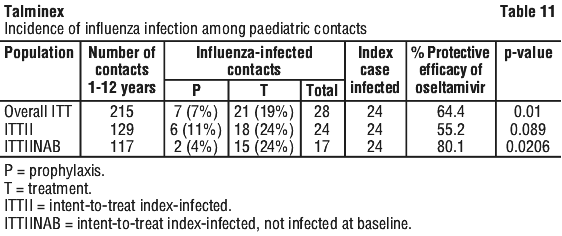
According to subgroup analysis in children 1-12 years of age, the incidence of laboratory-confirmed clinical influenza among children was significantly reduced from 19% (21/111) in the group not receiving prevention to 7% (7/104) in the group receiving (64.4% reduction, [95% CI 15.8-85.0]; p = 0.01; ITT). Among children who were not already shedding virus at baseline, the incidence of laboratory-confirmed clinical influenza was reduced from 21% (15/70) in the group not receiving prevention to 4% (2/47) in the group receiving prevention (80.1% reduction, [95% CI 22.0-94.9]; p = 0.0206; ITTIINAB) (see Table 11).
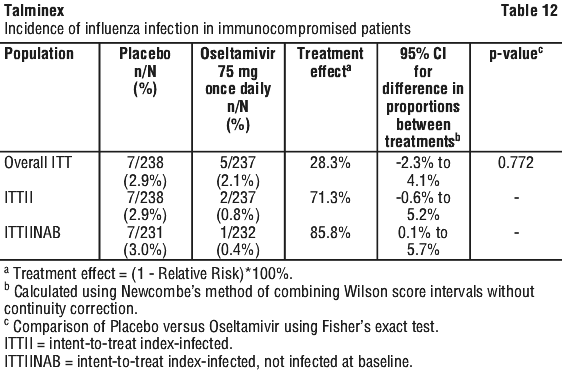
Prophylaxis of influenza in immunocompromised patients. A double-blind, placebo controlled study was conducted for seasonal prophylaxis of influenza in 475 immunocompromised subjects, including 18 children 1-12 years old. Laboratory-confirmed clinical influenza, as defined by RT-PCR plus oral temperature ≥ 37.2°C/99.0°F plus cough and/or coryza, all recorded within 24 hours, was evaluated. Among subjects who were not already shedding virus at baseline, oseltamivir reduced the incidence of laboratory-confirmed clinical influenza from 3.0% (7/231) in the group not receiving prophylaxis to 0.4% (1/232) in the group receiving prophylaxis (see Table 12).
Treatment of influenza in immunocompromised patients (children, adolescents, and adults). A randomized, double blind study, to evaluate safety and characterise the effects of oseltamivir on the development of resistant influenza virus (primary analysis) in influenza infected immunocompromised patients, included 151 adult patients, 7 adolescents and 9 children evaluable for efficacy of oseltamivir (secondary analysis, not powered). The study included solid organ transplant [SOT] patients, haematopoietic stem cell transplant [HSCT] patients, HIV positive patients with a CD4+ cell count < 500 cells/mm3, patients on systemic immunosuppressive therapy, and those with haematological malignancy. These patients were randomized to be treated, within 96 hours of symptoms onset for a duration of 10 days. The treatment regimens were: standard dose 75 mg twice daily (73 adult patients, 4 adolescent patients and 4 children) or double dose, 150 mg twice daily (78 adult patients, 3 adolescent patients and 5 children) of oseltamivir, weight adjusted for children.
The median time to resolution of symptoms (TTRS) for adults and adolescents was similar between the standard dose group (103.4 hours [95% CI 75.4-122.7]) and double dose group (107.2 hours [95% CI 63.90-140.0]). The TTRS for children was highly variable and the interpretation is limited by the small sample size.
The proportion of adult patients with secondary infections in the standard dose group and double dose group was comparable (8.2% vs 5.1%). For adolescents and children, only one patient (an adolescent) in the standard dose group experienced a secondary infection (bacterial sinusitis). The TTRS in all oseltamivir-treated adult immunocompromised patients (combined from both dose groups) was shorter when compared to matched placebo-treated otherwise healthy (reduced by 14 hours) and "at risk" patients (reduced by 60 hours), from previous studies.
A pharmacokinetics and pharmacodynamics study was conducted in severely immunocompromised children (≤ 12 years of age, n=30) receiving weight adjusted standard (75 mg twice daily) vs. triple dose (225 mg twice daily) oseltamivir for an adaptive dosing period of 5-20 days dependant on the duration of viral shedding (mean treatment duration: 9 days). No patients in the standard dose group and 2 patients in the triple dose group reported secondary bacterial infections (bronchitis and sinusitis).

5.2 Pharmacokinetic Properties

Absorption.

Oseltamivir is absorbed from the gastrointestinal tract after oral administration of oseltamivir phosphate and is converted predominantly by hepatic esterases to the active metabolite. In multiple dose studies the peak concentration of the active metabolite occurs 2-3 hours after dosing. Following an oral dose of 75 mg twice daily, the peak concentration (Cmax) of the active metabolite is approximately 350-400 nanogram/mL. At least 75% of an oral dose reaches the systemic circulation as the active metabolite. Exposure to the pro-drug is less than 5% relative to the active metabolite. Plasma concentrations of the active metabolite are unaffected by co-administration with food (see Section 4.2 Dose and Method of Administration).

Distribution.

The active metabolite reaches all key sites of influenza infection as shown by studies in the ferret, rat and rabbit. In these studies, anti-viral concentrations of the active metabolite were seen in the lung, bronchoalveolar lavage, nasal mucosa, middle ear and trachea, following oral administration of oseltamivir phosphate.
The mean volume of distribution (Vss) of the active metabolite is approximately 23 L in humans. The binding of the active metabolite to human plasma protein is negligible (approximately 3%).

Metabolism.

Oseltamivir is extensively converted to the active metabolite by esterases located predominantly in the liver. Neither oseltamivir nor the active metabolite is a substrate for, or an inhibitor of, the major cytochrome P450 isoforms. Thus, interactions mediated by competition for these enzymes are unlikely.

Excretion.

Absorbed oseltamivir is primarily (> 90%) eliminated by conversion to the active metabolite. Peak plasma concentrations of the active metabolite decline with a half-life of 6-10 hours in most subjects. The active metabolite is not further metabolised and is eliminated entirely (> 99%) by renal excretion. Renal clearance (18.8 L/h) exceeds glomerular filtration rate (7.5 L/h) indicating that tubular secretion (via the anionic pathway) in addition to glomerular filtration occurs. Less than 20% of an oral radio labelled dose is eliminated in faeces.

Pharmacokinetics in special populations.

Renal impairment.

Administration of 100 mg of oseltamivir twice daily, for 5 days, to patients with various degrees of renal impairment showed that exposure to the active metabolite is inversely proportional to renal function.
A population pharmacokinetic model describing the impact of creatinine clearance (CrCL) on oseltamivir and oseltamivir carboxylate pharmacokinetics was developed and qualified for simulation using 80 subjects with varying degrees of renal function. Subjects had dense pharmacokinetic profiles and were identified from three clinical studies; a study in subjects with either normal renal function or mild, moderate or severe renal impairment (WP15648) and two studies in healthy subjects receiving a range of single (WP15517) or multiple doses of oseltamivir (WP15525). Simulations were performed and suitable regimens using available capsule formulations were selected on the basis to provide oseltamivir carboxylate exposures considered safe and efficacious in clinical trials.
See Section 4.2 Dose and Method of Administration for recommended dosing for patients with severe, moderate and mild renal impairment.
Two clinical studies were performed to evaluate the pharmacokinetic, safety and tolerability of oseltamivir and oseltamivir carboxylate in end stage renal disease patients undergoing haemodialysis (HD) and continuous ambulatory peritoneal dialysis (CAPD). In study PP15974 patients undergoing either CAPD or HD received a single 75 mg capsule of oseltamivir, whereas in study NP16472 patients received 30 mg oseltamivir oral suspension for 6.5 weeks, with CAPD patients receiving a single dose per week and HD patients a dose after alternate dialysis sessions. In order to assist in determining appropriate dosing recommendations in HD, a population pharmacokinetic model for HD was constructed and qualified for simulation. Suitable regimens using available capsule formulations were selected on their basis to achieve oseltamivir carboxylate plasma trough levels in subjects with normal renal function dosed at 75 mg twice daily for treatment, or 75 mg oseltamivir given orally once daily for prophylaxis.
See Section 4.2 Dose and Method of Administration for recommended dosing for patients with end stage renal disease undergoing haemodialysis and continuous ambulatory peritoneal dialysis.

Hepatic impairment.

Based on in vitro and animal studies, significant increases in exposure to oseltamivir or its metabolite are not expected and this has been confirmed in clinical studies in patients with mild or moderate hepatic impairment. The pharmacokinetics of a single oral dose of oseltamivir 75 mg have been established in moderately hepatic impaired (Child-Pugh score 7-9) patients. Results of the study showed that Cmax and AUC of active metabolite of oseltamivir in the 12 hepatic impaired patients fell within the therapeutic margin of safety and efficacy. The safety and pharmacokinetics in patients with severe hepatic impairment have not been studied (see Section 4.2 Dose and Method of Administration).

Elderly.

Exposure to the active metabolite at steady-state was approximately 25% higher in elderly patients (age range 65-78 years old) compared to young adults given comparable doses of oseltamivir. Half-lives observed in elderly patients were similar to those seen in young adults. On the basis of drug exposure and tolerability, dosage adjustments are not required for elderly patients for either treatment or prophylaxis of influenza unless there is co-existent renal impairment (see Section 4.4 Special Warnings and Precautions for Use; Section 4.2 Dose and Method of Administration).

Pregnant women.

A pooled population pharmacokinetic analysis predicted that pregnancy has a significant effect on apparent clearance (CL) of oseltamivir carboxylate. In pregnant patients treated with oseltamivir 75 mg twice daily, CL was 63%, 47% and 14% higher in trimester 1, 2 and 3 respectively compared to non-pregnant subjects. The systemic exposure (AUC24) was predicted to be 36%, 34% and 15% lower in trimester 1, 2 and 3 respectively compared to non-pregnant subjects. However, this predicted exposure is expected to have activity against susceptible influenza virus strains and there are insufficient pharmacokinetic and safety data to recommend a dose adjustment for pregnant women (see Section 4.6 Fertility, Pregnancy and Lactation).

Immunocompromised patients.

Population pharmacokinetic analyses indicate that treatment of adult and paediatric (< 18 years old) immunocompromised patients with oseltamivir results in an increased exposure (of up to 50%) to the active metabolite when compared to non-immunocompromised patients with comparable creatinine clearance. However, due to the wide safety margin of the active metabolite, no dose adjustments are required in immunocompromised patients. However, for immunocompromised patients with renal impairment, doses should be adjusted as outlined in Section 4.2 Dose and Method of Administration. The population pharmacodynamic analyses indicated that treatment initiation one day after the onset of symptoms was associated with a more rapid decline in virus load than treatment initiation 2, 4, 7 or 10 days after the onset of symptoms.
Pharmacokinetic and pharmacodynamic analyses from two studies in immunocompromised patients indicated that there was no meaningful additional benefit in exposures higher than those achieved after the administration of the standard dose (see Section 5.1 Pharmacodynamic Properties, Clinical trials).

Children ≥ 1 year of age.

The pharmacokinetics of oseltamivir have been evaluated in pharmacokinetic studies in children aged 1-16 years old. Multiple dose pharmacokinetics were studied in a small number of children aged 3-12 years old enrolled in a clinical trial. The rate of clearance of the active metabolite, corrected for bodyweight, was faster in younger children, than in adults, resulting in lower exposure in these children for a given mg/kg dose. Doses of 2 mg/kg and unit doses of 30 and 45 mg, administered to children in the appropriate categories according to the recommendation in Section 4.2 Dose and Method of Administration, yield oseltamivir carboxylate exposures comparable to those achieved in adults receiving a single 75 mg capsule dose (approximately 1 mg/kg). With advancing age, the difference in exposure between children and adults (per mg/kg dose) lessened to the extent that the exposure in children over 12 years of age was similar to that in adults (see Section 4.4 Special Warnings and Precautions for Use; Section 4.2 Dose and Method of Administration).

Children < 1 year of age.

The pharmacokinetics, pharmacodynamics and safety of oseltamivir have been evaluated in two open-label studies including influenza infected children less than one year of age (n = 124). The rate of clearance of the active metabolite, corrected for body-weight, decreases with ages below one year. Metabolite exposures are also more variable in the youngest infants. The available data indicates that the exposure following a 3 mg/kg dose in children 0-12 months of age provides pro-drug and metabolite exposures anticipated to be efficacious with a safety profile comparable to that seen in older children and adults using the approved dose. The reported adverse events were consistent with the established safety profile in older children.

5.3 Preclinical Safety Data

Genotoxicity.

Oseltamivir phosphate was found to be non-genotoxic in the Ames test and the human lymphocyte chromosome assay, with or without metabolic activation, and negative in the mouse micronucleus test. It was found to be positive in a Syrian Hamster Embryo (SHE) cell transformation test. The active metabolite of oseltamivir phosphate was non-mutagenic in the Ames test and the L5178Y mouse lymphoma assay and negative in the SHE cell transformation test.

Carcinogenicity.

A two-year carcinogenicity study with oseltamivir phosphate in rats was negative at oral doses up to 500 mg/kg/day, resulting in respective relative systemic exposures (based on AUC0-24h, maximum clinical dose of 75 mg twice daily) to oseltamivir phosphate and its active metabolite of 352 times and 52 times, respectively.
A two-year carcinogenicity study with oseltamivir phosphate in mice was negative at oral doses up to 400 mg/kg/day, resulting in respective relative systematic exposures (based on AUC0-24h, maximum clinical dose of 75 mg twice daily) to oseltamivir phosphate and its active metabolite of 130 times and 15 times, respectively.
A 26-week dermal carcinogenicity study of oseltamivir carboxylate in FVB/Tg.AC transgenic mice was negative when tested at doses up to 780 mg/kg/day.

Toxicology.

In unweaned rats a single oral dose of oseltamivir phosphate 500 mg/kg (free base equivalent) to 7-day old pups resulted in deaths associated with high exposure to the prodrug. However, at 1520 mg/kg in 14-day old unweaned pups, there were no deaths or other significant effects. No adverse effects occurred at 300 mg/kg administered to 7-day old rats. This dose level resulted in maximum plasma concentrations of 42.4 microgram/mL for the prodrug and 9.4 microgram/mL for the active metabolite, and maximum brain concentrations of 10.7 microgram/g for the prodrug and 0.54 microgram/g for the active metabolite. Based on the correlation between mortality and plasma exposure across the dose-range, the prodrug, but not the active metabolite, appears to underlie the toxicity in 7-day old juvenile rats.

6 Pharmaceutical Particulars

6.1 List of Excipients

The Talminex capsule also contains pregelatinised maize starch, povidone, croscarmellose sodium, purified talc, sodium stearyl fumarate.
The composition of the gelatin capsules are: gelatin, iron oxide red (30 mg and 75 mg capsule), iron oxide yellow (30 mg and 75 mg capsule), iron oxide black (45 mg and 75 mg capsule), titanium dioxide and black ink (TekPrint SW-9008).
Gelatin capsules may contain a residual amount of sulfites.

6.2 Incompatibilities

Not applicable.

6.3 Shelf Life

In Australia, information on the shelf life can be found on the public summary of the Australian Register of Therapeutic Goods (ARTG). The expiry date can be found on the packaging.

6.4 Special Precautions for Storage

Talminex capsules should be stored below 25°C.
After pharmacy compounding of Talminex capsules the 6 mg/mL suspension can be stored at room temperature (below 25°C) for up to 3 weeks (21 days) or in a refrigerator (2 to 8°C) for up 6 weeks. Pharmacy-compounded Talminex suspension should not be frozen.
Home-prepared oseltamivir mixture must be swallowed immediately after preparation.

6.5 Nature and Contents of Container

Talminex capsules are supplied in blisters in packs of 10.
Some strengths, pack sizes and/or pack types may not be marketed.

Australian register of therapeutic goods (ARTG).

AUST R 312888 - Talminex oseltamivir (as phosphate) 30 mg capsule blister pack.
AUST R 312889 - Talminex oseltamivir (as phosphate) 45 mg capsule blister pack.
AUST R 312887 - Talminex oseltamivir (as phosphate) 75 mg capsule blister pack.

6.6 Special Precautions for Disposal

The release of medicines into the environment should be minimised. Medicines should not be disposed of via wastewater and disposal through household waste should be avoided.
In Australia, any unused medicine or waste material should be disposed of by taking to your local pharmacy.

6.7 Physicochemical Properties

Oseltamivir phosphate is a white crystalline solid, highly soluble in water (> 500 mg/mL).

Chemical structure.


Chemical name: (3R,4R,5S)-4-acetylamino-5-amino-3-(1-ethylpropoxy)-1-cyclohexene-1-carboxylic acid, ethyl ester, phosphate (1:1).

Molecular formula: C16H28N2O4 (free base).
Molecular weight: 312.4 (free base); 410.4 (oseltamivir phosphate).

CAS Number.

204255-11-8.

7 Medicine Schedule (Poisons Standard)

Schedule 4 - Prescription Only Medicine.

Summary Table of Changes