



Consumer medicine information

Tambocor

Flecainide acetate

BRAND INFORMATION

Brand name

Tambocor

Active ingredient

Flecainide acetate

Schedule

S4


Consumer medicine information (CMI) leaflet

Please read this leaflet carefully before you start using Tambocor.

What is in this leaflet

This leaflet answers some common questions about Tambocor tablets. It does not contain all the available information. It does not take the place of talking to your doctor or pharmacist.

All medicines have risks and benefits. Your doctor has weighed the risks of you taking Tambocor against the benefits they expect it can have for you.

If you have any concerns about taking this medicine, ask your doctor or pharmacist.

Keep this leaflet with the medicine. You may need to read it again.

What Tambocor is used for

Tambocor is used to treat a heart condition called arrhythmia. Arrhythmia is an irregular or abnormal heartbeat. The active ingredient in Tambocor, flecainide acetate, belongs to a group of drugs called antiarrhythmic medicines which slow down the impulses that cause the heart to beat in an irregular or abnormal way.

Your doctor may have prescribed Tambocor for another purpose.

Ask your doctor if you have any questions about why this medicine has been prescribed for you.

Tambocor is available only with a doctor's prescription.

Before using or being given Tambocor

When you must not use or have Tambocor

Do not use or have Tambocor if you have an allergy to:

  • flecainide acetate
  • any of the ingredients listed at the end of this leaflet.

Some of the symptoms of an allergic reaction may include:

  • shortness of breath
  • wheezing or difficulty breathing
  • swelling of the face, lips, tongue or other parts of the body
  • rash, itching or hives on the skin

Do not give Tambocor to children.

Do not take or have this medicine:

  • if you have severe heart, liver or kidney disease unless your doctor says it is suitable for you
  • after the USE BY date. The USE BY date can be found on the box and tablet blister. For the injection this can be found on the box and vial label
  • if the packaging is torn or shows signs of tampering

If you are not sure whether you should start taking or be given this medicine, talk to your doctor.

Before you start to take or have Tambocor

Tell your doctor if you have allergies to any other medicines, foods, preservatives or dyes.

Tell your doctor or pharmacist if you are pregnant or plan to become pregnant or are breast-feeding. Your doctor or pharmacist can discuss with you the risks and benefits involved.

Tell your doctor if you have or have had any of the following:

  • you have used Tambocor before and if you had any problems you think were caused by it
  • you have or have had any kidney, liver or heart problems

Do not use or have Tambocor unless your doctor says it is suitable for you.

Taking other medicines

Tell your doctor about any other medicines you are taking, including those that you buy without a prescription from your pharmacy, supermarket or health food shop.

It is particularly important to tell your doctor or pharmacist if you are taking any medicines to:

  • treat high blood pressure, angina or other heart conditions, for example digoxin, propranolol, atenolol, labetalol, alprenolol, pindolol, metoprolol, timolol, oxprenolol, sotalol, disopyramide, verapamil, amiodarone, diltiazem or nifedipine
  • treat stomach ulcers, for example cimetidine

These medicines may be affected by Tambocor or may affect how well it works. You may need different amounts of your medicines, or you may need to take different medicines.

Your doctor and pharmacist may have more information on medicines to be careful of or avoid while taking or being given this medicine.

How to use Tambocor

Follow all directions given to you by your doctor or pharmacist carefully. They may differ from the information contained in this leaflet.

If you do not understand the instructions on the box, ask your doctor or pharmacist for help.

How much to take or have

In adults the usual starting dose of Tambocor tablets is 50 to 100 mg every twelve hours. Your doctor may gradually increase this dose. The usual maximum dose is 300 mg a day. However, some patients may need up to 400 mg a day.

It is very important to follow your doctor's instructions exactly. Never change the dose yourself. Do not stop taking this medicine unless your doctor tells you to.

Stopping Tambocor suddenly may make your condition worse.

Swallow your tablets with plenty of water. You can take the tablets before or after meals.

The dose for Tambocor IV injection is usually around 2mg/kg body weight and is given in a hospital. Your doctor may vary the dose to suit your condition.

Tambocor is not recommended for use in children.

If you forget to take Tambocor

If you forget to take Tambocor tablets, take them as soon as you remember. However, if it is almost time for your next dose skip the dose that you missed. Take your next dose at the normal time.

Never take a double dose to make up for a dose you have missed. If you miss two or more doses, please talk to your doctor.

For Tambocor injection, the doctor will assure that you are given the dose at the required time.

If you take too much Tambocor (overdose)

Immediately telephone your doctor or the Poisons Information Centre (in Australia call 131126; in New Zealand call 03 4747000) for advice, or go to Accident and Emergency at the nearest hospital, if you think you or anyone else may have used too much Tambocor. Do this even if there are no signs of discomfort or poisoning. You may need urgent attention.

Keep the telephone numbers of these places/services handy.

If anyone else takes some of your Tambocor, they should go to a hospital immediately.

Your doctor will ensure that you are not given too much Tambocor injection.

While you are taking Tambocor

Things you must do

If you are about to be started on any new medicines remind your doctor and pharmacist that you are taking or being given Tambocor.

Tell any other doctors, dentists and pharmacists who are treating you that you are taking Tambocor.

If you are going to have surgery, tell the surgeon or anaesthetist that you are taking this medicine. It may affect other medicines used during surgery.

If you become pregnant while taking or being given this medicine, tell your doctor immediately.

Things you must not do

Do not take Tambocor to treat any other complaints unless your doctor tells you to.

Tambocor is a prescription medicine and has been prescribed for you only.

Do not give it to anyone else even of their condition is the same as yours.

Do not stop taking Tambocor or lower the dose without first checking with your doctor.

Things to be careful of

If you feel dizzy for any reason do not drive or operate machinery.

Side effects

Tell your doctor or pharmacist as soon as possible if you do not feel well while you are taking or being given Tambocor. This medicine helps most people with arrhythmia, but it may have unwanted side effects in a few people. All medicines can have side effects. Sometimes they are serious, most of the time they are not. You may need medical attention if you get some of the side effects.

Do not be alarmed by the following lists of side effects. You may not experience any of them.

Ask your doctor or pharmacist to answer any questions you may have.

Tell your doctor as soon as possible if you notice any of the following:

  • irregular or rapid heartbeat;
  • dizziness - usually this is a minor and a temporary effect which goes away. If dizziness is severe, do not stop taking Tambocor but see your doctor or pharmacist
  • blurred eyesight, double vision, cannot stand bright lights
  • nausea
  • difficulty in breathing
  • tiredness
  • headache, chest pain

If you experience any of these effects and find them troublesome, or if you experience any unwanted effects that are not listed here, contact your doctor or pharmacist immediately.

After using Tambocor

Storage

Keep Tambocor tablets and injection in a safe, dry, cool place where the temperature stays below 30°C.

Your injection will usually be stored in the hospital pharmacy.

Do not store in the fridge. Keep Tambocor tablets in their blister pack and carton until it is time to take them.

Keep Tambocor tablets where children cannot reach them. A locked cupboard at least one-and-a-half metres above the ground is a good place to store medicines.

The hospital pharmacy will ensure that Tambocor injection is safely stored before use.

Disposal

If your doctor tells you to stop taking the tablets, or if they have passed their USE BY date, ask your pharmacist what to do with any medicine that is left over.

Product description

What Tambocor looks like

Tambocor 50 mg tablets are white, round tablets marked TR50 on one side and plain on the other. Each pack contains 60 tablets.

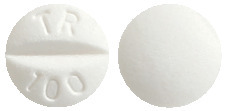
Tambocor 100 mg tablets are white, round tablets marked TR100 on one side and plain on the other. Each pack contains 60 tablets.

Tambocor IV injection is a clear, colourless solution in a clear glass ampoule. Each pack contains 5 ampoules.

Ingredients

Tambocor 50 mg tablets contain 50 mg of the active ingredient flecainide acetate.

Tambocor 100 mg tablets contain 100 mg of the active ingredient flecainide acetate.

Both tablets also contain the following inactive ingredients:

  • starch
  • croscarmellose sodium
  • cellulose
  • vegetable oil
  • magnesium stearate

Tambocor tablets do not contain gluten.

Tambocor IV injection contains 150 mg of the active ingredient flecainide acetate. It also contains the following inactive ingredients:

  • acetic acid
  • sodium acetate
  • water for injections

Sponsor

iNova Pharmaceuticals (Australia) Pty Limited
ABN: 13 617 871 539
Level 10, 12 Help Street
Chatswood NSW 2067
Toll Free: 1800 630 056

® = Registered

Australian Registration Numbers:

50 mg tablets: AUST R 41001.

100 mg tablets: AUST R 41002.

IV injection: AUST R 10592.

New Zealand Toll Free: 0508 375 394

This leaflet was updated in July 2019.

Published by MIMS October 2019

BRAND INFORMATION

Brand name

Tambocor

Active ingredient

Flecainide acetate

Schedule

S4


1 Name of Medicine

Flecainide acetate.

2 Qualitative and Quantitative Composition

Flecainide acetate belongs to the benzamide class of antiarrhythmic drugs and is structurally related to lidocaine and procainamide. It is chemically distinguished from these agents by the presence of trifluoroethoxy-substituents in the aromatic portion of the molecule and a piperidine ring in the amide side chain instead of the diethylaminoethyl group of the procainamide side chain. The compound is a racemic mixture. It is soluble in water, dilute acetic acid, methanol and ethanol, and practically insoluble in dilute hydrochloric acid.

Excipients.

Tablets.

Pregelatinised maize starch; croscarmellose sodium; microcrystalline cellulose; hydrogenated vegetable oil; magnesium stearate.

Injection.

Sodium acetate; glacial acetic acid, water for injections.

3 Pharmaceutical Form

Tambocor flecainide acetate 50 mg tablet blister pack.

A white, biconvex round tablet approximately 6.35 mm in diameter, marked 'TR' over '50' on one side and plain on the other.

Tambocor flecainide acetate 100 mg tablet blister pack.

A white, biconvex round tablet being approximately 8.5 mm in diameter, marked 'TR' breakline '100' on one side and plain on the other.

Tambocor flecainide acetate 150 mg/15 mL injection ampoule.

Clear solution.

4 Clinical Particulars

4.1 Therapeutic Indications

Tambocor is indicated for:
1. Supraventricular arrhythmias:
a) due to pre-excitation syndromes, e.g. Wolff-Parkinson-White and Lown-Ganong-Levine syndromes;
b) due to dual AV nodal pathways in patients with debilitating symptoms;
c) paroxysmal atrial fibrillation/flutter (PAF) associated with disabling symptoms.
Although Tambocor may be effective in supraventricular arrhythmias in patients with structural heart disease, its use has been associated with life-threatening and occasionally fatal ventricular arrhythmias. In these patients, particularly in the presence of impaired left ventricular function, Tambocor should be used with extreme caution, preferably after other antiarrhythmic drugs have been tried or considered inappropriate.
Use of Tambocor in chronic atrial fibrillation has not been adequately studied and is not recommended.
2. Life threatening ventricular arrhythmias not controlled by other drugs.
Intravenous Tambocor is indicated when rapid control or short-term prophylaxis of the above arrhythmias is the main clinical requirement. All use of the injection should be in hospitals only.
Tambocor tablets are used for continuous maintenance of normal rhythm following initial oral or intravenous therapy or conversion by other means.
Prescribers should also see Section 4.4 Special Warnings and Precautions for Use of this Product Information.

4.2 Dose and Method of Administration

Adults.

The dosage of Tambocor must be adjusted to the individual needs of each patient, based on therapeutic response and tolerance. The following regimen is suggested as a guideline. However, dosage may need to be modified if the age, weight, or clinical status of the patient dictates.
When transferring patients who have been receiving another antiarrhythmic drug to Tambocor, it is suggested that at least two plasma half-lives of the drug being discontinued should be allowed to elapse before starting Tambocor at the usual dosage. In patients where withdrawal of a previous antiarrhythmic agent is likely to produce life-threatening arrhythmias, the physician should consider hospitalising the patient.
In patients with supraventricular arrhythmias, oral therapy may be started on an outpatient basis, however, in patients with sustained ventricular arrhythmias oral therapy should be initiated in hospital.

Intravenous.

In view of the serious nature of many of the conditions being treated, the intravenous form of flecainide should be used in hospitals where facilities exist for cardiac monitoring or defibrillation, should the need arise. This form should only be used when an immediate effect is clinically desirable. Tambocor can be given in an emergency or for rapid effect by a slow injection of 2 mg/kg over not less than ten minutes. If preferred, the dose may be diluted with 5% glucose and given as a mini-infusion.

Important.

Glucose intravenous infusion 5% w/v is the only recommended diluent for Tambocor injection. Alkaline solutions or solutions containing chloride should not be used as a diluent as precipitation may occur.
To reduce microbiological hazard the infusion should be commenced as soon as practicable after preparation of the admixture. When stored at 25°C the admixture is stable for 24 hours.

Oral.

Flecainide has a long half-life (12 to 27 hours in patients). Steady-state plasma levels in patients with normal renal and hepatic function may not be achieved until the patient has received 3 to 5 days of therapy at a given dose. Therefore, increases in dosage should be made no more frequently than once every four days, since during the first 2 to 3 days of therapy the optimal effect of a given dose may not be achieved.
For patients with supraventricular arrhythmias (PSVT and PAF), the recommended starting dose is 50 mg every 12 hours. Tambocor doses may be increased in increments of 50 mg bid every four days until efficacy is achieved. For PAF patients, a substantial increase in efficacy without a substantial increase in discontinuations for adverse experiences may be achieved by increasing the Tambocor dose from 50 to 100 mg bid. The maximum recommended dose for patients with paroxysmal supraventricular arrhythmias is 300 mg/day.
For sustained VT the recommended starting dose is 100 mg every 12 hours. This dose may be increased in increments of 50 mg bid every four days until efficacy is achieved. Most patients with sustained VT do not require more than 150 mg every 12 hours (300 mg/day) and the maximum dose recommended is 400 mg/day.
An occasional patient not adequately controlled by or intolerant to a dose given at 12 hourly intervals may be given Tambocor at 8-hourly intervals.
Once adequate control of the arrhythmia has been achieved, the dosage may be reduced as necessary to reduce side effects or to minimise Tambocor's effects on conduction (see Section 4.4 Special Warnings and Precautions for Use). A loading dose to achieve more rapid control of the arrhythmia is not recommended because of the possibility that the use of a loading dose may increase the likelihood of adverse effects. Tambocor should be used cautiously in patients with a history of myocardial dysfunction or congestive heart failure.
In patients with severe renal impairment (creatinine clearance of 20 mL/min/m2 or less), the initial dosage should be 100 mg once daily (or 50 mg bid); when used in such patients, frequent plasma level monitoring is required to guide dosage adjustments. In patients with less severe renal disease, the initial dosage should be 100 mg every 12 hours; plasma level monitoring may also be useful in these patients during dosage adjustment. In both groups of patients, dosage increases should be made very cautiously, observing the patient closely for signs of adverse cardiac effects or other toxicity. It should be borne in mind that in these patients it may take longer than four days before a new steady-state plasma level is reached following a dosage change.
In the presence of alkaline urine (pH greater than 7.0) dosage may need to be reduced (see Section 4.4 Special Warnings and Precautions for Use).

Amiodarone.

As for many other anti-arrhythmic agents, in the presence of amiodarone, plasma levels of flecainide may be altered. Four situations may be encountered:
1. Tambocor stopped and amiodarone started: wait three plasma half-lives of flecainide (about 3 days) before starting amiodarone.
2. Tambocor continued and amiodarone introduced: the dose of Tambocor should be reduced to 50% at the same time as amiodarone is started. Plasma levels should be taken prior to and after amiodarone therapy is started. Based on therapeutic response and plasma levels, Tambocor dosage can be adjusted accordingly. Avoid levels that exceed the therapeutic range of flecainide (0.2 to 1.0 microgram/mL).
3. Amiodarone stopped and Tambocor started: as the elimination of amiodarone is extremely slow, Tambocor should be started at a dose of 50 mg b.d. Plasma level monitoring of flecainide should be done frequently. Based on therapeutic response and plasma levels, the dosage of Tambocor can be adjusted accordingly.
4. Amiodarone continued and Tambocor started: when adding Tambocor to the regimen of a patient on a stabilised and well tolerated dose of amiodarone, Tambocor should be started at a dose of 50 mg b.d. and plasma level monitoring of flecainide should be done frequently. Based on therapeutic response and plasma levels, the dosage of Tambocor can be adjusted accordingly. Increases in Tambocor dosage should be made carefully in increments not exceeding 50 mg b.d. and only after levels of flecainide have been obtained. If the dosage of amiodarone is changed, again carefully monitor plasma levels of flecainide and adjust Tambocor dosage accordingly.

Paediatric use.

Not recommended for use in children as safety and efficacy have not been established.

Use in the elderly.

The rate of flecainide elimination may be reduced in the elderly. An initial dose of 100 mg b.d. is recommended in otherwise healthy patients, with cautious increases in dosage.

Patients with impaired liver function.

As Tambocor is extensively metabolised, presumably in the liver, patients with impaired liver function may require adjustment to dosage and should be carefully monitored. Efficacy studies revealed sporadic elevation of serum alkaline phosphatase and transaminases but no studies in liver impaired patients have been completed. Plasma flecainide should be monitored.

Patients with impaired renal function.

In patients with severe renal impairment, the dose of Tambocor should be reduced (see Section 4.2 Dose and Method of Administration, Adults). Plasma flecainide should be monitored.

Plasma level monitoring.

The large majority of patients successfully treated with Tambocor were found to have trough plasma flecainide levels varying between 200 to 1,000 nanogram/mL. The probability of cardiac adverse experiences may increase with higher trough plasma flecainide levels, especially when these exceed 1,000 nanogram/mL. Periodic monitoring of trough plasma flecainide levels may be helpful to show whether a patient has received an adequate dose to obtain a plasma flecainide level within the therapeutic range, or whether a patient has exceeded this range. Because elimination of Tambocor from plasma may be slower in patients with severe chronic renal failure or severe congestive heart failure, plasma flecainide level monitoring may be especially important in these patients.

4.3 Contraindications

Second or third degree A-V block, unless a pacemaker is present to sustain rhythm.
Right bundle branch block when associated with a left hemi-block (bifascicular block) unless a pacemaker is present to sustain rhythm.
Cardiogenic shock.
Asymptomatic premature ventricular contractions and/or asymptomatic non-sustained ventricular tachycardia in patients with a history of myocardial infarction.
Known hypersensitivity to the drug.
In patients with severe renal or hepatic impairment unless plasma level monitoring can be done.

4.4 Special Warnings and Precautions for Use

Mortality.

In the Cardiac Arrhythmia Suppression Trial (CAST), a long-term, large scale, multi-centre, double-blind, randomised, placebo-controlled clinical trial in patients with asymptomatic non-life threatening ventricular arrhythmias who had myocardial infarction more than six days but less than two years previously, oral flecainide was associated with a higher incidence of mortality or non-fatal cardiac arrest (19/323) as compared with its matching placebo (7/318). The average duration of treatment with flecainide in this study was 10 months. In that same study, an even higher incidence of mortality was observed in flecainide-treated patients with more than one myocardial infarction. While there are no comparable mortality trial data for other Class I antiarrhythmic agents postmyocardial infarction, meta-analysis of small scale clinical trials of these agents in similar populations suggests a trend towards increased mortality compared to placebo. In the light of this information, it is prudent to consider the prophylactic use of Class I antiarrhythmic drugs following myocardial infarction as potentially hazardous. Indeed, the use of these agents for other than life-threatening arrhythmias, or severe symptoms due to arrhythmias is not recommended. Comparable placebo-controlled clinical trials have not been done to determine if flecainide is associated with a higher risk of mortality in other patient groups.

Structural heart disease.

Patients with structural heart disease treated with Tambocor for supraventricular arrhythmias may be at increased risk for proarrhythmia and cardiac adverse events. The use of Tambocor in these patients has been associated with life-threatening and occasionally fatal ventricular arrhythmias. Therefore, in these patients, especially in the presence of impaired left ventricular function with ejection fraction ≤ 40%, Tambocor should be used with extreme caution, preferably after other antiarrhythmic drugs have been tried or considered inappropriate.

Ventricular proarrhythmic effects in patients with atrial fibrillation/flutter.

A review of the world literature revealed reports of 568 patients treated with oral Tambocor (flecainide acetate) for paroxysmal atrial fibrillation/flutter (PAF). Ventricular tachycardia was experienced in 0.4% (2/568) of these patients. Of 19 patients in the literature with chronic atrial fibrillation, 10.5% (2/19) experienced ventricular tachycardia or ventricular fibrillation. Flecainide is not recommended for use in patients with chronic atrial fibrillation. Case reports of ventricular proarrhythmic effects in patients treated with Tambocor for atrial fibrillation/flutter included increased premature ventricular contractions (PVCs), ventricular tachycardia (VT), ventricular fibrillation (VF) and death.
As with other class I agents, patients treated with Tambocor for atrial flutter have been reported with 1:1 atrioventricular conduction due to slowing of the atrial rate. A paradoxical increase in the ventricular rate also may occur in patients with atrial fibrillation who receive Tambocor. Concomitant negative chronotropic therapy such as digoxin or β-blockers may lower the risk of this complication.

Proarrhythmic effects.

As with other antiarrhythmic drugs, Tambocor has been associated with the development of new or worsened arrhythmias. These so-called proarrhythmic effects may range in severity from an increase in frequency of PVCs to the development of more severe forms of ventricular tachycardia. In a few patients, Tambocor has been associated with episodes of unresuscitable ventricular tachycardia or ventricular fibrillation. The incidence of proarrhythmic events was higher in studies of patients treated for recurrent ventricular tachycardia, often with coexisting congestive heart failure, than in studies of patients treated for stable ventricular ectopy. Treatment with any antiarrhythmic agent should be initiated in hospital in patients treated for recurrent sustained ventricular tachycardia, especially those with congestive heart failure or low ejection fractions. Effective use of Tambocor may be assisted in some patients by electrophysiological investigation.

Heart failure.

Because Tambocor has a mild negative inotropic effect, it may cause or worsen congestive heart failure, particularly in patients with cardiomyopathy, pre-existing severe heart failure (NYHA functional class III or IV), or ejection fractions ≤ 40%. Tambocor should therefore be used cautiously in patients who are known to have a history of congestive heart failure or myocardial dysfunction. The initial dose should be no more than 100 mg b.d. (see Section 4.2 Dose and Method of Administration) and they should be monitored carefully. Careful attention must be given to maintenance of cardiac function, including optimisation of digitalis, diuretic or other therapy. In the cases where congestive heart failure has occurred during Tambocor therapy, the onset has ranged from a few hours to several months after starting therapy. Some patients who develop evidence of reduced myocardial function while on Tambocor can continue on Tambocor with adjustment of digitalis or diuretic; others may require dosage reduction or discontinuation of Tambocor. When feasible, it is recommended that plasma flecainide levels be monitored. Attempts should be made to keep trough plasma levels below 0.7 to 1.0 microgram/mL.

Effects on cardiac conduction.

Tambocor slows cardiac conduction sufficiently in most patients to produce measurable increases in the duration of the PR, QRS and QT intervals on the electrocardiogram. This is an extension of the pharmacological action of the drug and most patients experience no detrimental clinical effects from these changes in conduction. Increases of more than 25% in the duration of the PR interval occur commonly, and approximately one-third of patients may develop first-degree heart block (PR interval greater than or equal to 0.20 seconds). Widening of the QRS of 25% or more is also common, and many patients develop QRS complexes with a duration of 0.12 seconds or more. The QT (uncorrected) interval widens about 8% on the average, mostly due to the widening of the QRS. (The JT interval [QT minus QRS] is usually unaffected or widens about 4%.)
Although clinically significant conduction changes such as sinus pause, sinus arrest, second or third degree A-V block occasionally occur, an attempt should be made to reduce the dosage of Tambocor (see Section 4.2 Dose and Method of Administration) to the lowest effective dose in an effort to minimise these effects. If second or third-degree AV block or right bundle branch block associated with a left hemiblock occurs, Tambocor therapy should be discontinued unless the ventricular rate is adequately controlled by a temporary or implanted ventricular pacemaker.

Blood dyscrasias.

There have been extremely rare reports of blood dyscrasias (pancytopenia, anaemia, thrombocytopenia, leucopenia, granulocytopenia). Although no causal relationship has been established, it is advisable to discontinue Tambocor in patients who develop blood dyscrasias in order to eliminate Tambocor as the possible causative agent.

Lung disease.

There have been very rare reports of lung disease (pulmonary fibrosis, interstitial lung disease and pneumonitis). Although no causal relationship has been established, it is advisable to discontinue Tambocor in patients who develop lung disease in order to eliminate Tambocor as the possible causative agent.

Sick sinus syndrome (bradycardia-tachycardia syndrome).

Tambocor should not be used in patients with advanced sinus node disease and should be used only with extreme caution in patients with sick sinus syndrome because it may cause sinus bradycardia, sinus pause, or sinus arrest. Pacing rescue facilities should be available.

Digitalis intoxication.

Tambocor has not been evaluated in the treatment of arrhythmias secondary to digitalis intoxication, and it increases the plasma level of digoxin (see Section 4.5 Interactions with Other Medicines and Other Forms of Interactions); therefore, it is not recommended for such use.

Electrolyte disturbances.

The presence of a potassium excess or deficit may alter the effects of Class I antiarrhythmic drugs. Any pre-existing hypokalaemia or hyperkalaemia or other electrolyte disturbances should be corrected before administration of Tambocor.

Effects on pacemaker thresholds.

Tambocor is known to reversibly increase endocardial pacing thresholds and may suppress ventricular escape rhythms. It should be used with caution in all patients with permanent pacemakers or temporary pacing electrodes, and should not be administered to patients with existing poor thresholds or non-programmable pacemakers unless suitable pacing rescue is available. It is suggested that the threshold in patients with pacemakers be determined prior to instituting therapy with Tambocor, again after one week of administration and at regular intervals thereafter. Generally, threshold changes are within the range of multiprogrammable pacemakers, and when these changes occur, usually a doubling of either voltage or pulse width is sufficient to regain capture.

Concomitant antiarrhythmic therapy.

Due to limited exposure, the concomitant use of Tambocor and other antiarrhythmic agents is not recommended.
Both disopyramide and verapamil have negative inotropic properties and the effects of co-administration with Tambocor are unknown. Neither disopyramide nor verapamil should be administered concurrently with Tambocor unless, in the judgement of the physician, the benefit of this combination outweighs the risks.
Formal interaction studies have not been conducted with amiodarone and Tambocor. However, clinical experience indicates, as for many other antiarrhythmic agents, that amiodarone can increase plasma levels of flecainide. If, in the judgement of the physician, the benefits outweigh the risks and Tambocor is to be administered in the presence of amiodarone, the dose of Tambocor should be reduced (see Section 4.2 Dose and Method of Administration) with plasma flecainide monitoring.
Lidocaine has been used occasionally with Tambocor while awaiting the therapeutic effect of Tambocor. No adverse drug interactions were apparent. However, no studies have been performed to demonstrate the usefulness of this regimen.

Alkaline urine.

In the presence of alkaline urine (pH greater than 7.0) which may result from diet, concomitant medication or disease states, Tambocor elimination may be slower, as has also been reported for other basic compounds, and Tambocor dosage may need to be reduced.

Use in hepatic impairment.

Patients with significant hepatic impairment should not receive flecainide unless the potential benefits outweigh the risk. See Section 4.2 Dose and Method of Administration recommendations.

Use in renal impairment.

A reduced dosage in cases of severe renal impairment is recommended (see Section 4.2 Dose and Method of Administration). Haemodialysis is ineffective in removing unchanged Tambocor from the body.

Use in the elderly.

No data available.

Paediatric use.

No data available.

Effects on laboratory tests.

No data available.

4.5 Interactions with Other Medicines and Other Forms of Interactions

Alcohol.

No information available.

Food.

Food does not affect either the rate or extent of Tambocor absorption.

Drugs.

Digoxin.

During multiple oral dosage of Tambocor to healthy subjects stabilised on a maintenance dose of digoxin, a 13% ± 19% increase in plasma digoxin levels occurred at six hours postdose. These small changes in digoxin levels should be of no clinical consequence for patients receiving chronic digoxin therapy. Tambocor has been administered to patients receiving digitalis preparations without adverse effects.

β-adrenergic blocking agents.

Tambocor has been administered to patients receiving β-adrenergic blocking agents without adverse effects. In a formal interaction study conducted in healthy males receiving Tambocor and propranolol concurrently, plasma Tambocor levels were about 20% higher and propranolol levels about 30% higher, in comparison to control values. These small changes should be of no clinical consequence. In this study Tambocor and propranolol were each found to have slight negative inotropic effects on cardiac function; when administered together, these effects were never any more than additive. The effects of concomitant administration of Tambocor and propranolol on the PR interval were less than additive. While these effects were of little clinical consequence in healthy subjects, the possibility of exaggerated effects from this combination in patients with reduced left ventricular function should be borne in mind. In Tambocor clinical trials, patients who were receiving β-blockers concurrently did not experience an increased incidence of side effects. Nevertheless, the possibility of additive negative inotropic effects of β-blockers and flecainide should be recognised.

Anti-arrhythmics.

See above, Concomitant antiarrhythmic therapy.

Nifedipine, diltiazem.

There has been too little experience with the coadministration of Tambocor with nifedipine or diltiazem to recommend concomitant use.

Diuretics.

Tambocor has been used in large numbers of patients receiving diuretics without apparent interactive effects.

Cimetidine.

In healthy subjects receiving cimetidine (1 g daily) for one week, plasma flecainide levels increased by about 30% and half-life increased by about 10%.

Other drugs.

Although formal interaction studies have not been conducted with Tambocor and other drugs, Tambocor is not extensively bound to plasma proteins and, consequently, interactions with other drugs which are highly protein bound (e.g. anticoagulants) would not be expected.
Limited data in patients receiving known enzyme inducers (phenytoin, phenobarbital, carbamazepine) indicate only a 30% increase in the rate of flecainide elimination.

4.6 Fertility, Pregnancy and Lactation

Effects on fertility.

No data available.
(Category B3)
Flecainide has been shown to have teratogenic effects (e.g. club paws, sternebral and vertebral abnormalities, pale hearts with contracted ventricular septa) and an embryotoxic effect (e.g. increased resorptions) in one breed of rabbit (New Zealand White) but not in another (Dutch Belted), when given in doses about four times (but not three times) the usual human dose (assuming a patient weight of 50 kg). No teratogenic effects were observed in rats or mice given doses up to 50 and 80 mg/kg/day, respectively; however, delayed sternebral and vertebral ossification was observed at the high dose in rats. Although the significance of these findings to humans is uncertain, since there is no information on the effect on the human foetus, Tambocor should not be used during pregnancy unless as a drug of last resort in life-threatening arrhythmias.

Labour and delivery.

It is not known whether the use of Tambocor during labour or delivery has immediate or delayed adverse effects on the mother or foetus, affects the duration of labour or delivery, or increases the possibility of forceps delivery or other obstetrical intervention.
No specific studies are available to determine the excretion of Tambocor in human breast milk. However, limited data indicate that flecainide is excreted in breast milk. The benefit of Tambocor during lactation should, therefore, be weighed against possible effects on the child.

4.7 Effects on Ability to Drive and Use Machines

Occupational hazards.

Since Tambocor can cause dizziness, lightheadedness, faintness and visual disturbance, patients should be cautioned about engaging in activities requiring judgement and physical coordination (such as driving an automobile or operating dangerous machinery) when these effects occur.

4.8 Adverse Effects (Undesirable Effects)

Tambocor has been evaluated in 1,224 patients participating in clinical trials which included both life threatening and non-life threatening ventricular arrhythmias. The most serious adverse reactions reported for Tambocor in patients with ventricular arrhythmias were new or exacerbated ventricular arrhythmias which occurred in 6.8% of patients, and new or worsened congestive heart failure which occurred in 3.9% of patients. In some patients, Tambocor treatment has been associated with episodes of unresuscitable ventricular tachycardia or ventricular fibrillation. There have also been instances of second (0.5%) or third-degree (0.4%) AV block. A total of 1.2% of patients developed sinus bradycardia, sinus pause or sinus arrest (see Section 4.4 Special Warnings and Precautions for Use). The frequency of most of these serious adverse reactions probably increases with higher trough plasma levels, especially when these trough levels exceed 1.0 microgram/mL.
The most commonly reported non-cardiac reactions experienced by patients with ventricular arrhythmias were dizziness 27%, visual disturbance 26% (includes blurred vision, diplopia, visual field effects, photophobia), headache 10%, nausea 10% and dyspnoea 9%. Other adverse reactions occurring in over 3% of the patients in clinical trials:

Body as a whole.

Fatigue 7%, asthenia 5%.

Cardiovascular.

Palpitations 6%, chest pain 6%.

Gastrointestinal.

Constipation 4%, abdominal pain 3%.

Nervous system.

Tremor 6%, nervousness 3%, paraesthesia 3%.

Skin.

Rash 4%.
The following additional adverse reactions, possibly related to Tambocor therapy and occurring in 1 to less than 3% of patients, have been reported in clinical trials:

Body as a whole.

Pain, increased sweating, flushing, dry mouth, arthralgia, fever, myalgia.

Cardiovascular.

Oedema, syncope, tachycardia, angina pectoris, conduction disturbance.

Gastrointestinal.

Vomiting, diarrhoea, anorexia.

Nervous system.

Hypoaesthesia, somnolence, insomnia, ataxia.

Respiratory.

Coughing.

Skin.

Pruritus.

Special senses.

Tinnitus.

Urinary system.

Micturition disorder (includes urinary retention, frequency, polyuria, dysuria).
The following additional adverse experiences, possibly related to Tambocor, have been reported in less than 1% of patients.

Body as a whole.

Impotence, decreased libido, gynaecomastia, malaise.

Cardiovascular.

Bradycardia, ECG abnormality, hypertension, hypotension, heart disorder, myocardial infarction, peripheral ischaemia, pulmonary oedema.

Gastrointestinal.

Dyspepsia, flatulence, GI haemorrhage.

Nervous system.

Anxiety, twitching, convulsions, nystagmus, stupor, dysphonia, speech disorder, coma, amnesia, confusion, depersonalisation, hallucination, paranoid reaction, euphoria, apathy.

Respiratory.

Bronchospasm, laryngismus.

Skin.

Dermatitis, hypertrichosis, photosensitivity reaction, skin discolouration.

Special senses.

Deafness, parosmia, loss of taste, taste perversion.

Urinary system.

Renal failure, haematuria.

Laboratory abnormalities.

Hyperglycaemia, increased nonprotein nitrogen, increased serum alkaline phosphatase, increased serum SGPT and SGOT. Patients with elevations of liver function tests have been asymptomatic and no cause and effect relationship with Tambocor has been established.
Adverse reactions leading to discontinuation of therapy occurred in 18.5% of the patients. The two most common were non-cardiac adverse reactions 9.0% and new or worsened arrhythmias 6.8%.
Tambocor has been evaluated in 225 patients with supraventricular arrhythmias. The most serious adverse reactions reported for Tambocor in patients with supraventricular arrhythmias were new or worsened supraventricular or ventricular arrhythmias, which were reported in 4% of patients (see Section 4.4 Special Warnings and Precautions for Use), conduction disturbance, which occurred in 2% of patients, and new or worsened congestive heart failure, which occurred in 0.4% of patients.
The most commonly reported non-cardiac adverse reactions for supraventricular arrhythmia patients remain consistent with those known for patients treated with Tambocor for ventricular arrhythmias: vision disturbance 38%, dizziness 37%, headache 18%, nausea 18%, dyspnoea 13%, fatigue 13%, chest pain 12%, palpitations 11%. Although these incidences are higher than those reported in ventricular arrhythmia patients, it is difficult to compare supraventricular and ventricular databases because many of the supraventricular arrhythmia patients were dosed to tolerance in the clinical trials.
In postmarketing surveillance experience, there have been rare reports of hepatic dysfunction, including reports of cholestasis and hepatic failure, very rare reports of pulmonary fibrosis, interstitial lung disease and pneumonitis, and extremely rare reports of blood dyscrasias (see Section 4.4 Special Warnings and Precautions for Use). Although no cause and effect relationship has been established, it is advisable to discontinue Tambocor in these patients in order to eliminate Tambocor as the possible causative agent.

Reporting suspected adverse effects.

Reporting suspected adverse reactions after registration of the medicinal product is important. It allows continued monitoring of the benefit-risk balance of the medicinal product. Healthcare professionals are asked to report any suspected adverse reactions at www.tga.gov.au/reporting-problems.

4.9 Overdose

For information on the management of overdose, contact the Poisons Information Centre, on 13 11 26 (Australia).

Clinical features.

No data are available concerning overdosage of Tambocor in humans. However, animal studies suggest the following events may occur: lengthening of the PR interval; increase in the QRS duration, QT interval and amplitude of the T-wave; a reduction in myocardial rate and contractility; conduction disturbances; hypotension; and death from respiratory failure or asystole.

Management.

Treatment of overdosage should be supportive and may include the following: administration of inotropic agents or cardiac stimulants such as dopamine, dobutamine or isoprenaline; mechanically assisted respiration; circulatory assistance such as intra-aortic balloon pumping; and transvenous pacing in the event of conduction block. Because of the long plasma half-life of Tambocor (range from 12 to 27 hours in patients), these supportive treatments may need to be continued for extended periods of time. Haemodialysis is not an effective means of removing Tambocor from the body.
For the treatment of Tambocor overdose when urine is clearly alkaline, acidification of urine (e.g. with ammonium chloride) may promote Tambocor elimination. When urine is not clearly alkaline, it may be of some benefit to empirically acidify the urine in severe overdose cases.

5 Pharmacological Properties

5.1 Pharmacodynamic Properties

Mechanism of action.

Pharmacology.

Tambocor belongs generally to the membrane stabilising (Class I) group of antiarrhythmic agents; however, it has its own characteristic electrophysiological effects. Its predominant effect on the transmembrane action potential in single cell preparations from canine Purkinje fibres is to decrease the rate of rise (Vmax, Phase 0) of the action potential without greatly affecting duration. In these same preparations, the duration of the effective refractory period was lengthened and little, if any, change was observed in the slope of Phase 4 depolarization. In ventricular muscle, some lengthening of the action potential duration has been observed. These results are consistent with the postulate that the predominant action of Tambocor is to inhibit the fast, or sodium, channel which is largely responsible for the rapid upstroke of the myocardial action potential in cardiac conducting tissue. No significant anticholinergic or α or β antiadrenergic effects have been found in animal studies. Animal studies have also shown that Tambocor possesses a significant degree of local anaesthetic activity.

Electrophysiology.

Studies of the effects of Tambocor on intracardiac conduction in man have shown that the drug depresses conduction in all parts of the heart with the greatest effect on the His-Purkinje system (H-V conduction). Smaller increases were noted in atrioventricular (AV) nodal conduction and in intra-atrial conduction times, and effects on refractory periods were less pronounced than those on conduction velocity. Sinus node recovery times (corrected) following pacing and spontaneous cycle lengths were increased, but not significantly, in patients with normal sinus node function. Pronounced depression of sinus node function in patients with sinus node dysfunction has been reported. Significant prolongation of the PR interval, QRS duration and the QT interval (corrected) have been detected electrocardiographically in human studies, although the JT (QT - QRS) interval is not significantly affected. Tambocor is known to reversibly increase endocardial pacing thresholds.

Haemodynamics.

Tambocor does not usually alter heart rate, although bradycardia and tachycardia have been reported infrequently. In clinical studies, mean systolic and diastolic blood pressures increased slightly and sometimes significantly during therapy. Single dose oral and intravenous studies have provided evidence for a slight negative inotropic effect for Tambocor. Evidence for slightly but significantly decreased myocardial contractility with maintained pump function was detectable following administration of a single 250 mg oral dose to patients and healthy subjects using systolic time intervals as well as M-mode and two-dimensional echocardiography. Patients with chronic stable ventricular arrhythmias without significant pre-existing congestive failure have shown no changes in ejection fraction and other indices of contractility as determined by echocardiography after two weeks of treatment with therapeutic doses of Tambocor. One study of patients with complex ventricular arrhythmias having a mean pre-flecainide ejection fraction of about 42% showed a slight but significant decrease to 38% in this parameter after short term treatment. Another study of patients with ventricular tachycardia and a mean pre-treatment ejection fraction of 22% showed no change in ejection fraction after 4-14 days of Tambocor therapy (mean daily dose 242 mg).

Clinical trials.

No data available.

5.2 Pharmacokinetic Properties

Absorption.

The absorption of oral Tambocor is reasonably prompt and nearly complete. Peak plasma drug levels are attained at about 3 hours in most individuals (range 1-6 hours). Therapeutic plasma levels of flecainide range from 0.2 to 1.0 microgram/mL. Tambocor does not undergo any first pass effect. Food does not affect either the rate or extent of Tambocor absorption. The mean plasma half-life in patients with premature ventricular contractions following multiple oral dosage is about 20 hours (range 12-27 hours). The volume of distribution ranges from 5 to 13.4 L/kg (mean 8.7 L/kg) indicating that the drug is widely distributed into the tissues.

Distribution.

The extent of Tambocor binding to human plasma proteins is about 40% and is independent of plasma drug level over the range 15-3,400 nanogram/mL.

Metabolism.

Metabolic degradation of flecainide appears to be genetically determined. Poor metabolisers have lower metabolic clearance of flecainide. However, since flecainide, to a large extent, is also excreted renally, it is unlikely that a reduced metabolic clearance in poor metabolisers is of any clinical consequence, except in patients with renal failure.

Excretion.

In healthy subjects about 30% of a single oral dose (range 10-50%) is excreted in urine as unchanged drug. The two major urinary metabolites, meta-O-dealkylated flecainide and the meta-O-dealkylated lactam of flecainide in conjugated and unconjugated forms account for most of the remaining portion of the dose.
For patients with moderate renal failure, the rate of Tambocor elimination from plasma and the extent of unchanged drug excretion in urine are only somewhat less than for healthy subjects. In contrast, the extent of Tambocor excretion in urine is markedly lower in patients with end-stage renal disease, and the rate of elimination of Tambocor from plasma is slower in some end-stage patients. For patients with congestive heart failure (NYHA class III), the rate of Tambocor elimination from plasma is about 25% slower than for healthy subjects, but the extent of unchanged drug excretion in urine is comparable. (See Section 4.2 Dose and Method of Administration for dosage in patients with renal disease or congestive heart failure.)

5.3 Preclinical Safety Data

Genotoxicity.

No data available.

Carcinogenicity.

No data available.

6 Pharmaceutical Particulars

6.1 List of Excipients

See Section 2 Qualitative and Quantitative Composition.

6.2 Incompatibilities

Incompatibilities were either not assessed or not identified as part of the registration of this medicine.

6.3 Shelf Life

In Australia, information on the shelf life can be found on the public summary of the Australian Register of Therapeutic Goods (ARTG). The expiry date can be found on the packaging.

6.4 Special Precautions for Storage

Ampoules.

Store below 30°C. Protect from light.

50 mg and 100 mg tablets.

Store below 30°C.

6.5 Nature and Contents of Container

Ampoules.

15 mL glass type 1 clear ampoules containing, boxes of 5.

50 mg and 100 mg tablets.

PVC/PVDC/Aluminum blister pack: 60's.

6.6 Special Precautions for Disposal

In Australia, any unused medicine or waste material should be disposed of by taking to your local pharmacy.

6.7 Physicochemical Properties

N-(2-piperidinylmethyl)-2, 5-bis (2,2,2-trifluoroethoxy) benzamide acetate. Molecular formula is C17H2OF6N2O3.C2H4O2 (molecular weight 474.4).

Chemical structure.


CAS number.

54143-56-5.

7 Medicine Schedule (Poisons Standard)

S4.

Summary Table of Changes