1 Name of Medicine
Telmisartan.
2 Qualitative and Quantitative Composition
Each tablet contains 40 mg or 80 mg telmisartan, as the active ingredient.
For the full list of excipients see Section 6.1 List of Excipients.
3 Pharmaceutical Form
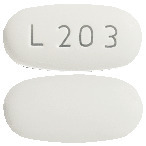
40 mg tablet.
White to off-white colour, oval shape, biconvex, uncoated tablets debossed with L203 on one side and plain on other side.
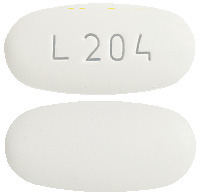
80 mg tablet.
White to off-white colour, oval shape, biconvex, uncoated tablets debossed with L204 on one side and plain on other side.4.1 Therapeutic Indications
Telmisartan is indicated for:
Treatment of hypertension in adults;
Prevention of cardiovascular morbidity and mortality in adults 55 years or older with coronary artery disease, peripheral artery disease, previous stroke, transient ischaemic attack or high risk diabetes with evidence of end organ damage (see Section 5.1 Pharmacodynamic Properties, Clinical trials).
4.2 Dose and Method of Administration
Telmisartan is available as tablets for oral administration.
Telmisartan may be administered with or without food.
Dosage.
Treatment of hypertension. Adults.
The recommended dose is 40 mg once daily. In cases where the target blood pressure is not achieved, telmisartan dose can be increased to 80 mg once daily. When considering raising the dose, it must be borne in mind that, while reduction in blood pressure is achieved after the first dose, the maximum antihypertensive effect is generally attained four to eight weeks after the start of treatment. Telmisartan may be used in combination with thiazide-type diuretics such as hydrochlorothiazide or calcium-channel blockers such as amlodipine, which have been shown to have an additive blood pressure lowering effect with telmisartan.
Prevention of cardiovascular morbidity and mortality. The recommended dose is 80 mg once daily. It is not known whether doses lower than 80 mg of telmisartan are effective in preventing cardiovascular morbidity and mortality.
When initiating telmisartan therapy for the prevention of cardiovascular morbidity and mortality, monitoring of blood pressure is recommended, and if appropriate, adjustment of medications that lower blood pressure may be necessary.
Special populations.
Elderly.
No dose adjustment is necessary.
Renal impairment.
No dose adjustment is required for patients with renal impairment, including those on haemodialysis. Telmisartan is not removed from blood by haemofiltration and is not dialysable.
Hepatic impairment.
In patients with mild to moderate hepatic impairment, this medicine should be administered with caution. For telmisartan, the dosage should not exceed 40 mg once daily (see Section 4.4 Special Warnings and Precautions for Use).4.3 Contraindications
Hypersensitivity to any of the components of the product.
Pregnancy.
Lactation.
Biliary obstructive disorders.
Severe hepatic impairment.
The concomitant use of telmisartan with aliskiren is contraindicated in patients with diabetes mellitus or renal impairment (GFR < 60 mL/min/1.73 m2).
In case of rare hereditary conditions that may be incompatible with an excipient of the product, the use of the product is contraindicated (see Section 4.4 Special Warnings and Precautions for Use).
4.4 Special Warnings and Precautions for Use
Renal artery stenosis and kidney transplant.
There are no data available on the use of telmisartan in patients who have had a kidney transplant.
There is an increased risk of severe hypotension and renal insufficiency when patients with bilateral renal artery stenosis or stenosis of the artery to a single functioning kidney are treated with medicinal products that affect the renin-angiotensin-aldosterone system.
Increases in serum creatinine have been observed in studies with ACE inhibitors in patients with single or bilateral renal artery stenosis. An effect similar to that observed with ACE inhibitors should be anticipated with telmisartan.
Dual blockade of the renin-angiotensin-aldosterone system.
As a consequence of inhibiting the renin-angiotensin-aldosterone system, changes in renal function (including acute renal failure) have been reported in susceptible individuals, especially if combining medicinal products that affect this system. Dual blockade of the renin-angiotensin-aldosterone system (e.g. by adding an ACE-inhibitor or the direct renin-inhibitor aliskiren to an angiotensin II receptor antagonist) is not recommended and should therefore be limited to individually defined cases with close monitoring of renal function (see Section 4.3 Contraindications).
In the ONTARGET trial, patients receiving the combination of telmisartan and ramipril did not obtain any additional benefit compared to monotherapy, but experienced an increased incidence of hyperkalaemia, renal failure, hypotension and syncope compared with groups receiving telmisartan alone or ramipril alone ( also see Section 5.1 Pharmacodynamic Properties, Clinical trials). Concomitant use of telmisartan and ramipril is therefore not recommended in patients with already controlled blood pressure.
Combination use of ACE inhibitors or angiotensin receptor antagonists, anti-inflammatory drugs and thiazide diuretics.
The use of an ACE-inhibitor or angiotensin receptor antagonist, an anti-inflammatory drug (NSAID or COX-2 inhibitor) and a thiazide diuretic at the same time increases the risk of renal impairment. This includes use in fixed-combination products containing more than one class of drug. Combined use of these medications should be accompanied by increased monitoring of serum creatinine, particularly at the institution of the combination. The combination of drugs from these three classes should be used with caution particularly in elderly patients or those with pre-existing renal impairment.
Primary aldosteronism.
Patients with primary aldosteronism generally will not respond to antihypertensive medicinal products acting through inhibition of the renin-angiotensin system. Therefore, the use of telmisartan is not recommended.
Diabetes mellitus.
Exploratory post hoc analyses of two placebo-controlled telmisartan trials suggested an increased risk of fatal myocardial infarction and unexpected cardiovascular death (death occurring within 24 hours of the onset of symptoms without confirmation of cardiovascular cause, and without clinical or post mortem evidence of other etiology) in patients with diabetes mellitus who have no documented medical history of either coronary heart disease or myocardial infarction. In patients with diabetes mellitus, coronary heart disease may be asymptomatic and can therefore remain undiagnosed. Treatment with the blood pressure lowering agent telmisartan may further reduce coronary perfusion in these patients. For this reason, patients with diabetes mellitus should undergo specific diagnostics and be treated accordingly before initiating therapy with telmisartan.
Aortic and mitral valve stenosis, and obstructive hypertrophic cardiomyopathy.
As with other vasodilators, special caution is indicated in patients suffering from aortic or mitral valve stenosis, or obstructive hypertrophic cardiomyopathy.
Hyperkalaemia.
During treatment with medicinal products that affect the renin-angiotensin-aldosterone system, hyperkalaemia may occur, especially in the presence of renal impairment and/or heart failure. Monitoring of serum potassium levels in patients at risk is recommended.
Based on experience with the use of medicinal products that affect the renin-angiotensin system, concomitant use with potassium-sparing diuretics, potassium supplements, salt substitutes containing potassium, or other medicinal products that may increase the potassium level (e.g. heparin, etc.) may lead to an increase in serum potassium and should, therefore, be co-administered cautiously with telmisartan.
Mannitol.
40 mg tablet contains approximately 170.54 mg of mannitol per maximum recommended daily dose and 80 mg tablet contains approximately 341.08 mg of mannitol per maximum recommended daily dose. Patients with rare hereditary condition of fructose intolerance should not take this product.
Sodium and/or volume-depleted patients.
Symptomatic hypotension, especially after the first dose, may occur in patients who are volume and/or sodium depleted by e.g. vigorous diuretic therapy, dietary salt restriction, diarrhoea or vomiting. Such conditions, especially volume and/or sodium depletion, should be corrected before the administration of telmisartan.
Use in cardiac failure.
Telmisartan may be used in patients with congestive heart failure. However patients should be carefully observed for hypotension when initiating therapy.
Ethnic differences.
As observed for angiotensin converting enzyme inhibitors, angiotensin receptor antagonists including telmisartan are apparently less effective in lowering blood pressure in black people than in non-blacks, possibly because of higher prevalence of low-renin states in the black hypertensive population.
Ischaemic heart disease.
As with any antihypertensive agent, excessive reduction of blood pressure in patients with ischaemic cardiopathy or ischaemic cardiovascular disease could result in a myocardial infarction or stroke.
Use in hepatic impairment.
The majority of telmisartan is eliminated in the bile. Patients with biliary obstructive disorders or severe hepatic insufficiency can be expected to have reduced clearance. Telmisartan is therefore, contraindicated for use in these patients.
Telmisartan should only be used with caution in patients with mild to moderate hepatic impairment (see Section 4.2 Dose and Method of Administration).
Use in renal impairment.
When telmisartan is used in patients with impaired renal function, periodic monitoring of potassium and creatinine serum levels is recommended.
Telmisartan is not removed from blood by haemofiltration and is not dialysable.
As a consequence of inhibiting the renin-angiotensin-aldosterone system, changes in renal function may be anticipated in susceptible individuals. In patients whose vascular tone and renal function depend predominantly on the activity of the renin-angiotensin-aldosterone system (e.g. patients with severe congestive heart failure or underlying renal disease, including renal artery stenosis), treatment with angiotensin converting enzyme inhibitors and angiotensin II receptor antagonists has been associated with acute hypotension, oliguria and/or progressive uraemia and rarely with acute renal failure and/or death.
Use in the elderly.
See Section 5.2 Pharmacokinetic Properties, Special populations, Elderly patients.
Paediatric use.
The safety and efficacy of telmisartan for use in patients aged below 18 years have not been established.
Effects on laboratory tests.
See Section 4.8 Adverse Effects (Undesirable Effects), Laboratory findings.4.5 Interactions with Other Medicines and Other Forms of Interactions
Telmisartan may increase the hypotensive effect of other antihypertensive agents.
Co-administration of telmisartan did not result in a clinically significant interaction with digoxin, warfarin, hydrochlorothiazide, glibenclamide, ibuprofen, paracetamol, simvastatin and amlodipine.
When telmisartan was co-administered with digoxin, an increase in digoxin AUC (22%), Cmax (50%), and Cmin (13%) values was observed. It is recommended that digoxin levels be monitored when initiating, adjusting, and discontinuing telmisartan to avoid possible over or under digitalisation.
In one study, the co-administration of telmisartan 80 mg once daily and ramipril 10 mg once daily to healthy subjects increases steady-state Cmax and AUC of ramipril 2.3 and 2.1 fold, respectively, and Cmax and AUC of ramiprilat 2.4 and 1.5-fold, respectively. In contrast, Cmax and AUC of telmisartan decrease by 31% and 16% respectively. The clinical relevance of this observation is not fully known. When co-administering telmisartan and ramipril, the response may be greater because of the possibly additive pharmacodynamics effects of the combined drugs and also because of the increased exposure to ramipril and ramiprilat in the presence of telmisartan. Combining telmisartan with ramipril in the ONTARGET trial resulted in a significantly higher incidence of hyperkalaemia, renal failure, hypotension and syncope compared to telmisartan alone or ramipril alone (also see Section 5.1 Pharmacodynamic Properties, Clinical trials). Concomitant use of telmisartan and ramipril is therefore not recommended in patients with already controlled blood pressure and should be limited to individually defined cases with close monitoring of renal function (also see Section 4.4 Special Warnings and Precautions for Use).
As with other medicinal products acting on the renin-angiotensin-aldosterone system, telmisartan may provoke hyperkalaemia (see Section 4.4 Special Warnings and Precautions for Use). The risk may increase in case of treatment combination with other medicinal products that may also provoke hyperkalaemia (salt substitutes containing potassium, potassium-sparing diuretics, ACE inhibitors, angiotensin II receptor antagonists, non-steroidal anti-inflammatory medicinal products (NSAIDs, including selective COX-2 inhibitors, heparin, immunosuppressives (ciclosporin or tacrolimus), and trimethoprim.
The occurrence of hyperkalaemia depends on associated risk factors. The risk is increased in case of the above mentioned treatment combinations. The risk is particularly high in combination with potassium sparing-diuretics, and when combined with salt substitutes containing potassium. A combination with ACE inhibitors or NSAIDs, for example, presents a lesser risk provided that precautions for use are strictly followed.
Concomitant use not recommended.
Potassium sparing diuretics or potassium supplements.
Angiotensin II receptor antagonists such as telmisartan, attenuate diuretic induced potassium loss. Potassium sparing diuretics e.g. spironolactone, eplerenone, triamterene, or amiloride, potassium supplements, or potassium-containing salt substitutes may lead to a significant increase in serum potassium. If concomitant use is indicated because of documented hypokalaemia they should be used with caution and with frequent monitoring of serum potassium.
Lithium.
Reversible increases in serum lithium concentrations and toxicity have been reported during concomitant administration of lithium with angiotensin converting enzyme inhibitors and with angiotensin II receptor antagonists including telmisartan. If use of the combination proves necessary, careful monitoring of serum lithium levels is recommended.
Concomitant use requiring caution.
Non-steroidal anti-inflammatory medicinal products.
NSAIDs (i.e. acetylsalicylic acid (aspirin) at anti-inflammatory dosage regimens, COX-2 inhibitors and non-selective NSAIDs) may reduce the antihypertensive effect of angiotensin II receptor antagonists. In some patients with compromised renal function (e.g. dehydrated patients or elderly patients with compromised renal function), the co-administration of angiotensin II receptor antagonists and agents that inhibit cyclo-oxygenase may result in further deterioration of renal function, including possible acute renal failure, which is usually reversible. Therefore, the combination should be administered with caution, especially in the elderly. Patients should be adequately hydrated and consideration should be given to monitoring of renal function after initiation of concomitant therapy and periodically thereafter.
Diuretics (thiazide or loop diuretics).
Prior treatment with high dose diuretics such as furosemide (frusemide) (loop diuretic) and hydrochlorothiazide (thiazide diuretic) may result in volume depletion and in a risk of hypotension when initiating therapy with telmisartan.
To be taken into account with concomitant use.
Other antihypertensive agents.
The blood pressure lowering effect of telmisartan can be increased by concomitant use of other antihypertensive medicinal products.
Clinical trial data has shown that dual blockade of the renin-angiotensin-aldosterone-system (RAAS) through the combined use of ACE-inhibitors, angiotensin II receptor blockers or aliskiren is associated with a higher frequency of adverse events such as hypotension, hyperkalaemia and decreased renal function (including acute renal failure) compared to the use of a single RAAS-acting agent (see Section 4.3 Contraindications; Section 4.4 Special Warnings and Precautions for Use; Section 5.1 Pharmacodynamic Properties).
Based on their pharmacological properties it can be expected that the following medicinal products may potentiate the hypotensive effects of all antihypertensives including telmisartan: baclofen, amifostine. Furthermore, orthostatic hypotension may be aggravated by alcohol, barbiturates, narcotics or antidepressants.
Corticosteroids (systemic route).
Reduction of the antihypertensive effect.
Telmisartan is not metabolised by the cytochrome P450 system and had no effects in vitro on cytochrome P450 enzymes, except for some inhibition of CYP2C19. Telmisartan is not expected to interact with drugs that inhibit, or are metabolised by, cytochrome P450 enzymes.4.6 Fertility, Pregnancy and Lactation
Effects on fertility.
No studies on fertility in humans have been performed. Fertility of male and female rats was unaffected at oral telmisartan doses up to 100 mg/kg/day.
(Category D)
Angiotensin II receptor antagonists should not be initiated during pregnancy. The use of angiotensin II receptor antagonists is not recommended during the first trimester of pregnancy. When pregnancy is diagnosed, treatment with angiotensin II receptor antagonists should be stopped immediately, and, if appropriate, alternative therapy should be started.
Unless continued angiotensin II receptor antagonist therapy is considered essential, patients planning pregnancy should be changed to alternative anti-hypertensive treatments which have an established safety profile for use in pregnancy.
Preclinical studies with telmisartan do not indicate teratogenic effect, but have shown fetotoxicity.
The use of angiotensin II receptor antagonists is contraindicated during the second and third trimester of pregnancy.
Although there is no clinical experience with telmisartan in pregnant women, in utero exposure to drugs that act directly on the renin-angiotensin system can cause fetal and neonatal morbidity and even death. Several dozen cases have been reported in the world literature in patients who were taking angiotensin converting enzyme inhibitors. Therefore, when pregnancy is detected, telmisartan should be discontinued as soon as possible.
Angiotensin II receptor antagonists exposure during the second and third trimesters is known to induce human fetotoxicity (decreased renal function, oligohydramnios, skull ossification retardation) and neonatal toxicity (renal failure, hypotension, hyperkalaemia). Oligohydramnios reported in this setting, presumably resulting from decreased fetal renal function, has been associated with fetal limb contractures, craniofacial deformation, and hypoplastic lung development. Prematurity, intrauterine growth retardation, and patent ductus arteriosus have also been reported, although it is not clear whether these occurrences were due to exposure to the drug.
These adverse effects do not appear to occur when drug exposure has been limited to the first trimester. Mothers whose embryos and fetuses are exposed to an angiotensin II receptor antagonist only during the first trimester should be so informed. Women of child-bearing age should be warned of the potential hazards to their fetus should they become pregnant.
Should exposure to angiotensin II receptor antagonists have occurred from the second trimester of pregnancy, ultrasound check of renal function and skull is recommended. Infants whose mothers have taken angiotensin II receptor antagonists should be closely observed for hypotension, oliguria and hyperkalaemia.
Telmisartan has been shown to cross the placenta in rats. There were no teratogenic effects when telmisartan was administered orally to rats and rabbits during the period of organogenesis at doses up to 50 and 45 mg/kg/day, respectively. However, fetal resorptions were observed at the highest dose level in rabbits. Administration of 50 mg/kg/day telmisartan to rats during pregnancy and lactation caused a decrease in birth weight and suppression of postnatal growth and development of the offspring.
The no-effect dose level in rabbits was 15 mg/kg/day, and corresponded to a plasma AUC value that was about 9 times higher than that anticipated in women at the highest recommended dose. Plasma drug levels were not measured at the high dose level in rats, but data from other studies suggest that they would have been similar to those in women at the maximum recommended dose.
Telmisartan is contraindicated during lactation since it is not known whether it is excreted in human milk. Animal studies have shown excretion of telmisartan in breast milk. No clinical trials have been carried out in lactating women. Therefore, lactating women should either not be prescribed telmisartan or should discontinue breastfeeding, if telmisartan is administered.
Telmisartan is excreted in the milk of lactating rats. When administered orally to lactating rats at 50 mg/kg/day, telmisartan suppressed postnatal growth and development of the offspring.4.7 Effects on Ability to Drive and Use Machines
There are no data to suggest that telmisartan affects the ability to drive and use machines. However, when driving or operating machinery it should be taken into account that with antihypertensive therapy, occasionally dizziness, syncope, vertigo or drowsiness may occur.
4.8 Adverse Effects (Undesirable Effects)
Adverse reactions have usually been mild and transient in nature and have only infrequently required discontinuation of therapy. The incidence of adverse reactions was not dose related and showed no correlation with gender, age or race of the patients.
Treatment of hypertension.
The overall incidence of adverse reactions reported with telmisartan was comparable to placebo in placebo-controlled trials involving 1041 patients treated with various doses of telmisartan (20-160 mg) for up to 12 weeks. Therefore, the following information refers to adverse events irrespective of their causal relationship.
Adverse events with an incidence of 1% or more in telmisartan-treated patients and greater than placebo are shown in Table 1. The frequency of these adverse events was not significantly different between the telmisartan-treated and placebo patients.
 In addition, the following adverse events occurred in more than 1% of the 3455 patients treated in all trials with telmisartan although causal association of these events with telmisartan could not be established: bronchitis, insomnia, arthralgia, anxiety, depression, palpitation, muscle spasms (cramps in legs) and rash.
In addition to those listed above, adverse events that occurred in less than 1% but more than 0.3% of 3500 patients treated with telmisartan monotherapy in controlled or open trials are listed below. It cannot be determined whether these events were causally related to telmisartan tablets.
Infections and infestations.
Upper respiratory tract infections (including rhinitis), bronchitis, urinary tract infections, cystitis, infection, fungal infection, abscess, otitis media.
Immune system disorders.
Allergy.
Metabolism and nutrition disorders.
Gout, hypercholesterolaemia, diabetes mellitus.
Psychiatric disorders.
Anxiety, insomnia, depression, nervousness.
Nervous system disorders.
Somnolence, migraine, paraesthesia, hypoaesthesia.
Eye disorders.
Visual disturbance, conjunctivitis.
Ear and labyrinth disorders.
Vertigo, tinnitus, earache.
Cardiac disorders.
Tachycardia, palpitation, angina pectoris.
Vascular disorders.
Flushing, cerebrovascular disorder.
Respiratory disorders.
Dyspnoea, asthma, epistaxis.
Gastrointestinal disorders.
Dry mouth, flatulence, abdominal discomfort, vomiting, constipation, gastritis, haemorrhoids, gastroenteritis, enteritis, gastroesophageal reflux, toothache.
Skin and subcutaneous tissue disorders.
Eczema, pruritus, hyperhidrosis, rash, dermatitis.
Musculoskeletal, connective tissue and bone disorders.
Arthralgia, involuntary muscle contractions or muscle spasms (cramps in legs) or pain in extremity (leg pain), arthritis.
Renal and urinary tract disorders.
Micturition frequency.
Reproductive system and breast disorders.
Impotence.
General disorders and administration site conditions.
Malaise, fever, leg oedema, dependent oedema.
Investigations.
Abnormal ECG.
Laboratory findings.
No significant differences in changes in laboratory test parameters were observed in clinical studies with telmisartan.
Haemoglobin decreased.
A greater than 2 g/dL decrease in haemoglobin was observed in 0.8% telmisartan patients compared with 0.3% placebo patients. No patients discontinued therapy due to anaemia.
Blood creatinine increased.
A 0.5 mg/dL rise or greater in creatinine was observed in 0.4% telmisartan patients compared with 0.3% placebo patients. One telmisartan-treated patient discontinued therapy due to increases in creatinine and blood urea nitrogen.
Hepatic enzyme increased.
Occasional elevations of liver chemistries occurred in patients treated with telmisartan; all marked elevations occurred at a higher frequency with placebo. No telmisartan-treated patients discontinued therapy due to abnormal hepatic function.
Prevention of cardiovascular morbidity and mortality.
Because common adverse reactions were well characterised in studies of telmisartan in hypertension, only adverse events leading to discontinuation and serious adverse events were recorded in subsequent studies of telmisartan in the prevention of cardiovascular morbidity and mortality.
The safety profile of telmisartan in patients treated for the prevention of cardiovascular morbidity and mortality was consistent with that obtained in hypertensive patients.
In ONTARGET (N = 25,620, 4.5 years mean duration of follow up), discontinuations due to adverse events were 8.7% on telmisartan, 11.0% on ramipril and 12.4% on combination of telmisartan and ramipril.
In TRANSCEND (N = 5926, 4 years and 8 months of follow up), discontinuations due to adverse events were 8.4% on telmisartan and 7.6% on placebo.
In PRoFESS (N = 20,332, 2.5 years follow up), discontinuations due to adverse events were 14.5% on telmisartan and 11.2% on placebo. Because of the factorial design of the PRoFESS trial, the discontinuation rates observed in the telmisartan and placebo groups could also be due in part to the concomitant administration of either antiplatelet study medication (clopidogrel or aspirin + dipyridamole).
Adverse events in TRANSCEND occurring at least 1% more common in telmisartan-treated patients than in placebo-treated patients are shown in Table 2. Additionally for these events the incidences from ONTARGET are also presented. The data is derived from all serious adverse events reported during the study.
 Combining telmisartan with ramipril in the ONTARGET study resulted in a higher incidence of hyperkalemia, renal failure, hypotension and syncope compared to telmisartan or ramipril alone.
In clinical studies with patients at high risk of developing major cardiovascular events, cases of sepsis, including some with fatal outcomes, have been reported. In the PRoFESS trial, an increased incidence of sepsis was noted for telmisartan compared with placebo, 0.70% versus 0.49%; the incidence of fatal sepsis cases was increased for patients taking telmisartan (0.33%) versus patients taking placebo (0.16%). The observed increased occurrence rate of sepsis associated with the use of telmisartan may be either a chance finding or related to a mechanism not currently known.
Post-marketing experience.
In addition, the following have also been reported since the introduction of telmisartan in the market (see Table 3):

Reporting suspected adverse effects.
Reporting suspected adverse reactions after registration of the medicinal product is important. It allows continued monitoring of the benefit-risk balance of the medicinal product. Healthcare professionals are asked to report any suspected adverse reactions at www.tga.gov.au/reporting-problems.4.9 Overdose
Symptoms.
Limited information is available with regard to overdose in humans. The most prominent manifestations of telmisartan overdose were hypotension and tachycardia; bradycardia also occurred.
Treatment.
If symptomatic hypotension should occur, supportive treatment should be instituted. Telmisartan is not removed by haemofiltration or haemodialysis.
For information on the management of overdose, contact the Poisons Information Centre on 131126 (Australia).5 Pharmacological Properties
5.1 Pharmacodynamic Properties
Mechanism of action.
Telmisartan displaces angiotensin II with very high affinity from its binding site at the AT1 receptor subtype, which is responsible for the known actions of angiotensin II. Telmisartan does not exhibit any partial agonist activity at the AT1 receptor. Telmisartan binds selectively with the AT1 receptor and does not reveal relevant affinity for other receptors nor does it inhibit human plasma renin or block ion channels. The clinically relevant effect of AT1 receptor blockade is to lower blood pressure by inhibition of angiotensin II mediated vasoconstriction leading to reduction of systemic vascular resistance. During administration with telmisartan, removal of angiotensin II negative feedback on renin secretion results in increased plasma renin activity, which in turn leads to increases in angiotensin II in plasma. Despite these increases, antihypertensive activity and suppressed aldosterone levels indicate effective angiotensin II receptor blockade. Telmisartan does not inhibit angiotensin converting enzyme (kininase II), the enzyme which also degrades bradykinin. Therefore it is not expected to potentiate bradykinin-mediated adverse effects or cause oedema.
In humans, an 80 mg dose of telmisartan almost completely inhibits the angiotensin II evoked increase in blood pressure. The inhibitory effect is maintained over 24 hours and still measurable up to 48 hours.
After administration of the first dose of telmisartan, onset of antihypertensive activity occurs gradually within 3 hours. The maximal reduction in blood pressure is generally attained 4-8 weeks after the start of treatment.
With ambulatory blood pressure monitoring and conventional blood pressure measurements, the 24 hour trough to peak ratio for 40-80 mg doses of telmisartan was > 70% for both systolic and diastolic blood pressure.
In patients with hypertension, telmisartan reduces both systolic and diastolic blood pressure without affecting pulse rate. The antihypertensive efficacy of telmisartan is independent of gender or age, and has been compared to antihypertensive drugs including amlodipine, atenolol, enalapril, ramipril, hydrochlorothiazide, lisinopril and valsartan. Telmisartan (40-120 mg once daily) is at least as effective as amlodipine (5-10 mg) and atenolol (50-100 mg once daily). Telmisartan (20-80 mg once daily) is equivalent to enalapril (5-20 mg once daily), and telmisartan (40-160 mg once daily) is comparable to lisinopril (10-40 mg once daily) (also see Section 5.1 Pharmacodynamic Properties, Clinical trials).
After the first dose of telmisartan, the incidence of symptomatic orthostatic hypotension with symptoms severe enough to be reported as an adverse event in 3445 patients was 0.4% (14/3445).
Upon abrupt cessation of treatment, blood pressure gradually returns to pre-treatment values over a period of several days without evidence of rebound hypertension.
Clinical trials.
Treatment of hypertension. The antihypertensive effects of telmisartan were examined in three pivotal short-term (8-12 weeks) placebo-controlled clinical trials, studying a range of 40-160 mg daily. The studies involved a total of 908 patients with hypertension (diastolic blood pressure of 95-114 mmHg), 483 of whom were randomised to receive telmisartan. One of the studies was a 12 week, fixed-dose study comparing telmisartan (40-160 mg), enalapril 20 mg, and placebo. The other two were dose titration studies; one comparing telmisartan (40 to 80 mg and 80 to 120 mg), atenolol (50 to 100 mg), and placebo over an 8 week period, the other comparing telmisartan (40 to 80 to 120 mg), amlodipine (5 to 10 mg), and placebo over a 12 week period. Once daily doses of 40-160 mg provided statistically and clinically significant decreases in both systolic and diastolic blood pressure.
Last trough readings of mean decreases in placebo-subtracted systolic/diastolic blood pressure in the fixed-dose study were 12.4 ± 2.2/7.5 ± 1.3 mmHg (40 mg dose) and 12.6 ± 2.2/7.9 ± 1.3 mmHg (80 mg dose). Dose titration regimens attained mean decreases in placebo-subtracted systolic/diastolic blood pressure of 9.2 ± 3.0/5.7 ± 1.5 mmHg (40 to 80 mg titrated regimen), 13.1 ± 3.1/6.4 ± 1.5 mmHg (80 to 120 mg titrated regimen), and 13.2 ± 2.3/7.1 ± 1.4 mmHg (40 to 80 to 120 mg optional titration regimen).
In long term open-label dose-titration studies of telmisartan (with optional hydrochlorothiazide add-on and addition of calcium channel blocker or beta-blocker), 1425 patients were analysed after 46-58 weeks treatment for hypertension. Mean reductions from baseline in last trough systolic/diastolic blood pressure ranged from 17.9 to 25.8/14.1 to 16.1 mmHg.
By combining all clinical trials involving angiotensin converting enzyme inhibitors, the incidence of cough was significantly less in patients treated with telmisartan than in those treated with angiotensin converting enzyme (ACE) inhibitors. Additionally, the incidence of cough occurring with telmisartan in six placebo-controlled trials was identical to that noted for placebo-treated patients (1.6%).
In a study in 378 patients with stable congestive heart failure (NYHA class II to III), telmisartan (10 to 80 mg) replaced former enalapril treatment. No difference was observed between telmisartan and enalapril with respect to ejection fraction, functional capacity, signs of heart failure or body weight.
Another study of 533 patients found no significant differences after treatment between both the telmisartan and atenolol treatment groups in a subgroup of hypertensive patients (78 of 533 patients) with respect to left atrium and ventricular or aortic diameters, or in left ventricular wall thickness or muscle mass, when compared to baseline results. In a small substudy involving 33 patients (21 on telmisartan, 11 on atenolol) with left ventricular hypertrophy (defined as LVM index ≥ 125 g/m2 at baseline), telmisartan and atenolol reduced left ventricular mass index to a similar degree (14-19 g/m2) after 4 months of treatment.
In a study in 30 patients receiving telmisartan with or without hydrochlorothiazide, no significant effects were found on renal plasma flow, glomerular filtration rate or creatinine clearance after 8 weeks treatment, when both systolic and diastolic blood pressure were lowered significantly. In another study in 71 patients with moderate renal failure (creatinine clearance 30-80 mL/min), blood pressure was lowered significantly without changes in creatinine clearance or other renal function parameters. In both trials urinary albumin and protein secretion was reduced, while no changes in sodium or potassium elimination were detected. Plasma electrolytes remained unaffected. Treatment with telmisartan showed no uricosuric effect.
No effect on plasma glucose, C-peptide or insulin levels was found after telmisartan administration. There is no evidence that telmisartan adversely affects patients who have stabilised diabetes.
Prevention of cardiovascular morbidity and mortality. The ONTARGET study evaluated prevention of cardiovascular morbidity and mortality in patients with known high risk for its occurrence either due to prior documented disease or the presence of risk factors, such as diabetes with documented end organ damage. The TRANSCEND and PRoFESS studies included different populations, ACE-I intolerant patients and those with a recent stroke (< 120 days), respectively; and evaluated prevention of cardiovascular morbidity and mortality and secondary stroke prevention, respectively as the primary endpoint.
ONTARGET (pivotal study).
ONTARGET (ONgoing Telmisartan Alone and in Combination with Ramipril Global Endpoint Trial) compared the effects of telmisartan, ramipril and the combination of telmisartan and ramipril on cardiovascular outcomes in 25,620 patients aged 55 years or older with a history of coronary artery disease, stroke, transient ischaemic attack, peripheral vascular disease, or diabetes mellitus accompanied by evidence of end-organ damage (e.g. retinopathy, left ventricular hypertrophy, macro or microalbuminuria), which represents a broad cross-section of patients at high risk of cardiovascular events.
The co-primary objectives of the ONTARGET trial were to determine if (a) the combination of telmisartan 80 mg and ramipril 10 mg is superior to ramipril 10 mg alone and if (b) telmisartan 80 mg is not inferior to ramipril 10 mg alone in reducing the primary composite endpoint of cardiovascular death, non-fatal myocardial infarction, non-fatal stroke, or hospitalisation for congestive heart failure. Hypothesis tests were performed using hazard ratios and time-to-event analyses (Kaplan-Meier).
The principal patient exclusion criteria included: symptomatic heart failure or other specific cardiac diseases, syncopal episodes of unknown aetiology or planned cardiac surgery within 3 months of the start of study, uncontrolled hypertension or haemorrhagic stroke.
Patients were randomised to one of the three following treatment groups: telmisartan 80 mg (n = 8542), ramipril 10 mg (n = 8576), or the combination of telmisartan 80 mg plus ramipril 10 mg (n = 8502), and followed for a mean observation time of 4.5 years. The population studied was 73% male, 74% Caucasian, 14% Asian and 43% were 65 years of age or older. Hypertension was present in nearly 83% of randomised patients: 69% of patients had a history of hypertension at randomisation and an additional 14% had actual blood pressure readings ≥ 140/90 mmHg. At baseline, the total percentage of patients with a medical history of diabetes was 38% and an additional 3% presented with elevated fasting plasma glucose levels. Baseline therapy included acetylsalicylic acid (76%), statins (62%), beta-blockers (57%), calcium channel blockers (34%), nitrates (29%) and diuretics (28%).
Adherence to treatment was better for telmisartan than for ramipril or the combination of telmisartan and ramipril, although the study population had been pre-screened for tolerance to treatment with an ACE-inhibitor. During the study, significantly less telmisartan patients (22.0%) discontinued treatment, compared to ramipril patients (24.4%) and telmisartan/ramipril patients (25.3%). The analysis of adverse events leading to permanent treatment discontinuation and of serious adverse events showed that cough and angioedema were less frequently reported in patients treated with telmisartan than in patients treated with ramipril, whereas hypotension was more frequently reported with telmisartan.
Comparison of telmisartan versus ramipril: the choice of the non-inferiority margin of 1.13 was solely based on the results of the HOPE (Heart Outcomes Prevention Evaluation) study. Telmisartan showed a similar effect to ramipril in reducing the primary composite endpoint of cardiovascular death, non-fatal myocardial infarction, non-fatal stroke, or hospitalisation for congestive heart failure. The incidence of the primary endpoint was similar in the telmisartan (16.7%) and ramipril (16.5%) groups. In the intention-to-treat (ITT) analysis, the hazard ratio for telmisartan versus ramipril was 1.01 (97.5% CI 0.93-1.10, p(non-inferiority) = 0.0019). The non-inferiority result was confirmed in the per-protocol (PP) analysis, where the hazard ratio was 1.02 (97.5% CI 0.93-1.12, p(non-inferiority) = 0.0078). Since the upper limit of the 97.5% CI was below the pre-defined non-inferiority margin of 1.13 and the p-Value for non-inferiority was below 0.0125 in both the ITT and PP analyses, the trial succeeded in demonstrating the non-inferiority of telmisartan versus ramipril in the prevention of the composite primary endpoint. The non-inferiority conclusion was found to persist following corrections for differences in systolic blood pressure at baseline and over time. There was no difference in the primary endpoint in subgroups based on age, gender, race, baseline concomitant therapies or underlying diseases.
Telmisartan was also found to be similarly effective to ramipril in several pre-specified secondary endpoints, including a composite of cardiovascular death, non-fatal myocardial infarction, and non-fatal stroke, the primary endpoint in the reference study HOPE, which had investigated the effect of ramipril versus placebo. The ITT hazard ratio of telmisartan versus ramipril for this endpoint in ONTARGET was 0.99 (97.5% CI 0.90-1.08, p(non-inferiority) = 0.0004), and confirmed by the PP hazard ratio of 1.00 (97.5% CI 0.91-1.11, p(non-inferiority) = 0.0041.
Comparison of telmisartan plus ramipril combination versus ramipril monotherapy alone: combining telmisartan with ramipril did not add further benefit over ramipril or telmisartan alone, thus superiority of the combination could not be demonstrated. The incidence of the primary endpoint was 16.3% in the telmisartan plus ramipril combination group, compared to the telmisartan (16.7%) and ramipril (16.5%) groups. In addition, there was a significantly higher incidence of hyperkalaemia, renal failure, hypotension and syncope in the combination group. Therefore the use of a combination of telmisartan and ramipril is not recommended in this population.
TRANSCEND.
TRANSCEND (Telmisartan Randomised AssessmeNt Study in aCE iNtolerant subjects with cardiovascular Disease) randomised a total of 5926 ACE-I intolerant patients with otherwise similar inclusion criteria as ONTARGET to telmisartan 80 mg (n = 2954) or placebo (n = 2972), both given on top of standard care. The exclusion criteria of TRANSCEND were similar to those of ONTARGET, with the additional exclusion of patients with proteinuria.
The primary objective of the TRANSCEND trial was to determine if telmisartan 80 mg is superior to placebo given on top of standard care in reducing the composite endpoint of cardiovascular death, myocardial infarction, stroke and hospitalisation for congestive heart failure in patients who are intolerant to ACE-inhibitors. Hypothesis test was performed using hazard ratios and time-to-event analyses (Kaplan-Meier).
The mean duration of follow-up was 4 years and 8 months. The population studied was 57% male, 62% Caucasian, 21% Asian, and 60% were 65 years of age or older. Baseline therapy included acetylsalicylic acid (75%), lipid lowering agents (58%), beta-blockers (58%), calcium channel blockers (41%), nitrates (34%) and diuretics (33%). Mean baseline blood pressure at baseline was 140/82 mmHg. During the study, 17.7% of telmisartan patients discontinued treatment, compared to 19.4% of placebo patients.
No statistically significant difference in the incidence of the primary composite endpoint (cardiovascular death, non-fatal myocardial infarction, non-fatal stroke, or hospitalisation for congestive heart failure) was found [15.7% in the telmisartan and 17.0% in the placebo groups; the event rates per 100 patient years were 3.58 and 3.87, respectively, with a hazard ratio of 0.92 (95% CI 0.81-1.05, p = 0.22)]. Thus the trial was not able to demonstrate superiority of telmisartan over placebo given on top of standard care. Analysis of the secondary and other endpoints are therefore considered exploratory in nature. For the pre-specified secondary composite endpoint of cardiovascular death, non-fatal myocardial infarction, and non-fatal stroke (the primary endpoint in HOPE), a lower incidence was found in the telmisartan group (13.0%) compared to the placebo group (14.8%); the event rates per 100 patient years were 2.90 and 3.33, respectively.
The observed yearly event rates observed in TRANSCEND were lower than expected, most likely due to improved medical care, including more frequent use of cardioprotective medications (e.g. statins and beta blockers). This caused the study to be underpowered to detect between group differences. Additionally, in more patients in the placebo group, cardioprotective medications (e.g. blood pressure-lowering drugs such as beta blockers and diuretics) were added during the course of the trial than in the telmisartan group, which could have further confounded the detection of a treatment difference.
PRoFESS.
The PRoFESS (PRevention Regimen For Effectively avoiding Second Strokes) study was a randomised, parallel group, international, double-blind, double-dummy, active and placebo controlled, 2 x 2 factorial study to compare aspirin plus extended-release dipyridamole with clopidogrel, and simultaneously telmisartan with placebo in the prevention of stroke in patients who had previously experienced an ischaemic stroke, mainly of non-cardioembolic origin. The study specifically enrolled only patients soon after their stroke (< 120 days) and there were no blood pressure related inclusion criteria.
Of the 20,332 patients randomised, 10,146 received telmisartan 80 mg and 10,186 received placebo, both given on a background of standard treatment. The mean blood pressure at baseline was 144.1/83.8 mmHg.
The primary efficacy outcome measure was the time to first recurrent stroke of any type. For the telmisartan versus placebo comparison, hypothesis test of the primary efficacy outcome measure was performed as a test of superiority using hazard ratios and time-to-event analyses (Kaplan-Meier).
The mean duration of follow-up in PRoFESS was short (2.5 years) and more patients in the placebo group received concomitant blood-pressure lowering medications, which may have confounded the results. Additionally, the adherence to the telmisartan regimen was much lower than in ONTARGET, due in part to the factorial nature of the trial and patient population studied (early post stroke).
The incidence of the primary endpoint of recurrent stroke were 8.7% for telmisartan and 9.2% for placebo (hazard ratio 0.95; 95% CI 0.86-1.04, p = 0.23). Thus the trial was not able to demonstrate superiority of telmisartan over placebo given on top of standard care. Analysis of the secondary, tertiary and other endpoints are therefore considered exploratory in nature. The incidence of the pre-defined secondary composite endpoint of recurrent stroke, myocardial infarction, death due to vascular causes, and new or worsening congestive heart failure were 13.5% for telmisartan and 14.4% for placebo.
5.2 Pharmacokinetic Properties
Absorption.
Following oral administration of telmisartan, absorption is rapid (Tmax ranges from 0.5 to 2 hours) although the amount absorbed varies. Absolute bioavailability of telmisartan was shown to be dose dependent. The mean absolute bioavailability of 40 mg telmisartan was 40%, whereas the mean absolute bioavailability of the 160 mg dose amounted to about 60%.
The maximum plasma concentration (Cmax) and, to a smaller extent, area under the plasma concentration-time curve (AUC) increase disproportionately with dose. In a Phase II clinical trial, 40, 80 and 120 mg of telmisartan were administered (in capsules) for 28 days to hypertensive subjects. Maximum plasma concentrations at steady state, Cmax,ss, and AUCss were determined in 37-39 subjects per dose group.
In this trial, the mean Cmax showed a more-than-proportional increase with dose, increasing 4.4 fold for a two-fold increase in dose from 40 to 80 mg, and increasing 2.4 fold with a 1.5 fold increase in dose from 80 to 120 mg. The mean AUCss were nearly proportional with increasing dose, increasing 2.3 fold for a two-fold increase in dose from 40 to 80 mg, and increasing 1.5 fold with a 1.5 fold increase in dose from 80 to 120 mg.
There is no evidence of clinically relevant accumulation of telmisartan taken at the recommended dose.
When telmisartan is taken with food, the reduction in the area under the plasma concentration-time curve (AUC0-∞) of telmisartan varies from approximately 6% (40 mg dose) to approximately 19% (160 mg dose). The small reduction in AUC should not cause a reduction in the therapeutic efficacy. Therefore, telmisartan may be taken with or without food.
Distribution.
Telmisartan is highly bound to plasma protein (> 99.5%), mainly albumin and alpha-1-acid glycoprotein. The mean steady state apparent volume of distribution (Vdss) is approximately 6.6 L/kg.
Metabolism.
Telmisartan undergoes substantial first-pass metabolism by conjugation to the acylglucuronide. No pharmacological activity has been shown for the conjugate. Telmisartan is not metabolised by the cytochrome P450 system.
Excretion.
Telmisartan is characterised by bi-exponential decay pharmacokinetics with a terminal elimination half-life of 18.3-23.0 hours.
After oral (and intravenous) administration telmisartan is nearly exclusively excreted with the faeces, mainly as unchanged compound. Cumulative urinary excretion is < 1% of dose. Total plasma clearance (CLtot) is high (approximately 1000 mL/min) when compared with hepatic blood flow (about 1500 mL/min).
Special populations.
Elderly patients.
The pharmacokinetics of telmisartan do not differ between younger and elderly patients (i.e. patients older than 65 years of age).
Patients with renal impairment.
Lower plasma concentrations were observed in patients with renal insufficiency (creatinine clearance 30-80 mL/min) undergoing dialysis, however, this has proved not to be of clinical significance. Telmisartan is highly bound to plasma proteins in renal-insufficient subjects and cannot be removed by dialysis.
Patients with hepatic impairment.
Pharmacokinetic studies in patients with hepatic impairment showed an increase in absolute bioavailability up to nearly 100%.
Gender.
Plasma concentrations are generally 2-3 times higher in females than in males. In clinical trials, however, no clinically significant increases in blood pressure response or incidences of orthostatic hypotension were found in females. No dosage adjustment is necessary.
Children.
There are limited data on the pharmacokinetics of telmisartan in patients less than 18 years of age.
5.3 Preclinical Safety Data
Genotoxicity.
Telmisartan was not genotoxic in a battery of tests for gene mutations and clastogenicity.
Carcinogenicity.
Two-year studies in mice and rats did not show any increases in tumour incidences when telmisartan was administered in the diet at doses up to 1000 and 100 mg/kg/day, respectively. Plasma AUC values at the highest dose levels were approximately 60 and 15 times greater, respectively, than those anticipated in humans at the maximum recommended dose.6 Pharmaceutical Particulars
6.1 List of Excipients
Povidone, meglumine, sodium hydroxide, mannitol, sodium stearyl fumarate, magnesium stearate.
6.2 Incompatibilities
Incompatibilities were either not assessed or not identified as part of the registration of this medicine.
6.3 Shelf Life
In Australia, information on the shelf life can be found on the public summary of the Australian Register of Therapeutic Goods (ARTG). The expiry date can be found on the packaging.
6.4 Special Precautions for Storage
Store below 30°C. Protect from light and moisture.
Due to the hygroscopic property of telmisartan tablets, they should not be removed from their foil pack until required for administration.
6.5 Nature and Contents of Container
Telmisartan-WGR tablets.
40 mg tablets.
Blister pack (Al/Al) of 28 tablets (AUST R 227274).
80 mg tablets.
Blister pack (Al/Al) of 28 tablets (AUST R 227273).
Not all strengths may be available.
6.6 Special Precautions for Disposal
In Australia, any unused medicine or waste material should be disposed of by taking to your local pharmacy.
6.7 Physicochemical Properties
Telmisartan is a specific angiotensin II receptor (type AT1) antagonist.
Telmisartan is an off-white to yellowish crystalline powder. It is practically insoluble in water, very slightly soluble in ethanol, slightly soluble in methanol and soluble in a mixture of chloroform and methanol (1:1).
Chemical structure.
 Chemical name: 4'-[(1,4'-dimethyl-2'-propyl[2,6'-bi-1H-benzimidazol]-1'-yl)-methyl]-[1,1'-biphenyl]-2-carboxylic acid (IUPAC nomenclature).
Molecular formula: C33H30N4O2.
Molecular weight: 514.6.
CAS number.
144701-48-4.7 Medicine Schedule (Poisons Standard)
S4 - Prescription Only Medicine.
Summary Table of Changes