


Consumer medicine information

Temizole

Temozolomide

BRAND INFORMATION

Brand name

Temizole

Active ingredient

Temozolomide

Schedule

S4


Consumer medicine information (CMI) leaflet

Please read this leaflet carefully before you start using Temizole.

What is in this leaflet

This leaflet answers some common questions about TEMIZOLE. It does not contain all of the available information. It does not take the place of talking to your doctor or pharmacist.

All medicines have risks and benefits. Your doctor has weighed the risks of you taking TEMIZOLE against the benefits they expect it will have for you.

If you have any concerns about taking this medicine, talk to your doctor or pharmacist.

Keep this leaflet with your medicine. You may need to read it again.

What TEMIZOLE is used for

This medicine contains temozolomide as the active ingredient.

TEMIZOLE is used to treat:

  • patients with brain tumours
  • adult patients with advanced metastatic malignant melanoma

It belongs to a group of medicines called cytotoxic or chemotherapy medicines.

TEMIZOLE works by killing cancer cells and stopping cancer cells from growing and multiplying.

Ask your doctor if you have any questions about why this medicine has been prescribed for you. Your doctor may have prescribed it for another reason.

Use in children

TEMIZOLE can be used to treat children aged 3 years and older, with specific forms of brain cancer (glioblastoma multiforme or anaplastic astrocytoma, showing reccurrence or progression after standard therapy).

Before you take TEMIZOLE

When you must not take it

Do not take TEMIZOLE if you have an allergy to:

  • any medicine containing temozolomide
  • any medicine containing dacarbazine
  • any of the ingredients listed at the end of this leaflet

Some of the symptoms of an allergic reaction may include:

  • shortness of breath
  • wheezing or difficulty breathing
  • swelling of the face, lips, tongue or other parts of the body
  • rash, itching or hives on the skin

Do not take TEMIZOLE if you or your partner are pregnant or intend to become pregnant. TEMIZOLE may cause birth defects if either the male or female is taking this medicine at the time of conception or during pregnancy.

Female patients must have a negative pregnancy test before starting TEMIZOLE.

Both male and female patients and their partners should each use birth control whilst taking TEMIZOLE.

Male patients whose partners are already pregnant should use a condom to minimise exposure to the unborn baby by TEMIZOLE in the sperm.

Do not breast-feed if you are taking this medicine.

Do not take TEMIZOLE if you have very low levels of white blood cells, red blood cells or platelets.

Do not take this medicine after the expiry date printed on the pack or if the packaging is torn or shows signs of tampering. If it has expired or is damaged, return it to your pharmacist for disposal.

If you are not sure whether you should start taking this medicine, talk to your doctor.

Before you start to take it

Tell your doctor if you have allergies to any other medicines, foods, preservatives or dyes.

Tell your doctor if you have or have had any of the following medical conditions:

  • liver or kidney problems
    TEMIZOLE could cause hepatitis B to become active again, which can be fatal in some cases.
  • anaemia or blood clotting problems

Tell your doctor if you intend to have children. TEMIZOLE may cause infertility in men.

Tell your doctor if you vomit frequently. Your doctor may give you other medication to control the vomiting.

If you have not told your doctor about any of the above, tell them before you start taking TEMIZOLE.

Taking other medicines

Tell your doctor or pharmacist if you are taking any other medicines, including any that you get without a prescription from your pharmacy, supermarket or health food shop.

Some medicines and TEMIZOLE may interfere with each other. These include other medicines used to treat cancer or any other treatments that may affect your immune system.

You may need different amounts of your medicines or you may need to take different medicines.

Your doctor and pharmacist have more information on medicines to be careful with or avoid while taking this medicine.

How to take TEMIZOLE

Follow all directions given to you by your doctor or pharmacist carefully. They may differ from the information contained in this leaflet.

If you do not understand the instructions on the bottle, ask your doctor or pharmacist for help.

How much to take

Your doctor has worked out the exact dose of TEMIZOLE for you according to your individual needs.

You may be given other medication to take before or after TEMIZOLE to help stop nausea.

TEMIZOLE in combination treatment with radiation (newly diagnosed patients)

If you are a patient with a newly diagnosed brain tumour, your doctor will start you on a dose of TEMIZOLE every day for 42 days (up to 49 days) in combination with radiation therapy. This is the first part of the treatment ("concomitant phase") in which you complete the radiation therapy. Your treatment will be interrupted for 4 weeks to give your body a chance to recover.

You will then start the next phase of treatment ("adjuvant phase") and your TEMIZOLE dose will change. In this phase, there are up to 6 treatment cycles. Each treatment cycle lasts 28 days. You will take your new dose of TEMIZOLE once a day for the first five days ("dosing days") of each cycle, followed by 23 days without TEMIZOLE. This makes a 28 day treatment cycle.

After day 28, the next cycle will begin, in which you will again take this medicine once daily for five days followed by 23 days without TEMIZOLE.

Before each new treatment cycle begins, your blood will be tested to determine if the TEMIZOLE dose needs to be adjusted.

TEMIZOLE alone (patients treated for recurrent brain tumour)

Take the dose your doctor has prescribed once a day for five days.

Depending on your response to TEMIZOLE, a new treatment cycle will begin each 28 days. You will then take this medicine again once daily for five days.

Before each new treatment cycle, your blood will be tested to determine if the TEMIZOLE dose needs to be changed.

How to take it

Before you start each new treatment cycle, be sure you understand exactly how many capsules of each strength you need to take on each day of dosing.

Swallow the capsules whole with a glass of water.

Do not open or chew the capsules.

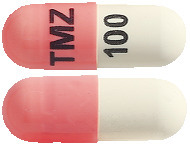
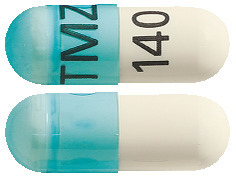
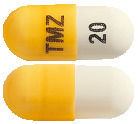
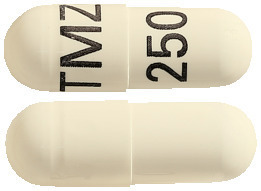
TEMIZOLE comes in different strengths (shown on the label in ‘mg’). Each strength is a different colour. Depending on your dose of TEMIZOLE, you may have to take several capsules on each dosing day of the treatment cycle

Be sure you understand exactly how many capsules you need to take of each strength.

Ask your doctor or pharmacist to write down the number of each strength (include colour) that you need to take on each dosing day.

Be sure you know exactly which days are your dosing days.

Be sure you review the dose with your doctor each time you start a new treatment cycle. Sometimes the dose or the mix of capsules you need to take will be different from the last cycle.

Once you take this medicine home, if you are confused or unsure about how to take your dose, call your doctor or pharmacist before beginning the treatment cycle. Errors in how you take this medicine may have serious health consequences.

When to take it

Take your medicine on an empty stomach at least one hour before a meal.

Take your medicine at about the same time each day. Taking it at the same time each day will have the best effect. It will also help you remember when to take it.

If vomiting occurs after you take your medicine, do not take another dose that day.

How long to take it

Continue taking your medicine for as long as your doctor tells you. Your doctor will tell you when your treatment should be stopped.

If you forget to take it

If you miss a dose, take the missed dose as soon as possible during the same day. If a full day has gone by, check with your doctor.

Do not take a double dose to make up for the dose you missed unless your doctor tells you to.

If you are not sure what to do, ask your doctor or pharmacist.

If you have trouble remembering to take your medicine, ask your pharmacist for some hints.

If you take too much (overdose)

Immediately telephone your doctor or the Poisons Information Centre (telephone 13 11 26) for advice, or go to Accident and Emergency at the nearest hospital, if you think you or anyone else may have taken too much TEMIZOLE. Do this even if there are no signs of discomfort or poisoning. You may need urgent medical attention.

While you are using TEMIZOLE

Things you must do

If you are about to be started on any new medicine, remind your doctor and pharmacist that you are taking TEMIZOLE.

Tell any other doctors, dentists and pharmacists who treat you that you are taking this medicine.

Tell your doctor if you feel sick or vomit while being treated with TEMIZOLE. Your doctor may give you another medicine to help with this.

Tell your doctor if you become unusually pale or tired, get blood clotting problems or frequent infections while being treated with TEMIZOLE. This could be caused by a low level of red blood cells, platelets or white blood cells in your blood.

This is more common in patients over 70 years of age.

Your doctor may need to change your dose of TEMIZOLE.

Tell your doctor immediately if you or your partner becomes pregnant while taking TEMIZOLE.

Be sure to keep all your doctor's appointments so your progress can be checked. Your doctor may need to do some blood and other tests from time to time to check on your progress and detect any unwanted side effects.

Keep follow-up appointments with your doctor. It is important to have your follow-up doses of TEMIZOLE at the appropriate times to get the best effects from your treatment.

Things you must not do

Do not take TEMIZOLE to treat any other complaints unless your doctor tells you to.

Do not give your medicine to anyone else, even if they have the same condition as you.

Do not open the capsules. If a capsule is damaged, avoid contact with your skin, eyes and nose. Avoid inhaling the powder. If you touch the powder or get some in your eyes or nose, wash the area with water.

Do not stop taking your medicine or change the dosage without checking with your doctor.

Things to be careful of

Be careful driving or operating machinery until you know how TEMIZOLE affects you. This medicine may cause drowsiness in some people. If this occurs, do not drive, operate machinery or do anything else that could be dangerous. Children should be careful when riding bicycles or climbing trees.

Side effects

Tell your doctor or pharmacist as soon as possible if you do not feel well while you are taking TEMIZOLE.

Like other medicines used in the treatment of cancer, TEMIZOLE may have unwanted side effects. All medicines can have side effects. Sometimes they are serious, most of the time they are not. You may need medical attention if you get some of the side effects.

Do not be alarmed by the following lists of side effects. You may not experience any of them.

Ask your doctor or pharmacist to answer any questions you may have.

Tell your doctor or pharmacist if you notice any of the following and they worry you:

  • nausea, vomiting, feeling unwell
  • tiredness, sleepiness
  • constipation
  • headache
  • loss of appetite or weight
  • diarrhoea
  • fever or high temperature
  • rash, hair loss, itching
  • dizziness, weakness
  • general body pain
  • stomach pain, indigestion
  • different taste sensation
  • mouth ulcers
  • coughing
  • sleeplessness

The above list includes the more common side effects of your medicine.

Tell your doctor as soon as possible if you notice any of the following:

  • shortness of breath
  • tingling or numbness in hands or feet
  • bruising, bleeding or being unusually pale or tired
    This could be caused by a low level of platelets or red blood cells in the blood.
  • new or recurring cytomegalovirus infection and return of hepatitis B
  • symptoms of diabetes including passing a large amount of urine and constant thirst
  • symptoms such as fever, headache, personality changes, seizures and/or vomiting which could be associated with a brain infection caused by the herpes virus
  • shivering that is associated with chills and fever
    This could be a sign of an infection caused by a low level of white blood cells in the blood.
  • development of red or purple spots under the skin

Shivering associated with chills and fever or the development of red or purple spots under the skin may take some time to occur.

Therefore, even after you have finished your treatment with TEMIZOLE, you should tell your doctor immediately if you notice these side effects.

The above list includes serious side effects that may require medical attention.

Tell your doctor or pharmacist if you notice anything that is making you feel unwell.

Other side effects not listed above may also occur in some people.

After using TEMIZOLE

Storage

Keep your capsules in the bottle until it is time to take them. If you take the capsules out of the bottle they may not keep well.

Keep your capsules in a cool dry place where the temperature stays below 25C.

Do not store TEMIZOLE or any other medicine in the bathroom or near a sink. Do not leave it in the car or on window sills. Heat and dampness can destroy some medicines.

Keep it where children cannot reach it. A locked cupboard at least one-and-a-half metres above the ground is a good place to store medicines.

Disposal

If your doctor tells you to stop taking this medicine or the expiry date has passed, ask your pharmacist what to do with any medicine that is left over.

Product description

What it looks like

TEMIZOLE comes in 5 strengths:

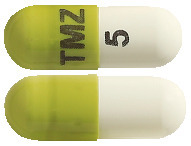
  • TEMIZOLE 5 mg – Green/White hard gelatin capsules, size 3, imprinted 'TMZ' on the cap and '5' on the body containing white to light pink powder.
  • TEMIZOLE 20 mg – Yellow/ White hard gelatin capsules, size 5, imprinted 'TMZ' on the cap and '20' on the body containing white to light pink powder.
  • TEMIZOLE 100 mg – Pink/ White hard gelatin capsules, size 3, imprinted 'TMZ' on the cap and '100' on the body containing white to light pink powder.
  • TEMIZOLE 140 mg – Transparent blue/White hard gelatin capsules, size 1, imprinted 'TMZ' on the cap and '140' on the body containing white to light pink powder.
  • TEMIZOLE 250 mg – White/ White hard gelatin capsules, size 0, imprinted 'TMZ' on the cap and '250' on the body containing white to light pink powder.

Each bottle contains 5 capsules.

Ingredients

TEMIZOLE contains either 5 mg, 20 mg, 100 mg, 140 mg or 250 mg of temozolomide as the active ingredient.

The capsules also contain the following inactive ingredients:

  • colloidal anhydrous silica
  • lactose
  • sodium starch glycollate
  • stearic acid
  • tartaric acid

The capsule shells contain:

  • gelatin
  • indigo carmine (5 mg and 140 mg capsules only)
  • iron oxide red (100 mg capsules only)
  • iron oxide yellow (5 mg and 20 mg capsules only)
  • purified water
  • sodium lauryl sulfate (250 mg capsules only)
  • titanium dioxide

The ink present on the capsules is TekPrint SW-9008 black ink (ARTG PI No: 2328).

TEMIZOLE contains sulfites and sugars as lactose.

Distributor

Alphapharm Pty Ltd trading as Viatris
Level 1, 30 The Bond
30-34 Hickson Road
Millers Point NSW 2000
www.viatris.com.au
Phone: 1800 274 276

This leaflet was prepared in February 2022.

Australian registration numbers:

TEMIZOLE 5mg - AUST R 172973

TEMIZOLE 20mg - AUST R 172968

TEMIZOLE 100mg - AUST R 172964

TEMIZOLE 140mg - AUST R 172972

TEMIZOLE 250mg - AUST R 172975

TEMIZOLE® is a Viatris company trade mark

TEMIZOLE_cmi\Feb22/00

Published by MIMS April 2022

BRAND INFORMATION

Brand name

Temizole

Active ingredient

Temozolomide

Schedule

S4


1 Name of Medicine

Temozolomide.

2 Qualitative and Quantitative Composition

Each Temizole capsule contains 5 mg, 20 mg, 100 mg, 140 mg, 180 mg or 250 mg of temozolomide as the active ingredient.

Excipients with known effect.

Contains sulfites and sugars as lactose.
For the full list of excipients, see Section 6.1 List of Excipients.

3 Pharmaceutical Form

Temizole 5 mg.

Green/white hard gelatin capsules, size 3, imprinted 'TMZ' on the cap and '5' on the body containing white to light pink powder.

Temizole 20 mg.

Yellow/white hard gelatin capsules, size 5, imprinted 'TMZ' on the cap and '20' on the body containing white to light pink powder.

Temizole 100 mg.

Pink/white hard gelatin capsules, size 3, imprinted 'TMZ' on the cap and '100' on the body containing white to light pink powder.

Temizole 140 mg.

Transparent blue/white hard gelatin capsules, size 1, imprinted 'TMZ' on the cap and '140' on the body containing white to light pink powder.

Temizole 180 mg.

Maroon/white hard gelatin capsules, size 1, imprinted 'TMZ' on the cap and '180' on the body containing white to light pink powder.

Temizole 250 mg.

White/white hard gelatin capsules, size 0, imprinted 'TMZ' on the cap and '250' on the body containing white to light pink powder.

4 Clinical Particulars

4.1 Therapeutic Indications

Temizole is indicated for the treatment of:
newly diagnosed glioblastoma multiforme concomitantly with radiotherapy and then as adjuvant treatment;
recurrence of anaplastic astrocytoma and glioblastoma multiforme following standard therapy.
Temizole is also indicated as a first-line treatment for patients with advanced metastatic malignant melanoma.

4.2 Dose and Method of Administration

Antiemetic therapy may be administered prior to or following administration of temozolomide.
Temozolomide capsules should be administered in the fasting state at least one hour before a meal. If vomiting occurs after the dose is administered, a second dose should not be administered that day. Temozolomide capsules must not be opened or chewed but are to be swallowed whole with a glass of water. If a capsule becomes damaged, avoid contact of the powder contents with skin or mucous membrane.

Adult patients with newly diagnosed glioblastoma multiforme.

Concomitant phase.

Temozolomide is administered orally at 75 mg/m2 daily for 42 days concomitant with focal radiotherapy (60 Gy administered in 30 fractions) followed by adjuvant temozolomide for six cycles. No dose reductions are recommended, however, dose interruptions may occur based on patient tolerance. The temozolomide dose can be continued throughout the 42 day concomitant period up to 49 days (if needed due to radiotherapy interruption) if all of the following conditions are met: absolute neutrophil count (ANC) greater than or equal to 1.5 x 10⁹/L, thrombocyte count greater than or equal to 100 x 109/L, common toxicity criteria (CTC) non-haematological toxicity less than or equal to grade 1 (except for alopecia, nausea and vomiting). During treatment a complete blood count should be obtained weekly. Temozolomide dosing should be interrupted or discontinued during concomitant phase according to the haematological and non-haematological toxicity criteria as noted in Table 1.

Adjuvant phase.

Four weeks after completing the temozolomide + radiotherapy phase, temozolomide is administered for an additional six cycles of adjuvant treatment. Dosage in cycle 1 (adjuvant) is 150 mg/m2 once daily for five days followed by 23 days without treatment. At the start of cycle 2, the dose is escalated to 200 mg/m2 if the CTC non-haematological toxicity for cycle 1 is grade less than or equal to 2 (except for alopecia, nausea and vomiting), ANC is greater than or equal to 1.5 x 10⁹/L and the thrombocyte count is greater than or equal to 100 x 109/L. If the dose was not escalated at cycle 2, escalation should not be done in subsequent cycles. The dose remains at 200 mg/m2 per day for the first five days of each subsequent cycle except if toxicity occurs. Dose reductions during the adjuvant phase should be applied according to Tables 2 and 3.
During treatment a complete blood count should be obtained on day 22 (21 days after the first dose of temozolomide). The temozolomide dose should be reduced or discontinued according to Table 3.

Adults with recurrent glioblastoma multiforme or anaplastic astrocytoma.

In recurrent adult patients previously untreated with chemotherapy, temozolomide is administered orally at a dose of 200 mg/m2 once daily for five days per 28 day cycle. For those previously treated with chemotherapy, the initial dose is 150 mg/m2 once daily, to be increased in the second cycle to 200 mg/m2 daily providing the ANC is greater than or equal to 1.5 x 10⁹/L and the platelet count is greater than or equal to 100 x 109/L on day 1 of the next cycle.
Dose modification for temozolomide should be based on toxicities according to nadir ANC or platelet counts.

Adults with metastatic malignant melanoma.

For patients with metastatic malignant melanoma, the recommended dose is 200 mg/m2 once daily for five days per 28 day cycle.

Paediatric patients with recurrent glioblastoma multiforme or anaplastic astrocytoma.

In patients 3 years of age or older, temozolomide is administered orally at a dose of 200 mg/m2 once daily for five days per 28 day cycle. Paediatric patients previously treated with chemotherapy or craniospinal irradiation should receive an initial dose of 150 mg/m2 once daily for five days, with escalation to 200 mg/m2 once daily at the next cycle if there is no toxicity.
The efficacy of temozolomide for the treatment of recurrent glioblastoma multiforme in patients who received the drug as concomitant/ adjuvant treatment has not been established.
In patients with recurrent glioblastoma multiforme/ anaplastic astrocytoma or metastatic melanoma, temozolomide can be continued until disease progression or for a maximum of two years.

4.3 Contraindications

Temizole is contraindicated in patients who:
Have a history of hypersensitivity reaction to components of temozolomide or to dacarbazine (DTIC).
Use during pregnancy and in women who intend to become pregnant (see Section 4.6 Fertility, Pregnancy and Lactation, Use in pregnancy).
Have severe myelosuppression.
Temizole must not be used by breastfeeding women (see Section 4.6 Fertility, Pregnancy and Lactation, Use in lactation).

4.4 Special Warnings and Precautions for Use

Pneumocystis carinii pneumonia.

Patients who received concomitant temozolomide and radiotherapy in a pilot trial for the prolonged 42 day schedule were shown to be at particular risk for developing Pneumocystis carinii pneumonia (PCP).
Thus, prophylaxis against PCP is required for all patients receiving concomitant temozolomide and radiotherapy for the 42 day regimen (with a maximum of 49 days) regardless of lymphocyte count. If lymphocytopenia occurs PCP prophylaxis should continue to a lymphocyte count less than or equal to grade 1.
There may be a higher occurrence of PCP when temozolomide is administered during a longer dosing regimen. However, all patients receiving temozolomide, particularly patients receiving steroids, should be observed closely for the development of PCP regardless of the regimen.

Hepatotoxicity.

Hepatic injury, including fatal hepatic failure, has been reported very rarely in patients treated with temozolomide. Baseline liver function tests should be performed prior to treatment initiation. If abnormal, physicians should assess the benefit/risk prior to initiating temozolomide including the potential for fatal hepatic failure. For patients on a 42-day treatment cycle, liver function tests should be repeated midway through this cycle. For all patients, liver function tests should be checked after each treatment cycle. For all patients with significant liver function abnormalities, physicians should assess the benefit/risk of continuing treatment. Liver toxicity may occur several weeks or more after the last treatment with temozolomide.

HBV reactivation.

Hepatitis due to hepatitis B virus (HBV) reactivation, in some cases resulting in death, has been reported. Patients should be screened for HBV infection before treatment initiation. Patients with evidence of prior HBV infection should be monitored for clinical and laboratory signs of hepatitis or HBV reactivation during and for several months following treatment with temozolomide. Therapy should be discontinued for patients with evidence of active hepatitis B infection.

Antiemetic therapy.

Nausea and vomiting are very commonly associated with temozolomide and guidelines are provided as follows.

Patients with newly diagnosed glioblastoma multiforme.

Antiemetic prophylaxis is recommended prior to the initial dose of concomitant temozolomide.
Antiemetic prophylaxis is strongly recommended during the adjuvant phase.

Patients with recurrent glioma.

Patients who have experienced severe (grade 3 or 4) vomiting in previous treatment cycles may require antiemetic therapy.

Myelosuppression.

Temozolomide causes myelosuppression. Patients treated with temozolomide may also experience prolonged pancytopenia. This may result in aplastic anaemia, which in some cases has resulted in a fatal outcome. In some cases, exposure to concomitant medications associated with aplastic anaemia, including carbamazepine, phenytoin and sulfamethoxazole/trimethoprim complicates assessment. Prior to dosing, the following laboratory parameters must be met: absolute neutrophil count (ANC) of > 1.5 x 10⁹/L and platelets of > 100 x 109/L. During cyclical treatment a complete blood count must be obtained on day 22 (21 days after the first dose) or within 48 hours of that day, and weekly until ANC is above 1.5 x 10⁹/L and platelet count exceeds 100 x 109/L. If ANC falls to < 1.0 x 10⁹/L or the platelet count is < 50 x 109/L during any cycle, the next cycle should be reduced one dose level. Dose levels include 100, 150 and 200 mg/m2. The lowest recommended dose is 100 mg/m2.

All patients.

Keep this medication out of the reach of children.

Use in hepatic impairment.

No data are available on the administration of temozolomide in patients with hepatic dysfunction. Based on the pharmacokinetic properties of temozolomide, it is unlikely that dose reductions are required in such patients. However, caution should be exercised when temozolomide is administered to these patients.

Use in renal impairment.

No data are available on the administration of temozolomide in patients with renal dysfunction. Based on the pharmacokinetic properties of temozolomide, it is unlikely that dose reductions are required in such patients. However, caution should be exercised when temozolomide is administered to these patients.

Use in the elderly.

Elderly patients (> 70 years of age) appear to be at increased risk of neutropenia and thrombocytopenia, compared with younger patients.

Paediatric use.

Anaplastic astrocytoma/glioblastoma multiforme.

There is limited experience in children over the age of 3 years with glioma (see Section 5.1 Pharmacodynamic Properties, Clinical trials). There is no clinical experience with use of temozolomide in children under the age of 3 years.

Melanoma.

There is no clinical experience in patients under 18 years of age.

Effects on laboratory tests.

No data available.

4.5 Interactions with Other Medicines and Other Forms of Interactions

Administration of temozolomide with ranitidine did not result in clinically significant alterations in the extent of absorption of temozolomide. Co-administration of dexamethasone, prochlorperazine, phenytoin, carbamazepine, ondansetron, H2-receptor antagonists or phenobarbital (phenobarbitone) did not alter the clearance of temozolomide. Co-administration with valproic acid was associated with a small but statistically significant decrease in clearance of temozolomide.
Use of temozolomide in combination with other alkylating agents or O6-alkylguanine-DNA alkyltransferases may increase the likelihood of myelosuppression and general toxicity.

4.6 Fertility, Pregnancy and Lactation

Effects on fertility.

Temozolomide is contraindicated in women who intend to become pregnant, and effective contraception should be used by female patients during and for at least 6 months after treatment with temozolomide (see Section 4.3 Contraindications; Section 4.6 Fertility, Pregnancy and Lactation).

Use in men.

Effective contraception should be used by male patients treated with temozolomide as it can have genotoxic effects. Therefore, men being treated with temozolomide are advised not to father a child for at least 3 months after receiving the final dose and to seek advice on cryoconservation of spermatozoa prior to treatment because of the possibility of irreversible impairment in fertility due to therapy with temozolomide. Semen donation is also not advised during treatment and for at least 3 months after the final dose (see Section 4.6 Fertility, Pregnancy and Lactation, Effects on fertility; Section 5.3 Preclinical Safety Data).
(Category D)
Cytotoxic agents can produce spontaneous abortion, fetal loss and birth defects. There are no studies in pregnant women. In nonclinical studies in rats and rabbits administered 50 mg/m2, (associated with systemic exposure below that anticipated in humans) teratogenicity and/or fetal toxicity were demonstrated. Temozolomide, therefore, should not be administered to pregnant women. If use during pregnancy must be considered, the patient should be apprised of the potential risk to the fetus. Women of childbearing potential should be advised to avoid pregnancy if they are going to receive temozolomide treatment and for six months after discontinuation of therapy.
It is not known whether temozolomide is excreted in human milk. A peri/postnatal study in rats found that treatment with temozolomide at doses of greater than 25 mg/m2/day decreased pup growth and retarded development. Given its potential adverse effects in the newborn, temozolomide must not be used by breastfeeding women.

4.7 Effects on Ability to Drive and Use Machines

Temozolomide may influence the ability to drive and use machines due to fatigue and somnolence (see Section 4.8 Adverse Effects (Undesirable Effects)).

4.8 Adverse Effects (Undesirable Effects)

Newly diagnosed glioblastoma multiforme.

See Table 4.

Patients with recurrent anaplastic astrocytoma, glioblastoma multiforme or malignant melanoma.

The frequency of adverse drug reactions reported in clinical trials or spontaneously is listed below and classified according to body system. Frequency estimates: very common (≥ 10%), common (≥ 1% and < 10%).

Neurological.

Very common: fatigue, headache.
Common: somnolence, asthenia, dizziness, paraesthesia.

Gastrointestinal.

Very common: nausea, vomiting, constipation, anorexia.
Common: diarrhoea, abdominal pain, dyspepsia, taste perversion.

Haematological.

Very common: thrombocytopenia, neutropenia.
Common: anaemia, leucopenia.

Dermatological.

Common: rash, alopecia, pruritus, petechiae.

Respiratory.

Common: dyspnoea.

General.

Common: fever, pain, malaise, weight decrease, rigors.
In clinical trials, the most frequently occurring undesirable effects were gastrointestinal disturbances, specifically nausea (43%) and vomiting (36%). These effects were usually grade 1 or 2 (mild to moderate in severity) and were either self-limiting or readily controlled with standard antiemetic therapy. The incidence of severe nausea and vomiting was 4%. Severe myelosuppression, predominantly thrombocytopenia, was dose limiting and occurred in 7% of all patients. Anaemia was reported in 5% of patients. Severe neutropenia and leucopenia occurred in 3 and 2% of patients, respectively.
In children, the incidence of the more common adverse events (nausea, vomiting, various CNS events and those of haematological origin) are consistent with the results from studies in adults as well as the underlying disease.

Myelosuppression.

In adult patients, myelosuppression was common, with grade 3 or 4 thrombocytopenia and neutropenia observed in 19 and 17% of patients, respectively, treated for glioma and 20 and 22%, respectively, of patients with metastatic melanoma. This led to hospitalisation and/or discontinuation of temozolomide in 8 and 4%, respectively, of patients with glioma and 3 and 1.3%, respectively, of those with melanoma. Myelosuppression was predictable (usually within the first few cycles, with the nadir between day 21 and 28), and recovery was rapid, usually within one to two weeks. No evidence of cumulative myelosuppression was observed. Pancytopenia, leucopenia and anaemia have also been reported. Lymphopenia has also been reported very commonly.
In a population pharmacokinetics analysis of clinical trial experience, there were 101 female and 169 male subjects for whom nadir neutrophil counts were available and 110 female and 174 male subjects for whom nadir platelet counts were available. There were higher rates of grade 4 neutropenia (ANC < 0.5 x 10⁹/L) (12% versus 5%) and thrombocytopenia (< 20 x 109/L) (9% versus 3%), in women versus men in the first cycle of therapy. In a 400 subject recurrent glioma data set, grade 4 neutropenia occurred in 8% of female versus 4% of male subjects and grade 4 thrombocytopenia in 8% of female versus 3% of male subjects in the first cycle of therapy. In a study of 288 subjects with newly diagnosed glioblastoma multiforme, grade 4 neutropenia occurred in 3% of female versus 0% of male subjects and grade 4 thrombocytopenia in 1% of female versus 0% of male subjects in the first cycle of therapy.
In children, the incidence of myelosuppression was similar to that seen in adults. In the phase II clinical trial, the incidences of grade 4 thrombocytopenia and neutropenia were 16% and 11%, respectively. Myelosuppression was usually transient and reversible with cessation of temozolomide treatment.

Post-marketing experience with temozolomide.

During the marketing of temozolomide, allergic reactions, including anaphylaxis, have been reported very rarely. Very rare cases of erythema multiforme, toxic epidermal necrolysis and Stevens-Johnson syndrome have also been observed. Drug reaction with eosinophilia and systemic symptoms have been reported with a frequency of unknown. There have been reported cases of hepatotoxicity including elevations of liver enzymes, hyperbilirubinaemia, cholestasis and hepatitis. Hepatic injury, including fatal hepatic failure, has been reported very rarely (see Section 4.4 Special Warnings and Precautions for Use).
Rare cases of opportunistic infections including Pneumocystis carinii pneumonia (PCP) and both primary and reactivated cytomegalovirus (CMV) infection have been reported. Cases of reactivation of hepatitis B infections, including some cases with fatal outcomes have also been reported (see Section 4.4 Special Warnings and Precautions for Use). Cases of herpes simplex encephalitis, including cases with fatal outcomes, have also been reported. Cases of sepsis have also been reported. Cases of interstitial pneumonitis/pneumonitis and pulmonary fibrosis have been reported very rarely. Very rare cases of myelodysplastic syndrome (MDS) and secondary malignancies, including myeloid leukaemia, have been reported in patients treated with regimens that included temozolomide. Prolonged pancytopenia which may result in aplastic anaemia has been reported and, in some cases, resulted in a fatal outcome. Diabetes insipidus has also been reported.

Reporting suspected adverse effects.

Reporting suspected adverse reactions after registration of the medicinal product is important. It allows continued monitoring of the benefit-risk balance of the medicinal product. Healthcare professionals are asked to report any suspected adverse reactions at www.tga.gov.au/reporting-problems.

4.9 Overdose

Doses of 500, 750, 1,000 and 1,250 mg/m2 (total dose per cycle over five days) have been evaluated clinically in patients. Dose limiting toxicity was haematological and was reported at any dose but is expected to be more severe at higher doses. An overdose of 2,000 mg per day for five days was taken by one patient and the adverse events reported were pancytopenia, pyrexia, multiorgan failure and death.
There are reports of patients who have taken more than five days of treatment (up to 64 days) with adverse events reported including bone marrow suppression, with or without infection, in some cases severe and prolonged and resulting in death. In the event of an overdose, haematological evaluation is needed. Supportive measures should be provided as necessary.
For information on the management of overdose, contact the Poisons Information Centre on 13 11 26 (Australia).

5 Pharmacological Properties

5.1 Pharmacodynamic Properties

Mechanism of action.

Temozolomide is an imidazotetrazine alkylating agent with anti-tumour activity. It undergoes rapid chemical conversion in the systemic circulation at physiological pH to the active compound, monomethyl triazeno imidazole carboxamide (MTIC). The cytotoxicity of MTIC is thought to be due primarily to alkylation at the O6 position of guanine with additional alkylation also occurring at the N7 position. Cytotoxic lesions that develop subsequently are thought to involve aberrant repair of the methyl adduct.
Single dose toxicity studies of temozolomide were conducted in mice, rats and dogs. Estimated LD50 doses by the oral route were moderately higher in the rat (approximately 1,900 mg/m2) than in the mouse (approximately 1,000 mg/m2). The minimum lethal dose in dogs was 600 mg/m2. In the single dose studies, clinical signs of toxicity and death were generally delayed, reflecting a delayed toxicity to tissues that normally proliferate more rapidly resulting in general deterioration of organ function; toxicity is consistent with that expected of an alkylating agent.
Temozolomide is rapidly absorbed following oral administration. Systemic exposure at the therapeutic dose level in humans is similar to that of the rat and dog.
Single cycle (five-day dosing, 23 days nontreatment), three and six cycle toxicity studies were conducted in rats and dogs. In multiple cycle studies, the primary targets of toxicity included bone marrow, lymphoreticular system, testes and gastrointestinal tract with evidence of toxic effects on the lung, liver, kidney, thyroid gland, urinary bladder, CNS and retina. Temozolomide appears to be more toxic to rats and dogs than to humans, as the therapeutic dose regimen (200 mg/m2), which has been well tolerated in humans, approximates the minimum lethal dose following multiple doses in both rats and dogs. At this dose level, the plasma area under the curve (AUC) for temozolomide in rats was similar to that anticipated in adult patients and about 60% of that in children; the corresponding value in dogs was about 65% and 40% of that in adult and paediatric patients, respectively. Dose related reductions in leucocytes and platelets appear to be sensitive indicators of toxicity in both rats and dogs. During intervals when dosing is discontinued, significant evidence of recovery from most haematological, biochemical and histopathological changes occurs. However, due to the delayed toxicity of temozolomide, patients should be closely monitored throughout the whole treatment cycle, including the nontreatment period.

Clinical trials.

Newly diagnosed glioblastoma multiforme.

573 patients were randomised to receive either temozolomide (TMZ) + focal radiotherapy (RT) (n = 287) or focal RT alone (n = 286). Patients in the temozolomide + RT arm received concomitant temozolomide (75 mg/m2) once daily, starting the first day of RT until the last day of RT, for 42 days (with a maximum of 49 days). This was followed by adjuvant temozolomide (150 to 200 mg/m2) on day 1 to 5 of every 28 day cycle for six cycles, starting four weeks after the end of RT. Patients in the control arm received RT only. Pneumocystis carinii pneumonia (PCP) prophylaxis was required during RT and combined temozolomide therapy. PCP prophylaxis was given regardless of lymphocyte count and was continued during RT/TMZ until lymph recovery to less than or equal to grade 1.
The trial excluded patients below 18 years old and greater than 70 years old. Also excluded were patients with a World Health Organization (WHO) PS (performance status) greater than 2 and who had received prior chemotherapy or radiotherapy.
Temozolomide was administered as salvage therapy in the follow-up phase in 161 patients of the 282 (57%) in the RT alone arm and 62 patients of the 277 (22%) in the temozolomide + RT arm.
The hazard ratio (HR) for overall survival was 1.59 (95% confidence interval (CI) for HR = 1.33 to 1.91) with a log rank p < 0.0001 in favour of the temozolomide arm. The estimated probability of surviving two years or more (26% versus 10%) was higher for the RT + temozolomide arm. The addition of concomitant and adjuvant temozolomide to radiotherapy in the treatment of patients with newly diagnosed GBM demonstrated a statistically significant improved overall survival compared with radiotherapy alone (see Figure 1).

Recurrent glioblastoma multiforme.

Data on clinical efficacy in patients with glioblastoma multiforme (Karnofsky performance status (KPS) greater than or equal to 70), progressive or recurrent after surgery and radiotherapy, were based on two clinical trials. One was a noncomparative trial in 138 patients (29% received prior chemotherapy) and the other was a randomised reference controlled trial of temozolomide and procarbazine in a total of 120 patients (37.5% received prior treatment with nitrosourea based chemotherapy). In both trials, the primary endpoint was progression free survival (PFS) defined by magnetic resonance imaging (MRI) scans or neurological worsening. In the noncomparative trial, the PFS at six months was 19%, the median PFS was 2.1 months and the median overall survival was 5.4 months. The objective response rate based on MRI scans was 8%.
In the randomised trial, the six month PFS was significantly greater for temozolomide (20%, 95% CI: 9 to 30%) than for procarbazine (10%, 95% CI: 2 to 18%) with median PFS of 3.5 and 1.9 months, respectively (log rank, p = 0.015). The median survival was 7.7 and 6.1 months for temozolomide and procarbazine, respectively (log rank, p = 0.61). At six months the fraction of surviving patients was significantly higher in the temozolomide arm (66%, 95% CI: 54 to 78%) compared with the procarbazine arm (51%, 95% CI: 38 to 64%). The study has later been completed (225 patients) and results reinforce those of the interim report.

Anaplastic astrocytoma.

In a multicentre, global, prospective phase II trial evaluating the safety and efficacy of temozolomide in the treatment of 162 adult patients with anaplastic astrocytoma at first relapse (60% received prior chemotherapy), the six month PFS was 46%. The median PFS was 5.4 months and median overall survival was 14.6 months. Response rate, based on the central reviewer assessment, was 35% (13 CR and 43 PR) for the intent to treat (ITT) population. Including 43 stable disease responses, the response rate was 61%. The six month event free survival for the ITT population was 44% with a median event free survival of 4.6 months, which was similar to the results for the PFS. For the eligible histology population, the efficacy results were similar. Achieving a radiological objective response or maintaining progression free status was strongly associated with maintained or improved quality of life.

Metastatic melanoma.

The pivotal trial involving 305 adult patients with advanced metastatic melanoma at first presentation of metastatic disease was a large, multicentre, randomised phase III trial comparing the efficacy of temozolomide (156 patients) with the standard treatment, dacarbazine (DTIC, 149 patients). Patients were balanced regarding demographics and disease characteristics between the two treatment groups. Patients may not have had previous treatment for metastatic melanoma and may not have had brain metastases from melanoma. The primary endpoint was overall survival. PFS and response rate were secondary endpoints.
Median overall survival was longer for patients treated with temozolomide compared to patients treated with DTIC (7.7 versus 6.4 months, respectively, p = 0.2). Median PFS was statistically significantly longer with temozolomide compared to DTIC (1.9 versus 1.5 months, respectively, p = 0.012). The overall response rate was 13.5% for temozolomide and 12.1% for DTIC.

Paediatric patients.

Temozolomide capsules have been studied in two open label phase II studies in paediatric patients with advanced recurrent CNS malignancies at a dose of 160 to 200 mg/m2 daily for five days every 28 days. In a phase I trial, 29 patients with recurrent brainstem glioma and 34 patients with recurrent high-grade astrocytoma were enrolled. All patients had been previously treated with standard radiation therapy, while 50% of high-grade astrocytoma patients and 31% of brainstem glioma patients had previously received chemotherapy. The objective response rate, based on a central review of all subjects deemed to have eligible histologies, (16 brain stem glioma and 26 high-grade astrocytoma subjects), was 0% for brain stem glioma subjects although 19% achieved stable disease; responses were documented in 12% of high grade astrocytoma subjects while 15% had stable disease. Based on investigator reviews, three patients with brain stem glioma had a partial response (10%) and an additional 14 patients had stable disease (48%). Eleven patients with high grade astrocytoma had a partial response (32%) and an additional seven patients had stable disease (21%). For all subjects, the median time to progression in the high-grade astrocytoma arm was 2.9 months and the median time to progression in the brain stem glioma arm was 2.8 months.
In the phase II open label study, 117/122 patients treated for various recurrent CNS malignancies were evaluable for efficacy with an overall response rate of 5%. Of 23 patients with high grade astrocytomas, seven patients (19%) had stable disease after two cycles. Disease progressed thereafter (cycle 3, 4, 5, 6, 7, 8 and 9, respectively); however, one patient had a partial response. In 16 patients with brainstem gliomas, six had stable disease after two cycles, but disease progressed in all patients by the end of the fifth cycle, with no further response.
No clinical trials have been conducted in patients under 18 years of age with malignant melanoma.

5.2 Pharmacokinetic Properties

Absorption.

After oral administration to adult patients, temozolomide is absorbed rapidly with peak concentrations reached as early as 20 minutes post-dose (mean times between 0.5 and 1.5 hours). After oral administration of 14C-labelled temozolomide, mean faecal excretion of 14C over seven days postdose was 0.8% indicating complete absorption.
Administration of temozolomide with food resulted in a 33% decrease in Cmax, an increase in Tmax from about one to two hours and a 9% decrease in AUC. As it cannot be excluded that the change in Cmax is clinically significant, temozolomide should not be administered with food.

Distribution.

Preclinical data suggest that temozolomide crosses the blood brain barrier rapidly and is present in the cerebrospinal fluid. Plasma concentrations increase in a dose related manner. Temozolomide demonstrates low protein binding (10 to 20%), and thus is not expected to interact with highly protein bound agents.

Metabolism.

The maximum tolerated dose (MTD) was 1,000 mg/m2 per cycle both in children and in adults.
Plasma clearance, volume of distribution and half-life are independent of dose.

Excretion.

Following oral administration approximately 5% to 10% of the dose is recovered unchanged in the urine over 24 hours, and the remainder excreted as AIC (4-amino-5-imidazole-carboxamide hydrochloride) or unidentified polar metabolites.

Pharmacokinetics in special populations.

In relation to adults, analysis of population-based pharmacokinetics of temozolomide revealed that plasma clearance was independent of age, renal function, hepatic function or tobacco use.

Paediatric patients.

Among paediatric age groups 3 to 12 and > 12 to 16 years, dose normalised Cmax and AUC value were the same. Similarly, clearance, volume of distribution and half-life were not different between the two paediatric age groups. Mean dose normalised AUC was approximately 30% higher in paediatric patients than in adult patients. Volume of distribution and clearance appeared lower in paediatric patients compared to adult patients. Terminal phase half-life was the same in adults and children.

5.3 Preclinical Safety Data

Genotoxicity.

Temozolomide was genotoxic in assays for gene mutations (Salmonella typhimurium and Escherichia coli) and chromosomal changes (human blood lymphocytes).
Pathological lesions of necrosis, degeneration, hypospermatogenesis and presence of syncytial cells and immature/abnormal spermatozoa in the testes, epididymis and seminal vesicles have been observed in the mouse, rat and dog at systemic exposure levels to temozolomide well within the anticipated human exposure. Decreased ovarian weight was noted in rats at temozolomide exposure comparable to that anticipated clinically. The reversibility of these changes has not been investigated, but no evidence of recovery was noted during the 23 day non-treatment period.

Carcinogenicity.

No long-term carcinogenicity studies have been conducted, but evidence of carcinogenic potential of temozolomide was observed in the three and six cycle studies in rats. Neoplasms observed in the rat studies included mammary carcinoma, keratoacanthoma of the skin, basal cell adenoma and a variety of mesenchymal neoplasms. These neoplasms occurred at systemic exposure to temozolomide less than that anticipated clinically. No tumours or preneoplastic changes were observed in the dog studies of up to six cycles. Considering that temozolomide is a prodrug of the alkylating agent MTIC, its tumorigenic potential is not unexpected and has been observed with other alkylating agents, including those producing MTIC.

6 Pharmaceutical Particulars

6.1 List of Excipients

The capsules also contain colloidal anhydrous silica, lactose, sodium starch glycollate, stearic acid and tartaric acid. The capsule shells contain gelatin, indigo carmine (5 mg and 140 mg only), iron oxide red (100 mg and 180 mg only), iron oxide yellow (5 mg, 20 mg and 180 mg only), purified water, sodium lauryl sulfate (250 mg only) and titanium dioxide. The ink present on the capsules is TekPrint SW-9008 Black Ink (ARTG PI No: 2328).

6.2 Incompatibilities

Incompatibilities were either not assessed or not identified as part of the registration of this medicine.

6.3 Shelf Life

In Australia, information on the shelf life can be found on the public summary of the Australian Register of Therapeutic Goods (ARTG). The expiry date can be found on the packaging.

6.4 Special Precautions for Storage

Store below 25°C. Store in original container.

6.5 Nature and Contents of Container

Container type: bottle (glass type III coloured) with PP child resistant closure.
Pack sizes: 5, 15.
Some strengths, pack sizes and/or pack types may not be marketed.

Australian register of therapeutic goods (ARTG).

AUST R 172973 - Temizole 5 temozolomide 5 mg capsule bottle.
AUST R 172968 - Temizole 20 temozolomide 20 mg capsule bottle.
AUST R 172964 - Temizole 100 temozolomide 100 mg capsule bottle.
AUST R 172972 - Temizole 140 temozolomide 140 mg capsule bottle.
AUST R 172963 - Temizole 180 temozolomide 180 mg capsule bottle.
AUST R 172975 - Temizole 250 temozolomide 250 mg capsule bottle.

6.6 Special Precautions for Disposal

In Australia, any unused medicine or waste material should be disposed of by taking it to your local pharmacy.

6.7 Physicochemical Properties

Chemical structure.


Temozolomide is a white to pale brown/pink, crystalline powder which is odourless or almost odourless and hygroscopic. It is slightly soluble in water (3.1 mg/mL), methanol (4.4 mg/mL) and ethanol (0.6 mg/mL).
Chemical name: 4-methyl-5-oxo-2,3,4,6,8-pentazabicyclo [4.3.0] nona-2,7,9-triene-9-carboxamide.
Molecular formula: C6H6N6.
Molecular weight: 194.15.

CAS number.

85622-93-1.

7 Medicine Schedule (Poisons Standard)

S4 (Prescription Only Medicine).

Summary Table of Changes