Notes
Distributed by Medsurge Healthcare Pty Ltd
1 Name of Medicine
Thiotepa.
2 Qualitative and Quantitative Composition
Thiotepa Medsurge 15 mg powder for injection.
One vial of powder contains 15 mg thiotepa.
After reconstitution with 1.5 mL of water for injections, each mL of solution contains 10 mg thiotepa (10 mg/mL).
Thiotepa Medsurge 100 mg powder for injection.
One vial of powder contains 100 mg thiotepa.
After reconstitution with 10 mL of water for injections, each mL of solution contains 10 mg thiotepa (10 mg/mL).
For the full list of excipients, see Section 6.1 List of Excipients.3 Pharmaceutical Form
Thiotepa Medsurge 15 mg and 100 mg vials.
Powder for injection for solution for infusion. White crystalline powder.
Solvent.
Clear solution, essentially free from visible particulates, pH 4.5-7.0.4.1 Therapeutic Indications
Thiotepa Medsurge is indicated, in combination with other chemotherapy medicinal products:
with or without total body irradiation (TBI), as conditioning treatment prior to allogeneic or autologous haematopoietic progenitor cell transplantation (HPCT) in haematological diseases in adult and paediatric patients;
when high dose chemotherapy with HPCT support is appropriate for the treatment of solid tumours in adult and paediatric patients (see Section 5.1 Pharmacodynamic Properties, Clinical trials).
4.2 Dose and Method of Administration
Thiotepa Medsurge administration must be supervised by a physician experienced in conditioning treatment prior to haematopoietic progenitor cell transplantation.
Consideration should be given to administering an antiemetic prior to commencing administration of Thiotepa Medsurge.
Dosage.
Thiotepa Medsurge is administered, in combination with other chemotherapeutic medicinal products, in patients with haematological diseases or solid tumours prior to HPCT.
Thiotepa Medsurge posology is reported, in adult and paediatric patients, according to the type of HPCT (autologous or allogeneic) and disease.
Adults.
Autologous HPCT. Haematological diseases. The recommended dose in haematological diseases ranges from 125 mg/m2/day (3.38 mg/kg/day) to 300 mg/ m2/day (8.10 mg/kg/day) as a single daily infusion, administered from 2 up to 4 consecutive days before autologous HPCT depending on the combination with other chemotherapeutic medicinal products, without exceeding the total maximum cumulative dose of 900 mg/ m2 (24.32 mg/kg), during the time of the entire conditioning treatment.
Lymphoma.
The recommended dose ranges from 125 mg/m2/day (3.38 mg/kg/day) to 300 mg/m2/day (8.10 mg/kg/day) as a single daily infusion, administered from 2 up to 4 consecutive days before autologous HPCT depending on the combination with other chemotherapeutic medicinal products, without exceeding the total maximum cumulative dose of 900 mg/m2 (24.32 mg/kg), during the time of the entire conditioning treatment.
Central nervous system (CNS) lymphoma.
The recommended dose is 185 mg/m2/day (5 mg/kg/day) as a single daily infusion, administered for 2 consecutive days before autologous HPCT, without exceeding the total maximum cumulative dose of 370 mg/m2 (10 mg/kg), during the time of the entire conditioning treatment.
Multiple myeloma.
The recommended dose ranges from 150 mg/m2/day (4.05 mg/kg/day) to 250 mg/m2/day (6.76 mg/kg/day) as a single daily infusion, administered for 3 consecutive days before autologous HPCT depending on the combination with other chemotherapeutic medicinal products, without exceeding the total maximum cumulative dose of 750 mg/m2 (20.27 mg/kg), during the time of the entire conditioning treatment.
Solid tumours. The recommended dose in solid tumours ranges from 120 mg/m2/day (3.24 mg/kg/day) to 250 mg/m2/day (6.76 mg/kg/day) divided in one or two daily infusions, administered from 2 up to 5 consecutive days before autologous HPCT depending on the combination with other chemotherapeutic medicinal products, without exceeding the total maximum cumulative dose of 800 mg/m2 (21.62 mg/kg), during the time of the entire conditioning treatment.
Breast cancer.
The recommended dose ranges from 120 mg/m2/day (3.24 mg/kg/day) to 250 mg/m2/day (6.76 mg/kg/day) as a single daily infusion, administered from 3 up to 5 consecutive days before autologous HPCT depending on the combination with other chemotherapeutic medicinal products, without exceeding the total maximum cumulative dose of 800 mg/m2 (21.62 mg/kg), during the time of the entire conditioning treatment.
CNS tumours.
The recommended dose ranges from 125 mg/m2/day (3.38 mg/kg/day) to 250 mg/m2/day (6.76 mg/kg/day) divided in one or two daily infusions, administered from 3 up to 4 consecutive days before autologous HPCT depending on the combination with other chemotherapeutic medicinal products, without exceeding the total maximum cumulative dose of 750 mg/m2 (20.27 mg/kg), during the time of the entire conditioning treatment.
Ovarian cancer.
The recommended dose is 250 mg/m2/day (6.76 mg/kg/day) as a single daily infusion, administered in 2 consecutive days before autologous HPCT, without exceeding the total maximum cumulative dose of 500 mg/m2 (13.51 mg/kg), during the time of the entire conditioning treatment.
Germ cell tumours.
The recommended dose ranges from 150 mg/m2/day (4.05 mg/kg/day) to 250 mg/m2/day (6.76 mg/kg/day) as a single daily infusion, administered for 3 consecutive days before autologous HPCT depending on the combination with other chemotherapeutic medicinal products, without exceeding the total maximum cumulative dose of 750 mg/m2 (20.27 mg/kg), during the time of the entire conditioning treatment.
Allogeneic HPCT. Haematological diseases. The recommended dose in haematological diseases ranges from 185 mg/m2/day (5 mg/kg/day) to 481 mg/m2/day (13 mg/kg/day) divided in one or two daily infusions, administered from 1 up to 3 consecutive days before allogeneic HPCT depending on the combination with other chemotherapeutic medicinal products, without exceeding the total maximum cumulative dose of 555 mg/m2 (15 mg/kg), during the time of the entire conditioning treatment.
Lymphoma.
The recommended dose in lymphoma is 370 mg/m2/day (10 mg/kg/day) divided in two daily infusions before allogeneic HPCT, without exceeding the total maximum cumulative dose of 370 mg/m2 (10 mg/kg), during the time of the entire conditioning treatment.
Multiple myeloma.
The recommended dose is 185 mg/m2/day (5 mg/kg/day) as a single daily infusion before allogeneic HPCT, without exceeding the total maximum cumulative dose of 185 mg/m2 (5 mg/kg), during the time of the entire conditioning treatment.
Leukaemia.
The recommended dose ranges from 185 mg/m2/day (5 mg/kg/day) to 481 mg/m2/day (13 mg/kg/day) divided in one or two daily infusions, administered from 1 up to 2 consecutive days before allogeneic HPCT depending on the combination with other chemotherapeutic medicinal products, without exceeding the total maximum cumulative dose of 555 mg/m2 (15 mg/kg), during the time of the entire conditioning treatment.
Thalassemia.
The recommended dose is 370 mg/m2/day (10 mg/kg/day) divided in two daily infusions, administered before allogeneic HPCT, without exceeding the total maximum cumulative dose of 370 mg/m2 (10 mg/kg), during the time of the entire conditioning treatment.
Paediatric population.
Autologous HPCT. Solid tumours. The recommended dose in solid tumours ranges from 150 mg/m2/day (6 mg/kg/day) to 350 mg/m2/day (14 mg/kg/day) as a single daily infusion, administered from 2 up to 3 consecutive days before autologous HPCT depending on the combination with other chemotherapeutic medicinal products, without exceeding the total maximum cumulative dose of 1050 mg/ m2 (42 mg/kg), during the time of the entire conditioning treatment.
CNS tumours.
The recommended dose ranges from 250 mg/m2/day (10 mg/kg/day) to 350 mg/m2/day (14 mg/kg/day) as a single daily infusion, administered for 3 consecutive days before autologous HPCT depending on the combination with other chemotherapeutic medicinal products, without exceeding the total maximum cumulative dose of 1050 mg/m2 (42 mg/kg), during the time of the entire conditioning treatment.
Allogeneic HPCT. Haematological diseases. The recommended dose in haematological diseases ranges from 125 mg/m2/day (5 mg/kg/day) to 250 mg/m2/day (10 mg/kg/day) divided in one or two daily infusions, administered from 1 up to 3 consecutive days before allogeneic HPCT depending on the combination with other chemotherapeutic medicinal products, without exceeding the total maximum cumulative dose of 375 mg/m2 (15 mg/kg), during the time of the entire conditioning treatment.
Leukaemia.
The recommended dose is 250 mg/m2/day (10 mg/kg/day) divided in two daily infusions, administered before allogeneic HPCT, without exceeding the total maximum cumulative dose of 250 mg/m2 (10 mg/kg), during the time of the entire conditioning treatment.
Thalassemia.
The recommended dose ranges from 200 mg/m2/day (8 mg/kg/day) to 250 mg/m2/day (10 mg/kg/day) divided in two daily infusions, administered before allogeneic HPCT without exceeding the total maximum cumulative dose of 250 mg/m2 (10 mg/kg), during the time of the entire conditioning treatment.
Refractory cytopenia.
The recommended dose is 125 mg/m2/day (5 mg/kg/day) as a single daily infusion, administered for 3 consecutive days before allogeneic HPCT, without exceeding the total maximum cumulative dose of 375 mg/m2 (15 mg/kg), during the time of the entire conditioning treatment.
Genetic diseases.
The recommended dose is 125 mg/m2/day (5 mg/kg/day) as a single daily infusion, administered for 2 consecutive days before allogeneic HPCT, without exceeding the total maximum cumulative dose of 250 mg/m2 (10 mg/kg), during the time of the entire conditioning treatment.
Sickle cell anaemia.
The recommended dose is 250 mg/m2/day (10 mg/kg/day) divided in two daily infusions, administered before allogeneic HPCT, without exceeding the total maximum cumulative dose of 250 mg/m2 (10 mg/kg), during the time of the entire conditioning treatment.
Solid tumours. CNS tumours.
The recommended dose of thiotepa is 5 mg/kg administered as two injections on one day, in combination with other chemotherapeutic medicinal products, prior to allogeneic HPCT.
Special populations.
Renal impairment.
Studies in renally impaired patients have not been conducted. As thiotepa and its metabolites are poorly excreted in the urine, dose modification is not recommended in patients with mild or moderate renal insufficiency. However, caution is recommended (see Section 4.4 Special Warnings and Precautions for Use; Section 5.2 Pharmacokinetic Properties).
Hepatic impairment.
Thiotepa has not been studied in patients with hepatic impairment. Since thiotepa is mainly metabolised through the liver, caution needs to be exercised when thiotepa is used in patients with pre-existing impairment of liver function, especially in those with severe hepatic impairment.
Dose modification is not recommended for transient alterations of hepatic parameters (see Section 4.4 Special Warnings and Precautions for Use).
Elderly.
The administration of thiotepa has not been specifically investigated in elderly patients. However, in clinical studies, a proportion of patients over the age of 65 received the same cumulative dose as the other patients. No dose adjustment was deemed necessary.
Method of administration.
Thiotepa Medsurge is for intravenous use only. It must be administered by a qualified healthcare professional as a 2-4 hour intravenous infusion via a central venous catheter.
Thiotepa Medsurge 15 mg and 100 mg vial.
Each vial must be reconstituted with 1.5 mL (Thiotepa Medsurge 15 mg) or 10 mL (Thiotepa Medsurge 100 mg) of sterile water for injections. The total volume of reconstituted vials to be administered should be further diluted in 500 mL of sodium chloride 9 mg/mL (0.9%) solution for injection prior to administration (1000 mL if the dose is higher than 500 mg). In children, if the dose is lower than 250 mg, an appropriate volume of sodium chloride 9 mg/mL (0.9%) solution for injection may be used in order to obtain a final Thiotepa Medsurge concentration between 0.5 and 1 mg/mL.
Preparation of Thiotepa Medsurge.
Procedures for proper handling and disposal of anticancer medicinal products must be considered. All transfer procedures require strict adherence to aseptic techniques, preferably employing a cytotoxic drug safety cabinet.
As with other cytotoxic compounds, caution needs to be exercised in handling and preparation of Thiotepa Medsurge solutions to avoid accidental contact with skin or mucous membranes. Topical reactions associated with accidental exposure to thiotepa may occur. In fact, the use of gloves is recommended in preparing the solution for infusion. If thiotepa solution accidentally contacts the skin, the skin must be immediately and thoroughly washed with soap and water. If thiotepa accidentally contacts mucous membranes, they must be flushed thoroughly with water.
Reconstitution Thiotepa Medsurge 15 mg.
Thiotepa Medsurge must be reconstituted with 1.5 mL of sterile water for injections.
Using a syringe fitted with a needle, aseptically withdraw 1.5 mL of sterile water for injections.
Inject the content of the syringe into the vial through the rubber stopper.
Remove the syringe and the needle and mix manually by repeated inversions.
Only colourless solutions, without any particulate matter, must be used. Reconstituted solutions may occasionally show opalescence; such solutions can still be administered.
Reconstitution of Thiotepa Medsurge 100 mg.
Thiotepa Medsurge must be reconstituted with 10 mL of sterile water for injections.
Using a syringe fitted with a needle, aseptically withdraw 10 mL of sterile water for injections.
Inject the content of the syringe into the vial through the rubber stopper.
Remove the syringe and the needle and mix manually by repeated inversions.
Only colourless solutions, without any particulate matter, must be used. Reconstituted solutions may occasionally show opalescence; such solutions can still be administered.
Administration.
Thiotepa Medsurge infusion solution should be inspected visually for particulate matter prior to administration. Solutions containing a precipitate should be discarded.
Prior to and following each infusion, the indwelling catheter line should be flushed with approximately 5 mL sodium chloride 9 mg/mL (0.9%) solution for injection.
The infusion solution must be administered to patients using an infusion set equipped with a 0.2 micrometer in-line filter. Filtering does not alter solution potency.
Precautions to be taken before handling or administering the medicinal product.
Topical reactions associated with accidental exposure to thiotepa may occur. Therefore, the use of gloves is recommended in preparing the solution for infusion. If thiotepa solution accidentally contacts the skin, the skin must be immediately thoroughly washed with soap and water. If thiotepa accidentally contacts mucous membranes, they must be flushed thoroughly with water.
A 400 mg powder for injection and solvent for infusion is unavailable in this brand. This strength is available in other brands. Where correct dosing requires this strength, refer to the specific product information for these formulations for complete dosage and administration instructions.4.3 Contraindications
Hypersensitivity to the active substance.
Pregnancy and lactation (see Section 4.6 Fertility, Pregnancy and Lactation).
4.4 Special Warnings and Precautions for Use
Myelosuppression.
The consequence of treatment with thiotepa at the recommended dose and schedule is profound myelosuppression, occurring in all patients. Severe granulocytopenia, thrombocytopenia, anaemia or any combination thereof may develop. Frequent complete blood counts, including differential white blood cell counts, and platelet counts need to be performed during the treatment and until recovery is achieved. Platelet and red blood cell support, as well as the use of growth factors such as Granulocyte-colony stimulating factor (G-CSF), should be employed as medically indicated. Daily white blood cell counts, and platelet counts are recommended during therapy with thiotepa and after transplant for at least 30 days. Prophylactic or empiric use of anti-infectives (bacterial, fungal, viral) should be considered for the prevention and management of infections during the neutropenic period.
Prior treatment with radiation therapy.
Patients who have received prior radiation therapy, greater than or equal to three cycles of chemotherapy, or prior progenitor cell transplant may be at an increased risk of hepatic veno-occlusive disease (see Section 4.8 Adverse Effects (Undesirable Effects)).
Veno-occlusive disease.
Prior use of irradiation, and concomitant administration of irradiation, carboplatin or etoposide with thiotepa may increase the risk of severe veno-occlusive disease.
Cardiac toxicity.
Caution must be used in patients with history of cardiac diseases, and cardiac function must be monitored regularly in patients receiving thiotepa. Studies have reported occasional cases of cardiomyopathy, arrythmias, reduction in injection faction and rarely, chronic heart failure, in patients receiving high dose thiotepa-based conditioning regimens.
Pulmonary toxicity.
Thiotepa might induce pulmonary toxicity that may be additive to the effects produced by other cytotoxic agents (busulfan, fludarabine and cyclophosphamide) (see Section 4.8 Adverse Effects (Undesirable Effects)).
Secondary malignancy.
The increased risk of a secondary malignancy with thiotepa, a known carcinogen in humans, must be explained to the patient.
Use with cyclophosphamide.
Thiotepa must not be concurrently administered with cyclophosphamide when both medicinal products are present in the same conditioning treatment. Thiotepa Medsurge must be delivered after the completion of any cyclophosphamide infusion (see Section 4.5 Interactions with Other Medicines and Other Forms of Interactions).
Co-administration with inhibitors of CYP2B6 or CYP3A4.
During the concomitant use of thiotepa and inhibitors of CYP2B6 or CYP3A4, patients should be carefully monitored clinically (see Section 4.5 Interactions with Other Medicines and Other Forms of Interactions).
Impairment of fertility.
As most alkylating agents, thiotepa might impair male or female fertility. Male patients should seek for sperm cryopreservation before therapy is started and should not father a child while treated and during the year after cessation of treatment (see Section 4.6 Fertility, Pregnancy and Lactation).
Liver function.
Thiotepa has not been studied in patients with hepatic impairment. Since thiotepa is mainly metabolized through the liver, caution needs to be observed when thiotepa is used in patients with pre-existing impairment of liver function, especially in those with severe hepatic impairment.
It is recommended that serum transaminase, alkaline phosphatase and bilirubin are monitored regularly before and during therapy with thiotepa, and regularly following transplant, for early detection of hepatotoxicity.
Renal function.
Periodic monitoring of renal function and plasma electrolytes should be considered before and during therapy with thiotepa, and regularly following transplantation, for early detection of renal dysfunction.
Haemorrhagic cystitis.
Haemorrhagic cystitis has been associated with high dose thiotepa condition regimens. Patients receiving this treatment should be closely monitored. Adequate hydration and control of nausea may reduce the incidence of this adverse event.
Skin toxicity.
Thiotepa is excreted through the skin and is a skin irritant. Patients should be advised to wash four times a day, with one wash using soap and the remaining three washes with water only. Showering is preferred. Four times a day washing should continue until 48 hours after the last dose.4.5 Interactions with Other Medicines and Other Forms of Interactions
Specific interactions with thiotepa.
Live virus and bacterial vaccines must not be administered to a patient receiving an immunosuppressive chemotherapeutic agent and at least three months must elapse between discontinuation of therapy and vaccination.
In vitro studies suggest that thiotepa is metabolised by CYP2B6 and CYP3A4. Co-administration with inhibitors of CYP2B6 (for example clopidogrel and ticlopidine) or CYP3A4 (for example azole antifungals, macrolides like erythromycin, clarithromycin, telithromycin, and protease inhibitors) may increase the plasma concentrations of thiotepa and potentially decrease the concentrations of the active metabolite TEPA.
Co-administration of inducers of cytochrome P450 (such as rifampicin, carbamazepine, phenobarbital) may increase the metabolism of thiotepa leading to increased plasma concentrations of the active metabolite. Therefore, during the concomitant use of thiotepa and these medicinal products, patients should be carefully monitored clinically.
Thiotepa is a weak inhibitor for CYP2B6, and may thereby potentially increase plasma concentrations of substances metabolised via CYP2B6, such as ifosfamide, tamoxifen, bupropion, efavirenz and cyclophosphamide. CYP2B6 catalyses the metabolic conversion of cyclophosphamide to its active form 4-hydroxycyclophosphamide (4-OHCP) and coadministration of thiotepa may therefore lead to decreased concentrations of the active 4-OHCP. Therefore clinical monitoring should be exercised during the concomitant use of thiotepa and these medicinal products.
The in vitro conversion of thiotepa to monglutathionyl TEPA was inhibited by cyclophosphamide (IC50 58 mM), itraconazole (256 mM), amphotericin B (55 mM) and ondansetron (40 mM), however the clinical relevance is uncertain.
Concomitant use not recommended.
Live attenuated vaccines.
Risk of systemic, possibly fatal disease. This risk is increased in subjects who are already immunosuppressed by their underlying disease.
An inactivated virus vaccine should be used instead, whenever possible (poliomyelitis).
Phenytoin.
Risk of exacerbation of convulsions resulting from the decrease of phenytoin digestive absorption by cytotoxic medicinal product or risk of toxicity enhancement and loss of efficacy of the cytotoxic medicinal product due to increased hepatic metabolism by phenytoin.
The AUC of 4-hydroxycyclophosphamide and thiotepa following administration of phenytoin was increased by 51% and 115%, respectively, whereas exposure to both cyclophosphamide and thiotepa was significantly reduced (67% and 29%, respectively).
Concomitant use to take into consideration.
Ciclosporine, tacrolimus.
Excessive immunosuppression with risk of lymphoproliferation.
Alkylating chemotherapeutic agents, including thiotepa, inhibit plasma pseudocholinesterase by 35% to 70%. The action of succinyl-choline can be prolonged by 5 to 15 minutes.
Thiotepa must not be concurrently administered with cyclophosphamide when both medicinal products are present in the same conditioning treatment. Thiotepa Medsurge must be delivered after the completion of any cyclophosphamide infusion.
The concomitant use of thiotepa and other myelosuppressive or myelotoxic agents (i.e. cyclophosphamide, melphalan, busulfan, fludarabine, treosulfan) may potentiate the risk of haematologic adverse reactions due to overlapping toxicity profiles of these medicinal products.
There is evidence of a mutual pharmacokinetic interaction between cyclophosphamide and thiotepa which appears to be both administration sequence and time dependent and results in reduced metabolism of both medicines.
Interaction common to all cytotoxics.
Due to the increase of thrombotic risk in case of malignancy, the use of anticoagulative treatment is frequent. The high intra-individual variability of the coagulation state during malignancy and the potential interaction between oral anticoagulants and anticancer chemotherapy require, if it is decided to treat the patient with oral anticoagulants, to increase the frequency of the INR (International Normalised Ratio) monitoring.4.6 Fertility, Pregnancy and Lactation
Effects on fertility.
Women of childbearing potential/contraception in males and females.
Thiotepa impaired male and female fertility in animal studies. Thiotepa interfered with spermatogenesis in mice at IP doses ≥ 0.5 mg/kg (1.5 mg/m2) and in hamsters at an IP dose of 1 mg/kg (5 mg/m2). Fertility was impaired in male mice administered oral or intraperitoneal doses ≥ 0.7 mg/kg (2.1 mg/m2). Thiotepa (0.5 mg) inhibited implantation in female rats when instilled into the uterine cavity. These effects were seen at significantly lower exposures (based on body surface area) compared with the maximum recommended human therapeutic dose of 300 mg/m2/day.
Women of childbearing potential must use effective contraception during treatment and a pregnancy test should be performed before treatment is started. Male patients should not father a child while treated and during the year after cessation of treatment. Male patients should seek for sperm cryopreservation before therapy is started.
(Category D)
There are no human data on the use of thiotepa during pregnancy. In pre-clinical studies thiotepa, like most alkylating agents, was teratogenic in mice and rats when administered by the IP route during organogenesis. Malformations in the offspring of mice and rats dosed at ≥ 1 mg/kg (3 mg/m2) and ≥ 3 mg/kg (18 mg/m2) respectively included neural tube defects, omphalocele, renal agenesis, atresia ani, limb and digit defects, cleft palate, micrognathia and other skeletal anomalies in the skull, vertebrae and ribs, as well as reduced skeletal ossification. These effects were associated with levels of systemic exposure significantly lower than the maximum recommended human therapeutic dose based on body surface area. Therefore, thiotepa is contraindicated during pregnancy.
It is unknown whether thiotepa is excreted in human milk. Due to its pharmacological properties and its potential toxicity for breast-fed newborns/infants, breast-feeding is contraindicated during treatment with thiotepa.4.7 Effects on Ability to Drive and Use Machines
Thiotepa Medsurge has major influence on the ability to drive and use machines. It is likely that certain adverse reactions of thiotepa like dizziness, headache and blurred vision could affect these functions.
4.8 Adverse Effects (Undesirable Effects)
Summary of the safety profile.
The safety of thiotepa has been examined through a review of adverse events reported in published data from clinical trials. In these studies, a total of 8569 adult patients and 1656 paediatric patients received thiotepa for conditioning treatment prior to haematopoietic progenitor cell transplantation.
Serious toxicities involving the haematologic, hepatic and respiratory systems were considered as expected consequences of the conditioning regimen and transplant process. These include infection and Graft-versus host disease (GvHD) which, although not directly related, were the major causes of morbidity and mortality, especially in allogeneic HPCT.
The most frequently adverse reactions reported in the different conditioning treatments including thiotepa are: infections, cytopenia, acute GvHD and chronic GvHD, gastrointestinal disorders, haemorrhagic cystitis and mucosal inflammation.
Leukoencephalopathy.
Cases of leukoencephalopathy have been observed following treatment with thiotepa in adult and paediatric patients with multiple previous chemotherapies, including methotrexate and radiotherapy. Some cases had a fatal outcome.
Tabulated list of adverse reactions.
Adults.
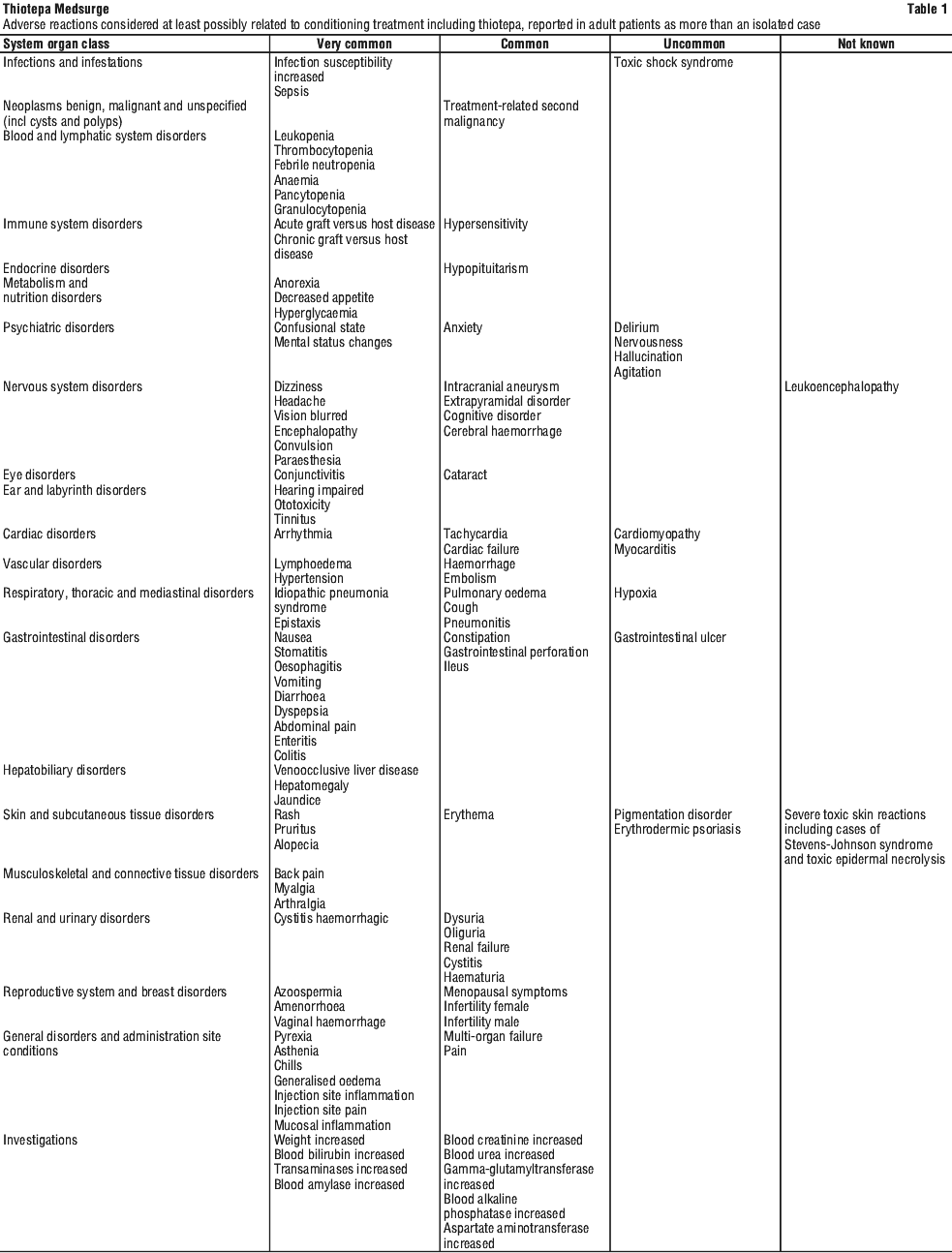
The adverse reactions considered at least possibly related to conditioning treatment including thiotepa, reported in adult patients as more than an isolated case, are listed in Table 1 by system organ class and by frequency. Within each frequency grouping, undesirable effects are presented in order of decreasing seriousness. Frequencies are defined as: very common (≥ 1/10), common (≥ 1/100 to < 1/10), uncommon (≥ 1/1,000 to < 1/100), rare (≥ 1/10,000 to < 1/1,000) very rare (< 1/10,000), not known (cannot be estimated from the available data).
Paediatric population.
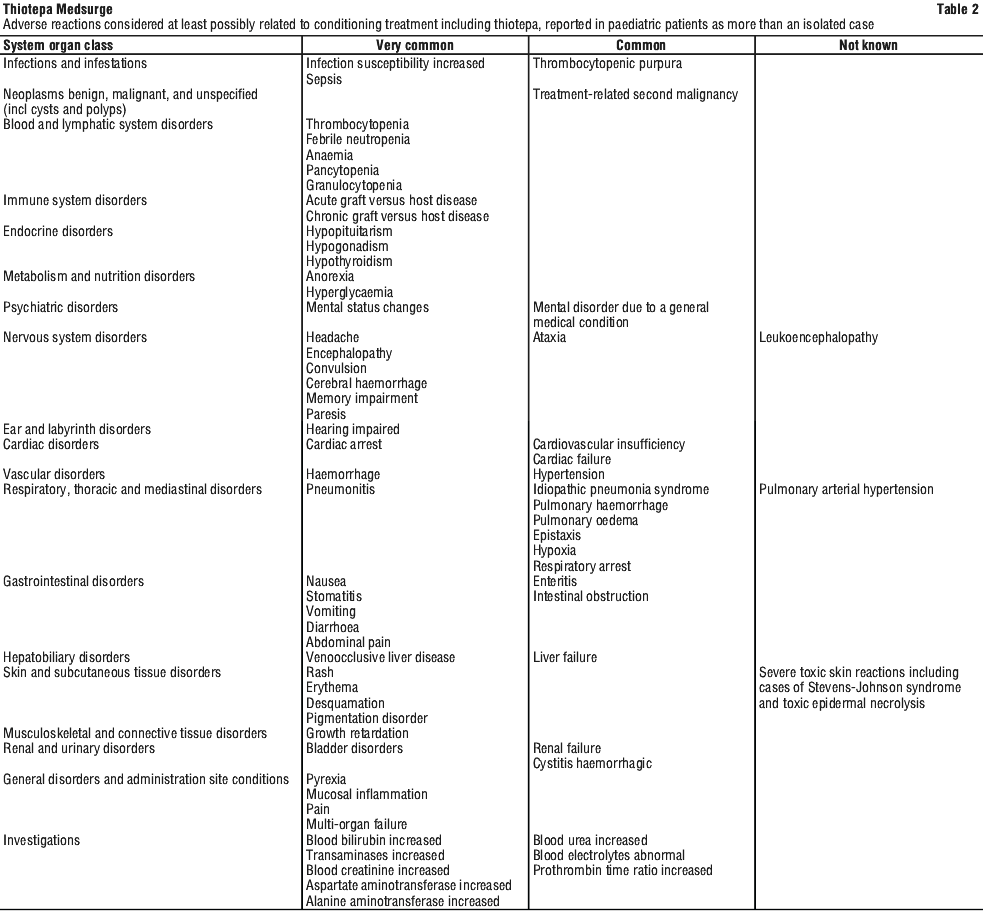
The adverse reactions considered at least possibly related to conditioning treatment including thiotepa, reported in paediatric patients as more than an isolated case, are listed below by system organ class and by frequency. Within each frequency grouping, undesirable effects are presented in order of decreasing seriousness. Frequencies are defined as: very common (≥ 1/10), common (≥ 1/100 to < 1/10), uncommon (≥ 1/1,000 to < 1/100), rare (≥ 1/10,000 to < 1/1,000) very rare (< 1/10,000), not known (cannot be estimated from the available data). See Table 2.
Reporting of suspected adverse effects.
Reporting suspected adverse reactions after registration of the medicinal product is important. It allows continued monitoring of the benefit-risk balance of the medicinal product. Healthcare professionals are asked to report any suspected adverse reactions at www.tga.gov.au/reporting-problems.4.9 Overdose
Haematopoietic toxicity can occur following overdose, manifested by a decrease in the white cell count and/or platelets. Red blood cell count is a less accurate indicator of Thiotepa toxicity. Bleeding manifestations may develop. The patient may become more vulnerable to infection and less able to combat such infection.
Dosages within and minimally above the recommended therapeutic doses have been associated with potentially life-threatening haematopoietic toxicity. Thiotepa has a toxic effect on the haematopoietic system that is dose related.
Thiotepa is dialyzable.
There is no known antidote for overdosage with Thiotepa.
Transfusions of whole blood or platelets or leucocytes have proven beneficial to the patient in combatting haematopoietic toxicity. Gastric lavage, forced fluids and general supportive measures are recommended.
For information on the management of overdose, contact the Poisons Information Centre on 131126 (Australia).
5 Pharmacological Properties
5.1 Pharmacodynamic Properties
Pharmacotherapeutic group: Antineoplastic agents, alkylating agents, ATC code: L01AC01.
Mechanism of action.
Thiotepa is a polyfunctional cytotoxic agent related chemically and pharmacologically to nitrogen mustard. The radiomimetic action of thiotepa is believed to occur through the release of ethylene imine radicals that, as in the case of irradiation therapy, disrupt the bonds of DNA, e.g. by alkylation of guanine at the N-7, breaking the linkage between the purine base and the sugar and liberating alkylated guanine.
Clinical trials.
The efficacy of thiotepa as a component of conditioning regimens prior to allogeneic and autologous HPCT for haematological conditions and solid tumours has been reported in published studies. The following paragraphs describe results from a selected group of published papers that generally provide low level evidence of efficacy.
The results of published clinical studies supporting the efficacy of thiotepa are summarised:
Adults.
Autologous HPCT. Haematological diseases.
Engraftment: Conditioning treatments including thiotepa have proved to be myeloablative.
Disease free survival (DFS): An estimated 43% at five years has been reported, confirming that conditioning treatments containing thiotepa following autologous HPCT are effective therapeutic strategies for treating patients with haematological diseases.
Relapse: In all conditioning treatments containing thiotepa, relapse rates at more than 1 year have been reported as being 60% or lower, which was considered by the physicians as the threshold to prove efficacy. In some of the conditioning treatments evaluated, relapse rates lower than 60% have also been reported at 5 years.
Overall survival (OS): OS ranged from 29% to 87% with a follow-up ranging from 22 up to 63 months.
Regimen related mortality (RRM) and Transplant related mortality (TRM): RRM values ranging from 2.5% to 29% have been reported. TRM values ranged from 0% to 21% at 1 year, confirming the safety of the conditioning treatment including thiotepa for autologous HPCT in adult patients with haematological diseases.
Solid tumours.
Engraftment: Conditioning treatments including thiotepa have proved to be myeloablative.
Disease free survival (DFS): Percentages reported with follow-up periods of more than 1 year confirm that conditioning treatments containing thiotepa following autologous HPCT are effective choices for treating patients with solid tumours.
Relapse: In all conditioning treatments containing thiotepa, relapse rates at more than 1 year have been reported as being lower than 60%, which was considered by the physicians as the threshold to prove efficacy. In some cases, relapse rates of 35% and of 45% have been reported at 5 years and 6 years respectively.
Overall survival: OS ranged from 30% to 87% with a follow-up ranging from 11.7 up to 87 months.
Regimen related mortality (RRM) and Transplant related mortality (TRM): RRM values ranging from 0% to 2% have been reported. TRM values ranged from 0% to 7.4% confirming the safety of the conditioning treatment including thiotepa for autologous HPCT in adult patients with solid tumours.
Allogeneic HPCT. Haematological diseases.
Engraftment: Engraftment has been achieved (92% to 100%) in all reported conditioning treatments and it was considered to occur at the expected time. Therefore it can be concluded that conditioning treatments including thiotepa are myeloablative. GvHD (graft versus host disease): all conditioning treatments evaluated assured a low incidence of acute GvHD grade III-IV (from 4% to 24%).
Disease free survival (DFS): Percentages reported with follow-up periods of more than 1 year and up to 5 years confirm that conditioning treatments containing thiotepa following allogeneic HPCT are effective choices for treating patients with haematological diseases.
Relapse: In all conditioning treatments containing thiotepa, relapse rates at more than 1 year have been reported as being lower than 40% (which was considered by the physicians as the threshold to prove efficacy). In some cases, relapse rates lower than 40% have also been reported at 5 years and 10 years.
Overall survival: OS ranged from 31% to 81% with a follow-up ranging from 7.3 up to 120 months.
Regimen related mortality (RRM) and Transplant related mortality (TRM): low values have been reported, confirming the safety of the conditioning treatments including thiotepa for allogeneic HPCT in adult patients with haematological diseases.
Paediatric population.
Autologous HPCT. Solid tumours.
Engraftment: It has been achieved with all reported conditioning regimens including thiotepa.
Disease free survival (DFS): With a follow-up of 36 to 57 months, DFS ranged from 46% to 70% in the reported studies. Considering that all patients were treated for high risk solid tumours, DFS results confirm that conditioning treatments containing thiotepa following autologous HPCT are effective therapeutic strategies for treating paediatric patients with solid tumours.
Relapse: In all the reported conditioning regimens containing thiotepa, relapse rates at 12 to 57 months ranged from 33% to 57%. Considering that all patients suffer of recurrence or poor prognosis solid tumours, these rates support the efficacy of conditioning regimens based on thiotepa.
Overall survival (OS): OS ranged from 17% to 84% with a follow-up ranging from 12.3 up to 99.6 months.
Regimen related mortality (RRM) and Transplant related mortality (TRM): RRM values ranging from 0% to 26.7% have been reported. TRM values ranged from 0% to 18% confirming the safety of the conditioning treatments including thiotepa for autologous HPCT in paediatric patients with solid tumours.
Allogeneic HPCT. Haematological diseases.
Engraftment: It has been achieved with all evaluated conditioning regimens including thiotepa with a success rate of 96% to 100%. The haematological recovery is in the expected time.
Disease free survival (DFS): Percentages of 40% to 75% with follow-up of more than 1 year have been reported. DFS results confirm that conditioning treatment containing thiotepa following allogeneic HPCT are effective therapeutic strategies for treating paediatric patients with haematological diseases. Relapse: In all the reported conditioning regimens containing thiotepa, the relapse rate was in the range of 15% to 44%. These data support the efficacy of conditioning regimens based on thiotepa in all haematological diseases.
Overall survival (OS): OS ranged from 50% to 100% with a follow-up ranging from 9.4 up to 121 months.
Regimen related mortality (RRM) and Transplant related mortality (TRM): RRM values ranging from 0% to 2.5% have been reported. TRM values ranged from 0% to 30% confirming the safety of the conditioning treatment including thiotepa for allogeneic HPCT in paediatric patients with haematological diseases.
5.2 Pharmacokinetic Properties
Absorption.
Thiotepa is unreliably absorbed from the gastrointestinal tract: acid instability prevents thiotepa from being administered orally.
Distribution.
Thiotepa is a highly lipophilic compound. After intravenous administration, plasma concentrations of the active substance fit a two compartment model with a rapid distribution phase of around 5 to 15 minutes.
The volume of distribution of thiotepa is large and it has been reported as ranging from 40.8 to 75 L/m2 in adults administered doses of 80 to 288 mg/ m2, indicating distribution to total body water. The apparent volume of distribution of thiotepa appears independent of the administered dose.
In children, the volume of distribution at steady state was calculated to be 16.4 to 19.4 L/ m2 at doses between 200 and 300 mg/m2.
The fraction unbound to proteins in plasma is 70 to 90%; insignificant binding of thiotepa to gamma globulin and minimal albumin binding (10 to 30%) has been reported.
After intravenous administration, CSF medicinal product exposure is nearly equivalent to that achieved in plasma; the mean ratio of AUC in CSF to plasma for thiotepa is 0.93. CSF and plasma concentrations of triethylenephosphoramide (TEPA), the first reported active metabolite of thiotepa, exceed the concentrations of the parent compound.
Metabolism.
Thiotepa undergoes rapid and extensive hepatic metabolism and metabolites could be detected in urine within 1 hour after infusion. The metabolites are active alkylating agents but the role they play in the antitumour activity of thiotepa remains to be elucidated. Thiotepa undergoes oxidative desulfuration via cytochrome P450 CYP2B6 and CYP3A4 in humans to the major and active metabolite TEPA. The total excreted amount of thiotepa and its identified metabolites accounts for 54 to 100% of the total alkylating activity, indicating the presence of other alkylating metabolites. During conversion of GSH conjugates to N-acetylcysteine conjugates, GSH, cysteinylglycine, and cysteine conjugates are formed. These metabolites are not found in urine, and, if formed, are probably excreted in bile or as intermediate metabolites rapidly converted into thiotepa-mercapturate.
Elimination.
The total clearance of thiotepa ranged from 11.4 to 23.2 L/h/m2. The elimination half-life varied from 1.5 to 4.1 hours. The identified metabolites TEPA, monochlorotepa and thiotepa-mercapturate are all excreted in the urine. Urinary excretion of thiotepa and TEPA is nearly complete after 6 and 8 hours respectively. The mean urinary recovery of thiotepa and its metabolites is 0.5% for the unchanged medicinal product and monochlorotepa, and 11% for TEPA and thiotepa-mercapturate.
Linearity/non-linearity.
There is no clear evidence of saturation of metabolic clearance mechanisms at high doses of thiotepa. Linear regression analysis of thiotepa dose (135 to 1005 mg/m2 total dose over 3 days) versus AUC demonstrated a direct linear relationship after single and repeat doses (Day 1, r = 0.82, P < 0.001; Day 3, r = 0.92, P < 0.001). The AUC of thiotepa demonstrated linearity across the range 400 to 800 mg/m2, with some evidence of greater proportionality at 900 mg/m2.
5.3 Preclinical Safety Data
Genotoxicity.
Thiotepa was mutagenic in in vitro assays in Salmonella typhimurium, E coli, Chinese hamster lung and human lymphocytes. Chromosomal aberrations and sister chromatid exchanges were observed in vitro with thiotepa in bean root tips, human lymphocytes, Chinese hamster lung, and monkey lymphocytes.
Mutations were observed with oral thiotepa in mouse at doses > 2.5 mg/kg (7.5 mg/m2). The mouse micronucleus test was positive with intraperitoneal administration of > 1 mg/kg (3 mg/m2). Other positive in vivo chromosomal aberration or mutation assays included Drosophila melanogaster, Chinese hamster marrow, murine marrow, monkey lymphocyte, and murine germ cell.
Carcinogenicity.
Thiotepa is likely to be carcinogenic based on its structure (alkylating agent). Rarely myelodysplastic syndromes and acute non-lymphocytic leukaemia have been reported to develop in patients following parenteral thiotepa for breast and ovarian cancer and intravesical thiotepa for superficial bladder cancer.
Thiotepa has been reported to be carcinogenic in studies with mice and rats when the drug was administered intermittently for one year by the intraperitoneal route at doses between 0.7 and 2.8 mg/kg. In mice, thiotepa induced lymphoma or lymphocytic leukaemia and squamous cell carcinoma of the skin and associated glands. In rats, the drug induced combined neoplasms of the haematopoietic systems (lymphoma, lymphocytic or granulocytic leukaemia), adenocarcinoma of the uterus and squamous cell carcinoma of the skin or ear canal. The LOELs for development of tumours in mice and rats were associated with levels of systemic exposure significantly lower than the maximum recommended human therapeutic dose based on body surface area.6 Pharmaceutical Particulars
6.1 List of Excipients
Thiotepa Medsurge 15 mg, 100 mg via.
None.
6.2 Incompatibilities
Thiotepa Medsurge is unstable in acid medium.
This medicinal product must not be mixed with other medicinal products except those mentioned in Section 4.2 Dose and Method of Administration.
6.3 Shelf Life
Thiotepa Medsurge 15 mg and 100 mg vial.
Unopened vial.
In Australia, information on the shelf life can be found on the public summary of the Australian Register of Therapeutic Goods (ARTG). The expiry date can be found on the packaging.
After reconstitution.
Chemical and physical in-use stability after reconstitution has been demonstrated for 8 hours when stored at 2°C to 8°C.
After dilution.
Chemical and physical in-use stability after dilution has been demonstrated for 24 hours when stored at 2°C to 8°C.
The prepared infusion solution should be used immediately. If not used immediately, to prevent microbiological hazard, the infusion should not be stored for longer than 24 hours at 2°C to 8°C.
If the diluted solution is stored at 25°C, it should be used within 4 hours.
6.4 Special Precautions for Storage
Thiotepa Medsurge 15 mg and 100 mg vial.
Unopened vial.
Store at 2°C to 8°C (Refrigerate. Do not freeze).
After reconstitution and dilution.
For storage conditions of the reconstituted and diluted medicinal product, see Section 6.3 Shelf Life.
6.5 Nature and Contents of Container
Thiotepa Medsurge 15 mg powder for injection for solution for infusion.
Type I clear glass vial with a rubber stopper (chlorobutyl), containing 15 mg thiotepa.
Pack size of 1 vial.
Thiotepa Medsurge 100 mg powder for injection for solution for infusion.
Type I clear glass vial with a rubber stopper (buthyl), containing 100 mg thiotepa.
Pack size of 1 vial.
6.6 Special Precautions for Disposal
As with all cytotoxic substances, appropriate precautions should be taken when handling thiotepa.
Disposal.
Thiotepa Medsurge is for single use in one patient only. Discard any residue. In Australia, any unused medicine or waste material should be disposed of in accordance with local requirements.6.7 Physicochemical Properties
Chemical structure.

CAS number.
52-24-4.7 Medicine Schedule (Poisons Standard)
S4 - Prescription Only Medicine.
Summary Table of Changes