


Consumer medicine information

Toujeo SoloStar

Insulin glargine

BRAND INFORMATION

Brand name

Toujeo

Active ingredient

Insulin glargine

Schedule

S4


Consumer medicine information (CMI) leaflet

Please read this leaflet carefully before you start using Toujeo SoloStar.

What is in this leaflet

This leaflet answers some common questions about Toujeo.

It does not contain all the available information. It does not take the place of talking to your doctor, pharmacist or diabetes educator.

All medicines have risks and benefits. Your doctor has weighed the risks of you using Toujeo against the benefits they expect it will have for you.

If you have any concerns about using this medicine, ask your doctor or pharmacist.

Keep this leaflet with the medicine. You may need to read it again.

What Toujeo is used for

Toujeo contains the active substance insulin glargine.

Toujeo is used to reduce high blood sugar (glucose) levels in adults with diabetes mellitus.

Toujeo is a modified insulin that is very similar to human insulin. It is a substitute for the insulin produced by the pancreas.

Toujeo is a long-acting insulin. Your doctor may tell you to use a rapid-acting insulin or oral anti-diabetic medication in combination with Toujeo.

Toujeo is not addictive.

Ask your doctor if you have any questions about why Toujeo has been prescribed for you.

Before you use Toujeo

When you must not use Toujeo

Do not use Toujeo if:

  • You have diabetic ketoacidosis (often caused by high blood glucose levels).
    Toujeo is not the insulin of choice for the treatment of diabetic ketoacidosis. If you have a positive ketone test, please contact your doctor or diabetes educator immediately.
  • You are allergic to any medicine containing insulin or any of the ingredients contained in Toujeo listed at the end of this leaflet.

Some of the symptoms of an allergic reaction may include:

  • redness, swelling, rash and itching at the injection site
  • rash, itching or hives on the skin
  • shortness of breath
  • wheezing or difficulty breathing
  • swelling of the face, lips, tongue or other parts of the body.

- If you are experiencing low blood sugar levels (hypoglycaemia - a "hypo"). If you have a lot of hypos discuss appropriate treatment with your doctor.

- After the expiry date printed on the pack or if the packaging is torn or shows signs of tampering. If you use Toujeo after the expiry date has passed, it may not work as well. If it has expired or if the packaging is damaged, return it to your pharmacist for disposal.

- If the product appears cloudy, discoloured or contains particles, or if the injection pen appears damaged.

If you are not sure whether you should start using this medicine, talk to your doctor.

Do not give Toujeo to a child or adolescent. Toujeo has not been studied for use in children or adolescents under 18 years old.

Before you start to use Toujeo

Tell your doctor if you have allergies to any other medicines, foods, preservatives or dyes.

Tell your doctor if you have or have had any of the following medical conditions:

  • kidney problems
  • liver problems.

Tell your doctor if you are pregnant or plan to become pregnant. Pregnancy may make managing your diabetes more difficult.

Tell your doctor if you are breastfeeding or plan to breastfeed.

Tell your doctor if:

  • you drink alcohol
  • you do not eat regular meals
  • you do a lot of exercise
  • you are ill or feeling unwell.

Alcohol, diet, exercise and your general health all affect the control of your diabetes.

If you have not told your doctor about any of the above, tell them before you start using Toujeo.

Taking other medicines

Tell your doctor if you are taking any other medicines, including any that you get without a prescription from your pharmacy, supermarket or health food shop.

Medicines that may increase the blood sugar lowering effect of Toujeo include:

  • oral antidiabetic medicines that are used to treat type 2 diabetes
  • blood pressure, blood flow, cholesterol and heart medications
  • medications for pain and inflammation
  • some antidepressants
  • sulfonamide antibiotics.

Medicines that may reduce the blood sugar lowering effect of Toujeo include:

  • corticosteroids, glucagon and other hormonal therapies
  • oral contraceptives and gynaecological medications
  • fluid and glaucoma medications
  • tuberculosis and HIV/AIDS treatments
  • some psychiatric medications
  • adrenaline and asthma medications such as salbutamol, terbutaline.

Certain heart medications, especially beta-blockers, may mask the symptoms of hypoglycaemia.

Your doctor and pharmacist have a full list of medicines with which you must be careful or avoid while using Toujeo. Please check with your doctor or pharmacist before starting any new medicines or over-the-counter products.

How to use Toujeo

Toujeo is a clear solution that does not require shaking before use.

Your doctor, pharmacist or diabetes educator will have shown you how to use Toujeo.

Read carefully the "Toujeo pen Instructions for Use" provided in the carton. You must use the pen as described in these Instructions for Use.

Do not dilute Toujeo.

Do not mix Toujeo with any other insulin or solution.

Toujeo and insulin glargine 100 units/mL (Lantus) injection both contain the same active ingredient, insulin glargine, and therefore should not be used together.

When transitioning from other insulin to Toujeo or from Toujeo to other insulin pens.

A program of close metabolic monitoring under medical supervision is recommended during the change and in the initial weeks thereafter.

Do not inject Toujeo into a vein. Toujeo is intended for injection under the skin.

Any change in this medicine should be made cautiously and only under medical supervision.

If you do not understand the instructions, ask your doctor, pharmacist or diabetes educator for help.

How much to use

Your doctor will tell you how much Toujeo you need to use each day. Your doctor may increase or decrease the dose, depending on your blood sugar levels.

It is very important that you manage your diabetes carefully. Too much or too little insulin can cause serious effects.

When to use Toujeo

Your doctor will tell you when to use Toujeo.

Toujeo should be used once a day, at the same time every day.

How to use Toujeo

ALWAYS CHECK YOUR TOUJEO INJECTION PEN

Do not use Toujeo if it is no longer clear and colourless or if it contains particles.

Make sure you are using the correct injection pen

Always check the insulin label before each injection to make sure you are using the right insulin. The “U300” is highlighted in honey gold on the label.

Keep the injection pen at room temperature for 1 or 2 hours before use. Cold insulin is more painful to inject.

Toujeo SoloStar disposable pens are pre-filled and ready to use. Once all the insulin is used you cannot replace the cartridge.

Carefully follow the instructions provided with the Toujeo SoloStar pen for attaching a needle, performing a safety test and administering the insulin injection.

Never use an injection pen if it is damaged or you are not sure that it is working properly. Use a new pen.

Always use needles from Becton Dickinson (BD), Ypsomed or Owen Mumford.

INJECTING A DOSE

Use a new needle every time you inject. - Re-use of needles increases the risks of blocked needles which may cause underdosing and overdosing.

Toujeo must not be withdrawn from the cartridge of the pre-filled pen into a syringe.

Toujeo should be injected under the skin, being careful not to inject it into a muscle or vein.

Choose a site for injection.

Inject Toujeo into the abdomen, thighs or upper arms.

  1. With one hand, stabilise the skin by spreading it or pinching up a large area, as recommended by your healthcare professional.
  2. Insert the needle into the skin as recommended by your healthcare professional.
  3. Inject the full dose of Toujeo by pushing the plunger as far as it will go.
  4. Slowly count to 5 before removing the needle from the skin.

Use a different injection site for each injection so that the same site is not used more often that once a month. This will reduce the chance of local skin reactions developing.

AFTER INJECTING

Using the outer needle cap, unscrew the needle and dispose of it safely into a sharps container.

Do not share needles. Do not reuse needles.

Do not attempt to replace the cartridge in a pre-filled disposable pen. Empty disposable pens must never be reused and must be properly discarded.

How long to use Toujeo

Continue using Toujeo for as long as your doctor recommends.

Make sure you keep enough Toujeo to last over weekends and holidays.

If you take too much (overdose) - Hypoglycaemia, a "Hypo"

If you accidentally use too much Toujeo your blood sugar level may become too low (hypoglycaemia).

Immediately telephone your doctor or the Poisons Information Centre (13 11 26 in Australia; 0800 POISON or 0800 764 766 in New Zealand) if you think that you or anyone else may have used too much Toujeo.

Do this even if there are no signs of discomfort or poisoning.

The risk of hypoglycaemia is increased if you:

  • accidentally use too much Toujeo
  • have too much or unexpected exercise
  • delay eating meals or snacks
  • eat too little food
  • are ill.

The first symptoms of mild to moderate hypoglycaemia can come on suddenly. They may include:

  • cold sweat, cool pale skin
  • fatigue, drowsiness, unusual tiredness and weakness
  • nervousness, anxious feeling, tremor, rapid heart beat
  • confusion, difficulty concentrating
  • excessive hunger
  • vision changes
  • headache, nausea.

Always carry some sugary food or drink with you.

If you experience any of these symptoms of hypoglycaemia, you need to raise your blood sugar urgently. You can do this by taking one of the following:

  • 5-7 jelly beans
  • 3 teaspoons of sugar or honey
  • 1/2 can of a sugar-containing soft drink (not a diet soft drink)
  • 2-3 concentrated glucose tablets.

Follow up with extra carbohydrates, e.g. plain biscuits, fruit or milk, when over the initial symptoms. Taking this extra carbohydrate will prevent a second drop in your blood sugar level.

If not treated quickly, the initial symptoms of hypoglycaemia may progress to loss of co-ordination, slurred speech, confusion, loss of consciousness and seizures.

If severe hypoglycaemia is not treated, it can cause brain damage and death.

Tell your relatives, friends, close workmates or carers that you have diabetes. It is important that they recognise the signs and symptoms of a "hypo".

Make sure they know to turn you on your side and get medical help immediately if you lose consciousness.

Make sure they know not to give you anything to eat or drink if you are unconscious. This is because you could choke.

Provide them with the telephone number for your doctor, the Poisons Information Centre (13 11 26 in Australia; 0800 POISON or 0800 764 766 in New Zealand) and Emergency Services.

An injection of the hormone glucagon may speed up recovery from unconsciousness. This can be given by a relative, friend, workmate or carer who knows how to give it.

If glucagon is used, have some sugary food or drink as soon as you are conscious again.

If you do not feel better after this, contact your doctor, diabetes educator, or the closest hospital.

If you do not respond to glucagon treatment, you will have to be treated in a hospital.

See your doctor if you keep having "hypos" or if you have ever become unconscious after using Toujeo. Your dose of Toujeo or other medicines may need to be changed.

If you miss a dose - Hyperglycaemia

If you forget to take your insulin dose, test your blood sugar level as soon as possible.

Toujeo is a long-acting insulin and should be taken regularly at the same time each day. If you miss taking your dose at the regular scheduled time, your blood sugar levels may become high (hyperglycaemia).

However, taking a dose of Toujeo at another time may increase your risk of having a hypo. You should therefore plan in advance with your doctor or healthcare professional so that you know what to do in case you miss a dose.

If you have missed a dose and are not sure what you should do, contact your doctor or healthcare professional for specific advice.

Do NOT use a double dose of your insulin. If you double a dose, this may cause low blood sugar levels.

The risk of hyperglycaemia is increased if you:

  • miss doses of Toujeo or other insulin, or use less Toujeo than you need
  • have uncontrolled diabetes
  • exercise less than usual
  • eat more carbohydrates than usual
  • are ill or stressed
  • take certain other medications.

High blood sugar levels over a period of time can lead to too much acid in the blood (diabetic ketoacidosis).

Contact your doctor immediately if your blood sugar level is very high or you experience any of the following symptoms.

Symptoms of mild to moderate hyperglycaemia include:

  • drowsy feeling
  • flushed face
  • thirst, loss of appetite
  • fruity odour on the breath
  • blurred vision
  • passing larger amounts of urine than usual
  • getting up at night more often than usual to pass urine
  • high levels of glucose and acetone in the urine.

Symptoms of severe hyperglycaemia include:

  • heavy breathing
  • fast pulse
  • nausea, vomiting
  • dehydration
  • loss of consciousness.

Severe hyperglycaemia can lead to unconsciousness and, in extreme cases, death if untreated.

Discuss any worries you may have about this with your doctor, pharmacist or diabetes educator.

While you are using Toujeo

Things you must do

Measure your blood sugar level regularly. This is the best way to tell if your diabetes is being controlled properly.

Your doctor or diabetes educator will show you how and when to do this.

It is important to keep using Toujeo even if you feel well. Toujeo helps to control your condition, but does not cure it.

Tell your doctor if you often have hypoglycaemia or if you have ever become unconscious after using Toujeo. Your doctor may need to adjust your dose of Toujeo or of other medicines you are taking.

Always carry some sugary food or drink with you. If you experience any of the symptoms of hypoglycaemia, immediately eat some sugary food or have a drink, e.g. jelly beans, sugar, honey, sugar-containing soft drink, glucose tablets. Diet and low calorie soft drinks do NOT contain sugar and are unsuitable to take for hypoglycaemia.

Make sure that you tell every doctor, dentist, pharmacist or other healthcare professional who is treating you that you have diabetes and are using Toujeo.

Tell your doctor, pharmacist or diabetes educator if you are travelling.

Ask your doctor for a letter explaining why you are taking injecting pens and needles with you. Each country you visit will need to see this letter, so you should take several copies.

You may need to inject Toujeo and eat your meals at different times because of time differences in and between countries.

If you are travelling, it is a good idea to:

  • wear some form of identification showing you have diabetes
  • carry some form of sugar to treat hypoglycaemia if it occurs, e.g. sugar sachets or jelly beans
  • carry emergency food rations in case of a delay, e.g. dried fruit, biscuits or muesli bars
  • keep Toujeo readily available; take enough Toujeo for your expected needs whilst travelling.
    - you may not be able to get Toujeo in the country you are visiting.

Your doctor, pharmacist or diabetes educator can provide you with some helpful information. You may need to talk to them about:

  • Availability of your insulin in the country you are visiting
  • Correct storage of your insulin while you are travelling
  • Timing of meals and insulin administration while travelling
  • The possible effects of changing to different time zones
  • Possible new health risks in the countries to be visited
  • What you should do in emergency situations when you feel unwell or become ill.

Tell your doctor if you are having trouble or difficulty with your eyesight.

Visit your doctor for regular checks of your eyes, feet, kidneys, heart, circulation, blood and blood pressure.

Carefully follow your doctor's and/or dietician's advice on diet, drinking alcohol and exercise.

Things you must not do

Do not stop using Toujeo unless your doctor tells you to.

Do not skip meals while using Toujeo.

Do not use Toujeo if you think it has been frozen or exposed to excessive heat (temperatures above 30°C).

Do not give Toujeo to anyone else, even if they have the same condition as you.

Do Not use a syringe to withdraw from the cartridge of the pre-filled pen into the syringe.

Do Not re-use needles.

Things to be careful of

Be careful driving or operating machinery until you know how Toujeo affects you. Be careful not to let your blood sugar levels fall too low.

Tell your doctor if you drink alcohol. Alcohol may mask the symptoms of hypoglycaemia.

Tell your doctor if you are ill. Illness, especially with nausea and vomiting, may cause your insulin needs to change. Even if you are not eating, you still require insulin. You and your doctor should design an insulin plan for those times when you are sick.

If you become sick with a cold or flu, it is very important to continue using Toujeo, even if you feel unable to eat your normal meal. If you have trouble eating solid foods, use sugar-sweetened drinks as a carbohydrate substitute or eat small amounts of bland food. Your diabetes educator or dietician can give you a list of foods to use for sick days.

Tell your doctor if you are exercising more than usual. Exercise may lower your need for Toujeo. Exercise may also speed up the effect of a dose of Toujeo, especially if the exercise involves the area of the injection site (e.g. the thighs should not be used for injection prior to jogging or running).

Tell your doctor if your diet changes. Changes in diet may cause your insulin needs to change.

Side effects

Tell your doctor, pharmacist or diabetes educator as soon as possible if you do not feel well while you are using Toujeo.

Toujeo helps most people with diabetes, but it may have unwanted side effects in a few people. All medicines can have side effects. Sometimes they are serious, most of the time they are not. You may need medical attention if you get some of the side effects.

Do not be alarmed by the following lists of side effects. You may not experience any of them.

Ask your doctor, pharmacist or diabetes educator to answer any questions you may have.

The most common side effect when using insulin is low blood sugar levels (hypoglycaemia - a "hypo").

Tell your doctor if you notice any of the following and they worry you:

  • hypoglycaemia (mild to moderate)
  • redness, swelling or itching at the injection site; usually these symptoms disappear within a few weeks during continued use
  • a depression or thickening of the skin around the injection site (lipodystrophy); this can often occur if you inject too often at the same injection site.

The above list includes the more common side effects of your medicine. They are usually mild and short-lived.

If any of the following happen, tell your doctor immediately or go to Accident and Emergency at your nearest hospital:

  • More severe symptoms of hypoglycaemia, including:
    - disorientation
    - seizures, fits or convulsions
    - loss of consciousness.
  • Signs of a serious allergic reaction, including:
    - skin rashes over a large part of the body
    - shortness of breath, wheezing
    - swelling of the face, lips or tongue
    - fast pulse
    - sweating.

The above list includes some very serious side effects. You may need urgent medical attention or hospitalisation. These side effects are very rare.

Tell your doctor if you notice anything that is making you feel unwell.

Other side effects not listed above may also occur in some people.

After using Toujeo

Storage

All medicines should be kept where children cannot reach them.

Before use, keep unopened Toujeo pre-filled pens in a refrigerator where the temperature is between 2-8°C. Do not allow it to freeze. Discard if frozen.

Before first use, store the pre-filled pen at room temperature for 1 to 2 hours. Once in use, the pre-filled pen should not be put in the refrigerator and it should be kept below 30°C. Do not leave it near heat or in direct light. Discard the pre-filled pen within 28 days of first use. Pre-filled pens that are first carried as a spare for a while must also be discarded 28 days after being removed from the refrigerator.

Disposal

Dispose of your insulin syringes, needles and disposable injection devices safely into a sharps container.

If your doctor tells you to stop using Toujeo or the expiry date has passed, ask your pharmacist what to do with any medicine that is left over.

Product description

What it looks like

Toujeo SoloSTAR is a pre-filled disposable pen containing a 1.5 mL cartridge of Toujeo.

Ingredients

Active Ingredient:

  • insulin glargine (300 units/mL).

Inactive Ingredients:

  • meta-cresol
  • glycerol
  • zinc chloride
  • hydrochloric acid
  • sodium hydroxide
  • water for injections.

Supplier

Toujeo is supplied in Australia by:

Sanofi-Aventis Australia Pty Ltd
12-24 Talavera Road
Macquarie Park NSW 2113
Freecall No: 1800 818 806

Toujeo Solostar 1.5 mL injector pen
AUST R 223457

This leaflet was prepared in January 2016.

Further information

You can get more information about diabetes and insulin from:

  • Diabetes Australia:
    freecall helpline: 1300 136 588
    www.diabetesaustralia.com.au
  • Diabetes NZ:
    freecall helpline: 0800 369 636
    www.diabetes.org.nz

toujeo-ccdsv1-cmiv3-27jan16

Published by MIMS June 2024

BRAND INFORMATION

Brand name

Toujeo

Active ingredient

Insulin glargine

Schedule

S4


1 Name of Medicine

Insulin glargine 300 units/mL.

2 Qualitative and Quantitative Composition

Toujeo SoloStar pre-filled disposable pen injector contains 1.5 mL solution for injection.
Insulin glargine is produced by recombinant DNA technology in Escherichia coli.
For full list of excipients, see Section 6.1 List of Excipients.

3 Pharmaceutical Form

Solution for injection.
A sterile clear colourless solution of insulin glargine 300 units/mL in cartridges for use as an injection.

4 Clinical Particulars

4.1 Therapeutic Indications

Treatment of diabetes mellitus in patients 6 years of age and older.

4.2 Dose and Method of Administration

Insulin glargine 300 units/mL is a basal insulin for once daily subcutaneous administration at any time of the day, preferably at the same time every day.

Initiation of Toujeo.

Before using Toujeo SoloStar (referred hereafter as "Toujeo") pre-filled pen, the instructions for use included in the package leaflet must be read carefully. Insulin labels must always be checked before each injection to avoid medication errors between Toujeo and other insulins (see Section 4.4 Special Warnings and Precautions for Use). The "U300" is highlighted in honey gold on the label.
Toujeo is for subcutaneous use only and should be administered by injection in the abdominal wall, the deltoid or the thigh. Injection sites must be rotated within a given injection area from one injection to the next in order to reduce the risk of lipodystrophy and localised cutaneous amyloidosis. Do not inject into areas of lipodystrophy and localised cutaneous amyloidosis (see Section 4.4 Special Warnings and Precautions for Use; Section 4.8 Adverse Effects (Undesirable Effects)).
Toujeo must not be administered intravenously. The prolonged duration of action of Toujeo is dependent on its injection into subcutaneous tissue. Intravenous administration of the usual subcutaneous dose could result in severe hypoglycaemia.
Before first use. The pen must be stored at room temperature at least 1 hour before use. After use it should be kept at room temperature (below 30°C).
Inspect the cartridge; it must only be used if the solution is clear, colourless, with no solid particles visible, and if it is of water-like consistency. Since Toujeo is a solution, it does not require resuspension before use.
To prevent the possible transmission of disease, each pen must be used by one patient only.
Dosing.

Patients with type 1 diabetes mellitus.

Toujeo is to be used once daily as a basal insulin and requires subsequent individual dose adjustments.
In type 1 diabetes mellitus, Toujeo must be combined with short/ rapid acting insulin to cover mealtime insulin requirements.

Patients with type 2 diabetes mellitus.

The recommended daily starting dose is 0.2 U/kg followed by individual dosage adjustments. In patients with type 2 diabetes mellitus, Toujeo can also be given together with orally and injectable active antidiabetic medicinal products.
General. Toujeo is available in two pre-filled pens. The dose window shows the number of units of Toujeo to be injected. The Toujeo SoloStar pre-filled pens have been specifically designed for Toujeo, therefore no dose re-calculation is required.
With Toujeo SoloStar pre-filled pen, a dose of 1 to 80 units per single injection, in steps of 1 unit, can be injected.
When changing between Toujeo SoloStar and Toujeo Max SoloStar (3.0 mL 300 unit/mL insulin glargine pen), if the patient's previous dose was an odd number, the dose should be increased or decreased by 1 unit.
Dose adjustment may be required, for example, if the patient's weight or lifestyle changes, if there is a change in timing of insulin dose or if other circumstances arise that increase susceptibility to hypo or hyperglycemia (see Section 4.4 Special Warnings and Precautions for Use). Any change of insulin dose should be made cautiously and only under medical supervision.
Patients who forget a dose, are advised to check their blood sugar frequently. Patients should be informed not to take a double dose to make up for a forgotten dose.
The desired blood glucose levels as well as doses and timing of antidiabetic medication must be determined and adjusted individually.

Patients must be instructed to never reuse a needle.

A new sterile needle must be attached before each injection. Reuse of needles increases the risk of blocked needles which may cause under dosing or overdosing. Using a new sterile needle for each injection also minimizes the risk of contamination and infection (see Section 4.4 Special Warnings and Precautions for Use).

Toujeo must not be drawn from the cartridge of the prefilled pen into a syringe.

(See Section 4.4 Special Warnings and Precautions for Use).
Empty pens must never be reused and must be properly discarded. Toujeo must not be used in insulin infusion pumps.
Insulin glargine 100 units/mL and insulin glargine 300 units/mL are not bioequivalent.

Do not mix or dilute Toujeo.

Insulin glargine 300 units/mL must not be mixed with any other insulin products. Mixing changes the time/ action profile of insulin glargine 300 units/mL and causes precipitation.
Insulin glargine 300 units/mL and insulin glargine 100 units/mL injection both contain the same active ingredient, insulin glargine, and therefore should not be used together.
Insulin glargine 300 units/mL must not be diluted. Diluting changes the time/ action profile of insulin glargine 300 units/mL.

Switch from insulin glargine 100 units/mL or other basal insulin products to insulin glargine 300 units/mL.

When changing from a treatment regimen with an intermediate acting or another long acting insulin product to a regimen with Toujeo, the amount and timing of short acting insulin or fast acting insulin analogue product or of the dose of any antidiabetic drug may need to be adjusted.

Switch between insulin glargine 100 units/mL and insulin glargine 300 units/mL.

Insulin glargine 100 units/mL and insulin glargine 300 units/mL are not bioequivalent and are not directly interchangeable.
When switching from insulin glargine 100 units/mL to insulin glargine 300 units/mL, the dose should be adjusted on a unit-to-unit basis based on the current total daily dose of insulin glargine 100 units/mL. In clinical studies adults may require approximately 10-18% more Toujeo than insulin glargine 100 units/mL to achieve target ranges for plasma glucose levels and children may require approximately 8% more Toujeo than insulin glargine 100 units/mL to achieve target ranges for plasma glucose levels.
When switching from insulin glargine 300 units/mL to insulin glargine 100 units/mL, the dose should be reduced (approximately by 10-18% in adults and 8% in children) to reduce the risk of hypoglycaemia.
Close metabolic monitoring is recommended during the switch and in the initial weeks thereafter.

Switch from basal insulins other than insulin glargine 100 units/mL to insulin glargine 300 units/mL.

When switching from a treatment regimen with an intermediate or long acting insulin to a regimen with Toujeo, a change of the dose of the basal insulin may be required and the concomitant antihyperglycaemic treatment may need to be adjusted (dose and timing of additional regular insulins or fast acting insulin analogues or the dose of noninsulin antihyperglycaemic medicinal products).
Switching from once daily basal insulins (insulin detemir, neutral protamine Hagedorn (NPH)) other than insulin glargine 100 units/mL to once-daily insulin glargine 300 units/mL can be done unit to unit based on the previous basal insulin dose.
Switching from twice daily basal insulins (e.g. NPH) to once daily insulin glargine 300 units/mL, the recommended initial insulin glargine 300 units/mL dose is 80% of the total daily dose of basal insulin that is being discontinued.
Patients with high insulin doses because of antibodies to human insulin may experience an improved response with insulin glargine 300 units/mL.
Close metabolic monitoring is recommended during the switch and in the initial weeks thereafter.
With improved metabolic control and resulting increase in insulin sensitivity a further adjustment in dose regimen may become necessary. Dose adjustment may also be required, for example, if the patient's weight or lifestyle changes, if there is a change in the timing of insulin dose or if other circumstances arise that increase susceptibility to hypo- or hyperglycaemia (see Section 4.4 Special Warnings and Precautions for Use).

Switch from insulin glargine 300 units/mL to other basal insulins.

Medical supervision with close metabolic monitoring is recommended during the transfer and in the initial weeks thereafter. Please refer to the prescribing information of the medicinal product to which the patient is switching.

4.3 Contraindications

Toujeo must not be used in patients hypersensitive to insulin glargine or any of the excipients.

4.4 Special Warnings and Precautions for Use

Toujeo is not the insulin of choice for the treatment of diabetic ketoacidosis. Instead, regular insulin administered intravenously is recommended in such cases.
Patients, and if appropriate, their relatives, must also be alert to the possibility of hyper- or hypoglycaemia, and know what actions to take.
In case of insufficient glucose control or a tendency to hyper- or hypoglycaemic episodes, the patient's adherence to the prescribed treatment regimen, injection sites and proper injection technique and all other relevant factors must be reviewed before dose adjustment is considered.
Patients must be instructed to perform continuous rotation of the injection site to reduce the risk of developing lipodystrophy and localised cutaneous amyloidosis. There is a potential risk of delayed insulin absorption and worsened glycaemic control following insulin injections at sites with these reactions. A sudden change in the injection site to an unaffected area has been reported to result in hypoglycaemia. Blood glucose monitoring is recommended after the change in the injection site, and dose adjustment of antidiabetic medications may be considered (see Section 4.8 Adverse Effects (Undesirable Effects)).

Hypoglycaemia.

As with all insulins, severe hypoglycaemic episodes, especially if recurrent, may lead to neurological damage. Prolonged or severe hypoglycaemic episodes may be life threatening.
In many patients, the signs and symptoms of neuroglycopaenia are preceded by signs of adrenergic counter regulation. Generally, the greater and more rapid the decline in blood glucose, the more marked is the phenomenon of counter regulation and its symptoms.
The time of occurrence of hypoglycaemia depends on the action profile of the insulin products used and may, therefore, change when the treatment regimen is changed.
Particular caution should be exercised, and intensified blood glucose monitoring is advisable in patients in whom hypoglycaemic episodes might be of particular clinical relevance, such as in patients with significant stenoses of the coronary arteries or of the blood vessels supplying the brain (risk of cardiac or cerebral complications of hypoglycaemia) as well as in patients with proliferative retinopathy, particularly if not treated with photocoagulation (risk of transient amaurosis following hypoglycaemia).
Patients should be aware of circumstances where warning symptoms of hypoglycaemia are diminished. The warning symptoms of hypoglycaemia may be changed, be less pronounced or be absent in certain risk groups. These include patients:
in whom glycaemic control is markedly improved;
in whom hypoglycaemia develops gradually;
who are elderly;
in whom an autonomic neuropathy is present;
with a long history of diabetes;
suffering from a psychiatric illness;
receiving concurrent treatment with certain other medicinal products (see Section 4.5 Interactions with Other Medicines and Other Forms of Interactions).
Such situations may result in severe hypoglycaemia (and possibly loss of consciousness) prior to the patient's awareness of hypoglycaemia.
As with other basal insulin products, the prolonged effect of subcutaneous insulin glargine may delay recovery from hypoglycaemia.
If normal or decreased values for glycated haemoglobin are noted, the possibility of recurrent, unrecognised (especially nocturnal) episodes of hypoglycaemia must be considered.
Adherence of the patient to the dose and dietary regimen, correct insulin administration and awareness of hypoglycaemia symptoms are essential to reduce the risk of hypoglycaemia. Factors increasing the susceptibility to hypoglycaemia require particularly close monitoring and may necessitate dose adjustment. These factors include:
change in the injection area;
improved insulin sensitivity (e.g. by removal of stress factors);
unaccustomed, increased or prolonged physical activity;
intercurrent illness (e.g. vomiting, diarrhoea);
inadequate food intake;
missed meals;
alcohol consumption;
certain uncompensated endocrine disorders (e.g. in hypothyroidism and in anterior pituitary or adrenocortical insufficiency);
concomitant treatment with certain other medicinal products.
Hypoglycaemia can generally be corrected by immediate carbohydrate intake. So that initial corrective action can be taken immediately, patients must carry a minimum of 20 grams of carbohydrates with them at all times.

Switch between insulin glargine 100 units/mL and insulin glargine 300 units/mL.

Since insulin glargine 100 units/mL and insulin glargine 300 units/mL are not bioequivalent and are not directly interchangeable, switching may result in the need for a change in dose and should only be done under medical supervision (see Section 4.2 Dose and Method of Administration).

Switch between other insulins and insulin glargine 300 units/mL.

Switching a patient between another type of insulin and insulin glargine 300 units/mL should only be done under medical supervision.

Intercurrent illness.

Intercurrent illness requires intensified metabolic monitoring. In many cases urine tests for ketones are indicated, and often it is necessary to adjust the insulin dose. The insulin requirement is often increased. Patients with type 1 diabetes must continue to consume at least a small amount of carbohydrates on a regular basis, even if they are able to eat only little or no food, or are vomiting etc. and they must never omit insulin entirely.

Insulin antibodies.

Insulin administration may cause insulin antibodies to form. In rare cases, the presence of such insulin antibodies may necessitate adjustment of the insulin dose in order to correct a tendency to hyper- or hypoglycaemia (see Section 4.8 Adverse Effects (Undesirable Effects)).

Medication errors prevention.

Insulin labels must always be checked before each injection to avoid medication errors between Toujeo and other insulins. Medication errors have been reported in which other insulins, particularly short acting insulins, have been accidentally administered instead of long acting insulins.
To avoid dosing errors and potential overdose, Toujeo must never be removed from the prefilled pen by syringe (see Section 4.9 Overdose).
Patients must be instructed to never reuse a needle. A new sterile needle must be attached before each injection. Reuse of needles increases the risk of blocked needles which may cause underdosing or overdosing. In the event of blocked needles, the patients must follow the instructions described in step 3 of the instruction for use.
Like for all insulin pens, patients must visually verify the number of selected units on the dose counter of the pen. Patients who are blind or have poor vision should be instructed to get help/ assistance from another person who has good vision and is trained in using the insulin device.

Use in hepatic impairment.

In patients with severe hepatic impairment, insulin requirements may be diminished due to reduced capacity for gluconeogenesis and reduced insulin metabolism. Careful glucose monitoring and dose adjustments of insulin, including Toujeo, may be necessary in patients with hepatic impairment.

Use in renal impairment.

In patients with renal impairment, insulin requirements may be diminished due to reduced insulin metabolism. Careful glucose monitoring and dose adjustments of insulin, including Toujeo, may be necessary in patients with renal impairment.

Use in the elderly.

In the elderly, progressive deterioration of renal function may lead to steady decrease in insulin requirements. Careful glucose monitoring and dose adjustments of insulin, including Toujeo, may be necessary in elderly patients.

Paediatric use.

Toujeo can be used in paediatric patients from the age of 6 years. When switching from basal insulin to Toujeo, close monitoring of blood glucose levels (BGLs) and communication with the health team during the period of transition is essential as doses of basal and bolus insulin may change. The safety and effectiveness of Toujeo have not been established in paediatric patients under 6 years of age.

Effects on laboratory tests.

No studies on the effects of Toujeo on laboratory tests have been performed.

4.5 Interactions with Other Medicines and Other Forms of Interactions

A number of substances affect glucose metabolism and may require dose adjustment of insulin glargine.

Substances that may enhance the blood glucose lowering effect and increase susceptibility to hypoglycaemia.

Oral antidiabetic medicinal products, angiotensin converting enzyme (ACE) inhibitors, disopyramide, fibrates, fluoxetine, monoamine oxidase (MAO) inhibitors, pentoxifylline, propoxyphene, salicylates and sulfonamide antibiotics.

Substances that may reduce the blood glucose lowering effect.

Corticosteroids, danazol, diazoxide, diuretics, glucagon, isoniazid, oral contraceptives, phenothiazine derivatives, somatotrophin, sympathomimetic agents (e.g. epinephrine [adrenaline], salbutamol, terbutaline), thyroid hormones, protease inhibitors and atypical antipsychotic medications (e.g. olanzapine and clozapine).
Beta-blockers, clonidine, lithium salts or alcohol may either potentiate or weaken the blood glucose lowering effect of insulin. Pentamidine may cause hypoglycaemia, which may be sometimes followed by hyperglycaemia.

Others.

In addition, under the influence of sympatholytic medicinal products such as beta-blockers, clonidine, guanethidine and reserpine, the signs of adrenergic counter regulation induced by hypoglycaemia may be reduced or absent.

4.6 Fertility, Pregnancy and Lactation

Effects on fertility.

Animal studies do not indicate direct harmful effects with respect to fertility.
In a combined fertility, prenatal and postnatal study in male and female rats at subcutaneous doses up to 10 IU/kg/day (approximately 5 times anticipated clinical exposure based on BSA), insulin glargine was maternotoxic due to dose dependent hypoglycaemia leading to death at the highest dose. Similar effects were seen with NPH insulin.
(Category B3)
There are no randomized controlled clinical studies of the use of insulin glargine 300 units/mL in pregnant women.
A large number (more than 1000 retrospective and prospective pregnancy outcomes with insulin glargine 100 units/mL) of exposed pregnancies from postmarketing surveillance indicate no specific adverse effects on pregnancy or on the health of the foetus and newborn child.
Furthermore a meta-analysis of eight observational clinical studies including 331 women using insulin glargine 100 units/mL and 371 women using insulin NPH was performed to assess the safety of insulin glargine and insulin NPH in gestational or pregestational diabetes. No significant differences in safety related maternal or neonatal outcomes were seen between insulin glargine and insulin NPH during pregnancy.
It is essential for patients with pre-existing or gestational diabetes to maintain good metabolic control throughout pregnancy to prevent adverse outcomes associated with hyperglycemia. Insulin requirements may decrease during the first trimester and generally increase during the second and third trimesters. Immediately after delivery, insulin requirements decline rapidly (increased risk of hypoglycaemia). Careful monitoring of glucose control is essential.
Patients with diabetes must inform their doctor if they are pregnant or are contemplating pregnancy and insulin glargine should be used during pregnancy only if the potential benefits outweigh potential risk.
Embryofetal development studies in rats and rabbits have been performed at subcutaneous doses up to 20 IU/kg/day and 2 IU/kg/day, respectively (approximately 10 times and twice anticipated clinical exposure, respectively, based on BSA). The effects of insulin glargine generally did not differ from those observed with NPH insulin in rats or rabbits. However, in rabbits dosed with 2 IU/kg/day there was an increased incidence of dilatation of the cerebral ventricles.
It is not known whether insulin glargine is excreted in significant amounts in human milk or animal milk. Many drugs, including insulin, are excreted in human milk. For this reason, caution should be exercised when insulin glargine is administered to a nursing mother. Lactating women may require adjustments in insulin dose and diet.

4.7 Effects on Ability to Drive and Use Machines

The patient's ability to concentrate and react may be impaired as a result of hypoglycaemia or hyperglycaemia or, for example, as a result of visual impairment. This may constitute a risk in situations where these abilities are of special importance (e.g. driving a car or operating machines).
Patients should be advised to take precautions to avoid hypoglycaemia whilst driving. This is particularly important in those who have reduced or absent awareness of the warning symptoms of hypoglycaemia or have frequent episodes of hypoglycaemia. It should be considered whether it is advisable to drive or operate machines in these circumstances.

4.8 Adverse Effects (Undesirable Effects)

The following adverse reactions were observed during clinical studies conducted with insulin glargine 300 units/mL and insulin glargine 100 units/mL (Table 1) and during clinical experience with insulin glargine 100 units/mL in the ORIGIN clinical study (Table 2).
The following adverse reactions observed from insulin glargine 300 units/mL and insulin glargine 100 units/mL from clinical investigations are listed by system organ class and in order of decreasing incidence. Very common: ≥ 1/10; common: ≥ 1/100 to < 1/10; uncommon: ≥ 1/1,000 to < 1/100; rare: ≥ 1/10,000 to < 1/1,000; very rare: < 1/10,000; not known: cannot be estimated from the available data.
Within each frequency grouping, adverse reactions are presented in order of decreasing seriousness.
Hypoglycaemia, in general the most frequent adverse reaction of insulin therapy, may occur if the insulin dose is too high in relation to the insulin requirement.

Metabolism and nutrition disorders.

Severe hypoglycaemic attacks, especially if recurrent, may lead to neurological damage. Prolonged or severe hypoglycaemic episodes may be life threatening.
In many patients, the signs and symptoms of neuroglycopenia are preceded by signs of adrenergic counter regulation. Generally, the greater and more rapid the decline in blood glucose, the more marked is the phenomenon of counter regulation and its symptoms. (See Section 5.1, Clinical trials).

Immune system disorders.

Immediate type allergic reactions to insulin are rare. Such reactions to insulin (including insulin glargine) or the excipients may, for example, be associated with generalised skin reactions, angioedema, bronchospasm, hypotension and shock, and may be life threatening. In insulin glargine 300 units/mL clinical studies in adult patients, the incidence of allergic reactions was similar in insulin glargine 300 units/mL - treated patients (5.3%) and insulin glargine 100 units/mL treated patients (4.5%).
Insulin administration may cause insulin antibodies to form. In clinical studies comparing insulin glargine 300 units/mL and insulin glargine 100 units/mL, antibodies to insulin were observed with similar frequencies in both treatment groups. In rare cases, the presence of such insulin antibodies may necessitate adjustment of the insulin dose in order to correct a tendency to hyper- or hypoglycaemia (see Section 4.4 Special Warnings and Precautions for Use).

Eye disorders.

A marked change in glycaemic control may cause temporary visual impairment, due to temporary alteration in the turgidity and refractive index of the lens.
Long-term improved glycaemic control decreases the risk of progression of diabetic retinopathy. However, intensification of insulin therapy with abrupt improvement in glycaemic control may be associated with temporary worsening of diabetic retinopathy.
In patients with proliferative retinopathy, particularly if not treated with photocoagulation, severe hypoglycaemic episodes may result in transient partial or complete blindness.
Retinopathy was evaluated in clinical studies by means of retinal adverse events reported and fundus photography. The numbers of retinal adverse events reported for insulin glargine 100 units/mL and NPH treatment groups were similar for patients with type 1 and type 2 diabetes. Progression of retinopathy was investigated by fundus photography using a grading protocol derived from the Early Treatment Diabetic Retinopathy Study (ETDRS). In a 5 year NPH controlled study, the primary outcome was progression by 3 or more steps on the ETDRS scale at study endpoint. The results of this analysis are shown in Table 3 for both the per protocol (primary) and intent to treat (ITT) populations, and indicate noninferiority of insulin glargine 100 units/mL to NPH in the progression of diabetic retinopathy as assessed by this outcome.

Skin and subcutaneous tissue disorders.

As with any insulin therapy, lipodystrophy may occur at the injection site and delay local insulin absorption. In clinical studies, in regimens, which included insulin glargine, lipohypertrophy was observed in 1 to 2% of patients, whereas lipoatrophy was uncommon.
Localised cutaneous amyloidosis at the injection site has occurred with insulins. Hyperglycaemia has been reported with repeated insulin injections into areas of cutaneous amyloidosis; hypoglycaemia has been reported with a sudden change to an unaffected injection site.
Continuous rotation of the injection site within the given injection area may help to reduce or prevent these reactions (see Section 4.4 Special Warnings and Precautions for Use).

General disorders and administration site conditions.

Injection site reactions include redness, pain, itching, hives, swelling, or inflammation. Most minor reactions to insulins at the injection site resolve in a few days to a few weeks. In insulin glargine 300 units/mL clinical studies in adult patients, the incidence of injection site reactions was similar in insulin glargine 300 units/mL treated patients (2.5%) and insulin glargine 100 units/mL treated patients (2.8%).
Rarely, insulin may cause sodium retention and oedema particularly if previously poor metabolic control is improved by intensified insulin therapy.

Paediatric population.

Safety and efficacy of Toujeo have been demonstrated in a 26-week trial in paediatric patients aged 6 years to less than 18 years. The frequency, type and severity of adverse reactions in the paediatric population do not indicate differences from the experience in the general diabetes population (see Section 5.1 Pharmacodynamic Properties, Clinical trials).

Reporting suspected adverse effect.

Reporting suspected adverse reactions after registration of the medicinal product is important. It allows continued monitoring of the benefit-risk balance of the medicinal product. Healthcare professionals are asked to report any suspected adverse reactions at www.tga.gov.au/reporting-problems.

4.9 Overdose

Symptoms.

Insulin overdose may lead to severe and sometimes long-term and life threatening hypoglycaemia.

Management.

Mild episodes of hypoglycaemia can usually be treated with oral carbohydrates. Adjustments in dose of the medicinal product, meal patterns, or physical activity may be needed.
More severe episodes with coma, seizure, or neurologic impairment may be treated with intramuscular/ subcutaneous glucagon or concentrated intravenous glucose. Sustained carbohydrate intake and observation may be necessary because hypoglycaemia may recur after apparent clinical recovery.
For information on the management of overdose, contact the Poisons Information Centre on 13 11 26 (Australia).

5 Pharmacological Properties

5.1 Pharmacodynamic Properties

Pharmacotherapeutic group: Drugs used in diabetes, insulins and analogues for injection, long-acting. ATC code: A10A E04.

Mechanism of action.

The primary activity of insulin, including insulin glargine, is regulation of glucose metabolism. Insulin and its analogues lower blood glucose levels by stimulating peripheral glucose uptake, especially by skeletal muscle and fat, and by inhibiting hepatic glucose production. Insulin inhibits lipolysis in the adipocyte, inhibits proteolysis and enhances protein synthesis.
Insulin glargine is a human insulin analogue designed to have a low solubility at neutral pH. At pH 4, insulin glargine is completely soluble. After injection into the subcutaneous tissue, the acidic solution is neutralised leading to formation of a precipitate from which small amounts of insulin glargine are continuously released.
In euglycaemic clamp studies in healthy subjects or in patients with type 1 diabetes, the onset of action of subcutaneous insulin glargine 100 units/mL was slower than with NPH (neutral protamine Hagedorn) human insulin, its effect profile was smooth and peakless, and the duration of its effect was prolonged.
As observed in euglycaemic clamp studies in patients with type 1 diabetes, the glucose lowering effect of insulin glargine 300 units/mL was smoother, more stable and prolonged in comparison with insulin glargine 100 units/mL subcutaneous injection. Figure 1 shows results from a study (study TDR11626) in patients with type 1 diabetes conducted for a maximum of 36 hours after injection. The effect of insulin glargine 300 units/mL was beyond 24 hours (up to 36 hours) at clinically relevant doses.
The difference of the profile between insulin glargine 300 units/mL and insulin glargine 100 units/mL is attributable to the modification of the release of insulin glargine from the precipitate. For the same number of insulin glargine units injected, the injected volume of insulin glargine 300 units/mL is one-third that of insulin glargine 100 units/mL. This leads to a reduction of the precipitate surface area which provides a more sustained release of insulin glargine from the insulin glargine 300 units/mL precipitate compared to insulin glargine 100 units/mL.
In clinical pharmacology studies using insulin glargine 100 units/mL and insulin glargine 300 units/mL, insulin glargine was metabolised into 2 active metabolites M1 and M2.

Insulin receptor binding.

In vitro studies indicate that the affinity of insulin glargine and its metabolites M1 and M2 for the human insulin receptor is similar to the one of human insulin.

IGF-1 receptor binding.

The affinity of insulin glargine for the human IGF-1 receptor is approximately 5 to 8-fold greater than that of human insulin (but approximately 70 to 80-fold lower than the one of IGF-1), whereas M1 and M2 bind the IGF-1 receptor with slightly lower affinity compared to human insulin.
The total therapeutic insulin concentration (insulin glargine and its metabolites) found in type 1 diabetic patients was markedly lower than what would be required for a half maximal occupation of the IGF-1 receptor and the subsequent activation of the mitogenic proliferative pathway initiated by the IGF-1 receptor. Physiological concentrations of endogenous IGF-1 may activate the mitogenic proliferative pathway; however, the therapeutic concentrations found in insulin therapy, including in insulin glargine 100 units/mL therapy, are considerably lower than the pharmacological concentrations required to activate the IGF-1 pathway.
In a clinical pharmacology study, intravenous insulin glargine and human insulin have been shown to be equipotent when given at the same doses. As with all insulin products, the time course of action of insulin glargine may be affected by physical activity and other variables.

Clinical trials.

The overall efficacy and safety of insulin glargine 300 units/mL once-daily on glycaemic control was compared to that of once-daily insulin glargine 100 units/mL in open-label, randomised, active-control, parallel studies of up to 26 weeks of duration, including 546 patients with type 1 diabetes mellitus (Table 4) and 2474 patients with type 2 diabetes mellitus (Table 5).
Results from all clinical trials with insulin glargine 300 units/mL indicated that reductions in HbA1c from baseline to end of trial were noninferior to insulin glargine 100 units/mL. The proportion of patients who reached the target HbA1c value (below 7%) was similar in both treatment groups. Plasma glucose reductions at the end of the trial with insulin glargine 300 units/mL were similar to insulin glargine 100 units/mL with a more gradual reduction during the titration period with insulin glargine 300 units/mL. Glycaemic control was similar when insulin glargine 300 units/mL was administered once daily in the morning or in the evening.
Improvement in HbA1c was not affected by gender, ethnicity, age, diabetes duration (< 10 years and ≥ 10 years), HbA1c value at baseline (< 8% or ≥ 8%) or baseline body mass index (BMI).
Mean change in bodyweight of less than 1 kg at the end of the 6 month period was observed in insulin glargine 300 units/mL treated patients. In clinical trials subgroup analysis based on BMI (up to 63 kg/m2) showed no differences in efficacy and safety between insulin glargine 300 units/mL and insulin glargine 100 units/mL.
Type 1 adult diabetes (Table 4) (EDITION IV). In an open label, controlled study (EDITION IV), patients with type 1 diabetes (n = 546) were randomized to basal-bolus treatment with insulin glargine 300 units/mL or insulin glargine 100 units/mL and treated for 26 weeks. Insulin glargine 300 units/mL and insulin glargine 100 units/mL were administered once daily in the morning (time period covering from prebreakfast until prelunch) or in the evening (time period defined as prior to the evening meal until at bedtime). Fast acting insulin analogue was administered before each meal.
Insulin glargine 300 units/mL had similar reduction in HbA1c as insulin glargine 100 units/mL.
Differences in timing of insulin glargine 300 units/mL (morning or evening) administration had no effect on HbA1c.
Type 2 adult diabetes.

Study of insulin glargine 300 units/mL in combination with mealtime insulin ± oral antidiabetic drugs, as background therapy, (EDITION I) Table 5.

In a 26 week open label, controlled study (EDITION I, n = 804), adults with type 2 diabetes were randomized to once daily treatment in the evening with either insulin glargine 300 units/mL or insulin glargine 100 units/mL. Short acting mealtime insulin analogues with or without metformin were also administered. Insulin glargine 300 units/mL was associated with a similar reduction in HbA1c as insulin glargine 100 units/mL.

Study of insulin glargine 300 units/mL (Toujeo) in combination with noninsulin antidiabetic drugs, as background therapy, (EDITION II and III) Table 5.

In two open label, controlled studies (n = 1670), adults with type 2 diabetes mellitus were randomized to insulin glargine 300 units/mL or insulin glargine 100 units/mL once daily for 26 weeks as part of a regimen of combination therapy with noninsulin antidiabetic agents. At the time of randomization, 808 patients were treated with basal insulin for more than 6 months (EDITION II) and 862 patients were insulin naïve (EDITION III). Insulin glargine 300 units/mL was associated with a similar reduction in HbA1c as insulin glargine 100 units/mL.
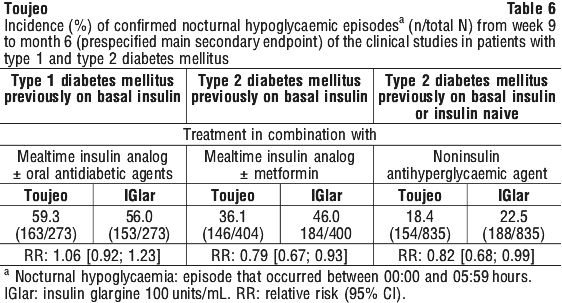
Clinical trial experience, hypoglycaemia. Randomised clinical trials (EDITION I, II, III) showed that, in T2D patients, who take their insulin glargine in the evening, insulin glargine 300 units/mL resulted in less severe or confirmed nocturnal hypoglycaemia (prespecified main secondary efficacy endpoint) than with insulin glargine 100 units/mL; insulin glargine 300 units/mL plus oral antihyperglycaemic agents: 18% relative risk reduction; insulin glargine 300 units/mL plus mealtime insulin: 21% relative risk reduction; see Table 6). There are no randomised data on the risk of hypoglycaemia when insulin glargine 300 units/mL is given to T2D patients in the morning. Randomised clinical trials of T1D patients (EDITION IV) showed no reduction in the risk of confirmed nocturnal hypoglycaemia with insulin glargine 300 units/mL versus insulin glargine 100 units/mL. There are no data comparing insulin glargine 300 units/mL with basal insulins other than insulin glargine 100 units/mL.
Time of administration. The safety and efficacy of insulin glargine 300 units/mL administered with a fixed or flexible time of administration were also evaluated in 2 randomized, open label clinical studies for 3 months. Type 2 diabetic patients (n = 194) received insulin glargine 300 units/mL once daily in the evening, either at the same time of the day (fixed time of administration) or within 3 hours before or after the usual time of administration (flexible time of administration).
Administration with a flexible dosing time had no effect on glycaemic control and the incidence of hypoglycaemia.
ORIGIN trial (study HOE901/4032). The ORIGIN (Outcome Reduction with Initial Glargine Intervention) trial was an international, multicenter, randomized, open label, 2 x 2 factorial design study conducted in 12,537 participants with impaired fasting glucose (IFG), impaired glucose tolerance (IGT) or early type 2 diabetes mellitus and evidence of CV disease. Participants were randomized to receive insulin glargine 100 units/mL (n = 6264) (participants with IGF and/or IGT = 11.7%, early type 2 diabetes mellitus = 88.3%), titrated to a FPG of 5.3 mmol/L or less, or standard care (n = 6273) (participants with IGF and/or IGT = 11.4%, early type 2 diabetes mellitus = 88.6%). At baseline participants had a mean age of 63.5 years, mean duration of diabetes of 5.8 years in those with pre-existing diabetes, and median HbA1c of 6.4%. Median duration of follow-up was approximately 6.2 years. At the end of the trial 81% of participants randomized to take insulin glargine 100 units/mL were still on treatment.
The primary objective of the trial was to demonstrate that insulin glargine 100 units/mL use could significantly lower the risk of major cardiovascular endpoints compared to standard care. There were two coprimary composite efficacy outcomes. The first one was the time to the first occurrence of CV death, nonfatal myocardial infarction (MI), or nonfatal stroke, and the second one was the time to the first occurrence of any of the first coprimary events, or revascularization procedure (cardiac, carotid, or peripheral), or hospitalisation for heart failure.
Secondary endpoints were: all cause mortality; a composite microvascular outcome; development of type 2 diabetes, in participants with IGT and/or IFG at baseline.
After a median treatment duration of 6.2 years, insulin glargine 100 units/mL did not alter the relative risk for CV disease and CV mortality when compared with standard care. There were no significant differences between insulin glargine 100 units/mL and standard care for the two coprimary outcomes, for any individual components of the coprimary outcomes, for all cause mortality or for the composite microvascular outcomes. The results are displayed in Table 7.
Median on-treatment HbA1c values ranged from 5.9 to 6.4% in the insulin glargine 100 units/mL group, and 6.2% to 6.6% in the standard care group throughout the duration of follow-up. Median FPG at the end of study in the insulin glargine 100 units/mL group was 5.4 mmol/L, and for the standard care group was 6.8 mmol/L.
Over the course of this 6 year study severe hypoglycaemia was reported in 5.7% of the insulin glargine 100 units/mL group compared to 1.9% of the standard care group. The rates (per 100 patient years) of confirmed all hypoglycaemia events, severe hypoglycaemia events and nonsevere symptomatic hypoglycaemia are shown in Table 8.
Over the course of this 6 year study, 42% of the insulin glargine 100 units/mL group and 74% of the standard care group did not experience any hypoglycaemia.
The median of the change in bodyweight from baseline to the last on-treatment visit was 2.2 kg greater in the insulin glargine 100 units/mL group than in the standard care group, i.e. weight gain of 1.4 kg in insulin glargine 100 units/mL group compared to weight loss of 0.8 kg in standard care group.

Cancer.

In the ORIGIN trial, the overall incidence of cancer (all types combined) or death from cancers was similar between the treatment groups as shown in Table 9.

Paediatric.

The efficacy and safety of insulin glargine 300 units/mL have been studied in a 1:1 randomised controlled clinical trial in children and adolescents with type 1 diabetes mellitus for a period of 26 weeks (n=463). Patients in the insulin glargine 300 units/mL arm included 73 children aged < 12 years and 160 children aged ≥ 12 years. Toujeo dosed once daily showed similar reduction in HbA1c and FPG from baseline to week 26 compared to insulin glargine 100 units/mL (see Table 10). Overall the incidence of hypoglycaemia in patients in any category was similar in both treatment groups, with 97.9% of patients in the insulin glargine 300 units/mL group and 98.2% in the insulin glargine 100 units/mL group reporting at least one event. Similarly, nocturnal hypoglycaemia was comparable in the insulin glargine 300 units/mL and insulin glargine 100 units/mL treatment groups. The percentage of patients reporting severe hypoglycaemia was lower in patients in the insulin glargine 300 units/mL group as compared to patients in the insulin glargine 100 units/mL group, 6% and 8.8% respectively. The percentage of patients with hyperglycaemic episodes with ketosis was lower for insulin glargine 300 units/mL versus insulin glargine 100 units/mL, 6.4% and 11.8%, respectively. No safety issues were identified with insulin glargine 300 units/mL with respect to adverse events and standard safety parameters. Antibody development was sparse and had no clinical impact. Efficacy and safety data for paediatric patients with type 2 diabetes mellitus have been extrapolated from data for adolescent and adult patients with type 1 diabetes and adult patients with type 2 diabetes mellitus. Results support the use of insulin glargine 300 units/mL in paediatric patients with type 2 diabetes mellitus.
Patients in the paediatric study had a numerically lower incidence of severe hypoglycaemia with insulin glargine 300 units/mL than insulin glargine 100 units/mL (see Table 11). Clinical study safety data are not available for children under 6 years of age.
5.2 Pharmacokinetic Properties

Absorption and distribution.

After subcutaneous injection of insulin glargine 300 units/mL in healthy subjects and diabetic patients, the insulin serum concentrations indicated a slower and more prolonged absorption resulting in an even flatter time concentration profile for up to 36 hours in comparison to insulin glargine 100 units/mL. Concentrations were consistent with the time profile of the pharmacodynamic activity of insulin glargine 300 units/mL.
Steady-state level within the therapeutic range is reached after 3-4 days of daily insulin glargine 300 units/mL administration.
After subcutaneous injection of insulin glargine 300 units/mL, the intrasubject variability, defined as the coefficient of variation for the insulin exposure during 24 hours was low at steady state (17.4%).

Metabolism.

After subcutaneous injection of insulin glargine in healthy subjects and diabetic patients, it is rapidly metabolised at the carboxyl terminus of the beta chain with formation of two active metabolites M1 (21A-Gly insulin) and M2 (21A-Gly des 30B-Thr insulin). In plasma, the principal circulating compound is the metabolite M1. The exposure to M1 increases with the administered dose of insulin glargine. The pharmacokinetic and pharmacodynamic findings indicate that the effect of the subcutaneous injection with insulin glargine is principally based on exposure to M1. Insulin glargine and the metabolite M2 were not detectable in the vast majority of subjects and, when they were detectable their concentration was independent of the administered dose and formulation of insulin glargine.

Excretion.

The half-life after subcutaneous administration of insulin glargine 300 units/mL is determined by the rate of absorption from the subcutaneous tissue. The half-life of Toujeo after subcutaneous injection is 18-19 hours independent of dose.

Special populations.

Gender, race.

Information on the effect of gender or race on the pharmacokinetics of insulin glargine is unavailable.
In controlled clinical trials in adults (n = 3096, safety population), subgroup analysis based on gender and race did not indicate any difference in efficacy and safety between insulin glargine 300 units/mL and insulin glargine 100 units/mL.

Elderly patients.

The effect of age on the pharmacokinetics of insulin glargine 300 units/mL has not been studied. In elderly patients with diabetes, the initial dosing, dose increments, and maintenance dosage should be conservative to avoid hypoglycaemic reactions. Hypoglycaemia may be difficult to recognize in the elderly. Close glucose monitoring is recommended and the insulin dose should be adjusted on an individual basis.
In controlled clinical trials, a total of 716 patients (23% of the safety population) with type 1 and type 2 diabetes patients were ≥ 65 years of age and 97 (3%) were ≥ 75 years of age. No overall difference in effectiveness and safety was observed between these patients and younger patients.

Pediatric patients.

Population pharmacokinetic analysis was conducted for insulin glargine 300 units/mL based on concentration data of its main metabolite M1 using data from 75 paediatric subjects (6 to < 18 years of age) with type 1 diabetes. Body weight was a significant covariate affecting the clearance of Toujeo. After adjusting for body weight, the total exposure (AUC) to insulin glargine 300 units/mL at steady state was independent of age.

Renal impairment.

The effect of renal impairment on the pharmacokinetics of insulin glargine 300 units/mL has not been studied. However, some studies with human insulin have shown increased circulating levels of insulin in patients with renal failure. Close glucose monitoring is recommended and the insulin dose should be adjusted on an individual basis.
In controlled clinical studies (n = 3096, safety population), subgroup analyses based on renal function status (baseline estimated glomerular filtration rate categories < 60 or ≥ 60 mL/min/1.72 m2) did not indicate difference in safety between insulin glargine 300 units/mL and insulin glargine 100 units/mL.

Hepatic impairment.

The effect of hepatic impairment on the pharmacokinetics of insulin glargine 300 units/mL has not been studied. However, some studies with human insulin have shown increased circulating levels of insulin in patients with liver failure. Close glucose monitoring is recommended and the insulin dose should be adjusted on an individual basis.

5.3 Preclinical Safety Data

Genotoxicity.

Insulin glargine was not mutagenic in tests for detection of gene mutations in bacteria and mammalian cells (Ames and HGPRT test) and in tests for detection of chromosomal aberrations (cytogenetics in vitro in V79 cells and in vivo in Chinese hamsters).

Carcinogenicity.

Two year carcinogenicity studies were performed in mice and rats at subcutaneous doses up to 12.5 IU/kg/day (approximately 3 and 7 times anticipated clinical exposure based on BSA). Malignant fibrous histiocytomas were found at insulin glargine injection sites in male rats and mice. The incidence of these tumours was not dose dependent and tumours were also present at acid vehicle control injection sites but not at saline control injection sites or insulin comparator groups using a different vehicle. The relevance of these findings to humans is unknown.
Other insulin preparations are known to cause an increase in mammary tumours in female rats. No such increase in tumours was seen with insulin glargine probably because of the lower doses of insulin glargine used in the mouse and rat carcinogenicity studies.

6 Pharmaceutical Particulars

6.1 List of Excipients

Zinc chloride, metacresol, glycerol, hydrochloric acid, sodium hydroxide and water for injections.

6.2 Incompatibilities

Toujeo must not be mixed with any other insulin products. Mixing changes the time/action profile of Toujeo and causes precipitation.

6.3 Shelf Life

In Australia, information on the shelf life can be found on the public summary of the Australian Register of Therapeutic Goods (ARTG). The expiry date can be found on the packaging.

6.4 Special Precautions for Storage

Unopened/not in use pre-filled pen.

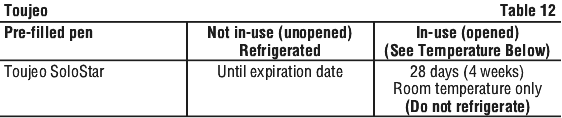
Toujeo must be stored between +2°C and +8°C (in a refrigerator) and protected from light. Do not allow the insulin to freeze, discard if frozen.
Do not put Toujeo next to the freezer compartment or a freezer pack.

Opened/in use.

Do not allow the insulin to freeze, discard if frozen.
The open pre-filled pen of Toujeo should be kept away from direct heat and light, at room temperature (below 30°C).
Opened pre-filled pen must be discarded after 28 days (4 weeks) from the first use.
These storage conditions are summarized in Table 12.

6.5 Nature and Contents of Container

Toujeo SoloStar is available in a 1.5 mL pre-filled pen cartridge (type 1 colourless glass) with a grey plunger (bromobutyl rubber) and a flanged cap (aluminium) with a stopper (laminate of isoprene and bromobutyl rubber). The cartridge is sealed in a disposal pen injector.
Packs of 1, 3 and 5 pens are available. Not all pack sizes may be marketed. Needles are not included in the pack.

6.6 Special Precautions for Disposal

In Australia, any unused medicine or waste material should be disposed of by taking to your local pharmacy.

6.7 Physicochemical Properties

Molecular Formula: C267H404N72O78S6. Molecular Weight: 6063.
Chemical name: 21A-Gly-30Ba-L-Arg-30Bb-L-Arg-human insulin.

Chemical structure.


CAS number.

160337-95-1.

7 Medicine Schedule (Poisons Standard)

Schedule 4 (Prescription Only Medicine).

Summary Table of Changes