


Consumer medicine information

Vancocin Capsules

Vancomycin

BRAND INFORMATION

Brand name

Vancocin Capsules

Active ingredient

Vancomycin

Schedule

S4


Consumer medicine information (CMI) leaflet

Please read this leaflet carefully before you start using Vancocin Capsules.

SUMMARY CMI

VANCOCIN capsules

Consumer Medicine Information (CMI) summary

The full CMI on the next page has more details. If you are worried about using this medicine, speak to your doctor or pharmacist.

1. Why am I using VANCOCIN?

VANCOCIN contains the active ingredient vancomycin hydrochloride. It is an antibiotic used to treat serious infections involving the bowel.

For more information, see Section 1. Why am I using VANCOCIN? in the full CMI.

2. What should I know before I use VANCOCIN?

Do not use if you have ever had an allergic reaction to vancomycin, similar antibiotics (such as teicoplanin), or any of the ingredients listed at the end of the CMI.

Talk to your doctor if you have any other medical conditions, take any other medicines, or are pregnant or plan to become pregnant or are breastfeeding.

For more information, see Section 2. What should I know before I use VANCOCIN? in the full CMI.

3. What if I am taking other medicines?

Some medicines may interfere with VANCOCIN and affect how it works.

A list of these medicines is in Section 3. What if I am taking other medicines? in the full CMI.

4. How do I use VANCOCIN?

  • The dose of VANCOCIN varies from person to person. Your doctor will tell you how much to take.
  • Swallow VANCOCIN capsules with a glass of water. It can be taken with or without food.

More instructions can be found in Section 4. How do I use VANCOCIN? in the full CMI.

5. What should I know while using VANCOCIN?

Things you should do
  • Remind any doctor, dentist or pharmacist you visit that you are using VANCOCIN.
  • Tell your doctor if the symptoms of your infection do not improve within a few days or if they become worse.
Things you should not do
  • Do not stop taking your medicine or change the dosage without first checking with your doctor.
  • Do not take VANCOCIN capsules to treat any other complaints unless your doctor tells you to.
Driving or using machines
  • Be careful before you drive or use any machines or tools until you know how VANCOCIN affects you.
Looking after your medicine
  • Keep the capsules in the blister pack until it is time to take them.
  • Keep it in a cool dry place, away from moisture, heat, or light where the temperature stays below 25°C.

For more information, see Section 5. What should I know while using VANCOCIN? in the full CMI.

6. Are there any side effects?

Less serious side effects of VANCOCIN include indigestion, stomach ache, nausea, chills, diarrhoea, and vomiting.

More serious side effects of VANCOCIN include: frequent infections; bleeding or bruising more easily than normal; vertigo, dizziness, or tinnitus; itchy rash; loss of appetite; fatigue; changes in heartbeat; chest tightness, wheezing, and breathlessness; redness of the upper body or pain and muscle spasm of the chest and back; skin, blister and bleeding in the lips, eyes, mouth, nose, and genitals; and high fever and rash. Other serious side effects can occur several weeks after stopping VANCOCIN. These include severe stomach cramps or pain, severe, watery or bloody diarrhoea, and fever in combination with these symptoms.

For more information, including what to do if you have any side effects, see Section 6. Are there any side effects? in the full CMI.


FULL CMI

VANCOCIN capsules

Active ingredient: vancomycin hydrochloride


Consumer Medicine Information (CMI)

This leaflet provides important information about using VANCOCIN.

You should also speak to your doctor or pharmacist if you would like further information or if you have any concerns or questions about using VANCOCIN.

Where to find information in this leaflet:

1. Why am I using VANCOCIN?
2. What should I know before I use VANCOCIN?
3. What if I am taking other medicines?
4. How do I use VANCOCIN?
5. What should I know while using VANCOCIN?
6. Are there any side effects?
7. Product details

1. Why am I using VANCOCIN?

VANCOCIN capsules contains the active ingredient vancomycin (as vancomycin hydrochloride).

VANCOCIN capsules are an antibiotic used to treat serious infections involving the bowel. It works by killing or stopping the growth of the bacteria causing your infection.

Ask your doctor if you have any questions about why VANCOCIN capsules have been prescribed for you.

Your doctor may have prescribed it for another purpose.

There is no evidence that it is addictive.

2. What should I know before I use VANCOCIN?

Warnings

Do not use VANCOCIN if:

  • you are allergic to vancomycin, similar antibiotics (such as teicoplanin) or any of the ingredients listed at the end of this leaflet.
    Signs of an allergic reaction may include shortness of breath, wheezing or difficulty in breathing; swelling of the face, lips, tongue, or any other parts of the body; rash, itching or hives on the skin.
  • the expiry date printed on the pack has passed.
  • the packaging is torn or shows signs of tampering.

Check with your doctor if you:

  • have any other medical conditions, especially the following:
    - kidney or liver disease
    - a special sensory impairment (e.g. blindness)
    - pre-existing hearing loss
    - inflammatory bowel disorders.
  • take any medicines for any other condition.
  • have had any allergy to any other medicines, any other substances, such as foods, preservatives, or dyes.

During treatment, you may be at risk of developing certain side effects. It is important you understand these risks and how to monitor for them. See additional information under Section 6. Are there any side effects?

Pregnancy and breastfeeding

Do not take VANCOCIN capsules if you are pregnant or plan to become pregnant unless you and your doctor have discussed the benefits and risks involved.

Do not take VANCOCIN capsules if you are breast feeding or plan to breast feed.

It is not recommended for use while breastfeeding as it is found in breast milk.

Use in the elderly or patients with kidney disease

Elderly patients or those with a pre-existing kidney condition may be more sensitive to the effects or side effects of this medicine.

3. What if I am taking other medicines?

Tell your doctor or pharmacist if you are taking any other medicines, including any medicines, vitamins or supplements that you buy without a prescription from your pharmacy, supermarket or health food shop.

Some medicines may interfere with VANCOCIN and affect how it works. These include:

  • some other medicines used to treat infections, such as amikacin, amphotericin, colistin, gentamicin, neomycin, tobramycin and piperacillin/tazobactam.
  • cisplatin, an anticancer medicine
  • some fluid tablets (diuretics), such as etacrynic acid and furosemide (frusemide)
  • anaesthetic agents
  • cholestyramine, a powder taken to lower cholesterol levels.
  • suxamethonium or vecuronium, medicines used to relax muscles.

Check with your doctor or pharmacist if you are not sure about what medicines, vitamins or supplements you are taking and if these affect VANCOCIN.

4. How do I use VANCOCIN?

How much to take

  • Your doctor will tell you how many VANCOCIN capsules you need to take each day. This will depend on the type of infection. The dose varies from patient to patient.
  • If you are elderly or have a pre-existing kidney condition, you may need to take fewer capsules.
  • The total dose for children should not exceed 2 grams per day.

When to take it

VANCOCIN capsules can be taken with or without food.

How to take it

Swallow the capsules whole with a glass of water.

How long to take it

Continue taking VANCOCIN capsules for as long as your doctor tell you.

It is important to complete the full course prescribed by your doctor, even if you begin to feel better after a few days. If you do not, the bacteria causing your infection may not clear completely or your symptoms may return.

If you forget to take it

If it is almost time for your next dose, skip the dose you missed and take your next dose when you are meant to. Otherwise, take it as soon as you remember, and then go back to taking your capsules as you would normally.

If you are not sure whether to skip the dose, talk to your doctor or pharmacist.

Do not take a double dose to make up for the dose you missed.

If you have trouble remembering to take your tablets, ask your pharmacist for some hints.

If you take too much

If you think that you have used too much VANCOCIN, you may need urgent medical attention.

You should immediately:

  • phone the Poisons Information Centre
    (by calling 13 11 26), or
  • contact your doctor, or
  • go to the Emergency Department at your nearest hospital.

You should do this even if there are no signs of discomfort or poisoning.

5. What should I know while using VANCOCIN?

Things you should do

Tell your doctor if the symptoms of your infection do not improve within a few days or if they become worse.

Tell any other doctors, dentists and pharmacists who are treating you that you are taking VANCOCIN capsules, especially if you are being started on any new medicines.

If you are going to have surgery, tell the surgeon or anaesthetist that you are taking VANCOCIN capsules.
VANCOCIN capsules may affect other medicines used during surgery.

Tell your doctor if you become pregnant while taking VANCOCIN capsules.

Things you should not do

Do not take VANCOCIN capsules to treat any other complaints unless your doctor tells you to.

Do not give your medicine to anyone else, even if they have the same condition as you.

Do not stop taking your medicine or change the dosage without first checking with your doctor.

If you stop taking it, your condition may worsen.

Do not take any diarrhoea medicine without first checking with your doctor.

Driving or using machines

Be careful before you drive or use any machines or tools until you know how VANCOCIN affects you.

Looking after your medicine

Keep the capsules in the blister pack until it is time to take them.

Keep VANCOCIN in a cool dry place, away from moisture, heat, or light where the temperature stays below 25°C.

For example, do not store it:

  • in the bathroom or near a sink, or
  • in the car or on window sills.

Heat and dampness can destroy some medicines.

Keep it where young children cannot reach it.

Getting rid of any unwanted medicine

If you no longer need to use this medicine or it is out of date, take it to any pharmacy for safe disposal.

Do not use this medicine after the expiry date.

6. Are there any side effects?

All medicines can have side effects. If you experience any side effects, most of them are minor and temporary. However, some side effects may need medical attention.

Tell your doctor or pharmacist as soon as possible if you do not feel well while you are taking VANCOCIN capsules.

This medicine helps most people with bacterial infections of the bowel, but it may have unwanted side effects in a few people.

See the information below and, if you need to, ask your doctor or pharmacist if you have any further questions about side effects.

Less serious side effects

Less serious side effectsWhat to do
  • indigestion
  • stomach ache
  • nausea
  • chills
  • diarrhoea
  • vomiting.
Speak to your doctor if you have any of these less serious side effects and they worry you.

Serious side effects

Serious side effectsWhat to do
  • frequent infections such as fever, severe chills, sore throat or mouth ulcers
  • bleeding or bruising more easily than normal
  • vertigo, dizziness or tinnitus (ringing in the ears)
  • itchy rash
  • loss of appetite
  • fatigue.
May occur several weeks after stopping VANCOCIN:
  • severe stomach cramps or pain
  • severe, watery or bloody diarrhoea
  • fever, in combination with one of the above.
Tell your doctor straight away if you notice any of these serious side effects.
Serious side effects are rare.
  • irregular or fast heartbeat
  • chest tightness, wheezing, breathlessness
  • redness of the upper body or pain and muscle spasm of the chest and back
  • skin blister and bleeding in the lips, eyes, mouth, nose and genitals
  • high fever and rash.
Call your doctor straight away or go to the Emergency Department at your nearest hospital if you notice any of these serious side effects.
Serious side effects are rare.

Hearing loss has occurred in some patients taking VANCOCIN capsules. Most of these have occurred in patients who have pre-existing conditions such as kidney disease or partial hearing loss.

Tell your doctor or pharmacist if you notice anything else that is making you feel unwell.

Other side effects not listed here may occur in some people.

Reporting side effects

After you have received medical advice for any side effects you experience, you can report side effects to the Therapeutic Goods Administration online at www.tga.gov.au/reporting-problems. By reporting side effects, you can help provide more information on the safety of this medicine.

Always make sure you speak to your doctor or pharmacist before you decide to stop taking any of your medicines.

7. Product details

This medicine is only available with a doctor's prescription.

What VANCOCIN contains

Active ingredient
(main ingredient)
125 mg capsules: Each capsule contains vancomycin hydrochloride equivalent to 125 mg vancomycin (125,000 I.U. vancomycin activity).
250 mg capsules: Each capsule contains vancomycin hydrochloride equivalent to 250 mg vancomycin (250,000 I.U. vancomycin activity).
Other ingredients
(inactive ingredients)
  • macrogol 6000

Capsule shell:

  • gelatin
  • indigo carmine
  • iron oxide red
  • titanium dioxide
  • iron oxide yellow (125 mg only) or iron oxide black (250 mg only)
Potential allergen
  • may contain sulfites.

VANCOCIN capsules do not contain lactose, sucrose, tartrazine or any other azo dyes.

Do not take this medicine if you are allergic to any of these ingredients.

What VANCOCIN looks like

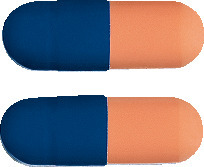
  • 125 mg capsules: opaque peach and opaque blue hard gelatin capsules. Available in blister packs of 20 capsules.
    Australian Registration number: AUST R 14674
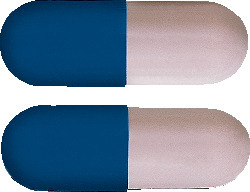
  • 250 mg capsules: opaque mushroom grey and opaque blue hard gelatin capsules. Available in blister packs of 20 capsules.
    Australian Registration number: AUST R 14657

Who distributes VANCOCIN

Aspen Pharmacare Australia Pty Ltd
34-36 Chandos St
St Leonards NSW 2065
Australia

This leaflet was revised in April 2025.

Published by MIMS July 2025

BRAND INFORMATION

Brand name

Vancocin Capsules

Active ingredient

Vancomycin

Schedule

S4


1 Name of Medicine

Vancomycin hydrochloride.

2 Qualitative and Quantitative Composition

Vancocin capsules contain the active ingredient vancomycin hydrochloride equivalent to 125 mg or 250 mg of vancomycin.
For the full list of excipients, see Section 6.1 List of Excipients.

3 Pharmaceutical Form

Vancocin 125 mg capsules are size 2, hard gelatin capsules, with opaque blue cap and an opaque peach body.
Vancocin 250 mg capsules are size 0, hard gelatin capsules, with opaque blue cap and opaque mushroom grey body.

4 Clinical Particulars

4.1 Therapeutic Indications

Vancocin capsules may be administered orally for the treatment of staphylococcal enterocolitis and antibiotic-associated pseudomembranous colitis produced by C. difficile.
Parenteral administration of Vancocin is not effective for the above indications; therefore, Vancocin must be given orally. Vancocin is not effective by the oral route for other types of infection.

4.2 Dose and Method of Administration

Adults.

The usual daily dosage for staphylococcal enterocolitis and for antibiotic induced pseudomembranous colitis produced by C. difficile is 250 mg 6 hourly for 5-10 days. However, doses of 500 mg to 2 g orally administered in 3 or 4 divided doses for 7-10 days have been used for the treatment of antibiotic associated pseudomembranous colitis produced by C. difficile. Vancomycin is not effective by the oral route for other types of infections.

Children.

The usual daily dose is 20 mg/kg orally in 4 divided doses, but doses of up to 40 mg/kg/day may be used. The total daily dose should not exceed 2 g.

4.3 Contraindications

Vancocin is contraindicated in patients with known hypersensitivity to vancomycin or any of the excipients or other glycopeptides.

4.4 Special Warnings and Precautions for Use

General.

Patients with a creatinine clearance < 60 mL/minute and all elderly individuals should be given serial tests of auditory function and of vancomycin blood levels. All patients receiving the drug should have periodic haematological studies, urine analysis, and renal function tests.

Potential for systemic absorption.

Clinically significant serum concentrations have been reported in some patients who have taken multiple oral doses of vancomycin for active C. difficile-induced pseudomembranous colitis; therefore, monitoring of serum concentrations may be appropriate in these patients.
Significant systemic absorption of orally administered vancomycin has been reported in some patients with inflammatory disorders of the intestinal mucosa. Therefore, patients treated with Vancocin Capsules may be at risk for the development of adverse reactions associated with the parenteral administration of vancomycin. See package insert accompanying the intravenous preparation. The risk is greater if renal impairment is present. It should be noted that the total systemic and renal clearances of vancomycin are reduced in the elderly. The need for estimation of serum levels and dosage adjustment should be considered in such cases.

Hypersensitivity reactions.

Serious and occasionally fatal hypersensitivity reactions are possible (see Section 4.3 Contraindications; Section 4.8 Adverse Effects (Undesirable Effects)). In case of hypersensitivity reactions, treatment with vancomycin must be discontinued immediately and the adequate emergency measures must be initiated.

Severe cutaneous adverse reactions.

Severe cutaneous adverse reactions (SCARs) including Stevens-Johnson syndrome (SJS), toxic epidermal necrolysis (TEN), drug reaction with eosinophilia and systemic symptoms (DRESS) and acute generalised exanthematous pustulosis (AGEP) have been reported in association with vancomycin treatment (see Section 4.8 Adverse Effects (Undesirable Effects)). Patients should be advised to inform their doctor at the first appearance of rash or any other sign of hypersensitivity.
If a SCAR is suspected, the drug should be discontinued and specialist dermatological assessment should be carried out.

Ototoxicity.

Ototoxicity has occurred in patients receiving Vancocin. It may be transient or permanent. It has been reported mostly in patients who have been given excessive intravenous doses, who have an underlying hearing loss, or who are receiving concomitant therapy with another ototoxic agent, such as an aminoglycoside, or have impaired renal clearance of vancomycin (e.g. in the elderly). Serial tests of auditory function may be helpful in order to minimise the risk of ototoxicity and are recommended, particularly in patients at risk and those with other special sensory impairment (e.g. blindness). Vancocin Capsules should be avoided in patients with previous hearing loss unless no other appropriate therapy is available. If it is used in such patients, the dose of vancomycin should be regulated by periodic determination of drug levels in the blood. Patients with renal insufficiency and individuals over the age of 60 should be given serial tests of auditory function and of vancomycin blood levels. All patients receiving the drug should have periodic hematologic studies, urinalyses, and liver and renal function tests.

Infusion reactions.

Rapid bolus administration of vancomycin (e.g. over several minutes) may be associated with exaggerated hypotension, including shock, and, rarely, cardiac arrest, histamine like responses and maculopapular or erythematous rash ("red neck").
For intravenous infusion, vancomycin should be administered in a dilute solution at a rate not exceeding 500 milligram/hour to avoid rapid infusion related reactions, e.g. hypotension, flushing, erythema, urticaria and pruritus. Stopping the infusion usually results in a prompt cessation of these reactions (see Section 4.2 Dose and Method of Administration; Section 4.8 Adverse Effects (Undesirable Effects)).
When given intravenously, toxic serum levels can occur. Vancomycin is excreted fairly rapidly by the kidney and blood levels increase markedly with decreased renal clearance. During parenteral therapy, the risk of toxicity and nephrotoxicity appears appreciably increased by high blood concentrations or prolonged treatment.
Since vancomycin is irritating to tissue and causes drug fever, pain and possibly necrosis, it should never be injected intramuscularly; it must be administered intravenously.
Pain and thrombophlebitis occur in many patients receiving vancomycin and are occasionally severe. The frequency and severity of thrombophlebitis can be minimised if the drug is administered in a volume of at least 200 mL of glucose or saline solution and if the injection sites are rotated.

Drug interactions with anti-motility agents and proton pump inhibitors.

Anti-motility agents should be avoided and proton pump inhibitor use should be reconsidered.

Cross-sensitivity reactions.

Vancomycin should be used with caution in patients with allergic reactions to teicoplanin, since cross hypersensitivity, including fatal anaphylactic shock, may occur.

Blood disorders.

Reversible neutropenia has been reported in patients receiving vancomycin hydrochloride (see Section 4.8 Adverse Effects (Undesirable Effects)). Patients who will undergo prolonged therapy with vancomycin or those who are receiving concomitant medicines which may cause neutropenia should have periodic monitoring of the leukocyte count.

Use during anaesthesia.

In surgical patients, the administration of vancomycin should be carefully timed in relation to the induction of anaesthesia (see Section 4.5 Interactions with Other Medicines and Other Forms of Interactions).

Clostridioides difficile-associated disease.

In rare instances there have been reports of pseudomembranous colitis due to Clostridioides difficile developing in patients who received intravenous vancomycin. C. difficile associated diarrhoea (CDAD) has been reported with use of nearly all antibacterial agents, including vancomycin hydrochloride, and may range in severity from mild diarrhoea to fatal colitis. Treatment with antibacterial agents alters the normal flora of the colon leading to overgrowth of C. difficile.
C. difficile produces toxins A and B which contribute to the development of CDAD. Hypertoxin producing strains of C. difficile cause increased morbidity and mortality, as these infections can be refractory to antimicrobial therapy and may require colectomy. CDAD must be considered in all patients who present with diarrhoea following antibiotic use. Careful medical history is necessary since CDAD has been reported to occur over 2 months after the administration of antibacterial agents.

Overgrowth of non-susceptible organisms.

Prolonged use of vancomycin may result in the overgrowth of non-susceptible organisms. Careful observation of the patient is essential. If superinfection occurs during therapy, appropriate measures should be taken.

Use in renal impairment.

Because of its ototoxicity and nephrotoxicity, vancomycin should be used with care in patients with renal insufficiency. When treating patients with underlying renal dysfunction or those patients receiving concomitant therapy with an aminoglycoside or other nephrotoxic drugs, serial monitoring of renal function should be performed.

Haemorrhagic occlusive retinal vasculitis.

Haemorrhagic occlusive retinal vasculitis, including permanent loss of vision, can occur in patients receiving intracameral or intravitreal administration of vancomycin during or after cataract surgery. The safety and efficacy of vancomycin administered by the intracameral or the intravitreal route have not been established by adequate and well-controlled trials and these are not approved routes of administration for vancomycin. Vancomycin is not indicated for prophylaxis of endophthalmitis.

Other.

Concurrent and sequential use of other neurotoxic and/or nephrotoxic antibiotics, particularly etacrynic acid, neuromuscular blocking agents, aminoglycoside antibiotics, polymyxin B, colistin, viomycin and cisplatin requires careful monitoring.

Use in the elderly.

It should be noted that the total systemic and renal clearances of vancomycin are reduced in the elderly. The natural decrement of glomerular filtration with increasing age may lead to elevated vancomycin serum concentrations if dosage is not adjusted. Vancomycin dosage schedules should be adjusted in elderly patients (see Section 4.2 Dose and Method of Administration).

Paediatric use.

In premature neonates, infants and children, it is appropriate to confirm vancomycin serum concentrations. Concomitant administration of vancomycin and anaesthetic agents has been associated with erythema and histamine like flushing in children (see Section 4.8 Adverse Effects (Undesirable Effects)).

Effects on laboratory tests.

No data available.

4.5 Interactions with Other Medicines and Other Forms of Interactions

Concurrent administration with other neurotoxic (e.g. ototoxic) or nephrotoxic drugs, e.g. streptomycin, neomycin, gentamicin, kanamycin, amikacin, amphotericin B, bacitracin, tobramycin, polymyxin B, colistin, cisplatin or piperacillin/tazobactam, requires careful monitoring (see Section 4.4 Special Warnings and Precautions for Use).
In order to minimise the risk of nephrotoxicity when treating patients with underlying renal dysfunction or those patients receiving concomitant therapy with an aminoglycoside, serial monitoring of renal function should be performed and particular care should be taken in following appropriate dosing schedules (see Section 4.2 Dose and Method of Administration).
Diuretics such as etacrynic acid and furosemide (frusemide) may aggravate ototoxicity.
Cholestyramine has been shown to bind vancomycin in vitro. Therefore, if oral vancomycin is used with cholestyramine, the two medicines should be administered several hours apart.
Reversible neutropenia has been reported in patients receiving vancomycin hydrochloride (see Section 4.8 Adverse Effects (Undesirable Effects)). Patients who are receiving concomitant medicines which may cause neutropenia should have periodic monitoring of the leukocyte count.
Vancomycin may enhance neuromuscular blockade produced by medicines such as suxamethonium or vecuronium.

4.6 Fertility, Pregnancy and Lactation

Effects on fertility.

No data available.
(Category B2)
Animal reproduction studies have not been conducted with Vancocin. It is also not known whether Vancocin can affect reproduction capacity. In a controlled clinical study, vancomycin was administered intravenously to pregnant women for serious staphylococcal infections complicating intravenous drug abuse to evaluate potential ototoxic and nephrotoxic effects on the infant. Vancomycin was found in cord blood. No sensorineural hearing loss or nephrotoxicity attributable to vancomycin was noted. One infant whose mother received vancomycin in the third trimester experienced conductive hearing loss that was not attributed to the administration of vancomycin. As only 10 patients were treated with vancomycin in this study, and administration was only in the second and third trimesters, it is not known whether vancomycin causes foetal harm. Vancocin Capsules should be given to a pregnant woman only if clearly needed and blood levels should be monitored carefully to minimise fetal toxicity.
Vancomycin hydrochloride is excreted in human milk after intravenous administration. Caution should be exercised when vancomycin hydrochloride is administered to a lactating woman. Because of the potential for adverse events, a decision should be made whether to discontinue breastfeeding or discontinue the drug, taking into account the importance of the drug to the mother.

4.7 Effects on Ability to Drive and Use Machines

The effects of this medicine on a person's ability to drive and use machines were not assessed as part of its registration.

4.8 Adverse Effects (Undesirable Effects)

Drug reaction with eosinophilia and systemic symptoms (DRESS) syndrome is a serious, potentially life-threatening adverse drug reaction with distinct feature. Prompt recognition along with drug withdrawal is essential for improved prognosis. DRESS is characterised by severe drug eruption accompanied by high fever, erythematous rash and inflammation of internal organs.
Vancocin Capsules may cause indigestion, stomach ache, nausea, chills, diarrhoea, pseudomembranous enterocolitis, and occasionally, vomiting. Because oral vancomycin may be absorbed in some patients, the possibility of other adverse effects normally associated with parenteral administration (see below) should be borne in mind.

Nephrotoxicity.

Cases of increased serum creatinine or BUN concentrations and rare cases of interstitial nephritis in patients given intravenously administered Vancocin have been reported. Most of these have occurred in patients who were given aminoglycosides concomitantly or who had pre-existing kidney dysfunction. When Vancocin was discontinued, azotemia resolved in most patients. Transient elevations of urea and granular casts in the urine occasionally occur.

Vascular disorders.

Phlebitis and vasculitis have been reported in patients given vancomycin intravenous therapy.

Ototoxicity.

Cases of hearing loss associated with intravenously administered Vancocin have been reported. Most of these patients had kidney dysfunction, pre-existing hearing loss, or concomitant treatment with an ototoxic drug. Vertigo, dizziness and tinnitus have been reported rarely.

Haematological.

Patients have been reported to have developed reversible neutropenia, usually starting one week or more after onset of intravenous therapy with Vancocin or after a total dose of more than 25 g. Neutropenia appears to be promptly reversible when Vancocin is discontinued. Thrombocytopenia has rarely been reported. Eosinophilia has also been reported.
Although a causal relationship has not been established, reversible agranulocytosis (granulocyte count less than 500/mm3) has been reported rarely.

Liver function.

Elevation of liver transaminases.

Sensitivity reactions.

Infrequently, patients have been reported to have anaphylaxis, urticaria, pruritus, drug fever, hypotension, wheezing, dyspnoea, flushing of the upper body ("red neck"), pain and muscle spasm of the chest and back, and rashes including exfoliative dermatitis, Stevens-Johnson syndrome, toxic epidermal necrolysis and rare cases of vasculitis in association with Vancocin. Kounis syndrome has also been reported.

Reporting suspected adverse effects.

Reporting suspected adverse reactions after registration of the medicinal product is important. It allows continued monitoring of the benefit-risk balance of the medicinal product. Healthcare professionals are asked to report any suspected adverse reactions at www.tga.gov.au/reporting-problems.

4.9 Overdose

Supportive care is advised, with maintenance of glomerular filtration. Vancomycin is poorly removed by dialysis. Haemoperfusion with Amberlite resin XAD-4 has been reported to be of limited benefit. Haemofiltration and haemoperfusion with polysulfone resin have been reported to result in increased vancomycin clearance.
In managing overdosage, consider the possibility of multiple drug overdoses, interaction among medicines, and unusual drug kinetics in your patient.
For information on the management of overdose, contact the Poisons Information Centre on 13 11 26 (Australia).

5 Pharmacological Properties

5.1 Pharmacodynamic Properties

Mechanism of action.

The bactericidal action of vancomycin results primarily from inhibition of cell-wall biosynthesis. In addition, vancomycin alters bacterial-cell-membrane permeability and RNA synthesis. There is no cross-resistance between vancomycin and other antibiotics.
Vancomycin is active against C. difficile (e.g. toxigenic strains implicated in pseudomembranous enterocolitis). It is also active against staphylococci, including Staphylococcus aureus and Staphylococcus epidermidis (including heterogeneous methicillin-resistant strains).
Many strains of streptococci and C. difficile are susceptible in vitro to concentrations of less than 5 mg/L. A small proportion of S. aureus strains require 10 to 20 mg/L for inhibition.
Vancomycin is not active in vitro against Gram-negative bacilli, mycobacteria or fungi.

Disc susceptibility tests.

Quantitative methods that require measurement of zone diameters give the most precise estimates of antibiotic susceptibility. One such procedure has been recommended for use with discs for testing susceptibility to vancomycin. Interpretations correlate zone diameters of the disc test with minimum inhibitory concentrations (MIC) values for Vancocin. With the procedure, a report from the laboratory of "resistant" indicates that the infecting organism is not likely to respond to therapy. A report of "intermediate susceptibility" suggests that the organism would be susceptible if the infection is confined to the urine, in which high antibiotic levels can be obtained, or if high dosage is used in other types of infection.
If the Bauer-Kirby method* of disc susceptibility testing is used, a 30 microgram disc of Vancocin should produce a zone of more than 11 mm when tested against a vancomycin susceptible bacterial strain.
* Bauer AW, Kirby WM, Sherris JC, Turck M. Antibiotic susceptibility testing by a standardized single disk method. Am J Clin Pathol. 1966 Apr;45(4):493-6.; Standardized disk susceptibility test. Federal Register 1974;39:19182-19184.

Clinical trials.

No data available.

5.2 Pharmacokinetic Properties

Absorption and excretion.

Vancomycin is poorly absorbed after oral administration. In a comparative bioavailability study of the capsule dosage form and the oral solution dosage form, there were no significant differences in serum or faecal concentrations. During multiple dosing of 250 mg every 8 hours for seven doses, faecal concentrations of vancomycin in volunteers exceeded 100 mg/kg in the majority of samples. No blood levels were detected and urinary recovery did not exceed 0.76%.

5.3 Preclinical Safety Data

Genotoxicity.

No data available.

Carcinogenicity.

No data available.

6 Pharmaceutical Particulars

6.1 List of Excipients

Macrogol 6000, gelatin, indigo carmine, iron oxide red, iron oxide yellow (125 mg), iron oxide black (250 mg) and titanium dioxide.

6.2 Incompatibilities

Incompatibilities were either not assessed or not identified as part of the registration of this medicine.

6.3 Shelf Life

In Australia, information on the shelf life can be found on the public summary of the Australian Register of Therapeutic Goods (ARTG). The expiry date can be found on the packaging.

6.4 Special Precautions for Storage

Store below 25°C. Protect from moisture.

6.5 Nature and Contents of Container

Vancocin Capsules are available in PVC/Al blisters in two strengths in packs of 20.

6.6 Special Precautions for Disposal

In Australia, any unused medicine or waste material should be disposed of by taking to your local pharmacy.

6.7 Physicochemical Properties

Vancomycin hydrochloride is a mixture of related glycopeptides, consisting principally of vancomycin B, a substance produced by certain strains of Amycolatopsis orientalis or obtained by any other means. It is a white or almost white, hygroscopic powder; freely soluble in water; slightly soluble in alcohol. A 5% solution in water has a pH of 2.5 to 4.5.
The chemical formula is C66H75Cl2N9O24.HCl.
The molecular weight is 1486; 500 mg of the base is equivalent to 0.34 mmol.

Chemical structure.

The following structure of vancomycin hydrochloride has been confirmed by X-ray diffraction:

CAS number.

1404-93-9.

7 Medicine Schedule (Poisons Standard)

Prescription Only Medicine (S4).

Summary Table of Changes