



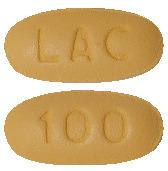
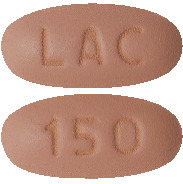
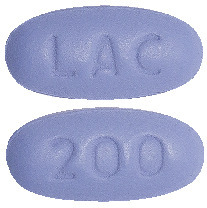
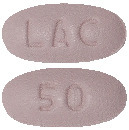
1. Why am I using VIMCOSA?
VIMCOSA contains the active ingredient LACOSAMIDE
VIMCOSA film-coated tablets are used in patients over 4 years in combination with other medicines to control epilepsy.
VIMCOSA film-coated tablets can only be used by itself in patients over 16 years. Epilepsy is a condition where you have repeated seizures. There are many different types of seizures, ranging from mild to severe.
This medicine belongs to a group of medicines called antiepileptics.
These medicines are thought to work by controlling brain chemicals which send signals to nerves so that seizures do not happen.
Your doctor may have prescribed this medicine for another reason.
Ask your doctor if you have any questions about why this medicine has been prescribed for you.
There is no evidence that VIMCOSA is addictive.
This medicine is available only with a doctor's prescription.
VIMCOSA is not recommended for use in children under the age of 4 years as its safety and effectiveness has not been established in this age group.
2. What should I know before I use VIMCOSA?
When you must not take it
Do not take VIMCOSA if you have an allergy to:
- Any of the ingredients listed at the end of this leaflet.
Some of the symptoms of an allergic reaction may include:
- shortness of breath
- wheezing or difficulty breathing
- swelling of the face, lips, tongue or other parts of the body
- Rash, itching or hives on the skin
Do not take VIMCOSA if you have, or have had, a heart condition causing an uneven heartbeat.
If you are not sure whether any of the above conditions apply to you, ask your doctor.
Do not take this medicine after the expiry date printed on the pack.
Do not take this medicine if the packaging is torn or shows signs of tampering. If it has expired or is damaged, return to your pharmacist for disposal.
If you are not sure whether you should start taking this medicine, talk to your doctor or pharmacist.
Before you start to take it
Tell your doctor or pharmacist if you:
- are taking any other medicines, especially barbiturates (such as phenobarbitone) or any other antiepileptic medicines (such as carbamazepine, lamotrigine or levetiracetam)
- have allergies to any other substances, such as foods, preservatives or dyes.
Tell your doctor if you have, or have had, any medical conditions, especially the following:
- heart problems
- kidney problems
- liver problems.
Tell your doctor if you are pregnant or intend to become pregnant. VIMCOSA may affect your developing baby if you take it during pregnancy. However, it is very important to control your seizures while you are pregnant. Your doctor will outline and weigh up all the risks and benefits of taking VIMCOSA during pregnancy to help decide whether or not you should take it.
Tell your doctor if you are breastfeeding or plan to breastfeed. Your doctor will discuss the risks and benefits of using VIMCOSA if you are breastfeeding.
If you have not told your doctor or pharmacist about any of the above, tell them before you start taking VIMCOSA.
Published by MIMS May 2022

 The relative risk for suicidal thoughts or behaviour was higher in clinical trials for epilepsy than in clinical trials for psychiatric or other conditions, but the absolute risk differences were similar for the epilepsy and psychiatric indications.
 The use of lacosamide is associated with dose related increase in the PR interval. Adverse reactions associated with PR interval prolongation (e.g. atrioventricular block, syncope, bradycardia) may occur. In add-on clinical trials in epilepsy patients the incidence rate of reported first degree AV block is uncommon, 0.7%, 0%, 0.5% and 0% for lacosamide 200 mg, 400 mg, 600 mg or placebo, respectively. No second or higher degree AV block was seen in lacosamide treated epilepsy patients. In the monotherapy trial the incidence of prolonged PR intervals was similar across treatment groups: 40 subjects (9.6%) in the lacosamide treatment group and 37 subjects (8.9%) in the carbamazepine CR treatment group experienced a treatment-emergent PR interval of > 200 ms and 16 subjects (3.7%) in the lacosamide treatment group and 13 subjects (3.0%) in the carbamazepine CR treatment group experienced a treatment-emergent PR interval of > 220 ms. Three subjects in each treatment group (0.7% in each treatment group) experienced a PR interval of > 250 ms.
 In addition, the following adverse drug reactions have been identified as being reported in clinical trials.


 During the 24-week treatment period, the proportion of patients with at least a 50% reduction in PGTCS frequency per 28 days from baseline to the treatment period was 68.1% in the lacosamide group compared with 46.3% in the placebo group; the proportion of patients with at least a 75% reduction in PGTCS frequency per 28 days from baseline to the treatment period was 57.1% in the lacosamide group compared to 36.4% in the placebo group.

