
Consumer medicine information

Vosevi

Sofosbuvir; Velpatasvir; Voxilaprevir

BRAND INFORMATION

Brand name

Vosevi

Active ingredient

Sofosbuvir; Velpatasvir; Voxilaprevir

Schedule

S4


Consumer medicine information (CMI) leaflet

Please read this leaflet carefully before you start using Vosevi.

What is in this leaflet

This leaflet answers some common questions about VOSEVI. It does not contain all the available information. It does not take the place of talking to your doctor or pharmacist.

This leaflet was last updated on the date at the end of this leaflet. More recent information may be available. The latest Consumer Medicine Information is available from your pharmacist or doctor and may contain important information about the medicine and its use of which you should be aware.

All medicines have risks and benefits. Your doctor has weighed the risks of you taking VOSEVI against the benefits it is expected to have for you.

If you have any concerns about taking this medicine, ask your doctor or pharmacist.

Keep this leaflet with the medicine. You may need to read it again.

This medicine has been prescribed for you personally and you should not pass it on to others. It may harm them, even if their symptoms are the same as yours.

What VOSEVI is used for

VOSEVI is used to treat hepatitis C virus (HCV) infection in adults 18 years and older.

Hepatitis C is a virus that infects the liver.

How VOSEVI works

VOSEVI is one tablet that contains three active substances, sofosbuvir, velpatasvir and voxilaprevir. This medicine works by lowering the amount of HCV in your body and may lead to a cure of your HCV infection over a number of weeks.

Cure means the HCV virus is cleared from your blood (remains at an undetectable level) when measured 3 months after finishing all treatment.

VOSEVI does not protect against re-infection with the HCV virus if cure has been achieved.

Ask your doctor if you have any questions about why VOSEVI has been prescribed for you.

Use in children

VOSEVI is for adults. VOSEVI has not been studied in children under the age of 18.

Before you take VOSEVI

When you must not take it

Together with your doctor, you need to decide whether VOSEVI is right for you.

Do not take VOSEVI if you also take any medicines that contain rifampicin.

Do not take VOSEVI if you are allergic to:

  • sofosbuvir,
  • velpatasvir,
  • voxilaprevir, or
  • any of the other ingredients of VOSEVI. The ingredients of VOSEVI are listed in the product description section of this leaflet.

Some people are allergic to medicines. If you have any of the following symptoms soon after taking your medicine, DO NOT TAKE ANY MORE VOSEVI and tell your doctor IMMEDIATELY or go to the accident and emergency department at your nearest hospital:

  • Skin troubles such as lumpy skin rash or “hives”
  • Swelling of the face, lips, mouth, or throat which may cause difficulty in swallowing or breathing
  • Wheezing, chest pain, or tightness
  • Fainting

These are very serious effects. If you have them, you may have a serious allergic reaction. You may need urgent medical attention or hospitalisation. Hypersensitivity reactions are very rare.

Ask your doctor or pharmacist if you don’t understand anything in this list.

If you are pregnant, think you may be pregnant, or are planning to have a baby, ask your doctor or pharmacist for advice before taking this medicine. You should not breast feed during treatment with VOSEVI.

Do not take VOSEVI after the expiry or “use by” date (EXP) printed on the bottle. If you take it after the expiry date has passed, it may not work as well.

Do not take VOSEVI if the packaging is torn or shows signs of tampering.

Before you start to take it

Tell your doctor if you are allergic to foods, dyes, preservatives or any other medicines.

Tell your doctor if you have, or have had, any of the following medical conditions:

  • Have liver problems, other than hepatitis C.
  • Have a current or previous infection with the hepatitis B virus, since your doctor may want to monitor you more closely.
  • Have severe kidney problems or if you are on haemodialysis as the effects of VOSEVI on patients with severe kidney problems have not been fully tested.
  • Have any other medical condition.

Tell your doctor if you:

  • Are pregnant or planning to become pregnant
  • Are breastfeeding or plan to breastfeed. It is not known whether sofosbuvir, velpatasvir or voxilaprevir, the three active substances of VOSEVI, pass into human breast milk.

If you have not told your doctor or pharmacist about any of the above, tell them before you start taking VOSEVI.

Taking other medicines

Tell your doctor or pharmacist if you are taking any other medicines including any that you buy without a prescription from your pharmacy, supermarket or health food shop. Some medicines and VOSEVI may interfere with each other.

Tell your doctor if you take any of the following medicines:

  • amiodarone used to treat heart conditions
  • digoxin used to treat heart conditions
  • rosuvastatin, simvastatin, atorvastatin or other statins used to treat high cholesterol
  • tenofovir disoproxil fumarate used to treat HIV infection
  • atazanavir, efavirenz or lopinavir used to treat HIV infection
  • rifampicin, rifapentine, rifabutin (antibiotics used to treat infections, including tuberculosis)
  • St. John’s Wort (Hypericum perforatum – herbal medicine used to treat depression)
  • carbamazepine, phenytoin, phenobarbital, oxcarbazepine (medicines used to treat epilepsy and prevent seizures)
  • dabigatran used to thin the blood
  • cyclosporin used to suppress the immune system
  • Warfarin or other similar medicines called vitamin K antagonists used to thin the blood.
  • ethinyl estradiol, a drug in some oral contraceptives used to prevent pregnancy

VOSEVI may interact with these medicines. As a result, the amounts of VOSEVI or other medicines in your blood may be affected. This may stop your medicines from working properly, or make any side effects worse. In some cases your doctor may need to give you a different medicine or adjust the dose of medicine you are taking.

  • Take any medicines used to treat stomach ulcers, heartburn or acid reflux, such as:
    - antacids (e.g. aluminium hydroxide or magnesium hydroxide)
    - Proton pump inhibitors (e.g. omeprazole)
    - H2-antagonists (e.g. famotidine)

These medicines can decrease the amount of velpatasvir in your blood. If you are taking one of these medicines your doctor will either give you a different medicine for stomach ulcers, heartburn, or acid reflux, or recommend how and when you take that medicine.

  • If you are taking an antacid, take it at least 4 hours before or at least 4 hours after VOSEVI.
  • If you are taking a proton pump inhibitor, your doctor may give you a different medicine or adjust the dose of medicine you are taking.
  • If you are taking an H2-antagonist, your doctor may give you a different medicine or adjust the dose of the medicine you are taking.

It is very important to let your doctor or pharmacist know what medications, herbal supplements, or vitamins you are taking.

Know the medicines you take. Keep a list of medicines and show it to your doctor and pharmacist when you get a new medicine. Your doctor and your pharmacist can tell you if you can take these medicines with VOSEVI. Do not start any new medicines while you are taking VOSEVI without first talking with your doctor or pharmacist.

Your doctor and pharmacist may have more information on medicines to be careful with or to avoid while taking VOSEVI.

How to take VOSEVI

Follow all directions given to you by your doctor or pharmacist carefully.

How much to take

The usual dose is one VOSEVI tablet orally, once daily.

Never change the dose on your own. Do not stop this medicine unless your doctor tells you to stop.

How to take it

VOSEVI tablets must be taken with food.

When to take it

Take VOSEVI at about the same time each day. Taking it at the same time each day will have the best effect. It will also help you remember when to take it.

If you forget to take it

Do not miss a dose of VOSEVI. If you forget to take VOSEVI, take your missed dose right away unless it is almost time for your next dose.

Do not take a double dose to make up for a forgotten dose. Continue with your regular dosing schedule.

Do not stop taking VOSEVI unless your doctor tells you to. It is very important that you complete the full course of treatment to give the medicines the best chance to cure your HCV infection.

Do not change your dose or stop taking VOSEVI without first talking to your doctor.

If you are not sure what to do, ask your doctor or pharmacist.

If you have trouble remembering to use your medicine, ask your pharmacist for some hints.

If you take too much (overdose)

Immediately telephone your doctor or Poisons Information Centre: 13 11 26 (Australia) and 0800 764 766 (New Zealand) or go to the Accident and Emergency department at your nearest hospital if you think you or anyone else may have taken too many VOSEVI tablets. Do this even if there are no signs of discomfort or poisoning. You may need urgent medical attention.

While you are taking VOSEVI

Things you must do

Tell all doctors and pharmacists who are treating you that you are taking VOSEVI.

Tell your doctor as soon as possible if there is any worsening of your condition.

Things you must not do

Do not give VOSEVI to anyone else, even if they have the same condition as you.

Do not stop taking VOSEVI or change the dose without checking with your doctor. It is important not to stop taking your VOSEVI tablets, unless advised to do so by your doctor.

Do not breastfeed. See “Before you take it”.

Things to be careful of

Be careful driving or operating machinery until you know how VOSEVI affects you.

Side effects

Tell your doctor or pharmacist as soon as possible if you do not feel well while you are taking VOSEVI.

VOSEVI helps most people with HCV infection, but it may have unwanted side effects in a few people. All medicines can have side effects. Sometimes they are serious, most of the time they are not. You may need medical treatment if you get some of the side effects. Do not be alarmed by these lists of possible side effects. You may not experience any of them.

Ask your doctor or pharmacist to answer any questions you may have.

Tell your doctor if you notice any of the following and they worry you:

  • headache
  • fatigue
  • diarrhoea
  • nausea

Check with your doctor as soon as possible if you have any problems while taking VOSEVI, even if you do not think the problems are connected with the medicine or are not listed in this leaflet.

Tell your doctor immediately if you or your family notice any of the following side effects:

  • signs of allergy such as rash or hives on the skin; swelling of the face, lips, tongue or other parts of the body; wheezing or difficulty breathing

Tell your doctor if you notice anything else that is making you feel unwell. Other side effects not listed above may also occur in some people.

After taking VOSEVI

Storage

Keep VOSEVI tablets where children cannot reach them. A locked cupboard at least one-and-a half metres above the ground is a good place to store them.

Keep VOSEVI tablets in a cool, dry place where it stays below 30 °C.

Do not store VOSEVI or any other medicine in a bathroom or near a sink.

Do not leave VOSEVI in the car or on a window sill – heat and dampness can destroy some medicines.

Keep your VOSEVI tablets in the bottle with the cap tightly closed until you take them. If you take VOSEVI tablets out of their pack they may not keep well.

Disposal

If your doctor tells you to stop taking this medicine or the expiry date has passed, ask your pharmacist what to do with any medicine that is left over.

Product description

What it looks like

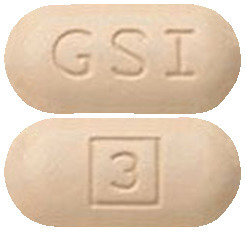
VOSEVI tablets are capsule shaped and beige in colour. Each tablet has “GSI” on one side and on the other side of the tablet.

VOSEVI tablets are supplied in bottles containing 28 tablets.

Ingredients

Active Ingredients: sofosbuvir, velpatasvir and voxilaprevir

Inactive Ingredients: silicon dioxide, copovidone, croscarmellose sodium, lactose monohydrate, magnesium stearate, and microcrystalline cellulose.

Film-coating: ferrosoferric oxide, iron oxide red, iron oxide yellow, polyethylene glycol, polyvinyl alcohol, purified talc, and titanium dioxide.

Sponsor

Australia

Gilead Sciences Pty Ltd
Level 6, 417 St Kilda Road
Melbourne, Victoria 3004

New Zealand

c/- Grant Thornton New Zealand
Limited, L4, 152 Fanshawe Street
Auckland 1010

This leaflet was prepared on 08 March 2018.VOSEVI and GSI are trademarks of Gilead Sciences, Inc. or one of its related companies. Other brands listed are trademarks of their respective owners and are not trademarks of Gilead Sciences, Inc.

AUST R 286358

Published by MIMS June 2018
BRAND INFORMATION

Brand name

Vosevi

Active ingredient

Sofosbuvir; Velpatasvir; Voxilaprevir

Schedule

S4


1 Name of Medicine

Vosevi (sofosbuvir/velpatasvir/voxilaprevir 400 mg/100 mg/100 mg) tablets.

2 Qualitative and Quantitative Composition

Vosevi is available as a fixed-dose combination tablet. The active substances in Vosevi tablets are sofosbuvir, velpatasvir and voxilaprevir.
Each tablet contains 400 mg of sofosbuvir, 100 mg of velpatasvir, and 100 mg of voxilaprevir.
Sofosbuvir is a white to off-white powder with a solubility of ≥ 2 mg/mL across the pH range of 2-7.7 at 37°C.
Velpatasvir is a white to tan or yellow solid. Velpatasvir is practically insoluble (less than 0.1 mg/mL) above pH 5, slightly soluble (3.6 mg/mL) at pH 2, and soluble (greater than 36 mg/mL) at pH 1.2.
Voxilaprevir is a white to light brown solid. It is slightly hygroscopic to hygroscopic. Voxilaprevir is practically insoluble (less than 0.1 mg/mL) below pH 6.8.
For the full list of excipients, see Section 6.1 List of Excipients.

3 Pharmaceutical Form

Vosevi tablets are beige, capsule-shaped, film coated tablets, debossed with "GSI" on one side and "3" on the other side.

4 Clinical Particulars

4.1 Therapeutic Indications

Vosevi (sofosbuvir/velpatasvir/voxilaprevir fixed-dose combination) is indicated for the treatment of chronic hepatitis C virus (HCV) infection in adult patients, without cirrhosis or with compensated cirrhosis, who have:
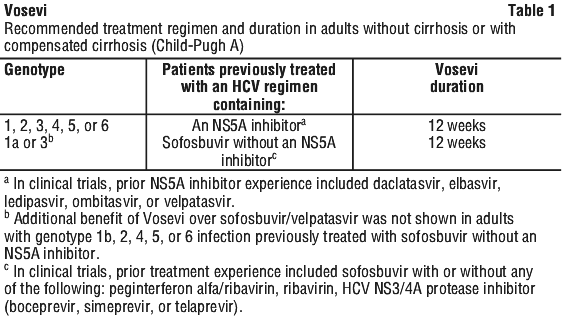
genotype 1, 2, 3, 4, 5, or 6 infection and have previously been treated with an HCV regimen containing an NS5A inhibitor;
genotype 1a or 3 infection and have previously been treated with an HCV regimen containing sofosbuvir without an NS5A inhibitor;
(see Section 4.2 Dose and Method of Administration; Section 5.1 Pharmacodynamic Properties, Clinical trials).

4.2 Dose and Method of Administration

The recommended dose of Vosevi is one tablet, taken orally, once daily with food.
Table 1 provides the recommended treatment regimen and duration based on patient population.

Children and adolescents up to 18 years of age.

No data are available on which to make a dose recommendation for children < 18 years of age.

Elderly.

No dose adjustment is warranted for elderly patients.

Renal impairment.

No dose adjustment of Vosevi is required for patients with mild or moderate renal impairment. The safety and efficacy of Vosevi have not been established in patients with severe renal impairment (eGFR < 30 mL/min/1.73 m2) or end stage renal disease (ESRD) requiring haemodialysis (see Section 5.2 Pharmacokinetic Properties).

Hepatic impairment.

No dose adjustment of Vosevi is required for patients with mild hepatic impairment (Child-Pugh A). Vosevi is not recommended in patients with moderate or severe hepatic impairment (Child-Pugh B or C) (see Section 5.2 Pharmacokinetic Properties).

4.3 Contraindications

Vosevi tablets are contraindicated in patients with known hypersensitivity to the active substance or to any other component of the tablets.
Vosevi is contraindicated with rifampicin and rosuvastatin.

4.4 Special Warnings and Precautions for Use

Serious symptomatic bradycardia when sofosbuvir is coadministered with amiodarone.

Postmarketing cases of symptomatic bradycardia and cases requiring pacemaker intervention have been reported when amiodarone is coadministered with a sofosbuvir containing regimen. A fatal cardiac arrest was reported in a patient taking amiodarone who was coadministered a sofosbuvir-containing regimen (ledipasvir/sofosbuvir).
Bradycardia has generally occurred within hours to days, but cases have been observed up to 2 weeks after initiating HCV treatment. Patients also taking beta blockers, or those with underlying cardiac comorbidities and/or advanced liver disease may be at increased risk for symptomatic bradycardia with coadministration of amiodarone. Bradycardia generally resolved after discontinuation of HCV treatment. The mechanism for this effect is unknown.
Coadministration of amiodarone with Vosevi is not recommended. For patients taking amiodarone who have no other alternative, viable treatment options and who will be coadministered Vosevi:
Counsel patients about the risk of symptomatic bradycardia.
Cardiac monitoring in an in-patient setting for the first 48 hours of coadministration is recommended, after which outpatient or self-monitoring of the heart rate should occur on a daily basis through at least the first 2 weeks of treatment.
Patients who are taking Vosevi who need to start amiodarone therapy due to no other alternative, viable treatment options should undergo similar cardiac monitoring as outlined above.
Due to amiodarone's long half-life, patients discontinuing amiodarone just prior to starting Vosevi should also undergo similar cardiac monitoring as outlined above.
Patients who develop signs or symptoms of bradycardia should seek medical evaluation immediately. Symptoms may include near-fainting or fainting, dizziness or lightheadedness, malaise, weakness, excessive tiredness, shortness of breath, chest pains, confusion, or memory problems.

Hepatitis B virus reactivation.

Cases of HBV reactivation, including fatal cases, have been reported during and after treatment of HCV with direct-acting antiviral agents (DAAs) in HCV/HBV co-infected patients. Screening for current or past HBV infection, including testing for HBV surface antigen (HBsAg) and HBV core antibody (anti-HBc), should be performed in all patients before initiation of treatment with Vosevi.
Patients with serologic evidence of current or past HBV infection should be monitored and treated according to current clinical practice guidelines to manage potential HBV reactivation. Consider initiation of HBV antiviral therapy, if indicated.
There are no data on the use of Vosevi in patients with HCV/HBV co-infection.

Potential for dysglycaemia in diabetic patients.

Diabetics may experience dysglycaemia, potentially resulting in symptomatic hypoglycaemia, after initiating HCV direct-acting antiviral treatment. Glucose levels of diabetic patients initiating direct-acting antiviral therapy should be closely monitored, particularly within the first three months, and their diabetic medication modified when necessary. The physician in charge of the diabetic care of the patient should be informed when direct-acting antiviral therapy is initiated (also see Section 4.5 Interactions with Other Medicines and Other Forms of Interactions).

Hepatic decompensation and hepatic failure.

Vosevi is not recommended in patients with moderate or severe hepatic impairment. There have been post-marketing case reports of hepatic decompensation and hepatic failure, including fatal outcomes, mostly in cirrhotic patients treated with HCV NS3/4A protease inhibitor-containing regimens, including Vosevi. Because these events are reported voluntarily from a population of uncertain size, it is not always possible to reliably estimate their frequency or establish a causal relationship to drug exposure. In patients with compensated cirrhosis (Child-Pugh A) or evidence of advanced liver disease such as portal hypertension, perform hepatic laboratory testing as clinically indicated; and monitor for signs and symptoms of hepatic decompensation such as the presence of jaundice, ascites, hepatic encephalopathy, and variceal haemorrhage. Discontinue Vosevi in patients who develop evidence of hepatic decompensation/failure.

Use with potent inducers of P-gp and/or moderate to potent inducers of CYP.

Drugs that are potent inducers of P-gp and/or moderate to potent inducers of CYP2B6, CYP2C8, or CYP3A4 (e.g. St. John's wort, carbamazepine) may significantly decrease plasma concentrations of sofosbuvir, velpatasvir, and/or voxilaprevir leading to reduced therapeutic effect of Vosevi. The use of these agents with Vosevi is not recommended (see Section 4.5 Interactions with Other Medicines and Other Forms of Interactions).

Use in the elderly.

Clinical studies of Vosevi included 189 patients aged 65 and over (17% of total number of patients in the Phase 2 and 3 clinical trials). The response rates observed for patients ≥ 65 years of age were similar to that of patients < 65 years of age, across treatment groups.

Paediatric use.

Safety and effectiveness of Vosevi in children less than 18 years of age have not been established.

Effects on laboratory tests.

As liver function may change during treatment with Vosevi, please see Section 4.5 Interactions with Other Medicines and Other Forms of Interactions, Other forms of interaction for additional guidance on monitoring of certain laboratory parameters and/or concomitant medications.

4.5 Interactions with Other Medicines and Other Forms of Interactions

As Vosevi contains sofosbuvir, velpatasvir and voxilaprevir any interactions that have been identified with these agents individually may occur with Vosevi.

Potential for Vosevi to affect other drugs.

Velpatasvir and voxilaprevir are inhibitors of drug transporters P-gp, breast cancer resistance protein (BCRP), OATP1B1, and OATP1B3. Velpatasvir is also an inhibitor of OATP2B1. Coadministration of Vosevi with drugs that are substrates of these transporters may alter the exposure of such drugs. Coadministration of Vosevi with BCRP substrates is not recommended.

Potential for other drugs to affect Vosevi.

Sofosbuvir, velpatasvir, and voxilaprevir are substrates of drug transporters P-gp and BCRP while GS-331007 is not. Voxilaprevir is also a substrate of OATP1B1 and OATP1B3. In vitro, slow metabolic turnover of velpatasvir primarily by CYP2B6, CYP2C8, and CYP3A4 and of voxilaprevir primarily by CYP3A4 was observed.
Drugs that are potent inducers of P-gp and/or moderate to potent inducers of CYP2B6, CYP2C8, or CYP3A4 (e.g. St. John's wort, carbamazepine) may decrease plasma concentrations of sofosbuvir, velpatasvir, or voxilaprevir leading to reduced therapeutic effect of Vosevi. The use of these agents with Vosevi is not recommended (see Section 4.4 Special Warnings and Precautions for Use). Coadministration with drugs that inhibit P-gp and/or BCRP may increase sofosbuvir, velpatasvir, or voxilaprevir plasma concentrations without increasing GS-331007 plasma concentration. Coadministration with drugs that inhibit OATP may increase voxilaprevir plasma concentrations. Drugs that inhibit CYP2B6, CYP2C8, or CYP3A4 may increase plasma concentration of velpatasvir or voxilaprevir. Vosevi may be coadministered with P-gp, BCRP, and CYP inhibitors. The use of potent inhibitors of OATP with Vosevi is not recommended.

Established and other potentially significant drug interactions.

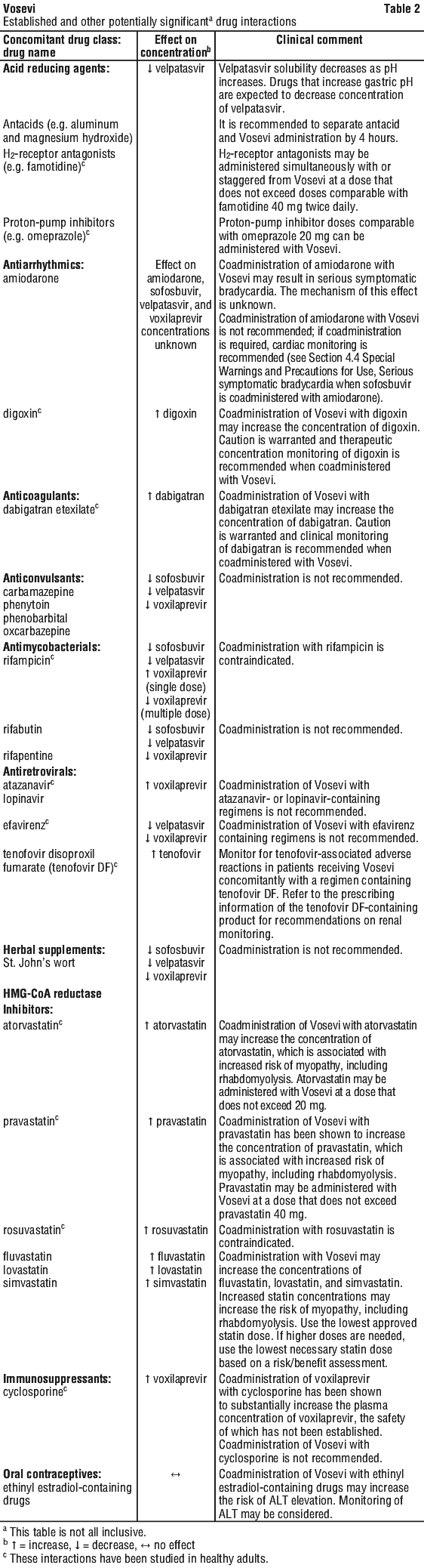
Table 2 provides a listing of established or potentially clinically significant drug interactions. The drug interactions described are based on studies conducted with either Vosevi, the components of Vosevi (sofosbuvir, velpatasvir, and/or voxilaprevir), or are predicted drug interactions that may occur with Vosevi. This table is not all inclusive.

Drugs without clinically significant interactions with Vosevi.

Based on drug interaction studies conducted with the components of Vosevi (sofosbuvir, velpatasvir, or voxilaprevir) or Vosevi, no clinically significant drug interactions have been either observed or are expected when Vosevi is combined with the following drugs (see Section 5.2): cobicistat, darunavir, dolutegravir, elvitegravir, emtricitabine, gemfibrozil, ketoconazole, methadone, oral contraceptives, raltegravir, rilpivirine, ritonavir, tacrolimus (see Section 4.5 Interactions with Other Medicines and Other Forms of Interactions, Other forms of interaction), tenofovir alafenamide, or voriconazole.

Other forms of interaction.

Change in hepatic function as a result of treatment of HCV with DAAs may require monitoring of relevant laboratory parameters in susceptible patients (e.g. International Normalized Ratio [INR] in patients taking vitamin K antagonists, blood glucose levels in diabetic patients (also see Section 4.4 Special Warnings and Precautions for Use, Potential for dysglycaemia in diabetic patients)). Concomitant medications significantly affected by changes in hepatic function (e.g. calcineurin inhibitors) may require monitoring or dose modification to ensure continued efficacy.

Assessment of drug interactions.

After oral administration of Vosevi sofosbuvir is rapidly absorbed and subject to extensive first-pass hepatic extraction. Hydrolytic prodrug cleavage and sequential phosphorylation steps results in formation of the pharmacologically active uridine nucleoside analog triphosphate. Dephosphorylation of nucleotide metabolites results in conversion to the predominant circulating metabolite GS-331007 that accounts for the majority of total systemic exposure. In clinical pharmacology studies, both sofosbuvir and GS-331007 were monitored for purposes of pharmacokinetic analyses.
Sofosbuvir, velpatasvir, and voxilaprevir are substrates of drug transporters P-gp and BCRP, while GS-331007 is not. Voxilaprevir, and to a lesser extent velpatasvir, are also substrates of OATP1B1 and OATP1B3. In vitro, slow metabolic turnover of velpatasvir primarily by CYP2B6, CYP2C8, and CYP3A4 and of voxilaprevir primarily by CYP3A4 was observed.
Sofosbuvir and GS-331007 are not inhibitors of drug transporters P-gp, BCRP, OATP1B1, OATP1B3, and OCT1, and GS-331007 is not an inhibitor of OAT1, OAT3, OCT2, and MATE1. Sofosbuvir and GS-331007 are not inhibitors or inducers of CYP or UGT1A1 enzymes.
Velpatasvir is an inhibitor of drug transporters P-gp, BCRP, OATP1B1, OATP1B3, and OATP2B1, and its involvement in drug interactions with these transporters is primarily limited to the process of absorption. At clinically relevant concentration, velpatasvir is not an inhibitor of hepatic transporters OATP1A2 or OCT1, renal transporters OCT2, OAT1, OAT3 or MATE1, or CYP or UGT1A1 enzymes.
Voxilaprevir is an inhibitor of drug transporters P-gp, BCRP, OATP1B1 and OATP1B3, and its involvement in drug interactions with these transporters is primarily limited to the process of absorption. At clinically relevant concentrations, voxilaprevir is not an inhibitor of hepatic transporters OCT1, renal transporters OCT2, OAT1, OAT3 or MATE1, or CYP or UGT1A1 enzymes.
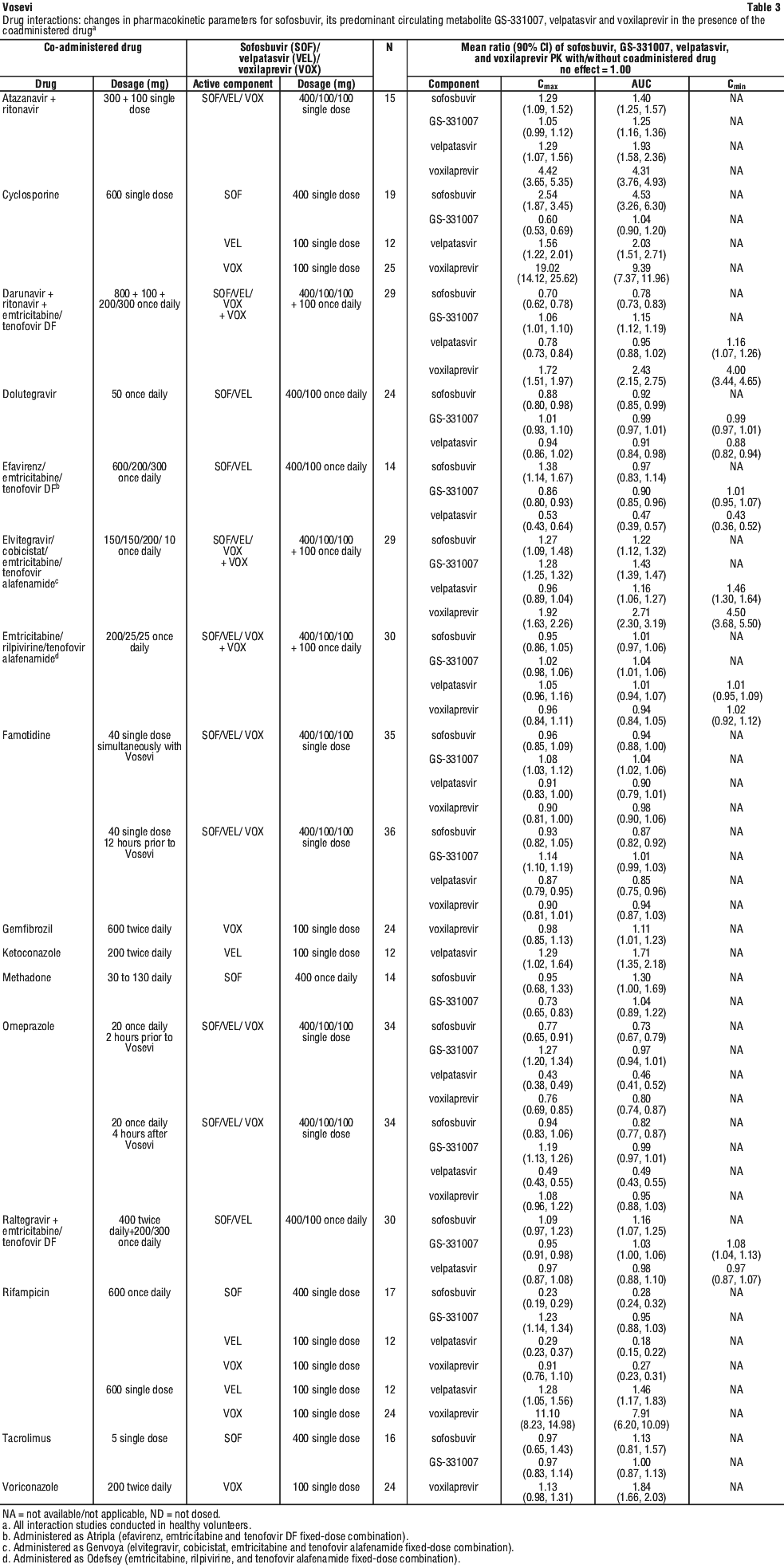
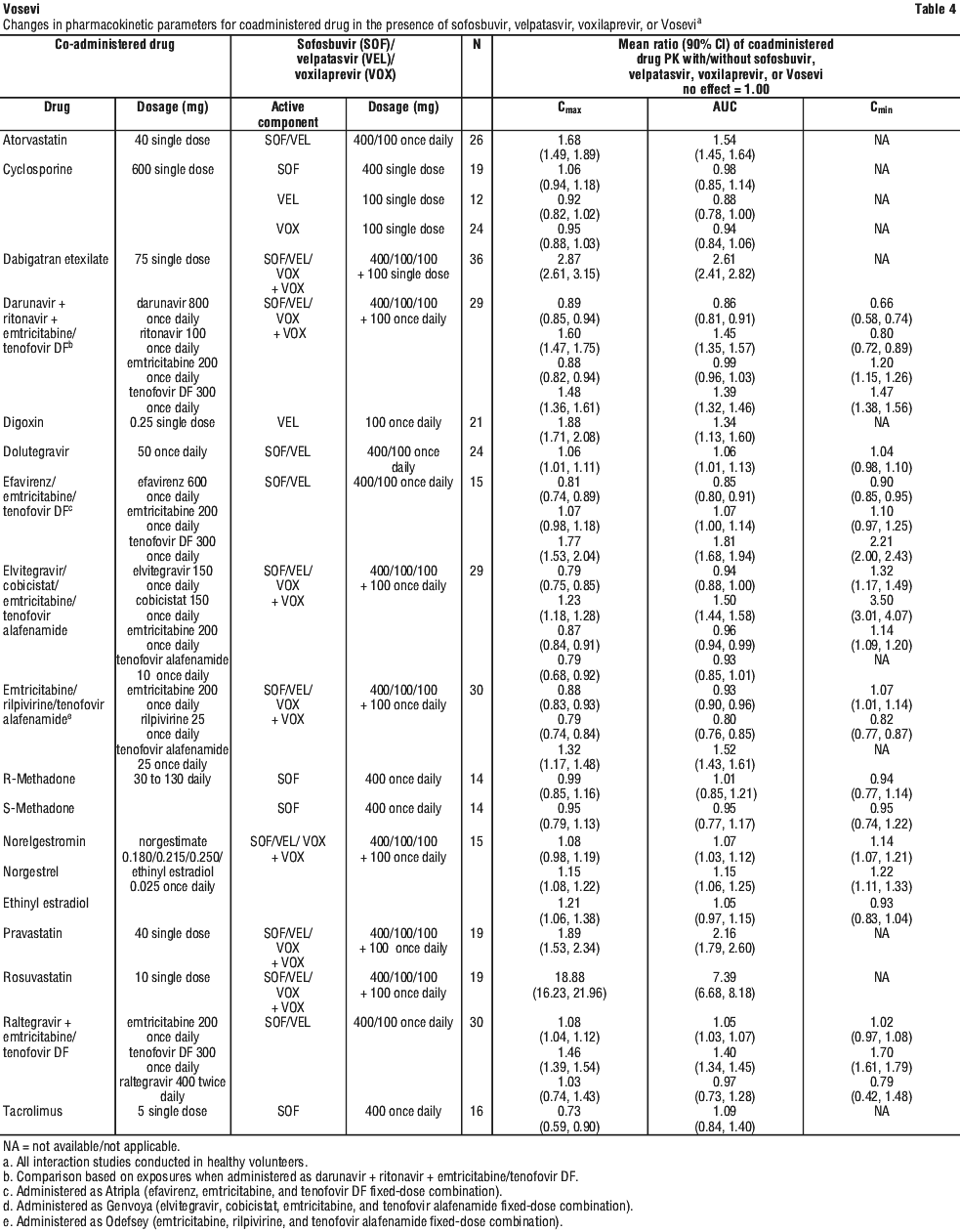
The effects of coadministered drugs on the exposure of sofosbuvir, GS-331007, velpatasvir and voxilaprevir are shown in Table 3. The effects of sofosbuvir, velpatasvir or voxilaprevir on the exposure of coadministered drugs are shown in Table 4.

4.6 Fertility, Pregnancy and Lactation

Effects on fertility.

Sofosbuvir.

Sofosbuvir had no effects on embryo-fetal viability or on fertility when evaluated in rats. At the highest dose tested, AUC exposure to the predominant circulating metabolite GS-331007 was approximately 4-fold the exposure in humans at the recommended clinical dose.

Velpatasvir.

Velpatasvir had no effects on embryo-fetal viability or on fertility when evaluated in rats. At the highest dose tested, velpatasvir exposure was approximately 4-fold the exposure in humans at the recommended clinical dose.

Voxilaprevir.

Voxilaprevir had no effects on embryo-fetal viability or on fertility when evaluated in rats. At the highest dose tested, voxilaprevir exposure was approximately 149-fold the exposure in humans at the recommended clinical dose.
(Category B1)
There are no adequate and well-controlled studies with Vosevi in pregnant women.
In animal reproduction studies, no evidence of adverse developmental outcomes was observed with the administration of sofosbuvir, velpatasvir or voxilaprevir.

Sofosbuvir.

No effect on fetal development has been observed in rats and rabbits at the highest doses tested. In the rat and rabbit, exposure to the predominant circulating metabolite GS-331007 was approximately 6-fold and 16-fold the exposure in humans at the recommended clinical dose, respectively. Sofosbuvir had no adverse effects on behaviour, reproduction, or development of the offspring in the rat pre- and post-natal development study at AUC exposures approximately 7-fold higher than the human exposure at the recommended clinical dose.

Velpatasvir.

No effects on fetal development have been observed in mice, rats and rabbits at the highest doses tested. In the mouse, rat and rabbit, AUC exposure to velpatasvir was approximately 23-, 4-, and 0.5-fold, respectively, the exposure in humans at the recommended clinical dose. Velpatasvir had no adverse effects on behaviour, reproduction, or development of the offspring in the rat pre- and post-natal development study at AUC exposures approximately 3-fold higher, respectively than the human exposure at the recommended clinical dose.

Voxilaprevir.

No effects on fetal development have been observed in rats and rabbits at the highest doses tested. In the rat and rabbit AUC exposures to voxilaprevir were approximately 141- and 4-fold higher, respectively than the human exposure at the recommended clinical dose. Voxilaprevir had no adverse effects on behavior, reproduction, or development of the offspring in the rat pre- and post-natal development study at AUC exposures approximately 238-fold higher than the human exposure at the recommended clinical dose.
Because animal reproduction studies are not always predictive of human response, Vosevi should be used during pregnancy only if the potential benefit justifies the potential risk to the fetus.
It is not known whether sofosbuvir, velpatasvir or voxilaprevir or their metabolites are present in human breast milk.
The predominant circulating metabolite of sofosbuvir (GS-331007) was the primary component observed in the milk of lactating rats, without effect on nursing pups. Velpatasvir was present in the milk of lactating rats, without clear effects on nursing pups. When administered to lactating rats, voxilaprevir was detected in the plasma of nursing pups. The development and health benefits of breastfeeding should be considered along with the mother's clinical need for Vosevi and any potential adverse effects on the breastfed infant from Vosevi or from the underlying maternal condition.

4.7 Effects on Ability to Drive and Use Machines

No studies on the effects of Vosevi on the ability to drive and use machines have been performed.

4.8 Adverse Effects (Undesirable Effects)

Reporting suspected adverse reactions after registration of the medicinal product is important. It allows continued monitoring of the benefit-risk balance of the medicinal product. Healthcare professionals are asked to report any suspected adverse reactions at www.tga.gov.au/reporting-problems.

Clinical trials.

The safety assessment of Vosevi was based on Phase 3 clinical trial data from DAA-experienced patients (POLARIS-1 and POLARIS-4) and DAA-naive patients (POLARIS-2 and POLARIS-3) with genotype 1, 2, 3, 4, 5 or 6 HCV infection (without cirrhosis or with compensated cirrhosis) including:
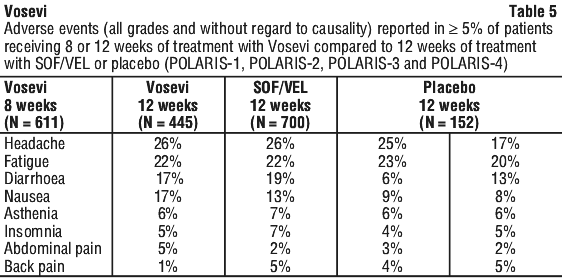
611 patients who received Vosevi for 8 weeks;
445 patients who received Vosevi for 12 weeks;
700 patients who received sofosbuvir/velpatasvir for 12 weeks;
152 patients who received placebo for 12 weeks.
The proportion of patients who permanently discontinued treatment due to adverse events was 0.2% for patients receiving Vosevi for 12 weeks. There were no patients receiving Vosevi for 8 weeks who permanently discontinued treatment due to adverse events.
Table 5 lists adverse events (all grades and without regard to causality) observed in at least 5% of patients receiving 8 or 12 weeks treatment with Vosevi in clinical trials compared to 12 weeks of treatment with SOF/VEL or placebo.
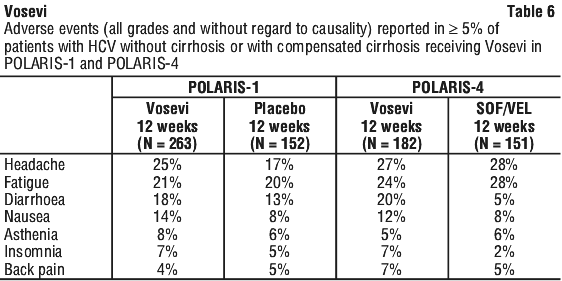
Table 6 lists adverse events observed in at least 5% of DAA-experienced patients receiving 12 weeks treatment with Vosevi in POLARIS-1 and POLARIS-4.
In POLARIS-1, of the patients receiving Vosevi who experienced these adverse events, > 99% of patients had an adverse event of mild or moderate (Grade 1 or 2) severity. Each of these adverse events occurred at a similar frequency or more frequently than in patients treated with placebo.
Laboratory abnormalities.

Lipase elevations.

In the POLARIS-1 and POLARIS-4 Phase 3 trials, isolated, asymptomatic lipase elevations of greater than 3 x ULN were observed in 2%, 3% and 1% of patients treated with Vosevi, placebo and SOF/VEL for 12 weeks, respectively.

Creatine kinase.

In the POLARIS-1 and POLARIS-4 Phase 3 trials, isolated, asymptomatic creatine kinase elevations greater than or equal to 10 x ULN were reported in less than 1%, 1%, and less than 1% of patients treated with Vosevi, placebo and SOF/VEL for 12 weeks, respectively.

Total bilirubin.

In the POLARIS-1 and POLARIS-4 Phase 3 trials, increases in total bilirubin less than or equal to 1.5 x ULN were observed in 5% of patients without cirrhosis and 9% of subjects with compensated cirrhosis, due to inhibition of OATP1B1 and OATP1B3 by voxilaprevir. No patients experienced jaundice and total bilirubin levels decreased after completing Vosevi treatment.

Post marketing surveillance.

The following possible adverse reactions were identified during postapproval use of sofosbuvir or Vosevi. Because these reactions were reported voluntarily from a population of unknown size, estimates of frequency cannot be made.

Cardiac disorders.

Symptomatic bradycardia (when amiodarone is coadministered with Vosevi) (see Section 4.4 Special Warnings and Precautions for Use, Serious symptomatic bradycardia when sofosbuvir is coadministered with amiodarone).

Hepatobiliary disorders.

Hepatic decompensation and hepatic failure.

Skin and subcutaneous tissue disorders.

Angioedema, rash, Stevens-Johnson syndrome.

4.9 Overdose

The highest documented doses of sofosbuvir, velpatasvir, and voxilaprevir were single doses of 1200 mg, 500 mg, and 900 mg, respectively. In healthy volunteer studies with sofosbuvir and velpatasvir, there were no untoward effects observed at these dose levels, and adverse events were similar in frequency and severity to those reported in the placebo groups. The most common adverse events in patients receiving voxilaprevir 900 mg were diarrhoea (34%), vomiting (19%), and nausea (17%). The effects of higher doses/exposures are not known.
No specific antidote is available for overdose with Vosevi. If overdose occurs the patient must be monitored for evidence of toxicity. Treatment of overdose with Vosevi consists of general supportive measures including monitoring of vital signs as well as observation of the clinical status of the patient. Hemodialysis can efficiently remove the predominant circulating metabolite of sofosbuvir, GS-331007, with an extraction ratio of 53%. Hemodialysis is unlikely to result in significant removal of velpatasvir or voxilaprevir since velpatasvir and voxilaprevir are highly bound to plasma proteins.
For information on the management of overdose, contact the Poison Information Centre on 131126 (Australia) and 0800 764 766 (New Zealand).

5 Pharmacological Properties

5.1 Pharmacodynamic Properties

Pharmacotherapeutic group: Antivirals for systemic use; direct acting antivirals, other antivirals, ATC code: J05AP56.

Mechanism of action.

Sofosbuvir is a pan-genotypic inhibitor of the HCV NS5B RNA-dependent RNA polymerase, which is essential for viral replication. Sofosbuvir is a nucleotide prodrug that undergoes intracellular metabolism to form the pharmacologically active uridine analog triphosphate (GS-461203), which can be incorporated by HCV NS5B and acts as a chain terminator. In a biochemical assay, GS-461203 inhibited the polymerase activity of the recombinant NS5B from HCV genotype 1b, 2a, 3a and 4a with an IC50 value ranging from 0.36 to 3.3 microM. GS-461203 is neither an inhibitor of human DNA and RNA polymerases nor an inhibitor of mitochondrial RNA polymerase.
Velpatasvir is a pan-genotypic HCV inhibitor targeting the HCV NS5A protein, which is essential for both RNA replication and the assembly of HCV virions. In vitro resistance selection and cross-resistance studies indicate velpatasvir targets NS5A as its mode of action.
Voxilaprevir is a pan-genotypic inhibitor of the NS3/4A protease. Voxilaprevir acts as a noncovalent, reversible inhibitor of the NS3/4A protease.

Antiviral activity in vitro.

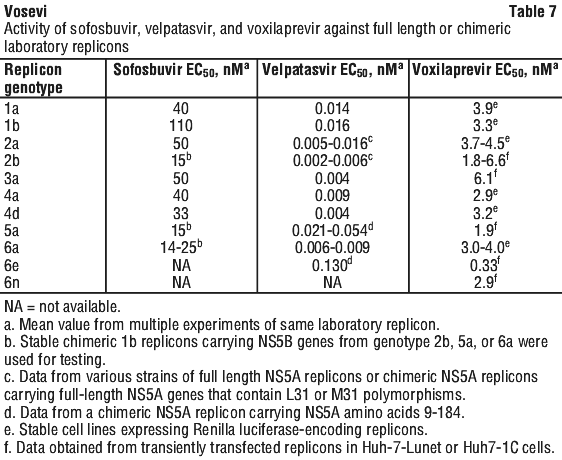
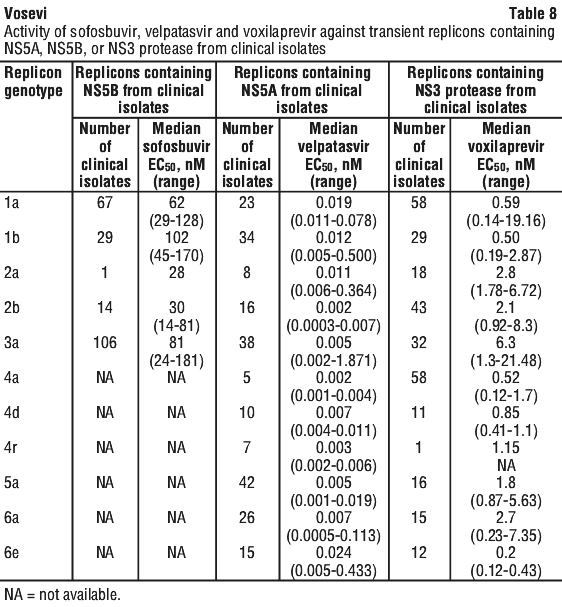
The EC50 values of sofosbuvir, velpatasvir, and voxilaprevir against full-length or chimeric replicons encoding NS5B, NS5A and NS3 protease sequences from the laboratory strains are presented in Table 7. The EC50 values of sofosbuvir, velpatasvir, and voxilaprevir against clinical isolates are presented in Table 8.
The presence of 40% human serum had no effect on the anti-HCV activity of sofosbuvir, but reduced the anti-HCV activity of velpatasvir and voxilaprevir by 13- and 6.8-fold respectively, against genotype 1a HCV replicons.
Evaluation of sofosbuvir in combination with velpatasvir or voxilaprevir, as well as the combination of velpatasvir and voxilaprevir, showed no antagonistic effect in reducing HCV RNA levels in replicon cells.

Drug resistance.

In cell culture. HCV replicons with reduced susceptibility to sofosbuvir have been selected in cell culture for multiple genotypes including 1b, 2a, 2b, 3a, 4a, 5a, and 6a. Reduced susceptibility to sofosbuvir was associated with the primary NS5B substitution S282T in all replicon genotypes examined. Site-directed mutagenesis of the S282T substitution in replicons of genotype 1 to 6 conferred 2- to 18-fold reduced susceptibility to sofosbuvir and reduced the replication viral capacity by 89% to 99% compared to the corresponding wild-type. In biochemical assays, the ability of the active triphosphate of sofosbuvir (GS-461203) to inhibit recombinant NS5B polymerase from genotypes 1b, 2a, 3a, and 4a expressing the S282T substitution was reduced compared to its ability to inhibit wild-type recombinant NS5B polymerase, as indicated by a 8.5- to 24-fold increase in IC50.
HCV genotype 1a, 1b, 2a, 3a, 4a, 5a and 6a replicon variants with reduced susceptibility to velpatasvir were selected in cell culture. Variants were selected at NS5A resistance associated positions 24, 28, 30, 31, 32, 58, 92 and 93. The resistance associated variants (RAVs) selected in 2 or more genotypes were F28S, L31I/V and Y93H. Site directed mutagenesis of known NS5A RAVs showed that substitutions conferring a > 100-fold reduction in velpatasvir susceptibility are M28G, A92K and Y93H/N/R/W in genotype 1a, A92K in genotype 1b, C92T and Y93H/N in genotype 2b, Y93H in genotype 3, and L31V and P32A/L/Q/R in genotype 6. No individual substitutions tested in genotypes 2a, 4a, or 5a conferred a > 100-fold reduction in velpatasvir susceptibility. Combinations of variants often showed greater reductions in susceptibility to velpatasvir than single RAVs alone.
HCV genotype 1a, 1b, 2a, 3a, 4a, 5a, and 6a replicon variants with reduced susceptibility to voxilaprevir were selected in cell culture. Variants were selected at NS3 resistance associated positions 41, 156, and 168. The RAVs selected in 2 or more genotypes were Q41H, A156V/T/L, and D168E/H/Y. Site directed mutagenesis of NS3 RAVs showed that substitutions conferring a > 100-fold reduction in voxilaprevir susceptibility are A156L/T in genotype 1a, A156T/V in genotype 1b, A156L/V in genotype 2a, A156T/V in genotype 3a, and A156L/T/V in genotype 4. No individual substitutions tested in genotypes 2b, 5a, or 6a conferred a > 100-fold reduction in voxilaprevir susceptibility. Combinations of variants often showed greater reductions in susceptibility to voxilaprevir than single RAVs alone.
In clinical trials.

Studies in DAA-experienced patients.

Of the 263 NS5A inhibitor-experienced patients treated with Vosevi for 12 weeks in POLARIS-1, 7 of 263 (3%) patients (2 with genotype 1, 4 with genotype 3, and 1 with genotype 4) did not achieve SVR12 and qualified for resistance analysis; 6 relapsed and 1 experienced virologic breakthrough with pharmacokinetic data consistent with nonadherence. The patient with genotype 1a and virologic breakthrough developed the NS5A RAVs L31M and Y93H. One subject with genotype 4d who relapsed developed the NS5A RAV Y93H. No NS3, NS5A, or NS5B nucleoside inhibitor (NI) RAVs emerged in the other 5 patients who relapsed.
Of the 182 DAA inhibitor-experienced patients treated with Vosevi for 12 weeks in POLARIS-4, 1 of 182 (1%) patients relapsed and qualified for resistance analysis. No NS3, NS5A, or NS5B NI RAVs emerged in this patient infected with genotype 1a HCV.

Studies in DAA-naive patients.

In the POLARIS-2 Vosevi 8-week treatment group, a total of 21 of 501 (4%) patients (16 with genotype 1, 2 with genotype 2, 2 with genotype 4, and 1 with genotype 5) qualified for resistance analysis due to relapse. Of these 21 patients, 1 patient had virus with emergent NS5A RAVs Q30R and L31M at failure. No NS3 and NS5B NI RAVs emerged in any of these 21 patients at failure.
In the POLARIS-3 Vosevi 8-week treatment group, 2 of 110 (2%) patients (genotype 3) qualified for resistance analysis due to relapse. No NS3, NS5A, or NS5B NI RAVs emerged in either of these patients.

Effect of baseline HCV resistance associated variants on treatment outcome.

Studies in DAA-experienced patients.

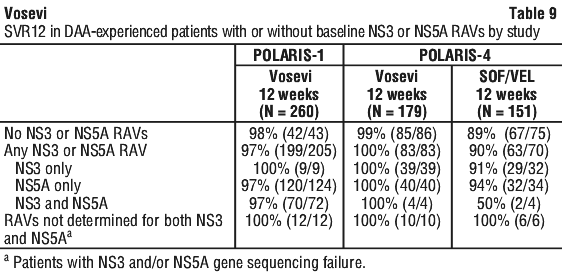
Analyses were conducted to explore the association between pre-existing baseline NS3 and NS5A RAVs and treatment outcome for patients that had previously treated with DAA regimens in POLARIS-1 and POLARIS-4. Patients were included in the analysis if they had a known virologic outcome. Of the patients treated with Vosevi for 12 weeks, 260 of 263 in POLARIS-1 and 179 of 182 in POLARIS-4 were included in the analysis of NS3 and NS5A RAVs. Overall, 205 of 260 (79%) patients from POLARIS-1 and 83 of 179 (46%) patients from POLARIS-4 had HCV with NS3 and/or NS5A RAV at baseline.
SVR12 rates in patients with or without baseline NS3 and/or NS5A RAVs in the POLARIS-1 and POLARIS-4 trials are shown in Table 9.
SVR12 was achieved in 18 of 19 (95%) patients who had baseline NS5B NI RAVs in POLARIS-1, including 2 patients that had virus with the S282T NS5B NI RAV in addition to NS5A RAVs at baseline. In POLARIS-4, a total of 14 patients had virus with NS5B NI RAVs at baseline and all achieved SVR12.
Studies in DAA-naive patients.

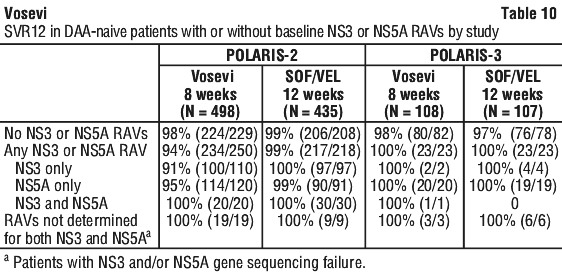
Analyses were conducted to explore the association between pre-existing baseline NS3 and NS5A RAVs and treatment outcome for patients that had not previously been treated with DAA regimens in POLARIS-2 and POLARIS-3. Patients were included in the analysis if they had a known virologic outcome. Of the patients treated with Vosevi for 8 weeks, 498 of 501 in POLARIS-2 and 108 of 110 in POLARIS-3 were included in the analysis of NS3 and NS5A RAVs. Overall, 250 of 498 (50%) patients from POLARIS-2 and 23 of 108 (21%) patients from POLARIS-3 had HCV with NS3 and/or NS5A RAVs at baseline.
SVR12 rates in patients with or without baseline NS3 and/or NS5A RAVs in the POLARIS-2 and POLARIS-3 trials are shown in Table 10.
SVR12 was achieved in all 39 patients who had baseline NS5B NI RAVs in POLARIS-2 and 2 of 3 (67%) patients in POLARIS-3. The NS5B NI RAV S282T was not detected in any patient in POLARIS-2 and POLARIS-3 trials.
Cross resistance.

Voxilaprevir is active in vitro against most of the NS3 RAVs that confer resistance to first generation NS3/4A protease inhibitors. Additionally, velpatasvir is active in vitro against most of the NS5A RAVs that confer resistance to ledipasvir and daclatasvir. Sofosbuvir, velpatasvir, and voxilaprevir were fully active against substitutions associated with resistance to other classes of DAAs with different mechanisms of actions; e.g. voxilaprevir was fully active against NS5A and NS5B NI RAVs.

Clinical trials.

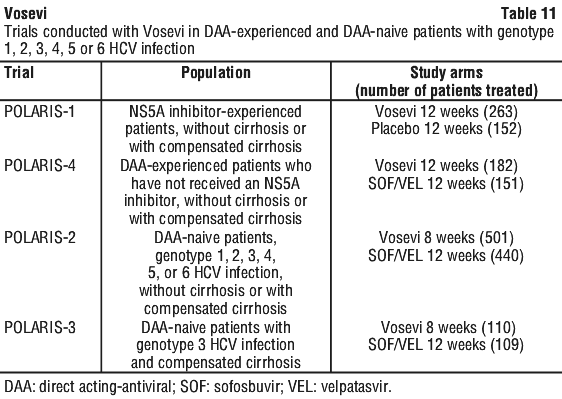
The efficacy of Vosevi was evaluated in two Phase 3 trials in DAA-experienced patients and two Phase 3 trials in DAA-naive patients with genotype 1 to 6 HCV infection without cirrhosis or with compensated cirrhosis, as summarized in Table 11.
Serum HCV RNA values were measured during the clinical trials using the COBAS AmpliPrep/COBAS Taqman HCV test (version 2.0) with a lower limit of quantification (LLOQ) of 15 IU per mL. Sustained virologic response (SVR12), defined as HCV RNA less than LLOQ at 12 weeks after the cessation of treatment, was the primary endpoint to determine the HCV cure rate.
Clinical studies in DAA-experienced patients.

NS5A inhibitor-experienced adults (POLARIS-1).

POLARIS-1 was a randomised, double-blind, placebo-controlled trial that evaluated 12 weeks of treatment with Vosevi compared with 12 weeks of placebo in DAA-experienced patients with genotype 1, 2, 3, 4, 5, or 6 HCV infection without cirrhosis or with compensated cirrhosis who previously failed a regimen containing an NS5A inhibitor. Patients with genotype 1 HCV infection were randomised 1:1 to each group. Randomisation was stratified by the presence or absence of cirrhosis.
Demographics and baseline characteristics were generally balanced across treatment groups. Of the 415 treated patients, the median age was 59 years (range: 27 to 84); 77% of the patients were male; 81% were White; 14% were Black; 6% were Hispanic or Latino; 33% had a baseline body mass index at least 30 kg/m2; the majority of patients had genotype 1 (72%) or genotype 3 (19%) HCV infection; 82% had a non-CC IL28B genotype (CT or TT); 74% had baseline HCV RNA levels at least 800,000 IU/mL; and 41% had compensated cirrhosis. Of the 263 patients treated with Vosevi in POLARIS-1, the most common prior NS5A inhibitors were ledipasvir (LDV) (51%), daclatasvir (27%), and ombitasvir (11%).
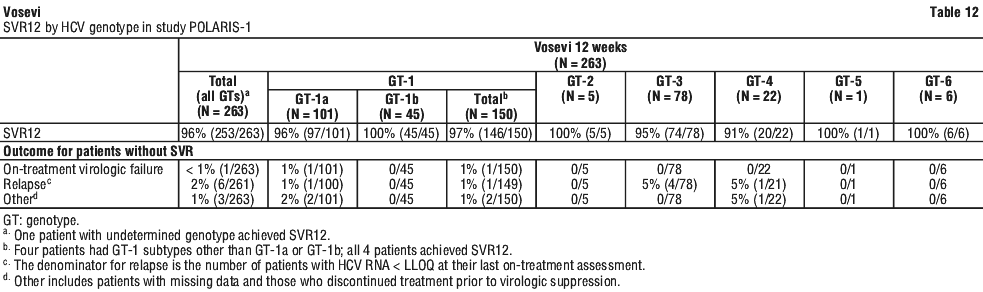
Table 12 presents the SVR12 by HCV genotype for the POLARIS-1 trial. No patients in the placebo group achieved SVR4.
Treatment with Vosevi for 12 weeks in POLARIS-1 was statistically superior relative to the prespecified performance goal of 85% (p < 0.001).
DAA-experienced adults who had not received an NS5A inhibitor (POLARIS-4).

POLARIS-4 was a randomised, open-label trial that evaluated 12 weeks of treatment with Vosevi and 12 weeks of treatment with SOF/VEL in patients with genotype 1, 2, 3, or 4 HCV infection without cirrhosis or with compensated cirrhosis who had previously failed a DAA-containing regimen that did not include an NS5A inhibitor. Patients whose only DAA exposure was an NS3/4A protease inhibitor were excluded, given the availability of approved regimens to treat these individuals. Patients with genotype 1, 2, or 3 HCV infection were randomised 1:1 to each group. Randomisation was stratified by HCV genotype and by the presence or absence of cirrhosis. Patients with genotype 4 HCV infection were enrolled to the Vosevi 12-week group.
Demographics and baseline characteristics were generally balanced across treatment groups. Of the 333 treated patients, the median age was 58 years (range: 24 to 85); 77% of the patients were male; 87% were White, 9% were Black; 8% were Hispanic or Latino; 35% had a baseline body mass index at least 30 kg/m2; the majority of patients had genotype 1 (43%) or genotype 3 (32%) HCV infection; 81% had non-CC IL28B genotypes (CT or TT); 75% had baseline HCV RNA levels at least 800,000 IU/mL; and 46% had compensated cirrhosis. The majority (85%) of patients previously failed a regimen containing sofosbuvir.
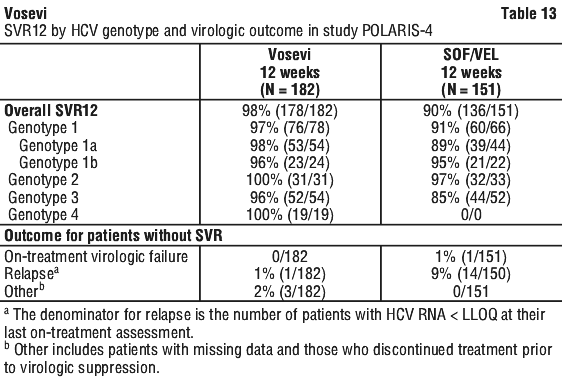
Table 13 presents the SVR12 by HCV genotype and virologic outcome for the POLARIS-4 trial.
Treatment with Vosevi for 12 weeks resulted in numerically higher SVR12 rates than treatment with sofosbuvir/velpatasvir for 12 weeks in patients with HCV genotype 1a and 3 infection. Comparable SVR12 rates were observed in patients with HCV genotype 1b and 2 infection treated with Vosevi for 12 weeks or with sofosbuvir/velpatasvir for 12 weeks. No comparison data are available for HCV genotypes 4, 5, and 6. Given these data, the additional benefit of Vosevi has not been shown over sofosbuvir/velpatasvir in adults with genotype 1b, 2, 4, 5 or 6 infection previously treated with sofosbuvir without an NS5A inhibitor and Vosevi is only indicated for the treatment of HCV genotypes 1a or 3 infection in adults who previously received sofosbuvir without an NS5A inhibitor.
Clinical studies in DAA-naive patients.

DAA-naive adults with genotype 1, 2, 3, 4, 5, or 6 HCV infection (POLARIS-2).

POLARIS-2 was a randomised, open-label trial that evaluated 8 weeks of treatment with Vosevi and 12 weeks of treatment with SOF/VEL in DAA-naive patients with genotype 1, 2, 4, 5, or 6 HCV infection without cirrhosis or with compensated cirrhosis or genotype 3 HCV infection without cirrhosis. Patients with genotype 3 HCV infection and cirrhosis were excluded from enrollment in this trial; they were enrolled in the POLARIS-3 trial (see below). Patients with genotype 1, 2, 3, or 4 HCV infection were randomised 1:1 to each group. Randomisation was stratified by HCV genotype, by treatment history (treatment naive or treatment experienced with an interferon-based regimen), and by the presence or absence of cirrhosis. Patients with other HCV genotypes were enrolled in the Vosevi 8-week group.
Demographics and baseline characteristics were generally balanced across treatment groups. Of the 941 treated patients, the median age was 55 years (range: 18 to 82); 52% of the patients were male; 80% were White, 10% were Black; 9% were Hispanic or Latino; 24% had a baseline body mass index at least 30 kg/m2; the majority of patients had genotype 1 (49%) or genotype 3 (19%) HCV infection; 68% had non-CC IL28B genotypes (CT or TT); 69% had baseline HCV RNA levels at least 800,000 IU/mL; 18% had compensated cirrhosis; and 23% were treatment experienced with an interferon-based regimen.
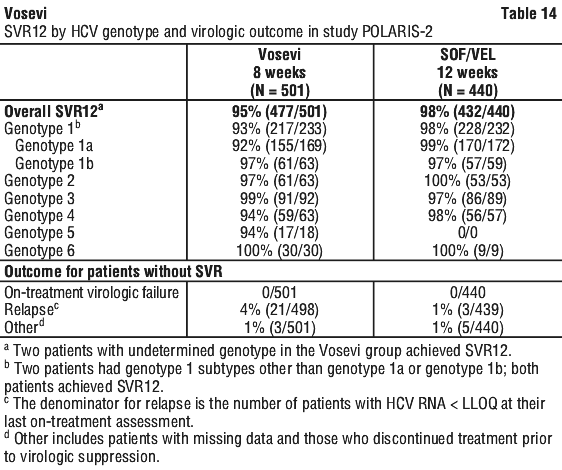
Table 14 presents the SVR12 by HCV genotype and virologic outcome for the POLARIS trial.
Treatment with Vosevi for 8 weeks in POLARIS-2 did not demonstrate noninferiority to treatment with SOF/VEL for 12 weeks with a prespecified margin of -5%.
DAA-naive adults with genotype 3 HCV infection and compensated cirrhosis (POLARIS-3).

POLARIS-3 was a randomised, open-label trial that evaluated 8 weeks of treatment with Vosevi and 12 weeks of treatment with SOF/VEL in DAA-naive patients with genotype 3 HCV infection with compensated cirrhosis. Patients were randomised 1:1 to each group. Randomisation was stratified by treatment history (treatment naive or treatment experienced with an interferon-based regimen).
Demographics and baseline characteristics were generally balanced across treatment groups. Of the 219 treated patients, all patients had genotype 3 HCV infection and compensated cirrhosis; the median age was 56 years (range: 25 to 75); 72% of the patients were male; 90% were White, 8% were Asian, 8% were Hispanic or Latino; 26% had a baseline body mass index at least 30 kg/m2; 58% had non-CC IL28B genotypes (CT or TT); 69% had baseline HCV RNA levels at least 800,000 IU/mL; and 31% were treatment experienced with an interferon-based regimen.
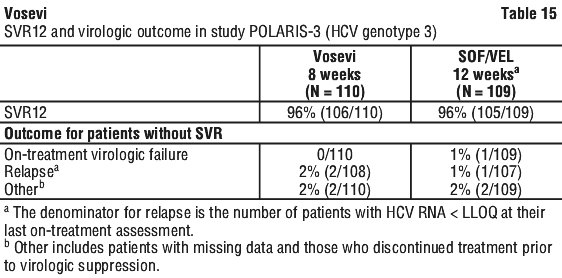
Table 15 presents the SVR12 and virologic outcome for the POLARIS-3 trial.
The SVR12 rate for each treatment group was statistically superior relative to the prespecified SVR12 performance goal of 83% (p < 0.001 for both groups).

5.2 Pharmacokinetic Properties

Absorption.

The pharmacokinetic properties of sofosbuvir, GS-331007, velpatasvir and voxilaprevir have been evaluated in healthy adult patients and in patients with chronic hepatitis C. Following oral administration of Vosevi, sofosbuvir was absorbed quickly and the peak median plasma concentration was observed 2 hours post-dose. Median peak plasma concentration of GS-331007 was observed 4 hours post-dose. Velpatasvir median peak concentrations were observed at 4 hours post-dose. Voxilaprevir median peak concentrations were observed 4 hours post-dose.
Based on the population pharmacokinetic analysis in HCV-infected patients, mean steady-state AUC0-24 and Cmax for sofosbuvir (n = 1038) were 1665 nanogram.hr/mL and 678 nanogram/mL, respectively; mean steady-state AUC0-24 and Cmax for GS-331007 (n = 1593) were 12,834 nanogram.hr/mL and 744 nanogram/mL, respectively; mean steady-state AUC0-24 and Cmax for velpatasvir (n = 1595) were 4041 nanogram.hr/mL and 311 nanogram/mL, respectively; mean steady-state AUC0-24 and Cmax for voxilaprevir (n = 1591) were 2577 nanogram.hr/mL and 192 nanogram/mL, respectively. Sofosbuvir and GS-331007 AUC0-24 and Cmax were similar in healthy adult patients and in patients with HCV infection. Relative to healthy patients (n = 137), velpatasvir AUC0-24 and Cmax were 41% lower and 39% lower, respectively, in HCV-infected patients. Relative to healthy patients (n = 63), voxilaprevir AUC0-24 and Cmax were both 260% higher in HCV-infected patients.

Distribution.

Sofosbuvir is approximately 61-65% bound to human plasma proteins and the binding is independent of drug concentration over the range of 1 microgram/mL to 20 microgram/mL. Protein binding of GS-331007 was minimal in human plasma. After a single 400 mg dose of [14C]-sofosbuvir in healthy patients, the blood to plasma ratio of 14C-radioactivity was approximately 0.7.
Velpatasvir is > 99% bound to human plasma proteins and binding is independent of drug concentration over the range of 0.09 microgram/mL to 1.8 microgram/mL. After a single 100 mg dose of [14C]-velpatasvir in healthy patients, the blood to plasma ratio of 14C-radioactivity ranged between 0.5 and 0.7.
Voxilaprevir is approximately > 99% bound to human plasma proteins. After a single 100 mg dose of [14C]-voxilaprevir in healthy patients, the blood to plasma ratio of [14C]-radioactivity ranged between 0.5 and 0.8.

Metabolism.

Sofosbuvir is extensively metabolised in the liver to form the pharmacologically active nucleoside analog triphosphate GS-461203. The metabolic activation pathway involves sequential hydrolysis of the carboxyl ester moiety catalysed by human cathepsin A (CatA) or carboxylesterase 1 (CES1) and phosphoramidate cleavage by histidine triad nucleotide-binding protein 1 (HINT1) followed by phosphorylation by the pyrimidine nucleotide biosynthesis pathway. Dephosphorylation results in the formation of nucleoside metabolite GS-331007 that cannot be efficiently rephosphorylated and lacks anti-HCV activity in vitro. After a single 400 mg oral dose of [14C]-sofosbuvir, GS-331007 accounted for approximately > 90% of total systemic exposure.
Velpatasvir is primarily a substrate of CYP2B6, CYP2C8, and CYP3A4 with slow turnover. Following a single dose of 100 mg [14C]-velpatasvir, the majority (> 98%) of radioactivity in plasma was parent drug. Monohydroxylated and desmethylated velpatasvir were the metabolites identified in human plasma. Unchanged velpatasvir is the major species present in faeces.
Voxilaprevir is primarily a substrate of CYP3A4 with slow turnover. Following a single dose of 100 mg [14C]-voxilaprevir, the majority (approximately 91%) of radioactivity in plasma was parent drug. Unchanged voxilaprevir is the major species present in faeces.

Excretion.

Following a single 400 mg oral dose of [14C]-sofosbuvir, mean total recovery of the [14C]-radioactivity was greater than 92%, consisting of approximately 80%, 14%, and 2.5% recovered in urine, faeces, and expired air, respectively. The majority of the sofosbuvir dose recovered in urine was GS-331007 (78%) while 3.5% was recovered as sofosbuvir. These data indicate that renal clearance is the major elimination pathway for GS-331007. The median terminal half-lives of sofosbuvir and GS-331007 following administration of Vosevi were 0.5 and 29 hours, respectively.
Following a single 100 mg oral dose of [14C]-velpatasvir, mean total recovery of the [14C]-radioactivity was 95%, consisting of approximately 94% and 0.4% recovered from the faeces and urine, respectively. Unchanged velpatasvir was the major species in faeces accounting for a mean of 77% of the administered dose, followed by monohydroxylated velpatasvir (5.9%) and desmethylated velpatasvir (3.0%). These data indicate that biliary excretion of parent drug was the major route of elimination for velpatasvir. The median terminal half-life of velpatasvir following administration of Vosevi was approximately 17 hours.
Following a single 100 mg oral dose of [14C]-voxilaprevir, mean total recovery of the [14C]-radioactivity was 94%, with all radioactivity measured in the faeces and none in the urine. Unchanged voxilaprevir was the major species in faeces accounting for a mean of 40% of the administered dose. Voxilaprevir metabolites also identified in faeces included des[methylcyclopropylsulphonamide]-voxilaprevir (22.1%), which is formed intestinally, dehydro-voxilaprevir (7.5%), and two des-[methylcyclopropylsulphonamide]-oxy-voxilaprevir metabolites (5.4% and 3.9%). Biliary excretion of parent drug was the major route of elimination for voxilaprevir. The median terminal half-life of voxilaprevir following administration of Vosevi was approximately 33 hours.

Effect of food.

When Vosevi or its components taken together were administered with food, sofosbuvir AUC0-inf and Cmax were 64% to 144% and 9% to 76% higher, respectively; velpatasvir AUC0-inf and Cmax were 40% to 166% and 37% to 187% higher, respectively; and voxilaprevir AUC0-inf and Cmax were 112% to 435% and 147% to 680% higher, respectively. GS-331007 AUC0-inf did not change and Cmax was 19% to 35% lower when Vosevi or its components together were administered with food. Vosevi should be administered with food.

Special populations.

Race and gender.

No clinically relevant pharmacokinetic differences due to race have been identified for sofosbuvir, GS-331007, velpatasvir, or voxilaprevir.
No clinically relevant pharmacokinetic differences due to gender have been identified for sofosbuvir, GS-331007, velpatasvir, or voxilaprevir.

Elderly patients.

Population pharmacokinetic analysis in HCV-infected patients showed that within the age range (18 to 85 years) analyzed, age did not have a clinically relevant effect on the exposure to sofosbuvir, GS-331007, velpatasvir, or voxilaprevir.

Paediatric patients.

The pharmacokinetics of Vosevi, in paediatric patients have not been established.

Patients with impaired renal function.

The pharmacokinetics of sofosbuvir were studied in HCV negative patients with mild (eGFR ≥ 50 and < 80 mL/min/1.73 m2), moderate (eGFR ≥ 30 and < 50 mL/min/1.73 m2), severe renal impairment (eGFR < 30 mL/min/1.73 m2) and patients with end stage renal disease (ESRD) requiring haemodialysis following a single 400 mg dose of sofosbuvir. Relative to patients with normal renal function (eGFR > 80 mL/min/1.73 m2), the sofosbuvir AUC0-inf was 61%, 107% and 171% higher in mild, moderate, and severe renal impairment, while the GS-331007 AUC0-inf was 55%, 88%, and 451% higher, respectively. In patients with ESRD, sofosbuvir AUC0-inf was 28% higher when sofosbuvir was dosed 1 hour before haemodialysis compared with 60% higher when dosed 1 hour after haemodialysis, respectively. The AUC0-inf of GS-331007 in patients with ESRD administered with sofosbuvir 1 hour before or 1 hour after haemodialysis was at least 10-fold and 20-fold higher, respectively. GS-331007 is efficiently removed by haemodialysis with an extraction coefficient of approximately 53%. Following a single 400 mg dose of sofosbuvir, a 4 hour haemodialysis removed 18% of administered dose. No dose adjustment is required for patients with mild or moderate renal impairment. The safety and efficacy of sofosbuvir have not been established in patients with severe renal impairment or ESRD.
The pharmacokinetics of velpatasvir were studied with a single dose of 100 mg velpatasvir in HCV negative patients with severe renal impairment (eGFR < 30 mL/min by Cockcroft-Gault). No clinically relevant differences in velpatasvir pharmacokinetics were observed between healthy patients and patients with severe renal impairment. No dose adjustment of velpatasvir is required for patients with mild, moderate, or severe renal impairment.
The pharmacokinetics of voxilaprevir were studied with a single dose of 100 mg voxilaprevir in HCV negative patients with severe renal impairment (eGFR < 30 mL/min by Cockcroft-Gault). No clinically relevant differences in voxilaprevir pharmacokinetics were observed between healthy patients and patients with severe renal impairment. No dose adjustment of voxilaprevir is required for patients with mild, moderate, or severe renal impairment.

Patients with hepatic impairment.

The pharmacokinetics of sofosbuvir were studied following 7-day dosing of 400 mg sofosbuvir in HCV-infected patients with moderate and severe hepatic impairment (Child-Pugh B and C). Relative to patients with normal hepatic function, the sofosbuvir AUC0-24 was 126% and 143% higher in moderate and severe hepatic impairment, while the GS-331007 AUC0-24 was 18% and 9% higher, respectively. Population pharmacokinetics analysis in HCV-infected patients indicated that cirrhosis (including decompensated cirrhosis) had no clinically relevant effect on the exposure of sofosbuvir and GS-331007. No dose adjustment of sofosbuvir is recommended for patients with mild, moderate, and severe hepatic impairment.
The pharmacokinetics of velpatasvir were studied with a single dose of 100 mg velpatasvir in HCV negative patients with moderate and severe hepatic impairment (Child-Pugh B and C). Velpatasvir plasma exposure (AUCinf) was similar in patients with moderate hepatic impairment, severe hepatic impairment, and control patients with normal hepatic function. Population pharmacokinetics analysis in HCV-infected patients indicated that cirrhosis (Child-Pugh A) had no clinically relevant effect on the exposure of velpatasvir. No dose adjustment of velpatasvir is required for patients with mild, moderate, or severe hepatic impairment.
The pharmacokinetics of voxilaprevir were studied with a single dose of 100 mg voxilaprevir in HCV negative patients with moderate and severe hepatic impairment (Child-Pugh B and C). Relative to patients with normal hepatic function, the voxilaprevir AUCinf was 299% and 500% higher in patients with moderate and severe hepatic impairment, respectively. Population pharmacokinetic analysis in HCV-infected patients indicated that patients with cirrhosis (Child-Pugh A) had 73% higher exposure of voxilaprevir than those without cirrhosis. No dose adjustment of voxilaprevir is required for patients with cirrhosis (Child-Pugh A).

5.3 Preclinical Safety Data

Genotoxicity.

Sofosbuvir was not genotoxic in a battery of in vitro or in vivo assays, including bacterial mutagenicity, chromosome aberration using human peripheral blood lymphocytes, and in vivo mouse micronucleus assays.
Velapatasvir was not genotoxic in a battery of in vitro or in vivo assays, including bacterial mutagenicity, chromosome aberration using human peripheral blood lymphocytes, and in vivo rat micronucleus assays.
Voxilaprevir was not genotoxic in a battery of in vitro or in vivo assays, including bacterial mutagenicity, chromosome aberration using human peripheral blood lymphocytes and in vivo rat micronucleus assays.

Carcinogenicity.

Carcinogenicity studies in mice and rats do not indicate any carcinogenicity potential of sofosbuvir administered at doses up to 200 mg/kg/day in male mice and 600 mg/kg/day in female mice, and 750 mg/kg/day in rats. Exposure to GS-331007 in these studies in mice was up to 4 times (male) and 17 times (female), and in rats up to 8 times (male) and 10 times (female) higher than the clinical exposure at 400 mg sofosbuvir.
Velpatasvir was not carcinogenic in a 26-week transgenic mouse study at exposures up to 42 and 67 times higher than human exposure in male and female mice, respectively. A carcinogenicity study in rats is ongoing.
Carcinogenicity studies for voxilaprevir have not been conducted.

6 Pharmaceutical Particulars

6.1 List of Excipients

Tablet core.

Silicon dioxide, copovidone, croscarmellose sodium, lactose monohydrate, magnesium stearate, and microcrystalline cellulose.

Film-coating.

Ferrosoferric oxide, iron oxide red, iron oxide yellow, polyethylene glycol, polyvinyl alcohol, purified talc, and titanium dioxide.

6.2 Incompatibilities

Not applicable.

6.3 Shelf Life

In Australia, information on the shelf life can be found on the public summary of the Australian Register of Therapeutic Goods (ARTG). The expiry date can be found on the packaging.

6.4 Special Precautions for Storage

Vosevi should be stored below 30°C.

6.5 Nature and Contents of Container

Vosevi tablets are supplied in high-density polyethylene (HDPE) bottle and a child-resistant closure containing 28 film-coated tablets with polyester coil.
Each Vosevi tablet is film-coated and beige in colour. The tablets are capsule shaped debossed with "GSI" on one side and "3" on the other side. The tablets are supplied in bottles with a polyester coil, silica gel desiccant, and are closed with a child-resistant closure.

6.6 Special Precautions for Disposal

In Australia, any unused medicine or waste material should be disposed of by taking to your local pharmacy.

6.7 Physicochemical Properties

Chemical structure.

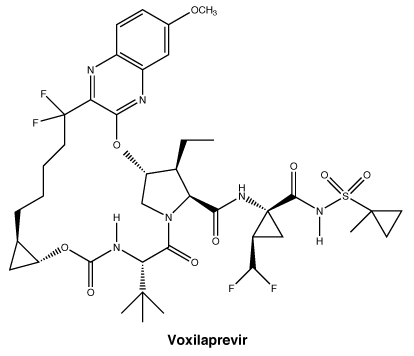
Sofosbuvir is a nucleotide inhibitor of HCV NS5B RNA-dependent RNA polymerase, velpatasvir is a Hepatitis C Virus (HCV) NS5A inhibitor and voxilaprevir is an HCV NS3/4A protease inhibitor.
The chemical name of sofosbuvir is (S)-Isopropyl 2-((S)-(((2R,3R,4R,5R)- 5-(2,4-dioxo-3,4-dihydropyrimidin-1 (2H)-yl)-4-fluoro-3-hydroxy-4 -methyltetrahydrofuran-2-yl) methoxy)-(phenoxy)phosphorylamino) propanoate. It has a molecular formula of C22H29FN3O9P and a molecular weight of 529.45. It has the following structural formula:
The chemical name of velpatasvir is Methyl {(1R)-2-[(2S,4S)- 2-(5-{2-[(2S,5S)- 1-{(2S)-2-[(methoxycarbonyl) amino]-3-methylbutanoyl} -5-methylpyrrolidin-2-yl] -1,11-dihydro[2] benzopyrano[4',3':6,7] naphtho[1,2-d]imidazol -9-yl}-1H-imidazol-2-yl)-4- (methoxymethyl)pyrrolidin- 1-yl]-2-oxo-1-phenylethyl} carbamate. It has a molecular formula of C49H54N8O8 and a molecular weight of 883.0. It has the following structural formula:
The chemical name for voxilaprevir is (1aR,5S,8S,9S,10R,22aR) -5-tert-butyl-N-{(1R,2R)- 2-(difluoromethyl)-1- [(1-methylcyclopropanesulfonyl) carbamoyl] cyclopropyl}-9-ethyl-18,18-difluoro- 14-methoxy-3,6-dioxo- 1,1a,3,4,5,6,9,10, 18,19,20,21,22,22a-tetradecahydro -8H-7,10-methanocyclopropa [18,19][1,10,3,6] dioxadiazacyclononadecino [11,12-b] quinoxaline-8-carboxamide. It has a molecular formula of C40H52F4N6O9S and a molecular weight of 868.9. It has the following structural formula:

CAS number.

Sofosbuvir: 1190307-88-0.
Velpatasvir: 1377049-84-7.
Voxilaprevir: 1535212-07-7.

7 Medicine Schedule (Poisons Standard)

S4.

Summary Table of Changes