



Consumer medicine information

Votrient

Pazopanib

BRAND INFORMATION

Brand name

Votrient

Active ingredient

Pazopanib

Schedule

S4


Consumer medicine information (CMI) leaflet

Please read this leaflet carefully before you start using Votrient.

What is in this leaflet

Please read this leaflet carefully before you take VOTRIENT.

This leaflet answers some common questions about VOTRIENT (pazopanib hydrochloride). It does not contain all of the available information.

It does not take the place of talking to your doctor or pharmacist.

You should ensure that you speak to your pharmacist or doctor to obtain the most up to date information on the medicine.

You can also download the most up to date leaflet from www.novartis.com.au.

The updates may contain important information about the medicine and its use of which you should be aware.

All medicines have risks and benefits. Your doctor has weighed the expected benefits of you taking VOTRIENT against the risks this medicine could have for you.

If you have any concerns about taking this medicine, ask your doctor or pharmacist.

Keep this leaflet with the medicine. You may need to read it again.

What VOTRIENT is used for

VOTRIENT contains the active substance pazopanib, which belongs to an anti-cancer group of medicines called protein kinase inhibitors.

VOTRIENT is used as a single agent to treat kidney cancer that is advanced or that has spread to other organs (metastatic). VOTRIENT is also used as a single agent to treat advanced Soft Tissue Sarcoma, which is a type of cancer that affects the supportive tissue of the body. It can occur in muscles, blood vessels, fat tissue or in other tissues that support, surround and protect organs.

VOTRIENT works by preventing the activity of proteins that are involved in the growth and spread of cancer cells.

Your doctor may have prescribed VOTRIENT for another reason.

This medicine is available only with a doctor's prescription.

VOTRIENT is not addictive.

Before you take VOTRIENT

When you must not take it

You must not take VOTRIENT if:

  • You have ever had a severe allergic (hypersensitive) reaction to VOTRIENT (pazopanib hydrochloride).
    Check with your doctor if you think this may apply to you.
  • You have ever had an allergic reaction to any of the ingredients listed toward the end of this leaflet.
    (See "Ingredients")
  • The expiry date (EXP) printed on the pack has passed.
  • The packaging is torn or shows signs of tampering.

Before you start to take it

Tell your doctor if you:

  • Have heart disease
  • Have had heart failure or a heart attack
  • Have had prior blood clots in the vein or in a lung
  • Have had prior collapse of a lung
  • Have high blood pressure
  • Have liver disease
  • Have had problems with bleeding, blood clots or narrowing of the arteries
  • If you have or have had an aneurysm (enlargement and weakening of a blood vessel wall) or a tear in a blood vessel wall.
  • Have had stomach or bowel problems such as perforation (hole) or fistula (abnormal passages or tunnels leading out of the gut).
  • Have thyroid problems
  • Are going to have a surgical or dental procedure, or if you have had either recently.

Check with your doctor if you think any of these may apply to you.

Before you take VOTRIENT, your doctor will take blood samples to check for any liver problems. You may need extra tests to check that your heart and thyroid are working properly. Your doctor may decide to adjust your dose or stop treatment based on the results of these tests.

Do not breast-feed while taking VOTRIENT. It is not known whether the ingredients in VOTRIENT pass into breast milk and so may harm your baby.

Talk to your doctor about this.

Taking other medicines and VOTRIENT

Before you take VOTRIENT, tell your doctor, healthcare provider, or pharmacist if you are taking any other medicines, have taken any recently, or if you start new ones. This includes herbal medicines and other medicines you have bought without a prescription.

VOTRIENT can affect some other medicines, or they can affect VOTRIENT. Taking both together can make it more likely that you will have side effects. These medicines include:

  • Clarithromycin, ketoconazole, itraconazole, rifampicin, telithromycin, voriconazole (used to treat fungal infections)
  • Atazanavir, indinavir, nelfinavir, ritonavir, saquinavir (used to treat HIV)
  • Nefazodone (used to treat depression)
  • Simvastatin (used to treat high cholesterol levels)
  • Medicines that reduce stomach acid (e.g. esomeprazole).

Tell your doctor, healthcare provider, or pharmacist if you take any of these medicines. Ask them if you are not sure whether your medicine is one of the medicines listed above. Some are not to be taken with VOTRIENT. For others, the dose or the time you take the medicine may need to be changed.

Taking VOTRIENT with food and drink

Take VOTRIENT on an empty stomach, either at least one hour before or at least two hours after food. VOTRIENT is affected by the food you eat. For details see "How do I take VOTRIENT?"

Do not drink grapefruit juice while you are being treated with VOTRIENT as this may increase the chance of side effects.

Children and adolescents

Votrient is not recommended for use in children and adolescents under 18 years.

Pregnancy and breast-feeding

VOTRIENT is not recommended if you are pregnant or breast-feeding.

If you are pregnant or breast-feeding, planning to get pregnant or think you might be pregnant, talk to your doctor about the risks and potential benefits of taking VOTRIENT. Your doctor will discuss with you the potential risks of taking VOTRIENT during pregnancy or breast-feeding.

Use a reliable method of contraception to avoid becoming pregnant while you are taking VOTRIENT and for 2 weeks after you stop treatment with it.

If you become pregnant or think you are pregnant, tell your doctor or healthcare provider immediately.

Men taking VOTRIENT

Male patients (including those who have had vasectomies) with female partners who are pregnant, possibly pregnant, or who could become pregnant should use condoms during sexual intercourse while taking VOTRIENT and for at least 2 weeks after the last dose.

Driving and using machines

VOTRIENT can have side effects such as fatigue, weakness and loss of energy that may affect your ability to drive.

Do not drive or use machines unless you are feeling well.

How do I take VOTRIENT?

Always take VOTRIENT exactly as your doctor, healthcare provider, or pharmacist has told you.

You should check with them if you are not sure.

How much VOTRIENT to take

The usual dose is 800 mg VOTRIENT, taken once a day. Your doctor may decide to give you two 400 mg tablets or four 200 mg tablets to make up the 800 mg dose.

How and when to take it

Swallow the tablets whole with water, one after the other, at about the same time each day.

Do not break or crush the tablets as this affects the way the medicine is absorbed and may increase the chance of side effects.

It is important that you take VOTRIENT on an empty stomach, either at least one hour before or at least two hours after food. Taking the drug with food increases the amount absorbed into the body, which may increase side effects.

Depending on your response to treatment, your doctor may recommend adjusting your dose or temporarily stopping your treatment.

If you forget to take VOTRIENT

Do not take a double dose to make up for a missed dose. Take the next dose at the scheduled time.

How long to take it for

Take VOTRIENT for as long as your doctor recommends.

Do not stop unless your doctor advises you to.

If you have any further questions on the use of this medicine, ask your doctor, pharmacist or healthcare provider.

If you take too much (Overdose)

Immediately telephone your doctor or Poisons Information Centre (call 131126) for advice if you think you or anyone else may have taken too much VOTRIENT, even if there are no signs of discomfort or poisoning. If possible, show them the VOTRIENT pack. If you are not sure what to do, contact your doctor or pharmacist.

While you are taking VOTRIENT

While you are taking VOTRIENT, your doctor will take blood samples to check for any liver or thyroid problems. Your doctor will also take blood and urine samples to check for any kidney problems. You will also have your blood pressure checked. Your doctor will periodically record your electrocardiogram (ECG) to check your heart's electrical conduction.

Your doctor will also check on any recent surgical or dental procedures to see if you are healing properly.

Things you must do

Tell your doctor if, for any reason, you have not taken your medicine exactly as directed. Otherwise, your doctor may think that it was not working as it should and change your treatment unnecessarily.

Things you must not do

Do not give this medicine to anyone else, even if their symptoms seem similar to yours.

Do not use VOTRIENT to treat any other complaints unless your doctor says to.

Things to be careful of

Be careful driving, operating machinery or doing jobs that require you to be alert until you know how Votrient affects you.

Side effects

Like all medicines, VOTRIENT can cause side effects, although not everybody gets them.

Check with your doctor as soon as possible if you think you are experiencing any side effects or allergic reactions due to taking VOTRIENT, even if the problem is not listed below.

If they occur, they are most likely to be minor and temporary.

Serious side effects

Tell your doctor immediately if you experience any of the serious side effects listed below while taking VOTRIENT, as they may become life threatening or fatal.

  • Signs of liver problems (abnormal liver function, liver failure), which may include: yellowing of your skin or the whites of your eyes (jaundice), dark urine, tiredness, nausea and/or vomiting, loss of appetite, pain on the right side of your stomach area (abdomen), bruising easily.
  • Signs of sudden and severe rise in blood pressure (hypertensive crisis), which may include: severe chest pain, severe headache, blurred vision, confusion, nausea and/or vomiting, severe anxiety, shortness of breath, seizures, fainting.
  • Signs of brain swelling (posterior reversible encephalopathy syndrome, reversible posterior leukoencephalopathy syndrome), which may include: loss of speech, blindness or changes in vision, seizures, confusion, headache, lack of energy, high blood pressure.
  • Signs of lung inflammation (interstitial lung disease, pneumonitis) which may include: cough that will not go away, shortness of breath.
  • Signs of heart problems such as abnormal heart rhythm (QT-prolongation, Torsade de Pointes), cardiac dysfunction/ heart failure, heart attack which may include: irregular or fast heartbeat, rapid fluttering of your heart, fainting, chest pain or pressure, pain in your arms, back, neck or jaw, shortness of breath, leg swelling.
  • Signs of stroke, which may include: numbness or weakness on one side of your body, trouble talking, headache, dizziness.
  • Signs of blood clots in your veins, especially in your legs (deep vein thrombosis), which may also travel to your lungs (pulmonary embolism) which may include: sharp chest pain, shortness of breath, rapid breathing, leg pain, swelling of your arms/hands or legs/feet.
  • Signs of blood clots in the small blood vessels in the kidneys and brain accompanied by a decrease in red blood cells and cells involved in clotting (thrombotic microangiopathy) which may include: bruising easily, high blood pressure, fever, confusion, drowsiness, seizures, decrease in urine output.
  • Signs of bleeding problems (haemorrhage) which may include: blood in your stool, black stool, blood in your urine, stomach pain, coughing and/or vomiting up blood.
  • Signs of a tear in your stomach or intestinal wall (perforation) or the development of an abnormal connection between two parts of your digestive tract (fistula) which may include: severe stomach pain, nausea and/or vomiting, fever, bloody or foul-smelling drainage (pus) from an opening in your stomach area (abdomen) or near your anus.
  • Signs of infections (which can become serious) may include: fever, flu-like symptoms such as cough, tiredness and body aches that do not go away, shortness of breath and/or wheezing, pain while urinating, cuts, scrapes or wounds that are red, warm, swollen or painful.
  • Signs of Tumour Lysis Syndrome (TLS). This occurs when a large number of cancer cells die within a short period, releasing their contents in to the blood. When this happens levels of uric acid, potassium, and phosphorus rise faster than the kidneys can remove them. Symptoms may include nausea, vomiting, diarrhoea, muscle cramps or twitches, weakness, numbness or tingling, fatigue and not passing urine as frequently.

Possible side effects

  • Possible side effects include the following listed below.

If these side effects become severe, please tell your doctor, pharmacist or healthcare provider.

Very common side effects

These may affect more than 1 in 10 people:

  • Tumour pain
  • Diarrhoea
  • Feeling or being sick (nausea or vomiting)
  • Loss of appetite
  • Stomach pain or discomfort
  • Indigestion
  • High blood pressure
  • Headache
  • Loss of strength
  • Lack of energy
  • Weakness/loss of strength
  • Changes in hair colour
  • Weight loss
  • Problems with taste
  • Scaly red skin rash
  • Skin reaction or pain on the palms of the hands or soles of the feet (including tingling, numbness, pain, swelling or reddening)
  • Dizziness
  • Cough
  • Shortness of breath
  • Chest pain
  • Swelling of hands, ankles or feet
  • Muscle pain
  • Pain in the bones, muscles, ligaments, joints and tendons
  • Mouth sores/ inflammation of the lining in the mouth
  • Unusual hair loss or thinning
  • Loss of skin pigmentation.

Very common side effect that may show up in your blood tests:

  • Increase in some substances (enzymes) produced by the liver
  • Protein in urine
  • Under-active thyroid gland
  • Decrease in albumin (a protein found in the blood).

Common side effects

These may affect up to 1 in 10 people:

  • Difficulty sleeping
  • Heart becomes less effective at pumping blood (cardiac dysfunction)
  • Changes in the heart's electrical conduction (QT-prolongation)
  • Heart attack
  • Reduction of blood supply to the heart (angina)
  • Severe bleeding in the lung
  • Flatulence
  • Nose bleed
  • Dry skin
  • Nail disorder
  • Hoarseness
  • Indigestion
  • Blurred vision
  • Chills
  • Slow heart rate
  • Sudden collapse of a lung, causing shortness of breath
  • Severe bleeding (haemorrhage) in the lung
  • Muscle spasms
  • Chest pain, shortness of breath, leg pain, and swelling of the legs/feet. These could be signs of a blood clot in your body (thromboembolism). If the clot breaks off, it may travel to your lungs and this may be life threatening or even fatal
  • Severe bleeding in digestive tract (stomach and intestine)
  • Infections, with or without changes in white blood cells (cells that fight infection)
  • Temporary reduction in blood supply to the brain (mini-stroke).

Common side effect that may show up in your blood or urine tests:

  • Under-active thyroid gland
  • Protein in urine
  • Blood in the urine
  • Abnormal liver function
  • Decrease in the number of cells involved in blood clotting (thrombocytopenia)
  • Low white blood cell count (neutropenia)
  • Increase in bilirubin (a substance produced by the liver)
  • Increase in gamma-glutamyl transpeptidase (a liver enzyme)
  • Increase in albumin (a protein found in the blood)
  • Increase in lipase (an enzyme from the pancreas).

Uncommon side effects

These may affect up to 1 in 100 people:

  • Blood clots accompanied by a decrease in red blood cells and cells involved in clotting. These clots may harm organs such as the brain and kidneys.
  • Abnormal connection between parts of the digestive tract (fistula)
  • Stroke
  • Severe bleeding in the brain
  • Dangerous rapid fluttering of the heart (Torsade de Pointes)
  • Hole (perforation) in digestive tract
  • Abnormal connection between parts of the digestive tract (fistula)
  • Sudden and severe rise in blood pressure which may be life-threatening
  • Liver failure
  • Sudden and severe rise in blood pressure which may be life-threatening (hypertensive crisis)
  • Inflammation of the pancreas
  • Separation or tear of the lining of the back part of the eye (retinal detachment or tear). This can result in blurry or impaired vision.
  • skin wound with no healing tendency (skin ulcer)

Uncommon side effects that may show up in your blood tests

  • Abnormal increase in the amount of haemoglobin in your blood.

Rare side effects

  • Inflammation of the lung
  • Swelling of the brain that may be associated with high blood pressure, headache, loss of speech or vision, and/or seizure, which may be life threatening.
  • an enlargement and weakening of a blood vessel wall or a tear in a blood vessel wall (aneurysms and artery dissections)

Frequency unknown

  • tumour lysis syndrome resulting from a fast breakdown of cancer cells
  • liver failure

Tell your doctor immediately if you notice any of the following:

  • Wheezing, swelling of the lips/mouth, difficulty in breathing, hayfever, lumpy rash (hives) or fainting. These could be a symptom of an allergic reaction.

This is not a complete list of all possible side effects. Others may occur in some people and there may be some side effects not yet known.

Do not be alarmed by this list of possible side effects. You may not experience any of them.

If you get side effects

Tell your doctor or pharmacist if any of the side effects listed become severe or troublesome, or if you notice any side effects not listed in this leaflet.

How do I store VOTRIENT?

Keep this medicine where children cannot see or reach it, such as in a locked cupboard.

Do not store above 30°C.

Do not leave in a car, on a window sill or in a bathroom.

Do not use VOTRIENT after the expiry date which is stated on the bottle.

Keep VOTRIENT tablets in the bottle until it is time to take them.

Disposal

If you have any unwanted tablets don't put them in wastewater or household rubbish. Ask your pharmacist how to dispose of tablets you do not need. This will help to protect the environment.

Product description

What VOTRIENT looks like

VOTRIENT are modified capsule-shaped, film-coated tablets, available in plastic bottles with a child resistant closure.

200 mg
Pink tablets with 'GS JT' debossed on one side. Available in packs of 30 tablets and 90 tablets.

400 mg
White tablets with 'GS UHL' debossed on one side. Available in packs of 30 tablets and 60 tablets.

Ingredients

VOTRIENT contains the active ingredient pazopanib hydrochloride. Each film-coated tablet contains the equivalent of either 200 mg or 400 mg pazopanib.

VOTRIENT also contains:

  • Microcrystalline cellulose (E460)
  • Povidone (E1201)
  • Sodium starch glycolate
  • Magnesium stearate (E572)
  • Hypromellose (E464)
  • Titanium dioxide (E171)
  • Macrogol (E1521)
  • Polysorbate 80
  • Iron oxide red (E172) (200 mg tablets only).

Sponsor

VOTRIENT is supplied by:

Novartis Pharmaceuticals Australia Pty Limited
ABN 18 004 244 160
54 Waterloo Road,
Macquarie Park NSW 2113 Australia
Telephone 1 800 671 203
www.novartis.com.au

® Registered Trademark

© Copyright 2021

This leaflet was prepared in September 2021.

Australian Registration Numbers:

AUST R 161282: VOTRIENT 200 mg tablets

AUST R 161281: VOTRIENT 400 mg tablets.

Internal document code:
(vot170522c based on PI vot170522i)

Published by MIMS July 2022

BRAND INFORMATION

Brand name

Votrient

Active ingredient

Pazopanib

Schedule

S4


1 Name of Medicine

Pazopanib hydrochloride.

2 Qualitative and Quantitative Composition

Active substance.

Each 200 mg film coated tablet contains 217 mg pazopanib hydrochloride equivalent to 200 mg pazopanib free base.
Each 400 mg film coated tablet contains 433 mg pazopanib hydrochloride equivalent to 400 mg pazopanib free base.

Excipients.

See Section 6.1 List of Excipients.

3 Pharmaceutical Form

200 mg tablet.

Pink, modified capsule-shaped film coated tablet. One face is plain and the opposite face is debossed with the identifying code 'GS JT'.

400 mg tablet.

White, modified capsule-shaped film coated tablet. One face is plain and the opposite face is debossed with the identifying code 'GS UHL'.

4 Clinical Particulars

4.1 Therapeutic Indications

Votrient is indicated for the treatment of:
Advanced and/or metastatic renal cell carcinoma (RCC).
Advanced (unresectable and/or metastatic) soft tissue sarcoma (STS) in patients who, unless otherwise contraindicated, have received prior chemotherapy including an anthracycline treatment.
The Phase III trial population excluded patients with gastrointestinal stromal tumour (GIST) or adipocytic soft tissue sarcoma.

4.2 Dose and Method of Administration

Dose.

The recommended dose of Votrient for the treatment of RCC or STS is 800 mg orally once daily.
Dose modifications. Dose modification, either an increase or decrease in dose, should be in 200 mg increments, in a stepwise fashion, based on individual tolerability, in order to manage adverse reactions. The daily dose of Votrient should not exceed 800 mg per day.
Special populations.

Paediatric use.

Votrient is not recommended for use in children and adolescents below 18 years of age, due to insufficient data on safety and efficacy (see Section 4.4 Special Warnings and Precautions for Use).

Use in the elderly.

No alteration of dosage, dosing frequency, or route of administration is required in patients over 65 years.

Renal impairment.

Renal impairment is not expected to have a clinically relevant effect on Votrient pharmacokinetics given the low renal excretion of pazopanib and metabolites (see Section 5.2 Pharmacokinetic Properties, Excretion; Section 5.2 Pharmacokinetic Properties, Special populations).
Renal impairment is not expected to influence pazopanib exposure, and dose adjustment is not necessary in patients with creatinine clearance ≥ 30 mL/min. There is no experience of Votrient in patients with severe renal impairment or in patients undergoing peritoneal dialysis or haemodialysis; therefore, use of pazopanib is not recommended in these patients.

Hepatic impairment.

The safety and pharmacokinetics of Votrient in patients with pre-existing hepatic impairment have not been fully established (see Section 4.4 Special Warnings and Precautions for Use).
No dose adjustment is required in patients with mild hepatic impairment as defined by alanine aminotransferase (ALT) and bilirubin (see Section 5.2 Pharmacokinetic Properties).
The dose of Votrient should be reduced to 200 mg per day in patients with moderate hepatic impairment. There are insufficient data in patients with severe hepatic impairment (total bilirubin > 3 x ULN regardless of any level of ALT); therefore, use of Votrient is not recommended in these patients.

Administration.

Votrient should be administered orally once daily without food and on an empty stomach (at least one hour before or two hours after a meal) (see Section 5.2 Pharmacokinetic Properties). The tablets should be taken whole with water and must not be broken or crushed.

Missed dose.

If a dose is missed, it should not be taken if it is less than 12 hours until the next dose.

4.3 Contraindications

Votrient is contraindicated in patients with hypersensitivity to the active substance pazopanib hydrochloride or to any of the excipients (see Section 6.1 List of Excipients).

4.4 Special Warnings and Precautions for Use

Hepatic effects.

Cases of hepatic failure (including fatalities) have been reported during use of Votrient. In clinical trials with Votrient, increase in serum transaminases (ALT, aspartate aminotransferase [AST]) and bilirubin were observed (see Section 4.8 Adverse Effects (Undesirable Effects)). In the majority of the cases, isolated increases in ALT and AST have been reported, without concomitant elevations of alkaline phosphatase or bilirubin. Patients over 60 years of age may be at greater risk for ALT > 3 x ULN. Patients who carry the HLA-B*57:01 allele also have an increased risk of pazopanib-associated ALT elevations. Liver function should be monitored in all subjects receiving pazopanib, regardless of genotype or age (see Section 5 Pharmacological Properties). The vast majority (92.5%) of all transaminase elevations of any grade occurred in the first 18 weeks. Grades are based on the National Cancer Institute Common Terminology Criteria for Adverse Events, version 3 (NCI CTCAE).
Monitor serum liver tests before initiation of treatment with Votrient, and at weeks 3, 5, 7 and 9. Thereafter, monitor at month 3 and at month 4, and as clinically indicated. Periodic monitoring should then continue after month 4.
The following guidelines are provided for patients with baseline values of total bilirubin ≤ 1.5 x ULN and AST and ALT ≤ 2 x ULN.
Patients with isolated ALT elevations between 3 x ULN and 8 x ULN may be continued on Votrient with weekly monitoring of liver function until ALT returns to grade 1 (NCI CTCAE) or baseline.
Patients with ALT of > 8 x ULN should have Votrient interrupted until they return to grade 1 (NCI CTCAE) or baseline. If the potential benefit for reinitiating Votrient treatment is considered to outweigh the risk for hepatotoxicity, then reintroduce Votrient at a reduced dose (400 mg daily) and measure serum liver tests weekly for 8 weeks (see Section 4.2 Dose and Method of Administration). Following the reintroduction of Votrient, if transaminase elevations > 3 x ULN recur, then Votrient should be permanently discontinued.
If ALT elevations > 3 x ULN occur concurrently with bilirubin elevations > 2 x ULN, Votrient should be permanently discontinued. Patients should be monitored until return to grade 1 (NCI CTCAE) or baseline. Votrient is a UGT1A1 inhibitor. Mild, indirect (unconjugated) hyperbilirubinaemia may occur in patients with Gilbert's syndrome. Patients with only a mild indirect hyperbilirubinaemia, known or suspected Gilbert's syndrome, and elevation in ALT > 3 x ULN should be managed as per the recommendations outlined for isolated ALT elevations.
Concomitant use of pazopanib and simvastatin increases the risk of ALT elevations (see Section 4.5 Interactions with Other Medicines and Other Forms of Interactions) and should be undertaken with caution and close monitoring.
Beyond recommending that patients with mild hepatic impairment are treated with 800 mg pazopanib once daily and reducing the initial starting dose to 200 mg per day for patients with moderate impairment, no further dose modification guidelines based on results of serum liver tests during therapy have been established for patients with pre-existing hepatic impairment.

Hypertension.

In clinical studies with pazopanib, events of hypertension including hypertensive crisis have occurred. Blood pressure should be well controlled prior to initiating Votrient. Patients should be monitored for hypertension early after starting treatment (no longer than one a week after starting Votrient) and frequently thereafter to ensure blood pressure control and treated promptly with a combination of standard anti-hypertensive therapy and Votrient dose reduction or interruption as clinically warranted (see Section 4.2 Dose and Method of Administration; Section 4.8 Adverse Effects (Undesirable Effects)). Hypertension (systolic blood pressure ≥ 150 or diastolic blood pressure ≥ 100 mmHg) occurs early in the course of Votrient treatment (39% of cases occurred by day 9 and 88% occurred in the first 18 weeks). Votrient should be discontinued if there is evidence of hypertensive crisis or if hypertension is severe and persists despite anti-hypertensive therapy and Votrient dose reduction.

Posterior reversible encephalopathy syndrome (PRES)/ reversible posterior leukoencephalopathy syndrome (RPLS).

PRES/RPLS has been reported in association with Votrient. PRES/RPLS is a neurological disorder which can present with headache, hypertension (mild to severe), seizure, lethargy, confusion, blindness and other visual and neurological disturbances, and can be fatal. The diagnosis of RPLS is optimally confirmed by magnetic resonance imaging. Permanently discontinue Votrient in patients developing PRES/RPLS.

Interstitial lung disease (ILD)/ pneumonitis.

ILD, which can be fatal, has been reported in association with Votrient (see Section 4.8 Adverse Effects (Undesirable Effects)). Patients should be monitored for pulmonary symptoms indicative of ILD/pneumonitis and Votrient should be discontinued in patients developing ILD or pneumonitis.

Cardiac dysfunction.

In clinical trials with Votrient, events of cardiac dysfunction such as congestive heart failure and decreased left ventricular ejection fraction (LVEF) have occurred. Serious treatment-related left ventricular dysfunction was reported in 4 out of 240 patients (1.7%) in the placebo-controlled study VEG110727. In this trial decreases in LVEF in patients who had post-baseline measurement were detected in 11% (16/142) in the Votrient arm compared with 5% (2/40) in the placebo arm. Fourteen of the 16 patients in the Votrient arm had concurrent hypertension which may have exacerbated cardiac dysfunction in patients at risk (e.g. those with prior anthracycline therapy) by increasing cardiac after-load.
Blood pressure should be monitored and managed promptly using a combination of anti-hypertensive therapy and dose modification of Votrient (interruption and re-initiation at a reduced dose based on clinical judgement). Patients should be carefully monitored for clinical signs or symptoms of congestive heart failure. Baseline and periodic evaluation of LVEF is recommended in patients at risk of cardiac dysfunction.

QT prolongation and torsade de pointes.

In clinical studies with Votrient, events of QT prolongation or torsade de pointes have occurred (see Section 4.8 Adverse Effects (Undesirable Effects)). Votrient should be used with caution in patients with a history of QT interval prolongation, patients taking antiarrhythmics or other medications that may potentially prolong QT interval, or those with relevant pre-existing cardiac disease. When using Votrient, baseline and periodic monitoring of electrocardiograms and maintenance of electrolytes (calcium, magnesium, potassium) within normal range is recommended.

Arterial thrombotic events.

In clinical studies with Votrient, myocardial infarctions, angina, ischemic stroke and transient ischemic attack were observed (see Section 4.8 Adverse Effects (Undesirable Effects)). Fatal events have been observed. Votrient should be used with caution in patients who are at increased risk of thrombotic events or who have had a history of thrombotic events. Votrient has not been studied in patients who have had an event within the previous 6 months. A treatment decision should be made based upon the assessment of individual patient's benefit/risk.

Venous thromboembolic events.

In clinical studies with Votrient, venous thromboembolic events including venous thrombosis and fatal pulmonary embolus have occurred. The incidence was higher in the STS population (5%) than in the RCC population (2%).

Aneurysms and artery dissections.

Artery dissections and aneurysms have been reported in association with VEGF pathway inhibitors, including Votrient (see Section 4.8 Adverse Effects (Undesirable Effects)). The use of VEGF pathway inhibitors in patients with or without hypertension may promote the formation of aneurysms and/or artery dissections. Before initiating pazopanib, this risk should be carefully considered in patients with risk factors such as hypertension or history of aneurysm.

Thrombotic microangiopathy.

Thrombotic microangiopathy (TMA) has been reported in clinical trials of Votrient as monotherapy, in combination with bevacizumab, and in combination with topotecan (see Section 4.8 Adverse Effects (Undesirable Effects)). Permanently discontinue Votrient in patients developing TMA. Reversal of effects of TMA has been observed after treatment was discontinued. Votrient is not indicated for use in combination with other agents.

Haemorrhagic events.

In clinical studies with Votrient haemorrhagic events have been reported (see Section 4.8 Adverse Effects (Undesirable Effects)). Fatal haemorrhagic events have occurred. Votrient has not been studied in patients who had a history of haemoptysis, cerebral, or clinically significant gastrointestinal haemorrhage in the past 6 months. Votrient should be used with caution in patients with significant risk of haemorrhage.

Gastrointestinal perforations and fistula.

In clinical studies with Votrient, events of gastrointestinal (GI) perforation or fistula have occurred (see Section 4.8 Adverse Effects (Undesirable Effects)). Fatal perforation events have occurred. Votrient should be used with caution in patients at risk for GI perforation or fistula.

Wound healing.

No formal studies on the effect of Votrient on wound healing have been conducted. Since Vascular Endothelial Growth Factor (VEGF) inhibitors may impair wound healing, treatment with Votrient should be stopped at least 7 days prior to scheduled surgery. The decision to resume Votrient after surgery should be based on clinical judgement of adequate wound healing. Votrient should be discontinued in patients with wound dehiscence.

Hypothyroidism.

In clinical studies with Votrient, events of hypothyroidism have occurred (see Section 4.8 Adverse Effects (Undesirable Effects)). Proactive monitoring of thyroid function tests is recommended.

Proteinuria.

In clinical studies with Votrient, proteinuria has been reported (see Section 4.8 Adverse Effects (Undesirable Effects)). Baseline and periodic urinalyses during treatment are recommended and patients should be monitored for worsening proteinuria. Votrient should be discontinued if the patient develops nephrotic syndrome.

Tumour lysis syndrome (TLS).

Cases of TLS, including fatal cases, have been reported in patients treated with Votrient (see Section 4.8 Adverse Effects (Undesirable Effects)). Patients generally at risk of TLS are those with rapidly growing tumours, a high tumour burden, renal dysfunction, or dehydration. Preventative measures such as treatment of high uric acid levels and intravenous hydration should be considered prior to initiation of Votrient. Patients at risk should be closely monitored and treated as clinically indicated.

Infections.

Cases of serious infections (with or without neutropenia), in some cases with fatal outcomes, have been reported.

Combination with other systemic anticancer therapies.

Clinical trials of Votrient in combination with pemetrexed (non-small cell lung cancer (NSCLC)), lapatinib (cervical cancer) or pembrolizumab (advanced renal cell carcinoma) were terminated early due to concerns over increased toxicity and/or mortality, and a safe and effective combination dose have not been established with these regimens. Votrient is not indicated for use in combination with other agents.

Juvenile toxicity.

Votrient is not recommended for use in children and adolescents below 18 years of age due to insufficient data on safety and efficacy. Because the mechanism of action of Votrient can severely affect organ growth and maturation during early post-natal development, Votrient is predicted to cause severe or life-threatening toxicity in patients younger than 2 years of age and should not be given.
In juvenile toxicity studies, when pre-weaning rats were dosed from day 9 post-partum through day 14 postpartum, pazopanib caused mortalities and abnormal organ growth/maturation in kidney, lung, liver and heart, at a dose approximately 0.1 times the clinical exposure based on AUC in adults. In rats, weaning occurs at day 21 postpartum which approximately equates to a human paediatric age of 2 years.

Interactions with CYP3A4 inhibitors.

Concomitant treatment with strong inhibitors of CYP3A4, P-glycoprotein (P-gp) or breast cancer resistance protein (BCRP) should be avoided due to risk of increased exposure to pazopanib (see Section 4.5 Interactions with Other Medicines and Other Forms of Interactions). Selection of alternative concomitant medicinal products with no or minimal potential to inhibit CYP3A4, P-gp or BCRP should be considered.

Use in hepatic impairment.

See Section 4.2 Dose and Method of Administration, Hepatic impairment; Section 4.4 Special Warnings and Precautions for Use, Hepatic effects; Section 5.2 Pharmacokinetic Properties, Special populations.

Use in renal impairment.

See Section 4.2 Dose and Method of Administration, Renal impairment; Section 4.4; Section 5.2 Pharmacokinetic Properties, Special populations.

Use in the elderly.

No alteration of dosage, dosing frequency or route of administration is required in patients over 65 years.

Paediatric use.

Votrient is not recommended for use in children and adolescents below 18 years of age. (See Section 4.4 Special Warnings and Precautions for Use; Section 5.3 Preclinical Safety Data.)

Effects on laboratory tests.

See Section 4.8 Adverse Effects (Undesirable Effects).

4.5 Interactions with Other Medicines and Other Forms of Interactions

Drugs that inhibit or induce cytochrome P450 3A4 enzymes.

In vitro studies suggested that the oxidative metabolism of pazopanib in human liver microsomes is mediated primarily by CYP3A4, with minor contributions from CYP1A2 and CYP2C8. Therefore, inhibitors and inducers of CYP3A4 may alter the metabolism of Votrient.

CYP3A4, P-gp, BCRP inhibitors.

Pazopanib is a substrate for CYP3A4, P-gp and BCRP. Concurrent administration of pazopanib (400 mg once daily) with the strong CYP3A4 and P-gp inhibitor, ketoconazole (400 mg once daily) for 5 consecutive days, resulted in a 66% and 45% increase in mean pazopanib AUC(0-24) and Cmax, respectively, relative to administration of pazopanib alone (400 mg once daily for 7 days). There was also a greater degree of inter-subject variability in pazopanib pharmacokinetic parameters when pazopanib was administered with ketoconazole compared to when pazopanib was administered alone. Pazopanib Cmax and AUC increase in a less than dose proportional fashion with increasing dose over the range of 50 mg to 2000 mg.
Co-administration of pazopanib with other strong inhibitors of the CYP3A4 family (e.g. itraconazole, clarithromycin, atazanavir, indinavir, nefazodone, nelfinavir, ritonavir, saquinavir, telithromycin, voriconazole) may increase pazopanib concentrations. Grapefruit juice may also increase plasma concentrations of pazopanib.
Administration of 1500 mg lapatinib, a substrate and weak inhibitor of CYP3A4, P-gp and BCRP with 800 mg pazopanib resulted in an approximately 50% to 60% increase in mean pazopanib AUC(0-24) and Cmax compared to administration of 800 mg pazopanib alone. Co-administration of pazopanib with a CYP3A4, Pgp, and BCRP inhibitor, such as lapatinib, will result in an increase in plasma pazopanib concentrations.
Concomitant use of pazopanib with a strong CYP3A4 inhibitor should be avoided (e.g. ketoconazole, itraconazole, clarithromycin, atazanavir, indinavir, nefazodone, nelfinavir, ritonavir, saquinavir, telithromycin, voriconazole). If no medically acceptable alternative to a strong CYP3A4 inhibitor is available, the dose of pazopanib should be reduced to 400 mg daily during concomitant administration (see Section 4.4 Special Warnings and Precautions for Use). Despite this dose reduction, some patients may still have systematic pazopanib exposure greater than what has been observed after administration of 800 mg pazopanib alone. Further dose reduction may be considered if possible drug-related adverse events are observed.
Combination with strong P-gp or BCRP inhibitors should be avoided, or selection of an alternate concomitant medication with no or minimal potential to inhibit P-gp or BCRP is recommended.

CYP3A4 inducers.

CYP3A4 inducers such as rifampin may decrease plasma pazopanib concentrations. Selection of an alternate concomitant medication with no or minimal enzyme induction potential is recommended.

Effects of pazopanib on CYP substrates.

In vitro studies with human liver microsomes showed that pazopanib inhibited CYP enzymes 1A2, 3A4, 2B6, 2C8, 2C9, 2C19, and 2E1. Potential induction of human CYP3A4 was demonstrated in an in vitro human PXR assay. Clinical pharmacology studies, using pazopanib 800 mg once daily, have demonstrated that pazopanib does not have a clinically relevant effect on the pharmacokinetics of caffeine (CYP1A2 probe substrate), warfarin (CYP2C9 probe substrate), or omeprazole (CYP2C19 probe substrate) in cancer patients. Votrient resulted in an increase of approximately 30% in the mean AUC and Cmax of midazolam (CYP3A4 probe substrate) and increases of 33% to 64% in the ratio of dextromethorphan to dextrorphan concentrations in the urine after oral administration of dextromethorphan (CYP2D6 probe substrate). Co-administration of pazopanib 800 mg once daily and paclitaxel 80 mg/m2 (CYP3A4 and CYP2C8 substrate) once weekly resulted in a mean increase of 26% and 31% in paclitaxel AUC and Cmax, respectively. Concomitant use of pazopanib with agents with narrow therapeutic windows that are metabolised by CYP3A4, CYP2D6, or CYP2C8 is not recommended. Coadministration may result in inhibition of the metabolism of these products and create the potential for serious adverse events.

Effects of pazopanib on other enzymes and transporters.

In vitro studies also showed that pazopanib is a potent inhibitor of UGT1A1 and OATP1B1 with IC50 of 1.2 and 0.79 microM, respectively. Pazopanib may increase concentrations of drugs primarily eliminated through UGT1A1 (e.g. irinotecan) and OATP1B1 (e.g. rosuvastatin).

Effect of concomitant use of pazopanib and simvastatin.

Concomitant use of pazopanib and simvastatin increases the incidence of ALT elevations. If a patient receiving concomitant simvastatin develops ALT elevations, follow guidelines for pazopanib posology and discontinue simvastatin (see Section 4.4 Special Warnings and Precautions for Use). Insufficient data are available to assess the risk of concomitant administration of alternative statins and pazopanib.

Effect of food on pazopanib.

Administration of pazopanib with a high-fat or low-fat meal results in an approximately 2-fold increase in AUC and Cmax. Therefore, pazopanib should be administered at least 1 hour before or 2 hours after a meal (see Section 4.2 Dose and Method of Administration).

Medicines that raise gastric pH.

Concomitant administration of Votrient with esomeprazole decreases the bioavailability of Votrient (AUC and Cmax), and co-administration of Votrient with medicines that increase gastric pH should be avoided.

4.6 Fertility, Pregnancy and Lactation

Effects on fertility.

Pazopanib may impair fertility in human males and females. In a female reproductive toxicity study in rats, reduced fertility has been observed. Decreased corpora lutea and increased incidence of ovarian cysts and atrophy have also been noted in rodents. Decreased corpora lutea was also noted in cynomolgus monkeys given 500 mg/kg/day pazopanib (equivalent to the human clinical exposure based on AUC) for up to 34 weeks.
Pazopanib did not affect mating or fertility in male rats. However, there were reductions in sperm production rates, sperm motility, and epididymal and testicular sperm concentrations at doses ≥ 100 mg/kg/day (approximately 0.3 times the human clinical exposure based on AUC) following 15 weeks of dosing. Following 15 and 26 weeks of dosing, there were decreased testicular and epididymal weights at ≥ 30 mg/kg/day (approximately 0.4 times the human clinical exposure based on AUC). Atrophy and degeneration of the testes with aspermia, hypospermia and cribriform change in the epididymis was also observed in male rats given ≥ 30 mg/kg/day in the 26-week toxicity study.
(Category D)
There are no adequate data from the use of pazopanib in pregnant women.
Votrient can cause fetal harm when administered to a pregnant woman. Pazopanib has been shown to be embryotoxic and teratogenic when administered to rats and rabbits at exposures below clinical exposure. Effects included cardiovascular malformations, incomplete or absent ossification, increased pre- and post-implantation loss, early resorptions, embryo lethality, and decreased foetal body weight.
Votrient should not be used during pregnancy unless, in the opinion of the physician, the potential benefits of treatment to the mother outweigh any possible risks to the developing foetus.
If Votrient is used during pregnancy, or if the patient becomes pregnant while receiving Votrient, the potential hazard to the foetus should be explained to the patient.
Females of childbearing potential should be advised to use adequate contraception during treatment and for 2 weeks after discontinuing treatment with pazopanib and to avoid becoming pregnant while receiving treatment with Votrient (see Section 4.4 Special Warnings and Precautions for Use).
Male patients (including those who have had vasectomies) with sexual partners who are pregnant, possibly pregnant, or who could become pregnant should use condoms during sexual intercourse while taking pazopanib and for at least 2 weeks after the last dose of drug.
The safe use of Votrient during lactation has not been established. It is not known whether pazopanib is excreted in human milk. Many drugs are excreted into human milk. Votrient should not be used by breastfeeding women.

4.7 Effects on Ability to Drive and Use Machines

Ability to perform tasks that require judgement, motor or cognitive skills.

There have been no studies to investigate the effect of Votrient on driving performance or the ability to operate machinery. A detrimental effect on such activities cannot be predicted from the pharmacology of Votrient. The clinical status of the patient and the adverse event profile of Votrient should be borne in mind when considering the patient's ability to perform task that require judgment, motor and cognitive skills.

4.8 Adverse Effects (Undesirable Effects)

Reporting suspected adverse effects.

Reporting suspected adverse reactions after registration of the medicinal product is important. It allows continued monitoring of the benefit-risk balance of the medicinal product. Healthcare professionals are asked to report any suspected adverse reactions at www.tga.gov.au/reporting-problems.

Clinical trial data.

The safety and efficacy of Votrient in renal cell carcinoma (RCC) were evaluated in a randomized, double-blind, placebo-controlled multi-centre study. Patients with locally advanced and/or metastatic RCC were randomized to receive Votrient 800 mg once daily (N = 290) or placebo (N = 145). The median duration of treatment was 7.4 months for the Votrient arm and 3.8 months for the placebo arm.
The safety and efficacy of Votrient in soft tissue sarcoma (STS) were evaluated in a randomized, double-blind, placebo-controlled multi-centre study. Patients (N = 369) with advanced STS who had received prior anthracycline treatment, or were unsuited for such therapy, were randomized to receive Votrient 800 mg once daily (N = 246) or placebo (N = 123). The median duration of treatment was 4.5 months for the pazopanib arm and 1.9 months for the placebo arm.
Adverse reactions are listed in Table 1 by MedDRA body system organ class. The following convention has been utilised for the classification of frequency:
Very common: ≥ 1 in 10; common: ≥ 1 in 100 and < 1 in 10; uncommon: ≥ 1 in 1,000 and < 1 in 100; rare: ≥ 1 in 10,000 and < 1 in 1,000.
Categories have been assigned based on absolute frequencies in the clinical trial data.

Bradycardia.

In clinical studies with Votrient, bradycardia has been experienced very commonly based on heart rate measurement. In a randomised, double-blind study in renal cell carcinoma patients (see Section 5.1 Pharmacodynamic Properties, Clinical trials), at least one episode of heart rate < 60 bpm was experienced in 33/280 patients (11.8%) in the Votrient arm and 11/144 patients (7.6%) in the placebo arm. Bradycardia has also been reported commonly as an adverse event. In the same study, bradycardia or sinus bradycardia were reported as adverse events in 7/290 patients (2.4%) in the Votrient arm, and 1/145 patients (0.7%) in the placebo arm. Most bradycardia with Votrient has been asymptomatic, however syncope due to bradycardia has been reported.
Neutropenia, thrombocytopenia and palmar-plantar erythrodysaesthesia syndrome were observed more frequently in patients of East Asian descent.
Table 2 presents the incidence of very common (> 10%) treatment-related adverse events in RCC for patients receiving Votrient versus those on placebo.
Table 3 presents the incidence of very common (> 10%) treatment-related adverse events in STS for patients receiving Votrient versus those on placebo.
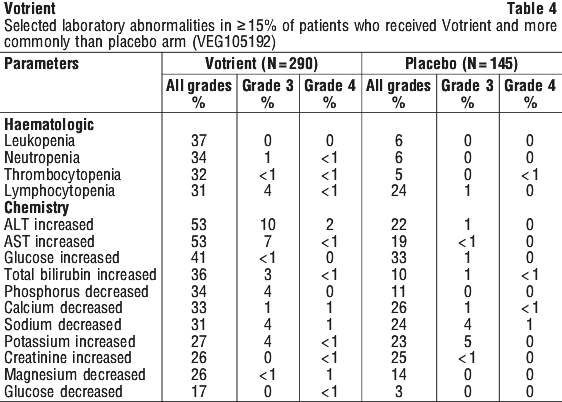
Table 4 presents laboratory abnormalities occurring in ≥ 15% of patients who received Votrient in the pivotal RCC studies. Grades are based on the NCI CTCAE.
Lipase elevations.

In a single arm clinical study, increases in lipase values were observed for 48/181 patients (27%). Elevations in lipase as an adverse reaction were reported for 10 patients (4%) and were grade 3 for 6 patients and grade 4 for 1 patient. In clinical RCC studies of Votrient, clinical pancreatitis was observed in 4/586 patients (< 1%).
Table 5 presents laboratory abnormalities occurring in ≥ 15% of patients who received Votrient in the pivotal STS study. Grades are based on the NCI CTCAE.

Post marketing data.

The following adverse reactions have been identified during post-approval use of pazopanib. This includes spontaneous case reports as well as serious adverse events from ongoing studies, clinical pharmacology studies and exploratory studies in unapproved indications.

Infections and infestations.

Common: infections (with or without neutropenia).

Metabolism and nutrition disorders.

Unknown: tumour lysis syndrome (including fatal cases); see Section 4.4 Special Warnings and Precautions for Use.

Blood and lymphatic system disorders.

Uncommon: polycythaemia, thrombotic microangiopathy (including thrombotic thrombocytopenic purpura and haemolytic uraemic syndrome).

Nervous system disorders.

Uncommon: posterior reversible encephalopathy syndrome.

Gastrointestinal disorders.

Common: flatulence.
Uncommon: pancreatitis.

Hepatobiliary disorders.

Not known: hepatic failure.

Musculoskeletal and connective tissue disorders.

Very common: arthralgia.
Common: muscle spasms.

Eye disorders.

Uncommon: retinal detachment/ retinal tear.

Vascular disorders.

Rare: aneurysms and artery dissections.

Respiratory, thoracic and mediastinal disorders.

Rare: interstitial lung disease/ pneumonitis.

Skin and subcutaneous tissue disorders.

Uncommon: skin ulcer.

Investigations.

Common: gamma-glutamyl transpeptidase increased.

Vascular disorders.

Cases of aneurysms and artery dissections, sometimes fatal, have been reported with VEGFR pathway inhibitors.

4.9 Overdose

Votrient doses up to 2,000 mg have been evaluated in clinical trials. Grade 3 fatigue (dose limiting toxicity) and grade 3 hypertension were each observed in 1 of 3 patients dosed at 2,000 mg and 1,000 mg daily, respectively.

Symptoms and signs.

There is currently limited experience with overdosage in Votrient.

Treatment.

Haemodialysis is not expected to enhance the elimination of Votrient because pazopanib is not significantly renally excreted and is highly bound to plasma proteins.
For information on the management of overdose, contact the Poisons Information Centre on 13 11 26 (Australia).

5 Pharmacological Properties

5.1 Pharmacodynamic Properties

Pharmacotherapeutic group: Antineoplastic agents, other antineoplastic agents, protein kinase.
Anatomical Therapeutic Chemical (ATC) code: L01EX03.

Mechanism of action.

Pazopanib is an orally administered, potent multi-target tyrosine kinase inhibitor (TKI) of Vascular Endothelial Growth Factor Receptors (VEGFR) 1, 2, and 3, platelet derived growth factor (PDGFR)-α and -β, and stem cell factor receptor (c-KIT), with IC50 values of 10, 30, 47, 71, 84 and 74 nanoM, respectively. Pazopanib also inhibited ligand-induced auto-phosphorylation of VEGFR-2, c-Kit and PDGFR-β receptors in cells in vitro. In vivo, pazopanib inhibited VEGF-induced VEGFR-2 phosphorylation in mouse lungs, angiogenesis in mouse models, and the growth of some human tumour xenografts in mice.

Pharmacogenomics.

In a pharmacogenetic meta-analysis of data from 31 clinical studies of pazopanib administered as either monotherapy or in combination with other agents, ALT > 5 x ULN (NCI CTC grade 3) occurred in 19% of HLA-B*57:01 allele carriers and in 10% of non-carriers. In this dataset, 133/2235 (6%) of the patients carried the HLA-B*57:01 allele (see Section 4.4 Special Warnings and Precautions for Use). The incidence of pazopanib-related ALT elevation was estimated in a clinical (not pharmacogenetic) meta-analysis (study 200276) for liver safety, using data from pazopanib monotherapy clinical studies, in which ALT > 5 x ULN events occurs in 11% of the patients.

Clinical trials.

Renal cell carcinoma (RCC).

The safety and efficacy of Votrient in renal cell carcinoma (RCC) were evaluated in a randomized, double-blind, placebo-controlled multi-centre study. Patients (N = 435) with locally advanced and/or metastatic RCC were randomized to receive Votrient 800 mg monotherapy once daily or placebo. The primary objective of the study was to evaluate and compare the two treatment arms for progression-free survival (PFS) and the principle secondary endpoint is overall survival (OS). The other objectives were to evaluate the overall response rate and duration of response.
From the total of 435 patients in this study, 233 patients were treatment naive and 202 were second line patients who received one prior IL-2 or INF α-based therapy. The performance status (ECOG) was similar between the Votrient and placebo groups (ECOG 0: 42% vs. 41%, ECOG 1: 58% vs. 59%). All patients had clear cell histology or predominantly clear cell histology. Approximately half of all patients had 3 or more organs involved in their disease and most patients had the lung (74%), and/or lymph nodes (54%) as a metastatic location for disease at baseline.
A similar proportion of patients in each arm were treatment naive and cytokine pretreated (53% and 47% in Votrient arm, 54% and 46% in placebo arm). In the cytokine pre-treated subgroup, the majority (75%) had received interferon based treatment.
Similar proportions of patients in each arm had prior nephrectomy (89% and 88% in the Votrient and placebo arms, respectively) and/or prior radiotherapy (22% and 15% in the Votrient and placebo arms, respectively).
The primary analysis of the primary endpoint PFS is based on disease assessment by independent radiological review in the entire study population (first line and second line). See Table 6 and Figures 1, 2 and 3.
For patients who responded to treatment, the median time to response was 11.9 weeks and the median duration of response was 58.7 weeks as per independent review.
The median overall survival (OS) data at the protocol specified final survival analysis were 22.9 months and 20.5 months [HR = 0.91 (95% CI: 0.71, 1.16; p = 0.224)] for patients randomized to the Votrient and placebo arms, respectively. The OS results are subject to potential bias as 54% of patients in the placebo arm also received Votrient in the extension part of this study following disease progression. Sixty-six percent of placebo patients received post-study therapy compared to 30% of Votrient patients.
In the pivotal study, the QoL assessments were based on blinded self-reported global scores from two protocol-specified questionnaires, EORTC QLQ-C30 and EuroQoL EQ-5D. Analysis was based on patients who continued on therapy in both arms, prior to progression. The assessments showed no difference between treatment with Votrient or placebo (p > 0.05), indicating no negative impact of Votrient on global quality of life.
In a Phase 2 study of 225 patients with locally recurrent or metastatic clear cell renal cell carcinoma, objective response rate was 35% and median duration of response was 68 weeks, as per independent review. Median PFS was 11.9 months.
The safety, efficacy and quality of life of Votrient versus sunitinib have been evaluated in a randomised, open-label, parallel group Phase III non-inferiority study in patients with metastatic or locally advanced renal cell carcinoma (VEG108844 and VEG113078).
In VEG108844, patients (N = 1110) with locally advanced and/or metastatic RCC who had not received prior systemic therapy, were randomized to receive either Votrient 800 mg once daily ongoing treatment, or sunitinib 50 mg once-daily in 6-week cycles of dosing with 4 weeks on treatment followed by 2 weeks without treatment.
The primary objective of this study was to evaluate and compare PFS in patients treated with Votrient to those treated with sunitinib. Demographic characteristics were similar between the treatment arms. Disease characteristics at initial diagnosis and at screening were balanced between the treatment arms. The majority of patients had stage IV disease at screening.
VEG108844 achieved its primary endpoint of PFS and demonstrated that Votrient was non-inferior to sunitinib, as the upper bound of the 95% CI for the hazard ratio was less than the protocol-specified non-inferiority margin of 1.25. Overall efficacy results are summarised in Table 7.
In VEG108844, health-related QoL was assessed using the following patient-reported questionnaires: Functional Assessment of Chronic Illness Therapy-Fatigue (FACIT-F), 19-item Functional Assessment of Cancer Therapy Kidney Symptom Index (FKSI-19), Cancer Therapy Satisfaction Questionnaire (CTSQ), and Supplementary Quality of Life Questionnaire (SQLQ). Overall compliance with SQLQ was 86%. Statistically significant differences in 11 of the 14 total domains favoured Votrient over sunitinib (p < 0.05), reflecting the adverse effects profile. The differences in fatigue, mouth/throat and hand/foot soreness and their limitations, feelings about sides effects and satisfaction with therapy were considered likely to be important (effect size > 0.20).

Soft tissue sarcoma (STS).

The safety and efficacy of pazopanib in STS were evaluated in a randomized, double-blind, placebo-controlled multi-centre trial. Patients (N = 369) with advanced STS who had received prior chemotherapy, including anthracycline treatment, or who were intolerant to therapy, were randomized to receive pazopanib 800 mg once daily or placebo.
More common tumour types studied were leiomyosarcoma (excluding skin) and synovial sarcoma. Patients with various rare STS types were analysed collectively in an "other STS" subgroup. STS types ineligible for study included: adipocytic STS; gastrointestinal stromal tumour; rhabdomyosarcoma other than alveolar or pleomorphic; chondrosarcoma; osteosarcoma; Ewings tumour/ primitive neuroectodermal tumour; dermofibromatosis sarcoma protuberans; inflammatory myofibroblastic sarcoma; malignant mesothelioma; and mixed mesodermal tumour of the uterus.
Patients with WHO performance status > 1 (i.e. unable to carry out light work) were excluded from enrolment. Patients with inadequate bone marrow, renal or liver function were excluded. Patients with abnormal cardiac function (LV ejection fraction below institutional lower limit of normal; QTc prolongation > 480 msecs; presence within the last 6 months of cardiac angioplasty or stenting, myocardial infarction, unstable angina, coronary artery bypass graft surgery, symptomatic peripheral vascular disease, or NYHA class III-IV congestive heart failure) and patients with poorly controlled hypertension were excluded. Patients with any history of a cerebrovascular accident, or with a transient ischaemic attack within the last 6 months, or with a pulmonary embolus within the last 6 months, were excluded. Patients with a history of clinically significant gastrointestinal disorders were excluded. Patients with a bleeding diathesis, active bleeding or haemoptysis within the last 6 weeks were also excluded.
Prior to randomization, eligible patients were stratified by the factors of WHO performance status (WHO PS) (0 or 1) at baseline and the number of lines of prior systemic therapy for advanced disease (0 or 1 vs. 2+). In each treatment group, there was a slightly greater percentage of patients in the 2+ lines of prior systemic therapy for advanced disease (58% and 55%, respectively, for placebo and pazopanib treatment arms) compared with 0 or 1 lines of prior systemic therapy (42% and 45%, respectively, for placebo and pazopanib treatment arms). There were slightly more patients with a WHO PS of 1 at baseline. The median duration of follow-up of patients (defined as date of randomization to date of last contact or death) was similar for both treatment arms (9.36 months for placebo [range 0.69 to 23.0 months] and 10.04 months for pazopanib [range 0.2 to 24.3 months]).
The primary objective of the trial was to evaluate and compare the two treatment arms for progression-free survival (PFS); the secondary endpoints included overall survival (OS), overall response rate and duration of response.
The initial analysis of the primary endpoint PFS was based on disease assessment by independent radiological review in the entire ITT study population. See Table 8.
Similar to the assessments by independent radiology review, a clinically meaningful and statistically significant improvement in PFS based on investigator assessments was observed in the pazopanib arm compared with the placebo arm (HR: 0.39; 95% CI, 0.30 to 0.52, p < 0.001). See Figure 4.
The hazard ratio at the pre-specified interim analysis for overall survival in favour of pazopanib was not statistically significant; the median overall survival in the placebo arm was 10.4 months (95% CI 8.7 to 12.7) and was 11.9 months (95% CI 10.7 to 15.1) in the pazopanib arm; HR = 0.82 (97.87% CI: 0.59 to 1.14, p = 0.156). The overall survival in this study is potentially confounded due an imbalance of active treatments after disease progression, with more patients in the placebo arm receiving active therapy.
Changes in quality of life were assessed for up to 12 weeks on treatment. Scores for the individual domains of fatigue, diarrhoea, loss of appetite, nausea and vomiting were worse for pazopanib, reflecting the adverse effects profile. However, this was not reflected in global quality of life assessment. Comparison was hindered by the small number of assessments, dropout of subjects due to disease progression (particularly in the placebo arm), and the absence of health outcome assessments after disease progression.
In a smaller, uncontrolled Phase 2 study of pazopanib in STS (VEG20002), median progression-free survival was 11.1 weeks in adipocytic STS and 14.0-23.4 weeks in other STS groups, although fewer adipocytic STS subjects were studied (n = 19 vs n = 37-41 in other groups).

5.2 Pharmacokinetic Properties

The pharmacokinetics of pazopanib have been evaluated in 408 patients. The reported pharmacokinetic parameters such as absolute bioavailability and clearance were obtained from only three patients.

Absorption.

Pazopanib is absorbed orally with an absolute oral bioavailability of 13.5-38.9% and median time to achieve peak concentrations of 2.0 to 4.0 hours after the dose. Daily dosing results in 1.23- to 4-fold increase in AUC. There was no consistent increase in AUC and Cmax when the pazopanib dose increased above 800 mg.
Systemic exposure to pazopanib is increased when administered with food. Administration of pazopanib with a high-fat or low-fat meal results in an approximately 2-fold increase in AUC and Cmax. Therefore, pazopanib should be administered at least 1 hour before or 2 hours after a meal (see Section 4.2 Dose and Method of Administration).
Administration of a single pazopanib 400 mg crushed tablet increased AUC(0-72) by 46% and Cmax by approximately 2-fold and decreased tmax by approximately 1.5 hours compared to administration of the whole tablet. These results indicate that the bioavailability and the rate of pazopanib oral absorption are increased after administration of the crushed tablet relative to administration of the whole tablet. Therefore, due to this potential for increased exposure, tablets should not be crushed (see Section 4.2 Dose and Method of Administration).

Distribution.

Binding of pazopanib to human plasma protein in vivo was greater than 99% with no concentration dependence over the range of 10-100 microgram/mL. After 5 mg IV administration, pazopanib displayed a volume of distribution of 9.2-13.1 L (< 40% of total body water). In vitro studies suggest that pazopanib is a substrate for P-glycoprotein (Pgp) and breast cancer resistant protein (BCRP).

Metabolism.

Results from in vitro studies demonstrated that the metabolism of pazopanib is mediated primarily by CYP3A4, with minor contributions from CYP1A2 and CYP2C8.

Excretion.

Pazopanib is eliminated slowly with mean half-life of 30.9 hours after administration of the recommended dose of 800 mg. Elimination is primarily via faeces with renal elimination accounting for < 4% of the administered dose. Pazopanib plasma clearance after a 5 mg IV dose ranged from 0.206 to 0.347 L/h (approximately 0.5% of liver blood flow and 5% of glomerular filtration rate).

Special populations.

Renal impairment.

In a population pharmacokinetic analysis using 408 patients with various cancers, creatinine clearance (30-150 mL/min) did not influence the clearance of pazopanib. Renal impairment is not expected to influence pazopanib exposure, and dose adjustment is not necessary in patients with creatine clearance ≥ 30 mL/min.

Hepatic impairment.

The median steady-state pazopanib Cmax and AUC(0-24) in patients with mild hepatic impairment (defined as either normal bilirubin and any degree of alanine transaminase [ALT] elevations or as an elevation of bilirubin up to 1.5 times the upper limit of normal [x ULN] regardless of the ALT value) after a once daily dose of 800 mg/day (30.9 microgram/mL, range 12.5-47.3 and 841.8 microgram.hr/mL, range 600.4-1078) are similar to the median in patients with no hepatic impairment (49.4 microgram/mL, range 17.1-85.7 and 888.2 microgram.hr/mL, range 345.5-1482) (see Section 4.2 Dose and Method of Administration).
The maximally tolerated pazopanib dose (MTD) in patients with moderate hepatic impairment (defined as an elevation of bilirubin > 1.5 x to 3 x ULN regardless of the ALT values) was 200 mg once daily. The median steady-state values of Cmax (22.4 microgram/mL, range 6.4-32.9) and AUC(0-24) (350.0 microgram.hr/mL, range 131.8-487.7) after administration of 200 mg pazopanib once daily in patients with moderate hepatic impairment were approximately 45% and 39%, respectively, that of the corresponding median values after administration of 800 mg once daily in patients with normal hepatic function (see Section 4.2 Dose and Method of Administration).
There are insufficient data in patients with severe hepatic impairment (total bilirubin > 3 x ULN regardless of any level of ALT); therefore, use of pazopanib is not recommended in these patients.

5.3 Preclinical Safety Data

Genotoxicity.

Pazopanib was negative for genotoxicity in genotoxicity assays (Ames assay, human peripheral lymphocyte chromosome aberration assay and rat micronucleus assay). A synthetic intermediate in the manufacture of pazopanib, which is also present in the final drug substance, was not mutagenic in the Ames assay but was genotoxic in the mouse lymphoma L5178Y TK +/- and micronucleus assays and is controlled to below a daily intake of 0.1 mg.

Carcinogenicity.

In two year carcinogenicity studies with pazopanib, there were increased numbers of liver adenomas noted in mice and duodenal adenocarcinomas noted in rats. Based on the rodent specific pathogenesis and mechanism for these findings, they are not considered to represent an increased carcinogenic risk for patients taking pazopanib.

6 Pharmaceutical Particulars

6.1 List of Excipients

The film coated tablets also contain the following inactive ingredients: magnesium stearate, cellulose-microcrystalline, povidone, sodium starch glycolate, hypromellose, macrogol 400, titanium dioxide, polysorbate 80, and iron oxide red CI77491 (200 mg tablet only).

6.2 Incompatibilities

Not applicable.

6.3 Shelf Life

In Australia, information on the shelf life can be found on the public summary of the Australian Register of Therapeutic Goods (ARTG). The expiry date can be found on the packaging.

6.4 Special Precautions for Storage

Store Votrient tablets below 30°C in the original container.

6.5 Nature and Contents of Container

Votrient 200 mg film-coated tablets.

Supplied in high-density polyethylene (HDPE) bottles with child resistant polypropylene closures containing 30 or *90 film coated tablets.

Votrient 400 mg film-coated tablets.

Supplied in high-density polyethylene (HDPE) bottles with child resistant polypropylene closures containing 30 or *60 film coated tablets.
* Not all strengths and pack sizes may be distributed.

6.6 Special Precautions for Disposal

In Australia, any unused medicine or waste material should be disposed of in accordance with local requirements.

6.7 Physicochemical Properties

Chemical structure.


Molecular formula: C21H23N7O2S.HCl.
Molecular weight: 473.99.
Pazopanib is supplied as the hydrochloride salt, with chemical name 5-[[4-[(2,3-dimethyl-2H-indazol-6-yl) methylamino]-2-pyrimidinyl] amino]-2-methylbenzenesulfonamide monohydrochloride.
Pazopanib hydrochloride is a white to slightly yellow solid. It is very slightly soluble at pH 1 and practically insoluble above pH 4 in aqueous media. Two basic ionisation constants (pKa) of pazopanib free base were determined to be 6.4 and 2.1, and one weakly acidic pKa was determined to be 10.2. The partition coefficient of the free base between octanol and water is 4470 (cLogP = 3.65). The pH of a 0.04% w/v solution of pazopanib hydrochloride in water is about 2.2.

CAS number.

635702-64-6.

7 Medicine Schedule (Poisons Standard)

Schedule 4 - Prescription Only Medicine.

Summary Table of Changes