


Consumer medicine information

Xifaxan 550 mg Tablets

Rifaximin

BRAND INFORMATION

Brand name

Xifaxan 550 mg

Active ingredient

Rifaximin

Schedule

S4


Consumer medicine information (CMI) leaflet

Please read this leaflet carefully before you start using Xifaxan 550 mg Tablets.

What is in this Leaflet

This leaflet answers some common questions about XIFAXAN tablets.

It does not contain all the available information. It does not take the place of talking to your doctor or pharmacist.

All medicines have risks and benefits.

If you have any concerns about taking this medicine, ask your doctor or pharmacist.

Keep this leaflet with the medicine. You may need to read it again.

What XIFAXAN is used for:

XIFAXAN is an antibiotic that passes through the gastrointestinal tract and very little is absorbed. XIFAXAN is used to help prevent a condition called hepatic encephalopathy (HE). HE is a disease of the brain that occurs when the liver is not working properly. Symptoms are caused by too much ammonia in the blood. XIFAXAN works by killing bacteria in the gut that produce ammonia. This means less ammonia is produced and less gets into the blood.

XIFAXAN is intended to be used for preventing HE only in those patients where HE is likely to occur again, and where it cannot be managed with other treatments.

There is no experience using XIFAXAN to prevent the recurrence of HE in children or adolescents.

Ask your doctor or pharmacist if you have any questions about why XIFAXAN has been prescribed for you. Your doctor may have recommended XIFAXAN tablets for another reason.

Before you take XIFAXAN

When you must not take it

Do not take XIFAXAN tablets if:

  • You have an allergy to rifaximin or any of the rifamycin antibiotics (rifampicin, rifabutin) or to any other ingredient contained in this medicine, listed at the end of this leaflet. Some of the symptoms of an allergic reaction may include shortness of breath, wheezing or difficulty breathing; swelling of the face, lips, tongue or other parts of the body; rash, itchiness or hives on the skin.
  • You have bowel obstruction (a blocked bowel)

Do not take this medicine after the expiry date printed on the pack or if the packaging is torn or shows signs of tampering. If it has expired or is damaged, return it to your pharmacist for disposal.

If you are not sure whether you should start taking this medicine, talk to your doctor.

Before you start to take it

Tell your doctor if you have allergies to any other medicines, foods, preservatives or dyes.

Tell your doctor if you are pregnant or plan to become pregnant. Your doctor can discuss with you the risks and benefits involved.

Tell you doctor if you are breastfeeding. It is not know if your baby can absorb rifaximin from breast milk if you are breastfeeding.

If you have not told your doctor about any of the above, tell him/her before you start taking XIFAXAN tablets.

Taking other medicines

Tell you doctor or pharmacist if you are taking any other medicines, including any that you get without a prescription from your pharmacy, supermarket or health food shop.

There is a possibility that XIFAXAN can interact with other medicines, including ciclosporin, oral contraceptives and warfarin. Your doctor and pharmacist have more information on which medicines to be careful with or avoid while taking this medicine.

How to take XIFAXAN tablets

How much to take

The recommended dosage of XIFAXAN tablets is one tablet twice daily.

How to take it

Swallow the tablet whole with a glass of water. You can take XIFAXAN tablets with or without food.

If you forget to take it

If your next dose is due within 12 hours, skip the dose you missed and take the next dose when you are meant to.

Otherwise, take it as soon as you remember, and then go back to taking your medicine as you would normally.

Do not take a double dose to make up for the dose that you missed.

If you have trouble remembering to take your medicine, ask your pharmacist for some hints.

If you take too much (overdose)

Immediately telephone your doctor or the Poisons Information Centre (telephone 13 11 26 in Australia or 0800 764 766 in New Zealand) for advice, or go to the Accident and Emergency department at the nearest hospital, if you think that you or anyone else may have taken too many XIFAXAN tablets. Do this even if there are no signs of discomfort or poisoning.

While you are using XIFAXAN tablets

Things you must do

Tell any other doctors, dentists, and pharmacists who treat you that you are taking this medicine.

If you develop watery and bloody diarrhoea (with or without stomach cramps and fever) even as late as two or more months after having taken the last dose of XIFAXAN you should see your doctor as soon as possible. If diarrhoea occurs, gets worse or does not improve during therapy, you should also contact your doctor. Diarrhoea may mean that you have a serious condition affecting your bowel. You may need urgent medical care. Do not take any medicine to treat diarrhoea without first checking with your doctor.

Things you must not do

Do not take XIFAXAN tablets to treat any other complaints unless your doctor tells you to.

Do not give your medicine to anyone else, even if they have the same condition as you.

Do not stop taking your medicine or lower the dosage without checking with your doctor. If you stop taking it suddenly, your condition may worsen or you may have unwanted side effects.

Side effects

Tell your doctor or pharmacist as soon as possible if you do not feel well while you are using XIFAXAN.

All medicines can have unwanted effects. Sometimes they are serious, most of the time they are not. Do not be alarmed by this list of possible side effects. You may not experience any of them.

Ask your doctor or pharmacist to answer any questions that you may have.

Tell your doctor or pharmacist if you notice any of the following and they worry you:

  • Swelling of the extremities
  • Nausea
  • Dizziness
  • Fatigue
  • Itching
  • Muscle pain

The above list includes the more common side effects of your medicine. They are usually mild and short-lived.

Tell your doctor as soon as possible if you notice any of the following:

  • Diarrhoea. XIFAXAN, like nearly all antibiotics, can alter the mix of bacteria in the intestine. This can lead to an overgrowth of a bacteria called Clostridium difficile (C. difficile). If you take XIFAXAN, there is a small risk that you could experience diarrhoea caused by C. difficile. If you develop severe diarrhoea, even after you have stopped XIFAXAN, contact your doctor immediately.

As with other medicines there is a small risk of serious allergic reaction. Consult your doctor immediately or go to the Accident & Emergency department of your nearest hospital if you notice any of the following:

  • swelling of the face, lips or tongue which may make swallowing or breathing difficult
  • asthma, wheezing, shortness of breath
  • sudden or severe itching, skin rash, hives

Tell your doctor or pharmacist if you notice anything that is making you feel unwell.

Other side effects not listed above may also occur in some people.

After using XIFAXAN tablets

Storage

Keep your tablets in the blister packaging until it is time to take them If you take the tablets out of the packaging they will not keep well.

Keep your tablets in a cool dry place where the temperature stays below 25°C.

Do not store XIFAXAN tablets or any other medicines in the bathroom or near a sink. Do not leave it on a window sill or in the car. Heat and dampness can destroy some medicines.

Keep it where children cannot reach it. A locked cupboard at least one-and-a-half metres above the ground is a good place to store medicines.

Disposal

If your doctor tells you stop taking this medicine or the expiry date has passed, ask your pharmacist what to with any medicine that is left over.

Product description

What it looks like

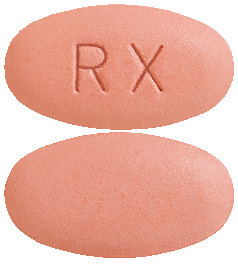
XIFAXAN 550 mg tablets are oval, biconvex, pink, film-coated tablets.

Ingredients

XIFAXAN tablets contains 550 mg of rifaximin as the active ingredient. The tablets also contains:

  • Microcrystalline cellulose
  • Glyceryl diisostearate
  • Sodium starch glycolate Type A
  • Colloidal anhydrous silica
  • Purified talc

The film coating contains

  • Hypromellose
  • Titanium dioxide
  • Disodium edetate
  • Propylene glycol
  • Iron oxide red

Supplier

XIFAXAN tablets are supplied in Australia by:

Norgine Pty Ltd
Suite 3.01 Building A
20 Rodborough Road
Frenchs Forest NSW 2086
AUSTRALIA
1800 766 936

XIFAXAN tablets are supplied in NewZealand by:

Pharmacy Retailing (NZ) Ltd
Trading as Healthcare Logistics
58 Richard Pearse Drive
Mangere, Auckland
(09) 918 5100

This Leaflet was prepared in April 2020.

Australian Registration No. AUST R 183411

Published by MIMS July 2020

BRAND INFORMATION

Brand name

Xifaxan 550 mg

Active ingredient

Rifaximin

Schedule

S4


1 Name of Medicine

Rifaximin.

2 Qualitative and Quantitative Composition

Xifaxan tablets are oval biconvex pink film-coated tablets containing rifaximin 550 mg, marked RX on one side.
For the full list of excipients, see Section 6.1 List of Excipients.

3 Pharmaceutical Form

Xifaxan is a pink oval biconvex film-coated tablet marked RX on one side, containing 550 mg of rifaximin. The tablets are packaged in PVC/PE/PVDC/Aluminium blisters in cartons containing 14, 28, 30, 56, or 60 tablets.
(Not all pack sizes may be marketed.)

4 Clinical Particulars

4.1 Therapeutic Indications

Prevention of the recurrence of hepatic encephalopathy where other treatments have failed or are contraindicated.

4.2 Dose and Method of Administration

The recommended dose of Xifaxan is one 550 mg tablet taken orally twice a day, with or without food.
In the pivotal trial of Xifaxan for HE, 91% of the patients were using lactulose concomitantly.
Because of the limited systemic absorption of rifaximin, no specific dosing adjustment is recommended for patients with hepatic insufficiency.

4.3 Contraindications

Xifaxan is contraindicated in patients with a hypersensitivity to rifaximin, any of the rifamycin antimicrobial agents, or any of the components in Xifaxan. Hypersensitivity reactions have included exfoliative dermatitis, angioneurotic oedema, and anaphylaxis.
Cases of intestinal obstruction.

4.4 Special Warnings and Precautions for Use

Identified precautions.

Use in patients with cirrhosis.

Severe cutaneous adverse reactions, including Stevens-Johnson syndrome (SJS) and toxic epidermal necrolysis (TEN), have been reported in association with the use of rifaximin in patients with cirrhosis. Discontinue rifaximin at the first signs or symptoms of a severe cutaneous adverse reaction or other signs of hypersensitivity and conduct a clinical evaluation.

Clostridium difficile-associated diarrhoea.

Clostridium difficile-associated diarrhoea (CDAD) has been reported with use of nearly all antibacterial agents, including Xifaxan, and may range in severity from mild diarrhoea to fatal colitis. Treatment with antibacterial agents alters the normal flora of the colon which may lead to overgrowth of C. difficile.
C. difficile produces toxins A and B which contribute to the development of CDAD. Hypertoxin producing strains of C. difficile cause increased morbidity and mortality, as these infections can be refractory to antimicrobial therapy and may require colectomy. CDAD must be considered in all patients who present with diarrhoea following antibiotic use. Careful medical history is necessary since CDAD has been reported to occur over two months after the administration of antibacterial agents.
If CDAD is suspected or confirmed, ongoing antibiotic use not directed against C. difficile may need to be discontinued. Appropriate fluid and electrolyte management, protein supplementation, antibiotic treatment of C. difficile, and surgical evaluation should be instituted as clinically indicated.

Use with P-glycoprotein inhibitors.

Caution should be exercised when concomitant use of rifaximin and a P-glycoprotein inhibitor such as ciclosporin is needed (see Section 4.5 Interactions with Other Medicines and Other Forms of Interactions).

Use with warfarin.

Both decreases and increases in international normalized ratio (in some cases with bleeding events) have been reported in patients maintained on warfarin and prescribed rifaximin. If co-administration is necessary, the international normalized ratio should be carefully monitored with the addition or withdrawal of rifaximin. Adjustments in the dose of oral anticoagulants may be necessary (see Section 4.5 Interactions with Other Medicines and Other Forms of Interactions).

Development of drug resistant bacteria.

Resistant strains of bacteria including Staphylococcus aureus are more likely to develop if patients are exposed to Xifaxan long term. It is likely that strains resistant to rifaximin will also be resistant to rifampicin. Therefore Xifaxan is not recommended for use in patients at low risk for development of further episodes of HE or who have a satisfactory response to alternative treatments.

Use in hepatic impairment.

Severe (Child-Pugh C) hepatic impairment.

There is increased systemic exposure in patients with hepatic impairment. The clinical trials were limited to patients with MELD scores < 25. Therefore, caution should be exercised when administering Xifaxan to patients with severe hepatic impairment (Child-Pugh C).

Use in renal impairment.

No clinical data are available on the use of rifaximin in patients with impaired renal function.

Use in the elderly.

In the controlled trial with Xifaxan 550 mg for hepatic encephalopathy, 19.4% were aged 65 years and over, while 2.3% were 75 and over. No overall differences in safety or effectiveness were observed between these subjects and younger subjects, and other reported clinical experience has not identified differences in responses between the elderly and younger patients, but greater sensitivity of some older individuals cannot be ruled out.

Paediatric use.

The safety and effectiveness of Xifaxan for the prevention of recurrence of hepatic encephalopathy have not been established in patients under 18 years of age.

Effects on laboratory tests.

Both decreases and increases in international normalized ratio (in some cases with bleeding events) have been reported in patients maintained on warfarin and prescribed rifaximin.

4.5 Interactions with Other Medicines and Other Forms of Interactions

In vitro studies have shown that rifaximin did not inhibit cytochrome P450 isozymes 1A2, 2A6, 2B6, 2C8, 2C9, 2C19, 2D6, 2E1 and CYP3A4 at concentrations up to 200 nanogram/mL (at least 10 times the clinical Cmax). Rifaximin is not expected to inhibit these enzymes in clinical use.
In healthy subjects, clinical drug interaction studies demonstrated that rifaximin did not significantly affect the pharmacokinetics of CYP3A4 substrates, however, in hepatic impaired patients it cannot be excluded that rifaximin may decrease the exposure of concomitant CYP3A4 substrates administered (e.g. warfarin, antiepileptics, antiarrhythmics and oral contraceptives), due to the higher systemic exposure with respect to healthy subjects.
An in vitro study suggested that rifaximin is a moderate substrate of P-glycoprotein (P-gp) and metabolised by CYP3A4. It is unknown whether concomitant drugs which inhibit CYP3A4 can increase the systemic exposure of rifaximin.
In healthy subjects, co-administration of a single dose of ciclosporin (600 mg), a potent P-glycoprotein inhibitor, with a single dose of rifaximin (550 mg) resulted in 83-fold and 124-fold increases in rifaximin mean Cmax and AUC. Ciclosporin is also an inhibitor of OATP, breast cancer resistance protein (BCRP) and a weak inhibitor of CYP3A4; the relative contribution of inhibition of each transporter by ciclosporin to the increase in rifaximin exposure is unknown. The clinical significance of this increase in systemic exposure is unknown.
The potential for drug-drug interactions to occur at the level of transporter systems has been evaluated in vitro and these studies suggest that a clinical interaction between rifaximin and other compounds that undergo efflux via P-gp and other transport proteins is unlikely (MRP2, MRP4, BCRP and BSEP).
Both decreases and increases in international normalized ratio have been reported in patients maintained on warfarin and prescribed rifaximin. If co-administration is necessary, the international normalized ratio should be carefully monitored with the addition or withdrawal of rifaximin. Adjustments in the dose of oral anticoagulants may be necessary.
There is no experience regarding administration of rifaximin to subjects who are taking another rifamycin antibacterial agent to treat a systemic bacterial infection.

4.6 Fertility, Pregnancy and Lactation

Effects on fertility.

There were no effects on fertility in rats treated with rifaximin at oral doses up to 300 mg/kg/day (about 2.5 times the MRHD based on body surface area).
(Category B1)
Nonclinical studies of placental transfer of rifaximin/metabolites have not been conducted. There was no evidence of teratogenicity in pregnant rats or rabbits treated with rifaximin during the period of organogenesis at respective oral doses up to 300 and 1000 mg/kg/day. The dose in rats was about 2.5 times the MRHD based on body surface area. Compared with clinical exposure (plasma AUC) at the MRHD, the exposure in rabbits was slightly greater than that in healthy volunteers but less than that in hepatically impaired patients.
It is unknown whether rifaximin/metabolites are excreted in human milk. A risk to the child cannot be excluded. A decision must be made whether to discontinue breast-feeding or to discontinue/abstain from rifaximin therapy taking into account the benefit of breastfeeding for the child and the benefit of therapy for the woman.
Oral administration of rifaximin to rats from early gestation to weaning at doses up to 300 mg/kg/day (about 2.5 times the MRHD based on body surface area) did not elicit any adverse effects on gestation or parturition, or on offspring viability, development and reproductive performance.

4.7 Effects on Ability to Drive and Use Machines

The effects of this medicine on a person's ability to drive and use machines were not assessed as part of its registration.

4.8 Adverse Effects (Undesirable Effects)

The data described below reflect exposure to Xifaxan 550 mg in 336 patients, including 257 exposed at least for 6 months and 114 exposed for more than a year (mean exposure was 274 days). The safety of Xifaxan 550 mg taken two times a day for the maintenance of remission from hepatic encephalopathy recurrence in adult patients was evaluated in a 6-month placebo controlled clinical trial (n = 140) and in a long term follow-up study (n = 266). The population studied had a mean age of 56.5 (range: 21-82) years; approximately 20% of the patients were ≥ 65 years old, 58% were male, 89% were white, and 4.5% were black. Ninety-one percent of patients in the trial were taking lactulose concomitantly. All adverse events that occurred at an incidence ≥ 5% and at a higher incidence in Xifaxan 550 mg-treated subjects than in the placebo group in the 6-month trial are provided in Table 1. (These include adverse events that may be attributable to the underlying disease.)
The following adverse events, presented by body system, have also been reported in the placebo controlled clinical trial in greater than 2% but less than 5% of patients taking Xifaxan 550 mg orally two times a day for hepatic encephalopathy. The following includes adverse events occurring at a greater incidence than placebo (see Table 2).

Post-marketing experience.

The following adverse reactions have been identified during post approval use of rifaximin. The frequency of these reactions is not known (cannot be estimated from the available data). See Table 3.

Reporting suspected adverse effects.

Reporting suspected adverse reactions after registration of the medicinal product is important. It allows continued monitoring of the benefit-risk balance of the medicinal product. Healthcare professionals are asked to report any suspected adverse reactions at www.tga.gov.au/reporting-problems.

4.9 Overdose

No specific information is available on the treatment of overdosage with Xifaxan.
In clinical trials with patients suffering from traveller's diarrhoea doses of up to 1,800 mg/day have been tolerated without any severe clinical sign. Even in patients/ subjects with normal bacterial flora, rifaximin in dosages of up to 2,400 mg/day for 7 days did not result in any relevant clinical symptoms related to the high dosage.
For information on the management of overdose, contact the Poisons Information Centre on 13 11 26 (Australia).

5 Pharmacological Properties

5.1 Pharmacodynamic Properties

Mechanism of action.

Rifaximin is a non-aminoglycoside semi-synthetic, non-systemic antibiotic derived from rifamycin SV.
Rifaximin acts by binding to the beta-subunit of bacterial DNA-dependent RNA polymerase resulting in inhibition of bacterial RNA synthesis.
Rifaximin has a broad antimicrobial spectrum against most of the Gram-positive and -negative, aerobic and anaerobic bacteria responsible for intestinal infections.
Due to the very low absorption from the gastro-intestinal tract rifaximin is locally acting in the intestinal lumen and clinically not effective against invasive pathogens, even though these bacteria are susceptible in vitro.
In the prevention of recurrent hepatic encephalopathy, rifaximin is thought to have an effect on the gastrointestinal flora.

Clinical trials.

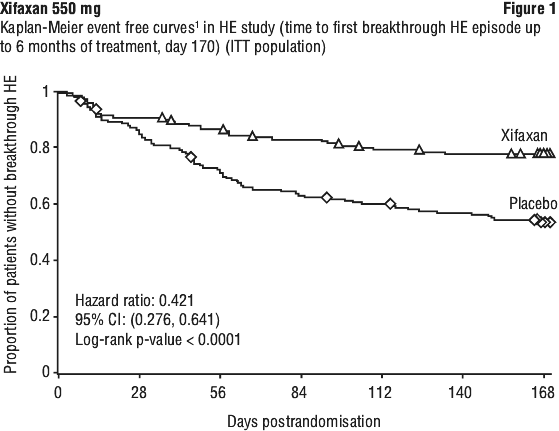
The efficacy of Xifaxan 550 mg taken orally twice a day was evaluated in a randomised, placebo-controlled, double-blind, multi-centre 6-month trial of adult subjects from the U.S.A., Canada and Russia who were defined as being in remission (Conn score of 0 or 1) from hepatic encephalopathy (HE). Eligible subjects had ≥ 2 episodes of HE associated with chronic liver disease in the previous 6 months. A total of 299 subjects were randomized to receive either Xifaxan (n = 140) or placebo (n = 159). Patients had a mean age of 56 years (range, 21-82 years), 81% < 65 years of age, 61% were male and 86% were white. At baseline, 67% of patients had a Conn score of 0 and 68% had an asterixis grade of 0. Patients had MELD scores of either ≤ 10 (27%) or 11 to 18 (64%) at baseline. No patients were enrolled with a MELD score of > 25. Lactulose was concomitantly used by 91% of the patients in each treatment arm of the study. Per the study protocol, patients were withdrawn from the study after experiencing a breakthrough HE episode. Other reasons for early study discontinuation included: adverse reactions (Xifaxan 6%; placebo 4%), patient request to withdraw (Xifaxan 4%; placebo 6%) and other (Xifaxan 7%; placebo 5%).
The primary endpoint was the time to first breakthrough overt HE episode. A breakthrough overt HE episode was defined as a marked deterioration in neurological function and an increase of Conn score to Grade ≥ 2. In patients with a baseline Conn score of 0, a breakthrough overt HE episode was defined as an increase in Conn score of 1 and asterixis grade of 1.
Breakthrough overt HE episodes were experienced by 31 of 140 subjects (22%) in the Xifaxan group and by 73 of 159 subjects (46%) in the placebo group during the 6-month treatment period. Comparison of Kaplan-Meier estimates of event-free curves showed Xifaxan significantly reduced the risk of HE breakthrough by 58% during the 6-month treatment period.
Presented in Figure 1 is the Kaplan-Meier event-free curve for all subjects (n = 299) in the study.
When the results were evaluated by the following demographic and baseline characteristics, the treatment effect of Xifaxan 550 mg in reducing the risk of breakthrough overt HE recurrence was consistent for: sex, baseline Conn score, duration of current remission and diabetes. The differences in treatment effect could not be assessed in the following subpopulations due to small sample size: non-white (n = 42), baseline MELD > 19 (n = 26), and those without concomitant lactulose use (n = 26).
HE-related hospitalizations (hospitalizations directly resulting from HE, or hospitalizations complicated by HE) were reported for 19 of 140 subjects (14%) and 36 of 159 subjects (23%) in the Xifaxan and placebo groups respectively. Comparison of Kaplan-Meier estimates of event-free curves showed Xifaxan significantly reduced the risk of HE-related hospitalizations by 50% during the 6-month treatment period. Comparison of Kaplan-Meier estimates of event free curves is shown in Figure 2.

5.2 Pharmacokinetic Properties

Absorption.

Pharmacokinetic studies in rats, dogs and humans demonstrated that after oral administration rifaximin in the polymorph α form is virtually not absorbed (less than 1%). After a single dose and multiple doses of rifaximin 550 mg in healthy subjects, the mean time to reach peak plasma concentrations was about an hour. The pharmacokinetic (PK) parameters were highly variable and the accumulation ratio based on AUC was 1.37.
After repeated administration of therapeutic doses of rifaximin in healthy volunteers and patients with damaged intestinal mucosa (inflammatory bowel disease), plasma levels are negligible (less than 10 nanogram/mL). A clinically not relevant increase of rifaximin systemic absorption was observed when administered within 30 minutes of a high-fat breakfast.
In patients with hepatic encephalopathy (HE) rifaximin mean peak plasma concentrations of 13.5 nanogram/mL were detected after administration of 800 mg three times a day for 7 days. Less than 0.1% of the administered dose was recovered after 7 days.
The PK of rifaximin in patients with a history of HE was evaluated after administration of Xifaxan 550 mg two times a day. The PK parameters were associated with a high variability and mean rifaximin exposure (AUCτ) in patients with a history of HE (147 nanogram.h/mL) was approximately 12-fold higher than that observed in healthy subjects following the same dosing regimen (12.3 nanogram.h/mL). When PK parameters were analyzed based on Child-Pugh class A and B, the mean AUCτ was 10 and 13-fold higher, respectively, compared to that in healthy subjects.

Distribution.

Rifaximin is moderately bound to human plasma proteins. In vivo, the mean protein binding ratio was 67.5% in healthy subjects and 62% in patients with hepatic impairment when Xifaxan 550 mg was administered.

Metabolism.

A mass balance study carried out in healthy volunteers (see Excretion) suggests that absorbed rifaximin undergoes metabolism with minimal renal excretion of the unchanged drug. The enzymes responsible for metabolizing rifaximin are unknown.

Excretion.

Rifaximin is almost exclusively excreted in faeces.
In a mass balance study, after administration of 400 mg 14C-rifaximin orally to healthy volunteers, of the 96.94% total recovery, 96.62% of the administered radioactivity was recovered in faeces almost exclusively as the unchanged drug and 0.32% was recovered in urine mostly as metabolites with 0.03% as the unchanged drug. Rifaximin accounted for 18% of radioactivity in plasma.

5.3 Preclinical Safety Data

Genotoxicity.

Rifaximin was not genotoxic in the bacterial reverse mutation assay, chromosomal aberration assay, rat bone marrow micronucleus assay, rat hepatocyte unscheduled DNA synthesis assay, or the CHO/HGPRT mutation assay.

Carcinogenicity.

The carcinogenic potential of rifaximin was examined in a 2 year study with CD rats. Oral administration at doses up to 250 mg/kg/day (about twice the MRHD based on body surface area) produced no evidence of a carcinogenic effect except for an increased trend in malignant schwannomas in the heart in males but not females, at an incidence (5%) exceeding the maximum historical control incidence (1.7%). Despite lack of statistical significance of pairwise testing and absence of this finding in females, a possible relationship to treatment cannot be dismissed.
There was no increase in tumours in Tg.rasH2 mice treated orally with rifaximin for 26 weeks at doses up to 2000 mg/kg/day (mean plasma concentrations 2-5 times the clinical Cmax in healthy volunteers, less than clinical exposure in hepatically impaired patients).

6 Pharmaceutical Particulars

6.1 List of Excipients

Excipients present in the tablets are: cellulose - microcrystalline, glyceryl diisostearate, sodium starch glycolate type A, silica - colloidal anhydrous, talc - purified. The film coating contains hypromellose, titanium dioxide, disodium edetate, propylene glycol, and iron oxide red.

6.2 Incompatibilities

Incompatibilities were either not assessed or not identified as part of the registration of this medicine.

6.3 Shelf Life

In Australia, information on the shelf life can be found on the public summary of the Australian Register of Therapeutic Goods (ARTG). The expiry date can be found on the packaging.

6.4 Special Precautions for Storage

Store below 25°C.

6.5 Nature and Contents of Container

The tablets are packaged in PVC/PE/PVDC/Aluminium blisters in cartons containing 14, 28, 30, 56, or 60 tablets.
(Not all pack sizes may be marketed).

6.6 Special Precautions for Disposal

In Australia, any unused medicine or waste material should be disposed of in accordance with local requirements.

6.7 Physicochemical Properties

Rifaximin is soluble in methanol, chloroform, acetone and ethyl acetate. It is practically insoluble in water. It has a pKa of 6.77. The partition co-efficient (n-octanol - water) is 2.76 (Log Pow).
Rifaximin has the chemical formula C43H51N3O11 and a molecular weight of 785.9.

Chemical structure.


CAS number.

80621-81-4.

7 Medicine Schedule (Poisons Standard)

Schedule 4 - Prescription Only Medicine.

Summary Table of Changes