1 Name of Medicine
Clobetasol propionate.
2 Qualitative and Quantitative Composition
Each 1 g of cream contains 0.5 mg of clobetasol propionate.
Excipients with known effect.
Chlorocresol.
For the full list of excipients, see Section 6.1 List of Excipients.3 Pharmaceutical Form
Clobetasol propionate 0.05% w/w cream is a white or almost white cream.
4.1 Therapeutic Indications
Short-term treatment of resistant or severe inflammatory and pruritic manifestations of steroid responsive dermatoses, including psoriasis (excluding widespread plaque psoriasis), recalcitrant dermatoses, lichen sclerosus/ planus and discoid lupus erythematosus in adults.
4.2 Dose and Method of Administration
Clobetasol propionate belongs to the most potent class of topical corticosteroids (Class IV) and prolonged use may result in serious undesirable effects (see Section 4.4 Special Warnings and Precautions for Use). It should only be used once treatment resistance to less potent corticosteroids has been confirmed.
Apply thinly and gently rub in using only enough to cover the entire affected area once or twice a day.
Reduce the frequency of application or change the treatment to a less potent preparation once improvement occurs (in the more responsive conditions this may be within a few days). Allow adequate time for absorption after each application (minimum duration should be 1 to 2 hours) before applying an emollient.
In more resistant lesions, especially where there is hyperkeratosis, the effect of clobetasol can be enhanced, if necessary, by occluding the treatment area with polythene film. Overnight occlusion only is usually adequate to bring about a satisfactory response. Thereafter improvement can usually be maintained by application without occlusion.
If the condition worsens or does not improve within 2 weeks, treatment and diagnosis should be re-evaluated. Treatment should not be continued for more than 2 weeks. If continuous treatment is necessary, a less potent preparation should be used.
The maximum weekly dose should not exceed 14 g/week.
Therapy with clobetasol should be gradually discontinued once control is achieved and an emollient continued as maintenance therapy. Rebound of pre-existing dermatoses can occur with abrupt discontinuation of clobetasol.
Chronic overdosage may occur in the case of continuous use of large quantities for long periods of time.
4.3 Contraindications
Hypersensitivity to the active substance or to any excipients listed in Section 6.1 List of Excipients.
Clobetasol propionate is contraindicated in dermatoses in children under one year of age, including dermatitis and nappy eruptions.
The following conditions should not be treated with Xobet Cream: cutaneous infections bacterial and mycobacterial, viral (varicella, herpes simplex, herpes zoster), fungal or parasitic infections, ulcerous wounds, rosacea, acne vulgaris, pruritus without inflammation, perianal and genital pruritus, perioral dermatitis.
4.4 Special Warnings and Precautions for Use
General precautions.
Topical corticosteroids should be used with caution for a number of reasons including post treatment rebound, relapses, development of tolerance (tachyphylaxis) and development of local or systemic toxicity such as skin atrophy, infection (including isolated cases of systemic infections), telangiectasia of the skin or hypothalamic-pituitary-adrenal (HPA) axis suppression.
Patients receiving super-potent corticosteroids should not be treated for more than 2 weeks at a time, and only small areas should be treated at any one time due to the increased risk of HPA suppression.
There is a risk of HPA suppression with prolonged use and also with the use of large volumes. Clobetasol should not be used for more than 2 consecutive weeks; nor should a dose greater than 14 g weekly be used. Patients applying doses of clobetasol propionate in excess of 14 g per week should be carefully monitored.
Xobet Cream produced HPA axis suppression when used at doses as low as 2 g/day for 1 week in patients with eczema.
If HPA axis suppression is noted, an attempt should be made to withdraw the drug, to reduce frequency of application, or to substitute a less potent a less potent corticosteroid. Recovery of HPA axis function is generally prompt upon discontinuation of topical corticosteroids.
In rare instances, treatment of psoriasis with corticosteroids (or its withdrawal) is thought to have provoked generalised pustular psoriasis in case of intensive and prolonged topical use. In very rare cases, hypersensitivity to corticosteroids can be observed. Clobetasol propionate is not recommended in patients who are hypersensitive to other corticosteroids.
In general, treatment of large surface areas, long-term continuous therapy with corticosteroids, use of occlusive dressings can enhance absorption and lead to a higher risk of systemic effects. In such cases, medical supervision should be increased and patients may be evaluated periodically for evidence of HPA axis suppression. Systemic absorption of topical corticosteroids has caused reversible adrenal suppression with the potential for glucocorticosteroid insufficiency, manifestations of Cushing's syndrome, hyperglycaemia, and glucosuria in some patients. Such systemic effects disappear when treatment is stopped. If either of the above are observed, withdraw the drug gradually by reducing the frequency of application, or by substituting a less potent corticosteroid.
Risk factors for increased systemic effects are:
Potency and formulation of topical steroid;
Duration of exposure;
Application to a large surface area;
Use on occluded areas of skin (e.g. on intertriginous areas or under occlusive dressings (in infants the nappy may act as an occlusive dressing);
Increasing hydration of the stratum corneum;
Use on thin skin areas such as the face;
Use on broken skin or other conditions where the skin barrier may be impaired;
In comparison with adults, children and infants may absorb proportionally larger amounts of topical corticosteroids and thus be more susceptible to systemic adverse effects. This is because children have an immature skin barrier and a greater surface area to body weight ratio compared with adults.
Patients should be instructed to use clobetasol propionate for the minimum amount of time necessary to achieve the desired results.
Cases of osteonecrosis, serious infections (including necrotizing fasciitis), and systemic immunosuppression (sometimes resulting in Kaposi's sarcoma lesions) have been reported with long-term use of clobetasol propionate beyond the recommended doses (see Section 4.2 Dose and Method of Administration). In some cases, patients used other potent oral/ topical corticosteroids or immunosuppressors concomitantly (e.g. methotrexate, mycophenolate mofetil).
Xobet Cream should not be used in the treatment of rosacea or perioral dermatitis, and should not be used on the face, groin, or axillae.
Xobet Cream should be used with caution in patients with a history of local hypersensitivity to other corticosteroids or to any of the excipients in the preparation.
If irritation develops, Xobet Cream should be discontinued and appropriate therapy instituted. Allergic contact dermatitis with corticosteroids is usually diagnosed by observing a failure to heal rather than noting a clinical exacerbation as with most topical products not containing corticosteroids. Such an observation should be corroborated with appropriate diagnostic patch testing.
If concomitant skin infections are present or develop, an appropriate antifungal or antibacterial agent should be used. If a favourable response does not occur promptly, use of Xobet Cream should be discontinued until the infection has been adequately controlled.
Infection risk with occlusion.
Bacterial infection is encouraged by the warm, moist conditions within skin folds or caused by occlusive dressings. When using occlusive dressings, the skin should be cleansed before a fresh dressing is applied.
Concomitant infection.
Appropriate antimicrobial therapy should be used whenever treating inflammatory lesions which have become infected. Any spread of infection requires withdrawal of topical corticosteroid therapy and administration of appropriate antimicrobial therapy.
Use in psoriasis.
Topical corticosteroids should be used with caution in psoriasis as rebound relapses, development of tolerances, risk of generalised pustular psoriasis and development of local or systemic toxicity due to impaired barrier function of the skin have been reported in some cases. If used in psoriasis careful patient supervision is important.
Chronic leg ulcers.
Topical corticosteroids are sometimes used to treat the dermatitis around chronic leg ulcers. However, this use may be associated with a higher occurrence of local hypersensitivity reactions and an increased risk of local infection.
Application to the face.
Application to the face is undesirable as this area is more susceptible to atrophic changes.
If used on the face, treatment should be limited to only 5 days.
Application to the eyelids.
If applied to the eyelids, care is needed to ensure that the preparation does not enter the eye, as cataract and glaucoma might result from repeated exposure. If clobetasol cream enters the eye, the affected eye should be bathed in copious amounts of water.
Visual disturbance.
Visual disturbance may be reported with systemic and topical corticosteroid use. If a patient presents with symptoms such as blurred vision or other visual disturbances, the patient should be considered for referral to an ophthalmologist for evaluation of possible causes which may include cataract, glaucoma or rare diseases such as central serous chorioretinopathy (CSCR) which have been reported after use of systemic and topical corticosteroids.
Topical steroid withdrawal syndrome.
Long term continuous or inappropriate use of topical steroids can result in the development of rebound flares after stopping treatment (topical steroid withdrawal syndrome). A severe form of rebound flare can develop which takes the form of a dermatitis with intense redness, stinging and burning that can spread beyond the initial treatment area. It is more likely to occur when delicate skin sites such as the face and flexures are treated. Should there be a reoccurrence of the condition within days to weeks after successful treatment a withdrawal reaction should be suspected. Reapplication should be with caution and specialist advise is recommended in these cases or other treatment options should be considered.
Skin and subcutaneous disorders.
Xobet can cause local skin burning, local atrophy, striae, thinning, pigmentation changes, hypertrichosis, exacerbation of underlying symptoms, pustular psoriasis. Prolonged and intensive treatment with highly-active corticosteroid preparations may cause local atrophic changes, such as thinning and striae. Treatment of psoriasis with corticosteroids (or its withdrawal) is thought to have provoked the pustular form of the disease. Clobetasol may induce steroid-rosacea and steroid-acne.
Reactivation of human papillomavirus HPV-associated lesions.
At risk patients with genital lichen sclerosus and erosive lichen planus should be monitored for HPV-associated lesions following topical corticosteroid therapy.
Use in renal and/or hepatic impairment.
No specific studies have been performed.
In case of systemic absorption (when application is over a large surface area for a prolonged period) metabolism and elimination may be delayed therefore increasing the risk of systemic toxicity. Therefore, the minimum quantity should be used for the shortest duration to achieve the desired clinical benefit.
Use in the elderly.
No specific studies have been performed.
Paediatric use.
Safety and efficacy of Xobet Cream in children have not been established. Use in paediatric patients under 18 years of age is not recommended.
Children are more susceptible to develop atrophic changes with the use of topical corticosteroids.
Effects on laboratory tests.
Systemic absorption of topical corticosteroids can produce reversible HPA axis suppression with the potential for glucocorticosteroid insufficiency after withdrawal from treatment. Manifestations of Cushing's syndrome, hyperglycemia and glucosuria can also be produced in some patients by systemic absorption of topical corticosteroids while on therapy.
Patients applying a topical steroid to a large surface area or to areas under occlusion should be evaluated periodically for evidence of HPA axis suppression. Infrequently, signs and symptoms of glucocorticosteroid insufficiency may occur that require supplemental systemic corticosteroids. For information on systemic supplementation, see prescribing information for those products.4.5 Interactions with Other Medicines and Other Forms of Interactions
Co-administered medicines that can inhibit CYP3A4 (e.g. ritonavir and itraconazole) have been shown to inhibit the metabolism of corticosteroids leading to increased systemic exposure. The extent to which this interaction is clinically relevant depends on the dose and route of administration of the corticosteroids and the potency of the CYP3A4 inhibitor.
4.6 Fertility, Pregnancy and Lactation
Effects on fertility.
When administered subcutaneously to rats, clobetasol propionate reduced the viability of embryos and reduced maternal reproduction capacities.
Clobetasol propionate had no effect on male or female mating performance in rats when administered subcutaneously (SC) at doses up to 50 microgram/kg/day. Reductions in both the number of oestrous cycles and embryo viability were observed at SC doses from 25 - 50 microgram/kg/day.
(Category D)
Clobetasol propionate was shown to be teratogenic when administered topically or subcutaneously during organogenesis in mice, rats and rabbits.
Fetotoxicity and fetal malformations (including skeletal abnormalities, cleft palate, cranioschisis or umbilical cord hernia) were observed in mice (30 microgram/kg/day SC). Rats (50 microgram/kg/day topical) and rabbits (3 microgram/kg/day SC) at doses (on a mg/m2 basis) less than the maximum human topical dose.
There are no adequate or well-controlled studies of clobetasol propionate in pregnant women. Studies in animals have shown developmental toxicity. The clinical relevance of the effects of clobetasol and other corticosteroids in developmental animal studies is unknown. Clobetasol propionate ointment/ cream should be avoided during pregnancy, unless clearly necessary.
Systemically administered corticosteroids pass into breast milk. There are no adequate data on the possible milk transfer of topical clobetasol propionate. However, studies in rats (see below) have shown postnatal pup effects following subcutaneous maternal dosing during weaning. Thus, clobetasol should be avoided in breastfeeding women, unless clearly necessary.
If used during lactation clobetasol should not be applied to the breasts to avoid accidental ingestion by the infant.4.7 Effects on Ability to Drive and Use Machines
There have been no studies to investigate the effect of clobetasol on driving performance or the ability to operate machinery.
4.8 Adverse Effects (Undesirable Effects)
In controlled clinical trials, the most frequent adverse reactions reported for clobetasol propionate cream were burning and stinging sensation in 1% of treated patients. Less frequent adverse reactions were itching, skin atrophy, and cracking and fissuring of the skin.
Cushing's syndrome has been reported in adults as a result of prolonged use of topical clobetasol propionate formulations.
The following additional local adverse reactions have been reported with topical corticosteroids, and they may occur more frequently with the use of occlusive dressings and higher potency corticosteroids. These reactions are listed in an approximately decreasing order of occurrence: dryness, acneiform eruptions, hypopigmentation, perioral dermatitis, allergic contact dermatitis, secondary infection, irritation, striae, and miliaria.
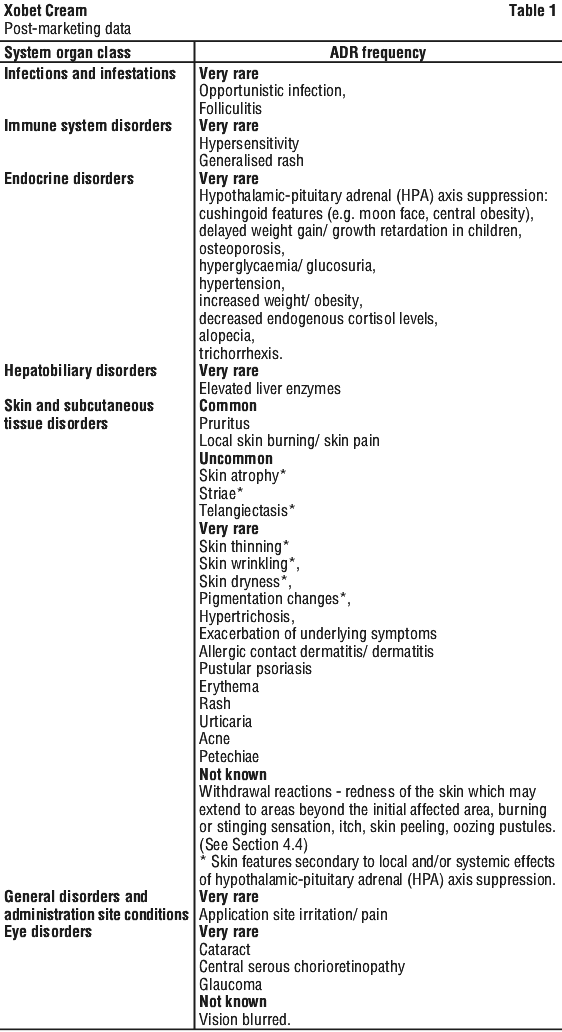
Adverse drug reactions (ADRs) are listed in Table 1 by MedDRA system organ class and by frequency.
Frequencies are defined as: very common (≥ 1/10), common (≥ 1/100 and < 1/10), uncommon (≥ 1/1,000 and < 1/100), rare (≥ 1/10,000 and < 1/1,000) and very rare (< 1/10,000), including isolated reports.
Reporting suspected adverse effects.
Reporting suspected adverse reactions after registration of the medicinal product is important. It allows continued monitoring of the benefit-risk balance of the medicinal product. Healthcare professionals are asked to report any suspected adverse reactions at www.tga.gov.au/reporting-problems.4.9 Overdose
Topically applied clobetasol may be absorbed in sufficient amounts to produce systemic effects. Acute overdosage is very unlikely to occur, however, in the case of chronic overdosage or misuse, the features of hypercortisolism may occur.
In the event of overdose, clobetasol should be withdrawn gradually by reducing the frequency of application or by substituting a less potent corticosteroid because of the risk of glucocorticosteroid insufficiency.
However, because of the risk of acute adrenal suppression, this should be done under medical supervision.
For information on the management of overdose, contact the Poisons Information Centre on 13 11 26 (Australia).
5 Pharmacological Properties
5.1 Pharmacodynamic Properties
Pharmacotherapeutic group: corticosteroids, very potent (group IV), ATC code: D07AD01.
Mechanism of action.
Like other topical corticosteroids, clobetasol propionate has anti-inflammatory, antipruritic, and vasoconstrictive properties. The mechanism of the anti-inflammatory activity of the topical steroids, in general, is unclear. However, corticosteroids are thought to act by the induction of phospholipase A 2 inhibitory proteins, collectively called lipocortins. It is postulated that these proteins control the biosynthesis of potent mediators of inflammation such as prostaglandins and leukotrienes by inhibiting the release of their common precursor, arachidonic acid. Arachidonic acid is released from membrane phospholipids by phospholipase A 2.
Clinical trials.
The efficacy of topical clobetasol propionate 0.05% is supported by published literature identified by a systematic literature search. The dosing in the studies includes once daily and twice daily dosing, with actual dosage typically stated as ''thin film to affected area'' in line with the proposed dosing in Section 4.2 Dose and Method of Administration.
Psoriasis.
The data set consisted of 11 studies conducted in subjects with psoriasis. Three of the publications were meta-analyses/ systematic reviews and 8 RCT. The following studies are considered pivotal.
Fiskerstrand 1992 conducted a randomised, placebo controlled, single blind, study designed to evaluate the efficacy, safety and patient acceptability of clobetasol propionate 0.05% ointment compared to clobetasol propionate 0.05% lotion, triamcinolone solution, UVB exposure and untreated control in patients with stable plaque psoriasis. The aim of this study was to compare the clinical response, adverse events and patient acceptability when corticosteroids are applied under impermeable hydrocolloid wound dressings. The study is relevant as it included an arm using non occluded clobetasol propionate 0.05% ointment and an arm evaluating untreated skin, which permits evaluation of the intrinsic efficacy of this product.
A total of 30 subjects aged 15 to 69 years (mean 39.9 years) with stable fixed plaque psoriasis were recruited. They had not previously received systemic antipsoriasis medications. No ultraviolet light or topical treatment could be given two weeks prior to the study. The subjects were also required to have sufficient individual lesions with the same degree of erythema, infiltrating and scaling to meet the requirement of seven individual test sites. Non occluded ointment was applied once daily for 2 weeks, then every third day up to 6 weeks.
Efficacy was assessed after two, four and six weeks of treatment, and three months after discontinuation, using a 4-point visual scale (1=mild, 3=severe) recording erythema and infiltration. The maximum score was 6. The degree of scaling was not included in the scoring system due to concerns that sauna usage could influence results. The primary outcome measure was the effect of treatments on clinical response assessed by change in visual scores compared to baseline.
For lesions receiving no treatment the mean severity score decreased from 4.93±0.89 to 4.80±1.13 over the 6-week observation period. The corresponding scores recorded for clobetasol propionate 0.05% ointment without occlusion were 4.97±0.84 and 1.14±1.20. At follow up 3 months after treatment a relapse rate of 44% was observed in the non-occluded ointment group.
Katz 1987 conducted a randomised, controlled, double blind, parallel group study designed to evaluate the efficacy and safety of clobetasol propionate 0.05% ointment compared to betamethasone dipropionate 0.05% in optimised vehicle in patients with moderate to severe psoriasis. The aim of this study was therefore to compare the clinical response and effect on morning plasma corticosteroid concentrations following three weeks of treatment with either corticosteroid.
A total of 40 subjects (19 females) aged between 18 to 60 years were recruited to the study. Subjects were diagnosed with moderate to severe psoriasis (6.0 to 9.0 on a 12-point scale assessing redness, induration and scaling) of at least one year duration. They were also experiencing a flare for > 1 week.
Each subject applied a measured amount (3.5 g equivalent to 1.75 mg of active) of medication twice daily to psoriatic lesions for up to three weeks, unless laboratory abnormalities or adverse events were observed. Efficacy was assessed on days 5, 8, 15 and 22 using the 12-point scale outlined previously, and according to a global evaluation which rated overall improvement of the psoriasis against a six-step scale, ranging from 'exacerbation' or flare up of the condition to 'cleared' or 100% clearance of signs and symptoms of psoriasis. See Table 2.
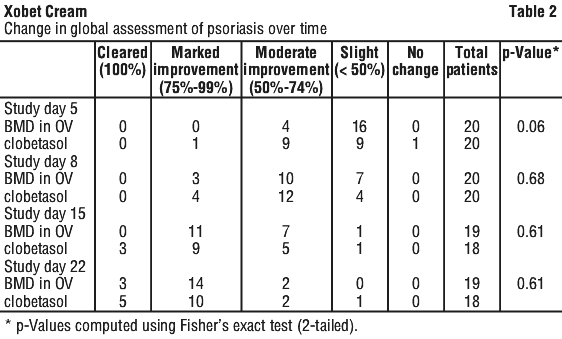 There was no statistically significant difference in response between the two treatments, although there was a trend (p=0.06) for clobetasol propionate to be better than betamethasone dipropionate OV at the day 5 assessment point.
Jacobson 1986 conducted a randomised, controlled, double blind, half side study designed to evaluate the efficacy and safety of clobetasol propionate 0.05% ointment compared to betamethasone dipropionate 0.05% ointment optimized vehicle in patients with moderate to severe psoriasis. The aim of this study was to compare the relative clinical effectiveness of clobetasol propionate ointment and optimised betamethasone dipropionate ointment in patients with, bilateral and roughly symmetrical moderate to severe psoriasis, as measured by severity of scaling, erythema and skin thickening.
The 130 subjects were eligible if they were adults, had a clinical diagnosis of moderate to severe psoriasis (combined severity score of at least six out of 12) which was approximately symmetrical in distribution. The subjects applied each treatment to psoriatic lesions on the trunk or extremities on one half of the body or the other, twice daily without occlusion for a two-week period.
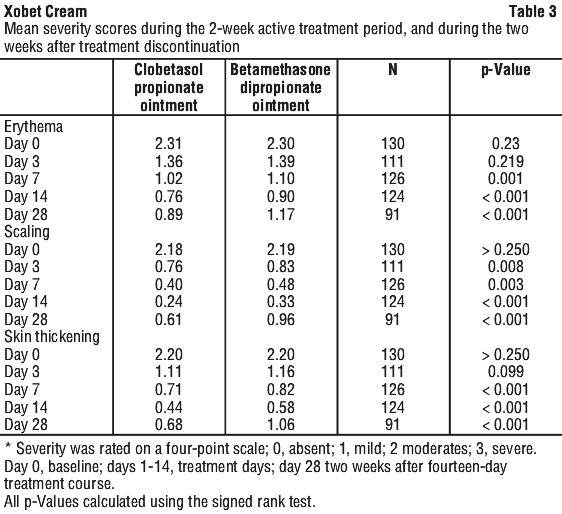
The primary efficacy outcome was change in severity scores for erythema, scaling and skin thickening. Severity was rated on a 4-point scale with 0=absent and 3=severe. Subjects were evaluated at baseline, and following 3-, 7- and 14-days' treatment and then after a further 14-day period.
After two weeks of treatment, 48% of subjects achieved at least a 75% reduction in lesion severity with both treatments. A further 22% achieved this outcome for the clobetasol propionate side only, while 2% achieved this benefit for the betamethasone dipropionate side only. See Table 3.
Resistant dermatoses.
Two publications, which provide details of three randomised, controlled, double blind, parallel group studies support the efficacy of topical clobetasol propionate 0.05% in resistant dermatoses.
Mauracher 1983 is a multicentre, randomised, controlled, double blind, parallel group study designed to evaluate the efficacy and safety of clobetasol propionate 0.05% ointment compared to betamethasone dipropionate 0.05% in optimised vehicle in patients with resistant psoriasis or atopic dermatitis. The aim of this study was to evaluate the efficacy and safety of an enhanced formulation of betamethasone dipropionate 0.05% in optimised vehicle (OV) to an ointment formulation containing a highly potent corticosteroid clobetasol propionate, in order to study if formulation or intrinsic potency of a topical corticosteroid preparation may influence the risk/benefit ratio in resistant dermatoses.
Subjects were eligible if they were aged between 15 and 90 years and had resistant psoriasis or atopic dermatitis for at least one year. Resistant disease was defined as previous corticosteroid treatment with little or no response. A total of 101 subjects (49 female) were recruited. Each subject applied a measured amount (3.5 g equivalent to 1.75 mg of active) of medication twice daily to psoriatic lesions for two weeks. The period could be extended or shortened according to response. Most subjects (84%) were treated for 16 days or less.
The severity of the skin condition was assessed at baseline using a 4-point scale (0=none, 3=severe) against the following signs or symptoms: inflammation, crusting, pruritus, pain, exudate, lichenfication, excoriation and induration. The subjects were treated for two weeks and assessed at weekly intervals. The primary outcome measure of this study was the effect of treatments on the eight signs and symptoms defining disease severity.
Crusting was absent in 49/50 (98%) betamethasone-treated subjects and in 45/51 (88%) clobetasol treated group (p=0.05). Excoriation was absent in 49/50 (98%) subjects in the betamethasone treatment group and in 43/51 (84%) in the clobetasol treatment group (p=0.02). No other statistically significant treatment differences in severity of remaining signs and symptoms were found after therapy: inflammation (p=0.12), lichenification (p=0.13), induration (p=0.24), pruritus (p=0.15), pain (p=1.00), exudate (p=0.50).
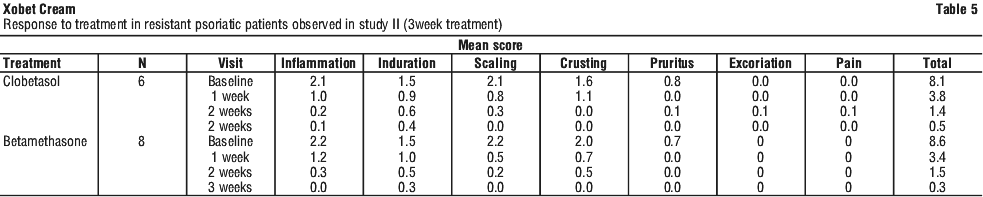
Gip 1984 reports the results of two randomised, double blind, parallel group trials conducted according to similar protocols. Both studies were designed to evaluate the efficacy and safety of clobetasol propionate 0.05% ointment compared to betamethasone dipropionate 0.05% in optimised vehicle in patients with resistant psoriasis or atopic dermatitis. The aim of this study was to evaluate the efficacy and safety of an enhanced formulation of betamethasone dipropionate 0.05% OV to an ointment formulation containing a highly potent corticosteroid clobetasol propionate, in subjects with resistant psoriasis or other long standing, resistant dermatoses.
Subjects were eligible if they were aged between 10 and 87 years and had resistant psoriasis (69%) or dermatoses (31% of subjects) for at least one year. Resistant disease was not specifically defined, other than presence of disease for at least 12 months. A total of 81 subjects (42 females) were recruited. Each subject applied a measured amount (3.5 g equivalent to 1.75 mg of active) of medication twice daily to psoriatic lesions for two or three weeks, without occlusion.
The severity of the skin condition was assessed at baseline using a 4-point scale (0=none, 3=severe) against the following signs or symptoms: scaling, inflammation/ erythema, crusting, pruritus, pain, excoriation and induration. The subjects were assessed at weekly intervals. The primary outcome measure of this study was the effect of treatments on the seven signs and symptoms defining disease severity. (See Table 4 and Table 5.)

Lichen sclerosus, lichen planus and related conditions.
A total of 10 publications discussed the efficacy of topical clobetasol propionate in lichen sclerosus, lichen planus and related conditions. Two reports were based on a meta-analysis, four others on RCT and four on non-randomised controlled trials. The following studies are considered pivotal.
Virgili 2014 conducted a single centre, randomised, open label, controlled parallel group study designed to evaluate the efficacy, tolerability and patient satisfaction when treated with clobetasol propionate 0.05% compared to mometasone furoate 0.1% for vulvar lichen sclerosus (VLS). The 52-week extension study published by Corazza 2016 is based on subjects recruited in the initial trial.
The objective of the initial trial was to compare the efficacy of clobetasol propionate and mometasone furoate ointment in a randomised trial, using five objective parameters assessing the severity of signs and symptoms of this condition. The aim of 52-week extension was to assess the efficacy of clobetasol propionate and mometasone furoate ointment administered twice weekly as a maintenance treatment of stabilised VLS.
Adult female subjects with a clinical and where available, histological diagnosis of VLS were eligible for the Virgili study. A total of 54 women aged 64.2±12.7 were recruited. The women applied clobetasol propionate 0.05% or mometasone furoate 0.1% ointment for 12 weeks to the affected vulvar surfaces. The dosing regimen was once daily for five days per week for the first four weeks, on alternative days for another four weeks, then twice weekly for the remaining four weeks. The objective and subjective patient assessments were performed at baseline and after 12 weeks.
The objective criteria were severity of erythema, pallor, hyperkeratosis and purpuric lesions/ itching related excoriations. Sclerosis scarring was also assessed. Severity was scored on a 4-point scale with 0=absent and 3=severe. The primary efficacy endpoint was the rate of patients achieving the clinical response (responders), defined as subjects with a global objective score (GOS) ≤ 4 and a score of ≤ 3 for each of the four components of GOS at week 12, compared between the two treatment groups. The secondary efficacy endpoint was the rate of patients achieving a ≥ 75% improvement from baseline in global subjective score (GSS; itching and burning) and ≥ 75% improvement from baseline in GOS. The rate of reduction of at least 50% in GSS and GOS from baseline was also assessed. See Table 6.
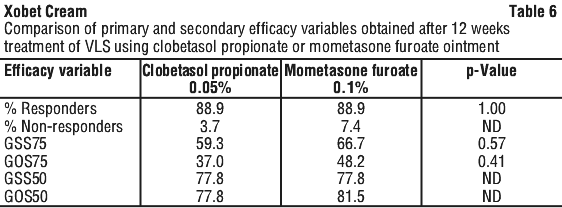 There was no significant difference between treatments in itching score or burning scores. Duration of VLS was significantly related to risk of treatment failure (p < 0.01). There was a trend (p=0.07) between delay in diagnosis of VLS and treatment failure.
Patients who were rated as responders following the initial Virgili 2014 RCT were eligible for the 52-week maintenance study. Eligible patients were assigned the same treatment they received in the RCT, with no interruption in their treatment. Clobetasol propionate or mometasone furoate ointment was applied to the affected vulvar areas twice weekly for 52 weeks. The same subjective and objective efficacy outcome measures as applied in the Virgili 2014 study were used in the maintenance phase. See Table 7.
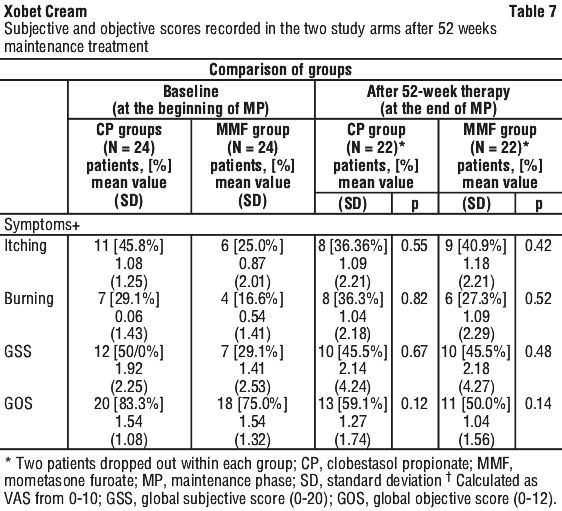 The relative risk of relapse in the clobetasol propionate group compared with mometasone furoate group was 2 (95% CI from 0.19 to 20.61).
Lajevardi 2015 conducted a single centre, double blind, randomised, controlled parallel group study designed to evaluate the efficacy and safety of topical clobetasol propionate 0.05% compared to oral mycophenolate mofetil in the treatment of lichen planopilaris (LPP). The formulation of clobetasol was a lotion rather than ointment or cream.
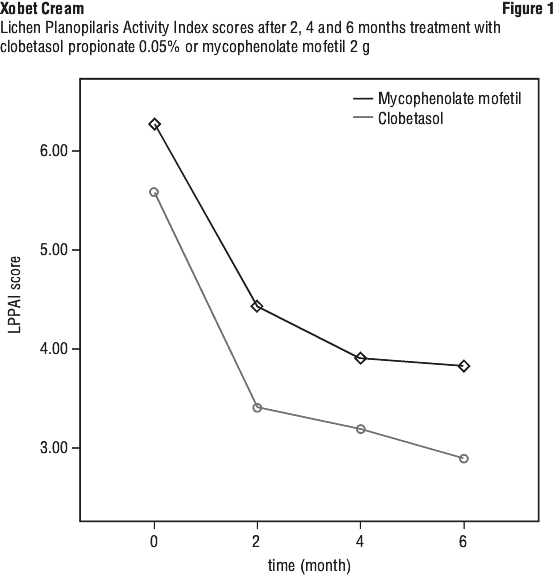
A total of 60 patients (mean ages 43.1 and 39.4 years, 30 females) were randomised to treatment and included in the analysis. The mean baseline LPP activity index (maximum 10) was 6.3±0.8 in the mycophenolate mofetil group and 5.8±1.2 in the clobetasol propionate group. The topical clobetasol was applied at night, while the oral agent was taken twice daily for 6 months.
The primary efficacy end point was response to treatment, assessed using the Lichen Planopilaris Activity Index (LPPAI), which comprises eight surrogate markers of disease activity. Each marker was assigned a numerical score, based on severity (or presence and absence of a symptom or sign), usually on a 4-point scale (0=absent, 3=severe). The maximum possible score was 10. The classification system comprised 4 categories: 1 ≤ 25% LPPAI reduction, 2=26-50% reduction, 3=51-75% reduction and 4 ≥ 76% reduction in LPPAI.
The mean percentage score reduction at 6 months was 39.0±14.1 for mycophenolate mofetil and 54.5±26.3% for clobetasol propionate. However, there was no difference (p=0.68) in the rate of reduction between the treatment groups. At 6 months the percentage of low partial responders (category 2) in the mycophenolate mofetil group was 72%, and for the clobetasol propionate group, 38%. The percentage of responders (category 4) was 0% and 24% respectively for the mycophenolate mofetil and clobetasol propionate treated groups. One patient in the clobetasol propionate group experienced stable and full re-growth after two months of treatment. See Figure 1.
Discoid lupus erythematosus.
Two half sided RCT comparing clobetasol propionate ointment to tacrolimus 0.1% ointment, applied twice daily non occluded, were included to support efficacy in discoid lupus erythematous (DLE).
Pothinamthong 2012 conducted a randomised, controlled, double blind, bilateral study designed to evaluate the efficacy and safety of clobetasol propionate 0.05% ointment compared to tacrolimus 0.1% ointment in patients with discoid lupus erythematosus (DLE). The aim of this study was to evaluate the efficacy and safety of tacrolimus 0.1% ointment applied twice daily compared to clobetasol propionate ointment applied once daily in DLE patients with lesions to both sides of their bodies.
A total of 25 subjects were recruited. These subjects were aged 39.19±11.44 years (11 females) with a mean duration of DLE of 28.6 months. DLE was diagnosed by clinical examination and histopathology, according to the American College of Rheumatology classification criteria. Subjects were excluded if they had signs or symptoms of systemic lupus (SLE). Subjects were given strict instructions to use each drug continuously to the assigned side in the morning and evening by using only one cotton swab for each side per day for six weeks. Vaseline ointment was applied at night on the side allocated to clobetasol.
All patients were evaluated at second, fourth, and sixth week after treatment and four weeks after end of treatment by digital photography of all DLE lesions. For efficacy evaluation, dermatologist blindly evaluated activity and damage score by modified Cutaneous Lupus Erythematosus Disease Area and Severity Index (CLASI) using the digital photograph. The index is based on severity of erythema (4-point scale) and scale/ hypertrophy (3-point scale).
Skin damage was assessed using a disease damage score, which is the sum of dyspigmentation score (0-absent, 1-dyspigmentation) and scarring/ atrophy/ panniculitis score (0-absent, 1-scarring, 2-severely atrophic scarring or panniculitis) of the same in all anatomical area as activity score. If dyspigmentation lasts for at least 12 months, the score is doubled. The primary outcome measure of this study was the change in disease activity score.
The mean activity score of tacrolimus treated side was decreased significantly from 6.24 to 2.95 [p < 0.001, 95% CI = 1.90-4.4.67] and 2.71 [p < 0.001, 95% CI = 2.17-4.88] after four and six weeks of treatment respectively. The mean activity score of the clobetasol treated side also decreased significantly from 6.14 to 1.24 [p < 0.001, 95% CI = 3.18-6.63] and 0.86 [p < 0.001, 95% CI = 3.48-7.10] after four and six weeks of treatment respectively. When the results of obtained for both treatments were compared at 6 weeks of treatment, clobetasol had significantly decreased in median activity score more than tacrolimus [p = 0.002, 95% CI = (- 4.44) - (-0.99)].
5.2 Pharmacokinetic Properties
Absorption.
Topical corticosteroids can be systemically absorbed from intact healthy skin. The extent of percutaneous absorption of topical corticosteroids is determined by many factors, including the vehicle and the integrity of the epidermal barrier. Occlusion, inflammation and/or other disease processes in the skin may also increase percutaneous absorption. Mean peak plasma clobetasol propionate concentrations of 0.63 nanogram/mL occurred in one study eight hours after the second application (13 hours after an initial application) of 30 g clobetasol propionate 0.05% ointment to normal individuals with healthy skin. Following the application of a second dose of 30 g clobetasol propionate cream 0.05% mean peak plasma concentrations were slightly higher than the ointment and occurred 10 hours after application. In a separate study, mean peak plasma concentrations of approximately 2.3 nanogram/mL and 4.6 nanogram/mL occurred respectively in patients with psoriasis and eczema three hours after single application of 25 g clobetasol propionate 0.05% ointment.
Distribution.
The use of pharmacodynamic endpoints for assessing the systemic exposure of topical corticosteroids is necessary due to the fact that circulating levels are well below the level of detection.
Metabolism.
Once absorbed through the skin, topical corticosteroids are handled through pharmacokinetic pathways similar to systemically administered corticosteroids. They are metabolised, primarily in the liver.
Excretion.
Topical corticosteroids are excreted by the kidneys. In addition, some corticosteroids and their metabolites are also excreted in the bile.
5.3 Preclinical Safety Data
Genotoxicity.
Clobetasol propionate did not demonstrate any genotoxic potential in vitro (Ames, fluctuation and gene conversion tests and chromosome aberration assay) or in vivo (mouse micronucleus test).
Carcinogenicity.
Long-term animal studies have not been performed to evaluate the carcinogenic potential of clobetasol propionate.6 Pharmaceutical Particulars
6.1 List of Excipients
Propylene glycol, sodium citrate anhydrous, citric acid monohydrate, chlorocresol (4-chloro-3-methylphenol), glyceryl monostearate, PEG 100 stearate, cetostearyl alcohol, white beeswax, purified water.
6.2 Incompatibilities
Not applicable.
6.3 Shelf Life
In Australia, information on the shelf life can be found on the public summary of the Australian Register of Therapeutic Goods (ARTG). The expiry date can be found on the packaging.
Discard 90 days after first opening.
6.4 Special Precautions for Storage
Store below 25°C. Do not refrigerate. Protect from light.
6.5 Nature and Contents of Container
Aluminium tube with HDPE/LLDPE cap.
Pack sizes of 15 g, 30 g.
Not all pack sizes may be marketed.
6.6 Special Precautions for Disposal
In Australia, any unused medicine or waste material should be disposed of in accordance with local requirements.
6.7 Physicochemical Properties
Chemical structure.

CAS number.
25122-46-7.7 Medicine Schedule (Poisons Standard)
Schedule 4 (Prescription Medicine).
Summary Table of Changes




