
Consumer medicine information

Zykadia

Ceritinib

BRAND INFORMATION

Brand name

Zykadia

Active ingredient

Ceritinib

Schedule

S4


Consumer medicine information (CMI) leaflet

Please read this leaflet carefully before you start using Zykadia.

What is in this leaflet

This leaflet answers some common questions about ZYKADIA.

The information in this leaflet was last updated on the date listed on the final page. More recent information on the medicine may be available.

You should ensure that you speak to your pharmacist or doctor to obtain the most up to date information on the medicine. You can also download the most up to date leaflet from www.novartis.com.au.

Those updates may contain important information about the medicine and its use of which you should be aware.

It does not contain all the available information. It does not take the place of talking to your doctor or pharmacist.

All medicines have risks and benefits. Your doctor has weighed the risks of you taking this medicine against the benefits they expect it will provide.

If you have any concerns about this medicine, ask your doctor or pharmacist.

Keep this leaflet with the medicine. You may need to read it again.

What ZYKADIA is used for

ZYKADIA capsules contain an active substance called ceritinib. ZYKADIA is used to treat people with non-small cell lung cancer (NSCLC) that is advanced or has spread to other parts of the body (metastatic) and is caused by a defect in a gene called ALK (anaplastic lymphoma kinase).

If you have any questions about how ZYKADIA works or why this medicine has been prescribed for you, ask your doctor or pharmacist.

ZYKADIA is not to be used in children or adolescents under 18 years of age.

This medicine is not addictive.

This medicine is available only with a doctor's prescription.

Before you take ZYKADIA

When you must not take it

Do not take ZYKADIA if you have an allergy to ceritinib, the active ingredient, or to any of the other ingredients listed at the end of this leaflet.

If you develop these symptoms tell your doctor straight away. They are some of the signs of an allergic reaction:

  • difficulty in breathing or swallowing
  • swelling of the face, lips, tongue or throat
  • severe itching of the skin, with a red rash or raised bumps

Do not take this medicine after the expiry date printed on the pack or if the packaging is torn or shows signs of tampering. In that case, return it to your pharmacist.

Before you start to take it

Take special care with ZYKADIA.

If any of these apply to you, tell your doctor or pharmacist before taking ZYKADIA:

  • If you have problems with your liver.
  • If you have problems with your lungs or problems breathing.
  • If you have problems with your heart, including a condition called long QT syndrome.
  • If you have diabetes (a high level of sugar in the blood).
  • If you have/had problems with your pancreas.
  • If you are currently taking steroids.
  • If you are pregnant, think you may be pregnant, or plan to become pregnant (see section Pregnancy).
  • If you are breast-feeding or plan to breast-feed (see section Breast-feeding).

Taking other medicines

Tell your doctor or pharmacist if you are taking or have recently taken any other medicines, including any that you buy without a prescription from your pharmacy, supermarket or health food shop such as vitamins or herbal supplements, because they might interact with ZYKADIA.

It is particularly important that you mention any of the following medicines:

  • Medicines used to treat AIDS/HIV such as ritonavir or saquinavir
  • Medicines used to treat infections. These include medicines which treat fungal infections, such as antifungals like ketoconazole, itraconazole, voriconazole or posaconazole, or medicines which treat certain types of bacterial infections, such as antibiotics like telithromycin
  • Medicines used to treat depression such as nefazodone, or psychosis such as pimozide
  • St. John's Wort - an herbal product used to treat depression and other conditions, also known as Hypericum perforatum
  • Medicines which stop seizures or fits (anti-epileptics such as phenytoin, carbamazepine, or phenobarbitone)
  • Medicines used to treat tuberculosis such as rifampin or rifabutin
  • Medicines used to treat irregular heartbeat such as quinidine
  • Medicines used for increasing motility in the upper gastrointestinal tract such as cisapride
  • Midazolam, a medicine used to treat acute seizures, or as a sedative before or during surgery or medical procedures
  • Warfarin, an anticoagulant medicine used to prevent blood clots
  • Diclofenac, a medicine used to treat joint pain and inflammation
  • Cyclosporin, tacrolimus and sirolimus, medicines used in organ transplantation to prevent transplant organ rejection
  • Dihydroergotamine and ergotamine, medicines used to treat migraine
  • Alfentanil and fentanyl, medicines used to treat severe pain
  • Gastric acid-reducing agents (e.g. proton pump inhibitors, H2-receptor antagonists, antacids)

Ask your doctor or pharmacist if you are not sure whether your medicine is one of the medicines listed above.

These medications should be used with care or may need to be avoided during your treatment with ZYKADIA.

If you are taking any of these, your doctor might prescribe an alternative medicine for you.

If you have not told your doctor about any of these things, tell him/her before you start taking this medicine.

How to take ZYKADIA

Follow all directions given to you by your doctor or pharmacist carefully. They may differ from the information contained in this leaflet.

Always take ZYKADIA exactly as your doctor has told you. If you do not understand the instructions on the label, ask your doctor or pharmacist for help.

Do not change the dose without talking to your doctor.

How much to take

The recommended dose of ZYKADIA is 450 mg taken once daily with food (for example a snack or full meal) at the same time every day. Your doctor will tell you exactly how many capsules of ZYKADIA you need to take. Do not change the dose without talking to your doctor.

How to take it

Take ZYKADIA with food.

Swallow ZYKADIA capsules whole with water. Do not chew or crush capsules.

You should not eat grapefruit or drink grapefruit juice during your treatment with ZYKADIA. It may make the amount of ZYKADIA in your blood increase to a harmful level.

When to take it

Take ZYKADIA once a day at about the same time each day.

If vomiting occurs after you swallow ZYKADIA capsules, do not take any more capsules until your next scheduled dose.

Do not stop taking ZYKADIA unless your doctor tells you to.

This is a long-term treatment, possibly lasting for months. Your doctor will monitor your condition to see that the treatment is having the desired effect.

If you have questions about how long to take ZYKADIA, talk to your doctor or pharmacist.

If you forget to take it

If you forget to take ZYKADIA, do not take the missed dose; just take your next dose at the regular time. Do not take a double dose of ZYKADIA to make up for the dose you missed.

If you have any further questions on the use of this medicine, ask your doctor or pharmacist.

If you have trouble remembering to take your medicine, ask your pharmacist for some hints.

If you take too much (overdose)

Immediately telephone your doctor or the Poisons Information Centre (telephone 13 11 26) for advice, or go to Accident and Emergency at the nearest hospital (take the pack with you) if you think that you or anyone else may have taken too much ZYKADIA. Do this even if there are no signs of discomfort or poisoning. Keep the telephone number handy.

While you are taking ZYKADIA

Things you must do

Tell your doctor or pharmacist immediately if you get any of these symptoms during treatment with ZYKADIA:

  • If you experience tiredness, itchy skin, yellow skin or the whites of your eyes turn yellow, nausea or vomiting, decreased appetite, pain on the right side of your stomach, dark or brown urine, or you bleed or bruise more easily than normal because these may be signs of liver problems.
  • If you experience new or worsening symptoms such as cough with or without mucous, fever, chest pain, trouble breathing or shortness of breath because these may be signs of lung problems.
  • If you experience chest pain or discomfort, changes in your heartbeat (fast or slow), light-headedness, fainting, dizziness, blue discoloration of your lips, shortness of breath, or swelling of your lower limbs (oedema) or skin because these may be signs of heart problems.
  • If you experience diarrhoea, nausea or vomiting because they may be signs of gastrointestinal problems.
  • If you experience excessive thirst or increased frequency of urination because they may be signs of a high level of sugar in the blood.

Your doctor may need to adjust, temporarily stop or completely discontinue your treatment with ZYKADIA.

Keep all of your doctor's APPOINTMENTS so that your progress can be checked.

Your doctor should do blood tests before you start treatment with ZYKADIA to check your liver and pancreas and to check the level of sugar in your blood. Your doctor should do blood tests every month thereafter to check your liver while you are taking ZYKADIA. Your doctor should also do blood tests to check your pancreas and the level of sugar in your blood regularly while you are taking ZYKADIA.

WOMEN OF CHILD BEARING AGE

  • You must use a highly effective method of birth control during treatment with ZYKADIA and for 3 months after stopping ZYKADIA. ZYKADIA may decrease the effectiveness of the oral contraceptive.

Your doctor will discuss with you the optimal birth control (contraceptive) method for you to use during treatment with ZYKADIA.

PREGNANCY AND BREAST-FEEDING

  • ZYKADIA should not be used during pregnancy, unless the potential benefit to the patient outweigh the potential risk to the foetus.
  • If you are pregnant or think you might be pregnant or plan to become pregnant, ask your doctor for advice.
    Your doctor will discuss with you the potential risks of taking ZYKADIA during pregnancy.
  • ZYKADIA should not be used during breast-feeding.
    You and your doctor will decide together whether you should breast-feed or take ZYKADIA. YOU SHOULD NOT DO BOTH.

Tell your doctor straight away if you become pregnant while taking this medicine.

If you are about to be started on any new medicine, remind your doctor and pharmacist that you are taking this medicine.

Tell any other doctors, dentists, and pharmacists who treat you that you are taking this medicine.

Things you must not do

This medicine has been prescribed for you only. Do not use it for any other complaints unless your doctor tells you to.

Do not give this medicine to anyone else, even if their condition seems similar to yours. It may harm them.

Things to be careful of

Be careful driving, operating machinery or doing jobs that require you to be alert until you know how ZYKADIA affects you.

Side effects

Tell your doctor or pharmacist as soon as possible if you notice any side effects not listed in this leaflet.

As with all medicines, patients treated with ZYKADIA may experience side effects, although not everybody gets them.

STOP taking ZYKADIA and seek medical help immediately if you experience any of the following, which may be signs of an allergic reaction:

  • difficulty in breathing or swallowing
  • swelling of the face, lips, tongue or throat
  • severe itching of the skin, with a red rash or raised bumps

Tell your doctor or pharmacist IMMEDIATELY if you experience any of the following SERIOUS SIDE EFFECTS. You may need medical treatment.

  • Irregular or slow heartbeat
  • Pain in the chest
  • Cough, difficult or painful breathing, wheezing, pain in chest when breathing in, fever
  • Yellow skin and eyes, nausea, loss of appetite, dark urine
  • Severe upper stomach pain resulting from inflammation of the pancreas

The following list includes OTHER SIDE EFFECTS of your medicine. If they BECOME SEVERE, please tell your doctor, pharmacist or healthcare provider.

VERY COMMON SIDE EFFECTS

  • Diarrhoea
  • Nausea
  • Vomiting
  • Abdominal pain
  • Tiredness (fatigue)
  • Decreased appetite
  • Weight decreased
  • Constipation
  • Heartburn
  • Rash

COMMON SIDE EFFECTS

  • Vision problems
  • Excessive thirst, high urine flow, increased appetite with weight loss
  • Significantly decreased urine flow

Some people may have other side effects not yet known or mentioned in this leaflet. If you notice any side effects not listed in this leaflet, please inform your doctor or pharmacist.

Some side effects, for example, changes in kidney and liver function or abnormal blood test results (high levels of pancreatic enzymes called lipase and amylase in the blood), can only be found when your doctor does tests from time to time to check your progress.

After using ZYKADIA

Storage

  • Keep your medicine in the original package until it is time to take it.
  • Store it in a cool, dry place, below 30°C
  • Do not store this medicine or any other medicine in the bathroom or near a sink
  • Do not leave it in the car or on window sills.

Keep the medicine where children cannot reach it. A locked cupboard at least one-and-a-half metres above the ground is a good place to store medicines.

Disposal

If your doctor tells you to stop taking this medicine or the expiry date has passed, ask your pharmacist what to do with any medicine you have left over.

Product description

What it looks like

ZYKADIA hard capsules are opaque white and blue. The opaque blue cap is marked with black ink "LDK 150MG" and the opaque white body is marked with black ink "NVR". The capsule contains a white to almost white powder. One blister strip contains 10 hard capsules. Multipacks contain 150 (3 packs of 50) hard capsules.

Ingredients

ZYKADIA hard capsules contain 150 mg of the active ingredient ceritinib.

Excipients with known effect:
contains sulfites.

The inactive capsule contents are: microcrystalline cellulose, hyprolose, sodium starch glycolate type A, magnesium stearate, colloidal anhydrous silica.

The hard capsule colouring agents are titanium dioxide, indigo carmine.

The printing ink used to mark the capsule is OPACODE monogramming ink S-1-277002 BLACK.

Sponsor

ZYKADIA® is supplied in Australia by:

NOVARTIS Pharmaceuticals Australia Pty Limited
ABN 18 004 244 160
54 Waterloo Road
Macquarie Park NSW 2113
Telephone 1 800 671 203
Web site: www.novartis.com.au

®= Registered Trademark

This leaflet was prepared on
16 June 2020

Australian Registration Number.
AUST R 235737

Internal Document Code:
(zyk070521c.doc) based on PI (zyk070521i.doc)

Published by MIMS July 2021

BRAND INFORMATION

Brand name

Zykadia

Active ingredient

Ceritinib

Schedule

S4


1 Name of Medicine

Ceritinib.

2 Qualitative and Quantitative Composition

Zykadia 150 mg hard capsules.

The active ingredient in Zykadia 150 mg hard capsules is ceritinib. Ceritinib is white to almost white or light yellow or light brown powder that has good solubility in very acidic aqueous medium. The solubility decreases significantly with increasing pH. The pH of a 1% aqueous suspension of ceritinib in water is 6.86 and melting point 174.0°C.

Excipients with known effect.

Contains sulfites. For the full list of excipients, see Section 6.1 List of Excipients.

3 Pharmaceutical Form

Hard capsule.
Zykadia ceritinib 150 mg hard capsules are opaque white and opaque blue capsule. The opaque blue cap is marked with black ink "LDK 150MG" and the opaque white body is marked with black ink "NVR". The capsule contains a white to almost white powder.

4 Clinical Particulars

4.1 Therapeutic Indications

Zykadia is indicated for the treatment of patients with locally advanced or metastatic non-small cell lung cancer (NSCLC) that is anaplastic lymphoma kinase (ALK)-positive.

4.2 Dose and Method of Administration

The recommended dose of Zykadia is 450 mg taken orally once daily with food at the same time each day. Food can range from a snack to a full meal. Continue treatment as long as the patient is deriving clinical benefit from therapy. The maximum recommended dose is 450 mg taken orally once daily with food.
Zykadia capsules should be swallowed whole with water. The capsules should not be chewed or crushed.
If a dose is missed, the patient should not take the missed dose, but take the next prescribed dose.

Dosage adjustment.

Temporary dose interruption and/or dose reduction of Zykadia therapy may be required based on individual safety and tolerability. If dose reduction is required due to an adverse drug reaction not listed in Table 1, then the daily dose of Zykadia should be reduced by decrements of 150 mg. Early identification and management of adverse drug reactions with standard supportive care measures should be considered.
Zykadia should be discontinued in patients unable to tolerate 150 mg taken daily with food.
Table 1 summarises recommendations for dose interruption, reduction, or discontinuation of Zykadia in the management of select adverse drug reactions (ADRs).
Avoid concurrent use of strong CYP3A inhibitors during treatment with Zykadia (see Section 4.5 Interactions with Other Medicines and Other Forms of Interactions). If concomitant use of a strong CYP3A inhibitor is unavoidable, reduce the Zykadia dose by approximately one-third, rounded to the nearest multiple of the 150 mg dosage strength. Patients should be carefully monitored for safety. If long-term concomitant treatment with a strong CYP3A inhibitor is necessary and the patient tolerates the reduced dose well, the dose may be increased again with careful monitoring for safety, to avoid potential under-treatment. After discontinuation of a strong CYP3A inhibitor, resume the Zykadia dose that was taken prior to initiating the strong CYP3A inhibitor.

Patients with renal impairment.

No dose adjustment is necessary in patients with mild to moderate renal impairment. Caution should be used in patients with severe renal impairment as there is no experience with Zykadia in this population (see Section 5.2 Pharmacokinetic Properties, Pharmacokinetics in special patient groups).

Patients with hepatic impairment.

For patients with severe hepatic impairment (Child-Pugh C), reduce the dose of Zykadia by approximately one-third, rounded to the nearest multiple of the 150 mg dosage strength (see Section 5.2 Pharmacokinetic Properties). No dose adjustment is recommended in patients with mild (Child-Pugh A) or moderate (Child-Pugh B) hepatic impairment.

Paediatric patients.

The safety and efficacy of Zykadia have not been established in paediatric patients.

Elderly patients (≥ 65 years).

The limited data on the safety and efficacy of Zykadia in patients aged 65 years and older do not suggest that a dose adjustment is required in elderly patients (see Section 5.2 Pharmacokinetic Properties, Pharmacokinetics in special patient groups).

4.3 Contraindications

Hypersensitivity to the active substance or to any of the excipients.

4.4 Special Warnings and Precautions for Use

Data in the Precautions section below reflects the safety of Zykadia 750 mg daily under fasted conditions in 925 patients with ALK-positive NSCLC across a pool of seven clinical studies at systemic exposures similar to the recommended dose of 450 mg with food. In a dose optimisation study (ASCEND-8), there were no clinically meaningful differences observed in the incidence of toxicities described in Special Warnings and Precautions for Use between patients receiving 750 mg daily under fasted conditions and 450 mg with food, except for a reduction in gastrointestinal adverse reactions as described (see Section 4.8 Adverse Effects (Undesirable Effects)).

Hepatotoxicity.

Drug-induced hepatotoxicity occurred in patients treated with Zykadia. Elevations in alanine aminotransferase (ALT) greater than 5 times the upper limit of normal (ULN) occurred in 28% and elevations in aspartate aminotransferase (AST) greater than 5 times ULN occurred in 16% of 925 patients across clinical studies. Concurrent elevations in ALT greater than 3 times the ULN and total bilirubin greater than 2 times the ULN, with alkaline phosphatase less than 2 times the ULN occurred in 0.3% of patients across clinical studies. Approximately 1.0% of patients required permanent discontinuation due to hepatotoxicity.
Monitor with liver laboratory tests including ALT, AST, and total bilirubin once a month and as clinically indicated, with more frequent testing in patients who develop transaminase elevations. Based on the severity of the adverse drug reaction, withhold Zykadia with resumption at a reduced dose, or permanently discontinue Zykadia as described in Table 1 (see Section 4.2 Dose and Method of Administration; Section 4.8 Adverse Effects (Undesirable Effects)).

Interstitial lung disease/pneumonitis.

Severe, life-threatening, or fatal interstitial lung disease (ILD)/pneumonitis have been observed in patients treated with Zykadia in clinical studies. In clinical studies, ILD events (including 'pneumonitis', 'ILD', 'Lung Infiltration' and 'Alveolitis Allergic') occurred in 2.4% of patients, and in 1.3% these were grade 3 or 4. ILD events that required dose reduction/interruptions were reported in 1.2% and those that led to discontinuation were reported in 1.1%. Monitor patients for pulmonary symptoms indicative of pneumonitis. Exclude other potential causes of pneumonitis, and discontinue Zykadia in patients diagnosed with treatment-related pneumonitis, any grade (see Section 4.2 Dose and Method of Administration; Section 4.8 Adverse Effects (Undesirable Effects)).

QT interval prolongation.

QTc prolongation has been observed in clinical studies in patients treated with Zykadia, which may lead to an increased risk for ventricular tachyarrhythmias (e.g. Torsade de pointes) or sudden death. In clinical studies, 9.7% of patients treated with Zykadia had events of QT prolongation (any grade), including grade 3 or 4 events in 2.1% of patients. These events required dose reduction or interruption in 2.1% of patients and led to discontinuation in 0.2% of patients.
A categorical outlier analysis of ECG data demonstrated new QTc > 500 msec in 12 patients (1.3%) among which six had elevated QTc > 450 msec at baseline. There were 58 patients (6.3%) with a QTc increase from baseline > 60 msec. A pharmacokinetic/pharmacodynamic analysis indicates that ceritinib causes concentration-dependent increases in QTc.
Treatment with ceritinib is not recommended in patients who have congenital long QT syndrome or who are taking medicinal products known to prolong the QTc interval. Periodic monitoring with ECGs and periodic monitoring of electrolytes (e.g. potassium) is recommended in patients with congestive heart failure, bradyarrhythmias, or electrolyte abnormalities and in patients who are taking medications that are known to prolong the QT interval. Particular care should be exercised when administering Zykadia to patients with an increased risk of experiencing torsade de pointes during treatment with a QTc-prolonging medicinal product. In case of vomiting, diarrhoea, dehydration, or impaired renal function, correct electrolytes as clinically indicated. Permanently discontinue Zykadia in patients who develop QTc greater than 500 msec or greater than 60 msec change from baseline and Torsade de pointes or polymorphic ventricular tachycardia or signs/symptoms of serious arrhythmia. Withhold Zykadia in patients who develop QTc greater than 500 msec on at least 2 separate ECGs until recovery to baseline or a QTc less than 481 msec, then reinitiate Zykadia by reducing dose by 150 mg (see Section 4.2 Dose and Method of Administration; Section 4.8 Adverse Effects (Undesirable Effects); Section 5.2 Pharmacokinetic Properties, Pharmacokinetics in special patient groups).

Bradycardia.

In clinical studies, events of bradycardia and sinus bradycardia were reported in 1.2% and 1.1% of patients respectively, with 0.2% requiring dose adjustment or interruption for bradycardia, but none requiring treatment discontinuation. Asymptomatic cases of bradycardia have been observed in 11 out of 925 (1.2%) patients treated with Zykadia in clinical studies. Use of Zykadia in combination with other agents known to cause bradycardia (e.g. beta-blockers, nondihydropyridine calcium channel blockers, clonidine, and digoxin) should be avoided as far as possible. Monitor heart rate and blood pressure regularly. In cases of symptomatic bradycardia that is not life-threatening, withhold Zykadia until recovery to asymptomatic bradycardia or to a heart rate of 60 bpm or above, evaluate the use of concomitant medications, and adjust the dose of Zykadia if necessary. Permanently discontinue Zykadia for life-threatening bradycardia if no contributing concomitant medication is identified; however, if associated with concomitant medication known to cause bradycardia or hypotension, withhold Zykadia until recovery to asymptomatic bradycardia or to a heart rate of 60 bpm or above. If concomitant medication can be adjusted or discontinued, reinitiate Zykadia by reducing dose by 150 mg upon recovery to asymptomatic bradycardia or to a heart rate of 60 bpm or above, with frequent monitoring (see Section 4.2 Dose and Method of Administration; Section 4.8 Adverse Effects (Undesirable Effects)).

Gastrointestinal adverse reactions.

In clinical studies, gastrointestinal adverse reactions (all grades) occurred in 94.8% of patients treated at a dose of 750 mg under fasted conditions. Diarrhoea, nausea and vomiting occurred in 82.1%, 74.7% and 63.2% of patients, respectively. Persistent grade 1-2 nausea, vomiting and diarrhoea requiring dose reduction have been observed. Grade 3-4 (severe) diarrhoea, nausea and vomiting occurred in 5.2%, 5.3% and 5.6% of patients, respectively. Nausea led to dose discontinuation in 5 patients (0.5%) and nausea and vomiting led to dose discontinuation in 7 patients (0.8%). Nausea, vomiting, and diarrhoea led to dose adjustments or interruptions in 16.8%, 19.2%, and 15.0%, respectively.
Gastrointestinal events were managed primarily with concomitant medicinal products including anti-emetic/anti-diarrhoeal medicinal products (in 81.0% of patients) and/or with dose reduction or interruption (in 32.2% of patients). Gastrointestinal events led to discontinuation in 0.6% of patients.
Diarrhoea, nausea, or vomiting occurred in 76.9% of 108 patients treated with Zykadia at the recommended dose of 450 mg taken with food in a dose optimisation study A2112 (ASCEND-8) and were mainly grade 1 events (52.8%) and grade 2 events (22.2%). Two patients (1.9%) experienced one grade 3 event each (diarrhoea n = 1 (0.9%) and vomiting n = 1 (0.9%)). Nine patients (8.3%) required study drug interruption due to diarrhoea or nausea or vomiting. One patient (0.9%) required dose adjustment due to vomiting. No patients required discontinuation of Zykadia due to diarrhoea, nausea or vomiting, (see Section 4.8 Adverse Effects (Undesirable Effects)).
Monitor and manage patients using standards of care, including anti-diarrhoeals, anti-emetics, or fluid replacement, as indicated. Dose interruption and dose reduction may be employed as necessary (see Section 4.2 Dose and Method of Administration; Section 4.8 Adverse Effects (Undesirable Effects)). If vomiting occurs during the course of treatment, the patient should not take an additional dose, but should continue with the next scheduled dose.

Hyperglycaemia.

Hyperglycaemia occurred in patients receiving Zykadia. Across clinical studies, hyperglycaemia AEs occurred in 13% of which CTCAE Grade 3 or 4 hyperglycaemia AEs occurred in 6.5% of 925 patients. Monitor fasting serum glucose prior to the start of Zykadia treatment and periodically thereafter as clinically indicated. Initiate or optimise anti-hyperglycaemic medications as indicated. Based on the severity of the adverse drug reaction withhold Zykadia until hyperglycaemia is adequately controlled, then resume Zykadia at a reduced dose as described in Table 1. If adequate hyperglycaemic control cannot be achieved with optimal medical management, permanently discontinue Zykadia (see Section 4.2 Dose and Method of Administration; Section 4.8 Adverse Effects (Undesirable Effects)).

Pancreatic toxicity.

Pancreatitis occurred in patients receiving Zykadia. Pancreatitis, including one fatality, occurred in less than 1% of patients receiving Zykadia in clinical studies. CTCAE Grade 3 or 4 elevations of amylase occurred in 7% of patients receiving Zykadia across clinical studies. CTCAE Grade 3 or 4 elevations of lipase occurred in 14% of patients. Monitor lipase and amylase prior to the start of Zykadia treatment and periodically thereafter as clinically indicated. Based on the severity of the laboratory abnormalities, withhold Zykadia with resumption at a reduced dose as described in Table 1 (see Section 4.2 Dose and Method of Administration; Section 4.8 Adverse Effects (Undesirable Effects)).

Use in the elderly.

Across seven clinical studies, 168 of 925 patients (18.2%) treated with Zykadia were aged 65 years and older. The safety profile in patients aged 65 years and older was similar to that in patients less than 65 years of age (see Section 4.2 Dose and Method of Administration; Section 5.2 Pharmacokinetic Properties, Pharmacokinetics in special patient groups). There are no available data on patients over 85 years of age.

Paediatric use.

The safety and effectiveness of Zykadia in paediatric patients have not been established.

Effects on laboratory tests.

No data available.

4.5 Interactions with Other Medicines and Other Forms of Interactions

Agents that may increase ceritinib plasma concentrations.

In healthy subjects, co-administration of a single 450 mg fasted ceritinib dose with ketoconazole (200 mg twice daily for 14 days), a strong CYP3A/P-gp inhibitor, resulted in 2.9-fold and 1.2-fold increase in ceritinib AUCinf and Cmax, respectively, compared to when ceritinib was given alone. The steady-state AUC of ceritinib at reduced doses after co-administration with ketoconazole 200 mg twice daily for 14 days was predicted by simulations to be similar to the steady-state AUC of ceritinib alone. If concomitant use of strong CYP3A inhibitors, including but not limited to, ritonavir, saquinavir, telithromycin, ketoconazole, itraconazole, voriconazole, posaconazole, and nefazodone is unavoidable, reduce the ceritinib dose by approximately one-third, rounded to the nearest multiple of the 150 mg dosage strength. After discontinuation of a strong CYP3A inhibitor, resume the ceritinib dose that was taken prior to initiating the strong CYP3A inhibitor.
Based on in vitro data, ceritinib is a substrate of the efflux transporter P-glycoprotein (P-gp). If ceritinib is administered with drugs that inhibit P-gp, an increase in ceritinib concentration is likely. Exercise caution with concomitant use of P-gp inhibitors and carefully monitor adverse drug reactions.

Agents that may decrease ceritinib plasma concentrations.

In healthy subjects, co-administration of a single 750 mg ceritinib dose under fasted conditions with rifampin (600 mg daily for 14 days), a strong CYP3A/P-gp inducer, resulted in 70% and 44% decreases in ceritinib AUCinf and Cmax, respectively, compared to when ceritinib was given alone. Co-administration of ceritinib with strong CYP3A/P-gp inducers decreases ceritinib plasma concentrations. Avoid concomitant use of strong CYP3A inducers, including but not limited to, carbamazepine, phenobarbitone, phenytoin, rifabutin, rifampin, and St. John's wort (Hypericum perforatum). Exercise caution with concomitant use of P-gp inducers.
Gastric acid-reducing agents (e.g. proton pump inhibitors [PPIs], H2-receptor antagonists, antacids) may reduce the bioavailability of ceritinib as it demonstrates reduced solubility with increased pH in vitro. In healthy subjects (N = 22), administration of esomeprazole (a PPI) at 40 mg daily for six days resulted in decreased exposure to a single dose of 750 mg ceritinib under fasted conditions co-administered on the sixth day (ceritinib AUCinf and Cmax were decreased by 76% and 79%, respectively). A dedicated study to evaluate the effect of gastric acid-reducing agents on ceritinib exposure in patients under recommended dosing and steady-state conditions has not been conducted, and data for H2 receptor antagonists and antacids is lacking. Caution is advised with concomitant use of gastric acid-reducing agents, particularly PPIs.

Agents whose plasma concentration may be altered by ceritinib.

Based on in vitro data, ceritinib competitively inhibits the metabolism of a CYP3A substrate, midazolam, and a CYP2C9 substrate, diclofenac. Time-dependent inhibition of CYP3A was also observed. Co-administration of a single dose of midazolam (a sensitive CYP3A substrate) following 3 weeks of ceritinib dosing in patients (750 mg daily fasted) increased the midazolam AUCinf (90% CI) by 5.4-fold (4.6, 6.3) compared to midazolam alone. Avoid co-administration of ceritinib with substrates primarily metabolised by CYP3A or CYP3A substrates known to have narrow therapeutic indices (e.g. astemizole, cisapride, cyclosporin, dihydroergotamine, ergotamine, fentanyl, pimozide, quinidine, tacrolimus, alfentanil and sirolimus). If unavoidable, consider dose reduction for co-administered medicines that are CYP3A substrates with narrow therapeutic indices.
Co-administration of a single dose of warfarin (a CYP2C9 substrate) following 3 weeks of ceritinib dosing in patients (750 mg daily fasted) increased the S-warfarin AUCinf (90% CI) by 54% (36%, 75%) compared to warfarin alone. Avoid co-administration of ceritinib with substrates primarily metabolised by CYP2C9 or CYP2C9 substrates known to have narrow therapeutic indices (e.g. phenytoin and warfarin). If unavoidable, consider dose reduction for co-administered medicines that are CYP2C9 substrates with narrow therapeutic indices. Increase the frequency of international normalised ratio (INR) monitoring if co-administration with warfarin is unavoidable as the anti-coagulant effect of warfarin may be enhanced.
Based on in vitro data, ceritinib also inhibits CYP2A6 and CYP2E1 at clinically relevant concentrations. Therefore, ceritinib may have the potential to increase plasma concentrations of co-administered drugs that are predominantly metabolised by these enzymes. Exercise caution with concomitant use of CYP2A6 and CYP2E1 substrates and carefully monitor adverse drug reactions.
A risk for induction of other PXR regulated enzymes apart from CYP3A4 cannot be completely excluded. The effectiveness of concomitant administration of oral contraceptives may be reduced.

Agents that are substrates of transporters.

Based on in vitro data, ceritinib does not inhibit apical efflux transporters, BCRP, P-gp or MRP2, hepatic uptake transporters OATP1B1 or OATP1B3, renal organic anion uptake transporters OAT1 and OAT3, or the organic cation uptake transporters OCT1 or OCT2 at clinically relevant concentrations. Therefore, clinical drug-drug interactions as a result of ceritinib-mediated inhibition of substrates for these transporters are unlikely to occur.

Drug-food/drink interactions.

Zykadia should be taken with food. The bioavailability of ceritinib is increased in the presence of food (see Section 5.2 Pharmacokinetic Properties, Absorption). Patients should be instructed to avoid grapefruit or grapefruit juice as they may inhibit CYP3A in the gut wall and may increase the bioavailability of ceritinib.

4.6 Fertility, Pregnancy and Lactation

Effects on fertility.

The potential for Zykadia to cause infertility in male and female patients is unknown. The potential effects on fertility have not been assessed in animal studies. Women of childbearing potential should be advised to use a highly effective method of contraception while receiving Zykadia and for up to 3 months after discontinuing treatment. The effectiveness of concomitant administration of oral contraceptives may be reduced (see Section 4.5 Interactions with Other Medicines and Other Forms of Interactions).
(Category D)
There are no data regarding the use of Zykadia in pregnant women. Based on its mechanism of action, Zykadia may cause fetal harm when administered to a pregnant woman. Zykadia should not be given to a pregnant woman unless the potential benefits for her outweigh the potential risk to the fetus.
If this drug is used during pregnancy, or if the patient becomes pregnant while taking this drug, apprise the patient of the potential hazard to a fetus.
Women of childbearing potential should be advised to use a highly effective method of contraception noting the potential for ceritinib to decrease the effectiveness of the oral contraceptive (see Section 4.5 Interactions with Other Medicines and Other Forms of Interactions) while receiving Zykadia and for up to 3 months after discontinuing treatment.
In an embryofetal development study in which pregnant rats were administered daily doses of ceritinib during organogenesis, dose-related skeletal anomalies were observed at doses as low as 50 mg/kg (0.6-fold the human exposure by AUC at the recommended dose). Findings included delayed ossifications and skeletal variations (wavy ribs).
In pregnant rabbits administered ceritinib daily during organogenesis, dose-related skeletal anomalies, including incomplete ossification, were observed at doses equal to or greater than 2 mg/kg/day (approximately 0.02-fold the human exposure by AUC at the recommended dose). A low incidence of visceral anomalies, including absent or malpositioned gallbladder and retro-oesophageal subclavian cardiac artery, was observed at doses equal to or greater than 10 mg/kg/day (approximately 0.1-fold the human exposure by AUC at the recommended dose). Maternal toxicity and abortion occurred in rabbits at doses of 35 mg/kg or greater. In addition, embryolethality was observed in rabbits at a dose of 50 mg/kg.
It is unknown whether ceritinib is excreted in human milk. Because many drugs are excreted in human milk, and because of the potential for serious adverse drug reactions in breastfed newborns/infants, a decision should be made whether to abstain from breast-feeding or abstain from using Zykadia, taking into account the importance of Zykadia to the mother.

4.7 Effects on Ability to Drive and Use Machines

The effects of this medicine on a person's ability to drive and use machines were not assessed as part of its registration.

4.8 Adverse Effects (Undesirable Effects)

The data described below reflect exposure to Zykadia 750 mg orally once daily fasted in 925 patients with ALK-positive advanced NSCLC in seven clinical studies including two randomised, active controlled, phase 3 studies (A2301 and A2303).
The median duration of exposure to Zykadia 750 mg under fasted conditions was 44.9 weeks (range 0.1 to 200.1 weeks). Dose reductions occurred in 62.2% of patients and dose interruptions in 74.8% of patients.
The rate of adverse events (AEs) resulting in permanent discontinuation of Zykadia was 12.1%. The most frequent AEs (> 0.5%) leading to discontinuation of Zykadia were pneumonia (0.6%) and respiratory failure (0.6%).
The most frequently (> 10%) reported AEs for study A2301 regardless of study drug relationship in either treatment group are reported in Table 2.
The most frequently (> 10%) reported AEs for study A2303 regardless of study drug relationship in either treatment group are reported in Table 3.

Adverse drug reactions (ADR).

Adverse drug reactions (ADRs) with an incidence of ≥ 10% in patients treated with Zykadia 750 mg fasted were diarrhoea, nausea, vomiting, fatigue, liver laboratory test abnormalities, abdominal pain, decreased appetite, weight decreased, constipation, rash, blood creatinine increased, oesophageal disorder and anaemia.
Grade 3/4 ADRs with an incidence of ≥ 5% in patients treated with Zykadia 750 mg fasted were liver laboratory test abnormalities, fatigue, vomiting, diarrhoea, nausea and hyperglycaemia.
Table 4 presents the frequency category of ADRs reported for Zykadia in patients treated at a dose of 750 mg under fasted conditions (n = 925) in 7 clinical studies*.
ADRs are listed according to MedDRA system organ class. Within each system organ class, the adverse drug reactions are ranked by frequency, with the most frequent reactions first. In addition, the corresponding frequency category using the following convention (CIOMS III) is also provided for each adverse drug reaction: very common (≥ 1/10); common (≥ 1/100 to < 1/10); uncommon (≥ 1/1,000 to < 1/100); rare (≥ 1/10,000 to < 1/1,000); very rare (< 1/10,000); and not known (cannot be estimated from the available data).
In the dose optimisation study A2112 (ASCEND-8) in both previously treated and untreated patients with ALK-positive advanced NSCLC, the overall safety profile of Zykadia at the recommended dose of 450 mg with food (N = 108) was consistent with Zykadia 750 mg fasted (N = 110), except for a reduction in gastrointestinal adverse drug reactions, while achieving comparable steady-state exposure (see Section 5.2 Pharmacokinetic Properties). The incidence and severity of gastrointestinal adverse drug reactions (diarrhoea 59.3%, nausea 42.6%, vomiting 38.0%; 1.9% reported a grade 3/4 event) were reduced for patients treated with Zykadia 450 mg with food compared to 750 mg fasted (diarrhoea 80%, nausea 60%, vomiting 65.5%; 17.3% reported a grade 3/4 event). In patients treated with Zykadia 450 mg with food, 24.1% of patients had at least one adverse event that required dose reduction and 55.6% of patients had at least one adverse event that required study drug interruption.

Reporting suspected adverse effects.

Reporting suspected adverse reactions after registration of the medicinal product is important. It allows continued monitoring of the benefit-risk balance of the medicinal product. Healthcare professionals are asked to report any suspected adverse reactions at www.tga.gov.au/reporting-problems.

4.9 Overdose

There is no reported experience with overdose in humans. General supportive measures should be initiated in all cases of overdose. For information on the management of overdose, contact the Poisons Information Centre on 13 11 26 (Australia).

5 Pharmacological Properties

Pharmacotherapeutic group: antineoplastic and immunomodulating agents, ATC code: L01XE28.

5.1 Pharmacodynamic Properties

Mechanism of action.

Ceritinib is an ALK inhibitor. Ceritinib inhibits autophosphorylation of ALK, ALK-mediated phosphorylation of downstream signalling proteins and proliferation of ALK-dependent cancer cells both in vitro and in vivo.
ALK translocation determines expression of the resulting fusion protein and consequent aberrant ALK signalling in NSCLC. In the majority of NSCLC cases, EML4 is the translocation partner for ALK; this generates an EML4-ALK fusion protein containing the protein kinase domain of ALK fused to the N-terminal part of EML4. Ceritinib was demonstrated effective against EML4-ALK kinase activity in a NSCLC cell line (H2228), resulting in inhibition of cell proliferation in vitro and regression of tumours in H2228 derived xenografts in mouse and rat.

Clinical trials.

Previously untreated ALK-positive locally advanced or metastatic NSCLC.

The efficacy and safety of Zykadia for the treatment of patients with locally advanced or metastatic ALK-positive NSCLC who have not received previous systemic anti-cancer therapy for their metastatic disease was demonstrated in an open-label, randomised, active-controlled, multicentre study (ASCEND-4/Study A2301). Patients were required to have ALK-positive NSCLC as identified by the VENTANA ALK (D5F3) CDx Assay. Neurologically stable patients with central nervous system (CNS) metastases that did not require increasing doses of steroids to manage CNS symptoms were permitted to enrol.
The primary efficacy endpoint was progression free survival (PFS), as determined by a Blinded Independent Review Committee (BIRC), according to Response Evaluation Criteria in Solid Tumours (RECIST 1.1). Additional efficacy endpoints included overall survival (OS), overall response rate (ORR), duration of response (DOR), disease control rate (DCR), time to response (TTR) and patient reported outcomes.
Intracranial ORR (OIRR), intracranial DCR (IDCR) and duration of intracranial response (DOIR) were determined by BIRC neuro-radiologist per modified RECIST 1.1 (i.e. up to 5 lesions in the brain).
Patients were randomised 1:1 to receive Zykadia 750 mg orally once daily under fasted conditions or chemotherapy plus maintenance chemotherapy. Randomisation was stratified by World Health Organization (WHO) performance status, prior adjuvant/neoadjuvant chemotherapy and presence or absence of CNS metastases. Patients randomised to chemotherapy received pemetrexed (500 mg/m2) and investigator's choice of cisplatin (75 mg/m2) or carboplatin (AUC of 5 - 6 mg*min/mL) administered on day 1 of each 21-day cycle for a maximum of 4 cycles followed by pemetrexed (500 mg/m2) every 21 days. Treatment in both arms was continued until disease progression or unacceptable toxicity. Patients randomised to the chemotherapy arm could crossover to receive Zykadia upon RECIST-defined disease progression by BIRC.
A total of 376 patients were randomised to receive Zykadia (n = 189) or chemotherapy (n = 187). The demographic characteristics of the study population were 57% female, median age 54 years (range: 22 to 81 years), 22% age 65 years or older, 54% Caucasian, 42% Asian, 2% Black, and 2% other races. The WHO performance status was 0/1/2 in 37%/56%/6% of patients, respectively. The majority of patients had adenocarcinoma (97%) and never smoked (61%). CNS metastases were present in 32% (n = 121) of patients. Approximately half (n = 55) had measurable CNS metastases as determined by BIRC neuro-radiologist and 71% (n = 39) of these patients received no prior intracranial radiotherapy. Of those randomised to chemotherapy, 43% received Zykadia as the next antineoplastic therapy after platinum-based chemotherapy.
The median duration of follow-up was 19.7 months (from randomisation to data cut-off date).
Efficacy data from Study A2301 are summarised in Table 5 and the Kaplan-Meier curves for PFS is shown in Figure 1.
There was no significant difference in OS in a pre-specified interim analysis conducted at 42% of the events required for the final analysis.
Analyses of patient-reported outcome measures suggested ceritinib prolonged time to deterioration for the lung cancer specific symptoms cough, pain and dyspnoea compared to chemotherapy. The patient-reported delay to deterioration may be an overestimation, because patients were not blinded to treatment assignment.
Anti-tumour activity of Zykadia in the brain was assessed in patients with measurable disease at baseline with at least one post baseline assessment as determined by the BIRC neuro-radiologist at baseline (N = 44) according to RECIST 1.1 (see Table 6).

Previously treated ALK-positive locally advanced or metastatic NSCLC.

The efficacy and safety of Zykadia for the treatment of patients with locally advanced or metastatic ALK-positive NSCLC, who have received previous treatment with crizotinib was demonstrated in an open-label, randomised, active-controlled, multicentre study (ASCEND-5/Study A2303). Patients were required to have ALK-positive NSCLC as identified by the VYSIS ALK Break Apart FISH test. Neurologically stable patients with CNS metastases that did not require increasing doses of steroids to manage CNS symptoms were permitted to enrol.
The primary efficacy endpoint was PFS, as determined by BIRC, according to RECIST 1.1. Additional efficacy endpoints included OS, ORR, DOR, DCR, TTR and patient reported outcomes.
OIRR, IDCR and DOIR were determined by BIRC neuro-radiologist per modified RECIST 1.1 (i.e. up to 5 lesions in the brain).
Patients were randomised 1:1 to receive Zykadia 750 mg orally once daily under fasted conditions or chemotherapy. Randomisation was stratified by WHO performance status and presence or absence of CNS metastases. Patients randomised to chemotherapy received investigator's choice of pemetrexed (500 mg/m2) or docetaxel (75 mg/m2) administered on day 1 of each 21-day cycle. Treatment in both arms was continued until disease progression or unacceptable toxicity. Patients randomised to the chemotherapy arm could crossover to receive Zykadia upon RECIST-defined disease progression by BIRC.
A total of 231 patients were randomised to receive Zykadia (n = 115) or chemotherapy (n = 116); in the chemotherapy arm, 73 patients received docetaxel and 40 received pemetrexed.
The demographic characteristics of the study population were 56% female, median age 54 years (range: 28 to 84 years), 23% age 65 years or older, 65% Caucasian, 29% Asian, < 1% Black, and 3% other races. The WHO performance status was 0/1/2 in 46%/48%/6% of patients respectively, and 58% had CNS metastasis at baseline.
All patients had been treated previously with crizotinib, and in 82% of both arms it was their most recent treatment. All except one patient had received prior chemotherapy (including a platinum doublet) for advanced disease; 11% of the patients in the Zykadia arm and 12% of the patients in the chemotherapy arm had received two prior chemotherapy regimens for advanced disease.
The median duration of follow-up was 16.5 months.
Efficacy data from Study A2303 are summarised in Table 7 and the Kaplan-Meier curve for PFS in Figure 2.
There was no significant difference in OS in a pre-specified interim analysis conducted at approximately 50% of the events required for the final analysis.
Analyses of patient-reported outcome measures suggested ceritinib prolonged time to deterioration for the lung cancer specific symptoms cough, pain and dyspnoea compared to chemotherapy. The patient-reported delay to deterioration may be an overestimation, because patients were not blinded to treatment assignment.
Anti-tumour activity of Zykadia in the brain was assessed in patients with measurable disease at baseline with at least one post baseline assessment as determined by the BIRC neuro-radiologist at baseline (N = 37) according to RECIST 1.1 (see Table 8).

Dose optimisation study A2112 (ASCEND-8).

The efficacy of Zykadia 450 mg with food was evaluated in a multicentre open-label dose optimisation Study A2112 (ASCEND-8). A total of 147 previously untreated patients with ALK-positive locally advanced or metastatic NSCLC were randomised to receive Zykadia 450 mg once daily with food (N = 73) or Zykadia 750 mg once daily under fasted conditions (N = 74). ALK-positivity was identified by VENTANA IHC. A key secondary efficacy endpoint was overall response rate (ORR) according to RECIST 1.1 as evaluated by a Blinded Independent Review Committee (BIRC).
The population characteristics across the 450 mg with food arm and 750 mg fasted arm were: mean age 54.3 and 51.3 years, age less than 65 (78.1% and 83.8%), female (56.2% and 47.3%), Caucasian (49.3% and 54.1%), Asian (39.7% and 35.1%), never or former smoker (90.4% and 95.9%), WHO Performance Status 0 or 1 (91.7% and 91.9%), adenocarcinoma histology (98.6% and 93.2%) and metastases to the brain (32.9% and 28.4%) respectively.
Efficacy results from ASCEND-8 are summarised in Table 9.

5.2 Pharmacokinetic Properties

Absorption.

Peak plasma levels (Cmax) of ceritinib are achieved approximately 4 to 6 hours after a single oral administration in patients under fasted conditions. Oral absorption was estimated to be ≥ 25% based on metabolite percentages in the faeces. The maximum possible absolute oral bioavailability of ceritinib from the capsules is estimated at approximately ≤ 58%.
Daily oral dosing of ceritinib results in achievement of steady-state by approximately 15 days and remains stable afterwards, with a geometric mean accumulation ratio of 6.2 after 3 weeks of daily dosing.
After a single oral administration of ceritinib in patients, plasma exposure to ceritinib, as represented by Cmax and AUClast, increased dose-proportionally over 50 to 750 mg under fasting conditions. In contrast with single-dose data, pre-dose concentration (Cmin) after repeated daily dosing under fasting conditions appeared to increase in a greater than dose-proportional manner.

Food effect.

Systemic exposure to ceritinib is increased when administered with food. A food effect study conducted in healthy subjects with a single 500 mg ceritinib dose showed that a high-fat meal increased ceritinib AUC by 73% and Cmax by 41% and a low-fat meal increased ceritinib AUC by 58% and Cmax by 43% as compared with the fasted state.
In a dose optimisation study A2112 (ASCEND-8) in patients receiving Zykadia 450 mg or 600 mg daily with food (approximately 100 to 500 calories and 1.5 to 15 grams of fat) or 750 mg daily under fasted conditions, there was no clinically meaningful difference in the systemic steady-state exposure of ceritinib (AUC) for the 450 mg with food arm (n = 36) compared to the 750 mg fasted arm (n = 31). The steady-state AUC increased by 24% and Cmax increased by 25% in the 600 mg with food arm (n = 30) compared to the 750 mg fasted arm (n = 31). The maximum recommended dose of Zykadia is 450 mg taken orally once daily with food.

Distribution.

Binding of ceritinib to human plasma proteins in vitro is approximately 97% in a concentration independent manner, from 50 nanogram/mL to 10,000 nanogram/mL. Ceritinib also has a slight preferential distribution to red blood cells, relative to plasma, with a mean in vitro blood-to-plasma ratio of 1.35. In vitro studies suggest that ceritinib is a substrate for P-glycoprotein (P-gp), but not of breast cancer resistance protein (BCRP) or multi-resistance protein 2 (MRP2). The in vitro apparent passive permeability of ceritinib was determined to be low.
In rats, ceritinib crosses the intact blood brain barrier with a brain-to-blood exposure (AUCinf) ratio of about 15%. There are no data related to brain-to-blood exposure ratio in humans.

Metabolism.

In vitro studies demonstrated that CYP3A was the major enzyme involved in the metabolic clearance of ceritinib.
Following a single oral administration of radioactive ceritinib dose at 750 mg under fasted conditions, ceritinib was the main circulating component in human plasma. A total of 11 metabolites were found circulating in plasma at low levels with mean contribution to the radioactivity AUC of ≤ 2.3% for each metabolite. Main biotransformation pathways identified in healthy subjects included mono-oxygenation, O-dealkylation, and N-formylation. Secondary biotransformation pathways involving the primary biotransformation products included glucuronidation and dehydrogenation. Addition of a thiol group to O-dealkylated ceritinib was also observed.

Excretion.

Following single oral doses of ceritinib under fasted conditions, the geometric mean apparent plasma terminal half-life (T1/2) of ceritinib ranged from 31 to 41 hours in patients over the 400 to 750 mg dose range. The geometric mean apparent clearance (CL/F) of ceritinib was lower at steady-state (33.2 L/hr) after 750 mg daily oral dosing than after a single 750 mg oral dose (88.5 L/hr) suggesting that ceritinib demonstrates non-linear PK over time.
The primary route of excretion of ceritinib and its metabolites is in the faeces. Recovery of unchanged ceritinib in the faeces accounts for a mean 68% of an oral dose. Only 1.3% of the administered oral dose is recovered in the urine.

Pharmacokinetics in special patient groups.

Patients with hepatic impairment.

Following a single 750 mg Zykadia dose under fasted conditions, the geometric mean systemic exposure (AUCinf) of ceritinib was increased by 66% and unbound ceritinib AUCinf was increased by 108% in subjects with severe (Child-Pugh C) hepatic impairment compared to healthy subjects with normal hepatic function (see Section 4.2 Dose and Method of Administration). Total and unbound systemic exposure of ceritinib were similar in subjects with mild (Child-Pugh A) to moderate (Child-Pugh B) hepatic impairment compared to healthy subjects with normal hepatic function.

Patients with renal impairment.

A dedicated pharmacokinetic study in patients with renal impairment has not been conducted. Based on available data, ceritinib elimination via the kidney is negligible (1.3% of a single oral administered dose).
Based on a population pharmacokinetic analysis of 345 patients with mild renal impairment (CrCl 60 to < 90 mL/min), 82 patients with moderate renal impairment (CrCl 30 to < 60 mL/min) and 546 patients with normal renal function (≥ 90 mL/min), ceritinib exposures were similar in patients with mild and moderate renal impairment and normal renal function, suggesting that no dose adjustment is necessary in patients with mild to moderate renal impairment. Patients with severe renal impairment (CrCl < 30 mL/min) were not included in the clinical studies with Zykadia (see Section 4.2 Dose and Method of Administration).

Effects of age, gender, and race.

Population pharmacokinetic analyses showed that age, gender, and race had no clinically meaningful influence on ceritinib exposure.

Cardiac electrophysiology.

Ceritinib inhibited hERG channel activity in an in vitro assay (IC50 0.4 microM). The potential for QT interval prolongation of ceritinib was assessed in 7 clinical studies with Zykadia. Serial ECGs were collected following a single dose and at steady-state to evaluate the effect of ceritinib on the QT interval in 925 patients treated with ceritinib 750 mg once daily under fasted conditions. A categorical outlier analysis of ECG data demonstrated new QTc > 500 msec in 12 patients (1.3%). There were 58 patients (6.3%) with a QTc increase from baseline > 60 msec. A central tendency analysis of the QTc data at average steady-state concentrations from a global phase 3 study (A2301) demonstrated that the upper bound of the 2-sided 90% CI for QTc was 15.3 msec at ceritinib 750 mg once daily under fasted conditions. A pharmacokinetic/pharmacodynamic analysis suggested that ceritinib causes concentration-dependent increases in QTc (see Boxed Warnings; see Section 4.2 Dose and Method of Administration; Section 4.4 Special Warnings and Precautions for Use; Section 4.8 Adverse Effects (Undesirable Effects)).

5.3 Preclinical Safety Data

Genotoxicity.

Ceritinib induced polyploidy in human lymphocytes and a small increase in micronuclei in TK6 cells in vitro. However, it was not mutagenic in vitro in the bacterial gene mutation assay and not clastogenic in human lymphocytes in vitro and in a rat micronucleus assay in vivo. Ceritinib has a low risk of genotoxicity in patients.

Carcinogenicity.

Carcinogenicity studies have not been performed with ceritinib.

6 Pharmaceutical Particulars

6.1 List of Excipients

Microcrystalline cellulose, hyprolose, sodium starch glycolate type A, magnesium stearate, colloidal anhydrous silica.
The hard gelatin capsule shell contains gelatin, titanium dioxide, indigo carmine. The printing ink is Opacode monogramming ink S-1-277002 Black.

6.2 Incompatibilities

Incompatibilities were either not assessed or not identified as part of the registration of this medicine.

6.3 Shelf Life

In Australia, information on the shelf life can be found on the public summary of the Australian Register of Therapeutic Goods (ARTG). The expiry date can be found on the packaging.

6.4 Special Precautions for Storage

Zykadia 150 mg capsules should be stored below 30°C. Store in original container.

6.5 Nature and Contents of Container

The blister packaging is made from PCTFE/PVC backed with a heat sealable lacquered aluminium foil. One blister strip contains 10 hard capsules. Multipacks containing 150 (3 packs of 50) hard capsules.

6.6 Special Precautions for Disposal

In Australia, any unused medicine or waste material should be disposed of in accordance with local requirements.

6.7 Physicochemical Properties

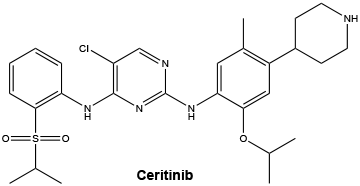
Chemical structure.


INN: ceritinib (free base).

CAS number.

CAS: 1032900-25-6.

7 Medicine Schedule (Poisons Standard)

(S4) Prescription Only Medicine.

Summary Table of Changes