


Consumer medicine information

APO-Zolpidem

Zolpidem tartrate

BRAND INFORMATION

Brand name

APO-Zolpidem

Active ingredient

Zolpidem tartrate

Schedule

S4


Consumer medicine information (CMI) leaflet

Please read this leaflet carefully before you start using APO-Zolpidem.

What is in this leaflet

This leaflet answers some common questions about this medicine. It does not contain all the available information. It does not take the place of talking to your doctor.

All medicines have risks and benefits. Your doctor has weighed the risks of you taking this medicine against the benefits they expect it will have for you.

If you have any concerns about taking this medicine, ask your doctor or pharmacist.

Keep this leaflet with the medicine. You may need to read it again.

What this medicine is used for

The name of your medicine is APO-Zolpidem. It contains the active ingredient, zolpidem tartrate.

Zolpidem is used to treat people with sleeping difficulties (insomnia). It works by binding to special sites in the brain which produce sleep.

Zolpidem must not be used for more than 4 weeks at a time.

Ask your doctor if you have any questions about why this medicine has been prescribed for you. Your doctor may have prescribed this medicine for another reason.

This medicine is available only with a doctor's prescription.

Use in children

Children or adolescents under the age of 18 must not take this medicine.

Before you take this medicine

When you must not take it

Do not take this medicine if you have an allergy to:

  • any medicine containing zolpidem
  • any of the ingredients listed at the end of this leaflet.

Some of the symptoms of an allergic reaction may include:

  • shortness of breath
  • wheezing or difficulty breathing
  • swelling of the face, lips, tongue or other parts of the body
  • rash, itching or hives on the skin

Do not take this medicine if you have:

  • been drinking alcohol or you believe that you may have alcohol in your bloodstream.
  • sleep apnoea (a condition where you temporarily stop breathing while you sleep).
  • myasthenia gravis (a condition in which the muscles become weak and tire easily).
  • severe liver problems
  • sudden and/or severe lung problems
  • previously experienced complex sleep behaviours after taking this medicine including sleepwalking, sleep-driving, and/or engaging in other activities while not fully awake.

Do not take this medicine if you are pregnant, suspect that you are pregnant or intend to become pregnant. Zolpidem may affect your developing baby if you take it during pregnancy.

Do not take this medicine if you are breastfeeding or plan to breastfeed. Zolpidem passes into breast milk and there is a possibility that your baby may be affected.

Do not take this medicine after the expiry date printed on the pack or if the packaging is torn or shows signs of tampering. If it has expired or is damaged, return it to your pharmacist for disposal.

If you are not sure whether you should start taking this medicine, talk to your doctor.

Before you start to take it

Tell your doctor if you have allergies to any other medicines, foods, preservatives or dyes.

Tell your doctor if you have or have had any of the following medical conditions:

  • problems with your heart, liver, kidneys or lungs
  • problems breathing or snoring often whilst sleeping
  • epilepsy
  • depression, schizophrenia or other mental illnesses
  • addiction to alcohol, drugs or other medicines.

Tell your doctor if you are pregnant or plan to become pregnant or are breastfeeding. Do not take zolpidem whilst pregnant until you and your doctor have discussed the risks and benefits involved. The safety of taking zolpidem during pregnancy has not been established.

The use of zolpidem whilst breast-feeding is not recommended as it passes into breast milk.

If you have not told your doctor about any of the above, tell them before you start taking this medicine.

Taking other medicines

Tell your doctor or pharmacist if you are taking any other medicines, including any that you get without a prescription from your pharmacy, supermarket or health food shop.

Some medicines and zolpidem may interfere with each other. These include:

  • medicines to treat depression, anxiety and mental illness such as fluvoxamine
  • medicines to treat epilepsy such as barbiturates (also used for sedation)
  • pain relievers such as opioids
  • muscle relaxants
  • antihistamines
  • St John's Wort (also known as Hypericum), a herbal remedy used to treat depression
  • anaesthetics or any other medicines which may make you sleepy
  • rifampicin or ciprofloxacin, medicines to treat infections
  • ketoconazole, a medicine to treat antifungal infections.

These medicines may be affected by zolpidem or may affect how well it works i.e. by increasing drowsiness. This may affect your ability to drive a car or operate dangerous machinery. You may need different amounts of your medicines, or you may need to take different medicines.

Your doctor or pharmacist can tell you if you are taking any of these medicines. They may also have more information on medicines to be careful with or avoid while taking zolpidem.

Other interactions not listed above may also occur.

How to take this medicine

Follow carefully all directions given to you by your doctor. They may differ from the information in this leaflet.

If you do not understand any written instructions, ask your doctor or pharmacist for help.

How much to take

This will depend on your condition and whether you are taking any other medicines.

The usual adult dose of zolpidem is 10 mg.

If you are over 65 years of age or debilitated in any way, the usual dose is 5 mg at night.

If you have a liver problem, the usual dose is 5 mg.

Your doctor may have prescribed a different dose. The lowest effective daily dose should be used and must not exceed 10 mg.

How to take it

Swallow the tablets whole with a full glass of water unless your doctor has told you to take half a tablet.

Do not crush or chew the tablets.

When to take it

Zolpidem should only be taken when you are able to get a full night's sleep (7 to 8 hours) before you need to be active and alert again. It should be taken in one dose and not be readministered during the same night.

Take zolpidem immediately before you go to bed or while you are in bed, as it puts you to sleep quite quickly.

It also works more quickly if you take it on an empty stomach.

How long to take it for

Zolpidem should only be used for short periods (treatment should not exceed 4 weeks). Continuous longterm use is not recommended unless advised by your doctor.

If you forget to take it

If you forget to take zolpidem before you go to bed, and you wake up late in the night or very early in the morning, do not take it. If you take it later than normal, you may have trouble waking at your normal time.

Do not take a double dose to make up for missed doses. This may increase the chance of you experiencing side effects.

If you have trouble remembering to take your medicine, ask your pharmacist for some hints to help you remember.

If you take too much (overdose)

Immediately telephone your doctor or the Poisons Information Centre (telephone 13 11 26) for advice or go to Accident and Emergency at the nearest hospital, if you think that you or anyone else may have taken too much of this medicine. Do this even if there are no signs of discomfort or poisoning. You may need urgent medical attention.

If you take too much zolpidem your consciousness may be impaired (ranging from drowsiness to light coma) and can be fatal.

While you are taking this medicine

Things you must do

If you are about to be started on any new medicine, remind your doctor and pharmacist that you are taking this medicine.

Tell any other doctors, dentists, and pharmacists who treat you that you are taking this medicine.

If you are going to have surgery, tell the surgeon or anaesthetist that you are taking this medicine. It may affect other medicines used during surgery.

If you become pregnant while taking this medicine, tell your doctor immediately.

If you are about to have any blood tests, tell your doctor that you are taking this medicine. Zolpidem may interfere with the results of some tests.

If the tablets have not started to work after 7 to 14 days, go to your doctor to discuss what to do next.

Things you must not do

Do not give this medicine to anyone else, even if they have the same condition as you.

Do not take this medicine to treat any other condition unless your doctor tells you to.

Do not stop taking your medicine suddenly, or change the dosage, without first checking with your doctor. If you stop taking this medicine suddenly, there is a chance that your original symptoms of sleeplessness may become worse, or you get withdrawal symptoms such as muscle pain, sensitivity to light, touch or sound, headache, anxiety, tension, restlessness, confusion, strange thoughts, numbness, tingling, mood changes, irritability or, feeling not part of your body.

Do not drink alcohol before, during or immediately after taking this medicine. This can increase the risk of side effects.

Things to be careful of

Because zolpidem will make you sleepy or affect your alertness and response time, you should not operate dangerous machinery or drive motor vehicles for at least 8 hours after you take it. You should also be careful the next morning when you wake up. Make sure you know how you react to zolpidem before you drive a car or operate machinery. This is especially important if you drink alcohol or are taking other drugs that also make you drowsy, because they may make you even drowsier when taken with zolpidem.

Be careful if you are over the age of 65, unwell or debilitated in some way, or taking other medicines. You may be more sensitive to some of the side effects of zolpidem.

You must not have alcohol in your bloodstream while you are taking zolpidem. The effects of alcohol could be made worse while taking zolpidem.

Side effects

Tell your doctor as soon as possible if you do not feel well while you are taking zolpidem or if you have any questions or concerns.

All medicines can have side effects. Sometimes they are serious but most of the time they are not.

Do not be alarmed by the following lists of side effects. You may not experience any of them.

Tell your doctor if you notice any of the following and they worry you:

  • drowsiness
  • dizziness
  • headache
  • fatigue
  • worsened insomnia
  • nightmares
  • hallucinations
  • agitation
  • temporary amnesia
  • diarrhoea, nausea and vomiting
  • abdominal pain
  • muscle weakness
  • sensation of pins and needles, or numbness
  • infections of the nose throat and chest
  • double or blurred vision
  • change in appetite.

Tell your doctor as soon as possible if you notice any of the following. These may be serious side effects and you may need medical attention:

Unexpected changes in behaviour, such as anger, aggression or rage, worsened insomnia, nightmares, confusion, agitation, restlessness, irritability, stimulation, excitement, hallucinations, delusions, suicidal thoughts or attempts, and other forms of unwanted behaviour.

Alcohol can increase the risk of sleep walking and other related behaviours. These side effects can also occur without the presence of alcohol intake.

Although these side effects can occur at the dosage prescribed by your doctor, there is an increased risk of side effects if you take more than the recommended dose.

Some sleep medicines may cause short-term memory loss. When this occurs, a person may not remember what has happened for several hours after taking the medicine. This is usually not a problem since most people fall asleep after taking the medicine.

Dependence

Sleep medicines should, in most cases, be used only for short periods of time. If your sleep problems continue, consult your doctor.

Some sleep medicines can cause dependence, especially when they are used regularly for longer than a few weeks. People who have been dependent on alcohol or other drugs in the past may have a higher chance of becoming addicted to sleep medicines. If you have been addicted to alcohol or drugs in the past, it is important to tell your doctor before starting zolpidem.

If any of the following happen, stop taking this medicine and tell your doctor immediately, or go to Accident and Emergency at your nearest hospital:

  • Sleep walking, driving motor vehicles and other unusual, and on some occasions, dangerous behaviours whilst apparently asleep. These have also included preparing and eating food, making phone calls or having sexual intercourse. People experiencing these effects have had no memory of the events
  • symptoms of an allergic reaction including cough, shortness of breath, wheezing or difficulty breathing; swelling of the face, lips, tongue, throat or other parts of the body; rash, itching or hives on the skin.

These are very serious side effects. If you have them, you may need urgent medical attention or hospitalisation.

Withdrawal Symptoms

Sometimes when medicines are stopped suddenly, after being used for a long time, withdrawal symptoms may occur. Symptoms of withdrawal may include muscle pain, sensitivity to light, touch or sound, headache, anxiety, tension, restlessness, confusion, strange thoughts, numbness, tingling, mood changes, irritability or feeling not part of your body.

In some cases, your insomnia may appear worse for a short time which may be accompanied with other reactions including mood changes, anxiety and restlessness.

Let your doctor know if you have any problems when you stop taking zolpidem.

Tell your doctor or pharmacist if you notice anything that is making you feel unwell.

Other side effects not listed above may also occur in some people.

Storage and disposal

Storage

Keep your medicine in its original packaging until it is time to take it. If you take your medicine out of its original packaging it may not keep well.

Keep your medicine in a cool dry place where the temperature will stay below 30°C.

Do not store your medicine, or any other medicine, in the bathroom or near a sink. Do not leave it on a window sill or in the car. Heat and dampness can destroy some medicines.

Keep this medicine where children cannot reach it. A locked cupboard at least one-and-a-half metres above the ground is a good place to store medicines.

Disposal

If your doctor tells you to stop taking this medicine or it has passed its expiry date, your pharmacist can dispose of the remaining medicine safely.

Product description

What APO-Zolpidem looks like

5 mg tablets: Pink, capsule-shaped, film-coated tablets, imprinted "APO" on one side and "ZOL 5" on the other side.

Packs of 7 and 14 tablets.

AUST R 127151. AUST R 127167.

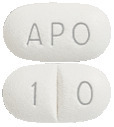
10 mg tablets: White, modified oval, scored tablets, imprinted "APO" on one side and "1" European bisect "0"on the other side.

Packs of 7 and 14 tablets.

AUST R 127174. AUST R 127178.

* Not all strengths, pack types and/or pack sizes may be available.

Ingredients

Each tablet contains 5 or 10 mg of the active ingredient, zolpidem tartrate.

It also contains the following inactive ingredients:

  • microcrystalline cellulose
  • sodium starch glycollate
  • magnesium stearate
  • hypromellose
  • hyprolose
  • macrogol 8000
  • titanium dioxide
  • iron oxide red (CI77491) (5 mg only).

This medicine is gluten-free, lactose-free, sucrose-free, tartrazine-free and free of other azo dyes.

Sponsor

Apotex Pty Ltd
16 Giffnock Avenue
Macquarie Park NSW 2113

APO and APOTEX are registered trade marks of Apotex Inc.

This leaflet was last updated in: May 2020.

Published by MIMS July 2020

BRAND INFORMATION

Brand name

APO-Zolpidem

Active ingredient

Zolpidem tartrate

Schedule

S4


1 Name of Medicine

Zolpidem tartrate.

2 Qualitative and Quantitative Composition

Each tablet contains 5 mg or 10 mg of zolpidem tartrate as the active ingredient.
For the full list of excipients, see Section 6.1 List of Excipients.

3 Pharmaceutical Form

5 mg tablets.

Pink, capsule-shaped, film-coated tablets, imprinted "APO" on one side and "ZOL 5" on the other side.

10 mg tablets.

White, modified oval, scored tablets, imprinted "APO" on one side and "1" European bisect "0" on the other side.

4 Clinical Particulars

4.1 Therapeutic Indications

APO-Zolpidem tablets are indicated for the short term treatment of insomnia in adults (see Section 4.2 Dose and Method of Administration).

4.2 Dose and Method of Administration

APO-Zolpidem tablets are intended for oral administration.
Zolpidem acts rapidly and should therefore be taken immediately before retiring. As with all hypnotics, long-term use is not recommended. Treatment should be as short as possible and should not exceed four weeks.

Discontinuation of treatment.

See Section 4.8 Adverse Effects (Undesirable Effects).

Withdrawal effects.

See Section 4.4 Special Warnings and Precautions for Use.

Recommended dosage.

Adults.

10 mg to be taken at night. The lowest effective daily dose of zolpidem should be used and must not exceed 10 mg.

Elderly or debilitated patients.

Since elderly or debilitated patients may be especially sensitive to the effects of zolpidem, 5 mg to be taken at night. This dose should not be exceeded.

Hepatic impairment.

As clearance and metabolism of zolpidem is reduced in hepatic impairment, dosage of 5 mg to be taken at night is recommended, with particular caution being exercised in elderly patients.
In adults less than 65 years the dosage may be increased if the clinical response is inadequate and the drug is well tolerated.

Renal impairment.

No dosage adjustment is necessary in these patients, although they should be closely monitored.

Children.

The use of zolpidem in children under 18 years is contraindicated.

4.3 Contraindications

Obstructive sleep apnoea.
Known hypersensitivity to zolpidem or other ingredients in the tablet.
Myasthenia gravis.
Severe hepatic insufficiency.
Acute and/or severe pulmonary insufficiency.
Prior or concomitant intake with alcohol.
Zolpidem should not be prescribed for children under 18 years of age.
Patients who have previously experienced complex sleep behaviours after taking zolpidem.

4.4 Special Warnings and Precautions for Use

The cause of insomnia should be identified wherever possible and the underlying factors treated before a hypnotic is prescribed.
The failure of insomnia to remit after a 7 to 14 day course of treatment may indicate the presence of a primary psychiatric or physical disorder, and the patient should be carefully re-evaluated at regular intervals.

Withdrawal, rebound, dependence and tolerance.

Tolerance.

Continuous long-term use of zolpidem is not recommended and should not exceed four weeks.
Some loss of efficacy to the hypnotic effects of sedative/ hypnotic agents may develop after repeated use for a few weeks.

Dependence.

Use of zolpidem may lead to the development of abuse and/or physical and psychological dependence. The risk of dependence increases with dose and duration of treatment; it is also greater in patients with a history of psychiatric disorders and/or alcohol or drug abuse. Zolpidem should be used with extreme caution in patients with current or a history of alcohol or drug abuse. These patients should be under careful surveillance when receiving hypnotics.
Once physical dependence has developed, abrupt termination of treatment will be accompanied by withdrawal symptoms. These may consist of headaches or muscle pain, extreme anxiety and tension, restlessness, confusion and irritability. In severe cases the following symptoms may occur: derealisation, depersonalisation, hyperacusis, numbness and tingling of the extremities, hypersensitivity to light, noise and physical contact, hallucinations, delirium or epileptic seizures.

Rebound insomnia.

A transient syndrome whereby the symptoms that led to treatment with sedative/hypnotic agents recur in an enhanced form may occur on withdrawal of hypnotic treatment. It may be accompanied by other reactions including mood changes, anxiety and restlessness.
It is important that the patient should be aware of the possibility of rebound phenomena, thereby minimising anxiety over such symptoms should they occur when the medicinal product is discontinued.
There are indications that, in the case of sedative/hypnotic agents with a short duration of action, withdrawal phenomena can become manifest within the dosage interval, especially when the dosage is high.
When zolpidem is used in accordance with the recommendations for dosage, duration of treatment and warnings, the risk of withdrawal symptoms or rebound phenomena occurring is minimal.

Severe injuries.

Due to its pharmacological properties, zolpidem can cause drowsiness and a decreased level of consciousness, which may lead to falls and consequently to severe injuries.

Patients with long QT syndrome.

An in vitro cardiac electrophysiological test showed that under experimental conditions, using very high concentration and pluripotent stem cells, zolpidem may reduce the hERG related potassium currents. As a precaution, the benefit/risk ratio of zolpidem treatment in patients with known congenital long QT syndrome should be carefully considered.

Chemical submission (drug facilitated illicit use for criminal intent).

The rapid onset of sedation, coupled with the amnestic features of APO-Zolpidem, particularly when combined with alcohol, administered without knowledge of the victim, has proven to induce incapacitation and thus facilitate criminal actions (which could be dangerous). Healthcare providers should prescribe APO-Zolpidem according to their clinical evaluation and only in case of medical need as it may be used illicitly for chemical submission.

CNS effects.

As with all patients taking CNS-depressant medications, patients receiving zolpidem should be warned not to operate dangerous machinery or motor vehicles until it is known that they do not become drowsy or dizzy from zolpidem therapy. Patients should be advised that their tolerance for other CNS depressants will be diminished and that these medications should either be eliminated or given in reduced dosage in the presence of zolpidem. Prior or concomitant intake with alcohol is contraindicated (see Section 4.3 Contraindications).

Respiratory function.

Both animal and human pharmacology studies performed with zolpidem have not observed any effect on the respiratory centre. However, as other sedative/hypnotics have the capacity to depress respiratory drive, caution is advised when zolpidem is administered to patients with respiratory insufficiency (see Section 4.3 Contraindications).

Use in hepatic impairment.

As clearance and metabolism of zolpidem is reduced in hepatic impairment, dosage should begin at 5 mg with particular caution being exercised in elderly patients. In adults (under 65 years) dosage may be increased to 10 mg only where the clinical response is inadequate and the drug is well tolerated (see Section 4.4 Special Warnings and Precautions for Use, Use in the elderly; Section 4.2 Dose and Method of Administration). Zolpidem must not be used in patients with severe hepatic impairment as it may contribute to encephalopathy.

Use in renal impairment.

Dosage reduction is not necessary in patients with renal impairment, however, as a general precaution, these patients should be monitored closely (see Section 4.2 Dose and Method of Administration).

Memory impairment.

Sedative/hypnotic agents may induce anterograde amnesia. The condition occurs most often several hours after ingesting the product and therefore to reduce the risk patients should ensure that they will be able to have an uninterrupted sleep of 7 to 8 hours.

Suicidality, depression, psychosis and schizophrenia.

Several epidemiological studies show an increased incidence of suicide and suicide attempt in patients with or without depression, treated with benzodiazepines and other hypnotics, including zolpidem.
Zolpidem should be administered with caution in patients exhibiting symptoms of depression.
Zolpidem is not recommended as primary therapy in patients with psychotic illness, including depression and psychosis. In such conditions, psychiatric assessment and supervision are necessary as depression may increase in some patients and may contribute to deterioration in severely disturbed schizophrenics with confusion and withdrawal. Pre-existing depression may be unmasked during the use of zolpidem. Suicidal tendencies may be present or uncovered and protective measures may be required. Intentional overdosage is more common in this group of patients, therefore, the least amount of drug that is feasible should be prescribed for the patient at any one time.

Other psychiatric and paradoxical reactions.

Other psychiatric and paradoxical reactions such as acute rage, restlessness, insomnia exacerbated, agitation, irritability, aggression, delusions, anger, nightmares, hallucinations, stimulation or excitement, abnormal behaviour, delirium and other adverse behavioural effects are known to occur when using sedative/hypnotic agents like zolpidem. Should such reactions occur, zolpidem should be discontinued. These reactions are more likely to occur in the elderly.

Somnambulism and associated behaviours.

Complex sleep behaviours, including sleep-walking, sleep driving, and engaging in other activities while not fully awake, may occur following the first or any subsequent use of zolpidem. Patients can be seriously injured or injure others during complex sleep behaviours. Such injuries may result in a fatal outcome. Other complex sleep behaviours (e.g. preparing and eating food, making phone calls or having sex) have also been reported. Patients usually do not remember these events. Postmarketing reports have shown that complex sleep behaviours may occur with zolpidem alone at recommended doses, with or without the concomitant use of alcohol or other central nervous system (CNS) depressants (see Section 4.5 Interactions with Other Medicines and Other Forms of Interactions). Discontinue zolpidem immediately if a patient experiences a complex sleep behaviour (see Section 4.3 Contraindications). The use of alcohol and other CNS depressants with zolpidem appears to increase the risk of such behaviours, as does the use of zolpidem at doses exceeding the maximum recommended dose (see Section 4.5 Interactions with Other Medicines and Other Forms of Interactions; Section 4.8 Adverse Effects (Undesirable Effects)). These events can occur in sedative-hypnotic naive as well as sedative-hypnotic experienced patients.

Psychomotor impairment.

Zolpidem has CNS-depressant effects. The risk of psychomotor impairment, including impaired driving ability, is increased if zolpidem is taken within less than 7-8 hours before performing activities that require mental alertness, a higher dose than the recommended dose is taken, or zolpidem is co-administered with other CNS depressants, alcohol, or with other drugs that increase the blood levels of zolpidem.

Interactions with alcohol.

Prior or concomitant intake with alcohol is contraindicated (see Section 4.3 Contraindications). Patients should be advised that their tolerance for alcohol and other CNS depressants might be reduced and have an additive effect on psychomotor performance (see Section 4.4 Special Warnings and Precautions for Use, Somnambulism and associated behaviours, above).

Risks from concomitant use with opioids.

Concomitant use of sedative-hypnotic drugs, including zolpidem, with opioids may result in sedation, respiratory depression, coma and death. Because of these risks, reserve concomitant prescribing of opioids and zolpidem for use in patients for whom alternative treatment options are inadequate.
If a decision is made to prescribe zolpidem concomitantly with opioids, prescribe the lowest effective dosages and minimum durations of concomitant use, and follow patients closely for signs and symptoms of respiratory depression and sedation (see Section 4.5 Interactions with Other Medicines and Other Forms of Interactions).

Severe anaphylactic and anaphylactoid reactions.

Rare cases of angioedema involving the tongue, glottis or larynx have been reported in patients after taking the first or subsequent doses of sedative-hypnotics, including zolpidem. Some patients have had additional symptoms such as dyspnoea, throat closing, or nausea and vomiting that suggest anaphylaxis. Some patients have required medical therapy in the emergency department. If angioedema involves the tongue, glottis or larynx, airway obstruction may occur and be fatal. Patients who develop angioedema after treatment with zolpidem should not be rechallenged with the drug.

Epilepsy.

Abrupt withdrawal of CNS-depressant drugs in persons with convulsive disorders has been associated with a temporary increase in the frequency and/or severity of seizures.
As with other sedative/hypnotics, caution is advised when zolpidem is used in these patients.

Abuse.

Caution must be exercised in administering zolpidem to individuals known to be addiction prone or those whose history suggests they may increase the dosage on their own initiative. It is desirable to limit repeat prescription without adequate medical supervision.

Use in the elderly or debilitated patient.

Elderly and debilitated patients may be particularly sensitive to the effects of zolpidem, therefore a 5 mg dose is recommended. This dose should not be exceeded in these patients (see Section 4.2 Dose and Method of Administration).
Such patients may be particularly susceptible to the sedative effects of the medication and associated giddiness, ataxias and confusion, which may increase the possibility of a fall.

Paediatric use.

The use of zolpidem in children under 18 years is contraindicated.

Effects on laboratory tests.

No data available.

4.5 Interactions with Other Medicines and Other Forms of Interactions

Central nervous system depressants.

Coadministration of zolpidem with other CNS depressants should be exercised with caution since the central depressant effect may be additive. CNS depressants include alcohol, benzodiazepines, barbiturates, sedative/hypnotics, antidepressant agents (including tricyclic antidepressants), MAOIs, antipsychotics, phenothiazines, skeletal muscle relaxants, antihistamines, neuroleptics, antiepileptic drugs, narcotic analgesics or anaesthetics.
Concomitant use of zolpidem with these drugs may increase drowsiness and psychomotor impairment, including impaired driving ability. In the case of narcotic analgesics enhancement of euphoria may also occur.

Opioids.

The concomitant use of sedative-hypnotic drugs, including zolpidem, and opioids increases the risk of sedation, respiratory depression, coma and death because of additive CNS depressant effect. Limit dosage and duration of concomitant use of zolpidem and opioids (see Section 4.4 Special Warnings and Precautions for Use, Risks from concomitant use with opioids).

Alcohol.

Prior or concomitant intake with alcohol is contraindicated (see Section 4.3 Contraindications).
Patients should be advised that their tolerance for alcohol and other CNS depressants might be reduced and have an additive effect on psychomotor performance. The use of alcohol and other CNS depressants with zolpidem appears to increase the risk of somnambulism and associated behaviours (see Section 4.4 Special Warnings and Precautions for Use, Somnambulism and associated behaviours).

Imipramine.

The sedative effects of imipramine 75 mg and zolpidem 20 mg were shown to be additive when the two compounds were given concomitantly in healthy volunteers. No pharmacokinetic interaction was shown between zolpidem and imipramine or its metabolite, desipramine.

Chlorpromazine.

The combination of zolpidem 10 mg and chlorpromazine 50 mg in healthy volunteers produced an addition of effects seen in psychometric tests and decreased alertness and psychomotor performance. No pharmacokinetic interaction was observed.

Haloperidol.

No evidence of pharmacokinetic interaction between zolpidem 20 mg and haloperidol 2 mg was seen when they were given concurrently to healthy volunteers.

Caffeine.

No change in the sleep inducing effect of zolpidem was seen when caffeine 300 mg was given in the evening 45 minutes before administration of zolpidem 20 mg to 8 healthy volunteers.

Warfarin.

Prothrombin times were not prolonged in healthy adults when zolpidem 20 mg was administered for four consecutive nights concomitantly with warfarin. Warfarin had been given for at least ten days previously to produce a 1.5 times prolongation of baseline prothrombin time in the volunteers. Zolpidem does not appear to modify the anticoagulant activity of warfarin.

Digoxin.

The concurrent administration of zolpidem 10 mg once daily and digoxin 0.25 mg in healthy volunteers did not show any alteration of the pharmacokinetic or pharmacodynamic profile of digoxin.

H2-antagonist.

Simultaneous administration of zolpidem 20 mg and cimetidine 200 mg tds and 400 mg at night or ranitidine 150 mg bd did not cause any significant change in psychometric tests from those produced by zolpidem alone. No change in the pharmacokinetics of zolpidem was caused by concomitant administration of either cimetidine or ranitidine.

Hepatic enzyme inhibitors and inducers.

Zolpidem is metabolised via several hepatic cytochrome P450 enzymes: the main enzyme being CYP3A4 with the contribution of CYP1A2. Compounds which inhibit or enhance certain hepatic enzymes (particularly cytochrome P450) may increase or decrease the activity of some hypnotics like zolpidem. The pharmacodynamic effect of zolpidem is decreased when it is administered with a CYP3A4 inducer such as rifampicin and St John's wort. Co-administration of St John's wort may decrease blood levels of zolpidem, therefore concurrent use is not recommended.
Ketoconazole has a significant but only quantitatively modest reduction in zolpidem clearance, with an increase in its pharmacodynamic effects. Patients should be advised that use of zolpidem with ketoconazole may enhance the sedative effects of zolpidem. However, when zolpidem is administered with itraconazole (a CYP3A4 inhibitor) its pharmacokinetics and pharmacodynamics were not significantly modified. The clinical relevance of these results is unknown.
Fluvoxamine is a strong inhibitor of CYP1A2 and a moderate to weak inhibitor of CYP2C9 and CYP3A4. Co-administration of fluvoxamine may increase blood levels of zolpidem, concurrent use is not recommended.
Ciprofloxacin has been shown to be a moderate inhibitor of CYP1A2 and CYP3A4. Coadministration of ciprofloxacin may increase blood levels of zolpidem, concurrent use is not recommended.

4.6 Fertility, Pregnancy and Lactation

Effects on fertility.

No data available.
(Category B3)
This drug has been taken by only a limited number of pregnant women and women of childbearing age, without an increase in the frequency of malformation or other direct or indirect harmful effects on the human foetus having been observed. Studies in animals have shown evidence of an increased occurrence of foetal damage, the significance of which is uncertain in humans. The use of zolpidem is not recommended during pregnancy.
Cases of reduced fetal movement and fetal heart rate variability have been described after administration of benzodiazepines or other sedative-hypnotic drugs such as zolpidem during pregnancy.
Administration of zolpidem during the late phase of pregnancy or during labour has been associated with effects on the neonate, such as hypothermia, hypotonia, feeding difficulties, and respiratory depression.
If zolpidem is prescribed to a woman of childbearing potential, she should be warned to contact her physician about stopping the product if she intends to become or suspects that she is pregnant.

Teratogenic effects.

In reproductive toxicity studies, rats treated with oral zolpidem with estimated exposures (AUC) to zolpidem and its major metabolite of 41 and 15 times, respectively, the anticipated clinical exposure did not exhibit teratogenic effects but post-implantation survival index and postpartum viability of the offspring were significantly reduced. In rats, delayed ossification of foetal skull bones occurred at zolpidem and metabolite exposure levels of 8 and 3 times, respectively, the anticipated clinical exposure.
Rabbits treated with oral zolpidem with estimated exposure to zolpidem of 0.6-2.6 times the anticipated clinical exposure did not exhibit teratogenic effects, but there was increased post-implantation loss.
Although animal studies have not shown any teratogenic effects with zolpidem, the safety of zolpidem in human pregnancy has not been established.

Non-teratogenic effects.

Cases of severe neonatal respiratory depression have been reported when zolpidem was used with other CNS depressants at the end of pregnancy.
Infants born to mothers who took hypnotics chronically during the latter stages of pregnancy may have developed physical dependence and may be at some risk for developing withdrawal symptoms in the postnatal period. Appropriate monitoring of the newborn in the postnatal period is recommended.
The use of zolpidem in nursing women is not recommended as small quantities of zolpidem are excreted into breast milk.

4.7 Effects on Ability to Drive and Use Machines

This preparation is to aid sleep. Patients should not drive or operate machinery for 8 hours after taking zolpidem.
Adverse effects including drowsiness, prolonged reaction time, dizziness, sleepiness, blurred/double vision, reduced alertness and/or impaired driving may continue the following day. In order to minimise this risk a full night of sleep (7-8 hours) is recommended. After ingesting the medicine, patients should be cautioned against engaging in hazardous occupations requiring complete mental alertness or motor co-ordination such as operating machinery or driving a motor vehicle, including potential impairment of the performance of such activities that may occur the day following ingestion of zolpidem. Furthermore, the coadministration of zolpidem with alcohol and other CNS depressants increases the risk of such effects. Patients should be warned not to use alcohol or other psychoactive substances when taking zolpidem.

4.8 Adverse Effects (Undesirable Effects)

Clinical trials data.

There is evidence of a dose-relationship for adverse effects associated with zolpidem use, particularly for certain CNS events. These occur most frequently in elderly patients.

Associated with discontinuation of treatment.

Approximately 4% of 1,701 patients who received zolpidem at all doses (1.25 to 90 mg) in US premarketing clinical trials discontinued treatment because of an adverse clinical event. Events most commonly associated with discontinuation from US trials were daytime drowsiness (0.5%), dizziness (0.4%), headache (0.5%), nausea (0.6%) and vomiting (0.5%).
Approximately 6% of 1,320 patients who received zolpidem at all doses (5 to 50 mg) in similar European trials discontinued treatment because of an adverse event. Events most commonly associated with discontinuation from these trials were daytime drowsiness (1.6%), amnesia (0.6%), dizziness (0.6%), headache (0.6%) and nausea (0.6%).

Incidence in controlled clinical trials.

Most commonly observed adverse events in controlled trials.

During short-term treatment (up to 10 nights) with zolpidem at doses up to 10 mg, the most commonly observed adverse events associated with the use of zolpidem and seen at statistically significant differences from placebo treated patients were drowsiness (reported by 2% of zolpidem patients), dizziness (1%) and diarrhoea (1%). During longer-term treatment (28 to 35 nights) with zolpidem at doses up to 10 mg, the most commonly observed adverse events associated with the use of zolpidem and seen at statistically significant differences from placebo treated patients were dizziness (5%) and drugged feelings (3%).

Adverse events observed at an incidence of ≥ 1% in controlled trials.

Tables 1 and 2 enumerate treatment emergent adverse event frequencies that were observed at an incidence equal to 1% or greater among patients with insomnia who received zolpidem in US placebo controlled trials. Events reported by investigators were classified utilising a modified World Health Organization (WHO) dictionary of preferred terms for the purpose of establishing event frequencies.
Table 1 was derived from a pool of 11 placebo-controlled short-term US efficacy trials involving zolpidem in doses ranging from 1.25 to 20 mg. The table is limited to data from doses up to and including 10 mg, the highest dose recommended for use.
Table 2 was derived from a pool of three placebo controlled long-term efficacy trials involving zolpidem (zolpidem tartrate). These trials involved patients with chronic insomnia who were treated for 28 to 35 nights with zolpidem at doses of 5, 10 or 15 mg. The table is limited to data from doses up to and including 10 mg, the highest dose recommended for use. The table includes only adverse events occurring at an incidence of at least 1% for zolpidem patients.
Post-marketing data.

Infections and infestations.

Common: Upper respiratory tract infection, lower respiratory tract infection.

Immune system disorders.

Rare: Angioneurotic oedema.

Metabolism and nutritional disorders.

Uncommon: Appetite disorder.

Psychiatric disorders.

Common: Drowsiness, hallucinations, agitation, nightmare, depression.
Uncommon: Confusion, memory disturbances, reduced alertness, irritability, restlessness, aggressiveness, somnambulism, (see Section 4.4 Special Warnings and Precautions for Use, Somnambulism and associated behaviours), euphoric mood.
Rare: Perceptual disturbances, aggravated insomnia, libido disorder, delusion, rages, inappropriate behaviour, dependence (withdrawal symptoms, or rebound effects may occur after treatment discontinuation), other adverse behavioural effects.
Not known: Anger, abnormal behaviour, complex sleep behaviours, and delirium have been reported (see Section 4.4 Special Warnings and Precautions for Use).

Nervous system disorders.

Common: Dizziness, somnolence, headache, exacerbated insomnia, cognitive disorders such as anterograde amnesia (amnestic effects may be associated with inappropriate behaviour).
Uncommon: Paraesthesia, tremor, disturbance in attention, speech disorder.
Rare: Ataxia, dysarthria, depressed level of consciousness.

Eye disorders.

Uncommon: Diplopia, vision blurred, visual impairment.

Respiratory, thoracic and mediastinal disorders.

Very rare: Respiratory depression (see Section 4.4 Special Warnings and Precautions for Use).

Gastrointestinal disorders.

Common: Diarrhoea, nausea, vomiting, abdominal pain.

Hepatobiliary disorders.

Uncommon: Elevated liver enzymes.
Rare: Hepatocellular, cholestatic and mixed liver injury (see Section 4.2 Dose and Method of Administration; Section 4.3 Contraindications; Section 4.4 Special Warnings and Precautions for Use).

Skin and subcutaneous tissue disorders.

Uncommon: Rash, pruritus, urticaria, hyperhidrosis.

Musculoskeletal and connective tissue disorders.

Common: Back pain.
Uncommon: Arthralgia, myalgia, muscle spasms, neck pain, muscular weakness.

General disorders and administration site conditions.

Common: Fatigue.
Rare: Fall, ataxia/gait disturbances, drug tolerance.

Reporting suspected adverse effects.

Reporting suspected adverse reactions after registration of the medicinal product is important. It allows continued monitoring of the benefit-risk balance of the medicinal product. Healthcare professionals are asked to report any suspected adverse reactions at http://www.tga.gov.au/reporting-problems and contact Arrotex Medical Information Enquiries/Adverse Drug Reaction Reporting on 1800 195 055.

4.9 Overdose

Signs and symptoms.

In reports of overdose with zolpidem alone, or with other CNS depressant agents (including alcohol), impairment of consciousness has ranged from somnolescence to coma and more severe symptomology, including fatal outcomes have been reported. Fatalities have occurred when overdoses of multiple CNS depressants were taken.

Recommended treatment.

General symptomatic and supportive measures should be used, along with immediate gastric lavage where appropriate. Intravenous fluids should be administered as needed. Sedative drugs should be withheld, even if excitation occurs. Zolpidem has been shown in trials to be non-dialysable.
Use of flumazenil may be considered when serious symptoms are observed. However, flumazenil administration may contribute to the appearance of neurological symptoms, such as convulsions, since zolpidem does not exhibit the anticonvulsant effects of benzodiazepines.
For information on the management of overdose, contact the Poisons Information Centre on 131126 (Australia).

5 Pharmacological Properties

5.1 Pharmacodynamic Properties

Mechanism of action.

Zolpidem belongs to the imidazopyridine group of compounds and is structurally unrelated to other hypnotic agents. Zolpidem selectively binds the omega-1 receptor subtype (also known as the benzodiazepine-1 subtype) which is the alpha unit of the GABA-A receptor complex.
Whereas benzodiazepines non-selectively bind all three omega receptor subtypes, zolpidem preferentially binds the omega-1 subtype. The modulation of the chloride anion channel via this receptor leads to the specific sedative effects demonstrated by zolpidem, i.e. the preservation of deep sleep (stages 3 and 4 slow wave sleep).
These effects are reversed by the benzodiazepine antagonist flumazenil.
In animals, the selective binding of zolpidem to omega-1 receptors may explain the virtual absence at hypnotic doses of myorelaxant and anticonvulsant effects in animals which are normally exhibited by benzodiazepines which are not selective for omega-1 sites.
In humans the preservation of deep sleep (stages 3 and 4 slow wave sleep) may be explained by the selective omega-1 binding by zolpidem. All identified effects of zolpidem are reversed by the benzodiazepine antagonist flumazenil.

Clinical trials.

Insomnia in non-elderly adults. Short-term (1 to 2 nights) placebo controlled studies in 620 volunteers showed that zolpidem 2.5 to 10 mg decreased the latency of persistent sleep in a dose dependent manner. No further increase in efficacy was seen in doses up to zolpidem 40 mg.
The efficacy of zolpidem 2.5 to 20 mg was investigated in 11 placebo controlled studies in 1,606 (513 received zolpidem 10 mg) non-elderly insomniacs over a period of 2 to 35 nights. Zolpidem 10 mg was superior to placebo using both objective (polysomnography) and subjective methods of assessment. Zolpidem 20 mg showed little increase in efficacy.
Insomnia in the elderly. Four studies in 145 elderly (> 65 years) patients showed, using objective (2 studies) and subjective (4 studies) methods of assessment, that zolpidem 5 mg was the dose giving the optimum efficacy/ safety ratio.

Next day residual effects.

There was no evidence of residual next day effects seen with zolpidem in several studies utilising the Multiple Sleep Latency Test (MSLT), the Digit Symbol Substitution Test (DSST), and patient ratings of alertness. In one study involving elderly patients, there was a small but statistically significant decrease in one measure of performance, the DSST, but no impairment was seen in the MSLT in this study.

Rebound effects.

Although there were no studies to exclude this effect, there was no objective (polysomnographic) evidence of rebound insomnia at recommended doses seen in studies evaluating sleep on the nights following discontinuation of zolpidem. There was subjective evidence of impaired sleep in the elderly on the first post-treatment night at doses above the recommended elderly dose of 5 mg.
Memory impairment. Two small studies (n = 6 and n = 9) using objective measures of memory yielded little evidence for memory impairment following the administration of zolpidem. There was subjective evidence from adverse event data for anterograde amnesia occurring in association with the administration of zolpidem, predominantly at doses above 10 mg.
Effects on sleep stages. In studies that measured the percentage of sleep time spent in each sleep stage, zolpidem has generally been shown to preserve sleep stages. Sleep time spent in stages 3 and 4 (deep sleep) was found comparable to placebo with only inconsistent, minor changes in REM (paradoxical) sleep at the recommended dose.
The hypnotic efficacy and safety of zolpidem has not been assessed in children and pregnant women.

5.2 Pharmacokinetic Properties

Absorption.

Zolpidem has both a rapid absorption and onset of hypnotic action.
Peak plasma concentration is reached at between 0.5 and 3 hours.
Following oral administration, bioavailability is 70% due to a moderate first-pass metabolism.
Zolpidem pharmacokinetic profile is linear in the therapeutic dose range, and is not modified upon repeated administration.

Distribution.

Protein binding amounts to approximately 90%. The distribution volume in adults is 0.54 ± 0.02 L/kg and decreases to 0.34 ± 0.05 L/kg in the very elderly.

Metabolism.

The main cytochrome P450 enzyme involved in the hepatic biotransformation of zolpidem is CYP3A4. CYP1A2 and CYP2D6 contribute minimally to the metabolism of zolpidem (see Section 4.5 Interactions with Other Medicines and Other Forms of Interactions).

Excretion.

All metabolites are pharmacologically inactive and are eliminated in the urine (56%) and in the faeces (37%). Furthermore, they do not interfere with zolpidem plasma binding.
The elimination half-life is short, with a mean value of 2.4 hours (+/- 0.2 h) and a duration of action of up to 6 hours.

Effect of food.

A food effect study in 30 healthy male volunteers compared the pharmacokinetics of zolpidem 10 mg when administered while fasting or 20 minutes after a meal. Results demonstrated that with food, mean AUC and Cmax were decreased by 15 and 25%, respectively, while mean Tmax was prolonged by 60% (from 1.4 to 2.2 hours). The half-life remained unchanged. These results suggest that, for faster sleep onset, zolpidem tablets should not be administered with or immediately after a meal.

Special populations.

Zolpidem did not accumulate in young adults following nightly dosing with zolpidem tartrate 20 mg tablets for two weeks.
In the elderly, the recommended dose for zolpidem is 5 mg (see Section 4.4 Special Warnings and Precautions for Use; Section 4.2 Dose and Method of Administration). This recommendation is based on several studies in which the mean Cmax, T1/2 and AUC were significantly increased when compared to results in young adults.
Zolpidem did not accumulate in elderly subjects following nightly oral dosing of 10 mg for 1 week.
The pharmacokinetics of zolpidem in eight patients with chronic hepatic insufficiency were compared to results in healthy subjects. Following a single oral zolpidem 20 mg dose, mean Cmax and AUC were found to be two times (250 versus 499 nanogram/mL) and five times (788 versus 4,203 nanogram.hr/mL) higher, respectively, in hepatically compromised patients. Tmax did not change. The mean half-life in cirrhotic patients of 9.9 hours (range 4.1 to 25.8 hours) was greater than that observed in normals of 2.2 hours (range 1.6 to 2.4 hours). Dosing should be modified accordingly in patients with hepatic insufficiency (see Section 4.4 Special Warnings and Precautions for Use; Section 4.2 Dose and Method of Administration).
In patients with renal insufficiency, whether dialysed or not, there is a moderate reduction in clearance. The other pharmacokinetic parameters are unaffected. Zolpidem has been shown to be non-dialysable.

5.3 Preclinical Safety Data

Genotoxicity.

Zolpidem was not genotoxic in assays for gene mutations (Salmonella typhimurium histidine reversion assay, L5178Y mouse lymphoma assay), for chromosomal aberrations (human lymphocytes, mouse micronucleus assay) and for DNA repair assays (in human fibroblasts and rat hepatocytes). The mutagenic activity of zolpidem and/or its metabolites was equivocal in a Chinese hamster V79/HRPT gene mutation assay in the presence of metabolic activation.

Carcinogenicity.

Two year dietary carcinogenicity studies on zolpidem were conducted in rats and mice. No evidence of carcinogenic potential was observed in mice at plasma concentrations (AUC) of zolpidem and its major human metabolite of about 2 and 7-12 times, respectively, the anticipated clinical exposure at the maximum recommended clinical dose. An increased incidence of renal liposarcomas was observed in male rats (6% cf. 0 in controls) at plasma concentrations (AUC) of zolpidem and its major metabolite of at least 22 and 9 times, respectively, the anticipated human exposure.

6 Pharmaceutical Particulars

6.1 List of Excipients

Microcrystalline cellulose, sodium starch glycollate, magnesium stearate, hypromellose, hyprolose, macrogol 8000, iron oxide red (5 mg only), titanium dioxide.

6.2 Incompatibilities

Incompatibilities were either not assessed or not identified as part of the registration of this medicine.

6.3 Shelf Life

In Australia, information on the shelf life can be found on the public summary of the Australian Register of Therapeutic Goods (ARTG). The expiry date can be found on the packaging.

6.4 Special Precautions for Storage

Store below 30°C. Store in original package.

6.5 Nature and Contents of Container

APO-Zolpidem 5 mg tablets.

Blister pack (Aluminium silver foil) of 7 or 14 tablets (AUST R 127151).
Bottle (white, round HDPE bottle with blue PP child-resistant cap) of 7 or 14 tablets (AUST R 127167).

APO-Zolpidem 10 mg tablets.

Blister pack (Aluminium silver foil) of 7 or 14 tablets (AUST R 127174).
Bottle (white, round HDPE bottle with blue PP child-resistant cap) of 7 or 14 tablets (AUST R 127178).
Not all strengths, pack types and/or pack sizes may be available.

6.6 Special Precautions for Disposal

In Australia, any unused medicine or waste material should be disposed of by taking to your local pharmacy.

6.7 Physicochemical Properties

Zolpidem tartrate is a white to off white colourless, crystalline powder, slightly soluble in water.

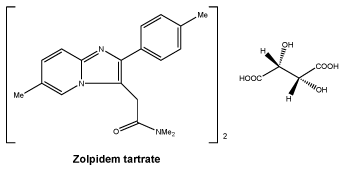
Chemical structure.


Chemical name: (bis[N,N-dimethyl-2-[6-methyl-2-(4-methylphenyl) imidazo[1,2-a]pyridin-3-yl]acetamide] (2R,3R)-2,3-dihydroxybutanedioate).
Molecular formula: C42H48N6O8.
Molecular weight: 764.9.

CAS number.

99294-93-6 (zolpidem tartrate); 82626-48-0 (zolpidem).

7 Medicine Schedule (Poisons Standard)

S4 - Prescription Only Medicine.

Summary Table of Changes