
Consumer medicine information

Spiriva Powder for Inhalation

Tiotropium

BRAND INFORMATION

Brand name

Spiriva

Active ingredient

Tiotropium

Schedule

S4


Consumer medicine information (CMI) leaflet

Please read this leaflet carefully before you start using Spiriva Powder for Inhalation.

What is in this leaflet

This leaflet answers some common questions about Spiriva capsules.

It does not contain all the available information.

It does not take the place of talking to your doctor or pharmacist.

All medicines have risks and benefits. Your doctor has weighed the risks of you taking Spiriva against the expected benefits.

If you have any concerns about taking this medicine, ask your doctor or pharmacist.

This leaflet was last updated on the date at the end of this leaflet. More recent information may be available. The latest Consumer Medicine Information is available from your pharmacist, doctor or from www.medicines.org.au and may contain important information about the medicine and its use of which you should be aware.

Keep this leaflet with the medicine. You may need to read it again.

What Spiriva is used for

Spiriva is used to make breathing easier for people with chronic obstructive pulmonary disease (COPD).

This helps to improve your condition and to prevent exacerbations (periodic worsening of symptoms) from occurring.

Spiriva improves breathing by relaxing the air passages that carry air to and from the lungs. It begins to act within 30 minutes after use and the effect should last a full day.

Spiriva contains the active ingredient tiotropium. It belongs to a group of medicines called anticholinergics.

Ask your doctor if you have any questions about why this medicine has been prescribed for you. Your doctor may have prescribed it for another reason.

Before you take Spiriva

When you must not take it

Do not take Spiriva if you have an allergy to:

  • any medicine containing tiotropium
  • any of the ingredients listed at the end of this leaflet
  • any medicine containing atropine or its derivatives, e.g. ipratropium or oxitropium
  • any other anticholinergic medicines.

Some of the symptoms of an allergic reaction may include:

  • shortness of breath
  • wheezing or difficulty breathing
  • swelling of the face, lips, tongue or other parts of the body
  • rash, itching or hives on the skin.

Do not take this medicine to treat a sudden attack of breathlessness, wheezing or coughing. You will need a different type of medicine.

Do not give this medicine to children or adolescents (below the age of 18 years).

Do not take this medicine after the expiry date printed on the pack or if the packaging is torn or shows signs of tampering. If it has expired or is damaged, return it to your pharmacist for disposal.

If you are not sure whether you should start taking this medicine, talk to your doctor.

Before you start to take it

Tell your doctor if you have allergies to any other medicines, foods, preservatives or dyes.

Tell your doctor if you have, or have had, any of the following medical conditions:

  • high pressure in the eye (glaucoma)
  • kidney or liver problems
  • problems with your prostate gland
  • problems with passing urine
  • you have suffered from a heart attack during the last 6 months or from any unstable or life threatening irregular heart beat or severe heart failure within the past year.

Tell your doctor if you are pregnant or plan to become pregnant or are breast-feeding. Your doctor can discuss with you the risks and benefits involved. Spiriva is not generally recommended for use in pregnant women.

If you have not told your doctor about any of the above, tell him/her before you start taking Spiriva.

Do not allow the powder to enter into the eyes. Should this occur, immediately flush your eyes with cold tap water for several minutes and immediately consult your doctor for further advice. If the powder enters the eye, it may result in eye pain or discomfort, blurred vision, seeing halos around lights or coloured images in association with red eyes (i.e. narrow angle glaucoma).

Take this medicine only with the HandiHaler® device.

Taking other medicines

Tell your doctor or pharmacist if you are taking any other medicines, including any that you get without a prescription from your pharmacy, supermarket or health food shop.

Some medicines and Spiriva may interfere with each other. These include other anticholinergic medicines used to treat COPD such as glycopyrronium, aclidiniuim, umeclidinium or ipratropium.

These medicines may be affected by Spiriva or may affect how well it works. You may need different amounts of your medicines, or you may need to take different medicines.

Your doctor and pharmacist have more information on medicines to be careful with or avoid while taking this medicine.

How to take Spiriva

Follow all directions given to you by your doctor or pharmacist carefully. They may differ from the information contained in this leaflet.

If you do not understand the instructions on the box, ask your doctor or pharmacist for help.

How much to take

The recommended dose for adults is 1 capsule to be inhaled, once a day.

How to take it

Inhale the powder in the capsules only using the HandiHaler device.

Do not swallow the capsules.

Do not open the capsules. If you open the capsules, the small amount of powder inside may be lost, or you may accidentally get the powder in your eyes.

Use each strip of 5 capsules within 5 days of first opening the strip.

Refer to the HandiHaler Instructions for Use.

Carefully read the Instructions for Use and follow the instructions on how to use Spiriva capsules with the HandiHaler device.

Pierce the capsule only once using the HandiHaler device. If you pierce it more than once, the capsule may break and pieces of gelatin from the capsule shell, small enough to pass the sieve, may be inhaled into your mouth or throat. Gelatin is not harmful and small particles swallowed or inhaled will be digested or absorbed and are not expected to cause undesirable effects.

Do not allow the powder to enter into the eyes. Should this occur, immediately flush your eyes with cold tap water for several minutes.

If you have any problems inhaling Spiriva using the HandiHaler device ask your doctor or pharmacist for advice.

When to take it

Take your medicine at about the same time each day. Taking it at the same time each day will have the best effect. It will also help you remember when to take it.

How long to take it

Continue taking your medicine for as long as your doctor tells you.

This medicine helps to control your condition, but does not cure it. It is important to keep taking your medicine even if you feel well.

If you forget to take it

If it is almost time for your next dose, skip the dose you missed and take your next dose when you are meant to.

Otherwise, take it as soon as you remember, and then go back to taking your medicine as you would normally.

Do not take a double dose to make up for the dose that you missed. This may increase the chance of you getting an unwanted side effect.

If you are not sure what to do, ask your doctor or pharmacist.

If you have trouble remembering to take your medicine, ask your pharmacist for some hints.

If you take too much (overdose)

Immediately telephone your doctor or the Poisons Information Centre (Australia 13 11 26) for advice, or go to Emergency at the nearest hospital, if you think that you or anyone else may have taken too much Spiriva. Do this even if there are no signs of discomfort or poisoning. You may need urgent medical attention.

Symptoms of an overdose may include fast or irregular heart beat, blurred vision, nausea, stomach pain, dry mouth, constipation and difficulty passing urine.

While you are taking Spiriva

Things you must do

If you are about to be started on any new medicine, remind your doctor and pharmacist that you are taking Spiriva.

Tell any other doctors, dentists, and pharmacists who treat you that you are taking this medicine.

If you are going to have surgery, tell the surgeon or anaesthetist that you are taking this medicine. It may affect other medicines used during surgery.

If you become pregnant while taking this medicine, tell your doctor immediately.

Keep all of your doctor's appointments so that your progress can be checked. Your doctor may do some tests from time to time to make sure the medicine is working and to prevent unwanted side effects.

It is very important to follow the HandiHaler Instructions for Use carefully.

If your breathing becomes more difficult while you are taking this medicine, tell your doctor immediately.

If you are a smoker, your doctor or pharmacist can advise you on the steps to take to quit smoking.

Things you must not do

Do not take Spiriva to treat any other complaints unless your doctor tells you to.

Do not give your medicine to anyone else, even if they have the same condition as you.

Do not take Spiriva more frequently than once daily.

Things to be careful of

Be careful driving or operating machinery until you know how Spiriva affects you. This medicine may cause dizziness or blurred vision in some people. If you have any of these symptoms, do not drive, operate machinery, or do anything else that could be dangerous.

Side effects

Tell your doctor or pharmacist as soon as possible if you do not feel well while you are taking Spiriva.

This medicine helps most people with COPD, but it can have side effects. Sometimes they are serious, most of the time they are not. You may need medical attention if you get some of the side effects.

Do not be alarmed by the following list of side effects. You may not experience any of them.

Ask your doctor or pharmacist to answer any questions you may have.

Tell your doctor or pharmacist if you notice any of the following and they worry you:

  • dry mouth: this is usually mild
  • sore mouth, gums, or throat; swollen, red, sore tongue
  • oral thrush
  • hoarse voice
  • nose bleeds
  • cough
  • dizziness
  • constipation
  • trouble sleeping
  • sinusitis, a feeling of tension or fullness in the nose, cheeks and behind your eyes, sometimes with a throbbing ache, fever, stuffy nose and loss of the sense of smell.

These are mild side effects of the medicine, and usually short-lived.

Tell your doctor as soon as possible if you notice any of the following:

  • blurred vision
  • seeing halos around lights or coloured images in association with red eyes; high pressure in the eye (glaucoma)
  • difficulty in swallowing
  • heartburn
  • difficulty in passing urine
  • pain while passing urine, urinary tract infection, increased need and frequency in passing urine
  • a worsening of breathing problems (induced by the inhalation process). Inhaled medicines such as Spiriva may cause tightness of the chest, coughing, wheezing or breathlessness immediately after inhalation.

The above list includes serious side effects that may require medical attention.

If any of the following happen, tell your doctor immediately or go to Emergency at your nearest hospital:

  • severe pain in the stomach with bloating, gut cramps and vomiting
  • changes in heart rate (fast, slow or irregular), palpitations
  • allergic reaction (shortness of breath, wheezing or difficulty breathing; swelling of the face, lips, tongue or other parts of the body, rash, itching or hives on the skin).

The above list includes very serious side effects. You may need urgent medical attention or hospitalisation.

Tell your doctor or pharmacist if you notice anything that is making you feel unwell.

Other side effects not listed above may occur in some people.

After taking Spiriva

Care and cleaning

Refer to the HandiHaler Instructions for Use on how to clean and take care of your Spiriva HandiHaler.

Storage

Keep your capsules in the pack until it is time to take them. If you take the capsules out of the pack they may not keep well.

Keep your capsules in a cool, dry place where the temperature stays below 25°C. Do not store your capsules in the freezer.

Do not store Spiriva or any other medicine in the bathroom or near a sink. Do not leave it on a window sill or in the car. Heat and dampness can destroy some medicines.

Keep it where children cannot reach it. A locked cupboard at least one-and-a-half metres above the ground is a good place to store medicines.

Disposal

If your doctor tells you to stop taking this medicine or the expiry date has passed, ask your pharmacist what to do with any medicine that is left over.

Product Description

What it looks like

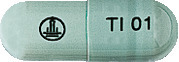
Spiriva capsules are light green with the product code "TI 01" and the Boehringer Ingelheim logo printed in black ink on the capsules. Spiriva capsules contain a white powder.

Spiriva capsules contain only a small amount of powder, which means that the capsule is only partially filled. The amount of powder in each capsule is equivalent in size to the tip of a matchstick.

Spiriva is available in cartons containing 10*, 30 or 60* capsules and hospital packs containing 150* or 300* capsules. Combination packs of 10, 30* and 150* capsules with the HandiHaler device are also available.

*Not currently distributed in Australia.

The HandiHaler device is available separately from your pharmacist and should be replaced every twelve months.

Ingredients

Spiriva contains 18 micrograms of tiotropium (equivalent to tiotropium bromide monohydrate 22.5 micrograms) as the active ingredient.

It also contains 5.5 milligrams of lactose monohydrate (which contains milk protein).

Supplier

Spiriva is supplied in Australia by:

Boehringer Ingelheim Pty Limited
ABN 52 000 452 308
Sydney, Australia
www.boehringer-ingelheim.com.au

This Consumer Medicine Information was updated in May 2020.

Spiriva® is a registered trademark of Boehringer Ingelheim

© Boehringer Ingelheim Pty Limited 2020

Australian Registration Number:

AUST R 81525

HandiHaler®

How do you take your dose of Spiriva® using the HandiHaler®?

Taking your dose of Spiriva requires four main steps: Open the blister and the HandiHaler device, insert the Spiriva capsule, press the HandiHaler button, and inhale your medication.
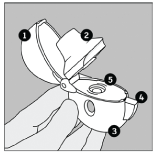
Become familiar with the components of the HandiHaler inhalation device:

  1. dust cap
  2. mouthpiece
  3. base
  4. piercing button
  5. centre chamber

Removing the Spiriva capsule from the blister
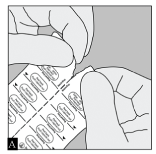
Spiriva capsules are packaged in a blister card. Each blister card consists of two blister strips, each containing 5 capsules and joined along a perforated line. Prior to removing the first capsule from the blister card, separate the blister strips by tearing along the perforation. (Figure A)
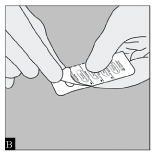
The blister should be carefully opened to expose only one capsule at a time. Immediately before you are ready to take your dose of Spiriva, peel back the aluminium foil using the tab at the rounded edge until one capsule is fully visible. The foil lidding should only be peeled back as far as the STOP line printed on the blister foil to prevent exposure of more than one capsule. (Figure B)

Turn the blister strip upside down and tip the capsule out, tapping the back of the blister pack, if necessary. DO NOT CUT THE FOIL OR USE SHARP INSTRUMENTS TO REMOVE THE CAPSULE FROM THE BLISTER.

Capsules should always be stored in the sealed blisters and only removed immediately before use. The medicine should be used immediately after the packaging over an individual capsule is opened, or else its effectiveness may be reduced.

If additional capsules are inadvertently exposed to air, they should not be used and should be discarded.

Do not store capsules in the HandiHaler.

Instructions for Use

The HandiHaler enables you to inhale the medicine contained in the Spiriva capsule that your doctor has prescribed for your breathing problems.

Remember to carefully follow your doctor's instructions for using Spiriva capsules.

The HandiHaler is especially designed for Spiriva capsules. It must not be used to take any other medication. Your HandiHaler can be used for up to twelve months to take your medication. You will need to replace your HandiHaler every twelve months.
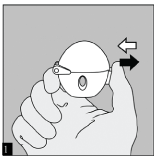
To release the dust cap press the piercing button completely in and let go.
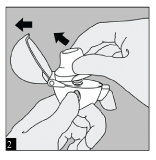
OPEN: Open the dust cap by pulling it upwards. Then open the mouthpiece by pulling it upwards.
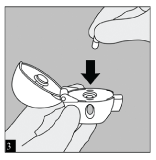
INSERT: Place the capsule in the centre chamber. It does not matter which end of the capsule is placed in the chamber.
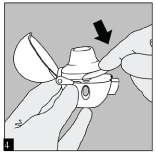
Close the mouthpiece firmly until you hear a click, leaving the dust cap open. Check to see that the mouthpiece is completely closed.

Be sure that the mouthpiece sits firmly against the base so that there is no gap between the mouthpiece and the base.
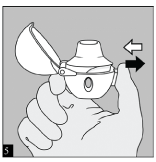
PRESS: Hold the HandiHaler with the mouthpiece upwards and press the piercing button completely in only once until it is flush against the base, and release.

This makes holes in the capsule and allows the medication to be released when you breathe in.
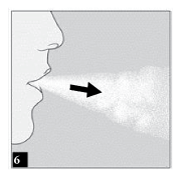
Breathe out completely.

Important:
Do not breathe (exhale) into the HandiHaler mouthpiece at any time.
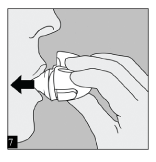
INHALE: Raise the HandiHaler to your mouth and close your lips tightly around the mouthpiece. Keep your head in an upright position and breathe in slowly and deeply but at a rate sufficient to hear or feel the capsule vibrate. Breathe in until your lungs are full; then hold your breath as long as is comfortable and at the same time take the HandiHaler out of your mouth. Resume normal breathing.

To ensure you get the full dose of Spiriva, you must repeat steps 6 and 7 once again.

If you do not hear or feel the capsule vibrate, tap the HandiHaler gently on a table, holding it in an upright position. Check to see that the mouthpiece is completely closed. Then breathe in again - slowly and deeply. If you still do not hear or feel the capsule vibrate after repeating the above steps please consult your doctor or pharmacist to ensure that you are using the HandiHaler correctly.
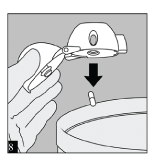
After you have finished taking your daily dose of Spiriva, open the mouthpiece again. Tip out the used capsule and discard.
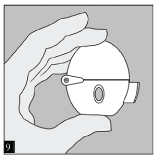
Close the mouthpiece and dust cap for storage of your HandiHaler device.

Cleaning your HandiHaler
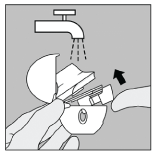
Clean the HandiHaler once a month.

Open the dust cap and mouthpiece.

Then open the base by lifting the piercing button. Rinse the complete inhaler with warm water to remove any powder. Dry the HandiHaler thoroughly by tipping excess water out on a paper towel and air-dry afterwards, leaving the dust cap, mouthpiece and base open.

It takes 24 hours to air dry, so clean it right after you use it and it will be ready for your next dose.

If needed, the outside of the mouthpiece may be cleaned with a moist, but not wet, tissue.

Supplier

HandiHaler is supplied in Australia by:

Boehringer Ingelheim Pty Limited
78 Waterloo Road
North Ryde NSW 2113
Australia
Tel. 1800 226 315

HandiHaler is supplied in New Zealand by:

Boehringer Ingelheim (NZ) Limited
Auckland, New Zealand
Tel. 0800 802 461

Manufacturer

HandiHaler is manufactured by:

Boehringer Ingelheim Pharma GmbH & Co. KG
D-55216 Ingelheim
Germany

Published by MIMS August 2020

BRAND INFORMATION

Brand name

Spiriva

Active ingredient

Tiotropium

Schedule

S4


1 Name of Medicine

Tiotropium (as tiotropium bromide monohydrate).

2 Qualitative and Quantitative Composition

Each hard gelatine Spiriva capsule contains 18 micrograms tiotropium, equivalent to 22.5 micrograms tiotropium bromide monohydrate and the excipient lactose monohydrate (which contains milk protein).

Excipients with known effect.

This product contains 5.5 mg of lactose monohydrate per capsule.
For the full list of excipients, see Section 6.1 List of Excipients.

3 Pharmaceutical Form

Spiriva capsules are light green in colour, with the product code (TI 01) and company logo printed on the capsule. The capsules contain a white powder.

4 Clinical Particulars

4.1 Therapeutic Indications

Spiriva is indicated for the long-term maintenance treatment of bronchospasm and dyspnoea associated with chronic obstructive pulmonary disease (COPD). Spiriva is indicated for the prevention of COPD exacerbations.

4.2 Dose and Method of Administration

The recommended dosage of Spiriva is inhalation of the contents of one capsule once daily with the HandiHaler device, at the same time each day (see HandiHaler Instructions for use).
Spiriva capsules must not be swallowed.

Special populations.

Elderly patients can use Spiriva at the recommended dose.
Renally impaired patients can use Spiriva at the recommended dose. However, as with all predominantly renally excreted drugs, Spiriva use should be monitored closely in patients with moderate to severe renal impairment.
Hepatically impaired patients can use Spiriva at the recommended dose.

Paediatric population.

There is no experience with Spiriva in infants and children and therefore should not be used in this age group.

4.3 Contraindications

Spiriva is contraindicated in patients with a history of hypersensitivity to tiotropium bromide, atropine or its derivatives, e.g. ipratropium or oxitropium or to any other component of this product (see Section 6.1 List of Excipients; Section 4.4 Special Warnings and Precautions for Use).

4.4 Special Warnings and Precautions for Use

Spiriva, as a once daily maintenance bronchodilator, should not be used for the treatment of acute episodes of bronchospasm, i.e. rescue therapy.
Immediate hypersensitivity reactions may occur after administration of Spiriva.
As with other anticholinergic drugs, Spiriva should be used with caution in patients with narrow angle glaucoma, prostatic hyperplasia or bladder neck obstruction. In a meta-analysis of placebo controlled trials, Spiriva was associated with a nonsignificant increase in the risk of urinary retention, and a significant increase in the risk of micturition difficulties.
Inhaled medicines may cause inhalation induced bronchospasm.
Tiotropium should be used with caution in patients with recent myocardial infarction < 6 months; any unstable or life threatening cardiac arrhythmia or cardiac arrhythmia requiring intervention or a change in drug therapy in the past year; hospitalisation of heart failure (NYHA class III or IV) within the past year. These patients were excluded from the clinical trials and these conditions may be affected by the anticholinergic mechanism of action.
As with all predominantly renally excreted drugs, Spiriva use should be monitored closely in patients with moderate to severe renal impairment (creatinine clearance of ≤ 50 mL/min) (see Section 5.2 Pharmacokinetic Properties).
Patients must be instructed in the correct administration of Spiriva. Care must be taken not to allow the powder or spray to enter into the eyes. Eye pain or discomfort, blurred vision, visual halos or coloured images in association with red eyes from conjunctival congestion and corneal oedema may be signs of acute narrow angle glaucoma. Should any combination of these symptoms develop specialist advice should be sought immediately. Miotic eye drops are not considered to be effective treatment.
Spiriva should not be used more frequently than once daily (see Section 4.9 Overdose).
Spiriva capsules are to be used only with the HandiHaler device (see separate HandiHaler Instructions for use).

Lactose monohydrate.

This product contains 5.5 mg of lactose monohydrate per capsule. Patients with rare hereditary problems of galactose intolerance, total lactase deficiency or glucose-galactose malabsorption should not take this medicine.

Use in hepatic impairment.

There are no data on the use of tiotropium in patients with hepatic impairment. As tiotropium is primarily cleared by renal mechanisms, no dosage adjustment is recommended. However patients should be monitored closely.

Use in renal impairment.

Renally impaired patients can use Spiriva at the recommended dose. However, as with all predominantly renally excreted drugs, Spiriva use should be monitored closely in patients with moderate to severe renal impairment.

Use in the elderly.

Elderly patients can use Spiriva at the recommended dose. Renal clearance of tiotropium is likely to be slower in elderly patients (see Use in renal impairment).

Paediatric use.

The safety and effectiveness of Spiriva in paediatric patients has not been established. Therefore, Spiriva should not be used in paediatric patients.

Effects on laboratory tests.

No data available.

4.5 Interactions with Other Medicines and Other Forms of Interactions

Although no formal drug interaction studies have been performed, tiotropium has been used concomitantly with other drugs which are commonly used in the treatment of COPD, including sympathomimetic bronchodilators, methylxanthines, oral and inhaled steroids, without clinical evidence of drug interactions.
Common concomitant medications (LABA, ICS and their combinations) used by patients with COPD were not found to alter the exposure to tiotropium.
Limited information about coadministration of other anticholinergic medicines with Spiriva is available from a clinical trial. The concomitant use of Spiriva with other anticholinergic agents (e.g. glycopyrronium, aclidinium, umeclidinium, ipratropium) is expected to have additive anticholinergic effects. Acute single dose administration of ipratropium bromide after 19 days of Spiriva treatment in healthy volunteers (n = 35) was not associated with relevant changes in vital signs or electrocardiographic findings. Adverse events were reported by 3 (9%) of subjects in the study during ipratropium treatment with tiotropium compared to 1 (3%) during placebo treatment with tiotropium. Ipratropium was associated with a 16% decrease in salivary secretions in healthy volunteers. Chronic coadministration of other anticholinergic medicines with Spiriva has not been studied and is, therefore, not recommended.

4.6 Fertility, Pregnancy and Lactation

Effects on fertility.

Clinical data on fertility are not available for tiotropium. Tiotropium (as bromide) did not affect the fertility of male or female rats when administered by inhalation at doses up to 2 mg/kg (750 x the maximum recommended human daily dose of 22.5 microgram, based on body surface area).
(Category B1)
There is a limited amount of data from the use of tiotropium in pregnant women. Reproductive toxicity studies with tiotropium bromide administered by inhalation to rats and rabbits at doses up to 2.0 and 0.5 mg/kg/day, respectively, produced no evidence of fetal malformations. These doses correspond to 750 x and 400 x the maximum recommended human daily dose of 22.5 microgram based on body surface area. Animal studies do not suggest direct or indirect harmful effects with respect to reproductive toxicity at clinically relevant doses.
As a precautionary measure, it is preferable to avoid the use of Spiriva during pregnancy.
Clinical data from lactating women exposed to tiotropium are not available. Based on studies in lactating rats, a small amount of tiotropium is excreted in breast milk.
Therefore, tiotropium should not be used in lactating women unless the expected benefit outweighs any possible risk to the infant.

4.7 Effects on Ability to Drive and Use Machines

No studies on the effects on the ability to drive and use machines have been performed. The occurrence of dizziness or blurred vision may influence the ability to drive and use machinery.

4.8 Adverse Effects (Undesirable Effects)

Reporting suspected adverse effects.

Reporting suspected adverse reactions after registration of the medicinal product is important.It allows continued monitoring of the benefit-risk balance of the medicinal product. Healthcare professionals are asked to report any suspected adverse reactions at https://www.tga.gov.au/reporting-problems.

Summary of the safety profile.

Many of the listed undesirable effects can be assigned to the anticholinergic properties of tiotropium.
Adverse drug reactions were identified from data obtained in clinical trials and spontaneous reporting during postapproval use of the drug. The clinical trial database includes 9,647 tiotropium patients from 28 placebo controlled clinical trials with treatment periods ranging between four weeks and four years, contributing 12,469 person years of exposure to tiotropium.
Frequency is defined using the following convention: very common (≥ 1/10); common (≥ 1/100 to < 1/10); uncommon (≥ 1/1,000 to < 1/100); rare (≥ 1/10,000 to < 1/1,000); very rare (< 1/10,000), not known (cannot be estimated from the available data). See Table 1.

4.9 Overdose

For information on the management of overdose, contact the Poison Information Centre on 131126 (Australia).
High doses of tiotropium may lead to anticholinergic signs and symptoms.
However, there were no systemic anticholinergic adverse effects following a single inhaled dose of up to 282 micrograms tiotropium in healthy volunteers. Additionally, no relevant adverse effects beyond dry mouth were observed following 7 day dosing of up to 141 micrograms tiotropium in healthy volunteers. In a multiple dose study in COPD patients with a maximum daily dose of 36 micrograms tiotropium over four weeks no significant undesirable effects were observed.
Acute intoxication by inadvertent oral ingestion of tiotropium powder is unlikely, due to low oral bioavailability.

5 Pharmacological Properties

5.1 Pharmacodynamic Properties

Pharmacotherapeutic group: Other drugs for obstructive airway diseases, inhalants, anticholinergics; ATC code: R03BB04.

Mechanism of action.

Tiotropium is a long acting, specific antimuscarinic (anticholinergic) agent. It has similar affinity to the muscarinic receptor subtypes M1 to M5 (KD 5-41 picomolar). In the airways, inhibition by tiotropium of M3-receptors at the smooth muscle results in relaxation. The competitive and reversible nature of antagonism was shown with human and animal origin receptors. In nonclinical in vitro as well as in vivo studies, bronchoprotective effects were dose dependent. Bronchoprotective effects lasting at least 24 hours were observed in some of the in vivo studies. The long duration of effect of tiotropium is likely to be due to its slow dissociation from M3-receptors. Tiotropium exhibited a significantly longer dissociation half-life from M3-receptors than ipratropium.
Tiotropium, a N-quaternary anticholinergic agent, is topically (broncho) selective when administered by inhalation. The high potency (IC50 approximately 0.4 nanomolar for M3) and slow receptor dissociation is associated with a significant and long acting bronchodilation in patients with chronic obstructive pulmonary disease (COPD).
The bronchodilation following inhalation of tiotropium is primarily a local effect on the airways, not a systemic one.

Cardiac electrophysiology.

In a dedicated QT study involving 53 healthy volunteers, Spiriva 18 microgram and 54 microgram (i.e. three times the therapeutic dose) over 12 days did not significantly prolong QT intervals of the ECG.

Clinical trials.

Clinical efficacy. The pivotal clinical development program consisted of four one year randomised, double blind studies; two placebo controlled and two with an active control (ipratropium) in 1456 COPD patients, 906 of which received Spiriva. The studies assessed lung function in terms of forced expiratory volume in one second (FEV1), forced vital capacity (FVC) and peak expiratory flow rate (PEFR). Health outcome measures including dyspnoea, exacerbations, hospitalisations and health related quality of life (as measured by the St George's Respiratory Questionnaire (SGRQ)) were also assessed. In addition, the development program included two large trials of six months duration which compared the bronchodilator efficacy and safety of Spiriva, with salmeterol inhalation aerosol and placebo in patients with COPD. These two studies randomised a total of 1207 patients, with approximately one-third treated with Spiriva.
Lung function. Overall results from the four one year studies demonstrated that Spiriva, administered once daily, provided significant improvement in lung function (FEV1 and FVC) within 30 minutes following the first dose and that this improvement was maintained for 24 hours. Pharmacodynamic steady state was reached within one week, with near maximal bronchodilation observed by the third day. Spiriva significantly improved morning and evening PEFR as measured by the patient's daily recordings. The bronchodilator effects of Spiriva were maintained throughout the one year period of administration with no evidence of tolerance.
In the two one year, randomised, double blind, placebo controlled studies, 550 patients received Spiriva once daily and 371 patients received placebo. Mean differences in FEV1 between Spiriva and placebo were highly statistically significant at all time points (p < 0.0001). The mean trough FEV1 at Day 92 (defined as the primary efficacy endpoint) was 0.14 L greater following Spiriva than placebo (p < 0.0001) and remained significantly different from placebo throughout the one year observation period (p < 0.0001). The FVC response generally paralleled that of FEV1.
In the two one year, randomised, double blind, ipratropium controlled studies, 356 patients received Spiriva once daily and 179 patients received ipratropium, 2 puffs of 20 micrograms, four times a day. Mean differences in trough FEV1 between Spiriva and ipratropium were highly statistically significant at all time points (p < 0.0001). The mean trough FEV1 on Day 92 was 0.14 L greater following Spiriva than ipratropium (p < 0.0001). The FVC response generally paralleled that of FEV1.
Long-term clinical trials (6 months and 1 year).

Dyspnoea, exercise tolerance.

In the one year trials, Spiriva significantly improved dyspnoea in patients as evaluated using the Mahler Transitional Dyspnoea Index (TDI) and patient daily reported symptoms. Following treatment with Spiriva, the dyspnoea score improved significantly when compared to placebo, with changes in each domain, as well as the focal score, being highly statistically significant over one year (p < 0.0002). The proportion of patients treated with Spiriva who achieved a TDI focal score change of at least 1 point over the one year period, representing a clinically meaningful difference, was statistically greater than the proportion of patients treated with placebo (p < 0.0001).
When compared to ipratropium, patients treated with Spiriva exhibited significantly less dyspnoea at each time point, and the proportion of patients achieving a difference of 1 point in the TDI focal score was significantly greater in the Spiriva group.
The impact of improvement in dyspnoea on functional activities was investigated in two randomised, double blind, placebo controlled, parallel group studies in 433 COPD patients. The studies investigated whether six weeks treatment with Spiriva once daily improves exercise tolerance in patients with COPD as measured by symptom limited exercise endurance time (ET) during constant work rate cycle ergometry at 75% of maximal work capacity. Results demonstrated that Spiriva significantly improved ET by 20% to 28% compared with placebo. Increases in ET (seconds) are shown in Table 2.
Additionally in these trials, Spiriva demonstrated significant reductions in lung hyperinflation at rest and significant reductions in lung hyperinflation and dyspnoea during constant work rate cycle exercise.

Health related quality of life.

The SGRQ was the primary instrument used to evaluate disease specific health related quality of life, with the impact domain stated as the primary endpoint. Spiriva was significantly more effective than both placebo and ipratropium in improving health related quality of life based on the SGRQ. The percentages of patients in the Spiriva groups who demonstrated a clinically meaningful improvement (prespecified criteria of 4 units) over baseline were significantly greater than those in the placebo and ipratropium groups.
Spiriva was more effective than placebo in each domain. Generally, the difference between the treatment groups increased between baseline and the last treatment visit. For the primary measure, Impacts score, the difference between the two treatment groups ranged from 1.8 to 4.0 and was statistically significant (p < 0.05) on all test days.
A significantly greater (p < 0.05) percentage of patients in the Spiriva group showed a clinically meaningful improvement (drop of 4 units) in the Impacts score from six months through to the end of the study and for Total score from three months through to the end of the study.
Spiriva was also shown to be more effective than ipratropium in improving health related quality of life using the SGRQ. For Impacts score, the difference between the two treatment groups in the mean score ranged from 0.6 at 8 days to 4.3 at 364 days and was statistically significant from three months through the end of the study. Statistically significant differences between Spiriva and ipratropium were also noted for the Total score on four of six test days.
A significantly greater (p < 0.05) percentage of patients in the Spiriva group showed clinically meaningful improvement (difference greater than 4 units) in both impacts and Total scores over ipratropium after six months.
Two trials of six months duration compared the bronchodilator efficacy and safety of Spiriva once daily with salmeterol inhalation aerosol (50 micrograms twice daily) and placebo in patients with COPD. In one study, designed to evaluate the 12 hour duration of action, when the effects over time for Spiriva and salmeterol were compared, the mean trough FEV1 in the Spiriva group was significantly higher than that in the salmeterol group (p < 0.05), beginning on day 57. The difference between Spiriva and salmeterol for trough, average and peak FEV1 response was statistically significant (p < 0.05), except for trough response on day 15, and average and peak FEV1 response on day 1. At the end of the study, trough FVC had improved in the Spiriva group significantly above the placebo (p < 0.001) and the salmeterol (p < 0.01) groups. At the end of the combined six months trials, the improvement in TDI focal scores for Spiriva above placebo was 1.1 units (p < 0.001), which was both statistically and clinically significant, and for salmeterol above placebo was 0.7 units (p < 0.05), which was not clinically significant.

COPD exacerbations.

In the analysis of the pooled data from the four one year studies, Spiriva significantly reduced both the number of COPD exacerbations and the number of hospitalisations associated with COPD exacerbations. In addition, time to first COPD exacerbation and to first hospitalisation associated with a COPD exacerbation was significantly prolonged.
In the placebo controlled trials, the percentage of patients with at least one exacerbation during the treatment period was 36% in the Spiriva group and 42% in the placebo group (p = 0.03); at least one hospitalisation for exacerbation occurred in 5.5% and 9.4% of patients respectively (p = 0.019). The number of exacerbations and hospitalisations associated with exacerbations (expressed as events per 100 patient years) were significantly fewer for patients treated with Spiriva compared to placebo (p = 0.045 and p = 0.019 respectively). Patients on Spiriva also spent significantly fewer days in hospital for exacerbations compared to placebo (p = 0.023). The time to first exacerbation was significantly delayed in the Spiriva group relative to placebo (p = 0.011). Overall, these data indicate that therapy with Spiriva is associated with a delayed onset and a lower incidence of COPD exacerbations.
In the ipratropium controlled trials, the percentage of patients with an exacerbation during the treatment period was 35% in the Spiriva group and 46% in the ipratropium group, a difference that was statistically significant. A similar trend was seen for hospitalisations for exacerbation (7.3% vs. 11.7%; p = 0.108). The number of exacerbations and exacerbation days impacted by these events was also less in the Spiriva group compared to ipratropium (p = 0.006 and p = 0.002, respectively). A similar trend was observed for hospitalisations (p = 0.0803) and hospitalisation days for exacerbations (p = 0.86). The time to first exacerbation, as well as for hospitalisation for exacerbation, was significantly delayed in the Spiriva group relative to the ipratropium group (p = 0.008 and 0.048, respectively). Overall these data indicate that Spiriva is associated with reduced exacerbations.
Spiriva significantly reduced the percentage of patients experiencing one or more COPD exacerbations compared with placebo in a six month randomised, double blind, placebo controlled trial of 1,829 patients with COPD (27.9% vs. 32.3%, respectively, p = 0.0368). The mean number of exacerbations per patient year was significantly lower in the Spiriva group compared to placebo (0.85 vs. 1.05, respectively, p = 0.003), as was the number of exacerbation days (p < 0.0001). Time to first exacerbation was significantly increased in the Spiriva group compared to placebo (relative risk = 0.834, p = 0.034). Fewer Spiriva patients were hospitalised because of COPD exacerbation (7.0% vs. 9.5%, respectively; p = 0.056), although this difference was not statistically significant. The number of hospitalisations for exacerbations per patient year was significantly lower in the Spiriva group, compared to placebo (p = 0.013). Similarly, the mean number of hospitalisations days for exacerbations was lower in the Spiriva group compared to placebo (1.43 vs 1.70 days per patient year, p = 0.0013). The time to first hospitalisation for an exacerbation was significantly increased in the Spiriva group compared to placebo (relative risk = 0.723, p ≤ 0.05). See Figure 1.
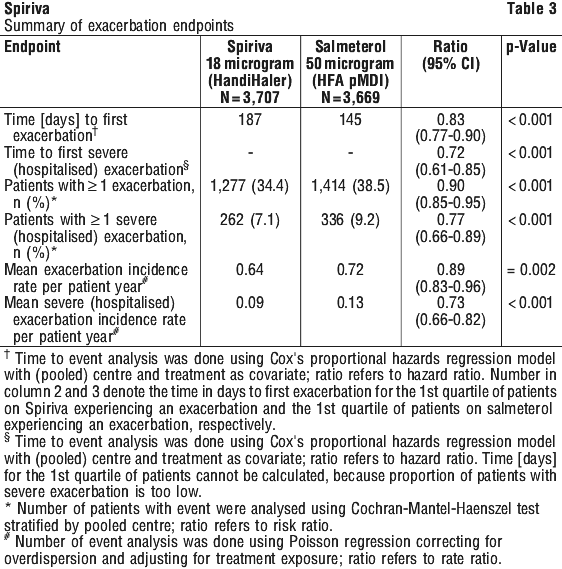
A one year randomised, double blind, double dummy, parallel group trial compared the effect of treatment with 18 microgram of Spiriva once daily with that of 50 microgram of salmeterol HFA pMDI twice daily with the primary endpoint time to first moderate or severe exacerbation in 7,376 patients with COPD and a history of exacerbations in the preceding year (74.6% of treated patients were men, 99.6% white, and 48.1% current smokers; the mean age was 62.9 years and the mean FEV1 was 49.3% predicted). The treatment groups were balanced with respect to demographics, COPD characteristics, pulmonary medication use at baseline, and concomitant diagnoses. Patients were allowed to continue their usual medications for COPD, except for anticholinergic drugs and long acting beta2-agonists, during the double blind treatment phase. Short acting beta2-agonists were also permitted, as necessary, as rescue medications for acute relief of COPD symptoms. See Figures 2 and 3, and Table 3.
Compared with salmeterol, Spiriva increased the time to the first exacerbation (187 days vs. 145 days), with a 17% reduction in risk (hazard ratio, 0.83; 95% CI, 0.77 to 0.90; P < 0.001). Spiriva also increased the time to the first severe (hospitalised) exacerbation (hazard ratio, 0.72; 95% CI, 0.61 to 0.85; P < 0.001), reduced the annual number of moderate or severe (hospitalised) exacerbations (0.64 vs. 0.72; rate ratio, 0.89; 95% CI, 0.83 to 0.96; P = 0.002), and reduced the annual number of severe (hospitalised) exacerbations (0.09 vs. 0.13; rate ratio, 0.73; 95% CI, 0.66 to 0.82; P < 0.001).
Long-term clinical trials (< 1 up to 4 years). In a 4 year trial of 5,993 patients, Spiriva did not alter the annualised rate of decline of FEV1 (primary endpoint), but maintained improvements in the secondary endpoint of the difference in FEV1 at clinic visits throughout 4 years (see Figure 4).
A significantly higher proportion of patients in the tiotropium group than in the placebo group had an improvement of ≥ 4 units in the secondary endpoint of SGRQ total scores (i.e. exceeded the minimal clinically important difference) from baseline at 1 year (49% vs. 41%), 2 years (48% vs. 39%), 3 years (46% vs. 37%), and 4 years (45% vs. 36%) (p < 0.001 for all comparisons).
In the following secondary endpoints, tiotropium significantly delayed the time to the first exacerbation and significantly delayed the time to the first hospitalisation for an exacerbation. The Hazard Ratios (95% confidence interval [CI]) for an exacerbation or exacerbation leading to hospitalisation were 0.86 (0.81, 0.91) and 0.86 (0.78, 0.95), respectively. Tiotropium was also associated with a reduction in the mean number of exacerbations of 14% (p < 0.001). The mean numbers of exacerbations leading to hospitalisations were infrequent and did not differ significantly between the tiotropium and placebo groups.
During treatment, there was a 16% reduction in the risk of death. The incidence rate of death was 4.79 per 100 patient years in the placebo group vs. 4.10 per 100 patient years in the tiotropium group (hazard ratio (tiotropium/placebo) = 0.84, 95% CI = 0.73, 0.97).
For the 4 year, protocol defined study period up to day 1440, the effect of tiotropium extended to end of treatment period. Among patients for whom vital status information was available (95% of patients), 921 patients died: 14.4% in the tiotropium group and 16.3% in the placebo group (hazard ratio, 0.87; 95% CI, 0.76 to 0.99). During a period of 4 years plus 30 days (1470 days) included in the intention to treat analysis, 941 patients died: 14.9% in the tiotropium group and 16.5% in the placebo group (hazard ratio, 0.89; 95% CI, 0.79 to 1.02). Fewer vital status data were available for the day 1470 analyses (75% of patients). The effect became nonsignificant within the 30 day follow-up period, when according to protocol, patients were discontinued from their study medication.

Long-term tiotropium active controlled study.

A long-term, large scale, randomised, double blind, active controlled study with an observation period up to 3 years has been performed to compare the efficacy and safety of Spiriva Respimat and Spiriva HandiHaler (5,711 patients receiving Spiriva Respimat 2.5 microgram (2 puffs comprise one medicinal dose of 5 micrograms); 5,694 patients receiving Spiriva HandiHaler). The primary endpoints were time to first COPD exacerbation, time to all cause mortality and in a substudy (906 patients) trough FEV1 (predose).
The time to first COPD exacerbation was similar during the study with Spiriva Respimat and Spiriva HandiHaler (hazard ratio (Spiriva Respimat/ Spiriva Handihaler) 0.98 with a 95% CI of 0.93 to 1.03). The median number of days to the first COPD exacerbation was 756 days for Spiriva Respimat and 719 days for Spiriva HandiHaler.
The bronchodilator effect of Spiriva Respimat was sustained over 120 weeks, and was similar to Spiriva HandiHaler. The mean difference in trough FEV1 for Spiriva Respimat versus Spiriva HandiHaler was -0.010 L (95% CI -0.038 to 0.018 L).
All cause mortality was similar during the study with Spiriva Respimat and Spiriva HandiHaler (hazard ratio (Spiriva Respimat/ Spiriva HandiHaler) 0.96 with a 95% CI of 0.84 to 1.09).

5.2 Pharmacokinetic Properties

Tiotropium is a nonchiral quaternary ammonium compound and is sparingly soluble in water. Tiotropium is administered by dry powder inhalation. Generally, with the inhaled route of administration, the majority of the delivered dose is swallowed and deposited in the gastrointestinal tract, and to a lesser extent is delivered to the lungs.

Absorption.

Following inhalation in young healthy volunteers, the absolute bioavailability of 19.5% suggests that the proportion reaching the lung is highly bioavailable. The bioavailability is the apparent bioavailability, which is dependent upon the amount of tiotropium that is effectively inhaled. It is expected from the chemical structure of the compound that tiotropium is poorly absorbed from the gastrointestinal tract. This was confirmed in a study in young healthy volunteers, with a low bioavailability of 2-3% for oral solutions. Food is not expected to influence the absorption of tiotropium for the same reason. Maximum tiotropium plasma concentrations were observed 5-7 minutes after inhalation. At steady state, peak tiotropium plasma concentrations in patients with COPD were 12.9 picogram/mL and decreased rapidly in a multicompartmental manner. Steady-state trough plasma concentrations were 1.71 picogram/mL.

Distribution.

Studies in rats have shown that tiotropium does not penetrate the blood brain barrier to any relevant extent. Tiotropium has a plasma protein binding of 72% and shows a volume of distribution of 32 L/kg.

Metabolism.

Metabolism does not occur to any great extent in young healthy volunteers, as indicated by 74% renal excretion of unchanged drug after an intravenous dose. The major metabolic pathway is nonenzymatic ester cleavage to the alcohol N-methylscopine and dithienylglycolic acid that are inactive on muscarinic receptors.

In vitro metabolism.

In studies in animals and in vitro experiments with human liver microsomes and hepatocytes, minor amounts of a variety of glutathione conjugates, after oxidation of the thiophene rings, were observed. In vitro studies in human liver microsomes revealed that the enzymatic pathway, relevant for only a small amount of tiotropium metabolism, can be inhibited by cytochrome P450 (CYP)2D6 inhibitor quinidine and CYP3A4 inhibitors ketoconazole and gestodene.
Tiotropium, even in supratherapeutic concentrations, does not inhibit CYP1A1, 1A2, 2B6, 2C9, 2C19, 2D6, 2E1 or 3A in human liver microsomes.

Excretion.

The effective half-life of tiotropium ranges between 27 to 45 h following inhalation by patients with COPD. Total clearance was 880 mL/min after an intravenous dose in young healthy volunteers. Urinary excretion of unchanged substance in young healthy volunteers is 74% of an intravenous dose. Following inhalation of tiotropium by patients with COPD to steady state, urinary excretion is 7% (1.3 microgram) of the unchanged dose over 24 hours, the remainder being mainly nonabsorbed drug in the gut that is eliminated via the faeces. The renal clearance of tiotropium exceeds the creatinine clearance, indicating secretion into the urine. After chronic, once daily inhalation by patients with COPD, pharmacokinetic steady-state was reached by day 7, with no accumulation thereafter.
Tiotropium demonstrates linear pharmacokinetics in the therapeutic range independent of the formulation.

Special populations.

Elderly patients.

As expected for all predominantly renally excreted drugs, advancing age was associated with a decrease of tiotropium renal clearance (365 mL/min in patients with COPD < 65 years to 271 mL/min in patients with COPD > 65 years). This did not result in a corresponding increase in AUC0-6,ss or Cmax,ss values.

Renally impaired patients.

Following once daily inhaled administrations of tiotropium to steady state in patients with COPD with mild renal impairment (CLCR 50-80 mL/min) resulted in slightly higher AUC0-6,ss (between 1.8-30% higher) and similar Cmax,ss values compared to patients with COPD with normal renal function (CLCR > 80 mL/min). In patients with COPD with moderate to severe renal impairment (CLCR < 50 mL/min), the intravenous administration of tiotropium resulted in a doubling of the plasma concentrations (82% increase in AUC0-4h) and 52% higher Cmax compared to patients with COPD with normal renal function, which was confirmed by plasma concentrations after dry powder inhalation.

Hepatically impaired patients.

There are no data on the pharmacokinetics of tiotropium in hepatic impairment. Liver insufficiency is not expected to have any relevant influence on tiotropium pharmacokinetics. Tiotropium is predominantly cleared by renal elimination (74% in young healthy volunteers) and by simple nonenzymatic ester cleavage to products that do not bind to muscarinic receptors.

5.3 Preclinical Safety Data

Genotoxicity.

Tiotropium (as bromide) did not exhibit any genotoxic effects in assays for gene mutation (bacteria and mammalian cells in vitro and in vivo mouse micronucleus test) or DNA damage (rat hepatocytes in vitro).

Carcinogenicity.

Long-term carcinogenicity studies in mice and rats, with tiotropium (as bromide) administered by inhalation, showed no evidence of neoplastic responses. The highest doses studied were approximately 0.8 x (male mouse), 38 x (female mouse) and 16 x (rat) greater than the maximum recommended human daily dose of 22.5 microgram, based on body surface area.

6 Pharmaceutical Particulars

6.1 List of Excipients

Spiriva includes the excipient lactose monohydrate.

6.2 Incompatibilities

Incompatibilities were either not assessed or not identified as part of the registration of this medicine.

6.3 Shelf Life

In Australia, information on the shelf life can be found on the public summary of the Australian Register of Therapeutic Goods (ARTG). The expiry date can be found on the packaging.

In-use shelf life.

Spiriva capsules for inhalation - Use within 5 days of opening each blister strip of 5 capsules.

6.4 Special Precautions for Storage

Do not store above 25°C. Do not freeze. Avoid storage in direct sunlight or heat.

6.5 Nature and Contents of Container

Spiriva capsules are presented in Aluminium / PVC / Aluminium blister packs.
Available in cartons containing 10, 30 or 60 capsules and hospital packs containing 150 or 300 capsules.
Combination packs of 10s, 30s and 150s with the HandiHaler device are also available.
Not all pack sizes are being distributed in Australia.

6.6 Special Precautions for Disposal

In Australia, any unused medicine or waste material should be disposed of by taking to your local pharmacy.

6.7 Physicochemical Properties

Tiotropium bromide is a white to yellowish white, odourless crystalline powder. It exists as a quaternary ammonium salt, and there are no ionisable functional groups on the molecule. The active substance is not optically active.
Tiotropium bromide is freely soluble in dimethyl sulphoxide, soluble in methanol, sparingly soluble in water and practically insoluble in methylene chloride. The solubility in aqueous solutions at room temperature is approx. 2.5%, independent of pH. At pH 7.4, the apparent partition coefficient (log Papp) is -2.25.
A monohydrate form of tiotropium bromide is produced by the synthetic process. The compound melts with decomposition between 225°C and 235°C, when determined by differential scanning calorimetry at a heating rate of 10 K per minute.

Chemical structure.

Chemical name: 3-oxa-9-azoniatricyclo [3.3.1.02,4] nonane, 7-[(hydroxydi-2-thienylacetyl) oxy] -9,9-dimethyl-, bromide, monohydrate, (1α, 2β, 4β, 5α, 7β)-.
Molecular formula: C19H22NO4S2Br.H2O.
Molecular weight: 490.4 (monohydrate).
Structural formula:

CAS number.

139404-48-1.

7 Medicine Schedule (Poisons Standard)

S4 - Prescription Only Medicine.

Summary Table of Changes